“Are you responding to the collapse of 21st-century civilization?”
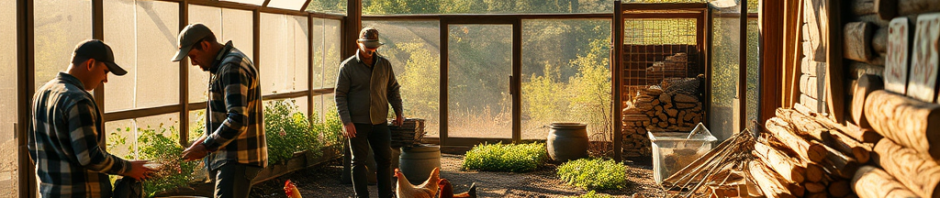
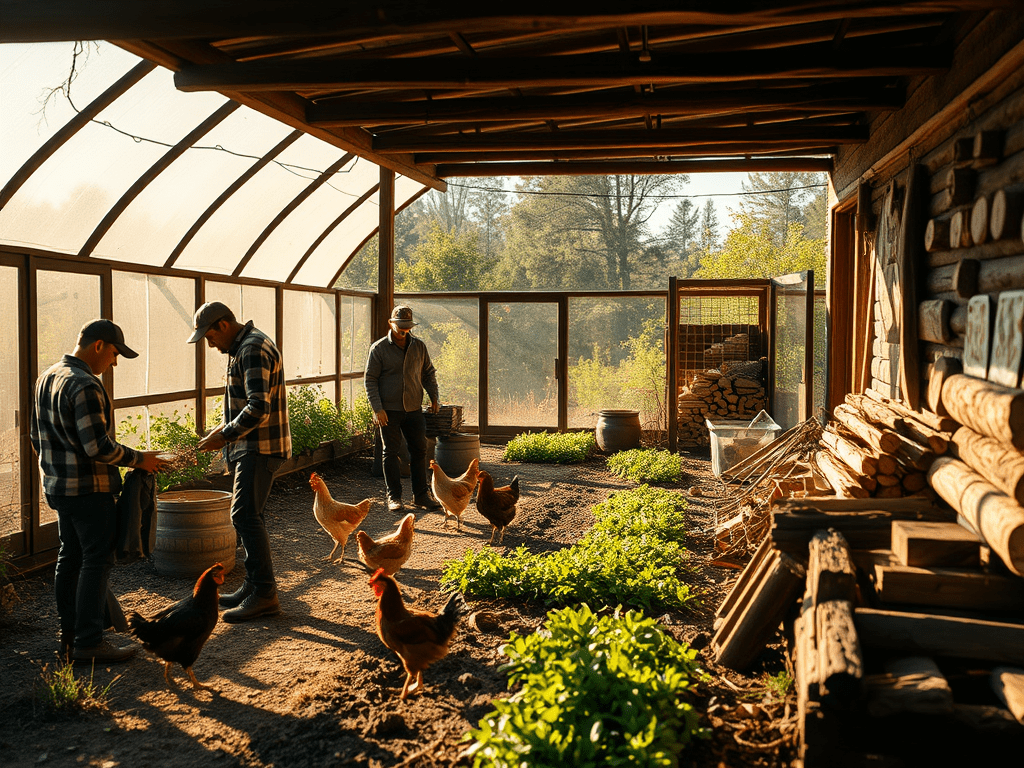
Among a small group of Americans, a movement called “preparation for survival” is spreading like a wave. They store firewood, build greenhouses to grow vegetables, raise chickens and sheep, learn how to slaughter live animals, and even make their own soap. For those of us immersed in modern life—where anything can be bought at the market—this is nothing short of shocking.
Due to extreme weather, skyrocketing fuel prices, and rising food costs, emergency food banks across the U.S. are struggling to meet demand. Even here in Tennessee, residents are under economic pressure. Local newspapers report that animal shelters are overflowing with abandoned pets—three times more than usual—as people are forced to give up animals they once raised like children. For centuries, America proudly proclaimed to the world that it had abundant resources and food.
Many around the globe, drawn by America’s wealth and power, risked their lives chasing the American Dream. Yet now, citizens of this once-prosperous nation face home foreclosures and must rely on emergency food aid. It sounds like a dream—or a nightmare. If this is happening in America, how are people in the Third World surviving?
Take Haiti, for example—America’s closest neighbor. Cheap rice imported from the U.S. led Haitian farmers to abandon their fields and become industrial laborers. Reckless industrial development destroyed farmland, and farming tools were discarded as useless junk. Then, overnight, rice prices soared like gold. Those who had left farming tried to return, but the land was ruined, and they no longer had the strength to cultivate it. When a nation’s primary industry collapses, it loses the ability to sustain itself. Reports say Haitians now survive on an average of one dollar a day.
Faced with this dark age of dwindling resources and food, I find myself asking: What must I prepare for survival? Should I learn dairy farming, how to make candles and soap, and gather firewood? Certainly, self-sufficiency is a wise way to live.
But Scripture teaches that when humanity strays far from God, He allows dark times to bring people back to Him. In suffering and adversity, we rediscover reverence for our Creator, uncover the boundless resources of love hidden within us, and awaken from lives of complacency. These are the seeds of hope planted in the soil of hardship.
Yet above all, what survival method could be greater than returning to God?
In difficult times, it is not our own way of life that sustains us, but reliance on God’s Word, following His ways, loving one another, coexisting, and flourishing together. Perhaps this is the secret to surviving the collapse of the 21st century.

 Daily Sauntering