Nearly a month has passed since the Columbine High School shooting in Colorado, where sixteen innocent lives were taken. Yet the shockwaves of that tragedy continue to ripple through our own children’s schools.
Our second child, an 11th grader, has experienced four separate evacuations due to false bomb threats. Each time, classes were halted and the entire student body had to stand for hours—sometimes in pouring rain, sometimes under the blazing sun—until the school was declared safe. Our third child, an 8th grader, has gone through three similar disruptions. Naturally, their education has suffered, and the emotional toll has been significant.
Then came another horrifying incident: on May 22, 1999, a 15‑year‑old student at Heritage High School in Conyers, Georgia, opened fire on classmates after his girlfriend broke up with him, saying he “had no reason to live.” This not only shocked the nation but deepened every parent’s fear for their children’s safety at school.
Once, we would send our children off with, “Study hard and do well in school.” Now our prayer has become, “Lord, please let them come home safely without being shot.”
Sometimes I wonder if we are living in a modern version of the old Wild West.
In those days, a “gunman” was a special kind of person—someone who wore a cowboy hat, jeans, and a cigar in his mouth, appearing cool and composed as he shot down villains. But today’s gunmen are unpredictable. Anyone, at any time, can become one. Children grow up from infancy watching TV and playing video games where shooting is second nature. It is no wonder that anyone can become a gunman now.
On May 20, the TV program 20/20 conducted an experiment with children aged three to four in a nursery. They hid several handguns—with safety locks engaged—among the toys and shelves. Out of more than forty children tested, every single one knew how to handle the guns. When fake and real bullets were placed within reach, the children correctly identified the real ones and loaded them into the guns. They even reenacted scenes of shooting, dying, and calling 911 with astonishing accuracy—like seasoned actors in a movie.
And what about the adult world?
In March, a mother and daughter in Florida got into an argument. The mother, Shirley Egan (68), enraged, retrieved a .38‑caliber handgun from her closet and shot her daughter, Josette Smith (42). The daughter had recently begun dating someone and told her mother she might need to move her into a nursing home. Overcome with anger, the mother pulled the trigger. The bullet pierced her daughter’s neck and damaged her spine. Though she survived, she became almost completely paralyzed—a near‑vegetative state. She petitioned the court for the “right to die,” and eventually her ventilator was removed. One can only imagine the unbearable grief of a mother forced to watch her daughter die by her own hand.
Most people who buy guns never imagine they will harm themselves or their loved ones. They purchase them for self‑defense, protection, hunting, or even decoration. But the undeniable truth is this: the purpose of a gun is to kill. And because we have all become “trained gunmen” through TV, movies, and novels, none of us can guarantee that we will not one day use a gun in a moment of rage—either to shoot or be shot.
We are not at war, yet our children are being driven out of classrooms by bomb threats and gunfire. Can Christians truly say this has nothing to do with us? In the midst of this fierce battlefield, where is our energy being spent?
A sobering realization comes to me: Those who remain passive today will be judged as passive in history.
콜로라도 주 컬럼바인 고등학교서 총기난사 사건이 일어나, 16명의 무고한 목숨이 사망한지 근 한달 동안, 우리 아이들의 학교에서도 그 공포의 여파가 끊임없이 일어나고 있다.
고등학교 11학년인 둘째 아이의 학교는 그 동안 네 번씩이나 폭탄장치가 되어있다는 거짓신고로 인해, 수업을 중단하고 전교생들이 빗속에서, 또는 땡볕에서, 안전 조사가 끝날 때까지 서너 시간씩을 기다렸어야 되는 일이 있었다. 또한 중학교 8학년에 재학중인 셋째의 경우에도, 그 동안 세 번씩이나 수업을 중단하는 사태가 벌어지고 말았다. 그러다 보니, 아이들의 수업에 말할 수 없는 차질과 정신적인 피해를 갖게됨은 물론이었다.
그런데, 또 다시 죠지아 주의 커녀스 헤리티지 고교의 15세 된 학생이 여자친구로 부터 결별을 당하고 “더 이상 살 이유가 없다”라는 이유로 급우들에게 마구 총질을 한 사건(5/22/99)은, 우리 모두를 경악케 할 뿐 만이 아니라 학교 가는 애들의 안전에 대해 심히 염려가 되지 않을 수 없게 되었다. 전에는 “학교에 가서 열심히 공부 잘해라!”며 아이들을 향해 말했는데, 요즈음에는 “총맞지 않고 집에 무사히 돌아오게 하옵소서”라는 기도가 절로 나오게 된다. 마치도 과거의 서부활극 시대로 돌아가 있지 않는가 하는 착각을 갖고 살아가게 됨은 나만의 혼동일까?
서부 시대에는 총을 잘 쏘는 특별한 사람을 총잡이라 불렀다. 이 총잡이들은 카우보이 모자를 쓰고 청바지를 입은채, 시가를 입에 물고 여유있게 나타나, 악한 사람을 죽이는 역할을 했었다. 그러나, 현대의 총잡이들은 언제 어느 때, 누가 총잡이로 변하여 무차별 총격을 가할 지 모르는 불안한 시대에 살고있다. 어느새 갓난 아기 때부터 눈만 뜨면 T.V와 께임을 통해 총을 쏴대는 것이 몸에 익도록 배우게 되니, 누구나 총잡이가 되는 것이다.
지난 5월 20일, T. V 프로그램인 20/20를 통해, 너서리에 있는 3살에서 4살짜리의 아이들이 권총을 어떻게 다루는 가를 실험하게 되었다. 서너 자루의 권총을 안전장치를 한 후에 아이들의 장난감 상자 사이나 선반 위에 숨겨두었다. 그리고 40여명의 아이들을 실험해 본 결과, 이 아이들이 모두 권총을 다룰 줄 안다는 사실이었다. 또한 가짜 총알과 진짜 총알을 아이들의 손이 닿는 곳에 진열해 두고 보니, 이 어린아이들이 진품을 정확하게 구별하여, 총알을 장진 하는 것이었다. 또한 이 아이들은 서로 총을 쏘고 맞고 죽는시늉을 하며, 911에까지도 전화를 하는 등의 너무나 능숙한 영화의 한 장면을 재현하고 있었다.
어른들의 세계는 어떤가?
지난 3월에 플로리다에 살고있던 어머니와 딸이 언쟁을 벌이다가, 화가 난 어머니가(셜리 이건, 68세) 장롱 속에 숨겨두었던 38구경 권총을 꺼내어 딸(조젯 스미스, 42세)을 향해 쏘았다. 이유는 어머니를 모시고 살던 딸에게 남자친구가 생기게 되었다. 그래서 딸은 어머니를 양로원에 보내야겠다는 계획을 말하게 되니, 어머니는 화가 울컥 난 것이었다. 사람이 화가 나면 무슨 짓을 못하랴 만은, 그만 총알이 딸의 목을 관통하여 척추를 손상시키고 말았다. 목숨은 건졌으나, 전신마비의 거의 식물인간이 된 딸은 ‘죽을 권리’를 법원에 신청하여, 결국 산소호흡기를 제거하게 되고 말았다. 그런 딸의 죽음을 바라보아야 만 했던 어머니의 심정은 오죽 비통했을까 짐작케 된다.
대부분의 사람들은 권총을 구입할 때, 그 총으로 인해 자신이 상하거나, 사랑하는 이들을 상해 할 것이라곤 결국 생각지 않는다. 다만 호신용이나, 방어용, 사냥용, 장식용으로 그냥 갖고 있을 뿐이다. 그러나, 분명한 것은 총의 목적은 살생에 있다. 우리는 이미 T.V나 영화, 소설을 통해 숙련된 총잡이가 되어있기 때문에, 언제 어느 때 우리 자신이 총을 쏘고 맞으며, 분노의 마지막 분출 도구로 사용케 될지 누구도 보장 할 수 없다.
전쟁시도 아닌데, 우리 자녀들이 폭탄과 총격 위협에 오늘도 수업을 제대로 못하고 길거리로 쏟아져 나온다. 오늘의 이 세태는 우리 그리스도인들과 정녕 상관 없는 일일까? 이 치열한 전쟁의 한 가운데서 우리들의 에너지는 지금 어디에 소모되고 있는가? 오늘의 방관자는 결국 역사의 방관자라는 질책을 주님께로부터 받을 수밖에 없음을 깊이 자성케 된다.
I once thought I was free— free to think, free to walk.
Yet not even a single day is ever whole. In eating, in sleeping, even along the path of health, there are limits— limits even to the time that brushes past my side.
Now, upon this Lenten road just begun,
distractions grow without a sound. Old habits return. Zeal thins, and already the fast feels heavier than it should.
So much freedom— and yet so little truly held in my hands.
Thus the regrets of life gather instead, and words, leaving the heart, lose their way.
And somewhere within me, a movement begins again— not from my own will.
The direction of the soul was shifting my will— its setting already leaning, before touching bottom, toward the intention of God.
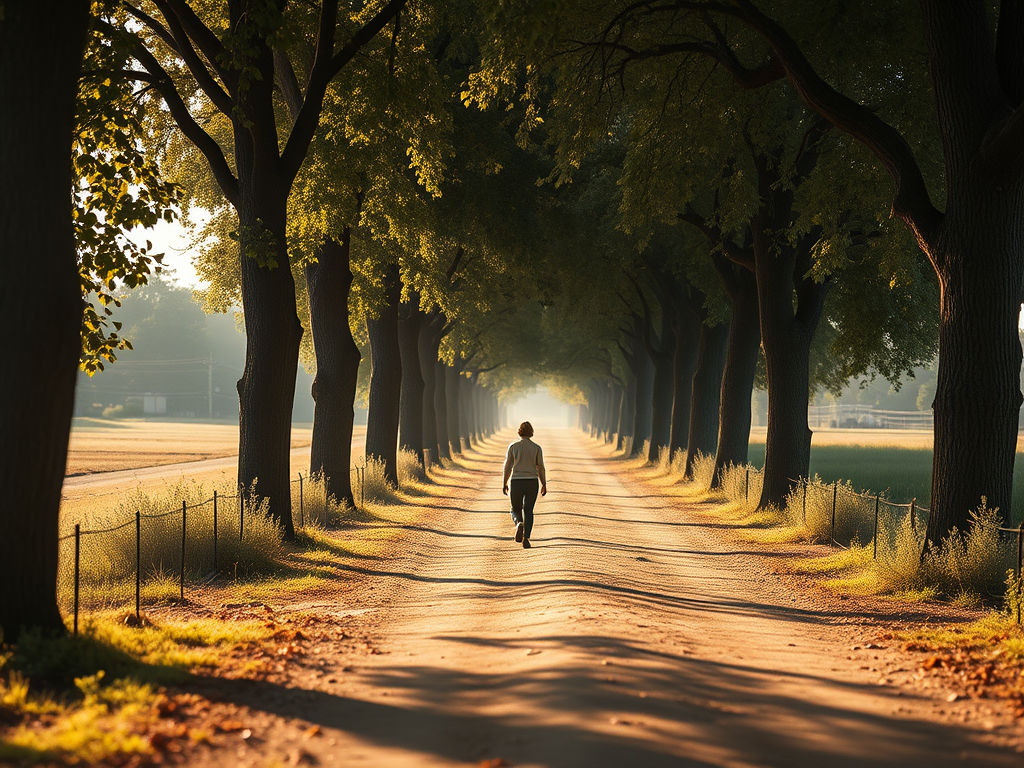
Entering the dark and damp corridors of lived life, I walk it—step by step.
Through pain and sorrow, jealousy and desire, still, like treading a dirt road, honestly, in deep surrender; setting aside the Song of Songs, taking up Ecclesiastes, moving forward slowly, scarcely aware.
Walking it. Will I be able to return again to the Song of Songs?
These are sorrowful days, aching days, passing in a hush of quiet unease.
Lately—the forced smile, the practiced grin, the borrowed laugh— who wears them?
You. And I.
Yet when that day has passed, will true laughter return?
Will joy find its own voice? Will smiles spread without effort?
Yes—perhaps we all shall walk with unguarded faces, on ordinary roads.
And then, the long road no longer feared,
from the awakening of lost freedom to a single step toward what is true and made new—
These days, the moment I open my eyes, I find myself stepping into the backyard to tend the grapevines. Watching them has become one of my quiet joys. The two vines I planted several years ago are now heavy with countless clusters of green grapes. Even through the night they draw up water, and by morning each cluster looks twice as plump as the day before. I had never grown grapevines myself, but every late summer I would marvel at the beautiful clusters hanging in orchards. Their mystery and beauty stirred such longing in me that I finally bought young vines to plant—and they have rewarded me with unexpected delight.
This must be the seventh year. I still remember planting the young vines, their roots barely formed, gently digging the soil and whispering to them: “You will grow in this earth… and I will grow here in the ministry God has given me. We will drink the same moisture of His love.” The vine seemed to agree with me in its quiet way. That first year, it struggled to take root, and I imagined the day when birds would come to rest their weary wings in its shade. That spring, when new life pushed up between the dry branches, I was so moved that I couldn’t help but embrace the vine.
The grapevine grew vigorously. Its lush leaves and endlessly stretching branches filled me with anticipation for the fruit that would one day come. But one year passed, then another… and still no grapes. The leaves grew thick, but the vine itself twisted wildly, nothing like the graceful vine I had imagined. Looking at its unruly shape, I wrestled with whether to leave it as it was or prune it. Everything had grown from the same vine—cutting it felt wasteful and sad.
One spring, when new buds began to swell everywhere, I finally decided to prune without hesitation. Each branch had become familiar to me—gentle, innocent creations—but if I wanted the vine I had envisioned, I could no longer allow these wild shoots to grow unchecked. Cutting each branch pained me deeply. My breath tightened, and I felt as though the hidden branches of my own self were being cut away.
But then, astonishingly, from the few branches that remained, tiny clusters appeared—smaller than millet grains—two or three at a time. Barely visible, fragile, and insignificant, they began to swell day by day under the summer sun, wind, and storms. Watching them grow reminded me again how great and beautiful the joy of nurturing life truly is.
The soil of immigrant ministry is rough and dry. Whether a church is large or small, trials and sorrows never cease. When I meet fellow pastor’s wives on the street, the deep shadows of concern on their faces break my heart. “I’ve been thinking of you,” one says—and in that single sentence we share countless unspoken stories. We embrace each other silently, whispering “Stay strong,” but as I walk away, her weary figure becomes my own, and tears blur my vision.
Today, beneath the ripening grapevine, I imagine the sweet fruit that will one day ripen within me. Like a vine growing in the Lord’s garden, He knows exactly which branches in me must be cut away. And when the beautiful fruit finally appears, He will surely rejoice over me.
The words of a retiring pastor’s wife return to me like a sudden summer rain: “Live each day in prayer—with the heart of a martyr.”
요즈음 눈 만 뜨면, 뒷마당에 나가서 청포도나무를 가꾸며 바라보는 것이 하나의 즐거움이자 기쁨이 되었다. 그것은 수년 전에 심었던 두 그루의 포도나무에, 올해는 수도 셀 수 없는 파란 포도송이들이 탐스럽게 매달린 것이었다. 그 포도송이들은 밤에도 쉬지않고 물을 올리어, 아침이면, 어제보다 배로 통통해져 갔다. 포도나무를 한번도 직접 키워 본 경험은 없었지만, 늦은 여름이면 탐스럽게 매달려있는 과수원의 포도송이들이 너무나 신비스럽고 부러워서, 끝내 묘목을 사다 심은 것이, 내게 그토록 보람과 기쁨을 안겨 준 것이었다.
올해가 7년째인가 보다. 첫해, 앙상한 몇 가닥의 뿌리가 겨우 나있던 포도나무 묘목을 정성껏 흙을 파고 묻으며, 나는 나무에게 속삭였었다. ‘너는 여기 흙에서… 나는 여기 목회현장에서 하나님이 허락하신 텃밭에서 함께 자라나는 것이야! 그 분의 사랑의 수분을 함께 받아먹고 마시면서 말이야!“ 나무는 유순하게도 나의 말에 동의하였다. 포도나무 묘목은 그해에, 땅에 뿌리를 내리느라고 안간힘을 쓰고 있었고, 나는 머잖아 새들이 날아와 그 피곤한 날개를 접고 쉴 수 있는 쉼터를 제공할 포도나무를 그리었다. 그 봄날, 메마른 나무사이를 비집고 올라오며 부풀어오르는 생명의 만남에, 나는 감격하여 나무를 포옹해 주고 파 안달을 할 수밖에 없었다.
포도나무는 씩씩하게 잘 자라주었다. 무성한 이파리들과 한없이 뻗쳐나가는 가지들을 바라보면서, 다가오는 시간 속에 이미 열려질 포도송이들이 내 마음을 만족케 하고 있었다. 그러나 한해, 두해.. 햇수가 흘러도 나무는 포도송이들을 열 줄 모르고 있었다. 가만히 포도나무를 보니, 이파리만 무성해졌고, 그 몸체가 내가 상상하고 있었던 포도나무가 아닌, 제멋대로 형편없이 구불구불해 져 가고 있었다. 포도나무의 흉해져 가는 모습을 바라보면서, 그대로 둘 것인가, 다듬어 주어야 될 것인가를 한동안 고민할 수밖에 없었다. 모두가 한 포도나무에서 태어난 것들인데, 잘라내기가 아깝기도 했었다.
어느 해 봄날, 새순들이 몽글몽글 여기저기서 눈을 뜨기 시작하자, 인정 사정없이 새 눈들을 떼어내며, 가지들을 잘라내기로 하였다. 가지 하나 하나가 정들었고, 순하고 천진한 창조물들이었지만, 적어도 내가 생각하고 있는 그 멋진 포도나무를 생각 할 때, 더 이상 무례하게 솟아나고 있는 순들을 놔둘 수가 없었다. 나는 포도나무의 가지 하나 하나를 잘라 낼 때마다 참으로 괴롭기 그지없었다. 숨이 답답해 오기도하고 내 속에 숨어있는 자아의 가지들이 잘려나가고 있는 듯한 동질의 아픔마저도 느껴야 만 되었다. 그런데, 놀랍게도 그해의 몇가닥밖에 안돼는 가지들에서는 처음 보는 좁쌀 알보다도 작은 포도송이들이 두 서너 군데서 모양을 갖춘 채, 맺어지고 있었다. 눈에도 잘 띄지 않을 정도의 너무나 가녀리고 보잘 것 없는 포도송이들이 여름의 뜨거운 햇살과 바람, 천둥번개 속에서 하루가 다르게 통통하게 살이 오르는 모습은, 생명을 키우는 기쁨이 얼마나 크고 아름다운가를 다시금 느끼게 하였다.
이민 목회의 텃밭은 참으로 거칠고 메마르다. 교세가 크면 큰 데로, 작으면 작은 대로 시험과 아픔이 끊이지 않는 도전의 현장이다. 사랑하는 동료사모님들을 길에서 마주치기라도 하면, 그 얼굴에 스며든 수심의 깊은 함성들이 안타깝기 그지없다. “사모님! 늘 생각하고 있었어요!” 하는 그 한마디에, 우리는 언어로 구사 할 수 없는 모든 이야기들을 나눈다. 그리고, 말없이 서로를 힘껏 안아 주며, “힘을 내세요!”하고 말하고 돌아서지만, 그녀의 힘없는 모습이, 내 모습이 되어 눈물이 앞을 가린다.
나는 오늘도 익어 가는 청포도나무 아래서, 언젠가 내 안에 단맛으로 익어갈 열매들을 그려본다. 주님의 정원에서 자라나고 있는 한그루의 포도나무처럼, 주님은 나에게서 잘라내야 만 될 가지들을 알고계시며, 언젠가 탐스럽게 내게 열릴 열매들로 인해 주님은 기뻐하시고 즐거워 하실 것이 분명하다. “순교하는 마음으로 하루를 기도로 사십시오!” 하던 어느 은퇴하는 사모님이, 후배 사모들을 향해하시던 애정어린 말씀이 한 여름의 소낙비로 적셔져 온다.






 Daily Sauntering
You must be logged in to post a comment.