추수 감사절 휴가 기간이던 지난 주말에, 올해 여덟 살난 막내아들 세준이는 홀로 사촌들을 방문하게 되었습니다. 저희 아이와 겨우 육개월 정도의 나이밖에 차이가 나지 않는 사촌을 만나러 가는 세준이는, 몹시도 흥분되고 기쁜듯이 장난감들을 가방에 넣고, 입을 옷을 챙기어 신바람이 난 듯이 집을 나섰습니다.
아이가 떠난 후, 집안 분위기는 오랜만에 조용해지고, 좇아다니면서 테니스하자, 공원에 가서 볼을 차자, 친구네 집에 데려다 달라, 먹을 것을 달라는 등의 요구가 없어지니, 저의 몸과 마음도 편하기 그지 없었습니다. 저뿐만이 아니라 하루에도 수십 번씩 아빠의 사무실을 오르내리며 “아빠! 나하고 같이 게임 할래요? 축구 할래요? 같이 텔레비전 볼래요?” 하면서 일을 방해하던 아이가 없게 되니 일에만 몰두할 수 있어서 좋았습니다. 십대의 누나들도 평소에 세준이가 방에 못들어오게 잠가놓던 방문을 활짝 열어 놓고 제일들을 하고 있었습니다.
아이가 없는 첫 날은 오랜만에 집안이 조용해져서, 식구 모두가 살맛나는 것 같았습니다. 그런데, 이틀째 되는 날부터 식구들의 표정은 물에 가라앉은 앙금처럼 굳어져 가기 시작했습니다. 아무도 시끄럽게 집안을 오가면서 떠들거나 방해하는 사람이 없어, 저마다 제일들을 하는데도 별로 재미가 없어보였습니다. 누나들의 꽁꽁 잠겨진 방문 앞에서 “문 좀 열어봐!” 하며 꽝광대는 소리도 들리지 않고, 안에선 “용건이 뭐야? 하며 소리지르는 누나들의 음성도 들을 수 없었습니다. 하루에도 몇 번씩 아이의 손에 이끌려 위아래층을 오가며, 아이들 의 침대 위에도 누워보고, 아이들 방에 있는 어항 속의 가재에게 먹이 를 주기도 하고, 애완용 쥐를 들여다보면서 즐거워하던 목사님은, 사무실 의자에서 하루종일 떠날 줄 몰랐습니다. 또한, 시도 때도 없이 “오늘의 특별 요리는 뭐죠? 스낵은 뭐예요? 하면서 맛있는 음식을 요구하던 아이가 없으니 음식 준비를 하는 데도 신이 나질 않았습니다.
저는 괜히 하루에도 몇 번씩 아이 방을 들여다보게 되고, 아이가 갖고 놀던 장난감들을 만져 보기도 하였습니다. 아이가 없는 깨끗이 정돈된 방과 침대는 왠지 썰렁해 보였으며, 물속에서 오가는 가재의 걸음걸이와, 열심히 둥지를 짓는 애완용 쥐의 모습조차도 쓸쓸해 보였습니다. 비로소 그동안 세준이가 있음으로 우리를 귀찮케 하는 존재가 아닌, 오히려 아이로 인해 우리의 하루하루가 얼마나 다이나믹하 고 재미있었으며, 순간순간에 기쁨을 누렸는지를 새삼스레 깨달으며, 자녀는 하나님의 선물임을 더욱 절감하는 기회가 되었습니다.
며칠 후, 아이를 집으로 데리고 오는 차 안에서 “세준아! 우리가 너 를 얼마나 보고 싶어했는지 알아?” 하면서 아이의 표정을 살폈습니다. 아이는 눈을 껌뻑이면서 “엄마 사실은 나도 식구들이 보고 싶어서 어젯밤에 잘 때 혼자 울었어요. 이젠 다시는 며칠씩 어디 가지 않을거야! 나 집에 가면 ‘할렐루야’ 노래를 부를 거야” 하고 말하였습니다. 아이의 장난기 어린 모습 속에 소중한 성장을 엿볼 수 있었습니다. 아이는 집에 들어서자마자 급하게 신을 벗어던지고, 위아래층을 뛰어다니며 ‘할렐루야! 할렐루야!’를 노래하며 기쁜 표정으로 어쩔 줄 몰라 했습니다. 아이의 기뻐 뛰는 모습에 온 가족들도 큰 소리로 웃어대며 함께 기뻐하였습니다. 잠시 집을 나갔던 아이가 가족들의 품안으로 돌아옴으로 인해, 가족 전체가 다시 활기를 찾고 있었습니다.
저는 아이를 맞으며 집 나간 자녀를 기다리시는 하늘 아버지의 심정을 조금은 알 수 있을 것 같았습니다. 우리는 아버지의 날개 그늘을 벗어나면 신나는 세계가 있는 줄 알고, 호기심으로 집을 떠났으나 사막과 같은 삶속에 고아처럼 살게 되었습니다.
하늘 아버지는 그를 떠난 인간들이 아픔과 고난, 환난 속에 살아가는 것을 그대로 놔둘 수 없으셨습니다. 한 사람의 생명이 천하보다도 귀하여 그를 버리거나 잊어버릴 수 없으셨습니다. 다시 품으로 돌아 오기를 애타게 기다려도, 인간은 아예 돌아올 줄을 몰랐습니다. 결국, 다윗의 가지를 통해 당신의 가장 사랑하시는 아들 예수 그리스도를 우리에게 보내시어 그의 가슴을 열어 보이셨습니다. 그토록 크시고, 위대하시고, 아름다우시며, 고우신 분이 낮고 천한 마구간에 아기로 태어나시어, 영원한 생명을 안고 올해도 우리를 찾아오고 계십니다.
피조물인 우리가 창조주이신 그분을 영접하는 놀라운 축복을 받게 된 것입니다. 이것이 성탄절을 넉 주 앞두고 어제부터 시작된 대림절입 니다. 대림절은 집을 나간 사람들이 집으로 돌아가는 시간이며, 집을 떠난 자녀를 기다리다 지친 아버지가 손수 벗은 발로 자녀를 맞으러 나가신 시간입니다. 이 시간은 우리의 고집과 저항을 벗어버리고 순백 한 옷으로 갈아 입어야 하는 시간입니다. 그리고 아버지의 집에 거할 나의 처소로 달려가 아버지께서 마련해 주신 하늘의 기쁨을 만끽하며 노래해야 할 시간입니다. 나와 당신이 아버지의 집으로 돌아갈 때, 아버지는 분명 기뻐하시며 그의 모든 소유를 맡기시며 비로소 안심하실 것입니다.
I must be off my road into the unreal, For this is neither screen-lit, blue and bare, Nor any rocket’s path through outer air. It’s Phanar, where the Peter and the Andrew can stand And look the whole round world in the same hand, And in that lookout, something quietly grows— A mind to lay down war, unclench the blows, To stake on peace and common human right What faith we have in living side by side.
The hours lean on my eyes with weight of news, The steady drip of pictures, threaded views. Last night a million wings came to my door. I took them, and went walking shore to shore Like some unsure-made angel overhead, And saw the world as if it might be one. Today the fiercer gift: I got the sun. And all the split and scatter, noise and ash, Broke like a hill of cinder in one flash. What East and West once cracked in creed and vow Seems mended now by what the heavens allow.
It happened on the Thanksgiving weekend of 2025,
So that day came, as quiet as a frost. No single strongman, no loud pastor-bossed, No backroom seer, no church that plays at charms, Could quite lay hold on what fell in our arms. It was a promise biding out of sight All through this restless, wired, fluorescent age: A climbing from the Krubera-like dark, Up out of cave and into open air.
The old tales kept their counsel in the ground: Cain and his brother, blood upon the field; Ishmael and Isaac, parted, unreconciled; Parents who could not love their twins the same, Jacob and Esau, wrestling for a name; Joseph turned by harm toward some new yield; Moses called back from exile by a flame; North against South, and walls of Zion down; The march from chains toward a half-ruined town; A kingdom sketched in hope along the way; A road of rescue, rough with dust and stone; Jesus and those who bore His name and strayed— All this, and still a single prayer is made:
About 1,700 years later, since the council of Nicaea,
“Father, if you are in me, and I Am somehow held in you, then let it be That they find room together, you and me, So that the watching world may learn belief.”
So I will take what lift the sky will give, And fly in my slow fashion, as I live, Toward that wide country, half in shade, half sun, Where fellowship makes many faces one.
No more shut rooms for me: No shaman’s den, No humming screen-lit booth for boys at play, No narrow testing cell, no rented song, No bottle room to drink the night away, No steel-locked panic space against the day. I’ll take the homely door and go back through. Home is the furthest place, and nearest too.
I mean to be one small, consenting star Among the host that thickens heaven’s bar. Even the far-off fires past what we can see Keep house together in my chest for free— All those uncounted lights, so far apart, Fold down into one neighborhood of heart.
나는 아마 현실을 벗어난 길을 혼자서 비틀거리며 걷고 있을 거야. 여긴 푸른 불빛 화면도 아니고 로켓이 찍고 가는 우주의 길도 아니지. 베드로과 안드레가 함께 서서 온 세상을 한눈에 굽어보는 곳, 이스탄불에 파나르, 그 높은 자리에 서면 조용히 자라나는 게 하나 있어. 전쟁을 내려놓고, 주먹을 펴고, 평화와 사람다운 권리를 걸어 보려는 마음, 어깨를 맞대고 살아 보려는 우리의 마지막 믿음 같은 것
2025년 수수감사절 주말에,
시간은 쉬지 않고 새 소식을 실어 내 눈꺼풀에 기대고, 사진과 영상이 실처럼 이어져 흘러와. 어젯밤엔 백만 개의 날개가 문 앞까지 찾아왔지. 나는 그것들을 받아 들고 바닷가에서 바닷가까지 걸었어, 아직도 미완성인 천사처럼 높이 떠서 세상을 바라보니 정말 하나가 될 수도 있겠다 싶었지. 오늘은 더 뜨거운 선물을 받았어, 바로 태양이었지. 갈라지고 흩어지고 요란하던 재와 소음이 한 번에 무너지는 잿더미 언덕처럼 한순간에 터져 사라졌어. 한때 신조와 맹세 속에서 동과 서를 갈라 놓았던 틈이 이제는 하늘이 허락한 만큼 다시 잇대어 붙는 것만 같아.
그렇게 그날이 왔어, 서리 내리듯 조용히 왔지. 으름장 놓는 장군도, 소리만 큰 목회자도, 뒷방에서 점치는 무당도, 마술처럼 믿음을 다루는 교회도 팔을 쭉 뻗어 쥘 수는 없는 무엇이 우리 품 안으로 떨어져 왔어. 형광등 아래 뒤척이며 전선에 매달려 살아 온 이 세기 동안 눈에 보이지 않는 데서 버티고 있던 약속, 크루베라 동굴 같은 어둠을 서서히 기어 올라와 마침내 지상 바람을 들이마시는 약속이었지.
옛 이야기들은 땅속에 묻혀 오랫동안 입을 다물고 있었어. 들판 위에 피처럼 번진 가인과 아벨의 비극, 떨어져 다시는 마주 보지 못한 이스마엘과 이삭, 쌍둥이 아들들을 똑같이 사랑하지 못한 부모의 마음, 이름 하나를 두고 씨름하던 야곱과 에서, 상처를 딛고 새 결실을 향해 돌아선 요셉의 전환점, 망명지에서 불꽃에 이끌려 다시 부름을 받은 모세, 남과 북의 긴장과 예루살렘의 붕괴, 쇠사슬에서 풀려나 반쯤 무너진 성읍으로 돌아오던 발자국들, 어딘가에 그려 두었던 새 왕국의 윤곽, 먼지와 돌부리에 험하게 패인 구원의 길, 예수와 그 이름을 이고 진 교회까지— 모두를 지나 결국 남는 기도는 하나뿐이야.
그리고 1700년이 흐른 뒤,
“아버지, 아버지께서 내 안에 계시고 내가 아버지 안에 있는 것처럼 그들도 우리 안에서 함께 머물 자리를 찾게 하소서, 지켜보는 세상이 비로소 믿음을 배우게 하소서.”
그래서 나는 하늘이 허락하는 만큼 천천히 떠오르는 법을 배울 거야. 숨 쉬는 속도 그대로 느릿느릿 날아오르며 그늘과 햇살이 반쯤씩 섞여 있는 넓은 나라를 향해 가겠지, 서로의 얼굴을 다르게 가진 이들이 마침내 하나의 잔치가 되는 곳으로.
더는 닫힌 방은 싫어. 무당이 앉은 방도, 아이들이 파란 불빛 아래 모여드는 피시방도, 숨 막히는 시험 방도, 밤새 노래를 쏟아 내는 노래방도, 술잔 소리로 새벽을 버티는 술방도, 무쇠 자물쇠로 잠근 공포의 방도 이제는 다 뒤로 하고 나는 작은 집 문고리를 잡고 나갈 거야. 집이라는 곳은 가장 멀리 있는 것 같으면서 가장 가까운 자리니까.
나는 하늘에 흩어진 셀 수 없는 별들 가운데 그저 하나가 되려고 해. 저 멀리, 눈에 닿지 않는 은하 너머의 불빛들까지도 어쩐지 서로 한 동네를 이루고 있는 것처럼 내 가슴 한켠에 모여 살고 있어. 멀리멀리 떨어져 떠 있는 그 셀 수 없는 빛들이 마침내 한 동네 이름으로 내 마음속에 접혀 드는 거야.
Not long ago, a wedding invitation arrived, carried on the autumn breeze. It was adorned with elegant gold lettering, and the envelope bore the name “Mrs. Doris Martinez”—a familiar name from the American church I once pastored.
“To unite two lives and two hearts in eternal love, Bride Doris Martinez and Groom Donald Halstead invite you to share the happiest day of their new life together.”
Our whole family gasped in disbelief.
The bride and groom, both nearing eighty, were inviting us to celebrate “the happiest day of their new life.” At an age when most people are winding down, they were beginning again—with hearts full of hope. We couldn’t help but send our blessings.
I had met Doris at a concert that spring. She was radiant with excitement. Her aging eyelids trembled, and her bloodshot eyes shimmered with a joy she could hardly contain. She leaned in and whispered:
“This is a secret… but I’ve fallen in love! We might be getting married soon.”
Her expression made my surprise seem silly.
“Who is it?” I asked. “D… Donald,” she replied.
“Really?” I asked again and again, unable to believe it. But she kept smiling proudly, her cheeks blushing like a shy girl. I hugged her tightly, and even her hunched back—curved like a little hill—felt tender and lovable that day.
Years ago, Doris had battled cancer. Fearing she might not live to see her golden anniversary, she celebrated it ten years early with a grand ceremony. The whole family and congregation gathered at church, and the pastor officiated a 40th wedding celebration. But life is in God’s hands. Doris, once expected to die, remained healthy—while her husband Manny, strong and well, passed suddenly from a heart attack.
Doris, strong-willed and stubborn, had spent her life as a Chrysler dealership manager. Though she lived comfortably on the inheritance from her husband and parents, she needed someone. Her groom, Donald, was a refined gentleman with striking manners. He had married three times, but tragically, each wife had died of cancer. He had lived a long, lonely life, always searching for someone to love. I never met his late wives, but I’ll never forget the quiet longing in his eyes.
The desire to love is life itself. It makes us forget ourselves. Love cultivates the soil of eternal youth. Age does not make us ugly. To love is to live at the center of life—not its margins. Love brings pain and sorrow, but it also gives us the strength to endure.
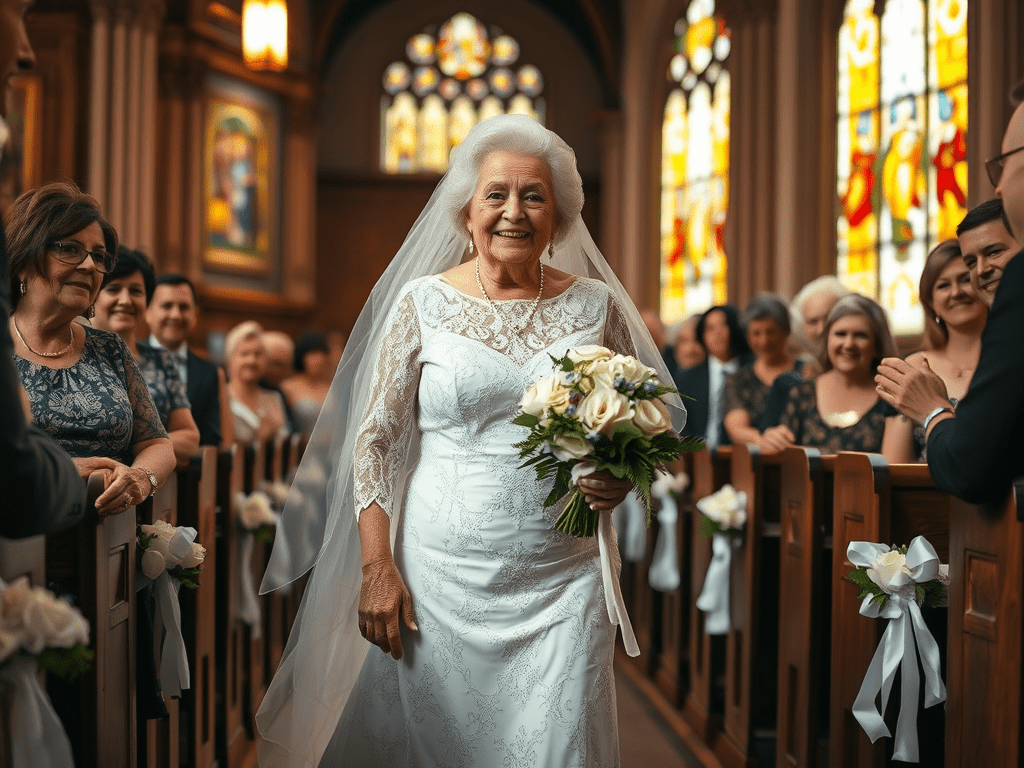
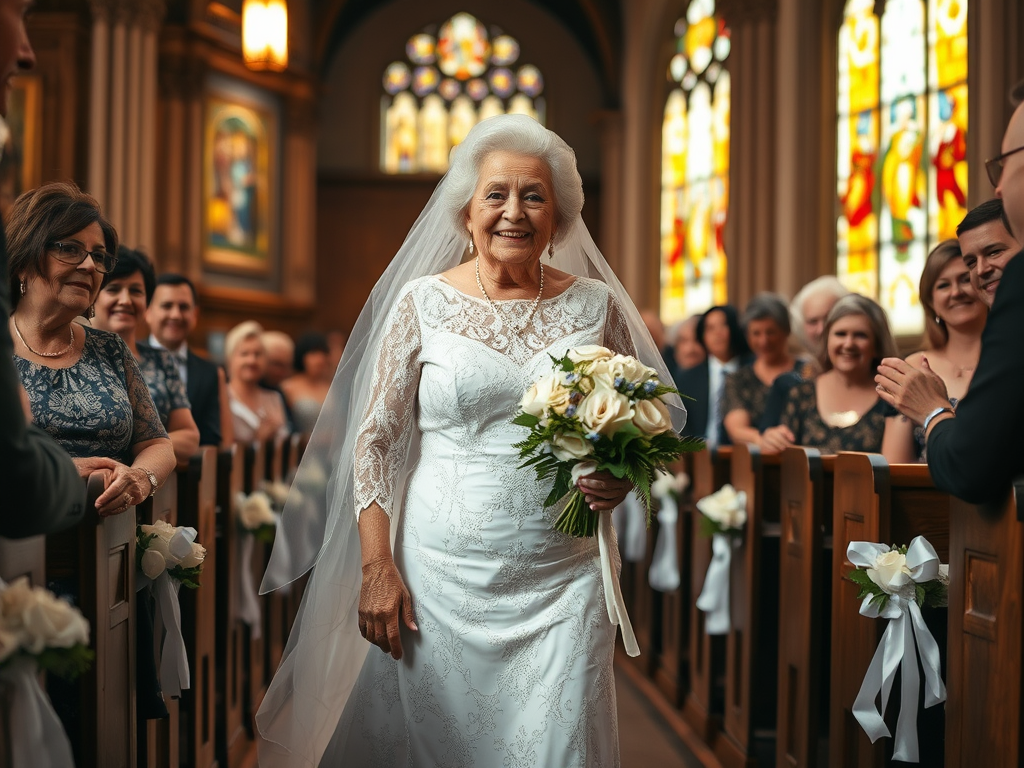
I imagine her soon, walking down the church aisle in a dazzling white dress. As I gaze out the window, the cold wind rushes through bare branches, and I realize her eighty years of life have passed in a blink. Yet even in life’s final chapter, her passion to unite with another soul touches the mystery of sacred love. And suddenly, I begin to understand the Scripture that says: Christ is the bridegroom, and the church is His bride.
얼마전, 금박의 화려한 글씨로 아름답게 장식한 한 장의 청첩장이 가을 바람 속에 날아왔습니다. 겉봉투엔 Mrs. Doris Matinez라고 선명하게 찍혀진 이름이, 전에 목회하던 미국인 교회의 교인임을 알 수 있었습니다.
“두 생명과 두 마음이 영원한 사랑 속에 하나가 되기 위하여, 신부 도리스 마티네스와 신랑 도널드 핼스테드는, 새로운 인생을 시작하는 가장 행복한 날에 당신들을 초대합니다.”
온 가족이 믿을 수 없는 사실에 놀라움의 탄성을 지를 수밖에 없었습니다.
신랑 신부가 팔순을 내다보는 과년한(?) 나이에, ‘새로운 인생을 시작하는 가장 행복한 날’ 이라는 표현이 마음 깊이 와닿았습니다. 대부분 그 나이에 인생을 정리하는 것이 상정인데, 새로운 인생의 시작을 향하여 가슴 부푼 소망을 지닐 수 있음에, 마음껏 축복을 보내게 되었습니다.
사실, 지난 봄에 음악회에서 만났던 도리스는 너무나 흥분되어 있었습니다. 그녀의 노안으로 떨리는 눈꺼풀 속에 충혈된 눈동자는, 기쁨을 못이기는 듯한 아련한 빛을 머금은 채, 저에게 살짝 속삭였습니다.
“이건 절대 비밀인데, 난 지금 사랑에 빠졌어요! 우린 어쩌면 곧 결흔하게 될 거예요.”
곧 결혼하게 될 것이라는 할머니 도리스의 표정은 저의 놀라움을 무색하게 했습니다.
“…… 상대가 누구냐고요? 도 … 도널드예요!”
“네? 정말이세요?”
저는 믿을 수 없어, 몇 번이고 도리스에게 다짐하여 물었으나, 그녀는 자랑스러운 표정을 연방지으며 소녀처럼 수줍은 홍조를 띠었습니다. 그녀의 너무나 큰 기쁨을 포옹으로 함께 나누며, 곱사등처럼 튕겨져 나온 등뼈가 그날따라 사랑스러워 자꾸만 쓰다듬어 주었습니다.
수년 전, 도리스는 암과 투병하고 있었기 때문에, 그녀의 금혼식을 10년 앞당기어서 거창하게 금혼예식을 치른 적이 있습니다. 그 때도 온 가족과 교인들이 교회에 초대된 채, 목사님의 주례로 이른 40주년 혼인식을 치렀습니다. 그러나 사람의 생명은 하나님 손에 달려 있음이 확실한 사실입니다. 암으로 곧 죽을 것이라는 도리스는 지금도 건강하고, 멀쩡하던 남편 매니는 어느 날 갑자기 심장마비로 먼저 하늘나라로 가게 된 것이었습니다.
남달리 의지가 강하고 고집불통이며, 크라이슬러 자동차 딜러의 매니저로 평생을 보냈던 도리스는 남편과 부모가 물려준 유산으로 유복하게 살고 있었으나, 그녀에겐 누군가가 필요했습니다. 그녀의 신랑 되는 도널드는 수려한 외모와 매너가 뛰어난 노신사로서, 세 번 결혼한 경력이 있는데 불행하게도 그의 부인들은 모두 암으로 일찍 세상을 떠나게 되어, 외로운 여생을 보내고 있었습니다. 저는 한 번도 그의 생전의 부인들을 만나보진 못했어도, 그가 여생을 얼마나 외롭게 살아가며 누군가를 무던히도 찾던 모습을 잊을 수 없습니다.
사랑하고픈 상대를 찾으려는 사람의 욕망, 그것은 생기입니다. 그 생기는 또한 자기를 잊게 합니다. 영원한 젊음이 삶의 터전을 가꾸어 줍니다. 세월의 연륜이 결코 사람을 추하게 하지 않습니다. 사랑하고 있는 그 자체가 기쁨이 되어 변두리의 삶이 아닌, 생의 중심으로 서게 합니다. 사랑하기에 고통과 아픔도 동반하지만, 참고 견딜 만한 가치를 부여합니다.
머잖아 눈부신 하얀 드레스 속에 교회 중앙을 걸어 들어갈 그녀를 상상하며 창 밖을 물끄러미 내다봅니다. 앙상한 나뭇가지 사이를 누비고 달려오는 찬바람 속에, 그녀가 걸어온 80평생의 시간과 공간이 찰나였음을 알게 합니다. 그러나 마지막 생의 순간까지도 또 다른 인격을 찾아, 하나가 되려는 의지와 정열 앞에, 거룩한 사랑의 신비를 어루만지게 됩니다. 그리고 그리스도는 신랑이요, 교회는 그의 신부라 칭한 말씀이 조금은 이해가 되었습니다.
(I want to keep this most divine historical event in my library.)
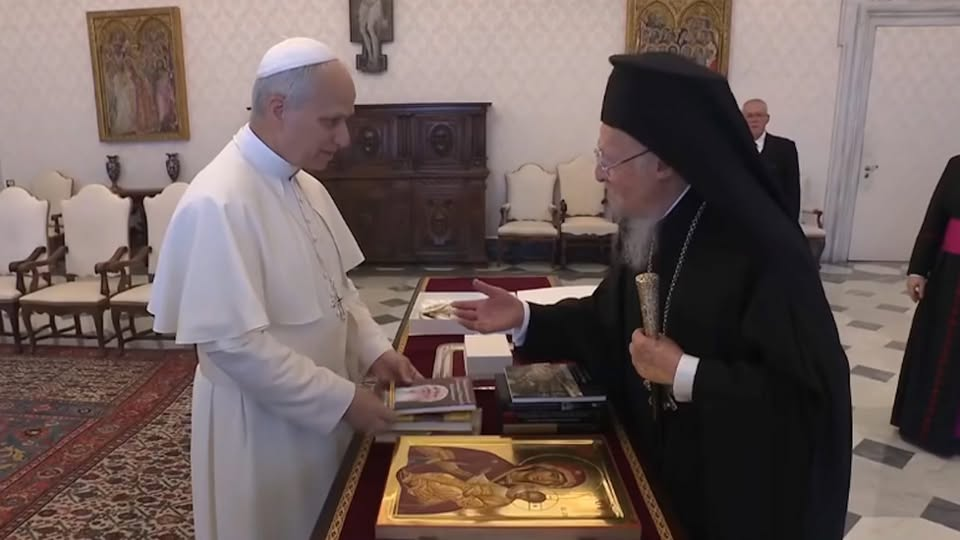
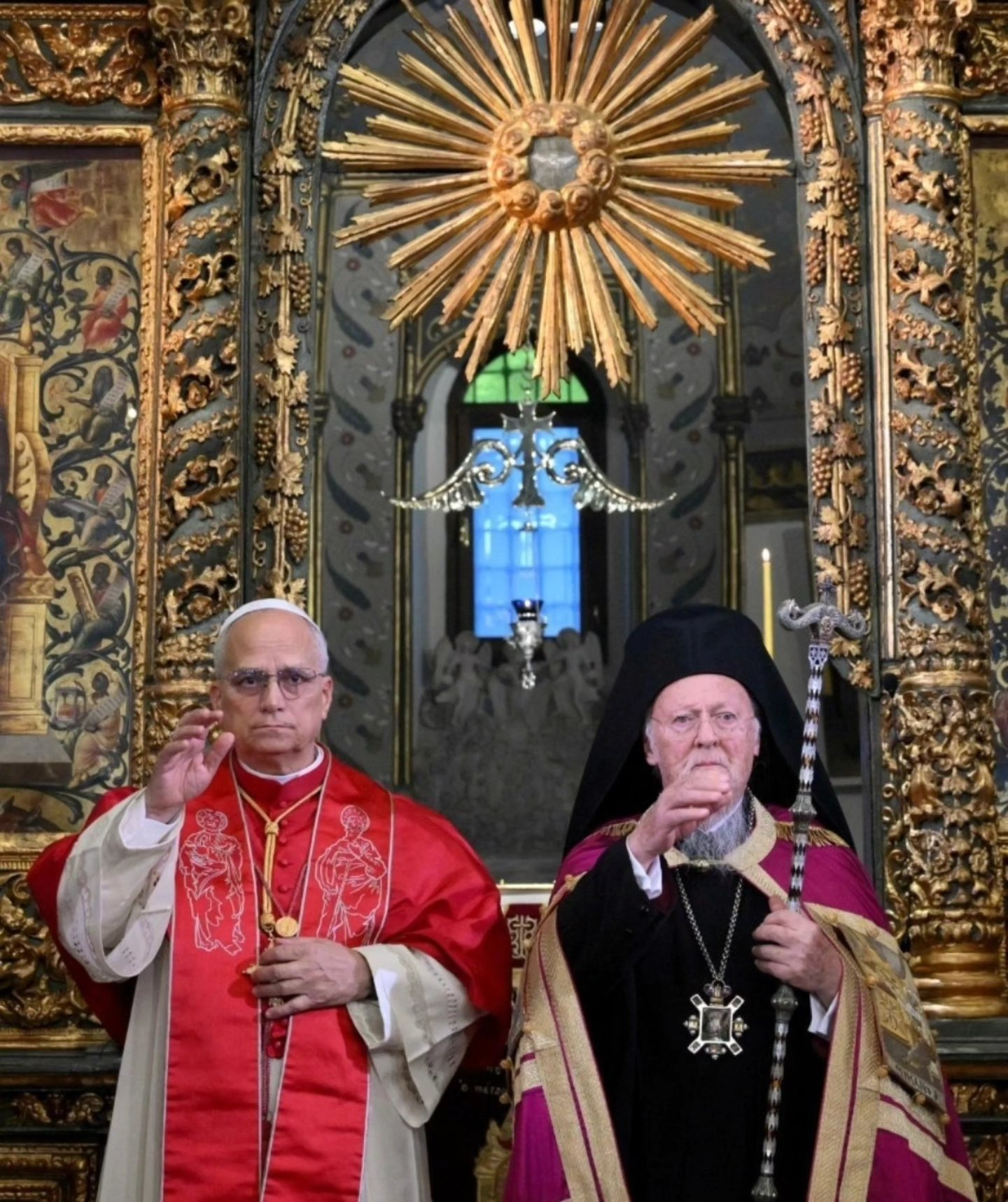
Pope Leo and Ecumenical Patriarch Bartholomew signed a historic and symbolic joint declaration on Saturday, marking a renewed commitment to the unity of the Catholic and Orthodox Churches.
The two Church leaders met at the Ecumenical Patriarchate in Phanar, Istanbul, where they reaffirmed their dedication to full communion and emphasized the importance of continuing efforts to establish a common date for Easter for all Christians. The meeting highlighted both the spiritual and symbolic significance of fostering greater unity between the two traditions.
In their declaration, the Pope and the Ecumenical Patriarch unequivocally rejected the use of religion as a justification for violence. They stressed that the pursuit of Christian unity is inseparable from a broader commitment to peace. “The goal of Christian unity,” the declaration states, “includes the goal of making a fundamental and life-giving contribution to peace among all peoples. Together we fervently raise our voices, invoking God’s gift of peace in our world.” This language underscores the moral responsibility of religious leaders to advocate for harmony and reconciliation in a world still scarred by conflict.
The text of the declaration also acknowledges the ongoing human suffering caused by war and violence across numerous regions. It calls on those in political and social authority to exert every effort to bring an immediate end to these tragedies, highlighting the Church’s insistence on the ethical imperative to protect human life and dignity.
In reflecting on these responsibilities, both Patriarch Bartholomew and Pope Leo emphasized that the search for full communion is rooted not in human diplomacy but in fidelity to the Lord’s prayer in the Gospel of John: “That they may all be one, as you, Father, are in me and I in you, that they may be one in us, that the world may believe.” This invocation reinforces the spiritual foundation of their commitment and frames ecclesiastical unity as a testimony to the wider world.
Walk together “in love and truth,” say Pope Leo and Patriarch Bartholomew
Pope Leo and Ecumenical Patriarch Bartholomew reaffirmed their determination to continue walking together “in love and truth,” urging all the faithful—clergy, religious, and laity alike—to join in prayer and action for the fulfillment of this divine calling. They emphasized that the journey toward unity is not only a spiritual obligation but also a shared mission, inviting all Christians to cultivate mutual understanding, compassion, and commitment to the Gospel in their daily lives.
The Church leaders also highlighted the unifying power of the faith professed in the Nicene Creed, formulated 1,700 years ago. This ancient confession affirms that Jesus Christ is “true God from true God,” “of one substance with the Father,” who became incarnate for humanity’s salvation, suffered and rose from the dead, ascended into heaven, and will come in glory to judge the living and the dead. According to Pope Leo and Patriarch Bartholomew, this shared acceptance of the Creed provides a foundation for addressing contemporary challenges with mutual respect and a spirit of genuine hope, reinforcing the enduring bond between the Catholic and Orthodox traditions.
Expressing gratitude that Christians this year celebrated Easter on the same day, the leaders described it as a gift of Divine Providence and emphasized their shared desire to continue efforts toward finding a permanent solution that allows the “Feast of Feasts” to be celebrated together annually. They called upon all Christians to pray that this goal may be guided by wisdom and spiritual insight, fostering greater unity and solidarity among believers worldwide.
Sixtieth anniversary of declaration of the two leaders
Pope Leo and Ecumenical Patriarch Bartholomew also highlighted that this year marks the 60th anniversary of the 1965 Joint Declaration by Pope Paul VI and Ecumenical Patriarch Athenagoras, which led to the historic lifting of the excommunications of 1054. They expressed gratitude for this prophetic gesture, noting that it opened the way for dialogue grounded in “trust, esteem, and mutual love.” The leaders encouraged those who remain hesitant to engage in dialogue to listen attentively to the Holy Spirit, who calls Christians to offer the world a renewed witness of reconciliation and unity.
Reaffirming their support for the Joint International Commission for Theological Dialogue between the Roman Catholic Church and the Orthodox Church, the Pope and Patriarch emphasized that, in its current phase, the commission is examining issues that have historically been considered divisive. They underscored the importance of continued theological reflection and collaborative engagement in overcoming longstanding differences and deepening mutual understanding between the two traditions.
The historic Joint Declaration was signed on Saturday in the Throne Room of the Patriarchal House, immediately following the Doxology in the Patriarchal Church of Saint George. On the same day, the Pope presided over a Mass for Catholics at the Volkswagen Arena, an indoor event venue in Istanbul, reinforcing the spirit of ecumenical fellowship and shared devotion that the visit symbolizes.
The Pope and the Patriarch will bless the faithful together
On Sunday, the feast day of Saint Andrew the First-Called, founder of the Church of Constantinople, a patriarchal and synodal divine service will be celebrated, presided over by Ecumenical Patriarch Bartholomew and concelebrated by His Holiness Theodore of Alexandria. The service will mark the throne feast of the Ecumenical Patriarchate and is expected to be a significant occasion of ecumenical and spiritual reflection.
The ceremony will be attended by Pope Leo, hierarchs from both churches, representatives of other Christian denominations, diplomats, and officials. The Greek government will be represented by Deputy Minister of Foreign Affairs Yiannis Loverdos. At the conclusion of the service, both Church leaders will bless the faithful from the balcony of the Patriarchal House, offering a shared gesture of unity and spiritual guidance to all present. (PBS, by Phillip Chrysopoulos, 11/30/2025)
If you’ve ever attended a Christian church, that experience was likely influenced by the Nicene Creed.
1,700 years ago, Emperor Constantine gathered bishops together in Nicaea—today, the northern coast of Turkey—to form one of the most important councils in Christian history. There, they established doctrines, finalized religious dates, and worked out how to address schisms—decisions that have impacted the lives of Christians ever since.
Learn more about how the Nicene Creed came to exist. (National Geographic)
In the long centuries that followed, history – wounded by political, cultural, and theological complexities – brought about painful separations among Christians. Yet in recent times, we thank God that the walls which once divided us have begun to crumble.
The Roman Catholic Church and the Syriac Orthodox Church have cultivated a relationship built upon respect, honesty, and sincere desire for reconciliation. From the meeting of Pope Paul VI and Patriarch Mor Ignatius Jacob III in 1971, to the Christological agreements of the 1980s and 1990s, our predecessors have laid strong foundations for mutual understanding upon which we continue to work through dialogue and common pastoral ministry to further the unity between our churches through joint agreements, mutual visits, and our collaboration to protect persecuted Christian communities and their presence across the world.
I believe our Lord calls us to strengthen our theological dialogue, that our churches may more clearly express the communion already present among us. We are called to work together for peace and justice, especially in the Middle East, where the Christian presence is endangered, and to defend human dignity, freedom of conscience, the sanctity of life, and the family.
I wish to conclude by reciting a prayer by St. Aphrem the Syrian, praying for the unity of Christ’s Church:
“Mingle and unite, Lord, the schismatic factions.
Reconcile and shepherd, too, the quarreling parties.
From all the churches, may there come one Church of truth.
May her righteous children be gathered within her womb,
Giving thanks for your grace. Praises to your reconciliation!”
(St. Aphrem the Syrian, Hymns on Faith, Hymn 52)
at the Ecumenical Service in Nicaea:
”The Nicene Creed acts like a seed for the whole of our Christian existence. It is a symbol not of a bare minimum; it is a symbol of the whole. Having the fervor of the faith of Nicaea burning in our hearts, ‘let us run the course’ of Christian unity ‘that is set before us’ (cf. Hebrews 12:1); let us ‘hope to the end for the grace’ that is promised ‘at the revelation of Jesus Christ’ (cf. 1 Peter 1:13); and, finally, ‘let us love one another, that with one mind we may confess: Father, Son, and Holy Spirit, Trinity consubstantial and undivided’’.
“We live in a world where religion is too often used to justify wars and atrocities.”
Pope Leo XIV condemned the use of God’s name to justify violence, as he celebrated Mass in Istanbul, Türkiye. (Vatican News)
JOINT DECLARATION BETWEEN POPE LEO XIV AND ECUMENICAL PATRIARCH BARTHOLOMEW
Patriarchal Palace (Istanbul)
Saturday, 29 November 2025
“O give thanks to the Lord, for he is good,
for his steadfast love endures for ever”
Psalm 106 (105): 1
On the eve of the feast of Saint Andrew the First-called Apostle, brother of the Apostle Peter and patron of the Ecumenical Patriarchate, we, Pope Leo XIV and Ecumenical Patriarch Bartholomew, give heartfelt thanks to God, our merciful Father, for the gift of this fraternal meeting. Following the example of our venerable predecessors, and heeding the will of our Lord Jesus Christ, we continue to walk with firm determination on the path of dialogue, in love and truth (cf. Eph 4:15), towards the hoped-for restoration of full communion between our sister Churches. Aware that Christian unity is not merely the result of human efforts, but a gift that comes from on high, we invite all the members of our Churches – clergy, monastics, consecrated persons, and the lay faithful – earnestly to seek the fulfilment of the prayer that Jesus Christ addressed to the Father: “that they may all be one, even as you, Father, are in me, and I in you… so that the world may believe” (Jn 17:21).
The commemoration of the 1700th anniversary of the First Ecumenical Council of Nicaea, celebrated on the eve of our meeting, was an extraordinary moment of grace. The Council of Nicaea held in 325 AD was a providential event of unity. The purpose for commemorating this event, however, is not simply to call to mind the historical importance of the Council, but to spur us on to be continuously open to the same Holy Spirit who spoke through Nicaea, as we wrestle with the many challenges of our time. We are deeply grateful to all the leaders and delegates of other Churches and ecclesial communities who were willing to participate in this event. In addition to acknowledging the obstacles that prevent the restoration of full communion among all Christians – obstacles which we seek to address through the path of theological dialogue – we must also recognize that what binds us together is the faith expressed in the creed of Nicaea. This is the saving faith in the person of the Son of God, true God from true God, homoousios with the Father, who for us and our salvation was incarnate and dwelt among us, was crucified, died and was buried, arose on the third day, ascended into heaven, and will come again to judge the living and the dead. Through the coming of the Son of God, we are initiated into the mystery of the Holy Trinity – Father, Son, and Holy Spirit – and are invited to become, in and through the person of Christ, children of the Father and co-heirs with Christ by the grace of the Holy Spirit. Endowed with this common confession, we can face our shared challenges in bearing witness to the faith expressed at Nicaea with mutual respect, and work together towards concrete solutions with genuine hope.
We are convinced that the commemoration of this significant anniversary can inspire new and courageous steps on the path towards unity. Among its decisions, the First Council of Nicaea also provided the criteria for determining the date of Easter, common for all Christians. We are grateful to divine providence that this year the whole Christian world celebrated Easter on the same day. It is our shared desire to continue the process of exploring a possible solution for celebrating together the Feast of Feasts every year. We hope and pray that all Christians will, “in all wisdom and spiritual understanding” (Col 1:9), commit themselves to the process of arriving at a common celebration of the glorious resurrection of our Lord Jesus Christ.
This year we also commemorate the 60th anniversary of the historic Joint Declaration of our venerable predecessors, Pope Paul VI and Ecumenical Patriarch Athenagoras, which extinguished the exchange of excommunications of 1054. We give thanks to God that this prophetic gesture prompted our Churches to pursue “in a spirit of trust, esteem and mutual charity the dialogue which, with God’s help, will lead to living together again, for the greater good of souls and the coming of the kingdom of God, in that full communion of faith, fraternal accord and sacramental life which existed among them during the first thousand years of the life of the Church” (Joint Declaration of Pope Paul VI and Ecumenical Patriarch Athenagoras, 7 December 1965). At the same time, we exhort those who are still hesitant to any form of dialogue, to listen to what the Spirit says to the Churches (cf. Rev 2:29), who in the current circumstances of history urges us to present to the world a renewed witness of peace, reconciliation and unity.
Convinced of the importance of dialogue, we express our continued support for the work of the Joint International Commission for the Theological Dialogue between the Roman Catholic Church and the Orthodox Church, which in its current phase is examining issues that have historically been considered divisive. Together with the irreplaceable role that theological dialogue plays in the process of rapprochement between our Churches, we also commend the other necessary elements of this process, including fraternal contacts, prayer, and joint work in all those areas where cooperation is already possible. We strongly urge all the faithful of our Churches, and especially the clergy and theologians, to embrace joyously the fruits that have been achieved thus far, and to labor for their continued increase.
The goal of Christian unity includes the objective of contributing in a fundamental and life-giving manner to peace among all peoples. Together we fervently raise our voices in invoking God’s gift of peace upon our world. Tragically, in many regions of our world, conflict and violence continue to destroy the lives of so many. We appeal to those who have civil and political responsibilities to do everything possible to ensure that the tragedy of war ceases immediately, and we ask all people of good will to support our entreaty.
In particular, we reject any use of religion and the name of God to justify violence. We believe that authentic interreligious dialogue, far from being a cause of syncretism and confusion, is essential for the coexistence of peoples of different traditions and cultures. Mindful of the 60th anniversary of the declaration Nostra Aetate, we exhort all men and women of good will to work together to build a more just and supportive world, and to care for creation, which is entrusted to us by God. Only in this way can the human family overcome indifference, desire for domination, greed for profit and xenophobia.
While we are deeply alarmed by the current international situation, we do not lose hope. God will not abandon humanity. The Father sent his Only-Begotten Son to save us, and the Son of God, our Lord Jesus Christ, bestowed upon us the Holy Spirit, to make us sharers in his divine life, preserving and protecting the sacredness of the human person. By the Holy Spirit we know and experience that God is with us. For this reason, in our prayer we entrust to God every human being, especially those in need, those who experience hunger, loneliness or illness. We invoke upon each member of the human family every grace and blessing so that “their hearts may be encouraged, as they are knit together in love, to have all the riches of assured understanding and the knowledge of God’s mystery,” who is our Lord Jesus Christ (Col 2:2).
From the Phanar, 29 November 2025 (Panorthodox SYNOD)
Attending the Doxology at the Patriarchal Church of Saint George in Constantinople on Saturday with Ecumenical Patriarch Bartholomew and Pope Leo XIV will be Patriarch Theodore of Alexandria and Hierarchs of the Churches of Rome and Constantinople.(Archons of the Ecumenical Patriarchate) 11/29/2025
The Church can transform the world if it breaths with both lungs! East and West! Let us unite! (Santa Familia) 11/29/2025
Holy Father: Confession of Christological faith is fundamental on the path to full unity. (Vatican News) 11/29/2025
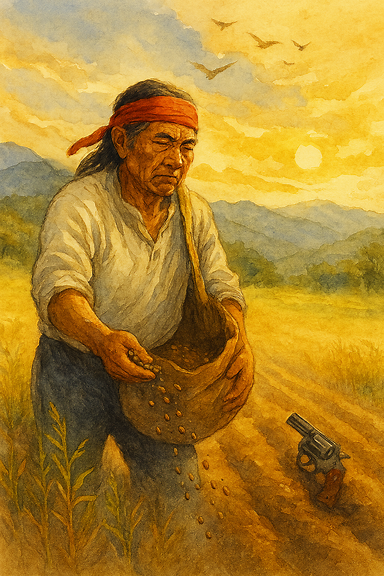
About twenty-five years ago, in a peaceful Indian village in northern Mexico (Coloradas de la Virgen), a stranger appeared. He wore fine clothes and carried a friendly smile on his face. Driving a brand-new pickup truck, he handed out small packets of seeds to the village elders. Gazing at the wide mountains and fields, he said: “If you only cultivate these seeds well, I will reward you abundantly!”
To the Indians, the seeds were unfamiliar. The promise of “abundant reward” meant unimaginable wealth—far more than they could ever earn from years of growing corn and potatoes. To make such money in a single year seemed like a dream. Yet the older elders firmly rejected his offer: “Never once have outsiders brought benefit to our village. How can we forget that after signing peace treaties with the whites, our ancestors were massacred, enslaved, robbed of their land, and nearly exterminated? We did not even surrender to Spain. I fear these seeds will bring misfortune to our people.”
But the younger generation resisted: “Why drag history into this? All we need to do is grow the seeds. Isn’t this a great opportunity? Instead of letting the children wander idly in the mountains and fields, we can give them work, joy, and purpose.”
So the young cleared weeds, cut down trees, and sowed the seeds. They dreamed of prosperity. What had been barren land yesterday now seemed like a place where money could grow simply by planting seeds. The stranger whispered further: if anyone opposed or interfered with the sowing, they should be “taken care of.” He handed them a pistol and a fistful of cash—both dazzling and powerful in their eyes.
As the seeds sprouted, leaves grew green, and flowers bloomed, elders began to die without reason. The young fought constantly over the plants. Addiction spread among them from the strange crops.
Twenty-five years later, the village was enslaved by marijuana and opium. It became a valley of death, filled daily with cries of grief. Many fled in fear, wandering in exile, longing for their homeland with tears. Centuries ago, they had resisted even mighty Spain, but after accepting those small seeds, they collapsed from within—a tragic mark in history.
We too had visitors bearing seeds a hundred years ago. They proclaimed: “Whoever cultivates the seed of the Gospel in the field of the soul will receive eternal life. But you must become seeds that suffer, following Jesus who bore the cross. Unless a seed dies, it remains alone; but if it dies, it bears tens, thousands, and countless fruit.”
Our ancestors, assured of eternal life, sowed the Gospel seed in their souls even in the face of death.
A century later, a people once burdened by Confucian thought and countless spirits rose to become spiritual leaders of the world. Missionaries who brought the Gospel seed risked their lives, cultivating fields with love and sacrifice. “Had we not received the seed of the Gospel, could our nation, could I myself, even exist today?” I often ask. And I wonder: “If I had raised my children without the Gospel, what would have become of them?” Each time, I can only give thanks.
God’s love, which gives strength and courage through life’s hardships and leads from death into life, cannot be compared or repaid by anything on earth. Whether the grace I received appears great or small, the very fact that the Gospel seed has been grafted into the life of my family is an immeasurable blessing.
It has now been five years since the Christian Broadcasting Network in America began sowing the seeds of the Gospel. The time has come for “broadcast missions” through FM and AM, so that anyone, anywhere, may hear. In a world where drugs and crime choke life like weeds and thorns, Satan still appears in peaceful villages with “seeds of death,” reaping souls.
But we are called to sow “seeds of life” in the land of death, preserving and nurturing the life God has given, so that we and our descendants may live in peace and joy. God has given us this opportunity. We are now the protagonists in the history of sowing the Gospel seed. It is time to rise boldly.
Let us all join together, for this holy seed will bear fruit not only for us and our neighbors, but for generations to come. The Gospel seed we sow today will be the greatest inheritance and gift we can pass on to our children. For this grace, we can only give thanks to God.
지금으로부터 약 25년 전, 평화로운 맥시코 북쪽 지역의 인디언 마을에(Coloradas de la Virgen) 낯선 사람이 나타났습니다. 그는 멋진 옷을 입고, 얼굴에는 친절한 미소를 가득 담고 있었습니다. 그는 최신형의 픽업 트럭을 타고 마을 어른들에게 선심을 쓰면서, 작은 씨앗봉투를 내밀었습니다. 그리고 눈을 들어 넓게 펼쳐진 산과 들판을 바라 보면서 말하였습니다. “만약에 이 씨앗을 잘 키워주기만 하면, 보상은 얼마든지 해주겠소!”
인디언들의 눈에는 생소한 씨앗이었습니다. “잘 키워주기만 하면, 보상은 얼마든지 해주겠소!”라는 그 말은 상상도 할 수 없이 굉장한 돈이었습니다. 수년 내내 옥수수와 감자를 키운다 하여도 감히 얻을 수 없는, 그만한 돈을 일년 안에 번다는 것은 꿈같은 일이었습니다. 그러나 그 중 나이가 든 어른들은 그의 제안을 일언지하에 거절하였습니다. “외부인들이 우리 마을에 들어와 한번도 유익된 일이 없었다. 과거에도 백인들과 평화 협정을 맺자마자 우리 조상들이 얼마나 무참하게 학살당하고, 노예로 끌려가 고생하고, 땅을 빼앗기고, 종족이 몰살당했음을 어찌 잊을 수 있단 말인가? 우리는 스페인에게도 나라를 빼앗기지 않았다. 그 씨앗이 우리 마을에 불행을 초래할 것 같은 예감이야!”
젊은이들은 반기를 들었습니다. “씨앗만 키워주면 된다는데, 뭐 그리 역사까지 들먹입니까? 얼마나 좋은 기회입니까? 밥 먹고 산과 들로 헤매이며 빈둥대고 놀고 있는 아이들에게 일을 시키면, 오히려 일하는 기쁨과 보람을 얻지 않겠습니까?”
젊은이들은 들풀을 걷어내고, 나무들을 쳐내고 씨앗을 뿌렸습니다. 그리고 꿈에 부풀었습니다. 어제까지만 하여도 쓸모없는 거친 땅이었으나, 그 낯선 이가 다녀간 후로는 어디든지 씨만 뿌리면 돈을 벌 수 있는 곳이 되었습니다. 또한 그 낯선 이는 속삭였습니다. 누구든지 씨 뿌리는 것을 반대하거나 훼방하는 이가 있으면 알아서 처리해 달라며 권총과 함께 돈을 한줌 쥐어 주었습니다. 참으로 멋지고 훌륭해 보이 는 굉장한 총과 돈이었습니다.
씨앗이 움트고 잎이 파랗게 자라나고 꽃이 피면서 어른들이 아무런 이유도 없이 죽어갔습니다. 서로가 잘 자란 식물들을 차지하려고, 젊은이들은 눈만 뜨면 싸우기 시작하였습니다. 젊은이들이 그 이상한 식물로 인해 중독되어 가는 현상이 일어났습니다.
25년이 지난 후, 마리화나와 양귀비에 중독된 인디언 마을은 마약의 사슬에서, 날이면 날마다 통곡소리가 그치지 않는, 죽음의 골짜기가 되었습니다. 수많은 인디언들이 죽음의 공포를 피해 마을을 떠나, 유리 방황하면서 그들의 고향이 그리워 눈물짓고 있습니다. 수백 년전, 무적인 스페인에게도 나라를 빼앗기지 않았던 인디언들이 그 조그만 씨앗을 받아들인 후, 나라 내에서 스스로 붕궤되어 버리는 슬픈 역사의 획을 긋게 되었습니다.
우리에게도 100년 전 씨앗을 들고 찾아온 사람들이 있었습니다. 그들은 말하기를 “누구든지 복음의 씨앗을 영혼의 밭에 잘 키우기만 하면, 그 보상으로 영생을 얻습니다. 그러나 이 땅에서 십자가를 지신 예 수님을 따라 고난받는 씨앗이 되어야 합니다. 한 알의 씨앗이 죽지 않으면 한 알 그대로 있지만, 한 알의 씨앗이 죽으면 수십 수천, 수만 개의 열매를 맺습니다.” 하며 외쳤습니다. 영생을 확신한 우리의 조상들 은 죽음 가운데서도 복음의 씨앗을 그들의 영혼 가운데 심었습니다.
100년 후, 유교 사상과 온갖 잡귀신에 시달리며 고생하던 백성들은 세계를 이끌어 가는 영적 지도자의 반열에 서게 되었습니다. 그 때, 그 죽음을 무릅쓰고 복음의 씨앗을 들고 온 선교사들은, 그들의 생애를 건 사랑과 희생으로 밭을 일구었습니다. ‘우리에게 복음의 씨앗이 없었던들, 오늘의 우리 나라가, 오늘의 내가 감히 있을 수 있을까?’ 하고 생각해 봅니다. 또한 내가 복음에 접하지 못한 채 우리 아이들을 키우고 있다면, 우리 아이들이 어떻게 되었을까? 하고 생각할 때마다 감사할 뿐입니다. 인생길의 험난한 뒤안길마다 힘과 용기 주시고, 죽음에서 생명의 길로 인도하신 하나님의 사랑을 이 땅에서 그 무엇과 감히 비교할 수 있으며, 갚을 수 있겠습니까? 내가 받은 은혜가 눈에 보기에 크든 작든, 복음의 씨앗이 우리 가정에 이미 떨어져 생명의 줄기에 접목을 당한 것 자체가 엄청난 복이 아닐 수 없습니다.
미주 기독교 방송이 복음 방송의 씨앗을 뿌린지 어언 5년이 되어 가고 있습니다. 이제는 누구나, 언제 어디서나 들을 수 있는 FM, AM 전환 ‘방송 선교’ 가 속히 이루어져야만 될 때가 왔습니다. 온갖 마약, 범죄의 갖가지 잡풀과 엉겅퀴가 생명들을 병들게 하고 좀먹어가고 있는 세상입니다. 사탄의 세력은 오늘도 평화의 마을에 ‘죽음의 씨앗’ 을 들고 나타나 생명들을 거두고 있습니다. 그러나 우리는 죽음의 땅에 ‘생명의 씨앗’을 뿌림으로, 나와 내 후손들이 이 땅에서 평화와 행복을 누리며 살 수 있도록, 주신 삶을 보존하고 돌보아야 할 사명을 갖고 있습니다. 하나님께서 주신 기회가 왔습니다. 이제 우리는 복음의 씨앗을 뿌리는 역사의 주인공이 되었습니다. 이 복음의 씨앗을 뿌리는 일에 우리는 분연히 일어서야 할 때입니다. 우리 모두 참여하여 힘을 모아야 하겠습니다. 이 거룩한 씨앗은 나와 이웃뿐만 아니라 자손 대대로 거두고 누릴 귀한 복음의 열매로 남게 될 것입니다. 오늘 내가 뿌린 복음의 씨앗이 내 자손에게 물려줄 수 있는 최고의 유산이자 선물임을 생각할 때, 이 기회를 주신 하나님의 은혜에 감사드릴 뿐입니다.
“Are you responding to the collapse of 21st-century civilization?”
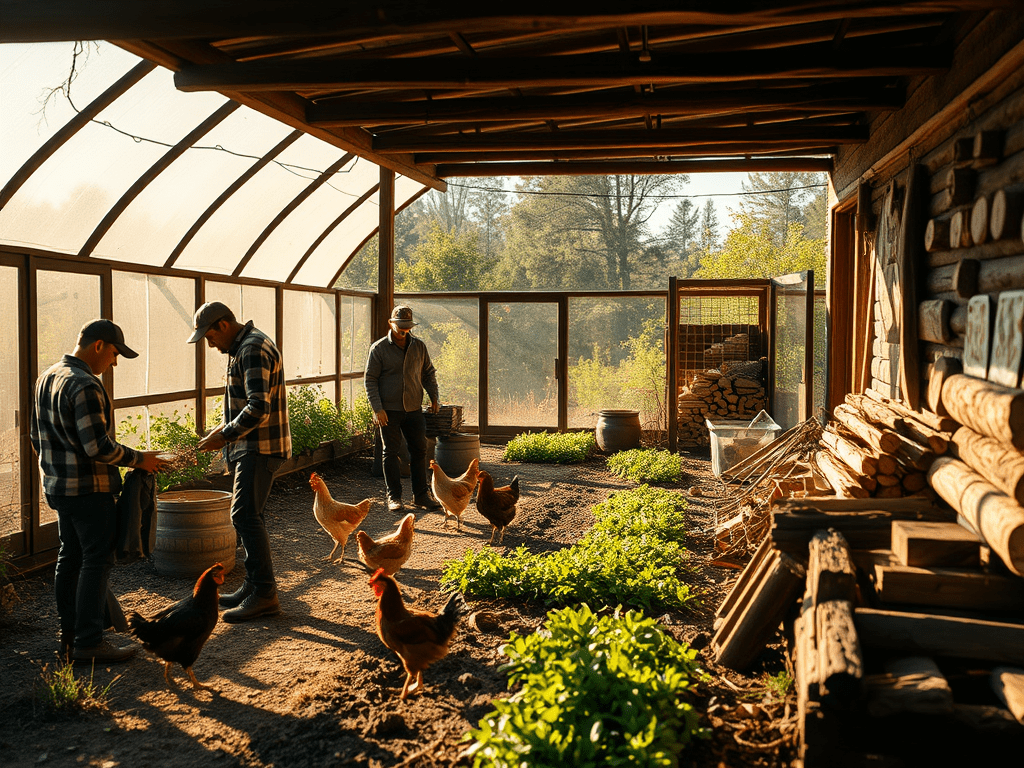
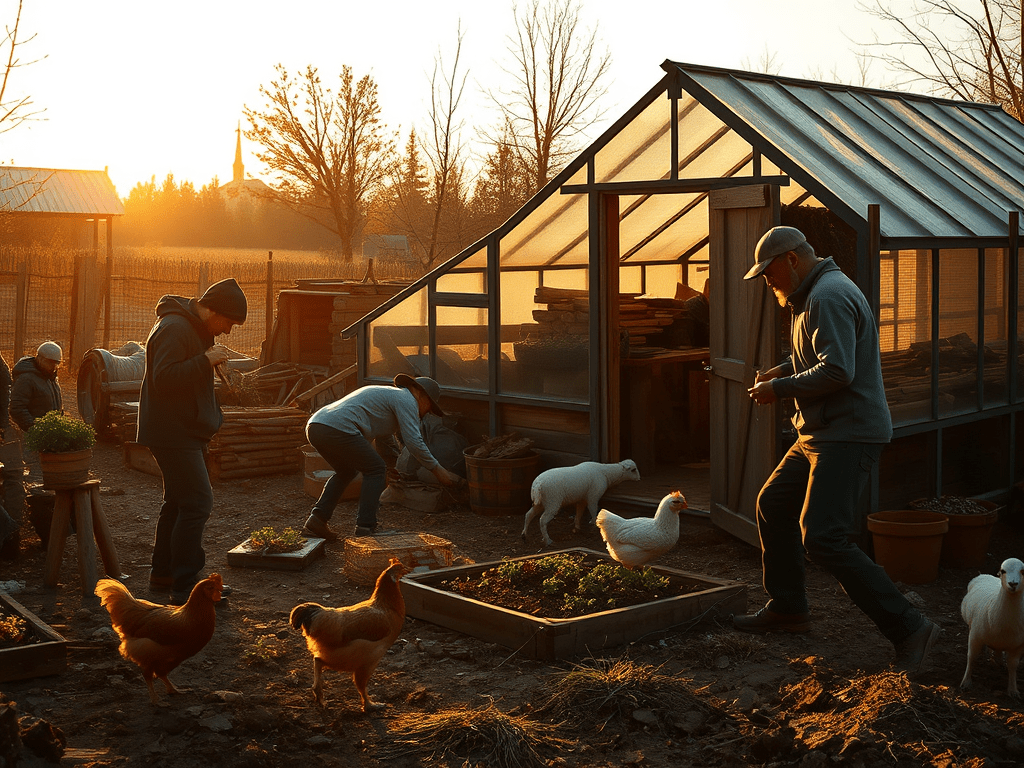
Among a small group of Americans, a movement called “preparation for survival” is spreading like a wave. They store firewood, build greenhouses to grow vegetables, raise chickens and sheep, learn how to slaughter live animals, and even make their own soap. For those of us immersed in modern life—where anything can be bought at the market—this is nothing short of shocking.
Due to extreme weather, skyrocketing fuel prices, and rising food costs, emergency food banks across the U.S. are struggling to meet demand. Even here in Tennessee, residents are under economic pressure. Local newspapers report that animal shelters are overflowing with abandoned pets—three times more than usual—as people are forced to give up animals they once raised like children. For centuries, America proudly proclaimed to the world that it had abundant resources and food.
Many around the globe, drawn by America’s wealth and power, risked their lives chasing the American Dream. Yet now, citizens of this once-prosperous nation face home foreclosures and must rely on emergency food aid. It sounds like a dream—or a nightmare. If this is happening in America, how are people in the Third World surviving?
Take Haiti, for example—America’s closest neighbor. Cheap rice imported from the U.S. led Haitian farmers to abandon their fields and become industrial laborers. Reckless industrial development destroyed farmland, and farming tools were discarded as useless junk. Then, overnight, rice prices soared like gold. Those who had left farming tried to return, but the land was ruined, and they no longer had the strength to cultivate it. When a nation’s primary industry collapses, it loses the ability to sustain itself. Reports say Haitians now survive on an average of one dollar a day.
Faced with this dark age of dwindling resources and food, I find myself asking: What must I prepare for survival? Should I learn dairy farming, how to make candles and soap, and gather firewood? Certainly, self-sufficiency is a wise way to live.
But Scripture teaches that when humanity strays far from God, He allows dark times to bring people back to Him. In suffering and adversity, we rediscover reverence for our Creator, uncover the boundless resources of love hidden within us, and awaken from lives of complacency. These are the seeds of hope planted in the soil of hardship.
Yet above all, what survival method could be greater than returning to God?
In difficult times, it is not our own way of life that sustains us, but reliance on God’s Word, following His ways, loving one another, coexisting, and flourishing together. Perhaps this is the secret to surviving the collapse of the 21st century.
“당신은 무너져 내리고 있는 21세기의 문명에 대처하고 있습니까?” 소수의 미국인들 가운데 소위 “생존 을 위한 준비”가 물결처럼 파급되고 있다는 소식이다. 그들은 땔감을 위해 장작을 저장해 두고, 비닐하우스를 만들어 야채를 재배하고, 닭과 양들을 사육하며, 살아있는 짐승을 도살하는 방법을 배우고, 비누를 만드는 방법 등을 배운다고 한다. 마켓에 가서, 원하는 것은 무엇이든지 살 수 있는 현대의 삶속에 물들어 있는 우리로서는 충격이 아닐 수 없다.
기상이변과 천정부지로 치솟는 기름값, 식료품 가격으 로 인해 미국 각 지역의 가난한 이들을 위한 긴급 식량 보급소엔 공급이 딸리고 있다 한다. 이곳 테네시 주민들도 경제적으로 많은 압박을 받고 있음을 볼 수 있다. 실제로 자식처럼 기르던 애완동물들을 애니멀 쉘터에 떼어놓을 수 밖에 없는 환경 속에, 주인 없는 개와 고양이들이 예년의 세 배 이상으로 넘치고 있다는 지역 신문보도이다. 그동안 미국에서는 수세기를 자원과 식량이 남아 돌아간다고 세계에 자랑해 왔다.
미국의 부와 힘 앞에 세계의 많은 이들은 아메리카의 드림을 꿈꾸며 목숨까지도 불사하며 이 땅에 들어오기 를 힘썼다. 그러나, 그처럼 잘살던 나라의 국민들이 하루 아침에 집을 차압당하고, 식량이 없어 긴급 식량보급소를 찾아야 한다는 말이 꿈처럼 들려온다. 그렇다면 제삼 세계의 사람들은 어떻게 살아간단 말인가? 미국과 가장 가까이 있는 하이티는 그동안 미국시장에서 값싸게 공급되는 쌀로 인해, 농부들은 저들의 농토를 버리고 산업 사회의 일꾼으로 전업하고 말았다. 국가의 무분별한 산업개발로 농토는 사라졌고, 농기구들은 쓸모없는 쓰레기로 버려졌다. 그러나 쌀값은 하루아침에 금값이 되었다. 전업했던 농부들은 본업으로 돌아가고자 해도, 농토는 초토화되었고, 농사지을 기력조차도 찾을 수 없게되었다. 한 나라의 일차산업이 무너져 내리면 자급자족의 능력을 상실 당하고 만다. 그곳 국민들은 평균 일불로 하루를 연명하고 있다고 한다.
나는 과연 자원과 식량이 고갈되어가는 어두운 시대를 앞두고 “생존을 위하여” 무엇을 준비해야 될 것인가를 잠시 생각케 된다. 나도 낙농업을 익히고, 초와 비누를 만드는 법을 배우고, 땔감을 준비해야 될까? 물론 지급 자족을 익히는 것은 삶의 훌륭한 지혜라 생각케 된다. 그러나, 하나님이 인간을 만드신 후 인간 스스로가 하나님을 멀리 떠나있을 때, 저들을 하나님 앞으로 돌이키기 위해 어두운 시대를 허락하셨음을 성경은 깨우치고 있다. 인간의 고난과 역경 속에서 발견되는 창조주를 향한 경외심, 그동안 인간 속에 감춰져있던 사랑의 무궁무진한 자원, 안일했던 삶으로 부터의 깨어남이 어두운 시대 앞에 놓여진 희망이기도 하다. 그러나 무엇보다도 사람이 하나님 앞으로 돌아가는 것 이상의 생존방법이 어디 있겠는가!
어려운 시대일수록 내 방법의 삶이 아니라, 더욱더 하나님의 말씀에 의지하고, 그분의 방법에 따르는 것, 사랑하고 함께 공존하고 번영함 – 이것이 무너져내리는 21세기에 살아남을 수 있는 비밀이 아닐까하고 자문해본다.



 Daily Sauntering
You must be logged in to post a comment.