“One Meal” © WanHee Yoon, (Faith Column, #30, LA Christian Today, May 16, 2012)

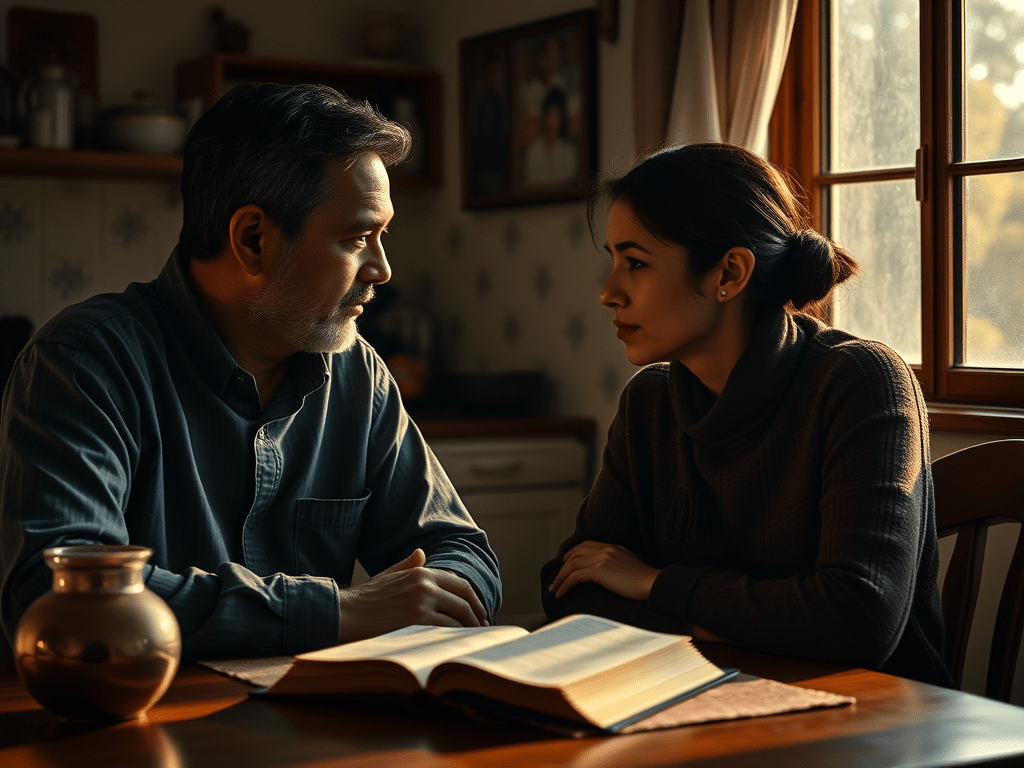
In my early twenties, while working in Chungmuro, Seoul, I lived with a friend in a rented room. On weekends, I would sometimes suddenly feel the longing to see my mother, who lived on the outskirts of Seoul, and I would go to visit her.

At that time, my mother was in her early fifties, raising my two younger siblings, and managing a poor household with the small living expenses I sent her. On the days I visited, she would exclaim, “My third daughter has come!” and laugh aloud with joy, as if a guest of honor had arrived. She would rush to the pump and bring me a cup of cold water, freshly drawn, smelling faintly of rust, and offer it to me with care.

The joy of seeing my mother, whom I missed so much, lasted only briefly. My heart would ache as I looked at her poverty and the shabby surroundings that never seemed to change. After sipping the cold water, I would always leave abruptly. I remember seeing the joy in her eyes fade like dying embers, and I would mutter inwardly: “Mother, how can you be so incapable? I hate this poverty and your helplessness.” Yet my mother, unaware of my unfilial thoughts, would follow me to the door and say, “Since you’ve come home, you should at least have a meal before you go! How can you leave without eating?” I would reply, “Mom, what’s so important about a bowl of rice? I’ve seen your face—that’s enough.” In truth, I feared that her poverty might cling to the hem of my own life.

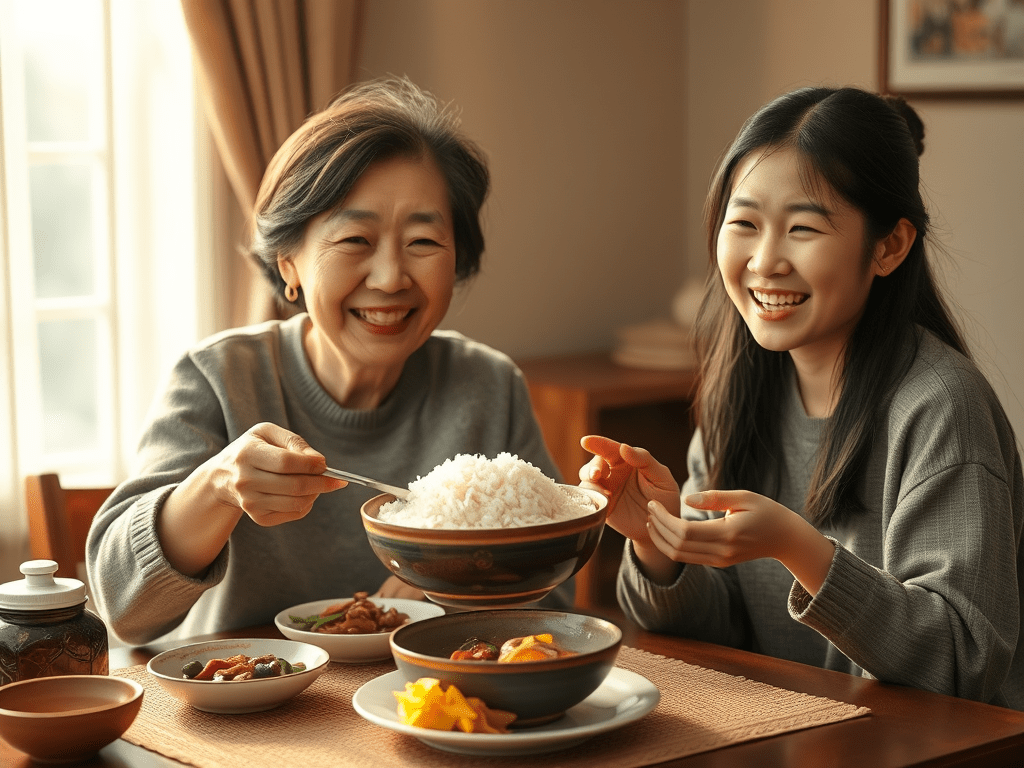
It took me decades to understand her longing to feed her daughter one meal. After my own children grew up and left home, I realized that their visits became my greatest joy, my deepest anticipation. When word came that they were coming, I would wait with excitement, knowing that the best thing I could do for them was to prepare a delicious meal. I wanted to cook all the foods they loved, even dishes I had never shown them before, and feed them until they were satisfied. Sitting together at the table, I wanted to look into their lives—how they were doing, whether they were faithful in their walk with God, whether they carried burdens unknown to us. If they had problems too heavy to speak of, I wanted to sacrifice everything to help them. Only then did I understand a parent’s heart and love.

Now my mother, who once longed so desperately to feed her daughter a meal, is very ill. Living in New York, she has reached ninety-one years of age. Her immunity is weakening, and she no longer enjoys food. The mother I thought would always be by my side now seems as though she may suddenly leave me. In my anxiety and sorrow, I long to prepare for her one warm, delicious meal. And I want to confess that it is because of her presence throughout my life—her stability, abundance, blessing, love, wisdom, and patience—that I am who I am today.

Ah! That “a simple meal” my mother gave me was not only to fill my body’s hunger, but also the nourishment of my soul.

Posted in Essay by WanHee Yoon, faith-column | Tagged , , , , , | Leave a comment

“밥 한 그릇” © 윤 완희, (신앙칼럼, #30, LA 크리스찬 투데이, 2012년 5월 16일)

이십대 초반에 서울 충무로에서 직장을 다니며, 친구와 함께 자취생활을 했었다. 그리고 가끔 주말이면 문득 어머니가 보고 싶어 서울 변두리지역에 살고 계시던 어머니를 찾아 뵙곤 했다.

당시에 오십대 초반이셨던 어머니는 어린 두 동생을 데리고 사시면서, 내가 조금씩 보내드리는 생활비로 근근이 가난한 살림을 이끌어가고 계셨다. 내가 어머니를 방문하는 날엔 어머니는 “우리 셋쨋 딸이 왔구나!”하시면서, 마치 귀빈이라도 온듯이 큰 소리로 활짝 웃으시면서 아이처럼 좋아하시곤 하셨다. 그리고, 어머니는 오랜만에 집에 온 딸의 손을 놓기가 바쁘게 펌프로 달려가 펌프에서 막 퍼 올린 녹물 냄새 나는 냉수 한 컵을 정성스럽게 내밀곤 하셨다.

나는 그토록 보고 싶었던 어머니를 만나는 기쁨을 잠시하곤, 언제나 변함없이 가난이 묻어나는 어머니와 구차한 주변환경을 바라보며 가슴을 절였다. 그리곤 찬물 한 모금 입에 댄 후엔 언제나 방문을 박차고 나섰다. 조금 전까지도 어머니의 눈 속에 가득했던 기쁨들이 꺼져가는 잿더미의 불씨들처럼 흩어져 내림을 바라보며, 나는 무의식적으로 독백했다. “어머니! 어머니는 어쩌면 이렇게 무능하셔요. 저는 이토록 가난하고 무능한 어머니가 싫어요!”, 이런 나의 불효한 마음 조차 눈치채지 못한 어머니는 집문밖까지 따라 나오시면서 말씀하셨다. “집에 왔으면, 밥 한 그릇이라도 먹고 가야지! 그냥 가면 어떻게 하니!”, “엄마! 밥 한 그릇 먹는 것이 뭐가 그렇게 중요해요? 엄마 얼굴 봤 으면 됐어요!” 나는 행여나 어머니의 그 찌든 궁핍함이 내 삶의 옷자락에 묻혀지지 않기를 소망하곤 하였다.

어머니의 딸에게 밥 한 그릇을 해주고픈 심정을 이해하는 데는 그 후로 거의 수십여년이 걸렸다. 어느 덧, 애들이 성장하여 집을 나간 후 자식들이 집에 와 주는 것이 삶의 기쁨 중에 가장 큰 기쁨이며, 기다림 중에 가장 큰 기다림이 되고 말았다. 애들이 언제 온 다는 기별이 오기라도 하면, 그 오랜 기다림과 설레임 속에 내가 아이들을 위해 가장 해줄 수 있는 것은 ‘밥 한 그릇’ 맛있게 해주는 것 이상의 최상의 것이 없음을 이제야 알게 되었다. 아이들이 평소에 좋아했던 것, 아니 한번도 애들 앞에서 숨은 음식솜씨를 미쳐 발휘하지 못한 것들을 모두해서 먹여 보내고픈 것이 나의 솔직한 심정이다. 그리고, 그 아이들과 함께 밥상에 앉아, 아이들의 안과 밖을 찬찬히 들여다 보며, 그 동안 어떻게 지냈는지, 믿음생활에 정진하고 있는 지, 행여나 우리 부부가 알지 못하는 마음 고생을 하고 있는 것은 없는지, 만약에 아이들이 말 못할 문제들이 있다면, 내 모든 것을 희생해서라도 도와주고 해결해 주고 싶은 것이 부모의 심정이며 사랑인 것을 이제야 깨닫게 된다.

그 옛날 그토록 딸에게 밥 한 그릇 먹여 보내고파 안달하시던 어머니가 많이 편찮으시다. 뉴욕에서 올해 아흔 한 살의 생을 맞고 계시는 어머니는 점점 면역성이 약해지시며, 음식도 더 이상 맛있게 드시질 못하 신다. 언제나 영원히 내 곁에서 계실 것만 같았던 어머니가 왠지 훌쩍 내 곁을 떠나가실지 모르겠다는 불 안과 초조함 속에 비로소 어머니만을 위한 따듯하고 맛있는 밥 한 그릇 차려 드리고픈 애타는 심정이다. 그리고 평생을 어머니가 계심으로, 누렸던 내 영혼의 안정과 풍요, 축복과 사랑, 삶의 지혜와 인내들로 인해 오늘의 내가 있었음을 진정 고백 드리고 싶다.

아! 어머니가 해주셨던 ‘밥 한 그릇’은 육신의 허기 뿐만이 아니라, 내 영혼의 양식이었음을!

The current image has no alternative text. The file name is: image-109.png
Posted in Essay by WanHee Yoon, faith-column | Leave a comment

“Prayer is the Breath of Life, the Dynamism of Living!”

© TaeHun Yoon, August 25, 1993

Prayer is the vital breath that unites God’s life with human existence. It is the emergence of new life and the inner strength that sustains believers against external powers.

John Calvin affirmed: “To know God is the highest purpose of life and the supreme joy.” To awaken to the presence of the living God is the greatest event of human existence.

The essence of answered prayer lies in our capacity to receive. God’s answers are His gifts to us. If we do not know how to accept them, we fall into great misfortune. Receptive prayer, therefore, is the means by which we discern God’s self-giving and perceive His greatest gifts.

Often prayer is abandoned midway because of a lack of patience in waiting for God’s response. Yet those who pray deeply recognize that the answer is already contained within the prayer itself. In waiting, listening, yielding, and opening ourselves to love, we experience the blessing of perceiving God’s response.

Expressive prayer is the act of speaking—communicating our thoughts, emotions, and will to God. Receptive prayer, however, is essential for completeness. Through it, God’s will and life transform our own. This receptive prayer, often called meditation, is the posture of listening to God’s Word.

Expressive prayer is like exhaling; receptive prayer is like inhaling. Expressive prayer pours out like the ebb tide; receptive prayer flows in like the flood tide, cleansing and renewing. Together they form the rhythm of true prayer.

Thus, prayer cannot be reduced to one-sided speech. Just as breathing requires both inhalation and exhalation, so prayer requires both expression and reception. Without this balance, spiritual life cannot be sustained.

Receptive prayer is the moment when we yield our will to God and allow His Word to shape us. It is not mere concentration, imagination, or positive thinking, but the profound and clear response of divine grace. When we entrust ourselves to the Creator, we are immersed in blessing.

In prayer, there is always the human who asks and the God who answers. The purpose of prayer is to connect God’s life with human life, sustaining balance and holiness in the believer’s earthly journey.

The current image has no alternative text. The file name is: create-a-highly-detailed-high-resolution-image-that-visually-represents-the.png
Posted in faith-column, prayer | Tagged , , , , , | Leave a comment

“기도는 생명의 호흡, 삶의 역동성!”

© 윤 태헌, 1993년 8월 25일

기도는 하나님의 생명과 인간의 삶을 연결하는 호흡이요, 새 생명의 발돋움이며, 못된 외세에 대항할 내적 버팀목이라!

“하나님을 아는 것이 우리의 최상의 삶의 목적이요, 지극한 기쁨!”이라고 칼빈은 말했읍니다. 살아계신 하나님의 현존을 깨닮음이 평생에 가장 위대한 사건 중의 사건입니다.

우리가 받아드리는 것을 할줄 알 때 그 위대한 사건은 우리의 삶의 한 가운데서 일어 납니다. 응답받는 기도의 비밀이란 바로 이것입니다. 기도의 응답들은 우리를 향하신 하나님의 진정한 선물들입니다. 하나님께서 선물을 주셨음에도 불구하고 우리가 그 웅답을 받아들일 줄 모른다면 이것이야말로 큰 불행인것 입니다.

수용하는 기도는 성령에 의지하여 자신을 주시는 하나님과 또. 그 가장 위대한 선물을 감지하는 방법입니다. 가장 은밀하고 깊은 웅답을 감지하는 것이 바로 수용하는 기도(Receptive Prayer) 입니다.

우리는 기도를 하다가 중도에서 이루지 못하고 기도를 끝낼 경우가 종종 있읍니다. 그것은 우리가 그 응답을 기다리는데 인내가 부족하기 때문입니다.

기도를 깊이하시는 분들은 이미 기도의 응답이 그 기도 속에 주어져있음을 깨닫습니다. 기다리는 동안, 듣는 동안, 양보하는 동안, 바뀌어지는 동안, 그리고 우리 자신으로 하여금 남의 사랑을 받을 수 있도록 자신을 여는 동안, 이미 주어진 하나님의 기도의 응답을 감지하는 축복을 갖습니다.

“평범한 기도”는 입술과 혀로 말이나 생각을 통해서 우리의 감정과 의지를 하나님께 통화해 알리는 것 입니다. 이것이 “표현하는 기도”입니다.

또 하나의 기도 방법인 “수용하는 기도”가 없으면 참 기도는 완성되기가 어렵습니다. 이러한 기도 방법을 통해서 하나님 의지와 생명이 우리의 의지 및 감정, 삶을 변형 시킬 수 있게 되는 경우을 말합니다. 이것이 “수용하는 기도”이며, 혹자는 일컬어서 “묵상“이라고도 합니다.

평범한 기도(표현하는 기도) 속에서는 우리는 늘 말하고 하나님은 늘 듣고 만 계십니다. 그러나 수용적인 묵상 속에서는 하나님의 말씀을 늘 들을 수 있읍니다. 왜냐면, 하나님을 늘 말씀을 하시고, 우리는 늘 말씀을 들듣고 있기 때문입니다.

표현하는 기도는 마치도 호흡의 낼숨이라면, 수용적 기도는 호흡의 들숨이라 봅니다. 또 표현하는 기도는 끝없는 바다의 지평을 향해 속을 쏟아 내놓는 썰물이라면, 수용적 기도는 씻어내고 소성시키려 몰려와 넘치는 밀물이라고 볼 수 있읍니다. 그 하나는 “진실함과 자유로움”의 열림을 제공하고, 다음은 “아버지가 온전하시니 너희도 온전하라 하심을 내 속에서 이름입니다.

따라서 기도에는 불가능의 응답이 없는 것 입니다. 이 두가지의 기도가 신앙생활에는 필수적입니다.
우리는 전화를 걸 때, 내 이야기만 일방적으로 상대방에게 하고, 상대의 말을 듣지 않고 전화를 끊어 버릴 수 없읍니다. 호흡의 한가지 숨으로 만 생명을 30분도 유지할 수 없듯이, 내쉬고는 곧 들이 쉬어 산소를 섭취해야 만 합니다.

이것이 “하나님을 향하고, 하나님과 함께”해서 나의 생명을 유지하며 소성케하며 쇄신할 수 있는 길이라 믿습니다. 그래서 말씀 읽고, 묵상하는 Quiet Time이나 Lectio Divina를, 골방기도나 산상기도와 더불어 권하는 이유가 여기에 있는 것 입니다. 수용적 기도는 하나님의 음성속에 나의 의지를 하나님께 드리는 아름답고 순전한 순간입니다.

기도의 이러한 조화와 내용은 단순한 집중이나, 교묘한 속임수, 상상, 및 긍정적 사고가 아니라 전능하신 하나님 은혜의 미묘하고, 깊고, 웅장하고 분명하신 응답인 것 입니다. 따라서 우리는 우리 자신을 창조주 하나님의 전능하신 손에 넘길 때, 우리는 축복속에 잠기게 되는 것 입니다. 하나님은 언제나 우리를 용납하시고, 우리 자신을 제물로 드리는 행위로, 드리는 기도와 받는 기도를 통해서, 우리는 하나님을 우리의 삶 속에 모셔들일 수가 있는 것입니다. 내 삶의 일상 속에 주님이 살아가시는 것을 허락하는 것입니다.

기도에는 분명 요구하는 인간이 있고 대답하는 하나님이 계십니다. 기도의 목적은 성도들이 이 땅에서 삶의 균형과 온전(거룩함)을 위한 하나님의 생명과 인간의 삶의 역동성을 연결하는 호흡입니다.

The current image has no alternative text. The file name is: generate-a-highly-detailed-high-resolution-image-featuring-the-essence-of-3.png
Posted in faith-column, Ministry, prayer | Leave a comment

“Meeting My Dream” © WanHee Yoon, (Faith Column, #29, LA Christian Today, January 21, 2009)

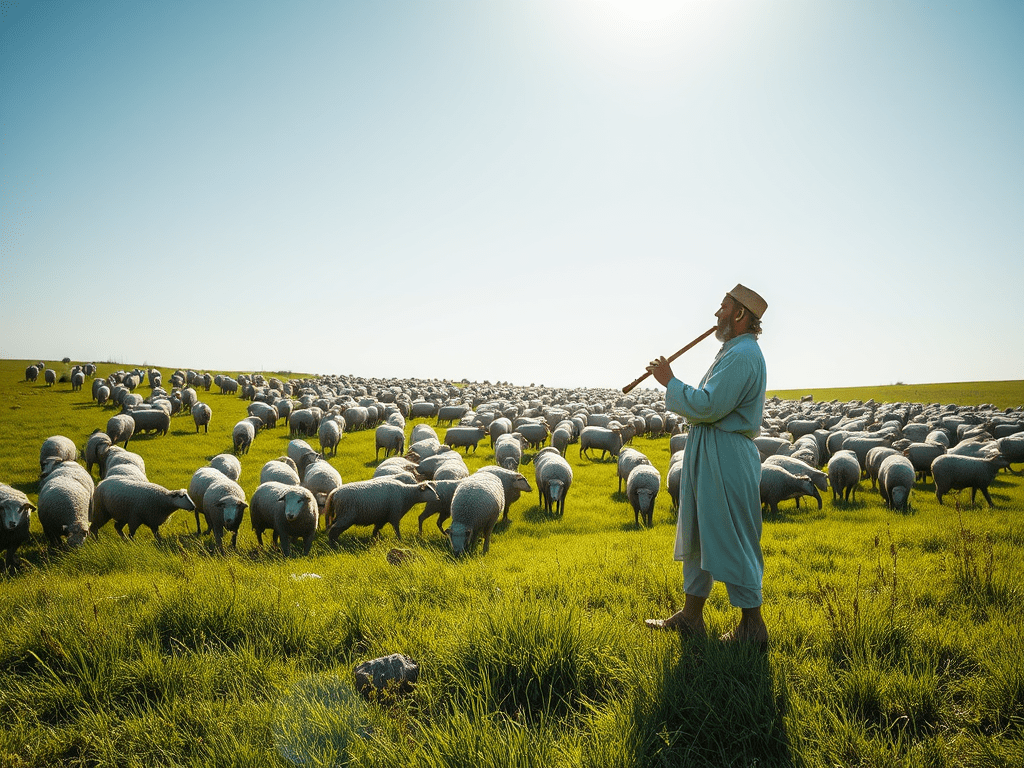
Since childhood, I carried a dream with me. It was to become a shepherd—playing the flute on a green meadow while leading hundreds of sheep. The dream was so vivid that when my second-grade teacher asked each student, “What do you want to be when you grow up?” I answered without hesitation: “A shepherd.” The teacher, who was calling on more than eighty children one by one in a businesslike manner, dropped his pen to the floor and burst into laughter the moment he heard my reply.

Decades have passed since then, but my longing to be a shepherd has never changed. One day, during a family gathering, I said that I wished to own a ranch and raise sheep there. My eldest son-in-law interjected: “Perhaps you could keep a few as pets!” My husband and children all spoke up together: “Not just a few—she wants to raise hundreds!” My son-in-law jumped in protest: “Mother, you could never do that. How could you bear sending them off to the slaughterhouse?” I had to admit he was right.

Last summer, hearing that a relative of one of our church members raised sheep, I went to visit with several friends. As we approached the ranch, my heart began to race. Just as I had imagined, hundreds of sheep grazed peacefully on a picture-like meadow halfway up the mountain. I was deeply satisfied at the sight. But as soon as I stepped out of the cool car, the suffocating heat and blazing sun were unbearable, and the swarms of mosquitoes and insects were overwhelming. Though it was still morning, the ranch owner, resting in the shade, called the sheep and pretended to feed them for our sake. The sheep bleated in chorus and rushed toward him like soldiers. Yet when they discovered the trough was empty, they turned away as one and went back without a glance.

The owner then led us to the barn, where food and hay were stored. There, I noticed a single fat ram tied up inside a pen. He explained that this ram was given special treatment for breeding purposes. But seeing it made me uneasy. The owner pointed out the many tools—lined up like monsters—needed for sheep farming, and the more I learned, the more my dream of being a shepherd shattered. My companions, sensing my disappointment, teased me: “So, what do you think? This is the reality of your dream!”

Dreams are like stars in the night sky—beautiful simply to think about. But when I finally met the dream I had cherished all my life, it turned out to be nothing more than a field of sweat and labor I could not endure. In truth, the dream had already lived with me through the difficult days I wanted to escape, the burdens I complained about.

This year, I resolve not to chase my dream from afar, not to postpone it to “someday.” Instead, I will focus on today—seeing, feeling, and touching the present moment. I will not dream of anything beyond that.

The current image has no alternative text. The file name is: image-105.png
Posted in Essay by WanHee Yoon, faith-column | Tagged , , , , , | Leave a comment

“꿈을 만나보니” © 윤 완희, (신앙칼럼, #29, LA 크리스찬 투데이, 2009년 1월 21일)

나에게 어릴 적부터 따라다니는 꿈이 있었다. 그것은 목동이 되어 푸른 초원에서 피리를 불며 수 백마리의 양들을 몰고 다니는 일이었다. 그 꿈은 얼마나 강렬하였는지, 초등학교 2 학년 때 담임 선생님이 학적부를 기록하며 “너는 커서 무엇이 되고싶으냐?”는 질문에 서슴치 않고 ‘목동’이라고 또렷이 대답을 하였었다. 당시에 한 학급에 80여명이 넘는 아이들을 한명씩 불러내어, 사무적으로 질문하던 담임 선생님은 ‘목동’라는 말이 떨어지자 마자, 펜을 교실바닥에 떨어뜨리며 박장대소를 하는 것이었다.

그 후로 수 십년의 세월이 흘렀건만, 목동이 되고픈 나의 열망은 전혀 변함이 없었다. 나는 어느 날 가족들의 모임 때 목장을 갖기를 원한다고 말하였다. 그곳에서 양들을 사육하고 싶다고 하였다. 옆에서 듣고있던 큰 사위가 거들었다. “애완용으로 몇 마리를 길러보시는 것도 좋겠지요!” 남편과 아이들이 한 목청으로 나섰다. “몇 마리가 아니고 수백마리를 키워보겠다는 거야!” 사위가 펄쩍 뛰었다. “어머니는 절대 못하세요. 키워서 도살장으로 보내는 일을 어떻게 하시겠어요?” 사위의 말에 동감이 갔다.

지난 여름 교인 친척 가운데 양을 사육하는 가정이 있다는 말에 몇 명의 교인들과 함께 당장 방문했다. 목장이 가 까워지자 나는 가슴이 뛰었다. 상상했던 대로 산 중턱의 그림같은 초원에 수백마리의 양들이 평화롭게 풀을 뜯고 있는 것이 보였다. 나는 그 모습에 실로 만족치 않을 수 없었다. 그러나 막상 시원한 차에서 내리자마자, 숨막히는 더위와 햇볕은 견딜 수 없을 정도였고, 떼로 몰려드는 모기들과 날벌레들은 장난이 아니었다. 오전인데도 더위를 피해 그늘에서 숨을 돌리고 있던 주인은 우리 일행들을 위해 양들을 부르며 먹이를 주는 시늉을 하였다. 그러자 양들은 그 특유의 ‘매-애’소리를 지르며 군병처럼 멀리서부터 일사 분란하게 몰려들기 시작하였다. 그러나 그것이 빈 먹이통 임을 안 양들은 주인이 아무리 오라고 하여도 뒤도 안 돌아 본체 떼지어 되돌아가 버렸다. 주인은 우리 일행들을 데리고 헛간으로 갔다. 헛간은 양들의 식량들과 마른풀들이 보관되어 있는 곳인데, 특이한 것은 그곳에는 살찐 채 호강 해 보이는 숫양 한 마리가 끈에 묶인 채 우리 안에 갇혀있었다. 이 숫양은 종자번성을 위해 다른 양들보다 특별한 대우를 받는 녀석이라고 하였다. 나는 그 숫양을 보자 왠지 비위가 상해버렸다. 순전한 주인은 양 사육에 필요한 괴물처럼 즐비하게 서있는 농기구들을 가리키며 설명을 했으 나, 이것저것 알면 알수록 나의 목동의 꿈은 산산조각 될 뿐이었다. 이미 내 마음을 눈치 챈, 교우들은 놀려대기 시작하였다. “자 어떻게 생각하세요? 이것이 바로 당신의 꿈의 현장이에요!”

꿈은 마치도 밤하늘의 별처럼 생각 만하여도 좋은 것이었다. 그러나 평생을 그토록 꿈꾸어오던 꿈을 만나보니, 그것은 도저히 내가 감당 할 수 없는 땀과 노동의 현장이었을 뿐이었다. 오히려 내가 불평하며 도피하고 싶을 정도의 힘들고 어려웠던 지난날들 속에 꿈은 이미 나와 함께 살아 왔었음이다. 올해만큼은 나의 꿈을 멀리서, 이 다음에, 언젠가 찾으려하지 않고자 한다. 차라리 오늘의 순간을 집중하여 보고 느끼고 만지며 사는 것 이상의 어떤 꿈도 꾸지 말자고 자신에게 다짐해 본다.

Posted in Essay by WanHee Yoon, faith-column, Ministry | Leave a comment

“Grace Upon Grace”

In the hardest winter—
the winter of the January retreat*—
a one-year-old child survived,
carried on his mother’s back
as the world collapsed around them.
Grace upon grace.

He chose to forget it all.
The roar of bombs,
the trembling earth—
a room of fear too large
for any infant to bear.
And because nothing remained
in memory’s house,
it was grace upon grace.

After Seoul was taken back,
after the broken homes and rubble,
the child’s only surviving memory
was a single nail
driven deep into his right foot.
He saw the blood,
but not the pain.
No tetanus shot,
just his mother’s hands
pressing soybean paste
over the wound
until healing came.
Grace upon grace.

At forty,
every lower tooth
had opened into cavities.
A gentle church-member dentist
filled them one by one,
restoring daily living after another day
he thought he had lost.
Grace upon grace.

Twenty years of ministry
in New York—
and on October 11, 1999,
for the first time,
the heart faltered.
An irregular rhythm,
a left ventricle enlarged,
an eighty percent chance
of danger.
Worry and fear
had done their work.
Yet still he lived.
Grace upon grace.

And now, after another 26 years
in southern Tennessee,
in the quiet of retirement,
he spends his days
with soil and trees,
talking with plants, insects and birds,
finding healing
in the ordinary rhythms
of the land.

His body grows younger,
health returning
like spring after frost.
Grace upon grace.

* The “1.4 Retreat” (1·4 후퇴) refers to the mass withdrawal of United Nations and South Korean forces from Seoul in early January 1951 during the Korean War, following a major Chinese offensive. Result: Seoul fell to communist forces for the second time during the war. However, this retreat helped preserve UN forces, who later regrouped and retook Seoul during Operation Ripper in March 1951 Civilian Impact: The retreat triggered a massive refugee crisis. Hundreds of thousands of civilians fled south, many on foot, in freezing winter conditions. This period is remembered with deep sorrow in Korean memory—especially among those who survived the harsh journey, like the one-year-old child in this “Grace Upon Grace.”

Note:

These pages were gathered like fallen petals—quietly, one by one—on days when the wind of memory brushed against my life. Each poem, each line, is a small ember from the long night of my heart, carried here in the hope that it may warm another soul wandering in its own darkness.

In Korea, we often say that sorrow and beauty drink from the same well. I have drawn from that well—of longing that ripens with age, of love that leaves both shadow and light, of prayers whispered into the deep dawn before the world stirs awake. What you hold now is the fragrance of those moments, steeped slowly, like tea left to bloom in still water.

If these words touch the hidden corner of your heart—like the first snow settling on a quiet village, or the distant echo of a temple bell at dusk—then this journey has meaning. I offer these writings as a lantern for anyone walking through evening fields of their own life, searching for a path, a memory, or a gentle place to rest.

© TaeHun Yoon

A winter scene titled 'January Retreat in Korea': a mother carrying a child on her back walks through a snow-covered mountain pass, surrounded by bare trees and distant war-torn ruins. The sky is pale gray with soft snowfall, and the mother wears a traditional Korean overcoat and scarf. Her face is calm but weary. The child is bundled tightly, eyes closed, resting against her back. In the background, faint silhouettes of soldiers and broken rooftops suggest the aftermath of conflict. A subtle golden light breaks through the clouds, symbolizing hope and grace.
Posted in Poetry | Tagged , , , , , | Leave a comment

“은혜 중에 은혜”

© 윤 태헌

가장 혹독했던 겨울—
1·4 후퇴*의 그 겨울에
세상이 무너져 내리는 가운데서도
한 살배기 아이는
어머니의 등에 업혀 살아남았다.
은혜 위에 은혜라.

그 모든 기억을
잊어버리기로 했다.
폭탄의 굉음,
흔들리는 땅—
어린아이가 감당하기엔
너무 큰 두려움의 방.
기억 속에 남아 있는 것이
아무것도 없었으니,
이것 또한 은혜 위에 은혜라.

서울이 다시 수복된 뒤,
부서진 집들을 치우던 때에
그 아이에게 남은 유일한 기억은
오른발 바닥 깊숙이 박힌
대못 하나였다.
피가 흐르는 건 보았지만
고통은 느끼지 못했다.
파상풍 예방주사도 없이,
어머니가 된장을 정성스레 발라주고
상처는 아물었다.
은혜 위에 은혜라.

마흔 살에 이르러
아래 치아가 모두 썩어갔을 때,
마음 좋은 교인 치과 의사가
하나씩 메워주며 하루 하루를 돌려주었다.
은혜 위에 은혜라.

뉴욕에서 20여 년 목회를 하던 중,
1999년 10월 11일,
처음으로 심장의 리듬이 흔들렸다.
좌심실 비대—
80%의 위험.
걱정과 불안이
몸을 갉아먹은 탓이었다.
그럼에도 살아 있었으니
은혜 위에 은혜라.

그리고 다시 26년이 흐른 지금,
남쪽 테네시에
은퇴 후의 고요한 삶을 살며
흙과 나무,
풀벌레와 여러 새들과
대화를 나누는 하루하루가
곧 치유가 되었다.

몸은 더 젊어지고
건강은 봄처럼 되살아난다.
은혜 위에 은혜라.

* “1·4 후퇴”는 1951년 1월 초, 한국전쟁 중 중국군의 대공세에 따라 유엔군과 한국군이 서울에서 대규모로 철수한 사건을 말합니다. 결과적으로 서울은 전쟁 중 두 번째로 공산군의 손에 넘어갔습니다. 그러나 이 철수는 유엔군을 보존하는 데 도움이 되었고, 이후 병력을 재편성하여 1951년 3월 ‘리퍼 작전’을 통해 서울을 다시 탈환하게 되었습니다. 민간인 영향: 이 후퇴는 대규모 난민 사태를 초래했습니다. 수십만 명의 민간인들이 혹한 속에 남쪽으로 피난했으며, 대부분은 도보로 이동해야 했습니다. 이 시기는 한국인의 기억 속에 깊은 슬픔으로 남아 있으며, 특히 “은혜 중에 은혜”에 등장하는 한 살배기 아이처럼 혹독한 여정을 살아남은 이들에게는 더욱 각별한 의미를 지닙니다.

후기:

이 글은 삶의 결을 스치고 지나간 기억의 바람 속에서, 꽃잎 떨어지듯 하나둘 모여 만들어졌습니다. 한 줄, 한 문장마다 오랜 밤을 지나오며 품었던 작은 불씨들을 담았고, 그 불씨가 또 다른 이의 마음 어둠을 비출 수 있기를 바라며 이곳에 내려놓습니다.

한국에서는 슬픔과 아름다움이 한 우물에서 길어 올린 물이라 말하곤 합니다. 나 또한 그 우물에서 길었습니다. 세월 속에 익어가는 그리움, 그림자와 빛을 함께 남기고 떠나는 사랑, 세상보다 먼저 깨어나는 새벽에 속삭인 기도들—지금 당신의 손에 들린 이 글들은 그 순간들의 향기를 고요히 우려낸 것입니다.

만약 이 글들이 당신 마음 깊은 구석을 살짝이라도 건드릴 수 있다면—첫눈이 고요한 마을 위로 내려앉을 때처럼, 해질 녘 멀리서 울려오는 종소리처럼—이 여정은 이미 의미를 찾은 것입니다. 이 글이 삶의 저녁 들판을 걸어가는 당신에게 작은 등불 하나가 되기를, 길과 기억과 쉼을 찾는 이들에게 따스한 자리가 되기를 바라는 마음으로 드립니다.

A winter scene titled 'January Retreat in Korea': a mother carrying a child on her back walks through a snow-covered mountain pass, surrounded by bare trees and distant war-torn ruins. The sky is pale gray with soft snowfall, and the mother wears a traditional Korean overcoat and scarf. Her face is calm but weary. The child is bundled tightly, eyes closed, resting against her back. In the background, faint silhouettes of soldiers and broken rooftops suggest the aftermath of conflict. A subtle golden light breaks through the clouds, symbolizing hope and grace.
Posted in Poetry | Leave a comment

“Rest” © WanHee Yoon, (Faith Column, #28, LA Christian Today, April 18, 2007)

I have often thought that the life of an immigrant church pastor is like a car whose engine never turns off. As a pastor’s wife, I saw how my husband’s thoughts and concerns were always absorbed in the lives and families of the congregation, and how he lived in a constant state of tension. A day that began at 5 a.m. rarely ended before 1 a.m. the next morning.

My husband, weary in body and spirit, would often drift into drowsiness after only thirty minutes of driving. Meanwhile, the dosage of blood pressure medication for both of us kept increasing, while the joy and quality of life steadily diminished.

One morning, after finishing the dawn prayer service, we sat together in the parsonage kitchen for breakfast and began a deep conversation of self-examination. To our surprise, we confessed that despite our constant effort to discipline ourselves with prayer and Scripture, we were suffering from stress, workaholism, wounds, a mission drained of joy, the burden of being unable to express our emotions, and fear of retirement without a plan. We admitted we were exhausted.

We asked ourselves: Is living with suppressed burdens, emphasizing only duty and mission, truly the life God desires? Or does God want us to live as His children through spontaneous joy and devotion flowing from within?

We realized we needed to forgive ourselves for neglecting our own care while running endlessly, and concluded that absolute rest was immediately necessary to fulfill God’s work in its fullness.

Afterward, my husband left the church he had been serving, and together we made a bold start toward the life we had prayed for. For a year, he stepped away from ministry, working with soil and tending the earth in nature’s embrace. During that time, the heavy burdens, wounds, depression, and exhaustion that had filled us were healed.

Now, nearly five years later, I see in my husband a healthier, more beautiful figure than ever before—full of new joy, courage, and passion for ministry, caring for the elderly and fellow believers, and sharing God’s presence. I also testify that in our marriage, once hardened by the strains of immigrant ministry, we have found a joy of love and leisure we had never tasted before.

True rest is not found in short trips, retreats, or educational programs for church growth. It is found when the pastor steps away from people and rests simply as a human being in nature. In that time, all obsessions—church growth, ministry zeal, even mission itself—are laid down, and one becomes a friend to oneself. In that time, God’s abundant embrace strengthens the pastor and leads the ministry in a truer direction.

I pray that congregations, whether large or small, will encourage and allow their pastors to take regular periods of rest and sabbatical. For it is only when pastors are healthy in body and spirit that the church itself can be healthy.

The current image has no alternative text. The file name is: image-103.png
Posted in Essay by WanHee Yoon, faith-column | Tagged , , , , , | Leave a comment

“쉼” © 윤 완희, (신앙칼럼, #28, LA 크리스찬 투데이, 2007년 4월 18일)

이민교회 목회자의 삶을, 늘 엔진이 켜있는 자동차와 같다고 생각한 적이 있다. 목회자의 아내로, 남편의 생각과 관심은 늘 성도들의 삶과 가정에 몰두되어 있으며, 늘 긴장되어 있는 것을 보아왔다. 24시간이 결코 길지가 않은 새벽 5시부터 시작된 하루 일과가 그 다음 날 새벽 한시가 되어서야 마무리가 되는 것이 일상이었다.

늘 봄과 마음이 지칠 대로 지쳐있던 남편은 운전을 하는 동안 삼십여분 만 지나면 자기도 모르게 취면 상태로 빠져들어 가는 일을 종종 보아왔다. 또한 우리 부부의 혈압 약의 적정량은 날이 갈수록 높아져 가는 반면, 삶의 기쁨과 질은 점점 낮아져 가고 있었다.

어느 날, 새벽기도회를 마치고 목사관 부엌에서 아침 식사를 나누며 우리 부부는 우리 자신을 점검하는 깊은 대화를 나누기 시작하였다. 놀랍게도 기도와 말씀으로 늘 자신을 제어함에도 불구하고 우리 속에는 스트레스, 일 중독, 상처, 기쁨이 사라진 사명, 자신의 감정을 표현 할 수 없는 부담감, 대책 없는 은퇴에 대한 두려움 등등으로 시달리고 탈진되어 있는 자신들을 고백했다.

우리는 이 모든 것을 우리 안에 억누르고 숨긴 채, 의무와 사명만을 강조하며 살아가는 것이 과연 하나님이 기뻐 하시는 우리들의 삶일까? 아니면 하나님은 우리 안에 우러나오는 자발적인 기쁨과 헌신을 통해, 그분의 자녀답게 살아가는 것을 원하실까라는 질문 앞에서야만 되었다.

우리는 그동안 쉬임없이 달리며 무관심했던 자신들을 향해 돌보지 못했던 과거를 용서해야 했고, 하나님의 온 전한 사역을 이루기 위해선, 절대적인 쉼이 당장 필요하다는 결론에 이르게 되었다.

그 후, 남편은 섬기던 교회를 떠나, 우리 자신이 기도 가운데 원하던 삶을 향해 과감한 출발을 시도하게 되었다. 그리고, 일년간을 남편은 목회를 쉰 채 자연의 품속에서 흙을 만지고 가꾸는 동안 우리들 속에 차있던 모든 불필요한 무거운 짐들과 상처, 우울증, 탈진 현상 등이 치유되는 시간을 가질 수 있게 되었다.

근 오년의 세월이 지난 지금, 그 어느 때보다도 새로운 기쁨과 용기, 사역에 대한 열정으로 노약자들과, 교우들을 돌보며 하나님의 임재를 나누는 남편의 자신에 차있는 건강하고 아름다운 모습을 볼 수 있다. 또한 이민목회 중에 경직되어갔던 부부 관계에서, 전에 맛보지 못했던 사랑과 여유를 찾는 기쁨 또한 갖게 되었음을 간증케 된다.

온전한 쉼은 짧은 여행, 수양회, 교회성장을 위한 교육 등을 통한 쉼이 아닌, 목회자 자신이 사람 속을 떠나 자연인으로 쉬는 시간이다. 그 시간을 통해, 모든 집념들-교회성장, 목회에 대한 열정, 사명조차도 다 내려놓고 자신과 친구가 되는 시간이다. 그 시간에 하나님의 풍요로운 품은 목회자를 더욱 더 강건케 하고 사역을 온전한 방향으로 이끄시리라 믿는다.

한편 바라기는 성도들은 교회가 크든 작든 목회자들에게 정기적인 휴식과 안식년의 쉼의 기간을 갖도록 권유하고 허락할 수 있기를 기도한다. 목회자가 영육간에 건강해야 만이 교회가 건강한 것은 당연하기 때문이다.

The current image has no alternative text. The file name is: create-a-highly-detailed-high-resolution-image-for-a-blog-post-1.png
Posted in Essay by WanHee Yoon, faith-column | Leave a comment