Lately, I’ve been enjoying the joy of new encounters with members of the congregation at the church where my husband was recently appointed. It feels like the beginning of another honeymoon phase in ministry.
Over the past 30 years of our immigrant ministry journey, my husband has served as senior pastor at eight different churches. Four of them were American congregations, and during his time at one of those churches, he also planted two Korean churches in the same location. Later, he returned to serve two more Korean churches. Looking back, what once felt like a long and rugged road now reminds me of how fleeting time truly is.
Someone recently asked me, “How does it feel to meet new people at a new church?” Meeting strangers is always both thrilling and nerve-wracking. I’ve learned that the joy of meeting others depends on how open my heart is. Relationships, like strong ropes, are woven moment by moment. But I’ve also learned—through disappointment—that when I begin relationships with preconceived notions, expectations, or by projecting my own preferences onto others, the result is often frustration and disillusionment.
There was a time when, as a pastor’s wife, I endured a great deal of emotional stress. I couldn’t live as my full self, constantly trying to meet the expectations of the congregation within a limited environment. Even when I wanted to share my thoughts in a gathering, I worried it might reflect poorly on my husband’s ministry. When I wanted to express my sense of style, I hesitated, fearing it might offend someone.
Often, when I felt exhausted, empty, or angry, I had no choice but to resolve it alone in tears before the altar. Even joyful moments in daily life felt unsafe to share, lest they be seen as prideful. Meeting people week after week—sometimes daily—while suppressing my own emotions felt like striking at the air.
Eventually, I reached a point where I could no longer sustain such one-sided encounters. Under the name of God, I felt I was losing myself entirely. If I couldn’t enjoy the small and ordinary things, if I couldn’t live with authenticity, how could I call myself a person of faith? I groaned inwardly, even fell ill.
Looking back now, I realize that I missed the full joy of fellowship because I was afraid to open my heart. I kept trying to give when I had nothing left inside—and of course, I quickly became weary.
Now, when I have nothing to give, I don’t force myself. When I’m tired, I rest. I sleep in one day a week. When something makes me laugh, I no longer offer a polite Mona Lisa smile—I laugh from deep in my belly, surprising those around me. When I embrace fellow believers, I meet their eyes and press heart to heart. I delight in listening. When I have a creative thought or a testimony to share, I do so without hesitation.
I feel happiness among the congregation. I am grateful to be loved and to love in return. These are the things I now seek in this later season of my husband’s ministry—the art of encounter.
요근래 새로 부임한 교회에서 성도들과의 새로운 만남의 시간을 즐기고 있다. 목회의 또 한번의 신혼기간이 시작 되었다고 말 할 수 있겠다.
그동안 우리 부부의 이민 목회사역 30 여년 가운데 모두 여덟 교회를 남편이 담임자로 사역했다. 그 중에 네 교회는 미국인 교회였고, 미국인 교회 담임 중에 같은 장소에서 한인들을 위해 두 한인 교회를 개척하기도 했었다. 그리고 다시 두 곳의 한인교회를 목회하기도 했다. 그런데 그토록 멀고 험하기만 한 것 같았던 목회 길이 후반기에 들어섰음에 세월의 무상함을 생각케 된다.
어느 분이 물었다. “새 교회에 가서 새로운 분들을 만나는 기분이 어떠신지요?” 언제나 생면부지의 사람들을 만난다는 것은 몹시 흥미롭고 가슴 떨리는 일이다. 늘 경험하는 일이지만 나의 마음 문을 얼마나 열어놓고 상대방을 만나느냐에 따라 만나는 즐거움을 더할 뿐만이 아니라, 인간관계는 단단 한 밧줄처럼 한순간 한순간이 이어져 나간다. 그러나 나도 모르게 어떤 선입견이나 기대감, 내 취미와 성향에 상대방을 일방적으로 묶어두고 인간관계를 시작하면 결국엔 실망과 좌절로 끝나고 만 경험을 상기케 된다.
지난 일이지만 한때는 목사의 아내로써 많은 정신적인 스트레스에 시달리지 않을 수 없었다. 그것은 나 스스로가 제한된 환경과 성도들의 기대를 만족시키고자 하는 욕심으로 인해 온전한 내 모습대로 살수 없었기 때문이다. 행여나 어느 모임에서 나의 의견을 말하고 싶어도 그것이 남편의 목회에 누를 끼치진 않을까? 또한 화사한 패션 감각을 표현하고자 하였다가도 혹시 어느 분의 마음에 걸림을 주진 않을까라는 기우가 먼저 앞섰다.
또한 종종 허탈감과 분노, 몸과 마음이 지쳐있어도 나 홀로 제단 앞에서 눈물로 해결하는 수밖에 없었다. 일상의 경사조차도 자랑과 교만이 될까봐 나눌 수 없었다. 인간의 감성을 참고 누르는 상태에서 매주, 때로는 매일 성도와의 만남은 허공을 치는 것과 같았다.
나는 이런 일방적인 만남을 더 이상 지탱 할 수 없는 상황에 이르렀었다. 신의 이름 아래, 내 자신을 몽땅 분실해버릴 것만 같았다. 사소하고 평범한 것들을 즐길 수 없고, 개성있는 삶을 찾을 수 없다면 내가 어떻게 신앙인이라고 할 수 있을까? 나는 몹시 신음하며 앓기도 하였었다.
그러나 이제와 생각해 보면 내 자신이 상처를 입을까봐 마음 문을 활짝 열어두지 못했던 결과로 성도들과의 만남의 온전한 기쁨을 누리지 못한 것도 사실이다. 또한 내 안에 가진 것이 없는데 자꾸 줄려고만 하니 금방 지치는 것이었다.
줄 것이 없을 때는 이젠 억지로 주려고 하지 않는다. 내가 피곤 할 때는 휴식을 취하며, 일주일에 하루는 늦잠에 빠진다. 웃을 일이 있을 때에는 더 이상 ‘모나리자의 미소’가 아닌 뱃속 깊은 곳에서 우러나오는 웃음보를 터트려 주위사람 을 놀라게 한다. 교우들과 포옹을 할 때는 눈과 눈을 바라보 며 가슴과 가슴을 맞댄다. 경청하는 즐거움에 빠져든다. 창의적인 생각이나, 삶에 간증이 생기면 주저함 없이 나눈다.
성도들 속에서 행복의 감정을 느끼고, 사랑 받고 있음과 사랑할 수 있음을 감사한다. 이 모든 것들이 요즈음 남편의 목회 후반기에 내가 추구하는 성도와의 만남의 미학이다.
Midwinter sunlight—thin and thirsty—leans into the snow, as if lost in a dream, murmuring long tales of a weary army dragging itself from the edge of a forgotten homeland.
From afar, it looks like an angel— a fierce, burning flame. I scoop up ash in my hand and breathe in its scent— a memory of soil I once called mine.
The universe passes before me. But first, this world must turn to ash.
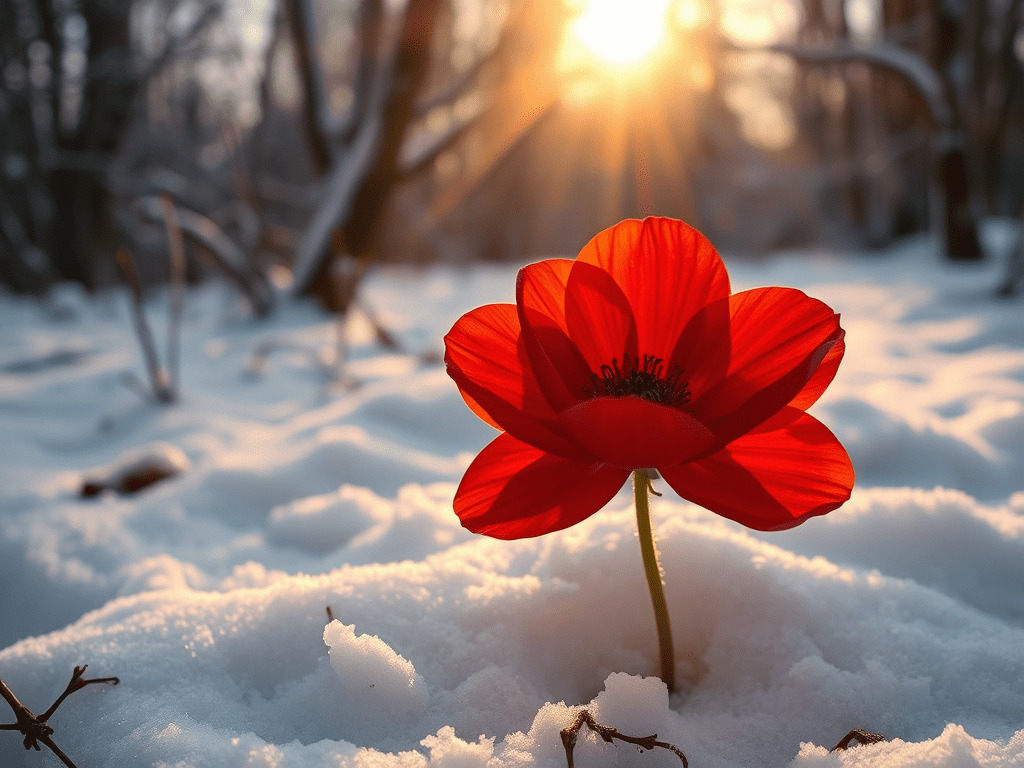
Above a small red anemone blooming at my feet, a flame rises— uneasy, still— an angel named Silence.
Its body, sun-scorched skin draped over carved bones, as if the rock itself had suddenly bloomed with flowers.
Tongues of fire lick the trees. The house folds inward from all sides until its walls press against my ribs.
Food, joy, safety— beneath me, countless mouths cling to the breast of the earth, suckling.
The ground trembles. It is the sound of spring.
But hearing— has already fallen silent.
– Note:
This poem was written in the shadow of winter, but its true subject is the disorientation and quiet violence of starting over. After immigrating to the United States, I found myself surrounded by unfamiliar landscapes, new languages, and the slow unraveling of everything I once called home. “Sunlight” is not a celebration of arrival—it is a meditation on the cost of transformation.
The burning angel, the trembling ground, the house folding inward—these are not metaphors of destruction alone, but of rebirth through surrender. The poem’s imagery reflects the paradox of immigration: the need to let go of one world in order to survive in another, even as memory clings like ash to the skin.
The red anemone blooming beneath the speaker’s feet is a fragile sign of life, a reminder that spring can emerge even from scorched earth. But the final line—“hearing had already collapsed”—speaks to the exhaustion of adaptation, the silence that follows too much change.
In writing this, I did not seek resolution. I sought to honor the quiet, elemental truth of beginning again: that even in a new land, the body remembers what it lost, and the soul listens for the sound of spring.
한겨울의 햇빛—가늘고 목마른—눈 속으로 몸을 기울인다. 마치 꿈속에 잠긴 듯, 잊혀진 고향의 가장자리에서 몸을 끌며 돌아오는 지친 군대의 긴 이야기를 중얼거린다.
멀리서 보면 그것은 천사 같다— 격렬하게 타오르는 불꽃. 나는 손에 재를 움켜쥐고 그 향기를 들이마신다— 한때 내 것이었던 흙의 기억.
우주는 내 앞을 지나간다. 그러나 그 전에, 이 세상은 재로 변해야 한다.
내 발끝에서 피어난 작은 붉은 아네모네 위로 하나의 불꽃이 일어난다— 불안하고, 고요한— 이름하여 침묵이라 불리는 천사.
그 몸, 태양에 그을린 피부가 조각된 뼈 위에 드리워져, 마치 바위가 갑자기 꽃을 피운 듯하다.
불의 혀가 나무를 핥는다. 집은 사방에서 안쪽으로 움츠러들어 벽이 내 갈비뼈를 누를 때까지 좁아진다.
음식, 기쁨, 안식— 내 아래에서 무수한 입들이 대지의 젖가슴에 달라붙어 젖을 빨고 있다.
땅이 흔들린다. 그것은 봄의 소리다.
그러나 ‘듣는 것’— 이미 무너져 버렸다.
– 후기:
이 시는 겨울의 풍경을 담고 있지만, 그 본질은 이민 이후의 조용한 격변과 재탄생에 관한 고백입니다. 미국으로 이주한 후, 나는 낯선 언어와 풍경 속에서 모든 익숙한 것들이 서서히 사라지는 경험을 했습니다. 「햇볕」은 도착의 기쁨이 아니라, 그 과정에서 겪는 상실과 침묵, 그리고 그 속에서 피어나는 희망을 묵상한 시입니다.
불타오르는 천사, 오그라드는 집, 젖을 빠는 땅의 입들—이 모든 이미지들은 한 세계를 떠나 다른 세계에 뿌리내리기 위해 감내해야 했던 내면의 흔들림을 상징합니다. 발밑에 피어난 붉은 아네모네는 재 속에서도 피어나는 생명의 징표이며, 봄의 소리는 아직 멀지만 분명히 존재하는 희망의 떨림입니다.
마지막 구절, “청각은 이미 탈진 된 후…”는 변화에 지친 감각과 침묵의 무게를 말해줍니다. 그러나 그 침묵 속에서도, 나는 봄을 기다리는 땅처럼, 다시 피어날 준비를 하고 있었습니다.
이 시는 내가 겪은 이민의 진실을 담고자 했습니다. 새로운 땅에서 다시 시작하는 삶은 단순한 적응이 아니라, 기억과 사랑, 믿음을 다시 짜는 일입니다. 나는 이 시를 통해, 그 불편한 진실을 마주하고, 그 속에서도 피어나는 봄의 소리를 붙잡고 싶었습니다.
Last week, we enjoyed our once-a-year family vacation. Our quiet home—usually shared only by my husband and our two cats—suddenly overflowed with life. The guest room, always firmly closed, bustled with people and belongings as our eldest daughter’s family arrived from New York. The laughter, tears, and playful sounds of our four-year-old granddaughter and her six-month-old baby sister felt like the return of precious moments we had long forgotten.
Though it happens only once a year, coordinating schedules between our second daughter, youngest son, my husband, and our son-in-law—each busy with work and ministry—is never easy. Yet, even a few days together as a whole family is a treasured annual event. For my husband and me, who rarely see our young granddaughters, every second of this vacation was filled with joyful play and cherished time.
One afternoon, I played with my older granddaughter, who loves to draw. We turned the black driveway of the parsonage into a canvas, using colorful chalk. When I told her she could draw freely on the wide, long pavement, her eyes and mouth opened wide in delight. She grabbed a pink chalk with her tiny hands and began drawing a long road—perhaps inspired by the twelve-hour highway from New York to Tennessee. At the end of the road, I drew our house with green chalk. Watching closely, she added Grandpa, Grandma, Mom, Dad, her baby sister, her aunt, and her uncle. She even drew our two cats—with unusually large heads. We looked at each other and giggled. Then I drew a red heart. Her eyes sparkled as she began drawing hearts too. Suddenly, she looked into my eyes and said, “Grandma, I love you!” “I love you too,” I replied. We paused, feeling the depth of love in each other’s gaze.
I taught her my name and asked her to write it. With great effort, she wrote each letter in clumsy alphabet strokes. As I looked at my name written in her shaky hand, my heart swelled. It was the overwhelming joy of having earned another name in this world—“Grandma.” I asked again, “What’s Grandma’s name?” She answered clearly.
We grew even more excited, forgetting the time, and filled the wide canvas with flowers, trees, stars, clouds, the sun, trains, airplanes, churches, and schools in vibrant colors. The next day, a night of rain washed away our drawings—but the joy remains etched in my heart.
British poet George Moore once said, “A man travels the world in search of what he needs and returns home to find it.” Indeed, though brief, our time together within the fence of family felt like heaven on earth.
Even today, I meet countless people who endure hardship and suffering for the sake of their beloved families. Whether as “goose families,” undocumented immigrants, diasporas, or separated North and South Korean families, they continue painting the canvas of life. No matter how long or difficult the journey, they cannot give up—because family is the path toward the heaven we seek here and now.
지난 주간에 일년에 한번 있는 가족휴가를 보내었다. 그동안 우리부부와 고양이 두 마리만 살아왔던 조용했던 집안은 갑자기 생기로 가득찼다. 늘 굳게 닫쳐져 있던 손님방은 뉴욕에서 내려온 큰딸가족으로 인 해, 사람과 물건들로 북적대었다. 올해 네 살 된 큰 외손녀딸과, 이제 막 육 개월이 지난 둘째 외손녀딸의 재롱, 울음소리, 웃음소리들은 오랜 동안 잃어버렸던 삶의 소중한 순간들을 되찾기라도 한 듯이 마냥 즐겁기만 하였다.
일년에 한번이지만, 흩어져 직장 생활하는 둘째 딸과 막내 아들, 남편과 큰사위의 목회 일정들을, 서로 조정하여 온가족이 함께 모일 수 있는 주간을 정하는 일은 언제나 쉬운 일은 아니었다. 그러나, 온가족이 며칠이라도 함께 지내는 일은 소중한 일년대사다. 특히 우리부부는 어린 외손녀딸들을 자주 볼 수 없는 터라, 가족휴가 동안 분초를 다투며 아이들과 놀이를 하느라 분주할 수밖에 없었다.
그 중에 나는, 그림 그리길 좋아하는 큰 외손녀 딸과 함께, 목사관의 까만 드라이브웨이를 화판 삼아 색색깔의 분필로 그림놀이를 하였다. 아이는 그 넓고 긴 드라이브웨이에 마음 껏 그림을 그릴 수 있다는 말에 놀라, 입과 눈을 활짝 뜬 채 좋아서 어쩔 줄을 몰랐다. 그리곤 곧 분홍색 분필을 고사리 같은 손에 잡고는 길고 긴 길을 그렸다. 아마도 뉴욕에서 테네시까지 오는 열두시간의 지루했던 긴 하이웨이가 인상적인 것 같았다. 나는 길 끝에 초록색 분필로 우리 집을 그렸다. 그림을 지켜보던 아이는 그 안에 할아버지 할머니, 엄마, 아빠, 동생, 이모, 삼촌을 그려 넣었다. 그리고, 유난히도 머리가 큰 두 마리의 고양이도 그려 넣었다. 아이와 나는 서로 바라보며 ‘깔깔’ 대고 웃었다. 그리고, 나는 빨강색 분필로 하트를 그렸다. 아이도 눈을 반짝이며 하트를 따라 그리기 시작하였다. 그리고 아이는 문득 나의 눈을 바라보며 “할머니 사랑해요!”라고 말하였다. “나도 너를 사랑하지!” 우리는 손끝을 잠시 멈추고 서로의 진한 사랑의 눈빛을 실감하였다.
나는 아이에게 내 이름을 가르켜 주며 써보라고 했다. 아이는 서툰 알파벳으로 힘을 다해 한자씩 써 내려갔다. 나는 아이의 서툰 글씨체의 내 이름을 찬찬히 확인하며 가슴이 뭉클 해져왔다. 그것은 세상에서 “할머니”라는 또 하나의 이름을 갖은 후에 갖는 벅찬 감동이었다. 나는 아이에게 재차 물었다. “할머니의 이름은?” 아이는 또렷하게 대답하였다.
우리는 더욱 더 신이나, 저물어 가는 줄도 잊은 채, 꽃과 나무, 별, 구름, 태양, 기차와 비행기, 교회와 학교도 그리며 그 넓은 화판을 화려한 색상들로 가득 채워나갔다. 그 다음날, 아쉽게도 밤새 내린 비로 우리들의 그림놀이는 깨끗이 씻겨버렸지만, 내 가슴 언저리엔 지을 수 없는 기쁨으로 새겨졌다.
“사람은 자기가 원하는 것을 찾아 세상을 헤메이다가 비로소 가정으로 돌아 왔을 때 그것을 발견한다”라고 영국의 시인인 조지 무어는 오래 전에 행복의 원천이 가정으로 부터 시작 됨을 말하였다. 비록 짧은 여정이었지만, 가족이라는 한 울타리 안에 ‘함께 있음’으로 이 땅에서 누릴 수 있는 천국이었다.
오늘도 사랑하는 가족들을 위해 평생의 고난과 어려움도 인내하며 극복하는 수많은 이들을 만난다. 보다나은 미래를 위해 기러기 가족으로, 서류 미비자로, 디아스포라로, 남북 이산 가족으로 삶의 화폭을 그려나가고 있다. 그 길이 아무리 멀고 험해도 포기 할수 없는 것은, 가족은 오늘 내가 돌아가야 될 이 땅의 천국을 향한 길이기 때문이리라.
Time fell like a droplet from the crown of the head, slid down the throat, passed the chest, the belly, the thighs— and finally seeped out through the soles of the feet.
[It’s over now. Enjoy your journey.]
Across every street, torn cries scattered — walls and screams of despair ripped through the wind. Words, tears, and crowds surged in every direction – a nation had lost its anchor.
Time was fire. True light was burning.
We had plowed the fields, dug wells in the dark, planted trees that no longer remembered spring. We scraped through winter, survived by changing our faces, changing our names, by carving silence into our tongues.
[You disappointed me. Please, betray me again. I loved you too deeply— I trusted you too soon. So I said yes, and sold my own shadow for a heartbeat.]
But you— after falling from the height of desire— were taken, used, emptied, used as a tool of power and made to birth darkness without origin.
I lost my way. If I could begin again, I would begin with silence.
All my work has turned to dust. The yard, the house, the trees, the gates— even the village itself has disappeared into the wind.
Blood-soaked stones roll beneath my feet as thousands stand, wordless, in the dark. I am inside my own corpse now. I have kept my promise. I have caught the brief light that dies as soon as it appears.
And the earth— it has grown another tumor.
On a woman’s breast, the wind carries a trembling sorrow and gently strokes it, as if to say— “Live again, even in your dying.”
– Note:
This poem is not only a meditation on personal loss, but a lament for a nation fractured by betrayal and silence. After the assassination of President Park Chung-hee in 1979, South Korea entered a period of political chaos. The Gwangju Uprising in 1980 deepened the wound—citizens rose in protest, only to be met with brutal suppression. The cries of that time still echo in the streets.
“Grave” seeks to trace the emotional terrain of those years. The line “We changed our faces, changed our names just to survive” speaks to the desperate adaptations ordinary people made to endure. The poem’s voice is one of disillusionment, of a broken covenant between power and the people. The plea—“Please betray me”—is not just personal; it is the voice of a generation that trusted and was sold.
The final image—“the earth grew another tumor”—suggests that even after the violence, the structures of oppression continued to grow, quietly and insidiously. And yet, amid the corpse-like stillness, the wind carries emotion, gently touching what remains of our humanity.
“Grave” is a record of memory, a refusal to forget. It is written in the hope that even in deathlike silence, something tender might still stir.
물방울처럼 시간이 머리끝에서 떨어져 목을 타고, 가슴을 지나, 배와 넓적다리를 흘러 마침내 발바닥으로 스며들었다.
[이제 끝났어. 네 여정을 즐겨라.]
거리마다 찢어진 울음이 흩어지고, 통곡과 절망의 외침이 바람을 찢었다. 말과 눈물, 군중이 사방으로 밀려나며— 하나의 나라가 닻을 잃었다.
시간은 불이었고, 진짜 빛은 타오르고 있었다.
우리는 밭을 갈고, 우물을 파고, 나무를 심었다. 겨울을 긁어내며, 얼굴을 바꾸고, 이름을 바꾸어 살아남았다.
[너는 나를 실망시켰다. 부디 나를 배신해라. 나는 너를 깊이 사랑했다. 너를 믿었다. 그래서 ‘예’라고 말하며, 나 자신을 팔았다.]
그러나 너는— 현기증에 쓰러진 뒤, 권력의 도구로 쓰이다가 어둠을 낳는 데에 이용당했다.
나는 길을 잃었다. 다시 처음부터 살 수 있다면.
내 모든 일은 허무로 돌아갔다. 마당도, 집도, 나무도, 마을의 문도— 심지어 마을 자체도 사라졌다.
핏빛 돌들이 발밑에서 구르며 수천 명이 허무 속에 서 있었다.
나는 이제 내 시체 안에 있다. 약속을 지켰다. 순간을 붙잡았다.
그리고 땅은— 또 하나의 종양을 키웠다.
여인의 가슴 위로 바람이 떨리는 감정을 실어와 조심스레 어루만졌다.
– 후기:
이 시는 개인의 상실을 넘어, 국가적 붕괴와 배신의 기억을 담고 있습니다. 1979년 박정희 대통령 시해 사건 이후, 한국은 권력의 공백과 혼란 속에서 방향을 잃었고, 1980년 광주 의거는 그 상처를 더욱 깊게 새겼습니다. 나는 이 시를 통해, 그 시절을 살아낸 이들의 내면 풍경을 물방울처럼 흘러내리는 시간의 이미지로 그려보고자 했습니다.
“밭을 갈고, 우물을 파고, 나무를 심었다”는 구절은 민중의 삶과 희망을 상징합니다. 그러나 그 희망은 “얼굴을 바꾸고, 이름을 바꾸어 살아남았다”는 절박한 생존의 몸짓으로 왜곡되었고, 결국 “핏빛 돌들이 발밑에서 구르며 수천 명이 허무 속에 서 있었다”는 절망으로 이어졌습니다.
이 시의 중심에는 배신과 사랑, 그리고 그 사이에서 무너진 신뢰가 있습니다. “나는 너를 믿었다. 그래서 ‘예’라고 말하며, 나 자신을 팔았다”는 고백은 단지 개인의 감정이 아니라, 권력과 민중 사이의 파괴된 계약을 상징합니다. 그 배신은 단순한 정치적 사건이 아니라, 한 시대의 윤리적 붕괴를 의미합니다.
마지막 구절, “땅은 또 하나의 종양을 키웠다”는 표현은 그 이후에도 반복되는 폭력과 침묵의 구조를 암시합니다. 광주 이후의 한국은 단지 상처 입은 땅이 아니라, 그 상처를 덮고 또 다른 억압을 키워내는 땅이었습니다.
「무덤」은 그 시절을 살아낸 이들의 내면에 대한 기록이며, 동시에 잊혀진 진실을 붙잡으려는 시도입니다. 나는 이 시를 통해, 죽음과 침묵 속에서도 떨리는 감정을 실어오는 바람처럼, 기억과 감각이 다시 어루만질 수 있기를 바랐습니다.
As my birthday approaches each year, the wild child within me begins to stir from its slumber. I use the occasion as an excuse to try things I’ve always wanted to do. One year, I planned to go bungee jumping—but my family voted 5 to 1 against it, and the idea was quickly abandoned. But last year, as my birthday drew near, a sudden thought came to me: I want to fly like a bird. For a while, I was caught in a daydream, like a character from Greek mythology, wondering how I might soar freely through the sky.
Sensing my wish, my second daughter, Erica, gifted me a ride in a hot air balloon at a summer festival. It was the first time in my life that I found myself in the basket of a balloon, just the two of us, early on a midsummer morning in Kingsport, TN. Under the skilled guidance of our pilot, Mr. Yonkee, hot air filled the multicolored balloon laid out on the grass, and it slowly rose like a living creature. Then, with a burst of flame from the burner, it lifted gently into the sky like a floating dream.
As the ground grew distant, the thrill of rising into the sky turned into something close to fear. Inside the basket, all I could do was surrender myself to the air, letting go completely.
But once I gathered my senses and looked down, the village below was peaceful. The crowd that had cheered moments earlier as dozens of balloons ascended had already dispersed, and the town had quietly returned to its morning routine. In the distance, vibrant balloons that had launched before ours floated between clouds along the Smoky Mountain ridges—like a painting come to life.
I saw cattle grazing on hillsides, wild horses startled by the balloon’s shadow, shimmering mountain lakes, and majestic forests that felt close enough to touch. The clouds curled between mountains and lakes, glowing in the morning sun, and the breath of peace carried on the wind felt like God’s great orchestral performance—something I could see, touch, and feel with my whole being.
Yet amid my joy and serenity, Mr. Yonkee was constantly adjusting the burner and speaking into his walkie-talkie with ground crew below. He gave instructions on wind direction and landing coordinates, asking them to drive to the designated site. Later, I learned that not only the crew but also local police vehicles were tracking the balloon, prepared for any emergency. I had momentarily forgotten that without the pilot, this experience would have been impossible.
Each birthday, I’m reminded of Saint-Exupéry’s haunting question: “Is knowing the sum of a triangle’s angles or the latitude and longitude of a map enough to call oneself human?” As the years pass and my life’s landing point draws near, I ask myself: Am I living beautifully and truthfully in this moment? Am I savoring the love that burns within me like fire? Am I truly trusting and relying on the Lord, the perfect pilot of my life?
This hot air balloon ride was more than a thrill—it was a precious birthday gift that helped me confront an uncomfortable truth. And for that, I am deeply grateful.





 Daily Sauntering
You must be logged in to post a comment.