Evening Primrose

– A Love That Waits in Silence

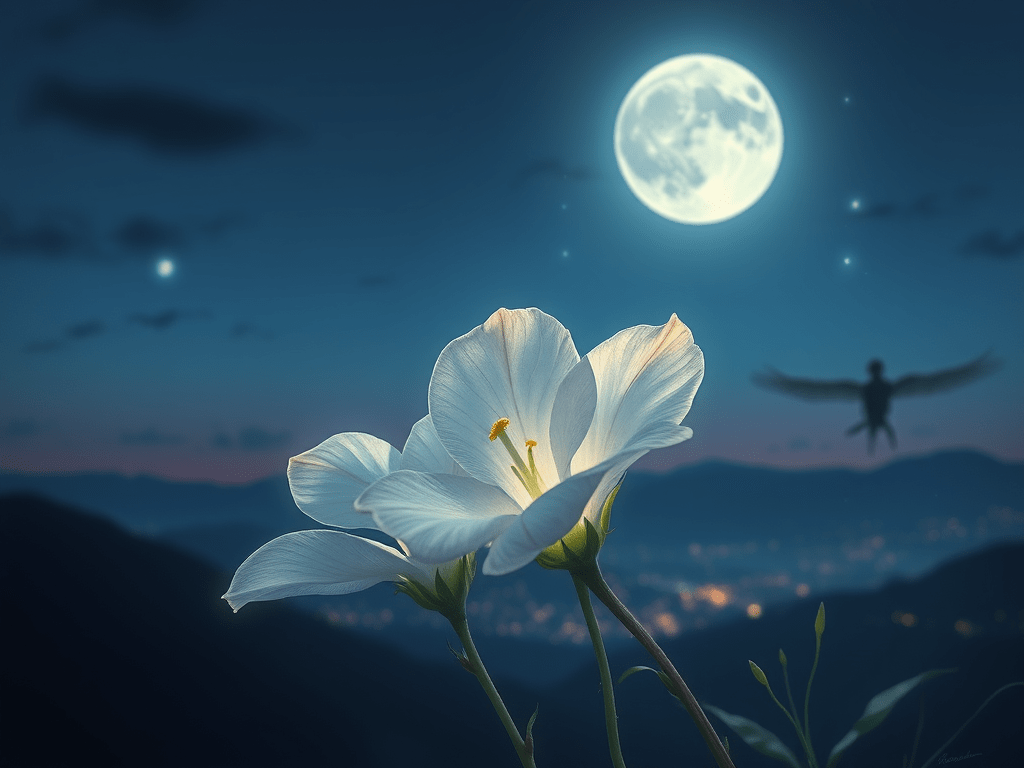
Night lifts the soil in tender hands,
stones breathing beneath her touch.
From the hush of the earth, life trembles awake—
a slow hymn of endurance,
the human ache folded deep in green.

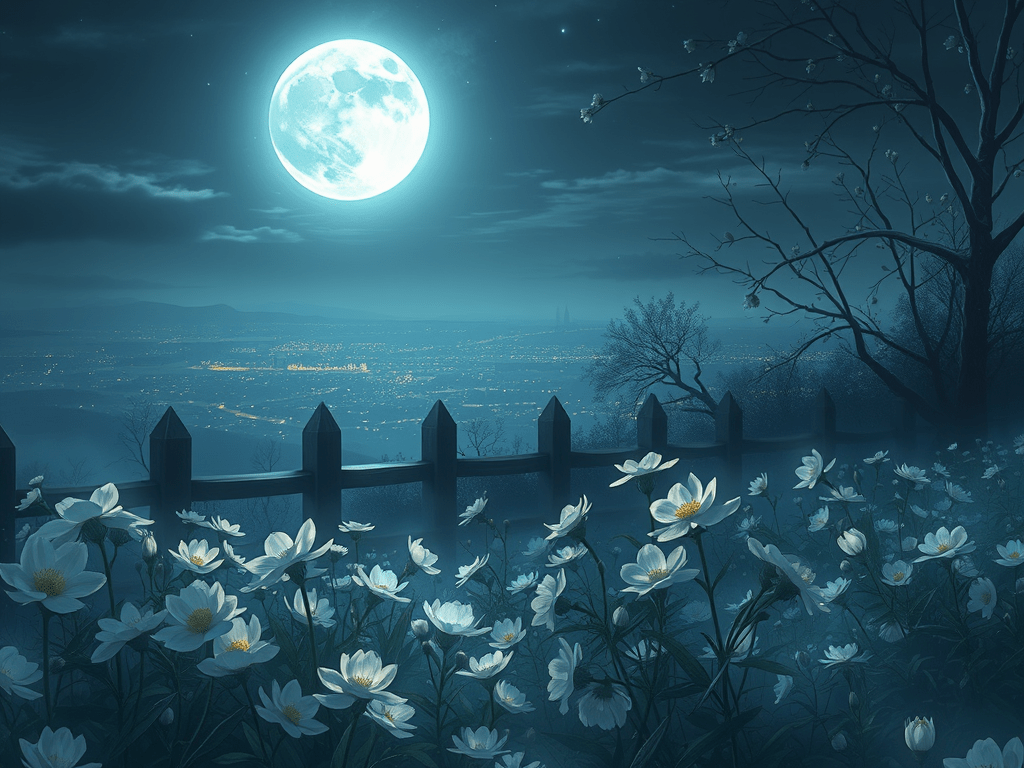
The sky, a fenced orchard of fading blue,
leans against the mountains
where the city flickers, shy as memory.
A mourning tune—
steady as rain in spring—
drips through the air,
a rhythm that never forgets.

Smoke uncoils from my chest;
flames waver at the edge of my soul.
I do not speak.
No signal, no sound—
only the turning of a doorknob,
the shake of a head,
the quiet step into waiting.

The moon that night wept light—
silver, sorrowful, sharp.
A hidden blade gleamed within it.
And I thought:
one day, my sons and grandsons
will lift their faces to this same wound in the sky.

The rooster believes the sun depends on his song.
So too the heart—
believing its longing will summon dawn.

Come, then—
not in thunder, not in grief’s loud cry.
But with a breath,
a whisper brushing the ear.
Come like love—
quietly,
and full of grace.

© TaeHun Yoon, 1980

Note

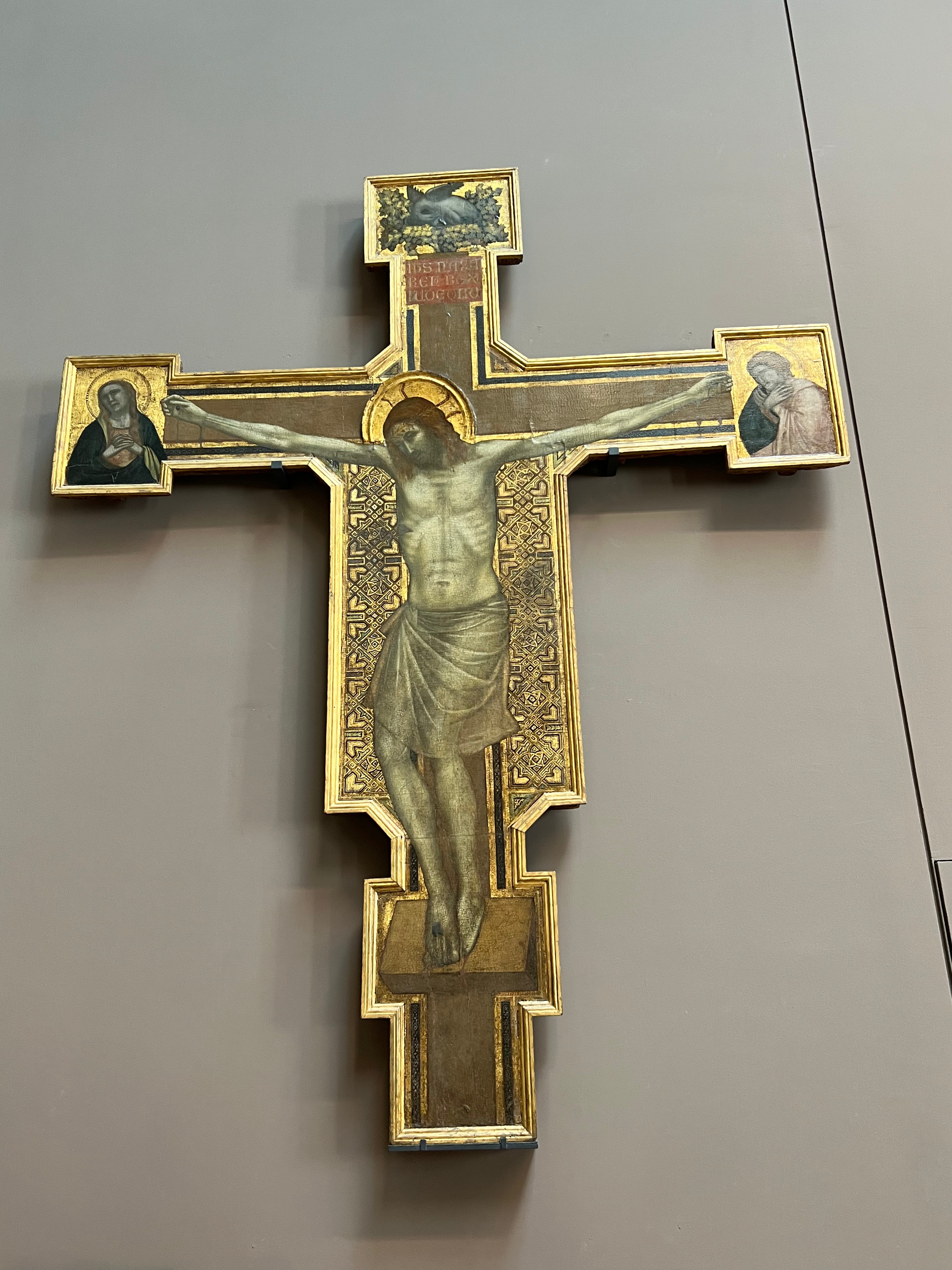
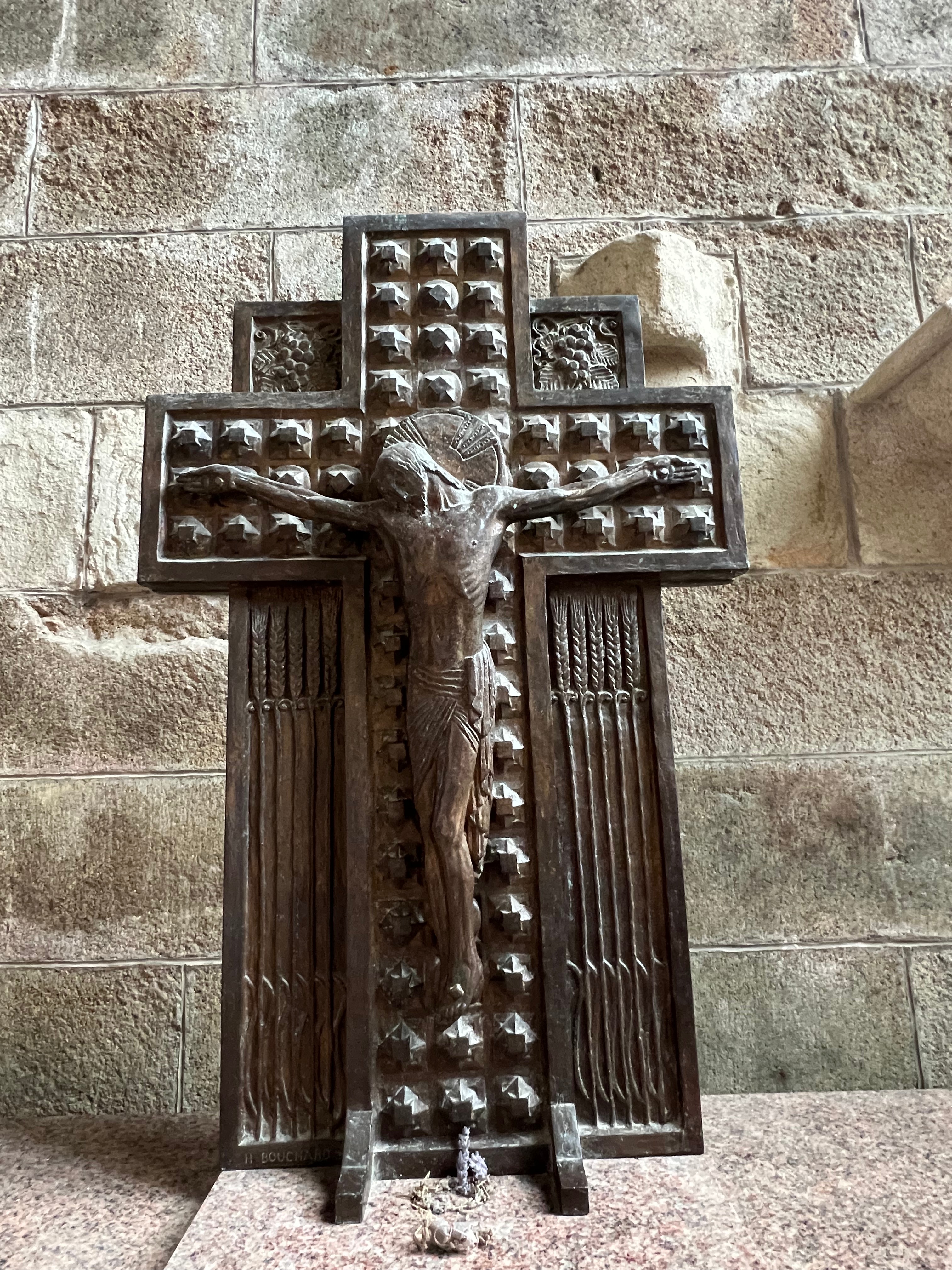
This poem, “Evening Primrose — A Love That Waits in Silence,” was written as a meditation on endurance, loss, and quiet devotion. The evening primrose, a flower that blooms after sunset, symbolizes a love that survives through stillness and time—an affection that does not demand, but waits.

The poem explores how grief transforms into grace, how silence becomes an act of faith. In the calm of night, when all else fades, what remains is not despair but a luminous patience—an echo of love that continues to bloom in the dark.
The current image has no alternative text. The file name is: image-138.png
Posted in Poetry | Tagged , , , , | Leave a comment

달 맞이 꽃

— 침묵 속에 기다리는 사랑

밤이 부드럽게 흙과 돌을 들어 올린다.
그 손끝 아래, 땅속 깊은 곳에서
조용한 생명의 부풀음이 시작된다.
새로 움트는 잎사귀마다
인간의 그리움이 노래처럼 숨어 있다—
부드럽고 오래 견디는 인내의 찬가.

하늘은 나무 울타리로 둘러싸인 과수원 같고,
산끝에서 도시는 희미하게 반짝인다.
봄비처럼 느릿하게 내리는 장송의 노래,
그 리듬은 변함없이, 슬픔을 품은 채 흐른다.

내 몸에서 연기가 피어오르고,
영혼의 모서리마다 불꽃이 흔들린다.
그러나 나는 외치지 않는다.
아무 신호도 없이 문을 열고,
고개를 저으며 조용히 나선다—
달이 떠오르길 기다리며.

그날 밤, 달빛은 슬픔으로 젖어 있었다.
그 빛 속에는 숨겨진 칼날이 있었다.
언젠가 나의 아들들과 손자들도
그 빛을 바라보게 되리라.

닭은 자기 울음이 있어야
태양이 떠오른다고 믿는다.
그리고 장례는 직감의 골짜기 속에서
조용히 일어난다.

그러니 오라—
만약 와야 한다면,
속삭임으로, 귀를 스치는 한숨으로 오라.
고통을 외치지 말라.
사랑처럼 오라—
조용히,
그리고 은총으로 가득 차서.

© 윤 태헌, 1980

  • 후기

이 시 〈달맞이꽃 — 침묵 속에 기다리는 사랑〉은 인내와 상실, 그리고 고요한 헌신에 대한 명상으로 쓰였습니다. 해가 진 뒤 피어나는 달맞이꽃은, 소리 없이도 지속되는 사랑을 상징합니다 — 요구하지 않고, 다만 기다리는 사랑 말입니다.

이 시는 슬픔이 어떻게 은총으로 변하고, 침묵이 어떻게 믿음의 행위가 되는지를 탐구합니다.
밤의 고요 속에서 모든 것이 사라진 후에도 남는 것은 절망이 아니라, 빛나는 인내입니다.
어둠 속에서도 계속 피어나는 사랑의 메아리 — 그것이 이 시의 숨결입니다.

The current image has no alternative text. The file name is: image-137.png
Posted in Poetry | Leave a comment

(Homecoming) — Pastor’s Wife Faith Column #10, © Yoon Wan-Hee, LA Christian Today, July 14, 2010

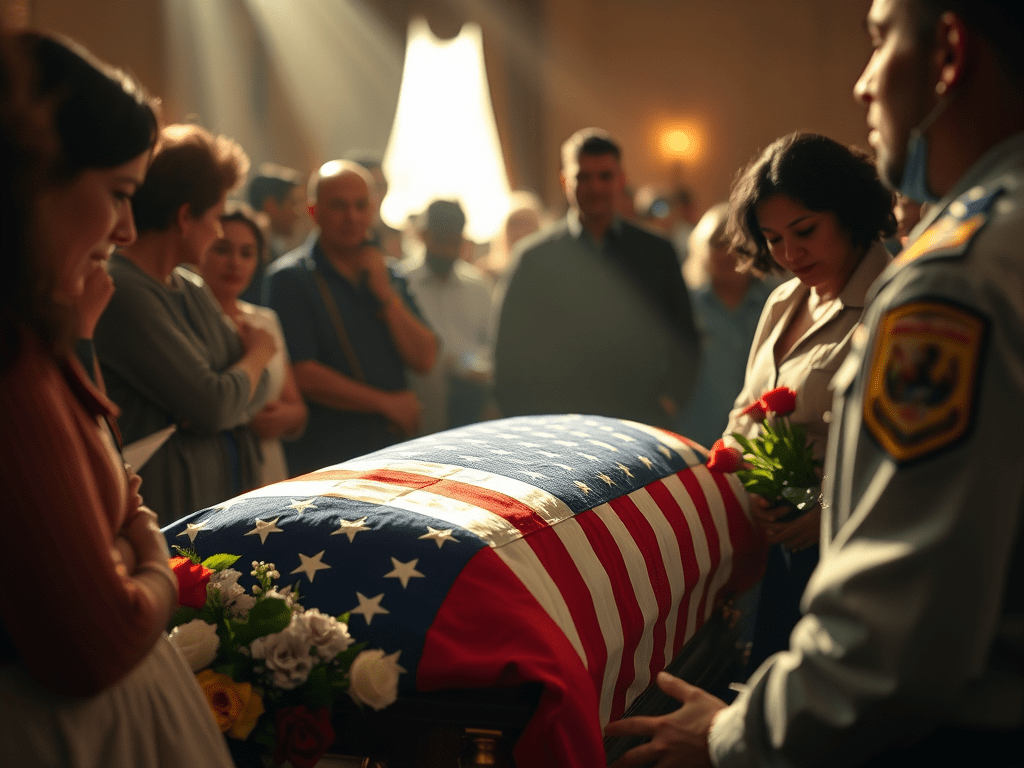
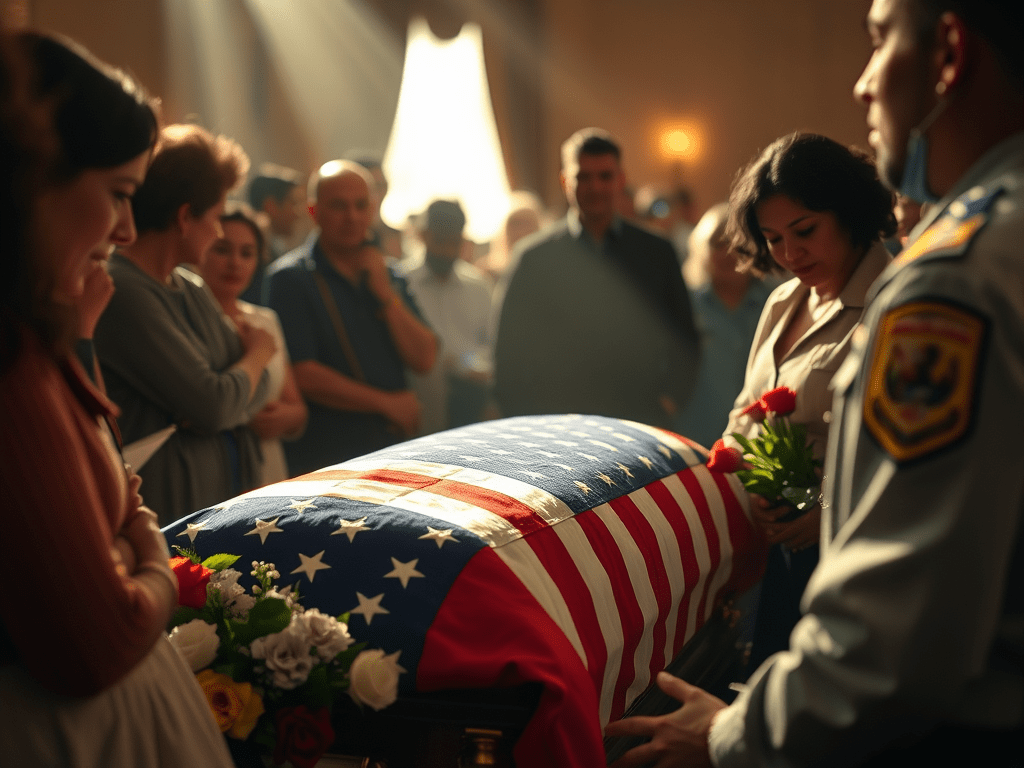
After serving in the Korean War, Master Sergeant Roy Head was captured by Chinese forces on February 11, 1951, and died in captivity. His remains returned home in Kingsport, TN, on June 3—crossing the long, harsh bridge of 59 years. It was a homecoming marked by sorrow and grace.

Records show that Master Sergeant Head died on April 30, 1951, in Suan Prison, located in Hwanghae Province, North Korea, and operated by Chinese forces. His remains were identified through DNA testing by the U.S. military, which had received the remains of over 2,000 American soldiers from North Korea in 1993.

When my husband and I heard that Master Sergeant Head’s remains were returning home, we felt compelled to attend the funeral—even though we had never met his family. As Koreans, it was our silent gesture of respect for a man who shed blood on our soil, and for the family who had endured decades of waiting, grief, and pain.

During the memorial service, we learned much about Master Sergeant Head. Born in 1922, he had served in the U.S. Navy during World War II, stationed in Germany. After his discharge, he married and enrolled in college. But when the Korean War broke out, he was drafted into the U.S. Army and sent to the battlefield.

His parents, who had waited for him for many years, had already passed away. Yet at the funeral, a letter written by his mother, Mary Head, in 1954 was printed in the program. She had written it in anguish upon learning of her son’s death:

“My beloved son—though he died as a prisoner of war in enemy territory, God was with him. In the moment my son bled and breathed his last… My brave son—today, only the Bronze Star remains, shining with silent glory, sorrow, and the cry of pain, remembering a distant frozen land. A boy who grew up with great promise is now gone. I hold his proud uniform to my chest, no longer needed in heaven. With burning duty to his country and hope for freedom for all mankind, my son shed his blood for you and me. Many have forgotten him, but I will never forget the day my beloved son returned in sorrow. I pray—if war ever comes again, I will send my son far, far away to hide.”

After the service, we met Sergeant Head’s younger brother and his family. We also embraced his wife, Anne, now a grandmother, who had remarried long ago but returned to receive her husband’s remains. In her frail body, in the touch of her thin bones, we felt the unspeakable sorrow and the deep pain of war. Who had crushed their hearts so cruelly? Who had offered innocent lives as sacrifice?

For the first time, a fierce longing for peace and freedom for all humanity surged within me. And Sergeant Roy Head’s return became, in my heart, a sacred homecoming—one that revealed to me that every person on this earth is a brother to be embraced.

The current image has no alternative text. The file name is: image.png
Posted in Essay by WanHee Yoon, faith-column | Tagged , , , , , | Leave a comment

“귀향” (목사관 신앙칼럼 #10, LA 크리스찬 투데이, 7/14/2010) © 윤 완희 사모

한국전쟁에 참여하였다가 1951년 2월11 일, 중공군에 의해 포로로 잡혀 사망한 로이 해드 상사의 유골이 지난 6월3일에 돌아왔다. 참으로 길고 길었던 59년이라는 험한 세월의 다리를 건넌 귀향이었다.
로이 해드 상사는, 기록에 의하면 황해도의 중공군이 관리하던 수안형무소에서 1951년 4월30일에 사망한 것으로 되어있었다. 로이 해드 상사의 유골은, 1993년 북측으로부터, 한국동란 중에 사망한 2,000여명의 미군들의 유골들을 넘겨받은 미군이, DNA를 통해 찾아낸 것이었다.

우리 부부는 로이 해드 상사의 유골이 고향으로 돌아온다는 소식에, 비록 그의 가족들을 전혀 알지 못했으나, 장례식에 참석치 않을 수가 없었다. 그것은 한국인으로써 내 조국 땅에서 피흘려 희생한 분과 그 가족에 대한 경의를 표함은 물론이요, 아들을 전쟁에 내보고 그 긴 세월을 기다림과 슬픔, 아픔과 고통을 겪었을 가족들에 대한 우리들의 무언의 감사였다.

우리는 장례예배에 참석하는 중에, 로이 해드 상사에 대해 많은 것을 알게 되었다. 로이 해드 상사는 1922년 생으로 이차대전 때, 이미 독일에서 미 해군으로 활약하다가 제대 하였다. 그는 제대 후에 결혼과 함께 대학 재학 중에 있다가, 6.25 한국전쟁이 발발하자 미 육군에 징집되어 투입된 것이였다.

오랜 세월 동안 아들을 기다리던 부모님은 이미 세상을 떠나셨지만, 장례식에는 어머니가 아들의 전사소식을 전해 듣고 절규하면서 썼던 글이 순서지에 기록되어 있었다.

그 글 중에는 “나의 사랑하는 내 아들, 그는 비록 ‘포로 병’이 되어 적진에서 죽어갔지만, 하나님은 함께 하셨습니 다. 내 아들이 피를 흘리며 숨져가던 그 순간을! … 용감했던 내 아들, 오늘 여기 청동훈장만이 무언의 영광과 슬픔, 고통의 절규를 안고 동토의 먼 나라를 기억하며 빛나고 있습니다. 어느 누구보다도 대망을 품고 자라났던 소년, 이젠 가고 없습니다. 하늘나라에서 더 이상 필요치 않을 아들의 자랑 스럽던 군복을 가슴에 안아봅니다. 나라를 향한 불타는 의무와 사명, 인류를 향한 자유의 소망을 안고, 아들은 당신과 나를 위해 피를 흘렸습니다. 많은 사람들은 어느덧 그를 잊어버렸지만, 사랑하는 아들이 자랑스럽게 귀대하던 그 슬픔의 날을 절대 잊지 못합니다. 나는 기도합니다. 또 다시 전쟁의 소식이 들려오면 난 내 아들을 멀리 멀리 숨겨 보낼 것입니다.”(1954년, 어머니 매리 해드)

우리 부부는 장례예배 후, 로이 해드 상사의 남동생 내외와 가족들을 만날 수 있었다. 그리고, 이미 오래 전에 재혼 하였다가 남편의 유해를 맞이하기 위해 돌아온, 할머니가 된 로이 해드 상사의 부인 앤과 함께 포옹을 나누며, 앙상한 뼈마디가 만져지는 그녀의 메마른 몸속에서 형언할 수 없는 슬픔과 전쟁의 고통이 뼈저리게 느껴졌다. 누가 이들의 가슴을 이토록 짓밟아 피눈물 나게 만들었던가! 어느 누가 무고한 생명들을 희생 제물로 삼았단 말인가!

나의 가슴에 처음으로 모든 인류에 대한 평화와 자유에 대한 간절한 간구가 노도처럼 솟구쳐 올랐다. 그리고, 로이 해드 상사는 내 속에 처음으로, 모든 인류가 함께 끌어안고 살아가야만 될 한 형제임을 가슴으로 깨닫게 하는 거룩한 귀향이었다.

Posted in Essay by WanHee Yoon, faith-column | Leave a comment

“The Beloved”

— The Light Within Me

In the quiet corners of my mind,
where shadows gather and rest,
your voice whispers softly—
calm, clear,
measuring the length of my years.

Your gaze is cold as tempered steel,
yet a fire hides within.
Its edge cuts through illusion,
but never to wound—
only to reveal, to warm.

You draw me near,
your arms firm as metal,
yet tender as light.
In your breath,
the unspoken parts of me unfold.

I ask,
“Who am I?”
You do not answer—
but trace the truth along my skin,
like scripture written in silence.

You see my fears,
my shames unnamed,
the weight of years I’ve carried.
Yet you do not judge.
You see—
and that seeing itself becomes mercy.

With trembling hands,
I touch your face.
In the space where my past lies heavy,
your warmth seeps in.
Then I know—
love, like pain,
can remake us.

Suffering does not vanish,
but it finds meaning in your arms.
You look at me—
a quiet lantern in the dark.
In your gaze,
I learn forgiveness;
in your silence,
how to live again.

You calm the storm inside me,
turning my silence into song.
You are no blade now,
but a mirror of truth.

And I whisper to you—
“You, light of my wound,
love born from the heart of fear.”

At last, I understand:
on the path carved by your touch,
I stand—
wholly myself,
reborn in the radiance of love.

  • Note:

“The Beloved ” is a poetic meditation on the quiet power of presence. It speaks of a person who enters the deepest corners of the soul—not with judgment, but with light. This figure does not speak answers, but traces truth with their fingertips, embracing the speaker’s fears, shame, and history with unwavering grace.

The poem explores how love, like pain, reshapes us. It does not erase suffering, but gives it meaning. In the gaze of the beloved, the speaker learns forgiveness, learns to live again. The beloved is not a blade that wounds, but a mirror that reveals. Their presence transforms silence into song, and fear into tenderness.

This is not a love poem in the romantic sense, but a reflection on the kind of love that sees us fully and still chooses to stay. It is about the healing that comes from being known, and the quiet strength that emerges when we stand—finally—as our true selves.

© TaeHun Yoon, 2025

Posted in Poetry | Tagged , , , , | Leave a comment

“그 사람”

– 내 안을 비추는 빛

내 마음의 조용한 모퉁이,
그림자들이 머무는 곳에서
당신의 목소리가 속삭인다—
차분하고 투명한 울림,
나의 세월을 헤아리는 듯.

당신의 눈빛은 차가운 강철 같지만,
그 속엔 불빛이 있다.
겉은 냉정하되,
속은 나를 꿰뚫어 따뜻하게 감싼다.

당신은 나를 껴안는다—
쇳빛의 포옹처럼 단단하게,
그러나 부드럽게,
침묵 속에서 말하지 못한 모든 것이
당신의 숨결에 얽혀 흐른다.

나는 묻는다—
“나는 누구입니까?”
당신은 대답하지 않는다.
대신, 나의 결을 따라 손끝으로
진실을 그린다.

당신은 내 안의 두려움을 본다,
말로는 꺼내지 못한 부끄러움,
지나온 세월의 무게를 본다.
그러나 정죄하지 않는다—
그저 바라보며,
빛으로 나를 비춘다.

나는 떨리는 손으로
당신의 얼굴을 어루만진다.
그대, 나의 과거가 눌려 있는 자리에
당신의 온기가 스며든다.
그때 나는 안다—
사랑도 고통처럼,
우리를 새롭게 한다는 것을.

고통은 사라지지 않는다.
다만, 그대의 품 안에서
의미를 얻는다.

당신은 나를 바라본다—
밤의 등불처럼 조용히.
나는 그 시선 속에서
용서를 배우고,
다시 살아가는 법을 배운다.

당신은 내 안의 폭풍을 잠재우고,
내 침묵을 노래로 바꾸는 사람.
그대의 존재는 칼날이 아니라,
진실을 드러내는 거울.

나는 그대에게 속삭인다—
“그대, 내 상처의 빛이여,
나의 두려움 속에서 피어난 사랑이여.”

그리고 마침내 깨닫는다.
그대가 나를 베어 만든 길 위에서
나는 진짜 나로 서 있다는 것을.

  • 후기

「그 사람 」은 내면의 가장 조용한 자리에 다가오는 존재에 대한 시적 고백입니다. 이 시는 사랑이 단순한 감정이 아니라, 고통과 함께 우리를 새롭게 빚어내는 힘이라는 깨달음에서 시작되었습니다.

그 사람은 말없이 나를 껴안고, 내 안의 두려움과 부끄러움을 바라보며 정죄하지 않습니다. 오히려 침묵 속에서 진실을 그려내고, 나의 상처를 빛으로 감싸줍니다. 그 존재는 칼날이 아니라 거울이며, 나를 해치지 않고 나를 드러내는 빛입니다.

이 시는 사랑의 본질을 묻습니다—우리를 변화시키는 고요한 힘, 용서를 배우게 하는 시선, 침묵을 노래로 바꾸는 숨결. 그리고 마침내, 그 사람의 품 안에서 나는 진짜 나로 서 있다는 것을 깨닫습니다.

이 시는 단순한 연애시가 아니라, 존재의 깊이를 껴안는 시입니다. 사랑은 고통을 없애지 않지만, 그 고통에 의미를 부여합니다. 그 의미 속에서 우리는 다시 살아가는 법을 배웁니다.

© 윤 태헌, 2025

Posted in Poetry | Leave a comment

“Toothache” — Faith Column from the Parsonage, #9 © Yoon Wan-Hee, LA Christian Today, July 13, 2011

If someone asked me what part of my body I’m most proud of, I would have answered without hesitation: my teeth. The teeth I inherited from my parents were strong and healthy—so much so that even dentists often complimented them. I once read a dental column that said a single healthy tooth could be worth over 30 million won. Multiply that by the 28 teeth I have (excluding wisdom teeth), and the economic value inside my mouth could buy one or two apartments in Seoul. Just thinking about it made me feel rather pleased.

In truth, I’ve always taken meticulous care of my teeth—brushing thoroughly morning and night, using dental floss after meals, and visiting the dentist every six months for regular checkups. My husband, however, was the complete opposite. His teeth were weak, and he preferred soft, tender foods. He avoided anything chewy or hard. Even cold water or chilled fruit straight from the fridge on a summer day made his teeth ache. The concept of “weak teeth” was something I couldn’t understand. Sitting beside him, I would sometimes crunch ice or enjoy sour fruits and cold dishes with ease, proudly showing off my dental strength.

But last month, during a routine dental visit, my lifelong pride was shattered. As the dentist examined my mouth, he found a small pocket in the gum where my wisdom tooth had been removed years ago. He referred me to a periodontal specialist. I had only heard secondhand about the pain of toothaches and couldn’t comprehend it—because I had never felt any discomfort myself. When I protested, the dentist explained that periodontal disease often progresses silently, without pain. If left untreated, bacteria could erode the jawbone, and one day, without warning, a tooth could simply fall out. The idea that a tooth worth over 30 million won could just drop out was unthinkable. The dentist added that once a tooth is damaged, it cannot heal naturally. He reassured me that it was caught early, but I still needed time to recover from the psychological shock.

To live with pride in something, only to have it vanish overnight—without pain or warning—is not unique to dental disease. Sudden accidents, divorce, bankruptcy, illness, the collapse of relationships built with strangers, even the death of loved ones—these are all pains we must face and endure in our lifetime. I’ve come to realize again that having more than others, being healthy, or having honor is nothing to boast about.

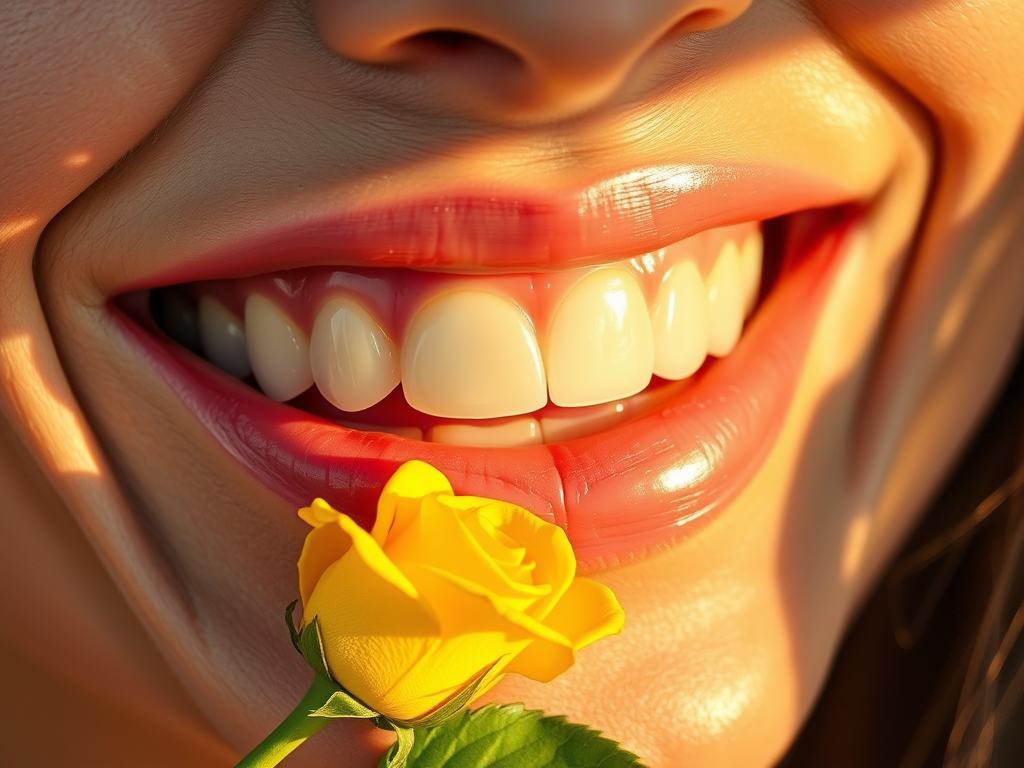
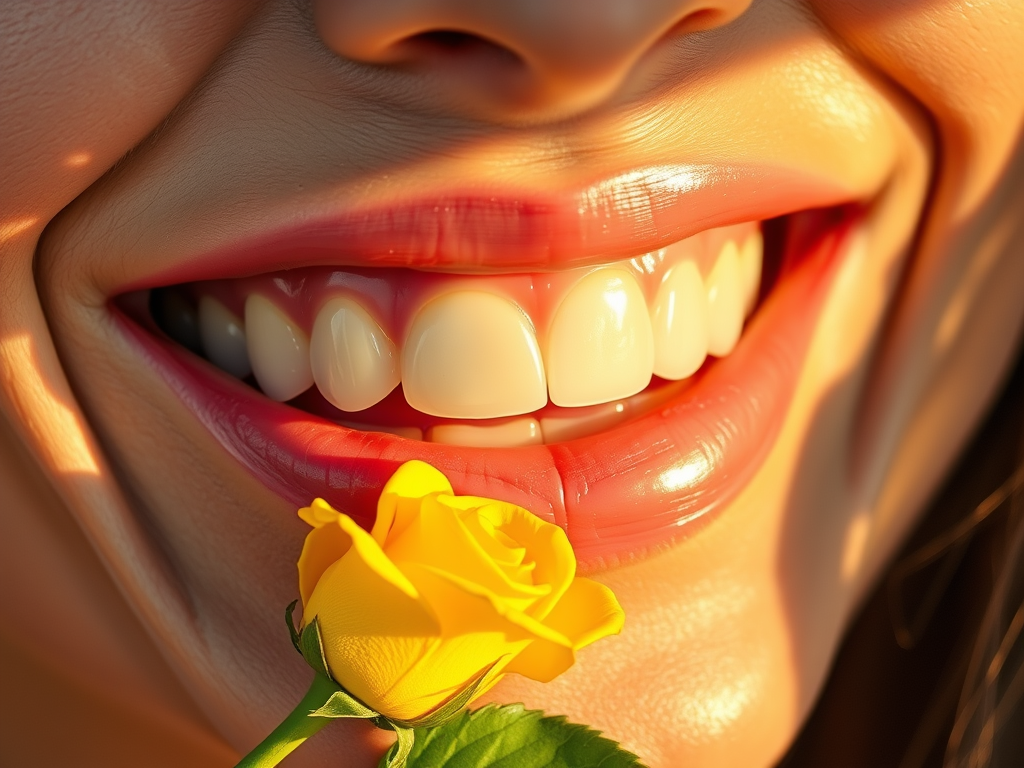
On the day of my gum surgery, after sipping a bowl of soup and lying in bed, I opened my eyes through the haze of toothache to find a yellow rose my husband had placed at my bedside. The rose glowed like a flash of light and seemed to speak to me: “There is nothing in life worth boasting about. Only when we share in each other’s weakness does our life shine more brightly and smell more sweetly.”

The current image has no alternative text. The file name is: image-129.png
Posted in Essay by WanHee Yoon, faith-column | Tagged , , , , , | Leave a comment

“치통” (목사관 신앙칼럼 #9, LA 크리스찬 투데이, 7/13/2011) © 윤 완희 사모

나에게 신체에 대한 자랑이 무엇이냐고 묻는다면, 지금까지는 두 말 할것 없이 치아라고 자랑스럽게 말할 수 있었다. 부모님으로 부터 물려받은 치아는 그 무엇보다도 건강하고 튼튼하여 칫과 의사들에게도 종종 칭찬을 듣곤하였다. 언젠가 어느 치과 의사의 칼럼을 읽다보니, 건강한 치아 하나가 갖고있는 경제 적인 가치는 3000천만원 이상이라고 하였다. 사랑니를 뺀 나머지 28개의 치아를 곱한다면 서울의 아파트 한 두 채를 살 수 있는 경제적 가치가 내 입안에 들어있다니, 생각만 하여도 기분 좋은 일이 아닐 수 없다.

사실 나는 아침저녁으로 치아를 꼼꼼이 닦는 것은 기본이요, 음식을 먹은 후에는 치실을 사용하고, 육개월 마다 있는 정기적인 치과 방문을 통해 치아를 잘 관리하는 편이었다. 그러나 나와는 전혀 반대로 치아가 약한 남편은 음식을 들 때 부드럽고 물렁한 것을 선호하며, 질기거나 딱딱한 음식들을 별로 즐기는 편이 아니었다. 그뿐 만이 아니라 찬 물이나 찬 음식 여름날 냉장고에서 막 꺼낸 시원한 과일조차도 치아 가 시려서 제대로 먹을 수 없는 것을 보게 된다. 치아가 약하다라는 단어자체가 내겐 전혀 이해가 되지 않았다. 그런 남편 곁에서 나는 가끔 ‘우두둑’ 거리며 얼음을 깨물어 먹거나, 신 과일, 찬 음식들의 맛을 거침없이 즐기며 치아의 튼튼함을 뽐내곤 했었다.

그런데 지난 달 정기적인 치과 방문 때, 나의 이런 평생의 자존심이 여지없이 망가지고 말았다. 평소처럼 여기저기를 살피던 의사가 몇년 전에 뽑아낸 사랑니 잇몸 자리에 작은 포켓 같은 것이 발견되었다면서 치주염(Periodontal Disease) 전문의에게 보내는 것이었다. 치통에 대해 주변인으로 부터 그 아픔이 어떤 것인가를 귀동냥으로 알고 있던 나는 도저히 이해가 가지 않았다. 왜냐면 나는 한번도 아픔이나 불편함을 느껴보지 못했기 때문이다. 의사에게 항의를 하니, 치주염은 초기엔 전혀 아픔없이 진행된다는 것이었다. 그러나 그대로 방치두면 치조골까지 세균에 의해 삭아내려 어느날 자신도 모르게 치아가 뚝 떨어져나간다는 것이었다. 경제적 가치가 3000만원이 넘는다는 내 치아가 떨어져 나갈 수 있다니! 정말 도저히 있을수 없는 말에 당황해 하고 있는 나에게, 의사는 치아는 한번 망가지면 자연치유 능력이 없다고 하였다. 그리고 그나마 초기에 발견되었음을 다행이라고 위로하였지만 나는 심리적 충격을 한동안 가다듬어야 만 했었다.

세상살이에 그토록 뽐내고 살다가 어느날 갑짜기 ‘뽐냄’이 사라질 수 있다는 현실 – 그것도 전혀 아픔이나 경고없이도 찾아 올 수 있는 일들은 어디 치아질환 뿐이겠는가. 어느날 문득 찾아온 각종 사고들, 이혼, 파산, 병, 낯선이들과 지어온 관계라는 기둥과 석가래의 무너짐, 사랑하는 이들의 죽음까지도 우리 살아 생전에 맛보야 만 되고 치뤄야 만 될 통증들이 아닐 수 없다. 남보다 조금 더 가졌다고, 건강하다고, 명예가 있다고 자랑 할 것은 아무 것도 없다는 것을 요즈음 다시 자각 할 수 밖에 없었다.

잇몸 수술한 날, 겨우 스프 한그릇 마시고 침대에 몸져 누워있다가 치통 속에 눈을 떠보니 남편이 머리맡에 갔다 둔 노란장미가 나를 반기고 있었다. 장미는 섬광처럼 불을 밝히며 내게 말하고 있었다. 모든 생명들에게는 아무 것도 자랑 할 만한 것이 없는 오직, 서로의 약함을 함께 할때 우리의 삶은 더욱 더 빛나고 향기로울 수 있다고!

Posted in Essay by WanHee Yoon, faith-column | Leave a comment

The Road of Returning

– Longing for Home

Those shoes rest by the threshold,
their soles worn thin on mountain stones—
they whisper of the roads I’ve walked,
of lonely journeys, of youth and its heavy dreams.

A quiet house,
its door still open.
Wind drifts across the yard,
calling my name—
“Come home, now rest.”

My heart widens in silence,
like a field after the snow has melted.
The law that binds all living souls
asks me now—
“Where will you go?”

Someday, this land will awaken,
breathing beneath my feet.
A crimson sun will rise again,
coloring the dawn sky—
and in that light, I shall stand.

One path walks with reason,
another holds the hand of grace.
I have known the hunger of poverty,
and tasted the emptiness of wealth.

When I clapped my hands and cried out,
the echo answered—“Death.”
Its voice was cold, yet gentle;
within it lay mercy,
a gift wrapped in despair.

Now a red sail rises,
drifting upon green waves—
my heart begins to tremble again,
like trees in the monsoon rain.

At the edge of the old hanok floor, I waited—
amid silence and longing,
and the solitude of passing years.

I cast away the iron key,
curled like a snail within its shell,
and turned toward my homeland—
from east to west,
from light into shadow, and yet, to light again.

The soul broke its vessel and rose,
like water bursting from a frozen pine.
Ask me not what I carry—
this sorrow is not mine alone.

I can no longer write it down,
nor do I wish to.
You are dust,
and so am I.

Outside, the wind was stirring,
sweeping across the naked fields—
as if the earth itself remembered,
breathing a quiet prayer
for home.

  • Hanok floor is, hardwood floor, the Malu of Traditional Korean house.

– Note:

This poem was born from a quiet longing—a remembrance of paths once walked, of homes entered and left behind. It weaves between solitude and belonging, between what is lost and what still breathes beneath the surface of memory. The voice that speaks here is not only my own; it is the voice of those who have traveled far, seeking a homeland both within and beyond themselves.

Each image—a pair of worn shoes, a rising wind, a key thrown away—carries the weight of transformation. The poem listens to silence, to the questions that follow us through every threshold of life and death. In the end, it whispers the truth we share: that all travelers are bound by dust, and by the hope that still rises from it.

© TaeHun Yoon, 2025

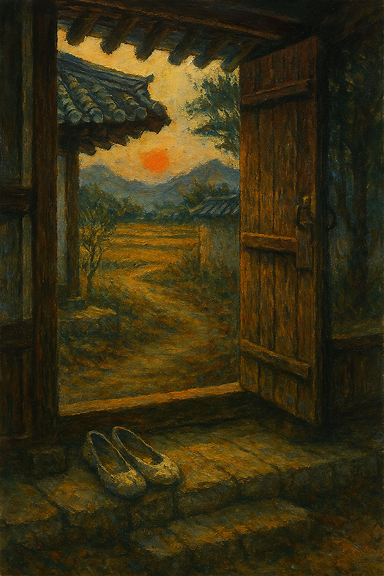
A poetic Korean landscape painting inspired by 'The Road of Returning' — worn shoes at a hanok threshold, wind moving through a quiet courtyard, thawed rice fields stretching into the distance, a crimson sun rising over misty mountains, red sails on green boats drifting across a lake, and a solitary figure standing in reflection. The mood is nostalgic, spiritual, and tender.
Posted in Poetry | Tagged , , , , | Leave a comment

“돌아가는 길”

— 고향을 그리며

그 신발들, 문턱에 놓여 있다.
산돌에 닳아 얇아진 밑창,
그 속삭임은 내 지난 발자국들—
홀로 걸었던, 젊은 날의 외로움과 꿈의 무게다.

조용한 집,
문은 아직 열려 있다.
마당을 가로지르는 바람,
그 바람이 내 이름을 부른다—
“돌아오라, 이제 쉬어라.”

내 마음은 고요 속에서 넓어졌다,
겨울 끝, 눈 녹은 들판처럼.
세상 모든 이를 묶는 그 법이
이제 나에게 묻는다—
“그대는 어디로 향하나?”

언젠가 이 땅은 깨어날 것이다.
내 발 아래에서 숨 쉬며,
주홍빛 태양이 다시 떠올라
새벽 하늘을 물들이리라—
그 빛 속에 나는 서 있으리라.

한 길은 이성을 따라 걷고,
또 다른 길은 은혜의 손을 잡는다.
나는 가난의 허기를 알고,
풍요의 헛됨도 맛보았다.

손뼉을 치며 외쳤을 때,
메아리는 대답했다—“죽음.”
그 음성은 차갑고, 그러나 온화했다.
그 안에 자비가 있었다,
절망 속에 감춰진 선물이었다.

이제 붉은 돛이 오른다,
초록빛 물결 위를 따라—
내 마음은 다시 떨린다,
장마 속 나무들처럼.

한옥의 마루 끝에서 나는 기다렸다.
침묵과 그리움,
그리고 긴 세월의 고독 속에서.

쇠 열쇠를 던져버리고,
달팽이처럼 몸을 말아
내 조국을 향해 몸을 돌렸다—
동쪽에서 서쪽으로,
빛에서 어둠으로, 그러나 다시 빛으로.

영혼은 그릇을 깨고 솟아올랐다,
얼어붙은 소나무에서 터져 나오는 샘물처럼.
묻지 말라, 내가 지닌 것을—
이 슬픔은 나만의 것이 아니다.

나는 더 이상 그것을 쓸 수 없고,
쓰고 싶지도 않다.
그대는 먼지요,
나 또한 먼지다.

밖에서는 바람이 일고 있었다.
벌거벗은 논 사이로 스며드는 바람,
그 속삭임—
고향의 숨결,
그리움의 기도였다.

© 윤 태헌, 2025

후기

이 시는 조용한 그리움에서 태어났습니다—한때 걸었던 길, 머물렀다가 떠나온 집들, 그 기억의 숨결에서 비롯된 노래입니다. 고독과 소속 사이를 오가며, 잃어버린 것과 아직도 기억 속에 살아 있는 것들 사이를 잇고자 했습니다. 여기서 말하는 목소리는 나만의 것이 아닙니다. 멀리 떠나 자신 안과 그 너머의 고향을 찾아 헤매던 모든 이들의 목소리이기도 합니다.

낡은 신발, 불어오는 바람, 버려진 열쇠와 같은 이미지들은 모두 변형의 무게를 품고 있습니다. 이 시는 침묵을 듣고, 삶과 죽음의 문턱마다 우리를 따라오는 질문들을 묻습니다. 결국 시는 조용히 속삭입니다—모든 길 위의 사람은 흙으로 묶여 있고, 그 흙 속에서 여전히 피어나는 희망으로 이어져 있음을.

A poetic Korean landscape painting inspired by 'The Road of Returning' — worn shoes at a hanok threshold, wind moving through a quiet courtyard, thawed rice fields stretching into the distance, a crimson sun rising over misty mountains, red sails on green boats drifting across a lake, and a solitary figure standing in reflection. The mood is nostalgic, spiritual, and tender.
Posted in Poetry | Leave a comment