
For the paper which the process of Elder/Full connection status required submitted to the board of Ordained Ministry of the New York Annual Conference of the United Methodist Church
in March, 1986
- Prayer
… It was Wesley’s witness in life and death.
I’ll praise my Maker while I’ve breath And, when my voice is lost in death, Praise shall employ my nobler powers. My days of praise shall ne’er be past, While life and thought and being last, And immortality endures. Amen.
[I] DESCRIBE YOUR PERSONAL EXPERIENCE OF GOD AND THE UNDERSTANDING OF GOD YOU DERIVE FROM BIBLICAL, THEOLOGICAL, AND HISTORICAL SOURCES.
I. PERSONAL EXPERIENCE AND UNDERSTANDING OF GOD: A Theological Reflection
Unless theology is rooted in real life, it becomes abstract and meaningless. Theology must begin not with speculation, but with the lived encounter with God. Before we speak of theology (the study of God), or Christology (the study of Christ), or even soteriology (the study of salvation), we must first encounter God, meet Jesus, and experience salvation. Theology is not primarily a system of ideas, but a living dialogue between Scripture (text) and the life we live (context).
II. A Journey of Faith in Three Movements
I understand my faith as a journey that moves through three continual, overlapping steps. These form a spiritual cycle I return to again and again until the fullness of redemption is complete.
1. Knowledge of Self through Humility
The first step is self-knowledge, which brings humility. In humility, I see my brokenness and regain spiritual clarity—what I call the purification of will. Humility comes through honest self-examination and leads to authentic faith. Without humility, one cannot truly know God, for “God resists the proud but gives grace to the humble.”
I was raised in the church, trained in seminary, and outwardly lived as a Christian for 25 years. Yet, I was, in many ways, a “whitewashed wall.” The turning point came after the Gwangju Uprising in Korea—a national tragedy that also marked a spiritual crisis for me. In the aftermath, I emigrated to the United States, leaving behind pride and familiarity. It was an Exodus, a journey from death to life. God met me in this wilderness and gave me a new heart—a true metanoia, or spiritual turning.
“But God, who is rich in mercy… made us alive together with Christ…”
(Ephesians 2:4–9)
I came to see that even my humility was not my own achievement, but a prevenient grace—a gift from God given before I ever knew how to seek Him.
2. Knowledge of Others through Love
The second step is knowing others by loving them and sharing in their suffering. Theology, when it is real, leads us toward others. In Korea, my work in community organizing amid political struggle was born out of a desire for justice and freedom. That work was love in action—what I now understand as my participation in the Missio Dei (the mission of God).
Love is not only an emotion but an imperative—God’s own love at work in us. This love leads us deeper into faith, pressing us toward what John Wesley called Christian perfection—a heart fully oriented toward God and others.
Even those who do not yet know Christ are loved by God. When I love others in His name, I encounter the mystery of faith made visible.
3. Knowledge of God through Contemplation
The third step is contemplation—the mystical awareness of God as Truth. One morning in winter 1981, at 6:00 a.m. at Drew University, I experienced the presence of God while meditating on 2 Timothy 4:6–8. That moment became a sacred memory of direct spiritual communion. I call this encounter the Communio Sanctorum—the fellowship of saints in the Spirit.
When I pray, when I listen deeply, when I behold the ordinary world with new eyes, I sense God’s transforming power:
“Be renewed in the spirit of your mind” (Ephesians 4:23)
“Behold, I make all things new.” (Revelation 21:5)
Through daily prayer—especially our 6:00 a.m. prayer at church—I begin each day in communion with God. This prayer has no vacation; it is a rhythm of life. Contemplation purifies the soul and fills it with God’s light.
III. Living Between Exodus and the Promised Land
Like Israel delivered from Egypt, I have left the land of uncertainty behind. But I have not yet entered the fullness of the Kingdom. I walk through the wilderness—a pilgrim, a messenger of hope, an ambassador of the world to come.
This waiting is not passive. It is filled with hope, faith, and love—and it is often marked by pain, which sanctifies us as we love.
“For the love of Christ compels us… if anyone is in Christ, he is a new creation… All this is from God, who reconciled us to himself through Christ and gave us the ministry of reconciliation… We are therefore Christ’s ambassadors.”
(2 Corinthians 5:14–20)
Conclusion
My understanding of God is rooted in personal experience, deepened by Scripture, and informed by theology and history. God calls us first to know ourselves in humility, then to love others through service, and finally to know Him through prayer and contemplation.
I am not yet fully home. But I walk in faith, hoping for the day when all things will be made new. Until then, I remain—
a follower,
a servant,
an ambassador of Christ.
[II] WHAT IS THE CHRISTIAN UNDERSTANDING OF HUMANITY, AND THE HUMAN NEED FOR DIVINE GRACE?
The Christian understanding of humanity begins with the truth that human beings are created in the image of God (imago Dei). This image consists not in physical form, but in the soul’s spiritual, rational, and moral capacities—our ability to know, to choose freely, and to live in holiness and righteousness. These divine qualities were bestowed as a gift, not inherently possessed, and they were fully present in Adam before the fall.
Adam, as the representative of humanity, had the posse non peccare—the ability not to sin—a freedom rooted in his likeness to God. However, he also possessed the posse peccare—the ability to sin. Had he used his free will to remain faithful, he might have been raised to a perfected state of non posse peccare—the inability to sin, a permanent and glorified union with God’s righteousness. But through his disobedience, Adam fell, and with him, all humanity inherited the consequences of sin.
Sin did not originate with God. Its root lies in the mutable nature of the human will, which, though created good, was capable of turning away from the good. With Adam’s fall, the original righteousness was lost, and in its place came a twofold corruption:
- The loss of original goodness—a defect in our nature;
- The invasion of evil into the space once occupied by righteousness.
Thus, original sin affects the whole person—body and soul. Every human being is now born into a state of alienation from God, unable by their own strength to reach toward divine grace.
Because of this inherited corruption, fallen humanity is enslaved by sin and completely unable to initiate or even cooperate with divine grace without God’s prior movement. The will is bound, not free, and apart from grace, the sinner cannot choose God. This bondage to sin is both a misery and a punishment. It culminates in eternal death—the full separation from God’s presence (poena damni) and the enduring torment of the soul (poena sensus), which is the conscious suffering of those apart from God.
In this hopeless condition, grace becomes not merely helpful but absolutely necessary.
The Role of Divine Grace
Repentance, then, is not a human achievement but a gift of grace. It is God’s merciful work in the heart, enabling the sinner to:
- Acknowledge and grieve over sin,
- Turn away from evil,
- Long for righteousness, and
- Practice love and holiness.
True repentance is an evangelical virtue, given only by God’s initiative. It is the response of a heart made alive by the Spirit—evidence of God already at work. The soul cannot even prepare itself for grace apart from grace itself. The ability to respond to the Gospel is itself a result of divine mercy.
Conclusion
In the Christian view, humanity is dignified as the bearer of God’s image, but that image has been distorted by sin. We are not merely wounded—we are spiritually dead, and our only hope is in God’s sovereign grace. Through the life, death, and resurrection of Jesus Christ, and by the power of the Holy Spirit, we are made new.
Grace alone awakens, restores, and redeems us. We are saved not by merit, not by effort, but by the sheer mercy of God—to whom belongs all glory.
[III] HOW DO YOU INTERRET THE STATEMENT “JESUS CHRIST IS LORD?’
To proclaim that “Jesus Christ is Lord” is to affirm a truth at the very center of Christian faith: that in the person of Jesus, God has entered fully into human life, and in Him, divine authority and human existence are perfectly united.
1. The Meaning of the Incarnation
When we speak of Christ’s incarnation, we are not talking about a divine spirit merely attaching itself to a pre-existing human being. Instead, in the mystery of the incarnation, the eternal Logos—the Word of God—took on human nature fully and completely. Without ceasing to be God, the Logos assumed our humanity, entering the fullness of human existence.
Jesus did not lose His divine nature, nor was His humanity diminished or overridden. Rather, in perfect unity, He lived fully as both true God and true man. His human body, emotions, thoughts, and will became the means through which the divine Word acted in the world. His humanity was not a costume or tool—it was real and complete, even while being perfectly obedient to the divine will.
2. Lordship Through Cross and Resurrection
Christ’s lordship is revealed not only in His divinity but in His obedience unto death and His resurrection. The crucified Jesus, raised from the dead by God, is declared Lord through the victory over sin and death. The resurrection is not only a miraculous event but the vindication of Christ’s identity and mission—the confirmation that the Crucified One is the Risen Lord.
The “raising of the dead” is a demonstration of God’s creative and life-giving power. It shows that in Christ, even death has been conquered, and new creation has begun. In Him, we see the promise of eternal life and the future kingdom of God, already breaking into the present.
3. Christ’s Kingship and Mission
To say “Jesus is Lord” also means that He reigns. His lordship is not abstract or symbolic; it is active and real, expressed in His ruling over the Church by His Word and Spirit. Through this lordship, Christ protects His people, sustains them, and equips them for mission in the world. His resurrection appearances were not simply mystical experiences—they were calls to service, commissioning the disciples to proclaim the gospel and continue His work in the world.
As King, Christ exercises divine authority now in the age of grace, and He will ultimately bring His kingdom to full completion in the age of glory. Even at the consummation of all things, when He delivers all to the Father, Christ remains forever the Redeemer, and His kingdom is the kingdom of salvation—eternal, unshakable, and glorious.
4. The Promise of His Lordship
Finally, the declaration that “Jesus Christ is Lord” is filled with hope. It points us to the future fulfillment of God’s promises: the resurrection of the dead, the renewal of all things, and the full revelation of the Kingdom of God. In this promise, we are drawn to worship, to obedience, and to mission.
Conclusion
To confess “Jesus Christ is Lord” is to acknowledge the full reality of His divinity and humanity, to receive the salvation He has accomplished through His death and resurrection, and to submit to His present and eternal reign. It is a confession of faith, hope, and allegiance—a declaration that changes everything.
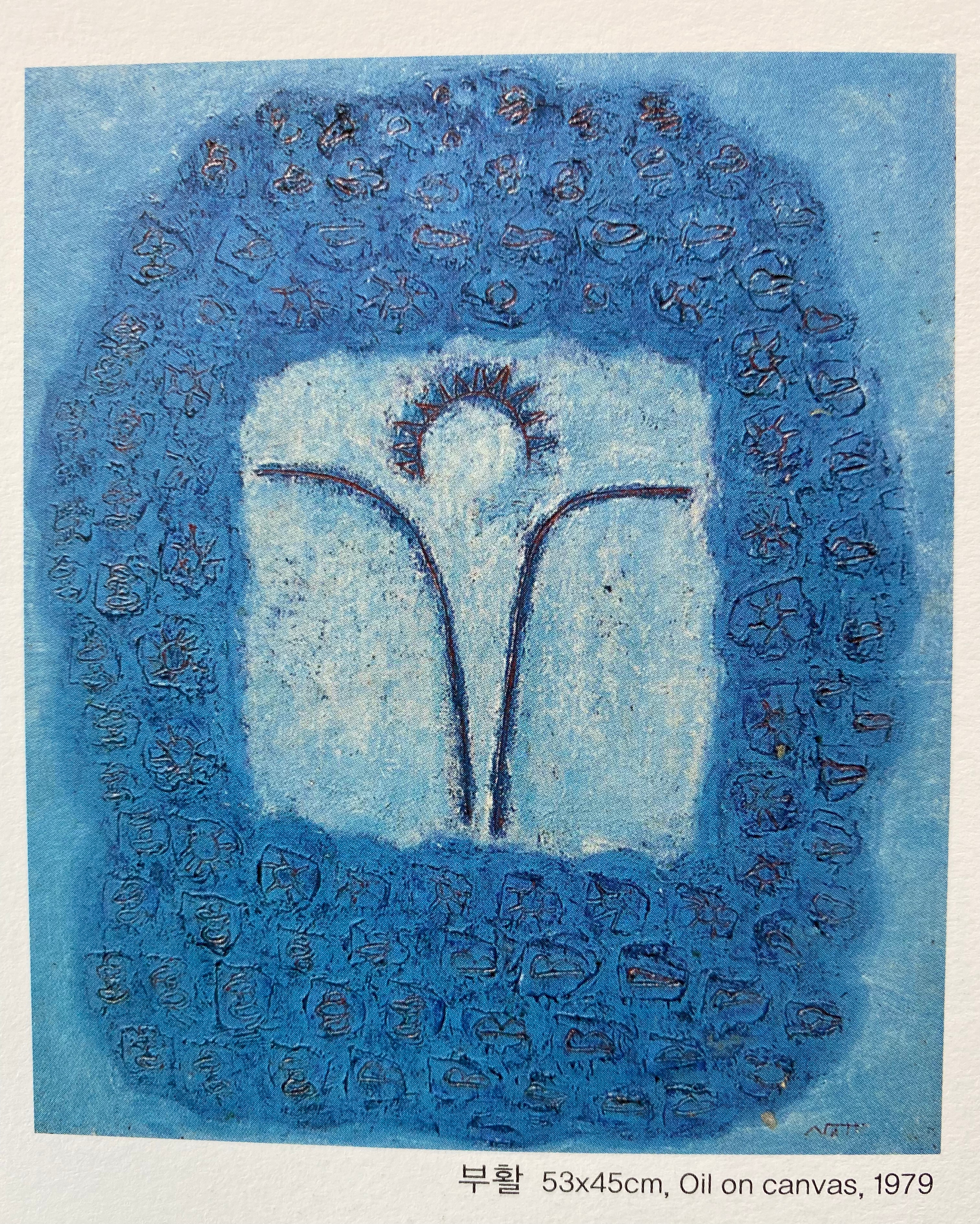
영설서상환
[IV] WHAT IS YOUR CONCEPTION OF THE ACTIVITY OF THE HOLY SPIRIT IN PERSONAL FAITH IN THE COMMUNITY OF BELIEVERS, AND IN RESPONSIBLE LIVING IN THE WORLD?
The Holy Spirit is the third person of the Trinity, proceeding from the Creator (the Father) and the Redeemer (the Son). He is not a force or influence but fully God, co-equal and co-eternal with the Father and the Son.
1. The Person and Power of the Holy Spirit
The Holy Spirit is clearly identified as divine in Scripture:
- Named as God (Acts 5:3–4)
- Possessing divine attributes:
- Eternal (Genesis 1:2)
- Omnipresent (Psalm 139:7)
- Omniscient (1 Corinthians 2:10)
- Omnipotent (seen in His works throughout Scripture)
The Spirit’s divine works include:
- Creation and sustaining of life (Genesis 1:2; Psalm 33:6)
- Empowering the mission of Christ (Isaiah 61:1)
- Distributing gifts such as tongues, prophecy, healing (1 Corinthians 12:4–11)
- Indwelling, convicting, guiding, and sanctifying believers
He is to be worshiped, trusted, and obeyed. Our baptism is in His name (Matthew 28:19), and our prayers are offered through His help and presence (Romans 8:26–27).
2. The Holy Spirit and Personal Faith
In our individual lives, the Spirit is the one who awakens faith, convicts us of sin, and leads us to repentance and new birth. As John Wesley emphasized, the Spirit brings about inward holiness—transforming hearts to love God, to be filled with grace, and to seek righteousness.
The Spirit’s presence in a believer’s life produces:
- A new identity in Christ (Romans 8:15–17)
- Assurance of salvation (Romans 8:16)
- Ongoing sanctification (Galatians 5:22–25)
- Power for prayer, obedience, and witness (Acts 1:8)
The Holy Spirit is the breath of God in us—the divine life that enables us to live for God with freedom, joy, and power.
3. The Spirit in the Community of Believers
The Spirit does not only work within individuals but creates and sustains the Church as a living body. He unites diverse believers into one body of Christ (1 Corinthians 12:13), distributing spiritual gifts for the common good, fostering unity, and guiding the Church in truth and mission.
In the community of faith, the Spirit:
- Builds fellowship through mutual love and service (Ephesians 4:1–6)
- Equips each person with gifts for ministry (Romans 12; 1 Corinthians 12)
- Inspires worship, teaching, and witness (Acts 2:42–47)
- Convicts the Church toward justice, mercy, and prophetic engagement in the world
The Church, therefore, is a Spirit-led community, formed not by institutions alone but by grace, truth, and love empowered by the Holy Spirit.
4. The Spirit and Responsible Living in the World
The Holy Spirit empowers believers not only for worship and witness, but also for responsible living in the world. As Wesley taught, inward holiness must always lead to outward holiness—a life of love, service, and justice.
This includes:
- Speaking truth to power
- Advocating for the marginalized
- Caring for creation
- Promoting peace and reconciliation
- Living ethically and courageously
To live in the Spirit is to live with a holy dissatisfaction with injustice and a Spirit-filled passion to serve others as Christ served.
Conclusion
The Holy Spirit is not only the giver of life but the one who sustains it in all its dimensions—personal, communal, and global. He is the breath of God moving through history, drawing us into deeper fellowship with God and active participation in God’s redemptive work in the world. As long as we have breath, we are called to praise, serve, and be transformed by the Spirit—“inwardly holy” and “outwardly faithful.”
[V] THE UNITED METHODIST CHURCH HOLDS THAT SCRIPTURE, TRADITION, EXPERIENCE, AND REASON ARE SOURCES AND NORMS FOR BELIEF AND PRACTICE, BUT THAT THE BIBLE IS PRIMARY AMONG THEM. WHAT IS YOUR UNDERSTANDING OF THIS THEOLOGICAL POSITION OF THE CHURCH?
The United Methodist Church affirms that Scripture, Tradition, Experience, and Reason are essential sources for understanding and practicing our faith. Among these, however, Scripture holds primacy as the foundational and authoritative guide for faith and life.
As United Methodists, we do not invent our faith in isolation or from scratch. Instead, we are heirs of a rich and faithful tradition that spans more than two millennia. We receive Christian belief as a gift, shaped and refined by generations of believers who have faithfully wrestled with Scripture, lived the faith in various contexts, and borne witness to God’s saving grace.
1. Scripture – The Primary Source and Norm
Holy Scripture is the Word of God, written under the inspiration of the Holy Spirit, through prophets, apostles, and evangelists. The Bible is the definitive witness to God’s revelation—the story of God’s covenantal love, culminating in the life, death, and resurrection of Jesus Christ.
The Bible teaches us who God is, what it means to be human, how we are saved, and how we are to live. It is the only sufficient rule of faith and practice for salvation, and all other sources—tradition, experience, and reason—must be measured against it.
Scripture is not just a historical document but a living word, relevant and authoritative in every generation. Its truths must be read prayerfully, interpreted in context, and applied faithfully.
2. Tradition – The Wisdom of the Church Through the Ages
Tradition refers to the living faith of the Church passed down through history. It includes the Church’s teachings on doctrine (like the Trinity and salvation), the sacraments (like Baptism and the Lord’s Supper), and practices such as worship, evangelism, and service.
Tradition helps us:
- Learn how early Christians understood Scripture
- See how beliefs developed in different contexts
- Celebrate and preserve rich liturgies, hymns, creeds, and church practices
While tradition is valuable, it must always be tested by Scripture and open to reinterpretation in light of the gospel. We recognize that not all traditions are equally faithful, and some may need to be reformed. As Methodists, we value tradition, but we do not idolize it.
3. Experience – The Living Reality of God’s Grace
Experience refers to the personal and communal encounters with God’s presence, grace, and power. It is the inner witness of the Holy Spirit confirming the truth of God’s Word, and the transformation we undergo as we live by faith.
Through experience, we know:
- That grace is real because we have received it
- That prayer changes lives because we have prayed
- That Jesus saves because we have been saved
Christian experience is both inward and outward—a personal relationship with God that leads to action in the world. The United Methodist tradition embraces spiritual disciplines (like prayer, fasting, and worship), but also calls us to live out our faith through ministries of justice, compassion, healing, and reconciliation.
Experience, however, must never override Scripture. Rather, true experience affirms the truth revealed in Scripture and bears witness to its power in our lives.
4. Reason – A Gift for Interpreting and Applying Truth
Reason is the God-given capacity to think, discern, question, and apply our beliefs to life. It enables us to:
- Interpret Scripture with clarity
- Discern the meaning of faith in complex situations
- Evaluate tradition and experience thoughtfully
- Engage faithfully with science, culture, and the moral challenges of the world
Reason does not replace revelation, but it helps us understand and live out revelation faithfully. It allows us to see God’s fingerprints in creation, to reflect on moral choices, and to respond to God’s call with both heart and mind.
Conclusion
Together, Scripture, Tradition, Experience, and Reason form a dynamic framework—sometimes called the Wesleyan Quadrilateral—that helps United Methodists faithfully discern God’s truth and live the Christian life.
- Scripture is our foundation.
- Tradition gives depth and continuity.
- Experience brings vitality and transformation.
- Reason guides interpretation and moral wisdom.
By holding these in faithful tension—with Scripture as primary—we honor the rich, living, and growing nature of our faith, trusting that the Holy Spirit continues to lead the Church into all truth.
[VI] HOW DO YOUR UNDERSTAND THE FOLLOWING TRADITIONAL EVANGELICAL DOCTRINES: <1 > REPENTANCE, <2> JUSTIFICATION, <3> REGENERATION, <4> SANCTIFICATION? WHAT ARE THE MARKS OF THE CHRISTIAN LIFE?
1. Repentance – Turning from Sin to God
Repentance is a spiritual change of mind and heart, brought about by the Holy Spirit. It leads a person from a state of sin and self-reliance to a life of humility, reverence, and dependence on God. This transformation includes:
- A deep awareness of God’s holiness and justice
- A recognition of one’s own sinfulness
- A grief over past wrongs and a sincere desire to live differently
- A turning away from sin and a renewed commitment to righteousness
Repentance is not a one-time event, but a lifelong journey. Believers must continually return to God, confessing their sins and renewing their obedience. It is a gift of grace, not something we can produce on our own. It is both a response to God’s mercy and the fruit of a heart made alive by grace.
2. Justification – Being Declared Righteous by Faith
Justification is a legal act of God in which He declares a sinner to be righteous—not because of anything we have done, but because of what Jesus Christ has done for us. Through Christ’s perfect obedience and sacrificial death:
- Our sins are forgiven
- Christ’s righteousness is credited (or imputed) to us
- We are made right with God by faith alone, not by works
Justification is instant and complete. It means we are no longer under condemnation, but are accepted as God’s beloved children. It is grounded in the eternal plan of God, made real through Christ’s atonement, and applied to our lives by the Holy Spirit when we respond in faith.
3. Regeneration – New Life in Christ
Regeneration is the spiritual rebirth of a person through the power of the Holy Spirit. It is the beginning of the new creation in Christ. This work:
- Implants new spiritual life
- Unites the believer to Christ
- Changes the heart and awakens the desire to love and obey God
Though a believer is regenerated once, the effects of regeneration continue throughout life. The struggle between the “old self” (flesh) and the “new self” (Spirit) remains. But by grace, the Holy Spirit preserves us, empowering us to grow and endure in faith. Even when we fall, God calls us to return to Him in repentance.
Regeneration leads to a life of transformation—a life that reflects Christ through obedience, self-denial, cross-bearing, and faithfulness to our God-given callings.
4. Sanctification – Growing in Holiness
Sanctification is the ongoing work of the Holy Spirit in the life of a believer. It is the process by which we are:
- Set apart for God’s purposes
- Made more like Christ in character and conduct
- Enabled to live in joyful obedience and do good works
Sanctification begins at the moment of justification but continues throughout a believer’s life. Unlike justification, which is once and for all, sanctification is gradual and lifelong.
While justification happens outside of us as a declaration, sanctification happens within us as a transformation. God renews us in His image so that we may glorify Him by our lives.
What Are the Marks of the Christian Life?
A genuine Christian life is marked by:
- Faith in Jesus Christ – Trusting in His grace, not our own righteousness
- Ongoing Repentance – Turning daily from sin and toward God
- Spiritual Growth – A desire to know God and grow in holiness
- Love for God and Neighbor – Living out the two greatest commandments
- Obedience to God’s Word – Following Christ’s teachings with joy
- Fruit of the Spirit – Exhibiting love, joy, peace, patience, kindness, and other evidences of a Spirit-filled life (Galatians 5:22–23)
- Suffering with Hope – Enduring trials while trusting in God’s promises
- Service and Witness – Living as ambassadors of Christ in the world
These marks are not requirements we fulfill to be saved, but evidence of the salvation and transformation already at work in us through the Spirit of God.
[VII] FOR THE SAKE OF THE MISSION OF JESUS CHRIST IN THE WORLD AND THE MOST EFFECTIVE WITNESS TO THE CHRISTIAN GOSPEL, AND IN CONSIDERATION OF YOUR INFLUENCE AS A MINISTER, ARE YOU WILLING TO MAKE A COMPLETE DEDICATION OF YOURSELF TO THE HIGHEST IDEALS OF THE CHRISTIAN LIFE; AND END WILL YOU AGREE TO EXERCISE RESPONSIBLE SELF-CONTROL BY PERSONAL HABITS CONDUCIVE TO BODILY HEALTH, MENTAL AND EMOTIONAL MATURITY, FIDELITY IN MARRIAGE AND CELIBACY IN SINGLENESS, SOCIAL RESPONSIBILITY, AND GROWTH IN GRACE AND THE KNOWLEDGE AND LOVE OF GOD?
Yes, I am fully willing and deeply committed to dedicating myself to the highest ideals of the Christian life for the sake of the mission of Jesus Christ in the world and for the faithful witness of the gospel. As a minister of the Church, I understand that my personal life, character, and conduct carry significant spiritual influence. Therefore, I seek to live with integrity, humility, and holiness, both in private and in public.
To guide my life and ministry, I have embraced three foundational commitments:
- Love in Humility – I aim to embody Christ’s love not in word alone, but through action. True humility requires doing good without seeking recognition. My desire is to reflect the Word of God through a life lived in quiet obedience and service.
- Rejoice with the Poor – I choose to live simply and in solidarity with those I serve. I intentionally avoid accumulating personal possessions beyond what is typical for the local congregation, seeking instead to find joy in shared community and mutual dependence.
- Hope in Ministry – I offer my ministry without pursuit of personal prestige or honor. I recognize that all glory belongs to God, and I place my hope not in titles or rewards, but in the faithfulness of Christ and the fruitfulness of the gospel.
As I walk in this calling, I strive to exercise responsible self-control in all areas of life—maintaining habits that promote physical health, emotional stability, and mental clarity. I commit to fidelity in marriage or, if single, to celibacy, and to live in ways that reflect maturity, accountability, and grace.
I also recognize the pastoral office as a sacred trust. A pastor must not only proclaim the gospel but live it out in personal discipline and spiritual depth. This includes cultivating a life of regular prayer, meditation on Scripture, and contemplative reflection. Without an inner life rooted in God, I cannot lead others with spiritual authenticity.
In this calling, I rely not on my own strength but on the grace of God, trusting the Holy Spirit to continue shaping me in wisdom, love, and holiness for the glory of Christ and the building up of His Church.
[VIII] WHAT IS THE MEANING AND SIGNIFICANCE OF THE SACRAMENTS?
Sacraments are sacred acts instituted by God, through which divine grace is communicated to believers by visible and tangible signs. They are outward and visible signs of inward and spiritual grace, established by Christ as means through which God seals the promises of the gospel to His people. In receiving the sacraments, believers are not only reminded of God’s covenant but are also drawn into deeper obedience and relationship with Him.
The grace offered through the sacraments is the saving grace of Jesus Christ—grace that brings forgiveness, renewal, and communion with God—made real and effective by the presence and power of the Holy Spirit. The sacraments point us to the living Christ and mediate His gifts of redemption, reconciliation, and new life.
In the Old Testament, the central sacrament was the Passover—a continual sign of God’s deliverance of His people from Egypt. As Paul writes, the Israelites were “baptized into Moses in the cloud and in the sea” (1 Corinthians 10:1–2), pointing toward the future redemptive work of Christ. The Passover prefigured the ultimate sacrifice of Christ, the true Lamb of God.
In the New Testament, Christ instituted two primary sacraments for the Church: Baptism and The Lord’s Supper.
- Baptism is the sign of initiation into the body of Christ, symbolizing the washing away of sin, rebirth in the Spirit, and new life in Christ.
- The Lord’s Supper (Holy Communion) is the sign of continual nourishment and participation in the life, death, and resurrection of Christ. It is a sacred means of grace in which believers experience Christ’s real presence, remember His sacrifice, and are united in fellowship with one another.
Through these sacraments, the Church not only remembers but also lives into the mystery of Christ’s redemptive work. They are not empty rituals, but holy encounters through which God continues to transform and sustain the faithful.
[IX] DESCRIBE THE NATURE AND MISSION OF THE CHURCH. WHAT ARE ITS PRIMARY TASKS TODAY?
The Church is the community of all believers who are called to live in communion with God and with one another through Jesus Christ. Traditionally, the Church is recognized by four essential marks: one, holy, catholic (universal), and apostolic.
- Apostolicity means the Church remains rooted in the faith and witness of the apostles, particularly their testimony to the life, death, and resurrection of Jesus Christ.
- Unity reflects our future hope in Christ, who binds all believers together in love, regardless of our differences.
- Holiness is the present reality of the Church as it strives to live faithfully in obedience to God.
- Universality speaks not simply of global reach, but of God’s inclusive nature, inviting all people into divine fellowship through Christ.
The Church exists as both a historical and spiritual body, shaped by its past, active in the present, and hopeful toward God’s promised future. It is not merely a human institution but a divinely inspired community that reflects the very character of God—particularly God’s harmony, love, and justice. The Church is meant to be a sign and foretaste of God’s Kingdom on earth.
The mission of the Church—often described as the Missio Dei (Mission of God)—is to participate in God’s redemptive work in the world. This mission is not limited to preaching or worship alone but includes the full embodiment of the gospel through acts of compassion, justice, and peace. The Church’s mission is to love as Christ loved, and to bring the good news of salvation into every corner of human life.
At its core, the Church carries out its mission through:
- Proclaiming the Word of God
- Administering the sacraments faithfully
- Living a disciplined and faithful Christian life as a community
In today’s world, the Church’s mission takes on specific, urgent responsibilities. As the United Methodist Church affirms in its Social Principles, the Church must engage with the pressing social, moral, and ethical issues of our time. These include:
- Strengthening families and promoting healthy relationships
- Addressing human sexuality with compassion and biblical integrity
- Protecting the sanctity and complexity of life in discussions around abortion
- Welcoming the stranger and supporting sanctuary for the vulnerable
- Opposing systems of injustice such as apartheid and racial discrimination
- Practicing ethical stewardship, including divestment from harmful industries
- Advancing peace initiatives and resisting the violence of war and militarism
- Responding to hunger, poverty, and economic inequality
- Advocating for strong social services and resisting their erosion
- Rejecting the militarization of space and unjust weapons programs (e.g. “Star Wars”)
- Addressing the feminization of poverty and the systemic oppression of women
- Confronting all forms of violence and working for reconciliation
- Witnessing against war and nuclear threat, and advocating for a sustainable, peaceful future
In short, the Church is not merely a place or an event—it is a living body called to embody Christ in the world. Its mission is both spiritual and social, both eternal and immediate. In loving God and loving neighbor, the Church bears witness to the good news of Jesus Christ, offering hope and healing to a broken world.
[X] WHAT IS YOUR UNDERSTANDING OF <1> THE KINGDOM OF GOD, <2> THE RESURRECTION, <3> ETERNAL LIFE?
1. The Kingdom of God:
The Kingdom of God is best understood not merely as a physical realm but as the dynamic and active reign of God. Jesus proclaimed the arrival of this Kingdom during his earthly ministry, pointing to the present reality of God’s rule breaking into human history while also anticipating its full realization at the end of time. It is both already and not yet—a present experience and a future hope.
The Kingdom reveals God’s redemptive will for all creation—a divine harmony in which diversity is held together in unity, fragmentation is made whole, and justice and peace prevail. It is not a distant place, but the very life of God reaching into the world through Christ. Jesus is the embodiment of the Kingdom, and through him, the Church is formed as a sign and foretaste of this reign.
The Church, then, is called to live as a community shaped by the values of the Kingdom—love, justice, humility, reconciliation, and service. To live under God’s reign is to be continually transformed by God’s grace and to participate in the healing and renewal of the world.
2. The Resurrection:
The resurrection of Jesus Christ is the cornerstone of Christian faith. It is not merely a metaphor, nor simply an existential symbol, but the real, historical act of God that confirms Jesus as the Son of God and Lord of life. The resurrection is God’s vindication of Christ’s obedience and suffering and the beginning of a new creation.
Christian faith in the resurrection is eschatological—it looks forward to the fulfillment of God’s promises. But it is also deeply rooted in the present, as it affirms that God has acted decisively in history through the raising of Jesus. The resurrection is the foundation of our hope, the assurance that death does not have the final word, and the beginning of God’s final victory over sin, suffering, and death.
To believe in the resurrection is to live in the power of new life—to embrace a way of life that resists despair and bears witness to the hope of God’s coming kingdom, where justice and righteousness will dwell.
3. Eternal Life:
Eternal life is not simply unending existence, but a quality of life grounded in relationship with the living God. It is life in its fullness—unambiguous, whole, and free from the brokenness and ambiguity of our present condition. Eternal life begins now in Christ and continues beyond death into the fullness of God’s presence.
This life is created by the Spiritual Presence of God, shaped by the reign of God (the Kingdom), and fulfilled beyond time in the life to come. These three—Spiritual Presence, Kingdom of God, and Eternal Life—are intimately connected, each pointing to God’s desire for wholeness in creation. Eternal life is thus the fulfillment of God’s redemptive work, where the ambiguities of our existence—sin, suffering, death—are overcome by grace, love, and everlasting communion with God.
[XI] HOW DO YOU PERCEIVE YOURSELF, YOUR GIFTS, YOUR MOTIVES, YOUR ROLE, AND YOUR COMMITMENT AS AN ORDAINED MINISTER?
As an ordained minister in The United Methodist Church, my sense of calling is deeply rooted in a lifelong journey of spiritual formation, academic study, and practical ministry. My experiences—from serving as a chaplain during my military service to pastoring congregations in South Korea, the United States, and currently in Coxsackie, New York—have shaped my understanding of ministry as a holistic vocation encompassing being, knowing, and doing.
Being: Spiritual Identity and Formation
My spiritual life is characterized by a commitment to personal holiness, disciplined prayer, and contemplative practices. During my time in South Korea, I experienced the power of the Holy Spirit during watch night and pre-dawn prayer meetings, particularly while preaching from the Book of Ezekiel. These moments deepened my sense of God’s presence and call. Theologically, I align with the United Methodist emphasis on personal faith in Christ, nurturing spiritual disciplines, and modeling Christian generosity and service.
Knowing: Academic and Theological Engagement
I hold a Bachelor of Divinity degree and have taught philosophy at Pusan Union Theological Seminary. My academic work includes a phenomenological analysis of John Wesley’s concept of the Holy Spirit, and I am currently developing a study on the Holy Spirit in Scripture. This scholarly engagement informs my preaching and teaching, ensuring they are rooted in sound theology and biblical understanding.
Doing: Practical Ministry and Service
In ministry, I have served in various capacities, including as a chaplain, associate pastor, and senior pastor. I have been involved in church planting, community organization, and leading congregations in worship and service. Currently, I lead a congregation in Coxsackie, New York, focusing on healing ministries that address both spiritual and social needs. I am committed to the United Methodist mission of making disciples of Jesus Christ for the transformation of the world .
Commitment to Ordained Ministry
I perceive my role as an ordained minister as one of servant leadership, guided by the Holy Spirit and accountable to the Church. I strive to live out the highest ideals of the Christian life, exercising responsible self-control in personal habits, relationships, and social responsibility . My commitment is to faithfully proclaim the Word, administer the sacraments, and lead the Church in loving service to humankind.
In summary, my journey in ordained ministry is characterized by a deep sense of calling, continuous spiritual formation, rigorous academic study, and a commitment to serving the Church and the world. I seek to embody the holistic vision of ministry as outlined in The United Methodist Church’s Book of Discipline, integrating being, knowing, and doing in faithful service to God and neighbor.
[XII] WHAT IS THE MEANING OF ORDINATION, ESPECIALLY IN THE CONTEXT OF THE GENERAL MINISTRY OF THE CHURCH?
Ordination is the Church’s formal act of setting apart individuals who have been tested in their life, faith, and doctrine for the specific task of ministry. It involves election by the Church community, affirmation through prayer, and a solemn act of commissioning—marking the individual as a minister of the Church of Jesus Christ. This process is not simply administrative, but spiritual and communal, invoking God’s guidance and blessing.
At its heart, ordination is not about power or privilege, but about service. It reflects the example of Jesus, who, though Lord and Teacher, knelt to wash the feet of his disciples (John 13:12–17). In this, Jesus gave a model for ordained ministry: leadership through humility, and authority through service. The ordained minister serves as a living reminder to the whole Church of the call to mutual service and self-giving love.
While Christ alone is the true and invisible Head of the Church—ruling through the Holy Spirit—the Church is governed on earth through structures and leadership established by Christ himself. This leadership is neither democratic nor autocratic, but entrusted to those whom God has called and the Church has affirmed. It is a sacred trust, not given to the crowd, but to specific individuals for the sake of order, guidance, and the faithful stewardship of the Gospel.
In this way, ordination is both a personal calling and a public responsibility. It exists to build up the Body of Christ, equipping the Church for its mission in the world and pointing all believers toward the freedom and joy of selfless service in Christ.
… … … It was St. Paul’s witness in Life and Death.
As for me, the hour has come for to be sacrificed; the time is here for me to leave this life. I have done my best in the race, I have run the full distance, and I have kept the faith. And now there is waiting for me the prize of victory awarded for a righteous life, the prize which the Lord, the righteous Judge, will give me on that Day – and not only to me, but to all, those who wait with love for him to appear. – [II Timothy 4:6-83]

 Daily Sauntering
You must be logged in to post a comment.