The flies come thick, fevered— drawn to what softens, fades.
“Eat, drink, be merry,” they murmur—
“for tomorrow, you vanish.”
Their hum coils around a bowl of bone,
a whisper threading through the marrow’s wind.
From every corner they gather—
pale ones, dark ones, the worn and the waiting,
from cities and dry fields,
from mountains, seas, and desert ends—
each carving the quiet hollow
they will one day name as home.
Across the East Sea,
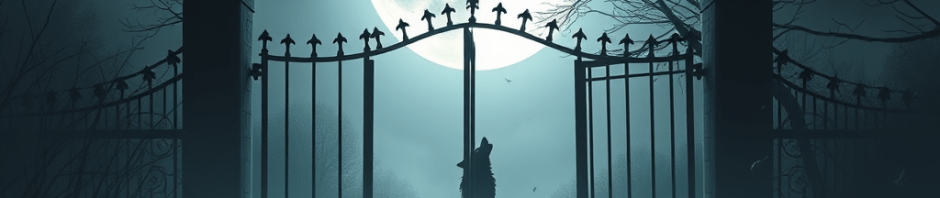
a lone wolf cries—
its breath still heavy
with the scent of unburied earth.
I am that stone the desert rolled,
a branch chewed thin by love,
now resting at the edge of shadow.
The moon ascends— white, wounded.
A dog startles,
tail tucked, barking at ghosts of light.
The moon bleeds upward,
venom dripping slowly
upon the garden gate.
It becomes a woman’s breast—
a curve between birth and loss,
opening and closing
the trembling heart of paradise.
Those who walked with God
gather their final seeds,
and whisper,
“We are folding up our tents—
it is time to depart.”
Sons of thunder—
even should I stand
before the grave of one I loved,
I will not weep.
- Note
This poem contemplates mortality and transcendence through haunting, sacred imagery. The “flies” symbolize both decay and the inevitability of life’s end, while the “bowl of bone” becomes a vessel of remembrance. The East Sea’s wolf, the moon’s venom, and the folding tents evoke Biblical echoes—Genesis, Exodus, and Revelation intertwined in one vision.
The speaker’s refusal to cry before a loved one’s grave is not coldness, but reverence—an acknowledgment of divine cycles. “Sons of thunder” recalls the disciples of Christ, bridging human frailty and celestial calling.
Ultimately, “The Night That Rises” is not about death’s darkness, but the rising within it—how grief, like the moon, bleeds upward into light.
© TaeHun Yoon

 Daily Sauntering
You must be logged in to post a comment.