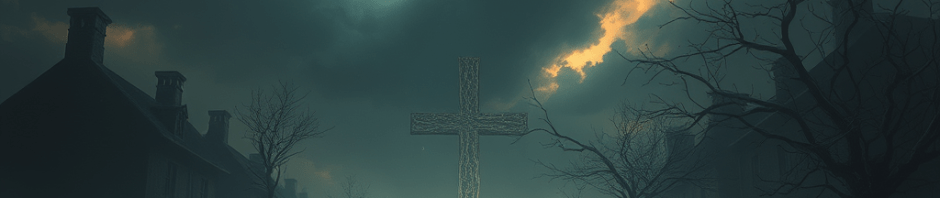
Time fell like a droplet from the crown of the head,
slid down the throat,
passed the chest, the belly, the thighs—
and finally seeped out through the soles of the feet.
[It’s over now. Enjoy your journey.]
Across every street, torn cries scattered —
walls and screams of despair
ripped through the wind.
Words, tears, and crowds surged in every direction –
a nation had lost its anchor.
Time was fire.
True light was burning.
We had plowed the fields,
dug wells in the dark,
planted trees that no longer remembered spring.
We scraped through winter, survived by changing our faces, changing our names,
by carving silence into our tongues.
[You disappointed me.
Please, betray me again.
I loved you too deeply—
I trusted you too soon.
So I said yes,
and sold my own shadow for a heartbeat.]
But you—
after falling from the height of desire—
were taken,
used,
emptied, used as a tool of power
and made to birth darkness without origin.
I lost my way.
If I could begin again,
I would begin with silence.
All my work has turned to dust.
The yard, the house, the trees, the gates—
even the village itself
has disappeared into the wind.
Blood-soaked stones roll beneath my feet
as thousands stand, wordless, in the dark.
I am inside my own corpse now.
I have kept my promise.
I have caught the brief light
that dies as soon as it appears.
And the earth—
it has grown another tumor.
On a woman’s breast,
the wind carries a trembling sorrow
and gently strokes it,
as if to say—
“Live again, even in your dying.”
– Note:
This poem is not only a meditation on personal loss, but a lament for a nation fractured by betrayal and silence. After the assassination of President Park Chung-hee in 1979, South Korea entered a period of political chaos. The Gwangju Uprising in 1980 deepened the wound—citizens rose in protest, only to be met with brutal suppression. The cries of that time still echo in the streets.
“Grave” seeks to trace the emotional terrain of those years. The line “We changed our faces, changed our names just to survive” speaks to the desperate adaptations ordinary people made to endure. The poem’s voice is one of disillusionment, of a broken covenant between power and the people. The plea—“Please betray me”—is not just personal; it is the voice of a generation that trusted and was sold.
The final image—“the earth grew another tumor”—suggests that even after the violence, the structures of oppression continued to grow, quietly and insidiously. And yet, amid the corpse-like stillness, the wind carries emotion, gently touching what remains of our humanity.
“Grave” is a record of memory, a refusal to forget. It is written in the hope that even in deathlike silence, something tender might still stir.
© TaeHun Yoon, 1980

 Daily Sauntering
You must be logged in to post a comment.