In the hardest winter—
the winter of the January retreat*—
a one-year-old child survived,
carried on his mother’s back
as the world collapsed around them.
Grace upon grace.
He chose to forget it all.
The roar of bombs,
the trembling earth—
a room of fear too large
for any infant to bear.
And because nothing remained
in memory’s house,
it was grace upon grace.
After Seoul was taken back,
after the broken homes and rubble,
the child’s only surviving memory
was a single nail
driven deep into his right foot.
He saw the blood,
but not the pain.
No tetanus shot,
just his mother’s hands
pressing soybean paste
over the wound
until healing came.
Grace upon grace.
At forty,
every lower tooth
had opened into cavities.
A gentle church-member dentist
filled them one by one,
restoring daily living after another day
he thought he had lost.
Grace upon grace.
Twenty years of ministry
in New York—
and on October 11, 1999,
for the first time,
the heart faltered.
An irregular rhythm,
a left ventricle enlarged,
an eighty percent chance
of danger.
Worry and fear
had done their work.
Yet still he lived.
Grace upon grace.
And now, after another 26 years
in southern Tennessee,
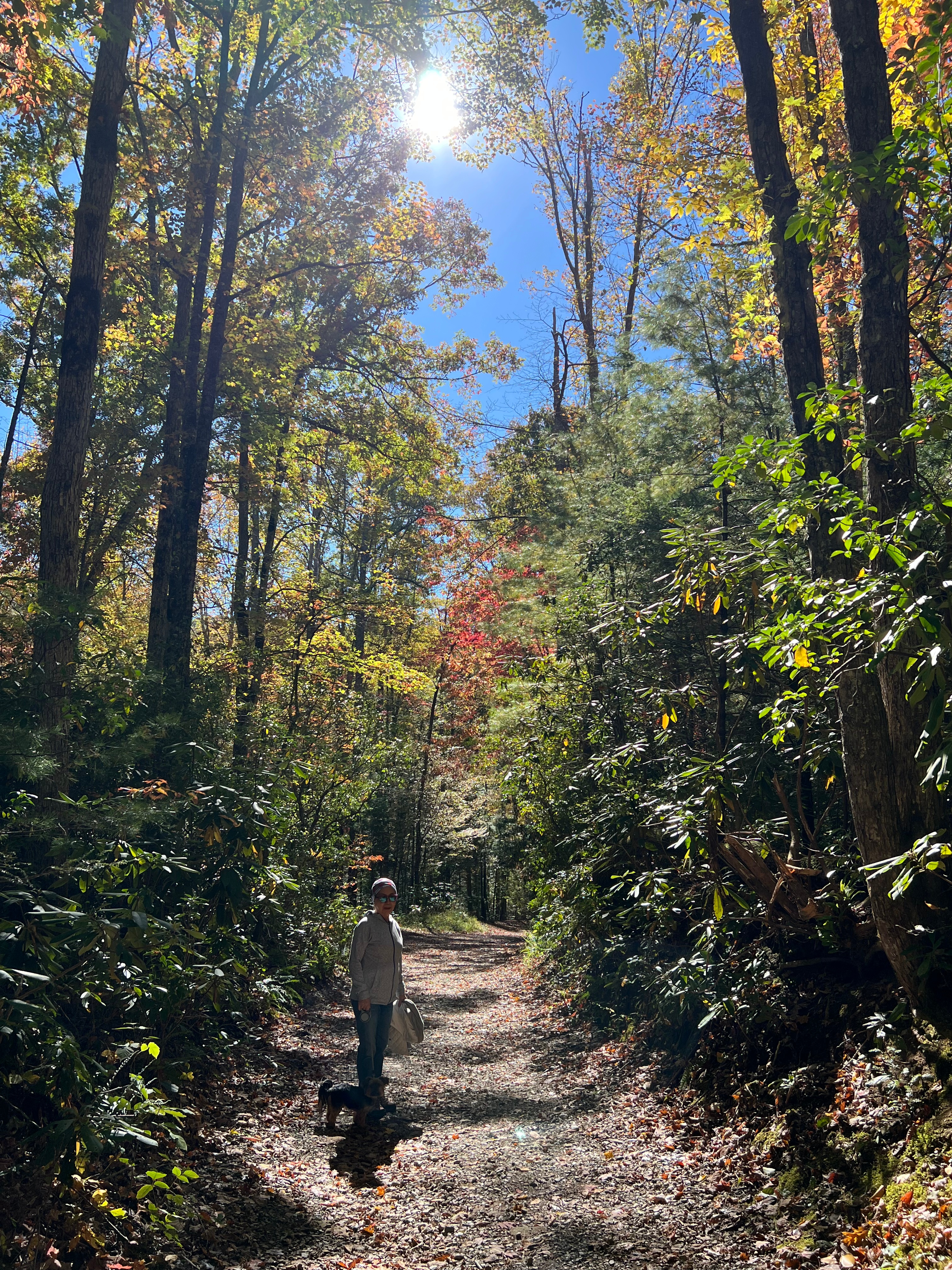
in the quiet of retirement,
he spends his days
with soil and trees,
talking with plants, insects and birds,
finding healing
in the ordinary rhythms
of the land.
His body grows younger,
health returning
like spring after frost.
Grace upon grace.
* The “1.4 Retreat” (1·4 후퇴) refers to the mass withdrawal of United Nations and South Korean forces from Seoul in early January 1951 during the Korean War, following a major Chinese offensive. Result: Seoul fell to communist forces for the second time during the war. However, this retreat helped preserve UN forces, who later regrouped and retook Seoul during Operation Ripper in March 1951 Civilian Impact: The retreat triggered a massive refugee crisis. Hundreds of thousands of civilians fled south, many on foot, in freezing winter conditions. This period is remembered with deep sorrow in Korean memory—especially among those who survived the harsh journey, like the one-year-old child in this “Grace Upon Grace.”
Note:
These pages were gathered like fallen petals—quietly, one by one—on days when the wind of memory brushed against my life. Each poem, each line, is a small ember from the long night of my heart, carried here in the hope that it may warm another soul wandering in its own darkness.
In Korea, we often say that sorrow and beauty drink from the same well. I have drawn from that well—of longing that ripens with age, of love that leaves both shadow and light, of prayers whispered into the deep dawn before the world stirs awake. What you hold now is the fragrance of those moments, steeped slowly, like tea left to bloom in still water.
If these words touch the hidden corner of your heart—like the first snow settling on a quiet village, or the distant echo of a temple bell at dusk—then this journey has meaning. I offer these writings as a lantern for anyone walking through evening fields of their own life, searching for a path, a memory, or a gentle place to rest.
© TaeHun Yoon


 Daily Sauntering
You must be logged in to post a comment.