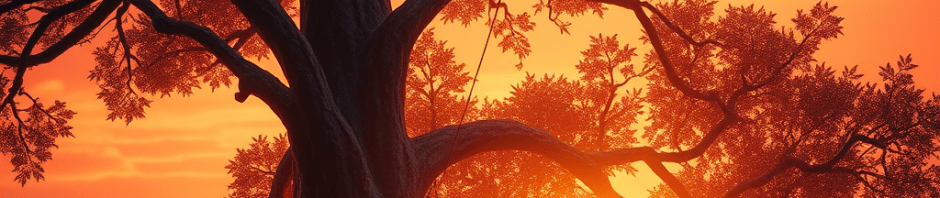
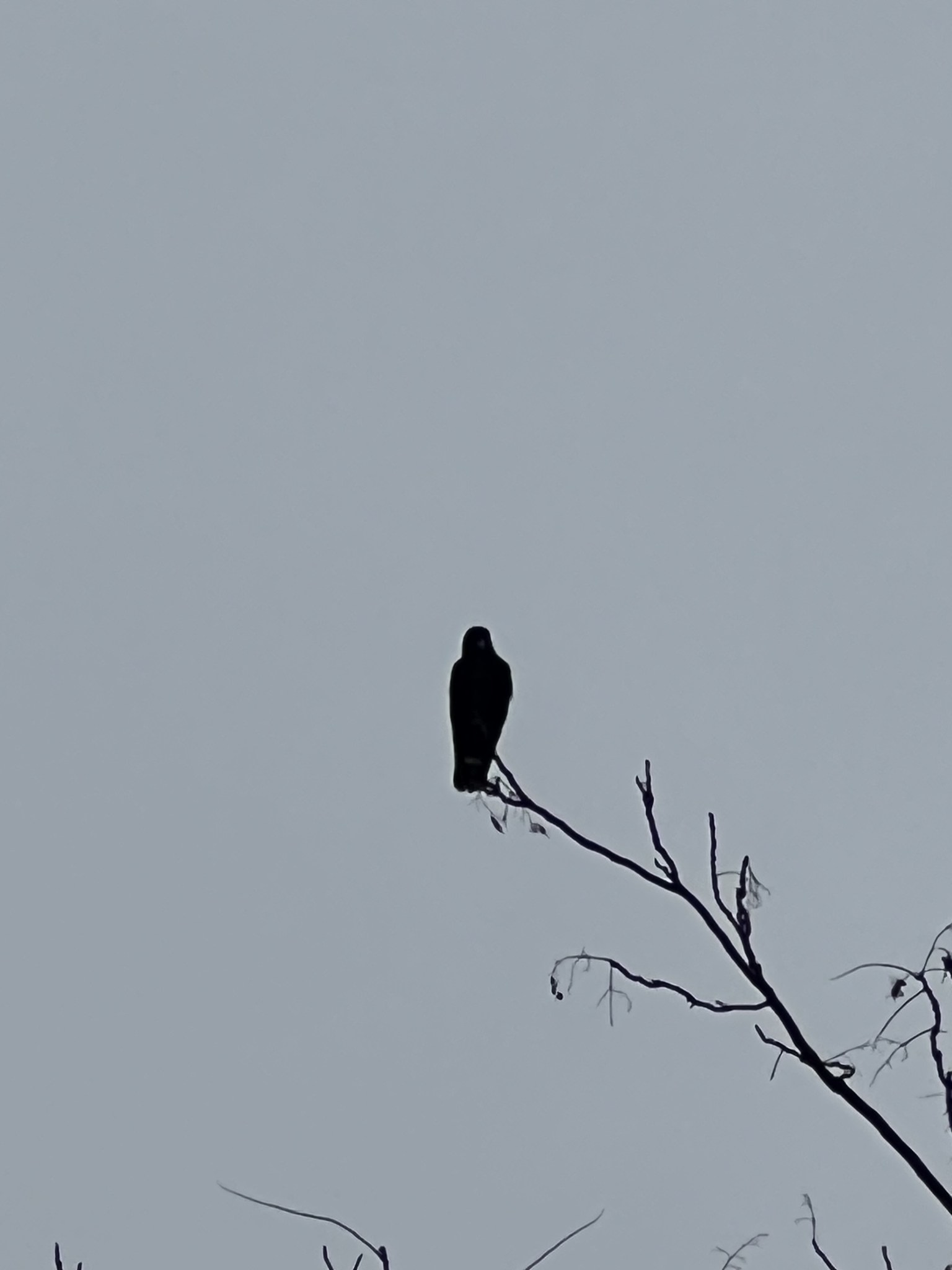
At the top of a tree
a bird has stopped its song
and looks—
only looks—
into the burning edge of sunset.
It did not begin here.
First there was eating,
then walking.
Later, play.
Voices joined.
Meaning was asked for.
Flying followed—
and higher flying.
Then, one by one,
the bird lets them go.
From power,
from honor,
from the noise of belonging.
From meaning,
from the long road of walking,
from the need to eat its fill.
What remains
is breath—
deep, perhaps enough.
And then the bird is gone.
No one knows where.
Still, everything
is held by the tree.
The sun will rise again.
A bird will stand
at the top of a tree.
It will not need honor.
It will not need meaning.
It will not need to do.
To be
will be
enough.
– TaeHun Yoon
Note
This poem grew from watching how life seems to move in circles rather than straight lines. We begin with simple needs—eating, walking, surviving—and slowly add layers: play, community, purpose, ambition, power. At some point, however, life invites us to reverse the journey, to loosen our grip on what we thought we needed in order to return to something quieter and more essential.
The bird at the top of the tree is not an image of escape, but of arrival. It pauses, releases its song, and simply beholds the world as it is. Its disappearance is not loss, but trust—trust that the sun will rise again, that life continues without our constant striving.
This poem leans toward a understanding of nature: ordinary, patient, and honest. Meaning is not imposed; it is discovered by standing still long enough. In the end, the poem suggests that being—plain, attentive, and rooted in nature—is deeper than honor, power, or achievement.

 Daily Sauntering
You must be logged in to post a comment.