“Current Affairs Commentary”

What a remarkable world we live in. The more I think about it, the more it feels like a miracle. I sit at my desk, tap a few keys on my computer, send an email, and within seconds it reaches the entire world. I used to wonder, How could the One who dwells in the highest of heavens possibly know the thoughts of a mere human like me?—and so I stubbornly remained seated in the posture of a foolish creature. Yet modern science, layer by layer like peeling an onion, is stripping away the mysteries of the universe before our eyes. Even scientists admit they cannot predict what the world will look like five years from now.

But a few days ago, I received a letter titled “Current Affairs Commentary,” written by an anonymous student from Columbine High School. As we stand on the threshold of the twenty‑first century, the words in that letter sounded like a bell tolling for our times. I would like to share it with you.

**“Today, if there is a contradiction in our history, it is this:

We have tall buildings but low character. We have wide highways but narrow viewpoints. We consume endlessly, yet possess nothing of substance. We buy more and more, yet do not know how to enjoy anything.**

We live in large houses and small nuclear families, in a world of increasing convenience, yet we are constantly pressed for time. We hold more titles, yet have less understanding. Knowledge overflows, yet judgment weakens. Expectations rise, yet problems multiply. Medicines are endlessly developed, yet the quality of life declines.

We own everything, yet values are disappearing. Words overflow, yet love is scarce, and hatred is frequent. We learn how to live, yet we disregard life. We strive to extend life, yet neglect to live today. We travel to the moon, yet struggle to meet the new neighbor across the street.

We conquer outer space, yet fail to conquer the small universe within. We purify the air, yet our souls are polluted. We know how to split atoms, yet cannot break apart our prejudices. We earn higher incomes, yet our morality sinks lower. We mass‑produce everything, yet quality diminishes.

We say we live in an age of great people, yet character is small. We boast of economic prosperity, yet live in shallow human relationships. We speak of world peace, yet families continue to fall apart. We have more leisure, yet less joy. We have more kinds of food, yet less nutrition.

In this age, two people work, yet divorce increases. Homes grow more luxurious, yet families crumble. The shop windows of our era grow more dazzling, yet the storerooms behind them grow emptier.

In this age of advanced technology—technology that allows this letter to reach you—you must choose one of two things: Will you change the world? Or… will you simply press the delete key?”

When I received this letter, I remained in shock for quite some time. On a peaceful, beautiful morning—still as the surface of a quiet lake—there suddenly erupted the indiscriminate gunfire, screams, death, and the tears of those who lost friends and teachers. Out of that anguish came this single sheet of writing, revealing with painful clarity the true condition of our lives.

People often say that America is a “shopping‑cart society,” and that we are all living in a state of addiction. Indeed, on weekends, crowds fill the shopping malls, wandering all day in an attempt to satisfy their hungry souls. Credit‑card debt grows endlessly, while people themselves grow smaller and more fragile. For all of us Christians who are being drawn into the glittering shop windows created by scientists and merchants, this one page of commentary—written in tears by an anonymous student—is a profound challenge.

– WanHee Yoon, Letter from the Parsonage, November 11, 1999

The current image has no alternative text. The file name is: image-61.png
Posted in Essay by WanHee Yoon, Letter from the Parsonage, Ministry | Tagged , , , , , | Leave a comment

시사해설

참 좋은 세상이다. 아무리 생각해도 기적과 같다. 책상머리에 앉아 컴퓨터의 키를 두드려, 전자메일을 발송하면, 몇 초안에 온 세상에 동시에 전해지니 말이다. 사람의 생각을, 어찌 그 높고 높은 곳에 계신 분이 아실까? 하며, 스스로 어리석은 인간의 자리에 눌러 앉아있기를 고집하던 나에게, 과학문명은 양파껍질을 벗겨나가듯이 신비의 세계를 하루가 다르게 벗겨나가고 있다. 과학자들조차도, 5년후의 세상이 어떻게 변하게 될지 알 수 없다고 한다. 그러나, 며칠 전, 내게 도착한 무명의 콜롬바인 하이스쿨의 학생이 쓴 “시사해설” 이라는 편지 한 장은, 21세기를 앞둔 우리 모두에게, 시대의 종소리로 들려오기에 소개하고자 한다.

오늘날, 우리 역사의 모순이 있다면 높은 빌딩은 갖고 있어도, 저질의 성질을 갖고있으며, 넓은 하이웨이는 열려있지만, 좁은 견해와, 많은 소비 속에, 갖은 것은 없고, 많은 것을 사들여도, 즐길 줄을 모른다.

우리는 큰집을 갖고 핵가족을 이루며, 더욱 더 편리한 세상에 살고 있지만, 우리는 늘 시간에 쫓기며, 더 많은 지위는 있어도, 지각은 약해지고, 더 많은 지식은 범람해도, 판단은 약해지고, 더 많은 기대 속에, 문제들은 더욱 더 일어나고, 약품들은 수없이 개발되어도, 삶의 질은 낮아지고 있다.

우리는 온갖 것을 소유하고 있지만, 가치는 사라져 가고, 언어는 범람해도, 좀처럼 서로 사랑하기가 어렵고, 너무 자주 미워하며 살아가고 있다. 우리는 어떻게 살 것인가의 방법을 배우지만, 생명을 경시하며, 우리는 생명 연장을 위해 애써도, 오늘의 삶을 생각지 않으며, 우리는 달나라까지 오고 가도, 길 건너편의 새로운 이웃과 만나는 일엔 어려움을 겪고 있다.

우리는 외계의 세계를 장악해 나가고 있어도, 내 속의 소우주는 점령치 못하며, 공기를 정화하려 하지만, 우리 영혼엔 공해가 가득하며, 우리는 원자는 분해할 줄 알아도, 편견만은 분해 할 줄 모른다. 우리는 높은 수입은 가졌어도, 도덕성은 낮아져 가고, 대량생산은 하여도, 질은 낮아지고 있다. 지금은 위대한 사람들이 살고 있는 세상이라지 만, 인품은 작고, 경제수익은 높아도, 천박한 인간관계 속에 살아가고 있다. 지금은 세계 평화의 시대라고 말하고 있지만, 가정파탄은 끊임없이 일어나며, 레저는 많아도, 재미는 덜하며, 더 많은 종류의 음식 속에, 영양분은 낮아지고 있다.

이 시대는 두 사람이 벌지만, 이혼은 더해가고, 화려한 집에, 가정은 깨어져 가고 있으며, 시대의 쇼윈도는 점점 화려해 가지만, 정작 창고는 비어 가고 있다. 기술문명이 이 편지를 당신에게 전해줄 수 있는 시대에, 당신은 둘 중에 하나를 선택해야 만 될 시간이 왔다. 하나는 세상을 변화시킬 것인가, 아니면 그냥 삭제해 버리는 키를 누르고 말 것인가!“

나는 이 편지를 받아들고 한 동안, 충격 속에 머무를 수밖에 없었다. 호수의 잔잔한 물가와 같이 평화스럽고 아름답던 아침에, 울려 펴졌던 무차별 총소리와, 비명, 죽음, 친구와 교사를 잃은 고통의 눈물 속에서 건져 올린, 이 한 장의 편지는 우리 삶의 현주소가 너무나 적나라하게 드러나 있었다. 흔히 말하기를 미국은 “사 잿기기 세상” 속에 우리 모두가 중독현상 속에 살아가고 있다고 한다. 실지로, 주말이면 넘치는 쇼핑몰의 인파 속에서, 허기진 영혼을 채우려는 이들은 온종일 방황하고 있으며, 크레딧카드의 부채는 늘어 만가고, 사람은 점점 더 외소 해 져 가고 있다. 과학자들과 장사꾼들이 진열해 놓은 쇼윈도 속에, 젖어 들어가고 있는 우리 모든 크리스천들에게, 무명의 학생이 눈물로 쓴 한 장의 시사해설은 참으로 큰 도전이 아닐 수 없다.

– 윤 완희, 목사관서신, 11/11/1999

The current image has no alternative text. The file name is: image-60.png
Posted in Essay by WanHee Yoon, Letter from the Parsonage | Leave a comment

On this Winter Solstice

On this Winter Solstice, ancient whispers rise,
Echoes of Christes Messe beneath darkened skies.
Saturnalia’s laughter, Yule’s evergreen cheer,
Old joys braided together, year after year.

Evergreen and holly, mistletoe held high,
Signs of life enduring as the cold draws nigh.
Gifts once passed in Saturnalia’s feast,
Hands met in gladness, and tables never ceased.

Candles and lights in a soft, golden glow,
Recalling Hanukkah’s enduring hope.
Into the longest night, faith learned to speak,
Choosing December twenty-fifth for the light it would seek.

Sol Invictus, the sun once praised at dawn,
Yielded to Christ as new meaning was drawn.
Through quiet syncretism, pathways aligned,
And Christmas was born in the turning of time.

Jesus’ true birthdate remains unknown—
Spring or fall, by scripture alone.
The early church did not mark the day,
Until the fourth century showed a way.

In medieval streets, carols took wing,
Common voices learning how joy could sing.
Songs of Christmas began their long stay,
Carrying love from age to age.

Now it is time to go caroling, door to door,
Sharing the news of love come down once more.
Good tidings of joy, of peace on earth below,
A Savior’s birth—
a love that will forever grow.

The nineteenth century brought commerce and show,
Mass-made gifts and lights in rows.
Santa Claus slowly took his form,
From Saint Nicholas, kind and warm.

Today Christmas circles the world entire,
Many cultures gathered round one fire.
Hope, peace, joy, and love appear—
He was, is, and will be coming,
year by year.

Merry Christmas upon this waiting earth,
A season of love
and returning light.

TaeHun Yoon
December 21, 2025

The current image has no alternative text. The file name is: image-57.png
Posted in Poetry | Leave a comment

이 동짓날에

이 밤이 제일 긴 지점에, 오래된 속삭임이 일어나
어둔 하늘 아래 ‘크리스테스 미사‘의 메아리가 번진다.
‘사투르날리아’의 웃음, ‘율’의 푸른 환희,
해마다 겹겹이 엮여 온 기쁨들.

상록수와 홀리, 높이 걸린 겨우살이,
추위 속에서도 생명이 지속됨을 말한다.
한때는 ‘사투르날리아’의 잔치에서
기쁨으로 선물이 오가고 식탁이 이어졌다.

부드러운 황금빛의 촛불과 불빛,
‘하누카’의 꺼지지 않는 희망을 떠올리게 한다.
가장 긴 밤 속으로 믿음은 말을 배우고,
빛을 찾기 위해 12월 25일을 선택했다.

새벽에 찬양받던 태양신 ‘솔 인빅투스’는
그리스도 안에서 새 의미를 내어주었다.
조용한 혼합 속에 길들이 만났고,
시간의 전환점에서 크리스마스가 태어났다.

예수의 실제 탄생일은 여전히 알 수 없고,
봄이었을지 가을이었을지 성경은 말하지 않는다.
초기 교회는 그 날을 지키지 않았고,
4세기에 이르러 비로소 길이 열렸다.

중세의 거리에서 캐럴은 날개를 달고,
평범한 목소리들이 기쁨을 노래했다.
크리스마스의 노래는 그렇게 머물기 시작해,
사랑을 시대에서 시대로 전해 왔다.

이제 문마다 찾아가 캐럴을 부를 때,
하늘에서 내려온 사랑의 소식을 전한다.
땅 위에 평화와 기쁨의 좋은 소식,
구주의 탄생—
영원히 자라갈 사랑.

19세기에는 상업과 장식이 더해지고,
대량 생산된 선물과 불빛이 줄지어 섰다.
산타클로스는 시간을 따라 형상을 얻어,
자애로운 성 니콜라스에서 나왔다.

오늘날 크리스마스는 온 세상을 감싸며,
다양한 문화가 하나의 불가에 모인다.
희망, 평화, 기쁨, 사랑—
그분은 오셨고, 지금도 계시며,
해마다 다시 오신다.

기다리는 이 땅 위에 메리 크리스마스,
사랑과
돌아오는 빛의 계절.

— 윤 태헌
2025년 12월 21일

The current image has no alternative text. The file name is: image-58.png
Posted in Poetry | Leave a comment

자녀들과의 대화 II

안녕하세요?

한 주간도 주님 안에서 평안하셨지요?

오늘은 자녀들과의 대화의 문을 열기 위한 시간을 함께 갖아보고자 합니다. 자녀들- 특히, 한국문화와 미국문화의 이중문화권 속에서 살아가고 있는 우리들의 자녀와의 대화는 각 가정마다 잘 되어 가고 있는지요? 저희 가정에도 세 자녀들을 키우면서, 아이들과의 대화가 그리 쉽지는 않다고 솔직히 고백 할 수밖에 없습니다. 저희는 아이들과의 대화시간을 가지려고 무척 노력하는 편입니다만, 그래도 어떨 때는 마음과 마음이 통하는 대화를 나누지 못하게 될 때, 한집안에 사는 아이들이라도, 참으로 멀리 가 있구나 하는 생소함을 갖을 때도 있습니다. 이중문화 속에서 마음을 하나로 맞추며 살아가기가 서로 쉽지가 않치요.

며칠 전에 “섬기는 사람들”이라는 교단에서 나오는 격월 신앙지를 읽다보니, 우리 모두에게 꼭 필요한 글이 하나 실려있어 여러분과 나누고자 합니다. 제목은 “어떻게 2세를 이해할 것인가?” 였는데, 미국교회를 담임하고 계신 그레이스 박 목사님께서 쓰신 글이었습니다. 이글에는 어느 주일아침에 김장로님이라는 덕망있는 분이, 제임스라는 14살된 소년의 맞이하는 광경에서 시작됩니다. 김 장로님은 한국의 전통문화와 풍습을 잘 보존하여야 하며, 아이들에게 한국말과 예의를 잘 가르켜주어야 한다고 수시로 목사님과 교사들에게 말씀하시는 분이었습니다. 그런데, 주일날 아침에, 제임스는 귀에는 워크 맨을 끼고, 교회로 들어서다가 장로님을 발견하고는 “헬로우! 미스터 킴!”하고는 흔들흔들 거리며 사라져 버리는 것이었습니다. 다음날, 목사님과 제임스의 부모님은 제임스가 참 버릇이 없고 어른을 몰라본다는 이야기를 듣게 된 것은 물론이었습니다.

그레이스 박목사님은 여기에서 1세와 1.5세의 문화의 차이에서 오는 주요한 측면들을 몇가지 집어내셨는데, 일세들은 “고 정황 문화(High Context Culture)”인 반면, 이세문화는 “저 정황 문화(Low Context Culture)”라고 표현하였습니다. 즉, 1세들이 갖고 있는 고 정황 문화는 말과 몸짓의 의미하는 바가 보이는 것보다 훨씬 더 깊은 반면, 저 정황 문화 속에 살고 있는 이세들은 문자든, 언어든, 사용되어지는 단어와 표현의 내용이 그 의미 그대로 전달된다고 보고있습니다. 또한 1세들은 상층 권력 문화라 하여, 언제나 높고 낮음의 계급이 있으며, 힘을 쥔자가 특권을 누리며, 최대한 강자로 보여지도록 노력하며, 힘없는 자는 힘없음을 인정하고, 권위에 대하여 도전을 못한다고 합니다. 그러나, 2세들이 갖고 있는 대중권력 문화를 보면, 다수가 불평등을 시정해야 한다고 믿고있으며, 권위에 도전하고 다수가 그 권위를 획득한다고 합니다. 재분배되는 힘에 의해 구조가 바뀔 수 있다고 믿고 있으며, 대부분 또 그 능력을 소유하고 있답니다.

또한 일세가 갖고 있는 다중 시간문화를 보면, 일세들은 시간에 대한 개념이 없으며, 관계에 초점을 두고 있다고 합니다. 그러나 단일 시간 문화에 속한 이세들은 시간의 사용에 대해 예민하며, 시간낭비를 줄이기 위해 미리 계획을 세우며, 지각하는 것을 제일 싫어하고, 또 다른 사람이 늦을 때 매우 싫어한다고 합니다.

이렇게 우리 일세들과 이세들이 살아가고 있는 문화가 다른 것을 알 수 있습니다. 그렇다고 어느 문화가 더 우세하거나 열세한 것이 아니라, 생활환경이 만들어 낸 산물이라는 것을 서로 이해할 때, 일세와 이세의 대화의 문은 쉽게 열수 있다는 것입니다. 오늘은 이러한 생각을 깔고 함께 하시겠습니다.

<마감하는 말>

말씀에 “자식은 여호와의 주신 기업이요, 태의 열매는 그의 상급이로다 젊은 자의 자식은 장사의 수중의 화살 같으니 이것이 전통에 가득한 자는 복되도다(시 127 : 3-5절)”라고 하셨습니다. 우리들의 이세들은 이 땅에서 오래도록 살아가면서, 주의 영광을 나타내며, 저들에게 만 주신 특별한 은사를 통해 이루실 목적이 있습니다. 하나님은 일찍이 하나님의 특별한 사명을 띤 자들에게 이중문화를 겪게하셨습니다. 아브라함, 모세, 요셉, 다니엘, 에스더… 우리들의 믿음의 선조들은 그 모진 이중문화 속에서도 하나님의 뜻을 이루며, 끝내 영광을 올렸던 것입니다.

요즈음에 이민 교회마다 이세 목화자들을 찾지 못해 애쓰는 모습들을 봅니다. 그런데, 그나마 있는 이세 지도자들이 한인교회를 등지고 떠나는 모습들을 또한 많이 발견케 됩니다. 이세들이 공부를 다 마치고 한인교회에 들어와 헌신하는데, 너무나 많은 불필요한 문화적인 장해가 그들을 괴롭히며, 방해한다는 말을 듣습니다. 청취자 여러분들의 교회에 오셔서 일하시는 이세 목회자들이, 일세 목회자들과 전혀 다른 모습으로 목회에 전념할 때, 먼저 그들을 포용하고 이해하는 노력이 우리 속에 있어야 되겠다는 생각을 해보게 됩니다.

사랑하는 청취자 여러분! 자 이제, 우리 가정에서나 교회서, 또는 한인공동체 안에서 서로의 문화를 이해하고, 배우려 노력 할 때, 자녀들과 부모세대간, 일세와 이세간의 불쾌감이나 적대감으로 인한 대화단절이란 결국 있을 수 없겠지요? 이 한주간에도 우리 모두 노력하여 대화의 광장으로 다 함께 나올 수 있는 시간들이 되시기를 기도합니다.

– 윤 완희, 미주 기독교 방송, “내 모습 이대로”, 11/3/1999

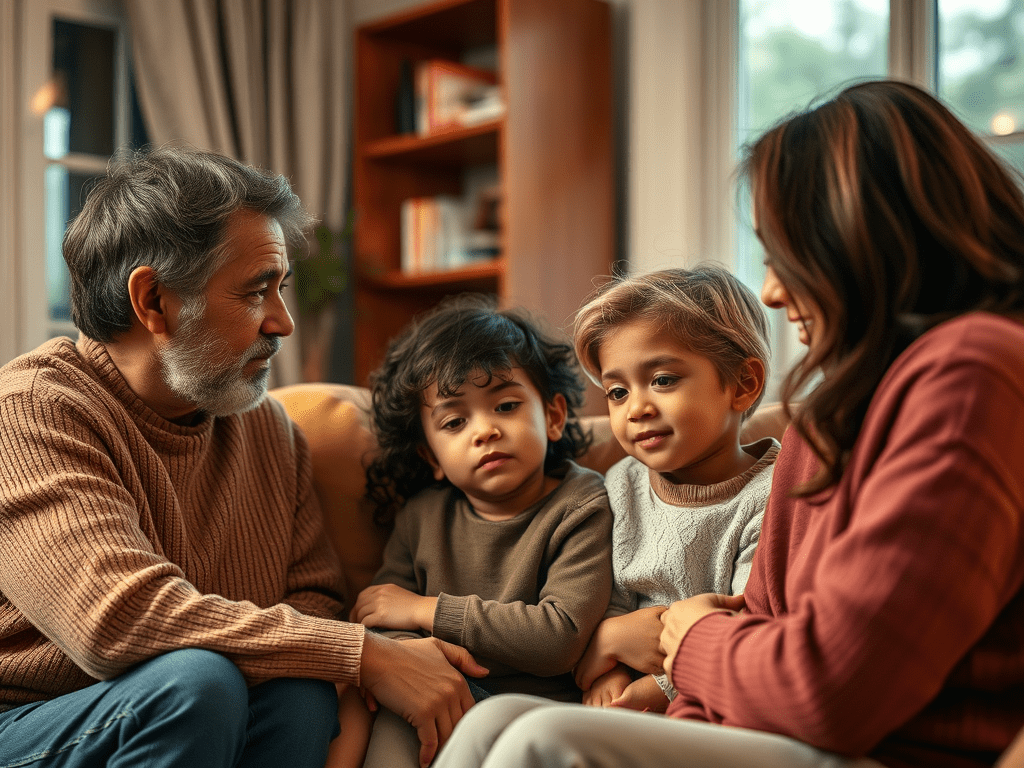
The current image has no alternative text. The file name is: create-a-highly-detailed-high-resolution-image-showcasing-a-heartfelt-conversation.png
Posted in Essay by WanHee Yoon, faith-column, Live Broadcasting, Ministry, Uncategorized | Leave a comment

“Conversation With Our Children II”

Hello everyone.

I trust that you have spent the past week in the peace of the Lord.

Today, I would like us to take some time to open the door to deeper conversations with our children. How is communication going in your homes—especially with children who are growing up between two cultures, Korean and American? As for our own family, raising three children, I must honestly confess that conversations with them have not always been easy. We try very hard to create time to talk with our children, yet there are moments when our hearts do not quite connect. Even though we live under the same roof, there are times when the children feel strangely distant. It is not easy for any of us to align our hearts while living in a dual‑cultural environment.

A few days ago, I was reading a bimonthly devotional magazine published by our denomination called Servants, and I came across an article that I felt was very necessary for all of us. The title was “How Can We Understand the Second Generation?” written by Rev. Grace Park, who pastors an American congregation. The article begins with a scene from a Sunday morning, where a respected elder named Elder Kim encounters a fourteen‑year‑old boy named James.

Elder Kim was someone who frequently reminded pastors and teachers that Korean traditions and customs must be preserved, and that children must be taught Korean language and manners. But on that Sunday morning, James walked into church with a Walkman in his ears. When he saw Elder Kim, he simply said, “Hello, Mr. Kim!” and swayed past him. The next day, the pastor and James’s parents heard complaints that James was rude and did not show proper respect to elders.

Rev. Grace Park pointed out several key differences between the cultures of the first generation and the 1.5 generation. She described the first generation as belonging to a “high‑context culture,” while the second generation belongs to a “low‑context culture.” In a high‑context culture, words and gestures carry meanings far deeper than what is outwardly expressed. But in a low‑context culture, the words and expressions used are understood to mean exactly what they say—no more, no less.

She also explained that the first generation comes from a hierarchical power culture, where there are always levels of rank, where those with power enjoy privileges, where one strives to appear strong, and where those without power accept their position and do not challenge authority. In contrast, the second generation lives in a democratic power culture, where the majority believes inequality must be corrected, where authority can be challenged, and where power is something the majority can claim. They believe structures can change through redistribution of power, and many of them possess the ability to do so.

Another difference is in the concept of time. The first generation tends to live in a multi‑time culture, where time is flexible and relationships take priority. But the second generation belongs to a mono‑time culture, where time is used precisely, schedules are planned to avoid waste, tardiness is disliked, and they become very frustrated when others are late.

In this way, we can see that the cultures in which the first and second generations live are quite different. But this does not mean one culture is superior or inferior. When we understand that these differences are simply the products of different life environments, the door to communication between the generations can open much more easily. Let us keep this in mind today.

Closing Words

Scripture says, “Children are a heritage from the Lord, the fruit of the womb a reward. Like arrows in the hands of a warrior are children born in one’s youth. Blessed is the man whose quiver is full of them” (Psalm 127:3–5).

Our second‑generation children will live long in this land, revealing the glory of the Lord, fulfilling God’s purposes through the unique gifts He has given them. God has often allowed those with special callings to experience dual cultures—Abraham, Moses, Joseph, Daniel, Esther… Our ancestors in the faith lived through harsh dual‑cultural realities and yet fulfilled God’s will and brought Him glory.

These days, many immigrant churches struggle to find second‑generation pastors. And even when they do, many of these young leaders end up leaving Korean churches. We hear that when second‑generation leaders return to serve after completing their studies, they face unnecessary cultural barriers that discourage and hinder them. When second‑generation pastors come to your churches and minister in ways that differ from first‑generation pastors, we must first embrace them and make the effort to understand them.

Dear listeners, when we strive—in our homes, in our churches, and in our Korean‑American communities—to understand and learn each other’s cultures, then the breakdown of communication between parents and children, between the first and second generations, caused by discomfort or hostility, will no longer have a place among us. I pray that in this coming week, we will all make the effort to step together into the open space of true dialogue.

Wan‑Hee Yoon, New York Korean Christian Broadcasting, “As I Am,” November 3, 1999

The current image has no alternative text. The file name is: image-56.png
Posted in Essay by WanHee Yoon, Live Broadcasting, Ministry, Uncategorized | Tagged , , , , , , | Leave a comment

“Conversation With Our Children”

“Now, let’s begin our Q&A game. Question 1: What are the three universities your parents like the most?” “Me! Harvard, Yale, and Stanford!” “Yes, correct! Question 2: Who is your parents’ ideal marriage partner for you?” “Yes. A Korean person who graduated from an elite university.” “Correct again. Question 3: What are your parents’ favorite sports or games?” “Yes. First, golf. Second, watching videos. Third, playing hwatu (Korean card game).”

The room—packed with Korean women at the Scarritt Bennett Center in Nashville, Tennessee—erupted in laughter. This game took place at the National Korean (United Methodist) Women’s Missionary Training held late last month.

Leaders of women’s missionary groups from across the country gathered with their second‑generation daughters for the shared purpose of mission. During the training, there was a special session called “Conversation With the Second Generation,” where mothers and daughters opened their hearts to one another. Out of about 180 participants, around 20 second‑generation daughters attended. The program was designed to pull out from under the carpet all the hidden conflicts and tensions between parents and children, and to narrow the emotional distance between them.

Through this time of conversation, we learned that the struggles of our children are not as simple as parents often assume. As individuals living between two cultures, they endure deep, complex conflicts and pains—far more severe than we had imagined.

As I sat in that session, listening to the unreasonable demands adults often place on their children, and seeing the wounded hearts of these mature second‑generation young adults, I felt ashamed as a parent. Yet at the same time, I experienced more deeply that it is not parents who raise children—it is God who nurtures them, heals their wounds, and strengthens them through every trial.

The daughters shared their struggles and pains under the theme “My Mother’s Garden.”

Testimony 1

“When I was young, my brother and I were the only Asians in our school. The kids constantly tested us. They pushed us down to see whether we fell the same way American kids did, or differently. It was unbearable. But I still went to school every day.

When I came home, I had to cook dinner for my parents who returned late, and I took care of my younger brother like a mother. When my mom went to PTA meetings without understanding a word of English and told me to interpret for her, I felt overwhelmed.

I hated being Korean. I hated our language and culture. I wanted more than anything to become American as quickly as possible. I refused to speak Korean at home for a long time…

But now, at 28, I look back at my mother’s garden. Yes, there were weeds and unnecessary insects growing there. But my mother still made me bloom.”

It was the tearful confession of a young woman who is now an attorney with a beautiful family of her own.

Testimony 2

“I grew up with my divorced mother. I hated that she sacrificed everything for me, placing all her hopes and expectations on me. I treated her coldly and harshly.

When I finally met the man I loved and brought him to meet her, she couldn’t say a single word because of the language barrier. I felt embarrassed. I thought she looked foolish and small.

But now I see—my mother was the one angel God sent to me. She carried the thorn of divorce in her garden, and yet she made me bloom.”

This was the choked‑up confession of another young woman, now an engineer.

Hearing these daughters’ tearful testimonies, every mother in the room wept as if watching her own children grow up all over again. Though we parents try our best, our imperfections leave scars on our children’s hearts, and our love often limps along. Yet seeing how mature our children truly are—how fair and clear their judgment can be—we felt a surge of relief and gratitude, knowing that God has been protecting them all along.

A Mother’s Confession

After the young women spoke, a mother in her sixties shared an unforgettable confession. She had immigrated in the 1960s. Her father was a doctor, her husband was a doctor, and she herself was a nurse. She raised three children in a privileged home and expected all three to become doctors. Having known nothing beyond the medical world, she had no understanding of other professions or of society at large.

Like many Korean families, she sent all three children to Phillips Academy, an elite prep school, and then to top universities. But her children’s lives went in directions she had never imagined, and she became furious.

Her eldest daughter, after one year of college, insisted on marrying an Englishman. The mother opposed it with all her might, but the daughter secretly went to city hall and got married. The mother felt the sky collapse.

Then her second child, a son, dated a blonde woman. After watching his parents’ reactions, he too secretly went to city hall and married her. The mother felt utterly defeated and prayed daily with tears for her children to change.

But in the end, she realized it was not her children who needed to change—it was she herself. She had to accept that her children’s world could never be the same as hers.

This year, she married off her youngest daughter, age 32. The son‑in‑law is “half Korean,” and she said it brings her great comfort and joy to finally have a “Kim‑seobang” (Korean son‑in‑law), even if only half. The son‑in‑law’s mother is American, but his father is Korean, and she was delighted by that.

“When I finally allowed my children to live the lives they wanted, our relationship was restored. I believe this was God’s answer to all my prayers. I have finally found happiness again.”

Her testimony was a profound lesson for every mother with unmarried children.

The Meaning of True Dialogue

What relationship is as deep and unbreakable as that between parent and child? But true dialogue is not one‑sided commands or expectations. Dialogue happens only when both sides consider each other’s position, share feelings, and seek understanding.

We must acknowledge that the world of the parent generation and the world of the children are vastly different—and seek harmony and reconciliation there.

One of the greatest lessons from this national training was this: If Korean churches and communities truly want to keep the second generation, we must respect them as full persons and seek to understand them. If we do, they will not leave us.

And the wall between parent and child— only when we break down our own prejudices, customs, and one‑sided thinking can we all enter the space of true dialogue.

Wan‑Hee Yoon, Letter from the parsonage, November 1, 1999

The current image has no alternative text. The file name is: image-54.png
Posted in Essay by WanHee Yoon, Letter from the Parsonage, Ministry | Tagged , , , , , | Leave a comment

자녀와의 대화

“자, 지금부터 문답 깨임을 시작하겠습니다. 제 일번, 부모님이 가장 좋아하는 대학 세 개는 무엇입니까?” “저요! 하버드, 예일, 스탬포드입니다” “네, 맞았어요! 제 2번 문제, 부모님이 제일 좋아하는 결혼상대자는 누구입니까?” “네. 한국사람으로서 일류대학 나온 사람입니다” “네, 맞았습니다. 제 3번 문제, 부모님들이 가장 좋아하는 스포츠나 께임은요?” “네. 첫째는 골프, 둘째는 비디오보기, 셋째는 화투놀이입니다” 한인 여성들로 꽉 메인 테니시 내슈빌의 스칼렛 벳넷센타의 장내는 떠나갈 듯이 웃음바다가 되고 말았습니다. 이 깨임은 지난 달 말에 있었던, 전국 한인여선교회 훈련에서의 일이었습니다.

전국에서 모여온 여선교회 지도자들과 이세들이 선교라는 한 목적으로 모여, 훈련 중에, 어머니들과 딸들이 마음을 터놓고 대화하는 “2세와의 대화”의 시간이었습니다. 180여명의 여선교회원 중에 약 20여명의 이세들이 참석하였는데, 그 동안 카펫트 밑에 깔아두었던 부모와 자녀들의 모든 갈등과 문제를 끄집어내며, 저들과의 간격을 좁히고자 만든 프로그램 이였습니다. 우리는 대화의 시간을 통해서, 아이들의 고민과 갈등은 부모님의 단순한 기대처럼, 그렇게 단순하진 않다는 것이었습니다. 아이들은 이중문화 속에 살아가는 인격체로서의 복잡다산한 고민과 갈등, 아픔을 너무나 처절하게 겪으며 살아가고 있음이 발견되었습니다.

저는 대화의 시간에 참석하면서 철없는 어른들의 요구에, 성숙한 이세들의 상처투성이인 모습을 대하고는, 부모로서 참으로 부끄러운 내 자신의 모습을 발견할 기회가 되었습니다. 그러면서도, 부모가 아이들을 키우는 것이 아니고, 하나님께서 우리 자녀들을 기르시고, 성장시키고, 저들의 상처를 싸매시며 단련시키고 있는 손길을 더욱 더 강하게 체험케 되었습니다. 자녀들은 겪고 있는 갈등과 아픔을 “우리 어머니의 가든”이라는 제목으로 나누는 순서는 이렇게 이어졌습니다.

“저는 어렸을 때, 학교엘 갔는데, 학교에서는 동양인이라고는 제 동생과 저, 단 둘이었습니다. 아이들은 저와 동생을 늘 시험하기를 즐겨했습니다. 우리들을 밀어서 넘어트리면서 갖은 호기심은, 우리가 미국 애들처럼 똑 같이 넘어지는가, 아니면 다른 방법으로 넘어지는지를 늘 시험했습니다. 참으로 견디기 힘든 시간이였습니다. 그러나 학교를 빠지지 않고 갔습니다. 그리고 집에 오면, 늦게 집에 들어오시는 부모님을 위해 저녁을 지어야 되었고, 동생을 돌보는 어머니 역할을 했습니다. 저는 어머니가 말도 못 알아들으면서 PTA에 참석하시며, 저보고 통역을 하라고 할 때, 너무나 난감했었습니다. 저는 외로움과 소외 속에 한국인이라는 것과, 우리의 언어와 문화를 너무나 미워했습니다. 나는 어떻게 해서라도 빨리 미국인이 되기만을 원했습니다. 한국인이라는 그 자체가 너무나 싫었기에, 집에 돌아와서는 일체 한국말 쓰길 한동안 거부했습니다… 그러나, 저는 이제 28살의 성장한 사람이 되어, 어머니의 가든을 뒤돌아봅니다. 어머니의 가든에는 많은 잡풀들과 불필요한 벌레들도 함께 자라고 있었지만, 어머니는 오늘과 같은 저를 꽃 피우셨습니다.” 이제 변호사가 되어 한 가정을 아름답게 이룬 젊은이의, 눈물의 고백이었습니다.

“저는 이혼한 어머니의 품에서 자라났습니다. 저는 어머니가 홀로 사시면서 저 만을 위해, 모든 것을 희생하시며, 기대와 희망을 걸고 사시는 것이 싫었습니다. 어머니에게, 저는 냉정하게, 박대하였습니다… 저에게 사랑하는 남자가 생기어 결혼을 하기 위해, 어머니께 인사하러 갔을 때, 어머니는 언어 때문에 아무 말도 하시질 못했습니다. 나는 그런 어머니가 못나 보이고, 바보처럼 여겨졌습니다. 당혹스러웠습니다… 그러나, 이제 뒤돌아보니, 나의 어머니는 하나님이 내게 보내주신 단 한 분의 천사였음을 알게되었습니다. 어머니는 당신의 가든에 이혼이라는 가시를 안고, 오늘의 저를 꽃피우셨습니다” 엔지니어가 된, 또 다른 젊은이의 목이 메인 사랑의 고백이었습니다.

이렇게 연이어지는 딸들의 눈물의 고백을 들으면서, 그곳에 참석했던 모든 어머니들은, 자신들의 자녀의 성장과정을 보는 듯이, 온통 눈물바다가 되고 말았습니다. 부모로서 최선을 다한다고 했지만, 불완전한 부모는 자식의 가슴에 갖가지 한을 맺히게 하고, 절름발이의 사랑을 할 수밖에 없었습니다. 그러나 자녀들은 우리들이 생각하고 있는 것보다 훨씬 성숙하고, 저들의 판단이 공정하고 명확함을 보면서, 하나님께서 지키시는구나 하는 안도와 감사가 모인 어머니들 속에서 치솟아 올랐습니다.

젊은이들의 고백 후에, 60이 넘으신 어느 어머니의 잊을 수 없는 고백이 이어졌습니다. 그 분은 1960년대에 이민 오신 분으로서, 아버지도 의사였고, 남편도 의사였으며, 본인은 간호사였습니다. 유복한 가정에서 자녀 셋을 낳아 기르시면서, 아이 셋이 모두 의사가 되기를 기대하셨던 분이었습니다. 본인의 고백처럼, 의료계 이상의 세계는 접해보지 않으셨기 때문에, 이 세상에 또 다른 직업이나, 사회를 알지 못하신 분이었습니다. 여느 한인가정처럼, 자녀 셋을 필립스 아카데미라는 일류 중고등학교에 보내고, 대학도 일류 학교에 보내게 되었습니다. 그런데, 배은망덕하게도 아이들의 세계는 전혀 기대치 않았던 세계로 달려가며, 어머니는 분노하기 시작했습니다. 그토록 기대했던 큰딸이 대학 일 학년을 다니다 말고, 영국인과 결혼하겠다고 고집을 부렸습니다. 어머니는 죽을 각오로 반대를 하였더니, 부모 몰래 시청에 가서 결혼식을 치르고 말았습니다. 하늘이 무너지는 것 같았습니다. 그런데, 둘째 아들도 금발의 여인과 연애를 하고는, 부모의 눈치만을 살피다가, 또 부모 몰래 시청에 가서 결혼식을 치르고 말았습니다. 이렇게 되고 보니, 어머니는 완전히 삶의 낭패를 맛보며, 매일 하나님께 나아가 아이들이 변하게 해달라고 눈물로 매달리게 되었습니다. 그러나, 결국은 아이들이 변하는 것이 아니고, 어머니인 자신이 변하게 되었음을 고백하였습니다. 그 분은 아이들의 세계는 자신과 결국 같을 수 없다는 것을 인정 할 수밖에 없었습니다. 그나마, 올해 32살의 막내딸을 결혼시킨 그분은, 막내 사위를 반쪽이지만, “김서방”이라고 부를 수 있는 것이 여간 위로와 기쁨이 아닐 수 없다고 하였습니다. 사위의 어머니는 미국인이지만, 아버지는 한국인인 것이 너무나 좋다는 것이었습니다.

“저는 비로소, 아이들이 원하는 것을 할 수 있게끔 모든 것을 허락하고 보니, 아이들과의 관계가 회복이 되었습니다. 저는 이것을 제 모든 기도의 하나님의 응답이라고 보며, 이제사 행복을 되찾게 되었습니다” 60평생을 정리하신 그분의 고백은, 결혼 전의 자녀를 둔 어머니들에게 큰 교훈이 아닐 수 없었습니다.

부모와 자식의 관계처럼 끈끈하고, 지을 수 없는 관계가 어디 있겠습니까? 대화란, 결국 일방적인 생각이나, 명령을 대화라고 부를 수 없습니다. 대화란, 서로 상대방의 입장을 고려하고, 감정을 함께 느끼고, 이해하려 할 때만이 올바른 대화의 성립이 이뤄지듯이, 자녀들과의 대화에 있어 저들의 입장을 부모세대가 얼마만큼 헤아리고 있는가를 생각게 됩니다. 부모세대의 문화와, 자녀세대의 문화엔 너무나 다른 세계가 있음을 우리는 고백하며, 거기에서의 화목과 조화를 찾아야 만 될 때입니다.

이번 여선교회 전국훈련을 통해, 배운 것 중에 하나는, 한인교회서나 한인공동체에서, 우리 이세들을 잃지 않으려는 노력 속에, 저들을 한사람의 인격체로서 존중해주고 이해해주려 할 때, 저들은 우리 곁을 결국 떠나지 않을 것이라는 확신이었습니다. 또한, 내 자녀와의 막힌 담- 먼저 내 자신의 인습과 관습, 일방적인 생각의 벽을 무너뜨리고자 끊임없이 노력 할 때만이 대화의 장에 우리 모두가 들어설 수 있다는 교훈은 참으로 귀한 경험이었습니다.

– 윤 완희, 목사관서신, 11/1/1999

The current image has no alternative text. The file name is: image-53.png
Posted in Essay by WanHee Yoon, Letter from the Parsonage | Leave a comment

At the top of a tree

At the top of a tree
a bird has stopped its song
and looks—
only looks—
into the burning edge of sunset.

It did not begin here.
First there was eating,
then walking.
Later, play.
Voices joined.
Meaning was asked for.
Flying followed—
and higher flying.

Then, one by one,
the bird lets them go.

From power,
from honor,
from the noise of belonging.
From meaning,
from the long road of walking,
from the need to eat its fill.

What remains
is breath—
deep, perhaps enough.

And then the bird is gone.
No one knows where.

Still, everything
is held by the tree.

The sun will rise again.
A bird will stand
at the top of a tree.

It will not need honor.
It will not need meaning.
It will not need to do.

To be
will be
enough.

TaeHun Yoon

Note

This poem grew from watching how life seems to move in circles rather than straight lines. We begin with simple needs—eating, walking, surviving—and slowly add layers: play, community, purpose, ambition, power. At some point, however, life invites us to reverse the journey, to loosen our grip on what we thought we needed in order to return to something quieter and more essential.

The bird at the top of the tree is not an image of escape, but of arrival. It pauses, releases its song, and simply beholds the world as it is. Its disappearance is not loss, but trust—trust that the sun will rise again, that life continues without our constant striving.

This poem leans toward a understanding of nature: ordinary, patient, and honest. Meaning is not imposed; it is discovered by standing still long enough. In the end, the poem suggests that being—plain, attentive, and rooted in nature—is deeper than honor, power, or achievement.

Posted in Poetry | Leave a comment

In the Midst of a Desert Journey

We are walking through the desert now. In the life journey where we have been slowly driven out, we cannot tell when or how we arrived here, but it is surely a weary and difficult path. As husband and wife, we cross this harsh desert swept by whirlwinds—lifting each other up, embracing one another, carefully wiping away each other’s tears lest we fall behind, and diligently pressing forward. Even our children, though they do not understand, follow without complaint.

In the desert, there are foxes everywhere—barking, snarling faces rushing as if to bite. At times they intrude even into the soul’s midnight rest, barking without ceasing. Yet one Sunday morning, during family worship, God spoke through Henri Nouwen: “Do not listen to the voices of the foxes. Send them back to their dens. Instead, hear the voice of God that comes through the mountains and fields. That voice says: ‘Behold, the dwelling of God is with humankind. He will dwell with them, and they shall be His people. God Himself will be with them; He will wipe away every tear from their eyes. Death shall be no more, nor mourning, nor crying, nor pain, for the former things have passed away.’ … We must surely hear that voice, and in each moment seek the secret of life that strives to be born anew.”

Ah—how fortunate that true life is conceived not in yesterday or tomorrow, but in the very moment of wrestling with pain and anguish! I now realize that each of us must someday walk through a desert. And I have been granted the wisdom to choose more wisely: whether to be ensnared by the foxes’ voices, or to live in the presence of God.

Neighbors who know we are crossing the desert respond in many ways. Some remain indifferent, even avoiding us. Others spread rumors, adding gossip until our troubles swell like snow, persuading people that we must be the center of the problem. Still others seize the moment to secure their own advantage, claiming that all is simply God’s will—words that sink me deeper into despair. Yet there are also those who, through letters, phone calls, and prayers, encourage us: “Do not lose heart!” They understand our plight better than anyone, and suffer with us beyond their own pain. Like an oasis in the desert, they help us seek God’s grace and urge us to drink deeply of it.

Even in this painful desert journey, reasons for gratitude emerge. It has shown me how fragile the foundation of my faith is, and given me a glimpse of the Lord’s own suffering. I have also come to trust and thank my husband’s faith more deeply. While others—including myself—burn with anger and resentment, he transcends it, quietly pressing toward new work. Refusing to be bound by the past, striving to repay evil with good, his attitude calms my rage, humbles the impatient, and opens a way to practice faith’s possibilities and a positive posture toward life. His greatest sermon and witness are being proclaimed here, in the very heart of the desert!

Through this desert journey, I have faintly glimpsed the depth and breadth of Jesus’ eternal friendship and unchanging love. I have learned that only when faith stands at the center can a person truly live as a whole human being. And I can wholeheartedly agree with the apostle Paul’s confession: “It was good for me to be afflicted.” Thus, this desert journey has become one of the blessings our family must celebrate this year.

— Wan‑Hee Yoon (Letter from the Parsonage, November 25, 1999)

The current image has no alternative text. The file name is: image-49.png
Posted in Essay by WanHee Yoon, Letter from the Parsonage | Tagged , , , , , | Leave a comment