Having lived in the American South for more than ten years, I have often encountered customs and experiences I never knew in the Northeast. One of these is the beauty pageant, held in nearly every town. From newborn babies to little girls, teenagers, Miss, and Mrs.—at festivals and community events, beauty pageants reach their peak, and the competition is fierce.
In many ordinary families here, young girls grow up dreaming of wearing beautiful gowns, winning crowns and trophies. At first, these events felt strange to me, but I have come to see how children learn social skills early, gain confidence, and bring joy and pride to their families and communities when they receive the official title of “Queen of Beauty” for the year.
For a family to enter their daughter in such a contest requires not only the parents’ enthusiasm but also support from relatives and neighbors. Costly outfits must be prepared, and even infants, without understanding, must grow accustomed to bright colors and glittering, uncomfortable clothes before mirrors.
Countless hours are spent practicing graceful posture and walking for the stage. To perfect the most beautiful smile, orthodontics, smile training, and dietary discipline are all considered basic.
And once the official title of “beauty queen” is won, the girl must serve as a role model in the community—engaging in volunteer work, leading fundraising events, and preparing for larger competitions beyond the local stage. Sponsors must be recruited, personal coaches hired, and lessons taken in manners, talents, and public speaking.
As children, they may enter at the urging of others, but as they grow, only their own will and determination can carry them toward the dream of becoming queen. Through this demanding process, many young women mature inwardly and eventually find their own path.
Watching them, I realized that beauty is not simply born—it is shaped through discipline, training, and overcoming oneself. For a crown that will fade in a few months, people pour in their time, money, restraint, and effort.
And in the midst of these pageants, now burning with excitement across the region, I hear God’s voice piercing me: “How are you living today for the crown of life?” It recalls Paul’s confession: “I have fought the good fight, I have finished the race, I have kept the faith. Now there is in store for me the crown of righteousness, which the Lord, the righteous Judge, will award to me on that day—and not only to me, but also to all who have longed for his appearing.” (2 Timothy 4:7–9).
Am I living such a life, without regret? Or have I become one who, caught in daily routines, fails to give my time and heart to others, fails to encourage and care for neighbors in pain? Though I have long taken pride in living as a child of God, if my crown is not truly prepared, what greater shame could there be?
미 남부에 어느덧 10여년 살아가며 미 동북부 지역에서 전혀 경험치 못했던 경험과 풍습들을 종종 경험케 된다. 그 중에 하나가 지역마다 있는 미인대회 (Beauty Pageant) 이다. 이제 막 태어난 아기서부터 시작하여, 어린 소녀, 틴에이저, 미스, 미세스··· 각종행사나 축제 때면 미인대회가 절정을 이루게 되는데, 지역마다 경쟁이 대단하다.
이 지역의 보통 가정의 많은 소녀들은 이런 미인대회에 나가 아름다운 의상을 입고 크라운과 트로피를 타는 꿈을 꾸며 자라나는 것이 생활화 되어있다. 나는 처음엔 이런 행사들이 낯설었지만, 요즈음엔 아이들이 일찍 사회에 적응능력을 배우고, 자신감들을 찾는 것을 발견하게 되었다. 그리고, 그 한해의 “미의 여왕”이라는 공식 칭호를 받음으로써, 개인과 가정, 마을의 기쁨과 자랑이 됨을 알게 되었다.
한 가정에서 딸 아이를 미인대회에 출전시키려면, 부모의 적극적인 열성은 물론이요, 일가친척과 이웃들의 후원이 따르게 된다. 이들은 한 번의 출전을 위해 고가의 의상을 마련 해야 되고, 어린 아기들은 영문도 모른 채, 거울 앞에서 화려한 색깔과 번쩍이는 불편한 옷에 익숙해져야만 한다.
또한 한 번의 손놀림과 무대 위에서 우아한 몸매와 걸음 걸이를 위해, 수도없이 걷는 연습을 해야 한다. 누구보다도 아름다운 미소를 짖기 위해, 치아교정은 물론이요, 미소짓기 훈련, 음식조절은 기본이다.
그리고, “미인”이라는 공식 타이틀을 얻게되면, 지역사회에서 롤 모델로 사회봉사에 나서야 하며, 각종 모금행사에 앞장서야 한다. 또한, 지역사회를 벗어난 더 큰 대회에 나가기 위해 광고 후원자를 모집해야 하며, 개인코치를 두고, 그들을 통해 미의 여왕이 되기 위한 각종 매너, 장기, 말하기 등 개인교습을 받아야 한다.
어렸을 적엔 주변의 권고로 나가지만 커서는 자신의 의지와 결단 없이는 미의 여왕의 꿈을 이룰 수 없다. 많은 소녀들은 이런 고된 과정을 통해 그들의 내면은 성숙되어 가고 결국, 자신의 길을 찾아 나간다.
나는 그들을 지켜보면서 미인이란 그냥 태어나는 것이 아니라, 모진 훈련과 절제, 자신을 이겨내는 과정을 통해 만들어져 가는 것임을 알게 되었다. 사람들은 몇 달이 지나면 빛이 발할 크라운 하나를 얻기 위해 온갖 혼신의 노력을 기울이며 저들의 시간과 물질, 절제와 노력을 하고 있다.
요즈음 지역마다 한창 열기를 더해가는 미인대회 속에 “생명의 면류관”을 위해 너는 오늘을 어떻게 살아가고 있는가 라는 하나님의 음성이 나를 파고든다. 그것은 사도바울 의 고백처럼 “나는 선한 싸움을 싸우고 나의 달려갈 길을 마치고 믿음을 지켰으니, 이제 후로는 나를 위하여 의의 면류관이 예비되었으므로, 주 곧 의로우신 재판장이 그 날에 내게 주실 것이며, 내게만 아니라 주의 나타나심을 사모하는 모든 자에게도니라.” (딤후4:7-9)”라는 후회함이 없는 삶을 나도 살아가고 있는가라는 질문이다.
그러나 막상 오늘도 일상의 삶에 맴돌다 보니, 남을 위해 내 시간과 마음을 내어주거나, 서로를 독려하여 고통받는 이웃들을 돌보아 줄 수 없는 사람이 되고 만 것이 아닌가 라는 자책감이 있다. 평생을 하나님의 자녀로 살아왔다고 자부심을 갖고 있었지만, 막상 나의 크라운이 준비되어있지 않다면, 이처럼 당혹스러울 일이 어디 있을까!
From a world beyond memory, where the years sleep inside folded light, one quiver of eternity is carried on the breath of heaven— so softly, so slowly— drifting toward me like a secret long withheld.
In this trembling hour, a shard of the Infinite descends, brushing the rim of my field with a touch so faint it feels like the whisper of something holy passing by.
Sorrow loosens, winter unlatches its frozen hand. And spring— a greenness born before time began— rises in the air as though called forth by the hidden chambers of the soul.
Then love appears— bare, steady, yet glowing with a silence that fills the whole horizon— opening like a dawn that does not break, but simply arrives, solemn and luminous, with the quiet certainty of the sacred.
In my early twenties, while working in Chungmuro, Seoul, I lived with a friend in a rented room. On weekends, I would sometimes suddenly feel the longing to see my mother, who lived on the outskirts of Seoul, and I would go to visit her.
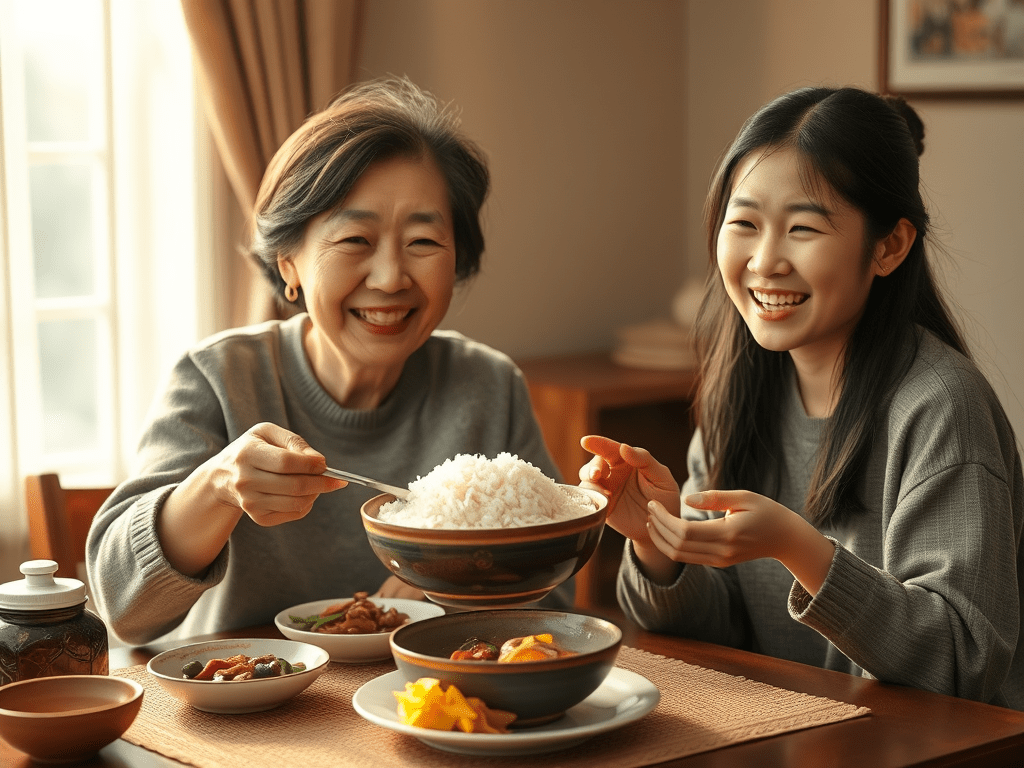
At that time, my mother was in her early fifties, raising my two younger siblings, and managing a poor household with the small living expenses I sent her. On the days I visited, she would exclaim, “My third daughter has come!” and laugh aloud with joy, as if a guest of honor had arrived. She would rush to the pump and bring me a cup of cold water, freshly drawn, smelling faintly of rust, and offer it to me with care.
The joy of seeing my mother, whom I missed so much, lasted only briefly. My heart would ache as I looked at her poverty and the shabby surroundings that never seemed to change. After sipping the cold water, I would always leave abruptly. I remember seeing the joy in her eyes fade like dying embers, and I would mutter inwardly: “Mother, how can you be so incapable? I hate this poverty and your helplessness.” Yet my mother, unaware of my unfilial thoughts, would follow me to the door and say, “Since you’ve come home, you should at least have a meal before you go! How can you leave without eating?” I would reply, “Mom, what’s so important about a bowl of rice? I’ve seen your face—that’s enough.” In truth, I feared that her poverty might cling to the hem of my own life.
It took me decades to understand her longing to feed her daughter one meal. After my own children grew up and left home, I realized that their visits became my greatest joy, my deepest anticipation. When word came that they were coming, I would wait with excitement, knowing that the best thing I could do for them was to prepare a delicious meal. I wanted to cook all the foods they loved, even dishes I had never shown them before, and feed them until they were satisfied. Sitting together at the table, I wanted to look into their lives—how they were doing, whether they were faithful in their walk with God, whether they carried burdens unknown to us. If they had problems too heavy to speak of, I wanted to sacrifice everything to help them. Only then did I understand a parent’s heart and love.
Now my mother, who once longed so desperately to feed her daughter a meal, is very ill. Living in New York, she has reached ninety-one years of age. Her immunity is weakening, and she no longer enjoys food. The mother I thought would always be by my side now seems as though she may suddenly leave me. In my anxiety and sorrow, I long to prepare for her one warm, delicious meal. And I want to confess that it is because of her presence throughout my life—her stability, abundance, blessing, love, wisdom, and patience—that I am who I am today.
Ah! That “a simple meal” my mother gave me was not only to fill my body’s hunger, but also the nourishment of my soul.
이십대 초반에 서울 충무로에서 직장을 다니며, 친구와 함께 자취생활을 했었다. 그리고 가끔 주말이면 문득 어머니가 보고 싶어 서울 변두리지역에 살고 계시던 어머니를 찾아 뵙곤 했다.
당시에 오십대 초반이셨던 어머니는 어린 두 동생을 데리고 사시면서, 내가 조금씩 보내드리는 생활비로 근근이 가난한 살림을 이끌어가고 계셨다. 내가 어머니를 방문하는 날엔 어머니는 “우리 셋쨋 딸이 왔구나!”하시면서, 마치 귀빈이라도 온듯이 큰 소리로 활짝 웃으시면서 아이처럼 좋아하시곤 하셨다. 그리고, 어머니는 오랜만에 집에 온 딸의 손을 놓기가 바쁘게 펌프로 달려가 펌프에서 막 퍼 올린 녹물 냄새 나는 냉수 한 컵을 정성스럽게 내밀곤 하셨다.
나는 그토록 보고 싶었던 어머니를 만나는 기쁨을 잠시하곤, 언제나 변함없이 가난이 묻어나는 어머니와 구차한 주변환경을 바라보며 가슴을 절였다. 그리곤 찬물 한 모금 입에 댄 후엔 언제나 방문을 박차고 나섰다. 조금 전까지도 어머니의 눈 속에 가득했던 기쁨들이 꺼져가는 잿더미의 불씨들처럼 흩어져 내림을 바라보며, 나는 무의식적으로 독백했다. “어머니! 어머니는 어쩌면 이렇게 무능하셔요. 저는 이토록 가난하고 무능한 어머니가 싫어요!”, 이런 나의 불효한 마음 조차 눈치채지 못한 어머니는 집문밖까지 따라 나오시면서 말씀하셨다. “집에 왔으면, 밥 한 그릇이라도 먹고 가야지! 그냥 가면 어떻게 하니!”, “엄마! 밥 한 그릇 먹는 것이 뭐가 그렇게 중요해요? 엄마 얼굴 봤 으면 됐어요!” 나는 행여나 어머니의 그 찌든 궁핍함이 내 삶의 옷자락에 묻혀지지 않기를 소망하곤 하였다.
어머니의 딸에게 밥 한 그릇을 해주고픈 심정을 이해하는 데는 그 후로 거의 수십여년이 걸렸다. 어느 덧, 애들이 성장하여 집을 나간 후 자식들이 집에 와 주는 것이 삶의 기쁨 중에 가장 큰 기쁨이며, 기다림 중에 가장 큰 기다림이 되고 말았다. 애들이 언제 온 다는 기별이 오기라도 하면, 그 오랜 기다림과 설레임 속에 내가 아이들을 위해 가장 해줄 수 있는 것은 ‘밥 한 그릇’ 맛있게 해주는 것 이상의 최상의 것이 없음을 이제야 알게 되었다. 아이들이 평소에 좋아했던 것, 아니 한번도 애들 앞에서 숨은 음식솜씨를 미쳐 발휘하지 못한 것들을 모두해서 먹여 보내고픈 것이 나의 솔직한 심정이다. 그리고, 그 아이들과 함께 밥상에 앉아, 아이들의 안과 밖을 찬찬히 들여다 보며, 그 동안 어떻게 지냈는지, 믿음생활에 정진하고 있는 지, 행여나 우리 부부가 알지 못하는 마음 고생을 하고 있는 것은 없는지, 만약에 아이들이 말 못할 문제들이 있다면, 내 모든 것을 희생해서라도 도와주고 해결해 주고 싶은 것이 부모의 심정이며 사랑인 것을 이제야 깨닫게 된다.
그 옛날 그토록 딸에게 밥 한 그릇 먹여 보내고파 안달하시던 어머니가 많이 편찮으시다. 뉴욕에서 올해 아흔 한 살의 생을 맞고 계시는 어머니는 점점 면역성이 약해지시며, 음식도 더 이상 맛있게 드시질 못하 신다. 언제나 영원히 내 곁에서 계실 것만 같았던 어머니가 왠지 훌쩍 내 곁을 떠나가실지 모르겠다는 불 안과 초조함 속에 비로소 어머니만을 위한 따듯하고 맛있는 밥 한 그릇 차려 드리고픈 애타는 심정이다. 그리고 평생을 어머니가 계심으로, 누렸던 내 영혼의 안정과 풍요, 축복과 사랑, 삶의 지혜와 인내들로 인해 오늘의 내가 있었음을 진정 고백 드리고 싶다.
아! 어머니가 해주셨던 ‘밥 한 그릇’은 육신의 허기 뿐만이 아니라, 내 영혼의 양식이었음을!
Prayer is the vital breath that unites God’s life with human existence. It is the emergence of new life and the inner strength that sustains believers against external powers.
John Calvin affirmed: “To know God is the highest purpose of life and the supreme joy.” To awaken to the presence of the living God is the greatest event of human existence.
The essence of answered prayer lies in our capacity to receive. God’s answers are His gifts to us. If we do not know how to accept them, we fall into great misfortune. Receptive prayer, therefore, is the means by which we discern God’s self-giving and perceive His greatest gifts.
Often prayer is abandoned midway because of a lack of patience in waiting for God’s response. Yet those who pray deeply recognize that the answer is already contained within the prayer itself. In waiting, listening, yielding, and opening ourselves to love, we experience the blessing of perceiving God’s response.
Expressive prayer is the act of speaking—communicating our thoughts, emotions, and will to God. Receptive prayer, however, is essential for completeness. Through it, God’s will and life transform our own. This receptive prayer, often called meditation, is the posture of listening to God’s Word.
Expressive prayer is like exhaling; receptive prayer is like inhaling. Expressive prayer pours out like the ebb tide; receptive prayer flows in like the flood tide, cleansing and renewing. Together they form the rhythm of true prayer.
Thus, prayer cannot be reduced to one-sided speech. Just as breathing requires both inhalation and exhalation, so prayer requires both expression and reception. Without this balance, spiritual life cannot be sustained.
Receptive prayer is the moment when we yield our will to God and allow His Word to shape us. It is not mere concentration, imagination, or positive thinking, but the profound and clear response of divine grace. When we entrust ourselves to the Creator, we are immersed in blessing.
In prayer, there is always the human who asks and the God who answers. The purpose of prayer is to connect God’s life with human life, sustaining balance and holiness in the believer’s earthly journey.
기도는 하나님의 생명과 인간의 삶을 연결하는 호흡이요, 새 생명의 발돋움이며, 못된 외세에 대항할 내적 버팀목이라!
“하나님을 아는 것이 우리의 최상의 삶의 목적이요, 지극한 기쁨!”이라고 칼빈은 말했읍니다. 살아계신 하나님의 현존을 깨닮음이 평생에 가장 위대한 사건 중의 사건입니다.
우리가 받아드리는 것을 할줄 알 때 그 위대한 사건은 우리의 삶의 한 가운데서 일어 납니다. 응답받는 기도의 비밀이란 바로 이것입니다. 기도의 응답들은 우리를 향하신 하나님의 진정한 선물들입니다. 하나님께서 선물을 주셨음에도 불구하고 우리가 그 웅답을 받아들일 줄 모른다면 이것이야말로 큰 불행인것 입니다.
수용하는 기도는 성령에 의지하여 자신을 주시는 하나님과 또. 그 가장 위대한 선물을 감지하는 방법입니다. 가장 은밀하고 깊은 웅답을 감지하는 것이 바로 수용하는 기도(Receptive Prayer) 입니다.
우리는 기도를 하다가 중도에서 이루지 못하고 기도를 끝낼 경우가 종종 있읍니다. 그것은 우리가 그 응답을 기다리는데 인내가 부족하기 때문입니다.
기도를 깊이하시는 분들은 이미 기도의 응답이 그 기도 속에 주어져있음을 깨닫습니다. 기다리는 동안, 듣는 동안, 양보하는 동안, 바뀌어지는 동안, 그리고 우리 자신으로 하여금 남의 사랑을 받을 수 있도록 자신을 여는 동안, 이미 주어진 하나님의 기도의 응답을 감지하는 축복을 갖습니다.
“평범한 기도”는 입술과 혀로 말이나 생각을 통해서 우리의 감정과 의지를 하나님께 통화해 알리는 것 입니다. 이것이 “표현하는 기도”입니다.
또 하나의 기도 방법인 “수용하는 기도”가 없으면 참 기도는 완성되기가 어렵습니다. 이러한 기도 방법을 통해서 하나님 의지와 생명이 우리의 의지 및 감정, 삶을 변형 시킬 수 있게 되는 경우을 말합니다. 이것이 “수용하는 기도”이며, 혹자는 일컬어서 “묵상“이라고도 합니다.
평범한 기도(표현하는 기도) 속에서는 우리는 늘 말하고 하나님은 늘 듣고 만 계십니다. 그러나 수용적인 묵상 속에서는 하나님의 말씀을 늘 들을 수 있읍니다. 왜냐면, 하나님을 늘 말씀을 하시고, 우리는 늘 말씀을 들듣고 있기 때문입니다.
표현하는 기도는 마치도 호흡의 낼숨이라면, 수용적 기도는 호흡의 들숨이라 봅니다. 또 표현하는 기도는 끝없는 바다의 지평을 향해 속을 쏟아 내놓는 썰물이라면, 수용적 기도는 씻어내고 소성시키려 몰려와 넘치는 밀물이라고 볼 수 있읍니다. 그 하나는 “진실함과 자유로움”의 열림을 제공하고, 다음은 “아버지가 온전하시니 너희도 온전하라 하심을 내 속에서 이름입니다.
따라서 기도에는 불가능의 응답이 없는 것 입니다. 이 두가지의 기도가 신앙생활에는 필수적입니다. 우리는 전화를 걸 때, 내 이야기만 일방적으로 상대방에게 하고, 상대의 말을 듣지 않고 전화를 끊어 버릴 수 없읍니다. 호흡의 한가지 숨으로 만 생명을 30분도 유지할 수 없듯이, 내쉬고는 곧 들이 쉬어 산소를 섭취해야 만 합니다.
이것이 “하나님을 향하고, 하나님과 함께”해서 나의 생명을 유지하며 소성케하며 쇄신할 수 있는 길이라 믿습니다. 그래서 말씀 읽고, 묵상하는 Quiet Time이나 Lectio Divina를, 골방기도나 산상기도와 더불어 권하는 이유가 여기에 있는 것 입니다. 수용적 기도는 하나님의 음성속에 나의 의지를 하나님께 드리는 아름답고 순전한 순간입니다.
기도의 이러한 조화와 내용은 단순한 집중이나, 교묘한 속임수, 상상, 및 긍정적 사고가 아니라 전능하신 하나님 은혜의 미묘하고, 깊고, 웅장하고 분명하신 응답인 것 입니다. 따라서 우리는 우리 자신을 창조주 하나님의 전능하신 손에 넘길 때, 우리는 축복속에 잠기게 되는 것 입니다. 하나님은 언제나 우리를 용납하시고, 우리 자신을 제물로 드리는 행위로, 드리는 기도와 받는 기도를 통해서, 우리는 하나님을 우리의 삶 속에 모셔들일 수가 있는 것입니다. 내 삶의 일상 속에 주님이 살아가시는 것을 허락하는 것입니다.
기도에는 분명 요구하는 인간이 있고 대답하는 하나님이 계십니다. 기도의 목적은 성도들이 이 땅에서 삶의 균형과 온전(거룩함)을 위한 하나님의 생명과 인간의 삶의 역동성을 연결하는 호흡입니다.
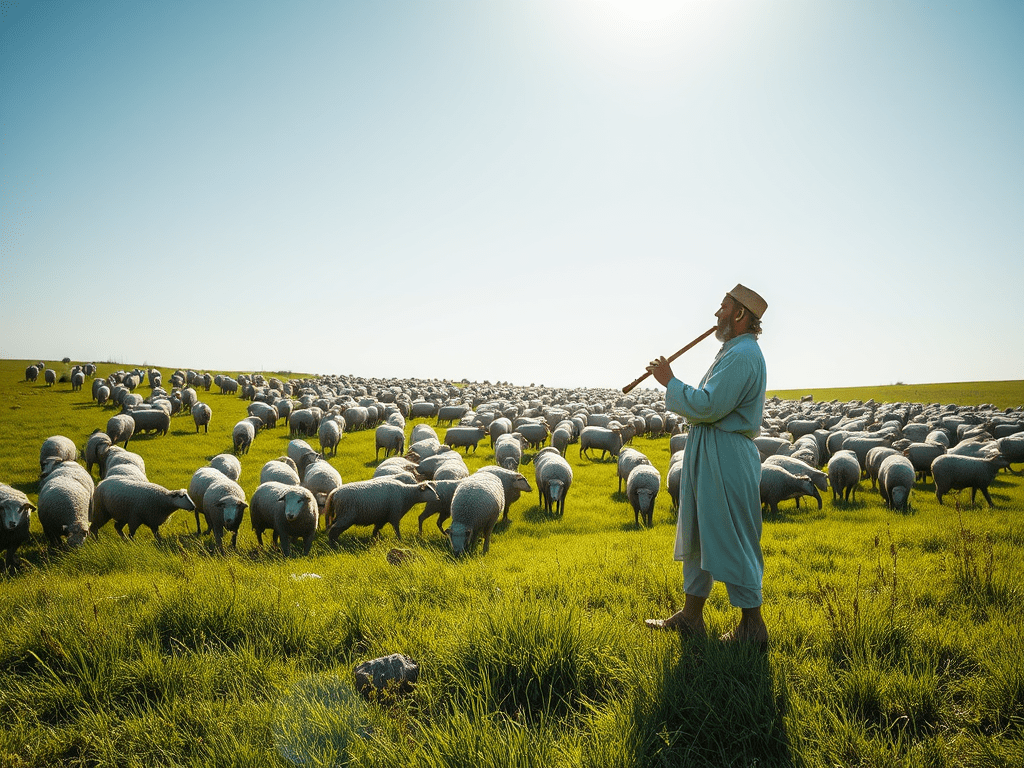
Since childhood, I carried a dream with me. It was to become a shepherd—playing the flute on a green meadow while leading hundreds of sheep. The dream was so vivid that when my second-grade teacher asked each student, “What do you want to be when you grow up?” I answered without hesitation: “A shepherd.” The teacher, who was calling on more than eighty children one by one in a businesslike manner, dropped his pen to the floor and burst into laughter the moment he heard my reply.
Decades have passed since then, but my longing to be a shepherd has never changed. One day, during a family gathering, I said that I wished to own a ranch and raise sheep there. My eldest son-in-law interjected: “Perhaps you could keep a few as pets!” My husband and children all spoke up together: “Not just a few—she wants to raise hundreds!” My son-in-law jumped in protest: “Mother, you could never do that. How could you bear sending them off to the slaughterhouse?” I had to admit he was right.
Last summer, hearing that a relative of one of our church members raised sheep, I went to visit with several friends. As we approached the ranch, my heart began to race. Just as I had imagined, hundreds of sheep grazed peacefully on a picture-like meadow halfway up the mountain. I was deeply satisfied at the sight. But as soon as I stepped out of the cool car, the suffocating heat and blazing sun were unbearable, and the swarms of mosquitoes and insects were overwhelming. Though it was still morning, the ranch owner, resting in the shade, called the sheep and pretended to feed them for our sake. The sheep bleated in chorus and rushed toward him like soldiers. Yet when they discovered the trough was empty, they turned away as one and went back without a glance.
The owner then led us to the barn, where food and hay were stored. There, I noticed a single fat ram tied up inside a pen. He explained that this ram was given special treatment for breeding purposes. But seeing it made me uneasy. The owner pointed out the many tools—lined up like monsters—needed for sheep farming, and the more I learned, the more my dream of being a shepherd shattered. My companions, sensing my disappointment, teased me: “So, what do you think? This is the reality of your dream!”
Dreams are like stars in the night sky—beautiful simply to think about. But when I finally met the dream I had cherished all my life, it turned out to be nothing more than a field of sweat and labor I could not endure. In truth, the dream had already lived with me through the difficult days I wanted to escape, the burdens I complained about.
This year, I resolve not to chase my dream from afar, not to postpone it to “someday.” Instead, I will focus on today—seeing, feeling, and touching the present moment. I will not dream of anything beyond that.








 Daily Sauntering
You must be logged in to post a comment.