(The Rainbow-Colored Fish) — Pastor’s Wife Faith Column #13 by Yoon Wan-Hee, LA Christian Today, September 26, 2007

Among children’s storybooks, there is one titled The Rainbow Fish by Marcus Pfister. It’s a book you’ll find in nearly every elementary school library. The story teaches children the joy of living in community and the value of sharing—and I found it deeply applicable to my own life.

In the story, a rainbow-colored fish lives in the sea. Unlike any other, it has shimmering, multicolored scales that make it the envy of all the other fish. The rainbow fish, proud of its beauty, believes it is special and avoids mingling with others. One day, a small fish approaches and asks for just one of its beautiful scales. The rainbow fish refuses. After that, the other fish stop speaking to it, and it becomes lonely.

Eventually, the rainbow fish seeks advice from a wise old octopus, who tells it to share its scales. So the next time the small fish appears, the rainbow fish quickly gives away one scale. Soon, other fish gather and ask for one too. The rainbow fish shares all but one of its scales. In doing so, it discovers a new kind of beauty—one that shines among others—and finds joy and happiness living together with them.

Growing up in Seoul during the 1960s, I lived in an environment so harsh it could be described as chaotic. The streets were filled with disabled war veterans, orphaned children, reconstruction sites, clouds of dust, displaced families, and the stench of waste from Cheonggyecheon stream*.

My family was part of that struggle. My parents worked tirelessly to make ends meet, and my father, in his late forties, suffered from heart disease. Yet day and night, my parents brought homeless children into our home—washing them, feeding them, dressing them in our saved clothes, and letting them sleep under our roof. They searched for their relatives, wrote letters, and sent them back to their hometowns when possible.

As a child, I resented this. I was hurt when my cherished clothes were given away without hesitation. I often thought, “We’re not rich—why should we help others?” That rebellious question lingered in my heart.

But sharing one’s resources and life is a sacred act—a key that opens the door to miracles. Though giving brings more joy than receiving, I still find myself stingy with generosity. Sending a card, making a call, picking flowers for a neighbor, visiting the sick and lonely, looking deeply into someone’s eyes… these simple acts are often pushed aside with the excuse of being too busy.

This autumn, the rainbow-colored fish has returned to my life—like a whisper from the Lord, reminding me to rediscover joy and worth through true sharing.

The current image has no alternative text. The file name is: image-12.png

  • Cheonggyecheon (Korean: 청계천, Korean pronunciation: [t͡ɕʰʌŋ.ɡje.t͡ɕʰʌn]) is a 10.9-kilometre-long (6.8 mi) stream and public space in downtown Seoul, South Korea. A natural stream sourced from the Suseongdong Valley in Inwangsan, it was historically maintained as part of Seoul’s early sewerage until the mid-20th century, when post-Korean War rapid economic development and deteriorating conditions prompted the filling of the stream with concrete and the construction of an elevated freeway, the Cheonggye Expressway, in its place. In 2003, the city government began an urban renewal project to remove the expressway and restore the stream, which was completed in 2005 at a cost of over ₩386 billion (approximately US$281 million). The Cheonggyecheon restoration project initially attracted significant public criticism, but since its opening in 2005 it has become popular among residents and tourists. (Wikipedia)

Posted in Essay by WanHee Yoon, faith-column | Tagged , , , , , | Leave a comment

“무지개 빛 물고기” (목사관 신앙칼럼 #13, LA 크리스찬 투데이, 9/26/2007) © 윤 완희 사모

동화 책 가운데 <무지개 빛 물고기>(The (The Rainbow Fish: by Marcus Pfister)라는 이야기가 있다. 이 책은 거의 모든 초등학교 도서실에서 발견될 수 있는 책이다. 아이들에게 공동체 안에서 함께 살아가는 기쁨과 나눔에 대한 가치가 담긴 글인데, 내 자신에도 적용되는 글이었다.

어느 바다에 무지개 빛 물고기가 살고있었는데, 그 물고기는 어느 물고기보다 특이한, 오색찬란한 비늘을 갖고 있어 모든 물고기들의 선망의 대상이었다. 무지개 빛 물고기도 자신은 어느 물고기보다도 늘 특별하다고 생각하고 다른 고기들과는 잘 어울리질 않았다. 어느 날 작은 고기 한 마리가 다가와 그 아름다운 비늘하나 만 나눠달라고 하자 거절하였다. 그 후로 다른 물고기들도 무지개 빛 물고기와 더 이상 말을 건네질 않았다. 무지개 빛 물 고기는 어느덧 외톨이가 되고 말았다. 그는 나이가 많은 지혜로운 문어를 찾아가 자문을 구하였다. 문어는 말하길 그 아름다운 비늘을 하나씩 나눠주라고 하였다.

어느 날 무지개 빛 물고기는 지난 번, 비늘 하나만 나눠 달라는 물고기를 만나자마자 비늘 하나를 얼른 떼 주었다. 그러자 다른 물고기들도 몰려와서 비늘을 하나씩 나눠달라고 하였다. 무지개 빛 물고기는 자신의 비늘을 하나만 남겨놓고 모두 나눠주었다. 그러자 무지개 빛 물고기는 모든 고기들 속에서 자신만이 갖고있었던 아름다움을 볼 수 있었으며 모든 물고기들과 함께 재미있고 행복하게 살아 갈 수 있었다 라는 이야기다.

내가 자라나던 60년대의 서울은, 도시전체가 수라장이라고 표현해도 좋을 정도의 열악한 환경이었다. 전쟁이후 거리로 쏟아져 나왔던 상이군인들과, 부모를 잃은 전쟁 고아들, 여기저기서 시작되는 도시 복구공사들, 신작로의 먼지, 실향민들의 무리, 청계천*의 오물 썩는 냄새 …

그 틈에 우리가족도 끼어 부모님은 하루의 생계를 위해 고심 분투해야 만했으며, 40대 후반이던 아버지는 심장병을 앓고 계셨다. 그런데, 부모님들은 밤이고 낮이고 거리에서 거지 아이들을 데리고 와서 그들을 씻기고 먹이고, 우리들의 아껴뒀던 옷을 입히고, 밤이면 재우기까지 하셨다. 그리고 그들의 연고자를 찾아, 고향 길로 내려보내기도 하고 일가친척을 찾아, 편지를 써보내기도 하였다.

나는 어린 마음에 부모님의 이런 모습이 싫었고, 내 아끼는 옷들을 서슴없이 거지에게 내줌으로 인해 늘 상처를 받곤 하였었다. 내 마음 속에는 ‘우린 부자도 아닌데 왜 남을 도와주어야 하나요?’ 라는 반항심이 있었다.

자신의 물질과 생명을 남과 나눈다는 것은 거룩의 행위이며 기적을 여는 열쇠임에 틀림없다. 받는 기쁨보다 주는 기쁨은 그 배를 더함에도 불구하고 내 자신이 나눔에 대해 몹시 인색해져있음을 때때로 발견케 된다. 시간을 내어 아는 이들에게 카드를 보내는 일, 안부전화를 하는 일, 이웃에게 꽃을 따다 주는 일, 아프고 외로운 이들을 방문해 주는 일, 상대방의 눈빛을 깊게 바라보는 일 … …. 모두가 시간이 없다는 핑계로 젖혀두기 일쑤이다.

이 가을 녁에 무지개 빛 물고기가 문득 나의 삶에 찾아 옴은, 진정한 나눔을 통해 나의 기쁨과 가치를 되찾으라는 주님의 음성으로 들려진다.

The current image has no alternative text. The file name is: image-11.png
  • 청계천(淸溪川)은 대한민국 서울특별시 시내에 있는 지방하천으로, 한강 수계에 속하며 중랑천의 지류이다. 최장 발원지는 종로구 청운동에 위치한 ‘백운동 계곡’이며,[2] 남으로 흐르다가 청계광장 부근의 지하에서 삼청동천을 합치며 몸집을 키운다. 이곳에서 방향을 동쪽으로 틀어 서울의 전통적인 도심지를 가로지르다가, 한양대학교 서울캠퍼스 옆에서 중랑천으로 흘러든다. 발원지에서부터 잰 본류의 길이는 10.92 km, 유역 면적은 50.96 km2이나, 백운동 계곡 언저리를 제외한 상류 2.50 km 구간은 일제강점기 이래 전면 복개되어 타 용도로 전용되는 등 사실상 하천의 기능을 상실하였다. 현재는 서울 이곳저곳에서 취수한 물을 중류의 청계광장에서 하루에 40,000 세제곱미터씩 인공적으로 방류하는 형태로 하천을 유지하고 있다. 발원지의 계곡은 서울특별시 기념물로 지정되었으며, 청계광장에서 중랑천 합수머리까지의 중·하류 8.12 km[3] 구간은 서울시설공단의 관리 하에 공원으로 쓰인다. (위키 백과)
Posted in Essay by WanHee Yoon, faith-column | Leave a comment

저녁에

핏빛 광휘가 지평선을 따라 번져가고,
동녘 하늘의 가장자리가
옅은 푸름과 부드러운 흰빛으로 피어오른다.

어둠의 이빨 사이에 끼인 꽃향기가
옆으로 흘러—
바람 속으로 고요히 향기를 쏟는다.

하나는 피어나고, 하나는 스러진다—
너의 죽음과 나의 배신이
떨리는 땅 위에 머물러,
희미한 공기 속에서 연기처럼 말린다.

뼈를 핥는 소리와 함께
그것은 깊숙이 파고들어,
영혼의 빈 틈 속에 뿌리를 내리고,
온전하던 마음을 산산이 부쉈다.

우리의 눈은, 허무 속에서 얽혀
한마디 말도 없이 싸웠다.

나는 쓰러져 있었네,
돼지가 구유 속에 몸을 비비며 헐떡이듯—
그러나 피어나는 나무 하나를 본 순간,
내 몸은 이미 절망의 진흙탕에서
스스로 일어서 있었다.

그 꽃나무—
죽음이 내 앞에 서 있는 형상.

이제 나는 더 이상
자유를 찾아 떠돌고 싶지 않다.
설령 떠날 수 있다 해도,
다만 한 인간의 얼굴을
다시 보고 싶을 뿐.

마침내,
거대한 달이 고요히 떠오른다—
아마 이제,
그 달의 차례가 되었나 보다.
슬퍼할.

© 윤 태헌

  • 후기:

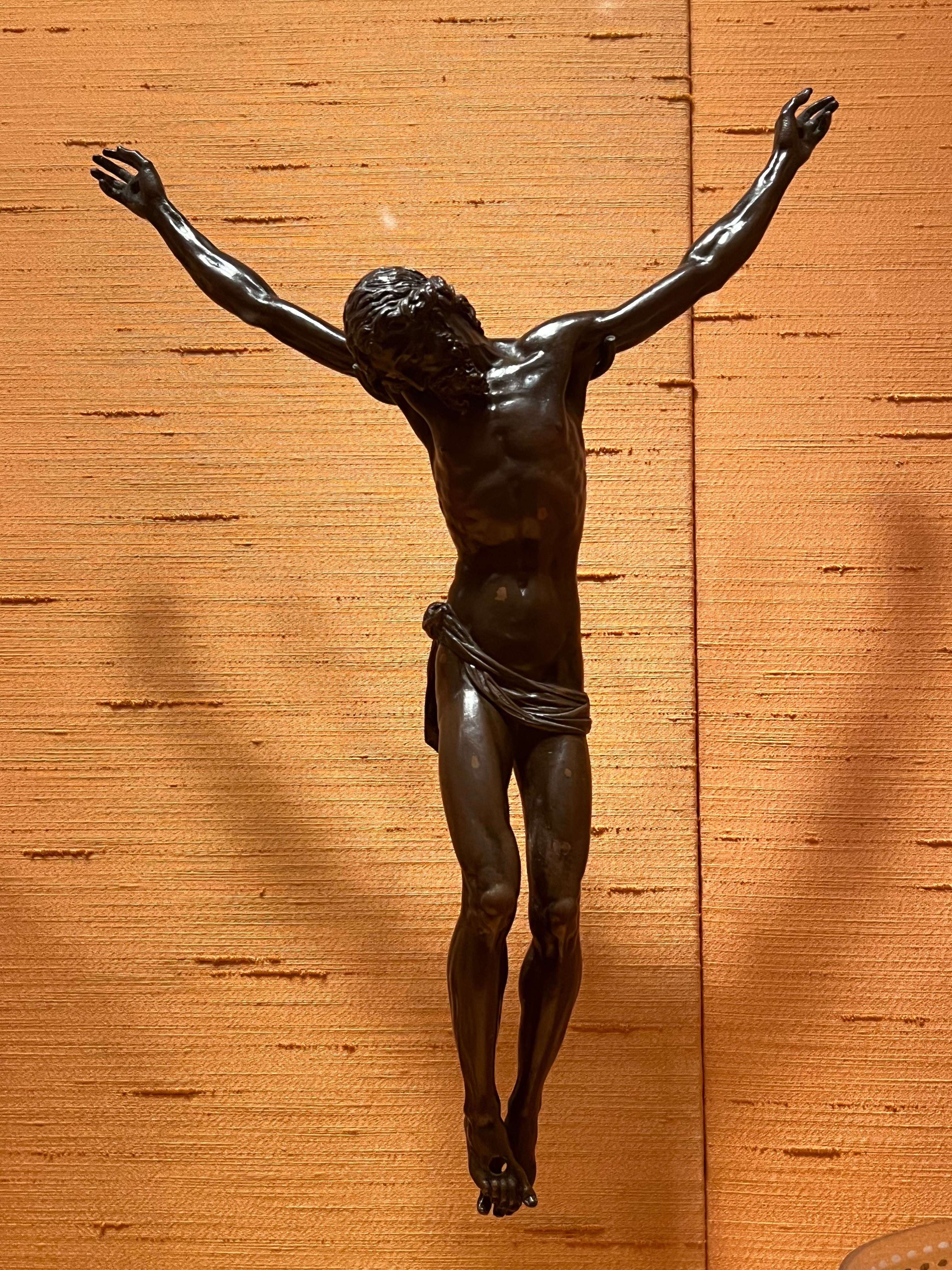
이 시는 겟세마네의 예수를 마음에 두고 쓴 작품이다.
붉게 번지는 저녁빛 속에서 나는,
죽음과 배신, 사랑과 용서를 동시에 바라보았다.

예수의 고뇌는 단지 한 사람의 비극이 아니라
인간 모두의 내면에서 일어나는 싸움이다.
우리 안의 ‘배신하는 자’와 ‘용서하는 자’가
서로를 향해 눈을 마주보며 침묵 속에서 싸운다.

그러나 절망의 진흙 속에서도
한 그루 꽃나무가 피어나는 것을 본다.
그것은 부활의 징표이며,
끝내 사라지지 않는 생명의 약속이다.

이 시를 통해,
나는 예수가 겪은 ‘밤의 고독’을
조금이나마 함께 걷고자 했다.
그리고 그 침묵 속에서,
하늘로부터 스며드는 한 줄기 빛을 느끼고 싶었다.


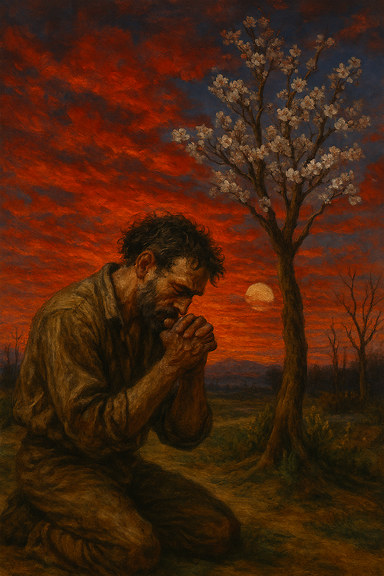
A symbolic and emotional painting inspired by the poem 'In the Evening' — a twilight landscape where a crimson sky fades into pale blue at the eastern horizon. A flowering tree stands in the foreground, its blossoms glowing faintly in the dimming light. Nearby, a shadowy figure kneels beside a trough, half-emerged, as if awakening from despair. In the distance, a large, silent moon rises over a barren field. The atmosphere is heavy with sorrow and longing, yet touched by the quiet presence of hope and transcendence. The style is impressionistic with surreal undertones, using deep reds, blues, and muted earth tones.
Posted in Poetry | Leave a comment

In the Evening

A crimson brilliance spread across the horizon,
and the edge of the eastern sky bled softly—
a wash of pale blue and tender white.

The scent of flowers, caught in the teeth of darkness,
drifted sideways—
a quiet spilling of fragrance into the wind.

One rose, one fell—
your death and my betrayal
lingered above the trembling earth,
curled like smoke in the fading air.

With the sound of bones being licked clean,
it burrowed deep—
rooting itself inside the hollow of my soul,
splintering what was whole.

Our eyes, locked within the void,
spoke no words—
yet the silence was filled with battle.

I had fallen,
like a beast wallowing in the trough, gasping for breath—
but when I saw a single flowering tree,
my body had already lifted itself
from the mire of despair.

The blossoming tree—
death itself standing before me.

I no longer wish to roam in search of freedom.
Even if I could,
I would only long
to see a human face again.

At last,
the great moon rises in silence—
perhaps now,
it is its turn to grieve.

© TaeHun Yoon

Note:

This poem was written with the image of Jesus in Gethsemane at heart.
Amid the crimson glow of evening,
I saw death and betrayal intertwined with love and forgiveness.

The agony of Jesus is not merely one man’s tragedy—
it is the struggle that unfolds within every human soul.
Within us dwell both the betrayer and the one who forgives,
staring at each other in silence, locked in an unseen battle.

Yet even in the mud of despair,
a single flowering tree rises—
a sign of resurrection,
a promise that life will not be extinguished.

Through this poem,
I wished to walk, however faintly,
through the loneliness of that night with Jesus—
and in that deep silence,
to feel a ray of light descending from heaven.

A symbolic and emotional painting inspired by the poem 'In the Evening' — a twilight landscape where a crimson sky fades into pale blue at the eastern horizon. A flowering tree stands in the foreground, its blossoms glowing faintly in the dimming light. Nearby, a shadowy figure kneels beside a trough, half-emerged, as if awakening from despair. In the distance, a large, silent moon rises over a barren field. The atmosphere is heavy with sorrow and longing, yet touched by the quiet presence of hope and transcendence. The style is impressionistic with surreal undertones, using deep reds, blues, and muted earth tones.
Posted in Poetry | Leave a comment

“When the Mountain Falls”

© Yoon Wan-Hee

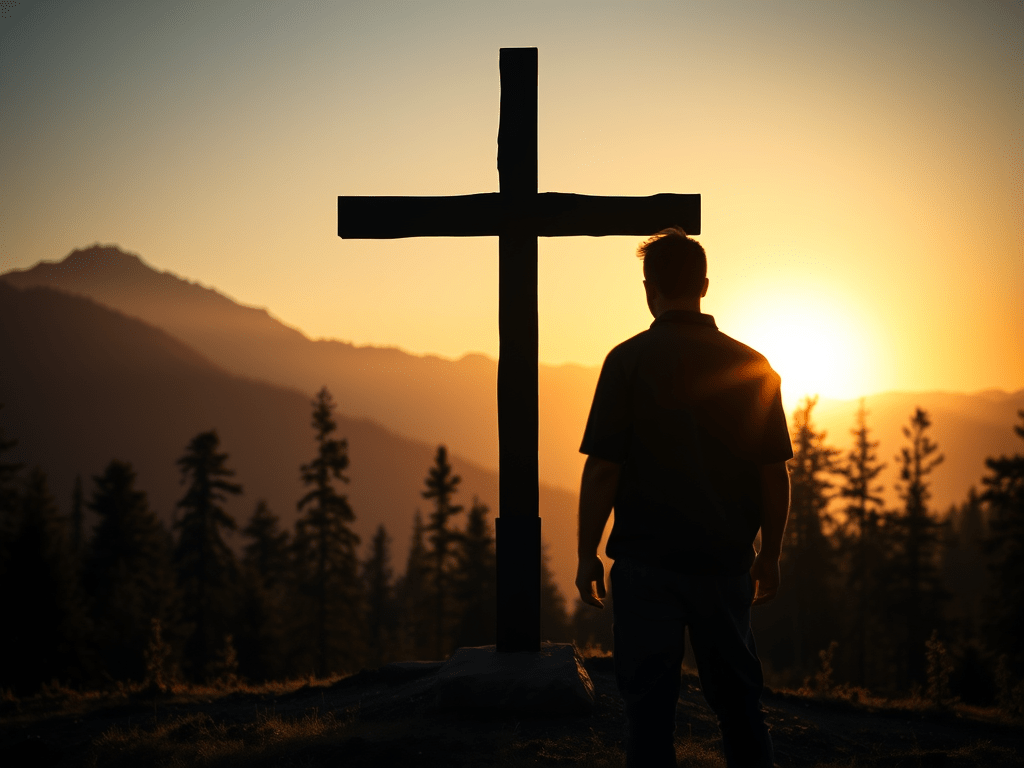
A few days ago, a photo was posted on Facebook of Jason, the director of Buffalo Mountain Camp, standing before a wooden cross, gazing at the sunrise over the mountain in the early morning. Something about that image stirred my heart deeply. I left a comment:

“Buffalo Mountain Camp is truly a beautiful place! God knows the heart of His faithful servant better than anyone. In God, no time is ever wasted. There are only seasons of preparation—for plans far greater than we can understand. To make His children stronger, wiser, and more deeply passionate. I offer my sincere gratitude to all the staff and volunteers whose dreams, hopes, and dedication have carried us through this time.”

Buffalo Mountain is one of four camps under the Holston Conference of the United Methodist Church. But on August 5th of last year, torrential rains overnight triggered a massive landslide. Nestled within 500 acres of stunning mountain landscape, the camp’s stream had always welcomed, comforted, and cleansed all who came. Yet in a single night, nearly all the facilities—five cabins, bathhouse, swimming pool, and outdoor campgrounds—were buried in mud. Since its founding in 1949, the camp had served countless children and families each year. No one in the mountains had ever imagined needing flood insurance. The once peaceful and beautiful place revealed a harsh and violent face.

Massive trees were uprooted and tangled like matchsticks, swept down the slope. The stream disappeared beneath mud and boulders. Thankfully, the climbing tower and zipline were spared, but the newly opened swimming pool—built with support from local churches that spring—was buried in sludge.

Over the following year, the conference, camp staff, volunteers, county officials, and church donors worked tirelessly to restore the site. Yet last week, the board had to make a painful decision: to suspend camp operations starting next year. Experts advised relocating the entire facility to a safer location and starting anew with fresh designs. Disappointment spread among church members and supporters, but none more than Jason, who had poured his heart into managing and growing the camp. His dreams, plans, and ministry passion were buried beneath the landslide.

When life strikes with sudden, unprepared blows, we often say, “It feels like the mountain is collapsing.” Like a safety net torn apart, we’re flung into an unfamiliar world, and the emotional upheaval is nothing but pain. Yet just as nature begins to heal itself after a landslide, so too does life. Even in the pain of collapse, a new world awaits us—mysterious and full of grace. A life once fixed on the mountain can now lift its eyes to the sky, the sun, the sea, and the wider world.

As I look upon the fallen Buffalo Mountain through aching eyes, I pray with hope and anticipation for how God will use Jason in the days to come.

— Pastor’s Wife Faith Column #12, LA Christian Today, September 11, 2013

The current image has no alternative text. The file name is: image-10.png
Posted in Essay by WanHee Yoon, faith-column | Tagged , , , , , | Leave a comment

“산이 무너질 때” (목사관 신앙칼럼 #12, LA 크리스찬 투데이, 9/11/2013) © 윤 완희 사모

며칠전 버팔로 마운틴 캠프의 총책임자인 ‘제이슨’이 이른 새벽산에 떠오르는 태양을 바라보는 뒷모습이 찍힌 사진이 페이스북에 올라왔다. 그가 서있는 곳은 나무 십자가 앞이었다. 나는 그 사진을 바라보며 남달리 마음이 짠해졌다. 그리고 이렇게 댓글을 달았다.

” 버팔로 마운틴 캠프장은 정말 아름다운 곳이지요! 하나님은 그의 충성된 종의 마음을 누구보다도 잘 아실 것입니다. 하나님 안에선 무용지물된 시간이란 없습니다. 다만, 우리가 알지 못하는 그 분 만의 큰 계획을 위해 잠시 준비시키는 시간이 있을 뿐입니다. 그분의 자녀들을 좀더 강하고 지혜롭고, 열정이 무르익도록 말입니다. 이 시간을 통해 모든 스텝들과 자원 봉사자들의 꿈과 소망, 헌신에 진심으로 감사한 마음을 전합니다.”

버팔로마운틴은 미연합감리교 홀스톤 연회에 속한 네개의 캠프장 중 하나다. 그러나 지난해 8월5일에 밤새 쏟아진 폭우는 엄청난 산사태를 일으켰다. 평소 500에이커의 아름다운 비경 속에 산속 계곡 물살은 언제나 변함없이 모두를 맞아주고 위로해 주고 씻겨주던 곳이었다. 그러나, 산비탈에 있던 숙소, 5개의 캐빈과 목욕실, 수영장, 야외 캠프장등의 거의 모든 시설이 하룻 저녁 만에 흙속으로 묻혀 버리고 말았다. 1949년도에 처음 캠프장을 연 후, 해마다 수많은 아이들, 가족들을 위한 캠프 사역을 감당하던 중에 일어난 최악의 사태였다. 산중에서누가 감히 수해 피해 보험에 들 생각이나 했을까? 평소에 그토록 아름답고 평화롭던 곳은, 전혀 다른 거칠고 사나운 얼굴이 되었다. 산의 거대한 수목들은 뿌리를 드러낸 채, 마치도 성냥개비들 처럼 서로 뒤엉켜져 산아래로 떠밀려 내려왔고, 계곡은 흙탕물과 바위덩어리들로 뒤덮혀 온데간데 사라져버렸다. 다행이도 타워타기, 짚라인등은 손상을 당하진 않았지만, 지난 봄에 온 지역교회들의 후원으로 새로 오픈한 수영장엔 진흙과 흙탕물로 뒤덮여 버리고 말았다.

그후 일여년동안 연회와 캠프 직원들, 자원봉사자들, 카운티의 적극적인 협력 각 교회들의 모금후원으로 복구에 최선을 다하였다. 그러나, 지난주 이사회에서는 내년부터 캠프장 을 잠정 중단한다는 결론을 내려야 되었다. 캠프시설 전체를 좀더 안전한 장소로 옮겨 설계를 새로 한후, 모든 것을 다시 시작해야 만 된다는 전문가 견해와 보고였다. 각 교회의 교우들과 후원자들은 실망은 물론이요, 그 중에 온 정열을 쏟아 캠프장을 총관리하며 키워가던 ‘제이슨’의 좌절은 말이 아니었다. 그의 꿈과 계획, 사역의 열정이 산사태로 모두 묻혀버리는 아픈 경험을 하게 된것이다.

갑자기 준비되지 않은 삶 속에 일어나는 충격적인 일들을 맞아할 때, “산이 무너져 내리는 것” 같다는 표현들을 한다. 마치도 안전망 그물과 같은 일상이 찢겨져 버리며, 전혀 알지 못하는 세계로 튕겨져 나갈 때 생기는 감정의 변화는 고통일 뿐이다. 그러나, 산사태 후에도 자연은 그 자리서 스스로 치유를 시작하고 생명을 품어나가듯이, 우리의 삶속에도 산이 무너져 내리는 고통 속에 새로운 세계가 우리를 기다리고 있음은 여간 신비로운 일이 아니다. 산만을 바라보며 살던 삶이, 눈을 들어 하늘과 태양, 바다와 다른 세상을 바라볼 수 있음이다. 무너져내린 버팔로 마운틴을 아픈 눈으로 내려 다 보는 ‘제이슨’을 하나님께서 어떻게 사용하실지, 기대와 흥분된 마음으로 기도케 된다.

The current image has no alternative text. The file name is: image-9.png
Posted in Essay by WanHee Yoon, faith-column | Leave a comment

The Night That Rises

The flies come thick, fevered— drawn to what softens, fades.
“Eat, drink, be merry,” they murmur—
“for tomorrow, you vanish.”
Their hum coils around a bowl of bone,
a whisper threading through the marrow’s wind.

From every corner they gather—
pale ones, dark ones, the worn and the waiting,
from cities and dry fields,
from mountains, seas, and desert ends—
each carving the quiet hollow
they will one day name as home.

Across the East Sea,
a lone wolf cries—
its breath still heavy
with the scent of unburied earth.

I am that stone the desert rolled,
a branch chewed thin by love,
now resting at the edge of shadow.

The moon ascends— white, wounded.
A dog startles,
tail tucked, barking at ghosts of light.
The moon bleeds upward,
venom dripping slowly
upon the garden gate.

It becomes a woman’s breast—
a curve between birth and loss,
opening and closing
the trembling heart of paradise.

Those who walked with God
gather their final seeds,
and whisper,
“We are folding up our tents—
it is time to depart.”

Sons of thunder—
even should I stand
before the grave of one I loved,
I will not weep.

  • Note

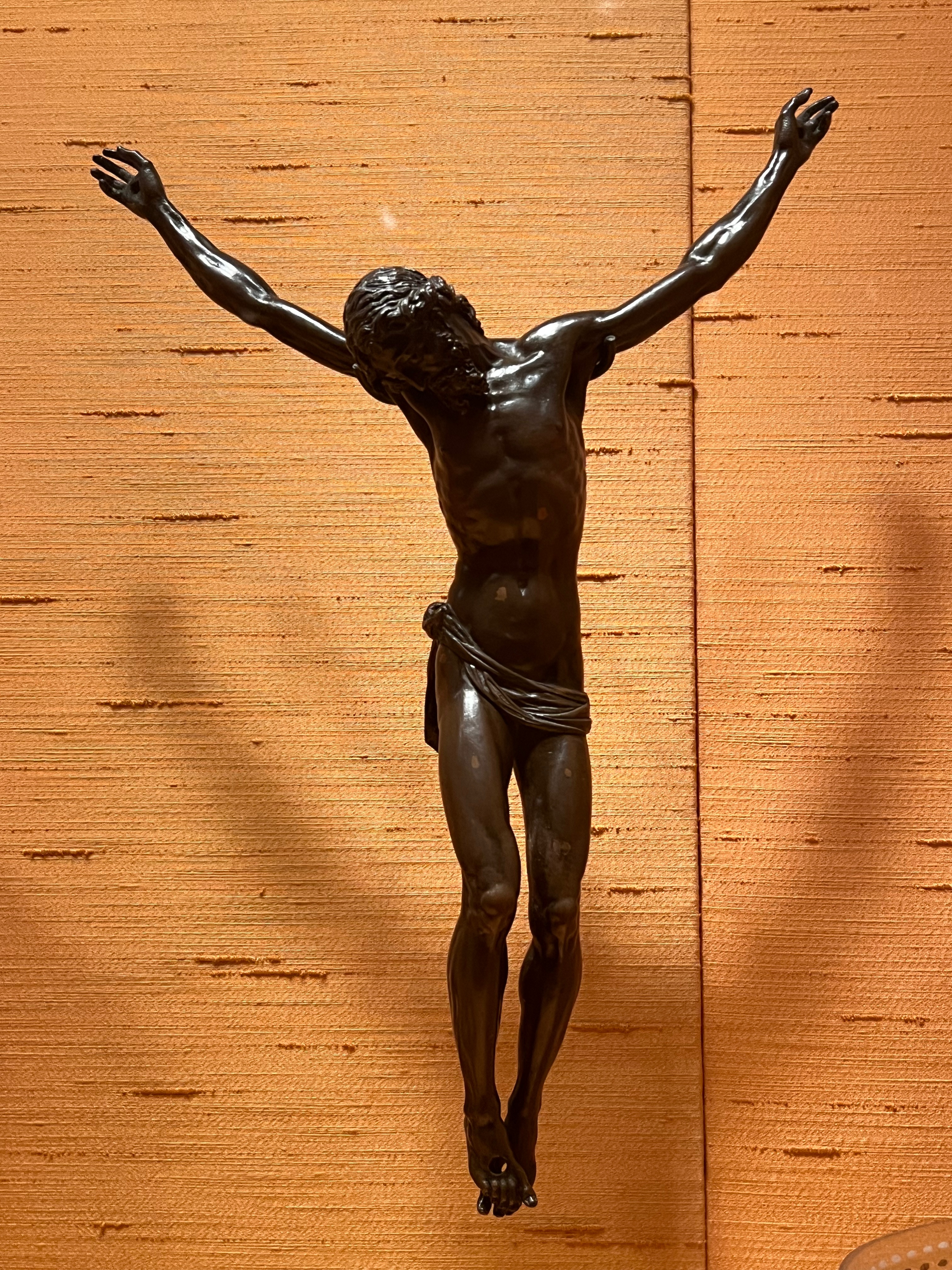
This poem contemplates mortality and transcendence through haunting, sacred imagery. The “flies” symbolize both decay and the inevitability of life’s end, while the “bowl of bone” becomes a vessel of remembrance. The East Sea’s wolf, the moon’s venom, and the folding tents evoke Biblical echoes—Genesis, Exodus, and Revelation intertwined in one vision.

The speaker’s refusal to cry before a loved one’s grave is not coldness, but reverence—an acknowledgment of divine cycles. “Sons of thunder” recalls the disciples of Christ, bridging human frailty and celestial calling.

Ultimately, “The Night That Rises” is not about death’s darkness, but the rising within it—how grief, like the moon, bleeds upward into light.

© TaeHun Yoon

Posted in Poetry | Tagged , , , , | Leave a comment

일어나는 밤

파리 떼가 몰려든다—
두껍고, 열에 들떠, 썩어가는 생명으로 꿈틀거리며.
“먹고, 마시고, 즐겨라— 내일이면 죽으리라.”
그 말은 두개골 그릇의 가장자리를 따라 감겨,
뼈 사이를 스치는 바람처럼 속삭인다.

모든 땅에서 사람들이 모여든다—
창백한 이, 어두운 이, 닳아버린 이들,
도시와 먼지 묻은 들판, 산과 바다의 끝에서—
각자 자신이 돌아갈 조용한 구덩이를 판다.

동해 건너, 외로운 늑대가 울부짖는다.
그 숨결에는 묻히지 못한 흙의 냄새가 배어 있다.

나는 그 돌이다, 사막이 굴려온—
사랑이 씹어 부서뜨린 가지,
이제 내 그림자의 끝에 쉬고 있다.

달이 오른다, 흰빛으로, 상처 입은 채.
개 한 마리가 놀라 꼬리를 말고,
빛의 유령에게 짖는다.
달은 피 흘리듯 떠오르며,
맹독의 눈물을 떨어뜨린다—
정원의 문 위로, 한 방울씩.

그 달은 여인의 가슴이 된다—
생과 상실의 곡선을 따라,
낙원의 심장을 열고 닫는다.

하나님과 동행하던 자들은
마지막 씨앗을 거두며 속삭인다—
“우리는 이제 천막을 걷고 떠나리라.”

천둥의 아들들이여—
내가 사랑한 이의 무덤 앞에 선다 해도,
나는 울지 않으리라.

– 후기

이 시는 죽음과 초월에 대한 성찰을, 음울하면서도 성스러운 이미지들을 통해 풀어냅니다. ‘파리 떼’는 부패와 생의 끝이 피할 수 없음을 상징하며, ‘두개골 그릇’은 기억을 담는 그릇이 됩니다. 동해의 늑대, 달의 독, 접히는 천막은 창세기와 출애굽기, 요한계시록의 성경적 울림을 하나의 비전으로 엮어냅니다.

사랑하는 이의 무덤 앞에서 울지 않겠다는 화자의 결심은 냉정함이 아니라 경외심입니다—신적 순환에 대한 인식이자, 인간의 연약함과 하늘의 부름 사이를 잇는 고요한 고백입니다. ‘천둥의 아들들’은 그리스도의 제자들을 떠올리게 하며, 인간성과 영성 사이의 다리를 놓습니다.

궁극적으로, 「일어나는 밤」은 죽음의 어둠을 노래하는 것이 아니라, 그 어둠 속에서 솟아오름을 노래합니다—슬픔이 달처럼 피 흘리며 빛으로 올라가는 순간을. 겟세마네 동산의 마지막 밤 처럼.

© 윤 태헌, 1980

Posted in Poetry | Leave a comment

(In the Process) — Pastor’s Wife Faith Column #11 by Yoon Wan-Hee, LA Christian Today, July 30, 2008

These days, in the thick of summer, it’s become harder and harder to catch a glimpse of my college-aged son’s face. As soon as summer break began, he joined a Christian band, and his days away from home for performances have only increased. Not long ago, the group bought an old van, loaded it with instruments, and headed out—only to break down on the road and spend the night stranded in a distant town. In the sweltering heat, barely eating properly, I wanted to scold him more than once: “Why suffer for something so unnecessary?” But I held back, thinking it might be better to let him try what he wants while he can.

A few days ago, he came home, brimming with excitement. His band, he said, was gaining popularity among Christian groups, and churches and music festivals were reaching out with performance requests. He proudly pulled up the schedule on his computer, listing out dates and venues—but my heart felt uneasy.

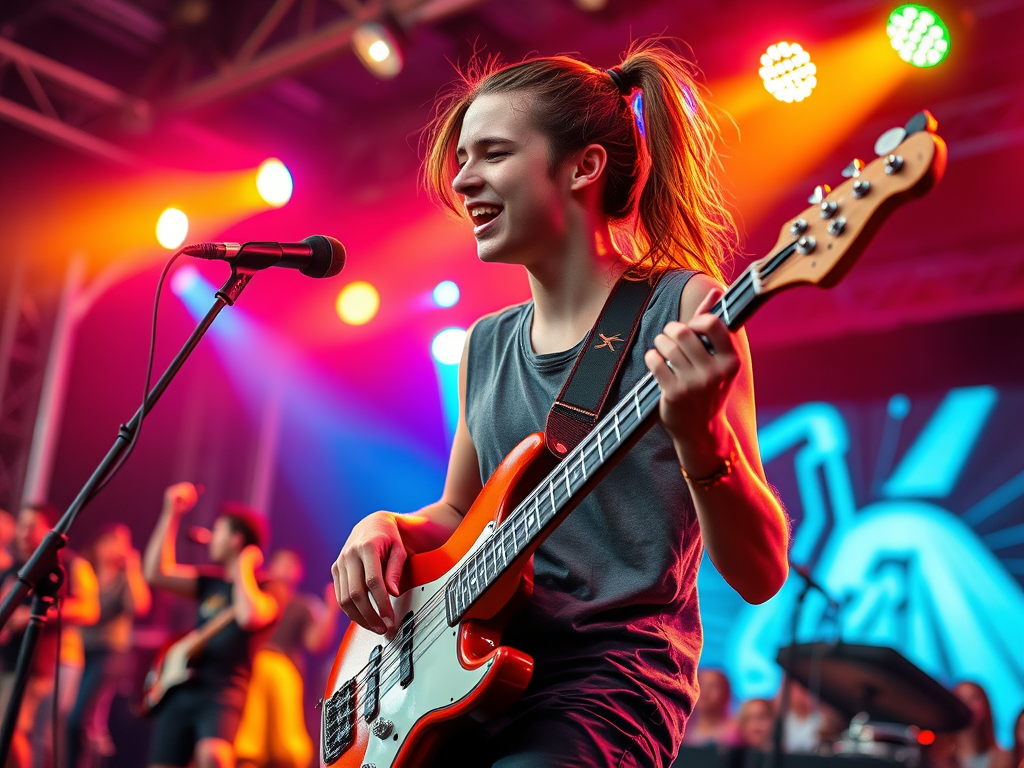
The Christian band he’s part of isn’t the kind of worship I’ve known or understood—no quiet reverence or solemn hymns. Instead, it’s a hard rock group that leaps and shakes on stage, shouting lyrics I can barely make out. My son plays bass guitar, and during praise, he swings it in the air and jumps across the stage. With his long hair tied back and sweat pouring down like rain, I watch and sigh, thinking, “So this is praise, too.”

“There must be reasons why they sing like that—why they jump and shout,” my husband gently said, as I struggled to digest this new form of worship like chewing stones. “Today’s youth carry burdens—wars, environmental crises, global instability, food and energy shortages. Maybe gathering in churches, warehouses, fields, or parking lots to release that energy is something they need. Remember the hippies and long-haired youth of the Woodstock era, born from the anti–Vietnam War movement? They’ve become the leaders of this generation. The process of growing up may look different in every era, but it’s a process we all go through.”

Like many parents, I’ve often wished my child would follow the path I laid out—thinking it would spare him hardship. But I, too, once resisted my parents, labeling them outdated. I remember wearing a mini skirt, climbing the pedestrian bridge, and hearing the disapproving clicks of older women’s tongues behind me. I glared back at them then, and now my son has reached that same age.

Yes, that’s right. He’s going through the process of becoming human. Just as God never gave up on me—offering freedom and love without end—I must do the same for my son.

In the heat of summer, as my heart simmered with frustration, the phrase “in the process” came to me like a cool mountain breeze.

The current image has no alternative text. The file name is: image-6.png
Posted in Essay by WanHee Yoon, faith-column | Tagged , , , , | Leave a comment

“과정 중” (목사관 신앙칼럼 #11, LA 크리스찬 투데이, 7/30/2008) © 윤 완희 사모

한 여름을 보내고 있는 요즈음에 대학생인 아들의 얼굴을 보기가 몹시 힘들어졌다. 여름방학이 시작되자마자 크리스천 밴드에 합세하여, 공연차 집을 비우는 날들이 늘어났기 때문이다. 얼마 전엔 헌 밴을 하나 사서 6명의 그룹 맴버들이 악기들을 싣고 공연에 나갔다가 돌아올 때는 차가 고장나 객지에서 밤을 새우기도 했다. 찌는 더위 속에, 식사도 제대로 못하며 ‘쓸데없는 일을 하느라 괜한 고생한다’라는 핀잔을 여러번 해주고도 싶었지만, 본인이 해보고 싶은 것을 마음껏 해보는 것이 좋겠다는 생각에 참을 수 밖에 없었다.

며칠 전, 오랜만에 집에 돌아온 아이는 몹시 흥분되어 있었다. 크리스천 밴드들 중에 저희 그룹이 점점 인기를 몰고 있으며, 이곳 저곳의 교회와 크리스천 뮤직페스티발에서 공연 부탁이 쇄도하고 있다는 것이었다. 아이는 자랑삼아 컴퓨터의 스케줄을 열거하였지만, 내 마음은 영 편치가 않았다.

아들이 속해있는 크리스천 밴드는 내가 알고, 이해하는 전통적인 크리스천다운(?) 경건 속의 찬양이 아니라, 무대 위에서 그룹 맴버들이 열정과 힘을 다해 뛰고, 흔들고, 알아들을 수 없는 괴성을 지르는 하드 롹 그룹이었다. 그들 중에 아들은 베이스 기타를 맡고 있는데, 찬양 중에 기타를 360도로 공중에 돌리면서 무대 위를 펄쩍펄쩍 뛰어댄다. 장발머리를 고무줄로 묶고 땀을 비오듯 흘려대는 아들의 모습을 바라보며 ‘이렇게도 찬양을 하는구나!’ 하며 가는 한숨을 내쉴 수 밖에 없었다.

“애들이 노래하면서 저렇게 뛰고, 소리를 지를 수밖에 없는 여러 가지의 이유가 있을 거야. 현대 젊은이들에게 짊어져있는 전쟁과 환경이슈, 한 치를 알 수 없는 글로벌 세대의 식량난과 에너지 난의 짐이라고 할까 … …. 젊은이들이 교회나, 창고, 들판, 주차장에 모여 저렇게 소리를 지르며, 저들의 에너지를 발산 할 수 있는 것은 오히려 아이들에게 필요한 일일지도 몰라! 70년대의 월남전 반대운동을 깃점으로, 뉴욕의 우드스탁에서 일어났던 히피족, 장발족들 … … 지금은 모두가 이세대의 주역이 되어 세상을 이끌어가잖아. 성숙의 과정은 시대에 따라 모양은 달라도, 누구나 거치는 과정이 아닐까?” 마치도 돌을 씹는 듯이, 크리스천 밴드의 찬양을 삭이고 있는 나에게, 나직히 들려주던 남편의 위로였다.

모든 부모들이 겪는 일이겠지만, 자식들이 부모의 제시하는 방향대로 따라주면 고생도 덜 할터인데 라며 안타까워 할 때가 종종 있다. 그러나 내 자신도 부모세대를 향해 ‘시대에 맞지 않는 구세대’라는 반항심을 품었던 시절이 있었다. 그 시절에 한창 유행하던 미니 스커트를 입고 육교를 오르면, 뒤에서 따라 올라오는 아주머니들의 혀 차는 소리를 들어야 만 되었다. 그 분들을 향해 눈을 흘기던 일이 어제 만 같은데, 아들이 벌써 그 나이가 되었다.

그래 맞았어! 그 애도 “인간이 되는 과정”을 거치고 있는 거야! 하나님이 나를 향해 끊임없는 자유와 사랑을 포기하지 않으셨듯이, 나도 아들을 향해 그렇게 해야되겠지!

한여름 동안 복더위 만큼이나 부글거리던 가슴에 ‘과정 중’이라는 단어가, 시원한 산바람처럼 들려온다.

The current image has no alternative text. The file name is: image-5.png
Posted in Essay by WanHee Yoon, faith-column | Leave a comment