“Ruth Bell Graham — A Tribute” © WanHee Yoon, LA Christian Today, 7/11/2007, Pastoral Faith Column #8

In the journey of life, we each encounter role models who quietly shape our hearts. For me, one of those figures has long been Ruth Bell Graham, the wife of Reverend Billy Graham. When she passed away last month (June 14) at the age of 87, I felt not sorrow, but a desire to rise in joyful applause—witnessing the victory of a beautiful life well lived.

I have always respected Ruth Bell Graham because of the quietness within her, her simplicity and humility, and the spaciousness of faith she carried so openly.

As we know, her childhood was far from easy. Born to Dr. Nelson Bell, a medical missionary in China, she spent her early years in China and Pyongyang, Korea. As a child, she was often mocked by Chinese children as a “foreign ghost” and even spat upon. Her parents lived under constant threat—amid political unrest, looting, and danger to life. They endured 25 years of medical mission work in China, protecting their children from kidnappers seeking ransom.

Ruth grew up dreaming of becoming a missionary to Tibet. But after meeting Billy Graham in college and marrying him, she accepted the traditional role of a pastor’s wife—not out of resignation, but as God’s calling.

She was always honest and sincere. When asked how she endured loneliness during her husband’s frequent evangelistic travels, she once said, “I sleep holding his jacket.” She raised five children mostly on her own, and when one daughter became pregnant as a teenager, she wrestled with exhaustion and heartbreak, seeking God’s goodness in the midst of it.

She once recommended that every parent read at least one book on dog training. She said, “Good parents have good children. No good parent ever taught their child to do wrong. But having a prodigal child simply means they didn’t turn out as taught. We must understand how even the Lord struggles with His children.”

Just as Billy Graham learned of God through nature on a farm in North Carolina, Ruth too responded sensitively to God’s hand moving through creation. Her soul was always climbing mountains, never taking her eyes off the divine power moving through everyday life. The weary life of an evangelist found renewed strength beside such a wife—enough to go out again and fulfill his calling.

Ruth Bell Graham’s final resting place was a simple wooden coffin made by Richard Liggett, a convicted murderer serving a life sentence in Louisiana. Richard had accepted Christ during his 31 years in prison and passed away from cancer in March. Seeing her remains laid in that humble coffin, I was reminded of the line, “There are moments when a person appears as clear as the sky.” Ruth’s life—guarded in prayer and shaped by grace—washes over my soul like summer rain after a long drought.
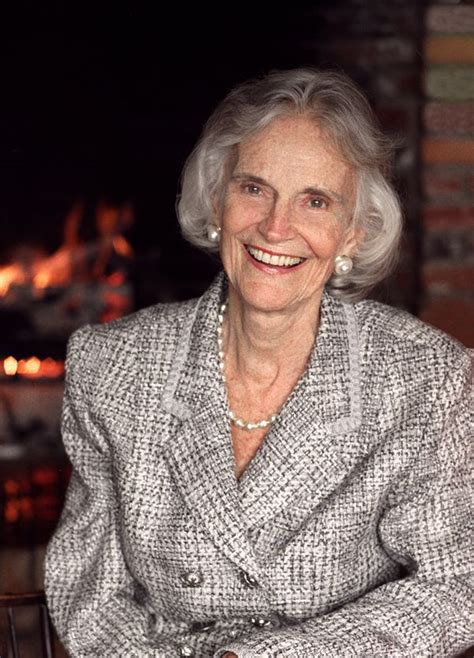
Ruth Bell Graham - what a gentle soul. | Billy graham, Billy graham ...
Posted in Essay by WanHee Yoon, faith-column, Ministry | Tagged , , , , , | Leave a comment

“루스 벨 그래함” (목사관 신앙칼럼 #8, LA 크리스찬 투데이, 7/11/2007) © 윤 완희 사모

삶의 여정 중에 사람들은 각자의 를 모델을 마음에 접할 때가 있다. 나는 오래 전부터 빌리 그래함 목사님의 부인되신 루스 벨 그래함(Ruth Bell Graham)을, 나의 롤 모델 중에 한 분으로 존경하고 있었다. 그 분이 지난달 (6/14, 87세로 세상을 떠나셨을 때, 한 인간의 아름다운 삶의 승리를 보는 것 같아 슬픔보다는, 기쁨과 함께 기립박수를 보내고 싶은 심정이었다. 내가 평소에 루스 벨 그래함 사모님을 존경했던 이 유는, 그 분 속에 있는 고요함, 평범함과 소박함, 활짝 열려있는 믿음의 공간을 소유했던 분이기 때문이었다.

우리가 알듯이, 그녀가 자라났던 어린 시절은 결국 순탄한 삶이 아니었다. 중국의 의료 선교사였던 넬슨 벨 박사의 딸로, 어린 시절을 중국과 한국의 평양에서 자라났다. 그녀가 자라날 때 중국아이들로부터 ‘서양 귀신’이라는 놀림과 침 뱉음을 종종 당하곤 하였었다. 부모는 중국의 혼란스런 정치 상황 속에, 약탈과 생명의 위험을 늘 받았다. 특히, 배상금을 노리는 유괴범들로부터 자녀들을 보호하느라 전전긍긍하는 가운데, 25년간의 중국 의료선교를 당담해 내었다. 성장한 루스는 평생을 티벳의 선교사로 헌신하기를 원하였다. 그러나, 대학에서 빌리 그래함 목사님을 만나 결혼 한 후에, 전통적인 가정부인의 역할을 기대하는 남편의 뜻을, 하나님의 뜻으로 받아 들였다.

그녀는 늘 솔직하였으며 진실하였다. 신혼시절, 늘 전도여행에 나가있는 남편이 그리울 때는 어떻게 외로움을 견디는가 라는 질문에 그녀는 “남편의 자켓을 안고 잔다”라고 고백했다. 그리고 오 남매를 거의 남편의 도움 없이 키우며, 딸 하나가 십대 임신을 하였을 때, 어머니로써의 좌절감과 탈진 속에 하나님의 선한 뜻을 찾으려 몸부림치기도 했었다. 그녀 는 부모가 되기 위해서는 “개 훈련”에 관한 책 한 권쯤은 꼭 읽기를 권하였다. 그리곤, “착한 부모는 착한 자녀를 두었다. 좋지 않은 일이나 나쁜 짓을 하도록 선한 부모가 절대로 가르친 건 아니다. 그러나 방탕아를 가진다는건 다만 그들이 가르친 대로 되어지지 않은 것에 지나지 않는다. 주님께서 어떻게 당신의 자녀들과 어려움을 가지고 계신지를 우리는 깨달아야 한다”라고 하였다.

빌리그래함 목사님이 노스 캐롤라이나 시골 농장에서 자라나며, 자연으로부터 하나님을 배웠듯이, 그녀 또한 자연 속에 운행하시는 하나님의 손길에 언제나 예민하게 응답하였다. 그녀의 이 땅에서의 영혼은 언제나 산을 오르고 있었으며, 일상의 삶 속에 운행하시는 하나님의 특별한 권능에 한 번도 눈을 떼지 않았다. 전도자의 지친 생애는 이런 아내의 곁에서, 새로운 힘을 얻고 또 다시 세상에 나가 그의 사명을 감당하기에 부족함이 없었다.

루스 벨 그래함 사모님의 마지막 유해는 루이지아나 감옥의 살인수로 복역 중이던, 리챠드 리그겟트(Richard Ligget)가 만든 목관에 안치되었다. 살인죄로 평생언도를 받고 31년간 을 감옥생활 중에 예수님을 영접한 리챠드는 지난 3월에 이미 암으로 세상을 떠났다. 나는 그녀의 유해가 담겨져있는 너무나 담백한 목관을 보면서 “사람이 하늘처럼 맑아 보일 때가 있다.”라는 시귀를 연상하였다. 전도자의 아내로 그 마음을 지키고 기도로 가꿔온 루스 벨 사모님의 평생의 삶이 가뭄에 시달리던 한 여름날의 비처럼 내 영혼을 적셔온다.

Ruth Bell Graham - what a gentle soul. | Billy graham, Billy graham ...
Posted in Essay by WanHee Yoon, faith-column | Leave a comment

“The True Nature’s Magnanimity”

Feet stand upon the mountain—
we gaze outward, yet the eyes turn inward too.

Within the chest, anger burns, shame circles,
hope flickers like a flame trembling in the wind of sorrow,
and a cry—endless, wandering through invisible distances.

Close to the ear, faintly, gravel cracks beneath each step,
as time passes, as a traveler unsure of his way.

The inner world becomes stars,
suspended in the sky, drifting above a new flame—
yet even the stars tire, surrendering to ash.

Where the poor stand,
their earth-toned faces glow like blood,
shoulder to shoulder—an unfinished prayer, a wounded hymn.

Eyes of longing and farewell stir the wind,
lift the dust from weary feet.

After jeers, after laughter—shame becomes the world’s secret.
A black beast, its fur bristling,
sits deep within your gaze. That is fear.

And yet, there—
a light rises from the snow-covered peak,
like hope awakening from emptiness.

The square is empty,
but doors walk beneath the trees,
open, wider still, as if seeking comfort.

Where are they going?
Toward the place where sorrow becomes song,
where peace joins hands with justice,
and the foundations of the earth are rebuilt in quiet grace.

Note

  • This poem, “The True Nature’s Magnanimity” was born from the tension between grief and hope, silence and the cry for justice. Standing on the mountain becomes a metaphor for the human soul that endures—looking outward at a broken world, yet turning inward toward its own wounded light.
  • It is written for those who walk through desolation yet still believe in dawn; for those who hold hands across the dust of exile, whispering that love remains, even when the world forgets its name.

© TaeHun Yoon, 1980

The current image has no alternative text. The file name is: image-115.png
Posted in Poetry | Leave a comment

정체(正體)의 국량(局量)

발은 산 위에 서 있고—
눈은 바깥을 바라보지만, 동시에 안으로 향한다.

가슴 속에서는 분노가 타오르고, 수치가 맴돌며,
희망은 슬픔의 바람 속에서 떨리는 불꽃처럼 흔들린다.
그리고 하나의 외침—끝없이, 보이지 않는 먼 길을 헤맨다.

귀 가까이, 희미하게 자갈이 밟히는 소리,
시간은 흘러가고, 길을 모르는 나그네처럼 걷는다.

내면의 세계는 별이 되어,
하늘에 매달려 새로운 불꽃 위를 떠돈다—
그러나 별조차 지쳐서, 마침내 재로 스러진다.

가난한 자들이 서 있는 곳,
그들의 흙빛 얼굴은 피처럼 빛나고,
어깨와 어깨를 맞대며—끝나지 않은 기도, 상처 난 찬가가 된다.

이별과 그리움의 눈빛이 바람을 흔들고,
지친 발의 먼지를 털어낸다.

조롱과 웃음이 지나간 후—
수치는 세상의 비밀이 된다.
검은 짐승 하나, 털이 곤두선 채,
그것은 너의 눈 속 깊이 앉아 있다. 그것이 두려움이다.

그러나 그곳에서도—
눈 덮인 봉우리에서 빛이 솟아오른다,
공허 속에서 깨어나는 희망처럼.

광장은 비어 있고,
문들은 나무 아래를 걸으며
더 넓게, 더 활짝 열려 있다—마치 위로를 찾는 듯이.

그들은 어디로 가는가?
슬픔이 노래로 변하고,
평화가 정의와 손을 잡으며,
세상의 기초가 고요한 은혜 속에서 새로 세워지는 그곳으로.

© 윤 태헌, 1979

The current image has no alternative text. The file name is: image-114.png
Posted in Poetry | Leave a comment

“The Choice of Abundance”

A few weeks ago, our church hosted a 100th birthday celebration for one of our members, Mrs. Katie Broyles. She became a teacher at the age of 18 and served in education for 47 years before retiring. Even now, she maintains her daily life with a healthy body and vibrant spirit.

Mrs. Broyles lost her husband long ago and lived her life without children. Yet she radiates brightness and cheerfulness, with a remarkable sense of humor. Simply being near her brings joy and a sense of abundance.

I once made a plan for my later years: “When I turn sixty, I’ll be more beautiful than anyone!” But after meeting Mrs. Broyles, I revised it to: “When I turn one hundred, I’ll be the most beautiful of all!”

Human life can be short or long. Some pass through this world briefly, while others live a full century with health in both body and soul.

I looked back at the America of 100 years ago, when Mrs. Broyles was born. The average life expectancy was 47 years. Only 14% of Americans had bathtubs in their homes, and just 8% had telephones. There were only about 8,000 cars, and just 144 miles of paved roads. The tallest building in the world was the Eiffel Tower in Paris. The average hourly wage was 22 cents. Ninety percent of doctors practiced without a college education, and women and people of color had no voting rights, nor could they dream of holding high office.

And what was happening in Korea? Japan’s colonial policies had begun, stripping Korea of its sovereignty. In Harbin, China, Korean independence activist Ahn Jung-geun assassinated Ito Hirobumi, the Japanese Resident-General. The people lived in hunger and fear.

Now, a century later, the world is gripped by economic hardship. Yet compared to the past, our environment is so improved it could be called heavenly. Life expectancy has nearly doubled. We live with social healthcare systems, personal freedoms, environmental awareness, and political stability.

So how abundant is the life I live today, the one I feel and find satisfaction in? There’s a saying: “Human abundance comes from a state of trust and faith.” No matter how much the world has improved, if I cannot feel it or enjoy it, then the struggles and progress of our ancestors—who fought for justice and peace over the past century—lose their meaning. But if I live under the presence of God at every point in history, then I am truly blessed, and I must live as one who delights in abundance.

At Mrs. Broyles’ birthday party, her retired former students and family gathered to celebrate her long life. Their laughter bloomed like autumn ripening. As the party came to a gentle close, Mrs. Broyles waved goodbye to the guests as if she were seeing off children after a day of school. Then, with a puzzled look, she said:

“… It was so nice to see my students again … but when did they all get so old …?”

Her gaze lingered on the slow, shuffling figure of an elderly guest, unable to look away.

© WanHee Yoon

(Pastoral Faith Column #7, LA Christian Today, 11/18/2009)

The current image has no alternative text. The file name is: image-112.png
Posted in Essay by WanHee Yoon, faith-column | Tagged , , , , , | Leave a comment

“풍요의 선택” (목사관 신앙칼럼 #7, LA 크리스찬 투데이, 11/18/2009) © 윤 완희 사모

지난 몇 주 전에 교인 중의 한 분인 케이티 부로일스 할머니의 100세 생신 잔치가 교회에서 있었다. 18세 되던 해에 교사가 되어, 47년간을 교직에 계시다가 은퇴하신 케이티 할머니는 여전히 건강한 몸으로 일상의 삶을 잘 유지하고 계신다.

할머니는 이미 오래 전에 남편을 사별하시고, 슬하에 자녀 없이 평생을 사셨다. 그녀는 뛰어난 유머 감각 속에 언제나 밝고 명랑하며, 곁에 만 있어도 마음이 왠지 즐겁고 풍요로워진다.

나는 언젠가 어김없이 찾아드는 노년을 맞이하며 “내가 육십이 되는 때에는 어느 누구보다도 예뻐져야지!”라는 계획을 세운 적이 있었다. 그러나, 케이티 할머니를 만난 이후로 “내가 백세가 되는 때에는 누구보다도 예뻐질꺼야!”라고 수정케 되었다.

인간의 생명은 짧으면 짧고 길다면 길다 할 수 있겠다. 어떤 이는 세상에 잠시 다녀가는가 하면, 누구는 건강한 몸과 영혼으로 일세기를 넉넉히 살아가고 있다.

케이티 할머니가 태어나셨던 100년 전 미국을 잠시 되돌아보았다. 100년 전 인간의 수명은 평균 47세였다. 14%의 미국인만이 집안에 욕조가 있었고 8%만이 전화가 있었다. 자동차는 겨우 8,000여대가 있었으며, 포장도로는 144마일이 전부였다. 당시 세계에서 가장 높은 빌딩은 파리의 에펠탑이었고, 시간당 평균 임금은 22센트였다. 또한 90%의 의사들이 대학 교육 없이 환자를 진료했고 여성과 유색인종의 참정권은 물론이요, 어느 요직에도 그들은 감히 들어설 수 없었다.

그러면, 한국에는 무슨 일이 일어나고 있었는가? 일본의 식민지 정책이 시작되면서, 한국은 나라의 주권을 잃었고, 중국의 하르빈 역에서 안중근 의사가 일본의 총독부 대신인 이토 히로부미를 암살한 사건이 있었다. 백성들은 굶주리며 불안 속에 살아갔다.

100년이 지난 지금, 세상은 온통 경제불황으로 모두가 힘든 나날을 보내고 있다. 그러나, 과거에 비하면 마치도 천국에 살고 있다 해도 과언이 아닐 정도의 좋은 환경이다. 인간의 평균 수명은 과거의 두배에 거의 육박하며, 사회 의료 보장 제도와, 개인의 주권과 환경, 정치적인 안정 속에 살아 가고 있다.

그러면, 오늘 내가 느끼고 만족하며 살아가는 삶의 풍요는 얼마나 되고 있을까? “인간의 풍요는 신뢰와 믿음의 상태에서 온다”라는 말이 있다. 아무리 세상이 좋아졌어도, 오늘을 살아가는 내 자신이 전혀 느끼지 못하고, 누리고 살지 못한다면, 백여년간의 정의로운 사회와 인류 평화를 위해 싸워온 선조들의 투쟁과 발전이 의미가 없는 것이다. 그러나, 어떤 역사의 시점에서도 하나님의 현존아래 나는 살아가고 있다 는 사실만으로 나는 복된 자이며, 풍요를 만끽하며 살아야만 될 존재가 아닐 수 없다.

케이티 할머니의 생신 파티엔 이미 사회에서 은퇴한 고희의 제자들과 가족들이 참석하여 장수를 축하했으며, 손님들의 웃음꽃은 깊어가는 가을만큼이나 익어갔다. 그리고, 어느듯 아쉬운 파티가 종료되자, 오늘도 하루 수업을 마치고, 집으로 흡어져 돌아가는 아이들과 작별이라도 하듯이 손을 흔들던 케이티 할머니가 의아한 얼굴로 말끝을 이었다.

“… 제자들을 만나봐서 반갑고 좋았는데 … … 그 애들이 언제 저렇게 늙어버렸지 …?” 어눌한 걸음걸이의 어느 노인의 뒷모습에 그녀의 눈길은 한동안 뗄 줄을 몰랐다.

Posted in Essay by WanHee Yoon, faith-column | Leave a comment

“Footsteps”

Do you understand—
that it is not enough?

Not only until death—
but beyond the drumbeat,
will you walk with me?

It was the song of the lepers,
the cry of beasts gone mad.
Within the city’s diseased gut
lay plague,
and bodies unburied,
and silence thick as ash.

All things in this world
are bound by time.
And time ripens everything—
grief, rage, and mercy alike.

I ask for nothing but time.

Dusk began to fall.
“Open the gate for us.”
Without adornment,
night covered the earth.

This place was far from any home—
no footsteps,
no barking dogs,
only the breath of dust.

My friends,
I invite you to the battlefield—
to that thin border
between heaven and humankind.

And after that—
to the whole world!

He knew
the bridge behind him was already burned.
There was no way back.

Then came the sound of footsteps—
not following,
but leading.

The ground sank beneath his feet.
Before him raged a dark-blue sea.

Except for one small boat,
painted red,
the horizon was barren.

That small boat
sailed bravely.

Its sail swelled,
tight—
ready to burst.

That—
that is my heart.
It was my heart.

© TaeHun Yoon, 1979


Author’s Note

This poem was written in the autumn of 1979, when the air in Korea trembled with unrest. The streets of Busan and Masan echoed with the cries of citizens who could no longer bear the weight of silence. President Park’s regime had grown cold and unyielding, and the people’s longing for justice had begun to stir like a storm beneath the surface.

Footsteps is not a chronicle of events, but a dream—one that walks ahead of us, not behind. The burning bridge, the diseased city, the red boat on the dark sea… these are not metaphors alone. They are memories, visions, and warnings. They are the voices of those who sang even as they were cast out, the lepers of history whose songs still linger in the wind.

I did not write Footsteps to accuse, but to awaken. The sound of marching is not always the sound of war—it can be the rhythm of hope, of irreversible commitment to truth. The small boat sailing into the unknown is my heart, and perhaps yours too. It carries no weapons, only the wind of longing and the sail of conviction.

If you hear the footsteps, may you walk forward. If you see the sea, may you cross it. And if your heart swells like a sail, may it not burst—but carry you toward the temple of peace.

Posted in Poetry | Tagged , , , , , | Leave a comment

발자국 소리

당신은 그것이 충분하지 않다는 것을 이해합니까?

죽음까지가 아니라— 북소리 너머에서도, 나와 함께 걸어가시겠습니까?

그것은 나병환자들의 노래였고, 광기에 사로잡힌 짐승들의 울부짖음이었다.
그들의 배는 역병과 광기, 시체로 가득 찬— 병든 도시.

이 세상의 모든 것은 시간에 묶여 있었다.
그리고 오직 시간이 모든 것을 익게 한다.

나는 아무것도 바라지 않는다.
시간만을 바란다.

황혼이 내리기 시작했다.

문을 열어 주시오.

밤은 꾸밈없이 땅을 덮었다.

이곳— 어떤 집에서도 멀리 떨어진 곳.
발자국도, 개 짖는 소리도 없는 곳.

벗들이여, 나는 여러분을 초대합니다.
하늘과 인간 사이의 전장으로.

그리고 그 다음에는— 온 세상으로!

그는 이미 자신 뒤의 다리가 불타버렸음을 잘 알고 있었다.

되돌아갈 수 없었다.

그때 발자국 소리가 들려왔다— 따라오는 소리가 아니라,
이끄는 소리였다.

그의 발밑에서 땅이 꺼졌다.
그 앞에는 어두운 푸른 바다가 성난 듯 소용돌이쳤다.

붉게 칠해진 작은 배 하나를 제외하고, 수평선은 텅 비어 있었다.

그 작은 배는 용감하게 나아갔다.

돛이 팽팽히 부풀어, 터질 듯이 긴장되어 있었다…

그것— 그것이 내 마음이었다.
내 마음이었다.

© 윤태헌, 1979


(작가의 말)

이 시는 1979년, 억눌린 시대의 불의와 침묵 속에서 태어났다.
“발자국”은 단순한 행진의 소리가 아니라, 불타는 다리를 넘어서는 인간의 결단을 상징한다.
그것은 절망을 뚫고 나아가는 신앙의 행위이며,
평화와 정의를 향한 내면의 순례이다.

The current image has no alternative text. The file name is: image-110.png
Posted in Poetry | Leave a comment

A Heart of Gratitude

My brother’s family came from Korea this year to visit our aging mother, who grows more fragile with each passing year. Among them was my niece, who had been only five years old when our family immigrated to America. Now she is married and has brought along her ten-year-old son. Seeing them made me feel deeply the passing and transience of time.

As soon as my niece saw me, she said she had long wished to tell me how thankful she was to me all these years. She recalled how, when she was little, I used to bring her bananas, candies, and snacks whenever I came home in the evening. She said that as a child, she would rub her sleepy eyes and wait every night until she heard the sound of my footsteps at the door.

I could not remember any of this, but my niece, now thirty-seven, has carried those memories with gratitude all her life. Hearing this, I felt ashamed that I had lived so long without realizing the meaning of his gratitude. Once again, I was reminded that nothing shapes and softens human hearts like a “heart of gratitude.”

Indeed, what could be more beautiful than a grateful heart?

A person who lives with gratitude becomes like a flower blooming in the field, or like autumn leaves glowing in the warmth of a fire — their heart becomes fragrant and pure. Gratitude purifies the soul, frees it from blind desire for possession, and even drives away foolish thoughts. Especially when gratitude flows between people, old wounds and broken relationships are healed, and new beginnings arise.

In our family, there had long been one member who was the center of many problems — a heavy burden to everyone. Like a bundle of troubles we could neither carry nor discard, that person lived sometimes as one we ignored, sometimes resented, and sometimes simply forgot. Yet deep within my heart as a believer, I knew reconciliation and love were duties of faith.

Then one day, a sudden feeling of gratitude welled up — gratitude that this person was still alive. And through this thorn in my life, I realized that I was being refined, that my sense of responsibility and compassion for the world was being widened and deepened.

What was astonishing was that, within a heart of gratitude, the old wounds and burdens no longer existed. Gratitude became like a wise teacher — helping me rise from what was old, and giving me courage to begin anew. It also has a mysterious power to hold happiness close, even as it constantly slips away.

I now find gratitude and happiness woven everywhere — in the food on my table, in the brilliant colors of autumn leaves, in the brightness of the noon sun, and even in the soft purring of my sleepy cat who curls beside me while I type at my computer late at night. Within my family’s love, I discover that gratitude surrounds everything.

Yet, there is no moment more miserable than when gratitude disappears from a person’s heart. A community or individual without gratitude is always restless and wounded, constantly troubled by problems. Words and actions lose humility and restraint. When hardship comes, they cannot find a way through.

To give thanks even for small and simple things, to find meaning in suffering and pain within God’s providence — believing that His purpose for us is still unfolding — this is the true training of faith. And this, indeed, is the genuine heart of gratitude.

As I remember my niece’s “heart of gratitude” that endured through the years, I think of Christ who died for me. And I ask myself:

With what, and how, am I living each day with a heart of gratitude?

© Wan-Hee Yoon

(Pastoral Home Faith Column #6, LA Christian Today, November 10, 2010)

The current image has no alternative text. The file name is: image-108.png
Posted in Essay by WanHee Yoon, faith-column, Ministry | Tagged , , , , , | Leave a comment

“감사의 마음” (목사관 신앙칼럼 #6, LA 크리스찬 투데이, 11/10/2010) © 윤 완희 사모

해마다 연약해져가는 어머니를 뵙기 위해 한국서 오빠 가족들이 이곳을 방문했다. 그중에 우리 가족이 이민 올 때 다섯 살짜리였던 조카가 어느새 결혼 하여 열 살짜리 어린 아들을 데리고 함께 왔는데 세월의 무상함을 느낄 수가 있었다.

조카는 나를 만나자마자 하는 말이, 오랜 세월동안 고모를 생각하며 ‘꼭 감사의 말을 전하길 원했다.’는 것이었다. 내가 저녁에 집에 올 때면 바나나와 사탕, 과자 등을 꼭 사다 주었다는 것이다. 그래서 어린 조카는 언제나 고모가 집에 들어오는 문소리가 날때까지 졸린 눈을 비벼가며 늘 기다렸다고 한다. 나는 전혀 기억 할 수 없는 일들이었는데, 조카는 서른일곱살이 된 지금까지 그 일을 기억하며 감사해 하였다. 나는 조카의 감사하는 마음에 대해 오히려, 그동안 무관심하게 지냈음을 부끄러워 할 수 밖에 없었다. 그리고 다시 한번 ‘감사의 마음’처럼 사람과 사람을 어질고 착하게 만드것이 어디있을까(?) 다시 생각케 되었다.

그 뿐이겠는가? 사람이 감사하는 마음을 갖고 산다는 것은 들녘에 핀 꽃처럼, 때로는 군불속에 타들어가는 낙엽처럼 마음을 아름답고 향기롭게 만든다. 감사하는 마음은 삶을 순결하게 만들고, 무조건적인 소유의 욕망으로 부터 자유롭게 하며, 어리석은 생각들조차도 쫓아내는 힘이 있다. 특히 인간과 인간 사이에 서로를 향해 감사의 마음을 품게 될 때, 쌓였던 아픔과 단절이 치유되고 새로운 시작을 갖게 된다. 오랜 세월 가족 중에 평생의 짐이 되고 문제의 중심이 된 구성원이 있었다. 언젠가는 풀어야만 될 짐 보따리처럼 때로는 무관심으로, 때로는 미움으로, 때로는 잊혀진 사람으로 살아왔다. 그러나 내면 깊은 곳에서 신앙인으로서 마땅히 화해하며 사랑해야만 될 숙제를 안고 있던 어느날, 그 분이 살아있음을 감사하는 마음이 문득 들었다. 그리고 내 삶에 가시와 같은 그분으로 인해, 나는 다듬어지고 있었고 좀 더 세상에 대한 책임과 의무, 궁극적인 관심과 눈이 열려지고 있음을 발견케 되었다.

놀라운 일은 감사하는 마음 속엔, 이미 치유되어야만 될 상처와 풀어야만 될 짐 보따리가 더 이상 존재하지 않고 있었다. 또한 감사하는 마음은 지혜로운 스승같아, 묵은 것으로 부터 일어서게 하며 새로운 출발을 과감케 한다. 또한 감사의 마음은 매순간 끊임없이 달아나는 행복을 내 마음 한가운 데 붙들어 두는 신비한 힘이 있다. 밥상에 올려진 음식들 속에, 단풍의 찬란한 빛속에, 한 낮의 밝음 속에, 늦은 밤 컴퓨 터를 두드리고 있는, 내 곁에 졸린 눈으로 머리를 조아대며 “그르렁” 거리는 고양이의 철저한 신뢰와, 한 가족의 사랑 속에 온통 감사와 행복이 휘감고 있음을 발견케 된다.

그러나 사람에게서 감사하는 마음이 사라질때 처럼 처참해 지는 순간이 없다. 감사하는 마음이 부재된 공동체와 개인은 언제나 ‘문제’ 때문에 시끄럽고 상처로 신음케 된다. 자기분수를 알지 못하는 행동과 언어들이 시와 때를 가리지 않는다. 삶에 고난이 오면 나갈 길을 찾지 못한다. 작고 소소한 것들에 대한 감사, 고난과 고통마져도 하나님의 섭리 안에서 나를 향한 당신의 목적이 계속적으로 진행되고 있음을 기억 하는 믿음의 훈련이야 말로, 진정한 감사의 마음이 아닐까.

긴 세월의 흐름 속에도 잊지 않은 조카의 ‘감사하는 마음’ 속에 나를 위해 돌아가신 그리스도를 생각한다. 난 무엇으로, 어떻게 감사의 마음을 품고 살아 가고 있는가?

The current image has no alternative text. The file name is: image-107.png
Posted in faith-column | Leave a comment