(Letter from the Parsonage, Third Story in the ‘Those Who Remained in the City’ series)
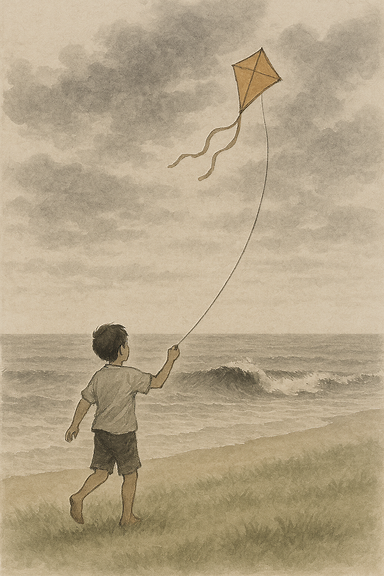
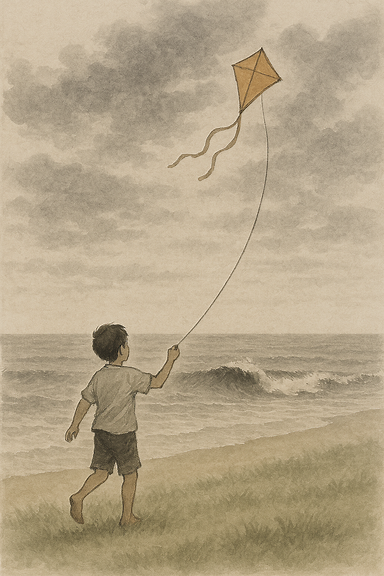
Guarding the spiritual self within the body is like a kite lifted by the wind. The owner of the kite is God, the string connecting it is Jesus Christ, and the wind is the Holy Spirit.
When the owner does not release the string, the kite cannot fly an inch. If the kite itself decides to soar higher by cutting the string, it ceases to be a kite at all.
For me to fly into the higher skies, I must first listen to God’s voice before the affairs of the world begin. The Holy Spirit still teaches me today—through the rough waves of life—which way to turn my head in order to meet a radiant rainbow, to reach the cool streams of water flowing in a valley. God does not want our lives to remain fixed in one place.
There are conditions required for flight. I must discard all unclean thoughts, needless worries, conflicts, disorder, envy, and strife within me. These only weigh me down. We may recall childhood moments when, before the kite could rise high, it became entangled in a tree or snagged on a power pole—spoiling the game from the start.
No matter how beautiful or well-shaped the kite looks on the outside, if it is too heavy, it will never rise into the blue sky. A person bound by the clutter of desires cannot be lifted by the wind. At times, a strong gust may momentarily lift such a person, but when life returns to calm, the kite plunges straight down. The less I cling to as mine, the lighter and freer I become. From our weakness we must find courage, from our complacency we must rise decisively, and we must be bold in the work of emptying ourselves.
Emptying myself is never without pain. So many in this world have become slaves to unquenchable desires, striving to solve every hardship and sorrow by themselves. They take medicine. They drink to excess. They gamble away their lives. Yet in the end, they receive nothing but the bankruptcy of self-loss. Some, unable to endure, even choose death.
It is a strange truth: without suffering, humanity neither knows God, nor seeks Him, nor sees Him. God has given us freedom of choice and waits for our permission.
To know God is to center myself and to empty myself. It is no small pain to let my earthly self listen to His word and follow His guidance. The suffering that comes from human sin leads to the pain of falling, but the suffering within Him is followed by abundant comfort and overflowing love.
Entrust yourself to God, the true Owner of the kite. The Lord will hold you, and the Holy Spirit will delight in the free dance of your flight.
육체 속에 있는 영적인 나를 지키는 일은, 마치 바람에 떠있는 연과 같습니다. 연의 주인은 하나님이시고, 연을 연결하고 있는 실은 예수 그리스도이시며, 바람은 성령님이십니다.
연을 붙들고 있는 주인이 실을 풀어주지 않을 땐, 연은 한치도 날 수 없습니다. 연 스스로가 높이 날아가 보겠다고 실을 끊어버렸을 경우, 그 연은 이미 연이 아닙니다.
내가 더 높은 창공을 날기 위해서는 세상일이 시작되기 전 하나님의 음성을 들어야만 합니다. 성령께서는 오늘도 거친 세파 속에서 어떤 방향으로 머리를 돌려야만 아름다운 무지개를 만날 수 있고, 시원한 계곡의 콸콸 흐르는 물줄기를 만날 수 있는지 가르쳐 주십니다. 하나님은 우리의 인생이 한 곳에만 머물러 있기를 원치 않으십니다.
날기 위해서 우리에게 요구되는 조건이 있습니다. 내 속에 들어있는 온갖 불결한 생각들과 잡다한 걱정 근심, 불화, 갈등, 무질서, 시기심 등을 버려야만 합니다. 이 모든 것들은 내게 형편없는 무게가 될 뿐 입니다. 우리는 어릴 적 연날리기를 하다가 연이 높이 뜨기도 전에 나무에 걸리거나 전봇대에 걸려, 초장에 연놀이를 망쳐 본 기억을 떠을릴 수 있습니다.
아무리 겉으로 아름답고 그럴 듯한 모양의 연일지라도 그 무게가 무거우면 푸른 창공에 감히 떠오를 수 없습니다. 온갖 욕망의 거추장 스러움에 나를 얽매인 사람은 바람에 뜰 수 없습니다. 물론 때로는 강한 바람에 의해 잠시 떠오를 수 있습니다. 그러나 일상의 평정이 찾아 오면 이내 곤두박질해 밑으로 떨어져 버리고 맙니다. 진정 내 것이 없을수록 나는 가벼워지고 홀가분해집니다. 우리는 우리의 무기력함에서 용기를 내고, 안일함에서 과감히 일어서는 결단이 매순간 필요합니다. 그리고 자기를 비우는 일에 과감해야 합니다.
나를 비우는 일은 고난이 아닐 수 없습니다. 세상의 많은 사람들은 채우려야 채울 수 없는 욕망의 노예가 되어, 모든 고난과 고통을 스스로 해결하고자 노력합니다. 약을 먹습니다. 술에 취해도 봅니다. 노름 속에 자신을 던져보기도 합니다. 그러나 끝내는 자아 상실이라는 파산선고만 내리게 될 뿐입니다. 어떤 이는 견디다 못해 스스로 죽음의 길을 선택합니다.
참 이상한 일이지요. 인간이 고난 없이는 하나님을 알지도 못하고 찾지도 않고, 보지도 못하다니… … . 하나님은 우리에게 선택의 자유를 주시고, 인간 스스로가 허락하기를 기다리시니 말입니다.
하나님을 안다는 일은 나의 중심을 잡고, 나를 비우는 것입니다. 세상 육신 속에 있는 내가 영이신 그분의 말씀을 경청하고 그분의 인도하심 속에 따라가기란 여간 고통이 아닐 수 없습니다. 인간의 죄로 인한 고통은 추락의 아품을 겪지만, 그분 안에서의 고난은 그분의 위로와 사랑이 풍성히 넘치도록 뒤따릅니다.
‘연’의 주인 되신 하나님께 당신을 맡겨보십시오. 주님께선 당신을 붙드실 것이며, 성령께서 자유로운 당신의 춤을 기뻐하실 것입니다.
(Letter from the Parsonage, Second Story in the ‘Those Who Remained in the City’ series)
by Wanhee Yoon, 2001
A few days ago, I received truly heartbreaking news. A young man, Daniel, only 22 years old, suffered a sudden heart attack while exercising with his friends and passed away. His bright smile and resonant voice feel as if I could still see and hear them—almost as if I could call his house now and hear his cheerful greeting—but he is already gone.
No words in this world can truly comfort parents who have lost a child. Yet I bowed my head in reverence before the parents’ mature faith, who endure their sorrow with the staff of faith, firmly believing their son has gone to heaven and finding comfort there.
All of us living in this world must one day face death. Often, we are confronted with unwanted death when those we love pass away. Death also comes to us in experiences of divorce, broken families, moving away, war, political oppression, immigration, natural disasters, car accidents, or sickness. Through such encounters with death, we are reminded of this truth: each day of life is a gift from God (Ecclesiastes 3:13).
This gift is pure, beautiful, and infinite, filled with God’s own lovingkindness—without measure or standard, for God does not set limits. Yet we, the recipients, too often live as slaves to our own lives, clinging to an absolute sense of ownership. “My child, my house, my possessions, my land, my homeland, my nation, my family, even my in-laws or neighbors”—all of these become burdensome, even bothersome. We long to be free within it all, yet we find no true refuge. At last, loneliness overwhelms us, and we mutter to ourselves: Why am I living at all?
One day, as if the shutters that had long blocked the light are suddenly flung open, we will kneel in awe before the Source of Life. Like a bottle sealed for decades whose cork suddenly bursts loose from a shock, so too does our self awaken anew.
Leland Stanford, a U.S. Senator from California, lost his only son in a tragic accident. Grieving, he lost his will to live. One night in a dream, his son appeared and said: “Father, please do not say you have no reason to live anymore. Instead, live for others—for the children who are less fortunate.”
Thereafter, Stanford invested $20 million to found Stanford University in Palo Alto. He and his wife devoted themselves to serving the poor and the suffering. They left behind all their wealth to be used for the good of future generations, and then departed this life.
Reynolds Price, an American writer, was diagnosed with spinal cancer ten years ago. Once withdrawn and self-centered, he transformed into a gentle man who shared abundantly with others. Told he had but a year to live, he went on to publish thirteen new books, and to this day remains alive and actively writing. His book A Whole New Life became widely acclaimed. That he has lived on is the fruit of discovering the true meaning of life on the threshold of death—and pursuing it with will and determination.
Standing at death’s edge—whether through losing a loved one or through our own experiences—is painful. Yet the conclusion we reach is this: there is nothing in this world we can truly cling to as “mine.” While we have time, we must serve, help, and comfort others. We should long not only to assert our own wounds, but to accept the wounds of others as our own. And when we open wide the fortress of the self—long shut like a city wall—the songs of birds and the flood of light pour in, a wondrous experience beyond words. For the moment comes to every one of us when even our bodies and souls must be entrusted into the hands of our Creator. This, too, is a fairness we cannot deny.
The death of young Daniel has left behind sorrow and pain that defy understanding for all who loved him. But does this mean God has taken away His gift? No. Rather, Daniel, leaving this one-dimensional life of earth early, has been gathered into God’s embrace, and left his life as a gift for those who loved him. Though his body has departed, his spirit remains with us, urging us to seek in earnest reflection the unseen and undiscovered world. We can be assured: he still breathes with us in our lives.
며칠 전에 참으로 슬픈 소식을 접하게 되었습니다. 이제 22세 된 청년 다니엘이 친구들과 운동을 하다가 심장마비를 일으켜 세상을 뜨고 말았습니다. 그의 밝은 미소, 낭랑한 음성은 지금도 만날 수 있을 것 같고 금방이라도 그의 집에 전화를 걸면 그의 밝은 음성이 들려올 것 만 같은데, 그는 이미 떠났습니다.
이 세상의 어떤 말로 자식 잃은 부모를 감히 위로할 수 있으랴마는 그래도 신앙의 각목으로 슬픔을 버티시며 자식이 천국에 간 것을 확신하시며 위로를 찾으시는 부모님의 성숙된 모습 앞에 고개가 숙여졌습니다.
이 땅에 사는 우리 모두는 언젠가는 죽음을 맞이해야 하며, 주변의 사랑하는 이들의 타계로 인해 원치 않는 죽음과 맞설 때가 종종 있습니다. 이혼과 가정 파탄, 이사, 전쟁, 정치적인 압박, 이민, 천재지변, 교통 사고, 병 등에서 오는 죽음의 체험들 속에서 얻어지는 것은, 하루의 삶은 하나님의 선물(전 3:13)이라는 깨달음입니다.
그 선물은 하나님 자신조차도 규격을 정하거나 질량을 정하지 않으신 하나님 그대로의 인자하심이 가득 담긴 지순하고 아름답고 무한한 것입니다. 그럼에도 불구하고 받은 인간은 스스로의 삶의 노예가 되어 살아감을 당연한 일로 여기며 자신에 관한 절대적 주인의식으로 부자유하게 살아갑니다. 내 자녀, 내 집, 내 물건, 내 소유, 내 땅, 내 고향, 내 나라, 내 민족, 내 식구나 친정식구들, 이웃조차도 부담스러운 존재가 되며 귀찮아집니다. 그 안에서 맘껏 자유하고 싶지만 진정 갈 곳이 없습니다. 그리고 끝내는 너무 외로워 왜 살고 있는지 모르겠다고 독백을 하게 됩니다.
어느 날 빛을 차단했던 유리창의 덮개가 화들짝 열려지듯이 생명의 원천의 존재 앞에 두려움으로 무릎을 꿇는 날이 우리에게 올 때가 있습니다. 마치 수십 년을 단단하게 봉해져 있던 병마개가 어느 충격에 의해 퉁겨져 나가는 모습처럼, 내 자아가 새로 깨어나는 순간입니다.
캘리포니아에서 선출되었던 연방 상원의원 리랜드 스탠포드는 그의 외아들을 불의의 사고로 잃고 말았습니다. 상원의원은 아들을 잃은 슬픔에 잠겨 살아야 할 의미를 상실하였습니다. 하루는 꿈속에서 그의 아들이 나타나 아버지에게 말하기를 “아버지! 다시는 이 땅에서 살 필요가 없다고 말씀하지 마셔요. 대신 인류를 위해서 불우한 다른 이들의 자녀를 위해 사셔요!”라고 하였습니다.
그 후, 팔로 알토에 리랜드 스탠포드(Leland Stanford) 대학을 2천 만 달러를 들여서 세우게 되었으며, 그와 그의 부인은 가난한 자, 고난 받는 자들을 위해 봉사하는 삶으로 변화되었습니다. 그리고 그들의 모든 재산을 일어나는 세대의 선한 일을 위하여 쓰여지도록 남겨 놓고 떠났습니다.
미국인 작가인 레널즈 프라이스는 10년 전에 척수암 선고를 받고 평소의 폐쇄적이고 자기 중심적 성향의 사람에서 온화하고 타인들과 많은 것을 나누는 사람으로 변화하였습니다. 10년 전, 일년 후면 사망할 것이라는 의사의 진단을 받고, 13권의 저서를 새로 출간하고 지금도 살아 활발한 작품활동을 하고 있으며, 저서 “전적으로 새로운 인생”은 장안의 화제가 되고 있습니다. 그가 의지와 집념으로 오늘날까지 살아있을 수 있음은 죽음의 문턱 앞에서 발견한 삶의 참의미와 그것을 향한 노력 때문입니다.
사랑하는 이들의 죽음을 통해, 혹은 자신의 경험을 통해 사선의 문턱에 서는 일은 고통스러운 것입니다. 그러나 얻어지는 결론은 이 땅에 움켜쥐어야만 될 내 것은 아무것도 없다는 사실입니다. 시간이 우리에게 주어져 있을 때 열심히 남을 위해 봉사하고 도우며, 비로소 내가 있음으로 남을 편하게 해주기를 바라고, 내 상처만을 주장하지 않고 상대방의 상처를 내것으로 받아들여야 합니다. 굳게 닫혀져 있던 성벽과 같은 자아의 요새를 활짝 열었을 때 새들의 노래와 빛들의 쏟아짐은 실로 경이로움의 체험이 아닐 수 없습니다. 언젠가는 내 몸과 영혼까지도 주인 되시는 창조주의 손에 맡겨져야 할 순간이 누구에게나 다가오니, 이 또한 공평한 일이 아닐 수 없습니다.
젊은 다니엘의 죽음은 쉽게 이해할 수 없는 슬픔과 고통을 그를 사랑하던 주변 사람들에게 남기었습니다. 그렇다면 하나님께서 그 선물 을 빼앗아 가셨다는 결론입니까? 아닙니다. 그는 이제 일차원적인 이 땅에서의 삶을 떠나 일찍 하나님의 품에 안기면서 자신의 생애를 이 땅의 사랑하는 이들에게 선물로 남겨 주었습니다. 그는 우리가 살아 가면서 아직도 발견치 못하고, 보지 못한 세계를 진지한 성찰 속에 찾을 수 있도록 격려하면서 육신은 떠났으나 그의 영은 지금도 우리와 함께 우리의 삶에서 호흡함을 확신합니다.
(During Korea’s military regime, upon completing my studies at Seoul Methodist Seminary.)
At last, after so long— perhaps for the very first time, my voice must rise, my heart must speak.
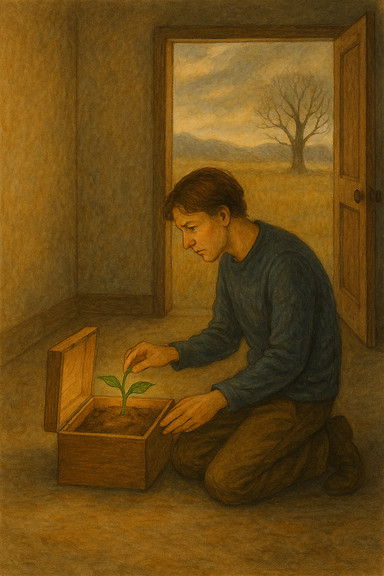
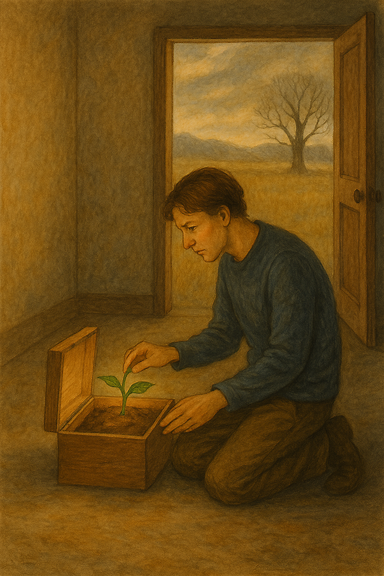
So I opened the narrow door of a quiet, box-shaped room, and stepped within.
There, between thundered fields and trees older than sorrow, my dreams lie resting— woven by my own hands, gathered in a small box, still tender as new green shoots.
The past winter was strangely warm; fuel-sellers sighed, skating rinks emptied, and the world wore a frown.
But one gray day, as I crossed the Han River by bus, winter returned— a true, stern winter. It pressed its heavy hand upon the hope of yellow leaves that trembled by the river’s edge.
The box shrank, a pitiful thing. Within, the dreams protested, yet they could not prevail— not for lack of youth, but because they had become young again.
And such youth, so tender, so frail, is a fragile force before the eternal. This moment, this fleeting now, grew into a story told only after long years had passed.
Now the leaves, that never bore seed, have fallen and withered. Life fades, and I ask: what remains within?
Ah… will spring come again?.
I press my crumpled dreams between the pages of books, with gentle, reverent hands. And I wait— wait for a few steadfast trees to gather their sap, to endure, to rise beyond the winter.
And we shall gather— not to mourn, but only to smile.
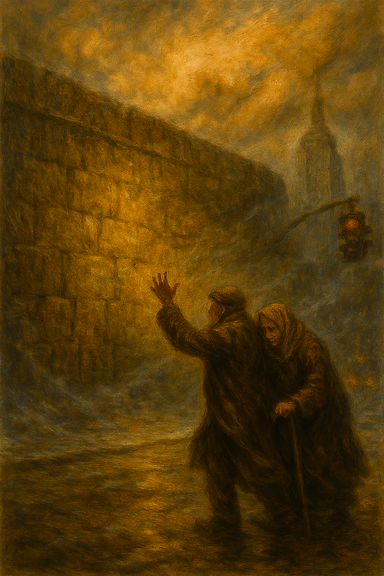
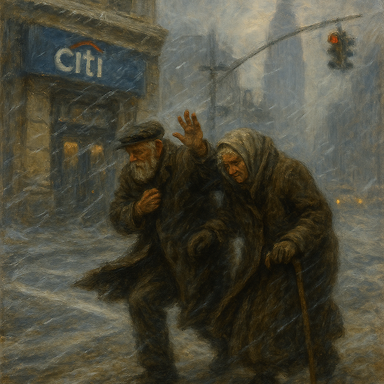
시티뱅크의 사거리는 언제나 분주합니다. 여느 때와 같이 겨우 주차장에 차를 세워두고 이십오 전짜리 동전을 찾아 미터기에 집어넣는데, 길 건너 한 쌍의 누추한 부부의 모습이 눈에 들어왔습니다. 나이가 아흔은 족히 들어 보이는 할아버지가 초라한 행색으로 바람 부는 사거리에 서서 지나가는 차를 멈춰 세우려 안간힘을 쓰고 있었습니다. 그의 몇 발자국 뒤에 떨어져서 있는 할머니가 몹시 숨이 찬 듯이 헉헉대고 있었습니다. 무슨 일인지 궁금하여 가까이 다가서는 나의 모습을 발견하고는 할아버지께서는 나의 옷자락을 움켜잡듯 하셨습니다.
“무슨 일이십니까? 도움이 필요하셔요?”
그의 안타까운 눈매가 몹시도 절박해 보였습니다. 그가 무슨 말을 하고 있었으나 금방 알아들을 수가 없었습니다. 그는 몇 번씩이고 배에 힘을 주고 같은 말을 반복하였습니다.
“집으로 데려다 주세요! 여기서 약 10분 거리인데 갈 수가 없습니 다: 거센 바람이 재촉이라도 하듯이 할아버지의 겉옷자락을 잡아 당기고 있었습니다. 지나가던 순찰경이 잠시 멈추었습니다. “이분들이 도움이 필요하군요! 집에 가시기 원하는데, 차가 없군요! “택시를 부를까요?”
경찰이 할아버지의 눈치를 살폈습니다. 할아버지는 고개를 내저었습니다. 택시비가 없어요!” “그러면, 여기서 잠깐만 기다리셔요! 제가 잠시 은행에 다녀오겠습니다.” 더 이상 머뭇거릴 수 없음을 알았습니 다. 노부부의 얼굴에 안도감이 엿보였습니다. 경찰은 고맙다는 인사를 하고 사라졌습니다. 저는 급하게 은행에서 볼일을 마친 후, 부부가 기다리고 있는 바람 거센 길모퉁이로 걸어갔습니다. 그들 노부부는 서로 손을 꼭 잡고 저를 기다리고 있었습니다. “제 차가 길 건너편에 있는데 같이 길을 건널 수 있으시겠습니까?” 그들은 고개를 흔들었습 니다. “걸을 수가 없어요!” 할아버지의 기운이 쇠잔한 음성이었습니다. “그럼, 이 자리에 그대로 서 계세요! 제가 차를 갖고 오겠습니다.” 견고한 시티뱅크의 빌딩 모퉁이에 자신을 돌보기조차 구차스러워 보이는 노부부! 그들은 금방이라도 서고 말 것 같은 배터리가 다 된 시계의 분침과도 같았습니다.
할아버지는 할머니의 일거수일투족에 신경을 쓰며, 차에 오르는 할머니가 행여나 다치지 않을까 조심스런 눈빛으로 나와 할머니를 번갈아 보셨습니다. 할머니의 낡고 헌 회색 드레스가 정오의 햇살을 받아 검은 때의 윤기로 번들거렸습니다. 할머니는 한 발 한 발을 내디딜 때 마다 마치 집채가 움직이듯 무거운 몸을 힘겹고 조심스럽게 움직이셨습니다. 그녀의 굳은 허리와 다리는 필사적으로 지팡이에 의지한 채, 겨우 차의 뒷좌석에 실려졌습니다. 신음소리가 그녀의 수건으로 막은 입을 통하여 들려왔습니다. “두 분이 몸도 편치 않으신데, 어떻게 외출을 하셨습니까?””은행에 처리해야만 할 일들이 있었어요.” “자녀들 이 없으신가요?” “없습니다.” 나는 그들이 도시를 미처 빠져나가지 못 한 도시에 남은 자들 중의 하나임을 직감할 수 있었습니다.
뉴욕은 막 이민 온 사람들이 가장 쉽게 직업을 찾을 수 있고, 그 나름대로 이민의 뿌리를 내리기가 쉽고 편리하여 누구든지 뉴욕의 품에 안기기를 원합니다. 그래서 교통이 편리한 곳을 중심으로 각 지역마다 피부 색갈과 언어가 다른 사람들이 무리를 지어 살아가기 때문에 색다른 문화가 형성되어 가고 있습니다. 오랜 동안을 뉴욕에서 자리 잡고 살아가던 백인 이민자의 후손들은 변해가는 환경과 이질 문화, 인구의 팽창으로 인한 번잡함과 범죄, 세금의 폭등에 견디지 못하고 도시를 빠져나갑니다. 그들은 한가한 교외나 날씨가 따뜻한 플로리다로 이주해 나가고, 뉴욕은 언제나 새로 이민온 사람들의 천국(?)이 되는 것입니다.
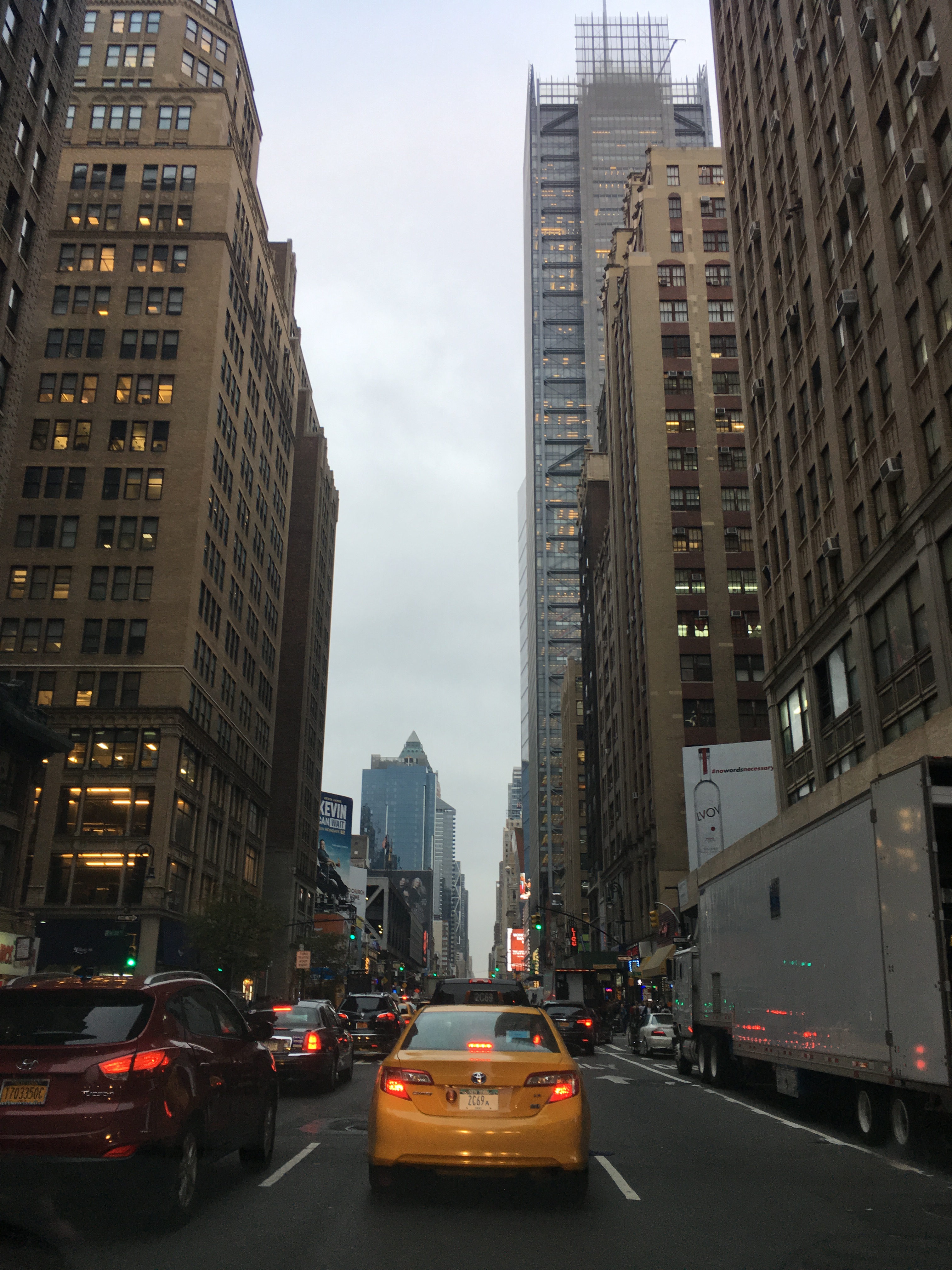
뉴욕 사람들은 모두 바쁩니다. 어쩌다가 차 안에 앉아 지나가는 사람들의 모습을 보노라면 그들 속에서 여유를 찾아보기란 정말 어렵습 니다. 안면이 있는 사람끼리 부딪치기라도 하면, 첫마디가 “나 지금 바 빠 나중에 보자구!” 하며, 쏜살같이 군중 속으로 사라져가는 모습들을 보게 됩니다. 모두가 생활 안정이라는 줄을 삶의 정상에 매어두고, 곡예를 하듯이 하루하루를 살아갑니다. 곡예사에겐 아무와도 관계의 성숙을 기대할 수 없습니다.
바쁜 사람들과 피곤한 사람들이 아니면, 역시 뉴욕 사람이 아니라고 해도 과언이 아닙니다. 뉴욕에선 밤이든 대낮이든 아무도 거리를 어슬렁거리거나 한가하게 구경삼아 걷지 않습니다. 만약 그런 사람들이 있다면, 홈레스 아니면 관광객들입니다.
그러나 그 바쁘고 피곤한 무리 속에 끼어 있지 않은 소외된 사람들이 있습니다. 그들은 도시가 싫으면서도 도시를 떠나본 일이 없는 사람들이기 때문에, 살던 곳을 떠나지 못하는 것입니다. 과거 서로의 사정을 잘 알고 이해하던 오랜 이웃들은 하나둘 떠나가 버렸습니다. 새로 이사온 젊은이들은 새벽별을 보고 나갔다가 초저녁별을 보고 들어 옵니다. 주말엔 얼굴을 보겠거니 기대하지만, 주말엔 여행을 떠나가 거나 밀린 가정일과 쇼핑을 가느라고 얼굴을 볼 시간이 없습니다. 예전엔 어려운 일이 있으면 서로 도와주고 돌보며 아껴주던 이웃들은 너무도 먼곳에 떨어져 있습니다. 그들은 도시 속에 마치도 잊혀진 사람들처럼 살아가고 있습니다. 이민 온 민족과 민족끼리, 피부가 같은 사람들끼리, 끼리끼리 모여들고, 끼리끼리 새 문화를 쌓아 가고 있는 데 … ….. 그들은 얼마나 많은 날들을 새 이웃들을 향하여 수화기를 돌렸겠습니까?
“여보세요! 새로 오신 이웃이여! 당신이 살고 계신 그 집은 하루에도 몇 번씩 드나들며 서로의 안녕을 묻고 물으며 지내던 내 과거의 이웃이 살던 집이지요! 뒷마당에 봄이면 고개를 들고 일어서는 노란색의 개나리는 40여 년 전 젊었던 이웃 부인이 첫아이 낳고 심은 것이라오. 지난 여름, 당신 집 앞마당에 잘라낸 도토리나무는 그의 할아버지가 심었던 것이라오. 우리는 여름이면 그 도토리나무 그늘에서 바비큐 파티를 즐기며 행복한 이웃과의 정을 나누었었죠. 그런데 당신이 이사온 후 둘러친 쇠망의 울타리 때문인지 나는 당신이 누구인지 알지 못하오! 내가 당신을 안다는 것은 당신은 늘 바쁘고 피곤해 보이는 것뿐이지요. 지난 여름 내내 새로 마련한 당신의 야외 수영장에서 단 한번도 당신들의 웃음소리나 당신들의 모습을 보지 못하였음은 아직도 수수께끼로 남아있다오. 엊저녁도 행여나 당신의 얼굴을 볼까 하여 밤늦도록 창가에 앉아 당신을 기다렸었소. 그러나 자동차 소리와 함께 바쁘게 문을 닫고 돌아서는 당신의 뒷모습만 보았을 뿐이라오.”
그들은 오늘도 새 이웃들을 향하여 가만히 수화기를 들고 귀기울이고 있는 것입니다.
그들은 대부분 혼자서 큰 집을 지키거나, 두 부부만이 집에 사는 예가 허다합니다. 또한, 양로원에 들어가 계신 노인들은 친척이나 자녀 들에 의하여, 빈집을 관리만 하고 있는 예도 상당수가 있습니다. 저녁 이면 자동으로 들어오는 전기 조정 장치에 의하여 현관과 방에 불이 들어오고, 모든 우편물은 우체국의 사서함을 통하여 받아들여지고 있습니다. 잔디깎기는 집 관리 회사에 의하여 깨끗이 정리가 됩니다. 바 쁜 이민자들은 때로는 이웃에 누가 살고 있으며, 무엇을 하는 사람인지 모르고 지나치는 수가 많습니다. 불행한 사실은 혼자 집을 지키며 살아가고 있는 노인들이 혼자서 죽음을 맞거나 갑자기 쓰러져 혼수상 태를 맞게 되기도 한다는 것입니다. 그래서 대부분의 노인들은 위급한 상황에 대비하여 알람장치를 집이나 몸의 한 곳에 비치하기도 합니다. 대부분의 노인들은 지역마다 그룹을 짜서, 노인들의 행사에 나오지 않는 친구들을 매일 전화로 점검하기도 합니다. 그래서 무엇인가 심상치 않으면 그들의 가족이나 친척, 의료 상담자들에게 신속한 연락을 취합니다. 그들의 하루의 농담 가운데는 누가 언제 ‘만기 (Expire)’를 기다리고 있다거나 ‘만기가 되었음’을 지칭하는 말들이 있습니다.
나의 예견대로, 그들 부부는 피부가 다른 이웃들 틈에 끼어 살아가고 있었습니다. 쇠망의 울타리를 친 이웃의 드라이브 웨이에 젊은 청년이 무엇인가를 하다가 차에서 힘겹게 내리는 노인들을 못 본 척하며 사라져 버렸습니다. 노부부는 한 걸음이면 걸어올라 갈 계단을 거의 십여 분이 걸려서야 겨우 올라서서 문을 열었습니다. 그들은 영화의 슬로모션 필름이 되어, 떠나지 못하고 기다리고 서 있는 나에게 손을 찬찬히 흔들었습니다. 나는 불현듯 지갑을 열어 할머니의 굳은 손에 명함을 쥐어드렸습니다.
“할머니, 어느 때든 차가 필요하시거나 도움이 필요하면 전화를 주셔요.”
그의 숨이 차오르는 얼굴에 잠시 평화가 솟는 듯했습니다.
조금 전, 노부부가 서 있던 시티뱅크의 빌딩 모서리엔 바람에 불려 온 구겨진 신문이 맴돌고 있었습니다. 언젠가 우리도 시간의 바람결에 실리어 이 도시를 빠져나갈 것입니다. 아니, 어느 날인가 눈물이 치솟도록 외롭고 소외된 도시의 남은 자 중의 하나가 되어, 나직이 누군가의 도움을 구하려고 여기 서 있을지도 모릅니다.

 Daily Sauntering
You must be logged in to post a comment.