(During Korea’s military regime, upon completing my studies at Seoul Methodist Seminary.)
At last, after so long— perhaps for the very first time, my voice must rise, my heart must speak.
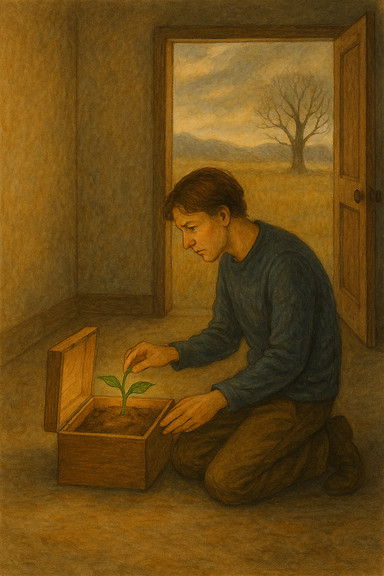
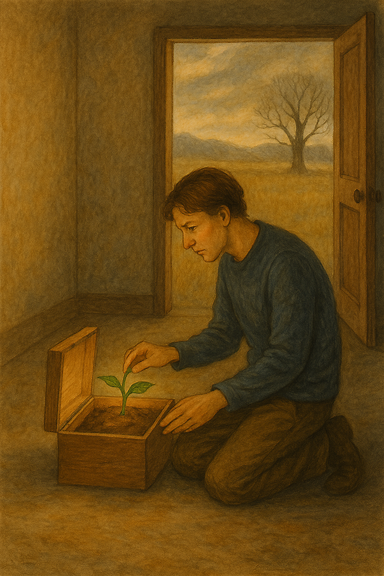
So I opened the narrow door of a quiet, box-shaped room, and stepped within.
There, between thundered fields and trees older than sorrow, my dreams lie resting— woven by my own hands, gathered in a small box, still tender as new green shoots.
The past winter was strangely warm; fuel-sellers sighed, skating rinks emptied, and the world wore a frown.
But one gray day, as I crossed the Han River by bus, winter returned— a true, stern winter. It pressed its heavy hand upon the hope of yellow leaves that trembled by the river’s edge.
The box shrank, a pitiful thing. Within, the dreams protested, yet they could not prevail— not for lack of youth, but because they had become young again.
And such youth, so tender, so frail, is a fragile force before the eternal. This moment, this fleeting now, grew into a story told only after long years had passed.
Now the leaves, that never bore seed, have fallen and withered. Life fades, and I ask: what remains within?
Ah… will spring come again?.
I press my crumpled dreams between the pages of books, with gentle, reverent hands. And I wait— wait for a few steadfast trees to gather their sap, to endure, to rise beyond the winter.
And we shall gather— not to mourn, but only to smile.
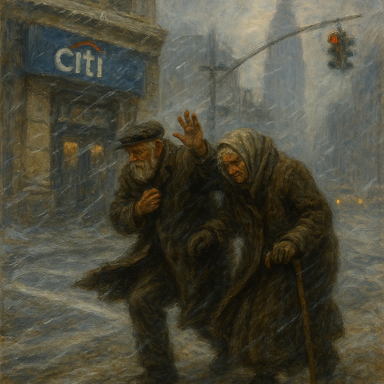
시티뱅크의 사거리는 언제나 분주합니다. 여느 때와 같이 겨우 주차장에 차를 세워두고 이십오 전짜리 동전을 찾아 미터기에 집어넣는데, 길 건너 한 쌍의 누추한 부부의 모습이 눈에 들어왔습니다. 나이가 아흔은 족히 들어 보이는 할아버지가 초라한 행색으로 바람 부는 사거리에 서서 지나가는 차를 멈춰 세우려 안간힘을 쓰고 있었습니다. 그의 몇 발자국 뒤에 떨어져서 있는 할머니가 몹시 숨이 찬 듯이 헉헉대고 있었습니다. 무슨 일인지 궁금하여 가까이 다가서는 나의 모습을 발견하고는 할아버지께서는 나의 옷자락을 움켜잡듯 하셨습니다.
“무슨 일이십니까? 도움이 필요하셔요?”
그의 안타까운 눈매가 몹시도 절박해 보였습니다. 그가 무슨 말을 하고 있었으나 금방 알아들을 수가 없었습니다. 그는 몇 번씩이고 배에 힘을 주고 같은 말을 반복하였습니다.
“집으로 데려다 주세요! 여기서 약 10분 거리인데 갈 수가 없습니 다: 거센 바람이 재촉이라도 하듯이 할아버지의 겉옷자락을 잡아 당기고 있었습니다. 지나가던 순찰경이 잠시 멈추었습니다. “이분들이 도움이 필요하군요! 집에 가시기 원하는데, 차가 없군요! “택시를 부를까요?”
경찰이 할아버지의 눈치를 살폈습니다. 할아버지는 고개를 내저었습니다. 택시비가 없어요!” “그러면, 여기서 잠깐만 기다리셔요! 제가 잠시 은행에 다녀오겠습니다.” 더 이상 머뭇거릴 수 없음을 알았습니 다. 노부부의 얼굴에 안도감이 엿보였습니다. 경찰은 고맙다는 인사를 하고 사라졌습니다. 저는 급하게 은행에서 볼일을 마친 후, 부부가 기다리고 있는 바람 거센 길모퉁이로 걸어갔습니다. 그들 노부부는 서로 손을 꼭 잡고 저를 기다리고 있었습니다. “제 차가 길 건너편에 있는데 같이 길을 건널 수 있으시겠습니까?” 그들은 고개를 흔들었습 니다. “걸을 수가 없어요!” 할아버지의 기운이 쇠잔한 음성이었습니다. “그럼, 이 자리에 그대로 서 계세요! 제가 차를 갖고 오겠습니다.” 견고한 시티뱅크의 빌딩 모퉁이에 자신을 돌보기조차 구차스러워 보이는 노부부! 그들은 금방이라도 서고 말 것 같은 배터리가 다 된 시계의 분침과도 같았습니다.
할아버지는 할머니의 일거수일투족에 신경을 쓰며, 차에 오르는 할머니가 행여나 다치지 않을까 조심스런 눈빛으로 나와 할머니를 번갈아 보셨습니다. 할머니의 낡고 헌 회색 드레스가 정오의 햇살을 받아 검은 때의 윤기로 번들거렸습니다. 할머니는 한 발 한 발을 내디딜 때 마다 마치 집채가 움직이듯 무거운 몸을 힘겹고 조심스럽게 움직이셨습니다. 그녀의 굳은 허리와 다리는 필사적으로 지팡이에 의지한 채, 겨우 차의 뒷좌석에 실려졌습니다. 신음소리가 그녀의 수건으로 막은 입을 통하여 들려왔습니다. “두 분이 몸도 편치 않으신데, 어떻게 외출을 하셨습니까?””은행에 처리해야만 할 일들이 있었어요.” “자녀들 이 없으신가요?” “없습니다.” 나는 그들이 도시를 미처 빠져나가지 못 한 도시에 남은 자들 중의 하나임을 직감할 수 있었습니다.
뉴욕은 막 이민 온 사람들이 가장 쉽게 직업을 찾을 수 있고, 그 나름대로 이민의 뿌리를 내리기가 쉽고 편리하여 누구든지 뉴욕의 품에 안기기를 원합니다. 그래서 교통이 편리한 곳을 중심으로 각 지역마다 피부 색갈과 언어가 다른 사람들이 무리를 지어 살아가기 때문에 색다른 문화가 형성되어 가고 있습니다. 오랜 동안을 뉴욕에서 자리 잡고 살아가던 백인 이민자의 후손들은 변해가는 환경과 이질 문화, 인구의 팽창으로 인한 번잡함과 범죄, 세금의 폭등에 견디지 못하고 도시를 빠져나갑니다. 그들은 한가한 교외나 날씨가 따뜻한 플로리다로 이주해 나가고, 뉴욕은 언제나 새로 이민온 사람들의 천국(?)이 되는 것입니다.
뉴욕 사람들은 모두 바쁩니다. 어쩌다가 차 안에 앉아 지나가는 사람들의 모습을 보노라면 그들 속에서 여유를 찾아보기란 정말 어렵습 니다. 안면이 있는 사람끼리 부딪치기라도 하면, 첫마디가 “나 지금 바 빠 나중에 보자구!” 하며, 쏜살같이 군중 속으로 사라져가는 모습들을 보게 됩니다. 모두가 생활 안정이라는 줄을 삶의 정상에 매어두고, 곡예를 하듯이 하루하루를 살아갑니다. 곡예사에겐 아무와도 관계의 성숙을 기대할 수 없습니다.
바쁜 사람들과 피곤한 사람들이 아니면, 역시 뉴욕 사람이 아니라고 해도 과언이 아닙니다. 뉴욕에선 밤이든 대낮이든 아무도 거리를 어슬렁거리거나 한가하게 구경삼아 걷지 않습니다. 만약 그런 사람들이 있다면, 홈레스 아니면 관광객들입니다.
그러나 그 바쁘고 피곤한 무리 속에 끼어 있지 않은 소외된 사람들이 있습니다. 그들은 도시가 싫으면서도 도시를 떠나본 일이 없는 사람들이기 때문에, 살던 곳을 떠나지 못하는 것입니다. 과거 서로의 사정을 잘 알고 이해하던 오랜 이웃들은 하나둘 떠나가 버렸습니다. 새로 이사온 젊은이들은 새벽별을 보고 나갔다가 초저녁별을 보고 들어 옵니다. 주말엔 얼굴을 보겠거니 기대하지만, 주말엔 여행을 떠나가 거나 밀린 가정일과 쇼핑을 가느라고 얼굴을 볼 시간이 없습니다. 예전엔 어려운 일이 있으면 서로 도와주고 돌보며 아껴주던 이웃들은 너무도 먼곳에 떨어져 있습니다. 그들은 도시 속에 마치도 잊혀진 사람들처럼 살아가고 있습니다. 이민 온 민족과 민족끼리, 피부가 같은 사람들끼리, 끼리끼리 모여들고, 끼리끼리 새 문화를 쌓아 가고 있는 데 … ….. 그들은 얼마나 많은 날들을 새 이웃들을 향하여 수화기를 돌렸겠습니까?
“여보세요! 새로 오신 이웃이여! 당신이 살고 계신 그 집은 하루에도 몇 번씩 드나들며 서로의 안녕을 묻고 물으며 지내던 내 과거의 이웃이 살던 집이지요! 뒷마당에 봄이면 고개를 들고 일어서는 노란색의 개나리는 40여 년 전 젊었던 이웃 부인이 첫아이 낳고 심은 것이라오. 지난 여름, 당신 집 앞마당에 잘라낸 도토리나무는 그의 할아버지가 심었던 것이라오. 우리는 여름이면 그 도토리나무 그늘에서 바비큐 파티를 즐기며 행복한 이웃과의 정을 나누었었죠. 그런데 당신이 이사온 후 둘러친 쇠망의 울타리 때문인지 나는 당신이 누구인지 알지 못하오! 내가 당신을 안다는 것은 당신은 늘 바쁘고 피곤해 보이는 것뿐이지요. 지난 여름 내내 새로 마련한 당신의 야외 수영장에서 단 한번도 당신들의 웃음소리나 당신들의 모습을 보지 못하였음은 아직도 수수께끼로 남아있다오. 엊저녁도 행여나 당신의 얼굴을 볼까 하여 밤늦도록 창가에 앉아 당신을 기다렸었소. 그러나 자동차 소리와 함께 바쁘게 문을 닫고 돌아서는 당신의 뒷모습만 보았을 뿐이라오.”
그들은 오늘도 새 이웃들을 향하여 가만히 수화기를 들고 귀기울이고 있는 것입니다.
그들은 대부분 혼자서 큰 집을 지키거나, 두 부부만이 집에 사는 예가 허다합니다. 또한, 양로원에 들어가 계신 노인들은 친척이나 자녀 들에 의하여, 빈집을 관리만 하고 있는 예도 상당수가 있습니다. 저녁 이면 자동으로 들어오는 전기 조정 장치에 의하여 현관과 방에 불이 들어오고, 모든 우편물은 우체국의 사서함을 통하여 받아들여지고 있습니다. 잔디깎기는 집 관리 회사에 의하여 깨끗이 정리가 됩니다. 바 쁜 이민자들은 때로는 이웃에 누가 살고 있으며, 무엇을 하는 사람인지 모르고 지나치는 수가 많습니다. 불행한 사실은 혼자 집을 지키며 살아가고 있는 노인들이 혼자서 죽음을 맞거나 갑자기 쓰러져 혼수상 태를 맞게 되기도 한다는 것입니다. 그래서 대부분의 노인들은 위급한 상황에 대비하여 알람장치를 집이나 몸의 한 곳에 비치하기도 합니다. 대부분의 노인들은 지역마다 그룹을 짜서, 노인들의 행사에 나오지 않는 친구들을 매일 전화로 점검하기도 합니다. 그래서 무엇인가 심상치 않으면 그들의 가족이나 친척, 의료 상담자들에게 신속한 연락을 취합니다. 그들의 하루의 농담 가운데는 누가 언제 ‘만기 (Expire)’를 기다리고 있다거나 ‘만기가 되었음’을 지칭하는 말들이 있습니다.
나의 예견대로, 그들 부부는 피부가 다른 이웃들 틈에 끼어 살아가고 있었습니다. 쇠망의 울타리를 친 이웃의 드라이브 웨이에 젊은 청년이 무엇인가를 하다가 차에서 힘겹게 내리는 노인들을 못 본 척하며 사라져 버렸습니다. 노부부는 한 걸음이면 걸어올라 갈 계단을 거의 십여 분이 걸려서야 겨우 올라서서 문을 열었습니다. 그들은 영화의 슬로모션 필름이 되어, 떠나지 못하고 기다리고 서 있는 나에게 손을 찬찬히 흔들었습니다. 나는 불현듯 지갑을 열어 할머니의 굳은 손에 명함을 쥐어드렸습니다.
“할머니, 어느 때든 차가 필요하시거나 도움이 필요하면 전화를 주셔요.”
그의 숨이 차오르는 얼굴에 잠시 평화가 솟는 듯했습니다.
조금 전, 노부부가 서 있던 시티뱅크의 빌딩 모서리엔 바람에 불려 온 구겨진 신문이 맴돌고 있었습니다. 언젠가 우리도 시간의 바람결에 실리어 이 도시를 빠져나갈 것입니다. 아니, 어느 날인가 눈물이 치솟도록 외롭고 소외된 도시의 남은 자 중의 하나가 되어, 나직이 누군가의 도움을 구하려고 여기 서 있을지도 모릅니다.
(Pastoral Letter from the Parsonage, First Story in the ‘Those Who Remained in the City’ series)
by WanHee Yoon, 2001
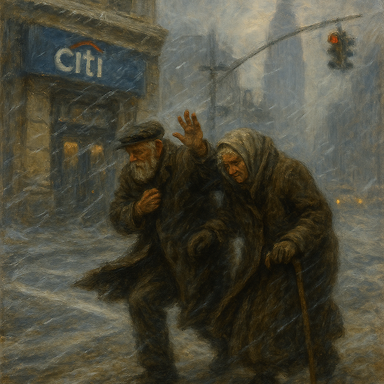
The intersection by Citibank is always bustling. As usual, I barely manage to park and drop a twenty-five cent coin into the meter. Just then, across the street, I notice a shabby-looking elderly couple. The man, who looked at least ninety, stood in the wind, desperately trying to flag down passing cars. A few steps behind him, the woman was panting heavily, clearly out of breath. Curious, I approached, and the old man grasped at my coat as if clinging to hope.
“Is something wrong? Do you need help?”
His eyes were filled with urgency. He tried to speak, but I couldn’t understand him at first. He repeated the same phrase, straining his voice:
“Please take us home! It’s only ten minutes from here, but we can’t make it.”
The wind tugged at his coat as if hurrying him along. A passing patrol officer stopped briefly.
“They need help getting home, but they don’t have a car. Should I call a taxi?”
The officer looked to the old man, who shook his head.
“No money for a taxi.”
“Then wait here just a moment. I’ll run into the bank.”
I knew I couldn’t hesitate any longer. Relief flickered across their faces. The officer thanked me and left. After finishing my errand, I returned to the windy corner where the couple waited, holding hands tightly.
“My car is across the street. Can you cross with me?”
They shook their heads.
“We can’t walk.”
The old man’s voice was faint. “Then please stay here. I’ll bring the car around.”
There they stood, beside the solid Citibank building, looking as fragile as the second hand of a dying clock.
The old man watched every movement of his wife, worried she might get hurt climbing into the car. Her worn gray dress shimmered with the grime of age under the noon sun. Each step she took was like moving a house—slow, heavy, deliberate. Leaning desperately on her cane, she finally settled into the back seat, groaning through the towel pressed to her mouth.
“You both seem unwell. Why did you come out today?”
“We had to take care of something at the bank.”
“Do you have children?”
“No.”
I sensed they were among those who hadn’t managed to leave the city—those who remained.
New York is a place where new immigrants easily find work and settle. Its convenience draws people in, forming communities of shared language and skin color, each shaping its own culture. But descendants of long-settled white immigrants often flee the city’s changing environment, cultural clashes, crowding, crime, and rising taxes. They move to quiet suburbs or warm Florida, while New York becomes a paradise—of sorts—for newcomers.
Everyone in New York is busy. Watching people from a car window, it’s rare to see anyone relaxed. Even acquaintances, when they bump into each other, say, “I’m busy—let’s catch up later!” and vanish into the crowd. Life is a tightrope walk, each day a balancing act. And tightrope walkers don’t have time for deep relationships.
If you’re not busy or tired, you’re not a true New Yorker. No one strolls the streets leisurely—day or night. If you see someone doing that, they’re either homeless or a tourist.
Yet, there are those who don’t belong to the busy and tired masses. They dislike the city but have never left it. They remain in the homes they’ve always known, while longtime neighbors—once familiar and caring—have moved away. The new young residents leave at dawn and return at dusk. Weekends offer no chance to connect; they’re off traveling or catching up on chores. The old neighbors who once helped and cared for each other now live far away. These remaining souls live like forgotten people.
Immigrant communities gather by ethnicity and language, building new cultures together. But how many days have these elders spent dialing the phone, hoping to reach a new neighbor?
“Hello, new neighbor! The house you live in once belonged to someone who came and went daily, exchanging greetings. The yellow forsythia in the backyard was planted forty years ago by a young mother after her first child was born. The oak tree you cut down last summer was planted by her grandfather. We used to enjoy summer barbecues under its shade. But since you moved in and put up that iron fence, I don’t know who you are. All I know is that you always seem busy and tired. All summer long, I never once heard laughter from your new outdoor pool. Last night, I sat by the window hoping to see your face. But all I saw was your back as you rushed inside and shut the door.”
Even now, they quietly lift the receiver, listening for a new neighbor’s voice.
Many live alone in large houses, or just as couples. Some elderly residents in nursing homes have relatives who manage their empty homes. Lights turn on automatically in the evening. Mail is collected through PO boxes. Lawn care is handled by management companies. Immigrants often don’t know who their neighbors are or what they do. Tragically, some elderly die alone or collapse into comas unnoticed. Many install emergency alarms in their homes or on their bodies. Seniors form local groups and check in daily by phone. If someone doesn’t respond, they quickly contact family, friends, or medical professionals. Their daily jokes include phrases like “waiting to expire” or “already expired.”
As I suspected, the couple lived among neighbors of different skin colors. A young man in the driveway ignored them as they struggled to get out of the car. It took nearly ten minutes for them to climb the steps and open the door. Like a slow-motion film, they waved gently to me as I stood waiting. On impulse, I opened my wallet and placed my card in the grandmother’s stiff hand.
“Ma’am, if you ever need a ride or help, please call me.”
Her breathless face seemed to brighten with a moment of peace.
Where they had stood by the Citibank building, a crumpled newspaper now swirled in the wind. Someday, we too will be carried away by the breeze of time, leaving this city behind. Or perhaps, one day, we’ll find ourselves among the forgotten ones—standing quietly, asking for help.
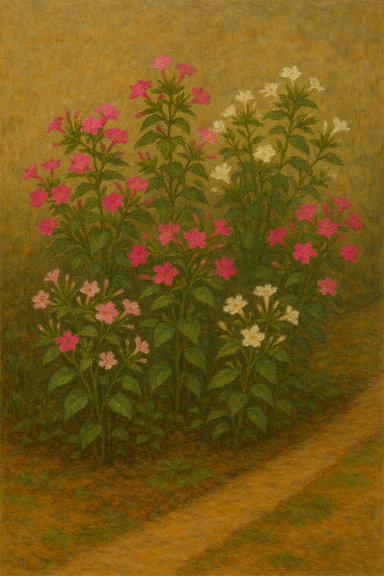
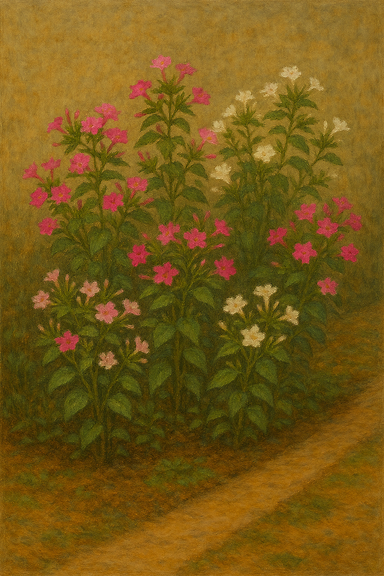
우리 집 정원에는 진분홍빛 분꽃들이 한창 어우러져 그 아름다운 자태를 마음껏 자랑하고 있습니다. 지난 봄 어머니가 심어주신 몇 개의 씨앗에서 한껏 가지들이 뻗쳐나오더니, 수도 셀 수 없는 꽃송이들이 너도나도 다투어 한여름 내내 피고 지었습니다.
분꽃들은 한낮의 해 아래 몹시도 수줍음을 타는 듯, 꽃잎들을 단단히 닫아두었다가 해가 서산 넘어갈 때쯤이면, 그 샐쭉한 꽃잎을 벌리기 시작합니다. 그리고 달이 하얗게 떠오르는 저녁이면 청아하고 단아한 모습으로 활짝 피어나 그 우아함이 절정에 이릅니다.
암팡지게 피어난 어여쁜 꽃잎들을 바라보노라면 마치도 불꽃이 튀어나오는 것과 같은 삶의 열정을 느끼게 됩니다. 누구의 삶이 이토록 싱싱하고 성실할 수 있으며, 누구의 삶이 이처럼 순수하고 아름답게 피어날 수 있겠습니까?
분꽃은 예전부터 시골마당의 한쪽 부분을 차지하여, 여름이면 여인 네들의 꽃시계로서의 일목을 담당하기도 하였습니다. 할머니들은 꽃 잎이 벌어지기 시작하는 때를 맞추어 나이 어린 며느리들에게 보리쌀 을 가마솥에 앉힐 때가 되었음을 알려주었습니다. 하루종일 논밭에서 일하고 돌아오는 남정네들을 위해 때를 맞춰 맛있는 저녁식사를 준비 하려면, 밥을 짓기 전에 먼저 보리쌀을 푹 삶아내야만 구수한 보리밥 을 준비하게 되는 것입니다.
또한 분꽃은 아이들의 소꿉놀이에도 없어서는 안 될 꽃이었습니다. 색색의 꽃잎을 따서 여자 아이들의 긴 머리에 잔뜩 꽃고 각시놀이며, 사금파리에 짓이겨진 벌건 꽃잎은 소꿉놀이 밥상에 올려지고, 까만 씨앗 속에서 나오는 하얀 가루는 계집아이들의 연한 피부 위에 분가루가 되어 발라지기도 했습니다.
우리의 이민 보따리에 묻혀온 분꽃은 자기의 모든 고독과 아픔마저도 꽃으로 피워낼 줄 압니다. 늘 이웃으로 함께 살아가던 채송화와 봉선화가 곁에 있어 주지 않아도, 주인의 손에 심겨지는 대로 말없이 있는 자리에서 목숨 다해 최선의 아름다움과 인내와 기쁨과 절제를 다 이룹니다. 그리고 하늘을 향해 팔벌림을 쉬지 않고 바람과 해와 달과 비와 천둥까지도 달게 받으며, 필 때와 질 때를 가릴 줄 아는 지혜가 있습니다. 행여 지나가는 나비가 잠시 머무르기라도 하면, 꽃들은 감사하여 몸을 흔들며 함께 춤을 춥니다. 저녁의 은은한 달빛을 사모하고 밤새 애간장을 다 쏟아놓는 풀벌레의 연가에 아침이면 더 붉어진 분꽃들의 수줍은 얼굴들 … …
지난 달 억수 같은 소나기가 며칠씩 쏟아 부어지던 날, 분꽃들이 모두 앞으로 쓰러져 버렸습니다. 연약한 잎사귀와 꽃잎에 며칠을 빗줄기에 얻어맞은 뿌리들이 견디지 못하고 땅 밖으로 거의 뽑혀진 것이었습니다. 저는 서툰 솜씨지만 얼른 줄을 동여매 주고 몸을 가눌 수 있 도록 흙을 다시 덧입혀 주었습니다. 그랬더니 언제 쓰러졌었느냐는 듯이 다시 뿌리에 힘을 얻고 하늘을 향해 맘껏 심호흡을 하고 있었습 니다. 그 작은 몸에도 천명이 있어 허락하신 명이 다할 때까진 쉽게 흙으로 돌아갈 순 없는 듯하였습니다.
분꽃의 성품은 늘 명랑하고 순백합니다. 언니들의 순박한 미소 같기도 하고, 아기들의 방실거리는 모습 같기도 하고, 이웃집 새댁의 함초롬한 모습이기도 하며, 화려하거나 유별나지 않고 정감이 오고가는 귀여운 꽃, 어느새 세월의 나이를 그 작은 몸에도 속일 수 없어 검은 씨앗 또르르 이 땅에 남기우고 미련없이 떨어지는 꽃잎, 꽃잎들 … …. 그러나 내일에 다시 똑같은 생명으로 부활하리라는 굳건하고 확실한 큰 언약을 씨앗 한 알 한 알마다 잊지 않습니다.
In our garden, the deep pink four o’clock flowers are now in full bloom, freely displaying their graceful beauty. From just a few seeds my mother planted last spring, the branches spread wide, and countless blossoms competed to bloom and fall throughout the summer.
These flowers seem bashful under the noonday sun, keeping their petals tightly closed, yet as the sun sinks beyond the western hills, they begin to open shyly. And when the white moon rises into the evening sky, they burst forth in full bloom—serene, pure, and at the height of elegance.
As I gaze upon their radiant petals, blossoming so abundantly, I feel as though sparks of life itself leap forth, a passion burning within. Whose life could be this vibrant, this diligent? Whose life could flower with such purity and beauty?
Long ago, four o’clock flowers often filled a corner of country yards, serving as the women’s “flower clock.” Grandmothers would watch for the moment when the petals began to open, and then tell their young daughters-in-law it was time to set the barley into the cauldron. For the men returning from long days in the fields, a good supper required the barley to be thoroughly boiled before the rice was cooked, so that fragrant barley rice would be ready on time.
These flowers were also an essential part of children’s play. Girls would pluck colorful blossoms to tuck into their long hair for make-believe weddings; crushed red petals, mixed in bits of broken pottery, would become food for play meals; and the white powder hidden inside the black seeds was brushed onto tender cheeks like a gentle face powder.
Carried with us in our immigrant bundle, the four o’clock flower knows how to turn even loneliness and sorrow into blossoms. Even without its old companions—the portulaca and balsam—it quietly fulfills its calling wherever it is planted by the hands of its master, pouring out the fullness of beauty, patience, joy, and restraint until its very life is spent. With arms forever raised toward the sky, it welcomes wind, sun, moon, rain, and thunder alike, and it holds the wisdom to know its time to bloom and its time to fall. Should a passing butterfly alight for a moment, the flowers, grateful, tremble with delight and join in the dance. They adore the gentle moonlight of evening, and to the nightlong serenade of field crickets pouring out their longing, their faces blush deeper red by morning.
Last month, when heavy downpours lashed for days, the four o’clock flowers all collapsed forward. Their fragile leaves and petals, beaten down by the rain, nearly uprooted them from the soil. With clumsy hands I tied their stalks upright and heaped soil around their roots for support. Soon, as if they had never fallen, they regained strength, lifted their faces, and breathed deeply toward the sky once more. Even in such small bodies there seemed to dwell a divine allotment of life, unwilling to return to earth before its appointed time.
The nature of the four o’clock flower is ever cheerful and pure. They resemble the innocent smile of elder sisters, the bright laughter of children, or the tender grace of a young bride next door. Not dazzling or extravagant, but warm, affectionate, and endearing. And yet, their small bodies cannot hide the mark of passing years—dark seeds rolling to the ground, petals falling without regret. But each seed carries a steadfast promise: the firm, unshakable covenant of resurrection, that tomorrow they shall rise again with the same life.
Who first taught these flowers the measure of time and season? Who whispered to them the promise of tomorrow?


 Daily Sauntering
You must be logged in to post a comment.