Yesterday,
guided by my seminary friend, Pastor Park Byung-yoon, a companion from the Class of 1973, and his wife,
I crossed Ganghwa Island and arrived at Gyodong Island.
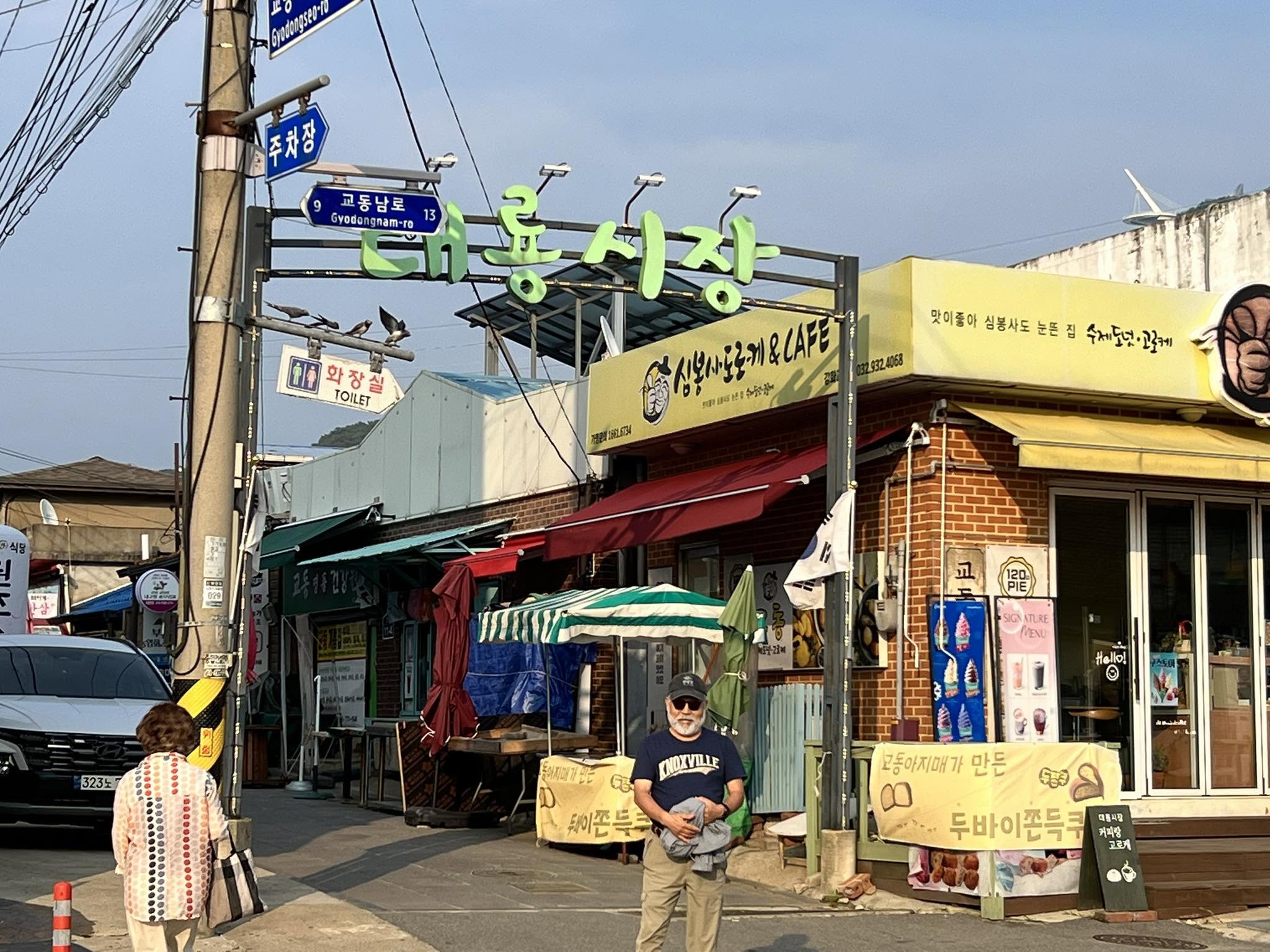
There, the old market waited.
Not a market merely,
but a harbor of memory.
The signs faded by weather, the narrow alleys, the barber shop still holding the scent of another decade, the tea rooms lingering between conversation and silence—
all remained as though time itself had misplaced its calendar.
Only three kilometers away,
across a stretch of water,
lies Hwanghae Province in North.
So near that the eyes can almost believe.
So far that seventy years have not been enough.
After the war,
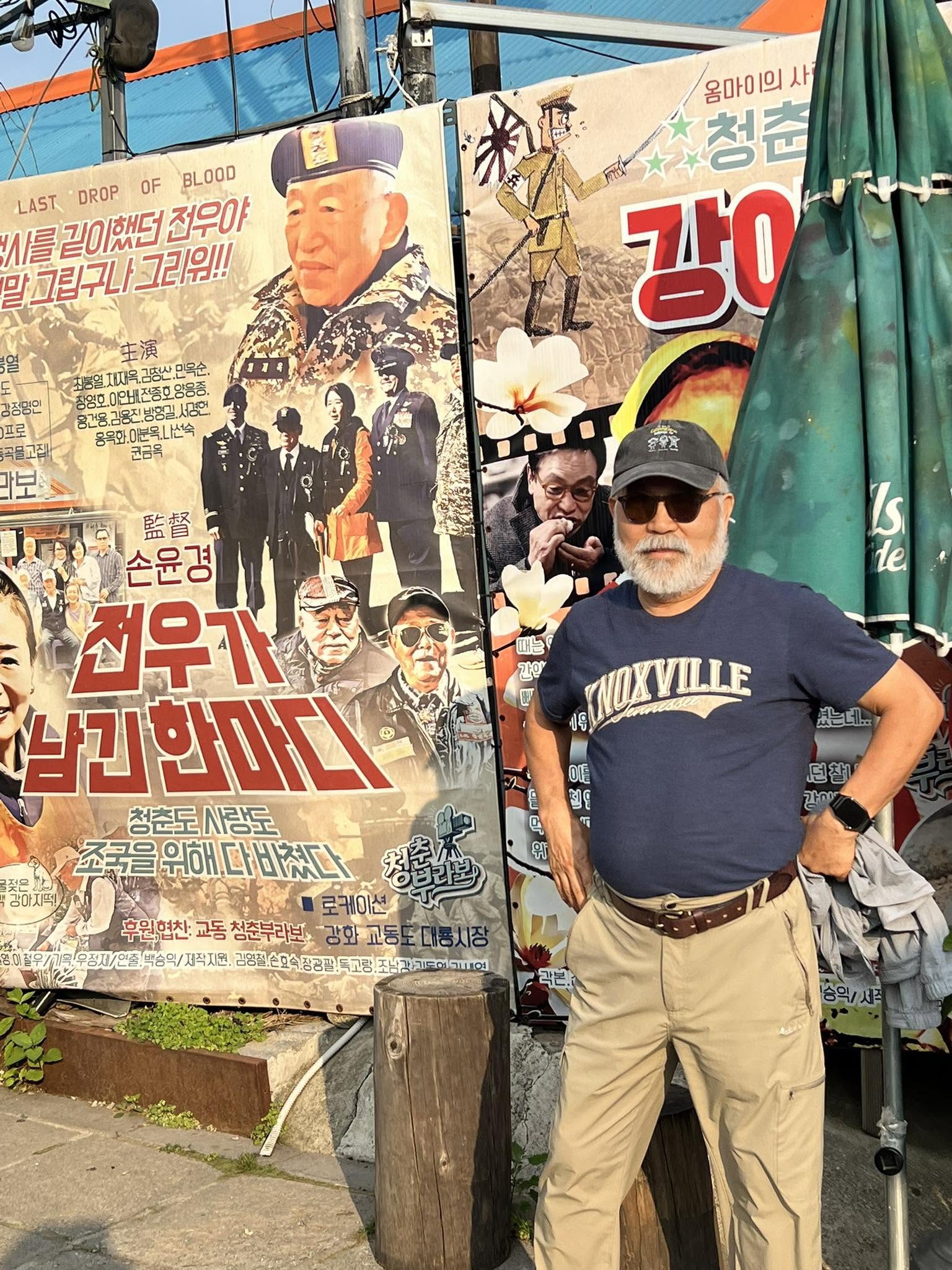
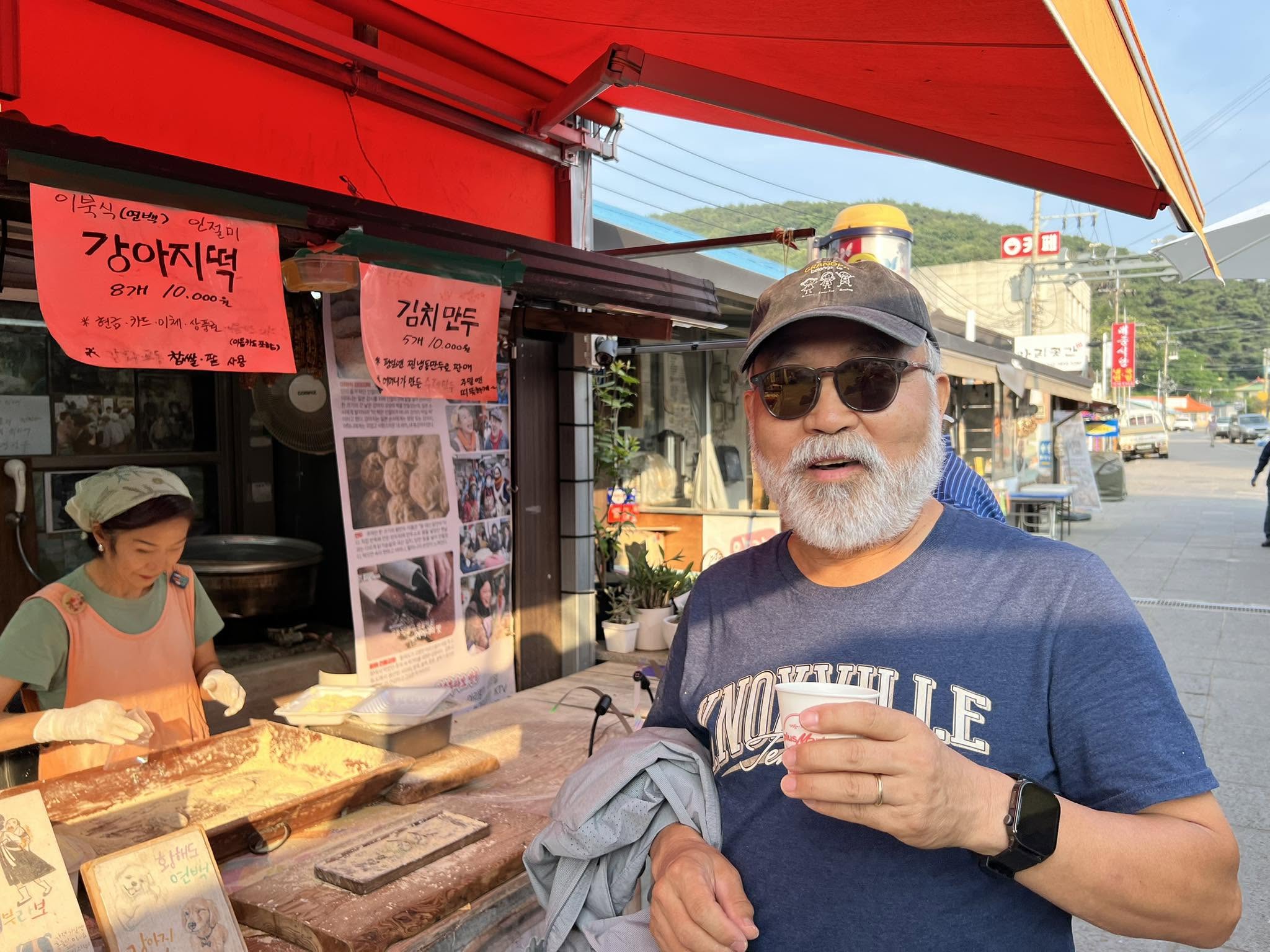
those driven from Yeonbaek built this market in the image of the one they could no longer return to.
They raised stalls where homes had vanished.
They traded fish, grain, and longing.
They sold what they could.
They carried what they could not.
As I walked those streets,
another journey unfolded.
My grand father and grand mother left Pyeongsan of Hwanghae Province, North Korea, long before the war, coming south to Seoul for the education of their son, my father.
Yet the old homeland never loosened its hold.
Its name traveled quietly through generations,
crossing tables, crossing seasons, crossing blood.
For years
I carried a desire I could not explain—
to stand, if only for a moment, near the soil from which my people came.
Yesterday,
among the weathered store fronts of Daeryong Market,
that longing found a shore.
No, not the homeland itself.
Only its echo.
Only its shadow resting upon the water.
Yet something within me recognized the place.
A root beneath memory.
A voice beneath history.
And I stood there, an old man listening for ancestors in the wind.
Ah,
my lost anchor.
Not buried in the future.
Not hidden in success.
But waiting quietly
in the direction of home.
Ah,
my roots.
Still reaching for me across the river of time.
– TaeHun Yoon, 6/12/2026



You must be logged in to post a comment.