[Poem – As Reading the Bible]
When God Wept
The world had grown old.
Not old with wisdom,
but old with violence.
Human hands,
made to cultivate the earth,
had learned instead
to wound one another.
The earth was filled
with violence.
Not only in the fields,
not only in the streets,
but deep within
the human heart.
What began
as a garden
had become a place
where fear,
greed,
anger,
and power
multiplied like weeds.
And God looked upon
the world He had made.
God saw.
And God grieved.
Perhaps this is
one of the most difficult
truths in Genesis:
God can be hurt
by what we do
with the life
God has given us.
The Creator
was not distant.
The Eternal Worker
was not indifferent.
The One who had shaped
light and darkness,
sea and dry land,
trees and birds,
women and men—
looked upon creation
and saw
how far it had wandered
from love.
And the Scripture says
that God was sorry
that He had made humanity.
I pause here.
I cannot easily imagine
the heart of God
carrying such sorrow.
Perhaps it is the sorrow
of a parent
watching children
destroy one another.
Perhaps it is the sorrow
of a craftsman
seeing something beautiful
broken by careless hands.
Perhaps it is the sorrow
of love itself—
because only love
can grieve so deeply
over what has been lost.
Yet even here,
in the darkest chapter,
one small light remains.
Noah.
Among the noise
of a violent generation,
there was one person
who still listened.
Noah walked with God.
Again,
the old words return:
to walk.
Not to conquer.
Not to possess.
Not to become powerful.
Simply—
to walk with God.
Perhaps Noah was not perfect.
Perhaps he was simply
willing to listen
when the world
had forgotten how.
And God spoke to him.
Build.
Build an ark.
Build a place
of refuge
in the middle
of a world
that no longer knew
how to make peace.
So Noah began.
Piece by piece.
Board by board.
Day after day.
Perhaps people laughed.
Perhaps they asked,
“What are you building?”
And Noah kept working.
There are times
when faith looks foolish
to the world.
There are times
when obedience
looks like building
something no one else
can yet see.
Noah built.
And the rain came.
Not as a simple storm,
but as a great undoing.
The waters rose.
The familiar world
disappeared beneath them.
The mountains vanished.
The fields disappeared.
The old boundaries
between earth and sea
were erased.
And I wonder—
was God angry?
Yes.
But was God only angry?
I do not think so.
Perhaps beneath
the judgment
was grief.
The grief
of a God
who loved the world
and watched it
destroy itself.
The flood
is not only a story
about water.
It is a story
about what happens
when violence
is allowed to grow
without restraint.
When human beings
forget that
every other person
also bears
the breath of God.
When power becomes
more important
than compassion.
When possession
becomes more important
than sharing.
When fear
becomes more powerful
than love.
And yet—
in the middle
of the waters,
there was an ark.
A small vessel
carrying life.
Animals.
A family.
Seeds of tomorrow.
A fragile wooden space
floating upon
an enormous uncertainty.
Perhaps faith
is sometimes like that.
We do not know
where the waters
will carry us.
We do not know
what will remain
when the storm is over.
We only know
that God has asked us
to build
something that protects life.
So we build.
We build homes
where children are safe.
We build churches
where strangers are welcomed.
We build communities
where the wounded
can breathe again.
We build bridges
where nations
have built walls.
We build peace
where others
are still preparing for war.
We build,
even when the sky
looks dark.
Because the work
of the Eternal Worker
has not ended.
The rain stopped.
The waters slowly withdrew.
And Noah waited.
Waiting is also
part of faith.
Sometimes God
does not ask us
to move.
Sometimes God asks us
to remain inside
the ark
until the waters
begin to fall.
Then Noah sent out
a raven.
Then a dove.
He waited again.
And finally,
the dove returned
with an olive leaf.
A small leaf.
Almost nothing.
Yet enough
to say:
The earth
is beginning again.
Again.
That word
has followed us
through Genesis.
Begin.
After Eden—
begin.
After Cain and Abel—
begin.
After generations
have passed—
begin.
And now,
after the waters—
begin again.
When Noah stepped
onto dry ground,
he did not enter
a perfect world.
The old wounds
had not disappeared.
Human weakness
had not disappeared.
The human heart
was still human.
Yet God gave
a promise.
Never again
would the earth
be destroyed
by such a flood.
And God placed
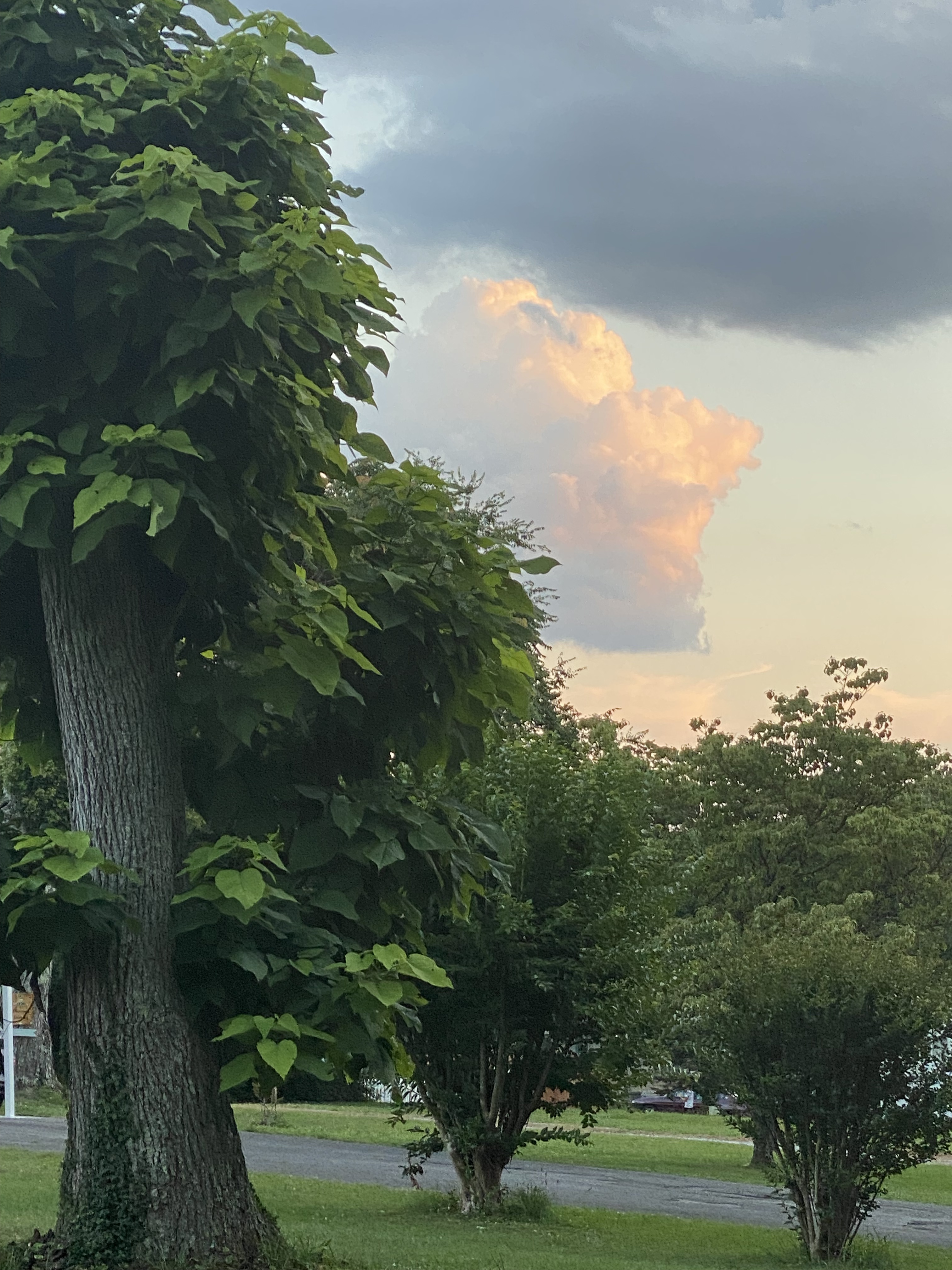
a bow in the clouds.
The rainbow.
A sign of covenant.
A bridge of colors
between heaven
and earth.
Perhaps the rainbow
is not merely
a beautiful thing
to look at.
Perhaps it is
God’s reminder:
I remember.
I remember
the world.
I remember
the waters.
I remember
the sorrow.
And still—
I choose
relationship.
I choose
covenant.
I choose
to remain
with you.
This is where
my soul becomes quiet.
Because I know
something about
beginning again.
I know that
the world is not
always gentle.
I know that
human beings
can carry both
extraordinary beauty
and terrible violence.
I know that
we sometimes
break what
we were created
to protect.
And still—
God does not
abandon the human story.
God continues
to work.
The Eternal Worker
takes up
the broken pieces.
Patiently.
Tenderly.
Again and again.
And perhaps
that is what
it means to be
a tenelach.
To remain
with God
when the world
is dark.
To listen
when others
have stopped listening.
To build
when others
are destroying.
To protect life
when violence
seems easier.
To wait
through the waters.
To watch
for the first
small leaf of hope.
And when it comes—
to begin.
With aging hands.
With an open heart.
With scars
that have not
completely disappeared.
With memories
of storms
we cannot forget.
And yet
with enough faith
to believe
that somewhere
beyond the clouds,
the light
is still waiting.
Genesis Six
is therefore not only
the story of a flood.
It is the story
of God’s grief.
God’s judgment.
God’s mercy.
God’s covenant.
And God’s refusal
to give up
on creation.
The waters rise.
The world trembles.
But God’s promise
remains.
And when the rainbow
appears,
I hear again
the ancient whisper:
Begin.
Not because
the world is perfect.
Not because
the wounds are gone.
Not because
we know what tomorrow
will bring.
But because
God is still here.
Still working.
Still walking.
Still remembering.
Still loving.
And still whispering
to every generation
that has survived
its own flood:
Begin.
This is the song
of my soul.
This is my way
of being with God—
as a tenelach,
a quiet companion
walking beside
the Eternal Worker,
with aging hands,
an open heart,
and a soul
still learning
how to build
an ark of hope
in the middle
of a troubled world.
And when the waters
finally begin to fall,
may I be ready
to step onto
new ground.
May I carry
something living
with me.
May I plant
something beautiful.
May I leave
behind
a world
a little gentler
than the one
I received.
And above me,
may the rainbow
remain—
a covenant
between heaven
and earth,
a promise
that even after
the longest storm,
God is not finished.
And God whispers:
Begin.

 Daily Sauntering
You must be logged in to post a comment.