— Two Nations in One Womb
Abraham lived on
after Sarah’s death.
He took another wife, Keturah,
and more sons were born.
More names entered the earth.
More branches grew
from the old tree of promise,
reaching east
toward the rising sun.
He gave gifts to his sons
and sent them away from Isaac.
Not every child would carry the covenant,
but every child carried
Abraham’s breath.
Perhaps this is the mystery of generations:
we give birth to lives we cannot hold,
and they walk toward dawns
we will never see.
Abraham breathed his last
in a good old age,
old and full of years,
like a jar drawn brimming
from a deep well at evening.
And he was gathered to his people.
Isaac and Ishmael buried him.
The child of laughter
and the child cast into the wilderness,
two sons from two stories,
stood together at the cave of Machpelah,
and the wind moved in the oaks of Mamre
as if the old man were still listening.
Perhaps grief has a way
of bringing people back to the same earth.
The old divisions grow quiet.
The arguments lose their voices.
For one hour,
under one sky,
they are brothers.
I remember, by way of reflection,
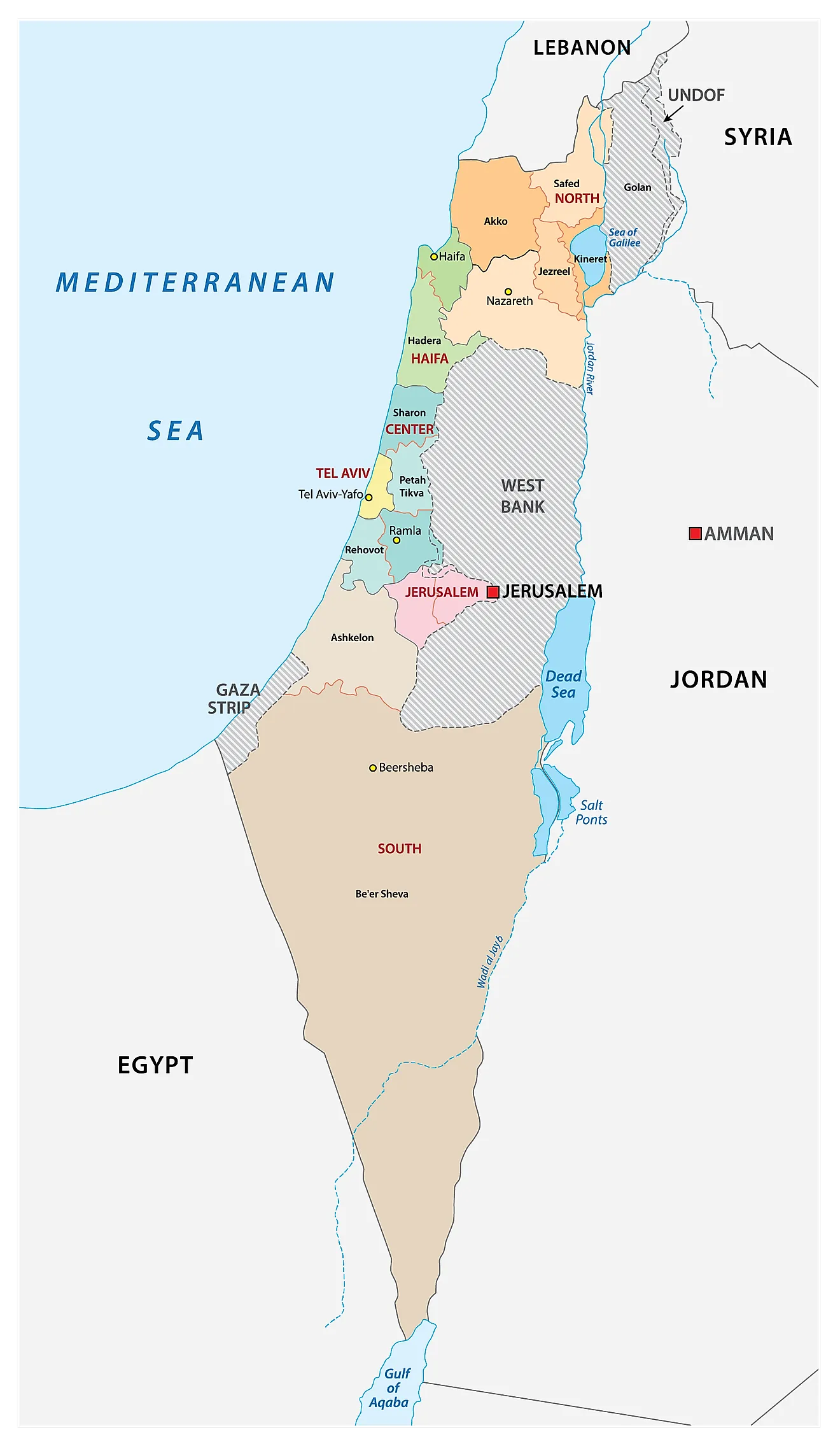
that this cave still stands in Hebron,
honored by the children of Isaac
and the children of Ishmael,
and divided now by walls and guards,
two doors, two prayers, two griefs.
I cannot read this quickly.
Worshipers have been killed there,
and blood has fallen on both sides of that land.
I grieve for every mother
on either side of the wall.
The sons once shared one shovel.
Now their children cannot share one door.
Peace without justice is only a quieter wall.
Justice without peace becomes another grave.
Isaac prayed for Rebekah,
for she was barren.
Twenty years he prayed,
like water wearing a path through stone,
and the Holy One heard him.
But the children struggled within her,
and she cried,
“If it is to be this way, why do I live?”
And she went to inquire of the Lord.
Two nations are in your womb.
Two peoples shall be divided.
Two nations in one womb.
Before they had names in history,
they were already together in the darkness,
two heartbeats under one heart,
like the Jordan and the Salt Sea,
one water before the shores divide it.
Before cities, before borders,
before they fought over wells and land,
they were brothers.
We become nations
after we become children.
We become strangers
after we were once held
in the same darkness.
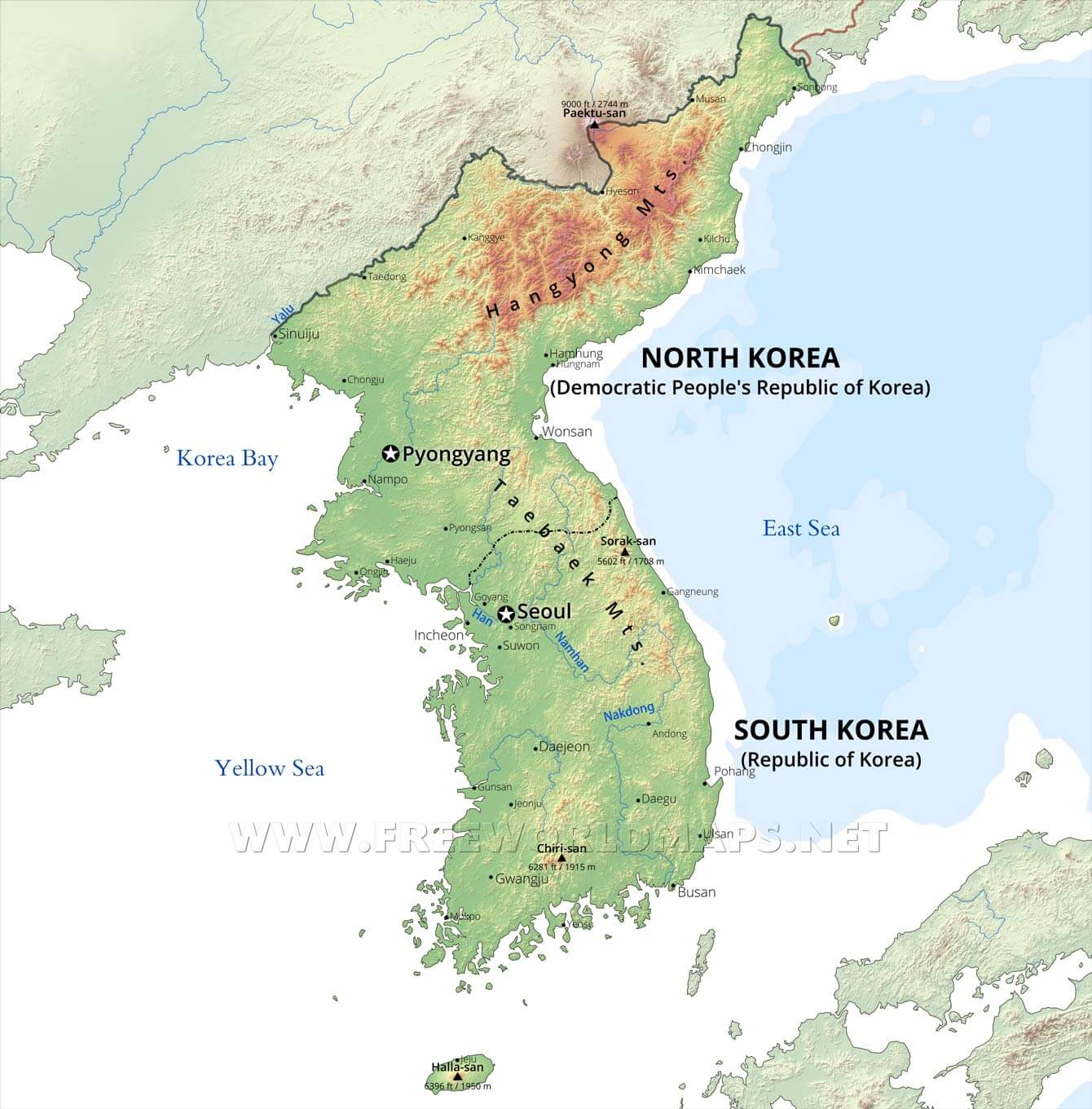
I think of my homeland,
one people with one language and one rice bowl,
cut in two by a line of wire.
Two nations in one womb.
I have prayed before dawn for fifty years
for that wire to become a field again.
Esau came out red and hairy,
a man for the open country.
Jacob came out gripping his heel,
a quiet man of the tents.
Isaac loved the one.
Rebekah loved the other.
And the scales of the tent
were bent from the beginning.
One day Esau came in from the field,
faint with hunger.
“Let me eat some of that red stew.”
And Jacob said,
“First sell me your birthright.”
First sell me your birthright.
I stay here a long while.
A brother’s hunger
became a brother’s bargain.
Esau was rash,
but Jacob set a price on bread.
How often the world still does this:
the hungry sign away tomorrow
because someone else owns today’s bowl.
God’s justice says
bread should never be the price of a birthright.
He ate. He drank. He rose. He went away.
How easily the heart sells tomorrow
for today’s appetite.
I have done it too:
an hour of prayer for an hour of sleep,
the slow grace of God
for the quick applause of the room.
Genesis gives us no simple hero.
One is driven by hunger,
one by grasping.
Both are unfinished.
And the promise moves on anyway,
through jealousy, rivalry, and wounds
that take generations to heal,
the way a river finds the sea
through broken stones.
Before the labels,
before the borders,
before the histories that divide us,
there is breath.
There is earth.
There is a mother who once carried us,
and a God who sees the whole family,
as the same stars see Hebron and Gaza,
Seoul and Pyongyang,
the tent and the open field.
I remember Esau, years later,
running to embrace Jacob,
falling on his neck,
both of them weeping.
The struggle in the womb
is not the end of the story.
Under our many names
we are still one human family under God,
waiting at the same well
for the same water.
God who carried two nations in one darkness before they learned to fear each other,
who gathered Isaac and Ishmael at one grave beneath the oaks of Mamre,
let no hungry child sell tomorrow for today’s bread,
straighten the bent scales in every tent and every nation,
and teach your scattered children to run toward each other, weeping, at last.


You must be logged in to post a comment.