천 사

“주일 저녁 천사들이 둘러앉아 하프와 트럼펫을 울리며 아름다운 음악을 연주하고 있었다. 그들은 곧 특별한 천사가 사명을 마치고 돌아 올 것을 알고있었다. 먼저가신 아버지와 할머니도 그를 맞이할 준비로 들떠 계셨고, 수 많은 이들도 해처럼 밝은 길을 안내하려 기다리고 있었다. 마이클은 주님이 팔을 활짝 벌리고 맞이하자, 너무나 기뻐 함박웃음을 지으며 주님의 품에 달려갔다. 그리고 우릴 돌아보며 ‘날 위해 울지마. 난 이제야 집에 돌아왔어. 난 이모습 이대로 완전한거야. 난 이대로 행복해’… 마이클이 떠나간 우리의 가슴언저리는 슬픔으로 가득하지만, 특별한 천사가 우릴 지켜봄에 깊은 평화가 우릴 감싸고 있다. “

교인 중의 하나인 마이클이 세상을 떠나가던 그 저녁시간에, 누나인 케티가 깊은 영감 중에 받은 글이었다고, 장례식에서 나누었다. 올해 55세인 빅보이 마이클은 이 땅에 살아간 동안 한 번도 인간으로써 독립된 삶을 영위해보지 못한채, 늘 남들의 보호 속에 살아야 만했었다. 딸 넷 중에 아들 하나로 중간에 끼었던 그는, 평생을 병원과 특수학교, 보호소등을 전전하며 살아갔었다. 그는 늘 부모와 가족들의 가슴언저리에 눈물을 마르게 하지 않았으며, 마음의 상처와 아픔을 늘 안겨주었다. 그러나, 가족들은 그를 “특별한 천사(Special Angel)”라고 말하며, 벌써 그를 그리워하고 있었다.

천사라 하면 내 마음 속에 특별히 남아있는 특별한 그림 한폭이 있다. 그것은 주일학교시절에 교회 교육관에 걸려있던 천사의 그림인데, 길을 잃은 어린자매가 산중에서 시냇물을 막 건너려하는 장면이다. 물살이 급해보이는 시냇물 앞에서 두려워 어쩔줄 모르는 아이들 뒤에는, 날개를 크게 단 아름다운 천사가 서서 아이들을 보호하는 장면이다. 어린 나의 무의식 세계에서도 천사는 언제나 그렇게 하얀 옷을 아름답게 입고, 금발머리의 멋진 여인의 모습으로 내 곁에 늘 있어주었다.

그러나, 천사들 중에는 우리의 상상력과는 전혀 들어맞지 않는 천사들이 있다. 그 천사들은 신체부자유자로, 정신 박약아로, 때로는 사회의 밑바닥의 인생으로, 상처투성이의 인생으로, 우리 곁에 찾아옴이다. 그 천사들은 때로는, 보통사람들의 생각과 판단을 뒤엎는 행동으로, 곁의 사람들이 수치와 당황을 오히려 느낄 때도 있다. 이 천사들이 겪는 질고와 가난은 우리에게 보통 부담과 고통이 아닐 수 없다. 우리의 가정에, 교회에, 사회에 이런 천사들이 와 있을 때, 외면하고픈 것이 우리의 상정이다. 그네들은 끊임없이 우리들의 사랑과 관심, 시간과 은밀한 친교를 필요로 한다.

그러면, 이런 천사들의 역할은 무엇일까? 그들의 사명은 우리를 성화시키기 위함이다. 그들의 무기력함과 연약함을 통해, 우리의 영혼은 긍률함과 사랑을 배우고, 그들의 아픔을 통해 참된 삶의 기쁨을 발견함이다. 그들은 우리로 하여금 주님의 가슴을 열어보이고, 전지전능자의 품으로 우리를 인도함이다.

© 윤 완희, 2/19/2007

The current image has no alternative text. The file name is: image-37.png
Posted in Essay by WanHee Yoon, faith-column | Leave a comment

“A Friend (Acrostic A–Z)”

I’d like to know who wrote this:

“A friend ” (Acrostic A-Z)

Accepts you as you are
Believes in you
Calls you just to say “Hi”
Doesn’t give up on you
Envisions the whole of you (even the unfinished parts)
Forgives your mistakes
Gives unconditionally
Helps you
Invites you over
Just “be” with you
Keeps you close at heart
Loves you for who you ae
Makes a difference in your life
Never judges
Offer support
Picks you up
Quiets your fears
Raises your spirits
Says nice things about you
Tells you the truth when you need to heart it
Understands you
Values you
Walks beside you
Xplain things you don’t understand
Yells when you won’t listen
Zaps you back to reality.

Sound like your spouse,
Otherwise, only one person left for this, the Lord.

The current image has no alternative text. The file name is: image-36.png
Posted in Uncategorized | Leave a comment

“The Myth of Cades Cove”

The whispers move through Cades Cove’s folds,
Where Smoky ridges rise and breathe.
The old timber hums its tales of old—
Of roots that hold, of hearts beneath.

The streams, like silver threads unspooled
From every mile my life has crossed—
Ocean’s breadth and winding roads—
Slip through the meadows, dusk-renewed,
Their murmurs soft as prayers once lost,
A lullaby the hills re-sing.

Wildflowers lean—a humble choir—
While morning mist, a ghostly spire,
Lifts over what was once the golden age.
Their colors bow before the day,
Where silence teaches how to pray.

Here earth and soul move quietly,
Between the thin edge of the eternal
And the trembling instant of now.
Peace passes between them without a word;
Each whisper, each sigh becomes a friend—
The heart grows fluent in nature’s speech.

Rest in the quiet of Cades Cove,
Where the soft wind loosens blossoms
From the hand of the Creator.
Beauty—untamed, unmeasured—
Moves beyond the reach of thought,
And simple truth, sincere and bare,
Outshines every ornament.

Cades Cove gathers my wandering heart
And folds it into its thinning mist—
A slow and tender dripping of love
Flowing inward.

© TaeHun Yoon, Late Fall in 2025

Note

In every season of my life, poetry has come to me like a quiet visitor—
sometimes in the stillness of dawn,
sometimes in the ache of memory,
and often in moments when the world felt thin enough for heaven to breathe through.

Cades Cove became such a place for me.
There, among the whispering ridges of the Smokies,
I felt the nearness of the Eternal and the tenderness of the earth.
The silence was not empty;
it carried stories older than my own,
and it invited me to listen with the heart, not the ears.

This poem grew out of that listening.
It is a testimony to the way nature heals,
the way solitude deepens the soul,
and the way grace touches us without insisting on being named.

If these lines bring even a moment of rest,
a breath of clarity,
or a whisper of gratitude to the reader,
then my journey through quiet places has found its companion.

— TaeHun Yoon

Posted in Poetry | Leave a comment

케이드 코브의 신화

속삭임이 케이드 코브의 골짜기를 지나 흐릅니다.
스모키 산맥의 능선들은 숨을 쉬듯 고요히 일어서고,
오래된 나무들은 오래된 이야기를 중얼거립니다—
뿌리가 붙잡아온 세월들, 그 속에 숨은 마음들.

내 삶이 건너온 바다와 먼 길처럼
개울물은 은빛 실처럼 고요히 풀려나
초원을 지나, 해가 스미는 틈으로 흘러갑니다.
그 속삭임은 잃어버린 기도가 다시 깨어나는 듯,
언덕들이 다시 불러주는 자장가와 같습니다.

들꽃들은 몸을 굽혀 겸손한 합창을 이루고,
아침 안개는 유령 같은 기둥이 되어
한때 황금 같은 날들을 지나 천천히 떠오릅니다.
그 색채들은 새날 앞에 무릎을 꿇고,
침묵은 기도를 가르쳐줍니다.

이곳에서 땅과 영혼은 조용히 섞여듭니다—
영원의 가느다란 선과
지금 이 순간의 떨림 사이에서.
그들은 말없이 평화를 주고받고,
바람 하나, 한숨 하나가
친구가 되어 다가옵니다.
마음은 자연의 언어를 배웁니다.

케이드 코브의 고요 속에 머물면,
창조주가 흘려보내신 꽃들이
바람결에서 살며시 풀려납니다.
사유의 경계를 넘어서는
자유롭고 재지 않는 아름다움—
꾸밈을 넘어서는 순전한 단순함이
빛을 발합니다.

케이드 코브는
길 잃은 내 마음을 받아 안아
엷은 안개 속에 품어주고,
사랑은 천천히, 깊게
내 안으로 스며듭니다.

© 윤태헌, 2025년 늦가을

후기:

내 삶의 여러 계절마다, 시는 언제나 조용한 손님처럼 다가왔습니다.
때로는 새벽의 고요 속에서,
때로는 오래된 기억의 아픔 속에서,
또 어떤 때에는 하늘이 얇아져 영원의 숨결이 스며드는 순간 속에서 찾아왔습니다.

케이드 코브는 그런 장소였습니다.
스모키 산맥의 겹겹한 능선 사이에서,
나는 영원의 숨결과 대지의 온기를 동시에 느꼈습니다.
그 침묵은 비어 있지 않았고,
내 것보다 오래된 이야기들을 품고 있었으며,
귀가 아니라 가슴으로 듣도록 초대했습니다.

이 시는 그 경청(傾聽)에서 피어난 열매입니다.
자연이 치유하는 방식,
고독이 영혼을 깊게 하는 방식,
은총이 이름 없이도 우리를 어루만지는 방식을 담고자 했습니다.

만약 이 글이 읽는 이에게 잠시의 쉼과,
한 줄기 맑은 숨,
혹은 감사의 미세한 떨림이라도 전할 수 있다면,
나의 고요한 여정은 동행을 찾은 셈일 것입니다.

— 윤 태헌

Posted in Poetry | Leave a comment

“Another Face: The Back View” © Wan‑Hee Yoon (Special Contribution #42, NY JoongAng Daily, December 7, 2001)

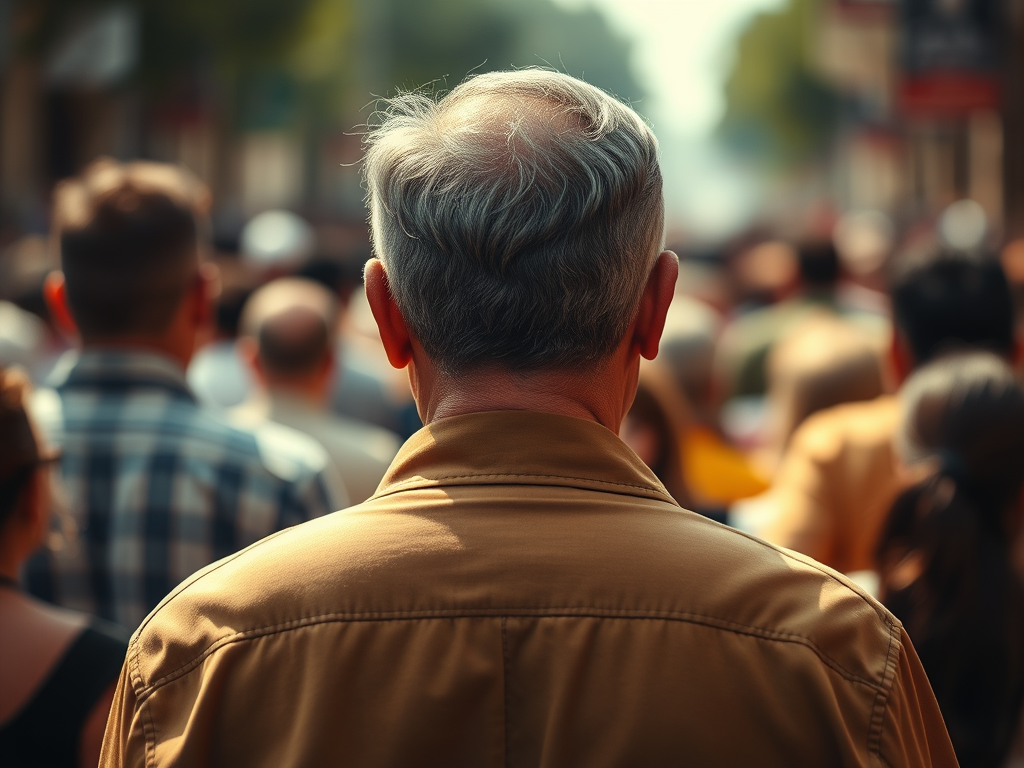
At some point, I developed a peculiar habit: walking among crowds or gazing at people from behind as they sit, weighing the burdens of their lives—their anguish and pain, their joy and sorrow, sometimes even the heaviness of existence itself. I do not know exactly when this began, but I discovered that a person’s back view is in fact a portrait of how they live today.

One day, my husband returned from the barber’s in unusually high spirits. “Did something good happen?” I asked. Looking cleaner than ever, he smiled shyly. “Well, while cutting my hair, the barber suddenly stopped, looked at me in the mirror, and just stared…”

“And then?” I pressed, excited by the flush rising in his face. “He was an older man. He looked at me intently and said, ‘Sir, you seem like someone who does good work… am I right?’ So I told him my profession.”

“And what did he say?” “He explained that after decades of cutting hair, he had become an expert at viewing people’s heads from behind. He claimed he could tell when someone was doing good for society just by touching their head. And he said he could also recognize those who lived dishonorably or did harmful things—their heads revealed it as he cut their hair.”

I agreed with the barber’s words, and naturally my mood lifted. It reminded me of a similar story told by someone who had long worked at a family counseling center.

This counselor had spent many years in New York helping immigrant families. He once said that when abusive husbands came to the center—men who beat their wives or threatened the staff to hand their wives over—their departing backs always looked pitiful and miserable.

“And the amazing thing,” he added, “is that all those husbands walked away in exactly the same manner!” I could not help but burst out laughing.

For human beings, the back view is truly another face that cannot be hidden. The front face can be disguised with makeup or manners. Even when one does not wish to smile, one can force a smile to suit the occasion. Polished words and cultivated behavior can conceal the inner self. But the fleeting glimpse of a person’s back view often speaks the most honest language of life.

Now, as winter deepens, the streets are filled with Christmas trees and carols. People buy gifts, neighbors light their decorations one by one. Amid this bustle, I pray for the leisure to look upon the backs of those I love.

What burdens of pain, longing, or sorrow rest like dust upon their shoulders in this season of joy and gratitude? Are they weary from vanity or conflict?

And I ask myself: upon my own back, do fatigue, haste, or fragments of despair cling, making my back view shabby? Again and again, I turn to reflect upon my own image.

Posted in Essay by WanHee Yoon, faith-column | Tagged , , , , | Leave a comment

“또 하나의 얼굴 뒷 모습” © 윤 완희, (특별기고, #42, NY 중알일보, 2001년 12월 7일)

나는 언제부터인가 군중 속을 걸어가거나, 사람들이 앉아있는 뒷모습을 바라보면서, 그들의 삶으로부터 우러나오는 고뇌와 아픔, 기쁨과 슬픔, 때로는 삶의 무게를 달아 보는 이상한 취미를 갖게되었다. 그것은 언제부터 시작되었는지는 잘 모르겠지만, 사람의 뒷모습이야말로 오늘의 삶을 어떻게 살아가고 있는지를 대변하는 초상임을 발견했기 때문이다.

어느 날, 이발소에 다녀온 남편이 기분이 몹시 좋아 보였다. “무슨 좋은 일이라도 있으셨어요?” 어느 때 보다도 말끔해 보이는 남편은 미소를 지으며 멋쩍게 말하였다. “글쎄, 이발소에서 머리를 깎고 있는데, 이발사가 머리를 깍다 말고 문득 손을 멈추고 거울 속에 비춘 나를 가만히 바라보지 않겠어…!”

“그래서요?” 홍조가 되어 가는 그의 얼굴 속에 나도 갑자기 흥분해지기 시작하였다. ” … … 연세가 드신 분인데, 나를 지긋이 바라보며 하는 말씀이 “혹시 선생님은 좋은 일을 하시는 분 같은데… 맞지요?’ 하지 않겠어! 그래서 내 직업을 밝혔지!”

“그랬더니요?” “그분이 그러는 거야. 자기는 수십 년을 남의 머리를 깎아주면서 생계를 삼다보니, 뒤에 서서 두상을 보는 것이 전문이 되었다는거야. 무엇인가 사회를 위해서 좋은 일을 하는 사람들은 두상을 만져 보면 안다는 거지! 그리고 나쁜 일을 하며 사는 사람들이나, 왠지 떳떳치 못한 일을 하는 사람의 머리는 깎다보면 다 안다는 거야!”

나도 이발사의 말에 동감하며, 자연히 기분이 좋아지는 것은 사실이었다. 그리고 언젠가 가정 문제상담소에서 오랫동안 가정문제를 다뤄 온 분의 비슷한 얘기를 전해준 일을 기억케 되었다.

그 분은 뉴욕에서 오랜 세월을 이민가정의 가정문제를 상담하였다. 그 중에, 특히 매맞는 여성들이나, 이유 없이 부인을 학대하는 남편들이 상담소에 찾아와 부인을 찾아 내놓으라고 협박을 하면서 큰소리치고 돌아가는 뒷모습들이, 하나같이 불쌍해 보이고 처량해 보인다는 소리를 들은 적이 있다.

그리곤 “참 놀라운 사실은… 이 남편들의 뒷걸음 걸이가 어쩌면 그렇게들 똑같은지 알 수 없어!”하여, 나는 박장대소를 할 수밖에 없었다.

인간에게 뒷모습은 사실 숨길 수 없는 또 하나의 얼굴이다. 사람의 얼굴은 화장을 하거나 꾸며서 어느 정도는 속에 있는 것들을 드러내지 않을 수 있다. 웃고 싶지 않은 상태에도 분위기를 맞추기 위해 미소를 상대방에게 나눠 줄 수 있으며, 미화된 언어나 교양으로 나를 감출 수 있다. 그러나, 문득 문득 스쳐가는 인간의 뒷모습은 어쩌면 가장 솔직한 인간의 언어이며 삶의 표현으로 우리 앞에 다가선다.

겨울이 깊어 가는 요즈음, 거리에는 크리스마스 트리와 캐롤이 흥겹게 흐르고 있다. 선물을 사는 사람들, 크리스마스 전등을 하나씩 밝히는 이웃들 이 분주함 속에 사랑하는 이들의 뒷모습을 바라 볼 수 있는 여유를 갖고자 기도한다.

행여나 이 기쁨과 감사의 계절에 그들의 어깨 위에 먼지처럼 얹혀있는 고뇌와 아픔, 그리움은 무엇인지. 허영이나 다툼으로 지쳐있지는 않는지….

그리고 내 뒷모습 어딘가에 묻어 있을 삶의 피곤함과 성급함, 절망의 찌꺼기들이 나의 뒷모습을 초라하게 하지나 않는지 나의 모습을 자꾸만 되돌아 보게된다.

The current image has no alternative text. The file name is: image-75.png
Posted in Essay by WanHee Yoon | Leave a comment

“자유로운가? 평화로운가?”

참 자유의 삶을 누리고 있는가?


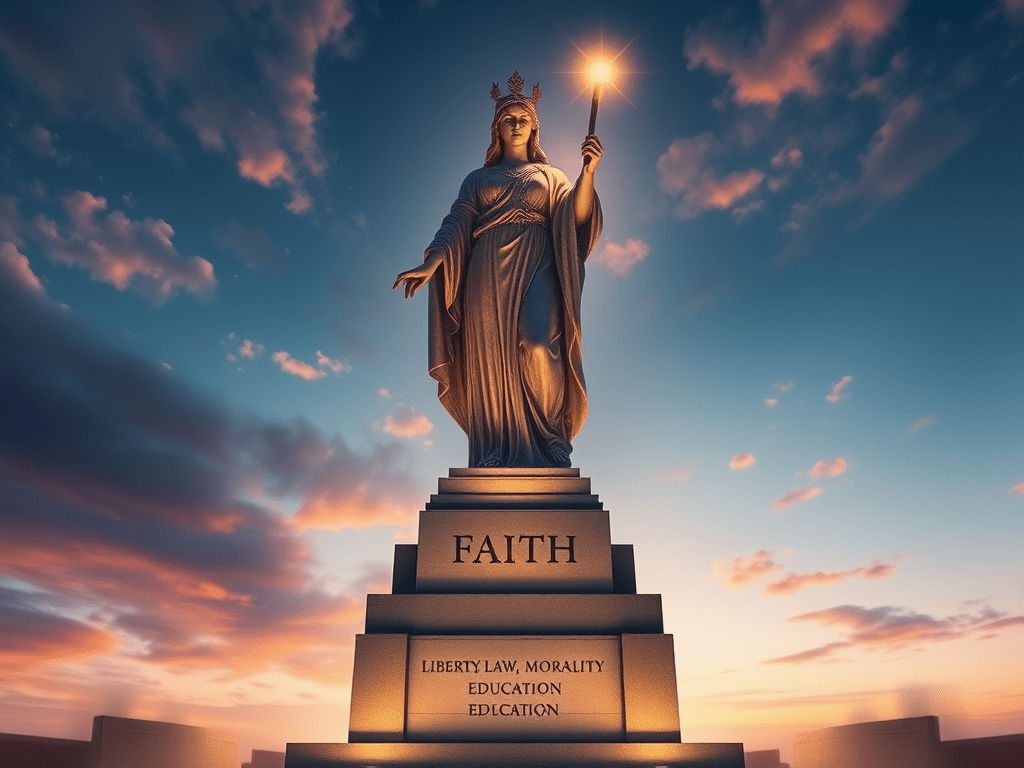
1620년도 영국의 청교도들이 종교의 자유를 위해 메사츄세츠 푸리모스(Plymouth) 항구에 도착 이래, 세워진 기념관에 믿음(Faith)이라는 이름의 여신상이 있습니다. 이 여신상이 서있는 발 밑에는, 자유 (Liberty), 법(1aw), 도덕(Morality), 교육(Education)의 글귀가 네 모퉁이에 적혀 있습니다. 이 네가지 중에서 한가지가 빠졌을때, 온전한 믿음이 설수 없다는 것입니다.

우리는 지상 최대 자유의 나라라는 미국속에 살고 있으면서 암흑 속에 살고 있는 또다른 자유의 모습, 방종을 봅니다. 마약, 알콜중독, 살인, 인종차별…

자유의 얼굴엔 분명 두개의 모습이 있는데 하나는 평화이며, 또하나는 독재입니다.

자유를 얻기 위해 세계의 역사는 많은 피를 흘렸습니다. 자유란 피를 흘리고도 쟁취할 만한 가치가 있는 것이지만, 그 자유가 개인이나 단체의 이기심에 이용되었을 땐 독재의 얼굴로 둔갑을 하게 되는 것입니다. 독재는 남에 대한 책임감이 없습니다. 그곳에는 인간의 황폐한 모습 만이 있습니다.

그러나, 자유는 책임을 서로 균등하게 나눠 가짐으로 평화가 이뤄집니다.

성경에서는 믿는자에게 참 자유란 그리스도의 멍에를 같이 짊어지는 것을 역설하고 있습니다.

“수고하고 무거운짐진 자들아 다 내게로 오라 내가 너희를 편히 쉬게 하리라. 나는 마음이 온 유하고 겸손하니 나의 멍에를 메고 내게 배우라 그러면 너희 마음이 쉼을 얻으리니 이는 내 멍 에는 쉽고 내 짐은 가벼움이니라 하시니라” 마태 11:25-30절

인간은 태어나면서 부터 개인의 욕심, 이기, 자만심으로 인해 멍에를 짊어지게 되어있습니다.
이것들은 내 영혼의 독재자가 되어 욕망의 올무로 나를 묶습니다. 성 어거스틴도 말하기를 “하나님 안에서 쉬기 전에는 우리는 쉴 수 없다” 라고 하였습니다.

예수님은 이세상에 독재자가 아닌 겸손의 주, 평강의 주, 사랑의 주로 오시어, 자기의 생명을 모든 묶인자들의 자유를 위해 내어 주셨습니다. 그리고, 우리를 친구라 부르시어 그분과의

겸손한 관계로 우리를 초대하셨습니다.

  1. 겸손해지면, 내 영혼이 맑아집니다.
    내 영혼에 죄로 이끼가 끼면 이성의 판단이 흐려집니다. 겸손치 않코는 말씀이 하늘로 부터 내 가슴에 닫지 않습니다.
  2. 겸손해지면, 다른 사람의 아픔을 보게 됩니다.
    이성이 맑아짐으로 남의 아픔을 내 아픔처럼 보게 되어 나누려 합니다.
  3. 겸손해지면, 다른 사람의 필요가 무엇인지 살피게 되어 행동으로 도와줍니다.
  4. 겸손해지면, 다른 사람의 존재와 함께 살아감을 깨닫게 됩니다.
    천국을 버리시고 인간과 함께하신 하나님의 사랑처럼, 모든 국가. 사회, 개인의 일에 동참할 뿐만 아니라, 사랑으로 책임을 질 줄압니다.
  5. 겸손해지면, 말씀과 깊은 명상에 들어가 주님과의 연합되는 영적 결혼의 신비를 맛보게 됩니다.

어느 신학생이 교회서 사찰로 일하고 있었습니다. 토요일 오후, 교회의 모든 창문을 열어 놓고 청소를 하고 있는데, 작은 새 한마리가 날아 들어 왔습니다. 신학생은 새를 잡으려고
3시간이나 교회당의 위아래로 쫓아 다니었으나 도저히 잡을 수 없었습니다. 그런데, 반죽음 이 된 새가 갑짜기 천장에서 뚝 떨어졌습니다. 새는 쫓기고 쫓기느라 여기저기 부딪혀 날개 쭉지가 상할대로 상한 상태었습니다. 신학생은 안타까운 심정으로 상처난 날개를 어루만지고 손아귀에 살포시 안아, 시원한 창가로 데려가 손을 폈습니다. 그러자, 새는 곧 날개를 퍼득 거리더니 먼 하늘로 날아가고 말았습니다.
이 신학생은 그 뒤 목사가 되어 목회를 하며 많은 어려움과 고통을 겪을 때마다 하나님의 자비하신 손길을 느낌을 이렇케 고백했습니다.

“지친 인생길에 죽게된 나를 하나님이 손으로 집으사, 나의 상처를 주님의 상처로 감싸시어 주의 심장 가까운 곳에 나를 품어주사 내 인생을 온전케 하셨다. 그리고, 나로하여금 자유케 하사 내 인생이 다시 높이 날 수 있도록 놓아 주셨다”

우리 인간 모두는 하나님의 관리 안에 그분의 지켜주심과 돌봄 안에 있을 때 만이, 진정한 행복과 기쁨, 자유를 만끽 할 수 있습니다.

성탄절을 다음과같은 질문을 내 속 사람에게 도전하면서 맞으면 어떻할까요?

“믿음 안에서 나는 참 자유의 삶을 누리고 있는가?”

© 윤 태헌, 1993

The current image has no alternative text. The file name is: create-a-featured-image-for-a-blog-post-exploring-the.png
Posted in faith-column | Leave a comment

“Am I Free? Am I at Peace?”

Am I truly living in freedom?

In 1620, when the English Puritans arrived at Plymouth Harbor in Massachusetts seeking religious freedom, a monument was erected. Upon it stands the statue of a goddess named Faith. At her feet are inscribed four words: Liberty, Law, Morality, and Education. The meaning is clear—only when these four stand together can true faith be established.

We live in America, often called “the greatest land of freedom on earth.” Yet even here we see another kind of dark freedom—license. Drugs, alcoholism, murder, racism… Freedom can wear the face of peace, but when consumed by greed it takes on the face of tyranny. Tyranny bears no responsibility, only human desolation. True freedom, however, creates peace when responsibility is shared.

Scripture tells us that true freedom is to bear the yoke of Christ together: “My yoke is easy, and my burden is light.” From birth, humans carry the yoke of desire and selfishness. These become dictators of the soul, binding us. Augustine once said: “Man cannot rest until he rests in God.”

Jesus came not as a tyrant, but as the Lord of humility, peace, and love. He calls us friends and invites us into a humble relationship.

  1. When we become humble, the soul is cleansed.
  2. When the soul is cleansed, we can hear the Word.
  3. When the Word is heard, we see the pain of our neighbor.
  4. When pain is seen, we begin to share.
  5. When we share, we gladly take on the responsibility of love. Humility ultimately leads us into the mystery of deep union with God—spiritual marriage.

There is a story of a seminary student. For three hours he chased a bird that had flown into the church. Exhausted, the bird fell from the ceiling. The student gently gathered the wounded creature in his hands and carried it to the window. Opening his palms, the bird rose into the sky. Later, as a pastor, he confessed in moments of trial:

“When I was dying, God held me in His hands, wrapped my wounds, and drew me close to His heart. He made me whole, set me free, and released me to fly again.”

We all find true joy and freedom only when we are held in God’s hands.

This Christmas, perhaps we should ask ourselves: “Am I living true freedom in faith?”

© Tae‑Hun Yoon, 1993

The current image has no alternative text. The file name is: image-29.png
Posted in faith-column | Tagged , , , , , | Leave a comment

“하늘의 영화로운 선물”

당신의 성큼 다가오시는 발자국 소식

기쁨의 함성되어 온 천지가 노래합니다.

이 거칠고 얼어붙은 땅 빈들에

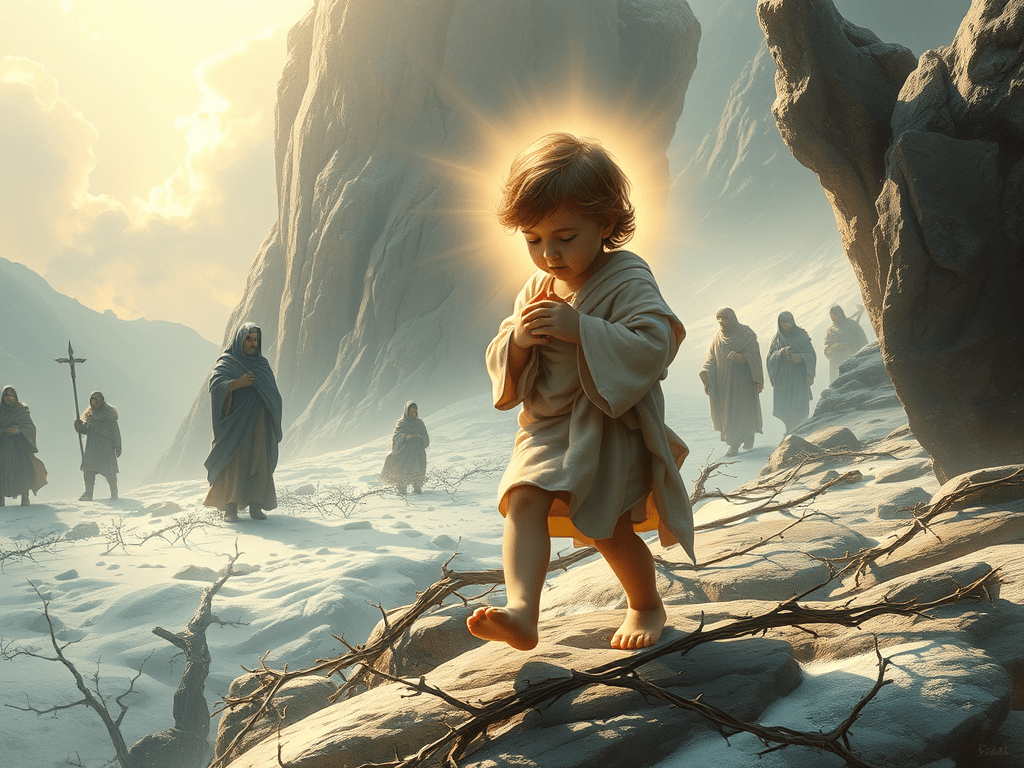
올해도 우리의 가시덤불과 광야 위로 맨발로 오시는 이여!


한 번도 사랑해 본 일이 없는 이들에게,

사랑받아 본 일이 없는 이들에게,

사랑의 언어를 사용한 일이 없는 이들에게,

사랑의 얼굴을 꿈꾸어 보지 못한 이들에게,

한 번도 당신이 누구인 줄 모르는 이들에게도

아기 예수님 오시옵소서

당신의 형상 되찾기 위해 먼 길을 오시는 이여!

죽음의 땅에 힘차게 솟구치는 새싹들의 노래로 그렇게 오시옵소서

절망 가운데 이제는 할 수 없다’ 라고 외치는 심령에게 소망을 안기시며

꺼져가는 등불 위에 당신의 몸을 사르시어 빛으로 오시는 이여!


타오르는 사랑의 은총이,

길을 잃고 방황하는 우리에게 환한 대로 열어 주옵소서

욕심과 죄로 덮여진 하늘의 진리,

당신의 손길로 수정같이 빛나게 하옵소서

살아있으나 죽어사는 우리의 무덤, 생명으로 일으켜 세우소서


초근목피도 얼어붙어 굶주리고 있는 북한 동포들과,

백성의 것, 홀로 먹고 먹다 포승줄에 얽매인 남한의 정치 지도자들과

한맺힌 광주의 어머니들 아버지들과,

보스니아의 화해 없는 평화협정 위에,

이민생활에 내평개쳐져 감옥에 갇히어 있는 우리의 청소년들과,

육신을 먹여 살리다가 AIDS 수용소에 있는 한국의 딸들에게,

한겨울의 함박눈으로 하얗게 하얗게 내려주옵소서


목자 없는 이 땅에 참목자 되시며

부모 없는 인류의 영혼에 참부모가 되시기 위해

굳어진 심령 위에 새영과 새마음을 부어주시기 위해

잠들어 있는 인류 위에 새벽 나팔소리로 오시는 이여!

값없이 던지신 당신의 심장,

그 눈부신 은총을 안고 새아침에 깨어나는 심령, 심령……


우리 임금 예수님!

어눌한 입술로, 절뚝거리는 발로, 앞 못보는 더듬거림으로, 상하고 더러운 모습으로

엎디었사오니 심령의 깊은 속으로 당신의 은총 하얗게 덮어주소서

하늘의 영화로운 선물,

임마누엘! 우리 아기 예수님이시여!

아멘.

© 윤 완희. 1992

The current image has no alternative text. The file name is: image-26.png
Posted in Poetry | Leave a comment

“The Glorious Gift of Heaven”

The sound of Your footsteps drawing near—
all creation rises in a shout of joy
and sings.

On this rough and frozen earth,
in this barren wilderness,
again this year You come to us—
barefoot—
upon our thorns and deserts.

To those who have never loved,
to those who have never been loved,
to those who have never spoken the language of love,
to those who have never dreamed of love’s face,
to those who have never known who You are—
come, Holy Child Jesus.

You who travel far
to restore Your image within us—
come like the song of new shoots
bursting through the soil of death.

To the soul that cries, “I cannot go on,”
bring hope.
To the dimming wick,
lay Your own body upon it
and become light.

May the blazing grace of love
open a shining road
for us who have lost our way.
May truth—covered by our greed and sin—
gleam like crystal
under Your touch.
Raise to life
the graves we carry within us
though we appear alive.

Upon the starving people of the North
where even roots and bark freeze,
upon the leaders of the South
bound by chains after consuming what belonged to the people,
upon the mothers and fathers of Gwangju with hearts full of ‘Han’*,
upon Bosnia where peace was signed without reconciliation,
upon our immigrant youth,
thrown aside and locked in unseen prisons,
upon the daughters of Korea
who, feeding others with their bodies, now lie in AIDS wards—
let Your heavy winter snow
fall white upon them all.

You, true Shepherd for a land without shepherds,
true Parent for a humanity without parents—
You come
to pour new spirit and new heart
onto our hardened souls,
You come
like the trumpet of dawn
over a sleeping world.

Your heart, flung toward us
without price—
when it touches us,
each soul awakens
to a new morning.

Jesus our King!

With stammering lips,
with limping feet,
with blind groping hands,
with wounded and unclean bodies,
we fall before You.
Cover the deepest places of our spirits
with Your white grace.

O glorious gift of heaven—
Immanuel,
our Holy Child Jesus!

Amen.

© WanHee Yoon, 1992

* Korean “Han” (한, 恨) is a complex cultural emotion often described as a mix of deep sorrow, unresolved resentment, grief, and longing, shaped by Korea’s history of invasions, colonization, and hardship. It has no exact English equivalent and is considered by some to be a defining aspect of Korean identity, though scholars debate its origins and meaning. Han is best understood as a cultural lens on suffering and resilience—a way Koreans have historically expressed grief, injustice, and longing, but also transformed pain into art, solidarity, and hope.

The current image has no alternative text. The file name is: image-27.png
Posted in Poetry | Tagged , , , , , | Leave a comment