January 24, 2026, noon— the first small snowflakes drift through the air and disappear.
The time has come. From this afternoon until Lord’s day night, fear and a strange sense of expectation quietly rise together.
For days the forecasts have kept changing, their certainty revised hour by hour.
Store shelves grow bare— food, batteries, plywood— emptied by hands preparing in advance.
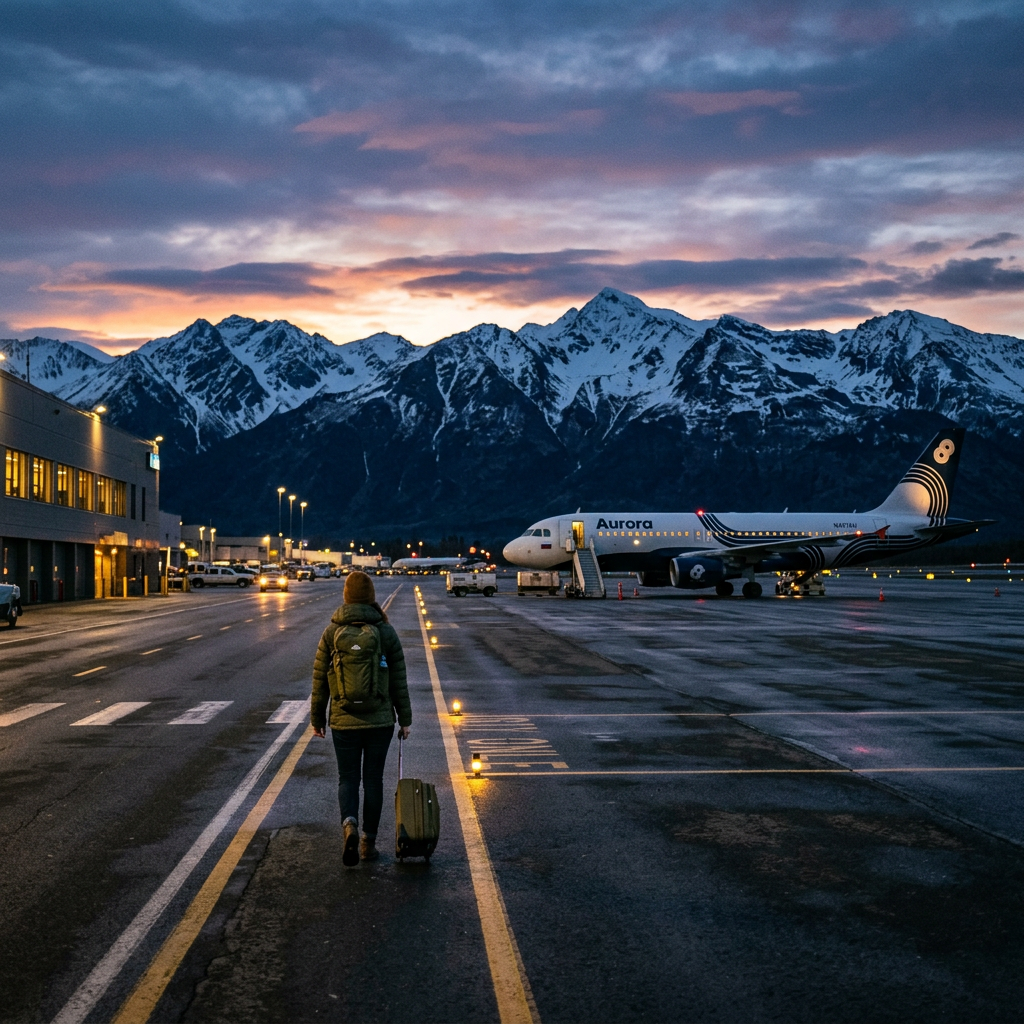
Flights vanish one by one, grounded by warnings that this may be the worst ice storm since January 1982.
The city spreads calcium and magnesium chloride across the roads, and the governor politely asks that we remain indoors.
I failed to repair the generator. Instead, I gathered up my tools, gave up further attempts, came back inside, and simply set them down.
So the waiting begins— they call it hibernation— fear climbing an endless ladder without a sound.
The internet may go out— all conversations cut off. The village of news, in an instant, and we may be exiled from this earth we once called a single village.
I imagine myself confined to one room, warming it with candlelight, getting by on cold bread for my meals.
Fear settles in, and the long waiting too— waiting for winter snow as one waits for Godot, at the edge of a cliff over an endless valley of darkness.
In a room pared down to the primitive, only instinct stands watch, and everything else loses its voice.
— TaeHun Yoon
Note: “Godot” – Samuel Beckett’s Waiting for Godot is a landmark modern play in which two characters endlessly wait for an absent figure—Godot—while exploring the meaning of life, absurdity, and hope. It is regarded as a defining work of the Absurd Theatre and a turning point that reshaped twentieth‑century drama. Two vagrants, Vladimir and Estragon, wait for “Godot,” whom they believe will bring them some form of salvation or meaning. But Godot never appears. They talk, argue, reconcile, and even contemplate suicide, yet in the end they remain in the same place, saying, “Let’s come back tomorrow.”Original Title:En attendant GodotFirst Performance: 1953, Paris, Genre: Tragicomedy blending elements of tragedy and comedy
이제 때가 되었다. 오늘 오후 부터 내일 주일 저녁까지 두려움과 이상한 기대가 살짝 치솟는다.
며칠 동안 일기예보는 계속 바뀌었고, 그 확신은 매 시간 수정되었다.
가게 진열대는 비어 간다— 식료품, 배터리, 합판— 미리 대비하는 손들에 의해.
항공편들은 하나둘 사라지고, 그들이 말하길 1982년 1월 이후 최악의 얼음 폭풍이 될지도 모른다며 모두 발이 묶였다.
도시는 도로 위에 칼슘과 염화마그네슘을 뿌려 놓고, 주지사는 정중하게 실내에 머물러 달라 요청했다.
발전기를 수리를 실패하고, 대신 연장을 거두어 들이고
더 이상의 시도를 포기하고 안으로 들어와 그냥 내려놓았다.
그래서 기다림이 시작된다— 사람들은 이를 동면이라 부르지만— 소리 없이 끝이없는 사다리를 오르는 두려움.
인터넷은 끊길지도 모른다. 모든 대화의 단절 뉴스의 마을은, 순간 우리는 한 마을이라는 이 지구에서 추방당할지도 모든다. 나는 한 방 속에 갇혀 촛불로 방을 데우며 차가운 빵으로 끼니를 떼우는 모습을 그린다.
두려움이 자리를 잡고, 긴 기다림도 — “고도”를 기다리듯 겨울 눈을, 끝이 없는 어둠의 골짜기 벼랑 끝에서 .
본능만이 경계를 서는 원초로 깎여진 방, 그 밖의 것들은 말을 잃는다.
– 윤 태헌
* “고도” 사무엘 베케트의 「고도를 기다리며」는 두 인물이 ‘오지 않는 존재(고도)’를 끝없이 기다리며 삶의 의미·부조리·희망을 탐색하는 현대극의 대표작입니다. 부조리극(Absurd Theatre)의 결정적 작품으로 평가되며, 20세기 연극을 바꾼 전환점으로 여겨집니다.
From time to time, I receive calls from social workers in various New York hospitals. As I come to understand their hearts—struggling to help Korean patients who cannot communicate in English—I see how their compassion eventually reaches me, weaving together a chain of helping hands.
I will never forget one beautiful social worker who had been searching desperately for a Korean person who could help a Korean woman in her forties who had been neglected in an adult home for years. When she finally found me, she was so overjoyed that her eyes filled with tears. The radiant expression on her face—overflowing with pure delight—was unforgettable, like the face of an angel.
In daily life, each person naturally carries out their own roles. Yet beyond the roles of parent, child, or worker, there are other parts we are called to play.
There are secrets you cannot see unless you suffer. There is a friend you cannot meet unless you feel loneliness. There are hearts you cannot melt unless you shed tears. There are miracles you cannot believe unless you have been ill. There is the wind of freedom you cannot feel unless you have been confined. There is no sharing in the sufferings of Christ unless you have been tested. There is no usefulness unless you have been refined in the furnace of adversity.
Everything you face today is your privilege, and the grace of God— a path on which you walk with Christ, bearing His yoke, a journey pressing on toward wholeness.
나는 가끔 여기저기 뉴욕 병원의 쑈설워커들로부터 전화를 받을 때가 종종있다. 알고보면 언어가 통하지 않는 한국인들을 도와주고자 애쓰는 저들의 심령이, 결국엔 나에게 까지 연결되어 도움의 손길들을 묶어나가는 것을 보게된다. 언젠가, 어달트 홈에 수년간 방치되어있던 40대의 한인여성을 안타깝게 도와주고자, 도와 줄 한국인을 찾다가 나를 알게 된, 미모의 쑈설워커는 너무나 기뻐 눈물을 글성글썽거리며 기뻐하던 모습을 잊을 수 없다. 그녀의 그 기쁨으로 가득차있던 환희의 표정은 잊을 수 없는 천사의 모습이였다.
사람은 일상생활에 있어 각자의 역할을 당연히 감당하며 살아간다. 그러나, 부모로서, 또는 자식으로서, 직장인으로서의 역할 외에 배역이 요구된다.
Once again, on a national day of humiliation, a small number who danced for their private eternity— judges, prosecutors, lawyers, bureaucrats, those honored as yeonggam, exalted as daegam—
Now their voices seep away into the silent slopes of Mukmang Mountain.
Over the East Sea, the pattern of morning sunlight rises without a sound, gently etched on the surface of a teacup.
And quietly, the waves of fairness and coexistence are at last lifting a new sun.
Ah— Judge Lee Jin-gwan, you are not alone.
You are the heart of the people.
Can you not hear the soundless roar— the tears of fifty million flowing toward your dry eyes?
Can you not see it?
This trembling in the chest— does it not already proclaim the dawn of a new nation, the first year of peace and happiness?
Wherever we are in this world, let us all rise and dance the dance of Hanbalg.
Let us become the hot tears we have long held back, the fresh surge of overflowing tears, the sacred tears of Judge Lee Jin-gwan.
— Yoon Tae‑Hun
Note:
Judge Lee Jin‑kwan is a senior judge at the Seoul Central District Court (Criminal Division 33) who became nationally prominent for presiding over the historic trial of former Prime Minister Han Duck‑soo.
He sentenced Han to 23 years in prison for involvement in the December 3 martial‑law incident, which the court described as an attempted “civil war equivalent to a coup.”
This is the most widely known meaning today.
Han (한 / 恨) — emotional–cultural meaning
A deep, unresolved sorrow
A wound carried quietly
A mixture of grief, longing, injustice, and endurance
A collective emotional memory shaped by history
It’s not simply sadness; it’s a compressed emotional universe that seeks release or transformation.
Sindansu literally means “the Divine Tree” or “the Sacred Altar Tree.” It appears in the Dangun founding myth and represents the place where heaven and earth meet.
In the myth:
Hwanung, the heavenly prince, descends from heaven
He comes down beneath the Sindansu
And there he begins teaching, governing, and guiding early humanity
Later, Dangun Wanggeom is born, and the Korean nation (Gojoseon) is founded
So Sindansu is the axis mundi—the world’s center—where the divine touches the human world.
Hongik Ingan = “To broadly benefit all humankind.”
It is often translated as:
“Live for the good of all people.”
“Benefit humanity widely.”
“Promote the welfare of all.”
It expresses an ethical ideal: a life not centered on oneself or one’s tribe, but on the flourishing of everyone.
Mukmang Mountain = “the mountain of silent disappearance.”
It symbolizes:
a place where corrupt voices fade away
the end of unjust power
the quiet burial ground of arrogance and tyranny
the vanishing point of those who abused authority
the moral horizon where falsehood dissolves
In other words, it is the mountain where the noise of the powerful dies.
Hanbalg = the primordial great light / the brightness of heaven / the radiance of origin / the light of a people’s spiritual essence.
Its origins lie in:
the ancient Korean root han (greatness, heaven, origin)
the ancient root balg (light, brightness)
the myths of heavenly descent and the traditions of sky‑worship
layers of spiritual and cultural symbolism
All of these elements overlap to form the concept of Hanbalg.
It was about a year ago when I first met Yongsuni. Barely a year old at the time, he ran to me the moment he saw me—climbing up and down my arms in excitement and showering me with endless, unwanted kisses. I thought he was simply adorable and innocent. But never in my dreams did I imagine that this little creature would become part of our family. Truly, the providence of God works in mysterious ways.
That day, as my niece and her husband left Yongsuni in my care, their eyes brimmed with tears. They hugged him again and again, pouring out their affection. Then they handed me an armful of expensive canned food, shampoo, toys, grooming tools, diapers, blankets—everything they had bought for him. They even remembered to bring a box of cookies for Wolfman, who would be Yongsuni’s playmate. Having lived a rather lonely life, Wolfman seemed to think, “What unexpected fortune is this?” He sniffed Yongsuni cautiously, then followed him everywhere, refusing to leave his side.
My husband prayed earnestly as he blessed our niece and her husband, who were moving far away: “Even though they must leave Yongsuni behind, grant them a day soon when they will be reunited. And comfort the pain of parents who must part from their child.” After the prayer, the couple wiped their tears and smiled with relief. “Uncle, how do you understand our hearts so well?” they said. As they walked away, we called after them, “Yongsuni is your child—take him back as soon as you settle in. We’ll take good care of him until then, so don’t worry!”
But we were already on edge, having heard their dreadful warning that Yongsuni was not yet house‑trained. The moment he arrived at the parsonage, I—perhaps a bit cruelly—tied him to a kitchen chair in the basement. He cried all night without sleeping. But in our home, no one is allowed the freedom to relieve themselves wherever they please.
When I opened the basement door the next morning, the smell was unbearable. In his anger, Yongsuni had peed everywhere, turning the kitchen floor into a miniature Han River—and soaking himself in the process. Wolfman, who had also lost sleep because of him, shook his head at the foul smell, blinking his tired eyes. I announced to the family that we needed a stronger, stricter approach.
“Starting today, until he’s trained, Yongsuni gets only one meal a day. And no more than one‑fifth cup of water.” The three children protested immediately. “Mom, that’s too harsh! He’s just a baby—he needs at least three meals a day. And how could you tie up a little one who doesn’t even have his mom or dad?” They glared at me with disapproval, hugging Yongsuni protectively, their eyes filling with tears.
For several days, Yongsuni panted desperately, clearly thirsty. And poor Wolfman—who had unintentionally joined him in this involuntary fast—followed me around, begging for food without understanding why. Truly, training a little creature who cannot speak is no easy task.
But after a week, Yongsuni finally realized that relieving himself inside the house was absolutely forbidden. “A new family member has moved into the pastor’s home! What beautiful fur!” That was the reaction of neighbors who peeked outside whenever Yongsuni and Wolfman went out to do their business, accompanied by the jealous barking of the neighborhood dogs. As if he understood their admiration, Yongsuni wagged his long, silvery tail with charming pride.
Now, Yongsuni is free to roam anywhere in the parsonage. Whether he knows the words of the Apostle Paul—“It was good for me to be afflicted”—I cannot say. But today again, Yongsuni and Wolfman chase each other around the living room with such enthusiasm that the whole house seems to shake, and together with us, they enjoy a peaceful life.
용순이를 처음 만난 것은 약 일년 전이었다. 이제 겨우 한살이 되었다는 용순이는 나를 보자마자 반갑다며 내 품에 오르락내리락 하기도 하고, 원치 않는 뽀뽀세례를 쉴 새 없이 하였다. 나는 용순이가 한마디로 귀엽고 천진난만하다고 생각했었다. 그런데, 이 용순이가 우리식구가 될 줄이야 꿈에도 생각을 못하였으니, 하나님의 섭리(?)는 진정 알다가도 모를 일이다.
그날, 용순이를 내게 맡기고 떠나가는 조카 내외는 눈물을 그렁그렁하면서 용순이를 몇 번씩 끌어 안고 애정을 표현하였다. 그리고 용순이 주라고 사온 비싼 깡통음식들과 샴푸, 장난감, 이발기구, 기저귀, 이불 보따리 등을 내게 한아름 안겨주었다. 또한 용순이와 함께 놀아 줄 울프맨에게도 쿠키 한 상자를 선물로 잊지 않았다. 늘 외롭게 살아오던 울프맨은 ‘이것이 왠 횡재인가?’ 하고는 용순이를 조심스럽게 건 들여 보기도 하고 따라다니며 그 곁을 떠나지 않았다.
남편은 먼 곳으로 이사가는 조카를 축복해 주면서, “…비록 용순이를 떼어놓고 갈지라도 곧 만날 날을 주시옵고, 자식(?)을 떼어놓고 떠나는 부모의 아픔을 위로하옵소서!”라고 간절히 기도해 주었다. 남편의 기도 후에 조카부부는 눈물을 닦으면서, 한껏 마음이 놓인 듯이 “이모부는 어쩌면 저희들의 마음을 그렇게 잘 아세요?”하면서 감탄의 미소를 지었다. 우리는 떠나가는 조카 부부의 등에 대고 소리를 질렀다. “용순이는 네 자식이니까, 자리 잡는 대로 곧 데려가. 그 동안 잘 키워 줄 테니까 염려 말아!”
우리는 용순이가 아직도 대소변을 못 가린다는 조카의 끔찍한 귀뜸을 들은지라, 목사관에 오는 순간부터 잔뜩 긴장을 하였다. 조금 잔인한(?) 일이었으나 나는 용순이의 목을 묶어, 지하실 부엌의자에 단단히 매어두었다. 용순이는 밤새 잠도 안자고 울어대었다. 그러나, 우리 집에서는 누구도 용변을 아무데나 눋고 다니는 자유만은 허락 할 수 없었다.
아침에 일어나 지하실 문을 열어보니 코를 댈 수 가 없었다. 화가 난 용순이가 여기저기 오줌을 싸서 부엌바닥을 한강을 만들어 놓은 채, 제 자신도 목욕을 하다시피 하였다. 밤새 용순이 때문에 잠을 설친 울프맨이 고약한 냄새에 고개를 설레설레 흔들며 졸린 눈을 끔뻑이고 있었다. 나는 좀더 강하고 엄격한 방법으로 용순이를 다뤄야 되겠다고 가족들에게 선포하였다. “자, 오늘부터 용순이는 길들일 때까지는 하루 한끼 만 음식을 준다. 물은 1/5컵 외에는 절대 주지 않는다” 세 아이들이 항의하였다. “엄마는 용순이 한데 너무 하잖아요? 용순이는 어리기 때문에 적어도 하루에 세 번은 영양공급을 받아야 해요. 엄마 아빠가 없는 어린것의 목을 묶어 놓다니!…” 아이들은 나의 매몰차고 인정사정 없는 태도에 경멸찬 눈으로 용순이를 끌어안고 눈물까지 글썽대었다.
며칠동안을 용순이는 유난히 목이 마른 듯이 안타까운 눈으로 종일 헉헉대었다. 용순이 덕분에 며칠을 금식 아닌 금식을 당하고 있는 울프맨은 영문도 모르고 따라다니며 밥 달라고 보채었다. 실로 말 못하는 어린것을 굶겨가면서 길들이기란 사실 쉽지가 않았다.
그러나 일주일 후, 용순이는 드디어 용변이 우리 집안에서는 허락이 되지 않음을 끝내 눈치채고 말았다. “목사님 댁에 새 가족이 들어왔군요! 털이 아름다워요!” 용순이와 울프맨이 용변을 보러 밖엘 나갈 때마다 짖어대는 동네 개들의 시샘에, 밖을 내다보던 이웃들의 감탄이었다. 용순이는 이웃의 말을 알아듣기라도 하듯이, 은빛의 긴 털로 덮인 꼬랑지를 애교 있게 흔들어 대었다.
이제 우리 용순이는 목사관의 어느 곳이라도 마음대로 갈 수 있는 자유가 허락이 되었다. “고난이 내게 유익이다”라고 한 사도바울의 말을 아는지 모르는지, 용순이와 울프맨은 오늘도 리빙룸이 떠나가도록 서로를 쫓고 쫓기는 장난질 속에 우리와 함께 평화를 누리며 살고있다.
Hello, everyone. You may be wondering why I’m suddenly greeting you with “Alo–ha!” Today, I’d like to talk a bit about Hawaii, and also introduce some very special people I met there—people who praise God “just as they are,” with their whole lives.
Last month (August 10, 1997), for the first time in my life, my husband and I visited Hawaii, often called the jewel of the Pacific. We went to attend a program called “Crossroad Experience,” a missionary‑training course for pastors and their spouses held at the University of the Nations in Kona. During that time, we received deep spiritual challenges and experienced a new relationship with God—something we had never known before. We also discovered how much we could learn from the Christian culture woven into the Hawaiian islands and from the way the people there live.
The moment we stepped off the plane and onto the stairs, a sweet floral fragrance touched our noses. Then came the overwhelming sight of the beautiful tropical palms and the many varieties of coconut and palm trees swaying in the breeze. The unfamiliar flowering trees along the roadsides and the inky blue waves of the Pacific surrounding the island opened our hearts—hearts that had long been closed while living on the mainland. But what touched us most deeply were the people’s greetings and their warm, smiling faces.
Let us listen to a hymn.
When Hawaiians greet one another, they say “Alo–ha.” It can mean “I love you, I respect you, I welcome you,” or even “goodbye” and “farewell.” But its truest meaning is: “Standing in your presence, I breathe life into you.” What a beautiful greeting. Every living being needs life‑breath, and this greeting reminded me of the moment when the Creator God breathed life into humanity.
Another Hawaiian greeting is the lei, a garland made from the blossoms of the plumeria tree and placed around someone’s neck. It is a way of offering beauty, fragrance, and blessing. The unique scent of the flowers and the cool touch of the fresh petals on my skin made me feel truly welcomed and loved—encouraged and comforted at the same time. Women receive flower leis, while men receive leis made from ti leaves, a gesture traditionally reserved for honoring kings.
Hawaiians delight in welcoming and serving others in this way, never forgetting to encourage those around them. The native Polynesians live with a relaxed sense of time, enjoying abundant food, dance, and song. Many sustain themselves through traditional crafts—making baskets, hats, and leis from palm leaves—or by relying on welfare, yet they do not feel compelled to compete for survival. When they go out to sea, the clear water reveals schools of fish beneath them, and they seem to live simply enjoying the richness of nature. Kona, the place I visited, is the homeland of the ali‘i, the Hawaiian royalty, and the birthplace of King Kamehameha the Great, who unified the islands.
Christianity came to Hawaii on April 4, 1820, through missionaries from New England. But the story truly began when two Hawaiian boys—Henry Opukaha‘ia (Henry Obookiah) and Thomas Hopu (Nauhopo O‘ua hopo‘o)—accepted the gospel while living in New England. Obookiah had once served in his uncle’s home, where he was responsible for rituals honoring spirits. One day, the boys saw a merchant ship from Connecticut anchored at the harbor. They swam out to it and begged the captain to let them work on board. With his permission, they sailed to China and India, and eventually arrived in America in 1808.
After living for a time as servants in the captain’s home, they were introduced to a Christian family, where they worked and eagerly studied English. Obookiah later met Edwin D. Dwight, then a student at Yale, who taught him to read and write. Edwin once found him crying in a corner of a Yale building—because he longed so deeply to study more. Edwin brought him to his father, Timothy Dwight, the president of Yale, who tutored him personally and introduced him to Christianity, though Obookiah initially showed little interest.
Then came the moment that changed his life. One day, a guest visited President Dwight’s home—Samuel J. Mills Jr., a young man recently graduated from college, deeply committed to the growing movement to send missionaries overseas. Samuel had once been praying under a tree with friends when a violent thunderstorm nearly struck him. Saved from death, he vowed to dedicate his life to missions. He took Obookiah into his home, gave him work on the farm, and offered him an education. Through the people he met there, Obookiah accepted Christ and became a Christian.
Back in Hawaii, volcanic eruptions were believed to be the wrath of the goddess Pele, who destroyed all living things in her anger. To appease her, people built altars near the volcano and offered human sacrifices. After encountering Christianity, the two boys came to understand the God who loves humanity, and they began to question their traditional religion. They became convinced that Christianity was the faith their people desperately needed.
With the support of the Congregational Church, Samuel helped establish the Foreign Mission School, where Obookiah and Hopu studied.
But in February 1818, at the age of 26, Obookiah died suddenly of typhus before he could return to Hawaii with the gospel he longed to share. As he was dying, he said, “I am dying, but God knows what is best. He is accomplishing His good purposes.” Edwin Dwight, who had first taught him English, wrote a booklet titled “Memoirs of Henry Obookiah.” Many who read it were moved, and a great passion for Hawaiian missions was ignited.
Two years later, his friend Thomas Hopu arrived in Hawaii with American missionaries to plant the gospel.
The missionaries sailed 18,000 miles from Boston, arriving in Kona after 163 days at sea. They built homes and established the first church, Moku‘aikaua Church, which continues to grow today. Queen Ka‘ahumanu accepted the gospel, and Christianity spread rapidly across the islands. At one time, the world’s largest church was in Hilo, and its members were sent as missionaries to other islands.
One evening, while dining in the courtyard of our hotel, we watched a Hawaiian cultural performance called “The Wind That Blows Across the Island.” About 500 tourists were gathered. Suddenly, the host stepped forward and said, “I don’t know in whose name each of you prays before eating, but let us all give thanks to the One who has given us this precious food.” Then he prayed. The entire crowd bowed their heads, and the atmosphere became solemn. He ended with, “In Jesus’ name we pray. Amen.” We were astonished. To pray so boldly in Jesus’ name in a tourist setting—knowing that Muslims, Buddhists, Confucianists, and others were surely present—was remarkable.
Throughout the performance, they celebrated wedding anniversaries and birthdays among the guests, blessing their families and honoring life itself—so deeply Christian in spirit. And when they spotted Korean visitors, they even evangelized in Korean, saying, “Believe in Jesus!” between musical numbers. Later we learned that they were lay missionaries, using culture and traditional dance as tools for evangelism. I felt so proud. They even visited our classroom at the training school to greet us and perform.
We listened to a recording of their music—Island Breeze.
Though we had just met, they felt like true brothers and sisters in Christ. They were offering themselves to God exactly as they were. On Sundays, they served on their church’s worship team, and whenever possible, they traveled to share the gospel. Last year, they prepared for a mission trip to North Korea, fasting in rotation for 40 days, but were unable to go due to lack of funds. Still, they held a sincere hope that, if God allowed, they would one day bring “the Aloha of Christ” to the people of North Korea. Their passion humbled me.
Why? Because I had never once considered sharing Christ through my own culture or traditions. Living in America, I often brushed aside our customs, perhaps because, deep down, I felt they were inferior to Western culture. So I never imagined using them to share the gospel.
As I left Hawaii, I offered them an “Alo–ha” and prayed that the gospel would flourish even more on the islands. God heard the prayers of that young boy who once served idols, who longed with tears to bring the gospel to his people. Through his prayer, God evangelized the islands, and now the descendants of Obookiah praise God “just as they are.” And God planted “Alo–ha” deep within my own heart.
Today, we explored the meaning of the Hawaiian greeting “Aloha,” the Christian roots of the islands, and my encounter with the native Hawaiian missionaries known as “The Wind That Blows Across the Island.” Next time, we’ll continue sharing stories from our lives in this space called “Just As I Am.”
Your participation is always welcome. If you have a testimony of faith, or a story of despair or pain you wish to share, please reach out. You may call, write, or fax us. Christian Broadcasting: (212) 447‑0780 Fax: (212) 725‑9190 Address: KCBN, 1204 Broadway, Suite 400, New York, NY 10001 Please address your letters to the “Just As I Am” program.
I pray that God’s breath of life will fill your week. Alo–ha!
— Wanhee Yoon, Korean Christian Broadcasting, “Just As I Am” Live Broadcast, September 9, 1997
안녕하세요? 갑자기 왠 알로-하! 냐고요? 오늘 이 시간엔 하와이에 대해서 이야기도 하고요, 그곳에서 ‘내 모습 이대로’ 하나님을 찬양하며 사는 특별한 분들을 만났기 때문에 소개해 드리려합니다.
저는 지난 달(8/10/97)에 난생처음으로 남편과 함께 태평양의 보석이라 불려지는 하와이를 방문케 되었습니다. 그것은 하와이 코나에 있는 열방대학에서 목회자 부부들을 위해 열리고 있는 선교훈련의 한 과정인 “갈림길에서의 체험(Crossroad Experience)”이라는 프로그램에 참석하기 위해서였습니다. 그곳에서 참으로 많은 영적인 도전과 함께 지금까지 갖지 못했던 하나님과의 새로운 관계를 찾게되는 큰 은혜의 시간을 갖게 되었습니다. 뿐만 아니라 하와이라는 섬에 깔려있는 기독교 문화와 저들의 삶의 방식 속에서 여러 가지로 배워야 될 것이 많이 있음을 발견하고 돌아 왔답니다.
저희가 하와이 섬에 막 도착하여 비행기 트랩에서 내리는 순간 코에 와 닿는 달큰한 꽃 향기였습니다. 그리고 첫 눈에 띄는 아름다운 열대나무인 야자수와 갖가지의 종려나무들의 시원스런 모양 앞에 압도당하는 느낌을 갖게 되었습니다. 또한 도로 주변의 낯선 꽃나무들과 섬을 감싸고 있는 태평양의 잉크 빛 물결은 대륙에서 늘 닫혀진 마음으로 살아온 우리의 마음을 활짝 열었습니다. 그러나 그 중에서 가슴에 와 닿는 것은 저들의 인사와 미소 진 얼굴들 이였습니다.
* 찬양을 들으시겠습니다
하와이 사람들은 인사를 할 때 ‘알로-하’라고 인사를 하는데 당신을 사랑하고 존경하며 환영합니다. 또는 안녕히 가십시오, 안녕히 계십시오 -라고 할 때도 쓰여지기도 합니다. 그러나 진짜 의미는 “당신의 현존 앞에 서서 당신에게 생기를 부어 드립니다”라는 뜻인데 너무나 좋은 인사라고 생각되었습니다. 살아있는 모두에게는 생기가 필요한 것이고 그 인사는 창조주 하나님이 인간에게 생기를 부어주신 사건을 기억시키었습니다.
또한 하와이 사람들의 인사 방법 중에 Plumeria라 불려지는 나무의 꽃으로 꽃 목걸이를 만들어 상대의 목에 걸어주는 레이 인사입니다. 상대방에게 생명의 아름다움과 향기를 걸어주며 축하하는 행위로 이 또한 아름다운 모습이 아닐 수 없습니다. 꽃 목걸이를 걸었을 때의 그 독특한 향기와 싱싱한 꽃잎이 피부에 닿아올 때의 그 신선한 감촉은 내가 진정으로 환영받고 사랑 받고 있다는 생각 속에 격려와 위로를 겸하여 받을 수 있었습니다. 여성들에게는 꽃 목걸이로 남성들에게는 티 잎(Ti Leaf)으로 만든 레이를 걸어주는데, 왕에게 드리는 최고의 존경과 사랑의 표현이랍니다.
하와이 사람들은 이런 모습으로 사람들을 환영하고 섬기기를 즐겨하며 격려함을 잊지 않고 살아갑니다. 원주민인 폴리네시안 들은 시간에 별로 매이지 않는 여유 있는 생활방식으로 풍성하고 좋은 음식과 춤과 노래를 즐기며 삽니다. 대대로 내려오는 수공예를 통해 종려잎으로 만든 바구니와 모자, 레이를 만들어 생계를 유지하거나 월패어에 의존하여 살아가면서도 구태여 생존경쟁을 하지 않고 살아가고 있었습니다. 바다에 나가면 그 맑은 물아래 보이는 고기 떼들과 자연의 풍성함 속에서 오늘을 즐기며 사는 듯 했습니다. 특히 제가 방문했던 코나는 알리이라는 하와이 왕족의 고향으로서 하와이를 통일한 카메하메하 대왕의 고향이기도 하였습니다.
하와이에 기독교가 들어온 것은 1820년 4월 4일에 뉴잉글랜드 지방의 선교사가 들어오게 되었는데, 하와이서 자라고 뉴잉글랜드 쪽에 가서 성장했던 두 소년들이 그리스도의 복음을 받아들임으로서 이루어지게 되었던 것입니다. 이 소년들의 이름은 Henry OpuKahaia( Henry Obookiah), Thomas Hopu(Nauhopo O’ua hopo’o)입니다. Obookiah 소년은 삼촌 집에서 귀신을 섬기던 일을 맡았던 소년이었습니다. 소년들은 당시에 코넷티컷 지방에서 온 상선이 부두에 잠시 머무름을 보고 헤엄을 쳐가서 배에서 심부름을 할 수 있게 해달라고 애원을 합니다. 선장의 허락을 받은 두 소년은 배를 타고 온갖 심부름과 청소를 맡아하면서 중국과 인도를 거쳐 1808년 미국으로 오게되었습니다. 한동안 선장 집에 머물면서 머슴생활을 하던 소년들은 좋은 기독교 가정에 소개되어 머슴살이를 하면서 영어를 배우고자 몹시 노력하게 됩니다. 그러다가 Obookiah가 당시에 예일 대학 학생인 Edwin D. Dwight를 만나게 되어 그로부터 영어를 읽고 쓰는 것을 배우게 되었습니다. Obookiah는 종종 예일 대학의 빌딩 구석에 가서 울다가 에드윈에게 발견되었는데 그것은 공부를 더 하고 싶은 욕망 때문이었습니다. 에드윈은 그의 아버지에게 Obookiah를 도와달라고 데리고 왔는데 그의 아버지는 예일 대학의 총장인 Timothy Dwhite였습니다. 총장은 그를 개인지도하며 기독교를 소개했는데 그는 별로 관심이 없어했습니다.
어느 날 Obookiah의 생애를 변화시킨 큰 기회가 왔습니다. 어느 날 총장의 집에 손님이 한 분 오셨는데 그의 이름은 Samuel J. Mills Jr였습니다. 그는 대학을 막 졸업한 젊은이였는데 당시에 전국적으로 일어나고 있는 해외 선교사 보내기에 깊은 관심을 갖고있던 던 것입니다. 그런 터에 사무엘은 친구들과 나무 밑에서 기도를 하다가 심한 천둥벼락으로 하마터면 벼락에 맞을 뻔한 상태에서 구해져 나오면서, 평생을 선교사로 살기로 서원 했던 젊은이였습니다. 사무엘은 Obookiah를 그의 집으로 데리고 가 농장 일을 시키면서 그에게 교육의 기회를 갖게 하였습니다. Obookiah는 그곳에서 사는 동안 만나는 사람들을 통해 예수를 영접하고 기독교인이 됩니다.
Obookiah가 살던 하와이에선 화산이 폭발하여 살아있는 모든 자연을 죽음으로 뒤덮어 버리는 것을 펠라여신의 노여움 때문이라고 사람들은 생각하였습니다. 그래서 그들은 신의 노여움을 달랜다는 뜻으로 화산 근처에 산당을 마련해 놓고 사람을 제물로 바쳐지는 온갖 종교의식을 가졌습니다. 두 소년들은 기독교를 접하고 나자 인간을 사랑하시는 하나님의 세계를 깨닫게 되면서 저들의 종교에 대해 의문을 품고 기독교야말로 하와이 사람들에게 꼭 필요한 종교라는 확신을 갖게 되었습니다.
사무엘이 회중교회의 도움으로 외국선교혐회를 만들고 외국 선교를 위한 외국인 선교학교를 만들게 되어 Obookiah와 그의 친구인 Hopu도 이 학교서 공부를 하게되었습니다.
그러나 1818년 2월 17일 당시에 26살이었던 Obookiah는 복음을 들고 그토록 돌아가고 싶던 하와이로 가지 못하고 장티푸스를 앓다가 며칠만에 갑자기 죽게되었습니다. 그는 죽어가면서 “나는 비록 죽지만 하나님은 무엇이 최선인줄 아신다. 그분은 가장 좋은 방법을 진행하고 계시다”라며 그의 믿음을 조금도 의심치 않았습니다. 그 후 Obookiah를 처음 만나 영어를 가르쳐주었던 Edwin Dwhite는 그 불쌍한 하와이 청년의 죽음을 애도하며 몇 달 후에 ‘Henry Obookiah를 기억하며’라는 책자를 쓰게되었는데 수많은 사람들이 그 책을 읽고 감동하여 하와이 선교에 대한 불길이 타오르게 되었습니다.
드디어 2년후 그의 친구였던 Thomas Hopu는 미국 선교사들과 함께 하와이에 복음을 심으러 도착하게 되었던 것입니다.
1820년 보스턴에서 18,000마일을 163일간 항해하여 도착한 선교사들이 코나에 도착하여 집을 짖고 살기 시작하면서 첫 번째 교회인 모쿠아이카우아 교회를 세우게되었으며 이 교회는 지금도 계속 성장 중에 있다고 합니다. 당시의 여왕이었던 카아후노마는 기독교 복음을 받아들였고 복음은 각 섬들로 빠르게 전파되었습니다. 한때는 세계서 가장 큰 교회가 힐로에 있었으며, 그 교회의 성도들은 선교사로 다른 섬에 파송되기도 했습니다.
저희가 하룻저녁에 들렸던 호텔의 마당에서 저녁식사를 하면서 하와인들의 민속춤을 볼 기회가 있었습니다. ’섬에 부는 바람‘ 이라는 이름을 갖은 이들의 공연이 시작되었는데 약 500여명의 관광객들이 함께 하고 있었습니다. 그런데 사회자가 나오더니 “당신들 각자는 식사 할 때 누구 이름으로 기도하고 먹는지는 모르겠지만 우리에게 이런 귀한 음식을 주신 분께 다같이 기도합시다”하면서 기도를 시작하니 그 많은 관광객들이 고개를 숙이고 갑자기 엄숙한 분위기가 되었습니다. 그리고 사회자는 간절히 음식에 대한 감사를 마치면서 “예수 이름으로 기도합니다. 아멘” 하는 것이었습니다. 함께 참석했던 분들이 모두 다 깜짝 놀랐습니다. 이런 관광지에서 당당하게 관광객들을 모아 놓고 “예수 이름으로 기도합니다”라고 했으니 말입니다. 그들 중에는 모슬램도 있을 것이며, 불교, 유교 등의 각 종파의 사람들이 있을 것은 분명했으니까요.
또한 저들은 열심히 하와이안들의 춤과 노래, 불꽃 춤 놀이를 하면서 중간 중간에 결혼기념에 오신 손님들, 생일을 맞은 분들을 일어서라 하면서 그들의 가정을 축복하고 생명을 축하해주는데 너무나도 기독교적이었습니다. 그리고 또 재미있는 것은 한국사람들이 보이니까 한국말로 “예수 믿으세요!”하며 악기 연주 중에 전도까지 하는 것이었습니다. 나중에 알고 보니 그들은 문화와 민속춤을 이용해 선교하는 평신도 선교사들 이였습니다. 정말 얼마나 자랑스럽던 지요! 그들은 저희가 선교훈련을 받고있던 학교 교실에 찾아와 인사와 함께 특별 공연도 해주었습니다. 그 녹음을 잠시 들어보겠습니다.
– Island Breeze 녹음을 듣는다 – (5분 55초)
처음 만나는 하와이언들이었으나 그리스도 안에서 참으로 뿌듯한 믿음의 형제들을 만나게 되어 참으로 기뻤습니다. 그 형제 자매 분들은 자신의 모습 그대로를 하나님을 위해 바치고 있었습니다. 주일엔 자신들이 섬기는 교회의 찬양 팀으로 일하고 기회가 닿는 대로 복음 전파하러 이곳 저곳을 다니는 분들인데 작년엔 북한 선교를 가기 위해 40일을 온 대원들이 돌아가면서 금식 기도하면서 준비했으나 여비가 마련되지 못하여 결국 뜻을 이루지 못하였다고 합니다. 언젠가 하나님이 허락하시면 북한 주민들에게 ‘그리스도의 알로하’를 전하러 가겠다는 진실한 포부 앞에 저는 참으로 부끄러웠습니다.
왜냐면 저는 단 한 번도 우리 문화나 풍습 등을 통해 그리스도를 전파해야겠다는 생각조차도 단 한 번도 품은 적이 없기 때문이었습니다. 미국에 살면서 바쁘다는 핑계로 우리의 전통이나 풍습들을 슬쩍 넘어가며 살아갔는데, 그 저변에는 우리 문화나 전통에 대한 자부심이나 자랑보다는 서구문화보다는 열등하다는 생각이 숨어있었기 때문인지도 모릅니다. 그러기에 그 문화와 풍습을 통해 그리스도의 복음을 전한다는 생각조차도 아예 염두에 두지 않고 살았던 것이지요.
저는 하와이 섬을 떠나오면서 저들에게 ‘알로-하’ 인사를 보내며 복음이 더욱 더 하와이 섬에 번창하기를 기도했습니다. 그 옛날 귀신을 섬기던 소년을 불러내어 하나님의 이름을 알게 하고, 종족의 복음 전파를 위해 그토록 그리워하며 눈물로 기도하던 Obookiah의 기도를 하나님은 받으셨습니다. 그리고 그 기도를 통해 섬을 복음회 시키고 ‘내 모습 이대로’ 하나님을 찬양하는 Obookiah 후예들의 찬양을 하나님은 기뻐하심을 보게되었습니다. 그리고 하나님은 저의 가슴 깊은 곳에 ‘알로-하’를 심어 주었습니다.
오늘은 하와이 섬에 얽힌 알로하에 대한 인사와 기독교의 뿌리, ‘섬에 부는 바람’이라는 하와이 원주민 선교사들과의 만남을 가졌습니다. 다음 이 시간에도 또 다른 우리 삶의 이야기를 나누면서 ‘내 모습 이대로’의 시간을 갖겠습니다.
이 시간은 여러분들의 참여를 환영합니다. ‘내모습 이대로’ 시간에 나누고 싶은 여러분들의 신앙간증이나, 또는 절망과 아픔 중에 함께 나누고 싶은 이야기들이 있으시면 참여하시기를 바랍니다. 전화나 편지도 좋고요 FAX도 좋습니다. 기독교 방송 전화번호는 (212) 447-0780이며 FAX (212) 725-9190입니다. 주소는 KCBN 1204 Broadway, Suit 400, NY.NY 10001 이며 ‘내모습 이대로’ 담당자 앞으로 보내주시면 감사하겠습니다.
여러분들의 삶에 하나님의 생기가 이번 주간에도 가득하시기를 기도하며 물러갑니다. 알로- 하!
You must be logged in to post a comment.