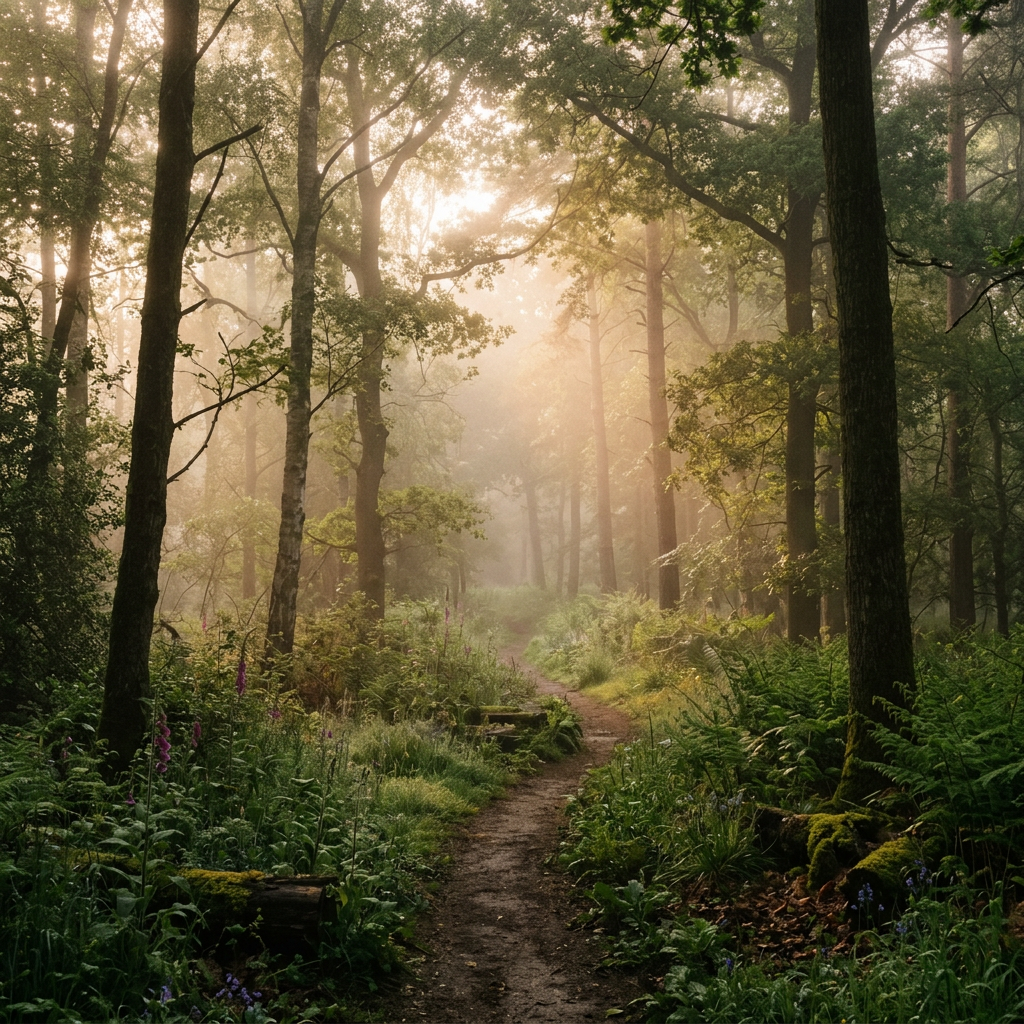
Walking through the morning dew hanging on the tips of grass, brushing them aside with my toes as I go to greet the breaking dawn—this path always stirs my heart. When the mountain exhales its pale morning mist, the waking birds beat their wings with a sharp flutter, rising swiftly into the high sky.
The energy of the summer mountain overflows through its waterfalls. In the ancient trees weathered by centuries of wind and rain, in the newborn blades of grass, in the tiny nameless insects, even in a single stone rolling on the ground—life pulses with the same brilliance as yesterday and today.
As a child, burdened by vague fears and loneliness, I wandered endlessly through the quiet woods of Jangchun Park in Seoul. I was a timid ten‑year‑old girl, shy before others, but in the summer forest I discovered a generous heart. Within that heart were safety, freedom, and a beauty filled with mystery. Wild grasses growing as they pleased, fragrant flowers and leaves, the strange smell of decaying foliage, the ringing whistles of birds carried on the wind—these always welcomed my young soul with joy.
After climbing up and down the narrow forest paths until I was breathless, I would rest my tired legs and sit on a high rock, gazing out over the woods. I would dream vague dreams of what I might become. Should I be a pine tree? A cedar? Or a bird? What about this rock standing tall? Or the wind wandering from mountain to mountain? No—perhaps I’ll be the stream racing coolly through the valley! … No, I like myself just as I am!
And then, afraid the mountain might hold me there forever, I would dash down the path like a startled squirrel. When I reached the valley thick with trees, I would wash my hands, feet, and face in the icy water, then float acacia leaves and acorn leaves downstream.
Entering the village, carrying the scent of the forest on my whole body and holding purple evening primroses and wildflowers in my hands, I felt as though I had brought the mountain home with me. Though the world has many tall trees and beautiful flowers, my love for the nameless wildflowers blooming shyly in the lowest crevices of the forest has never changed.
Even now, the summer forest remains a companion to my soul. When I stand face‑to‑face with the forest, I always feel like crying—like a lost child running into the open arms of a waiting mother.
How many days have I wandered in the forests of life where I should not have gone? How often have I longed for things I should neither gain nor possess, losing sleep and avoiding the true place of my life? Now, as I carry the rings of nearly fifty years, I see how bent and weathered I have become.
Yet here I stand again, in the forest of this vast American continent—still called the land of dreams—and my heart stirs once more. But the summer forest tells me it is time to gather and quiet the scattered prayers I have carried. My soul whispers softly:
“O Lord, this is my plea:Let me become a small spring of water in this land.Even in the deepest valley where no one passes,let my soul be a little well that moistens the mountainsand becomes a resting place for thirsty creatures.”
The summer forest is the heart of God and the birthplace of what makes us human. There, the breath of creation remains untainted. There is mystery that embraces ruined hearts and fills impoverished souls. When wounded, it offers sacred healing; when joyful, it offers the fragrance of wildflowers. In low places and high places alike, the symphony of life overflows.
The summer forest is a sanctuary we must all one day return to.
풀잎에 매달린 아침이슬 방울들을 발끝으로 헤치며 먼동을 맞으러 가는 길은 언제나 설렌다. 산 안개 뽀얗게 아침호흡을 뱉어 놓으면, 어느새 잠이 깬 산새들이 첫 날갯짓을 ‘푸드득’거리며 높은 하늘로 치솟아 오른다.
여름 산의 에너지는 곳곳의 폭포수를 통해 넘쳐흐른다. 수백 년을 비바람에 시달린 거대한 고목과 이제 돋아난 풀잎 속에도, 이름을 알 수 없는 작은 벌레들 속에도, 나 뒹구는 돌멩이 하나에도 그 생명의 약동은 어제나 오늘이나 찬연하다.
어릴 적, 삶에 대한 막연한 두려움과 외로움 속에 인적이 없는 서울의 장춘공원 숲을 무던히도 헤매었다. 겁이 많고 남 앞에서 늘 수줍어 할 줄만 알았던 10세의 소녀가 여름 숲에서 발견한 것은 넉넉한 가슴이었다. 그리고 그 가슴 안에는 생명의 안위 감과 자유, 신비가 가득찬 아름다움이었다. 제멋대로 자라난 풀들과 우거진 향기 섞인 꽃들과 나뭇잎, 괴괴한 낙엽 썩는 냄새, 바람결에 쩌렁쩌렁하게 들려오는 새들의 휘파람 소리는 어린 영혼을 언제나 용납하고 환희로 맞이해 주었다.
좁은 숲길을 숨이 차도록 오르내리다가 피곤해져서 연약한 다리를 쉬면서, 어느 높은 바위 위에 앉아 숲을 바라본다. 그리고 나는 미래에 무엇이 될 것인가 하며 막연한 꿈을 꾸어보기도 했다. ‘소나무가 되어볼까? 잣나무가 되어 볼까? 아니면 새는? …여기 우뚝 서있는 바위는? 정처 없이 이산 저 산을 휘젓고 다니는 바람은 어떨까? 아니야, 계곡을 가르고 시원하게 달리는 시냇물이 될 거야!… 아니야! 난 이대로가 좋아!’ 하는 생각에 미치면 행여나 산이 나를 붙잡아 둘까 보아, 한 마리의 다람쥐처럼 정신없이 달음질쳐 내려오곤 하였다. 내려오는 길에 수목이 빽빽이 들어선 계곡을 만나게 되면 잠시 시리도록 차가운 물에 발과 손, 얼굴을 씻은 후에 아카시아 이파리와, 도토리 이파리를 물에 띄워 흘려 보내곤 하였다.
동네에 들어서면 온 몸에 뭍혀온 숲의 향기와, 손에는 보랏빛 달맞이꽃과 개아제비를 꺾어 들고 있어 산을 안고 온 기분이었다. 세상에 큰 나무도 많고 아름다운 꽃들도 많이 있어도, 숲속의 가장 낮은 틈바구니에서 가녀린 얼굴을 내밀고 피고지는 이름 모를 풀꽃들과의 사랑맺음은 그 때나 지금이나 변함이 없다.
지금도 여전히 여름 숲속은 내 영혼에 동무가 되어준다. 숲과 내가 마주 설 땐, 난 언제나 감동으로 울고 만 싶어진다. 길을 잃어버렸던 아이가 어느 길모퉁이에서 팔을 벌리고 선 어머니의 품속에 뛰어 안기듯이!
얼마나 많은 날들을 인생의 가지 못할 숲에서 나는 방황하였는가? 얻지도 말고 소유해서도 안될 것들을 위해, 밤잠을 이루지 못하고 그리워하며 내 진정한 삶의 자리를 회피하였던가? 어느새 50여년을 바라보는 나이테를 안고 휘여지고 굽어진 내모습을 바라보게 된다.
내가 서있는 이 땅! 아직도 꿈의 나라라 불리는 거대한 아메리카대륙의 숲속에 나는 이렇듯 다시 서서 가슴 설레인다. 그러나 이제 신께드리는 산만한 기도를 정리해야 만 될 때가 왔음을 여름 숲은 말하고 있다. 내 영혼은 나지막하게 속삭인다. ‘오! 나의 소원을 아뢰옵나니, 이 땅에 한 모금의 샘물 되게 하소서. 깊고 깊은 계곡에 인적이 오가지 않는 곳일지라도 내 영혼 작은 옹달샘 되어 산맥을 적시고 목마른 산 짐승들의 안식처가 되게 하옵소서.’
여름 숲은 하나님의 가슴이며 인간을 인간답게 만드는 산실이다. 그곳엔 태초의 숨결이 때묻지 않은 채, 폐허된 가슴을 용납하고 궁핍한 영혼을 배부르게 하는 신비가 있다. 상처가 있을 때에는 성스러운 치유로, 기쁠 때에는 풀꽃의 향취로, 낮은 곳에도 높은 곳에도 생명의 교향곡이 넘쳐 흐르는 곳, 여름 숲은 언젠가 찾아가야 할 우리 모두의 성소이다.
A mountain exploded once— Mount St. Helens tearing open the American sky, ash falling like gray snow upon forests, rivers, and homes.
The earth itself could no longer remain silent.
And once, Napoleon lifted a crown toward his own head, declaring himself emperor while Europe trembled beneath ambition.
Power always believes it can outlive time.
On another May 18, a tall sorrowful lawyer named Abraham Lincoln stepped quietly toward destiny, toward a divided nation already smelling of war.
Some men inherit crowns. Some inherit wounds.
And long before them, boats crossed cold waters carrying frightened loyalists toward the forests of Canada, searching simply for a place to survive history.
Meanwhile, Halley’s Comet passed overhead, a burning question moving through darkness.
People looked upward in fear, as though heaven itself were writing warnings in fire.
Yet among all the memories held by May 18, one wound still bleeds deeply inside the Korean soul.
Gwangju.
The city where students walked into the streets carrying only their voices.
Young faces lifted against martial law. Against fear. Against silence forced by rifles.
Mothers waited at windows. Fathers searched hospitals. Brothers disappeared between gunfire and smoke.
The streets filled with cries for democracy, and the military answered with bullets.
Blood touched the pavement where spring flowers should have fallen.
Official numbers counted the dead. But grief cannot be counted.
And still, the people did not entirely surrender.
Taxi drivers carried the wounded. Strangers shared rice and water. Citizens held one another beneath curfews and helicopters.
Even in terror, human compassion refused to die.
Perhaps this is why May 18 continues breathing through history.
Because volcanoes erupt. Empires rise. Governments silence voices. Comets pass through the night.
Yet ordinary people still stand for dignity.
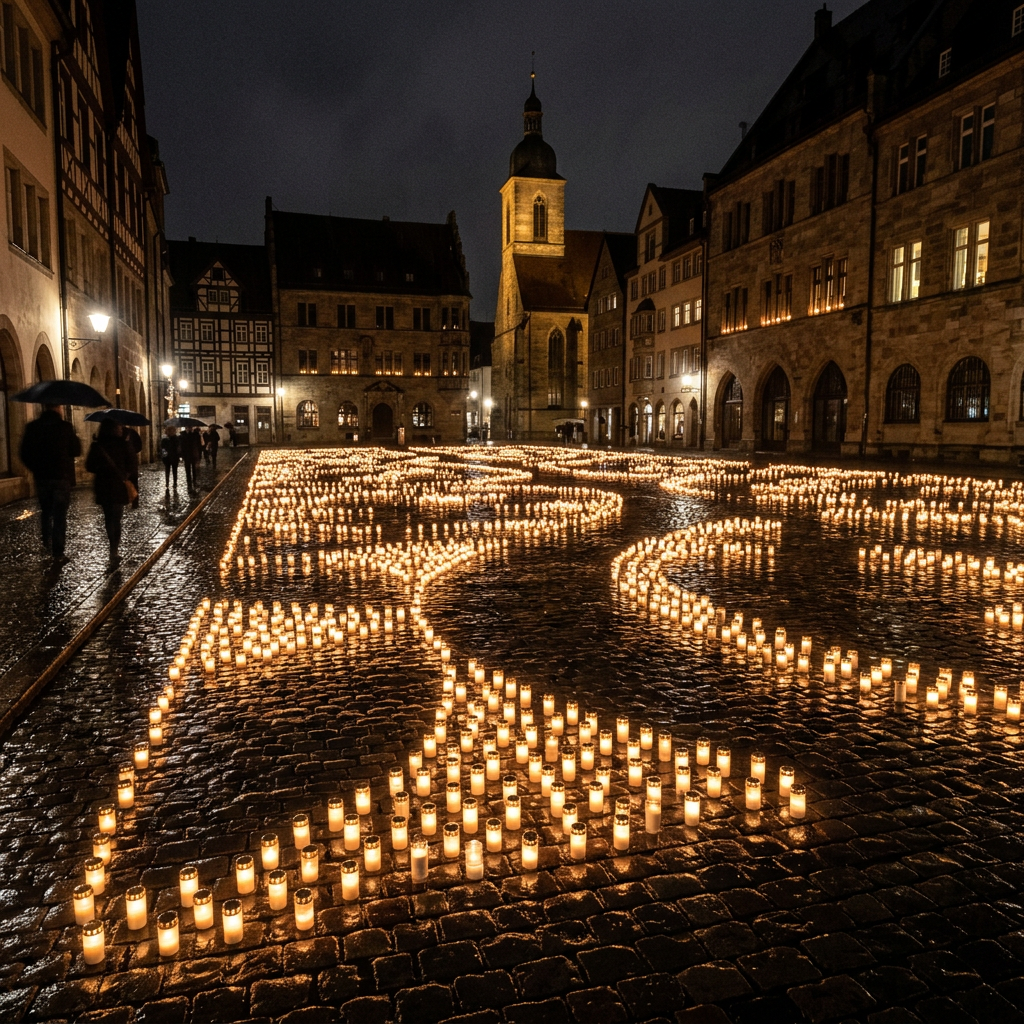
Still light candles.
Still gather in public squares with trembling hands.
Still believe that freedom is worth suffering for.
And somewhere tonight, the souls of Gwangju walk quietly among us—
not asking for revenge, but remembrance.
Not demanding hatred, but courage.
For democracy is fragile like spring blossoms in hard wind.
And peace survives only when human beings refuse to forget one another.
When June comes, our Korean people remember a tragedy of history we can never forget.
This year marks forty‑five years since the Korean War entered its armistice. I myself never lived through the war, so I do not claim the right to speak as one who personally experienced the suffering of our nation on June 25, 1950. Yet I hope we can take time together to search for God’s hidden purpose within the pain and disaster our ancestors endured, and to learn the lesson that such a tragedy must never again be repeated in our generation or in the generations to come.
In particular, I believe it is vitally important to teach our second‑generation children—who are growing up as American citizens—the historical meaning of the Korean War. Even though the first and second generations grew up in different environments, when we share a consciousness of history that connects our people and preserves our identity, the generational gap narrows. Our children will also discover their identity as Korean Americans living in this land.
And when people, having grown up with good education and comfortable surroundings, achieve a measure of success yet forget their roots and the suffering of their ancestors, they inevitably drift toward a life of indulgence. Teaching our second‑generation children—who have never shed tears over the preciousness of family, the dignity of human life, or even the value of a single grain of rice—the history of our people is to give them the ability to cherish their future happiness with greater care.
The scholar Beringheim once said, “Let us know history correctly. If we know history correctly, we need no separate education in ethics or morality.” Indeed, living with historical consciousness leads a person toward a deeper and more ultimate dimension of life.
“One, two, three, four—little captain marching out. One, two, three, four—matching steps together. Hey, Red, come on out! Kim Il‑sung, come on out! One, two, three, four—we are the national army!”
This was the song my eldest daughter—then only four years old—sang as her “introduction performance” before relatives when we first immigrated to America. My sister‑in‑law, who had already been in the U.S. for more than ten years, burst into laughter hearing her new little niece sing every word of this children’s marching song without a single mistake. “You really are a true daughter of Korea!” she said, stroking the child’s head.
That little girl has now grown into a twenty‑two‑year‑old young woman. She has nearly forgotten the words to “Little Captain.” Sometimes I sing it in front of her, hoping that somewhere inside her grown‑up heart, the fragrance of our people’s suffering will not be forgotten.
I sometimes talk to my children about Korean history and current events. When we discuss what we hear in the news, I often find myself sharing not stories that make us proud, but stories that are embarrassing or difficult to understand. The children ask, “Why does the president have to go to prison? How can regional hatred be so severe? Politicians live on the people’s taxes—how can they do such things? How can companies dump waste into rivers so carelessly?”
At such moments I sometimes regret bringing it up, but afterward I realize it was the right thing to do.
For although my children are being educated in America and growing up as citizens here, they may one day have an opportunity to understand their parents’ homeland more deeply or even serve the Korean people in some way. When that time comes, I do not want them to be shocked or disappointed. It is better to reveal our flaws early and begin from there.
General Douglas MacArthur entered the Korean War in July 1950 with the hope that American soldiers would be home by Christmas. But the Korean War left one million dead, two million wounded, 700,000 widows and orphans, and ten million separated family members. After all this pain, the war settled into a long armistice that has now lasted forty‑five years.
St. Augustine warned humanity’s repeating sins by saying, “Do not think of past events as things that happened only in the past—remember them in the present.”
We must express gratitude and respect to the generation of our fathers and mothers who climbed the most tragic heights of history. Young men of that time sometimes became North Korean soldiers aiming rifles at the South, and sometimes South Korean soldiers aiming rifles at the North. In mountain caves, in attic spaces, in pigsties—wherever they could cling to life—they endured hunger, cold, fear, and despair, barely surviving by sharpening every sense of their bodies.
Neighbors who once drew water from the same village well could be “Reds” by night and ordinary South Koreans by day. People lived suspended between life and death.
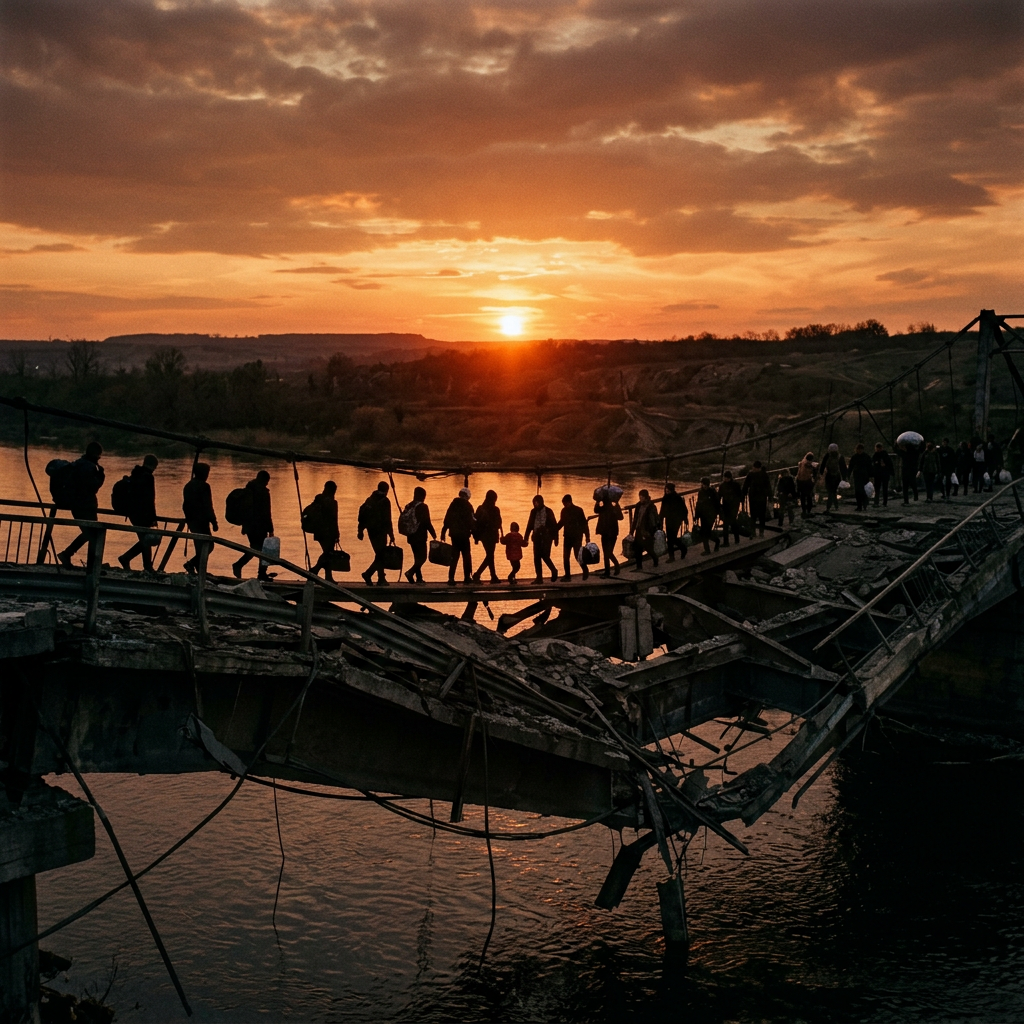
Millions of refugees who lost everything in an instant cried out countless times, “God, please just spare our lives!” and pushed through the roar of war to reach the present day.
Now the entire Korean people must work together for peace. I believe God scattered us across the world through immigration to give us and our descendants a vision for peace. It is similar to how, after the war of AD 70, the Jewish people were scattered across the world yet clung to God’s Word and eventually rose as leaders among the nations.
This dream of world peace cannot depend solely on certain politicians. Every field must participate—businesspeople, politicians, writers, musicians, artists, journalists, clergy, students, professors, homemakers, laborers, and medical workers.
I hope that Korean immigrant communities around the world, while recognizing their diversity, will unite in their longing for national reconciliation and reunification. May the eyes of grandfathers, fathers, sons, and grandsons all look together toward peace.
Professor Maeng Yong‑gil, quoting Karl von Clausewitz’s On War in his article “War on the Korean Peninsula and the Providence of God” (Ministry and Theology, June 1994, p. 94), wrote:
War is aggressive.
War aims at victory.
War follows a teleological logic.
War inevitably uses violence.
War seeks to break the enemy’s spirit and drive them toward surrender.
Human history shows plainly how much fighting mankind has endured. Statistics say that over the past 5,600 years, an average of twenty‑six wars broke out every year. Dividing that period into 185 generations, only ten generations experienced sustained peace. Another statistic says that between 1945 and 1990, out of 2,340 weeks, only three weeks were free of war.
Historians say that Korea alone experienced about 930 wars during its 4,331‑year history (as of 1998)—a war every four to five years. And these were not wars we initiated, but invasions from outside powers. Even now we remain in an armistice, not true peace.
“My homeland, the Republic of Korea”—even speaking these words fills my heart with longing, and a mountain of yearning rises within me. The more difficult the homeland becomes, the more affection wells up, because it is the place where my life began. No one knows me better, and I know my homeland better than anyone else. It is a relationship that longs to embrace and weep together.
South Korea has endured the painful era of the IMF crisis. North Korea suffers famine so severe that children, reduced to skin and bone, lie motionless without even the strength to cry. In their faces, I see my own reflection more clearly.
About eight years ago, when visiting North Korea still raised suspicion of espionage, a pastor—now an American citizen—returned to his hometown of Pyongyang and met his older brother and relatives for the first time in forty years. He visited his father’s grave, weeping with a grief like a river.
He longed to know whether his father, an elder in the church, had remained faithful to Christ until the end. But under the oppressive ideology of the North, he could not ask his brother directly. So he asked instead about his father’s final years. His brother replied, “Whenever there was trouble or hardship in the family, Father would go out to the mountains or fields to meditate.”
The pastor understood what that meant. His father had clung to God without betraying Christ, surviving under communist oppression.
He also longed to know whether his brother’s family believed in Jesus, but the ever‑present government guide made it impossible to ask.
The next day, weakened by travel and food, the pastor lay down in a side room while the family ate. Suddenly the door opened quietly. His grand‑niece, a young woman with rough skin and a shy face, slipped in, knelt beside him, and whispered something into his ear.
It was a hymn—something he never imagined he would hear in that place:
“Jesus loves me, this I know, For the Bible tells me so. Little ones to Him belong, They are weak, but He is strong. Yes, Jesus loves me…”
Her hot tears fell onto his face as she sang. When she finished, she wiped her tears and fled the room.
The pastor rose, overwhelmed, and poured out a prayer of thanksgiving to God. The questions he had carried for decades were washed away like a stream after heavy rain.
When June comes, I remember the suffering of our people. The pain of separated families and the longing for peaceful reunification—our national hope—remain unresolved, left behind in the shadows of forty‑five years.
Dwight Moody once said, “Give your life to God. He can do more with it than you can.”
I am convinced that if all generations of believers dedicate their lives to this unfulfilled longing of our people and teach it to our descendants, the God who governs history will surely accomplish great things. Remembering the painful history of the past gives purpose to our present and guards our hearts from future complacency. It is, in a sense, a return to Eden.
올해로 한국전쟁이 휴전된지도 45년이란 세월이 흘렀습니다. 전쟁을 몸소 경험해 보지 않은 저에게 민족의 아픔인 6.25에 대해 말할 수 있는 자격은 주어져있진 않습니다. 그러나 선조들의 아픔과 재난 속에 숨겨져 있는 하나님의 뜻을 찾아내고, 이와 같은 일이 우리 세대와 후손들에게 다시는 일어나지 말아야겠다는 교훈을 얻기 위해 다같이 생각해 보는 시간을 갖기를 원합니다. 특히, 미국시민으로 자라나고 있는 이세들에게 한국동란의 역사적인 의미를 가르치는 일은 참으로 중요한 일이라고 생각됩니다. 비록 일세와 이세가 자라난 환경은 다를지라도 민족의 맥을 연결하고 동질성을 갖게 하는 역사의식을 갖게될 때, 우리의 세대차이는 그만큼 간격을 좁힐 뿐 아니라, 이 땅에서 Korean – American으로 살아가는 아이덴티티를 찾게 될 것입니다. 또한, 좋은 교육과 환경에서 자라 좀 출세했다고 하여, 자신의 뿌리도 모르고 선조들의 고난을 잊고 살 때, 인간은 누구나 방종의 길로 달릴 수밖에 없습니다. 가족들이 얼마나 귀하며, 인간 생명의 존엄성, 한 알의 쌀의 귀함을 피눈물나게 경험치 못한 이세들에게 우리민족의 역사를 가르치는 일은, 미래의 행복을 더욱 더 귀하게 관리 할 수 있는 능력을 주기 위함입니다.
베링 하임이란 학자는 “역사를 바로 알자. 역사를 바로 알면 사회윤리라든지 도의교육이 따로 필요 없다” 라고 했듯이, 역사의식을 늘 갖고 산다는 것은 사람을 좀더 궁극적인 삶의 차원으로 이끌기 때문이지요.
“하나 둘 셋 넷 꼬마대장 나간다. 하나 둘 셋 넷 발을 맞춰서. 빨갱이야 나와라 김일성도 나와라. 하나 둘 셋 넷 우리는 국군” 이 노래는 이민 올 때 4살이던 큰딸 아이가, 미국에 살고있는 큰아버지 가족 앞에서 불렀던 신고식 노래였습니다. 당시에 이민오신지 10여년이 지났던 아주머님은, 처음 만나는 조카의 입에서 토씨 하나 틀리지 않고 쏟아져 나오는 동요 가사를 듣다가 그만 박장대소를 하셨습니다. 그리고 “너야말로 정말 순 한국의 딸이구나!” 하면서 아이의 머리를 쓰다듬어 주시던 기억이 있습니다.
그 아이는 어느덧 자라 22세의 처녀가 되었습니다. 이미 “꼬마대장”이라는 노랫말을 거의 잊은 채 말입니다. 저는 가끔 아이 앞에서 “꼬마대장” 노래를 불러봅니다. 그것은 너무나 커버린 아이 속에서, 내 민족의 고난의 향취가 잊혀지지 않기를 바라는 마음입니다.
저는 아이들에게 한국의 역사와 현재 일어나고 있는 일들에 대해 이야기 할 때가 있습니다. 뉴스를 통해 들려지는 이야기를 하다 보면, 대부분 자랑스럽고 좋은 이야기보다는 부끄럽고 이해가 힘든 사건이나 뉴스를 전하게 됩니다. 아이들은 대부분 이해하기 힘든 듯이 “왜 대통령이 감옥엘 가야하죠? 지역감정이 어떻게 그토록 처참할 수 있을까요? 정치인은 국민의 세금으로 살터인데 어떻게 그런 일들을 하지요? 어떻게 기업들이 폐수를 강에 함부로 버릴 수 있을까요?…”라는 등의 꼬리표를 달게됩니다. 그러면, 때로는 ‘괜히 안해도 될 이야기를 했구나’ 하는 후회도 들지만, 그래도 지내놓고 보면 잘 했다는 생각이 듭니다.
왜냐면, 비록 미국에서 교육받고 이곳 국민으로 자라나는 아이들이지만, 부모의 조국을 좀더 이해하고 앞으로 어떤 기회가 닿아 한국민족을 위해 일할 기회가 올지 모르기 때문입니다. 그때 가서 오히려 당황하거나 실망시키지 않고, 차라리 나의 치부가 있으면 일찌감치 들어내 놓고, 거기서부터 출발하기를 원하는 것입니다.
1950년 7월에 한국전쟁에 참전한 맥아더 장군은, 크리스마스 전에는 다시 미 병사들이 미국으로 돌아갈 수 있으리라는 기대를 가지고 전쟁에 뛰어들었습니다. 그러나 ‘한국전쟁’은 당시 전사자 만 100만을 내었으며, 부상자 200만, 고아와 과부가 70만이었으며, 이산가족이 1천만이라는 아픔을 남긴 채, 45년이라는 긴 휴전 속으로 들어가고 만 것이었습니다.
성 어거스틴은 “과거의 일을 과거에 있었던 일로만 생각하지 말고 현재에 기억하라”는 말을 통해, 인류의 반복되는 죄악을 경고하였습니다.
우리는 역사의 가장 불행했던 고지를 올랐던 우리들의 아버지 어머니 세대를 향해 감사와 존경의 뜻을 당연히 표해야 합니다. 당시의 젊은이들은 때로는 인민군이 되어 국군을 향해 총을 겨누기도 했고, 때로는 국군이 되어 인민군에게 총부리를 겨누기도 했습니다. 산 속의 토굴 속에서 집안의 다락 속에서, 돼지우리 속에서, 겨우 목숨하나 부지하기 위해, 온 몸의 촉각을 새우고, 굶주림과 추위, 두려움과 절망의 터널 속을 그렇게 헤쳐 나오며 겨우 목숨하나 건진 세대였습니다. 한 동네의 한 우물을 길어 먹던 이웃이, 밤에는 빨갱이요, 낮에는 선량한 남한사람으로 변장하는 무서운 시대에 죽음과 삶의 순간을 오락가락 하며 살던 시절 이였습니다.
한순간에 삶의 터전을 잿더미로 잃은 수천만의 피난민들은, 자신도 모르게 파괴된 인간심성을 부여잡고 “하나님! 목숨만이라도 살려주십시오!”라고 수없이 울부짖으며 전쟁의 포효를 뚫고 오늘로 달려오신 분들입니다.
우리는 이제 평화를 위한 노력을 전 한민족이 함께 해야 합니다. 우리를 이민이라는 길을 통해 세계로 흩으신 하나님의 뜻은, 평화의 비전을 우리와 후손에게 주시기 위함입니다. 그것은 마치도 AD 70년 전쟁을 통해 유대인이 전세계로 흩어진 후, 하나님의 말씀을 붙들고 끝내는 세계의 지도자로 성장 한 것과 비교 할 수 있습니다. 이 세계평화를 위한 꿈은 어느 특정한 정치인들에게 만 의존 할 수 없습니다. 각 분야가 다 동원되어야 합니다. 기업인, 정치인 문학인, 음악인, 미술인, 언론인, 종교인, 학생, 교수, 주부, 노동자, 의료인 모두 나서야 만 합니다.
각 나라에 흩어져있는 이민사회가 서로의 다양성은 인정하되, 민족 통일에 대한 열망과 뜻을 하나로 묶어지기를 염원합니다. 할아버지와 아버지, 아들, 손자가 추구하는 평화를 향한 눈이 함께 가기를 원합니다.
맹용길 교수가 쓴 <한반도에서의 전쟁과 하나님의 섭리: 목회와 신학 94년 6월호 P 94>의 논문에 “‘전쟁이란, 우리의 적대자로 하여금 우리의 뜻을 완벽하게 이행하도록 강요하려는 폭력행위이다’ 라는 클루우제비츠(Karl Von clausewitz) 의 전쟁론에서의 글을 인용하여 이렇게 말하였습니다.
1. 전쟁은 공격적이다 2. 전쟁은 승리를 목적으로 한다 3. 전쟁은 목적론적 논리를 가진다 4. 전쟁은 폭력을 사용 할 수밖에 없는 속성을 가진다 5. 전쟁은 심리적인 위축이 일어나게 하고 전쟁에서 패배하도록 몰고가면서 항복
할 수밖에 없구나 하게 만들려는 속성이 있다. 라고 하였습니다.
지나간 인류역사는 인간들이 얼마나 많은 싸움을 하면서 살아왔는가를 적나라하게 보여주고 있습니다. 통계에 의하면 지난 5,600년 동안에 매년 26회의 전쟁이 발발했다고 합니다. 이 기간을 185세대로 나눈다면, 단지 10세대 동안만이 지속적인 평화를 경험한 세대라고 합니다. 또 다른 통계에 의하면, 1945년부터 1990년까지 전체 2,340주가 있는데, 전쟁이 없던 기간은 오직 3주에 불과하다 합니다. (이춘근: “세계전쟁의 원인 및 유형과 그 특징을 분석한다” 목회와 신학 1994년 6월호)
역사가에 의하면, 한국만 해도 단기 4331년(1998년) 동안 약 930번의 전쟁이 있었다고 합니다. 매 4-5년마다 전쟁이 있었는데, 우리가 남을 침략한 것이 아니고, 외세로부터 침략을 당한 것이지요. 지금도 휴전 중이니, 완전히 평화를 누리고 있는 시기는 아닌 것입니다.
<내 조국 대한민국> 이렇게 부르기 만 하여도 마음이 애절해지고 산 같은 그리움이 밀려옵니다. 조국이 어려우면 어려울수록 더 애정이 솟고, 안타까운 것은 내 생명의 근원이 시작된 곳이기 때문이지요. 가장 누구보다도 나를 잘 알고 이해 할 수 있고, 나도 그 어느 누구보다도 조국을 잘 알고 있기에 서로 얼굴비비고 울고픈 만남이지요. 남한은 남한대로 어려운 IMF 시대를 지나느라고 진통을 치르고 있고, 북한은 북한대로 기근과 기아 속에서 뼈만 남은 아이들이 처참하게 울 힘도 없이 멍하게 누워있는 모습 속에서, 나의 초상은 왠지 더욱더 선명해집니다.
지금부터 약 8년전의 일입니다. 당시 만 해도 이북에 다녀오면 혹시나 간첩이 아닐까 하고 오해받는 시절이었습니다. 어느 목사님은 미국 시민권 자로서 고향인 평양에 가서, 약 40여년 만에 형님과 친척들을 만나게 되었습니다. 목사님은 이미 수년 전에 돌아가셨다는 아버지의 산소에 찾아가 강물같은 아픔으로 목놓아 울게되었습니다.
목사님은 아버님의 산소 앞에서, 과연 장로님이셨던 아버님이 예수 님을 끝까지 믿다가 돌아가셨는지가 몹시 궁금했습니다. 그러나, 공산치하 사상으로 억눌림 당하며 사신 형님에게 직접적으로 물어 불 수도 없어, 애를 쓰다가 아버지의 말년의 삶에 대해 묻게되었습니다. 형님은 말씀하시기를 “집안에 문제가 있거나 어려움이 있으면, 아버지는 늘 산과 들로 나가서 명상을 하셨지!”라는 말씀을 듣게 되었습니다. 그 목사님은 그 말씀이 무엇인지 짐작이 갔습니다. 아버님은 끝까지 주님을 배신치 않고 그 하나님을 붙들며, 공산치하의 압정 속에서 살아나신 것이었습니다. 이 목사님은 형님 가족들이나 친척들이 예수 님을 믿고 있는지 너무나 궁금했습니다. 그러나 주야로 함께 동행하고 있는 안내원의 친절 속에 알아 낼 수 가 없었습니다.
그런데 다음날, 여행의 흥분과 음식물로 인해 심한 배탈이 난 목사님은 아무 것도 먹을 수 없었습니다. 그래서 식구들이 식사하는 동안, 한쪽 방에서 잠시 누워있게 되었습니다. 그런데, 갑자기 방문이 열리더니 조카손자 며느리가 가만히 들어왔습니다. 거친 피부에 앳된 얼굴의 손자며느리는 아무 말없이 목사님 곁에 와서 무릎꿇고 앉더니, 들릴락 말락하게 뭐라고 목사님 귀에 대고 부르기 시작하였습니다. 그것은 꿈에도 기대치 않았던 찬송가였습니다.
‘예수 사랑하심은 거룩하신 말일세 우리들은 약하나 예수 권세 많도다. 날 사랑하심 날 사랑하심 날 사랑하심 성경에 써있네’
손자며느리의 뜨거운 눈물이 목사님의 누워있는 얼굴 위로 뚝뚝 떨어졌습니다. 그리고 그녀는 찬송이 끝나자마자 눈물을 훔치며, 쏜살같이 방문을 열고 나가버렸습니다. 이 목사님은 숨이 멎을 것 만 같은 벅찬 감동으로 그 자리서 일어나 하나님 앞에 통곡의 감사 기도를 드렸다고 하였습니다. 그토록 수십년을 그리워하며 애타던 의문들이, 장마후의 개울물이 쓸려 나가듯이 모두 씻기움 당하는 위로를 받았다고 고백하셨습니다.
6월이 오면, 우리 민족의 아픔을 다시 생각합니다. 남북 이산가족들이 나누고 있는 고통과, 민족의 숙원인 평화통일은 아직도 풀려지지 않은 숙제로 45년이라는 세월을 방치된 채 세월의 뒤안길에 내버려져있습니다.
“당신의 삶을 하나님께 바치라. 하나님께서는 그 삶으로 당신이 할 수 있는 것보다도 더 위대한 일을 할 수 있다”라고 드와이트 무디의 말처럼, 그리스도를 믿는 우리 모든 세대가 이 풀려지지 않은 민족의 숙원을 향해 우리의 삶을 바치며, 후손들에게 가르칠 때, 역사를 주관하시는 하나님은 위대한 일을 꼭 이루실 것이라는 확신이듭니다. 과거의 고난의 역사를 기억하는 일은, 현재의 삶에 더욱더 충실한 목적을 갖게 하고, 미래의 방종하는 마음을 지키는 일입니다. 그리고, 에덴으로의 귀환하는 일입니다.
Not long ago, I read a news article that deeply shocked me as a fellow Christian. It reported that a church member had destroyed Buddhist statues “to turn a temple into a church,” cutting off the heads of 750 granite Buddhas at Wonmyeong Seonwon in Jeju Island. Though the person may have acted out of personal conviction, I could not help but think that such behavior ignored the most basic courtesy and common sense that should precede faith itself. When Buddhists or people of other religions see such actions, how will they respond when the opportunity comes to meet Christ?
A few years ago, during the Gangneung Dano Festival—Korea’s 13th Intangible Cultural Heritage—Christian believers in the area rushed into a shaman ritual shouting, “Satan, depart!” and overturned the ceremony. Fortunately, the shamans did not retaliate or disturb church services afterward, and the incident ended quietly.
Reading such stories makes me wonder: must evangelism or mission always take such aggressive forms—shouting “Satan, depart!” or destroying idols to build churches? Though these are isolated cases, they reveal a deeper question: do we, perhaps unconsciously, carry a sense of superiority toward other religions or cultures?
Having lived mostly within the Christian community, I rarely attended social gatherings. When I did, I often found them dull and empty—people exchanging awards without prayer or worship. I would return home thinking, I’ll never go again, and feel tempted to avoid non‑believers altogether. Then my conscience would whisper, “Did not the Lord seek you when you were a sinner?” I realized that within me was a desire for others to be like me—and if they were not, I closed my heart.
To believe in Christ means to honor others above ourselves, to love our neighbors as ourselves, and to live out the servant‑hearted love of Christ. Yet we sometimes shut our hearts to those who differ from us, acting in pride or exclusion, and in doing so, cause others to stumble. When evangelism becomes emotional and disrespectful rather than persuasive through life and love, it brings harm rather than blessing. Especially when meeting people of other faiths—or when faith differs within marriage—we must ask what attitude truly reflects Christ.
When someone in a non‑Christian family begins to believe in Jesus, conflict often arises between traditional Korean customs and Christian faith—especially regarding ancestral rites. In the early days of Korean Christianity, this tension was even more severe.
In the 1920s, a woman named Park Sung‑Nyeo took her own life after her husband, a Christian, forbade ancestral offerings for his late mother and destroyed the family shrine. She died defending Confucian values and family duty. At that time, the scholar Lee Sang‑Jae wrote in The Dong‑A Ilbo:
“To call the ancestral tablet an idol and to condemn bowing before one’s parents’ spirits as idolatry cannot be considered right. Koreans honor their deceased parents out of filial devotion, not idolatry. This practice accords with God’s command, ‘Honor your father and mother.’” A few days later, theologian Yang Ju‑Sam responded: “To say that ancestral rites preserve the Korean spirit is a misunderstanding. It is merely a superstitious custom from an immature moral age.”
Even among Christians, the debate continues, unresolved in many families.
One devout Christian woman married into a family that strictly followed Confucian traditions. On the day of the ancestral rite, she rose early, singing hymns as she cleaned and prepared food with joy. Following her mother‑in‑law’s instructions, she set the table exactly as desired. When relatives gathered, she welcomed them warmly. Before the ceremony began, her mother‑in‑law said gently, “Thank you, my dear. You, a believer in Jesus, prepared this meal so sincerely—our ancestors must be pleased. Stay nearby while we offer our respects, and afterward, please eat with us.” The daughter‑in‑law cheerfully agreed.
The mother‑in‑law proudly told everyone that her Christian daughter‑in‑law had prepared the table. Relatives who once thought Christians were disrespectful toward ancestors tasted the food and said, “So this is what a believer can be like.” Their hearts began to open.
In the years that followed, harmony deepened between the mother‑in‑law and daughter‑in‑law. Later, when the daughter‑in‑law’s own family held a Christian funeral, the mother‑in‑law attended for the first time. Expecting loud wailing, she instead saw people singing hymns and worshiping reverently. She was moved by the peace and unity and thought, When I die, I want a service like this. Returning home, she went to church and declared, “I want to believe in the Jesus my daughter‑in‑law believes.” She removed all ancestral tablets and became a faithful Christian, attending dawn prayer daily and leading many relatives to Christ. Though it took time, love and reconciliation brought salvation to the whole family.
Even today, many struggle to reconcile Korean tradition, other religions, and Christianity. When non‑believing relatives invite us to ancestral rites, we wonder whether to attend or not, whether to prepare food or refuse. I am not a theologian, but I believe our culture and traditions are precious gifts God has given uniquely to our people. Like Israel, which preserved its faith and heritage through centuries of exile, we too can honor our traditions while living faithfully. When we meet non‑believing relatives, let us prepare generously, show love and harmony, and open our hearts—trusting that in God’s time, they too may receive Christ.
Our impatience often makes us rush even in saving souls. Instead of speaking the gospel in ways others can understand, we sometimes try to persuade only within our own reasoning.
Mahatma Gandhi, who lived as a servant of his people, resembled Jesus in many ways. He was deeply moved by Christ’s teachings and nearly converted to Christianity—but the arrogance of some Christians closed that door forever.
It is a privilege to know Jesus and be saved. But that privilege must never become a license to attack or dominate others. Before being religious, Christians must be reasonable, courteous, and gracious—recognizing others as they are. When we honor others, we too are honored.
Jesus opened His heart to everyone—Roman soldiers, prostitutes, tax collectors, the sick, even foreigners. He spoke with them and showed compassion. Sharing Christ with people of other faiths and cultures is not about power or conquest; it is about love, service, reconciliation, and peace.
얼마전 신문을 읽다가 같은 기독교인으로서 충격을 받은 뉴스를 읽은 적이 있습니다. 신문의 기사는 교회에 다니는 어느 분이 “절을 교회로 바꾸기 위해 불상을 파괴했다”는 제하에, 제주도의 원명선원의 화강암 불상 750상의 머리를 잘라낸 것이었습니다. 물론 그 분 나름대로의 신앙에 의해서 행동했다고 하겠지만, 이것은 신앙이전에 너무나 상식적이고 당연한 기본적인 예의를 망각한 일이 아니었는가 하는 생각이 들었습니다. 기독교의 진리를 접해보지 못한 불자들이나 타종교인들이 그러한 기독교인들의 행동을 보고, 주님을 영접할 기회가 왔을 때, 과연 어떤 태도를 갖을까요?
몇 년전에 한국의 무형 문화재 13호인 강릉 단오제 행사가 강릉에서 열리고 있었습니다. 단오제의 중요한 행사인 남대천의 굿당에서 무당들이 500여명의 관객들과 한창 굿하고 있는 판에, 강릉지역의 기독교 신자들이 뛰어들어 “사단아 물러가라!”하면서 굿판을 뒤집었다고 합니다. 물론 거기에는 과격한 신자들이 주동이 되었다고 합니다. 다행히도 무당들이 교회로 찾아와 방해를 하거나 앙갚음을 하지 않아서 조용히 끝은 났다고 합니다.
저는 그런 기사를 대할 때, 우리의 전도나 선교가 이렇게 과격한 모습을 갖추고 단시간 안에 “사단아! 물러가라!”고 하였다던가, “절에다 교회를 세우기 위해” 소불들의 머리를 ‘댕강댕강’ 잘라내야 만이 되었을까 하는 생각을 해보게 됩니다. 물론 소수의 사람들이 기독교의 진리를 받아들이는 과정에서 생긴 문제점들이지만, 우리 속에도 행여나 타종교인들 앞이나, 타문화 앞에 우월감을 갖고있지나 않는가 하는 생각을 하게됩니다.
저 자신도 오랫동안 믿음의 가족들 안에서 만 살다보니, 오랫동안 사회적인 모임에 참석할 기회가 별로 없었습니다. 그러나 가끔 참석하여야 만 될 때가 되면, 그 자리가 견딜 수 없이 지루하고 재미없는 경험을 하게됩니다. 어떤 중요한 행사에도 예배나 기도 없이 사람들이 나와서 서로 상을 주고받고 하는 모습이 무척 공허해 보이고 싱거웁다고 생각할 때가 있습니다. 그러면, 집에 와서는 다시는 그 재미없는 자리에 가지 말아야지 하는 마음과 함께, 믿지 않는 사람들을 외면해 버리려는 성향을 갖게 될 때가 있습니다. 그럴 때, 제 양심이 외치지요. ‘네가 죄인 되었을 때 주께서 찾아주지 않았더냐’라고요. 제 속에도 상대방이 나와 같아주기를 바라고, 같지 않으면 배격하고 마음 문을 열지 않으려는 마음이 있습니다.
우리가 주님을 믿는다는 것, 그것은 남을 나보다 높게 여기고 존경하며, 이웃을 내 몸같이 사랑함으로서 종의 모습으로 오신 그리스도의 사랑을 실천하는 일임을 우리 모두는 너무나 잘 압니다. 그런데, 우리는 나와 무언가 같지 않을 때 마음 문을 닫아버리고, 독선적이고 배타적인 행동을 함으로서, 형제 자매를 영원히 실족시키는 일을 행할 때가 있습니다. 삶을 통한 설득력을 같기보다는 감정적인 무례함으로 전도를 시도하려 할 때, 이익보다는 손해가 더 많음을 돌아봐야 될 것입니다. 특히, 타종교인들을 만나거나, 또는 결혼을 통해 신앙이 같지 않았을 때 기독교인들의 태도는 과연 어떻게 해야 좋을지 함께 생각해 보겠습니다.
예수를 믿지 않는 가정에 예수님을 누군가 믿기 시작하면, 제일 먼저 부딪치는 문제가 한국의 전통문화와 기독교의 정면대치에서 우리는 혼동을 하게됩니다. 그 중에 조상의 제사를 모시는 행위로 인해 많은 갈등을 겪게되는데, 초기 한국의 기독교인들 사이엔 요즈음보다도 더욱 심각할 수밖에 없었습니다.
1920년대에 박성녀라는 효부의 자결사건이 있었습니다. 그것은 기독교인이 된 남편 권성화씨가 돌아가신 시어머니의 조석상식을 못하게 하고 제사를 드리지도 않고, 신주를 없앰에서 오는 절망감 때문이었다고 합니다. 그녀는 유교적 가치관과 가문의 법도를 목숨으로 지켰던 것이지요. 그 때 동아일보 논설에 월남 이상재 선생님이 이런 글을 썼습니다. “부모의 신주를 가지고 한 말로 ‘우상’이라 부르며 부모의 혼령 앞에 절하는 것을 경솔히 ‘우상숭배’라는 이름 아래 매도하는 것이 어찌 반드시 옳겠다 할 수 있으리? …원래 조선 사람이 돌아간 부모의 영혼을 위하고 삼년 안에 조석상식과 혹은 평생을 두고 제사를 지내는 것은 오직 그 부모를 사모하는 효성에서이다. 이는 예수교와 아무 상관이 없으며 ”네 부모를 공경하라“하신 하나님의 가르침에 크게 적합하는 일일 것이다” (1920년 9월 1일)
이에 반박한 양주삼씨의 글이 며칠 후에 또 실렸습니다. “조상에게 제사하는 것이 조선정신과 조선 혼을 보존한다 하면 그는 큰 오해이다. 도덕관념이 유치 할 때 쓰던 일종의 미신적 풍속이요 의식적 도덕에 불과하다.” (1920년 9월 4일) 이렇게 기독교인들 안에서도 이 문제는 갈라지고 지금까지도 어느 가정에서는 해결치 못한 문제로 나아가고 있습니다.
어느 믿음이 좋은 자매 님께서 연애를 하여 믿지 않는 장손가정에 출가를 하였습니다. 그런데 부모님은 유교를 철저하게 믿는 분이었습니다. 결혼 전에 두 집안이 서로의 양해 속에 결혼은 했지만, 막상 신부가 조상을 모실 제삿날이 오니 참으로 망막했습니다. 시어머니는 새벽 2시면 정한수를 떠놓고 손을 모은 채, 장독대에 앉아 조상 님께 빌기를 하루도 빠짐없이 하는 분이었습니다. 자매 님은 다른 날보다 일찍 일어나 제사상 준비를 하기 시작하였습니다. 그것도 아주 즐거운 마음으로 찬송가를 콧노래로 불러가면서 부지런히 집안을 쓸고 닦고 음식장만을 하기 시작하였습니다. 그리고, 시어머니께 모든 지도를 받아가면서 어머니가 원하시는 대로 상을 차려드렸습니다. 일가친척들이 모여들었습니다. 자매 님은 그 분들을 정성껏 맞아들이며 진심으로 환영하였습니다. 막상 예식이 시작되려 할 때, 시어머니가 며느리를 조용히 불렀습니다. “아가! 고맙다. 예수 믿는 네가 이렇게 정성껏 조상 님들께 음식을 해드렸으니, 조상 님들이 얼마나 기뻐하겠니? 우리 조상 님들께 예의 드리는 동안 너는 잠시밖에 있으려무나. 그리고, 우리 다 끝나면 음식은 같이 먹어주겠니? 예수 믿는 사람들은 제사상에 올려진 음식들을 먹지 않는다는데, 아가야 그래도 함께 먹자!” 시어머니의 조심스런 권면에 며느리는 명랑하고 공손하게 “예”하고 대답했습니다.
예수 믿는 며느리가 차려준 제사상을 일가친척들에게 자랑하며, 시어머니는 며느리 자랑을 쉬임없이 하셨습니다. 예수 믿는 사람들은 조상도 모르는 무뢰한 존재로 여기던 안 믿는 친척들도, 이 자매 님이 만들어 주신 음식을 아주 맛있게 들면서 “이렇게 예수 믿는 사람도 있구나!”하는 생각 속에 그들의 마음 문이 열림을 알 수 있었습니다.
그후 해마다 그 가정에서는 제삿날이 와도 서로를 반목하거나 배타적인 마찰이 생기는 것이 아니고, 오히려 시 부모님과 며느리의 사이는 더욱 더 가까워지게 되었습니다.
수년 후에 자매 님 친정가족에게 초상이 났습니다. 시어머니가 처음으로 기독교인의 장례예배에 참석하게 되었습니다. “에고 데고!” 통곡이 들릴 줄 알았는데, 모두가 모여와서 찬송을 부르며 거룩하게 고별예배를 드리었습니다. 믿는 사람들은 장례라고 해도 술도 마시지 않고 수많은 사람들이 함께 모여 위로하고 도와주고 하나님 말씀으로 권면 하는 것이 너무나 부러웠습니다. 시어머니는 “나도 죽으면 이렇게 예배를 드려줬으면 좋겠다”라는 생각을 하게 되었습니다. 고향에 내려간 시어머니는 그 길로 교회에 찾아가 “우리 며느리가 믿는 예수, 나도 믿겠노라”며 결단하였습니다. 집안에 있던 모든 위패와 신주도 치워버리고 하루도 새벽예배에 빠짐없이 다니는 진실한 기독교인이 되어, 그 많은 친척들을 다 전도하였다고 합니다. 비록 시간은 걸렸지만 사랑과 화해 가운데 대 가족을 구원시켰습니다.
요즈음에도 많은 분들이 한국의 전통문화와 타종교, 기독교를 어떻게 조화해야 좋을 지 갈팡질팡 할 때가 있는 것은 사실입니다. 또한 안 믿는 일가친척이 제사를 드린다고 오라 하는데, 가야될지 말아야 될지, 우상에게 드릴 음식을 해 가야되는지. 등등. 저는 신학자는 아니지만, 우리에게 있는 우리만의 전통과 문화는 하나님이 우리 한민족에게 만 주신 귀한 선물이라고 생각합니다. 이스라엘 민족은 바벨론 포로이후에 전세계로 민족이 흩어져 나갔어도, 문화와 전통과 종교를 어딜 가든지 오늘날까지 지켰고 이어왔습니다. 그로 인해 그들은 어딜 가나 풍요한 삶을 누리고 살고있습니다. 믿지 않는 친척들이 모였을 때, 오히려 음식도 더 풍부하고 맛있게 준비하여 가고, 그들과의 사랑과 화합을 우선적으로 여기며 마음의 문을 열 때, 어느 날엔가 하나님이 정하신 시간에 그리스도를 영접하게 되지 않을까요?
우리 속에 있는 성급함은 영혼을 구하는 일에도 빨리 빨리 하려는 성향이 있지요. 상대방이 알아들을 수 있는 언어와 복음으로 그리스도를 전파하려고 하기보다는, 내 말과 내 이해 안에서 상대방을 설득하려 하진 안는지요.
인도의 마하마트 간디는 민중과 함께 고난받은 지도자로 살았던 분 이였습니다. 그는 어떤 폭력 앞에서도 무저항주의로 살아갔으며, 변호사로서의 화려한 삶을 살 수 있었을 터임에도 불구하고 빈자로 살다간 분이었습니다. 그의 생애를 보면 너무나 예수님과 닮은 생활을 했습니다. 그 자신도 예수님의 말씀에 감화를 받고 기독교로 개종할 뻔 했던 분이었습니다. 그러나 그는 기독교인이 결국 되지 못하였다고 합니다. 기독교인들의 종교에 대한 독선적인 태도에 그만 그는 예수님을 알 기회를 영원히 차단 당하고 만 것입니다.
우리가 예수님을 알고 구원받아 기독교인이 된 것은 참으로 자랑스럽고 다행한 일입니다. 그러나 이것이 타 종교인들을 아무 때나 함부로 공격하거나 지배하려는 특권적인 행동을 해서는 안되겠지요? 기독교인들은 종교인이기 전에 먼저 상식이 통하고 서로에게 예의가 있고 상대방을 그대로 인정해주는 아량이 있을 때, 하나님 안에서의 다양성의 하모니를 이루며 살아가리라 믿습니다. 우리가 남을 그 모습 그대로 인정해준다라는 것은, 남으로부터 우리도 인정을 받는 다는 것입니다.
예수님은 이 세상 모든이들에게 마음을 여셨습니다. 로마병정과 창녀, 세리와 병자, 하물며 이방인들에게 까지도 대화하며, 저들을 긍휼히 여기셨습니다. 우리의 이웃에 살고있는 타민족들과 타 종교인들에게 그리스도를 알게하는 것은 지배나 폭력이 아닌, 사랑과 섬김, 화해와 평화 속에 있음을 다시금 생각합니다.
Beginning today, I am overjoyed to greet you through this new program, “Just As I Am.”
For the past three years, through the segment “Letters from the Parsonage” on Faith’s Courtyard—a program led by Deacon Mi‑Kyung Lee—I have been sending you letters of love. Now, being able to meet you directly through this program fills me with gratitude to the Lord, and I also want to thank Pastor Shin Jin‑Sik and all the staff at the station.
As I prepared and prayed for this program, I sensed that God wanted to shape and train the areas where I am still lacking. My heart became full of expectation for what God will do in the days ahead. Yet at the same time, I stand before this microphone with trembling, knowing my shortcomings, but also with joy at being able to come closer to you, our listeners. As someone who has long loved Christian broadcasting and supported it through prayer, I do not wish to be merely the host of this program—I want to be a fellow participant with you.
The purpose of “Just As I Am” is to share our various expressions of faith and the realities of our daily lives before the Lord, so that we may grow together. We will also hear from older and younger believers, including those raising second‑generation children in faith, and explore how immigrant parents and their children can bridge the gap between generations.
And especially, if you have words of encouragement, reflections from your walk of faith, or anything from your daily life you wish to share, please send them to me by letter or fax. I would love to read them together during this time. You may also call. Whether it is a burden or worry deep in your heart, a story of sorrow or anger, or a testimony of joy and hope—everything is welcome. If you wish, you may even join us through a phone interview.
After we listen to a hymn, we will continue our conversation.
Since this is our first broadcast, I would like to take a moment to introduce myself—not by listing my background or résumé, but in the simple way we used to introduce ourselves during our teenage years.
Aside from church ministry, I enjoy the kinds of hobbies many women have: flowers, birds, fish in a pond, and being surrounded by nature with my family. I love camping. My favorite colors are green, yellow, and pink. I enjoy writing at my computer. My favorite time of day is early morning, and in the evening I love taking a walk around the neighborhood with our dog. My favorite Scripture is the Psalms—especially Psalm 23.
There are many things I dislike or am not good at, but I will share those gradually.
My family includes my husband, Pastor Tae‑Hun Yoon of Lawrence Korean Church, and our children Sena, Serim, and Sejun. Our eldest daughter is a junior in college, our second daughter is in 10th grade, and our youngest son has just entered 7th grade. Our home is bustling with the busy life of raising children—like a bird’s nest full to the brim. Since our oldest attends college from home, it has brought many blessings to both our family and church life. And we have a one‑year‑old dog named Wolfman.
I think that is enough of an introduction for now. As time goes on, you will come to know me better—my weaknesses, my shortcomings, and the areas where I need prayer.
Today, I would like to share an interview with someone many of you know well. After a hymn, I will introduce them.
— Recording of a 10‑minute interview with Rev. David Oh and his wife —
Meeting Rev. Oh and his wife, I felt deeply that they are precious servants of God. Though nearing sixty, they were bright and full of youthful energy—perhaps because they have spent so many years ministering to college students. Though he is not Korean, his love for Korea and for our people was so passionate that it humbled me. It is truly a blessing to have such a pastor, missionary, and friend among us.
At a missions gathering, before praying for North Korea, he said with tears streaming down his face, “North Koreans are not bad people. They too are God’s beloved children and our brothers.” In that moment, I glimpsed the depth of his love. He shared that his dream is to spend the rest of his life in North Korea, preaching the gospel. Shall we join in prayer that his dream may be fulfilled?
Shall we listen to a hymn?
In our life of faith, we meet wonderful believers and spiritual mentors. Through fellowship, we receive comfort and encouragement, and we develop a longing for a holy and upright life. These encounters remind us how important fellowship truly is.
Encounters in faith are God’s gracious touch in our lives. It is important to speak often with those who have walked ahead of us in faith and receive their encouragement. But even more important is our meeting with the Lord Himself. The Lord longs to meet us today. He stands at the door of our hearts, waiting for us to open.
The Lord receives us just as we are. He gives rest to our weary souls and bodies, grants new visions and dreams, and transforms us. Some may feel uneasy about the idea of “change.” I once felt the same. I thought I had nothing in me that needed changing. But by God’s grace, when I came to see who I truly was, I realized I desperately needed transformation. I saw the ugliness within me—so deeply that I wept like a child, confessing my sins with sobs rising from my stomach. Through several painful moments of repentance, the illusions I held about myself—whether pride or inferiority—fell away. I came to know that I am God’s daughter, and that every person in this world is God’s precious child.
Repentance was like putting on new glasses: the world became clear, and I finally understood who I was.
Some say that only babies with wet diapers want to be changed. Many adults desire change but hesitate out of fear. Yet when we meet the Lord and allow Him to wash the parts of us that need cleansing, the freshness that follows renews all our relationships and enriches our lives. Gratitude for what we already have brings our souls and bodies into their best condition—because the Father who rules heaven and earth becomes the Lord of our lives, Jesus Christ walks with us, and the Holy Spirit dwells within us.
Isaiah 55:6 says, “Seek the Lord while He may be found; call on Him while He is near.” Meeting the Creator who is near us and answers when we call is the most precious encounter of our lives.
Our time is nearly up. Dear listeners, I look forward to another precious meeting next time.
If you have testimonies, stories of faith, or even experiences of despair or pain that you wish to share on “Just As I Am,” please participate. Letters, phone calls, and faxes are all welcome.
Christian Broadcasting Network Phone: (212) 447‑0780 Fax: (212) 725‑9190 Address: KCBN, 1204 Broadway, Suite 400, New York, NY 10001 Please address your mail to the “Just As I Am” program.
I pray that you will walk in victory in the Lord this week.




You must be logged in to post a comment.