“Miracles”

© TaeHun Yoon

When I speak what lives inside me,
I feel the air shift—
as though I were standing bare
before the whole world,
a fragile soul moving
through this vast cyber-village
where unseen voices answer
without a face.

It is a dangerous place.
Yet within that danger,
something holy begins—
a quiet miracle forming.

We grow numb
in these instant exchanges.
Forgetfulness arrives early—
memory thins,
and the divine thread
we were meant to hold
slips from our grasp.

My niece walked every mile
she could against cancer.
Steve Jobs chose
the path of natural healing.
Sam Walton, too,
heard the Creator’s call
and stepped across the threshold.
And I—
I choose to let each breath,
each fragile second,
become a miracle
of the Divine.

Musicians shape their longing
into notes and rhythms,
letting sound open a doorway
from the ear
into consciousness—
where eternity waits.

Painters carry their heartbeat
into color and form,
letting the eye deliver beauty
deep into awareness—
where divinity quietly breathes.

Within the still chamber of the soul,
God’s own essence moves.
Moments shift,
and eternity flickers
through the thin veil of nature.

All things hold together
in harmony—
balance, peace,
a soft radiance of being.

Even when my thoughts slow
and the inner room narrows,
the miracle of a single moment
opens out without boundary—
toward the realm
we call Heaven,
the living heart of God.

The body learns its pathway
into eternity
whenever we live with intention—
speaking, listening, seeing, tasting,
eating, creating—
in conversation
with the natural world.

Miracles continue
as divine intervention.

Heaven is here.
Heaven is now.

The current image has no alternative text. The file name is: image-100.png
Posted in Poetry | Leave a comment

“기적들”

© 윤 태헌

내 안에 있는 것을 말할 때마다
나는 공기가 달라짐을 느낀다—
마치 온 세상 앞에
벌거벗겨진 듯,
얼굴도 이름도 없는 이들이
순간순간 속삭이는
거대한 사이버 마을을
떠도는 연약한 영혼처럼.

위험한 자리.
그러나 그 위험 속에서
기적이 시작된다.

즉각적인 관계 속에서
마음은 무뎌지고,
망각은 너무 일찍 찾아온다—
기억은 희미해지고,
우리가 붙들어야 했던
신성한 실마리를
놓쳐버린다.

나의 조카는
암과 싸우며
걸을 수 있는 모든 길을 걸었다.
스티브 잡스는
자연 치유의 길을 택했다.
그리고 나는—
숨 한 번,
순간 하나를
신성한 기적으로 보는
그 길을 선택한다.

음악가들은 그리움을
음표와 리듬 속에 옮겨 담고,
소리는 귀에서 의식으로
문을 열어
영원이 기다리는 자리로 이끈다.

화가들은 심장의 박동을
색과 형태에 실어,
눈은 아름다움을
깊은 의식 속으로 품어 넣고—
그곳에서
신성이 숨쉰다.

고요한 내면의 방에서
하나님의 본질은 움직이고,
순간들은 변하며
영원은
자연의 피부 사이로
빛난다.

모든 것은 조화 속에 있다—
평화, 균형,
그리고 부드럽게 빛나는 존재.

생각이 느려지고
내면의 방이 좁아질 때에도,
한순간의 기적은
경계를 넘어 펼쳐져—
우리가 하늘나라라 부르는 곳,
하나님의 심장
그곳으로 닿는다.

몸은 배워간다
영원으로 들어가는 길을—
말하고, 듣고, 보고, 맛보고,
먹고, 만들고, 존재하는
그 모든 생활의 행위 속에서
자연과 대화하며.

기적은 계속된다—
신적 개입으로.

하늘나라는
여기에,
지금 있다.

The current image has no alternative text. The file name is: create-a-highly-detailed-featured-image-for-a-blog-post.png
Posted in Poetry | Leave a comment

“파란 풍선” © 윤 완희, (신앙칼럼, #27, LA 크리스찬 투데이, 2008년 1월 16일)

다섯 가옥이 서로 어깨동무를 하듯이 모여 살고있는 우리 집 골목길에, 새 이웃이 이년 전에 이사왔다. 신혼인 이십대 후반의 젊은이들로 남편 ‘드류’는 조경사업을 하고, 부인 ‘제시카’는 초등학교 교사로 일하고 있다. 우리 이웃들은 거의가 은퇴한 분들로서 골목길은 언제나 정적이 깔려있었다. 그러나 ‘드류’ 가족이 데려온 키가 아이 만한 밤색 세파트 두 마리와 성미가 급해 금방 까물어 칠 것처럼 짖어대는 ‘추와와’ 한 마리가 골목대장으로 군림하기 시작 했다.

새 이웃과 첫 인사를 나눈 이후로 서로의 일상에 분주하여 자주 대화를 나누기란 쉽지 않았다. 그러나 ‘드류’ 부부 가 얼마나 야외스포츠를 즐기는지 알 수 있었다. 그들 집 앞에 세워둔 집채만한 보트와, 골프 카가 주말이면 외출했다가 주일 저녁 늦은 밤이 돼서야 돌아오는 것이었다. 그런데 웬일인지 지난해 봄부터 밖에 세워두었던 골프 카와 보트가 다시는 제자리로 돌아오지 않는 것이 눈에 띄었다. 이상한 일은 두 부부가 규칙적으로 아침에 나갔다가 저녁이면 집에 들어왔는데, 어느 날부터는 저녁이면 ‘드류’의 트 럭이 보이질 않았다. 주말에도 종종 ‘드류’의 차가 며칠씩 안 보인 채, 부인의 차만이 덩그러니 세워져 있었다. 골목대장 역할을 하던 개들도 조용한 채 전혀 보기가 힘들어졌다.

우리는 새 이웃에 대해 은근히 걱정이 가기 시작했다. 혹시 젊은 부부들 간에 무슨 문제가 생겼을까? 둘이 부부 싸움으로 서로를 피하고 있는 것은 아닌가? 여러 가지 생각이 오가던 어느 날 ‘제시카’의 몸이 예상치 않음을 한눈에 알 수 있었다. 만삭이 되어 있었다. 아기를 기다리는 그들 부부는 보트와 골프카를 다 처분하고 ‘드류’는 밤일과 주말 일을 하고 있었음을 알게되었다.

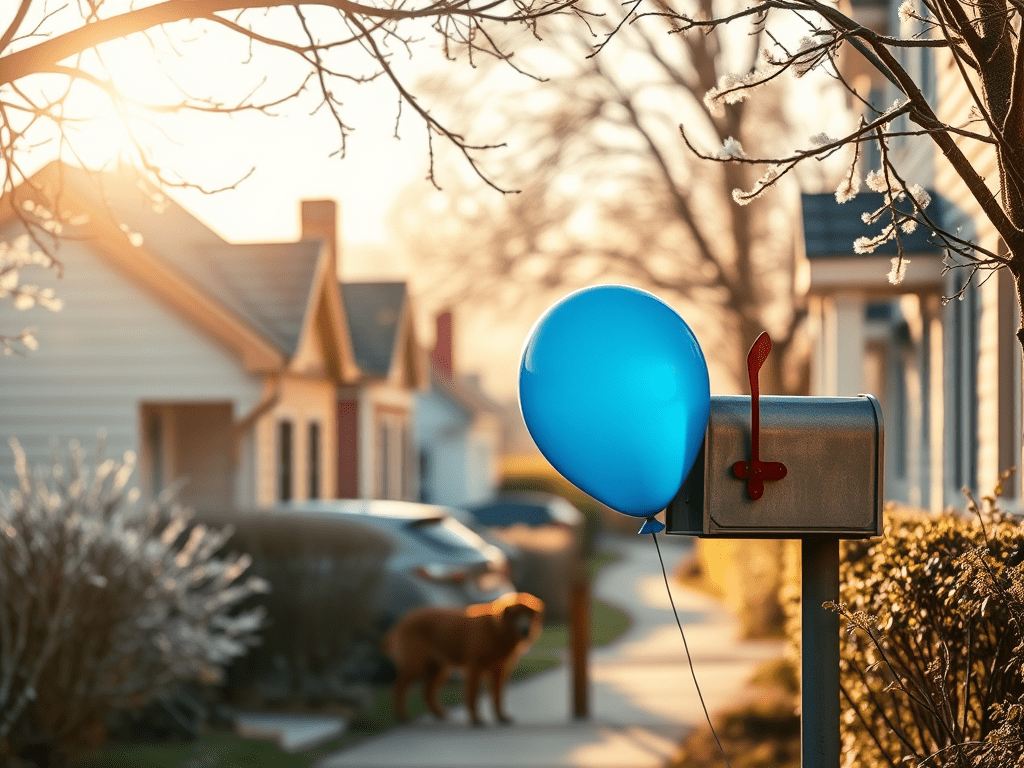
찬 서리가 삼라만상을 온통 뒤덮은 이른 아침이었다. 나는 리빙룸에 서서 아침 햇살을 즐기며 창 밖의 날아가는 새들을 향해 눈인사를 하고 있었다. 그런데 문뜩 나뭇가지 사이로 파란풍선이 어른거렸다. 이웃집 ‘드류’가 파란풍선을 집 앞 우체통에 묶고 있음을 한 눈에 볼 수 있었다. 생명이 태어난 것이었다! 불면 날아갈 것 같고, 잡으면 깨어 질 것처럼 연약하고, 상처받기 쉬운 생명. 밤낮으로 돌봐야 되고, 걸음마를 걷도록 도와야 하고, 넘어지면 일으켜 세워야 하고, 아파하면 곁에서 밤을 새우며 지켜야 하고, 괴로 워하면 등을 쓰다듬어주며 “괜찮을 것이야!” 라며 용기를 주고 영원히 사랑해야 만 될 존귀한 생명이다.

바람에 흔들리는 파란풍선을 바라보며 마음 속에 교차되는 기쁨과, 젊은 부부를 향한 안쓰러움이 있었다. 첫 아이를 낳고 망연자실했던 내 모습이 떠올랐다. 아기가 예쁜 줄 만 알았었지 감기가 들거나, 열이 난다는 사실을 별로 생각해보질 않았다. 세 아이를 낳고 키우면서 아기가 울지 않기를 바랬으며, 내가 원하는 아이가 되어주길 기도했었다. 아이들은 내 철없는 기도와는 상관없이 하나님의 손길 안에서 각자의 개성과 모양대로 자라주었다. 아이들의 병치레와 말썽을 통해 완전한 어머니가 될 수 없음을 알았고, 오직 하늘에 계신 아버지께 자녀들을 맡길 수 밖에 없었다.

참으로 오랫 만에 들려오는 아기 울음이다. 머잖아 어린 생명이 우리 집 골목길에 골목대장이 될 것을 생각하니 벌써 봄이 그리워진다.

The current image has no alternative text. The file name is: create-a-featured-image-for-a-blog-post-centered-around.png
Posted in Essay by WanHee Yoon, faith-column | Leave a comment

“Blue Balloon” © WanHee Yoon, (Faith Column, #27, LA Christian Today, January 16, 2008):

On our little alley, where five houses stand shoulder to shoulder like friends with arms linked, a new neighbor moved in two years ago. They were a young couple in their late twenties, newly married. The husband, Drew, ran a landscaping business, and the wife, Jessica, worked as an elementary school teacher. Most of the neighbors were retired, so the alley was usually quiet. But Drew’s family brought with them two large brown shepherd dogs—tall as children—and a fiery little Chihuahua that barked as if it might faint from excitement. Soon, they ruled the alley like captains.

After our first greeting, we rarely had time for conversation, but it was clear how much Drew and Jessica loved outdoor sports. In front of their house stood a boat the size of a small house and a golf cart. On weekends they would leave, returning only late Sunday night. Then one spring, I noticed that the boat and golf cart, once parked outside, never returned. Stranger still, though the couple left together each morning and returned in the evening, Drew’s truck stopped appearing at night. Sometimes it was gone for days, leaving only Jessica’s car. Even their dogs, once the noisy rulers of the alley, grew quiet and were seldom seen.

We began to worry. Had something gone wrong between the young couple? Were they avoiding each other after a quarrel? Thoughts swirled until one day Jessica’s condition was unmistakable—she was heavily pregnant. They had sold the boat and golf cart, and Drew was working nights and weekends.

One early morning, frost covered the world. I stood in the living room, enjoying the sunlight and greeting the birds flying past the window. Suddenly, through the branches, I saw a blue balloon swaying. Drew was tying it to the mailbox in front of their house. A new life had been born! Fragile as if it might fly away or break at a touch, easily wounded, needing constant care. A life to be watched day and night, helped to take its first steps, lifted when it falls, comforted when it suffers, whispered to with “It will be all right,” and loved forever.

Looking at the blue balloon trembling in the wind, my heart was filled with joy and compassion for the young couple. I remembered myself, bewildered after my first child was born. I thought only of how beautiful the baby was, never of colds or fevers. Raising three children, I prayed they would not cry and wished they would become the children I wanted. Yet they grew in their own ways, under God’s hand, regardless of my foolish prayers. Through their illnesses and mischief, I learned I could never be a perfect mother, and had no choice but to entrust them to the Father in heaven.

It has been so long since I heard the cry of a newborn. Thinking that soon this little life will become the new “captain” of our alley, I already find myself longing for spring.

The current image has no alternative text. The file name is: image-99.png
Posted in Essay by WanHee Yoon, faith-column | Tagged , , , , , | Leave a comment

“Wait a Moment! Am I Truly Happy This Autumn?”

© Yoon, Tae-Hun, November 2025

I want to make it clear that this writing reflects only my personal situation and thoughts. As I approach Hee-Soo age—77 next year—I find myself thinking that there are two things I must do every day. First, as my memory slowly fades, I need to keep using my mind. Second, I want to gather pieces of my life so that when I am no longer in this world, my descendants may remember something of who I was. That desire led me to pick up the pen again.

Who am I, truly?
Am I genuinely happy and satisfied with my life?
Do I know myself?
And is the “self” I think I know the real self?

It is said that a person experiences true happiness when body, soul, and spirit share a harmonious unity.
Those who insist that only the physical life matters have no concept of sin, and they will do anything if it benefits the flesh.
Those who emphasize only the soul pursue rationality alone and allow no place for God beyond a scientific framework.
On the other hand, those who seek only the spiritual dimension deny the physical and emotional aspects of humanity, believing that all human affairs are unnecessary.

When Jesus came to this world, He healed our sicknesses and weaknesses.
He restored the man with the withered hand,
He healed the lepers and sent them back into their communities,
and He brought healing to the woman with the issue of blood, the paralytic, and Jairus’s daughter.
Not once did He say, “What use is it to heal this worthless body?”

Jesus desired wholeness for our bodies,
and once healing came, He restored each person back to their family and society.
Then He called them into a spiritual life:
“You are the salt of the earth and the light of the world.” (Matthew 5:13–14)

  1. To find a truly happy self, I must care well for my body.
    (1) When my living conditions decline, I try to eat fresh vegetables and fruits often and maintain regular exercise.
    (2) I strive to be diligent, avoid luxury, and practice frugality.
    (3) I try not to take my body carelessly to unworthy places.
    (4) I aim to keep up with regular physical check-ups, maintain a balanced diet, and rest after excessive labor.
  2. To find a truly happy self, I try to care well for my soul.
    (1) I must read many books—classics and autobiographies of great people. By reading lyrical poetry and essays, I broaden my thoughts and discover myself through the experiences of others.
    (2) By listening to good music—hymns, masterpieces, and classical works—I seek to refine and purify my emotions.
    (3) By staying close to nature, I try to sense the presence of the Creator who abides within the order of creation.
    (4) I try to manage my emotions well to preserve my energy. (Emotions are like a swamp—when we become controlled by them, we run toward the non-essential rather than the essential.)
    (5) I continually challenge myself toward self-development, gaining new experience and learning the mature attitudes of the saints.
  3. To find a truly happy self, my spirit must run toward God.
    (1) I begin by acknowledging that I am God’s creation.
    (2) I believe my soul is like a virgin forest—so deep and vast that I cannot know or feel all the spiritual treasures hidden within it.
    (3) I believe that Scripture is like a guide that helps us discover and see the treasures of the soul. (Through the Word, God’s prophecies were proclaimed; through the Word, all these prophecies were fulfilled—and are still being fulfilled.)
    (4) Through prayer, a one-on-one conversation takes place between God and me. It is also through prayer that the treasures of the soul become my own.
    (5) The true self within me—created in the image of God—must be honored, loved, and spiritually nurtured. In the past, I claimed that the life given to me by my mother was mine to do with as I pleased. But now, knowing that my life is not my own but carries the image of God, I must learn to treat all that I am as precious.

Knowing that I bear God’s image—and learning to love my neighbors who also bear God’s image—will this not lead me to become a greater self?

This autumn, I ask myself:
“Is there still distance between me and my neighbor?”
“And is my soul truly at peace right now?”

If I cannot answer these questions fully and honestly, perhaps it is because I still do not love myself deeply enough. When my spirit, soul, and body come into unity and harmony in God, then I will be able to live this beautiful autumn with my neighbors—healthy, happy, and almost eternal in its joy.

For today’s life is a poem, written each day by Christ, the Poet of my soul.

The current image has no alternative text. The file name is: image-97.png
Posted in faith-column | Tagged , , , , , | Leave a comment

“잠깐! 나는 이 가을에 진정 행복한가?”

© 윤 태헌, 1992년 10월 그리고 2025년 11월에

이 글은 순전히 저 개인의 형편과 생각임을 밝힙니다. 내년이면 희수(77)에 이르는 나이가 되다보니, 매일 두가지를 해야겠다는 생각이 들었습니다. 하나는 기억력이 점점 희미해져가니, 머리를 써야겠다는 생각과, 둘째는 내 삶으로 조각들을 모아 내가 이 세상에 없을 때, 내 후손들이 나의 모습을 기억해주기를 바라는 마음으로, 붓대를 잡게 되었습니다.

내가 진정 누구인가? 나는 정말 행복하고 살아감에 만족하고 있는가? 내가 내 자신을 알고 있는가? 과연 내가 알고 있는 나(Self)는 진정한 나인가요?

사람은 육과 혼과, 영이 균형있는 일체감을 나눌때 행복감을 느낀다고 합니다. 육적인 삶만이 중요하다고 강요하는 사람은 죄에 대한 개념이 없고, 육을 위한 일이라면 무엇이든지 합니다. 혼적인 삶만을 강조하는 사람은, 이성적인 면 만을 추구하기 때문에 신의 존재를 과학의 수준 외에는 두지 않는 반면, 영적인면 만을 추구하는 사람은 육적이고 혼적인 면을 부인하여, 인간사가 모두 불필요한 것이라고 생각합니다.

예수님이 세상에 오셔서 우리의 병과 약함을 치료하시었으며, 손이 마른자는 그손을 펴게하셨고, 문둥병자는 병을 치료하시어 그가 속한 사회로 돌려 보내었습니다. 혈루증과, 중풍병자와, 야이로의 딸을 살리신 주님은 단 한번도 “쓸모없는 육신을 치료 한들 무슨 소용이냐?”라고 하지 않으셨습니다. 에수님은 우리의 몸이 온전하여 지기를 원하시었고, 온전한 후에는 그가 속해있는 가정과 사회로 돌려 보내시었습니다. 그리고, 영적인 삶을 명하셨습니다. “너희는 세상의 소금과 빛이 되라고!” (마태5장 13-14)

  1. 행복한 나를 찾기 위하여는, 나의 육신을 잘 돌보아혀 하리라. (1) 생활 형편이 하락하면, 신선한 야채와 과일을 자주먹고, 규칙적인 운동을 하려 노력합니다. (2) 부지런하며 사치를 멀리하고 절약하려 노력합니다. (3) 나의 육신을 아무곳에나 함부로 보내지 않으려합니다. (4) 정기적인 신체검사와 균형있는 식사를 유지하고, 지나친 노동후에는 쉬임을 갖으려 노력합니다.

2. 행복한 나를 찾기 위하여 나의 혼을 잘 돌보려 노력합니다. (1) 고전 및 성인들의 자서전등의 책을 많이 읽어야 합니다. 또한, 서정시와 수필을 읽으므로, 나의 생각을 넓히며, 그들의 경험을 통해 나를 발견하려 합니다. (2) 좋은 음악을(성가, 명곡, 클래식 )들음으로, 나의 정서를 순화 시키려 합니다. (3) 자연과 가까이하여, 자연의 순리 속에 함께하시는 창조주의 임재하심을 깨달으려 합니다. (4) 감정을 잘 다스리어, 우리의 에너지를 아끼려 합니다. (감정은 늪과 같아서 감정의 지배를 받게되면, 본질 보다는 비본질을 향해 달리게 됩니다.) (5) 자기개발을 향하여, 끊임없이 도전하고, 경험을 익히고 성숙한 삶의 태도(성인들)를 배우려 합니다.

3. 행복한 나를 찾기위하여 나의 영이 하나님을 향해 달려가려합니다. (1) 나는 하나님의 피조물임을 먼저 인정합니다. (2) 나의 영혼은 처녀림과 같아서. 그 무궁무진하게 숨겨진 영적보화를 모두 알거나 느낄 수가 없다는 생각이 듭니다. (3) 성경말씀은 영혼의 보화를 찾게하고 보게하는 안내자와 같다고 믿습니다. (말씀을 통해 하나님의 예언이 선포되었으며, 말씀을 통해 그 모든 예언을 성취하셨고, 지금도 하고 계십니다.) (4) 기도를 통해, 하나님과 나와의 일대일의 면담이 이루어집니다. 영혼이 보화를 내것으로 만드는 작업도 기도를 통해서 얻게 됩니다. (5) 내 안에 있는 진정한 나(하나님의 형상으로 만들어진, 나를 존경하고 사랑하며, 영성을 키워야합니다. 과거엔, 어머니로 부터 받은 나의 생명, 내 맘대로 하기를 주장하였으나, 내 생명이 내것이 아닌, 하나님의 형상임을 아는 나는, 나의 모든것을 귀하지 여길줄 알아야 됩니다.

내가 하나님의 형상임을 알고 있는 나는, 또한 하나님의 형상을 이룬 나의 이웃을 사랑할 줄 알게 되면, 나는 더큰 아를 이루지 않겠습니까?

이 가을 스스로에게 질문 해봅니다: “아직도, 나와 이웃간에 거리감이 있는가?” 그리고 “영혼은 지금 평온한가?”

아마도 나는 이 질문에 온잔하 대답에 이르지 못했다면, 나는 아직도 나 자신을 뜨겁게 사랑하지 못하고 때문이리라! 나 자신이 영, 혼 그리고 육이 하나님 안에서 일치와 조화를 이룰 때, 나는 이웃과 함게 건강하고 행복한 이 가을을 영원처럼 행복하게 살겠지요.

오늘의 내 삶은 시인이신 그리스도께서 매일 써 가시는 시이니까요.

Posted in faith-column, Ministry, Sermon | Leave a comment

“You Have Seen the Lord!”

© Yoon Wan-Hee, November 1992

Have you seen it this autumn?
The sparkling frost hanging on every blade of grass,
dancing in radiant colors—
You have seen the Lord!

Have you seen it this autumn?
The yellow, red, and brown wings
overflowing across mountains and fields—
You have seen the Lord!

Have you seen it this autumn?
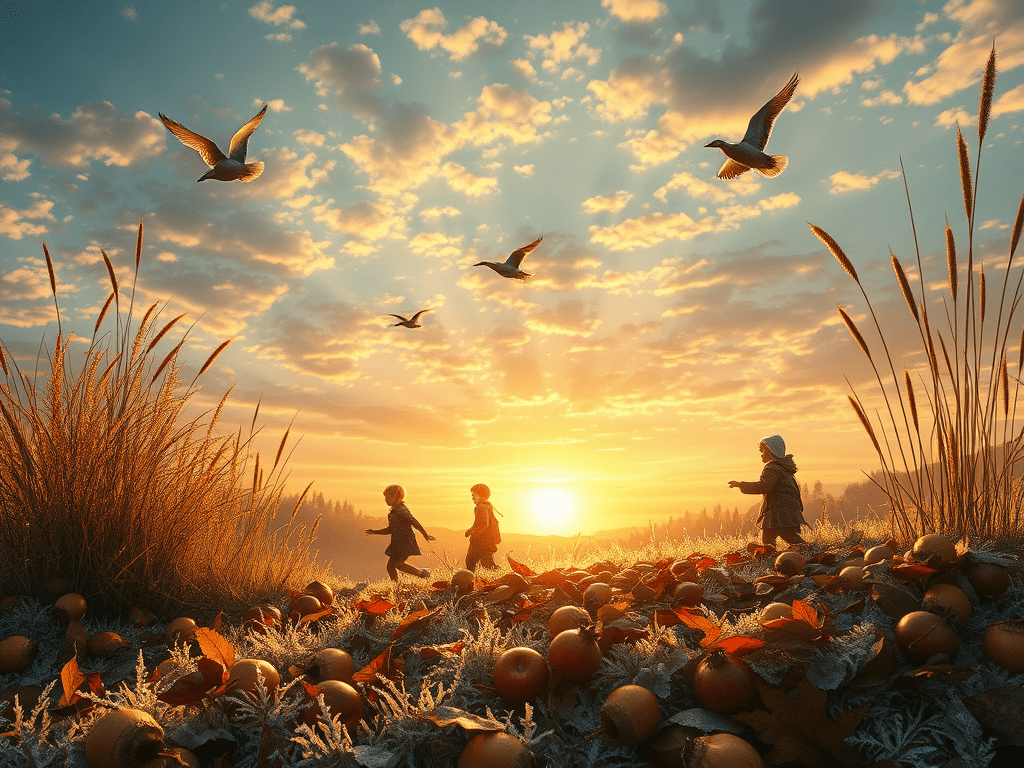
The long lines of geese and wild ducks
flying across the evening sky at sunset—
You have seen the Lord!

Have you seen it this autumn?
The wind sweeping east and west
through children rolling and laughing on fallen leaves—
You have seen the Lord!

Have you seen it this autumn?
The acorns clustered in the forest,
and the innocent laughter of red pomegranates—
You have seen the Lord!

Have you seen it this autumn?
The reeds stretching tall toward heaven,
lifting themselves up in a great Hallelujah chorus—
You have seen the Lord!

Have you seen it this autumn?
The beads of sweat rolling down
the rugged, dirt-stained face of a farmer
gathering in the year’s harvest—
You have seen the Lord!

Have you seen it this autumn?
At the hour when you rest
from a long and tiring day,
the Milky Way shimmering across the sky—
You have seen the Lord!

The current image has no alternative text. The file name is: image-95.png
Posted in Poetry | Leave a comment

“주님을 보신거에요!”

© 윤 완희, 1992년 11월

이가을에 보셨나요?
찬서리 풀잎마다 매달리어
오색찬란히 춤추는 모습을 – 당신은 주님을 보신거예요!

이 가을에 보셨나요?
산천에 넘쳐 나르는
노랑빛. 붉은 빛, 갈색 빛의 날개를 – 당신은 주님을 보신거예요!

이 가을에 보셨나요?
해질녁 창공 위에 줄을 지어 날으는 기러기떼와 물오리들의 행열을- 당신은 주님을 보신거예요!

이 가을에 보셨나요?
가랑잎 위에 뒹구는 아이들의 장난 속에 동(東)으로 서(西))로 불어 제치는 바람을 – 당신은 주님을 보신거예요!

이 가을에 보셨나요?
알알이 달려있는 숲속의 도토리들과
붉은 석류의 천진스런 웃음을- 당신은 주님을 보신거예요!

이 가을에 보셨나요?
긴 허리 하늘을 향해 높이 발돋음한
갈대들의 할렐루야 대 합창을- 당신은 주님을 보신거예요!

이 가을에 보셨나요?
알곡을 거두어 들이는 흙묻은 농부의 거친 얼굴 위에 흘러내리는 땀방울을- 당신은 주님을 보신거예요!

이 가을에 보셨나요?
당신이 피곤한 하루를 쉬고 있는 그 시간에 반짝이는 은하수 하늘에 흐르고 있음을- 당신은 주님을 보신거예요!

The current image has no alternative text. The file name is: image-94.png
Posted in Poetry | Leave a comment

“Thanksgiving for What God Has Done” (Romans 7:25; Colossians 1:3–5; 1 Thessalonians 1:2–7; 2:13) – Sermon

We have learned that it is a human virtue for children to remember what their parents have done for them—even long after the parents have passed away.

(1) They gave us life. (2) They forgave our faults with love. (3) They cared for us without fail until we became adults.

God, too, has shown us love and care far greater than that of our earthly parents. And we have received it.

1. A Grateful Heart First, it is vital to cultivate a heart of gratitude. This is a decisive turning point that shapes the course of a life. Among children who receive gifts, those who know how to give thanks bring immeasurable joy to their parents. The reward of raising them makes all past hardships fade away. This is the spiritual posture of Thanksgiving.

Each morning, when we open our eyes from sleep, the soul that gives thanks for the new life granted by the Creator enters the doorway of the new day with the key of gratitude. The abundant day of heaven is already ours.

2. Giving Thanks in Every Circumstance (1 Thessalonians 5:18) Even if we resent a parent who scolds us, we cannot forget the grace of the one who gave us life. The trials we endure to grow are part of the process of grace given by God. We must learn to give thanks in all circumstances. This is the secret to having the treasures of heaven overflow in our lives.

3. Giving Thanks for Everything (Ephesians 5:20; Colossians 3:17; 1 Thessalonians 5:18) Sometimes we give bitter medicine to a sick child. Let us give thanks even when our good and gracious God gives us what we dislike. We believe that sorrow and pain will be transformed into greater joy and fill our storehouses abundantly.

4. Giving Thanks to the God Who Answers Prayer When a debt is paid, a sense of liberation follows. True freedom is found in following the footsteps of the “Servant King” who wore a crown of thorns. With each step we take in His path, the sense of liberation—true freedom—grows deeper.

Love and care for our neighbors is the true form of prayer. We believe this is the essence of genuine faith toward God.

This Thanksgiving, take time to reach out with love and care to the nameless, the unfortunate, and those with whom our relationships have grown strained or distant. Let it be a chance to repay, even one ten-thousandth, the boundless grace we have already received from God.

Sometimes, in the midst of hardship, we taste the refreshing liberation of grace. You will find yourself immersed in a true and beautiful humanity that cannot be bought with money. In this deepening autumn, I am confident you will share true happiness with the Lord.

May your household be filled with joy this Thanksgiving. I bless you in the name of the Lord.

© TaeHun Yoon

October–November 1992 Combined Issue (Pastor’s Page from the Monthly Newsletter)

The current image has no alternative text. The file name is: image-93.png
Posted in Ministry, Sermon | Tagged , , , , , | Leave a comment

“감사절” – 설교

하나님의 하신일에 감사, (로마서 7:25, 골로세서 1:3-5, 데살로니가 전서 1:2-7, 2:13)

부모가 자녀에게 행한 일을 두고, 자녀는 부모가 돌아가신 후에도 길이 기억하며 지나는 것이 인간의 도리로 우리는 배워왔읍니다.

(1) 생명을주셨고. (2) 잘못을 사랑으로 용서해 주셨고, (3) 성인이 될 때 까지 빈틈없이 돌보아 주셨읍니다. 하나님께서도 우리 삶을 육신의 부모님보다 더한 하늘의 사랑과 돌봄을 배푸셨고, 우리는 받았읍니다.

1. 감사하는 마음: 먼저 감사하는 마음을 갖는 것이 중요합니다. 이것은 한 인생의 모습을 결정 짖는 중대한 기로가 되기 때문입니다. 선물을 받은 자녀들 가운데 감사할 줄 아는 자녀는 부모의 마음을 한없이 기쁘게 해줍니다. 키운 보람에 그 동안 고생한 시름도 잃어버립니다. 이것이 감사절의 영적 자세입니다.
매일 아침 잠자리에서 눈을 뜰 때. 창조주 하나님께서 주신 새 생명에 감사할 줄 아는 영혼은, 하나님이 우리 앞에 창조해 주신 새 날의 문을 감사의 열쇠로 열고 들어 서는 것 입니다. 풍성한 하늘의 하루가 이미 저의 것입니다.

2. 어떤 경우에 처해 있던지 감사: (데살로니가 전서 5:18) 잘못을 꾸짖는 부모가 밉다고, 나를 낳아주신 부모의 은혜을 잊을 수가 없읍니다. 내가 더욱 크게 성장키 위해서 겪는 인생의 시험들을 하나님이 주시는 은혜의 과정인 줄 알고, 어떤 경우에도 감사해야 할 줄압니다. 이것은 하늘의 보화가 내인생에 차고 넘쳐나는 비결인 것입니다.

3. 모든 것에 감사: (에베소서 5:20, 골로세서 3:17, 데살로니가 전서 5:18) 때로는 병든 아기에게 쓴 약을 먹입니다. 선하고 좋으신 하나님께서 내가 싫어하는 것으로 주실 때도 감사합시다. 슬픔과 고통이 변하여 더욱 큰 기쁨으로 우리 곳간에 풍성히 채워 주실 줄 믿습니다.

4. 기도에 응답하시는 하나님께 감사: 빚을 갚으면 해방감이 옵니다. 참 자유는 가시관을 쓰신 “섬김의 왕,” 주님의 발자취를 따라갈 때 가능합니다. 따라가는 발자국마다 해방감 (참자유)은 더해갈 것 입니다.
이웃을 향한 사랑과 돌봄 만이 우리 기도의 참 모습이요. 하나님을 향한 참 믿음의 내용들 임을 믿습니다.

이번 감사절에는 시간을 내어서, 이름없는 이들이나 불행한 이들, 그리고 우리와 관계가 불편하고 소원해진 이들에게 사랑과 돌봄으로, 이미 하나님으로 부터 받은 한 없는 은혜를 만분의 일이라도 갚는, 감사의 기회를 삼으시기 바랍니다. 때로는 오히려 어려운 생활 속에 신선한 청량제의 참 해방감을 맛보시기 바랍니다. 당신은 돈 주고 살 수 없는, 참 아름다운 인간다움에 젖어 깊어가는 이번 가을을, 주님과 진정한 행복을 함께 나누시리라 확신합니다! 귀 가정에 기쁜 감사절이 함께하시기를, 주님의 이름으로 축원합니다.

© 윤 태헌

1992년 10월, 11월 합병호 (Pastor’s Page from the Monthly News Letter)

The current image has no alternative text. The file name is: image-92.png
Posted in Ministry, Sermon | Leave a comment