사랑의 바구니

지난 주간에(12/4/94) 올해 3번째 전달되는 사랑의 바구니 보내기 운동을 위하여, 자선 음악회를 갖게 되었습니다. 사랑의 바구니는 불우한 여성들과 자녀, 병든 이웃들에게 성탄절을 앞두고 보내지는 사랑의 선물인데, 그들에게 하나님의 사랑을 조금이라도 전달해 주고픈 마음에서 시작된 운동입니다.

불우한 이웃이란 돈이 없는 사람들이나 병든 사람을 무조건 불우한 이웃이라고 하지 않습니다. 우리 주변에는 감당할 수 조차 없는 많은 물질을 갖은 사람과, 건강한 사람가운데서도 불우한 이웃을 얼마든지 찾을 수 있습니다. 허나, 사람의 눈에 불우해 보이고 병든 사람들 가운데는 하늘의 보화가 넘쳐서 그 생명이 청년과 같이 소생하고 영생의 길을 활기있게 걷는 행복한 이들을 발견케 됩니다. “동서남북 어디를 방황하든지 예수 그리스도의 품에 안기우기 전에는 참다운 평안이 없다” 라고 천명한 성어거스틴의 말을 기억하며 예수 그리스도를 모르는 모든 사람들은 불우한 이웃이 될 수 밖에 없는 것입니다.

제가 어렸을 적, 어느 추운 성탄절을 앞둔 깊은 밤이었습니다. 서울의 피난민들이 모여서 살던 신당동의 판자집들이 즐비한 곳에서 자라나는 동심 속에는, 미래에 대한 어둠과 절망 밖에는 꿈꿀 수 밖에 없는 실정이었습니다. 저희 아버지는 오십초반으로 심한 폐병으로 앓고있었습니다. 내일이면 성탄절이라고 모두가 기뻐하며 사람들의 발길은 분주했건만, 저희 가정엔 6명의 형제자매들이 한방에서 이불하나를 중심으로 잠자기도 비좁은 현실에 기뻐해야만 될 아무런 이유를 찾을 수 없었습니다. 허나 저의 동심 속에는 산타크로스 할아버지가 밤새 찾아와 머리맡에 큰선물을 두고 가리라는 기대감을 잔뜩 갖고 잠들었습니다. 그런데, 잠결에 이웃집 개가 몹시도 짖어대면서, 언니의 이름을 누군가가 밖에서 불러대는 소리가 꿈결처럼 들려왔습니다. 온 가족이 거의 동시에 깜짝 놀라 일어나 밖에 나가보니 집앞에는 아무도 없었고 대신 하얀 밀가루 한자루가 성탄카드와 함께 놓여있었습니다. 밀가루 한자루의 양은 온가족이 얼마동안은 배불리 먹을 수 있는 커다란 크기였었습니다.

그 후, 오늘날까지 성탄절이 가까이 오면, 그날 밤 멀리서 들려오던 그 음성과 큼지막한 밀가루 자루의 모습을 한번도 잊은 적이 없습니다. 누군가가 우리를 기억해 주고 사랑해주며 관심을 갖고 있다는 것이 내게 얼마나 큰 용기를 주었는지 모릅니다. 이 세상에서 가장 귀한 씨앗이 있다면 사랑의 씨앗을 뿌리는 일인 것 같습니다. 한 영혼 안에 뿌려진 사랑의 씨앗은 영생을 연결해 주는 징검다리 역할을 합니다.

올해도 성탄절을 앞두고, 사랑의 바구니를 위해 후원회원들과 함께 몇달전 부터 기도하는 가운데 하나님께 지혜를 구하였었습니다. 올 성탄절에도 외롭고 가난하고 병든 이웃들에게 하나님의 사랑인 예수님의 탄생을 알리며 기쁨을 함께 나눠야 될터인데 무엇을 어떻게 시작 하여야 좋을지 막막하기만 했었습니다. 그 동안엔 후원회원들이 매 달 한차례씩 만나 기도하고, 선교회원들의 안부를 묻기도 하고 전하기도 하면서 모인 사람들 끼리 적은 헌금으로 사랑의 바구니를 전달했습니다. 허나, 세월이 가면서 그 선교 대상자들은 확대되어 사랑의 바구니가 더 많이 필요해졌습니다. 하나님께서는 우리의 기도를 기뻐 받으시고 자선음악회를 허락하시어 사랑의 바구니가 차고 넘치도록 축복해 주셨습니다. 음악회를 위해 멀리서 가까이서 참석한 음악인들은 그들의 재량을 마음껏 발휘하여 하나님께 영광드리었으며, 음악회에 참석한 분들은 감동적이고 즐거운 시간을 보내게 되었습니다. 너도나도 사랑의 마음을 전하기 위해서 기도로 후원하고, 어떤 분은 음식을 담당하시고, 헌금을 보내시고, 출연진들을 위해 십자가를 손수 만들어 감사의 표시를 전해줌으로 인해 우리가 준비한 사랑의 바구니가 모자랄 정도로 넘치도록 담아주셨습니다. 저는 자선음악회가 진행되는 동안, 기뻐하는 성도들의 모습을 바라보면서 아직도 사람들은 선한 일하기를 무엇보다도 보람으로 여기며 동참하기를 원하다는 사실에 저 스스로가 놀랄 수 밖에 없었습니다. 이 땅에 주의 선한사역을 위해 용기있게 나설 일꾼들이 많으면 많을수록 이땅에 천국은 더 넓게 확장 될 수 있으리라는 확신을 갖게 되었습니다.

2,000년전 유대 임금을 맞으러 떠난 동방 박사들의 순례의 모습을 생각합니다. 오랫동안 기다리고 기다리던 구원자의 탄생을 알리는 별의 인도 함을 받고, 다만 그를 경배하기 위해 그 길고 먼 순례의 길을 택하였습니다. 그리고, 끝내 아기 예수를 냄새나고 추한 마굿간에서 찾아내어 첫 경배드리는 영광을 갖게 된 것입니다. 올해도 사랑의 바구니에 가득가득 담아주신 성도들의 사랑을 아기 예수님께 예물로 바치며, 그분의 얼굴을 바라봅니다.

그분은 때로는 병든 모습으로, 헐벗고 굶주린 모습으로, 정신병원에서 고통하는 모습으로, 영양실조된 아기의 모습으로, 철장에 갇힌 모습으로 우리 곁에 오늘도 계십니다. 우리에게 자신의 심장을 송두리채 담아 보내신 하나님의 사랑을 기억하며, 올해도 사랑의 바구니를 전할 수 있음을 하나님께 감사드립니다.

– 尹 完 姬, <1994년 12월12일>

The current image has no alternative text. The file name is: image.png
Posted in Essay by WanHee Yoon, faith-column | Leave a comment

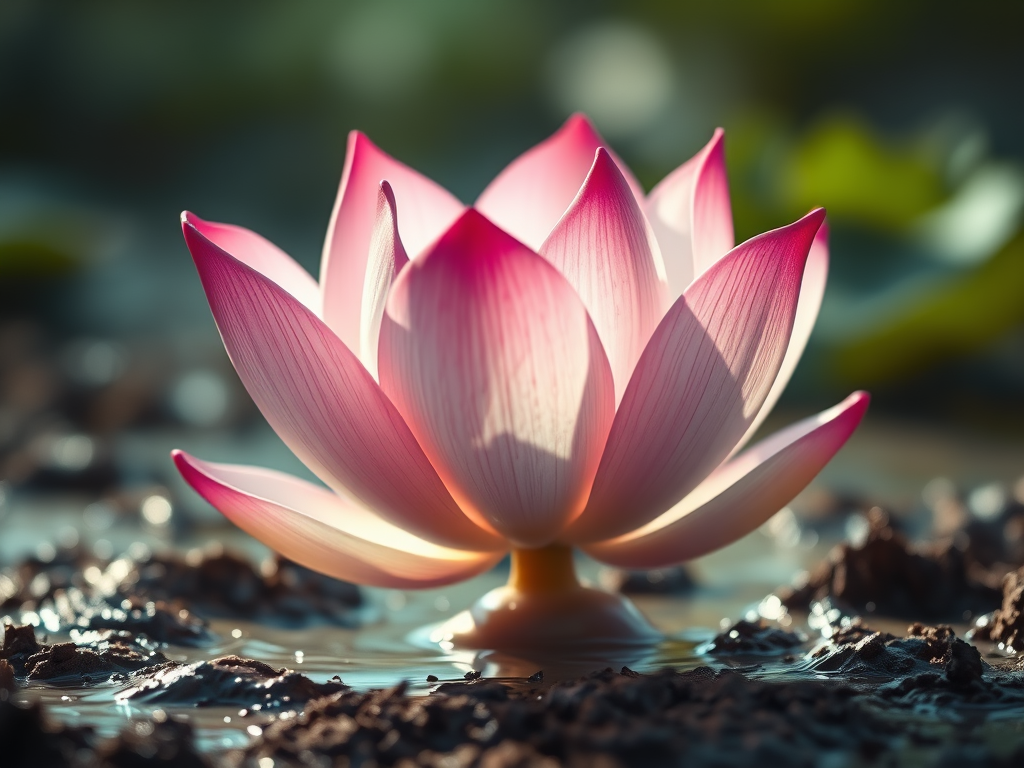
“Why do people love flowers?”

Why do people love flowers?
Perhaps because flowers do not wear uniforms.
Each appears as itself,
anywhere, anytime—last year or this year—
and quietly—
shows us
what the Creator’s heart might look like
when it is not trying to dominate.

Mix religion and politics,
and neither faith nor order remains.
They rot. Not like lights
Like paint colors mix open too long,
they eventually turn pitch-black.

And yet sometimes,
the two find each other again,
draw close,
link sleeves,
and pretend they were one body
from the beginning.

The lotus knows this.
That it will not grow
unless the mud has rotted enough.
That it must wait
until decay has passed through.
All night it sets the table,
places the food low,
and kneels where no one sees.

It releases heart-piercing scents
three times,
fills the cup,
pours again,
and pours once more.
Then it rises
and bows three and a half times—
because grief
never ends cleanly.

People gather.
They eat.
They stay awake through the night,
telling stories of the one
who crossed the river first.
It is a sorrowful night.
But it is also a gentle night.
Love begins there,
and so
a single flower blooms.

Stories bloom
of more than five thousand Ukrainian soldiers
who crossed a river
from which there is no return—
into fields that answer only with death.
Stories bloom
of bodies pushing back,
with all the strength they have,
against an empire pressing forward.

Korea knows this too.
Jeju still remembers
the uniforms
that knocked on every door.
Minneapolis
knows that sound as well.

And so the old heart of Gwangju
has found new ground
and is blooming again,
this time
far from home.

Look at the lotus root—
buried deep in foul-smelling mud,
standing straight
like a promise that does not explain itself.

It lifts its stalk,
opens a single leaf
like a great umbrella,
and stands beneath the rain
of forced unity and violence—
the rain poured down
by the most brutal power on this planet—
and it blooms.

One single flower.
Ten million colors.
Without any declaration.
It simply opens toward the sky,

and ten million people,
without asking why,
come to love it quietly.

— Yoon Tae-Hun
February 6, 2026

The current image has no alternative text. The file name is: create-a-highly-detailed-high-resolution-image-that-encapsulates-the-essence.png
Posted in Poetry | Tagged , , , , | Leave a comment

사람은 왜 꽃을 좋아하나?

왜 사람은 꽃을 사랑할까?

아마도 꽃은 제복을 입지 않기 때문일 것이다.
각각이 자기 자신으로 나타나
어디서든, 언제든, 작년이던 올해던,
그리고 조용히—
지배하려 들지 않을 때의
창조자의 마음이
어떤 모습일지
우리에게 보여주기 때문일지도 모른다.

종교와 정치를 섞으면
신앙도 질서도 남지 않는다.
썩는다.
열어 둔 채 오래된 페인트처럼
끝내는 새까맣게 변해 버린다.

그런데도 가끔,
그 둘은 다시 서로를 찾아
가까이 다가가
소매를 엮고
처음부터 한 몸이었던 척한다.

연꽃은 안다.
진흙이 충분히 썩지 않으면
자라지 않는다는 것을.
부패를 통과할 때까지 기다린다는 것을.
밤새 상을 차리고,
낮은 곳에 음식을 놓고,
아무도 보지 않는 자리에서 무릎을 꿇는다.

마음을 찌르는 냄새를
세 번 풀어 놓고,
잔을 채워
다시 따르고,
한 번 더 따른다.
그리고 일어나
세 번 반쯤 절한다—
슬픔은 언제나
말끔히 끝나지 않으니까.

사람들이 모인다.
먹는다.
강을 먼저 건넌 이의 이야기를 하며
밤을 새운다.
슬픈 밤이다.
그러나 부드러운 밤이기도 하다.
사랑은 그 자리에서 시작되고,
그래서
한 송이 꽃은 피어난다.

오천 명이 넘는 우크라이나 병사들이
이제는 돌아올 수 없는 강을 건넌 이야기 핀다—
죽음만 대답하는 들판으로.
몸이 허락하는 한
제국이 밀어붙이는 힘에
끝까지 맞서는 이야기가 핀다..

한국도 이를 알고 있다.
제주는 아직도 기억한다.
집집마다 문을 두드리던
제복들을.
미니애폴리스도
그 소리를 안다.

그래서 광주의 오래된 심장은
새로운 땅을 찾아
다시 피어나고 있다,
이번에는
고향에서 멀리 떨어진 곳에서.

연꽃 뿌리를 보라—
악취 나는 진흙 속 깊이 묻혀
설명하지 않는 약속처럼
곧게 서 있다.

줄기를 올리고,
큰 우산 같은 잎 하나를 펼쳐
강요된 통합과 폭력의 비—
이 지구에서 가장 잔혹한 권력이
쏟아 붓는 그 비 아래 서서—
꽃을 피운다.

단 하나의 꽃.
천만 가지 색.
아무런 선언도 없이.
그저 하늘을 향해 열리고,

천만의 사람들이
이유를 묻지 않은 채, 조용히
그 꽃을 사랑하게 된다.

— 윤태헌
2026.2.6

The current image has no alternative text. The file name is: image-29.png

Posted in Poetry | Leave a comment

“When the alarm rings”

Most modern people check their alarm clock before going to bed. The reason, needless to say, is that they must wake up at a set time so the next day’s schedule won’t be disrupted. There’s even a story about an American who, on the day he retired, took his alarm clock to the riverbank and threw it away because he no longer wanted to remember the days when he had to wake up to it every single morning.

An alarm is not only for waking us from deep sleep. Humans created alarms as safety devices—for fire prevention, tornado warnings, and alerts for natural disasters. They are one of the indispensable tools of modern civilization, designed to keep us aware and safe.

Some alarms awaken our ears, while others awaken the ears of an era. There are silent alarms that guide the direction of history. These sounds, inaudible to our physical ears, have always existed within society, nations, and the history of humankind.

These days, an alarm is ringing in our immigrant community. On May 1, 1999, Hispanic workers in Lower Manhattan protested low wages, unpaid overtime, and poor working conditions. Their demonstration is a warning siren we cannot simply ignore. The sound may seem faint or insignificant—something we might overlook or pretend not to notice without immediate consequence. Yet this alarm carries the potential to bring disadvantages not only to the entire Korean American community today but also to future generations. We must take it seriously and respond wisely.

According to the 1997 U.S. Census, Hispanics made up 11% of the U.S. population, while Asians accounted for 4%. By 2050, Hispanics are projected to reach 25%, and Asians 8%. The political influence of Hispanics is growing rapidly and visibly. Meanwhile, we must ask ourselves whether we are still wandering in nostalgia for our homeland’s past instead of seeking our place in this multiethnic society.

America’s strength lies in its diversity. But when that strength weakens or becomes fragmented, hostility toward certain groups can grow, turning the nation into a potential powder keg of racial conflict. Racial hatred has a dark history—most notably the murder of six million Jews. Even now, in Kosovo, the ethnic cleansing of Albanians by Yugoslav forces is creating orphans, homeless families, and separated loved ones overnight.

Racial hatred toward minorities and Asians is also rising online. On May 2, in Bergenfield, New Jersey, 184 gravestones in a Korean church cemetery were vandalized. The dead cannot speak, yet their heavy 1,000–1,500-pound gravestones were mercilessly toppled and destroyed. According to the Asian American hate crime report released by the Asian Pacific American Legal Consortium in Washington, D.C., the number of victims rose from 23 the previous year to over 70—more than triple.

Jews call themselves a minority. But in reality, their political, economic, and cultural influence in the United States is far from that of a small group. According to 1990 statistics, about 6.84 million Jews live in the U.S., and about 14.5 million worldwide. Yet they make up 20% of American lawyers—140,000 people. Twenty-three percent of the 400 wealthiest Americans are Jewish. Ten percent of U.S. congressional members are Jewish. Between 25% and 35% of university professors are Jewish. They hold 90% of top administrative positions at elite universities. They lead in film, culture, and many other fields. What explains this remarkable success?

Their excellence is rooted in education. They invest heavily in learning and research—not merely for personal prosperity, but for the advancement of humanity.

They continue to cultivate barren ground and move toward the conquest of Canaan, believing that their Exodus story is not a closed chapter of the past but an ongoing journey. They teach their descendants that Moses and Dr. Martin Luther King Jr. stand together at the door of history, leading people out of bondage. They believe this deeply. It is astonishing that they consistently remind themselves that the human rights movements of Moses and Dr. King are ultimately of the same nature.

— Yoon Wan-Hee, 5/15/1999

The current image has no alternative text. The file name is: image-47.png
Posted in Essay by WanHee Yoon, faith-column | Tagged , , , , , | Leave a comment

알람이 울릴 때

현대인의 대부분은 잠들기 전에 시계알람을 점검하고 잠자리에 드는 예가 대부분이다. 그 이유는 말할 것도 없이 그 다음 날의 모든 스케줄에 지장을 주지 않키 위해, 정해진 시간에 일어나야 하기 때문이다. 아침이면 이방 저방의 아이들의 방에서 울려지는 알람의 소리는 이 어느 미국인은 매일같이 알람에맞추어 일어나야 만 했던 날들을 더 이상 기억치 않으려 은퇴하던 날, 알람시계를 들고 강변에 나가 던져버렸다는 이야기가 있다.

알람은 깊이 잠들어 있는 우리를 깨우기 위해서 뿐 만이 아니다. 비록 인간이 우리 모두의 안전장치를 위해, 화재예방을 위해, 토네이도 예방을 위해, 자연재해의 경고를 위해 경각심을 서로 갖고자 알려주는 역할을 하기에 현대사회에 없어서는 아니될 문명의 도구 중의 하나인 것이다.

알람은 우리의 귀를 깨우는 것이 있는가 하면, 시대의 귀를 깨우며, 역사의 방향을 잡아가기 위해 들려오는 무언의 알람이 있다. 우리의 청각으로는 들을 수 없는 이 소리들은 사회와 국가, 인류사회의 역사 속에 언제나 있어왔고 들려지었던 것이었다.

요즈음 우리 이민사회에 알람이 울리고 있다. 그것은 지난 5월 1일(1999년) 로워 만하탄에서 저임금과 시간외 근무, 열악한 환경에 항의하는 히스패닉계 청과업소 종업원들의 시위는 우리가 무심코 지나칠 수 없는 경고 싸이렌이다. 그 소리들은 어쩌면 미약하고 보잘 것 없어 그냥 지나치거나 모르는 척 해도 당장은 괜찮을 듯 한지도 모르겠다. 그러나, 그 소리는 우리 한인 이민사회 전체와 후세들에게 까지도 불이익을 가져올 소지가 충분히 배제되어 있는 것임을 상기하여 심각하게 받아드리고 잘 대처해 나가야되지 않을 까 하는 우려를 갖게한다.

지난 1997년도 U.S 인구센서스 조사에 의하며 히스패닉 인구는 미 전체의 11%이며, 아시안은 4%이다. 그러나 2050년에 가면 히스패닉은 25%가 되며, 아시안은 8%가 될 예정이다. 현재 히스패닉의 정치적인 위상이 자라나고 있는 현상은 놀랍도록 두드려져 가고 있는 반면, 우리는 다민족 사회에서의 내일을 찾기보다는 조국 속에 묻혀진 과거의 향수 속에 행여나 아직도 헤매고 있지는 않은지.

미국의 힘은 다양한 민족이 함께 살아가고 있는데 있지만, 그 힘이 약화되거나 분산될 때에는 누군가를 향한 혐호감이 자라나게 되며, 언제든지 인종분규의 화약고로 변화 할 수도 있는 곳이기도 하다. 인종혐오 범죄는 인류의 역사 속에 유대인종 600만명 살해라는 어두운 이력을 갖고 있다. 현재도 코소보에서 일어나고 있는 유고슬라보의 알바니아계 인종청소는 무고한 백성들을 하룻사이에 천해고아로, 홈레스로, 이산가족으로 만들고 있다.

또한 인터넷에 올라오는 소수민족이나 아시안인을 향한 인종혐오 싸이트는 갈수록 높아져 가고 있으며, 지난 5월 2일, 뉴저지 버겐필드 웨스트 처치 스트릿 선상에 소재한 한인교회 소속 묘지의 묘비 184개가 손상된 사건이 일어났다. 죽은자들은 말이 없건만, 그 무거운 1,000-1,500파운드나 되는 묘비를 무침히 쓰러뜨리고 망거뜨리고 말았다. 워싱톤 DC에 본부를 둔 아태법률컨소사엄이 각 주 검찰과 경찰국의 자료를 토대로 발표한 [아시안 – 아메리칸 대상 증오범죄 보고서]는 전년도의 23명에 비해 70여명이라는 3배 이상이 는 것으로 나타났다.

유대인들은 자신들을 소수민족이라고 부른다. 그러나 실제로 이 미국내의 정치적, 경제적, 문화적 역량을 볼 때는 절대 소수민족이 되는 숫자가 아니다. 1990년 통계에 의하면 미국에 약 684만명이 거주하고 있으며, 세계적으로 약 1,450만명이 흩어져 살고있다. 그러나, 미국인 변호사의 20%인 14만명이되며, 400명의 재벌 주 23%가 유대인이다. 미의회 의원들의 10%가 유대인이며, 대학교수가 25%-35%나된다. 일류대학의 총장이나 행정책임자의 90%가 또한 차지하고 있으며, 영화, 문화, 다방면에 앞서가며 소수민족으로서의 미래를 열어나가는 주역이 되고 있는 이유는 무엇일까?

그들의 우수성은 단연 교육에 있다고 한다. 그들은 교육에 많은 투자와 연구를 아끼지 않는다. 그 교육은 개인적인 삶만을 위해 잘먹고 잘살기 위함이 아니라, 인류를 위해

그들은 끊임없이 미래를 향해 척박한 토지를 개간하며, 가나안 정복을 향해 지금도 들어가고 있다고 한다. 저들의 출애굽의 역사는 과거로 끝난 것이 아닌, 지금도 진행되고 정복사를 써내려 가고 있다. 저들은 모세와 마르틴 루터 킹 목사가 역사의 문에 함께 서서 이집트의 종살이로부터 해방을 지휘하고 있음을 자손들에게 알리며, 그렇게 믿고있다. 모세와 마르틴 루터킹 목사의 인권운동은 결국 다를 수 없는 같은 차원의 것임을 늘 상기하고 있음은 놀라운 사실이다.

– 윤 완희, 5/15/1999

Posted in Essay by WanHee Yoon, faith-column | Leave a comment

My Canaan, the Promised Shore

The ship departed
without a sound,
its wake trailing
the tail of regret.

All the multitude
sank beneath the sky,
while the sea alone
rose upward.

Each time the future surged—
ah,
that’s right,
for far too long
I had buried myself.

Even so,
I fell
into an exhausted sleep.

Now,
climbing onto
a new multitude,
you and I
cling to each other,
running forward.

O land you called—
my Canaan,
my promised refuge!

Everywhere and whenever the ship arrives,
they say, Rise
you, whom I love,
wait with arms wide open.

—Yoon Tae-Hun, 1998

Posted in Poetry | Leave a comment

나의 가나안 복지

배는 소리 없이

미련의 꼬리로 떠났다.

뭇이 하늘 아래로

가라 앉고

바다는 자구만

솟아 올랐다.

미래가 용솟음칠 때 마다

아!

그렇다

너무 오랜 동안

나를 묻었구나

그렇게

피곤한 잠도 들었는데

이제는

새로운

뭇에 올라

너도 나도

부등켜 안고

달려간다.

당신이 부른 땅

가나안 복지여!

배가 닿는

곳곳에서 언제나

사랑하는

당신은

팔벌리고 기다렸다 하네

– 윤 태헌, 1998

The current image has no alternative text. The file name is: image-158.png

Posted in Poetry | Leave a comment

친구의 신혼 방

친구의 이사 온 방은

신혼 방

비여있는 방은

쓸쓸하다 못해

기대로 채우고

안스런 위로로

때우다가

잠이든다.

친구여!

당신의 순결은

보스턴의

늙은 세월에

비료가 되여

새로운 웃음으로

피리라.

– 윤 태헌, 1998

The current image has no alternative text. The file name is: image-160.png
Posted in Poetry | Leave a comment

My Friend’s Newlywed Room

The room my friend has moved into
is a newlywed room.

An empty room,
lonely beyond loneliness,
fills itself with expectation,
patches the night
with awkward comfort,
and falls asleep.

My friend—
your purity
will become fertilizer
in Boston’s
old, aging years,
and bloom
into new laughter.

—Yoon Tae-Hun, 1998

The current image has no alternative text. The file name is: image-161.png
Posted in Poetry | Leave a comment

“My Father‑in‑Law’s Gift”

This spring, on Palm Sunday at dawn, my father‑in‑law, at the age of eighty‑one, was called home by God. We comforted one another, saying it was a blessed passing, and tried to send him off to heaven with joy. Yet losing a parent—no matter how old the child may be—brings a collapse of the heart and a profound sense of loss.

On the morning he passed, my husband had just finished leading the early‑dawn service at church when he suddenly clutched his chest in pain. Worried, I urged him to go to the emergency room, but he insisted on waiting a little longer. He pressed and tapped his chest as the pain continued.

When we returned home, we found a message on the answering machine: Father had passed away from a heart attack at the hospital. My husband had not yet heard the news, but his body had already begun to ache from the breaking of that deep, physical bond between parent and child. I realized anew how true it is that parents and children are one body.

After the funeral, my mother‑in‑law asked us to come help sort through Father’s belongings and see if anything important needed attention. As I stepped into the apartment where she would now live alone, I felt an unexpected awkwardness, as though the place had become strangely unfamiliar.

Mother‑in‑law laid out several notebooks Father had kept since immigrating. They were not store‑bought notebooks but handmade ones—old calendar pages and the blank backs of advertisements glued together with rice paste, lined carefully by hand. In them, he had recorded every Sunday sermon title, Scripture passage, and weekly attendance numbers from church—without missing a single week for years.

He had also written down each time he completed reading through the entire Bible. The count stopped at thirty‑nine times as of last year. And then there was one notebook filled with his prayers—page after page of tiny, earnest handwriting, each word written with the full sincerity of his soul.

“Almighty and eternal God! You hide Yourself beyond my sight, You dwell beyond my knowledge. Your thoughts are not my thoughts, Your ways are not my ways. Yet You breathed Your Spirit into my life, so that my heart might seek You and my soul might love You…

Though I hesitate in all things and fail in many, Your hand upholds my life. The eternal God is my dwelling place, and Your everlasting arms embrace me…

When I buy something, let me live as though I possess nothing; and when I have nothing, let me live as though I possess everything…

Though I cannot do the good I desire by my own strength, if I do any good, it is because You work within me and give me power…”

We could not tell whether these prayers were his own compositions or copied from somewhere. But what mattered was this: every day, Father wrestled spiritually through these long prayers, drawing closer to the Lord with each passing day of his life.

Ironically, during his lifetime, Mother often scolded him for not praying enough or not reading the Bible diligently. Yet now we discovered that, with a childlike purity of heart, he had quietly tended his soul—meditating, praying, and keeping his inner life sharp and sincere. Only now did his children and grandchildren understand and give thanks.

As the family discussed how to preserve his belongings, they decided that I should keep Father’s prayer notebook. I accepted it with deep gratitude.

People leave many things behind when they depart this world. And through those traces, they remain forever in the hearts of those who loved them. While Father‑in‑law was alive, I never truly understood him. But now, at last, I feel I know him—and I find myself wanting to walk the pilgrim path he walked, without shame.

The precious prayers he left behind come to me like a fragrant breeze at my window, drawing my heart closer again and again.

— Yoon Wan‑Hee, 6/8/1999

The current image has no alternative text. The file name is: image-23.png
Posted in Essay by WanHee Yoon, faith-column | Tagged , , , , , | Leave a comment