To ask is to wound again. So the question remains unasked, settled somewhere between the tongue and the heart.
When did forgetting begin? Was it thirty— or only the illusion of forgetting, the face receding, not erased but waiting in another room of the mind?
I have walked new roads, learned the discipline of looking away— the inherited thorns, the claims of blood. Half a life has passed without announcement.
I tell myself I am ready to lay it down, to rest.
Yet the soul refuses such economy.
For there is the mother who buried her future before the earth received her. A child more costly than breath, gone first.
Where does such grief go? Not into memory, not into time.
Where, then, does spring arrive for a soul held in frost?
If light comes, it will not announce itself. It will fall quietly, from nowhere we can name.
One day, after finishing my grocery shopping, I noticed a stack of real‑estate magazines displayed in bright, tempting colors at the entrance. Seeing the word Free printed on the sign, I picked up a booklet filled with vacation homes in the Poconos. I wondered, How many of these beautiful houses standing tall on the meadows along the Hudson River actually exist? I knew I couldn’t buy one, of course—but surely I could at least enjoy looking.
As soon as I got home, I put away the groceries, then carried the booklet upstairs as if it were some important document. To let my imagination spread its wings freely, I lay down on the bed and began flipping through the pages.
The houses came in all shapes and styles. One mansion in particular—twelve rooms, standing like a painting on a wide plateau atop a high hill—made my heart burst open. Before I knew it, I was galloping on horseback across the land. I imagined flocks of ducks landing on the lake beside the house, a lake the size of a sports field. I pictured a blazing red sunset so beautiful it brought tears to my eyes, and my husband tending a fire in the fireplace. I imagined the children laughing on the tennis court, friends’ voices echoing through the yard—moments that felt like the happiest scenes one could live on this earth.
But when I looked at the price of such a house, I suddenly felt small—poor, worn out, and quietly sad at the center of my heart.
“What are you looking at so intently?” My husband’s voice cut through my soaring wings of imagination and desire like a loudspeaker waking someone from sleep. What’s the point of explaining? We live in a completely different world from these things… Feeling irritated, I silently threw the booklet into the trash.
Then the Holy Spirit spoke: “You still don’t know how rich you are—how blessed.” “Rich? I’m actually very upset right now! God, look at us. Why can’t we live a stable life like this? Why must we always struggle?” “Did you go hungry today because you had no food?” “No… who goes hungry these days?” “Then shall we take a look at the inventory inside you?” “Go ahead! You’ll soon see how empty I really am!”
In the silence, the Holy Spirit opened a storeroom. And when the inventory was revealed— what a surprise. Treasures I had never seen before, invisible riches, poured into view.
어느 날 문득, 그로서리를 보고 나서는데, 문 입구에 Real Estate 책들이 화려한 색깔로 장식 된채, 나를 현혹하였다. 나는 Free라고 써있는 싸인을 본 후에, 포크노 휴양지 집들이 즐비한 책자를 집어들고 나섰다. 과연 이토록 아름다운 허드슨 강가의 초원 위에 우뚝 선 집들은 얼마나 될까? 하는 호기심이었다. 비록 사지는 못할망정 눈요기는 할 수 있진 않겠는가? 하는 심정으로 집에 오자마자 그로서리를 다 챙겨 놓고 이 책자가 무슨 중요한 서류나 되는 것처럼, 침실로 가지고 올라갔다. 그리고, 기왕이면 상상의 날개를 편하게 하기 위하여 침대에 벌떡 누워서 책자를 펼쳐나가기 시작하였다.
사진에 나타난 집들 모양도 여러 가지였다. 나는 그 중에 보기에도 가슴이 확 터질듯한 높다란 언덕의 평원에 그림처럼 서있는 방이 12개라는 맨션을 바라보면서, 어느새 말을 타고 신바람나게 달리고 있었다. 그리고, 집 옆의 운동장 만한 호숫가에 날아와 앉는 오리떼들의 정경과, 눈물이 울컥 솟아오를 정도로 아름다운 새빨간 저녁 노을을 바라보면서, 벽난로에 불을 지펴대는 남편의 모습을 그려보았다. 또한, 아이들의 테니스장에서 떠드는 소리들과 친구들의 웃음소리 속에 이 땅에서 가장 행복하다는 순간들을 사진 속의 집안에 그려보았다. 그러나, 이 정도의 집이 얼마나 될까? 하고 가격을 보았을 때, 나는 너무나 가난하다는 사실에 은근히 초라해지고 마음 한가운데 지쳐있는 서글픈 내 모습을 바라보게 되었다.
“아니, 뭘 그렇게 열심히 봐요?” 한껏 펼쳐진 상상과 욕망의 날개를 달고 나르고 있는 나에게, 잠이라도 꺠우듯이 남편의 음성이 확성기가 되어 들려왔다. ‘….말하면 무엇하나? 우린 이런 것들 하고는 사는 세상이 다른데…’ 나는 왠지 화가나서 책자를 쓰레기 통에 말없이 집어 던지고 말았다.
그런데, 성령께서 말씀하셨다. ‘네 자신이 얼마나 부요한 자이며, 축복 받은자 인지 너는 아직 모르는구나!’ ‘부자라요? 저는 지금 화가 굉장히 나있어요! 하나님, 보세요. 우리는 왜 이런 안정된 삶에서 살지 못하고 늘 궁핍하게 살아야 하지요?’ ‘너 오늘 하루 양식이 없어 굶었니?’ ‘아뇨? 요새 굶는 사람있나요?’ ‘자! 그러면 네 안에 있는 목록을 한번 찾아내 볼까?’ ‘해보세요! 제가 얼마나 빈털털인지 곧 아시고 말꺼예요!’
성령께서는 침묵 가운데 창고를 여시었다. 재산목록을 열자 아니, 이게 웬일인가? 그동안 보이지 않던 무형의 재산들이 눈에 쏟아져 들어오는 것이 아닌가!
As I ponder the grand words “New Year” and “New Millennium,” I find myself searching for a magnificent hope to hang upon the wall of this year’s life. But strangely, no new word rises to meet the moment. Instead, an old dream from childhood quietly returns.
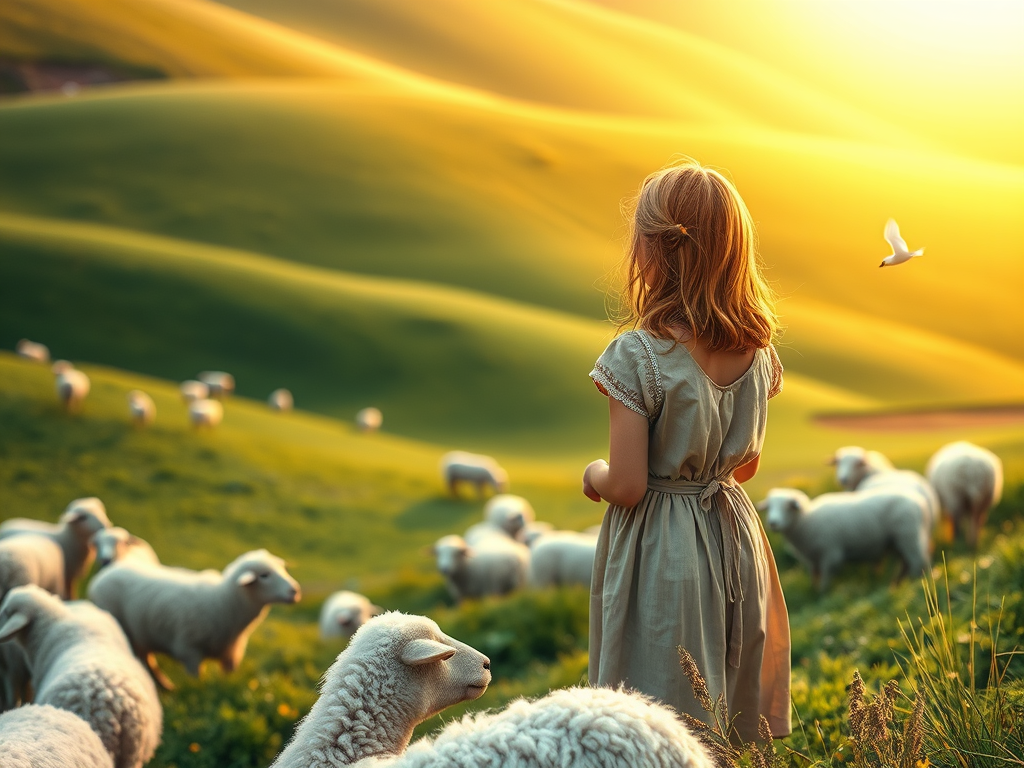
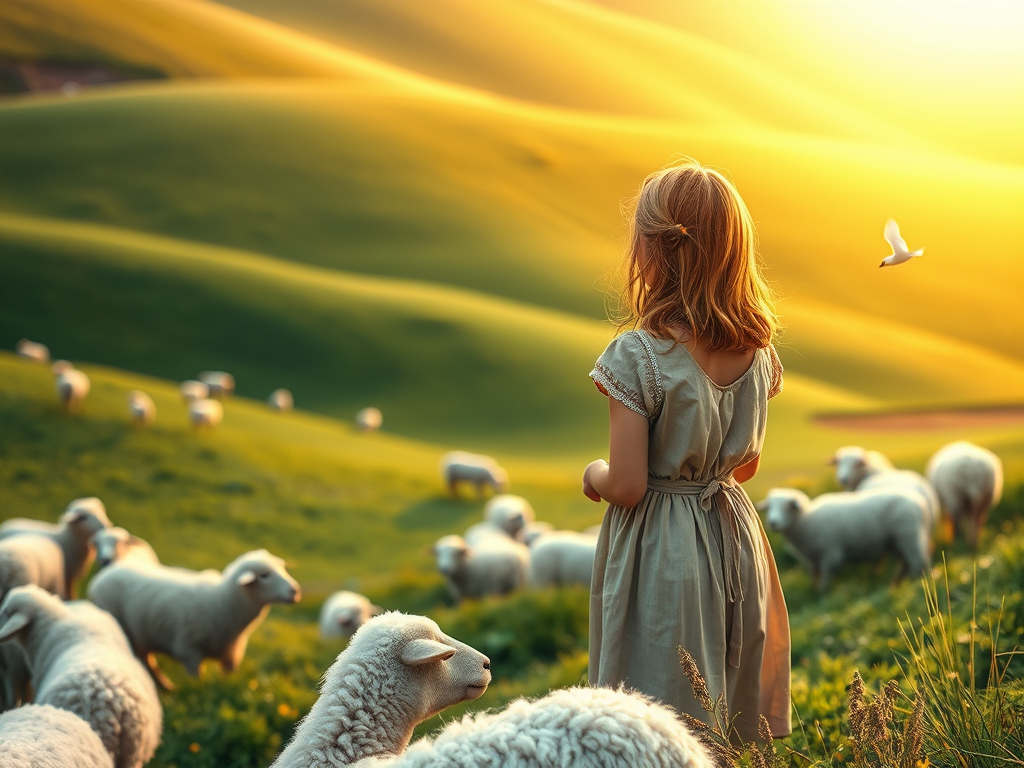
It was in my third year of elementary school. My homeroom teacher, filling out a personal profile, asked me, “What do you want to be when you grow up?” Without hesitation, I replied, “A shepherd.” “A shepherd?” She peered over her glasses, puzzled, then suddenly burst into laughter, clutching her stomach. The whole class looked on, bewildered. To this day, I still don’t understand why she laughed so hard. But my dream—then and now—remains unchanged: I want to be a shepherd.
The desire was born in childhood, during the days when the song “Danny Boy” was popular. Its lyrics sang, “Oh, the pipes of shepherds echo through the mountain valleys…” Those words opened my eyes to the call of nature. And my young girl’s dream flew straight into the hills and made its nest there. Even now, on the morning of a new millennium, I find myself returning to that small, unwavering wish— and in it, I rediscover myself.
Long ago, before the Israelites conquered Canaan, the native religions of the land held a ritual: once a year, they would send a goat into the wilderness, bearing the sins and injustices of the people, to drive away evil spirits. Ten days later, they would retrieve the goat, believing peace and blessing had been restored. After Moses led the conquest, a similar ritual was recorded in Leviticus 16:20–22.
Today, in immigrant churches, this “scapegoat ritual” continues— and the older the church, the more serious the condition. Though believers come to hear God’s Word, to be renewed in joy and filled with the Spirit, many leave burdened with more pain than they arrived with. The spiritual body of the church is sick, searching for someone to bear the blame, to cast out the evil.
Even though Jesus was offered as the eternal sacrifice two thousand years ago, modern churches still wander, seeking scapegoats in others instead of themselves. In this pinnacle of 21st-century civilization, how long will this ritual continue? How long will theologians and sociologists remain silent?
Truthfully, the work of a shepherd is not glamorous. Imagine a person wandering hills and valleys, herding goats that drop black droppings like scattered pearls, bleating “maaa, maaa” in voices far from beautiful. It’s not exactly a pleasant life. So why do I still dream of being a shepherd?
Perhaps my teacher laughed at the foolishness of a young girl who didn’t know what she was saying.
But through years of singing that song, I discovered that the sacred joy and peace I longed for could be found in Scripture— and in nature.
The sound of birds, the patter of rain, the wind wandering through snowy valleys, the babble of brooks, the crack of ice, the song of spring sprouts rising from the earth— in all these, I found myself within the image of a shepherd.
Perhaps my teacher imagined a poor girl living among the smells of cows and dung, rising before dawn to boil feed, chasing goats and flies. But I imagined something else.
In nature, my soul opens endlessly. When the sunset blushes with sorrow, when ducks splash in lakes with joy and freedom, when squirrels climb trees with nimble steps— I meet another facet of God’s character. I remember the times I laughed, hating schoolwork, sensitive to colors, loving to cut paper, tie ribbons, but dreading math and engineering symbols that made my head ache.
In this new millennium, I pray that all people may be united with God, who dwells everywhere. May peace cover the earth, may justice reign in Korea, may poverty disappear from this planet in harmony with nature, and may every home be filled with love.
새해, 새천년이라는 이 거창한 단어들을 떠올리면서, 나는 나름대로의 굉장한 소망을 올해의 삶의 벽에 걸어보고자 두리번 거리었다. 그런데, 새천년이라고, 특별하게 떠오르는 어떤 단어하나 없이, 문득, 유년의 꿈 만이 다시금 살아오른 것이었다.
초등학교 3학년 때이었다. 담임선생님이 신상명세서를 적으며, 나에게 이런 질문을 한적이 있다. “너는 이 다음에 무엇을 할래?” 나는 주저함 없이 선생님께 말하였다. “목동이요!” “목동?” 안경을 코끝에 걸치고, 물끄러미 쳐다보던 그 여선생님이 갑자기 배를 움켜쥐고 깔깔거리는 바람에, 반 아이들이 어리둥절해 하던 기억이 지금도 생생하다. 나는 그 여선생님이 왜 그토록 웃었는지 이해가 지금도 되지 않지만, 나의 꿈은 그 때나 지금이나, 변함없이 목동이 되는 것이다.
내가 어린시절에 목동이 되고자 결심한 동기는, ‘대니보이’라는 유행가 한창 불려지던 유년시절 부터이다. 그 노래는 “아 목동들의 피리소리들은 산골짝마다 울려퍼지고…”로 불려지는데, 그 가사 속에서, 자연에의 귀로에 눈이 화들짝 뜨이게되었다. 그리고, 어린소녀의 꿈은 단숨에 산골짝으로 날아가 둥지를 틀고 만 것이었다. 나는 이 새천년의 아침에도 목동이 되고 싶다는 그 변함없는 작은 소망 속에, 내 모습을 찾아 가고 있는 나를 만나가고 있는 것 만은 사실 임을 발견하게 되었다.
옛날 이스라엘 민족들이 가나안 정복 이전에, 가나안 사람들의 토속 종교는 일년에 한번씩, 인간의 모든 불의를 짊어진 염소를 광야에 내보내, 악귀를 몰아내는 예식을 갖은후, 열흘 후에 염소를 되찾아오곤하였다. 그것으로 삶의 평화와 복을 되찾을 수 있다고 믿었으며, 모세가 가나안 정복을 한 이후에, 이와 비슷한 염소몰이 예식(레위기 16: 20-22절)이 행해지곤 한 것이 성경에 기록되어있다.
요즈음 이민교회에도 염소몰이가 한창이며, 역사가 오래된 기성교회 일수록 심각한 상태이다. 교인들이 교회에 나가서 하나님의 말씀을 듣고, 새롭게 변화하여 기쁨과 성령이 충만해야 됨에도 불구하고, 교회에 교인들이 가면서 괴로움과 아픔을 더한다는 현실이다. 교회의 영적인 몸들이 앓고 있어, 어딘가에 악귀를 몰아낼 희생물들을 찾아 갈등하고 있다. 이미 2,000년 전에 예수님께서, 십자에서 영원한 번제물로 드려졌음에도 불구하고, 현대교회는 내가 아닌, 다른 사람으로부터 희생물을 찾고자 방황하고 있다. 21세기의 문명의 극치 앞에서, 왜 이러한 염소몰이가 언제까지 계속될 것인지, 신학자들과 사회학자들은 언제까지 침묵할 것인가?
사실 목동의 일은 별로 좋은 일은 아니었기에, 염소떼를 몰고 이산저산을 헤매이고 있는 한 인간을 상상해 보자. 더군다나, 쌔까만 똥을 흑진주처럼 빠뜨리고 다니며, 별로 아름답지도 않은 목청을 돋구며 “매애, 매애”하며 엄살을 부리는 동물들과 살아간다는 것은 그리 유쾌하지 만도 않은 것 같다. 그런데도 나는 목동의 꿈을 꾸는 것은 무엇일까? “목동“의 꿈을 당당하게 말하던 소녀를 향한 담임선생님의 웃음소리가 이 새천년의 아침에 들려지는
철없는 소녀를 바라보면서 그렇게 웃으셨는지도 모른다.
나는 이 노래는 애창하는 가운데, 성스러운 기쁨과 평화를 만날 수 있는 성서가 자연 속에 있음을 긴 세월 속에서 발견케 되었다.
자연 속에서 들려오는 새소리들과 빗소리, 눈이 쌓이는 산골짝을 헤집고 떠돌아 다니는 바람과, 개울물 소리, 얼음깨지는 소리들. 봄이면 돋아오르는 새싹들의 노래가 들려지는 자연을 흠모하며, 나는 자신을 “목동”이라는 이미지 속에서 찾아냈는지도 모른다. 그러나, 나의 선생님은 목동이라는 이미지 속에, 소와 말똥 냄새에 절어 살아가며, 새벽잠을 설치며, 소죽을 끌이거나, 염소떼와 파리 떼를 몰고, 다니는 가난한 소녀를 생각하며 웃었을지도 모르겠다.
나는 신앙생활도 자연 속에 들어 갈 때, 영혼이 끝없이 열려지는 경험을 수없이 발견한다. 저녁노을이 붉어져 오를 때, 떠나가는 태양이 서운하여 얼굴을 붉히며 눈물을 글썽이거나, 호숫가의 오리들의 물장구 속에서 기쁨과 자유함을 발견하는 것, 나무를 타고 오르내리는 다람쥐들의 발걸음 속에서, 하나님의 또 하나의 성품을 만날 수밖에 없어, 웃어대던 시간들- 학교공부에 매이는 것을 가장 큰 고문으로 여겨, 공부를 그토록 싫어하던 학창시절. 모든 물체의 색깔에 예민하고 그림으로 표현하기를 즐기며, 손 놀림을 좋아하여, 종이를 오리고 만지고 리본을 매는 것을 좋아하지만, 기계공학과 수학의 모든 부호엔 머리가 아파, 아예도 보기도 원치 않던 나.
새 천년에는 모든 곳에 계신 하나님과 하나되는 세상 모든 이들이기를 기도해본다. 온 땅위에 평화, 조국 대한민국에 정의, 자연과 조화된 지구상에 빈곤이 사라진 그날 모든 가정 속에 사랑이 가득하길…
When the New Year comes, one of the most common greetings we exchange is, “May you receive many blessings!” This is not only an expression used by people in the East; people all over the world share similar words. Because every human being carries some fear of the future, we comfort one another by wishing blessings—hoping that peace and reassurance will follow.
At the beginning of each year, our family would take the children and bow deeply before my mother and my husband’s parents, praying for God’s peace and blessing in the coming year. But this year, unlike previous years, my mother‑in‑law politely refused to receive the New Year’s bow from her grandchildren. The reason was that my elderly father‑in‑law had spent the past year moving between the hospital and the nursing home due to a stroke and various complications. With tears welling in her eighty‑year‑old eyes, she said she could not accept the children’s bows alone while her husband lay ill. Perhaps blessings without her husband beside her held no meaning for her.
As we remembered how Father‑in‑law used to embrace all eleven grandchildren—each one bigger than he was—after receiving their bows, laughing heartily with pride, the whole family fell into a solemn silence.
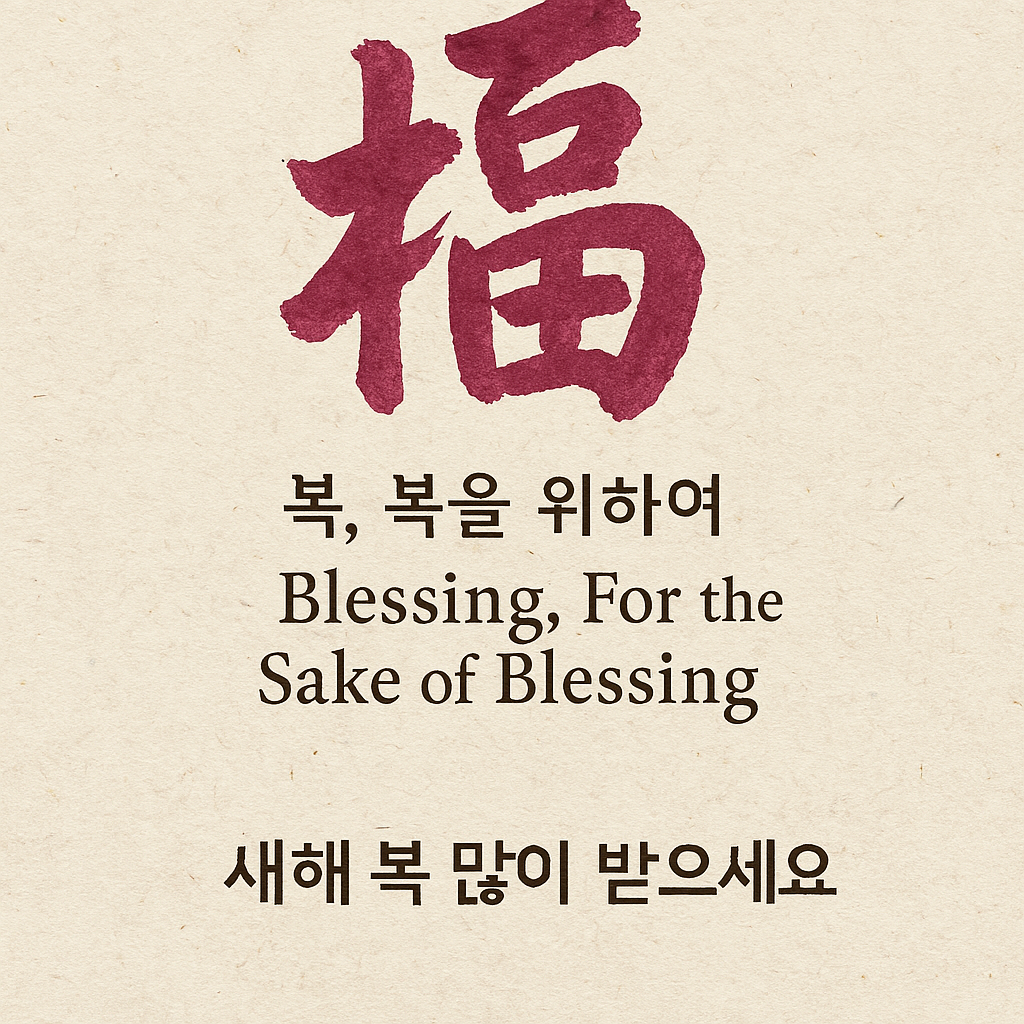
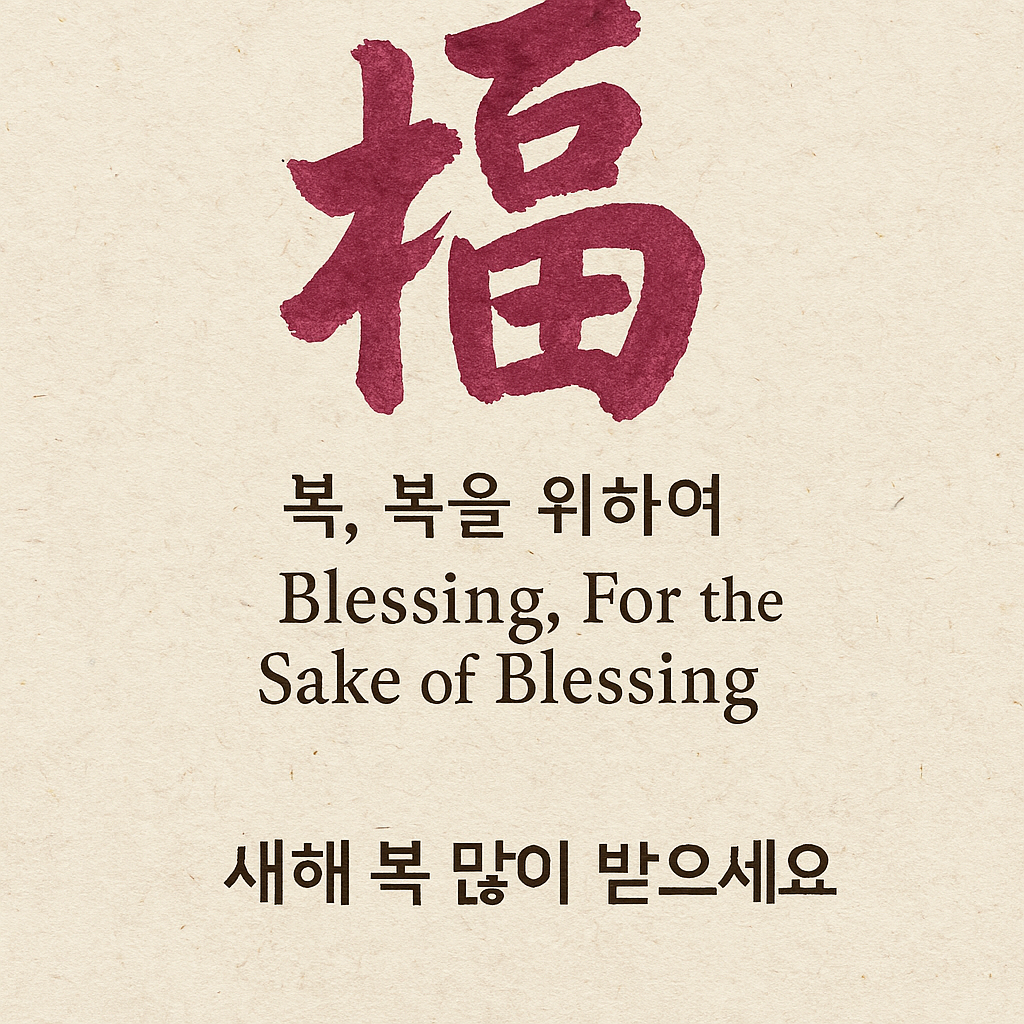
Years ago, I visited a church member’s home on New Year’s Day. In their living room, a large calligraphy of the Chinese character 福 (blessing) was hanging upside down on the wall. Knowing they had lived in America for a long time but were certainly able to tell which side of the character was up, I asked, puzzled, “Why did you hang the blessing character upside down?”
The wife glared at her husband and said, “He put it up like that. He said it would make the blessings pour in!” I couldn’t help but laugh, though my heart sank. Ah… they desire blessing, but do not know where blessing truly comes from.
What is blessing? Where is its source? And what is genuine blessing?
People understand blessing in different ways. For some, health is a blessing. For others, material wealth is blessing. Some believe that having many children who become leaders in society is a sign of being blessed.
But through years of ministry, living closely with those whom society calls “blessed,” I discovered that many of them were not blessed in the biblical sense at all. Most were like hollow rice cakes—beautiful on the outside, empty within.
One person trusted too much in his health, relying on it excessively, only to collapse suddenly one day. Another treated his abundant wealth as his own possession, living in luxury and extravagance, measuring people by material worth, and never once experiencing genuine fellowship of the heart. I also saw children admired by the world who ignored the loneliness and sorrow of their aging parents.
But I have come to believe that true blessing in God is to taste and experience God’s holiness. How can sinners—how can I, we, or our community—experience holiness? It happens when we gather in the sanctuary on the Lord’s Day, acknowledge God as the Lord of our lives, bow before Him, and share the fellowship of love He commands among believers.
Even when such fellowship is difficult, when we must endure and embrace one another, imitating God’s holiness again and again—entering into His nature—that is the path to true blessing. Only when we recognize that the weaknesses, shortcomings, and brokenness we see in our church community are also our own, and when we comfort and uphold one another, can we fully participate in God’s blessing and holiness.
Then I think of those who, like squirrels skipping acorns, casually skip the Lord’s Day—the day God set apart as the completion of creation, the day He blesses and makes holy. How beautiful and precious are the believers who gather to praise and worship Him! Blessed saints! Today, the sound of the winter rain falls into the dry depths of my soul like the very first raindrops at the dawn of creation.
On a day when the mischievous winter rain fell endlessly, I was reading Genesis and experienced a deeper opening of the Word than ever before.
The words, “In the beginning God created the heavens and the earth” (Genesis 1:1), always cover my soul with awe and trembling. As I meditate on each step of creation, I see myself—a lump of clay—and feel the urge to fall to the ground in worship before God.
Then I came to the words about the seventh day: “God blessed the seventh day and made it holy, because on it He rested from all the work of creating that He had done” (Genesis 2:3). Reading this, I found myself making a new confession of faith.
Looking out the window at the pouring winter rain, I prayed: “God, it is true. Because of this day, I came to know You—the source of my life. Because of this day, I discovered the living spirit dwelling in this clay body. I confess that I am a creature being nurtured within Your holy law of love. I believe in Your delicate and vast love that blessed and sanctified the seventh day, making rest possible. Amen.”
새해가 오면 가장 많이 쓰는 말 중에 “복 많이 받으세요!”라는 인사를 주고받으며 덕담을 한다. 그 인사는 동양사람 만이 아닌, 만국인들이 다 즐겨쓰는 말이다. 사람은 누구나 미래를 향한 두려움이 있기에 복을 서로 빌어줌으로 인해, 위로와 평안을 얻기를 원한다.
우리 가족도 년초면 아이들을 대동하고, 친정 어머니와 시 부모님께 큰 절을 드리며, 새해에 하나님 안에서의 평안과 복을 간구하였다. 그런데, 올해는 시어머니께서는 다른 해와는 달리, 자손들의 세배를 정중하게 거절하시었다. 이유는 연로하신 시 아버님이 지난 해에, 중풍과 여러 가지 합병증으로 병원과 양로원을 오가며 계시기 때문이었다. 시 어머님께서는 아버님이 병환 중에 계신데, 당신 혼자서 자손들이 드리는 인사를 받을 수 없다며 팔순의 주름진 얼굴에, 눈물을 글썽이셨다. 아버님이 곁에 계시지 않은 만복은 어머님에게는 어쩌면 의미가 없는 것인지도 몰랐다. 그러고 보니, 시 아버님이 늘상 세배 후에는 당신보다도 덩치가 큰 11명의 손자, 손녀들을 힘겹게 포옹하시며 자랑스럽게 너털웃음을 지으시던 모습이 눈에 선하여 온 가족이 숙연해지는 순간을 맞이해야 만 되었었다.
수년 전에 어느 성도님의 가정을 새해에 방문하게 되었다. 그런데, 리빙룸에 한자로 쓴 복(福)자가 큼지막하게 붓글씨로 써 있은 채, 벽에 거꾸로 붙어있었다. 아무리 이민생활 오래했을지라도 한자의 복자가 어디가 위고 아래인지 분명히 분별 할 수 있는 분 같았기에 “아니, 왜 복자를 거꾸로 붙이셨습니까?” 하고 의아해 하였다. 부인되는 집사님이 남편에게 눈을 흘기며 말하였다. “저이가 그렇게 붙였어요. 복이 쏟아져 들어오라고 했다나요!” 나는 실소를 금치 못하며 가슴이 철렁 내려앉았다. ‘아! 복을 원하는데, 복의 근본이 어디로부터 오는지 모르는구나!’
복은 무엇이며 근원은 어디에 있으며 무엇이 진정한 복이련가? 일반인들이 말하는 복에 대한 이해는 조금씩은 다를 것 같다. 그 중에 사람에 따라 건강이 복이 되기도 하고, 또는 물질이 복이라고 믿는 사람도 있다. 혹자는 자녀들이 많아, 이곳 저곳의 사회 지도자로 살아가고 있음을 복받은 사람이라고 보기도 한다.
그러나 나는 그 동안 목회현장에서 일반인들이 흔히 말하는 복받은 사람들과 가까이 지내보기도 하고, 한 교회에서 섬겨보기도 하였으나, 그들이 정녕 성경에서 말하는 복 받은 사람들이었다고 볼 수 없음을 또한 발견케 되었다. 대부분 속빈 강정처럼
어느 분은 건강을 너무 믿고 그 복을 너무 과대하게 의지했다가, 어느 날 갑자기 무너지는 것을 목격하였다. 또한, 어느 분은 그 많은 물질을 자신의 것으로 만 여겨, 호화롭고 사치하게 살며, 사람을 물질의 가치로 가늠하다가 단 한번도 진정한 마음의 교제를 나누지 못하고 살아감을 보았다. 세상이 부러워하는 자녀들이 부모의 노후의 외로움과 쓸쓸함을 외면한 체 살아감을 보아 오기도 했다.
그러나 하나님 안에서의 진정한 복이란, 하나님의 거룩하심을 맛보고 경험하는 것이 아닐까 하는 생각을 해본다. 죄인인 내가, 우리가, 공동체가 어떻게 거룩해지는 경험을 갖겠는가? 그것은 주일날 성전에 모여, 하나님이 내 인생의 주인 되심을 인정하며, 그 분 앞에 머리를 조아리고, 성도들 간에 하나님이 명하신 사랑의 교제를 나누는 것이다. 성도간에 사랑의 교제를 차마 누릴 수 없는 순간이 있을지라도, 인내하며 포용하며 하나님의 거룩하심을 자꾸 흉내 내며, 그 본성 안에 들어가도록 하는 것이야말로 진정한 복에 이르는 길임을 확신한다. 공동체인 교회 안에서 발견된 이웃의 약함과 부족함, 삶의 결함들이란 바로 내것임을 인정하며, 함께 다독이고 감싸줌에서 만이, 하나님의 복 주심과 거룩하심에 온전히 동참 할 수 있는 것이다.
그러고 보니, 복주시며 거룩하게 하시는 날에 다람쥐 도토리 까먹듯이, 주일을 잘 빼먹는 성도들이 눈앞에 서려 가슴이 저려온다. 주일- 생명의 주인 되신 하나님이 창조의 마침표를 찍기 위해 정하신 날, 성전에 모여그 분을 찬송하며 경배하는 성도들이 어찌 그리 아름답고 귀한지! 복받은 성도들이여! 오늘따라 겨울비의 노래가 태초에 떨어지던 첫 번째의 빗방울처럼, 매마른 내 심령 깊은 곳에 주룩주룩 떨어져 내린다.
짖굿은 겨울비가 무던히도 오던날, 창세기를 읽어가면서 여느 때보다도 깊은 말씀의 열림을 경험하게 되었다.
창세기의 “태초에 하나님이 천지를 창조하시니라(창 1:1)”란 말씀은, 언제 어느 때 읽어도 장엄하고도 경이로운 전율이 영혼을 덮어온다. 그리고 창조의 하나 하나의 과정을 짚어가며 묵상 할 때, 진흙덩이인 나 자신을 돌아보며, 당장 땅에라도 엎드려 하나님 앞에 경배를 드리고픈 충동을 늘 얻곤 한다.
그런데, 일곱째 날에 대한 말씀인 “하나님이 일곱째 날을 복 주사 거룩하게 하셨으니 이는 하나님이 그 창조하시며 만드시던 모든 일을 마치시고 이 날에 안식하셨음이라(창2:3)”를 읽으며, 새로운 신앙고백을 갖게 되었다. 나는 겨울비가 주룩주룩 내리고 있는 창가를 통해 하늘을 우러러보며 이렇게 기도하였다. “하나님 옳습니다. 이 날 때문에 내 생명의 근원이신 하나님을 알았고, 이 진흙덩어리 안에 거하고 있는 생령을 발견하였습니다. 저는 오늘도 당신의 거룩한 사랑의 법안에서 양육되고 있는 피조물임을 고백합니다. 일곱째 날의 특별한 복 주심과 거룩하심을 베풀어 주시고 나서야 비로소 안식 할 수 있으셨던 그 세밀하시며 광대하신 사랑을 나는 믿습니다. 아멘.“



 Daily Sauntering
You must be logged in to post a comment.