“생일선물”

해마다 생일이 가까워지면, 내 속에 잠자고 있던 거친 아이들이 여기저기서 깨어난다. 생일을 핑계로 평소에 해보고 싶던 일들을 하게 되는데, 언젠가는 번지점프라는 것을 계획했다가 5:1이라는 가족들의 결사반대로 그 뜻을 결국 이룰 수 없던 일도 있었다. 그러나 지난 해 생일이 다가올 때에는 문뜩 ‘나도 하늘을 새처럼 훨훨 날아보고 싶다’라는 생각이 들기 시작하였다. 그래서 한 동안 그리스 신화에 나오는 사람들처럼, 어떻게 하면 자유롭게 하늘을 날아 볼 수 있을까 라는 몽상 속에 사로 잡혀있게 되었다. 그런 나의 소원을 눈치 챈 둘째 딸, 세림이가, 생일 선물로 열기구(Hot Air Balloon) 축제에 승선하여 하늘을 날 수 있는 기회를 갖게 하였다.

한여름 이른 아침에, 난생처음으로 딸과 둘이서 열기구의 바구니 안에 몸을 싣는 일은 여간 흥분 된 일이 아닐 수 없었다. 배타랑 조종사인 용키씨의 숙련된 진두지휘 아래서, 풀 밭에 펼쳐져 있던 오색깔의 구피 속에 더운 공기가 들어가자, 생명체가 되어 서서히 몸을 일으키기 시작하였다. 그리고 그 물체는 버너에서 내뿜는 강한 가스 불꽃과 함께 풍선처럼 사뿐히 하늘로 떠 오르기 시작하였다. 점점 멀어져가는 땅을 바라보며 하늘에 오른다는 두려움과 불안감은 공포에 가까워졌다. 바구니 안에서 할 수 있는 일은, 그냥 온 몸을 자포자기하는 심정으로 대기 속에 맡기는 일뿐이었다.

그러나 잠시 정신을 가다듬고 대기 속에서 내려다 본 마을은 평온 그 자체였다. 조금 전까지도 하늘로 올라가는 수십 대의 열기구를 바라보며 환호했던 군중들은 어느새 흩어져 가버리고 마을은 일상의 아침으로 어느덧 되돌아가 있었다. 멀리 하늘 저끝을 바라보니 우리가 탄 열기구보다 먼저 출발한 형형색깔의 아름다운 열기구들이 스모키 마운틴 줄기를 따라 구름사이로 둥둥 떠가는 모습은 한폭의 그림이었다.

또한 여기 저기 산비탈마다 방목되어 있는 소들과, 열기구의 그림자에 놀라 도망치는 야생마들과, 반짝이는 산정호수, 금방 손을 뻗으면 잡힐 것 같은 숲의 장엄한 행열들. 아침 햇살을 받으며 산과 호수사이를 누리고 있는 구름띠들의 신비로운 꿈틀거림, 바람 속에 밀려오는 평화의 숨길은 대지에 펼쳐지는 하나님의 거대한 오케스트라 연주를 눈과 손, 가슴으로 만지고 보는 것 같았다.

그런데, 나의 즐거움과 평온 속에서 조종사인 용키씨는 버너에 불을 더 올리거나, 아래의 보조원들과 한시도 쉬임없 이, 워키토키로 대화를 나누고 있었다. 현재의 바람의 방향이 어디로 향하고 있으며, 어느 지점을 착륙장소로 포착하고 있으니, 그곳으로 차를 몰고 오라는 지시였다. 나중에 알고보니, 보조원 차량 뿐만이 아니라 지역의 경찰차들도 비상이 걸린채, 열기구를 부지런히 따라오며 만약의 경우를 대비 하고 있는 것이었다. 열기구의 조종사가 없었다면 나의 이런 체험은 불가능한 사실조차도 잠시 잊었던 것이다.

생일이 올때마다 “삼각형의 각의 합이 얼마인지 알고, 지도의 위도와 경도가 얼마인지 안다는 것만으로 인간이라고 할 수 있을까?” 라고 반문했던 생텍쥐페리의 영혼의 고민이 나를 엄습한다. 연륜은 쌓여가고 인생의 착륙지점은 가까워지는데, 나는 이 순간 얼마나 아름답고 진실한 삶을 살아가는지. 내 속에 불꽃처럼 이글거리는 사랑을 얼마나 만끽하고 있는지. 내 삶의 완벽한 조종사인 주님을 얼마나 신뢰하고 의지하는지. 열기구의 승선 경험은, 나로 하여금 불편한 진실을 깨닫게 하는 귀한 생일 선물이었다.

© 윤 완희 

(목사관 신앙칼럼 #16, LA 크리스찬 투데이, 8/17/2011)

Posted in Essay by WanHee Yoon, faith-column | Leave a comment

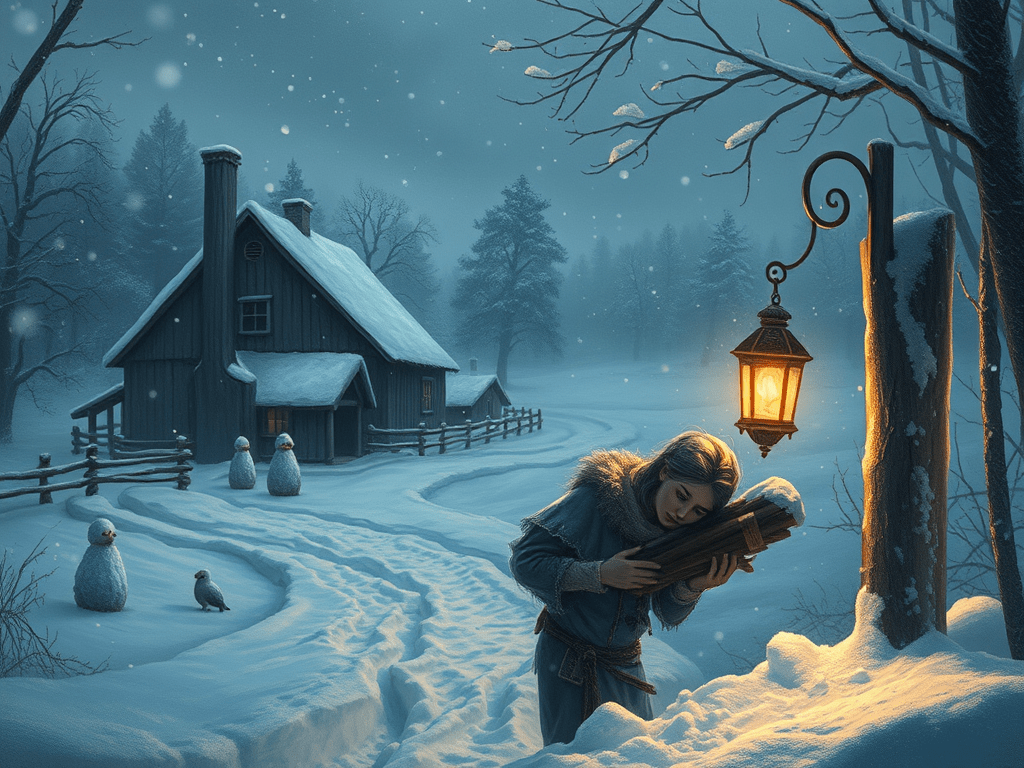
Winter

The wind has a mind of its own tonight—
it slips between the ribs of the trees,
a steady hand brushing the world
into the shape of silence.

Somewhere a barn door swings,
creaking against the weight of snow.
The road, once clear, now folds
under its own forgetting.

I’ve seen men try to reason
with the frost—
their breath a thin argument
against the patience of ice.

And women, too,
who gather kindling and sorrow
in the same small arms,
lighting what warmth they can.

What verdict could matter now?
The stars are too far,
and judgment is a comfort
we pretend to understand.

So I keep a single horn—
its note buried deep in my coat pocket—
and dream of trading it one day
for a loaf of freedom,
or a handful of time.

Tonight, the hill village sleeps.
A lamp flickers its anxious wings
behind a curtain of frost.
The earth curls inward,
like a body keeping one last breath.

There’s no grand lesson here—
just footprints that lead nowhere,
and the whisper of wool half-knitted,
waiting for hands that will not return.

Still, I walk.
Not to arrive,
but because the road itself
asks to be remembered.

And that, perhaps,
is all the warmth winter allowing.

– Note:

This poem is not merely about a season. It is a meditation on a particular winter—South Korea in 1980—when the air itself seemed to carry the weight of silence, fear, and disorientation. In the wake of political upheaval and military rule, the nation stood suspended between grief and waiting. Words were watched. Streets were hushed. And the only hope that remained was the kind that could not speak its name.

“Winter” attempts to trace the emotional landscape of that time: the quiet despair of those who had no choice but to endure, the small gestures of resistance hidden in daily life, and the deep longing for a freedom that felt impossibly distant. The horn tucked in a coat pocket, the lamp flickering behind frost, the unfinished wool—all are symbols of lives paused, voices muted, and dreams deferred.

There is no grand resolution here. No triumphant return. Only the act of walking—without knowing where to go—because the road itself must be remembered. That, perhaps, is the only warmth winter allows.

© TaeHun Yoon, 1980

The current image has no alternative text. The file name is: image-31.png
Posted in Ministry | Tagged , , , , , | Leave a comment

겨울

오늘 밤, 바람은 제 마음을 가진 듯하다—
나무들의 갈비 사이를 스며들며
세상을 조용함의 형태로 빗질한다.

어딘가 헛간 문이 삐걱인다,
눈의 무게를 견디며.
한때 분명하던 길은
이제 스스로의 망각 아래 접혀든다.

나는 사람들이
서리에 이성을 설득하려는 걸 본 적 있다—
그들의 숨결은
얼음의 인내 앞에서 너무 가는 논쟁이었다.

그리고 여인들도,
작은 팔로 장작과 슬픔을 함께 안고
그나마의 따뜻함을 피워 올렸다.

지금, 어떤 판단이 의미가 있을까?
별들은 너무 멀고,
심판이란 결국
우리가 스스로에게 속삭이는 위로일 뿐이다.

그래서 나는 나팔 하나를 간직한다—
그 음은 외투 주머니 깊이 묻혀 있고—
언젠가 그것을
자유 한 덩이 빵이나
한 줌의 시간을 위해 바꾸려 한다.

오늘 밤, 언덕 아래 마을은 잠든다.
하얀 서리 커튼 뒤에서
램프가 불안한 날개를 떤다.
땅은 몸을 오므린다,
마지막 숨을 붙든 채.

여기엔 거창한 교훈은 없다—
그저 어디로도 향하지 않는 발자국과
다 짜지 못한 양털의 속삭임,
그리고 다시는 돌아오지 않을 손을 기다리는 시간뿐.

그럼에도 나는 걷는다.
도착하기 위해서가 아니라,
길이 내게 기억되길 원하기 때문이다.

아마 그것이,
겨울이 허락하는 유일한 따뜻함일 것이다.

– 후기:

이 시는 단순한 계절의 묘사가 아닙니다. 1980년의 한국, 그 혹독한 겨울을 배경으로 한 시대의 고백입니다. 군부 권력 아래에서 자유는 얼어붙었고, 말은 감시당했으며, 희망은 기다림이라는 이름으로만 존재할 수 있었습니다. 「겨울」은 그 침묵의 풍경을 걷는 자들의 기록입니다—도착하지 않는 길을 묵묵히 걷는 자, 잊혀진 별을 지팡이 끝으로 그리는 자, 그리고 판결 대신 나팔 하나를 품고 살아가는 자.

그 시절, 언덕 아래 작은 마을의 램프처럼, 불안하게 떨리는 생의 불빛들이 있었습니다. 따뜻한 외투나 오두막집이 있어도, 그 안의 목소리는 같았습니다. “나는 평화를 얻을 수 있을까?”라는 읍조림은, 단지 개인의 고독이 아니라, 시대 전체의 탄식이었습니다.

나는 이 시를 통해, 1980년의 한국이 겪었던 상실과 방향 잃은 절망을 기록하고 싶었습니다. 그 겨울은 단지 추운 계절이 아니라, 말할 수 없는 슬픔이 말을 잃는 시간, 그리고 그 침묵 속에서도 길이 우리에게 기억되기를 바라는 순간이었습니다.

그것이 겨울이 허락한 유일한 온기였는지도 모릅니다.

© 윤 태헌, 1980

The current image has no alternative text. The file name is: image-32.png
Posted in Poetry | Leave a comment

“Forgiveness”

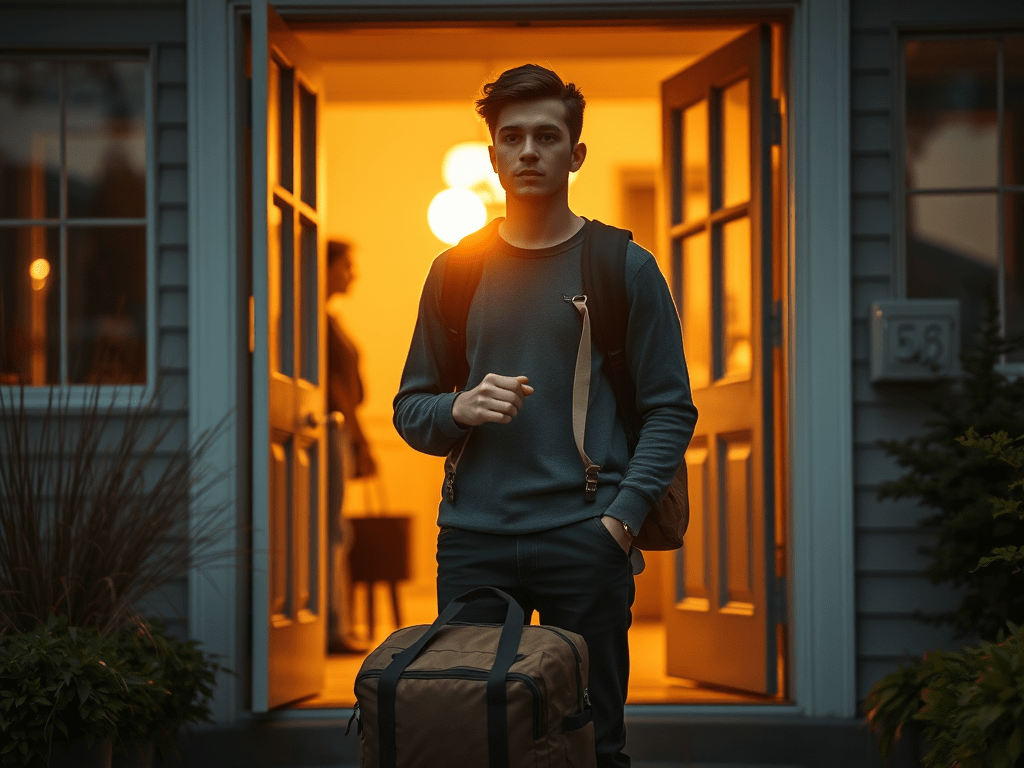
Last summer, our youngest son—now 21—declared his independence and left home. Living at home while attending college had felt stifling to him, and though he had long wanted to leave, my husband and I had always opposed it. But one day, a company related to his major offered to cover his tuition and living expenses if he joined them. Without hesitation, he packed his things and left.

Among our three children, our eldest daughter had already married and moved out, and our second daughter had recently become independent. We had hoped to keep our youngest with us at least until he graduated. The night before he left, we imagined all the hardships he might face living alone, and our hearts grew heavy. “When you get there, find a church first and stay rooted in your faith. Eat plenty of vegetables and fruit, and drink water instead of soda…” We had so much to say, yet the words settled like sediment in our chests. As we sent off a child who might never return home, we avoided each other’s eyes, afraid our hollow hearts would be exposed.

For a while, he called to say he was doing well. We comforted ourselves with the thought that only through freedom could he truly grow. But a few months later, he called and said, “Mom, I haven’t eaten in two days.” “You haven’t eaten? Why?” We were traveling in California at the time, and the joy of the trip vanished in an instant. It was a Friday evening, and there was nothing we could do to help. “Then go hungry for two more days, or talk to your roommate,” I replied coldly, though my heart collapsed in confusion and disappointment.

Not long after, he called again early in the morning. “I had a car accident. I’m not hurt, so don’t worry. But the car is completely totaled.” When we saw the photo he sent by email, it was a miracle he had survived.

He had thought that leaving home would bring freedom and ease, but daily life demanded unexpected responsibility and cost. All we could do was watch from afar and pray for his safety. Eventually, he realized it wasn’t yet time for independence and returned home. We accepted the missteps, financial losses, and academic setbacks he experienced over the year as part of his growth.

Then, a few days ago, he handed us a small card. Inside, it read: “Mom, Dad, will you forgive me?” I couldn’t even finish reading it before embracing him and saying, “Of course! We’ve already forgiven you!”—and tears poured down.

To see a child recognize his mistake and ask for forgiveness is a joy beyond words. All the worries and hurt feelings we had melted away like snow, and we felt bound together by a deeper love and stronger faith than before. Through this experience, I began to understand what it means that the Lord delights in forgiving us—always.

© Wanhee Yoon

(Faith Column #16, LA Christian Today, August 15, 2007 )

Posted in Essay by WanHee Yoon, faith-column | Tagged , , , , , | Leave a comment

“용서”

올해 21세되는 막내아들이 지난해 여름, 독립을 선언하고 집을 나갔었다. 그동안 집에 머물면서 대학생활 하는 것이 몹시 답답했던지 집을 떠나길 원했으나, 우리 부부의 반대로 번번이 이루어지지 않고 있었다. 그러다가 어느 날 전공과 관련된 회사에서 학비와 생활비를 주겠으니 함께 일하자는 제의가 오자, 재고 할 틈도 없이 짐을 쌓아 갖고 나가게 되었다.

세자녀 중에 큰딸이 출가해 나갔고, 둘째 딸 또한 독립해서 나간 지 얼마 안된 후, 막내아들은 대학 졸업 때까지 만 이라도 곁에 두고 싶은 것이 우리 부부의 솔직한 심정이었다. 아이가 집을 떠나기 전날, 우리는 아들이 홀로 살면서 겪어야 될 온갖 어려움들을 상상하며 마음이 착찹해지지 않을 수 없었다. “그곳에 가면, 제일먼저 교회를 정하고 신앙생활을 잘해야돼! 음식들은 야채와 과일들을 많이 먹고, 콜라대신 물을 많이 마시고 …” 마음속에 진정 할말들은 태산같은데 …! 막상 해야 될 말들은 가슴언저리에 앙금처럼 내려앉아있었다. 이제 집을 나서면 언제 다시 돌아올지 모를 아이를 떠나 보내며, 우리부부는 휑한 가슴이 들킬까봐, 서로의 눈길을 피할 수밖에 없었다.

한동안, 집을 나간 아들이 전화 할 때마다 “잘있다”라는 안부를 전해왔다. 우리는 아이가 “자유”를 통해서 만이 성장 할 수 있음을 위안 삼으며 그리움을 달래고 있었다. 그러다가 몇 달 후, “엄마, 나 이틀을 굶었어요!”라는 연락이 왔다. “굶어? 왜?” 우리부부는 캘리포니아주에 여행 중이었는데, 여행의 즐거움이고 뭐고 간에 눈앞이 깜깜해져버렸다. 그때는 마침 금요일 저녁이라, 아무것도 아이를 위해 도울 수 없었다. “이틀을 더 굶든지, 룸메이트와 상의하면 될꺼아냐?” 나는 냉정하게 답했지만, 가슴은 혼란과 실망으 로 무너져내렸다.

또한 얼마 후, 이른 아침에 아들로부터 연락이 왔다. “차 사고가 났어요. 다치지 않았으니 염려마세요. 그런데 차가 아예 못쓰게 되었어요!” 아이가 보내온 이메일의 사진을 보니, 살아남은 것이 기적이었다.

독립해 부모 곁을 떠나면, 모든 것이 자유스럽고 좋을 것 같았는데, 막상 하루 하루의 삶은 생각지도 않은 책임과 대가를 요구하고 있었다. 우리부부는 아이가 겪는 어려움들을 멀찌기 지켜보면서, 하나님께 아들의 안녕을 위해 늘 기도 하는 일밖에 할수 없었다. 결국, 독립을 선언하고 나가있던 아들은 자신이 아직은 독립할 시기가 아님을 깨닫고 집으 로 돌아오고 말았다. 우리부부는 아이가 일년동안 객지에서 겪은 시행착오와 재정적인 손실, 학교공부를 제대로 해내지 못한 일들을 아이의 성장과정의 일부로 받아들였다.

그런데, 며칠 전, 아들이 작은 카드를 내밀었다. 카드에는 “엄마! 아빠! 날 용서하시겠어요?” 라는 내용이 적혀 있었다. 나는 카드를 끝까지 다 읽지도 못한 채, 아들을 포옹하며 “물론이지! 우린 널 벌써 용서했단다!” 라며 뜨거운 눈물을 쏟아내고 말았다. 잘못을 깨닫고 용서를 비는 아들의 모습을 바라봄이 얼마나 기쁘고 귀한지! 그동안 잠시 아이를 향했던 염려와 상했던 감정들이 눈처럼 녹아 내리며, 그 전보다도 더 강한 믿음과 사랑이 우리를 붙들어 매는 것을 경험했다. 이 일을 통해, 언제나 우릴 용서하시길 기뻐하신 다는 주님의 말씀이 무엇이었는지를 조금은 알 것 같았다.

© 윤 완희 

(목사관 신앙칼럼 #16, LA 크리스찬 투데이, 8/15/2007)

The current image has no alternative text. The file name is: create-a-featured-image-depicting-a-poignant-moment-of-a.png
Posted in Essay by WanHee Yoon, faith-column | Leave a comment

성가대 지휘자

– 필리스 앤 니콜스를 기리며


오늘 저녁, 합창 연습 시간에
다니엘의 팔이 합창의 조화 속 리듬을 따라
부드럽게 움직였다 —
마치 소리를 넘어선 어떤 힘에 이끌리듯이.

낮 동안 날던 비둘기 한 마리가
갑자기 날개를 돌려 녹스빌 위로 내려왔다.
그리고 다니엘의 텅 빈 가슴이 그와 함께 솟아올라,
오클라호마의 앤을 따라 하늘로 향했다.

소리의 아름다움으로 이끌던 그녀 —
음악과 영혼의 수호자 —
이제는 조용한 화산이 터져
샘물로 변한 눈물의 마음을 흔들며,
그녀를 따라 하늘로 오르는 비가 되었다.

다니엘의 음악 여정의 처음부터
‘가가’ 앤은 인내와 사랑으로
소리의 아름다움을 가르쳐 주었다.
이제 그녀는 자유로운 천사가 되었다.

오늘 밤에도, 합창 연습 중에,
그녀는 여전히 그곳에 있었다 —
지친 다니엘의 손을
부드럽게 들어 올리며.

그리고 그들은 함께 걷는다,
그날이 올 때까지.


Note:

이 시는 2025년 10월 31일 세상을 떠난 필리스 앤 니콜스(Phyllis Ann Nichols, 8/30/1936–10/31/2025)를 추모하며 쓰여졌습니다. 오늘 다니엘에게 그녀의 부고가 전해졌습니다. 그녀는 다니엘 존슨-웹(Daniel Johnson-Webb, 녹스빌 세인트마크연합감리교회 음악감독)의 어린 시절 음악을 알게 해준 선생님이자, 은은한 품격과 음악적 헌신의 기둥이었습니다.

그녀의 삶은 소리의 아름다움과 섬세한 보살핌의 증언이었습니다 — 크게 드러나진 않았지만, 늘 한결같이, 무대 뒤에서 조용히 빛나던 손길처럼.

이 시는 합창 연습 중 느껴진 그 상실의 순간을 담고자 한 것입니다. 다니엘의 지휘 제스처 속에서
필리스가 그의 젊은 시절에 심어준 사랑과 인도의 리듬이 다시 울려 퍼졌습니다.

비둘기가 녹스빌 위로 내려오는 장면은 실제적이면서도 상징적입니다 — 슬픔의 방문이자, 영혼의 상승입니다. 오클라호마에서 시작된 필리스의 사랑은 이제 공기를 타고 자유롭게 흐르며, 슬픔 속에서도 다니엘의 손을 들어 올립니다.

마지막 구절은 죽음을 넘어선 영적 동행을 노래합니다. 필리스의 유산은 단지 그녀가 길러낸 음악 속에만 있는 것이 아니라, 다니엘이 계속 걸어갈 힘, 그 조용한 강인함 속에도 살아 있습니다.

이 시는 감사의 작은 헌정입니다 — 필리스가 우리에게 가르쳐준 ‘듣는 법’, ‘이끄는 법’, 그리고 ‘사랑하는 법’에 대한.

그녀의 기억이 결코 사라지지 않는 조화의 울림이 되기를 바랍니다.


다니엘 존슨-웹(Daniel Johnson-Webb) — 테네시주 녹스빌 세인트마크연합감리교회 음악감독이자
베이스-바리톤 성악가. 브로드웨이에서 300회 이상 공연했으며, 미국 전역 오페라 단체들과 다양한 역할로 활동. 오클라호마 시티 필하모닉, 세인트루이스 심포니, 녹스빌 심포니 오케스트라 등과 협연.
최근에는 오르프의 《카르미나 부라나》에서 바리톤 독창자로 출연. (출처: Knox TN Today)

© 윤태헌, 2025년 11월 5일

Obituary information for Phyllis Ann Nichols
Posted in Poetry | Leave a comment

Choir Director

In Memory of Phyllis Ann Nichols

This evening, during choir rehearsal,
Daniel’s* arms moved gently in the rhythm of the choir’s harmony—
as if held by something beyond sound.

A dove that had flown by day suddenly turned its wings
and descended upon Knoxville.
And Daniel’s hollow chest rose with it,
following Ann of Oklahoma into the sky.

He who had guided with the beauty of sound—
a guardian of music and soul—
now stirred the weeping heart whose quiet volcano had burst into Springwater,
becoming rain that followed her heavenward.

From the beginning of Daniel’s journey in music ‘GaGa’ Ann had taught the beauty of sound with patient love and care.
Now, she has become a free angel.

Even tonight, during choir rehearsal,
she was still there—
gently lifting Daniel’s weary hand.

And so they walk together,
until that day comes.

– Note:

This poem was written in tribute to Phyllis Ann Nichols , who passed away today. She was not only the sole guardian of Daniel Johnson-Webb, our beloved Music Director, but also a quiet pillar of grace and musical devotion. Her life was a testament to the beauty of sound and the tenderness of care—offered not loudly, but faithfully, like a steady hand behind the scenes.

In the poem, I sought to capture the moment of loss as it unfolded during choir rehearsal, where Daniel’s gestures seemed to echo a deeper rhythm—one shaped by Phyllis’ guidance and care in his young age. The image of the dove descending upon Knoxville is both literal and symbolic: a visitation of grief, and a rising of spirit. Phyllis’ love, rooted in Oklahoma, now moves freely through the air, lifting Daniel’s hand even in sorrow.

The final lines speak to a spiritual companionship that transcends death. Phyllis’ legacy is not only in the music she nurtured, but in the quiet strength she gave Daniel to carry on. This poem is a small offering of gratitude—for the way Phyllis taught us to listen, to lead, and to love.

May her memory be a harmony that never fades.

* Daniel Johnson-Webb – Music Director of St. Mark United Methodist Church in Knoxville, TN. He is a Bas-baritone vocalist as well. [He has appeared in more than 300 performances on Broadway and is an extensive operatic performer, appearing in various roles with opera groups throughout the country. He has performed as a soloist with the Oklahoma City Philharmonic, St. Louis Symphony and the Knoxville Symphony Orchestra, most recently as the baritone soloist in Orff’s “Carmina Burana.” – Knox TN Today]

© TaeHun Yoon, 11/05/2025

Obituary information for Phyllis Ann Nichols
Posted in Poetry | Tagged , , , , | Leave a comment

Night Wanderer

I fell into a love so deep,
it consumed me utterly in the night.
I, a woman once lost,
walked through shadows that no longer carried trees.
The night birds whispered on,
as the mountains opened their gates,
and from their trembling heart
poured forth the night wanderer—
then closed again.

Then the earth remembered its breath.
Time turned back to the mountains,
to the villages, to the silent groves
where all endings waited—
and returned to the place He had chosen,
where blood met love,
and silence became creation.

This narrow house,
this single bite of bread,
these few words I spoke in trembling—
how could they fill me so completely?

At the foot of the Cross I learned:
to lose all is to gain love entire.
He, the Source of Life,
abandoned even His own light,
that Love might rise undefeated.

The earth drank of His sorrow,
and from its wounds sprang blossoms.
The sky wept, but its tears became dawn.
In death, He gave us breath again.

Yes—night is our mother,
but Love is her victory.
Before the darkness ends,
Love has already won.
This is the meaning of man.
This is the meaning of God.

Note :

Night Wanderer speaks from the threshold between loss and revelation. It is a meditation on what remains when everything else is gone—when love, faith, and the self are stripped bare before the mystery of God.

In Mary Magdalene’s voice, the poem becomes both witness and prayer. Her wandering through the night mirrors the soul’s journey through absence, longing, and surrender. Yet within that darkness, a quiet triumph unfolds—the victory of love that arises not through strength, but through yielding.

The abandonment of the Source of Life is not despair, but the doorway into transformation. When all light is relinquished, a deeper illumination begins—one born of trust and intimacy with the divine.

In the end, Night Wanderer invites the reader to listen to the silence beneath the Cross, where grief becomes grace and where the mystery of God’s love is not explained, but revealed through presence.

© TaeHun Yoon, 1982

The current image has no alternative text. The file name is: image-27.png
Posted in Essay by WanHee Yoon, faith-column | Leave a comment

밤 나그네

나는 너무 깊은 사랑에 빠져
그것이 나를 밤 속에서 완전히 삼켜 버렸다.
나는 한때 길을 잃었던 여인,
더 이상 나무를 지탱하지 않는 그림자 속을 걸었다.
밤의 새들은 속삭였고,
산들은 문을 열었으며,
그 떨리는 심장에서
밤의 방랑자가 흘러나왔고—
다시 닫혔다.

그때 땅은 숨을 되찾았다.
시간은 산으로,
마을로,
고요한 숲으로 되돌아갔다.
모든 끝이 기다리던 곳—
그분이 택하신 곳으로 돌아갔다,
혈육과 사랑이 만나는 곳,
침묵이 창조가 되는 곳.

이 좁은 집,
이 한 조각 빵,
내가 떨리는 마음으로 내뱉은 몇 마디 말—
어떻게 그것들이 나를 이렇게 완전히 채울 수 있을까?

십자가 아래에서 나는 배웠다:
모든 것을 잃는 것이야말로 사랑을 온전히 얻는 길임을.
생명의 근원이신 그분은
자신의 빛마저 버리셨고,
사랑이 패배하지 않고 일어설 수 있게 하셨다.

땅은 그분의 슬픔을 마셨고,
그 상처에서 꽃이 피어났다.
하늘은 울었지만, 그 눈물은 새벽이 되었다.
죽음 속에서, 그분은 우리에게 다시 숨을 주셨다.

그래—밤은 우리의 어머니지만,
사랑이 그녀의 승리이다.
어둠이 끝나기 전에,
사랑은 이미 승리했다.
이것이 인간의 의미이고,
이것이 하나님의 의미이다.

– 후기:

밤의 나그네는 상실과 깨달음의 경계에서 말하고 있습니다. 모든 것이 사라졌을 때 남는 것, 즉 사랑과 믿음, 그리고 자기 자신이 하나님의 신비 앞에서 벗겨질 때를 명상하게 합니다.

막달라 마리아의 목소리로, 이 시는 증인과 기도의 역할을 동시에 합니다. 그녀가 밤 속을 헤매는 모습은 결핍과 그리움, 그리고 항복을 통해 영혼이 나아가는 여정을 반영합니다. 그러나 그 어둠 속에서 조용한 승리가 펼쳐집니다—힘이 아닌 순복을 통해 드러나는 사랑의 승리입니다.

생명의 근원에서의 버려짐은 절망이 아니라 변형으로 들어가는 문입니다. 모든 빛을 내려놓을 때, 더 깊은 깨달음이 시작됩니다—신성한 존재와의 신뢰와 친밀함에서 태어나는 빛입니다.

결국, 밤의 나그네는 독자에게 십자가 아래의 침묵을 들으라고 초대합니다. 그곳에서 슬픔은 은혜가 되고, 하나님의 사랑의 신비는 설명되지 않고, 존재를 통해 드러납니다.

© 윤 태헌, 1982

The current image has no alternative text. The file name is: image-21.png
Posted in Poetry | Leave a comment

“GPS”

Because of personal circumstances, I often find myself traveling—and for someone like me, the GPS (Global Positioning System) in my car is an invaluable companion. Once I sit behind the wheel and enter the destination address, it instantly prepares a map and schedule, guiding me with visual and auditory cues: “Go this way, turn that way.”

At first, I wasn’t used to relying on GPS. I ignored its directions and followed my own thoughts and instincts. But gradually, as I began to trust its performance and accuracy, I discovered that it consistently led me along routes that were shorter and more convenient than those I would have chosen myself. Even when I missed a turn, GPS would instantly recalculate and guide me back toward my destination. And if I ever got lost, even briefly, it could still pinpoint my exact location anywhere on Earth.

“Why do I need GPS when I have a map? Isn’t it just a luxury?” That was my initial thought when I first encountered GPS years ago. But now, thanks to GPS, I no longer wander unfamiliar roads. I can avoid congested areas in advance, and I save both time and fuel. For me, GPS has become a deeply appreciated tool.

Yet GPS isn’t just for drivers. It’s used in military intelligence, global science, geology and earthquake research, commerce, hobbies, telecommunications—and even criminal investigations. Its applications are so vast that I can hardly imagine their limits.

The basic idea behind GPS, using satellites, was first conceived in 1939 by German space scientist Karl Hans Sennk for military purposes. It was later developed further by Soviet and American scientists, culminating in the GPS we know today in February 1978. However, GPS became widely available only after the tragic downing of Korean Air Lines Flight 007 by the Soviet Union in 1983. After innocent lives were lost due to political conflict, President Reagan opened GPS access for civilian safety and welfare—and today, we benefit from that decision.

Whenever I encounter the precision of GPS—an invention born of human imagination—I feel God’s presence more closely than ever, and I’m filled with awe at His greatness. I’m reminded of the dignity and worth of every person, created by God and cherished by Him, who desires to walk with us always.

Just as the psalmist confessed, “Even if I hide in the cleft of the rock, God is there,” I believe that God knows and understands my situation more accurately than I do myself. Even if my soul wanders briefly in this world, once I enter the address toward my eternal destination—Heaven—my life will no longer be lost or wasted. Though I may have turned away from God at times, He has never left me. And knowing He will never leave me in the days ahead fills me with overwhelming gratitude.

© Wanhee Yoon

(Faith Column #15) Published in LA Christian Today,

September 10, 2008

The current image has no alternative text. The file name is: image-26.png
Posted in Essay by WanHee Yoon, faith-column | Leave a comment