뉴욕한인교회를 10여 년 간 담임하시고, 뉴욕 신학교(New York Theological Seminary)에서 교수로 재임하고 계시는 차원태 목사님께서 “해석에서 행동으로” 라는 책을 최근에 출간하셨다. 신학교 졸업 후, 40여년동안의 목회 현장에서 건져낸, 주옥같은 글들은 읽는 순간, 한 목회자의 평생을 통해 다듬어진 심오한 신앙과 예리함, 겸손, 말씀의 아름다움과 깊은 묵상을 떨리는 가슴으로 맞게된다. 또한 말씀을 통한 해석은 성경을 읽는 새로운 시야와, 재미와 기쁨까지도 얻게 한다.
처음 책의 제목을 대했을 때, 평신도의 입장으로 왠지 책이 어렵겠다는 선입감을 가졌다. 그러나, 책의 겉 표지만 보고 책의 내용을 알 수 없듯이, 궁금증으로 책을 읽어 내려가면서 나는 놀라움과 흥미 속에 빠져들었고, 마치도 성경의 대하드라마에 함께 출연하고 있는 것 만 같은 나 자신을 발견하게 되었다. 그리고 책을 완독 했을 때에는, 이젠 성경이 난해하거나 더 이상의 거룩함 속에 갇혀있는 것이 아닌, 일상생활 속에서 말씀을 어떻게 행동하며 살 것인가를 명쾌하고 진솔하게 스스로 찾아 나갈 수 있도록 인도해 준다.
이 책은 차목사님께서 주일예배 시작 전에, 30분 성경공부 모임을 갖는 중에 얻어진 열매이며, ‘성경 읽는 이들과’ 함께 이 ‘해석’을 나누고 싶다고 서두에 말씀 하셨다. 이 책에는 <창세기, 출애굽기, 사도행전, 요한 서신, 비유들>의 5가지 대 제목으로 나누었다. 대 제목 아래 소제목들로 나눠진, 성경의 중요사건과 해석을 통해 인간이 고민하듯이, 하나님의 고민과 사랑이 예리하게 표현 되어있다.
“세상을 이기는 믿음”이라는 글의 248쪽에서 ‘세상을 향해 크리스천은 저항과 변혁으로 대하고 초월로 응수한다. 그러므로 우리(크리스천)에게는 세상에서의 싸움이 운명지어졌지 결코 세상에서의 도피는 허용되지 않았다. … 만일 우리가 신앙에 급수를 매길 수 있다며, 바울의 방식대로 ’초급신앙‘과 ’고급신앙‘이 있어야 할 것이다. 초급신앙은 위안과 현상유지에 머물러 있는 신앙이고, 고급신앙은 모험과 변혁에 높은 가치를 두는 신앙일 것이다. 예수님은 공생에 처음부터 ’물려받고 싶지 않은 전통‘과의 싸움을 선포하신 것이다’
이와 같이 간단명료한 문장과 해석은 우리들의 신앙의 가치관을 정립해주며, 기독교인의 경건이 무엇이지 깨닫게 하며, 성경을 마음으로 읽고 행동으로 살수 있는 기회를 제공해 준다. 모든 이들에게 꼭 권하고 싶다. 한권 당 가격은 $10.00 + 우편료이며 뉴욕한인교회 도서부로 연락하면 받아 볼 수 있다.
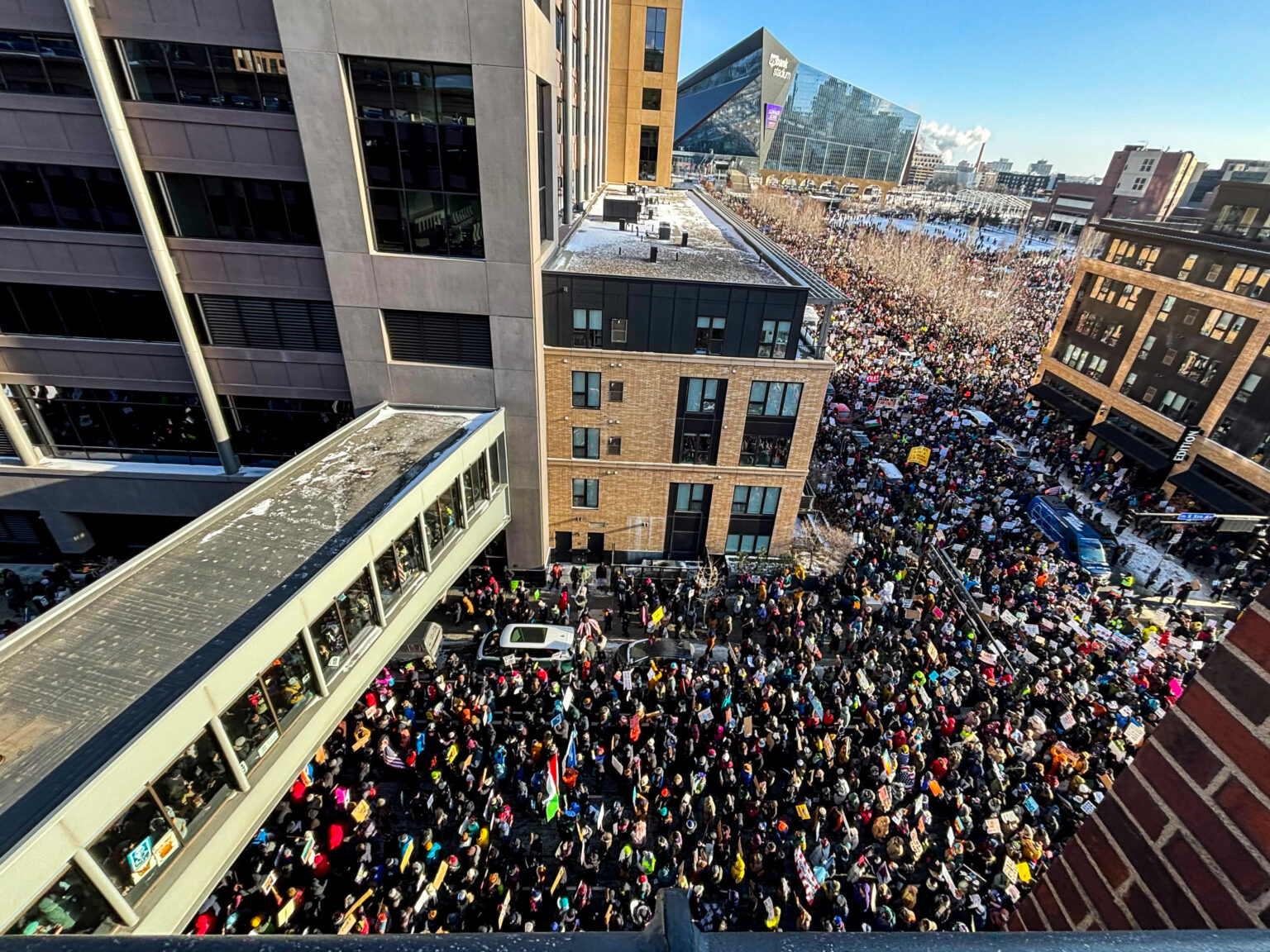
미니애폴리스에서 날아온 얼음의 소식. 밀 시티의 미네하하— 폭포는 떨어지며 또 떨어져 침묵 속으로 스며든다.
거실의 온기를 얼려 버리는 모든 공포를.
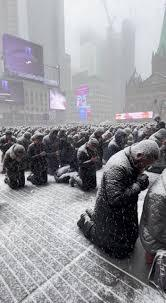
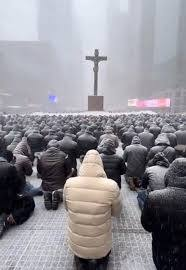
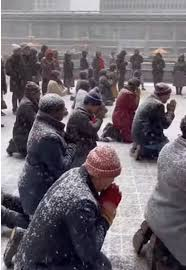
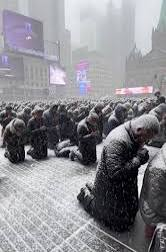
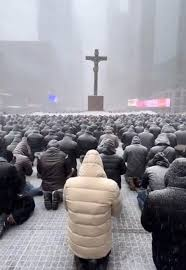
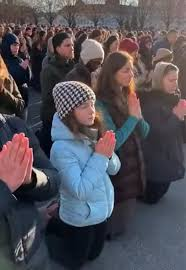
오직 무릎만이 하늘을 향해 긴장하며, 얼어붙은 물의 날아오르는 빛을 받기 위해 굽혀진다.
주여, 이 땅에 자비를 베푸소서. 주여, 하늘의 천둥으로 다시 세례하소서.
시작과 끝을 동시에 감지하며, 시간과 공간을 꿰뚫어 보며, 우리는 걷는다—느리게, 단단히— 고통 아래의 침묵 속을.
각 무릎은 부자유의 고통을 견디고, 각 등은 그 불의 무게을 떠받친다.
얼음 아래의 미네소타.
그때— 불협의 천둥이 솟구치고, 백만 마일 위 어딘가에서 얼음이 깨지는 소리가, 얼어붙은 회중의 바닥 위 얼음 조각상들로부터 응답을 받는다— 브데 오타 오퉁웨, ‘많은 호수의 마을’에서.
고요의 바닥으로부터, ‘도’ 음의 라인을 따라, 노래들이 태어난다— 침묵의 노래들— 천둥처럼 산산이 부서지며 얼음 한 조각 한 조각을,
보라! 그리고 들리지 않는가?
그 거리에서 침묵의 교향곡이 겨울 폭풍에 맞서 그 고요한 온기로 얼음을 녹이고 있는 것이.
모든 무릎은 길거리 무릎의 시인 앞에 머리를 숙이리라.
— 윤 태헌
주:Bdé Óta Othúŋwe는 미네소타주 미니애폴리스를 가리키는 다코타(Dakota) 이름으로, “호수가 많은 도시(City of Many Lakes)”라는 뜻이다. 이 명칭은 도시 주변 지역과 일련의 호수들을 가리키며, 다코타 민족의 고향으로서의 중요성을 강조한다. 이러한 의미는 하이드 E. 에드리치(Heid E. Erdrich)의 작품이나 여러 역사적 여정 속에서 자주 언급되듯, 원주민 문학과 역사에서 두드러지게 나타난다.
Tears on the white, iced branches— each limb holding its breath.
Ice reports from Minneapolis. Minnehaha— the waterfall in the mill city, every fall falling into silence.
each fear that freezes the warm living room.
Only knees strain toward heaven, bending to receive the flying light of frozen water.
Lord, have mercy on this place. Lord, baptize again with divine thunder.
Sensing beginning and ending at once, seeing through time and space, we walk—slow, steady— silent beneath suffering.
Each knee endures the pain of unfreedom, and each back bears the weight of that injustice.
Minnesota under ice.
Then— the rise of thunder, dissonant, ice breaking somewhere a million miles above, answered by ice statues on the frozen congregational floor of Bdé Óta Othúŋwe— the Town of Many Lakes.
From the bottom of quiet along the C Line, songs are born— silent songs— splintering thunderously each single cube of ice,
Behold! Can you not hear it?
There, in that street, a symphony of silence stands against the winter storm, melting it with its quiet warmth.
These days, bookstores are filled with books telling the success stories of ordinary people. In particular, after last year’s IMF crisis in Korea, many who lost their jobs or experienced failure have shared how they rose again—and their stories have given courage and strength to countless others. When you look closely, these stories share one common thread: when people discover their own individuality and make use of their unique strengths, they unexpectedly find themselves grasping the ball of success.
As a pastor’s wife, I wandered for years without knowing my own identity. It was because of the many expectations church members placed on me, each assigning different responsibilities. One person insisted that a pastor’s wife must always be devoted to the church kitchen. Another said I must pray more than anyone else and become a spiritually powerful pastor’s wife. Yet another expected me to help with all church administrative work, be diligent in visitation, and play the piano or organ skillfully whenever there was no accompanist. Still others said I should not only be a mother to my own family but also a mother of the church—possessing an ocean‑like generosity and Christlike sacrifice and love.
Unfortunately, I did not fit any of these expectations. I did not enjoy kitchen work, and the church kitchen was even less appealing. My personality—easily hurt by a single word from my husband—made the idea of ocean‑like generosity or Christlike sacrifice feel impossible. So I constantly asked myself, “What is my true life supposed to be?” and stumbled through life, living out my half‑formed personality and character.
After years of being tossed by waves of expectation and wounded by not knowing who I was, I finally asked God, “What do You want from me?” And He answered, “What I want is simply for you to become yourself! Find your own color! Live in harmony with the world within the very light I have given you!”
But with my vision already blurred, finding my own light was not easy. Yet, in the ordinary rhythms of daily life, my simple desire to become myself slowly became a healing ray—like spring sunlight—leading me into a season of restoration.
Ah! How great a comfort and strength it was to acknowledge my own circumstances, to accept myself, and to know that the One who works great things within me was walking with me.
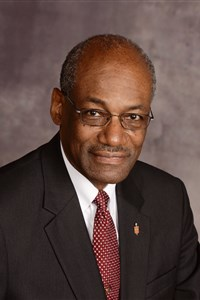
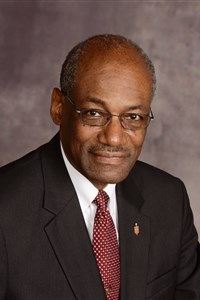
Bishop Ernest S. Lyght of the New York Conference of the United Methodist Church once shared his own story. In the 1970s, wherever he went to pastor, he faced difficulties for various reasons. When this African American pastor was appointed to a white congregation, the members rose up with three objections: first, he was too young; second, he was Black; and third, he was single—so how could he counsel couples in marital crisis?
One Sunday, he addressed these concerns during worship: “Let me answer your three questions. First, you say I am too young. Well, my birthday is next month—I will grow older anyway. Second, you worry that I am Black. Please don’t worry. No matter how much you worry, my face will remain the same. Third, you worry that I am single. I am engaged, and I will be married soon. And if anyone needs counseling for their marriage, I will do my best, holding onto the Word God has already given me.”
After several years of fruitful ministry there, he was reassigned to a Black congregation. But another issue arose: how could someone who had pastored a white church for nearly ten years understand Black people and minister to them properly? He had to answer again: “My friends, I was born African American. Even if I showered in white paint, I cannot hide the blood that runs in me. My ancestors were slaves in this country, and my Black parents raised and educated me. These are facts no one can erase.”
His confidence and dignity—rooted in discovering his God‑given identity and light—eventually led him to the role of bishop.
Today, many Christians struggle with the responsibility of living faithfully. But unless you know who you are, you cannot truly know who the other person is. I am a sinner, weak and not someone others would naturally expect much from. Yet I must not forget that the One who is great and good dwells within me, enabling me to shine with my own unique and beautiful light and fragrance. And when I acknowledge that the person I admire, respect, and love is also the same—unique, God‑shaped, and God‑guided—perhaps then we will grasp the ball of success in both our spiritual lives and our human relationships.
요즈음, 책방에는 평범한 사람들의 성공한 이야기들이 많은 책자로 나와 있음을 볼 수 있다. 특히, 지난 한해에 한국의 IMF로 인한 실직자들과 실패자들 가운데, 그 실직과 실패를 딛고 일어선 사람들의 이야기는 많은 실패자들에게 용기와 힘을 불어넣어 주고 있다. 그러나, 그 이야기들의 공통점을 보면, 자신이 갖고 있는 개성을 찾아내서, 그 장점을 살렸을 때, 의외로 성공이라는 볼을 움켜쥐게 되는 것을 볼 수 있다.
나는 목사의 아내로서 자신의 아이덴티티를 찾지 못하고 수년간 헤매 인 적이 있다. 그것은 교우들의 다양한 기대와 각자가 부여해 주는 책임 분할로 인한 것들이었다. 어느 분은 사모는 늘 교회 부엌에 충실해야 만 된다고 못을 박는 분이 있는가 하면, 어느 분은 기도를 누구보다도 많이해, 능력있는 사모가 되어야 한다고 하였다. 그런데, 어느 분은 사모가 교회의 모든 사무 행정처리를 도와야 되며, 심방에 늘 부지런해야 하며, 반주자가 없을 땐, 피아노나 올갠도 능숙하게 칠 줄 알아야 한다고 했다. 또한 한 가정의 어머니로 만 있어선 안되고, 교회의 어머니가 되어 성도들을 하나 하나 잘 돌보는 바다와 같은 아량과, 예수님 닮은 희생과 사랑이 있어야 한다고 하였다.
그러나, 불행하게도 나는 위의 모든 기대와 조건에 하나도 맞는 것이 없었다. 부엌 일을 즐겨하지 않는 나는 교회 부엌은 더군다나 흥미없는 장소이며, 남편의 말 한마디에 잘 톨아지는 성격에 바다와 같은 아량과 예수님 닮은 희생과 사랑은 당치도 않은 일들이었다. 그래서 늘 ‘무엇이 참된 나의 삶이란 말인가?’라는 질문을 갖고, 설익은 개성과 성격대로 살다가 좌충우돌하는 경험을 갖곤 하였다.
기대감이라는 파도와, 내가 누구인지도 모르고 시달린 상처투성이의 몇 년 후, 하나님께 “당신은 무엇을 원하시느냐?”고 비로소 묻게되었다. 그 때 “내가 원하는 것은 오직 네 자신이 되는 것이지! 자신의 색깔을 찾는 거야! 내가 너에게 준 바로 그 빛 안에서 세상과 조화를 이루는 것이지!”라고 응답하셨다. 허지만, 이미 시야가 어지러웠던 나에게, 내 빛을 찾기란 쉽지가 않았다. 그러나, 일상의 삶 속에서 내 자신이 되고자 하는 소박한 바램은, 어느새 봄빛과 같은 치유의 광선으로 내 삶을 치유의 단계로 들어서게 하고 있었음을 발견 할 수 있었다.
아! 삶에 있어서 내 자신의 환경과 나를 인정하고, 내 안에서 큰 일을 행하시고 있는 이가 함께 하고 계심을 아는 일이란, 나에게 얼마나 큰 위로와 힘이 되었던가!
현재 미연합감리교 뉴욕연회의 감독되시는 Ernest S. Lyght 목사님께서, 70년대에 목회를 하시는데 여러 가지 이유로 가시는 곳마다 어려움을 당하시곤 하셨단다. 흑인이신 목사님께서 어느 백인교회에 파송을 나가셨는데, 세 가지 이유로 교우들이 들고일어났다. 첫째는 나이가 너무 젊고, 둘째는 흑인이고, 셋째는 독신이기에 어떻게 결혼의 위기에 처한 부부들을 돕겠느냐는 것이었다. 그래서 어느 주일에 목사님께서는 예배 시에 이 세 가지 예를 들어 해답을 줄 기회를 만들었다. “… 성도님들의 세 가지 의문에 대해서 답변하겠습니다. 첫째, 내 나이가 너무 젊다고들 하시는데, 다음달엔 제 생일이 다가옵니다. 저는 어차피 나이를 먹을 것입니다. 둘째 제가 흑인이라는 것인데, 걱정 마십시오. 제 얼굴은 아무리 걱정을 하셔도 흑인의 모습 그대로 있을 것이기 때문이지요. 셋째, 제가 혼자라는 것도 걱정 마십시오. 약혼을 했으니, 곧 결혼을 할 것입니다. 그러나, 누군가 결혼생활에 카운슬링이 필요하면, 기도가운데 이미 주신 말씀을 붙들고 최선을 다 하겠습니다.”
라이트 목사님은 그 교회서 수년간 부흥을 이룬 후, 흑인교회로 다시 파송되어 가게 되었다. 그런데, 흑인교회서 또 문제가 되었다. 백인교회를 근 10여 년 간 목회한 그가 어떻게 흑인을 이해하고 제대로 목회하겠느냐가 이슈였다. 목사님은 그들의 억측에 또 한번 답변해야 만 했다. “여러분, 저는 아프리칸 아메리칸으로서 태어났기 때문에 아무리 흰 페인트로 샤워를 해도 흑인의 피는 속일 수 없습니다. 내 조상이 이 나라의 노예였으며, 흑인인 내 부모가 나를 교육하고 키웠다는 사실은 아무도 지을 수 없는 사실입니다… ” 라이트 목사님의 하나님 안에서의 자신의 개성과 빛을 발견한 삶에 대한 자신감과 당당함은, 오늘에 있어 감독이라는 중직을 맡게 된 것이었다.
오늘도 그리스도인으로서의 삶을 책임져야 한다는 몸부림은 여기 저기서 들려 오고 있다. 그러나 내가 누구인지 모르고는 진정한 당신이 누구인지도 정녕 알 수 없는 것이다. 나는 죄인이며 나의 본연의 모습은 연약하고 기대할 만한 사람은 아니지만, 내 안에는 광대하시고 선하신 이가 주인이 되시어, 나만의 독특하고 아름다운 빛과 향기를 낼 수 있음을 잊지 않는 것이다. 그리고, 내가 기대하고 존경하며 사모하는 그이도 마찬가지라는 것을 인정할 때, 신앙생활과 인간관계의 성공의 볼을 움켜쥐지 않을까!
January 24, 2026, noon— the first small snowflakes drift through the air and disappear.
The time has come. From this afternoon until Lord’s day night, fear and a strange sense of expectation quietly rise together.
For days the forecasts have kept changing, their certainty revised hour by hour.
Store shelves grow bare— food, batteries, plywood— emptied by hands preparing in advance.
Flights vanish one by one, grounded by warnings that this may be the worst ice storm since January 1982.
The city spreads calcium and magnesium chloride across the roads, and the governor politely asks that we remain indoors.
I failed to repair the generator. Instead, I gathered up my tools, gave up further attempts, came back inside, and simply set them down.
So the waiting begins— they call it hibernation— fear climbing an endless ladder without a sound.
The internet may go out— all conversations cut off. The village of news, in an instant, and we may be exiled from this earth we once called a single village.
I imagine myself confined to one room, warming it with candlelight, getting by on cold bread for my meals.
Fear settles in, and the long waiting too— waiting for winter snow as one waits for Godot, at the edge of a cliff over an endless valley of darkness.
In a room pared down to the primitive, only instinct stands watch, and everything else loses its voice.
— TaeHun Yoon
Note: “Godot” – Samuel Beckett’s Waiting for Godot is a landmark modern play in which two characters endlessly wait for an absent figure—Godot—while exploring the meaning of life, absurdity, and hope. It is regarded as a defining work of the Absurd Theatre and a turning point that reshaped twentieth‑century drama. Two vagrants, Vladimir and Estragon, wait for “Godot,” whom they believe will bring them some form of salvation or meaning. But Godot never appears. They talk, argue, reconcile, and even contemplate suicide, yet in the end they remain in the same place, saying, “Let’s come back tomorrow.”Original Title:En attendant GodotFirst Performance: 1953, Paris, Genre: Tragicomedy blending elements of tragedy and comedy
이제 때가 되었다. 오늘 오후 부터 내일 주일 저녁까지 두려움과 이상한 기대가 살짝 치솟는다.
며칠 동안 일기예보는 계속 바뀌었고, 그 확신은 매 시간 수정되었다.
가게 진열대는 비어 간다— 식료품, 배터리, 합판— 미리 대비하는 손들에 의해.
항공편들은 하나둘 사라지고, 그들이 말하길 1982년 1월 이후 최악의 얼음 폭풍이 될지도 모른다며 모두 발이 묶였다.
도시는 도로 위에 칼슘과 염화마그네슘을 뿌려 놓고, 주지사는 정중하게 실내에 머물러 달라 요청했다.
발전기를 수리를 실패하고, 대신 연장을 거두어 들이고
더 이상의 시도를 포기하고 안으로 들어와 그냥 내려놓았다.
그래서 기다림이 시작된다— 사람들은 이를 동면이라 부르지만— 소리 없이 끝이없는 사다리를 오르는 두려움.
인터넷은 끊길지도 모른다. 모든 대화의 단절 뉴스의 마을은, 순간 우리는 한 마을이라는 이 지구에서 추방당할지도 모든다. 나는 한 방 속에 갇혀 촛불로 방을 데우며 차가운 빵으로 끼니를 떼우는 모습을 그린다.
두려움이 자리를 잡고, 긴 기다림도 — “고도”를 기다리듯 겨울 눈을, 끝이 없는 어둠의 골짜기 벼랑 끝에서 .
본능만이 경계를 서는 원초로 깎여진 방, 그 밖의 것들은 말을 잃는다.
– 윤 태헌
* “고도” 사무엘 베케트의 「고도를 기다리며」는 두 인물이 ‘오지 않는 존재(고도)’를 끝없이 기다리며 삶의 의미·부조리·희망을 탐색하는 현대극의 대표작입니다. 부조리극(Absurd Theatre)의 결정적 작품으로 평가되며, 20세기 연극을 바꾼 전환점으로 여겨집니다.
From time to time, I receive calls from social workers in various New York hospitals. As I come to understand their hearts—struggling to help Korean patients who cannot communicate in English—I see how their compassion eventually reaches me, weaving together a chain of helping hands.
I will never forget one beautiful social worker who had been searching desperately for a Korean person who could help a Korean woman in her forties who had been neglected in an adult home for years. When she finally found me, she was so overjoyed that her eyes filled with tears. The radiant expression on her face—overflowing with pure delight—was unforgettable, like the face of an angel.
In daily life, each person naturally carries out their own roles. Yet beyond the roles of parent, child, or worker, there are other parts we are called to play.
There are secrets you cannot see unless you suffer. There is a friend you cannot meet unless you feel loneliness. There are hearts you cannot melt unless you shed tears. There are miracles you cannot believe unless you have been ill. There is the wind of freedom you cannot feel unless you have been confined. There is no sharing in the sufferings of Christ unless you have been tested. There is no usefulness unless you have been refined in the furnace of adversity.
Everything you face today is your privilege, and the grace of God— a path on which you walk with Christ, bearing His yoke, a journey pressing on toward wholeness.
나는 가끔 여기저기 뉴욕 병원의 쑈설워커들로부터 전화를 받을 때가 종종있다. 알고보면 언어가 통하지 않는 한국인들을 도와주고자 애쓰는 저들의 심령이, 결국엔 나에게 까지 연결되어 도움의 손길들을 묶어나가는 것을 보게된다. 언젠가, 어달트 홈에 수년간 방치되어있던 40대의 한인여성을 안타깝게 도와주고자, 도와 줄 한국인을 찾다가 나를 알게 된, 미모의 쑈설워커는 너무나 기뻐 눈물을 글성글썽거리며 기뻐하던 모습을 잊을 수 없다. 그녀의 그 기쁨으로 가득차있던 환희의 표정은 잊을 수 없는 천사의 모습이였다.
사람은 일상생활에 있어 각자의 역할을 당연히 감당하며 살아간다. 그러나, 부모로서, 또는 자식으로서, 직장인으로서의 역할 외에 배역이 요구된다.
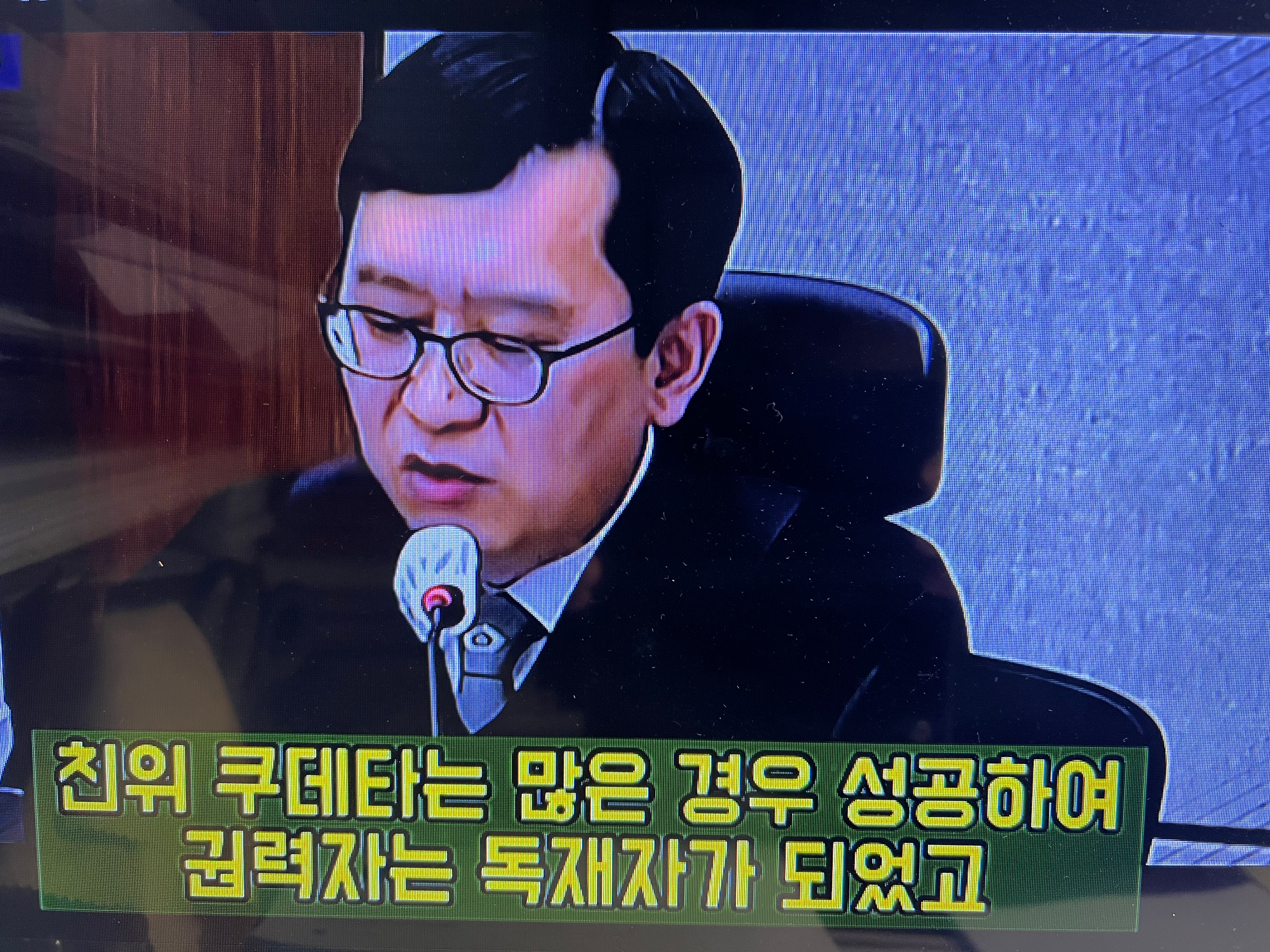
Once again, on a national day of humiliation, a small number who danced for their private eternity— judges, prosecutors, lawyers, bureaucrats, those honored as yeonggam, exalted as daegam—
Now their voices seep away into the silent slopes of Mukmang Mountain.
Over the East Sea, the pattern of morning sunlight rises without a sound, gently etched on the surface of a teacup.
And quietly, the waves of fairness and coexistence are at last lifting a new sun.
Ah— Judge Lee Jin-gwan, you are not alone.
You are the heart of the people.
Can you not hear the soundless roar— the tears of fifty million flowing toward your dry eyes?
Can you not see it?
This trembling in the chest— does it not already proclaim the dawn of a new nation, the first year of peace and happiness?
Wherever we are in this world, let us all rise and dance the dance of Hanbalg.
Let us become the hot tears we have long held back, the fresh surge of overflowing tears, the sacred tears of Judge Lee Jin-gwan.
— Yoon Tae‑Hun
Note:
Judge Lee Jin‑kwan is a senior judge at the Seoul Central District Court (Criminal Division 33) who became nationally prominent for presiding over the historic trial of former Prime Minister Han Duck‑soo.
He sentenced Han to 23 years in prison for involvement in the December 3 martial‑law incident, which the court described as an attempted “civil war equivalent to a coup.”
This is the most widely known meaning today.
Han (한 / 恨) — emotional–cultural meaning
A deep, unresolved sorrow
A wound carried quietly
A mixture of grief, longing, injustice, and endurance
A collective emotional memory shaped by history
It’s not simply sadness; it’s a compressed emotional universe that seeks release or transformation.
Sindansu literally means “the Divine Tree” or “the Sacred Altar Tree.” It appears in the Dangun founding myth and represents the place where heaven and earth meet.
In the myth:
Hwanung, the heavenly prince, descends from heaven
He comes down beneath the Sindansu
And there he begins teaching, governing, and guiding early humanity
Later, Dangun Wanggeom is born, and the Korean nation (Gojoseon) is founded
So Sindansu is the axis mundi—the world’s center—where the divine touches the human world.
Hongik Ingan = “To broadly benefit all humankind.”
It is often translated as:
“Live for the good of all people.”
“Benefit humanity widely.”
“Promote the welfare of all.”
It expresses an ethical ideal: a life not centered on oneself or one’s tribe, but on the flourishing of everyone.
Mukmang Mountain = “the mountain of silent disappearance.”
It symbolizes:
a place where corrupt voices fade away
the end of unjust power
the quiet burial ground of arrogance and tyranny
the vanishing point of those who abused authority
the moral horizon where falsehood dissolves
In other words, it is the mountain where the noise of the powerful dies.
Hanbalg = the primordial great light / the brightness of heaven / the radiance of origin / the light of a people’s spiritual essence.
Its origins lie in:
the ancient Korean root han (greatness, heaven, origin)
the ancient root balg (light, brightness)
the myths of heavenly descent and the traditions of sky‑worship
layers of spiritual and cultural symbolism
All of these elements overlap to form the concept of Hanbalg.





 Daily Sauntering
You must be logged in to post a comment.