“In the Cornfield Maze” (Pastoral Residence Faith Column #3, LA Christian Today, October 8, 2010) © WanHee Yoon

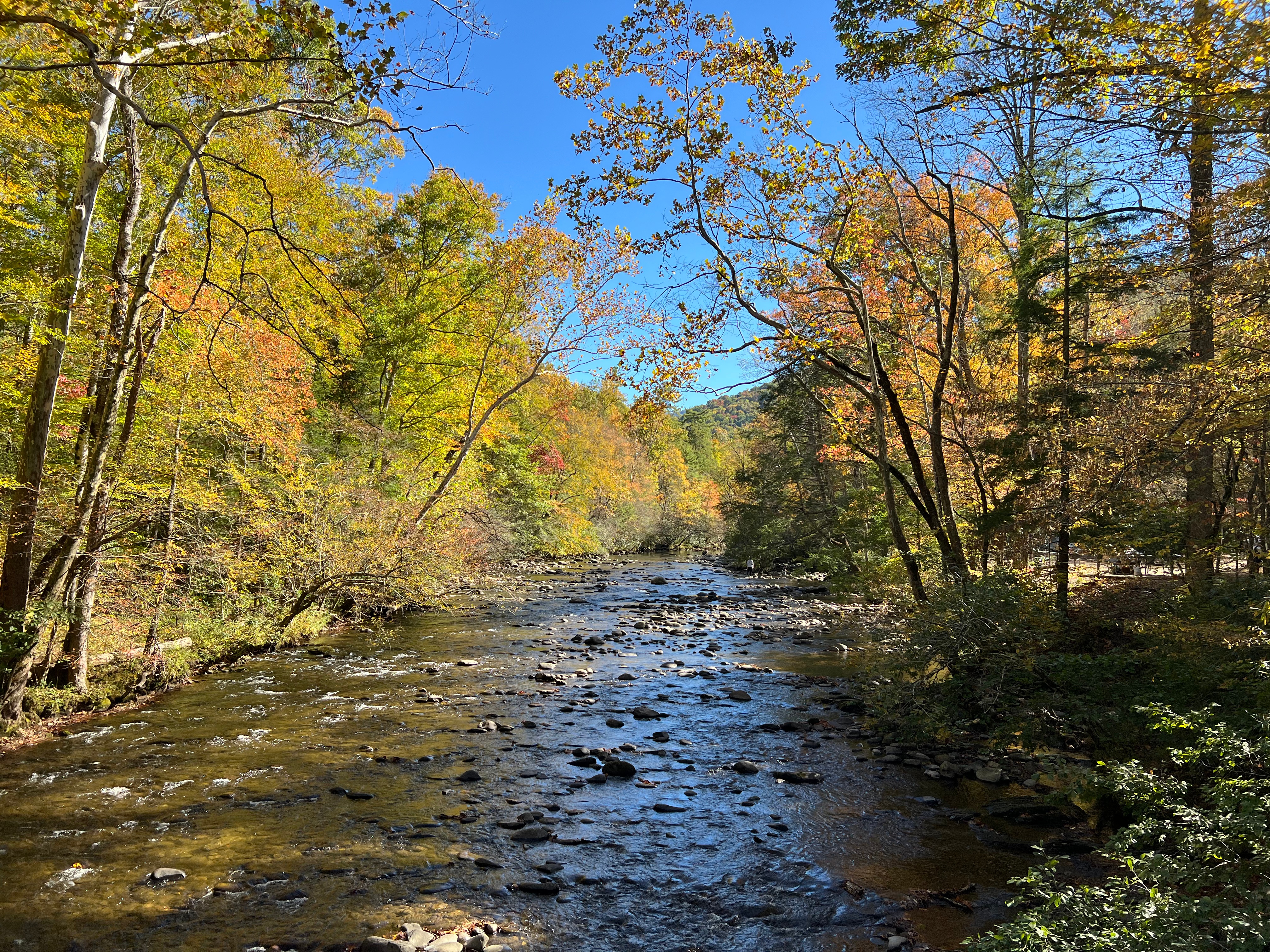
These days in Tennessee, autumn festivals are in full swing. Though each town gives them different names—Apple Festival, Pumpkin Festival, Storytelling Festival—their purpose is the same: to share the blessings and harvests of the year, and to nurture warm human connection. Among the many joys of these fall gatherings, one tradition stands out: the corn maze.

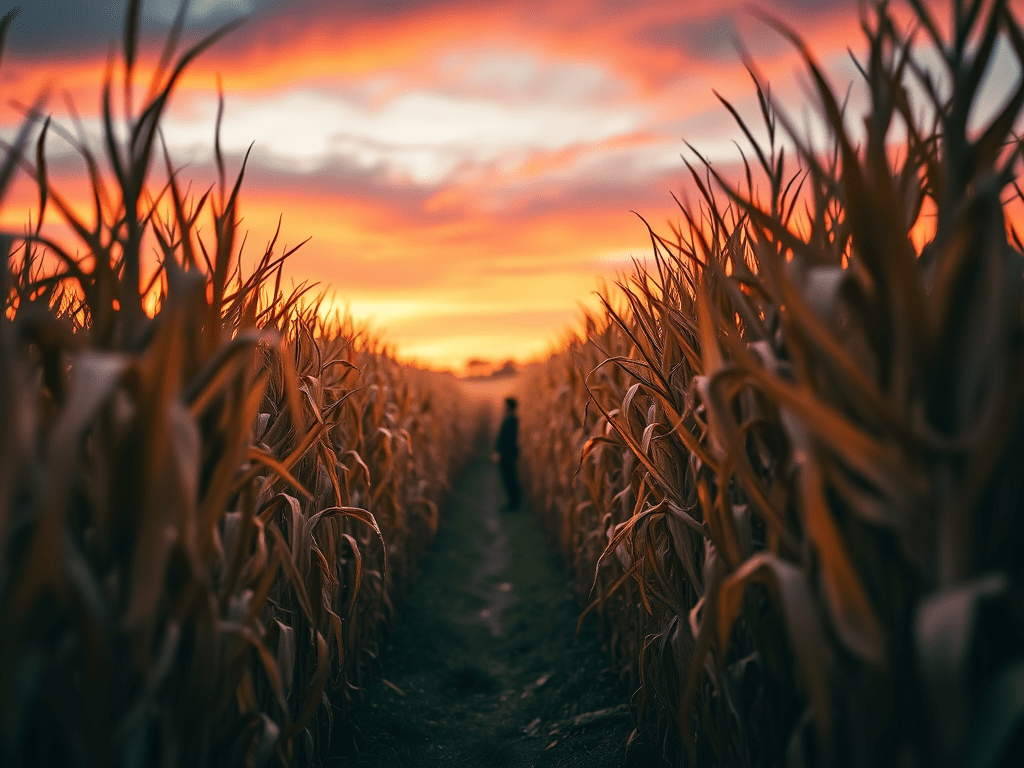
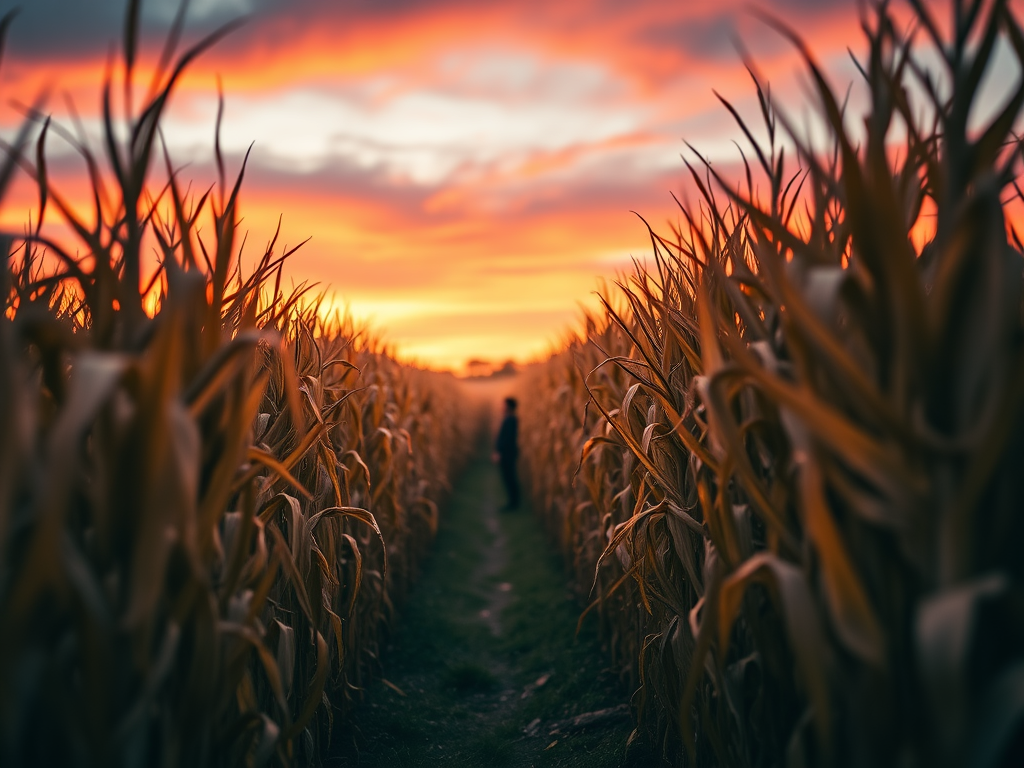
Once you enter, it’s hard to tell where it begins or ends. The vast forest of corn feels like stepping into a hall of mirrors. As you walk the narrow paths, you come to forks—three ways, four ways—each demanding a choice. You hesitate, pick one, walk for a while… only to find it’s a dead end. Though it’s hard to abandon the path you’ve already walked, you must turn back to find a new way forward.

As I wandered briefly through the cornfield, I couldn’t help but think of Melissa, my neighbor who has been navigating the maze of life with remarkable courage. Ten years ago, at the age of 32, she was diagnosed with tongue cancer. The doctor’s prognosis was grim: surgery or chemotherapy, with life or death hanging in the balance. She chose chemotherapy. Thankfully, five years later, she was declared cancer-free. Though the treatment left her with blocked salivary glands—making speech and swallowing difficult—her freedom from cancer made every hardship bearable.

But last year, the cancer returned, this time advancing to her larynx. After multiple life-threatening surgeries, she lost her tongue, her voice box, and part of her lower jaw. She could no longer eat, drink, or speak. Her body, marked by skin grafts, bore the scars of survival.

And yet, Melissa continues to learn how to live each day in new ways. She connects with the world through text messages and her computer. She receives nutrition through a feeding tube, learns to knit and make necklaces, takes care of housework and laundry, and leads charitable fundraising for cancer research. At church, she serves as head of the worship committee. Through her text-to-speech device, she shares this testimony:

“It’s true—my life has changed. But I’m learning that change isn’t always bad. Through all of this, God is teaching me patience and revealing things I never knew before. God provides exactly what I need each day. Though my body still needs healing in many places, I don’t want to live in retreat or boredom. More than ever, I feel a growing hope for the future.”

A growing hope! What a courageous and beautiful confession of mature faith. In the maze of life, this may be the highest choice a fragile human can make.

As dusk fell over the cornfield, someone came striding toward us. It was the towering owner of the field, worried about our group and coming to find us—just like Jesus, who comes to seek the lost, wandering souls in life’s great maze.
The current image has no alternative text. The file name is: image-91.png
Posted in Essay by WanHee Yoon, faith-column | Tagged , , , , , | Leave a comment

“옥수수밭 미로에서” (목사관 신앙칼럼 #3, LA 크리스찬 투데이, 10/8/2010) © 윤 완희 사모

요즈음 이곳 테네시에는 가을축제가 한창 열리고 있다. 동네마다 ‘애플 페스티발’ ‘펌킨 페스티발’ ‘스토리텔링 페스티발’ 등의 제목은 달라도, 한 해의 삶의 축복과 수확들을 함께 나누며, 친밀한 인간애를 나누는데 목적이 있다. 이런 가을 축제 속에 빼놓을 수 없는 놀이 중 하나가 옥수수밭의 미로(Corn Maze) 찾기다.

한번 들어서면 끝과 시작이 어디인지 쉽게 알 수 없도록 만들어 놓은 광활한 옥수수 숲은 마치도 거울나라에 들어 선 것 같다. 좁은 길을 따라 걷다보면 세 갈래 네 갈래로 갈라진 길목 앞에 마주 서게 된다. 어느 길로 가야 될지 망설이다가 한 길을 정해 한참 걷다보면, 막다른 골목이었음을 알게 된다. 막다른 골목-그동안 걸어왔던 길이 아깝지만, 새로운 길을 찾기 위해선 그 길을 포기해야 만 한다.

나는 옥수수밭을 잠시 헤매면서, 삶의 미로를 당당하게 찾아 나서고 있는 이웃에 살고있는 멜리사를 생각지 않을 수 없었다. 멜리사는 10년전, 32살 미모의 나이에 혀암을 발견했다. 수술을 하거나 항암치료를 받더라도 죽기 아니면 살기라는 의사의 매정한 선고 속에, 그녀는 항암치료를 받기로 했다. 다행히도 5년 후에는 암으로부터 완전한 해방이 되었다는 기쁜 소식을 듣게 되었다. 치료과정의 후유 증으로 인해, 입안의 침샘이 막혀 말하는 것, 음식 삼키는 일에 어려움을 갖고 살아야 했지만 암으로부터의 자유함은 그 어떤 어려움도 감내할 수 있었다.

그러나 지난해 그녀의 암은 재발되면서 후두암으로 까지 이미 발전되어 있었다. 결국 생사를 오가는 위험스런 여러번의 수술 끝에 혀와 후두, 아랫 턱뼈 부분까지도 떼어냄으로 인해, 먹고 마시며 말할 수 있는 능력조차 모두 잃게 되었다. 또한 그녀의 몸은 피부조직 이식수술로 인해 이곳저곳이 상처투성이 되고 말았다.

그러나 그녀는 새로운 방법으로 인생을 살아가야 하는 법을 날마다 배워나가며, 전화기 문자와 컴퓨터를 통해 세상과 연결한다. 튜브를 통해 음식을 투입받고, 뜨개질과 목걸이 만드는 법을 배우고, 집안 청소와 빨래를 담당하며, 암연구기관을 돕는 자선 모금에 앞장선다. 교회에서는 예배위원장의 역할을 담당한다. 멜리사는 문자기를 통해 이렇게 고백한다.

“분명 나의 삶의 형태가 달라진 것은 사실 입니다. 그러나 그 달라짐이 결국 나쁜 것만이 아님을 배워 나가고 있어요. 하나님은 나의 이 모든 과정을 통해 인내를 배우게 하시며, 전에 결국 알지 못했던 새로운 것들을 가르치십니다. 하나님은 오늘 내게 필요한 것들 – 언제나 그렇게 채워주십니다. 내 육신의 곳곳엔 치료되어야 만 될 부분들이 많이 있지만, 그것들 때문에 삶이 후퇴하거나 무료하게 살고 싶지 않아요. 저는 어느 때보다도 앞날에 대한 긍정적인 기대가 더 커져가고 있어요.”

긍정적인 기대! 용기있고 아름다운 성숙된 신앙 고백이다. 삶의 미로 속에 연약한 인간이 할 수 있는 최상의 선택이 아닐수 없다.

어둑해져 가는 옥수수 밭 가운데 누군가가 성큼 걸어오고 있었다. 키가 장대 만한 옥수수 밭 주인이 우리 일행이 걱정이 되어 찾아 나선 것이었다. 마치도 삶의 미로에 갈길 을 모르고 헤매는 인간들을 구원하기 위해 찾아오신 예수님처럼.

Posted in Essay by WanHee Yoon, faith-column | Leave a comment

“Time Drifting on the River”

© TaeHun Yoon, 2025

  • Existential Rebirth

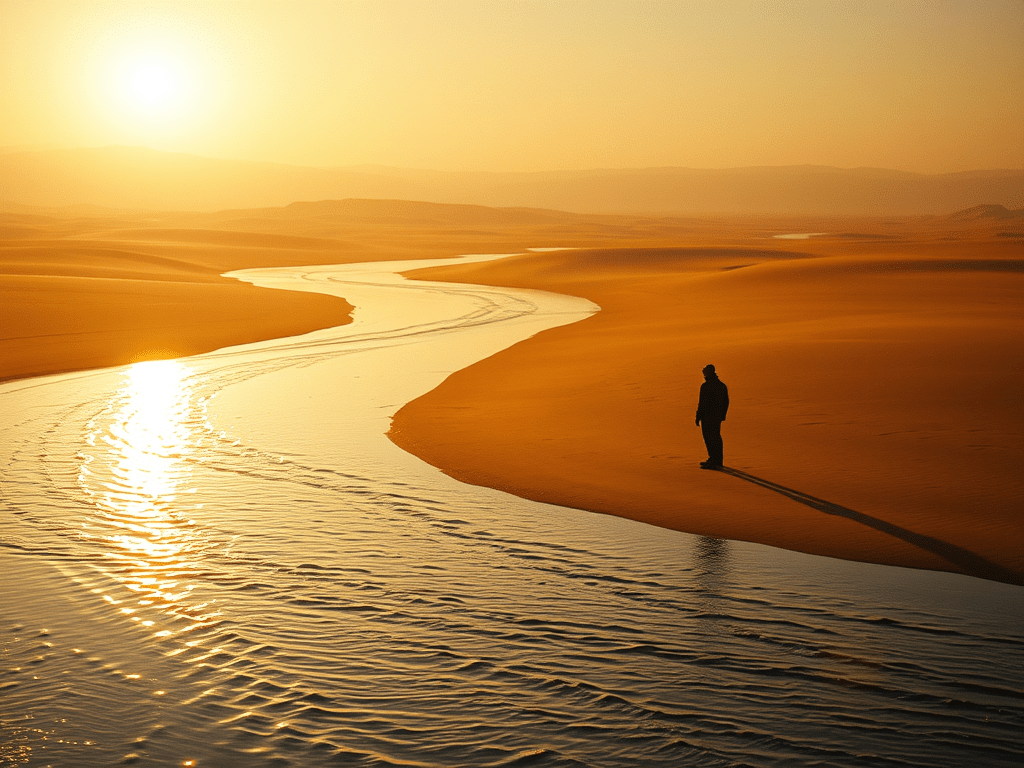
The sun rises again—
not as promise, but as proof that nothing stands still.
Its light burns the desert clean,
naming every shadow that dares to exist.

Man stands between dust and eternity,
tasked not to conquer but to remain awake.
To feel the pulse—too loud, too alive—
is both his burden and his grace.

The wind speaks of nothing.
The stone remembers everything.
I walk between their silence,
learning that meaning must be made, not found.

Do not mourn, traveler.
Even the whip that strikes the sand
is a hand that teaches form.
Suffering too is a kind of birth.

The world turns not for us,
yet we, who breathe, can choose to turn within it—
to float like time upon the river,
to drift, yet not despair.

For every tree that rots,
another root dreams underground.
For every cry of the serpent,
there is a breath that begins again.

I carry no weapon but the will to be.
No shield but love.
The desert, vast and cruel,
becomes gentle when I name it “home.”

The gates of hunger, fear, injustice, and frost
still rise against the dawn—
but the human heart, absurd and defiant,
beats on, creating hope out of sand.

Take my hand, and walk.
Do not look back—
the world will go on pretending not to hear,
but we will know that being itself sings.

I am the breath between your thoughts.
I am the echo of your choice.
Rise—
and live as if the light were enough.

– Note

I wrote this poem after many seasons of silence. I am the breath between your thoughts. I am the echo of your choice. Rise— and live as if the light were enough. My poetry seeks that awakening. To live is to stand within the desert and still say, “I am here.”

The current image has no alternative text. The file name is: image-89.png

Posted in Poetry | Tagged , , , , | Leave a comment

“강물 위에 떠가는 시간”

© 윤 태헌, 1979 그리고 2025

(존재로 깨어나는 노래)

태양이 다시 솟는다 —
약속으로서가 아니라,
아무것도 머물지 않는다는 증거로.

그 빛은 사막을 불태우며
존재를 드러내는 모든 그림자의
이름을 부른다.

인간은 먼지와 영원의 사이에 선다.
정복이 아니라, 깨어 있음이
그에게 맡겨진 과업이다.

너무 크게 뛰는 심장의 맥박 —
그것이 곧 짐이며, 동시에 은총이다.

바람은 아무 말도 하지 않는다.
돌은 모든 것을 기억한다.
나는 그 침묵 사이를 걷는다.

‘의미’란
발견되는 것이 아니라,
만들어지는 것임을 배우며.

여행자여, 슬퍼하지 마라.
모래를 치는 채찍조차
새로운 형상을 빚는 손이 된다.

고통 또한
하나의 탄생이다.

세상은 우리를 위해 돌지 않는다.
그러나 숨 쉬는 우리는,
그 속에서 스스로 돌 수 있다 —

시간처럼,
강 위를 흘러가며,
떠나되, 절망하지 않으며.

모든 썩은 나무 아래에는
또 다른 뿌리가 꿈을 꾼다.
뱀의 울음 끝에서도
새로운 숨결이 시작된다.

나는 존재하려는 의지 외엔
무기를 가지지 않았다.
사랑 외에는
방패도 없다.

광막하고 잔혹한 사막이
내가 그것을 “집”이라 부르는 순간,
부드러워진다.

굶주림, 두려움, 불의, 냉기의 문들이
여전히 새벽을 맞서지만 —
인간의 심장은, 부조리 속에서도 반항하며
모래 속에서 희망을 빚어낸다.

내 손을 잡고 걸어라.
뒤돌아보지 마라 —

세상은 여전히
듣지 못한 척하겠지만,
우리는 안다.

존재 그 자체가
노래함을.

나는 네 생각 사이에 숨 쉬는 바람이요,
네 선택의 메아리다.

일어나라 —
그리고
빛이 충분하다고 믿으며 살아라.

  • 작가의 말

나는 오랜 침묵의 계절을 지나 이 시를 썼다.
각 행은 느리고 불확실했지만,
‘살아 있음’의 의미를 향한 한 걸음이었다.

시간의 강은 모든 생명을 실어 나른다.
그러나 그 흐름 속에서
각 영혼은 스스로 깨어날 것인지, 떠내려갈 것인지를 선택해야 한다.

나의 시는 그 깨어남을 향한다.
평화를 약속하지는 않지만, ‘존재의 현존’을 전한다.
정답이 아니라, ‘의식’의 빛을 찾는다.

살아간다는 것은,
사막 한가운데서 “나는 여기에 있다”고 말하는 일이다.

이 시집은 「강물 위에 떠가는 시간」으로부터 시작되어,
존재의 어둠을 통과하며
가장 연약하지만 가장 빛나는 희망—
‘존재 그 자체가 거룩함’임을 향해 나아간다.

– 성찰
나는 오랜 침묵의 계절을 지나 이 시를 썼다.
각 행은 느리고 불확실했지만,
‘살아 있음’의 의미를 향한 한 걸음이었다.

시간의 강은 모든 생명을 실어 나른다.
그러나 그 흐름 속에서
각 영혼은 스스로 깨어날 것인지, 떠내려갈 것인지를 선택해야 한다.

나의 시는 그 깨어남을 향한다.
평화를 약속하지는 않지만, ‘존재의 현존’을 전한다.
정답이 아니라, ‘의식’의 빛을 찾는다.

살아간다는 것은,
사막 한가운데서 “나는 여기에 있다”고 말하는 일이다.

이 시집은 「시간이 강 위를 떠도네」로부터 시작되어,
존재의 어둠을 통과하며
가장 연약하지만 가장 빛나는 희망—
‘존재 그 자체가 거룩함’임을 향해 나아간다.

– 묵상
우리는 모두 저마다의 사막을 건너야 한다.
그곳은 상실과 고독의 자리이지만,
동시에 깨어남의 자리이기도 하다.

나는 그 사막에서,
절망의 밑바닥에서 피어오르는 희망을 보았다.
고통을 벗어나서가 아니라,
고통 속에서 숨 쉬는 희망이었다.

시간은 흐르고, 삶은 스러지지만,
그 모래바람 속에서 우리는 ‘살아 있음’을 배운다.

이 시를,
자신의 바람과 싸우며 하루를 버티는 모든 이들에게 바친다.
비록 우리는 모래알만큼 작고 덧없지만,
그 안에도 여전히 생의 의미가 빛난다.

The current image has no alternative text. The file name is: image-90.png
Posted in Poetry | Leave a comment

“The Season of Change” (Faith Column #2, Christian Today-LA, October 6, 2010) © WanHee Yoon

It seems like only yesterday was spring, yet summer has already passed, and suddenly I find myself standing in the heart of autumn.
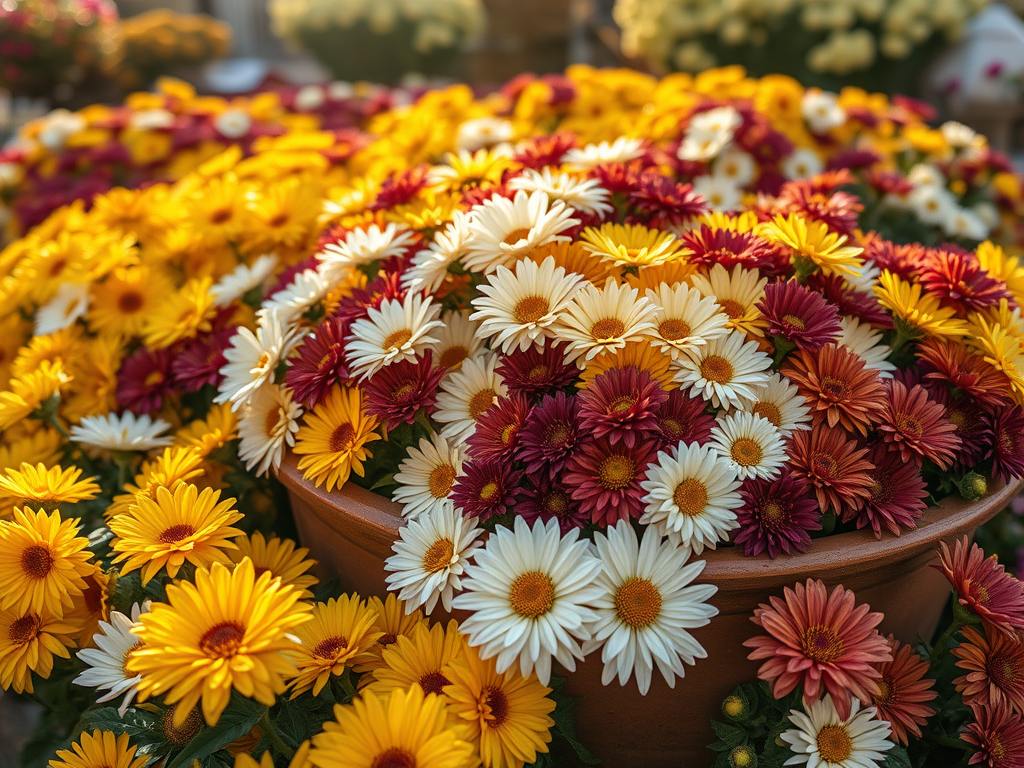
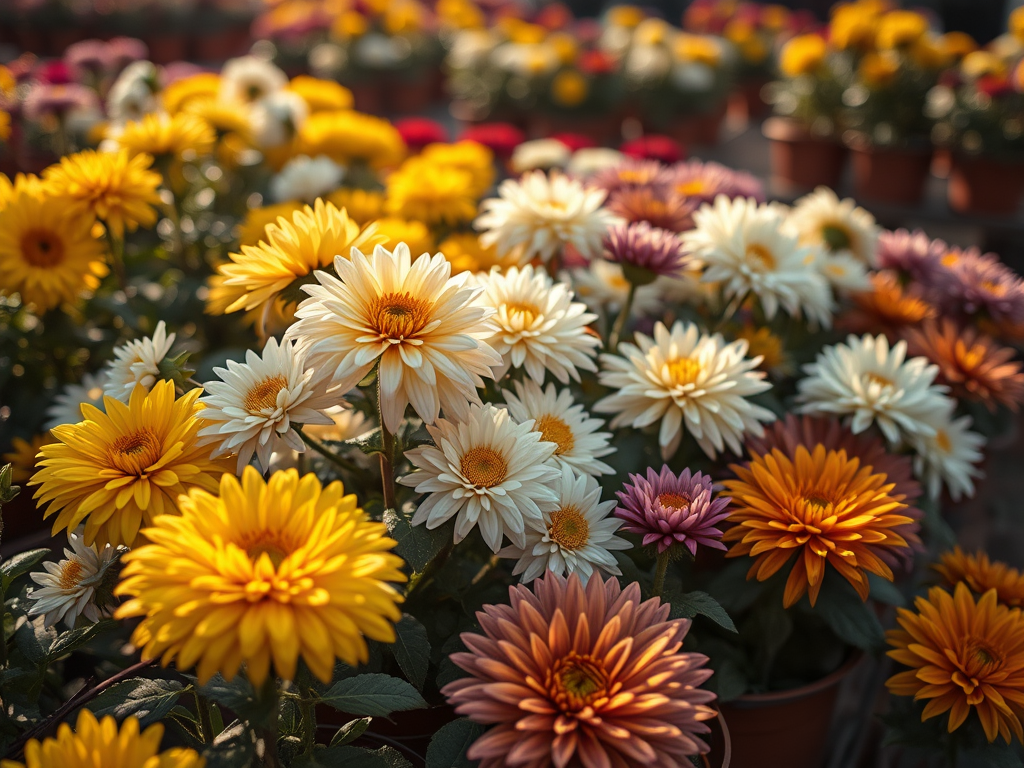
To see autumn’s face more closely, I visited a flower garden. The garden was filled with chrysanthemums of many colors—yellow, white, purple, brown—each radiating its own deep fragrance.
Inside their pots, they all seemed to compete to reveal their most beautiful selves. Each one was so lovely that I couldn’t decide which color to choose.

As I wandered, picking up and setting down several pots, I found a large one that held yellow, purple, and brown chrysanthemums together. Someone, perhaps thinking of people like me who can’t choose just one, had blended several colors into one pot. Satisfied, I bought two such pots, thinking they would be enough to make this autumn splendid.

I do not know when the autumn wind began to blow, but I feel that it has already entered my life. When did I begin to feel my own autumn within me?
It was during an evening worship service, a few years ago.

My husband was preaching from the Psalms, about King David fleeing from his son Absalom, when suddenly I remembered the pot of meat soup I had left on the electric stove.
I froze in panic—the image of our small house engulfed in flames flashed before my eyes. Covering my mouth with my hands, I sat stunned, unable to move.
As I met the startled eyes of my husband and the congregation, I could only stammer, “…I just remembered that I left the electric pot on at home.”

That night’s worship, as my husband later said, was completely ruined—because of the pastor’s wife.
On our way home, neither of us said a word, silently giving thanks that no smoke was rising from our house. Hallelujah, indeed.
The meat soup had burned completely to charcoal, but thanks to the pot’s automatic shutoff, no fire had started.
After that day, I realized more and more that the autumn of my life had already come.

This year, on my birthday, I suddenly realized that I could no longer keep receiving gifts from my children just because it was my birthday.
So my husband and I told them:
“No more birthday or Christmas gifts. Your very existence is enough. We have already received more love and blessings than we deserve. If you feel like doing something, send mosquito nets—ten dollars each—to children dying of malaria in Africa, in our names.”
After saying that, I felt my heart become light, like autumn leaves fluttering in the breeze.

To know, feel, and enjoy the changes of the seasons is one of life’s wisdoms.
Just as spring and summer have passed us by, so too will this autumn one day leave us, filled with longing.
Before it hurries away, I want to color my heart—red, yellow, and soft blue—just like autumn itself.
And with that beautiful, burning heart, I want to live this day fully.

The current image has no alternative text. The file name is: image-87.png

Posted in Essay by WanHee Yoon, faith-column, Ministry | Tagged , , , , , , | Leave a comment

“변화의 계절” (목사관 신앙칼럼 #2, 크리스찬 투데이, 10/6/2010) © 윤 완희 사모

변화의 시즌 엊그제가 봄인가 싶더니, 어느 더 여름도 지나고 가을의 심장 안에 불현듯 서있다. 가을의 얼굴을 좀 더 가까이 보기 위해 화원에 들렀다. 화원에는 온통 색색깔 의 국화꽃들이 짙은 향기를 뿜어내고 있었다. 노랑색, 흰색, 자주색, 황갈색 … … 각자의 담겨진 화분 안에서 아름다운 자태를 너도나도 들어내고자 안간힘을 쓰는듯 하였다. 모두가 탐스럽고 아름다워 어떤 색깔을 고를까 망설일 수밖에 없었다.

나는 이것저것 화분을 들었다 놨다하며 한참을 돌아다니다가 한 화분 안에 노랑, 자주, 황갈색, 세 가지 색깔의 국화가 담긴 큰 화분들을 발견하였다. 누군가 나 같은 욕심쟁이를 위해 한 화분 안에 여러 가지의 국화꽃을 잘 조화시켜 놓은 것이었다. 나는 만족하여 얼른 두 화분의 국화꽃을 골랐다. 이 정도면 올 가을을 호사스럽게 보낼 것만 같았다.

가을바람이 언제부터 불기 시작하였는지 알 수는 없었어도, 내 삶속에도 이미 파고 들어와 있음을 실감케 된다. 내가 내 자신의 가을을 느끼던 날이 언제부터였을까? 그날은 몇 해 전 어느 저녁 예배시간이었다.

남편은 한창 시편을 본문으로 하여 아들 압삽롬을 피해 달아나는 아버지 다윗왕의 처절한 심정을 전하고 있는데, 갑자기 전자 솥에 올려놨던 고깃국이 생각났다. 나는 속으로 비명을 지르며 앉아있던 자리를 박차고 벌떡 일어설 수밖에 없었다. 겨우 마련한 우리 집이 불길에 휩싸여 있는 장면이 순간에 눈앞에 스쳐갔던 것이다. 나는 너무나 놀라고 당황하여 손으로 입을 막은 채 멍한 상태가 될 수밖에 없었다. 예배 중 이런 나의 갑작스런 행동에 놀란 남편과 교우들의 눈동자들과 마주치자 나는 비로소 정신을 가다듬고 당황 할 수밖에 없었다. 그리고 더듬거리며 겨우 말을 이었다. “…집에 전기 솥 불을 켜놓고 그냥 온 것이 생각났습니다.”

그날, 저녁예배는 남편의 말대로 사모 때문에 엉망이 되고 말았다. 교회서 집까지 오는 사이에 우리 부부는 단 한마디도 서로에게 말할 수 없었다. 다만 멀리서 보이는 집에 연기가 솟아오르지 않음을 감사하며 “할렐루야”를 속으로 외칠 수밖에 없었다. 다행히도 고깃국은 바닥까지 타들어가 새까만 숯이 되고 말았지만 전자 솥은 자동장치가 되어있어 더 큰 사고는 방지되었던 것이다. 그 날 이후로 나는 이미 인생의 가을이 파고 들어와 있음을 종종 체험치 않을 수 없었다.

올해는 생일을 보내면서 문득 생일이라는 이유로 더 이상 자녀들에게 자꾸만 선물로 받고만 있을 수 없다는 자각이 왔다. 우리 내외는 아이들에게 부탁을 하였다. “이제 후로는 생일선물, 크리스마스 선물 더 이상 필요 없다. 너희들의 존재 자체로 이미 충만하며, 우리가 받아야 될 사랑과 누려야 될 복을 이미 넘치도록 받았다. 만약 그냥 지나기가 서운하면, 우리들의 이름으로 아프리카에 말라리아로 죽어가는 아이들을 위해 모기장을 보내거라. 모기장 한 장에 십불씩이라하니, 너희들의 능력만큼 보내거라.” 아이들에게 이렇게 말하고 나니 마음이 가을 낙엽처럼 가벼워짐을 느끼게 되었다.

사람이 계절의 변화를 알고, 느끼고, 즐길 수 있다는 것은 지혜로움 중의 하나인 것 같다. 봄, 여름이 그렇게 우리 곁을 떠나갔듯이, 이 가을도 언젠가는 그리움만을 잔뜩 남겨둔 채, 우리 모두의 곁을 지나갈 것이다. 이 가을이 서둘러 떠나기 전에, 나는 가을처럼 내 마음을 빨갛게, 노랗게, 때로는 담청 색으로 물들이고 싶어진다. 그리고 그렇게 예쁘고 불타는 마음으로 오늘 하루를 살고 싶다.

The current image has no alternative text. The file name is: image-86.png
Posted in Essay by WanHee Yoon, faith-column | Leave a comment

“River of the East”

© TaeHun Yoon, 1979

  • The Suffering and the Rising

A black serpent wore the weight of a week’s rebirth around its neck.
It had been struck, cast into the stillness of the wild.

The ground ran red with blood,
and the city reeked of burning flesh and spilled life.

On the second day, and the third,
bodies turned over in the fields, in the dust.
Then the trumpet spoke:

“I do not feast as you do—
we worship with the heart.”

The sky trembled—
like a serpent wounded in its shining.

But from heaven came a breath of light,
and the dead were given back their air.

The crows became white birds,
flying toward the river of awakening.

They moved as if rising from death,
the wind whispering, the water gleaming like gold.

Beneath the river stood two mothers—
not of flesh, but of love, memory, promise, and power.

The earth burned, the mountains melted,
yet from the fire came a newborn light.

At dawn, the rooster cried—
and all began again.
Everything turned to brightness;
the dead rose with the morning.

Stone, water, people, reeds, and river
were remade in glory.

The trumpet sounded anew,
and wings spread across the sky.

What he heard
was the breaking of waves within him—
the flutter of holy wings.

He opened his eyes.

The bird flew high.
One beam of light remained.

“I am risen. I have come.”

Author’s Note

This poem is a meditation on resurrection—on the passage of the soul through suffering into renewal.
The black serpent that bears the weight of a week’s rebirth is a sign of human pain, yet also of the hidden work of grace within silence.
Fire, water, earth, and sky become symbols of divine transformation,
where destruction and creation breathe the same breath.

Resurrection, in this sense, is not an event of the body alone,
but a reawakening of the heart—
light found within darkness,
peace drawn from pain.

Thus, the poem seeks to reveal that death is not the end,
but a threshold where the light of God begins again.

Posted in Poetry | Tagged , , , , | Leave a comment

“동천 (東川)”

© 윤 태헌, 1979

  • 고난과 부활

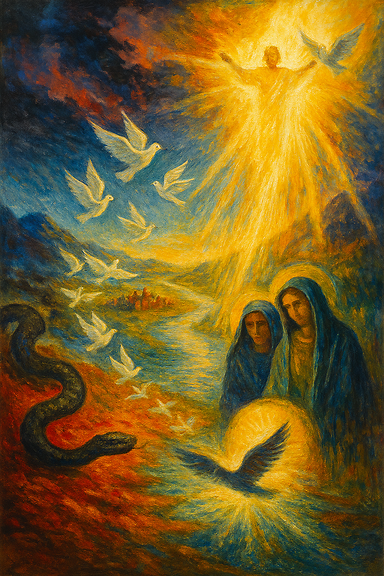
검은 뱀이 한 주의 부활을 목에 걸고 있었다.
돌에 맞고, 광야의 침묵 속으로 던져졌다.

땅은 피로 붉게 번졌고,
도시는 타는 살과 썩어가는 생명의 냄새로 숨을 쉬었다.

이틀째, 사흘째—
시신들이 들판과 먼지 속에서 구르며 잠들었다.
그때, 나팔이 울렸다.

“나는 너희의 잔치를 기뻐하지 않는다.
우리의 예배는 마음의 불로 드린다.”

하늘이 떨렸다—
빛 속에서 상처 입은 뱀처럼.

그러나 하늘로부터 한 줄기 빛이 숨을 불어넣었다.
죽은 자들이 다시 숨 쉬기 시작했다.

까마귀들이 흰 새로 변해
깨어남의 강을 향해 날았다.

그들의 날갯짓은 죽음에서 솟구치는 듯했고,
바람은 속삭였으며, 물은 금빛으로 흔들렸다.

강의 밑바닥에 두 여인이 서 있었다—
살이 아닌, 사랑과 기억, 약속과 능력으로 된 존재들.

땅이 불타고, 산이 녹았으나,
그 불 속에서 새 빛이 태어났다.

새벽에 닭이 울었다.
모든 것이 다시 시작되었다.
모든 것이 빛으로 변했고,
죽은 자들이 아침의 숨결로 일어섰다.

돌, 물, 사람, 갈대, 그리고 강—
모두 영광의 손으로 새롭게 빚어졌다.

나팔이 다시 울렸다.
날개들이 하늘을 가득 메웠다.

그는 들었다—
자신 안에서 부서지는 파도의 소리,
거룩한 날개들의 떨림.

그는 눈을 떴다.

새는 높이 날아올랐다.
한 줄기 빛만이 남았다.

“나는 부활했다. 나는 왔다.”

작가의 말 (Author’s Note)

이 시는 부활에 대한 묵상이다.
고통을 지나 새 생명으로 나아가는 영혼의 여정을 그린다.
한 주의 재탄생의 무게를 짊어진 검은 뱀은
인간의 고통이자, 침묵 속에서 일하시는 은총의 표징이다.

불, 물, 흙, 그리고 하늘은
파괴와 창조가 한숨으로 이어지는
신적 변형의 상징이 된다.

부활은 단지 육체의 사건이 아니라,
마음의 깨어남이며,
어둠 속에서 발견되는 빛,
고통 속에서 피어나는 평화다.

이 시는 죽음이 끝이 아님을 말한다.
죽음은 오히려 하나님의 빛이 다시 시작되는 문턱이다.

A symbolic painting inspired by the poem 'The Suffering and the Rising.' In the foreground, a black serpent lies coiled with a glowing golden band around its neck, symbolizing rebirth. The surrounding desert is still and scorched. The middle ground shows a blood-red field and a city shrouded in smoke and shadow. Bodies lie in the dust, and a trumpet floats in the air, glowing faintly. Above, the sky trembles with white light, and crows transform into white birds flying toward a golden river. Beneath the river, two ethereal mother figures stand—formed of light and memory. In the distance, mountains melt into fire, and a rooster cries at dawn. The scene shifts to brightness: people rise, wings spread across the sky, and a single bird ascends into a beam of light. The atmosphere evokes suffering, resurrection, and divine renewal.

Posted in Poetry | Leave a comment

“Growing Orchids” (Faith Column, Korean Christian Today, 2010) © Yoon Wan-Hee

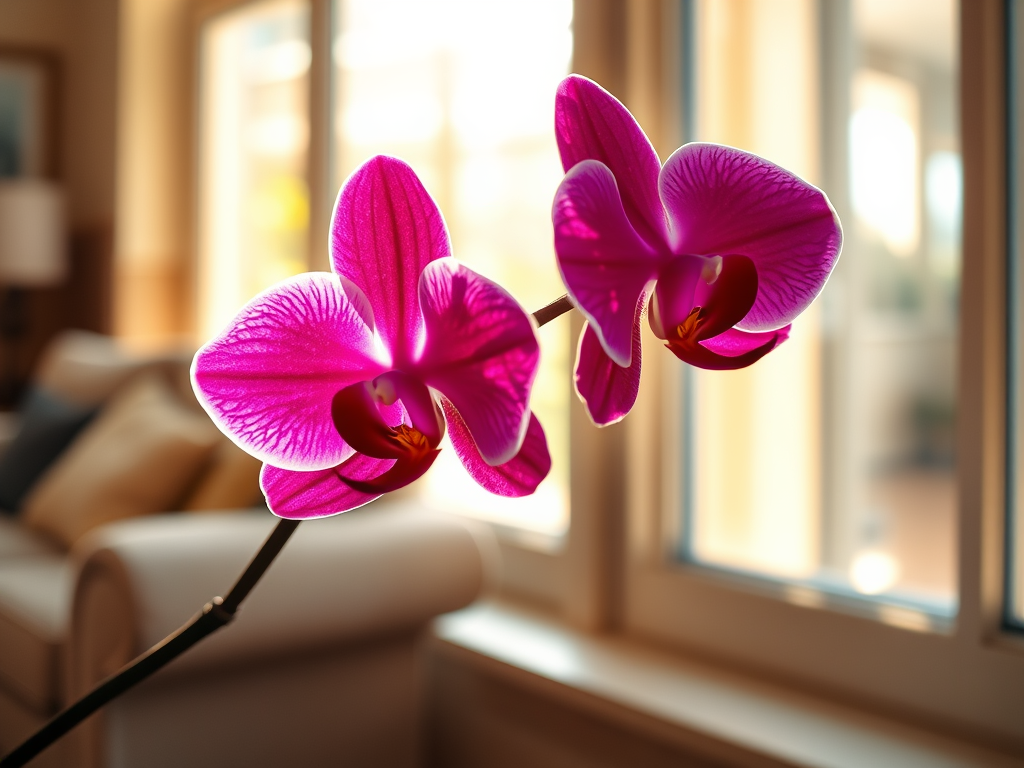
Among the many flowers in the world, one I cherish most is the Western orchid. Whenever my husband and I visit patients in hospitals or make home visits, we often bring orchids— for within their quiet elegance lies a resilient life that offers lasting joy and wonder.

Just a few days ago, we visited Bobby’s home. He had been ill, and when his wife said they were still enjoying the orchid we brought back in February, I could hardly believe it— I had to see it with my own eyes.

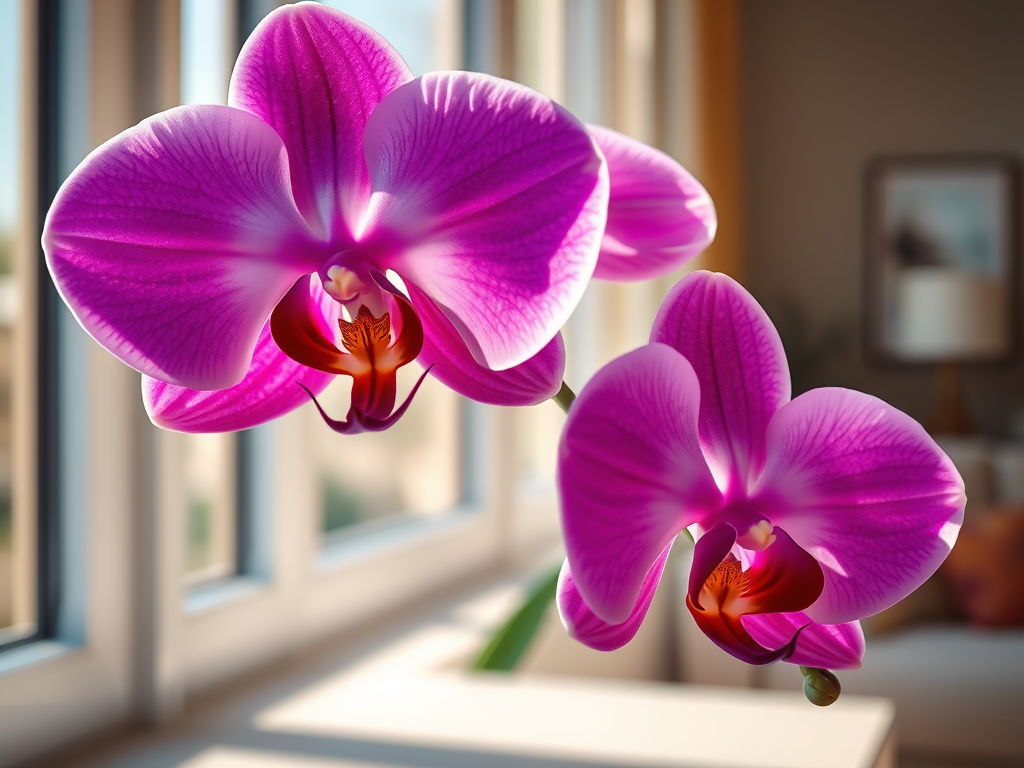
There it was, by the bright living room window, its deep violet and pink petals still noble, still intact, greeting us without a trace of fading.

I looked at the couple and said, “You must have green thumbs!” half in praise, half in envy. After all, they say it takes three years just to learn how to water an orchid properly.

We have several orchids at home too, but once the flowers fall, they rarely bloom again. Even the one my husband loves most, placed in the church office, has not bloomed in years. So I placed a single silk flower in its pot.

Visitors often admire it, thinking it’s real. My husband waves his hands, insisting it’s not. And I, watering it weekly, still wonder, “Why won’t it bloom?”

What’s the difference between those who nurture orchids and enjoy their steady blossoms, and someone like me who loves them but cannot make them flower?

Recently, I discovered a hidden truth I had missed. Orchids need at least ten hours of bright light each day. Their roots must not sit in water— only a gentle rinse once a week. They need good airflow, regular nutrients, and pruning of old stems to prepare for new blooms. Watering alone is not enough.

And as I pondered this, I thought— isn’t growing the flower of faith much the same?

To grow in faith, my body and heart must dwell in light. When I find contentment in the bare essentials, happiness and beauty often appear nearby.

If I live today unbound and unhoarded, remembering that life will one day return to its true Owner— like the Jubilee of old— then I am free.

If I keep my heart open for honest connection, and seek the thoughts and intentions of the One who holds my life through reading and reflection, then that becomes my nourishment.

When I cut away the old branches of shame and sorrow, and rejoice in the new grace poured out today, buds of tomorrow will begin to form.

“Oh, orchids are so hard to grow,” I grumble again— but even today, they offer me a silent lesson.

The current image has no alternative text. The file name is: image-84.png
Posted in Essay by WanHee Yoon | Tagged , , , , , , | Leave a comment

“난 키우기” (신앙칼럼, 크리스찬 투데이, 목사관 서신, 2010) © 윤 완희

세상에 많은 꽃들이 있지만, 내가 가장 즐겨하는 꽃중에 하나는 서양난이라고 할 수 있다. 난은 우리 부부가 병원에 환자를 보러가거나, 가정 심방 할때면 즐겨 사용하는 꽃으로써, 꽃의 단아한 아름다움 속에 강건한 생명력은, 오랫동안 놀라움과 기쁨을 안겨 주기 때문이다. 며칠 전에도, 몸이 아픈 “바비” 집을 방문했을 때, 2월달 심방 때 갖다준 난을 아직도 즐기고 있다는 부부의 말이 믿기지 않아, 꽃을 눈으로 확인 할수 밖에 없었다.

놀랍게도 리빙 룸의 환한 창가에 놓여진 꽃은, 진 보라빛과 분홍색의 고고한 자태가 흩트러짐 없이, 우리를 반기고 있었다. 나는 그들 부부를 쳐다보며 “당신들은 녹색 엄지손가락을(Green Thumb) 가졌군요!” 라고 칭찬을 하였지만, 여간 질투(?)가 나는 것이 아니었다. 난(Orchid) 물주기 삼년이라는 말이 있듯이, 적당량의 물주기와 관리가 내게는 좀처럼 쉬운 꽃이 아니기 때문이다.

우리 집에도 여러종류의 서양난이 있지만, 한번 꽃이 떨어진 후에는 꽃을 다시 피워주지 못하는 화분들이 너덧개나 즐비하게 있다. 난을 유난히 좋아하는 남편을 위해 교회 사무실에 갖다 둔 난도 한번 꽃이 떨어진 후엔, 다시 꽃을 필 줄 몰라 아예 실크풀라워 한줄기를 사다가 화분 안에 꼽아 두었다. 그랬더니 사무실을 오가는 교우들은 그것이 진짜인줄 알고 늘 감탄이 오간다. 그럴 때마다, 남편은 두 손을 흔들며 그것이 진짜가 아님을 극구 변명한다. 나는 매주 물을 열심히 주면서 “왜 꽃이 피질 않치?” 라는 의구심 만을 언제나 간직한채 말이다.

난을 잘가꾸어 변함없이 늘 꽃을 즐기는 이들과, 꽃은 좋아하지만 꽃을 피워낼줄 모르는 나와는 무엇이 다를까? 그동안 내가 터득치 못한 비밀(?)이 숨어있음을 요근래에 발견하였다. 기본적으로 난은 빛이 밝은 곳에 최소한 10여시간씩 있어야 한다. 뿌리가 물에 고여있으면 않되고, 일주일에 한번 물을 흘려보내는 정도의 최소한의 수분 만이 필요하다. 통풍이 잘되어야 한다. 영양공급을 정기적으로 해줘야 한다. 꽃이 진 묵은 줄기는 잘라주어야 새순에서 꽃 필 준비를 할수있다. 성장기와 휴면기에 따라 수분공급과 영양 관리를 해주어야 한다 … … 난 그동안 일주일에 한번씩 물만 주면, 꽃이 저절로 피는 줄 알고 지냈었다.

난을 바라보면서, 우리의 믿음의 꽃을 피우는 일도 어쩌면 같은 여정이 아닐까를 생각케 된다. 믿음 안에서 성장하려면, 늘 내 몸과 마음이 빛 속에 살아야 함이다. 최소한의 물질에 만족할 때, 오히려 행복과 아름다움은 우리 곁에서 발견케 됨이다. 구약의 희년처럼 언젠가 주인에게 되돌려 줄 삶인 것을 염두에 두고 매이거나 고이지 않은채 오늘을 살수 있다면. 또한, 사람과 사람간의 건강한 소통을 위해 늘 마음을 열어두고 산다면 금상첨화일 것이다. 삶의 주인이 갖고 계신 생각과 의도를 알기위해, 말씀을 읽고 상고한다면 그것이 우리 삶에 영양제이자 생명으로 이어질 것임이다. 어제의 묵은 아픔이나 수치의 가지들을 잘라내고, 오늘에 부어지는 새 은혜를 기뻐 할 때, 내일의 삶에 새로운 꽃망울들이 맺혀질 것임이다. “아! 난 키우기가 정말 힘들구나”라고 투정하고 있는 나에게, 난은 오늘도 무언의 가르침을 던져온다.

The current image has no alternative text. The file name is: image-83.png
Posted in Essay by WanHee Yoon, Ministry | Leave a comment