There is a narrow place between a breath taken and one remembered, where footsteps seem to linger after the walker is gone. That is where the silence stays— not empty, just waiting.
We call it Han: a sorrow that won’t explain itself, like a coal kept alive under cold ash, warm enough to matter.
We carry it in the chest, in rooms we pass by and never open, in words we start and leave unfinished. It is what longing leaves behind— the feel of a door not quite shut, a prayer said only halfway.
Still, even there, where grief grows tired of holding its own weight, something shifts. A thin line of light finds a way in— not victory, not escape, just a change in the air.
Every silence has its time. Every wound, its small opening. Han waits there— not to be solved, but to change.
And when it does, it comes the way morning does: slow, unsure, hard to argue with— a light rising from the very place the dark had been.
하루를 분주하게 지내고보면, ‘아! 오늘은 하루를 알차고 의미있게 지냈구나!’ 하고 뿌듯한 기쁨과 보람 속에 하루를 마감하는 날이 있는 반면, ‘오늘 내가 무엇을 했지?’ 하고 오히려 의아해 하는 날도 많이 있습니다.
‘오늘은 하루를 알차고 의미있게 지냈구나!’ 하는 날들을 추려내어, 무엇이 내게 그토록 기쁨과 만족을 주었던가?하고 그 의미를 따져 봅니다. 그러나 그 중에서도, 하나님이 기뻐하시며 내게 잘했다고 칭친하실 수 있는 의미를 찾을 수 있는 날들은 과연 얼마나 있을까? 하고 생각해 보면, 그것 또한 의문입니다. 사람마다 하루의 삶을 추구하는 그 가치와 모양이 다를 수 있습니다. 평화가 없는 목적, 이웃과 고립된 성공, 재물의 노예가 되어 벌어 들인 소득, 몸과 영혼을 희생하면서 이룩한 성취등은 과연 우리에게 얼마나 깊은 의미를 주는지 나자신에게 다시금 묻게 됩니다. 한 순간 가치없는 것에 가치를 두고 판단한 것 때문에 내 인생을 버리는 것 뿐만이 아니라, 내 자녀, 이웃들까지도 평생 아픔을 안고 사는 일들은 얼마든지 우리 주변에 있습니다.
제가 존경하는 어느 목사님의 외조부는 6.25동난때, 이북의 황해도에서 사셨다고 합니다. 할아버지는 온 가족을 데리고 이남으로 피난길에 오르셨는데, 배를 타기 직전에 말씀하시길 ‘집안에 중요한 것을 가지러 금방 갔다오겠다’며, 큰 아들을 데리고 가셨답니다. 그런데, 배가 떠날 시간이 되었는데도 나타나지를 않으셨습니다. 결국 외할머니와 목사님의 어머니만 피난민들의 물결에 휩싸여 피난길에 오르신 것이 결국 40여년을 생이별 속에, 할머니는 할아버지와 아들을 그리며 돌아가셨다고 합니다.
어느 분이 병상에서 고백하기를, 자기는 남보다 더 잘살기 위해 열심히 일을 하고 남이 잘때, 자기는 잠을 자지않고 일만했는데, 어느새 몸에 병이들어, 살만하니까 죽게되었다며 한탄하는 것이었습니다. 그분의 삶은 참으로 열심히 잘살기 위해 일했습니다. 아이들하고 공원에 갈 시간도 없었습니다. 그 아름다운 해변가에 마음놓고 휴가 한번 하지 않았습니다. 이유는 “내가 쉬면 누가 밥먹여줍니까?”였습니다. “집을 나가면 당장 밥을 사먹어야지요, 잠을 자야지요. 차도 먹여야지요. 집에 있으면, 그 돈이 그냥 다 모이잖아요?” 교회에 나오라는 권유도 한마디로 딱 거절했습니다. “일주일 내내 일했는데, 하루 만이라도 시원한 소파에 누워 얼음물이라도 마시며, 몸을 쉬어야 만이 또 나가서 일주일을 살아가지요.” 그분은 자신 뿐만 아니라, 부인과 자녀도 일외는 눈을 돌리는 것을 허락치 않았습니다. 가난한 친척들이 오랫 만에 찾아오는 것도 부담이 되었습니다. 일만하는 그에게 친구들도 다 떠나갔습니다. 그분은 어느정도 돈을 모아, 꿈에 그리던 대궐 같은 집을 샀습니다. 그러나, 아이들은 이미 대학으로 떠난 후였습니다. 그림 같은 집에, 폭염이 쏟아지는 여름에는 에어콘 한번 용기있게 틀지 못했습니다. 추운 겨울에는 집안에서 파커잠바를 입고, 여름생각하며, 겨울을 오들오들 떨며 보내었습니다. 차의 번쩍이는 광기가 사라질까봐, 마음놓고 산과들을 달려보지 못했습니다. 최고급 이테리 가구들과, 한번도 써보지 않은 불란서에서 왔다는 챠이나 셋트 만이 그 집안에서 번쩍이고 있었으나, 상하고 깨질까봐 보기만 해도 조심스러웠습니다.
사업에 여유가 생기니 시간이 났습니다. 부인과 함께 그동안 못했던 여가라는 것을 즐겨보기로 했습니다. 처음으로 해가 쨍쨍 쬐이는 들판에 나가, 골프를 해보았습니다. 그런데 이게 왠일입니까? 갑자기 햇볕 속에서 골프치는 재미에 살다보니 어느날, 혈압이 올라 중풍이 갑자기 닥쳤던 것입니다. 입과 손발이 마비가 되어 이제는 가고 싶은 곳, 먹고 싶은 것, 놀고 싶은 것, 아무 것도 할 수 없었습니다. 그분은 병상에 누워 자신의 삶을 뒤돌아 보았습니다. 그동안 기를 쓰고 무엇인가 잡으려고 잡긴 잡았는데, 그것은 바람이였음을 비로소 알게 되었습니다. 그 바람속에, 그의 참다운 꿈도, 청춘도, 자식들도, 친구 친척들도 모두 사라진 후였습니다. 남은 것을 챙겨보니, 대궐같은 덩그란 집과, 이태리에서 온 고급가구, 불란서에서 왔다는 챠이나, 차고에 있는 고급차였으며, 평생을 함께 한 부인의 찌글어진 모습이였습니다. 바람의 뒷모습 속에 어둠의 그늘이 그를 향해 손벌리고 있음을 본 그는 두려웠습니다. 그리고, 비로소 이세상에는 “밥 먹고 사는 일보다도 귀한 일”이 있음을 희미하게나마 깨닫기 시작했다는 고백이였습니다. 그러나, 그 깨달음은 너무 늦어, 그가 바람이 아닌 것을 찾을 여유를 주지 않았습니다. 일년 후, 그는 바람 속으로떠나고 말았습니다.
우리가 오늘도 내 생애에 있어 의미를 갖고 달려가고 있는 것이 진짜인지, 아니면 바람 뿐인지 어찌 우리가 감히 알 수 있습니까? 그러나, 분명한 것은 하나님 중심으로 이웃과 사랑하며 살지 않으면, 우리의 삶은 결국 바람을 잡다가 마는 결과를 안게 됩니다. 평생을 바람 만 잡다가, 막상 하나님과의 계산해야 만 될 그 정점에서 내놓아야 될 아무 것도 내게서 찾지 못했을 때 우린 얼마나 당황하며 후회하겠습니까? 아무리 이태리 응접셋트와 침대가 멋지고 아름다웠어도 하나님의 창고에 어찌 들일 수 있겠습니까? 아무리 호화로운 불란서에서 만든 디너셋트가 좋다한들 그것은 한갖 나무와 흙일뿐입니다. 사람이 일속에서 열심히 사는 일은 중요한 일입니다. 그러나, 그일에 대한 하나님 안에서의 분별력이 없을땐, 우리의 한평생은 바람을 잡다가 말게됩니다. 오늘도 행여 바람을 잡고 있지는 않는지요?
Some days, after a busy schedule, we end the evening with a sense of satisfaction, thinking, “Ah, today was full and meaningful!” But there are just as many days when we wonder, “What did I even do today?”
When I look back on the days that felt meaningful, I ask myself what exactly brought me such joy and fulfillment. Yet even among those days, how many would God look upon with pleasure and say, “Well done”? That, too, is uncertain.
Each person pursues different values in daily life. But goals without peace, success isolated from others, income earned as a slave to money, achievements built at the cost of body and soul—how much meaning do these truly hold? A single moment of misjudging what is valuable can ruin not only one’s own life but also leave lifelong wounds on children and neighbors. We see such stories all around us.
A pastor I respect once told me about his maternal grandfather, who lived in Hwanghae Province during the Korean War. As the family fled south, the grandfather suddenly said he needed to return home to retrieve something important and took his eldest son with him. The boat was about to depart, but they never returned. His grandmother and mother were swept away in the tide of refugees, and for over forty years they lived separated—his grandmother dying with longing for her husband and son.
Another man confessed from his sickbed that he had worked tirelessly to live better than others. While others slept, he worked. But before he knew it, illness overtook him, and just when life seemed comfortable, he found himself facing death. He had worked so hard that he never had time to take his children to the park. He never once took a carefree vacation by the beautiful seaside. “Who will feed my family if I rest?” he would say. “If I leave the house, I have to buy food, pay for gas, pay for everything. But if I stay home, I save money.” He refused every invitation to church. “I work all week. I need at least one day to lie on the sofa with a cold drink and rest so I can survive another week.” He would not allow his wife or children to look at anything beyond work. Even visits from poor relatives felt burdensome. Friends drifted away.
Eventually he saved enough to buy the mansion he had dreamed of. But by then, the children had already left for college. In the scorching summer, he couldn’t bring himself to turn on the air conditioner. In the freezing winter, he wore a parka indoors and shivered, dreaming of summer. He never drove his shiny car freely for fear of dulling its polish. The expensive Italian furniture and the French china sparkled in the house, but he hardly dared touch them.
When business finally eased, he and his wife decided to enjoy the leisure they had missed. For the first time, they went out to a sunny field to play golf. But suddenly, under the bright sun, he suffered a stroke. His mouth and limbs were paralyzed. He could no longer go where he wanted, eat what he wanted, or enjoy anything at all.
Lying in his hospital bed, he looked back on his life. He realized that everything he had desperately tried to grasp had been nothing but wind. In that wind, his true dreams, his youth, his children, his friends, his relatives—everything had vanished. What remained? A large, empty mansion. Expensive Italian furniture. French china. A luxury car in the garage. And the worn, weary face of the wife who had stayed with him all his life.
Seeing the shadow of darkness reaching toward him from behind the wind, he grew afraid. He confessed that he had finally begun to understand—however faintly—that there are things in this world “more precious than earning a living.” But the realization came too late. He had no time left to seek what was not wind. A year later, he passed away—into the wind.
How can we know whether what we are pursuing today is truly meaningful or merely wind? One thing is certain: If we do not live centered on God and in love with our neighbors, our lives will end in the futility of chasing the wind.
If we spend our whole lives grasping at wind, and at the final moment—when we must settle accounts with God—we find nothing in our hands, how shocked and regretful we will be. No matter how beautiful the Italian furniture or the luxurious French dinnerware, none of it can enter God’s storehouse. They are only wood and clay.
Working hard is important. But without discernment in God, a lifetime becomes nothing more than chasing the wind.
In the past, a common saying in Korea was, “What can a woman do?” I’m not sure whether people still use that expression now, fifteen years after leaving Korea, but the phrase itself seems to deny a person’s very existence. Spiritually, too, it feels deeply misguided. Throughout history and society, women have often been marginalized and regarded as weak. Yet when we look closely, even in times when women were pushed aside or silenced, it was often their unseen dreams and prayers that quietly moved the world.
A few days ago, I received a phone call from a woman who had immigrated here years ago and shared her faith journey with me from her very first day in America. “How have you been? I’ve missed you and wondered about you, but somehow I never managed to call!” Her clear, bright voice immediately told me how her life must be these days.
“Mrs. Yoon, he’s changed! Now I can go to church freely, read the Bible at home, and sing hymns without fear. Sometimes we even talk about faith together, and when he has time, he comes to church with me. He’s taking interest in the children too—he even bathes the little one sometimes. I think he’s finally beginning to understand God’s presence and the importance of family. Sometimes he even thanks me. I’m so happy now—I don’t need anything more. Thank you for praying for us!”
When she said, “He’s changed!” I couldn’t believe it. “Really?” I asked again, and tears of joy suddenly filled my eyes. Changed? Ah—people can change. Yes, people cannot do it, but our Lord can.
After hanging up, I sat for a long time, overwhelmed. I myself had once thought, “Anyone but him—he’ll never change.”
About five years earlier, this fragile-looking woman had arrived in America with her two young daughters to join her husband. Her in-laws and her own parents had urged her to come, believing she should no longer live apart from her husband, who was constantly abroad for work. “Mother, I’d rather live with my in-laws than with my husband,” she once said. “No matter what, he is your husband and the father of your children. Go, and try to build a happy life,” her mother insisted. And so, half willingly and half unwillingly, she immigrated with her children.
Before marriage, she had been drawn to the man’s handsome appearance and seemingly manly character. But after the wedding, that “manliness” turned into violence. Day and night, he tormented her. She later learned he had been a notorious neighborhood thug. She regretted her marriage, but it was too late. Knowing their son’s rough nature, her in-laws cherished her more than their own daughter and comforted her constantly. She felt safer with them than with her husband.
One day, her husband abruptly packed his bags and left to work overseas. During his occasional visits to Korea, he seemed even more distant and harsh. She tried several times to divorce him, but each attempt failed.
As expected, when she arrived in America, their reunion was like water and oil. After years of living alone abroad, her husband was exhausted in body and spirit. He lashed out at his wife and children, repeating the violent patterns of the past. The children, who had hoped for good things from meeting their father, began to avoid him the moment he came home. She wanted to work like other people, but he refused to allow it.
In the midst of this turmoil, she found one place that gave her comfort, peace, and courage: the church. Realizing that the Lord was with her, she knelt before God and poured out her pain and frustration. Once, she had thought of church merely as a place to show off new clothes. Now it became the place where she met God.
But whenever she returned home filled with joy, her husband would shout, “Why is a woman wandering around uselessly?” and throw her hymnals and Bible outside, tearing them apart. Even the dishes she had brought from Korea were smashed until almost nothing usable remained.
Yet Christ’s image had already been engraved on her heart. She realized that “pleasing Christ” meant not giving up on her husband but loving him to the end. With the fire of love in her heart, she became persistent and strong—so strong that at times she seemed almost foolish. She filled her wounded heart with praise, strengthened herself with Scripture, worked diligently, and remained cheerful and sincere in everything she did.
Finally, on the unshakable rock of her faith, the rough, wounded man—who had never received healing for his inner brokenness—found true love and a place of rest. She had won a quiet, holy victory.
“What can a woman do?” Reflecting on that phrase through the lens of faith, I give thanks to God for the countless dreams realized through the footsteps of women who moved the world by faith. Women may still be seen as weak, but the love and prayers of women who carry the fire of Christ in their hearts can heal a wounded soul, restore a broken family, and open the way to a strong and hopeful future.
과거 한국에서 흔히 쓰는 말 중에 “여자가 뭘해?”라는 말이 있습니다. 한국을 떠나온지 어언 15년이 되는 요즈음에 그런 말을 지금도 쓰는지는 모르지만, “여자가 뭘해?”라는 말은 사람의 존재자체를 부정해 버리는 말같아 신앙적으로도 어긋나는 말이 아닐까 하고 생각해 봅니다. 사실 그동안 여인들은 사회적인 면이나 역사적인 면에서 늘 소외되고, 약한 존재로 여겨왔습니다. 그러나, 시대의 상황에 따라 때로는 소외되고 연약한 모습 속에 여인들의 역사는 흘러왔어도, 말없이 보이지 않게 세계를 움직이는 것은 여인들의 꿈과 기도가 아니었나 생각케 됩니다.
며칠전에 전화 한통이 왔습니다. 그녀가 이민 오던 첫날부터, 수년동안 신앙생활을 함께 나누던 성도였습니다. “그동안 어떻게 지내셨어요? 늘 뵙고 싶고 궁금하면서도 전화 한통드리지 못했군요!” 그녀의 맑은 음성 속에서, 사랑하는 성도의 삶이 요즈음엔 어떠한지 금방 알 수 있을 것 같았습니다. “사모님! 그이가 변했어요! 요즈음엔, 제가 교회가고, 집에서 성경읽고, 찬송하는 것을 마음껏해도 되요! 이제는 신앙에 대한 대화도 함께 나눌 때가 있으며, 그이가 시간이 허락되면 교회도 나간답니다. 그리고, 애들에게도 무척 관심을 갖고, 작은 아이 목욕도 가끔 시켜줘요. 이제 비로소 하나님의 존재와 가정의 중요성을 아는 것 같아요! 때로는 저에게 감사하다는 표현도 한답니다. 이젠 아무 것도 바랄 것이 없이 기쁘고 행복해요. 늘 기도해 주셔서 감사드려요!”
그녀의 “그이가 변했어요!” 하는 그 한마디에 저는 믿기지 않아 “정말이야?”하고 재차 확인하며 기쁨의 눈물이 왈깍 쏟아지는 것이었습니다. ‘변하다니? 아! 사람은 변할 수 있구나! 그래! 사람은 할 수 없으나, 우리 주님은 하실 수 있지!’ 저는 그녀와 전화를 끊고서 감동에 젖어 한동안 흥분을 가라앉힐 수 없었습니다. 왜냐면, 저 자신도 생각하시를
“저 사람 만은 않돼!”하고 포기했었기 때문입니다,
첫 인상에 몸이 몹시도 허약해 보이던 성도님이 어린 두 딸을 데리고 한국에서, 남편을 찾아 미국에 온것은 약 5년전 일이었습니다. 결혼후, 늘 외국에 돌아다니던 남편과 더이상 떨여져 살면 않되겠다는 시댁 어른들과 친정부모의 판단 속에, 그녀는 내키지 않는 미국걸음을 하였던 것입니다. “어머니! 저는 이곳서 시부모님과 사는 것이 남편과 함께 사는
것보다 좋아요!” “아무리 좋든 싫든, 네 남편이고 아이들의 아버지야. 가서 행복한 삶을 살도록 노력하거라!” 친정어머니의 거듭된 충고와 시댁 부모님들의 권고에 의해 자의반 타의반으로 아이들을 데리고 이민 오게 된것입니다.
결혼 전에 친구의 소개로 만난 남자의 잘생긴 겉모습과, 남자다워 보이는 성품에 반해(?) 결혼하고 보니, 그 남자다운 성품은 폭력으로 변해, 밤이고 낮이고 그녀를 괴롭혔습니다. 알고보니, 남편은 이름난 동네의 주먹꾼이었습니다. 후회하였지만, 이미 어찌 할 수 없었습니다. 아들의 거친 성품을 아는 시 부모님들은 새 며느리를 친딸보다도 더 아끼고 사랑하면서, 늘 위로하였습니다. 오히려, 남편과 있을때 보다는 시부모님의 곁에서 사랑받고 있는 것이 더 행복했습니다. 남편은 어느날, 돈벌러 외국에 나가보겠다며 홀연히 짐을 꾸려 집을 떠나갔습니다. 그리고 몇년에 한번씩 한국방문을 하는 남편과의 잠시 상면 속에서, 오히려 더 낯설고 거칠어진 남편을 보게 되었습니다. 그녀는 이혼하고자 몇번이나 노력했으나, 번번히 실패하였습니다.
아니나 다를까! 불안한 마음으로 미국에 도착한 그녀와 남편의 만남은 물과 기름처럼 겉돌기 시작하였습니다. 오랜동안 혼자의 몸으로 객지생활을 하던 남편은 몸과 마음이 지칠대로 지쳐, 아이들과 부인을 구박하며, 과거의 실력행사(?)를 거침없이 해대었습니다. 아버지를 만나면 좋은 일이 있을 것으로 생각하던 아이들도, 아버지가 집에 들어 오기만 하면, 슬슬 눈치를 보며 피하였습니다. 남들처럼 직장을 나가보고 싶었지만, 남편이 허락치 안았습니다. 그런 와중 속에, 성도님에게 위로와 평안과 용기를 주는 곳이 하나 생기기 시작하였는데, 교회였습니다. 주님이 그녀와 함께 함을 깨달으며, 그녀는 하나님 앞에 무릎 꿇고 자신의 고통과 답답함을 하소연하기 시작하였습니다. 예전에 교회는 새옷을 입고 자랑하는 곳으로 여기던 그녀였으나, 이제는 교회서 하나님을 만나는 곳이 되었습니다. 하나님께 모든 답답함을 고하고, 기쁨에 충만하여 집에 돌아오면, ‘여자가 왜 쓸데없이 돌아다니냐’면서, 사정없이 찬송가와 성경책이 집 밖으로 수없이 찢긴채 내동댕이 쳤습니다. 한국서 사왔던 그릇들조차 거의 박살이 나서 쓸만한 것이 없어졌습니다.
그러나, 이미 그리스도의 형상이 그녀의 가슴에 새겨진 그녀는 ‘그리스도를 기쁘게 하는 일’ 이 남편을 끝까지 포기 하지 않고 사랑하는 일임을 깨달았습니다. 가슴에 사랑의 불을 간직한 그녀는 끈질기고 강하였습니다. 그 인내가 얼마나 강한지 때로는 미련해 보이기 까지 하였습니다. 그녀는 아픈 가슴을 찬양으로 늘 채우고, 말씀으로 늘 다지었습니다. 그리고, 늘 부지런하며 무슨 일에든지 성실하고 최선을 다하며 명랑하였습니다. 드디어, 성도님의 흔들림 없는 신앙의 반석 위에, 그 거칠었던 남편, 아니 상처 받은 속사람을 치료받지 못하고 살아가던 한 인격체가, 참다운 사랑과 안식의 보금자리를 찾을 수 있도록 인도하는데 승리하였던 것입니다.
“여자가 뭘해?” 그말을 신앙 안에서 다시 한번 생각해보며, 세계를 믿음으로 움직인 여인들의 발자취 속에 이뤄진 꿈들이 여기저기서 오늘도 아름다운 꽃봉우리를 터트리고 있음을 하나님께 감사드립니다. 여인들은 아직도 연약한 존재일지 모릅니다. 그러나, 가슴에 그리스도의 불을 가진 여인들의 사랑과 기도는 상처받은 한 인격체를 치료하고, 실패한 가정을 구하며, 그 위에 견고한 미래가 열리는 것을 보게됩니다.
This year, several neighbors have passed away suddenly, and I have found myself attending more funerals than usual. The shocking news of young people dying without warning, and the bewildering grief of families and friends when someone who seemed perfectly fine only hours before departs without a word or farewell—such sorrow and emptiness are beyond description.
We may come into this world in order, one after another, but when the Lord calls, anyone may be the first to go. I remember, as a child in Korea, seeing an elderly neighbor open her wardrobe and proudly—almost playfully—show me the burial clothes she had prepared for herself. She wrapped the white silk skirt and jacket carefully in a white cloth and placed them deep inside the wardrobe again, saying she was waiting for the day she would go to heaven. Her words frightened me then. I had no understanding of eternal life, and imagined only darkness crouching beyond death.
But now I see that death is not something only the elderly must prepare for. Everyone living on this earth must prepare for it. It comes to all equally, and when that moment arrives, we must open the hands that once clung to everything and depart freely, without regret or hesitation.
Among the American members of our church was a man named Cliff Quibell. Throughout his life he served both church and community, and even on the day he died he was still working for the homeless. When he passed, he donated his eyes to someone in need. His body was cremated, and the small box of ashes was buried in the garden beside the church. He is not the only one—several such boxes rest there.
Recently, I read the will of Dr. Gong Byung‑woo, the ophthalmologist and pioneer of Korean typewriter mechanization, who passed away at age 90 on March 7. His will moved me deeply with its simplicity and freedom. He made no mention of dividing his estate, but asked that any material or immaterial possessions be used for the welfare of the disabled, especially the blind. He requested that, if possible, his organs be donated to patients in need; that the remainder of his body be given to a medical school for pathology or anatomy training; and if that were not possible, that he be cremated or buried at sea. If even that was impossible, he asked for the smallest burial plot, no new clothes, the cheapest coffin, and that relatives be notified one month after his burial. It was a remarkable will—free of regret, free of burden—befitting a man who lived without remorse. I do not know how his descendants carried out his wishes, but it is certain that not many can leave this world with such dignity and openness.
How many people live each day with such open faith and such freedom toward death? I once thought of myself as someone spiritually awake. Yet while I have agreed to donate my organs after death, I had never seriously considered offering my body for medical study. I still resist acknowledging that a human formed from dust must return to dust, clinging instead to the illusion that I am something other than earth.
We must recognize that unless we live each day as if it were our last on this earth, we will leave behind only regret—regret that cannot be undone. Because we are alive today, we must serve God, the Creator of our life, with all our strength; honor our neighbors; and love our families. These may seem like ordinary tasks, but within them the journey toward eternity has already begun. And when we remember this, we realize how precious each day truly is.
올해들어 갑자기 세상을 떠나는 이웃들이 있어 문상을 다녀오는 기회가 많아졌습니다. 청천벼락 같은 젊은이들의 타계 소식과 조금 전까지도 멀쩡하던 사람이 몇 시간 후에, 아무런 인사나 유언도 없이 떠남을 맞게 될 때의 가족과 친척, 사랑하는 교우들간의 황당한 슬픔과 허무함이란 이루 말할 수 없습니다.
이 땅에 태어 날 때는 순서대로 왔어도, 주께서 부르실 때는 누구든 먼저 가야 만 하는 것이 우리 인간사인 것 입니다. 저는 어렸을 적, 한국에서 이웃집 할머니가 장롱 속 깊은 곳에 미리 준비해 숨겨두신 수의(壽衣)를 자랑(?)이라도 하듯이 꺼내어 보여주던 것을 본 기억이있었습니다. 할머니는 흰색 비단 치마저고리를 하얀 보자기에 곱게 싸시어서 장롱 깊은 곳에 다시 넣으시면서, 곧 하늘나라에 가실 날을 기다리신다는 말씀에 왠지 무섭기까지 한
적이 있었습니다. 그 당시엔 영생에 대한 준비가 전혀없었기에, 죽음 이후엔 깜깜한 어둠 만이 웅크리고 있으리라 생각했었습니다.
그러나 이제와보니, 죽음이란 노인들 만이 준비하며 기다리는 것이 아니라 이 땅에 사는 누구나 이 죽음을 준비해야 된다는 것입니다. 그것은 누구에게나 공평하게 오는 순간이며, 그 순간이 올 때는 아무런 후회나 주저함 없이 모든 것을 움켜쥐었던 손을 펴고, 홀가분하게 홀로 떠나가야 된다는 것입니다.
미국인 교인 중에 클리프 쿠벨(Cliff Quibell)이라는 분이 계셨습니다. 그분은 이 땅에 사시는 동안에 교회와 사회를 위해 많은 봉사를 하셨으며, 돌아가시는 날까지도 홈레스들을 위해 일하셨습니다. 그 분은 떠나시면서 자신의 눈을 필요한 사람에게 주었으며, 육신은 화장을 한 후에, 재가 담긴 상자를 교회 옆 뜰악에 묻히었습니다. 교회 뜰악에는그 분뿐 만이 아닌, 여러분들의 상자가 묻혀있습니다.
지난 3월 7일에 90세로 타계한 안과 전문의이자 한글 기계화 운동의 기수였던 공병우 박사님의 유언을 읽으면서 그 분의 홀가분 함에 충격과 감동을 받게 되었습니다. 그 분의 유언에는 재산분배는 언급치 않고 유형 무형의 재산이 있다면, 신체 장애인들 중에 특히 앞 못보는 이들을 위해 복지사업을 위해 처분할 것을 당부하셨습니다. 또한, 박사님은 자신의 시신을 사용 가능 할 경우에 다른 환자들을 위해 장기등을 적출해 기증할 것이며, 나머지 시신은 병리학 또는 시체 해부학 교실에서 실습용으로 이용하도록 의과대학에 제공 할 것이며, 그렇치 못할 경우엔 화장 또는 수장 하라고 하셨습니다. 그러나 그것도 불가능하면 최소 면적의 묘를 쓰되, 매장시에는 새옷을 갈아입히지 말고 입은대로 가장 값싼 널에 넣을 것이며, 친척 친지에게 부음을 1개월 후에 알리라 하였습니다. 평생을 후회함 없이 사신 분답게, 떠나시면서도 아무런 꺼리낌이나 회한이 없으신 참으로 멋진 유언이라고 생각했습니다. 그분의 자손들이 그 유언을 어떻게 처리했는지는 알지 못해도, 그토록 떳떳하게 후손들 앞에서 떠날 수 있음은 아무나 할 수 없는 일인 것 만은 틀림없습니다.
얼마나 많은 사람들이 그처럼 열려진 신앙과 마음으로 하루를 살고 있으며, 이 땅을 떠날 때에도 그처럼 자유롭게 떠날 수 있는지 다시한번 생각케 봅니다. 평소에 제 자신은 깨어있는 사람으로 착각했었습니다. 그러나 사후에 장기를 떼어 필요한 환자들에게 주는 일까지는 허락했어도, 의학실습용으로 내어 준다는 것 까지는 아직 생각할 여유가 없었습니다. 흙으로 빚어진 인간이 흙임을 아직도 인정치 못하고, 흙이 아닌 것처럼 허세를 부리고 착각 속에 있는 것이지요.
우리에겐 오늘 하루가 이 땅에서의 마지막 날이 된 것처럼 최선을 다하여 살지 않으면, 결국에 돌이킬 수 없는 회한을 남은 이들에게 남기고 가게 될 뿐이라는 사실을 인정케 됩니다. 오늘도 우리에게 생명이 있으매, 최선을 다하여 내 생명의 창조주이신 하나님을 섬기며, 이웃을 받들고, 가족들을 사랑 하는 일들이 평범한 일 같아도, 그 속에 영원을 향한 걸음이 이미 시작되었음을 생각 할 때, 오늘 하루가 얼마나 귀한 날들인가를 감사케 돕니다.
He was twenty-six, already standing at the edge of life. So he wrote his prayer on the staff lines— the sorrow of a mother who had buried her son.
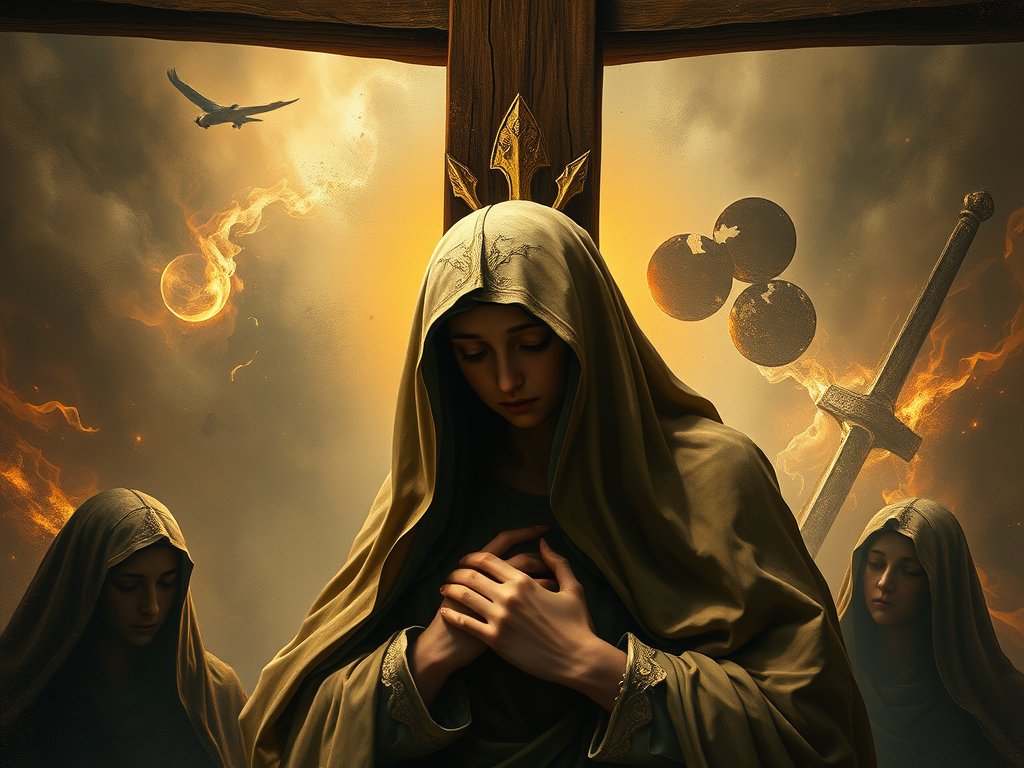
There was only one place for such sorrow: beneath the Cross. There Pergolesi gathered the soul of the Virgin into a prayer shaped by ending.
That prayer did not end there. It continued— through Bach’s faith, when belief survived by holding the balance of sound, when the anguish of a young soul rose like final smoke from a dying flame.
The world had already begun to split, torn apart— each body grasping to preserve itself. This is where wars begin: not in noise, but in mute confusion, peace taken hostage, shared without consent, consumed without union.
Walls rose everywhere— inner walls, outer walls. One named itself freedom, the other, order.
Money moved, weapons followed. Law was written, then made a servant of power. And the old questions blurred into doubt: Is peace possible? Is communion possible?
So every war is evil. Still, arsenals grow.
We speak of coexistence, of shared life, shared flourishing. We invoke Hongik Ingan (弘益人間). We pray that heaven’s will might be done on earth.
Yet the sorrow does not end— an aria searching for its cadence.
As if the ancient serpent had finally broken open the box, releasing what crawls and devours, without limit, without remorse.
Now pain has no horizon. Healing has long been forgotten.
The world grows coarse, violent— quick hands of deception, faith that cannot be trusted, hearts that no longer know how to repent.
Some call this a new order. Some dare to name themselves god.
Yet even there, a sound remains— not erased, following a trace of beauty, a resonance not yet silenced.
Between a severed heaven and a worn-out earth, that sound settles in the chest as Han(恨)— a grief beyond speech.
And so, in the darkest place, the sound becomes prayer, then another sonata, then a symphony: a voice of living together, growing together, not alone.
A thin beam of light touches the ground. Someone draws cold water from a well and drinks without shame, beneath the open sky.
A pole is raised. One bird descends. Another waits on a distant mountain ridge.
Rossini’s Stabat Mater begins to flow.
Slowly, the world opens— as if heaven leans nearer, as if earth remembers its first intention.
Dvořák,.then Vivaldi, Mother’s prayer waits beneath the Cross, where loss is deepest.
And there, quietly, Han turns— not into answers, but into praise.










You must be logged in to post a comment.