One Who Leads

© Yoon, Wan-Hee, 1996

Last week, my youngest son told me he had a school assignment — an interview project about the life of Dr. Martin Luther King, Jr.
Among his questions was this one: “Why do we need to remember his birthday?”
That question gave me a chance to reflect again on the great impact Dr. King’s life had on the history of humankind.
I found myself asking: Who, in our age, is a true leader?
And how does history lift such a person into eternal remembrance as a leader?

People often say that the modern age is like a ship adrift upon the waves of history, having lost its captain.
Though many claim they wish to do well, nationalism and self-interest seem to come first.
Because of this, it is hard to find leaders truly devoted to the common good.

In Korea, even the imprisoned former leaders swept up in the movement to “set history straight” will leave their marks on the nation’s story — and their lives will serve as lessons for future generations.

A leader, once he begins to desire the position of standing before others, has already lost the true qualification for leadership.
For within such desire hides not the humble spirit of service, but the urge to secure wealth, power, and influence — to use leadership as a tool for control.
Some may seize power through coups, bribery, or manipulation; they may even receive cheap applause and false respect.
But time strips away the layers of glamour, and when they finally stand before the tribunal of history, their truth is laid bare.

Under such false leaders, people suffer oppression, confusion, and the decay of moral and creative life.
It is nothing less than a tragedy.

Among the true leaders my family deeply respects stands Dr. Martin Luther King, Jr.
Each year, we attend the memorial services and events in his honor, and each time, we are reminded anew that he was indeed a true leader.

He did not become a world leader — honored with the Nobel Peace Prize — because he sought greatness.
He never thought of himself as particularly gifted or qualified.
He was simply a young Black Baptist pastor in a small church in Montgomery, Alabama — a friend of the poor, the elderly, the children, and even the troublemakers of his neighborhood.
He never schemed for power; instead, he walked beside the weak and the suffering.

One day, when a woman named Rosa Parks was arrested for refusing to give up her seat on a segregated bus, he helped lead a bus boycott — and won.
His single purpose was to break the chains of racial injustice and oppression.
He reaffirmed that freedom, justice, and equality — the founding ideals of America — should belong to all people.
The torch he lit for liberty spread throughout the nation.

Soon, people began to see in him their leader — a man who could see their pain, speak of it, and rise against it.
Upon the foundation of his pure dream, an entire generation began to stand.

On August 28, 1963, in Washington, D.C., Dr. King renewed the vision of the American Dream.
He gathered both the oppressed and the oppressors before the prophecy of Isaiah:

“Every valley shall be lifted up, every mountain and hill be made low;
the uneven ground shall become level, and the rough places a plain.
And the glory of the Lord shall be revealed, and all flesh shall see it together.”
(Isaiah 40:4–5)

He believed in the coming of God’s justice —
and until that day, he was willing to pray, to suffer, even to go to prison, believing that freedom’s dawn would surely come.

I am proud that such a leader arose — and could arise — in America, our second home.

Even within our Korean-American community, there are many who are called “leaders.”
Some are preparing to return to Korea to pursue political careers;
others have sought positions of leadership for the sake of honor or name.
But true leadership must not serve personal ambition.
It must bear the pains of our immigrant community and dedicate itself to the common good.

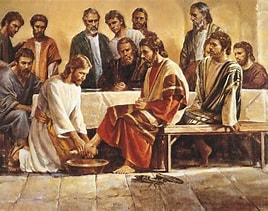
Our model of leadership must be found in Jesus Christ,
who, amid the storms of history, washed the feet of His disciples —
showing that the true leader is always the servant.

(Letter from the Parsonage, O Souls That Leap Like Deer, Fifteenth Story)
Posted in Essay by WanHee Yoon, O Souls That Leap Like Deer | Tagged , , , , , | Leave a comment

The Song That Rises in the Night

© TaeHun Yoon, 1977, then 2025

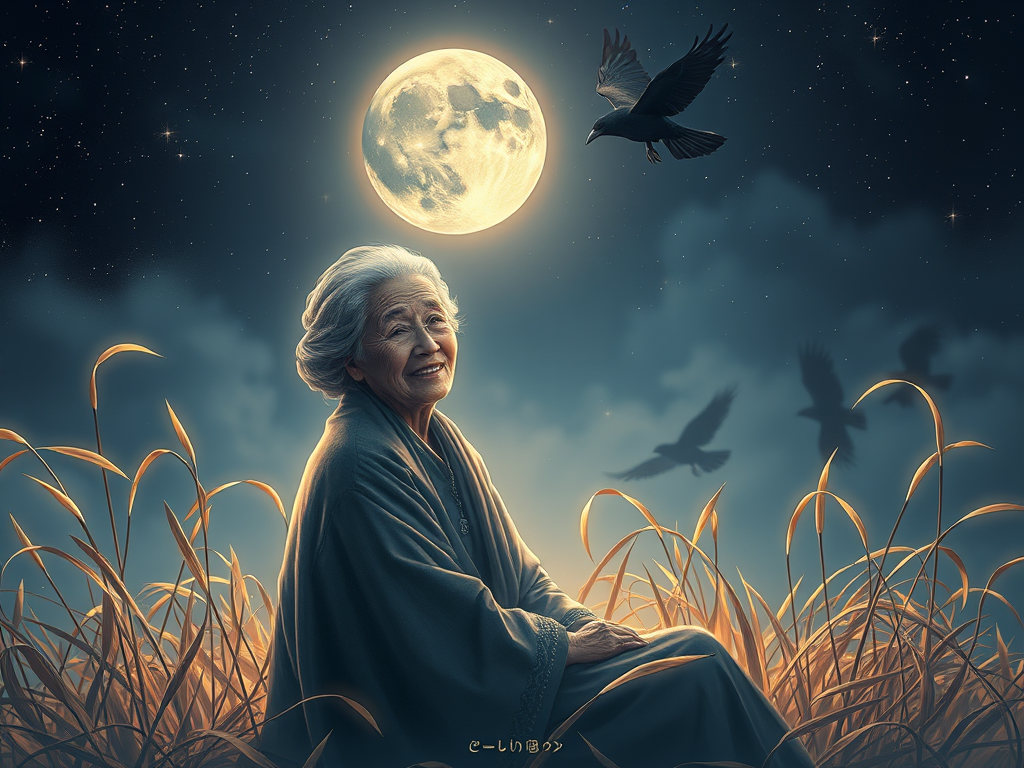
When a star leans its face upon the pillow,
the clocks forget their duty—
time rests, breathing softly in the dark.

Behind the fragile glass of being,
light and shadow fold into each other
like two hands learning how to pray.

Hunger is not a shame,
nor love a wound—
but the trembling proof
that we are still alive.

The old woman, her last tooth a pearl of laughter,
smiles into the wind.
Straws whirl and settle on her shoulders
like blessings of forgotten angels,
and she whispers—
“May the earth bear fruit again.”

Even where the flesh swells
and beetles hum their dark hymns,
life presses on—
singing beneath decay,
singing of return.

Two crows draw a circle in the blue air,
guardians of all that passes.
And when the sky closes,
a new name of God begins—
born from the silence between our hearts.

Light climbs the trees,
then slips away,
leaving only the pulse of love—
the only dignity we own.

[Sing, even if no one listens.]
[Love, for that is your prayer.]

Posted in Poetry | Leave a comment

“밤에 부르는 노래”

© 윤 태헌, 1997, 그리고 2025

별이 베개 위로 얼굴을 기울이면
시계들은 제 역할을 잊는다.
시간은 잠시 멈추어
어둠 속에서 부드럽게 숨 쉰다.

존재의 연약한 유리 뒤편에서
빛과 그림자는 서로에게 기대어
기도를 배우는 두 손처럼 겹쳐진다.

배고픔은 부끄러움이 아니고,
사랑은 상처가 아니다—
그것은 우리가 아직 살아 있음을
떨림으로 증명하는 것.

늙은 여자는 마지막 이 한 개의 이빨,
그 웃음의 진주를 드러내며
바람 속에 미소 짓는다.
지푸라기들이 바람에 날려
그녀의 어깨 위에 내려앉는다—
잊힌 천사들의 축복처럼.
그리고 그녀는 속삭인다.
“땅이 다시 풍성하기를.”

살이 부풀고
풍뎅이들이 어둠 속 찬송을 부를지라도,
생명은 여전히 그 안에서 꿈틀거리며
썩음 아래에서 노래한다—
돌아올 것을 노래한다.

두 마리 까마귀가
푸른 하늘 위에 원을 그린다.
스러지는 모든 것의 수호자처럼.
하늘이 닫힐 때,
새로운 신의 이름이 시작된다—
우리의 심장 사이, 침묵에서 태어난 이름.

빛은 나무 끝으로 오르더니
사라졌다.
남은 것은 오직 사랑의 맥박—
우리가 가진 단 하나의 존엄.

[아무도 듣지 않아도 노래하라.]
[사랑하라, 그것이 너의 기도이니.]

The current image has no alternative text. The file name is: image-15.png

Posted in Poetry | Leave a comment

“Be ready at all times”

© WanHee Yoon

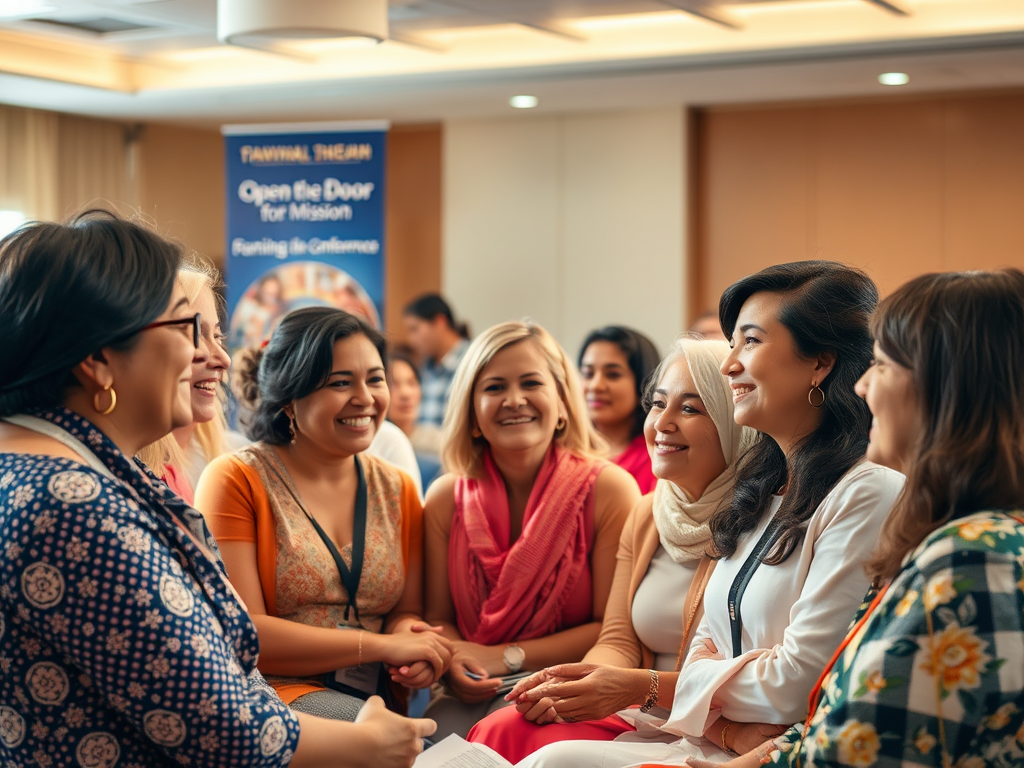
Last week, I attended the four-year Women’s Missionary Conference of the Northeastern Jurisdiction of the United Methodist Church, held in Hartford, Connecticut.
Under the theme “Open the Door for Mission,” about 1,500 women gathered from local churches to celebrate and report on their work—sending missionaries throughout the world through the offerings collected by the Women’s Missionary Organization.

Though it was only a brief three-day gathering, I could not help but feel deep gratitude for how these offerings, gathered with love and devotion from each local congregation, are being used so preciously around the world.

When we hear of “mission work” in our churches, we often imagine journeys to faraway lands or heavy financial burdens.
We tend to think only specially called missionaries can do it.
But in truth, it is the calling of all Christians—whether “in season or out of season.”
Mission is not hindered by lack of money or time, but by lack of heart.

On our way back home from the conference, God led us into an unexpected moment of mission.
Driving down the highway, we planned to stop at the first rest area for breakfast, but in conversation we missed the exit.
So we pulled into the next one instead.
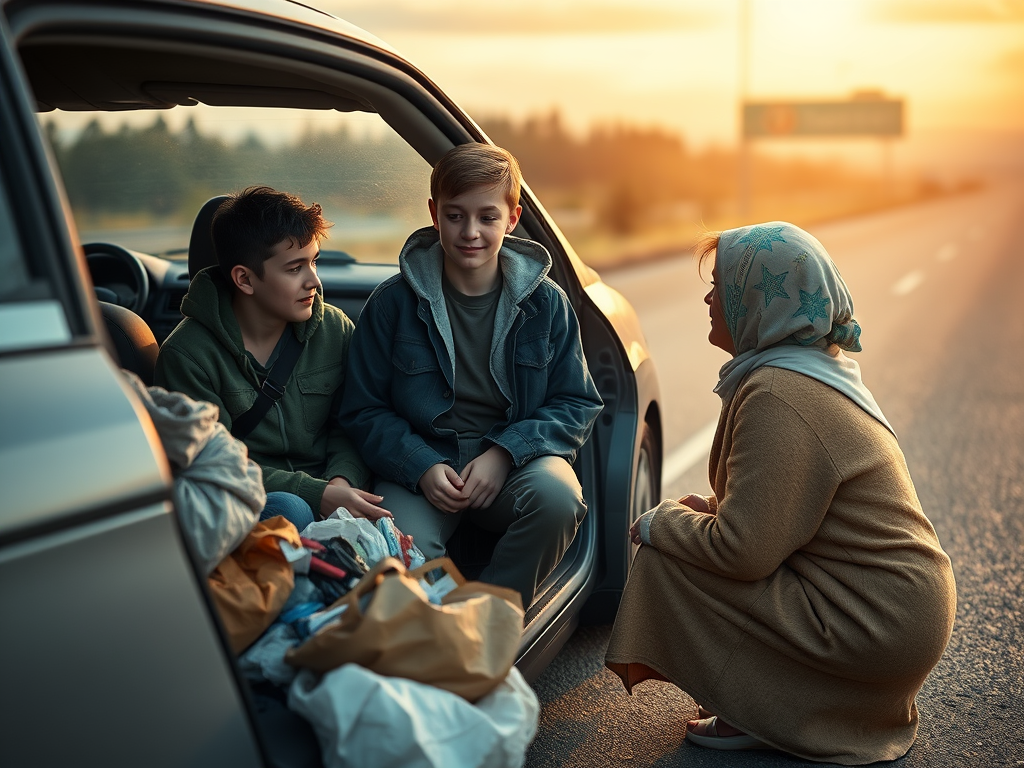
As soon as we parked, a teenage boy from a nearby car approached one of the deaconesses who had been driving.
From his shabby appearance, I sensed something was wrong.
Inside the car sat another boy, a little older, watching us nervously.

The boy explained that their car had a flat tire while following their parents’ car.
They lost track of them, and to make matters worse, ran out of gas.
They asked for a little money.
Looking inside their car—filled with trash, old wrappers, and soda cups—I realized they were probably runaways, wandering without direction.
A thought struck my heart: “Lord, perhaps You have arranged this meeting.”

Yet I couldn’t simply hand them money, nor could I lecture them about their lives.
So I prayed silently:
“Lord Jesus, what would You do in this moment?”
And the Spirit answered in my heart:

“I was hungry, and you gave Me food;
I was thirsty, and you gave Me drink;
I was a stranger, and you welcomed Me;
I was naked, and you clothed Me;
I was sick, and you visited Me;
I was in prison, and you came to Me (Matthew 25:35–36)
And when I had no oil, you filled my lamp.”

I told the boys to pull their car to the gas pump, and I filled their tank completely.
Their faces, once cold and stiff, lit up with disbelief and joy.
Then I said, “May I sit inside your car and pray for you?”
They hesitated for a moment but agreed, apologizing for the mess.

I took their hands and prayed:

“Lord, thank You for leading me to these precious youths this morning.
I do not know their story—what struggles they face with their parents, school, or friends—but You know.
Please guide them, protect them, and when life’s troubles come, teach them to ask, seek, and knock at Your door.
In Jesus’ name, Amen.”

It was a short prayer, but I felt the Lord had touched their hearts.
Their dark eyes began to shine.
One of them said, “Actually, we prayed to God this morning, asking for gas!”
I smiled and replied, “You see? When we pray, God always listens.
But you must also listen to His voice. Do you go to church?”
“One time… sometimes,” they said.
“Not sometimes,” I answered. “A car needs constant fuel. Faith does too!”
They nodded earnestly.

As I stepped out, I said,
“Now, clean your car! When your car is in chaos, so is your mind.
Here’s a little money—get some breakfast. Remember, God truly loves you.”
They stood speechless, holding the bills, and as they drove away, the morning sun glittered across their rattling car.

Mission, I realized, happens both together and alone.
There are missions we share as a church, and others we must answer to personally.
To participate in either is pure grace.
Children never tire of receiving from their parents,
but parents know the joy of giving.
So too, mature Christians discover the joy of giving—
the joy of living the mission “in season and out of season.”

May we continue to pray,
to open the doors of mission that still await us,
and to walk faithfully through them each day.

(Letter from the Parsonage, O Souls That Leap Like Deer, Fourteenth Story, 1996)

The current image has no alternative text. The file name is: image-14.png
Posted in Essay by WanHee Yoon, Ministry, O Souls That Leap Like Deer | Tagged , , , , , | Leave a comment

“때를 얻든지 못 얻든지” (목사관 서신, 사슴처럼 뛰는 영혼들이여, 열네번째 이야기) 1996, 윤 완희

지난 주간에 하드포드(Hartford, Conn)에서 열렸던 미 연합 감리교 동북부 지역 4년차 여선교 대회에 다녀오게 되었습니다. “선교의 문을 엽시다(Open the Door for Mission) 라는 주제 아래, 개교회를 대표한 1,500여 명의 여성들이 여선교회란 조직을 통한 헌금으로 세계 곳곳에 선교사를 보내어 선교활동을 편, 그동안의 사역 보고와 함께 축하하는 행사였습니다. 2박3일의 짧은 기간이었으나, 각 개교회 여성들의 정성으로 모아진 헌금이 세계 도처에서 얼마나 귀하게 쓰여 지고 있는지 감사하지 않을 수 없었습니다.

사실 개교회에서 선교한다고 하면, 제3세계로 가는 일과 물질적인 부담을 먼저 떠올리게 됩니다. 그리고 왠지 엄청나 보이거나, 특별히 사명을 받은 선교사들만이 할 수 있는 일로 생각되지만, 사실은 ‘때를 얻든지 못 얻든지’ 그리스도인들이 당연히 감당해야만 될 사명입니다. 선교를 못하는 것은 물질이나 시간이 없어서가 아니라, 마음이 없기 때문이라고 볼 수 있습니다. 저는 그 대회에 참석했던 성도님들과 함 께 집으로 돌아오는 길에, 전혀 준비되지 않았던 상황에서 선교 훈련을 하도록 인도하신 하나님께 감사드리며 잠시 있었던 일을 나누고자 합니다.

하이웨이를 달려오면서 아침식사를 하기 위하여, 첫번째 휴게소로 들어가기로 하였으나 서로 대화를 나누다가 그만 놓치고 말았습니다. 그래서 다음 휴게소에 들어서게 되어 차를 막 주차하고 나서니, 옆에 있던 차에서 십대의 소년이 내리더니 운전하셨던 집사님을 향해 말을 거는 것이었습니다. 소년의 꾀죄죄한 행색으로 보아 심상치 않았습니다. 차 안에는 그 소년보다도 두서너 살은 더 먹었을 또 한 명의 소년 이 운전석에 앉아 초조한 눈길로 우리 쪽을 내다보고 있었습니다.

소년의 사연인즉, 부모의 차를 뒤따라 가던 중에 차의 바퀴가 펑크 나는 바람에 부모의 차를 놓쳤는데, 설상가상으로 기름까지 바닥이 나서 오갈 수 없게 되었으니 돈을 좀 달라는 것이었습니다. 그들의 차 안을 들여다보니 온통 더러운 휴지와 햄버거를 쌌던 포장지로 널려있는 것으로 보아, 집을 나와 방황하고 있는 청소년들임을 직감할 수 있었습니다. ‘마음속으로 잘 만났구나!’ 하는 생각이 문득 들었습니다.
그러나 그 소년들에게 그냥 돈을 줄 수는 없었습니다. 다짜고짜 너희들 왜 이렇게 방황하며 다니느냐고 훈계할 수도 없었습니다. 잠시 마음으로 기도했습니다. ‘예수님께서는 이럴 때 어찌 하시겠습니까?’ 성령님의 감동 속에 응답이 왔습니다.

“내가 주릴 때에 너희가 먹을 것을 주었고 목마를 때에 마시게 하였고 나그네 되었을 때에 영접하였고 벗었을 때에 옷을 입혔고 병들었을 때에 돌아보았고 옥에 갇혀 있을 때에 와서 보았느니라 (마 25: 35~36)··· …. 그리고 기름이 없을 때에 기름을 채워주었느니라”

저는 청소년들에게 주유소로 차를 대라고 일렀습니다. 그리고, 기름탱크에 들어갈 수 있을 때까지 가득 기름을 채우게 하였습니다. 아이들은 만족하여 믿을 수 없다는 표정으로 굳었던 얼굴이 환하게 펴지면서 어쩔 줄 몰라했습니다. 저는 기다렸다는 듯이 청소년들에게 “차 안에 잠시 들어가 너희들을 위해 기도를 해주고 싶은데, 괜찮겠지?” 하고 물었습니다. 아이들은 잠시 당항하는 눈치였지만, 문을 열어 주면서 차안이 지저분한 것에 대해 사과를 했습니다. “자, 내 손을 둘 다 잡아봐 그리고 함께 기도하자! … … 하나님! 이 아침에 이 귀한 청소년들을 만나게 해주셔서 감사합니다. 저는 이들의 사정이 어떠한지 모릅니다. 이들이 부모와 어떤 문제가 있으며, 학교와 친구간에 어떤 문제가 있는지 모르지만 하나님께서는 이들의 사정을 아시오니, 이들의 현재와 앞날을 돌봐주시옵소서. 살아가면서 어떤 어려운 문제에 부딪힐 때에라도 하나님 앞에 구하고 찾고 두드릴 수 있는 지혜를 주시옵소서. 예수님의 이름으로 기도합니다. 아멘.” 간단한 기도였으나, 하나님께서 이들의 영혼을 만나도록 인도하심에 감사하며 간절히 기도를 마쳤습니다.

아이들의 어두웠던 눈빛이 해맑게 빛났습니다. “사실은 저희들도 하나님께 기름을 달라고 기도를 했었답니다.” “그래? 바로 그거야! 하나님께 늘 기도하면 이루어지지 않는 것이 없어! 그 대신 하나님의 음성을 늘 들어야 되는데, 교회에 다니니?” “가끔 나갈 때도 있어요” “가끔 가선 안돼! 차에 기름이 늘 있어야지, 있다가 없다가 하면 되겠어? 그렇지?” 아이들은 “맞아요, 맞아요.” 하면서 고개를 끄덕였습니다.

저는 아이들의 손을 다시 한번 굳게 잡아주고 차문을 열고 나서며 말했습니다. “그리고, 이 차 청소 좀 해라! 이게 뭐니? 차 안이 이러면 정신도 그런 거야! 자 여기 많지는 않지만 아침 식사를 해야지? 하나님께서는 너희들을 진정으로 사랑하신단다!” 아이들의 손에 나머지 잔 돈을 쥐어주니, 아이들의 입이 닫혀질 줄 몰랐습니다. 손을 흔들며 어디론지 달려가는 아이들의 털털거리는 자동차 위에 아침 햇살이 눈부시게 비쳤습니다.

선교에는 연합으로 해야 될 선교가 있고, 개인이 담당해야 될 선교가 있습니다. 이 두 가지의 일에 동참할 수 있다는 것은 하나님의 은혜 입니다. 어린아이들은 부모로부터 받아도 받아도 만족할 줄 모르지만, 부모가 되면 자녀들에게 주는 기쁨을 맛보며 살게 됩니다. 선교란 성숙한 그리스도인들이 ‘때를 얻든지 못 얻든지’ 담당할 사명임을 깨달으며, 우리가 열어야만 될 선교의 문을 향해 오늘도 기도하며 달려보기를 원합니다.

The current image has no alternative text. The file name is: image-13.png
Posted in Essay by WanHee Yoon, O Souls That Leap Like Deer | Leave a comment

“하나님의 정의는 오신다”

© 윤 태헌, 1997 & 2025

건물의 벽들이 마주 선 채,
희미한 희망의 색을 붙잡고 있다.
그러나 그 낡음조차
그들의 기다림을 멈출 수는 없다.

무릎은 먼지 위에 묻혔고,
그들은 일어섰다.
초록빛 약속처럼 열린 입에서
떨리는 붉은 글씨의 리본이 흘러나왔다.

나는 달의 얼굴을 더듬었다.
그 뺨, 그 눈, 그 깊은 곳마다
숨은 속삭임이 있었다.
“아직은 아니야… 그러나 곧.”

달빛은 자비처럼
산의 이마에서 흘러내려
들판과 부서진 시간 위로
젖빛처럼 번져갔다.

햇살은 땅의 상처를 떠나기 싫어
재 속에 금빛을 끌며
잠들기 싫은 아이처럼 버텼다.

그 빛이 인간에게 내려올 수만 있다면—
타지 않고 빛나는 법을 가르쳐 주었으리라.

비둘기의 가슴에서 울림이 왔다.
번개의 맥박, 새날의 고동이었다.
우리는 새벽의 들판 끝에 서서
사막의 사자처럼 불타며
바람 속에 정의를 노래했다.

이제 낮은 더 이상 숨어 있지 않다.
씨앗은 떨리며 깨어난다.
모든 생명의 물방울이 하늘로 오른다.

아—
하나님은 언제나 이렇게 오신다.
힘으로가 아니라,
쓰러진 자를 일으키는
부드러운 손길로.

May be an image of castle
Posted in Poetry | Leave a comment

“The Walls Remember Justice”

© TaeHun Yoon

The walls of buildings—on either side—
cling to the faded hues of hope,
yet even decay cannot silence their waiting.

Knees buried in the dust of dreams, they rose—
and from the mouth—wide and green as promise—
spilled a ribbon, trembling, red with justice.

I searched the moon’s quiet face,
its hidden cheek, its secret eye—
each corner whispered, “Not yet… but soon.”
The moonlight, like mercy,
poured from the mountain’s crown—
white as truth, steady as breath—
washing the fields and the broken hours.

Sunlight stretched, unwilling to leave the wounds of earth,
dragging gold through ashes—
a child refusing to sleep
until peace was spoken.

If only it could descend to man—
to teach us how to shine without burning.

From the dove’s breast came thunder,
the heartbeat of a new beginning—
and at the edge of dawn we stood,
burning like lions,
singing justice into the wind.

The day no longer hides.
Seeds tremble awake.
Each drop of life rises.

Ah—God comes not in power,
but in the tender hand that lifts the fallen.

(1997, then 2025)

The current image has no alternative text. The file name is: image-18.png
Posted in Poetry | Leave a comment

“가장 가깝고 작은 것에서 부터” (목사관 서신, 사슴처럼 뛰는 영혼들이여, 열세번째 이야기) 1996, 윤 완희

어느 집사님이 부인병으로 병원에 수술을 받기 위해 입원하게 되었 습니다. 평소에 그 성도님과 가까이 지내시던 권사님께서는 집사님이 수술을 받으러 가시는 날, 아예 직장을 쉬고는 집사님을 새벽 일찍 병 원에 모시고 가는 일뿐만 아니라, 교우들에게 간절히 기도 부탁까지 잊지 않으시는 것이었습니다. 집사님의 가족들을 위로하며 그 가정에 있어야 될 것들이 무엇인지 소상히 살피며 곁에서 든든한 보호자가 되어주는 것을 볼 때 참으로 고맙고 믿음직했습니다.

목사님께서 권사님의 자상하고 따뜻한 마음에 칭찬을 하자 권사님 은 오히려 겸손한 태도로 “제가 아무리 곁에 있어도 무슨 소용이 있겠 습니까? 아픈 사람의 아픔을 조금이라도 덜어줄 수 없는걸요! 라고 말 씀하셨습니다. 참으로 아름다운 모습이었습니다.

우리 주변을 가만히 둘러보면 모두가 이민 생활에 바쁘고 피곤해서 살맛조차 못 느끼고 산다고 푸념들을 하지만, 실상은 서로를 돌보며 곤경에 빠졌을 때, 만사를 제쳐놓고 도우며 살아가는 모습들을 볼 때 여간 흐뭇한 일이 아닙니다.

지난 해에 있었던 오클라호마 시의 주 정부 청사 테러 폭발 사건 때 수많은 생명들은 물론이요. 너서리에 있던 어린 생명들까지도 목숨을 잃은 가슴 아픈 일을 기억합니다. 지금도 그 상처의 흔적이 남아 있는 무너진 주 정부 청사 건물 주변에 쳐있는 철조망에는 그날의 슬픔과 아픔을 기억하고 위로하는 시민들의 카드와 편지, 꽃, 심지어는 테디 베어 인형들이 철조망을 장식하고 있는 것을 봅니다. 파괴와 아픔, 미음과 원망을 헤치고 잿더미 위에서 피어나는 사랑의 꽃들은 그 누구도 말릴 수 없는 것입니다. 그 주변에 있던 감리교회까지 폭발 피해를 당하게 되었을 때, 교파를 초월한 유대인들과 이슬람교도들이 힘을 합하여 감리교회를 다시 재건시킨 모습은 인간 안에 숨어있는 위대한 인간애 정신을 드러내는 것이었습니다.

우리 동포 사회가 단합하지 못하고 사분오열한다는 비판적인 평가도 받지만, 전혀 그렇지 않은 성숙된 모습을 발견할 수 있습니다. 지난 7월 7일, 카네기 홀에서 있었던 기독교 방송 성가 합창제에서 보여주 었던 기독교인들의 헌신적인 연합된 모습은 참으로 자랑스러운 모습이었습니다. 작은 교회들은 작은 교회들끼리 힘을 모아, 함께 성가 합창제에 참석을 하고 큰 교회는 큰 교회대로 온 교우가 심혈과 정성을 다 쏟아 성가를 준비한 것입니다. 시간이 없고 피곤에 지쳐있는 동포들의 모습이라곤 전혀 찾아볼 수 없이, 하나님을 향한 인간의 숭고한 아름다움과 거룩함이 열정적으로 가득 넘칠 뿐이었습니다. 특히, 멀리 한국에서 참석하셨던 교회들의 열성과 성령충만한 합창은 청중들을 은혜의 도가니로 몰아넣었습니다. 함께 참석하셨던 목사님은 그 먼길을 비자 발급 문제로 어려움을 겪으면서도 달려온 것은 ‘형제의 연합’을 이루기 위함임을 강조하셨습니다. 평소에 기독교 방송을 사 랑하고 기도와 물질로 형제의 연합을 솔선수범하여 나서던 성도님들의 기쁨과 자랑은 헨델의 오라토리오 “할렐루야’의 대합창과 함께 절정에 오를 수밖에 없었습니다.

우리는 홀로 사는 것 같으나 연합된 하나의 몸입니다. 목걸이의 구슬이 꿰어지듯이, 거대한 건물의 작은 벽돌들이 쌓여지듯이, 광대한 그림의 퍼즐을 맞춰나가듯이 형제와 형제가 서로 손을 마주 잡고 함께 웃고 울면서 온전을 향해 날마다 나아가는 존재입니다.

“형제가 연합하여 동거함이 어찌 그리 선하고 아름다운고 머리에 있는 보배로운 기름이 수염 곧 아론의 수염에 흘러서 그 옷깃까지 내림 같고 헐몬의 이슬이 시온의 산들에 내림 같도다 거기서 여호와께서 복을 명하셨나니 곧 영생이로다” (시 133편).

형제와 형제의 연합, 민족과 민족의 연합, 인종과 인종의 연합은 이 땅에서의 인간의 최상의 순수함이며 아름다움입니다. 연합 속에 풍요의 원천이 있고, 연합 속에 용서와 이해가 있고, 연합 속에 서로의 독특함과 개성, 자유가 있습니다. 우리의 연합 속에서만이 하나님의 다양하심과 아름답고 완전하심을 발견할 수 있습니다.

오늘도 가정과 개인, 직장과 사업, 교회와 교단, 단체와 단체의 연합을 위하여 애쓰며 기도하며 최선을 다해 달려가시는 분들에게 존경과 사랑을 보냅니다. 생각과 사상, 이념의 골짜기를 넘는 일은 외롭고 험난합니다. 그러나 우리도 그 위대한 연합의 길에 함께 나선 이들로, 연합은 가장 가까운 곳에서, 가장 작은 것에서부터 시작함을 기억하며,이 아름다운 하루를 맞이합니다

The current image has no alternative text. The file name is: image-9.png
Posted in Essay by WanHee Yoon, Ministry, O Souls That Leap Like Deer | Leave a comment

“What a blessing it is when kindred hearts abide as one.”

© Yoon, Wan-Hee, 1996

Not long ago, one of our deaconesses was hospitalized to undergo surgery for a women’s illness.
On the morning of her operation, a devoted elder who had long been close to her took a day off from work, drove her to the hospital before dawn, and made sure that every church member knew to pray for her earnestly.
She not only comforted the deaconess’s family but also looked carefully into what the household might need during that difficult time—becoming, in every way, a quiet and steadfast protector.
When the pastor praised her for such kindness and devotion, the elder humbly replied,

“What good is it that I stay by her side, when I cannot take away even a portion of her pain?”
Such humility, born of love, was truly a beautiful sight.

When we look around our immigrant community, it is easy to hear complaints about how hard life has become—how busyness and fatigue have dulled our joy.
Yet, when we see people setting aside their own affairs to help one another in times of trouble, we realize how alive the spirit of compassion still is among us.

I remember the tragedy of the Oklahoma City bombing—the senseless loss of so many lives, including the little ones in the nursery.
Even now, the fences around the ruined government building remain covered with flowers, letters, cards, and teddy bears—tokens of remembrance and love.
From the ashes of destruction and hatred, flowers of compassion rise—no human power can prevent such a blooming.
When even the nearby Methodist church was damaged, people of every faith—Jews, Muslims, and Christians—joined hands to rebuild it.
There, among the ruins, the nobility of the human spirit shone with quiet strength.

Some say our Korean-American community is divided and fragmented.
But I have witnessed something far more hopeful.
At the Christian Broadcasting Choral Festival held in Carnegie Hall on July 7,
small churches joined together to form choirs; large churches poured all their passion and devotion into sacred song.
No one appeared weary or burdened by life in America—only radiant faces filled with the beauty of worship and the holiness of unity.
Especially moving were the choirs that came all the way from Korea, whose fiery faith swept the audience into a flood of grace.
One pastor, who had struggled to obtain a visa, explained that he came for one reason:

“To build the unity of brothers and sisters in Christ.”
As the grand chorus of Handel’s Hallelujah rose, the audience’s joy and gratitude reached their peak,
embodying the pure and selfless union that God delights in.

We live as though separate, yet we are one body.
Like pearls strung together on a single thread, like bricks that form a mighty wall,
like puzzle pieces that together reveal the fullness of beauty—
so are we, brothers and sisters, joining hands, laughing and weeping together,
pressing on each day toward wholeness.

“How good and pleasant it is when brothers live together in unity!
It is like precious oil poured on the head,
running down on Aaron’s beard, down upon the collar of his robes.
It is as if the dew of Hermon were falling on Mount Zion.
For there the Lord bestows his blessing—life forevermore.”
—Psalm 133

The unity of brothers, of peoples, of races—
this is the purest and most beautiful expression of humanity.
Within unity lie the sources of abundance,
the power of forgiveness and understanding,
and the celebration of our diversity and freedom.
Only within such unity can we glimpse the manifold beauty and perfection of God.

Today, I offer my deepest respect and affection
to those who labor and pray for unity—in families, in workplaces, in churches, and among nations.
Crossing the valleys of thought, ideology, and difference is a lonely, rugged journey.
Yet we walk it together, remembering that the great work of unity always begins
in the smallest circles—
in the home, in a single act of care, in a moment of forgiveness.
And with that remembrance,
we greet this beautiful day with thankful hearts.

(Letter from the Parsonage, O Souls That Leap Like Deer, Thirteenth Story)

The current image has no alternative text. The file name is: image-10.png

Posted in Essay by WanHee Yoon, O Souls That Leap Like Deer | Tagged , , , , , | Leave a comment

“훍의 기도”

© 윤 태헌,

발에 밟힌 흙이
하늘로 번져
구름이 되었다.

공기는
땀 냄새로 젖고,
머리 위의 대기는
불꽃처럼 치솟아
하늘과 땅을
서로 삼키게 했다.

누군가
돌 하나를 들어 올릴 수 있다면—
그 밑에는
말라붙은 진리가
가만히 누워 있으리라.

언덕 위의 짚신 한 켤레,
그것은 떠돌이의 그림자였다.
묶인 손아귀 속에서
자유가 피어났고,
돌로 막힌 입속에서
침묵이 노래했다.

눈 속에는
타는 태양 아래
하얗게 식은 해골들이 널려 있었다.

나는 생각했다.
신은,
어쩌면
하나의 함정일지도 모른다고.

그러나
지구의 뿌리는
울음이 닿는 곳까지 내려가
그 눈물을 마시며
다시 살아났다.

1997, 그리고 2025

The current image has no alternative text. The file name is: image-8.png
Posted in Poetry | Leave a comment