Before scattering new seed, before laying fresh soil, I cut away a patch of lawn— diseased, exhausted. I lifted the earth, set it aside, and let it dry.
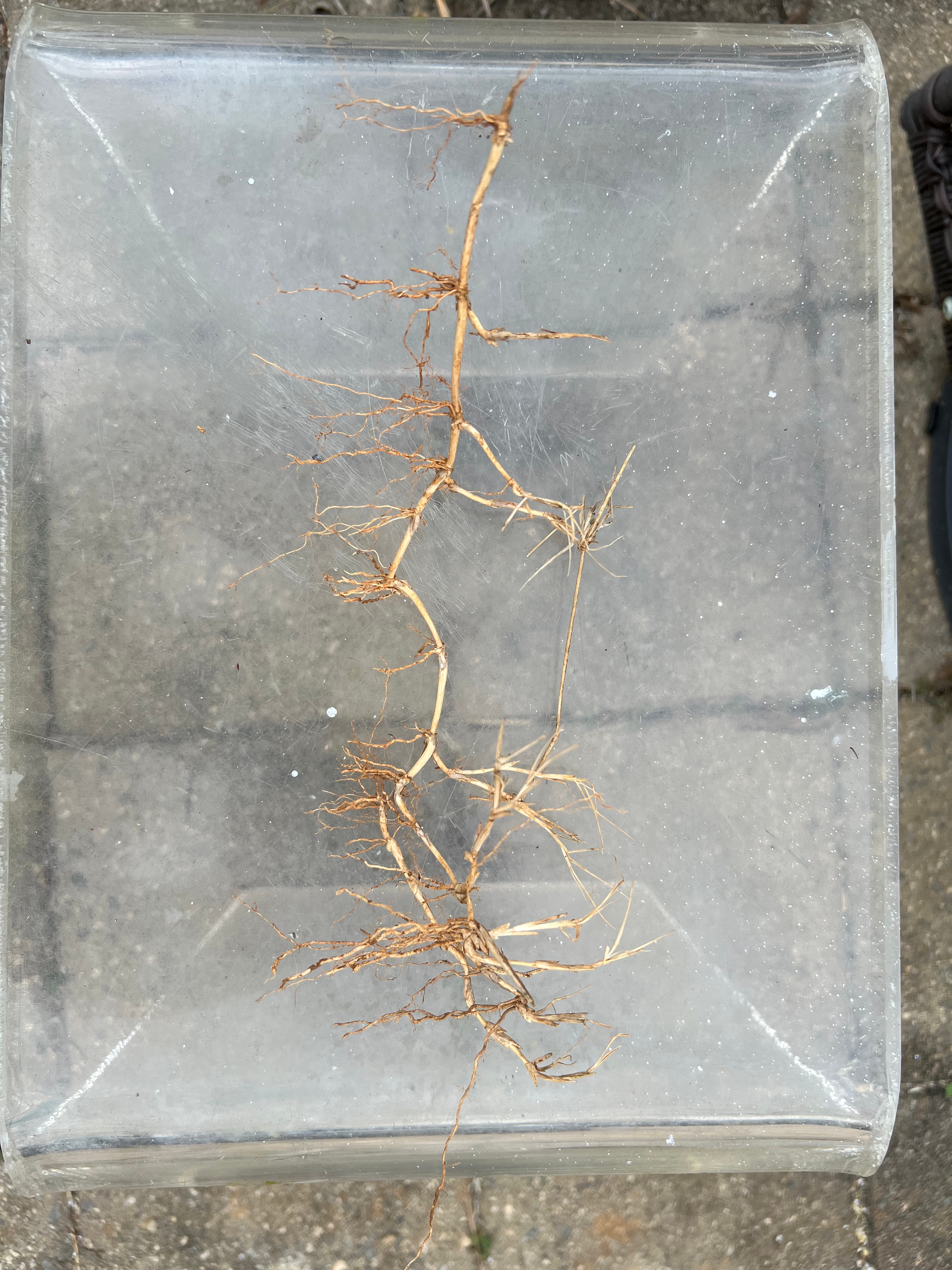
What appeared were roots— bright brown, almost luminous, still holding their form, though lifeless to the eye. One long stem ran straight through, a single street beneath the ground, and every inch or two— sometimes three— fine roots branched out like heirs of a quiet kingdom.
Above them, the stalk thickened— barely an inch of sturdy rise. No heirs there, only thin blades reaching toward air, now dry, nearly white.
But below— just an inch beneath the surface— the roots had traveled everywhere, stretching toward any trace of moisture, never stopping, never surrendering. Even my clumsy digging could not shame them into retreat.
Hidden underground, life kept moving— brave, persistent, only an inch deep, yet surviving scorched summers and winter’s long silence.
No fanfare. No applause. Only resilience— its instinct, its faith.
There is no one on earth who can stop such joy: the joy of rising, again and again.
After sending off Christmas—the day we had prepared for and awaited so long—and as we look back on the few remaining days of the year, I pause for a moment to catch my breath after months that felt breathlessly busy. Over the past year, the knots of life were tied in many ways: meetings and partings, love and resentment, struggle and overcoming, attention and indifference, ignorance and insight, anguish and joy, conflict and peace, discouragement and courage, sorrow and hope. Some knots were tied neatly and beautifully; others ended up rough, uneven, and misshapen.
John Milton once wrote, “Time has wings and flies back to the One who created it, reporting in detail how we have used it.” So the knots of our time have already been carried up to God.
There were so many things I meant to do—this and that—and yet the unfinished tasks piled up on my desk like a small mountain, waiting to cross into another year. As the saying goes, those who use time poorly are the ones who complain it is too short. I often wondered, Why does time pass so quickly? I even developed the habit of sleeping with my watch on, afraid of losing a single moment. But time has wings; it never rests, not even for an instant.
In the midst of fleeing hours, instead of cultivating true words and beautiful thoughts, I sometimes let worthless rumors and empty imaginings overgrow like weeds. I ask forgiveness for the days when I did not even know who I was and fell into despair. There is perhaps no greater misfortune than living without knowing oneself. If I am proud and careless even toward myself, how can I be grateful and humble toward my neighbors?
I am no longer young enough to boast of youth, nor am I yet an elder who has lived the whole of life. But before the swift wings of time, I find comfort and hope in knowing that Someone walks with me—like the morning star, like the ferry waiting for a traveler crossing the river at dusk, like a lighthouse shining in the storm. The Lord takes my trembling arm and says, “As I have been with you, so I will be with you tomorrow. Do not fear. Obey, and let us go together.”
Departure is not merely departure. It is not simply farewell, nor parting words, nor a benediction. It is the crossing of a threshold— the moment when one life reaches its summit and moves beyond.
Thus every departure is also a beginning. It says, Good‑bye, and at the same time, Hello.
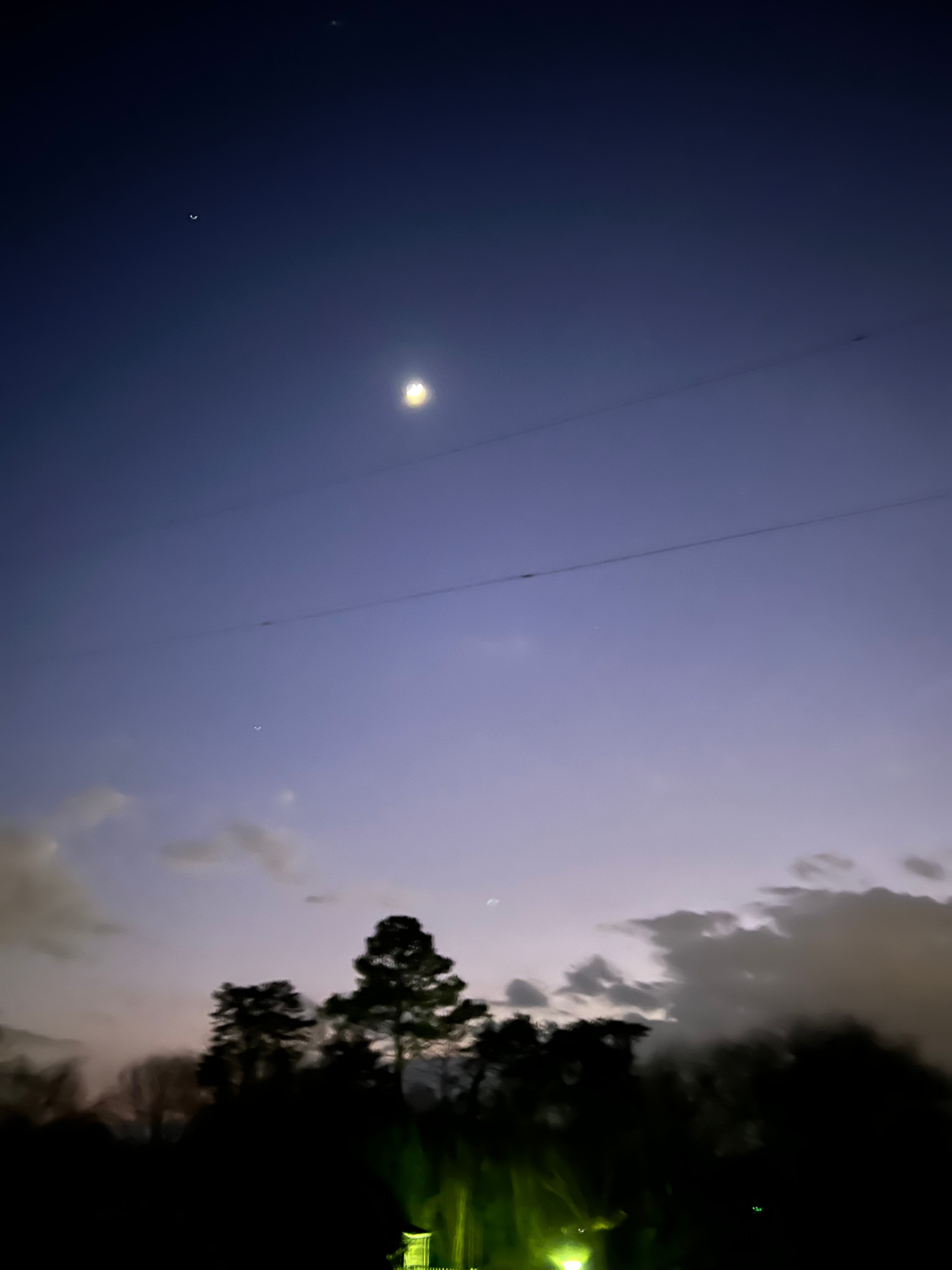
It is the meeting of a new dawn beyond the dark clouds of parting, beyond worry and unrest. That dawn is born in beauty and brightness of many colors, yet it is shaped—conceived even— by the lingering clouds of yesterday still knotted within our farewells.
Beginning and ending intertwine in the moment of dawn. The moments of our lives spread their wings and move from here to there, from one person to another, from one task to the next— departing, arriving, weaving, unfolding.
Ending and beginning,being and becoming—these are the places where we dwell in God. Believers call that place the Holy Communion. — Dwight Judy
Farewell to the old year, welcome to the new. I wait for the coming year in the arms of the Lord.
오랫동안 준비하고 기다렸던 성탄절을 보내고, 손가락에 셀 만큼 남아 있는 한 해를 돌아보며 숨막히도록 분주했던 날들을 뒤돌아보면 서 잠시 숨을 내몰아 쉬어봅니다. 한 해 동안 사람들과의 만남과 흩어 짐, 사랑과 미움, 자신과의 투쟁과 극복, 관심과 무관심, 무지와 깨달 음, 번뇌와 기쁨, 싸움과 평화, 좌절과 용기, 슬픔 등 한 해의 삶의 매 듭이 때로는 곱고 매끈하게 매어지기도 하고, 때로는 모양새없이 울 퉁불퉁하게 매어지고 말았습니다.
“시간은 날개를 가지고 있어서 시간을 창조하신 분께 날아가 우리 가 시간을 어떻게 사용하였는가를 낱낱이 보고한다.” 라고 존 밀턴이 말하였듯이, 우리의 시간의 매듭들은 이미 하나님께 올려졌습니다.
이것도 해야 되고 저것도 해야 될 터인데, 시간이 없어 처리하지 못 한 일들을 날이면 날마다 책상 위에 산더미같이 쌓아 놓고 또 한 해를 넘보게 되었습니다. 시간을 가장 서품게 쓰는 자가 시간이 짧다고 볼 평 한다는 말처럼, 저는 늘 시간이 왜 이렇게 빨리 가지? 하면서 가는 시간을 놓치지 않으려고 잠잘 때에도 시계를 풀어놓지 못하고 자는 버릇이 들고 말았습니다. 그래도 시간은 날개가 있어 잠시도 쉴새없 이 날아가기만 합니다. 달아나는 시간들 속에 참된 말과 생각을 아름 답게 가꾸기보다는, 무가치한 루머와 헛된 생각의 잡풀들로 누구인지 조차 모르며 절망하던 날들 앞에 용서를 구해봅니다. 자신이 누구인 지 모르며 산다는 것처럼 불행한 일이 없는 것 같습니다. 자신에게조 차도 교만하고 불성실하니, 이웃들에게인들 감사하며 겸손할 수 있겠 습니까?
이제는 젊다고 으스대지도 못하고, 그렇다고 하여 세상을 다 사신 노인과 같은 나이도 아니지만, 날아가는 시간 앞에서 새벽의 별로서, 늦은 저녁 강을 건너는 나그네를 기다리는 나룻배처럼, 폭풍우 속에 빛나는 등대처럼 길잡이 되시어 인도하시는 이가 함께 계시니 위로가 있고 소망이 있습니다. “내가 너와 함께하였듯이 내일에도 함께하리 니 두려워 말고 순종하며 함께 떠나자.”라고 주님은 부끄러운 팔을 붙 들어 주십니다.
떠남은 단순한 떠남이 아닙니다. 단순한 안녕이나 작별들이나 축도들도 아닙니다. 한 삶이 끝나는 시간의 정점을 넘어감을 말합니다.
그래서 떠남은 단순한 시작입니다. 그것은 안녕하고 말합니다.
그것은 작별의 어두운 구름, 고민과 번민 뒤에 있는 새로운 여명을 맞음입니다. 그 새벽은 수많은 색깔의 아름다움과 밝음 속에 태어나며 그 새벽은 안녕 속에 아직도 연결되어 응어리진 어제의 구름에 의해서 형성되어 잉태합니다.
시작함과 끝남은 여명의 순간에 서로 얽혀집니다. 우리의 삶의 순간은 그 날개를 펼치고 이곳에서 저곳으로 움직여 떠나가고 이 사람에서 저 사람으로 이런 일에서 또 저런 일로 떠나 얽혀집니다.
끝남- 시작함 변함 – 되어짐이란 하나님 안에 우리가 거처하는 곳을 말합니다. 그곳을, 믿는 이는 일컬어 성만찬이라 합니다. – by Dwight Judy
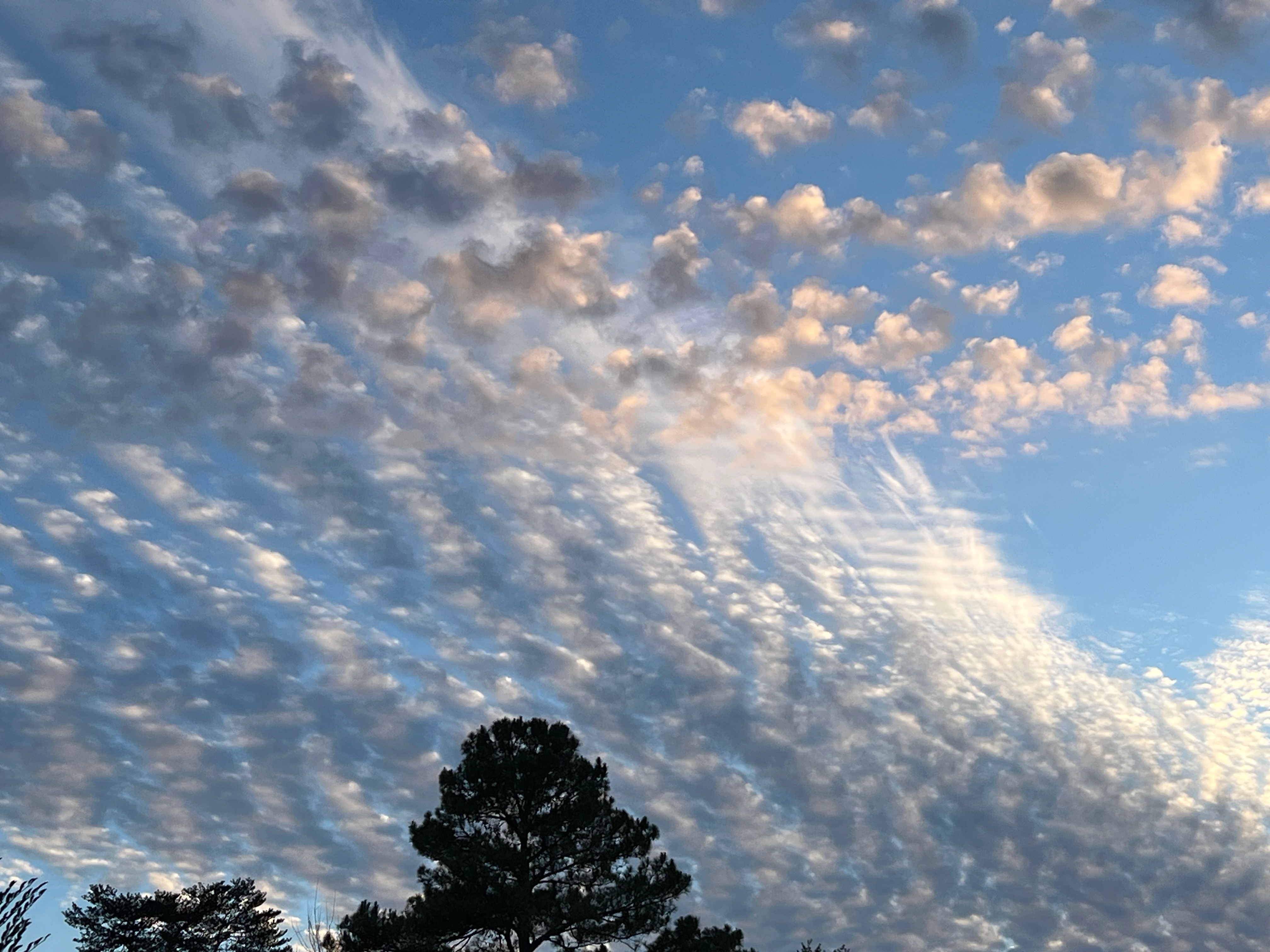
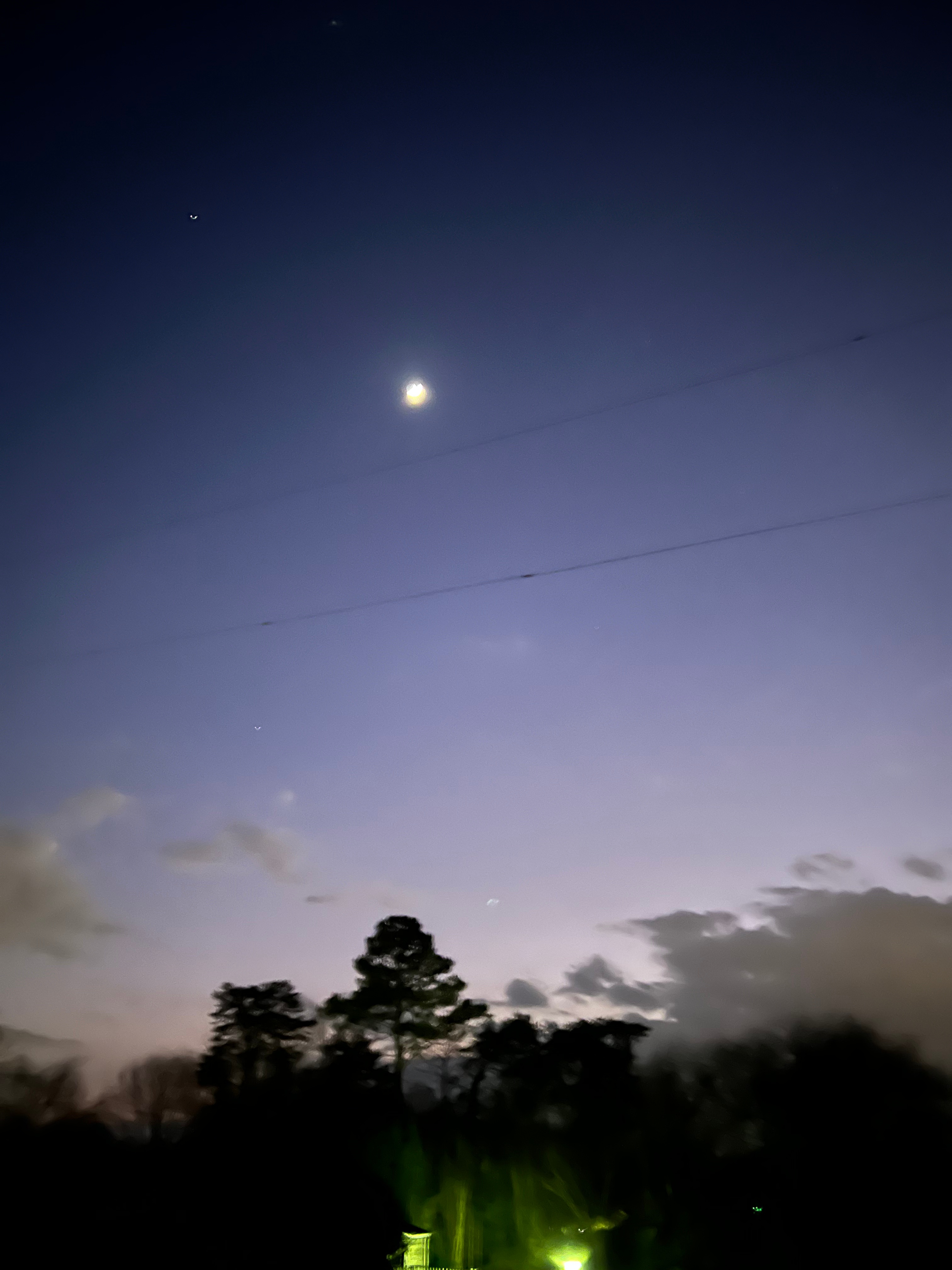
At the hem of the Smokies, on the last Sunday of the year, something quiet took place— as though the first Sunday of Christmas had already been folded into the cloth of what has been.
Far off, two circles of hawks turn slowly in a gray sky, riding the wind, crossing unseen borders— pure thresholds of becoming— asking, again and again, what it means to pass from one state of being to another.
In the backyard, sweet-gum seeds still hang by the hundreds. What do they teach us— about parting and belonging, difference and kinship? They are thorns, yes, and needles, yet even these, in your hands, can be shaped into meaning.
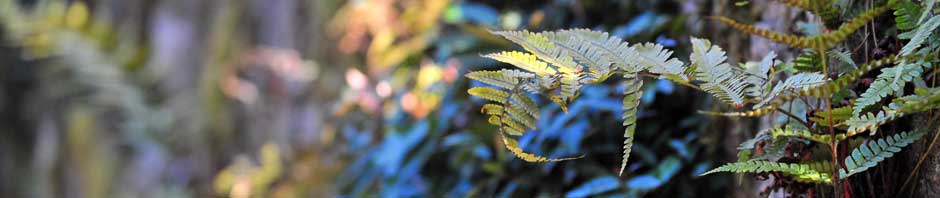
Lavender still blooms, holding fast against the cold, flowering out of season— as if waiting for the hawks, as blueberries stiffen under frost, as young camellias lean into the work of survival.
Everything strains, quietly, to cross the boundary of rejection.
Yes—in between. Between yesterday and tomorrow. Between you and us. Between the closing year and the one drawing near.
We walk the narrow margin where point becomes path, where transition gives birth to transformation.
Life is the courage to be honest, the grace of one’s own cadence, the silent blade that turns inward.
So now—look around, with inward eyes. Learn to fly even when the storm remains.
Remember the costly, thorned seed of the sweet-gum tree. Drink lavender tea for the coming days. And then speak— not with the clamor of city kisses, but with a quiet heart—
“내가 만일 애타 는 한 가슴을 달랠 수있다면/ 내 삶은 헛되지 않으리라. /내가 만일 한 생명의 고통을 덜어주거나 한 괴로움을 달래주거나/ 또는 힘겨워 하는 한 마리의 로빈 새를 도와서 보금자리로 돌아가게 해 줄 수있다면/ 내 삶은 정녕 헛되지 않으리라.
-만일 내가 애타는 한 가슴을 – 디킨슨의 시
우리 삶에는 “내가 만일…”이라는 말을 많이 합니다. “내가 만일, 일확천금을 번다면 말이야… 내가 만일 박사학위를 받았다면… 내가 만약 정치가라면, … 내가 만일 어린아이라면… 내가 만약 남자라면” 등등의 가정을 하면서, 현실적으로 보았을 때, 불가능한 일들이나, 기상천외의 세계를 상상하면서 이런 말들을 하게 됩니다. 그러나, 천재 과학자인 아인슈타인은 “상상력은 지식보다 났다”라는 말을 함으로서, 인간의 정신력 속에서 추구하는 “만일..”이라는 상상의 세계를 그 어떤 지식이나 학문보다도 높게 평가하였습니다.
“내가 만일…” 이라는 말은 때로는 공수표를 떼는 것같이 허공을 쳐대는 것 같지만, “내가 만일…”이라는 속에 애타는 생명의 기도가 담겨져 하나님의 귀에 들렸을 때는, 엄청난 현실로 다가오는 핵과 같은 힘을 작용케 합니다. 이것을 비존과, 꿈이라고 말할 수 있습니다. 그 동안 세계는 “내가 만일 날 수만 있으면”하고 날기를 애타던 라이트 형제에 의해 비행기가 발견되었고, “내가 만일 달에 갈 수만 있으면…”하는 이들의 염원 속에, 달은 정복되었습니다. 또한, 청각장애자이며, 언어 장애자였던 아내를 생각하며, “내가 만일, 저 침묵의 세계와 언어로 대화를 나눌 수있다면…”하면서, 안타까워하던 벨 박사에 의해 전화는 발명되었습니다.
한국의 실로암 안과병원의 김선태 목사님은, 시각장애자들의 아버지로 불리고 있습니다. 그 분의 어린 시절인 10세 되던 해에 6.25전쟁이 일어났습니다. 아침식탁에서, “지금은 전쟁이 났으니 몸을 조심하라” 아버지의 음성을 듣기가 바쁘게 밖에 나가서 한창 놀다가 집에 돌아와 보니, 온 집이 폭격을 맞아, 부모는 돌아가셨고, 천애 고아가 되었습니다. 그는 홀로 남아 피난민 틈에서 거지노릇을 하며 밥을 얻어먹고 지냈습니다. 어느 날, 그는 거지 떼들과 함께 참외밭에 들어갔다가, 그만 친구가 수류탄을 건드려 터지는 바람에 눈을 잃게됩니다. 피투성이가 된 어린 소년 김선태는 양주에 산다는 고모 집을, 목숨만을 부지한 채 겨우 찾아갑니다. 그러나, 고모와 가족은 그런 처참한 눈먼 조카를 학대하며, 온갖 수모를 줍니다. 그리곤, 전쟁의 포성이 깊어져 가는 추운 12월 중순의 어느 날, 저녁에- 고모가족들이 모여, 골치덩어리인 눈먼 조카를 죽이고 피난 가자 라고, 의논하는 것을 우연히 엿듣고는 그 밤에 도망을 칩니다. 그리고 그는 그 칡흙같은 밤길을 도망하면서, 하나님께 부르짖습니다. “하나님, 저를 만일 살려주신다면, 앞으로 저와 같이 눈먼 사람들을 위해 일하겠습니다“
두려움과 떨림, 추위와 눈물 속에 드려졌던 어린 김선태의 기도는, 그 후 40년만에 이루어졌습니다. 그 동안 뜻있는 이들의 힘을 얻어, 실로암 병원을 설립한 후에, 약 15,000여명의 시각장애자들이 눈을 뜨는 혜택을 보았고, 국내 뿐 만이 아니고, 이제는 해외에까지 그 선교의 손길이 뻗혀가고 있습니다.
우리 마음속에 “내가 만일…”이라는 상상력을 갖게 되면, 우리는 그 생각을 사고의 창고에 가둬 만 두거나, 창고 안에서 만 뱅뱅 돌면서, 공상에 빠져 세월을 소비 할 순 없습니다. 하나님이 주시는 비전이 기도가운데 떠오른다면, 그 상황이 어찌되었건 간에 우리는 성실과 인내로서 용기 있게 나아갈 때, “내가 만일…”의 꿈은 현실로 다가오게 됩니다.
저는 올해에 작은 저의 소망 하나가 이루어진 것이 있습니다. 그것은 한인사회에 걸스카웃 운동을 일으키는 것이었는데, 지난 몇 개월간은 제 개인의 삶도 힘들었고, 이 운동의 시작이 참으로 어려워, 중도에 포기하고자 하는 생각도 몇 번 갖게 되었습니다. 제 자신이 이일을 한다고, 남이 알아주거나 상받는 일도 아니요, 그 누구도 왜 그 일을 하지 않느냐면서 질책 할 사람도 없었습니다. 그러나, 이 운동이 미래의 여성들을 길러내며, 건전한 사회인으로, 신앙 인으로 하나님과 나라와 이웃을 위해 최선을 다하며, 인간으로서의 가치와 자긍심을 갖고 행복하게 살아갈 수 있는 좋은 프로그램이기에, 어떻게 해서라도 한인소녀들을 이 프로그램에 참여 할 길을 모색코자 기도 가운데 애쓰게 되었습니다. 어린 소녀들이 학교나 교회 안에 만 갇혀 사는, 편파적인 삶이 아니라, 사회와, 세계와의 열려지고 조화된 삶을 어릴 적부터 훈련하며, 준비하는 일은 신앙 인으로서 너무나 중요한 일이라고 늘 평소에 생각해 오던 신념 때문이었습니다.
그러나, 전혀 아무 것도 없는 상황 속에서, 아이들을 모으고, 그들의 부모님을 훈련시키어 걸스카웃의 지도자로 서게 하는 일은, 처음엔 허공을 잡는 것 같았습니다. 저 자신도 자라나면서 한국에서 걸스카웃 활동을 해 본 경험이 없는 가운데, 배워가면서 남을 교육시킨다는 것은, 여간 역부족이 아니었습니다. 더군다나 이중언어권에서 이일을 진행하는 일은, 단순히 전달 강습이 아니라, 참여하는 분들에게 꾸준한 용기와 비전을 함께 나누면서, 포기하지 안토록 정신적인 후원까지도 절대적으로 필요한 일들이었습니다.
하나님은 어려울 때마다 지혜를 주시고, 필요한 사람을 만나게 해주시고, 훈련할 장소와, 같은 꿈을 가진 이들을 이곳 저곳서 모아주시었습니다. 그 결과, 올해가 가기 전에 4개의 걸스카웃 분대를 한인사회에 최초로 갖게 하고, 한인 어머니들이 주역이 된 스카웃 활동을 펼치게 되었음이, 참으로 자랑스럽지 않을 수 없습니다. 저의 소망은 내년엔 5개 보로에 곳곳마다 분대활동을 통해, 어머니들과 딸들이 함께 성장하며, 아름다운 세계를 만들어 나가는 일에 앞장서기를 기도하고 있습니다.
저는 이 경험을 통해서, 믿음을 갖고, 믿음 안에서 행하는 삶은 언젠가 이루어진다는 확신을 더욱더 갖게 되었습니다. 장애물과 어려움이 올 때, “내가 만일, 그 시점에서 중단했더라면, 결국 이런 일은 일어 날 수 없었을 거야!”라고 자위를 하며, 성취의 기쁨을 요즈음 만끽해 봅니다.
이민생활의 삶의 터전은 쉽지 만은 않습니다. 여러 장애물들이 우리들의 터전을 제한하고 혼동을 시킵니다. 하지만, 정신을 가다듬고 하나님이 주시는 비전을 부여잡고, 진솔하고 단순한 생각으로, 한 걸음씩 나아간다면, 이루지 못할 일은 아무 것도 없다는 것입니다. 나만이 갖고 있는 재산, 학력, 모습, 가족, 환경, 친구, 교회, 사회와 문화는, 우리 삶에 기적을 일으키는 하나님의 축복의 도구들입니다. 이 도구들을 천대하거나, 없신여기지 말고, 창조와 상상의 세계를 펼쳐보십시오. 오늘 밤이라도 “내가 만일…”이라는 가정 속에, 새 천년의 꿈과 소망을 그려봅시다. 과거 모세와 야곱, 요셉과 다니엘, 요엘선지자와 믿음의 조상들을 이루었던 사역들이 우리에게도 이루어 지길, 주님은 바라고 계십니다.
“내가 만일 애타는 한 가슴을 달랠 수있다면, 내 삶은 정녕 헛되지 않으리라.” 디킨슨 시인의 시는 참으로 우리에게 많은 것들을 생각나게 합니다.
안녕하세요?
오늘 만하탄을 걸어가노라니 빌딩 숲 사이로 바쁘게 움직여 나가는 인파가 마치도 파도와 같이 넘실거리고 있다고, 말하고 싶을 정도로 많은 사람들과 차량들로 붐비고 있었습니다. 또한 여기 저기서 울려나오는 캐럴과 구세군의 자선 냄비를 위한 종소리가 “댕강 댕강”울려 퍼지는 가운데, 무엇인가를 향해 부지런히 걷는 시민들의 발걸음은 왠지 가벼워 보였습니다. 저도 그 무리 중에 하나가 되어, 목적지인 방송국을 향해 부지런히 발길을 옮기면서, 참으로 오랜만에 그 거대한 빌딩 숲들을 찬찬히 올려다 볼 수 있는 여유를 또한 갖게 되었습니다.
만하탄의 고층건물들의 위력을 바라보노라면, 인간의 끊임없는 부를 향한 욕망의 상징 같아 저는 늘 기가 죽고 마는 기분을 종종 느끼곤 하였지만, 오늘만큼은 그 반대였습니다. 흙과 시멘트로 세워 올린 마천루가 인간의 삶을 얼마나 과연 행복하게 하였으며, 얼마나 더 의미 있게 하였을까? 한평생을 아이들이 모래성을 쌓아 올리듯이, 서로가 앞다투어 이 거대한 땅에 시멘트와 돌들을 쌓고 지어 올렸지만, 그 주인공들은 아무도 남아있는 사람들이 하나도 없이, 쌓다 말은 빌딩들을 놓은 채, 또한 떠나간 사실입니다. 그러데도 우리는 또, 그 허망한 작업을 위하여 평생을 소비한다는 것이지요.
이 대림절은, 오고 계시는 주님을 맞이하는 우리 모두가 마음을 가다듬고, 인간의 삶은 목적은 얼마나 부를 누리며 살았느냐가 아니라, 하나님의 창조의 목적에 따라 무엇을 위해 어떻게 살았느냐가 중요함을 다시 한번 기억하는 시간임을 깨닫게 됩니다. 예수님께서는 세상에 오심을 이렇게 선언하셨습니다. “도적이 오는 것은 도적질하고 죽이고 멸망시키려는 것 뿐이요 내가 온 것은 양으로 생명을 얻게 하고 더 풍성히 얻게 하려는 것이라 나는 선한 목자라 선한 목자는 양들을 위하여 목숨을 버리거니와…” (요한복음 10:10 -11)
자신의 목숨을 통해 우리에게 생명을 주시기 위해 오시는 주님을 맞이하는 우리 주님을 생각할 때, 오늘 하루의 삶의 가치와 귀함을 함부로 생각 할 수 없게 됩니다. 인간의 삶은 어떻게 살았느냐에 따라, 모든 이들의 기억 속에 영생하는 이웃으로 남아 영향을 끼치는가 하면, 죽음으로서 그의 모든 삶의 종지부를 찍는 이들이 있습니다.
지난주간(12/6/99)에 세계 최고의 은행가이며 억만장자인 Edward J. Safra씨가, 자신의 호화 별장 중의 하나인 몽테 칼로의 화장실에서, 화제로 인한 매연가스로 사망한 사건이 있었습니다. 그는 파킨슨병을 앓고 있는 관계로, 자신의 몸을 돌봐주는 7명의 간호사를 두고 있었는데, 그 중의 한 사람인, Ted Maher에 의해 애석하게도 목숨을 잃게되었습니다.
에드워드 사프리씨는 세계곳곳의 가장 아름답다는 지중해 연안에 많은 집을 가지고 있었으며, 그 중에 하나인 몽테 칼로에 있는 집은, 가장 안전하고, 아름다운 환경이 좋은 곳으로, 이곳에서만은 바디 가드 없이도 지낼 수 있는 곳이었다고 합니다. 그러나, 평소에 에드워드 사프리씨의 주목을 받고 싶어하던 한 간호사가, 무장괴한이 침범하여 집에 불을 놓았지만, 자신이 에드워드씨를 구했다는 가상의 시나리오를 만들어 가지고, 실제로 불을 놓았던 것입니다. 그러나, 그의 관심과 사랑을 얻으려했던 이를 그만, 사망케 하는 일을 저질렀던 것이, 이 사건의 전모였습니다. 인간이 누리며 가질 수 있는 온갖 부유 속에, 모든 시설이 완벽하고 안전이 보장된 장소였지만, 억만장자의 생명도 너무나 무가치하게 사라져 가는 현실을 보게됩니다.
인간이 사람의 힘에 의존하고, 사람만의 궁전을 아무리 화려하고 안전하게 짖게되어도, 그 생명의 한계 앞에는 굴복 할 수밖에 없습니다. 그래서 우리에게 일년에 한번 찾아오는 성탄절은, 우리끼리 즐기고 파티하고, 기뻐하는 것이 아니라, 모든 생명을 가진 이들과 함께, 하나님의 사랑을 나누고, 기억하고, 찬양하며, 오늘의 삶을 더욱 더 가치 있는 영역으로 끌어올리는 축복의 계절인 것입니다. 대림절은 또한 각자가 살아가고 있는 삶의 터전 속에서, 믿음 안에서의 가능성과 꿈을 활짝 펼펴가는 시간이지요. 방송 에세이를 들으면서 각자가 성령이 주시는 특별한 은혜의 시간이 되시길 바랍니다.
<마감하는 말>
주님은 일상의 먹을 것과 마실 것에 매달려 있는 우리를 향해 말씀하십니다. “너희는 무엇을 먹을 까 무엇을 마실까 하여 구하지 말며 근심하지도 말라 이 모든 것은 세상 백성들이 구하는 것이라 너희 아버지께서 이런 것들이 너희에게 있어야 될 줄을 아시느니라 오직 너희는 그의 나라를 구하라 그리하면 이런 것을 너희에게 더하시리라” (누가복음 12:29-31)
무엇이든지 구하는 대로 주실 것이며, 받을 것이라고 하셨던 예수 님께서는 먹을 것과 마실 것을 위해서는 구하지도 말고 근심하지도 말라고 하셨습니다. 우리가 구할 것은 하나님의 나라를 위해 구하고 애쓰면, 먹을 것, 마실 것은 저절로 오게되어 있음을 주님께서는 말씀하셨습니다. 우리는 이제 더 크고 넓고 아름다운 하나님의 일을 감당하고자 하는 믿음의 꿈을 꾸어야 만 될 때가 왔습니다. 20세기를 정리하며 뒤돌아 볼 때, 남는 것이 무엇입니까? 20세기를 역사의 격변기라고 볼 때, 전쟁과 지진, 기근이 끊임없이 인류사를 장식한 한 세기 였습니다. 한 세기동안 유명인도 많았고, 부유한 자도 많았고, 권세 있던 자들도 세월의 급류 속에 떠내려갔습니다. 그러나, 오히려 세월이 갈수록 영원히 우리와 삶을 나누는 이들이 있습니다. 그들은 예수님이 말씀하셨던 “그 나라와 의를 위하여” 살아갔던 이들입니다. 그들은 인류의 빛이신 주님을 본받아 작은 등불이 되고자 신음하며, 애써 고통받으며, 낮은 이들의 편에 서서, 저들의 눈물을 닦이고, 함께 아파하고 괴로워하던 이들이었습니다.
저는 요즈음 많은 이민 교회들이 교회로서 기능을 다하지 못하고, 성도들의 에너지가 불필요한 곳에 소모되고 있는 교회들을 보게됩니다. 주님의 뜻엔 상관도 없는 일들로 교회 안에서의 분란을 일으키고 있다는 것입니다. 교계신문에 모 한인교회가 교단으로부터 문을 닫으라는 명령을 받았다는 기사를 얼마 전에 읽은 적이 있습니다. 그 교회는 한 때는 많은 성도들이 운집하였었지만, 교회분란이 수년간 끌게되니, 교단에서는 교회로서 사랑과 화해, 봉사의 역할을 다하지 못하니 차라리 문을 닫으라는 판결을 내렸던 것입니다. 이것이 남의 얘기 같지만, 이민교회 어디서나 있을 만한 이야기라고 생각되지 않습니까? 그러나, 또한 많은 교회들이, 교회의 본래의 사명인 선교와 봉사를 힘에 겹도록 하는 교회들도 있으니 얼마나 다행입니까? 우리는 이제 성장해야 되고, 과감한 믿음의 가능성을 향해 달려나갈 때입니다. “내가 만일, 이 사회를 변화시킬 수 있는 소금과 빛의 역할을 다한다면…”이라는 꿈을 구체적으로 꾸어보지 않으시겠습니까? 그 시작은 바로 우리 가정과, 내가 속해있는 교회서부터 시작 할 수 있습니다. 대림절을 보내는 우리 모두에게 믿음의 꿈을 활짝 펴시는 한 주간이 되시기를 기도합니다.
“If I could soothe one aching heart, my life would not be in vain. If I could ease one life’s suffering, or calm one soul’s distress, or help one weary robin find its way back to its nest, my life would truly not be in vain.” — Emily Dickinson, “If I Can Stop One Heart from Breaking”
In our lives, we often begin sentences with the words, “If I could…” If I could win the lottery. If I could earn a doctorate. If I were a politician. If I were a child again. If I were someone else.
Such phrases seem to belong to the realm of fantasy—things impossible or unrealistic when measured by common sense. Yet Albert Einstein once said, “Imagination is more important than knowledge.” He believed that imagination—the world of “what if”—possesses a creative power greater than accumulated facts or academic achievement.
At times, “If I could…” sounds like empty words thrown into the air. But when that longing becomes prayer—when it rises from a wounded heart and reaches the ears of God—it can release a force capable of transforming reality. This is what we call vision. This is what we call dream.
History itself has been shaped by such dreams. The Wright brothers’ longing to fly gave birth to the airplane. Humanity’s dream of reaching the moon carried astronauts beyond Earth. Alexander Graham Bell, yearning to communicate with his deaf wife, invented the telephone.
A Prayer Born in Darkness
In Korea, Pastor Kim Sun-Tae, founder of Siloam Eye Hospital, is known as the “father of the blind.” His life bears witness to the power of a single “If I could…” offered to God.
When the Korean War broke out, Kim was ten years old. One morning, after his father warned the family to be cautious, the boy went out to play. When he returned, his home had been bombed. His parents were gone. He was suddenly an orphan.
He survived by begging among refugees. One day, while stealing melons with other hungry children, a grenade exploded nearby. The blast blinded him. Bleeding and disoriented, he wandered until he reached his aunt’s home. But instead of compassion, he encountered abuse and humiliation.
One bitter December night, he overheard his aunt’s family planning to kill him—the “burdensome blind boy”—before fleeing south. Terrified, he escaped into the darkness and cried out to God:
“God, if You let me live, I will dedicate my life to serving the blind.”
That desperate prayer, uttered in fear and cold, was fulfilled forty years later. Through Siloam Eye Hospital, more than 15,000 people have regained their sight, and the ministry now serves people around the world.
When God Gives a Vision
A dream born from prayer cannot remain locked away in the warehouse of our thoughts. If God plants a vision within us, we are called—regardless of circumstance—to move forward with sincerity, patience, and courage. Only then does “If I could…” become reality.
This year, one of my own small dreams came true: introducing the Girl Scout movement to the Korean-American community. The path was not easy. I faced personal struggles, exhaustion, and moments when giving up seemed reasonable. No one demanded this work. No one would have blamed me if I stopped.
Yet I believed deeply that this movement could nurture young girls into women of faith, dignity, and responsibility—citizens who engage the world with courage and compassion. I longed to open a path for Korean daughters and their mothers to grow together.
Starting from nothing—recruiting families, training leaders, learning while teaching—felt overwhelming, especially in a bilingual environment. But God provided wisdom, companions, spaces, and shared vision. Before the year ended, four Girl Scout troops were established, led by Korean mothers. What began as a fragile hope became visible fruit.
Through this experience, I was reminded again: a life lived in faith will bear fruit in time. Often I think, “If I had stopped then, none of this would exist now.”
Advent and the Meaning of Life
Immigrant life is not easy. We face confusion, limitation, and uncertainty. Yet if we hold fast to God’s vision and walk forward with simplicity and trust, our lives—our culture, families, churches, and communities—become instruments of God’s miracle.
As Advent returns, it calls us to remember that life’s value is not measured by wealth or success, but by whether we live according to God’s creative intention.
Jesus said:
“I came that they may have life, and have it abundantly. I am the good shepherd. The good shepherd lays down his life for the sheep.” (John 10:10–11)
Some lives end with death alone. Others continue to live—long after death—through love, service, and memory.
Christmas is not merely a season of celebration. It is a season of sharing, remembering, and lifting daily life into God’s joy. Advent invites us to dream again—to open ourselves to the holy possibilities of faith.
So let us dare to say once more:
“If I could…”
If I could soothe one aching heart, my life would not be in vain.
— WanHee Yoon “As I Am,” Live Broadcast Manuscript New York Korean Christian Broadcasting December 15, 1999
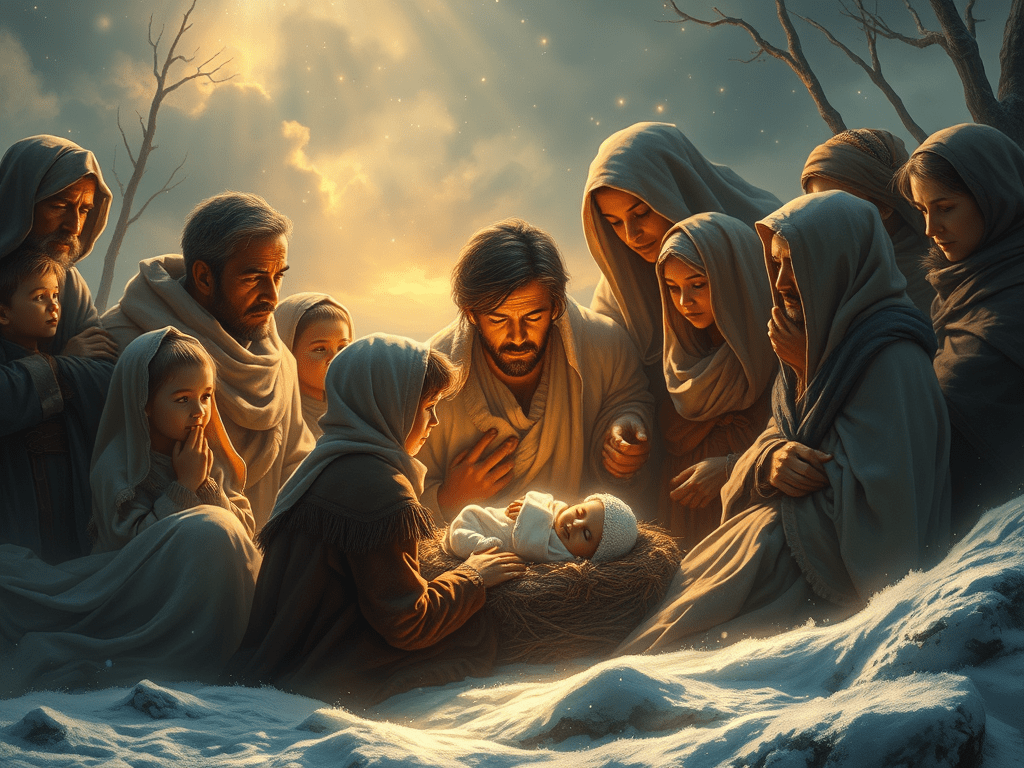
At the news of Your footsteps drawing near, all heaven and earth burst into songs of joy. Across this harsh, frozen land—this empty field— You come again this year, barefoot, over our thorn bushes and wilderness.
To those who have never loved, to those who have never been loved, to those who have never spoken the language of love, to those who have never dreamed of the face of love, even to those who have never known who You are— come, O Baby Jesus.
You who come from afar to restore Your image within us, come in the song of new shoots rising boldly from the land of death. Carry hope to the souls crying out in despair, “Now it is impossible.” You who burn Your own body upon dying lamps and come as light!
May the blazing grace of Your love open a bright highway for us who wander lost. With Your touch, let the truth of heaven— covered by greed and sin— shine clear as crystal. Raise up our tombs of living death into life.
Upon our brothers and sisters in North Korea, starving as even roots and bark are frozen; upon political leaders in the South, who consume alone what belongs to the people and are bound by cords of their own making; upon the mothers and fathers of Gwangju, heavy with unresolved grief; upon the so-called peace accords of Bosnia, peace without reconciliation; upon our youth cast aside in immigrant life, imprisoned behind bars; upon Korean daughters in AIDS camps, who fed bodies to survive— fall upon them all, white upon white, like heavy winter snow.
To be the true Shepherd in this shepherdless land, to become the true Parent to the orphaned souls of humanity, to pour a new spirit and a new heart upon hardened hearts, to come with the trumpet of dawn over a sleeping humanity— You who come!
Your heart, freely given, that dazzling grace— awakens souls, souls… to a new morning.
Our King Jesus! With clumsy lips, limping feet, blind stammering steps, wounded and unclean, we fall before You. Cover the depths of our souls with the white grace of Your mercy.
O glorious gift of heaven, Immanuel! Our Baby Jesus!







You must be logged in to post a comment.