Once a weary village, its tracks forgotten, breathed a final sigh from the silence of its engines.
Houses bowed low, yet from the dust a prayer began to rise.
Where quarrels once darkened the night, a small light opened, stretching mercy through the hours.
The river still moved, carrying time on its back; and in each shattered pool, soft and unseen, a gentler breath arrived, not of loss, but of love returning— a promise flowing on.
In the middle of the night, just as I was about to drift into a dream, someone shook my shoulder to wake me. Half-asleep, I heard a voice:
“May I put my bag under your blanket?”
Rubbing my eyes, I looked up to see a woman with long golden hair, her face pale as paper. Struggling to lift a black plastic sack, she tried to shove it under my blanket, down by my feet.
“… No! No!”
Startled even in my drowsiness, I half-rose from my cot and shouted at her.
“… Put it over there, in the corner of the kitchen!”
I pointed firmly toward the darkened kitchen. She sighed deeply, then turned away silently, dragging her bag with her.
What kind of treasure could be in that black sack that she would want to hide it under someone else’s bedding?
Annoyance boiled inside me, as if something filthy had touched my feet on the cot where my sleep had been invaded. As always, I had trouble falling asleep amid the coughing, groaning, footsteps to the restroom, and snoring of the women around me. Slowly, I gathered myself and drifted again into a weary sleep.
Every Friday evening, about ten homeless women leave the Manhattan headquarters of the Partnership of Homeless Shelter around 7 p.m. and arrive by 9 p.m. at Embury U.M.C. in Queens Village, NY. As soon as they arrive, they sip tea and snacks, then sort through mountains of donated clothing stacked in the church. For a moment, they taste the joy of being fashion models.
They try on brightly colored dresses, plunging necklines, shimmering gowns like dragonfly wings, and silky nightgowns—checking the mirror to glimpse their own beauty once more. Whether Black, White, or Asian, they are beautiful. If only music were to play, they might have danced all night in sweet delight.
But reality soon returns. They choose warm coats, socks, and skirts to withstand tomorrow’s biting winter winds sweeping through the city. Then they go to bed.
Yet even sleep is uneasy. Even as they clutch all their belongings, they fear losing them. Each trip to the bathroom means dragging their heavy bags along. One reason many avoid city shelters is that their possessions often disappear without warning. Their spirits, always wearied by mistrust, lovelessness, and silent rejection, seemed endlessly tired.
By dawn, I awoke to the bustle of women gathering their things. Rising to prepare coffee, I saw, at a distance, the same woman who had tried to leave her bag with me. She stood motionless, clutching that black sack like a statue. She had kept vigil the whole night. Her pale face was not just wan but hardened like plaster, and her blue eyes, shadowed by fatigue and sorrow, seemed sunk in darkness.
Ah! She had longed for one night of rest! In the wide basement of the church, she must have thought the safest place was under my blanket. She had wished, just for a night, to entrust her burden to someone. She had hoped that her cold soul might find warmth in another’s heart… And I could not bear to meet her eyes. My pride—the illusion that my soul still held some warm, empty space—collapsed before her presence.
Perhaps she had waited the whole night for someone to throw her the rope of love into the swamp of her life. Perhaps she left only deeper scars of exhaustion upon her soul.
And I—who volunteered to serve—who was I really serving? Was my occasional playacting of Christ’s love among the homeless finally unmasked? A glittering package with nothing inside—that was me.
“Come to me, all you who labor and are heavy laden, and I will give you rest. Take my yoke upon you and learn from me, for I am gentle and humble in heart, and you will find rest for your souls. For my yoke is easy, and my burden is light.” (Matthew 11:28–30)
How many times have I cast my own dirty burdens upon the Lord without even asking, and not once has He turned me away? Instead, in my nights of distrust, loneliness, and despair, He has found me, cradled me to His warm heart, and given me rest.
At dawn, a yellow school bus arrived. About twenty homeless men, who had boarded elsewhere, greeted the women with blank faces: “Good morning.” The women, staggering under their loads, climbed aboard and collapsed into their seats. The woman with the black sack forced herself into the back, falling against the seat.
The bus turned toward the fading night, carrying them back into the city streets that awaited them like fate.
I waved as the bus disappeared, then hurried back to tidy the empty space they had left behind. Their beds still held the warmth of their bodies. But one cot stood untouched, its blanket neatly folded, cold and stiff—stirring my soul once more.
한 밤중, 막 꿈길에 들어서려는 찰나 누군가가 어깨를 흔들어 깨웠습니다. 그리고 비몽사몽간에 말소리가 들려왔습니다.
“제 짐을 당신 이불 밑에 두어도 좋습니까?”
겨우 눈을 비비며 바라보니, 금발의 긴 머리를 늘어뜨리고 얼굴이 백짓장처럼 파리한 여인이, 시커먼 비닐 자루를 힘겹게 들어, 내 발 밑 이부자리를 들추고 집어넣으려 하고 있었습니다.”
“……노! 노오!”
잠결이었지만, 질겁하며 나는 몸을 겨우 반쯤 일으킨 채 여인에게 외쳤습니다.
“… … 저기 부엌 한쪽 구석에다 갖다 놓으세요!”
나는 단호하게 말하며, 손가락으로 불이 꺼져 있는 부엌을 가리켰 습니다. 여인은 한숨을 길게 내쉬더니, 아무 소리없이 짐을 끌고 돌아셨습니다. ‘아니, 그 시꺼먼 보따리에 무슨 보물이 들어 있다고, 남의 이부자리 속에다 맡기려 한단 말이야?’ 간이용 침대 위에서 곤한 잠을 침해당한 나는 발 밑에 더러운 것이 묻기라도 한 듯 부화가 치밀어 올랐습니다. 언제나 그렇듯이 여인들의 기침소리와 앓는 소리, 화장실 들락거리는 발소리, 코고는 소리로 인해 잠을 쉽게 들 수 없는 일이었습니다. 나는 다시 피곤한 육신을 추스리며 곧 단잠으로 빠져들었습니다.
10여 명의 무숙자 여인들이 매주 금요일, 저녁 7시경이면 맨해튼 본부(Partnership of Homeless Shelter)에서 출발하여, 저녁 9시경이면 교회에(Embury U. M. C, Queens Village) 도착하게 됩니다. 그들이 도착하는 즉시 간단한 차와 스낵을 든 후, 교회에 산더미같이 마련 된 헌옷들을 고르며, 잠시 패션 모델의 기쁨을 누립니다. 여인들은 색깔이 화려하고 앞가슴이 훤히 드러난 드레스들을 한 번씩 입어보기도 하고, 몸에 휘휘 감겨오는 잠자리 날개같은 이브닝 드레스와 잠옷들을 걸쳐보며, 거울 앞에서 여성인 자신들의 아름다운 모습을 확인해 보기도 합니다. 여인들은 흑인이든 백인이든 동양인이든 모두 아름답습니다. 어디서 세레나데의 음률이 들려오기만 하면, 감미로운 춤이 그녀들을 밤새도록 즐겁게 할 것 같습니다. 그러나 곧 여인들은 내일 아침이면 매서운 겨울바람이 종일 몰아쳐, 빌딩 숲에서 견디어 낼 만한 따뜻한 코트와 양말, 스커트 등을 고른 후에 모두 잠자리에 들곤 합니다.
그러나 잠자리마저 편할리 없습니다. 자신들의 전재산을 끌어안고 잠들었어도 번번이 잃어버리는 소유품들로, 그녀들은 늘 불안해합니 다. 밤새 화장실에라도 가기 위해서는 자신들의 무거운 짐보따리들을 죄다 끌고 가야 마음이 편한 모양이었습니다. 무숙자들이 시에서 마련한 쉼터에 가기를 꺼려하는 이유 중의 하나가 자신들의 소유물이 알게 모르게 늘 침해를 당하고 있다는 것 때문입니다. 믿을 수 없고, 사랑할 수 없고, 남들로부터 늘 무언의 거절만을 당해 온 그들의 영혼은 항상 피곤해 보였습니다.
어느새 여기저기서 새벽잠을 깨기 시작한 여인들의 짐을 챙기는 부산함에 눈을 뜨게 되었습니다. 저는 새벽녘 커피를 준비하려고 일어 서는데, 한밤중에 짐을 맡아달라고 하며 이부자리를 들추던 여인이 장승처럼 서서 그 시커먼 보따리를 안고 있는 모습이 멀찌감치 보였습니다. 여인은 밤새 뜬눈으로 서서 밤을 지킨 것이 틀림없었습니다. 여인의 흰 얼굴은 파리하다 못해 석고상이 된 채, 그녀의 파란 눈망울은 피로와 슬픔이 가득 덮여 깊은 어둠 아래 자리잡고 있는 듯했습니다.
‘아! 이 여인은 하룻저녁이라도 쉬기를 원했음이 분명하였구나! 교회의 넓은 지하실 공간에서 신뢰할 수 있는 곳은 내 이불 밑이라고 생각했을 터인데. 그녀의 짐을 하룻 저녁만이라도 편안히 누군가에게 맡기려 했었을 텐데 … …. 그녀의 추운 영혼을 누군가의 뜨거운 가슴 안에서 불 붙이기를 원했을 텐데 … …. 나는 부끄러움으로 그녀의 얼굴을 마주 바라볼 수 없었습니다. 평소 내 영혼 안에 따뜻한 빈자리가 있을 것이라고 스스로 착각하던 교만함은 여인 앞에서 무참히 무너져 내려앉고 말았습니다. 여인은 삶의 늪 속에 사랑의 밧줄을 누군가가 던져 주기만을, 밤새 기다리다가 지쳐 영혼의 상흔을 더 깊게 남겼을 지도 모르겠습니다.
‘정녕 자원봉사자임을 자청하고 나선 내 자신이 진정 누구를 위한 자원봉사자였던가! 가끔씩 무숙자들 틈에 끼어 그럴 듯한 그리스도의 사랑을 흉내내었음이 결국 백일하에 드러나지 않았는가! 번쩍이는 포장지로 꾸며놓은 알맹이 없는 선물이여!’
“수고하고 무거운 짐진 자들아 다 내게로 오라 내가 너희를 쉬게 하리라. 나는 마음이 온유하고 겸손하니 나의 멍에를 메고 내게 배우라. 그러면 너희 마음이 쉼을 얻으리니, 이는 내 멍에는 쉽고 내 짐은 가벼 움이라.” (마 11 : 28~30).
‘내 죄짐의 더러운 봇짐들을 하루에도 수 없이 신고도 없이 주님 앞에 내팽개치듯 맡기었어도, 그분은 단 한 번도 거절치 않으셨건만 … …. 아니, 오히려 불신과 고독과 절망을 끌어안고 불면의 밤을 새우는 나를 찾아, 당신의 뜨거운 가슴 안에 품어주시며 쉼을 주지 않으셨던가!’
어둠을 뚫고 새벽녘에 스쿨버스가 도착했습니다. 이미 어디서부터 인지 스쿨버스에 탑승하고 따라온, 20여 명의 남자 무숙자들이 여인들을 보고 무표정한 얼굴로 “굿 모닝!” 하며 아침인사를 나누었습니다. 여인들은 뒤뚱거리며, 저마다 힘겹게 짐을 들기도 하고 짊어지기도 하며 버스에 올라 자리를 잡고 앉았습니다. 밤을 지키던 여인도 무표정한 모습으로 시커먼 비닐 자루를 힘겹게 안고, 버스의 뒷좌석으로 쓰러지듯 비집고 들어섰습니다. 노란 스쿨버스는 어둠이 꼬리를 감추고 있는 새벽을 향해 방향을 틀고, 무숙자들은 오늘도 그들이 채워야만 될 도시의 길목으로 숙명처럼 가고 있었습니다.
나는 사라져 가는 스쿨버스에 손을 흔들며, 황급히 뒤돌아 여인들이 떠나간 빈자리를 정리하기 시작했습니다. 여인들이 비워 놓고 간 흐트러진 침대에는, 그녀들의 체온이 아직도 남아 있었습니다. 그러나, 그중의 침대 하나만은 흐트러지지 않은 싸늘한 담요가 반듯이 접혀 있어, 또 다시 나의 영혼을 흔들어 깨우고 있었습니다.
Between the reeds— between the reeds, the wind poured out its breath and was no more.
A future bent in longing, its spine cracked, its back bowed low—
like time grown brittle, time thinned to ash by indifference.
The mother returned after five thousand years, her breath folded down, buried deep beneath the frozen soil— a name carved in frost, where silence still remembers.
The Tower of Babel lies fallen— its rubble the confusion of tongues still binding humankind.
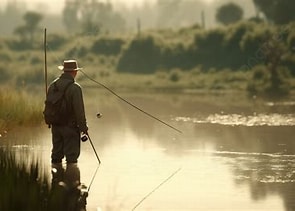
One sound slipped away. One sound— between the reeds, between the reeds, by the river’s edge— and the fisherman searched, and still he searches.
In the parsonage living room stands an orchid, nearly fifteen years old. It came as a gift when my mother-in-law carefully separated a shoot from her own cherished orchid and entrusted it to us, reminding me several times to raise it well. In the first few years, because it was given by her, I cared for it with special attention. But as time passed, it was left neglected in one corner of the living room.
Yet the orchid has kept its life until now. Last year, it bloomed for the first time with beautiful white flowers, bringing great joy to our family.
Whenever my mother-in-law called our home, along with asking about the children and family news, she never failed to check if the orchid was growing well. So, I often shared updates about it. Once assured that her daughter-in-law cherished and cared for the orchid she herself held dear, she would always change the subject with quiet satisfaction.
So thoughtful was she, that whenever the children’s birthdays approached, she and Father would faithfully send a carefully chosen card. She would then confirm whether it was received, and afterward ask how happy the child had been. The children, in turn, always delighted most in the birthday card that surely arrived from their grandparents, and they were grateful for their love and care.
Just a few days ago, with our second child’s birthday approaching, Mother called again. But this time, in the middle of mentioning the birthday, she suddenly began to choke with tears:
“My dear, it seems we can no longer be grandparents to your children… President Clinton has signed it. Your father and I should have died early, but we seem to have lived too long.”
I was startled. “Mother, what are you saying? … Ah! It must be because of the welfare cuts!”
Through her trembling words, I suddenly felt in my bones how serious the issue of welfare reform had become.
Because we were in ministry, since coming to America my in-laws had never let us worry about their living. They lived out their later years in a senior apartment on welfare. As her words sank in, I was filled with sorrow and guilt toward them, along with gratitude for the American social security system. That this system, which had given them dignity and joy in their twilight years in a foreign land, might now fade into history—this was truly painful.
I tried to console her: “Mother, why worry when you have children? You and Father can apply for citizenship. And remember, when God closes one door, He has already prepared another.” Outwardly I spoke boldly, but inside my heart was heavy. I thought of the countless people living without even a green card, much less citizenship, and the hardship that awaited them. I worried also about the impact this would have on the livelihoods of our fellow Koreans who ran small businesses serving poor neighbors.
After hanging up, I felt ashamed and heartbroken. In our tradition, parents should be able to lean on their children, yet because I had left everything to welfare and lived in indifference for so many years, I had failed even to sense my in-laws’ fear and disappointment for the future—concerned only with my own life.
Thinking of my in-laws living lonely in the senior apartment, I looked at the orchid I had long ignored. “How could I have been so heartless? Life is life…”
The orchid was covered in dust, its leaves limp from thirst. Yet through all these silent years it had remained in the corner of our living room—warm and unchanging, like my mother-in-law’s tender presence.
“My dear… it seems we have lived too long…” Her words echoed in my heart like raindrops drawing circles on a still river. As I gazed at the orchid, I deeply regretted not treasuring and tending it all these years.
목사관 거실에는 올해 거의 15년 이상 된 한 그루의 난이 있습니다. 저희 시어머님이 갖고 계시던 난에서 새끼가 나온 것을 정성스럽게 떼어 선물로 주시면서 잘 키우라고 몇 번씩 당부하신 것입니다. 처음 몇 년간은 시어머님이 주신 것이기 때문에 특별히 신경을 써서 키웠는데, 세월이 흐르니 거실 한쪽에 있는 둥 마는 둥, 전혀 신경을 쓰지 않게 되었습니다. 그러나 그 난은 지금까지도 생명을 유지하고 있으며, 작년에는 처음으로 아름다운 흰꽃들을 탐스럽게 피워 저희 가족에게 큰 기쁨을 선사하였습니다.
시어머님은 저희 집에 전화를 하실 때면, 아이들과 가족들의 소식과 함께 난이 잘 자라고 있는지도 꼭 확인하셨기에, 난꽃의 소식도 전 하곤 하였습니다. 어머님은 당신이 귀히 여기시는 난 꽃을 며느리도 귀히 여기며 돌보고 있는 것이 확인되면, 언제나 만족한 듯이 화제를 다른 곳으로 옮기곤 하셨습니다. 시어머님은 얼마나 자상하신지, 아이들의 생일이 다가오면, 아버님과 함께 정성껏 카드를 보내십니다. 그리고 그것을 잘 받았는지 확인하시고, 생일이 지난 후에는 애가 얼마나 기뻐하였는지를 꼭 물으셨습니다. 아이들도 생일 때면 틀림없이 도착하는 할머니 할아버지의 생일 카드에 무엇보다도 기뻐하며, 두 분의 사랑과 정성에 감사드리곤 하였습니다.
며칠 전에도 둘째아이의 생일을 앞두고 어머님이 전화를 주시었습니다. 그런데 이번 전화에 어머니는 둘째딸 아이의 생일을 말씀하시다 말고 갑자기 울먹이기 시작하셨습니다. “애야, 이젠 애들에게 이 할머 니, 할아버지 노릇도 못하게 되었구나 … …. 클린턴 대통령이 사인했단다. 나하고 할아버지는 일찍 죽었어야 하는데 너무 오래 사는 것 같구나!” 저는 깜짝 놀랐습니다. “어머니! 무슨 말씀하세요? … … 아하! 그 웰페어 삭감안 때문이군요!”
저는 요근래 떠들썩하고 있는 웰페어 삭감 개정안 문제가 얼마나 심각한지를 어머니의 말씀을 통해 금방 피부로 느끼게 되었습니다.
우리가 목회하고 있다는 이유로 미국에 오신 후 단 한 번도 생활에 대해 걱정하거나 신경쓰지 않도록 배려하시며, 노인 아파트에서 웰페어로 여생을 보내고 계시던 시부모님에 대한 송구스러움과 미안함, 미국 사회보장제도에 대한 고마움 등 만감이 교차되었습니다. 그동안 낯선 미국에서의 노후 생활에 보람과 자신을 갖게 하고, 나름대로 삶의 기쁨을 펼칠 수 있게 하였던 이 고마웠던 제도가, 미국 역사 속으로 묻혀간다는 일은 사실 안타까운 일이 아닐 수 없습니다.
저는 어머니에게 “자식들이 있는데 무슨 걱정을 하세요? 어머님, 아 버님도 시민권을 신청하시면 되잖아요? 어머니! 하나님은 하나의 문이 닫히면 또 하나의 문을 이미 준비하고 계시다는 것을 아시잖아요?” 라며 큰소리를 치며 위로를 드리면서도, 마음속에 답답함이 가득 차 올랐습니다. 시민권은 물론, 영주권도 없이 불법으로 거주하고 있는 그 수많은 사람들이 앞으로 감수해야 할 불이익과 어려움들을 어떻게 처리할 수 있을까 하는 생각에 안타까웠습니다. 또한, 가난한 이웃을 상대로 장사를 하고 있는 동포들의 생활 영역에 미칠 여파는 자못 클 것이라는 신문 보도가 메아리처럼 들려왔습니다.
저는 어머님과의 전화를 끊고 몹시 부끄럽고 마음이 아팠습니다. 시부모님이 자식을 의지하고 믿고 사는 것이 우리의 미풍양속인데, 그 동안 웰페어에만 맡기고 무관심하게 수년을 살아온 덕에, 부모님의 미래에 대한 두려움과 실망조차도 감지하지 못하고, 내 생활 하나 꾸려가기에만 급급했던 것입니다.
저는 노인 아파트에서 외롭게 살고 계시는 시부모님을 생각하며 오랜만에, 한동안 잊고 있었던 난을 들여다보았습니다. ‘… … 쯧쯧, 이렇게 무정할 수가 있었나? 생명은 같은 생명인데 … ….’
난은 먼지를 잔뜩 뒤집어쓴 채, 목이 말라 잎조차도 겨우 가누고 있었습니다. 그럼에도 오랜 세월을 말없이 거실의 한구석에 서서, 자애로운 어머니의 모습처럼 포근하고 변함없이 있었던 것입니다.
“얘야… … 나하고 할아버지가 너무 오래 사는 것 같구나 … …” 심렁의 강물 위에 후둑후둑 빗방울이 커다란 동그라미를 자꾸만 그리었습니다. 그리고, 난꽃을 바라보면서 그동안 귀히 여기며 가꾸지 못했 던 것을 깊이 후회하였습니다.








 Daily Sauntering
You must be logged in to post a comment.