The social worker’s voice buzzed from the phone, startled and anxious.
“As you know, I told you clearly yesterday that it was the first time I had met her myself!”
A slightly calmer tone came back through the receiver.
“Well, if what she said yesterday was true, she left her belongings at some Korean restaurant and asked me to pick them up for her. I’ll try to make time and go there soon.”
The social worker asked several times, almost pleading, for me to check quickly, and only then hung up, sounding somewhat relieved.
The call from the 105th police station had come about two weeks earlier. A homeless Korean woman had been wandering around the police station without leaving, and for three nights she had been sleeping in a chair inside the station. After interviewing her, my husband realized she needed both a health checkup and psychiatric care, and he sent her to a municipal hospital. Later the hospital transferred her to a psychiatric hospital and asked for our cooperation in finding her relatives.
In the north wing of the psychiatric ward, Black and white women with messy clothes and hair, their eyes unfocused, were bustling back and forth or sitting muttering intensely to themselves. The more seriously ill women were locked in rooms with keys, begging passersby to open the doors.
She looked about forty-five, with clear, clean skin, double-lidded eyes, and long permed hair flowing neatly down. During about fifteen minutes in the visiting room, she sat upright, composed, without a trace of disorder. At times she was almost overly polite, then suddenly glanced around and sighed deeply, saying she had reported to the police because bad people in the ward were trying to harm her. She also begged me to retrieve her two suitcases from a Korean restaurant and keep them safe.
What she said turned out to be true. With a skeptical heart—how could one trust the words of a psychiatric patient?—I called the restaurant she had named. They confirmed that they indeed had her bags.
The large travel bag was heavy. Carrying it out, hoping it might reveal her background, I felt the car rattling more than usual and thought there must be many torn-up roads.
Someday, when New York City’s finances improve, the smooth roadways will be paved again! Or, someday, when the han (deep sorrow) in our immigrant hearts disappears, when wounds are healed and dreams fulfilled, then everyone will speak with laughter of the time when we ran down the potholed immigrant road patched with longing and tears…
As I opened the woman’s bag, my heart began to tremble. Each item, carrying the scent of her life, stirred countless thoughts as if I were touching sacred objects. What were her dreams?
Inside, everything was clean and orderly. Underwear neatly washed and folded, winter and summer clothes separately packed and wrapped in white plastic. Between the clothes lay a bundle of papers—an English-Korean dictionary, GRE test prep books, envelopes from several U.S. universities, admission documents stamped February 5, 1985. An expired passport held her radiant smiling photo. There were a few blank airmail postcards, a well-kept black-and-white photo of a handsome man, and a carefully preserved, though years-old, Mother’s Day card. Between its pages lay a photograph wrapped lovingly in white paper—a photograph that struck me deeply.
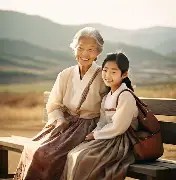
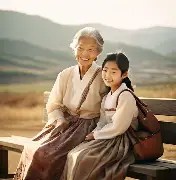
It showed an elderly woman in a pale hanbok standing on a bridge before a rural Korean reservoir, her hair pulled back into a bun, her smile fading as the picture was taken. Mother! It could only be her mother. Suddenly a wave of longing for my own mother crashed over me.
How many hours of sorrow had her mother endured after sending her young daughter to a foreign land? How many moments had the daughter, in her loneliness and struggle abroad, drawn courage and strength from that smiling photograph of her mother to nurture her dreams? How many nights, holding shattered dreams before that brilliant name “Mother,” had she wept bitterly? Just as a mother’s name is one, so is the heart of all mothers one. I thought of poet Kim Namjo’s confession that all her life’s burning and offering were shared between herself and her mother, known only to God. Like gathering broken pieces, I carefully repacked the scattered things of this woman. And I began to write a letter to her mother, who might still be alive:
“Mother! At last I take up the pen. Forgive me for loving you yet never properly saying, ‘I love you, Mother!’ It has been over ten years since I thought that when a new life began, I would run back to your side. Mother! These letters that never reached you, I let them fly in this spring wind. My unfinished dreams I will humbly bury in this land. My hungry desires I will lay aside. Mother! And I will return to your arms, smelling of the earth, where the buds of my life first began to bloom. Mother! Even if you say, ‘Is this the final stop you’ve arrived at?’ I trust you will not blame me. You will be my upright witness, my welcoming host, greeting me barefoot on my homecoming road. I pack my broken dreams back into the bag. Receive me. Forgive me. —Your unfilial daughter.”
“글쎄요. 어제 그녀의 말이 사실이라면 모 한국 식당에 그녀의 짐 을 맡겼다는데, 저보고 대신 맡아 달라고 하니 곧 시간을 내어 찾아 가 보겠습니다.”
소셜워커는 속히 찾아봐 달라는 당부를 몇 번씩 하고서야 안심이 된 듯이 전화를 끊었습니다.
105 경찰서로부터 연락이 온 것은 약 두 주 전이었습니다. 무숙자인 한국 여인이 경찰서 주변을 떠나지 않고 빙빙 돌고 있다가 밤이면 경찰서 안의 의자에 앉아 잠을 잔 지가 사흘이나 되었다는 통보였습니다. 남편은 그녀를 면접한 후, 그녀가 건강진단과 함께 정신 치료가 필요함을 알게 되어 여인을 시립병원에 보내게 되었습니다. 그후 시립병원에서는 정신병원으로 보내졌고, 병원측에서는 그녀의 연고자를 찾는 데 협조해 줄 것을 부탁받기에 이르렀습니다.
정신병동의 북도엔 옷차림과 머리가 산만하고 눈동자에 초점이 없는 흑인, 백인 여인들이 바쁘게 왔다갔다하거나, 열심히 혼잣말을 하면서 의자에 앉아 있었습니다. 또한 병이 심한 여인들은 열쇠로 차단된 방에 갇히어 지나가는 사람들을 향해 문을 열어달라고 애걸을 하고 있었습니다.
“이** 그녀는 45세 정도로 보였고, 맑고 깨끗한 피부를 가졌으 며, 쌍꺼풀진 눈과 긴 파마 머리가 곱게 늘어져 있었습니다. 면회실에서 약 15분간 대면을 하는 동안 여인은 흐트러짐 없이 꼿꼿한 자태를 유지하고 있었습니다. 그리고 때로는 지나칠 정도로 정중한 태도를 취하다가, 불현듯 주변을 둘러본 후, 병동에 있는 못된 사람들이 자신을 해치려 하여 경찰에 신고하였노라며 긴 한숨을 몰아쉬곤 하였습니다. 그리고 그녀는 모 한국 식당에 자신의 짐 가방이 두 개가 있으니 꼭 찾아서 맡아 달라고 부탁했습니다.
그녀의 말은 사실이었습니다. 정신병 환자의 말을 설마 믿을 수 있을까? 하는 의구심을 갖고, 모 한국 식당에 전화를 걸자 그녀가 일러준 대로 아주머니의 가방이 있다고 확인해 주었습니다.
큰 여행 가방은 제법 무거웠습니다. 이 여인의 배경을 알려줄 만 한 서류가 있으리라는 기대감을 안고 그곳을 빠져 나오며, 차가 여 느 때보다도 더 털털거리는 느낌이 들어 도로가 파헤쳐진 곳이 많다고 생각했습니다.
언젠가 뉴욕 시의 재정 상태가 나아지면 순탄한 차도가 훤하게 깔리겠지!. 아니, 언젠가 우리 이민자들의 가슴에 한이 사라지고 아픔이 치료되고, 꿈이 이루어지면, 그때는 모두가 웃으며 말할 거야. 과거의 상하고 터진 가슴들과 그리움으로 꿰매지고 눈물로 얼룩지며, 한으로 패인 구멍난 이민의 차도를 달리던 시절이 있었음을 ….
여인의 가방을 풀면서 나의 가슴은 떨리기 시작하였습니다. 마치 신성한 물건들을 만지듯 그녀의 삶의 체취가 묻어 있는 물건 하나 하나가 무수한 상념들을 떠오르게 하였습니다. 그녀의 꿈은 무엇이었을까?
가방 안은 깨끗하고 질서 있게 물건들이 놓여져 있음을 한눈에 알 수 있었습니다. 속옷은 속옷대로 가지런하고 깨끗하게 세탁이 되어 있고, 겨울옷과 여름옷이 분류된 채, 반듯하게 접히어 흰 비닐 에 싸여 있었습니다. 서류인 듯한 종이 뭉치가 옷 사이에 끼어 있었습니다. 영한사전, GRE를 위한 시험문제집, 여러 장의 모 미국대학의 편지봉투와 입학 서류, 그 서류에는 1985년 2월 5일이라는 스탬프가 선명하게 찍혀 있었습니다. 그리고, 유효일이 만기된 여권이 발견되었는데, 여권 속에는 아름다운 그녀의 모습이 환하게 웃고 있었습니다. 또한 몇 개의 빈 항공엽서, 잘 간직된 어느 미남자의 흑 백사진 … … 그리고, 깨끗이 보관되어 있으나 몇 년은 묵어 보이는 어버이날 축하 카드와 함께, 그 사이에 흰 종이로 정성스럽게 싸여 있는 한 장의 사진- 그 사진은 내게 깊은 충격을 주었습니다.
한국 시골의 저수지를 뒷배경으로 한 미색 한복을 곱게 차려입고 머리는 뒤로 빗어 쪽진 할머니 한 분이 다리 위에서 미소를 지우며 찍은 사진이었습니다. 어머니! 그녀의 어머니임에 들림없었습니다. 나도 모르게 순간 어머니에 대한 그리움이 파도처럼 몰려왔습니다.
젊은 딸자식을 이국 땅에 보내놓고 그녀의 어머니는 얼마나 많은 시간의 흐름 속에 애통해 했을까? 또한 딸은 타국에서의 외로움과 번뇌의 노도 속에서 어머니의 미소진 사진을 들여다보며, 얼마나 많은 순간들을 용기와 힘을 얻고 꿈을 키워왔을까? 그리고 어머니라는 그 눈부신 이름 앞에 부서진 꿈을 안고 뜨거운 통곡의 밤을 얼마나 많이 지샜을까? 어머니의 이름이 하나이듯이 세상의 어머니의 가슴 또한 하나이지 않는가! 내 삶의 모든 연소와 봉헌들은 내 어머니와 나와의 두 사람의 몫인 것을 나의 하나님만은 알고 계신다고 고백한 김남조 시인의 글을 떠올리며, 부서진 조각들을 주워올리듯 그녀의 흩어진 짐들을 다시 싸모았습니다. 그리고 나는 지금도 살아계실지 모르는 그녀의 어머니를 향해 편지를 쓰기 시작하였습니다.
“어머니! 비로소 펜을 듭니다. 당신을 사랑하면서 ‘사랑합니다. 어머니!’ 라고 제대로 고백지 못했음을 용서하소서. 내 인생에 새 삶이 시작되면, 보라는 듯이 당신 곁에 달려가리라고 생각한 지 10여 년이 지났습니다. 어머니! 당신께 배달되지 못한 서신들, 이 봄에 훨 훨 날려보냅니다. 완결되지 못한 나의 꿈일랑은 허허로이 이 땅에 묻겠습니다. 그리고 이 시장기 나는 욕망들일랑은 겸허하게 벗어버리겠습니다. 어머니! 그리고 내 삶의 망울들이 피기 시작하던 그 흙 냄새 서린 당신의 품으로 나는 돌아가렵니다. 어머니! 네가 도착한 종착역이 겨우 여기냐고, 결국 어머니만은 탓하지 않으실 줄 믿습니다. 나의 꼿꼿한 대변자가 되시고, 귀향길에 영접자 되시어 버선발로 맞이해 주실 어머니! 나의 부서진 꿈들을 다시 가방에 꾸립니다. 나를 받아주시고 용서하옵소서. … 불효 여식 드립니다.”
Among the living, a heart is always knotted— yet never lost. It threads itself through the secret hems of time.
A child cries for milk, and the moment fogs, like breath upon glass. Every toy feels like mine, just after the first step, when the world could rest inside one hand.
I ran breathless, laughed too loudly, dreamed through nights measured by gates and exams, while the power to create slept beneath a skull heavy with borrowed words.
Then work arrived— a ladder climbed, a rung missed. Paychecks paused before youth could finish its speech.
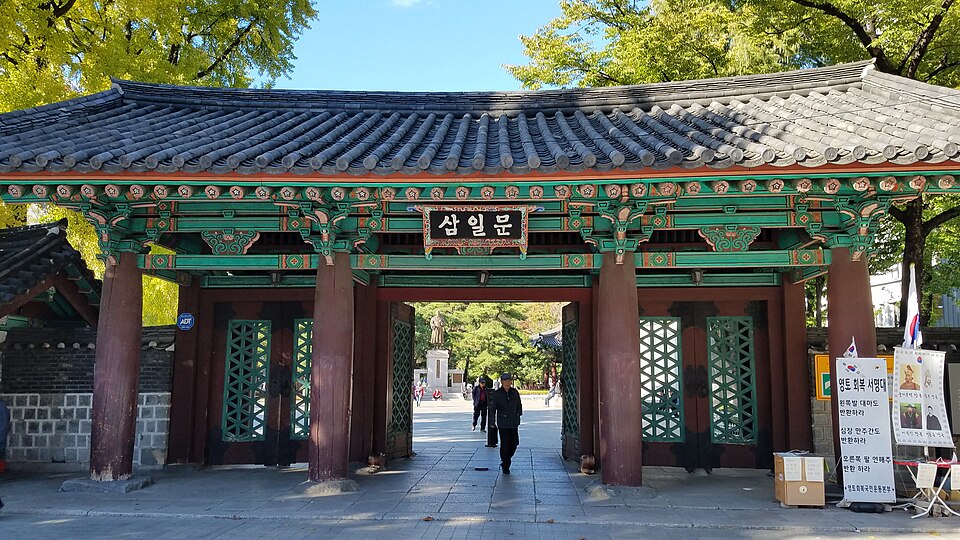
So I walk to Tapgol Park*, fold into silence, let the years settle like leaves.
But swaddled days do not vanish. They are strength wrapped in memory, waiting— ready to rise when the wind calls again.
* [Wikipedia] This park was once the site of the 15th-century Buddhist temple Wongaksa. The word tap means “pagoda“, and the park gets its name from the Wongaksa Pagoda, a 10 storied stone pagoda (National Treasure No.2[3]) located in the park.[1] It did not become a park until 1897, when it was organized as a garden via the proposal of John McLeavy Brown, an Irish advisor to King Gojong.[2]
One of the monuments in the park is the Monument of Wongaksa built in 1471 to record the founding of Wongaksa (temple) in 1465.[3][4] On the front is an inscription composed by Kim Suon with the calligraphy done by Seong Im. On the back is found an inscription composed by Seo Geo Jeong with the calligraphy done by Jeong Nam Jong.[3] The turtle shaped base is constructed from granite and the body is cut from marble. The monument measures 1.3 meters/4.3 feet wide and stands 4.9 meters/16.2 feet in height. Two elaborately carved intertwined dragons rising toward the sky holding a Buddhist gem reside on the top of the monument.
Tapgol Park is historically important as the site of the origin of the March First Movement 1919, an important part of the Korean independence movement as the first location for the reading of the Proclamation of Independence.[2] There are a number of bas-relief statues representing Korean national heroes, as well as a monument to independence movement.[2]
Appearance in K -Drama
The park is also briefly featured in Squid Game Season 2 episode 1 “Bread and Lottery.” In the scene, the recruiter passes out lottery tickets and bread to the homeless there before stamping down the remaining bread. This contrasts the ideals of the Proclamation of Independence against the lived reality of modern day Korea.
The name “Soviet Union” vanished forever from this earth. The leader he once trusted and admired fell from power, and a new one took his place. News from afar declared that a new world had opened.
From across the earth, through the crackle of a satellite phone, his wife’s voice reached him—assuring him that he was still alive.
“The world is changing so fast! Lenin’s statues are being pulled down, and the salary you earn in space for an entire month is now worth no more than four sausages!”
And he thought:
“Who am I in this history? Can I ever return to earth? The one thing I can be certain of is my wife’s and child’s unchanging love for me… Even though everything else shifts and vanishes, surely my family remains. Politics, ideology, the value of money, even the dreams of space—how fleeting they all seem! Once more, I realize that only love is truly precious.”
This was a fragment from the diary of Soviet cosmonaut Sergei Krikalev, who spent 313 days aboard a spacecraft fulfilling his mission. In 1991, while orbiting the earth 5,000 times, he witnessed from afar the fall of Gorbachev, the election of President Boris Yeltsin, and the opening of a new chapter in his homeland’s history.
As he engraved the truth—“Only love matters to humanity”—deep into his heart, sitting in his lonely capsule with tears of longing and isolation, we too sense his humanity. Where is love truly found? As Sergei confessed, the source of love is surely the family. The love shared between husband and wife, between parents and children, is the seed of mature human relationships. It is from this place that I want to share a glimpse of life with my children.
One Christmas, my daughter gave me a deeply moving gift. Handing it to me, she said with a comforting smile:
“Mom, even though it’s late, it’s better than never! Here’s the doll you always wanted as a child…”
It was a doll with wide eyes and long yellow hair.
Not long before Christmas, we had hosted a small evening party for homeless women, both Black and White. Though late at night, our church members and my children joined in. I shared a brief testimony that night, recalling God’s grace in my own poverty and cold as a child.
Like every little girl of that time, I had longed for a doll with golden hair—but my family’s poverty meant I never had one. Instead, I drew dolls on paper, cut them out with scissors, and dressed them with paper clothes. My hands and feet, swollen and red with frostbite, often kept me awake at night. On freezing winter days, hungry and desperate, I would pry open the water jar to drink—only to find it filled with sharp, solid ice. I still remember breaking off chunks, putting them in my mouth, and shuddering as the cold pierced to my core. My father lay bedridden, suffering from tuberculosis and heart disease. To my young eyes, the world looked only dark, cold, and hopeless. Yet Christ’s light entered that despair, pulling me through.
As I told this story, my daughters’ faces flushed and their eyes filled with tears.
Since then, they have often surprised me with gifts—on birthdays, Mother’s Day, or when returning from trips: a white bear doll in an apron, balloons, flowers—tokens of what I once lacked. And astonishingly, each time I receive them, I feel a deep healing in the hidden child within me. The “inner child” who once bore wounds is comforted.
When they were younger, I would sometimes exclaim more than they did at the sight of dolls in a toy store. Yet I could never bring myself to buy one for myself. Now, when they give me dolls, they climb onto my bed to play together, and I—returning to childhood—comb the doll’s hair, change its dresses, and share the stories I never could with my childhood friends.
But children cannot remain in their parents’ arms forever. Like hatchlings stumbling and flapping their wings, they test their possibilities and widen their circles of life.
One day, my younger child spoke firmly:
“Mom, I’ll walk home from school today, so please don’t come pick me up.”
“What? But you’ll have to cross the busy road—it could be dangerous!”
“I’m grown up now! I can cross the street by myself.”
At just nine years old, my child’s insistence left me unsettled. And yet, as I recalled the “Do Not Disturb” signs posted on their bedroom doors, I realized: they are slowly, invisibly slipping from my embrace.
Still, as a mother, I sometimes shadowed them from afar when they insisted on independence—torn between fear and the realization that I must let go.
I even tried to command:
“When you go to college, don’t think of moving far away! And absolutely no boyfriends or girlfriends until you graduate!”
But even as I spoke, I knew I couldn’t hold them forever. My children are not mine to possess. They are, like fledglings, meant to leave the nest.
The empty nests on branches outside remind me: the nest matters only while there are eggs. Once the chicks are hatched, they must risk the ground, the air, even broken wings—until they finally fly.
No matter how warm a mother’s heart may be, the wide, blue, boundless sky awaits them.
They must fly—higher, farther, stronger—into worlds I myself could never reach.
So I must let go. My children will one day shout their “complete independence” and step into their vast future. Until then, my task is simple: to love them, and only to love them. For one day my generation will pass, and I will return to eternity before them.
I do not know if Sergei Krikalev believes in God. But as a hero of the greatest human science, the truth he discovered is timeless: only love reveals the true worth of humanity.
So I fold my hands in prayer to the God who gave us families and children, even as I remember how I too, like my own children now, once struggled to leave His embrace.
소련이라는 국가 이름이 이 땅에서 영원히 사라졌습니다. 그가 믿고 존경하던 지도자는 실각하고, 새 지도자가 들어앉았습니다. 들려오는 소식에 사람들은 새 세계가 열렸다고 외칩니다. 멀리 지구에서 들려오는 무선 전화 속의 아내의 음성은 그가 살아 있음을 알립니다.
“세상이 급변하고 있어요! 레닌의 동상이 사람들에 의하여 끌어 내려지고, 당신이 우주에서 일하는 한 달치의 봉급은 소시지 네 덩 어리를 살 가치로 하락했어요!”
“나는 이 역사 속에 누구인가? 나는 과연 다시 지구로 돌아갈 수 있는 가? 한 가지 확신이 오는 것은 사랑하는 아내와 아이의 나를 향한 마음만은 변함이 없으리라 … …. 비록 모든 것이 변하고 없어졌어도 나의 가정만큼은 변하지 않았겠지! 정치도 이념도 돈의 가치도 우주의 꿈과 계획도 모두가 덧없이 느껴지는구나. 인간에게 사랑만이 가장 귀중한 것이라는 진리가 새삼스러워진다.”
313일을 우주선에 몸담고 임무를 감당하던 소련 우주 비행사 세르게이 크리칼레프의 일기 중의 한 토막입니다. 1991년 그가 5천 비퀴의 지구를 도는 동안 고르바초프가 실각하고, 보리스 옐친 대통령이 선출되고 그의 조국이 새로운 역사의 장을 열었습니다.
“인간에게 사랑만이… …”를 가슴 밑바닥 깊이 새기며 우주선에 앉아 이 지구를 향한 그리움과 철저한 고독의 눈물에서 인간미를 느낍니다. 사랑이 있는 곳은 과연 어디일까요? 세르게이의 고백처럼 우리의 사랑의 근원을 묻는다면, 역시 가정일 것입니다. 아내와 남편, 부모와 자녀 가정 안에서의 사랑은 인간과 인간 사이의 성숙 한 관계 형성의 시작이라고 생각하며 자녀들과의 생활의 일면을 나누고자 합니다.
지난 크리스마스에 딸아이로부터 감동을 주는 선물을 받았습니다. 아이는 그 선물을 내밀며 위로의 말까지 곁들이는 것이었습니 다. “엄마! 비록 늦었으나, 평생 못 가지시는 것보다는 나을 거예요! 여기 엄마가 어릴 적 갖고 싶어하셨다는 인형을..··”하면서 눈이 동그랗고 긴 노랑머리의 인형을 내밀었습니다.
크리스마스를 앞둔 어느 날 저녁, 흑인과 백인 홈레스 여인들을 위한 파티가 있었습니다. 늦은 저녁이었으나 교인들과 우리 아이들이 참석해 조촐한 파티를 열었습니다. 그때, 나는 어린 시절의 가난과 추위 속에서 떨던 잊지 못할 추억들 속에 하나님께서 베풀어주신 은혜를 짧은 간증으로 나누었습니다. 그 시절, 어린 여자 아이들이라면 누구나 갖고 싶어하던 노랑머리의 인형을, 나는 집안이 어 려워 끝내 가질 수 없었습니다. 내가 할 수 있었던 일은, 종이에 인형과 옷을 따로 그려 가위로 잘라 붙여서 노는 것이 고작이었습니다. 그리고 어린 나의 손과 발은 동상으로 언제나 붉게 물들어 부어 오른 가운데 밤이면 가려워서 밤잠을 설쳐야 했었습니다. 추운 계 울날, 배가 고파서 참다 못하여 물이나 마음껏 마시려고 물 항아리를 열었을 때, 물은 칼날 같은 날카로운 몸을 세우고 항아리 안에 잔뜩 성이나 들어앉아 있었습니다. 조심스럽게 가는 얼음 덩어리를 잘라 내어 입에 넣고 우두둑 깨물어 먹었을 때의 내장 깊숙이 전해 지던 소름 끼치던 시리움, 폐병과 심장병을 겸하여 앓고 누워만 계시던 아버지의 모습, 어린 나의 눈에 비친 세상은 어둡고, 춥고, 소망이 전혀 없는 미래를 향하여 질주하고 있었습니다. 아버지의 시뻘건 각혈 만큼이나 절망적이던, 그런 어려운 삶 속에서 그리스도는 내게 찬란한 빛이 되어 그 어둡던 시절을 빠져나올 수 있었다는 내용의 간증이었습니다.
딸 아이들은 얼굴이 붉게 물들고 눈물을 글썽이며, 나의 이야기를 듣고 있었습니다.
그 뒤 아이들은 생일, 어머니날, 회의차 집을 비웠다가 돌아올 때 등, 기회가 있을 때마다 나의 어린시절 갖고 놀지 못하였던 – 앞치 마를 두른 흰 곰인형, 풍선, 꽃 등의 선물들을 보내오곤 합니다. 그러나 놀라운 사실은 이런 선물들을 받을 때마다, 내 속에 숨어있는 과거의 상처받은 아이(Inner Child)가 치료함을 받는 기쁨을 누리게 되는 것입니다. 아이들이 어렸을 때, 장난감 가게를 들르게 되기라도 하면, 인형들 앞에서 아이들보다도 더 탄성을 올리곤 하였습니다. 그러나 내 몫으로 인형을 성큼 살 수는 없는 노릇이었습니다.
나 자신도 이 나이에 왜 그렇게 인형들을 좋아했는지 이해하지 못하고 있었습니다. 아이들로부터 인형을 선물받은 후, 아이들은 때때로 나의 침대 위에 올라와 같이 인형놀이를 합니다. 그리고 나는 어린 시절로 돌아가 마음껏 인형의 머리를 빗기고 드레스를 새로 입히며, 그 시절 동무들과 못다한 이야기를 아이들과 함께 나누곤 합니다.
그러나 아이들은 언제까지나 부모의 품에 안겨 인형놀이만 하기를 원치 않습니다. 그들은 알에서 막 깨어난 작은 새가 뒤뚱거리며 날개를 퍼득이듯이, 그들의 가능성을 확인하며 생활의 반경을 자꾸만 넓혀 가려 합니다.
어느 날, 작은애가 정색을 하며 말하였습니다.
“엄마 학교에서 집으로 걸어갈 터이니 구태여 데리러 오지 마셔요”
나는 깜짝 놀랐습니다.
“얘가? 찻길을 계속 건너야 하는데, 큰일나려고 … …”
“이젠 다 컸어요! 혼자서도 길을 잘 건널 수 있다고요!”
아이의 단호한 태도에 당황한 것은 나였습니다. ‘이제 겨우 아홉 살짜리가 다 컸다고? 옳지, 세상이 조금씩 만만해 보인다 이거로 군.”
그러나 언제부터였는지 아이들의 방문 앞에 나붙기 시작한 대 자보들을 생각하며, 아이들이 보이지 않게 부모의 품으로부터 빠져 나가려는 모습을 알게 됩니다.
방해라니! 어릴 적엔 시도 때도 없이 병치레와 사고로 인해 부모를 놀라게 하더니만, 이젠 세상이 어떻게 돌아가는가를 조금씩 알게 되는지, 하는 말이라니 … …. 이제는 학교도 혼자 다닐 수 있다고 선언하는 아이 앞에 왠지 섭섭하고 서운했습니다. 그러나 다른 도리가 없습니다. 혼자서 찻길을 건너가는 아이가 그래도 마음이 놓이지 않아 멀찌감치 따라가며, 묘한 감상에 뒤섞입니다. 아니, 나는 분명 어머니로서 좌절하고 있었습니다. 얼마 전만 해도 우리 엄마, 아빠만이 제 생애 절대자로 믿던 아이들은 의식을 깨듯이 선생님과 주변 인물들에 대하여 믿고 따르기 시작합니다.
“얘들아 너희들 대학가더라도, 아예 멀리 갈 생각들 말아라! 집에서 학교 다니고, 특히 남자 친구들이나 여자 친구는 대학교 졸업 때까지 사귈 생각들은 하지 말아라!”
이제 열다섯 살, 아홉 살, 여섯 살짜리들을 불러앉혀 놓고 미리 엄포를 합니다. 말도 되지 않는 억지 소리를 해보지만 자신이 없습니다. 무분별한 아이들에 대한 사랑이 그들의 결단을 꺾거나 능력을 약화시키지 않았는가 하는 자책감에 사로잡히며, 아이들은 결국 나의 소유물로 남을 수 없음을 고백하게 됩니다. 집 앞의 전나무 가지 위에 쓸모없이 덩그러니 남아 있는 빈 새 둥지들을 생각하면, 어느새 쓸쓸하기 그지없습니다. 둥지는 알이 있을 때만 필요한 것을 … … 알에서 깨어난 어린것들이 날기 위하여 날개를 파닥거리며 땅으로 떨어지기도 하고, 날개를 부러뜨리는 위험조차 감수하면서 결국엔 아무도 둥지를 지키려 하지 않습니다.
아무리 에미 가슴이 따뜻하고 포근하고 안전하다지만, 경계가 그어져 있지 않은 그 푸르고 해맑은 높은 하늘이 기다리고 있는데 … ….
날아야 되겠지! 더 높고, 더 멀리, 더 힘차게… …. 어미새가 정녕 닿지 않았던 그 세계를 향하여 … …. 그래, 포기하자. 평생 그들을 잡아놓을 생각일랑은 … …. 언젠가는 완전 독립’을 외치며 그 원대한 미래 속으로 떠나갈 아이들을 위하여 사랑, 사랑만 하자! 언젠가는 나의 세대는 지나가고 영원 속으로 먼저 귀의하는 날이 오리니.
우주인 세르게이 크리칼레프가 하나님을 믿는 사람인지는 나도 모릅니다. 그러나 인간 최고의 과학 문명의 영웅으로서, 그가 깨달 은 진리는 사랑만이 인간의 가치를 나타내는 영원 무궁한 진리라는 사실이었습니다. 가정을 주시고 그 안에 자녀를 허락하신 하나님께 두 손을 모으며, 언제나 그분의 품속을 빠져나가고자 애쓰던 나의 철없는 모습이 새삼스레 떠오릅니다.
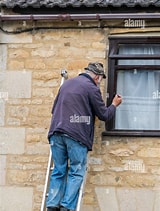
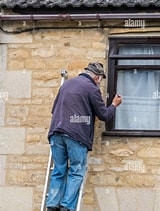
It was a crisp early autumn morning. The church custodian had already set a tall ladder against the wall, preparing to wash the church windows. This yearly cleaning of all the windows was by no means an easy task. The lower panes were simple enough to reach, but climbing up to clean the second-story windows from outside with only a ladder was always a dangerous undertaking.
Usually, I paid little attention to his work, as though it were something ordinary. But on this day, I felt a quiet worry rising within me. Nearing his retirement, he now seemed frailer than before, sometimes even gasping for breath when the work became too much. Yet with his usual cheerful and bright demeanor, he was ready to climb the ladder.
“Al, please be careful!”
I pressed my hands together in prayer, my face filled with concern, urging him to stay safe.
“Don’t worry,” he replied with a radiant smile. “This is my seventeenth year doing this. The Lord who protected me through the first sixteen will surely protect me again today.”
Step by careful step, he climbed, while the old wooden ladder creaked and groaned under his weight, as if resisting.
“The higher I go, the less frightening it feels,” he said calmly. “When I’m below, my thoughts make me afraid. But once I climb, I entrust everything into the Lord’s hands.”
With steady caution, he reached out his hands and began to wipe away the dust of the world from the stained glass.
The sight reminded me of my childhood. I recalled watching my father climb high on a ladder to repair the thatched roof of our home. It seemed as if the white clouds might brush his hair at any moment. While he stepped away briefly, I waited eagerly, planning to climb the ladder myself. When he returned, he found me standing below, gazing up, and sternly warned me never to climb it. But curiosity overcame me. Once he was out of sight, I quickly placed my foot on the ladder.
I thought that if I could just reach the top, I would be able to touch the drooping willow branches and the drifting clouds. But suddenly, my rubber shoes slipped, and in an instant the ladder and I crashed down together. The feeling was one of utter despair, of being cut off from everything. My parents and neighbors rushed over in alarm, while I wept bitterly. Yet it was not my bleeding knee that pained me most—it was the knowledge that I might never climb that ladder again.
As I grew older, that unfulfilled longing often returned to me in dreams. The ladder I could not reach left behind an invisible wound in my heart. Even now, I sometimes dream of climbing again—this time with patience, steadiness, and care—to touch the willow’s dancing hands and the soft white clouds.
Today, too, we climb the uncertain ladders of life. But how earnestly, how faithfully, do we climb? Even with dreams and fervent desires, if we rush forward in haste—our feet in sweaty rubber shoes—we may end in a fall from which there is no return. With the freedom of choice God grants us, we must examine with eyes of faith whether we ascend with certainty and our very best effort. For a result without process is vain, and a tomorrow that ignores today is like grasping at the wind. Even if tomorrow we seize the clouds and cling to the willow, today let us climb barefoot.
That morning, the church windows reflected the blue autumn sky as sunlight danced upon them. Al had once again finished his seventeenth year of cleaning them without harm. Yet what filled me with the greatest joy was not merely his safe return to earth, but the way his life itself—full of confidence, joy, and faith—climbed ever higher, rung by rung, on the ladder toward eternity.
청명한 초가을 이른 아침. 교회의 사찰인 그는 어느 사이에 사다리를 높이 세워 놓고 교회 유리창을 닦을 준비를 하고 있었습니다. 일 년에 한 번 있는 전체 유리창 닦기는 참으로 용이한 일이 아니었습니다. 낮은 곳이야 쉽게 닦을 수 있으나, 이층의 유리를 밖에서 사다리를 기대어 놓고 올라가 닦는 것은 위험을 동반한 일이 었습니다.
평소에는 그의 일에 대하여 당연한 것으로 여기며 지나치던 나는, 은근히 염려가 되기 시작하였습니다. 정년 퇴직을 앞둔 그가 올 해는 많이 노쇠해 보이고, 일이 벅찬 듯이 때로는 숨을 헐떡이는 모습을 보곤 하였기 때문이었습니다. 그는 평소의 모습대로 쾌활하고도 밝은 모습으로 사다리를 오르려 하고 있었습니다.
“앨, 조심하셔요!”
나는 염려되는 표정으로 두 손으로 기도하는 자세를 취해 보이며 그의 안전을 당부하였습니다.
그는 환하게 미소지으며 한 발 한 발을 조심스럽게 옮기었습니다. 그가 발길을 옮길 때마다 나무 사다리는 삐꺽삐꺽 요란한 소리를 내면서 그의 무거운 몸무게에 저항하기라도 하는 듯하였습니다.
“높이 올라갈수록 보기보다 무섭지 않아요. 밑에 있을 때에는 내 생각 때문에 무서워했지만 올라오면 이젠 주님의 손에 모두 맡기게 되지요.”
그는 차분하고 조심스러운 자세로 손을 뻗쳐 세상 먼지로 얼룩진 유리창을 닦기 시작하였습니다.
어린 시절 아버지가 초가지붕을 고치기 위하여 사다리를 높이 세우고 올라가 일하시던 모습이 무척 신기해 보였습니다. 아버지의 머리끝에 금방이라도 하얀 구름이 와 닿을 것만 같았습니다. 나는 아버지가 화장실을 가시는 틈을 타서 올라가 보리라 마음먹고 기다리고 있었습니다. 한참만에 아버지가 사다리에서 내려오시면서, 밑에서 꼼짝 않고 바라보며 서있던 내가 믿기지 않으신 듯이 사다리 위를 절대 오르지 말라고 당부하시며 떠나셨었습니다. 그러나 호기심에 찬 나는 아버지의 모습이 보이지 않자 얼른 사다리로 발길을 옮겼습니다. 사다리의 끝에 오르면 늘어진 버드나무 가지와 하늘의 구름을 만질 수 있을 것만 같았습니다. 그런데 이게 웬일 이랍니까. 고무신을 신었던 나의 발이 미끄러지면서 일순간에 그만 사다리와 함께 밑으로 곤두박질치고 말았습니다. 순간의 느낌이었으나 그것은 완전한 절망이며 단절과도 같았습니다. 놀라서 달려오신 부모님과 이웃 아주머니들의 호들갑 속에서 나는 목놓아 울 수밖에 없었습니다. 그것은 시뻘겋게 피 흐르는 깨어진 무릎 때문이 아니라, 다시는 사다리 위를 올라갈 수 없으리라는 아픔이었습니다. 자라면서 그때의 아쉬움은 곧잘 꿈이 되어 나타났으며, 끝 내 오르지 못했던 사다리는 보이지 않는 상혼을 남겨 주었습니다. 그 순간이 돌아온다면 정녕 차분함과 성실함, 조심성 있는 발걸 음으로 올라가, 춤추던 버들가지의 고운 손과 하얀 구름을 만져 보리라는 꿈을 지금도 가끔 갖게 됩니다.
오늘도 삶의 불확실한 사다리를 오르기 위하여, 우리는 얼마나 성실하고 간절한 모습으로 살아가고 있는지 … …. 꿈은 있고 간절한 소원이 있어도, 땀난 고무신을 발에 걸치고, 조급한 소망으로 대든다면 회복할 수 없는 영원한 추락에 이르지 않을까요? 우리에게 선택의 자유함이 있을 때, 우리의 발길이 확신과 최선의 노력을 가지고 올라가는지를 신앙의 눈으로 살펴야 될 것입니다. 과정 없는 결과는 헛된 것이요, 오늘이 무시된 내일은 정녕 허공에 대고 바람을 잡으려는 손과 같습니다. 내일은 우리가 구름을 잡고 버들가지를 부여잡더라도 오늘은 맨발이 되어 오릅시다.
초가을 푸른 아침 하늘을 담은 교회의 창문이 햇살에 반사되었습 니다. 앨, 그는 올해로 열일곱 해 유리창 닦기를 무사히 마친 것이었습니다. 그러나 정말 기뻐할 일은 그의 삶이 확신과 기쁨에 찬 영원으로서 사닥다리에 더욱더 충성되어 오르는 모습이었습니다.



 Daily Sauntering
You must be logged in to post a comment.