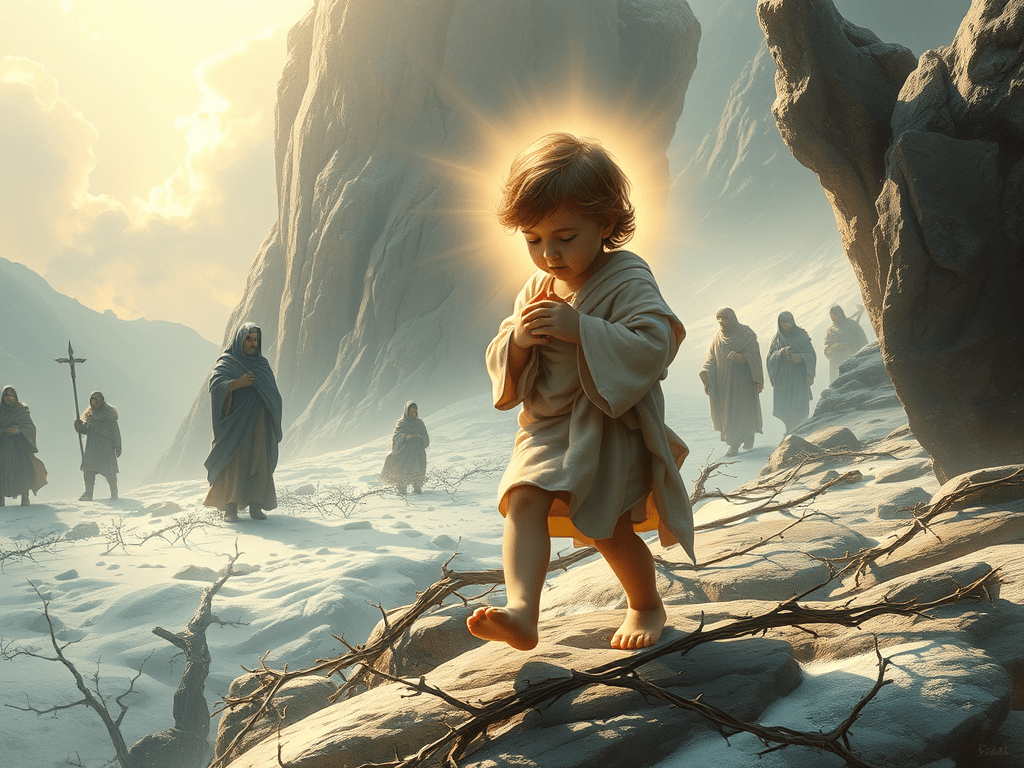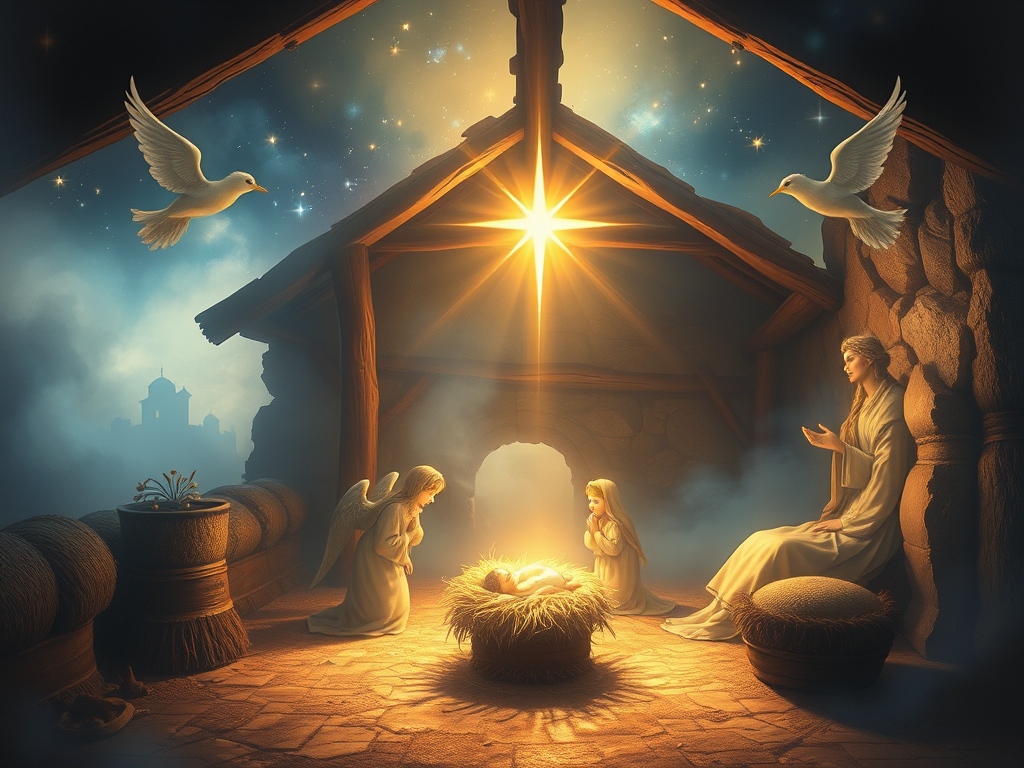
Prayer Box (From Pastor’s Residence Letters, Fourth Poem) By Yoon Wan-Hee, 1996

At dawn—beneath the frozen moon
suspended in the still air—
I strike a match,
and light a small flame
before the Presence
of the Lord who allows all things.

With trembling hands,
I fasten my hunger,
my frailty,
to the belt of the Lord—
and once again,
I open the prayer box.

For the brother
who sleeps with the dark in his arms,
for the sister
wading through the troubled tide,
for the child
whose growing stopped mid-summer,
for all who have fallen
among the thorns of sickness and sorrow—

Unless the sap still rises through the body,
unless the knees touch
both earth and sky,
the meeting with the Lord
is not yet complete.

So I pray—
for the day you lift your face toward light,
for the day I may become
a stepping stone beneath your feet,
for the day
you walk alone
yet unafraid.

And this small one—
by the mercy of the Lord—
opens the prayer box again
before the closed gate of heaven.

The current image has no alternative text. The file name is: image-70.png
Posted in Poetry | Leave a comment

“기도 상자” (목사관 서신, 시, 네번째) 1996, 윤 완희

새벽달 허공에 얼어붙은 아침

허락하신 주의 전에 불을 밝힙니다.

육신의 허기짐과 연약함을

주님의 허리에 감히 묶사오며

오늘도 기도 상자를 엽니다.


어둠을 껴안고 잠들어 있는 형제를 위하여

탁류에 헛발을 내딛는 자매를 위하여

성장을 멈춘 아기를 위하여

병과 연약함의 덤불에 넘어진 이들을 위하여

온몸의 수액이 마르지 아니하고

무릎이 땅과 하늘에 맞닿지 아니하면

주님과의 상봉이 이루어지지 않습니다.


어느 날 당신이 빛을 향해

얼굴을 돌리실 날을 위하여

어느 날 당신이 딛고 서실 디딤돌이 되고자

어느 날 당신이 홀로 걸으실 날을 위하여.


이 작은 자 오늘도

주의 능력에 힘입어

닫혀진 하늘 문앞에 기도의 상자를 엽니다.

The current image has no alternative text. The file name is: image-71.png
Posted in Essay by WanHee Yoon, Poetry | Leave a comment

“구걸”

© 윤 태헌, 1978

돌담 너머, 들판 끝자락에
빈 자루들이 입 벌린 채 누워 있다—
아이들의 굶주린 손이 돌아오길
바람처럼 기다리며.

그들은 기다렸다.
그리고 그도 기다렸다.

나는 줄 것이 없었다.
보았을 뿐이었다.
삼키기엔 너무 메마른 진실—
굶주림은 몸의 일이 아니라
빵을 잊은 영혼의 일임을.

한때 자유가 외쳤다,
먼지의 입으로.
그러나 굶주림은 더 크게 울었다.

이제 해는 낮게 미끄러진다.
빛이 가장 정직해지는 그 시각,
언덕 위—
한 어부가 밤으로 던진
희망의 낚싯줄이 아직도 남아 있다.

그곳에서,
망령들이 운다.

그는 하늘 가장자리에서
어둠과 빛이 싸우는 것을 지켜본다.
그리고 그 상처 난 하늘 틈으로
세상의 옛 이야기를 다시 들려준다—
씨 뿌린 자들과
가져간 자들,
그리고 결코 잊지 않은 땅의 이야기.

무언가 푸르고 쌉쌀한 것이
그의 생각의 틈새로 스며든다—
머리에서 입으로,
가슴에서 손끝으로,
발가락까지 흘러내리며,
한때 불의 위를 맨발로 걸었던 기억처럼.

이제 들판은 비었다.
자루들도 조용하다.
바람조차 말을 멈췄다.

그리고 나—
나는 아직도 굶주려 있다.

작가의 말

「구걸」은 1978년에 쓰여졌습니다. 그 시절은 육신과 영혼 모두가 굶주릴 때였습니다. 이 시는 기다리는 사람들의 모습을 보고 태어났습니다— 그들은 단지 빵만을 기다린 것이 아니라, 정의와 자비, 그리고 하나님께로부터 오는 말씀을 기다리고 있었습니다.

그 침묵의 들판에서, 나는 신적 부재가 단순한 공허가 아니라 믿음이 숨 쉬는 법을 배워야 하는 공간임을 깨닫기 시작했습니다.

이 시는 외침이자 기도입니다— 세상이 가난한 자들을 외면할 때, 하나님은 어디에 계시는가를 묻는 기도입니다.

나는 결핍과 갈망의 언어를 통해 거룩한 가능성을 엿보고자 했습니다: 모든 굶주림이 하늘을 향해 들어 올려질 때, 그것이 희망과 변화의 제단이 될 수 있다는 믿음 말입니다.

Posted in Poetry | Leave a comment

“Begging”

© TaeHun Yoon, 1978

Beyond the stone wall,
in fields that once held vines,
only empty sacks remain—
their mouths gaping, waiting
for children who have not returned.

They waited.
And he, too, waited.

I had nothing.
Truly, for him,
there was no other desert.

Freedom cried out—
but hunger cried louder.

Now comes the most honest hour of day:
on the hill’s crest,
where a fisherman once cast his line
into the throat of night,
the ghosts begin to weep.

He watches light and shadow wrestle
at the rim of the sky,
and from that struggle,
he tells his fable of the world—
of those who sow,
and those who take,
and the earth that remembers both.

The seams of his skull split open,
and through the cracks
something thick and sweet as grass
poured in—
through brain and mouth and chest,
to the trembling tips of his toes.

Now everyone has gone.
Even the wind has learned silence.

I was truly hungry.

Author’s Note:

Begging” was written in 1978, during a time when both body and spirit knew hunger.
It arose from the sight of people waiting—waiting not only for bread, but for justice, mercy, and a word from God.
In those fields of silence, I began to see that divine absence was not void, but a space where faith must learn to breathe.
The poem is a cry, yet also a prayer—one that asks where God dwells when the world turns away from the poor.
Through the language of emptiness and yearning, I sought to glimpse a sacred possibility:
that every hunger, if lifted toward heaven, might become an altar of hope and transformation.

Author Bio:

Tae-Hun Yoon is a Korean-born poet and retired United Methodist pastor living in Knoxville, Tennessee.
His poetry often explores the meeting ground between faith and social justice, memory and longing, silence and divine presence.
Through his work, Yoon seeks a language of transformation—where hunger becomes hope, and the human cry becomes a prayer.

Posted in Poetry | Leave a comment

“주님을 내 집에 모신다 함은” (목사관 서신, 시, 세번째) 1996, 윤 완희

주님을 내 집에 모신다 함은,

내 집의 대청소를 말함이라.

벽장 속에 상자를 열어 묶여 있는 이기심과 탐심,

허영을 털어 내고 불살음이라.

주님을 내 집에 모신다 함은,

신발장의 신들을 정리함이라.

가지 못할 길들을 위하여 예비했던 신들을 버리고,

정결과 순결의 고운 신을 준비함이라.

주님을 내 집에 모신다 함은,

옷장의 옷들을 정리함이라.

방종과 거짓, 정욕, 다툼의 헌옷을 걷어내고

관용과 양순의 눈부신 새옷으로 단장함이라.

주님을 내 집에 모신다 함은,

부엌을 대청소합이라.

철철 넘치는 욕망의 잔 쏟아 버리고

가득가득 말씀의 항아리들 준비함이라.


주님을 내 집에 모신다 함은,

방마다의 거울을 닦아님이라.

원망과 시기 분쟁의 얼룩들을 아낌없이 벗겨내어

벌거벗은 생명, 마주 바라보게 함이라.


주님을 내 집에 모신다 함은,

뜨락의 잡초들을 뽑아냄이라.

허영과 독선을 사정없이 뽑아 버리고,

영롱한 진리의 어린순들을 드리움이라.


주님을 내 집에 모신다 함은,

곳곳에 불을 밝힘이라.

답답한 가슴에 인내의 기름 가득 담아

기도의 불을 밝힘이라.


주님을 내 집에 모신다 함은,

문들을 활짝 열어 놓음이라.

명예, 부귀, 권력의 창, 순종의 열쇠로 하나씩 열어

주님만을 온전히 모심이라.

The current image has no alternative text. The file name is: image-59.png
Posted in Poetry | Leave a comment

“To Welcome the Lord into My Home” (From the Pastor’s Residence Letters: Poetry, Third Story) By Yoon Wan-Hee, 1996

To welcome the Lord
into my house
is to begin with cleansing—
to sweep the dust
of long-forgotten corners,
and lift each curtain
that has hidden the truth.

In closets sealed by fear,
I open the boxes—
untie the cords of greed and pride,
shake loose the dust of vanity,
and feed them to the fire
of repentance.

To welcome the Lord
is to kneel at the threshold,
where shoes once waited
for forbidden roads.
Now I set them aside,
and slip on the sandals
of purity and grace.

In the wardrobe of my heart,
I fold away the garments
of deceit and indulgence,
the worn fabric of quarrel and lust,
and dress myself instead
in the bright linen
of mercy and peace.

To welcome the Lord
is to cleanse the kitchen—
to pour away the overflowing cups
of desire and excess,
and fill the jars once more
with the Word that satisfies.

Each mirror in each room
must be polished clean,
until the stains of envy and complaint
are gone—
and the naked face of life
meets the gaze of grace.

The courtyard, too, must be weeded.
Vanity and self-importance
must be torn out by the roots,
so that tender shoots of truth
may grow in their place.

To welcome the Lord
is to kindle light in every room,
to pour the oil of patience
into the weary lamp,
and strike the match of prayer
against the flint of faith.

At last, I open every door wide.
The locks of honor, wealth, and power
fall away—
and only obedience remains
to usher Him in.

Now the Lord dwells wholly within,
and my house—
once silent and dim—
breathes again
with His light.

Posted in Poetry | Leave a comment

“터밭에서” (목사관 서신, 시, 두번째) 1996, 윤 완희

어머니의 뜰에
노란 오이꽃이 등불처럼 피었다.
약속의 꽃잎이 수줍게 떨어질 때마다
한여름의 파도는 밀려왔다.

타는 해 아래,
어머니는 주님의 말씀을 등에 지셨다.
“사람이 무엇을 심든지 그대로 거두리라.”

돌을 캐내고
덩굴의 뿌리를 쪼개며,
잡초를 뽑고
흩어진 생각을 거두셨다.

상추잎을 모으던 그 손길—
나는 기억한다,
리본을 단 긴 머리의 소녀,
별빛을 가슴에 따 모으며
개구리 울음 속 여름밤을 건너던 시절을.

보리 고개 넘어
짚신 신고 달리던 전라도 황등리의 굽은 길,
그 위에 칠십 해의 발자국이 남았다.

푸른 슬픔의 목마름에도
조금 더 느리게,
조금 더 낮게 사셨다.

개미 떼가 짐을 옮기면
장마가 가까움을 아셨고,
달에 무리가 지면
내일의 더위를 미리 느끼셨다.

그럼에도 늘 주님의 말씀을 붙드셨다.
“사람이 무엇을 심든지 그대로 거두리라.”
호미를 들고
마음의 밭을 쉬지 않고 일구셨다.

생명은 강물처럼 뜰을 적시고,
향기는 우물처럼 솟았다.

이제 내가 어머니의 뜰에 들어서면,
그분의 평생 기도가
열매로 피어나
내 손의 바구니를 가득 채운다.

The current image has no alternative text. The file name is: image-56.png
Posted in Ministry | Leave a comment

“섞은 나무”

© 윤 태헌, 1998

오른쪽에서 보면, 그의 얼굴은
비뚤어지고, 악의로 굳어 있다.
그러나 왼편에서 보면,
잃어버린 평화 속의 슬픔이 서 있다.

땅은 굶주림을 가장 오래 기억한다—
목마름을 간직하고, 나머진 잊는다.
그래서 우리는 짧은 기도로 빈다.
“이 땅 위를 평화롭게 걷게 하소서.”

그러나 땅은 오래 잠들지 않는다.
너의 발밑에서 갈라지고 흔들린다.
그 진동은 네가 되고,
그 갈라짐은 네 슬픔의 소리다.

우리는 굶주린 채 들판을 거닌다.
빈 자루와 거친 손으로
남겨진 이삭을 찾는다—
남자도 여자도, 아이들도 함께.

너는 멀리 달아날 수 없고,
나도 여기에 머물 수 없다.
언젠가, 다시 만나리라.
거친 삼베옷 입고, 머리에 재를 얹고,
가슴을 치며 울며 고백하리라.

이 세상은 하나의 나무,
이미 속부터 썩어 버린 나무.
그리고 우리가 품은 생각들—
처음부터 잘못 자란 나뭇결이었다.

A single tree standing in a barren field, its trunk cracked and rotting. From the right side, its face shows malice; from the left, sorrow. Around it, men, women, and children scatter across a harvested field, carrying sacks and buckets. One figure in sackcloth with ashes on their head beats their chest in lament. The earth beneath begins to split, as if swallowing sorrow and hunger. Above, the sky is heavy, and a sense of reckoning fills the air.
Posted in Poetry | Leave a comment

“The Rotten Tree”

© TaeHun Yoon, 1978

If you look from the right, his face is hard—
twisted with something mean and small.
But turn to the left, and sorrow shows,
the kind that’s forgotten what peace is called.

The earth keeps what it knows best—
hunger, thirst, and death beneath.
And so we pray with trembling breath,
“Let us walk this ground in peace.”

But the ground is never still for long;
it splits beneath the surest feet.
You are the quake, the breaking song,
your grief the fault, your pulse the beat.

We, the hungry, gather grain
from fields already stripped and dry.
Men and women, children, rain—
all wander where the furrows lie.

Don’t run too far; we’ll meet again,
when dusk leans low across the plain.
In sackcloth rough, with ashes spread,
we’ll lift our eyes and bow our heads.

This world’s one tree, from root to crown,
already hollowed through and down.
And every thought we called our own—
was crooked wood, from birth full-grown.

A single tree standing in a barren field, its trunk cracked and rotting. From the right side, its face shows malice; from the left, sorrow. Around it, men, women, and children scatter across a harvested field, carrying sacks and buckets. One figure in sackcloth with ashes on their head beats their chest in lament. The earth beneath begins to split, as if swallowing sorrow and hunger. Above, the sky is heavy, and a sense of reckoning fills the air.
Posted in Poetry | Leave a comment

“At the Garden Plot” (From the Pastor’s Residence Letters: Poetry, Second Story) By Yoon Wan-Hee, 1996

In the garden my mother tended,
yellow cucumber blossoms glowed like lanterns.
Where petals of covenant fell shyly,
the waves of midsummer came rushing in.

She labored beneath the burning sun,
her back bent to the Lord’s promise:
“As you sow, so shall you reap.”

She unearthed stones,
split the tangled roots of wild vines,
pulled up weeds,
thinned out stray thoughts.

Gathering fluttering lettuce leaves into her basket,
I remember the long-haired girl with a ribbon,
plucking stars into her chest
as frogs sang through summer nights.

She crossed the barley-hunger hills,
ran in straw shoes
over the winding bends of Hwangdeung-ri, Jeolla—
seventy years of paths behind her.

She never turned from the thirst of green sorrow,
living a little slower,
a little humbler than most.

When ants move their burdens in swarms,
she knows the monsoon is near.
When the moon wears a halo,
she knows tomorrow will burn with heat.

Still, she heeds the Lord’s word:
“As you sow, so shall you reap.”
And with her hoe,
she tills the soil of the heart without rest.

Life floods the garden like a river.
Fragrance rises from it like a well.

And when I step into the garden my mother tended,
her lifelong prayers bloom into fruit—
overflowing the basket in my hands.

A sunlit garden plot lovingly tended by an elderly mother, with yellow cucumber blossoms glowing like lanterns. A woven basket overflows with fresh lettuce and vegetables. In the background, a girl with long braided hair gazes at the stars under a summer night sky, while frogs sing nearby. The soil is rich, and the air carries the scent of prayer and harvest.
Posted in Poetry | Leave a comment