Song for Tomorrow

I look at myself—
not at what I did,
but at the thin current under it,
what carried me through
three hundred sixty-five turns.

All day people prepare.
Some will climb a hill
to meet the year’s first light.
Others will watch a silver ball
fall on a screen at midnight—
a hinge of seconds,
the door between breaths.

It lasts no time at all,
yet it gathers weight—
what closes,
what begins.

Far across the sea,
in Korea, 1905, Green Snake, the Eulsa year still lingers,
a shadow that knows its own name.
Ink once stiffened into iron.
A signature took a nation’s voice.
The sky dimmed—
not from weather,
but from shame.

Still, something held.
A small fire refused to go out.
Conscience kept its light.
Stars stayed where they were.

What was taken was taken.
What could not be taken stayed—
dignity buried deep,
waiting its season.

Here, on the last day
of the last week
of the last month,
after one hundred twenty years,
I stand knowing this:
time wounds,
and time heals.

2026, the Fire Horse is already moving—
not gently.
Sparks fly from its hooves.
It does not promise rest,
only motion.

Old shadows burn off.
Silence shows an edge of energy.
The heart, long cautious,
learns another shape.

This year remembers
what the embers were.
The tired breath finds room again.

In my own yard,
milestones gathered without asking—
a son turning forty,
fifty years of marriage,
a grandson born
on our golden day.

Moments stream past.
Two doors stand open:
to stay,
or to step.

That is all.

2026, the Fire Horse offers no ease—
only truth,
only movement,
only a life that chooses light.

And birthing—
yes, birthing too.
Fear narrows to a single cry.
The world receives you already moving.

You miss what was known.
You circle for balance.
Yet something larger carries you—
a breath beneath all beginnings.

Call it mystery.
Call it God.
Call it the quiet ground
that never stops turning.

— TaeHun Yoon

Posted in Poetry | Tagged , , , , | Leave a comment

내일을 위한 노래

나는 나 자신을 바라본다—
내가 무엇을 했는지가 아니라,
그 아래 흐르던 가느다란 물길을,
삼백육십오 번의 회전을
나를 실어 나른
그 힘을 바라본다.

하루 종일 사람들은 준비한다.
어떤 이들은 언덕을 올라
새해의 첫 빛을 맞으려 하고,
또 어떤 이들은 자정에
화면 위로 떨어지는 은빛 공을 본다—
몇 초의 순간,
숨과 숨 사이의 문.

그 순간은 거의 시간도 아니지만,
무게를 모은다—
닫히는 것,
시작되는 것.

바다 건너 멀리,
한국에서는 1905, 청색 뱀, 을사년이 아직 머물러 있다,
자기 이름을 아는 그림자처럼.
잉크는 한때 쇠처럼 굳어졌고,
하나의 서명은 한 나라의 목소리를 빼앗았다.
하늘은 어두워졌다—
날씨 때문이 아니라,
수치심 때문에.

그러나 어떤 것은 버텼다.
작은 불씨 하나는 꺼지기를 거부했다.
양심은 빛을 지켰고,
별들은 제자리를 떠나지 않았다.

빼앗긴 것은 빼앗겼다.
그러나 빼앗을 수 없던 것은 남았다—
깊이 묻힌 존엄,
자기 계절을 기다리며.

여기,
마지막 주의
마지막 달의
마지막 날에,
백이십 년을 지나
나는 이것을 안 채 서 있다:
시간은 상처를 내고,
시간은 치유한다.

2026년, 불의 말은 이미 움직이고 있다—
부드럽지 않게.
그 발굽에서 불꽃이 튄다.
그것은 쉼을 약속하지 않는다,
오직 움직임만을.

오래된 그림자들은 타서 사라진다.
침묵은 에너지의 가장자리를 드러낸다.
오랫동안 조심스러웠던 마음은
다른 형태를 배운다.

이 해는 기억한다
불씨가 무엇이었는지를.
지친 숨은 다시 공간을 얻는다.

내 마당에서,
이정표들은 묻지도 않고 모였다—
마흔이 된 아들,
결혼 오십 주년,
우리의 황금 같은 날에 태어난
손자.

순간들은 흘러간다.
두 개의 문이 열려 있다:
머무는 것,
한 걸음 내딛는 것.

그게 전부다.

2026년, 불의 말은 편안함을 주지 않는다—
오직 진실,
오직 움직임,
빛을 선택하는 삶만을.

그리고 탄생—
그래, 탄생 또한 그렇다.
두려움은 하나의 울음으로 좁아지고,
세상은 이미 움직이고 있는 너를 받아들인다.

익숙했던 것을 그리워하고,
균형을 찾으며 맴돈다.
그러나 더 큰 어떤 것이 너를 실어 나른다—
모든 시작 아래에 있는
숨결.

그것을 신비라 불러도 좋고,
하나님이라 불러도 좋다.
멈추지 않고 회전하는
고요한 토대라 불러도 좋다.

— 윤태헌

The current image has no alternative text. The file name is: image-102.png
Posted in Poetry | Leave a comment

“The Best Is Yet to Come”

There is a phrase that has given me courage whenever life has been most difficult. It is this: “The best is yet to come.” Throughout the past year, whenever I walked through fog‑like moments when tomorrow seemed completely hidden, I held onto that one sentence. It comforted me, steadied me, and helped me gather myself again.

I whispered it silently—countless times—to neighbors going through hardship, and to the unknown families who lost loved ones in the tragedy of 9/11. The expectation and hope for what has not yet arrived becomes a special kind of energy in life. It keeps us human, and it strengthens the inner person.

Yet now, as the wick of the year slowly burns down, I cannot help but ask myself: How faithfully have I kept my promise to pursue that “best” I longed for?

Everyone’s idea of “the best” may differ. At the beginning of the year, the outline of my own hopes looked something like this:

  1. Live simply.
  2. Do not store up the day’s energy in the warehouse of laziness—use it freely and without regret.
  3. Live passionately, and whenever possible, live sacredly.
  4. Whatever I do, remember that the highest purpose is the sharing of joy.
  5. Whenever possible, challenge myself with something new.

But embarrassingly, the picture of my year became yet another rough draft. I cannot help sighing deeply—“How is it that at my age, I still cannot get things right?”—and yet I also confess that I cannot abandon hope for the new year.

Henry David Thoreau once wrote, “If one advances confidently in the direction of his dreams and endeavors to live the life he has imagined, he will meet with success unexpected in common hours.”

Who does not wish for a successful life? But what blocks us from moving confidently toward our dreams is the fear of failure.

Robert T. Kiyosaki—third‑generation Japanese American, millionaire in his early twenties, and author of Rich Dad, Poor Dad—described this human tendency to fear new challenges:

“When learning to ride a bicycle, everyone falls and gets hurt. But once you learn the skill, even if someone takes your bicycle away, they cannot take away your ability to ride.” He urges us not to let past wounds make us afraid of failing again, but to step toward new possibilities without hesitation.

Most people become trapped not by the lessons learned from failure, but by the shame and fear that failure brings. Yet repeated mistakes are signs that the moment is drawing near when we will race joyfully across the overpass of life. They are opportunities to build confidence.

The sun of the new year is rushing toward us. I hold myself gently as I prepare to welcome it. Let me not forget that God has promised to support me with unconditional love in the coming year as well. Let me shake off the dust of fear, failure, sorrow, and painful memories that settle unpleasantly around my life.

Like the sunrise breaking through the waters at dawn, let me fill my heart with rising hope and expectation. Let us greet the new days with gratitude simply because you and I are alive. As I am embraced by others, let me trust and believe in them even more.

Let me discover resources I have not yet explored and learn to use them. Let me more often lose myself in the fragrance of flowers and open my ears to the birds’ songs. And let me look forward to the best things in my life running toward me as the new year opens its wide door.

– WanHee Yoon, Korea Central Daily, New York, 12/31/2001

The current image has no alternative text. The file name is: image-100.png
Posted in Essay by WanHee Yoon | Tagged , , , , | Leave a comment

“최상의 것은 아직 도착하지 않았다”

내 삶 속에서 가장 힘들고 어려울 때마다 용기를 주는 말이 있다. 그것은 “최상의 것은 아직 도착하지 않았다”는 것이다. 나는 지난 한해도 때때로 내일이 전혀 보이지 않는 안개와 같은 순간들을 지날 때마다 그 한 마디를 기억하며 위로를 받았고, 내 자신을 추슬러 세우려 애써왔다.

또한 주변의 어려움을 당한 이웃들에게나, 9.11 참사를 당했던 이름 모를 유족들을 향해 나는 수 없이 무언으로 외치곤 하였다. 아직 도착하지 않은 것들을 향한 기대와 소망은 삶의 특별한 에너지가 되어 인간 을 인간답게 만들어 가며, 내 속사람을 지탱해주는 힘이 된다.

그러나, 한해의 심지가 서서히 사그라져 가고 있는 이 시간에 과연, 그 최상의 것을 향한 나와의 약속은, 얼마나 진솔하게 지켜 왔는지 되돌아보지 않을 수 없다.

사람마다 추구하는 최상의 가치는 다를 수 있다. 올 초만 하여도 한해의 내 삶의 그림은 대충 이런 것이었다. 첫째는 삶을 단순하게 살 것, 둘째는 그 날에 얻어지는 모든 삶의 에너지를 게으름의 창고에 축적치 말고 미련 없이 사용할 것, 셋째는 열정을 갖고 가능하면 성스러운 삶을 실천토록 할 것, 넷째는 무엇을 하든 최상의 목적은 기쁨의 공유임을 잊지 말 것, 다섯째 가능하면 새로 운 일들을 도전해 볼 것 등이었다.

그러나 부끄럽게도 지난 한해의 그림이 또 한번의 습작이 되고 만 자책감에 어쩔 수 없게 된다. ‘도대체 이 나이 먹도록 제대로 되는 것이 없네!’ 라는 깊은 한숨을 쉬어 보며, 새해에 대한 소망을 또한 저버릴 수 없음을 고백케 된다.

헨리 데이비드 소로는 “꿈꾸는 것을 향해 자신감을 갖고 앞서 나간다면, 자신이 상상했던 삶을 살려고 노력한다면, 어느 땐가 평범한 시간에 기대하지 못했던 성공을 만나는 경험을 통해 그것들을 나는 터득했다”라고 하였다.

누군들 성공한 삶을 살기를 원치 않을까 마는, 인간에게 꿈꾸는 것을 향한 자신감을 갖고자 할 때 가로막는 것은 실패할까 염려하는 두려움이다. 일본인 삼세로 이십대 초반에 이미 백만장자가 되었으며, ‘부자 아버지와 가난한 아버지’를 써 베스트셀러에 오른 Robert T. Kiyosaki씨는 새로운 도전에 실패할까 늘 두려워하는 인간의 본성을 향해 이렇게 서술하였다.

“자전거를 처음 배울 때, 누구나 자전거에서 떨어지기도 하고 부상을 당할 수 있다. 그러나 한번 그 기술을 익히기만 한다면, 자전거를 누군가에게 빼앗긴다 하여도 자전거 타는 기술조차 빼앗기는 것은 절대 아니다.” 라며, 과거의 상처 속에 또 실패 할까 두려워 말고 새로운 가능을 향해 주저치 말 것을 촉구하였다.

대부분의 사람들이 실패를 통해 배운 금과옥조의 교훈보다는 실패 감에서 오는 수치와 두러움에 얽매이게 된다. 그러나 삶의 거듭 된 실수는 곧 인생의 고가도로를 신나게 달릴 수 있는 때가 가까워 오고 있음이며, 자신감을 충족시킬 수 있는 기회임을 상기시키고 있다.

새해의 태양이 시시각각으로 달려오고 있다. 나는 새해 맞이를 하는 내 자신을 붙들고 다독인다. 신은 새해에도 무조건인 사랑으로 나를 지지하고 있겠노라 약속했음을 잊지 말자. 먼지처럼 내려앉아 내 삶의 주변을 불쾌하게 만드는 두려움과 실패감, 슬픔과 아픔의 기억들을 털어 버리자.

새벽녘 물살을 가르고 떠오르는 태양처럼, 솟아오르는 희망과 기대감으로 가슴을 채우자, 살아있는 너와 내가 있음을 감사하는 마음으로 새 날들을 맞이하자. 내가 모든 이들로부터 포용되고 있듯이 남을 더욱 더 신뢰하며 믿어주자.

아직 접근해 보지 않았던 자원들을 발견하며 그것들을 사용하도록 하자. 좀더 자주 꽃의 향기에 취해보고 새들의 지저귐에 귀를 열어주자. 그리고, 내 인생의 최상의 것들이 새해의 문을 활짝 열고 달려오고 있음을 기대하자.

– 윤 완희, 뉴욕 중앙일보, 12/31/2001

The current image has no alternative text. The file name is: image-63.png
Posted in Essay by WanHee Yoon | Leave a comment

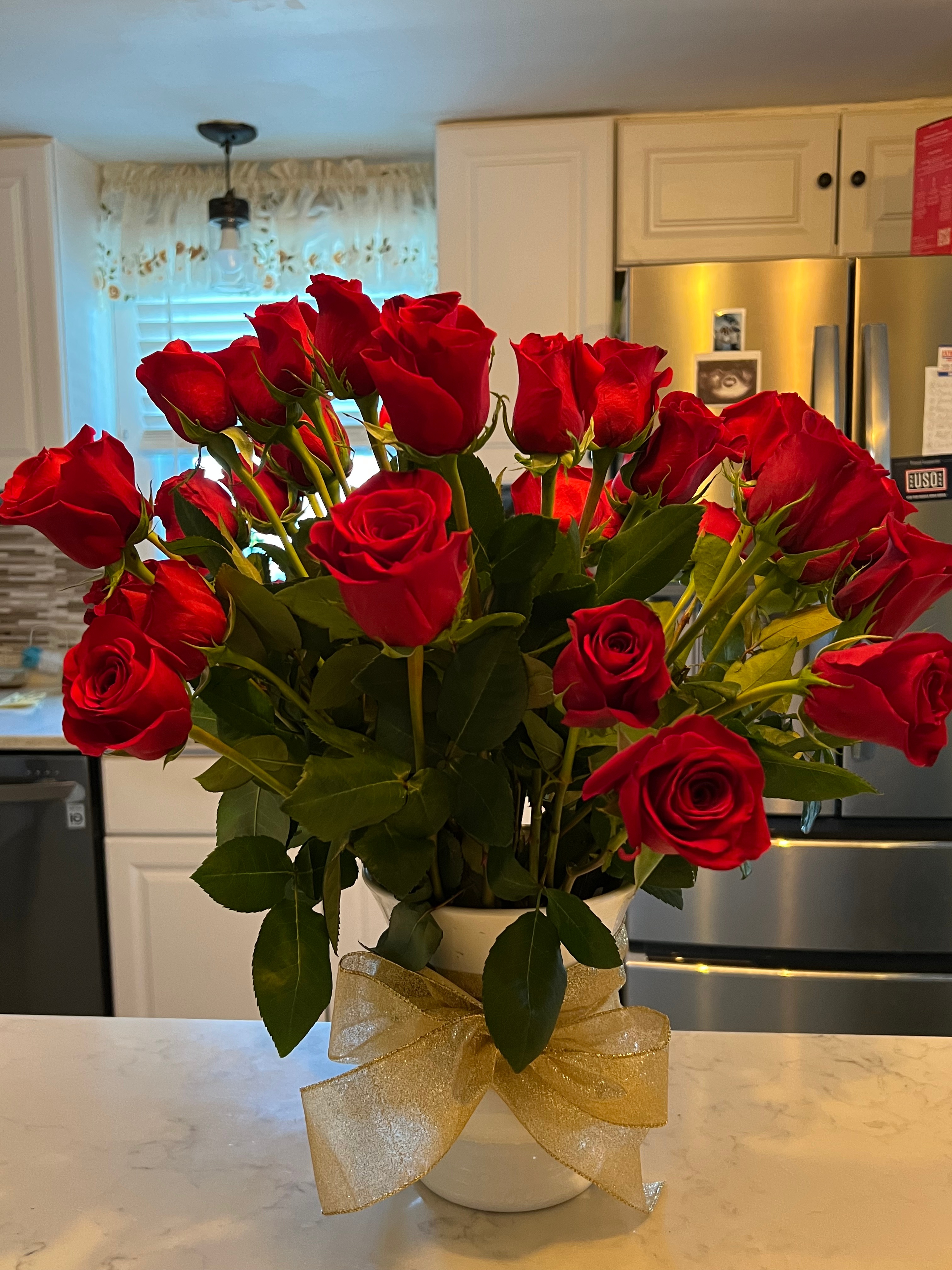
Happened with Fifty Roses

She spoke first of roses—
not one, not twelve,
but fifty,
as though a number could shine.

She planted them in words,
prepared them in hope,
with a joy too large to question.
“Why so many?” I asked.

“Because,” she said,
“this is gold.”

From a cedar chest of years
she lifted her wedding dress,
stitched by her own hands
when time was young.

She called our son,
keeper of light and lens,
and stood before the house,
the backyard,
the open eye of day.

Then to the city park we went—
to the pavilion,
where a church stood quietly behind us
as witness.

The groom wore a seventy-seven-year-old suit,
and the photographer said,
“Try to kiss.”

Above us,
clouds drifted in a blue so high
it felt remembered.

The bride forgot her years.
She stepped onto green grass
and began to turn—
a living wheel of joy,
a merry-go-round with no music
but breath.

She was sixteen again.

She ran toward the open field,
toward a single magnificent tree,
blue mountains resting far behind,
and asked the groom for his back,
as though time itself could carry her.

Then she said,
“It is enough.
Fifty roses.”

She never ran to be seen.

Fifty years ago
snow fell hard in Seoul,
the wind cut sharp as truth.

Now, across the Pacific,
over the Shenandoah,
through Appalachian folds of earth,
she ran freely
in her wedding gown—

arms lifted,
face turned to the sky,
circling beneath feathered clouds
floating like petals
on a blue ocean of air.

One by one,
the roses were counted by scent,
not sight.

She turned blessing into motion,
gratitude into light,
grace into a circle
without end.

At evening,
she gathered her two small Yorkies
into her arms at home,
as though holding
the last petals of the day.

Thus it happened—
Gift from above with fifty roses.

– TaeHun Yoon

Posted in Poetry | Leave a comment

“The Rose Uproar”

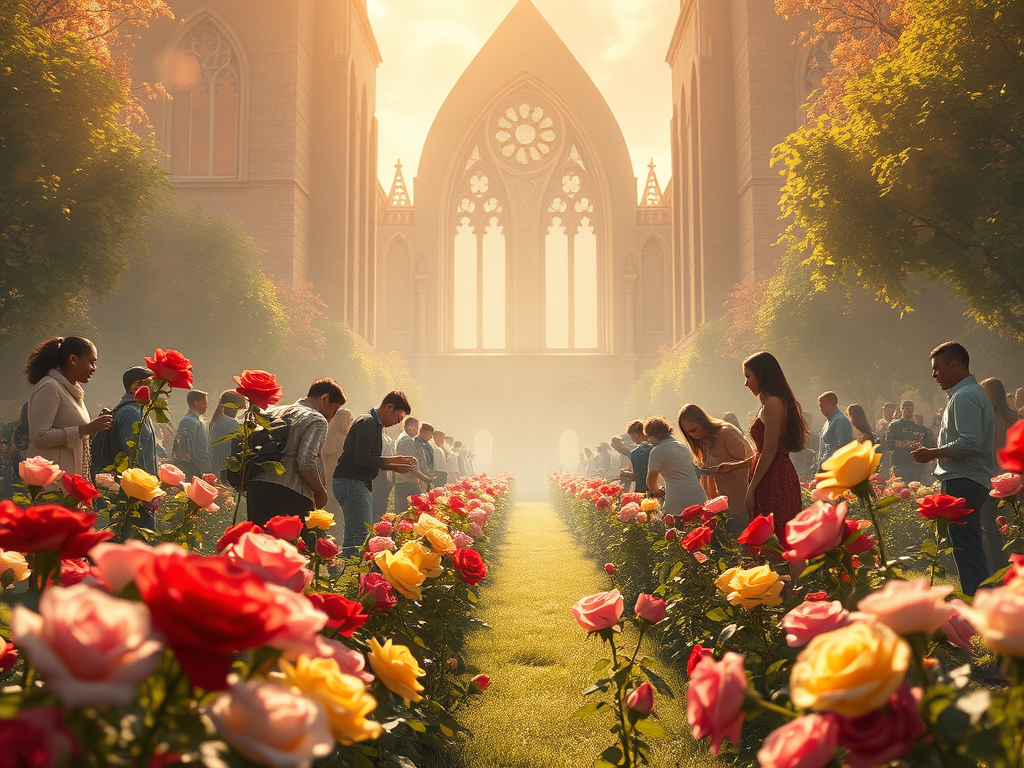
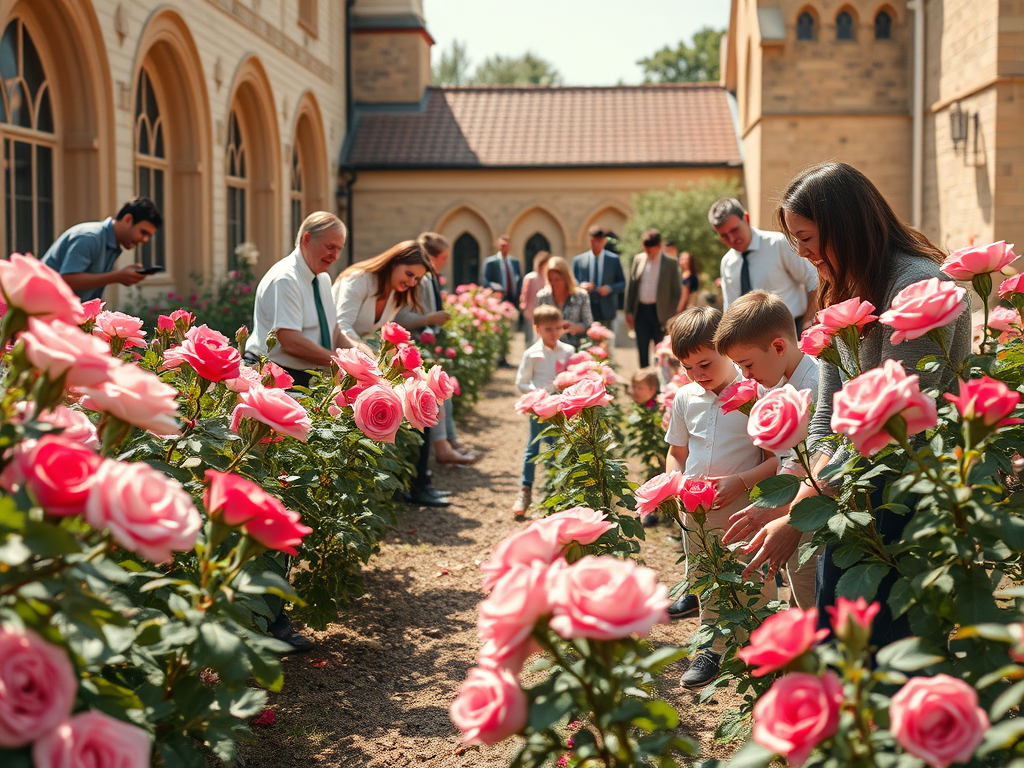
Just when the roses in the church yard were blooming and fading in lively competition, an unexpected shipment arrived at the church office: 150 rose saplings, accompanied by a single letter.

“…These roses of love are a gift, asking you to remember those who have died of AIDS and the families they left behind. …People are dying in great numbers, and their families are in deep pain. …Please pray for us.”

Strangers—people whose grief and sorrow over losing loved ones could not be expressed in words—were asking us to plant roses in the barren fields of our hearts.

Though the request carried a weight of prayer, I couldn’t help feeling excited; I had never received so many rose saplings in my life. Imagining how delighted the congregation would be, I began calling members, asking them to bring a shovel and come to church. But to my surprise, one person responded with clear discomfort.

“…Those people got sick and died because they lived wrongly. What does that have to do with us? And planting roses they sent in the holy church yard—somehow that doesn’t feel right.”

Already intoxicated by the imagined beauty and fragrance of the rose garden a year or ten years from now, I was taken aback by the sharp tone on the other end of the phone.

Flustered, I replied, “…Well, yes… but these days even medical workers contract the virus while working in hospitals. Mothers undergoing C‑sections, accident victims, or patients needing transfusions can be infected unexpectedly. Nineteen percent of Harlem’s population carries the virus, and more than thirty million people worldwide are infected. We must begin to care and pray for them…”

Hearing sermons every time one opens their eyes must have rubbed off on me—I found myself delivering a full “telephone sermon.” Yet afterward, my heart felt heavy and disappointed.

Then suddenly, a gentle whisper stirred within me: “You feel frustrated? I have always felt your frustration.” And I saw myself—lighter than a breath (Psalm 62:9)—trying to control and refuse God’s abundant grace in my own way.

Soon, members rolled up their suit pants and white shirtsleeves, and even the one who had objected earlier was sweating hard, digging with earnest effort. Children ran around with hoses, splashing water everywhere in the name of “watering the roses,” soaking adults and children alike in mud and laughter.

In no time, all 150 rose saplings found their places throughout the church grounds.

As I looked at the young roses rejoicing in their new soil, I felt a pang of tenderness. How many stepping‑stones of pain and sorrow had these flowers crossed to arrive here?

Roses are sent when joy is at its highest, when one longs to express love, or when words of comfort cannot be found. Today they whisper softly, “Remember us.” But soon, the burning reds, yellows, pinks, and whites they will release will stir a beautiful commotion of love across the dry wilderness of our hearts.

– WanHee Yoon, 1998

The current image has no alternative text. The file name is: create-a-featured-image-for-a-blog-post-titled-the-1.png
Posted in Essay by WanHee Yoon, faith-column | Tagged , , , , , | Leave a comment

장미 소동

장미꽃들이 목사관 앞마당을 한창 앞다투어 피고 지는 때에, 생각치도 않은 150그루의 장미 묘목이, 한 장의 편지와 함께 교회 사무실에 도착하였다. “…이 사랑의 장미는, AIDS로 사망한 환자들과 그들의 가족을 기억해달라고 보내드리는 선물입니다. …사람들은 지금 너무나 많이 죽어가고 있고, 그 가족들은 아파하고 있습니다. …저희들을 위해 기도해 주십시오.”

가족을 잃은 슬픔과 고통을 언어로 표현 할 수 없는 낯선 사람들이, 우리들의 황무지와 같은 마음 밭에 장미를 심어달라고 보낸 것이다.

기도의 부담은 있지만, 난생처음 그토록 많은 장미묘목을 받게되니 우선 신바람이 났다. 교우들도 좋아하리라는 기대 속에, 삽을 하나씩 갖고 교회로 오시라고 부지런히 전화를 하는 중에 의외로 심기가 불편해 하는 분이 있었다.

“… 그 사람들 나쁜 짓 하다가 병에 걸려죽었는데, 우리하곤 무슨 상관이 있습니까? ..더군다나 그들이 보낸 장미를 거룩한 교회마당에 심는다는 것이 왠지 합당치 않은 것 같습니다.“ 일년후, 십년 후의 장미동산을 생각하며, 벌써부터 장미의 아름다움과 향기에 취해버린 나에게, 전화에 들려지는 성도 님의 볼맨 음성이 만만치가 않았다.

당황한 나는 “…아, 예.. 요즈음엔 의료인 들도 병원에서 일하다가, 또는 산모들이 제왕절개 수술하거나, 교통사고, 또는 다른 병으로 혈액이 모자라 수혈을 받다가 그 균을 옮겨 받는 일이 의외로 많다고 합니다. 뉴욕의 할렘 인구의 19%가 이 병의 보균자들이고, 세계의 3,000만명 이상이 감염되고 있습니다. 우리는 그들을 위해 지금부터라도 관심과 기도를 갖으라고 …!” 눈 만 뜨면 듣는 것이 목사님의 설교이니, 나도 모르게 전화설교(?)를 한바탕 쏟아놨지만, 마음이 영 답답해지고 실망이 되는 것이 아닌가!

그런데 문득, ‘답답하지? 나도 언제나 답답했단다’라는 주님의 미세한 음성이 심중에 들려왔다. 그리고 입김보다 가벼운 존재(시62:9)인 나에게 하나님의 풍요한 은혜 앞에서도 내 멋대로 통제하고, 거부하던 모습이 눈에 들어섰다.

양복바지와 흰 와이셔츠를 걷어붙인 성도들과, “왠지 합당치 않다…”며 불편해 하시던 성도도 땀을 뻘뻘 흘리며 열심히 삽질을 하였다. 아이들까지도 물을 준다며 호스를 가지고 온통 장난을 하니, 어른이고 아이들이고 물과 흙에 흠뻑 젖은 채 한바탕 웃음 꽃을 피웠다. 결국, 150그루의 장미 묘목은 삽시간에 성전 뜰 악의 곳곳에 자리를 잡았다.

새 땅을 차지하고 기뻐하고 있는 장미 묘목들을 바라보며, 이 꽃들이 여기까지 도달하기 위해, 얼마나 많은 이들의 아픔과 슬픔의 “디딤돌을 짚고 왔을까? 하는 안쓰러움이 들었다.

사람에게 최상의 기쁨이 있을 때, 사랑하는 이들에게 마음을 전하고 싶을 때, 위로의 말을 찾을 수 없을 때, 한 아름 보내지고 안겨지는 장미 송이들. 지금은 가장 낮은 음성으로 “기억해 달라”고 속삭이지만, 머잖아 토해 낼 그 타는 듯한 빨강, 노랑, 분홍, 흰빛의 색채는 우리의 매마른 황무지에 사랑의 소동을 일으키리라!

– 윤 완희, 1998

The current image has no alternative text. The file name is: image-98.png
Posted in Devotional Essay, Essay by WanHee Yoon, faith-column | Leave a comment

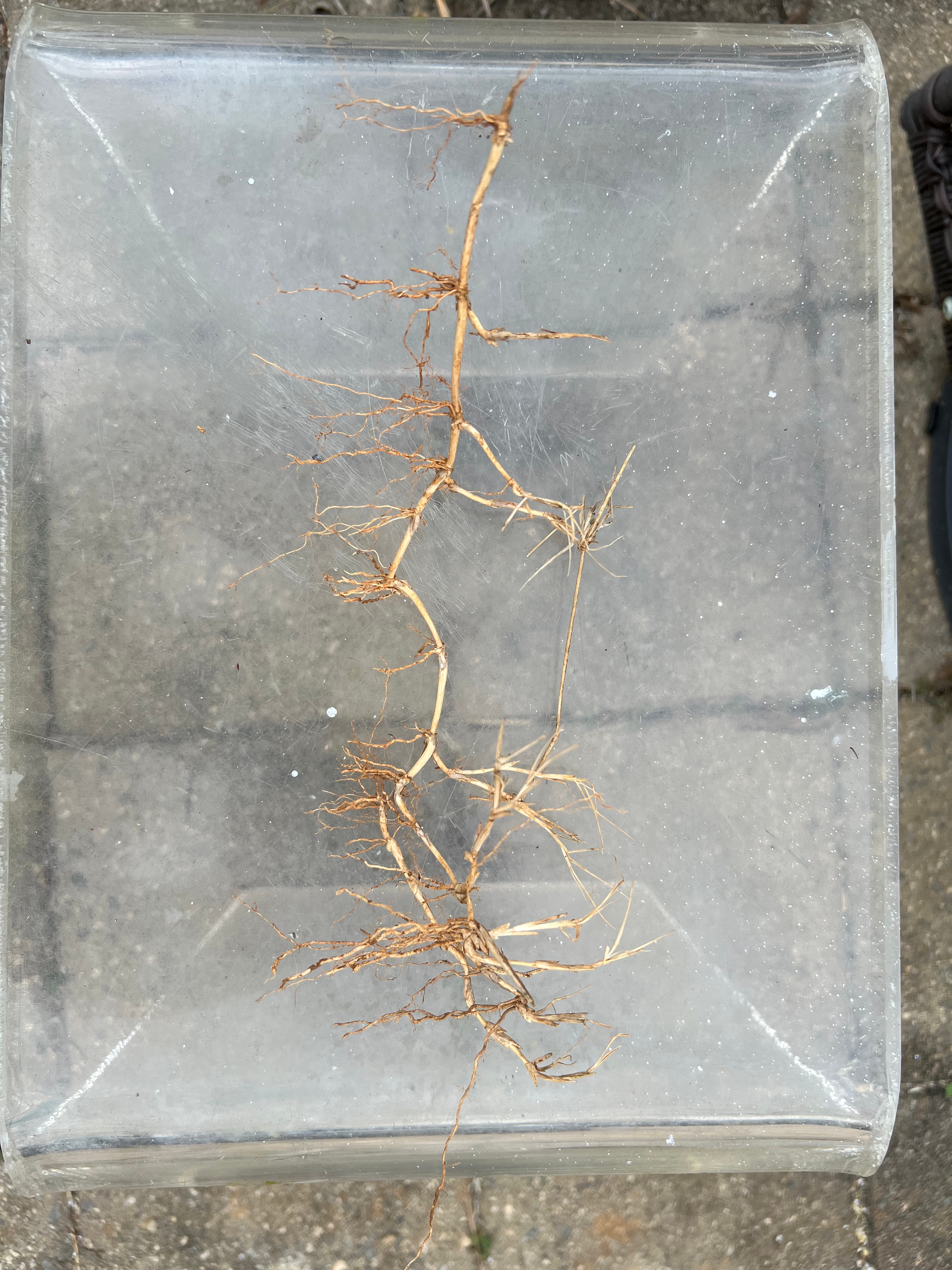
겨울 풀뿌리

풀뿌리를
정말로 들여다본 적이 있는가?

새 씨앗을 뿌리기 전,
새 흙을 덮기 전,
병든 잔디 한 자락을 베어냈다.
흙을 들어 올려 한쪽에 두고
마르도록 내버려 두었다.

그 안에서 드러난 것은 뿌리였다—
밝은 갈색, 거의 빛나는 듯한,
눈에는 생명 없어 보이지만
형태는 또렷이 남아 있는 뿌리들.
하나의 긴 중심줄기가
땅속을 곧게 가로지르며
마치 하나의 길처럼 뻗어 있었고,
한두 인치마다—
때로는 두 개, 세 개씩—
가느다란 뿌리들이
조용한 왕국의 후계자들처럼
갈라져 나왔다.

그 위쪽으로는
줄기가 조금 두꺼워지며
겨우 한 인치 남짓
단단히 올라가 있었고,
그곳에는 후계자가 없었다.
공기를 향해 뻗은
가느다란 풀잎들뿐—
이제는 말라
거의 희게 바랜 모습으로.

그러나 그 아래—
지표에서 겨우 한 인치 깊이에서—
뿌리들은
사방으로 이미 나아가 있었다.
아주 작은 습기의 기척만 있어도
그곳을 향해 뻗으며
멈추지 않았고
포기하지도 않았다.
서투른 나의 삽질조차
그들을 물러서게 하지는 못했다.

땅속에 숨겨진 채로
생명은 계속 움직이고 있었다—
용감하게, 끈질기게,
겨우 한 인치 깊이에서
작열하는 여름을 견디고
겨울의 깊은 침묵을 통과하며.

요란한 환호도 없고
박수도 없다.
다만 회복력—
그것이 그들의 본성이요
그들의 믿음이었다.

이런 기쁨을
막을 수 있는 이는
이 땅에 아무도 없다.

다시,
그리고 또다시
일어서려는
그 기쁨을.

— 윤 태헌

Posted in Poetry | Leave a comment

Grass Roots in Winter

Have you ever truly looked at grass roots?

Before scattering new seed,
before laying fresh soil,
I cut away a patch of lawn—
diseased, exhausted.
I lifted the earth, set it aside,
and let it dry.

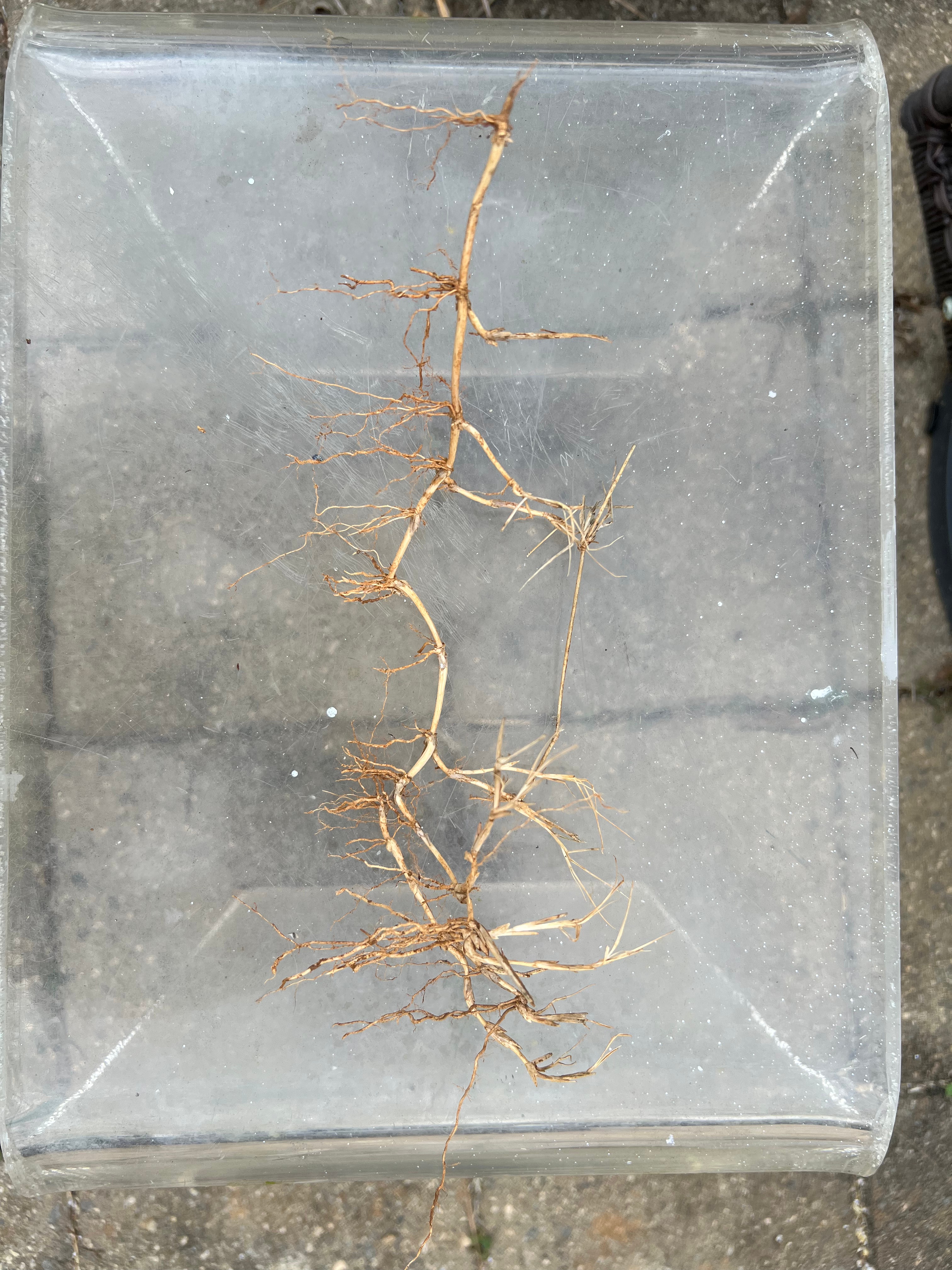
What appeared were roots—
bright brown, almost luminous,
still holding their form,
though lifeless to the eye.
One long stem ran straight through,
a single street beneath the ground,
and every inch or two—
sometimes three—
fine roots branched out
like heirs of a quiet kingdom.

Above them, the stalk thickened—
barely an inch of sturdy rise.
No heirs there,
only thin blades reaching toward air,
now dry, nearly white.

But below—
just an inch beneath the surface—
the roots had traveled everywhere,
stretching toward any trace of moisture,
never stopping, never surrendering.
Even my clumsy digging
could not shame them into retreat.

Hidden underground,
life kept moving—
brave, persistent,
only an inch deep,
yet surviving scorched summers
and winter’s long silence.

No fanfare.
No applause.
Only resilience—
its instinct,
its faith.

There is no one on earth
who can stop such joy:
the joy of rising,
again
and again.

TaeHun Yoon

Posted in Poetry | Tagged , , , | Leave a comment

“The Wings of Time”

After sending off Christmas—the day we had prepared for and awaited so long—and as we look back on the few remaining days of the year, I pause for a moment to catch my breath after months that felt breathlessly busy. Over the past year, the knots of life were tied in many ways: meetings and partings, love and resentment, struggle and overcoming, attention and indifference, ignorance and insight, anguish and joy, conflict and peace, discouragement and courage, sorrow and hope. Some knots were tied neatly and beautifully; others ended up rough, uneven, and misshapen.

John Milton once wrote, “Time has wings and flies back to the One who created it, reporting in detail how we have used it.” So the knots of our time have already been carried up to God.

There were so many things I meant to do—this and that—and yet the unfinished tasks piled up on my desk like a small mountain, waiting to cross into another year. As the saying goes, those who use time poorly are the ones who complain it is too short. I often wondered, Why does time pass so quickly? I even developed the habit of sleeping with my watch on, afraid of losing a single moment. But time has wings; it never rests, not even for an instant.

In the midst of fleeing hours, instead of cultivating true words and beautiful thoughts, I sometimes let worthless rumors and empty imaginings overgrow like weeds. I ask forgiveness for the days when I did not even know who I was and fell into despair. There is perhaps no greater misfortune than living without knowing oneself. If I am proud and careless even toward myself, how can I be grateful and humble toward my neighbors?

I am no longer young enough to boast of youth, nor am I yet an elder who has lived the whole of life. But before the swift wings of time, I find comfort and hope in knowing that Someone walks with me—like the morning star, like the ferry waiting for a traveler crossing the river at dusk, like a lighthouse shining in the storm. The Lord takes my trembling arm and says, “As I have been with you, so I will be with you tomorrow. Do not fear. Obey, and let us go together.”

Departure is not merely departure. It is not simply farewell, nor parting words, nor a benediction. It is the crossing of a threshold— the moment when one life reaches its summit and moves beyond.

Thus every departure is also a beginning. It says, Good‑bye, and at the same time, Hello.

It is the meeting of a new dawn beyond the dark clouds of parting, beyond worry and unrest. That dawn is born in beauty and brightness of many colors, yet it is shaped—conceived even— by the lingering clouds of yesterday still knotted within our farewells.

Beginning and ending intertwine in the moment of dawn. The moments of our lives spread their wings and move from here to there, from one person to another, from one task to the next— departing, arriving, weaving, unfolding.

Ending and beginning, being and becoming— these are the places where we dwell in God. Believers call that place the Holy Communion.Dwight Judy

Farewell to the old year, welcome to the new. I wait for the coming year in the arms of the Lord.

– WanHee Yoon, Parsonage Letter, 2001

The current image has no alternative text. The file name is: image-95.png

Posted in Essay by WanHee Yoon, Four O'Clock Flower Story, Ministry | Tagged , , , , , | Leave a comment