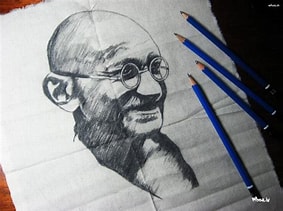
“Gandhi and the Pencil” (Parsonage Letters, Those Who Remained in the City, Ninth Story) 1992, Yoon Wan-Hee

From January 28–30, at the Bishops’ Convocation held in Ellenville, New York, Arun Gandhi—the grandson of Mahatma Gandhi—and his wife Sunanda Gandhi were among the invited speakers. For those who had long been influenced by Gandhi’s spiritual worldview and philosophy of nonviolence through books and films, meeting his direct descendant was deeply moving.

Arun Gandhi was born in West Africa and raised by his grandfather Mahatma Gandhi from the age of six. In his twenties, he worked as a journalist in India. Despite never receiving formal schooling, he authored four books and established the Institute for Nonviolence in the United States to carry forward his grandfather’s legacy. His wife, Sunanda, a nurse, has worked to dismantle caste-based discrimination among Indian women and improve health conditions for children and women.

Among the ideas Arun shared, one unforgettable story stands out:

When Arun was seven, he disliked the stubby pencil—about three inches long—that his grandfather had given him. Without telling him, Arun threw it away and ran back to ask for a new one.

“Where is the pencil you were using?” “It was too small, so I threw it away!” “Can I see how small it was?” “I threw it away. I can’t find it.” “Go and bring it back.”

His grandfather’s gentle gaze met Arun’s eyes, and the boy knew he couldn’t refuse.

“Grandfather, it’s already dark outside. I can’t go find it.” “Is that so? Then use a flashlight.”

So Arun ventured out into the pitch-black night to search for the pencil. It wasn’t easy to find something he had carelessly tossed away. After two hours, wrapped in fear and loneliness, he finally found it.

“Let’s see… Hmm, this could still be used for another ten days.”

Arun, on the verge of tears, looked up at his grandfather.

“Arun, come sit down. You must never forget two lessons. First, there are tens of millions of children in the world who may never hold even a pencil like this in their lifetime. Throwing away something still useful is wasteful. Second, think about the impact this small pencil has on the universe once it becomes trash. Whatever we use out of necessity must be used completely. Waste disrupts the environment and disturbs the order of the universe.”

In the 1980s, when Arun Gandhi was invited to the University of Mississippi, he drafted his research on Gandhi’s philosophy using discarded pencils and pens he found scattered across campus. At first, students found it odd to see him picking up pencils, but soon they began collecting and bringing them to him.

The depth of Gandhi’s thought—already concerned with the cosmic environment in the 1940s—commands renewed respect.

As we approach the 2000s, we must reflect on how earnestly we practice the “Care for the Earth” campaigns that have emerged in our generation. Even in my own home, unused pencils and broken crayons lie forgotten in desk drawers, living room cabinets, under chairs, and in every crevice like dust. At some point, I gave up trying to teach children the value of things. Each new school year, I simply bought new crayons and pencils, placed them in a new pencil case, and considered my parental duty complete.

Waste is a death sentence for humanity’s future. When we think of the descendants who must inherit a dying Mother Earth, our waste becomes a matter of life and death. Just imagining our children eating diseased fish and suffering pollution-related illnesses under hazy skies is terrifying.

With each passing year, abnormal weather patterns trigger natural disasters across the globe. Even if we are not profound thinkers or philosophers, as people of faith we must freshly recognize that caring for and preserving the world God created is our sacred calling. This is the foundation of a renewed faith for the world.

Nonviolence is not only the absence of violence between people—it is also the refusal to destroy nature. True nonviolence is realized when we learn to live humbly and coexist with nature. A believer who cannot care for and protect God’s creation cannot stand confidently before God.
Posted in Essay by WanHee Yoon, The People Who Remained in the City | Tagged , , , , | Leave a comment

“간디와 연필” (목사관 서신, 도시에 남은 사람들, 아홉번째 이야기) 1992, 윤 완희

지난 1월 28~30일에 뉴욕 주 엘렌빌(Ellenville)에 있었던, 미 연합 감리교 감독 주재 수양회(Bishops Convocation) 강사 중에, 인도의 마하트마 간디의 손자 되는 아론 간디(Arun Candhi)와 부인 되는 수난다(Sunanda) 간디가 참석하였습니다. 책과 영화를 통하여 마하트 마 간디의 정신 세계와 비폭력주의에 대하여 영향을 받고 있었던 사람으로서, 그의 친족을 만난다는 사실은 특별한 감동을 불러일으키기 에 충분하였습니다.

아론 간디는 서아프리카에서 태어나, 6세부터는 할아버지인 마하 트마 간디의 손에 의해 자라났습니다. 그는 20대에 인도의 저널리스트로 활약하였습니다. 그는 정규 학교교육을 한번도 받아 보지 않고 자라났음에도 불구하고 네 권의 책을 저술하고, 할아버지의 뒤를 이어 비폭력주의 사상과 정신 세계의 전수를 위해 비폭력주의 학술연구원을 미국에 설립하여 활약하고 있습니다. 또한 그의 부인 수난다는 간호사로 인도 여성들의 계층 차별의식의 타파와 어린이와 여성들의 건강을 위하여 일하고 있습니다.

그가 소개한 사상 중, 잊을 수 없는 예화를 한 토막 소개하고자 합니다.

7세의 아론은 할아버지가 주신 3인치 정도의 몽당연필이 마음에 들지 않았습니다. 그는 할아버지 모르게 몽당연필을 밖으로 집어던져 버리고, 할아버지께 달려가 새 연필을 달라고 조르기 시작하였습니다.

“네가 쓰던 연필이 어디 있지?”

“그것은 너무 작아서 버렸어요!”

“얼마나 작은지 볼 수 있을까?”

“버렸어요. 어디 있는지 찾을 수 없어요”

“찾아오렴.”

할아버지의 부드러운 눈매가 아론을 올려다보았으나, 어린 아론은 거절할 수 없음을 알고 있었습니다.

“할아버지! 밖은 이미 어두워서 나가서 찾을 수가 없어요”

“그래? 손전등을 사용하면 되겠지?”

결국 아론은 캄캄한 밤중에 밖에 나가 연필을 찾기 시작하였습니다. 휙 던져 버린 연필을 찾기란 그리 쉽지 않았습니다. 무서움과 외로 움에 싸인 채, 두 시간이 지난 후에야 연필을 찾을 수 있었습니다.

“어디 보자. 흠, 이것은 열흘간은 더 사용할 수 있겠구먼·… …”

어린 아론은 울상이 된 채 할아버지를 바라보았습니다.

“아론, 이리 와 앉거라! 너는 두 가지의 교훈을 잊지 말거라! 첫째는, 세상에는 수 십 만의 어린이들이 평생에 한 번도 이런 연필을 잡아보지도 못하고 살아가고 있다. 아직도 사용할 가치가 있는 것들을 버린다는 것은 낭비다. 둘째, 이 작은 연필이 쓰레기가 되어 우주에 끼치는 영향을 생각해야 한다. 우리가 필요에 의하여 사용하던 것들은, 남김없이 모두 사용해야 한다. 낭비하는 버릇은 우주 환경을 깨뜨리고 우주의 질서를 문란케 한단다.”

1980년대 미국의 미시시피 대학의 초청으로 미국에 온 아론 간디는 캠퍼스에 널려져 있는 연필과 볼펜으로 간디 사상에 대한 논문 연구를 초안하는 데 사용하고도 남았다고 합니다. 연필을 줍는 그를 처음에는 이상하게 보던 캠퍼스의 대학생들이 모두 연필을 주워다가 그에게 주었다고 합니다.

1940년대에 벌써 우주 환경에 관심을 가졌던 간디의 사상과 철학의 깊이에 새삼스레 고개가 숙여집니다.

2000년대를 눈앞에 둔 우리 세대에 새롭게 부상한 ‘지구환경을 가꾸자”라는 캠페인을 우리 모두가 얼마나 절실하게 실천하고 있는지 부끄럽습니다. 우선, 나의 가정을 돌아보더라도 책상 서랍, 리빙룸 서랍, 의자 밀, 틈이 있는 곳마다 사용치 않는 연필, 몽당 크레용들이 먼지처럼 버려져 있습니다. 언제부터였는지 몰라도, 아이들에게 물건의 가치에 대한 강연(?)을 아예 포기한 지가 오래 되었습니다. 새 학기가 되면 으례 새 크레용과 새 연필들을 사서, 새 가방의 새 필통에 넣어줌으로 나의 할 일과 책임을 완수한 것으로 여기지 않았던가 싶습니다.

낭비는 인류의 앞길에 죽음의 선포와 같습니다. 죽어가고 있는 모성의 대자연을 이어받을 후손을 생각하면, 우리의 낭비는 생명과 직결된 문제들입니다. 병든 물고기를 먹고, 희뿌연 하늘 밑에서 갖가지의 공해병으로 죽어갈 우리의 후손들을 생각만 하여도 아찔해집니다.

해가 갈수록 이상 기후 현상이 지상의 여기저기에 천재지변을 일으키고 있습니다. 우리가 비록 깊은 사상가이거나 철학자가 아니더라도, 신앙인으로서 하나님께서 창조하신 세계를 가꾸고 돌봄이 우리의 사명임을 새롭게 직시해 봅니다. 그것은 곧 세계를 향한 우리 자신들의 새로운 신앙의 정립입니다. 비폭력주의는 인간과 인간 사이의 폭력이 사라지는 것만을 뜻하는 것이 아니라, 인간이 자연을 파괴함을 벗어나, 겸손히 자연과 함께 공존함을 배우며 살 때 이루어진다고 하겠습니다. 하나님의 세계를 가꾸고 돌볼 능력이 없는 교인은 역시 하나님 앞에 떳떳한 모습으로 설 수 없는 것입니다.

Posted in Essay by WanHee Yoon, The People Who Remained in the City | Leave a comment

하늘 찬가

[Relation Series – Part 5]

한때 바람은 도망쳤다.
바다로,
별들로,
사물의 숨은 중심으로—
그러나 그 바람은
자비의 메아리로 돌아와
내 깊은 곳을 두드리며
나를 집으로 불러주었다.

하늘은 나를 들어 올렸다.
믿음의 날개 위에서,
약속을 향해 솟아오르는
비둘기처럼.

나는 말했다:
“나는 슬픔으로 땅을 팔지 않으리.
썩어가는 하늘을 외상으로 사지 않으리.
진정한 하늘은 이미 내 것—
사랑으로 사 주시고,
은혜로 봉인된 하늘이니.”

이제 하늘이 노래한다:
빚은 모두 갚아졌고,
그 어떤 어둠도 더럽히지 못하리.
그리스도께서 하늘을 여시고,
내 이름을 영원한 빛 속에©

© 윤 태헌, 1971

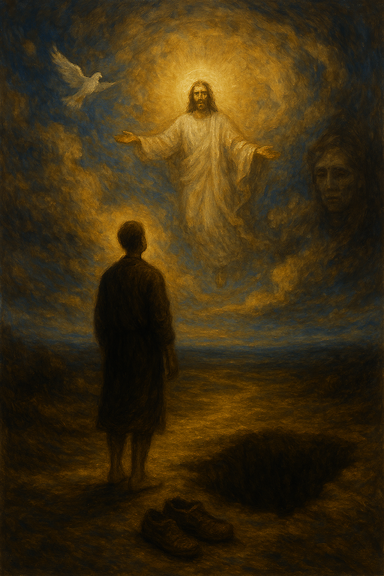
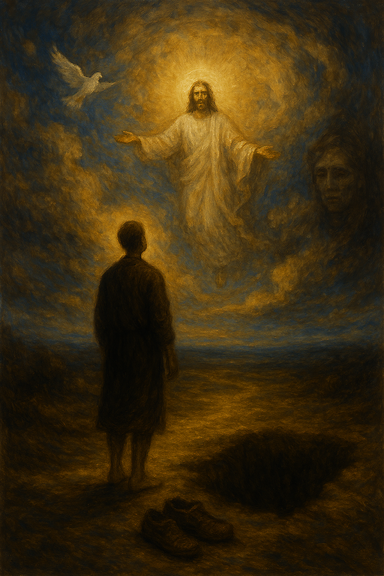
Create a painting inspired by the poem: Heaven Hymn

The wind once fled into seas, into stars, into the hidden core of things—yet it returned as an echo of mercy, pressing into me, calling me home.

The sky lifted me on wings of faith, like a dove rising toward promise.

And I said: “I will not trade the earth for sorrow, nor buy a heaven with decay. For the true Heaven is already mine—purchased with love, sealed with grace.”

Now the heavens sing: no debt remains, no shadow can spoil, for Christ has opened the sky, and written my name in everlasting light.
Posted in Poetry | Leave a comment

Heaven Hymn

The wind once fled
into seas,
into stars,
into the hidden core of things—
yet it returned
as an echo of mercy,
pressing into me,
calling me home.

The sky lifted me
on wings of faith,
like a dove
rising toward promise.

And I said:
“I will not trade the earth for sorrow,
nor buy a heaven with decay.
For the true Heaven
is already mine—
purchased with love,
sealed with grace.”

Now the heavens sing:
no debt remains,
no shadow can spoil,
for Christ has opened the sky,
and written my name
in everlasting light.

[Relation Series – Part 5]

© TaeHun Yoon, 1971

Create a painting inspired by the poem: Heaven Hymn

The wind once fled into seas, into stars, into the hidden core of things—yet it returned as an echo of mercy, pressing into me, calling me home.

The sky lifted me on wings of faith, like a dove rising toward promise.

And I said: “I will not trade the earth for sorrow, nor buy a heaven with decay. For the true Heaven is already mine—purchased with love, sealed with grace.”

Now the heavens sing: no debt remains, no shadow can spoil, for Christ has opened the sky, and written my name in everlasting light.
Posted in Poetry | Leave a comment

“Guinness Book and the Book of Life” (Letter from the Parsonage – Part Eighth of the People who remained in the city) by Wan Hee Yoon, 1992

Guinness Book and the Book of Life

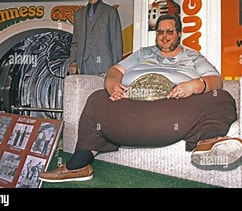
On Christmas Eve of 1991, Mr. Walter Hudson, age 46, once famed as the heaviest man in the world, passed away of a heart attack. At the time of his death, his weight was recorded as 1,025 pounds. If we take the average human weight as 130 pounds, his body was nearly eight times heavier than that of an ordinary person.

He lived in Hempstead, Long Island, New York, seldom seeing his neighbors, shut away within his house until his death. Four years earlier, he had drawn the attention of the world when his body became stuck in the doorway of his home, and the corner of the wall had to be sawed away for him to pass. Then, his weight was reported at 1,400 pounds.

Through the combined care of doctors and dieticians, he lost several hundred pounds. The day he stepped outside after more than thirty years indoors was a sight to behold. We cannot imagine how painful and suffocating his life had been, confined in his own home. Likely, every movement required his family’s assistance. Every step must have made the floor groan and crack beneath him. His efforts to fit through the doorway, and his family’s patient labor, are almost beyond imagination. Perhaps he chose a life of seclusion, apart from the world.

With our ordinary reasoning, it is difficult to understand him. What meaning did his life carry? Watching the funeral workers, young and sweating, push the specially made casket holding his body onto a trailer, many thoughts crossed my mind.

Have I ever given thanks for having a small body? For being able to sit and rise dozens of times a day, to move up and down freely, without hindrance? Have I ever truly been grateful for such things? If my body had been stuck in a doorway, how furious would I have become? Houses, furniture, even clothing—all designed for “normal” people.

My patience would have collapsed long ago. Without clothes that fit, lying covered only with a sheet, he should have been all the more tenderly cared for, loved faithfully. Surely he was a man whose heart was as large as his body, and whose patience was strong.

“He was truly a gentle man. To be loved by him was to feel endlessly blessed.”

So said Sunday Cruz, his fiancée, with whom he was to be married the next year. Are we sharing such blessing and love with our own families? His kindness, humility, and generosity are remembered by all who knew him.

Some may judge his life as wasted, consumed beneath the burden of his own body. To them, he may seem foolish. Yet I recognize the worth of his life, and I dare not measure the value of any human being lightly. From him, I draw a noble lesson: that God is not only my God, but a God of many faces.

Now, freed from the weight of flesh, I can only rejoice to imagine him ascending heavenward with a body light as a child’s. Surely God welcomed him with open arms.

“My beloved Walter, you have labored long! Humans feel shame only for what can be seen, yet for the heavy burdens hidden inside their hearts, they feel no shame. Look there—do you see them? Bound by the weight of selfishness and sin, unable to step beyond the door! If only they would pass through, they could taste the freedom and abundance of My grace… Yet even when I sent My beloved Son to cut open the door with the saw of love, they resist! How long will they refuse?”

“Oh, Lord… I thought I was the greatest in the world, yet I am nothing at all.”

“Archangel, bring Walter a fine white robe.”

Just as Walter Hudson’s weight will be forever recorded in the Guinness Book of World Records, so too will the hidden weight of our sins be forever recorded in the Book of Life.

January 4, 1992

Posted in Essay by WanHee Yoon, The People Who Remained in the City | Tagged , , , , , | Leave a comment

“기네스북과 생명책” (목사관 서신, 도시에 남은 사람들, 여덟번째 이야기) 1992, 윤 완희

1991년 크리스마스의 이브에 세계 최고의 몸무게를 자랑하던 46세의 Mr. 월터 허드슨(Walter Hudson)씨가 심장마비로 세상을 떠나고 말았습니다. 당시 그의 몸무게는 1,025파운드로 알려져 있습니다. 사람의 몸무게를 평균 130파운드로 잡아 볼 때, 보통 사람의 약 8배의 몸무게를 기록하는 것입니다. 뉴욕의 롱아일랜드 햄스테드에(L.I. Hempstead NY) 살고 있던 그는 거의 이웃 구경을 하지 못하고 집안에만 갇혀 살다가 세상을 떠난 것이었습니다. 약 4년 전 그가 세상의 이목을 끌게 된 것은, 그의 몸이 집안의 문에 끼여서 꼼짝을 못하게 되어, 문귀퉁이 벽을 톱으로 절단한 사건이 있은 후 였습니다. 그 당시 그 의 몸무게는 1,400파운드를 자랑(?)하였었죠.

모든 의사들과 다이어트 전문가들의 관심과 노력 속에 수백 파운드를 뺀 그가, 30여 년 만에 집 밖으로 걸어나와 서는 모습은 장관이었습니다. 그 동안의 그의 집안에서만의 생활이 얼마나 고통스럽고 답답한 삶이었는지 우리는 알 수 없습니다. 다만 상상컨대, 집안에서의 거동조차도 온 가족의 도움 없이는 이루어지지 않았을 테죠 그가 발을 내디딜 때마다 마루밑창의 울림과 어딘가 부러지는 소리들이 요란 하였을 것입니다. 나날이 불어나는 몸집으로 문을 빠져나가려는 그의 노력과 가족들의 수고는 가히 상상할 수 없습니다. 그는 세상과 떨어져 은둔의 삶을 고집하고 살아왔는지도 모를 일이었습니다.

우리의 정상적인 생각과 지혜로서는 그를 이해하기가 어려운 것이 사실입니다. 그가 세상에 와서 살다 간 의미는 무엇일까요? 특별히 주문한 그의 시신이 누운 관을 트레일러에 힘겹게 밀고 가는 젊은 장의 사 직원들을 바라보며, 상념들이 교차합니다.

나에게 언제 몸이 작은 것에 대하여 감사하던 적이 있었던가? 하루에도 수십 번을 앉고 일어서며, 위로 아래로 내 맘대로 다니는 것에 대하여, 조금도 불편 없이 살았던 것에 대하여 진심으로 감사한 순간이 얼마나 있었던가? 만약, 나의 몸이 문에 끼여서 꼼짝을 못하고 있었다면, 나는 얼마나 화가 났을까? 정상인들만을 위하여 만들어 놓은 집과 물건들, 옷에 이르기까지 … ….

나의 참을성과 인내심은 이미 바닥이 나고 말았을 것입니다. 맞는 옷이 없어, 홑이불만을 걸치고 누워있는 그를 사람들은 더욱더 성실하게 돌보고 사랑했어야 했습니다. 그는 역시 몸이 큰 만큼 마음도 넓고, 인내심도 강한 사람이었음에 틀림없었습니다.

“그는 참으로 점잖은 신사였어요. 그의 사랑을 받고 있는 동안 한없는 축복을 느꼈답니다.”

결혼을 일 년 앞두었던 월터 허드슨 씨의 약혼녀인 선데이 크루즈 (Sunday Cruz) 양의 말이었습니다. 우리는 사랑하는 가족들에게 그녀가 느꼈던 축복을 나누어주고 있습니까? 그의 친절함과 겸손, 인정 많음은 그를 알고 있는 모든 이들에게 기억되고 있습니다.

사람에 따라서 그의 삶에 대하여 무위를 주장할지 모릅니다. 되물릴 수 없는 단 한 번의 기회에 자신의 거추장스러운 몸무게에 얹히어 세월을 불태운 그가 어리석어 보일수도 있습니다. 그러나 나는 그의 충분한 삶의 가치를 인정(뒤라서 한 인간의 가치를 감히 말할 수 있으랴!)하며, 고귀한 교훈을 그로부터 얻습니다.

하나님은 나의 하나님만이 아닌, 다양하신 분이심을 그를 통해 깨닫게 됩니다.

이제 그가 그 육체의 무게에서 벗어나, 어린아기와 같은 가벼운 몸으로 천상에 오르는 모습을 생각만 하여도 기쁨이 솟아오릅니다. 하나님은 분명히 그를 얼싸 안으시며 반겨 맞아주실 테니까요.

“사랑하는 월터, 그동안 수고하였네! 인간들이 보이는 것은 부끄러 위할 줄 알고 있으나, 가슴속에 숨겨져 있는 것들은 전혀 부끄러워할 줄 모른단 말이야. 저기, 저 인간들을 내려다보라고 이기심과 죄의 무 게로 인하여 문을 나서지 못하고 있잖아? 저 문만 통과하면 자유함과 시원한 은혜의 풍요을 맛보며 살 수 있건만 … …. 내가 사랑하는 외아들을 세상에 보내어, 사랑의 톱으로 문을 잘라 주려 하여도, 막무가내야! 언제까지 저렇게 버티고 있을는지, 쯧쯧쯧!”

“아이고, 하나님. 저만이 세계 최고인 줄 알았는데, 저는 아무것도 아니군요!

“천사장, 월터에게 멋진 흰옷을 가져다 주오.”

월터 허드슨 씨의 몸무게가 기네스 북에(Guiness record) 영원히 기록 되듯이, 우리의 숨겨진 죄의 무게는 생명책에 영원히 기록될 것입니다.

1992년 1월 4일

World's Heaviest People
May be an image of ‎1 person and ‎text that says '‎Guinness GR 2 ل 2 alamy a ปร Guinnesa "Museumo World WorldRecords Records alamy ብረራ Coles BWCBEMy SALAN BILLY BENNY alamy a a alamy aa alamy Image10 ImageID:2CR7RFM ID: 2CR7RFM www.alamy.com com www. alamy. vw.alamy.co‎'‎‎

Posted in Essay by WanHee Yoon, The People Who Remained in the City | Leave a comment

“아무 것이나 빨리빨리” (목사관 서신, 도시에 남은 사람들, 일곱번째 이야기) 1989, 윤 완희

우리의 특성 중에 무엇이든지 서둘러 시작하여, 급히 끝내려는 경향이 있습니다. 그것을 잘 표현한 몇 가지의 재미있는 이야기들이 있습니다. 프랑스에 가면 아주 유명한 식당이 있어, 미리 예약을 하지 않으면 들어갈 수가 없다고 합니다. 그러나 한국 사람들은 언제나 환영 이랍니다. 이유는 한국 사람은 빨리빨리 식사를 끝내고 디저트가 서브되기도 전에 나가버리기 때문이죠. 외국 사람의 경우 식사하는데 보통 두 시간에서 세 시간을 소비합니다. 우리는 식사를 즐기기보다는 배고픔을 면하는 것에 치중하다 보니, 먹는 것조차도 급할 수밖에 없습니다.

동남아 지역에 한국인 여행객의 발길이 닿기 시작한 후, 그들이 배우는 첫 한국어가 ‘빨리빨리’ 라는 낱말이라고 합니다. 호텔 종업원들의 행동이 느리거나, 주문한 바가 늦어지면 불호령이 떨어지기 때문에, 한국 사람이 나타나면 호텔 측에서 미리 ‘빨리빨리’ 라는 단어를 입에 올리며 오히려 설친답니다.

식당에 가는 일을 하루 중 가장 귀하게 생각하여 정장하고 화장하고 나서는 서양인들의 풍습과 달리, “아무것이나 빨리 되는 것 주십시오. 식당에 들어서기가 바쁘게 종업원을 독촉하는 우리의 조급함 사이에는 정녕 문화의 차이만으로 다루기에는 적당치 않은 것 같습니다.

내용보다는 배고픔을 면하는 결과에 예민한 우리는 이민 생활을 하는 데도 잘 나타나고 있습니다. 어떤 한국인 부부가 일주일 내내 밤과 낮으로 두 가지의 직업을 갖고 뛰었습니다. 이유인즉, 빨리빨리 돈을 모아 자기 사업을 하는 것이 소원이었기 때문이죠. 그들 부부는 서로의 양해 아래, 자녀를 낳는 것조차도 연기(?)를 하며 사업자금을 모으게 되었습니다. 그들은 소원대로 자기 사업을 갖게 되었습니다. 그런데 자기 사업을 가진 후에도 밤낮으로 전과 같은 똑같은 양의 일을 하게 되었습니다. 사연인즉, 자기 사업을 꾸미느라 빌렸던 돈을 빨리빨리 갚아야만 되었기 때문이었습니다.

열심히 일하여 몇 년의 세월이 흐른 후, 빚을 다 갚고, 집을 장만한 그들은 그 집에서 행복하게 살 줄 알았으나, 부부가 갈라서는 비극을 맞게 되었답니다. 그동안 부부 사이에 나눴어야 될 정과 사랑에 등한시했던 그들은 경제적인 목적은 달성했으나, 가정이 깨어지고 만 것 이죠. 그 부인은 지나친 과로와 스트레스로 인해 온몸이 병들어 단란하고 행복해야 될 여생을 육신의 고통으로 지내고 있습니다.

아무리 급해도, 차도의 스톱 사인은 어길 수 없습니다. 급하다고 그냥 달려나가면, 한두번은 운 좋게 아무런 사고가 없을지도 모르나, 끝내는 돌이킬 수 없는 사고를 당하거나 교통경찰에 의하여 제지를 받게 되어 있습니다.

악보에 왜 쉼표가 있습니까? 쉽표가 있으므로 음악의 묘를 살리고, 그 아름다움을 더하는 것이 아닙니까? 쉼표를 지키지 않고 노래를 부르는 가수는, 그 노래가 끝나기도 전에 숨을 혈떡이고, 도중에 그만두
어야 될 것입니다.

숲속에서 길을 잃고 헤매면 온 길을 더듬어 내려가, 그 자리에서부 터 다시 시작할 수 있습니다. 그러나 우리가 지내온 인생길은 결코 뒤돌아갈 수가 없습니다. 빨리빨리 서둘던 과거의 과오로 인해, 그 때, 그 자리에서 챙겼어야만 했던 인생의 보물을 잃지 않았을까요? 사람 마다 그의 인생의 목적과 뜻에 따라, 또는 환경에 따라 인생의 보화가 다를 수 있습니다. 학자의 경우는 그가 읽었던 책과 그가 저술한 책과 사상이 될 수도 있고, 사업가는 그의 기업일지도 모릅니다. 예술가는 그가 쌓아올린 예술의 어떤 경지일 수도 있겠죠. 그러나 그 모든 것도 한 사람의 가치와는 바꿀 수 없다고 봅니다. 참 인간의 가치가 정당하 게 인정되고, 사랑받으며, 사랑할 수 있는 상황에서 인간은 온전한 삶을 살 수 있으니까요.

아무리 급하고 빨리빨리 모든 것을 다 이루고 싶어도, 사람이 상하거나 다치면 그 목적은 이루지 못함만 못합니다. 천국이 아무리 좋아도 누구인들 빨리 가기를 원하겠습니까? 만일 원하는 사람이 있다면, 그것은 영지주의적 이단 경향에 사로잡혀 있는 까닭이겠죠.

전쟁에서 승리한 군인이 오랜 길을 말을 타고 달려와 목이 몹시 말랐습니다. 군인은 급한 김에 물을 마구 들이켜다가, 물에 체해 숨을 거두었다는 이야기가 있습니다. 그러나 지혜로운 이들은 아무리 목이 타고 갈증이 나도, 먼저 숨을 잠재우려 물그릇에 나뭇잎 몇 잎을 띄우고 불어 가며 물을 마신다고 합니다. 소중하지 않다고, 쉽사리 서두른 일들로 인하여 우리는 얼마나 많은 곤욕을 치르게 됩니까?

사철에 변함없는 푸른 소나무가 되지 않아도, 한 계절에 잠시 피었다 사라지는 한 포기의 풀도 생명의 가치는 동등한 법입니다. 어둔 밤, 둥근 보름달만이 어둠을 밝히는 것이 아니요, 풀숲에 떠다니는 작은 반딧불일지라도 그 빛은 빛으로서 가치가 있습니다. 내가 비록 대서양을 오가며 긴 여행을 즐기는 파도가 아닐지라도, 바닷가의 작은 모래알로서 의미가 있듯, 내가 어디에서 무엇을 하든지, 어떤 모양새든지, 어느 한 순간도 우리에게는 소중하지 않은 것이 없습니다.

어떤 이유인지는 모르나, 우리들의 삶은 쉬기를 두려워하는 듯합니다. 내 사업을 하면, 마음의 여유를 얻을 수 있을 것이라고 흔히들 생각합니다. 그러나 토요일, 업무가 없는 맨해튼의 한가한 빌딩 숲에 앉아 빗자루를 들고 땅이라도 쓸고 있어야만 마음 편한 것이 우리의 실정입니다. 일 중독 때문인가, 아니면 급한 소망의 서두름 때문인가요? 일, 사업, 공무, 내 집 마련, 학위, 식사, 여행, 자녀 교육 등등 천천히 하여도 삶의 흰 지면은 찰 수밖에 없지 않을까요? 그러나 그 지면은 나 혼자 ‘빨리빨리’ 서둘러서 되는 것이 아니라 모든 사람과 동반하면서 채워지는 것임을 잊지 말아야 할 것입니다.

지난 몇 년 동안, 열심히 빨리빨리 모든 것을 이루기 위하여 허둥지둥 살았었습니다. 저녁 한때, 잠시 마주치는 아이들은 학교 수업에 필요한 이것저것을 요구하며 그들에 대한 관심과 사랑을 은근히 원하였 습니다. 그러나 24시간의 계획과 꽉 짜여진 스케줄은 언제나 내게 스트레스를 갖게 하고, 짜증 속에 엉뚱한 생각까지도 들게 하였습니다. 즉, ‘자식 없는 사람들은 얼마나 편할까? 아니, 한 명의 자식이면 좋았을 것을, 왜 셋씩이나 낳았을까?’ 어쩌다가 시부모님께 전화가 걸려오면 대답할 시간이 없어 귀찮은 듯이 “네, 네” 건성으로 응답하기 일쑤였습니다.

지내놓고 생각하니, 나의 모습은 마치 물이 메마른 화분 속에 시들어가는 꽃의 모양새였습니다. 인간애나 부모와 자녀간의 예의와 사랑의 풍요로움은 사라져 버리고, 바쁘고 피곤한 자신을 보호하려는 이기심과 안위만이 하늘 높은 줄 모르고 치솟는 것이었습니다. 진정으로 만나야 되고 찾았어야만 했던, 내 삶의 기쁨들은 망각의 더미에 묻혀 영영 사라지고 말았습니다.

비싼 게임기를 쥐어 주지 않아도 부모와 함께 신문지로 만든 종이 비행기 놀이로, 우리는 아이들에게 기쁨의 날개를 달아줄 수 있습니 다. ‘샤넬 넘버 파이브’ 를 내 몸에 뿌리지 않아도, 사람의 영혼에서 묻어 나오는 고귀한 향기는 이상한 마력이 있습니다.

단간방의 아파트에서 누리는 안식이나, 백만 달러짜리의 집에서 누리는 안식에 등급을 매긴다면 어느 쪽으로 그 가치의 저울이 어떻게 기울까요? 그러나 안식은 우리의 빈부적 차이로는 감히 저울질할 수 없는 것이라니, 우린들 어찌 알겠습니까?

그러나 잊지 맙시다. 아무리 ‘빨리빨리’ 갈 길이 있고, 할 일이 급해 도 “빨리 되는 음식으로 아무것이나 주세요!”라는 요구보다는, “어떤 요리가 오늘의 특식입니까?”라고 묻는 삶의 여유와 순간의 즐거움을…..

아무리 바쁘고 할 일이 태산같이 쌓였어도, 내 자신이 결여된 ‘빨리 빨리’는 역시 실속을 놓칠 것임에 틀림없습니다.

Image result for 식당의 모습
Posted in Essay by WanHee Yoon, The People Who Remained in the City | Leave a comment

“Anything, Hurry-Hurry”

(Letter from the Parsonage: The People Who Remained in the City, Seventh Story)

© Yoon WanHee, 1989

Among our characteristics, there is a tendency to start things in a hurry and to finish them hastily. There are some amusing stories that illustrate this well.

In France, there is said to be a very famous restaurant where you cannot get in without a reservation. However, Koreans are always welcome. The reason? Koreans finish their meals quickly and leave even before dessert is served. Foreigners, on the other hand, usually spend two to three hours dining. Since we focus more on relieving hunger than on enjoying food, even eating becomes something rushed.

In Southeast Asia, after Korean tourists began to arrive, the first Korean word the locals learned was reportedly “ppalli-ppalli” (quickly, quickly). If hotel staff moved slowly or orders were delayed, Koreans would thunder angrily, so now hotels themselves mutter “ppalli-ppalli” in advance whenever Koreans show up.

Unlike Westerners who regard dining as the highlight of the day—dressing up and putting on makeup before heading out—we often rush into restaurants saying, “Just give me anything that comes out quickly!” and pressure the waitstaff as soon as we sit down. This impatience is not simply a matter of cultural difference.

Our tendency to focus on results rather than process also shows in immigrant life. One Korean couple worked day and night at two jobs all week long, because their wish was to save money quickly to start their own business. They even postponed having children in order to save capital. They finally succeeded, but once they had their own business, they kept working day and night just as before—because they now had to pay back borrowed money quickly.

Years later, after repaying all their debts and buying a house, one might have expected them to live happily. But the result was tragedy: the couple divorced. Though they achieved financial goals, they had neglected affection and love in their marriage. The wife, broken in health from overwork and stress, now spends what should have been her peaceful later years in physical suffering.

No matter how urgent, we cannot ignore a stop sign on the road. Even if rushing through once or twice leads to no accident, eventually there will be a crash, or we will be stopped by the police.

Why are there rests in music? Because they create rhythm and beauty. A singer who does not keep rests will run out of breath before finishing the song.

If you lose your way in the forest, you can retrace your steps and start again. But in life, we cannot go back. By rushing “quickly-quickly” through the past, did we not perhaps lose treasures of life we should have cherished in those moments? For each person, life’s treasures may differ: for a scholar, books and ideas; for a businessperson, their enterprise; for an artist, the heights of art. Yet none of these surpass the value of a human being. True life is only lived where human worth is honored, where love is received and given.

No matter how much we want to achieve quickly, if people are harmed, the purpose is lost. Heaven may be wonderful, but who wants to get there quickly? If anyone does, it is likely because they are caught in a heretical obsession.

There is a story of a soldier who, after winning a war, rode a long distance and became desperately thirsty. He gulped down water too fast and choked to death. But wise people, no matter how thirsty, first float a few leaves on the bowl and blow gently before drinking, to slow themselves. How often do we suffer because of things we rushed through without care?

Even if we are not like the evergreen pine tree, the brief life of a small flower still has equal value. In the dark night, not only the full moon but even a small firefly shines with its own light. Even if I am not a wave crossing the Atlantic, as a single grain of sand I still hold meaning. Wherever, whatever, however—we must remember no moment of life is without value.

Yet for some reason, we seem afraid to rest. People think that having their own business will bring peace of mind. But even on a quiet Saturday in Manhattan, one feels uneasy unless sweeping the ground with a broom. Is it work addiction, or the impatience of urgent desires? Work, business, duties, house, degree, meals, travel, children’s education—all will be accomplished in time. Life’s pages will be filled, not by hurrying alone, but by walking together with others.

For years I lived frantically, trying to accomplish everything “quickly-quickly.” My children, when I met them briefly in the evenings, would ask for things they needed and quietly long for my attention and love. But my 24-hour schedules only left me stressed, irritable, and even thinking foolish thoughts like: “How easy life must be for those without children! Why did I have three, instead of just one?” When my in-laws called, I would respond impatiently, “Yes, yes,” unable to spare a moment.

Looking back, I was like a flower withering in a dry pot. Warmth, kindness, love between parent and child—all vanished. Selfishness and self-protection towered higher and higher. Joys I should have sought were buried under piles of forgetfulness.

Yet, children do not need expensive toys. Even a paper airplane made from a newspaper, flown together with their parents, gives them wings of joy. We do not need Chanel No. 5; the fragrance of a human soul carries a strange and noble power.

What weighs more—rest in a small apartment, or rest in a million-dollar house? Neither can truly be measured, for rest cannot be valued by wealth.

So let us not forget: however urgent life may feel, instead of demanding “Just give me anything quickly!” we must sometimes ask, “What is today’s special?”—and savor the moment.

No matter how busy, if my own heart is missing, then “quickly-quickly” will surely leave me empty-handed.

관악구, 자원봉사 우수프로그램 공모 전국‘최우수’수상 - 톱뉴스

Posted in Essay by WanHee Yoon, The People Who Remained in the City | Tagged , , , , , | Leave a comment

전설

내가 알던 당신,
바람으로 부풀린 방 안에서—

어머니, 숨이 끊어졌으나
하나님 안에서
약속 없이, 작별 없이
남겨지지 않았다.

탈신, 脱身—
허무가 아니라
빛으로의 떠남;
벌거벗은 발은 이제
텅 빈 하늘이 아닌 곳에 서고,
버려진 신발은
날개가 되었다.

이상, 李箱,
바람이 떨릴 때
소리를 밟으려 했으나,
나는 말씀 위를 걷는 법을 배웠다.
떨림조차
노래가 된다.

끝없는 어리석음을 택한 그 날 이후,
은혜가 닫힌 방에 들어와
개가 물어갈 수 없는 것조차
성령께서 한없는 힘으로 들어 올리셨다.

마지막에,
어머니는 나를 떠난 것이 아니라
믿음의 신발 속에
그 사랑을 남기셨다.

내 무덤에서
내일은 무너지지 않고,
아이의 팽이처럼
약속에 뿌리내리며 돈다.
많은 이들이 여전히
내일은 오늘이라 말하나,
나는 영원이
조용히 열리고 있음을 안다.

그렇다—
나는 한때 끝없는 바보였으나,
부서짐은 새로움이 되었고,
반복은 부활이 되었다.

© 윤 태헌, 1969 이른 여름

Posted in Poetry | Leave a comment

Legend

The you I thought I knew,
in a room swollen with wind—

a mother, though breath was cut short,
was not left without promise,
nor without farewell in God.

Escape, 탈신, 脱身—
not into emptiness,
but into light;
her bare feet found footing
on the sky that no longer was hollow,
where discarded shoes
became wings.

Yi-Sang, 이상, 李箱,
once sought to step on sound
when the wind trembled,
yet I have learned instead
to walk on the Word,
where even trembling
becomes song.

Since the day you chose
to be endlessly foolish,
grace entered the locked room,
and what no dog could carry away,
the Spirit lifted beyond measure.

At the last, my mother
was not lost from me,
but placed her love
within the shoes of faith
I now must walk in.

In my grave,
tomorrow does not collapse,
but spins itself steady
like a child’s top,
anchored in promise.
And though many still insist
that tomorrow is today,
I know eternity
is quietly breaking open.

Yes—
I was once the endless fool,
but breaking became remaking,
and repetition became resurrection.

[Wind Series – Part 7]

© TaeHun Yoon, early summer 1969

Posted in Poetry | Leave a comment