“There Is No Race Within Faith” – Parsonage Letter (For the Sake of Beauty, Story Seven, 2001), WanHee Yoon

Our family has shared over almost two decade of life in faith with people of different races and ethnicities. When my husband was first ordained and began his ministry, we served in a predominantly white, Dutch-American church. The love and fellowship we shared there became one of the most precious and meaningful experiences of our lives.

We had been in the United States for only three years, our ears and tongues not yet attuned to the language. Raised and educated within a monoethnic culture, it was not easy at first to pray and work for people of another race. Despite praying and singing hymns, my heart felt unmoved. I often felt frustrated and disconnected. Visiting church members, attending women’s meetings, and other gatherings became a burden. I couldn’t understand much, nor could I speak well. I relied on facial expressions and a polite smile, saying “yes” or “no” without fully grasping the context, often leaving feeling inadequate and alone.

We lived apart from the Korean community, and the isolation weighed heavily on me. In those moments, I would often go to the Hudson River, not far from the parsonage. There, I watched the reflection of spring flowers dancing in the water, the lush green waves of summer, the fiery reds of autumn leaves, and the snowy ice drifts floating in winter. I poured out my heart to the Lord.

“Lord! I’m so lonely! So frustrated! I need a friend! Someone to talk to!”

And the Lord would respond gently through the quiet waters:

“Love. Just love.”

Before long, my husband began a dawn prayer service. Each morning, we would open the front doors of the church and faithfully pray together. As we opened the heavy church doors, pigeons roosting above would stir, flapping their wings as if disturbed by the early hour. We would sing Korean hymns to our hearts’ content and kneel on the cold floor, lifting up prayers for our church family.

Ten months after beginning these early morning services, a man in his fifties named Frank Hoffman, a nearby church member and construction company owner, walked into the sanctuary. He had long been curious about the church doors opening every morning and, moved by the Holy Spirit, came to pray with us. Tears streamed from his eyes as he explained that he had recently converted from Judaism to Christianity. From that day forward, he joined us every morning in prayer.

A few weeks later, a man in his thirties named Neil Irwin, a church member who worked at an auto repair shop, came out of curiosity—and then kept coming.

A year later, seven churches from our town—including a Reformed Presbyterian church, a Catholic church, a Full Gospel church, a Baptist church, and a Methodist church—began gathering together for united early morning prayer. Ministers, priests, nuns, laypeople, patients headed for surgery, and former inmates—all came to sing and pray in the name of Christ. A new spiritual awakening bloomed in the village, bringing tears of gratitude to our eyes.

We began sharing prayer requests, embracing each other in Christ’s love. Accompanied by a guitar, we sang gospel songs and hymns, praying earnestly for one another’s ministries. Walls once invisible yet towering like mountains began to melt. Where our hearts had once felt constrained, fresh breath and new life began to stir within the parsonage. Though I couldn’t speak much English, the church members began to treasure my smile more than any words. It was then that I came to understand why God placed a smile on the otherwise expressionless face of humanity.

Starting something new with American church members—who are often consistent and methodical once a practice is established—was never easy. Yet those who had formed a prayer group and committed themselves to a life of faith began to try new things with boldness. It was like watching a sleeping giant awaken.

On Sundays, members began standing before the congregation, sharing their testimonies with tears. The church roof and steeple were repaired. Flowers were planted around the church. The building doors no longer stayed shut during the week. Sunday school grew. Children’s choir robes, boxed and unused for 30 years, were taken out and worn again. Church members learned to enjoy kimchi, seaweed soup, and dumplings. I taught the women’s group how to make kimbap, fried rice, and dumplings—and in return, they taught me how to roast a turkey and bake pumpkin pie. Members even took turns giving me private English lessons.

In spring, we fished by the river. In summer, we celebrated Independence Day. In autumn, the entire church rode in horse-drawn wagons through glowing twilight fields, singing hymns and delighting in God’s creation. In winter, we built snowmen, sledded, and prepared Christmas plays together.

Years later, our family was reassigned to another church by the bishop. Frank and Neil became lay ministers(Local Pastor), leading and serving churches without pastors—faithful workers in God’s vineyard. Even after our departure, our former church invited us back annually for family concerts. Each visit brought overwhelming joy and reaffirmed that we were all, beyond borders and races, beloved children of God. I began to understand why God created humans with so many colors, not just one.

The union of races and nations is a holy calling. We must continue to love our neighbors of every color, learn from each other, and grow in mutual understanding. Let us always remember: reconciliation and unity between races are not only the task of politicians or special leaders. They begin with those of us who live by faith in Christ. When we choose to love first, the walls between us become building blocks of harmony, enriching our lives with depth and beauty.
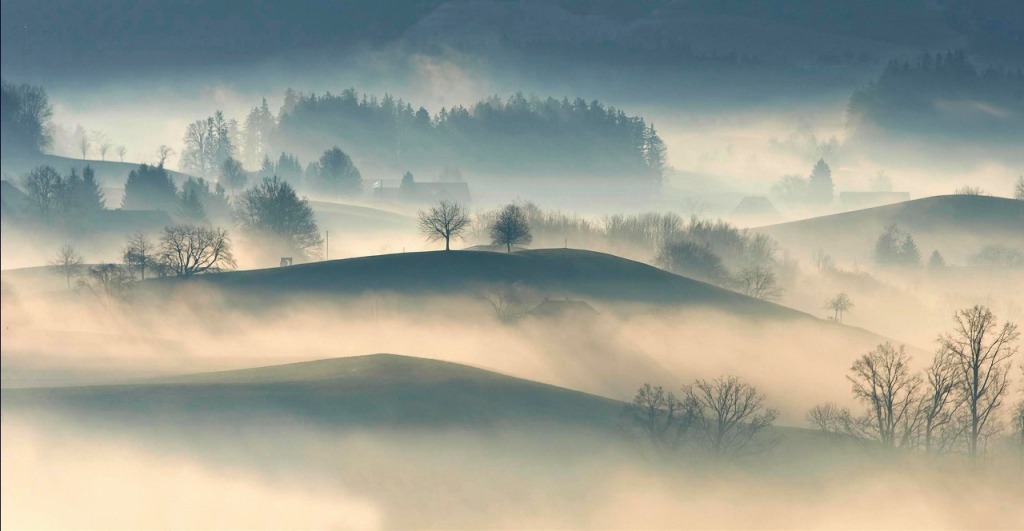
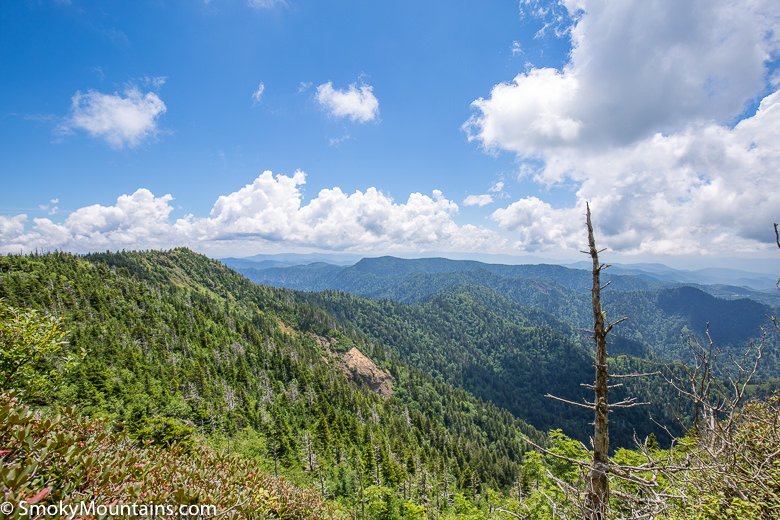
Image result for picture of prayer circle in singing in the church

Posted in Essay by WanHee Yoon, For the Sake of Beauty, Ministry | Tagged , , , , , , , , , | Leave a comment

“믿음 안에는 인종이 따로 없습니다” – 목사관 서신 (아름다움을 위하여, 일곱번째 이야기, 2001), 윤 완희

저희 가족은 우리와 피부가 다른 타민족들과 믿음 생활을 10여 년 이상 한 경험이 있습니다. 처음 목사님께서 안수를 받고 첫 목회지인 네델란드계 백인들이 주류인 교회에서 그들을 섬기며 사랑을 나눈 경험은 우리 삶 속에 얼마나 값지고 귀한 경험이었는지 모릅니다.

미국에 온 지 3년, 귀와 입이 열리지 않은 것은 물론이요, 단일 민족 안에서 자라나고 교육을 받아온 우리에게 갑자기 이민족의 영혼을 위해서 기도하고 일하는 것은 처음엔 결코 쉬운 일이 아니었습니다. 기도와 찬송을 하여도 가슴에 뜨겁게 와닿지 않으니 답답하기만 하였습니다. 교인들을 방문할 때나, 여선교회 회의나 각종 모임이 여간 부담 되는 것이 아니었습니다. 말을 잘 듣지도 못하고 할 줄도 모르니 눈치 만 보고 미소 짓거나, 적당하게 Yes’와 No’를 하다가 돌아오기 일쑤였습니다. 한인 사회와는 전혀 닿지 않고 동떨어진 외로움과 답답합 속에서 때로는 지루하기만 했습니다. 저는 가끔 이런 마음을 달래기 위해 늘 찾아가는 곳이 있었습니다. 그곳은 목사관에서 가까운 곳에 있는 허드슨 강가였습니다. 봄이면 강물에 비쳐지는 꽃들의 물결과 여름이면 녹음이 녹아 내리는 듯한 초록의 물결, 가을이면 산불이 난듯 붉어져 흐르는 물결과 겨울이면 강물 위에 떠다니는 흰눈 섞인 얼음 조각을 바라보며 주님께 하소연했습니다.

“주님! 저는 너무 외로워요! 답답해요! 친구가 필요해요! 말동무가 필요해요!”

그러면 주님은 언제나 잔잔한 물결로 응답하시곤 했습니다.

“사랑해라! 사랑해라!”

얼마 후 목사님은 새벽 기도회를 시작했습니다. 새벽이면 교회의 현관 문을 활짝 열어놓고 목사님과 둘이서 하루도 빠짐없이 새벽 기도를 드리기 시작했습니다. 새벽에 육중한 교회의 문을 열라치면 현관문 위에 자리잡고 있는 비둘기 떼들이 새벽잠을 설친다고 야단 법석이었습니다. 우리는 새벽이면 한국 찬송을 실컷 부르고, 찬 마루에 엎드려 교우들을 위해 기도하기 시작하였습니다.

새벽 기도회를 시작한 지 6개월 후, 어느 50대의 유대인이 지나가 다 들렀노라며 교회당에 들어왔습니다. 그는 이웃 교회에 다니는 프랭크 호프만이라는 건축회사 사장이었는데, 새벽마다 교회 문이 열리고 있음을 늘 호기심을 갖고 지내곤 하였습니다. 어느 날 성령의 감동 속에 “같이 가서 기도하라”는 강한 부추김에 왔노라며 감격의 눈물을 비오듯 흘리기 시작하였습니다. 그는 유대교에서 개신교로 개종한 지 얼마 안 된 신실한 기독교인이었습니다. 그는 새벽이면 우리와 함께 새벽 제단을 쌓기 시작하였습니다. 그리고 또 몇주 후엔 본 교회의 교인인 자동차 정비소에 다니고 있는 30대의 닐 어원이 호기심에 한 번 나와보더니, 계속 나오기 시작하였습니다.

1년 후, 마을에 있는 개혁장로교, 천주교, 순복음교회, 침례교, 감리교 등 일곱 개의 교회가 새벽 기도에 연합으로 모이기 시작하였습니다. 목사님, 신부님, 수녀님, 평신도, 병원에 수술하러 갈 사람들, 감옥에서 나온 사람들 등 모두가 그리스도의 이름 안에서 찬송과 기도를 드리며, 그 마을에 제2의 영적 각성시대가 열렸다고 하며 감격의 눈물 을 흘렸습니다.

기도 제목들을 나누며 주님의 사랑에 서로를 위로하며 얼싸안기 시작하였습니다. 기타 반주에 맞추어 복음성가와 찬송가를 힘껏 부르며 서로의 사역을 위해 진심으로 기도하였습니다. 그동안 눈에 보이지 않던 산같은 벽들이 녹아내리기 시작하였습니다. 숨통이 조이던 것과 같이 답답했던 심령이 심호흡을 한 듯이 목사관의 삶에 생기가 솟아 났습니다. 영어를 잘 못해 늘 미소로 감싸오던 교우들은, 어느새 저의 미소를 수많은 말보다도 더욱 사랑하게 되었습니다. 저는 그때, 왜 하나님께서 인간의 무표정한 얼굴 위에 미소를 그려넣어 주셨는지 이해 할 것만 같았습니다.

무엇이든지 한 번 시작하면 변함없이 시행하는 미국 교인들을 대상으로 새로운 것을 시작하는 일은 결코 용이한 일이 아니었습니다. 그러나 교회에 기도 그룹이 형성되고 믿음으로 삶을 살아야 함을 배운 교우들은 무엇이든지 실행해 보고자 애를 썼습니다. 마치 잠자던 거인이 일어섬과 같았습니다. 주일이면 성도들이 회중 앞에 나와서 신앙고백을 하며 눈물을 흘리기 시작하였습니다. 교회 탑과 지붕이 수리되기 시작하였습니다. 교회 주변에 꽃이 심겨졌습니다. 교회 문이 일주일 내내 잠겨질 줄을 몰랐습니다. 주일학교가 차기 시작하였습니 다. 30년 전에 입었던 어린이 성가대 가운이 박스 안에서 기지개를 펴고 나왔습니다. 교인들은 김치와 미역국, 만두를 먹을 줄 알게 되었습 니다. 저는 여선교회 회원들에게 김밥, 볶음밥, 만두 만들기를 가르쳐 습니다. 저도 그들로부터 칠면조를 굽는 법과 호박 파이 만드는 법을 배웠습니다. 그리고 교인들이 교대로 영어 개인 지도를 해주었습니다. 봄이면 강물에 가서 고기를 잡고, 여름이면 독립일 축제와, 가을이면 온 교인들이 볏짚타기 속에 말이 끄는 마차를 타고 황혼이 붉게 물든 들판에서 찬송을 부르며 자연을 즐겼습니다. 겨울이면 눈사람 만들기, 썰매타기, 연극 준비로 분주한 나날을 보내었습니다.

몇 년 후, 우리 가족은 감독님의 파송으로 교회를 옮기게 되었고, 프랭크와 닐은 평신도 사역자가 되어 목회자가 없는 교회를 맡아 담임하며 섬기는 주님의 귀한 일꾼이 되었습니다. 저희 가족은 떠나온 후에도 수년 동안 일 년에 한 번씩, 교회의 초청에 의해 가족 음악회를 열곤 했습니다. 그 때마다 우리는 더욱더 국경과 인종을 초월한 사랑과 그리움을 느끼며 기쁨으로 그들과 해후를 하며, 믿음 안에서 우리 모두 는 하나님의 자녀임을 확인하는 귀한 시간이었습니다. 하나님께서 왜 인간을 하나로 만들지 않고 여러 가지 색깔로 다양하게 만드셨는지, 이해가 되던 시절이었습니다. 인종과 인종, 민족과 민족의 연합은 거 룩한 일입니다. 우리는 이웃에 있는 다른 색깔의 이웃과도 사랑을 나누며 서로의 것을 배우고 이해하는 노력 속에 형제애를 나누며, 친구가 될 수 있다는 사실을 늘 기억하며 살아야겠습니다. 인종과 인종의 문제는 정치인이나 특별한 지도자가 해결하는 것이 아니고, 그리스도의 믿음 안에서 사는 우리들이 먼저 사랑을 할 때, 서로의 벽과 이질감은 오히려 멋진 조화의 재료가 되어 우리의 삶을 더욱더 아름답고 풍성하게 수놓을 것입니다.

Image result for picture of prayer circle in singing in the church
Posted in Essay by WanHee Yoon, For the Sake of Beauty, Ministry | Leave a comment

Fog

I sat facing the wall—
yet saw a stream flowing by.

Like mist unraveling
across a mountain’s waist—
Yes… that’s how it is.

Even the far-seeing eye
must be clouded now
by this faded longing.

TaeHun Yoon July 22, 2023

Posted in Poetry | Leave a comment

Lectio Divina ; Thursday, July 31, 2025

Lectio Divina on Psalm 89
By TaeHun Yoon

1. Basic Prayer in Silence (Silent Preparation):

I entered into stillness. Sitting quietly, I closed my eyes and took three deep breaths. My shoulders dropped. My heart slowed. In my imagination, I walked into the sanctuary and sat in the front pew—my familiar place of communion with God.

With a heart burdened by grief, I offered a prayer through the words of Charles Wesley’s hymn:

“If death my friend and me divide, Thou dost not, Lord, my sorrow chide, Or frown my tears to see…”

The verses carried my sorrow gently before the Lord. The lines became my voice, my lament, and my hope.

2. Lectio (Reading the Word):

I opened the Scriptures and read Psalm 89:1–52 slowly, carefully, aloud and silently—through multiple translations.

One phrase rose like a whisper becoming a shout in my soul:

“Eternally faithful and sincere is God to the anointed one, to David and his people.

They could call Him, ‘Father.’”

3. Meditatio (Meditation — Reflecting with the Heart):

As I lingered with those words, I recalled the message from the church office:

“Our beloved church member, Bill Hogan, passed away yesterday morning from a heart attack. It came as a great shock to us all.”

My heart ached for Jan and her family. I let the Psalm speak again:

“Your love, God, is my song—I’ll sing it! The people who know the celebratory shout are truly happy! They walk in the light of your presence, Lord. They rejoice in your name all day long, And are lifted high by your righteousness Because you are the beauty of their strength. …David will cry out to Me: ‘You are my Father, My God, the rock of my salvation.’” (vv. 1, 15–17, 26)

4. Oratio (Prayer — Responding to God):

With these verses, my heart responded:

“Yes, Lord. You are the beauty of our strength. You are the rock we stand on, especially in the valley of grief. Be near to the Hogan family. Be near to us all. Teach us to call You ‘Father’ not only in life—but also in death.”

5. Contemplatio (Contemplation — Resting in God):

I rose within myself and walked toward the altar—inwardly, prayerfully. I let go of thoughts and words. I waited in silence.

No expectations. Just presence.

Then—without warning—a holy image emerged.

I stood beside Bill Hogan at the Clingmans Dome observation tower. We looked out across the crown of the Smoky Mountains, surrounded by clouds and silence.

We turned to one another, and without speaking, we raised our hands and cried out:

“Father, You are the rock of my salvation!”

“Blessed be God forever and always! Yes—Oh, yes!”

6. Incarnatio (Embodiment — Living the Word):

I returned to my chair. Slowly, I took a deep breath and opened my eyes. The Psalm had moved from Scripture into life. From David’s lips to ours. From sorrow to eternal joy.

Bill’s voice, now part of that celebratory shout, echoed in my soul:

“Blessed be God forever and always!”

7. Ruminatio (Spiritual Remembrance — Chewing the Word):

The sacred phrases lingered, like incense in the sanctuary:

“Your love, O Lord, is my song.”

“You are my Father.”

“The rock of my salvation.”

These words return to me still—in prayer, in memory, in silence.

Though I mourn, I do not mourn alone. The Lord, eternally faithful and full of mercy, has made an everlasting covenant.

And that is enough for today.


.

Posted in lectio-divina | Tagged , , , , , , | Leave a comment

“The Earth Waiting for a Good Samaritan” – Parsonage Letter (For the Sake of Beauty, Story Six, 2001), by WanHee Yoon

These days, not only many scientists but also the general public are deeply concerned about the destruction of the ecosystem. In the United States alone, 10,000 tons of waste are produced daily, along with 500,000 tons of sewage and 1,000 tons of pollutants. These contribute to environmental pollution. In the name of economic development in Third World countries, forests are destroyed and industries that cause various types of pollution are rapidly expanding. Furthermore, the dumping of nuclear waste by powerful nations has led to the death of trees and soil acidification, while water pollution has driven the earth into a state of severe illness.

There is a Kenyan proverb that says, “The earth was not given to you by your parents but borrowed from your children, so take good care of it.” However, humanity has already destroyed more than half of the tropical rainforests, and about 140 species go extinct every day due to human actions. Every year, forests the size of Finland (17 million hectares) are devastated.

Tropical rainforests are an inexhaustible environmental treasure trove for humankind. They contain plants that offer cures for diseases, anti-cancer agents, food, and essential raw materials. Nevertheless, humans are destroying 100 acres every minute.

Not long ago, Korean news reported that rivers were so polluted that even tap water had an odor and was undrinkable. The fact that foreign travelers to Korea are warned not to drink the water is a serious situation. This is not only an issue in Korea but also in Europe and the developing world—and it is undoubtedly a warning for all humanity. Because water was the cheapest and most abundantly provided resource, we failed to take care of it and allowed its quality to deteriorate. According to general knowledge, the human body is composed of about 65% water, and when body fluids fall below 20%, life cannot be sustained. Currently, 70% of the water consumed by citizens in the world’s top 10 industrial nations is artificially treated wastewater. Human civilization began and thrived along rivers. The food and resources provided by rivers and seas have sustained humanity until now. However, at this very moment, chemical-laden wastewater from factories, farmlands, and households is destroying the balance of the ecosystem. The consequences of this will be borne by future generations. This reality shows that we must urgently awaken.

Every nation is pursuing economic growth. In the desire of political leaders in developing countries to build more prosperous nations, powerful economies have provided capital and technology under the pretext of economic support—yet allowed the production of goods that are banned in their own countries. This has led to rampant environmental pollution. Alongside this, a small group of businesspeople has accumulated wealth and luxury, exacerbating the gap between the rich and the poor.

There was a time when consumption and extravagance were seen as virtues, as if they were shortcuts to economic growth. In such a world, where new things were considered better and only large things were valued, we have often seen newly built apartments, pedestrian overpasses, and even churches being demolished overnight—a deeply regrettable sight.

According to Dr. Bang Yong-ho’s book Groaning Planet Earth, Korea produces the most waste per capita (2.32 kg per person per day), with the amount of trash in Seoul being 35% more than New York and 5.9 times more than Kolkata, India. We must take these statistics seriously. A report on household waste in the U.S. shows that 17% of purchased food ends up in the trash, contributing to environmental pollution. Professor Rathje of the University of Arizona reports that one in six people worldwide is dying due to lack of food, and 40,000 infants die every day (14.6 million annually) from hunger-related diseases. These realities remind us that consumption and waste are matters of life and death.

The Earth is like the man who was robbed while traveling to Jericho—left wounded and dying. We were all too busy to care, becoming accomplices in the destruction of environmental resources. Who will tend to this wounded, bleeding planet and restore the shattered order of creation? One day, may we be ashamed of possessing more than we need and usher in an age of harmony and equality between nature and humanity. We must remember that God did not only love humankind but the entire world. We have lived thinking that it doesn’t matter what happens to others as long as we are happy and doing well. But we must recall that we live in interdependence with all creation and our neighbors, and remember the Word that God saw what He had created and said it was good. We can no longer bring sorrow to the heart of God. Nature must become a subject of our mission as well. I believe the time has come for Good Samaritans to rise for the protection of the Earth’s wounded natural environment.

[기고] 국립생태원 Ecorium서 만나는 기후대별 생물군계

Posted in For the Sake of Beauty | Tagged , , , , , | Leave a comment

“선한 사마리아인을 기다리는 지구” – 목사관 서신 (아름다움을 위하여, 여섯번째 이야기, 2001), 윤 완희

요즈음 많은 자연과학자들뿐만 아니라 일반인들까지도 염려하는 것이 있다면 생태계의 파멸일 것입니다. 미국에서만 하루에도 1만 톤 씩 쏟아져 나오는 쓰레기들과 50만 톤의 하수, 1천 톤의 환경 오염물 배출로 인한 공해와, 제3세계의 경제 발전이라는 명목 아래 뭉개어져 버리는 산림과 각종 공해를 유발하는 산업, 강대국들의 핵 폐기물로 인해 자연사당하는 나무와 산성화되어 가는 땅의 변화 및 수질 오염은 지구를 중병으로 몰아넣었습니다.

케냐의 속담에 “지구는 너의 부모로부터 주어진 것이 아니고 너의 자녀로부터 빌린 것이므로 잘 보살펴야 한다.” 라는 말이 있습니다. 그러나 인류는 그 동안 열대 다우림(Rain Forests)의 반 이상을 이미 황폐시켰으며 매일 140여 종의 각종 생물이 사람에 의하여 멸종되어 가고 있습니다. 그리고 매년 핀란드 크기(1천 700만 ha)의 산림이 황폐되어 가고 있다고 합니다.

열대 다우림은 우리 인류의 보고라 불릴 수 있는 무궁무진한 환경 재산입니다. 이곳에서 발견되는 식물 속에는 인류의 병을 퇴치 할 수 있는 각종 항암제와 음식, 인간에게 필요한 원자재 등을 계속 공급함에도 불구하고, 인간에 의해 1분마다 100 에이커가 파손되어 가고 있습니다.

얼마 전 한국 뉴스에 보니, 강마다 오염이 되어 수돗물조차 냄새가 나서 마실 수 없다는 보고였습니다. 외국 여행자들이 한국을 방문할 땐, 물을 마시지 말라는 경고가 나붙게 됨은 실로 심각한 현상이 아닐 수 없습니다. 이것은 한국뿐만이 아닌, 유럽과 제3세계에 그 심각성이 깊고 언젠가 인류 전체에게 다가올 경고임에 틀림없습니다. 물은 가장 값싸고 풍부하게 우리에게 공급되었기 때문에 돌보거나 관리하지 못하고 함부로 수질을 오염시켰습니다. 상식에 의하면 사람의 65%가 물로 구성되어 있어 체내의 수분이 약 20% 이하로 내려 갈 땐 생명이 유지되지 못합니다. 현재 세계 10대 공업국 시민들이 마시는 물의 70%는 오염된 폐수를 인공적으로 처리한 것입니다. 인류의 문명은 물줄기를 따라 시작되었고 번영하였습니다. 강과 바다에서 공급되는 식량 및 자원은 인류를 오늘까지 키워왔습니다. 그러나, 오늘 이 순간 도 공장, 농경지, 가정에서 쏟아져 내리는 각종 화학 물질이 섞인 폐수는 생태계의 균형을 잃게 했으며, 그 대가는 우리의 후손들이 공동으로 짊어져야 된다는 현실을 바라볼 때 우리가 속히 깨어나지 않으면 안될 상황에 이르렀음을 알 수 있습니다.

나라마다 추구하는 것이 있다면 경제 성장입니다. 좀더 잘사는 나라를 만들겠다는 제3세계의 정치 지도자들의 의욕 속에, 경제대국들은 이미 이룩한 경제제공이라는 명목하에 자본과 기술을 대어, 본국에서 생산 금지된 제품들을 마구 생산해 내도록 합니다. 그리하여 산과 바다로 쏟아져 나가는 각종 환경 오염에 관해선 무책임하였으며, 이들과 더불어 극소수의 기업가들은 소비, 사치, 재물의 축적을 갖게하여 빈부의 격차를 넓히게 하고 있습니다.

소비와 사치가 경제 성장의 지름길인 양, 소비를 미덕으로 여기는 시대가 있었습니다. 무엇이든지 새것이면 좋은 것이고, 큰 것만을 알아주는 세상 풍조로 인해 지은 지 얼마 되지 않은 아파트와 육교와 교 회가 하루아침에 헐리는 모습들을 종종 보게 되는 씁쓸함을 맛보게 됩니다. 방용호 박사님의 저서 “신음하는 지구촌”에 보면, 세계에서 쓰레기를 제일 많이 배출하는 나라가 한국(인구 1인당 2.32kg)이며, 그 중 서울의 쓰레기 양은 미국 뉴욕보다 35%가 많으며, 인도 캘커타 보다 5.9배가 높다는 보고를 우리는 주시해야 합니다. 또한 미국 시민 가정에서 버려지는 생활 쓰레기들을 분류한 보고서에 의하면, 구매하는 음식물의 17%가 쓰레기 통에 버려져 환경 오염에 일익을 담당하고 있음이 밝혀졌습니다. 미 아리조나 대학 Rathje 교수의 보고에 의하면, 세계 인구의 여섯 명 중 한 사람이 음식이 없어 죽어가고, ‘굶주 림과 관련된 병’ 때문에 사망하는 유아는 매일 4만 명(연 1천4백 60만 명)이나 된다고 합니다. 이러한 현실을 직시하여, 소비와 낭비는 인간의 생과 사가 걸린 문제임을 생각하게 됩니다.

지구는 분명 인간의 이기심으로 강도당한 여리고로 가던 사람과 같습니다. 모두가 바빠서 돌아볼 사이 없이 죽어가는 지구를 방치하고 너도나도 환경 자원을 파괴하는 일의 공범자들이었습니다. 누가 이 상처받고 피흘리는 지구를 돌보며 무너진 창조 질서를 회복시킨단 말 입니까? 언젠가 한 개인이 필요 이상의 많은 것을 소유한 것을 부끄러위하며, 자연과 인간의 평등하고 조화된 시대가 오게 되기를 기도합니다. 우리는 하나님께서 사랑하신 것은 인간뿐만이 아닌, 온 세상이었음을 기억하여야 합니다. 남이야 어떻든 나만 잘살면 그만이고, 나만 행복하면 된다고 생각해 왔습니다. 우리는 피조물들과의 관계, 이웃과의 상호의존 관계 속에 내가 있음을 상기하며, 세상을 창조하시고 보시기에 좋았더라고 기록된 말씀을 기억해야 합니다. 이제 더 이상 하나님의 마음에 슬픔을 드릴 순 없습니다. 자연도 우리의 선교 대상이 되어야 합니다. 강도당한 지구의 자연 환경 보호를 위해 선한 사마리아인들이 일어날 때라고 믿어집니다.

[기고] 국립생태원 Ecorium서 만나는 기후대별 생물군계

Posted in For the Sake of Beauty | Leave a comment

Drought

Not a drought

It is not dryness—
but longing,
overflowing.

I tried to send it away,
but there was nothing left
to release.

As if I were parched,
I traced
the thirst
like tailoring cuts
upon memory.

Fearful of tomorrow,
I gathered my voice
into a single
shout—
toward the place
where truth stands.

TaeHun Yoon July 2023

Posted in Poetry | Leave a comment

Lectio Divina ; Wednesday, July 30, 2025

Sacred Text: Psalm 88


🙏 Opening Prayer — A Cry for a New Heart

I sit quietly, my hands resting in stillness.

I offer this prayer, drawn from the longing of the heart:

“O Thou who art over us,

Thou who art one of us,

Thou who art—

Give me a pure heart, that I may see Thee;

A humble heart, that I may hear Thee;

A heart of love, that I may serve Thee;

A heart of faith, that I may abide in Thee.

Amen.”

—Dag Hammarskjöld (Inspired by Matthew 5:8)

I inhale deeply three times.

With each breath, I release my tension.

Then I travel inward—to the quiet lakeside of Bariloche, my sacred inner sanctuary.

📖 Lectio — Reading the Text

I slowly read Psalm 88, in several translations.

In silence, I tune my five senses to the sacred moment.

Then aloud, I give voice to the cry within these ancient words:

“I am overwhelmed with troubles

and my life draws near to death…

You have put me in the lowest pit,

in the darkest depths…

You have taken from me my closest friends.”

This psalm is unique—no light at the end, no easy hope.

It is pure lament, yet holy in its honesty.

🪞 Meditatio — Reflecting on the Text

This is not a song of comfort, but a cry from the abyss.

It is the voice of one left behind, sick and forgotten.

Yet it is still a prayer—and that matters.

I ask myself:

What places in my life feel like a tomb?

For months, I have walked under a cloud of sorrow.

Where have I cried out and heard no reply?

I worked in my backyard, built a woodshop with tired hands and silent prayers.

And yet—can I trust that God is still near?

In the breeze, the trees, the birdsong and buzzing life, I felt the Creator’s breath.

Even the sweat of labor became prayer.

This psalm teaches me:

Even when answers do not come—my prayer is not in vain.

🙌 Oratio — Responding in Prayer

O Lord,

You are my last and only hope.

When darkness wraps around me,

Still I cry to You.

Bring back the companions I have lost.

Restore to me the joy of Your presence.

Let my voice rise from the depths—

Even if all I can offer is silence.

You are the light beneath every grave,

The Love that does not leave.

I pause. I weep. I listen.

And I hear Your whisper:

“You are always with Me.”

🌌 Contemplatio — Resting in Presence

I release all words now.

No asking, no explaining—only being.

The night surrounds me.

But in the dark, a flicker—a quiet Presence.

Christ, seated beside me, says nothing.

And that is enough.

“I am shut in and cannot escape.” (Psalm 88:8)

Yet even here, You enter in.

💬 A Word from the Tradition

“Suffering shuts us up to ourselves—

but it also shuts us up to God.

In the silence, we learn to say:

‘The Father is with me.’”

—Joseph Exell, The Biblical Illustrator

🔚 Closing

As I end this sacred time,

I hold this quiet truth:

I am not alone.

Even in despair, my soul is heard.

Even in silence, my prayer is received.

I sit for a few final breaths.

If no words remain, I simply whisper:

“Jesus.”

Amen.

May be an image of nature, mountain and lake
Posted in lectio-divina | Tagged , , , , , | Leave a comment

Antenna

Oh, how thirsty I am—
When the moon comes running,
Carrying whispers of news,

Old songs rise in a noisy chorus,
With both hands raised high—

Like that,
Stretching my neck
Beyond the sky,

Just to speak
One word:
“Peace.”

That longing…
Always reaching.

TaeHun Yoon July 20, 2023

Web page related images
Posted in Poetry | Leave a comment

“Dream” – Parsonage Letter (For the Sake of Beauty, Story Five, 2001) by WanHee Yoon

The dream and vision that blossom in the soul of a person are more beautiful than anything in this world. If that dream is only for one’s own wealth and honor, it will soon wither like the flowers of the field or end in disgrace. However, the unending pursuit of the essence of humanity that connects one soul to another becomes a precious dream for all of us—one that does not fade or disappear with the passing of time or changing generations, like an evergreen pine tree.

In 1886, Dr. Alexander Graham Bell was not only the inventor of the telephone, but also a teacher of the hearing-impaired. His wife was also deaf, and so his affection for the deaf was deeper than that of anyone else. After meeting Helen Keller for the first time, Dr. Bell introduced Miss Annie Sullivan as a private tutor to Helen’s father. One year later, on March 3, the meeting between Miss Annie Sullivan and Helen Keller became a historic moment that gave humanity a dramatic and meaningful dream. At that time, Miss Sullivan was a 21-year-old young woman, and Helen was just about to turn eight. Through the movement of her lips, Sullivan opened up a world of light and language within the soul of a young girl who lived in darkness, helping her find the key to hearing. Like a miner who never stops swinging his pickaxe in search of a precious vein of gold, Sullivan tirelessly nurtured a dream with patience and love—reaching toward the infinite world hidden within the soul of a child who, trapped in silence and gloom, had been irritable, selfish, and incapable of sensing affection or compassion.

Helen Keller described the emotional impact of learning her first words through the fingertips of Miss Sullivan in her autobiography:
“Like Aaron’s rod that budded in the Book of Numbers, she turned the world into a garden of blossoms for me.”

Miss Sullivan’s faith-filled passion and dream released the chains that bound the young girl’s soul. And once she was set free, Helen Keller became a bearer of hope for many who were less fortunate.

In 1935, in the state of Georgia, two boys—one Black and one white—were growing up as neighbors. The Black boy was the son of a Baptist pastor; the white boy was the son of a grocery store owner. They spent their days playing joyfully—engaged in toy gunfights and wrestling matches—unaware of time until the sun went down. But a day came when they had to part ways. One had to go to a school for white children, and the other to a school for Black children. Their parents told them that they could no longer play together.

The Black boy asked the white boy:
“Why can’t we play together anymore?”
“Because you’re Black and I’m white. I don’t really know why, but that’s just how things have always been.”

Though he couldn’t understand, the Black boy grew up carrying a deep wound in his heart, and he began to see the reality of the world around him. Black and white people couldn’t eat together, couldn’t ride the same bus, couldn’t shop at the same markets. They couldn’t even worship God together.

That young boy, Martin Luther King Jr., began to dream.

“One day, will Black and white people live together in peace, as brothers and sisters?”

Many began to share in his dream. On August 25, 1963, over 200,000 people gathered in Washington, D.C. There, in the dark days of racial discrimination, Reverend Dr. Martin Luther King Jr. cried out to America, “I have a dream!”

“All men are created equal. I have a dream that one day my four little children will be judged not by the color of their skin but by the content of their character. I have a dream…
That the bell of freedom will ring from mountaintops and valleys, and across the land, and that Black and White, Jews and Gentiles, Protestants and Catholics, will all join hands and sing the old Negro spiritual:
‘Thank God Almighty, we are free at last! Free at last!’”

On April 4, 1968, Dr. King was assassinated at the Lorraine Motel at the age of 39. Though his body left this world, his dream remained alive. His dream abolished racial discrimination in America, corrected social injustices, and awakened society to its responsibility for the oppressed—achieved through the path of nonviolence. His dream continues to live on, transcending race and national boundaries, inspiring people around the world to this day.

Back in Korea, a tragic story surfaced of a young elite officer, a military academy graduate, who, burdened by debts from gambling and drinking, committed an armed robbery at a bank just to buy a car. This news saddened us all. And among Korean immigrants in New York, the story of competing Korean shop owners fighting for business with one-cent sales has reduced our dreams to nothing more than a single cent.

“When there is bread but no vision, that bread cannot produce vision.
But when there is vision, even without bread, that vision can produce bread.”
—Yevgeny Yevtushenko

Let us remember his words. Unless the Spirit of God is poured out upon us, we will not be able to realize true dreams and visions for the future.

“And afterward, I will pour out my Spirit on all people.
Your sons and daughters will prophesy,
your old men will dream dreams,
your young men will see visions.”
—Joel 2:28

The words of the prophet Joel are still speaking today—crying out to this generation, which lives without a dream.

Posted in For the Sake of Beauty | Tagged , , , , | Leave a comment