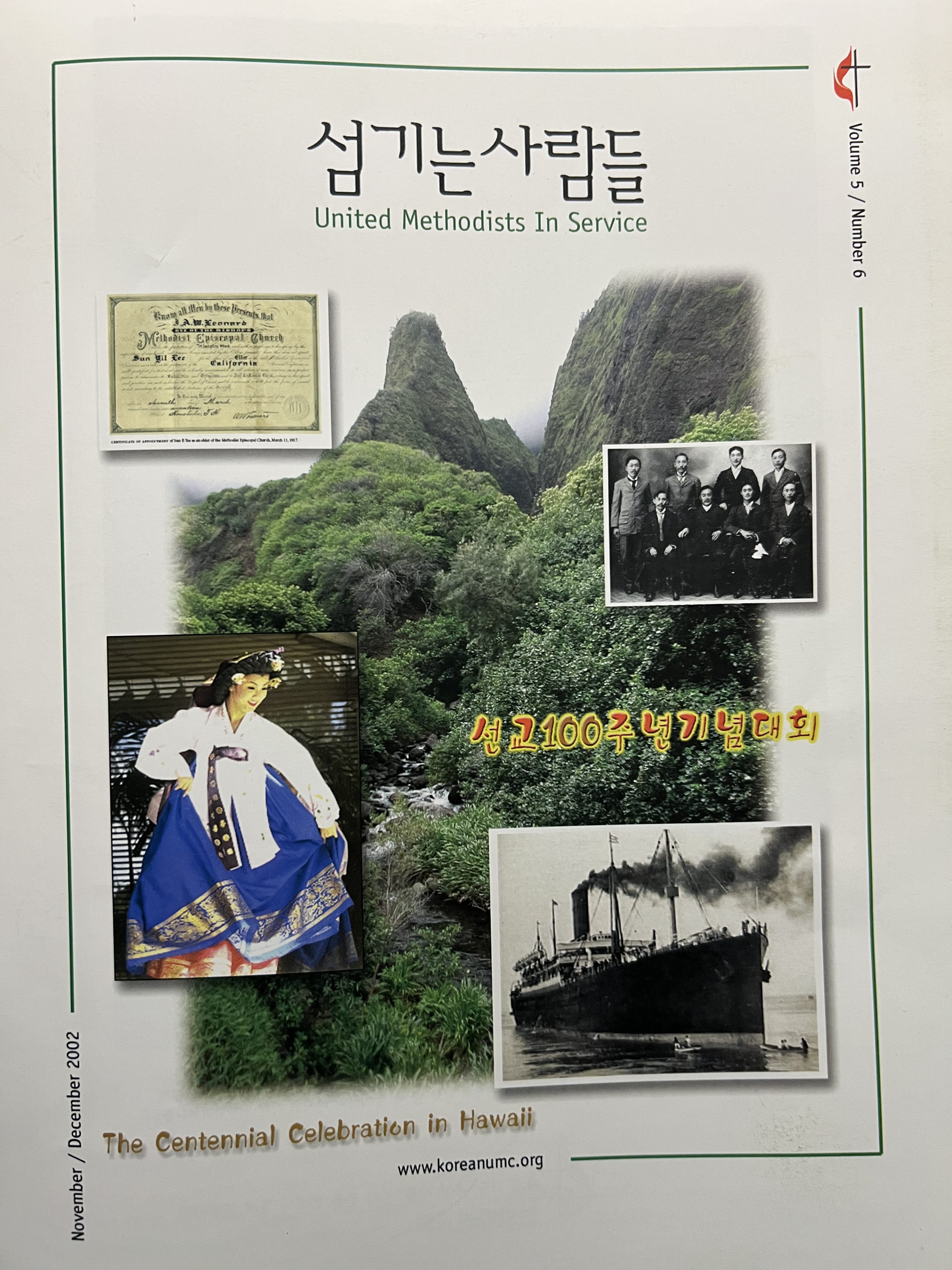
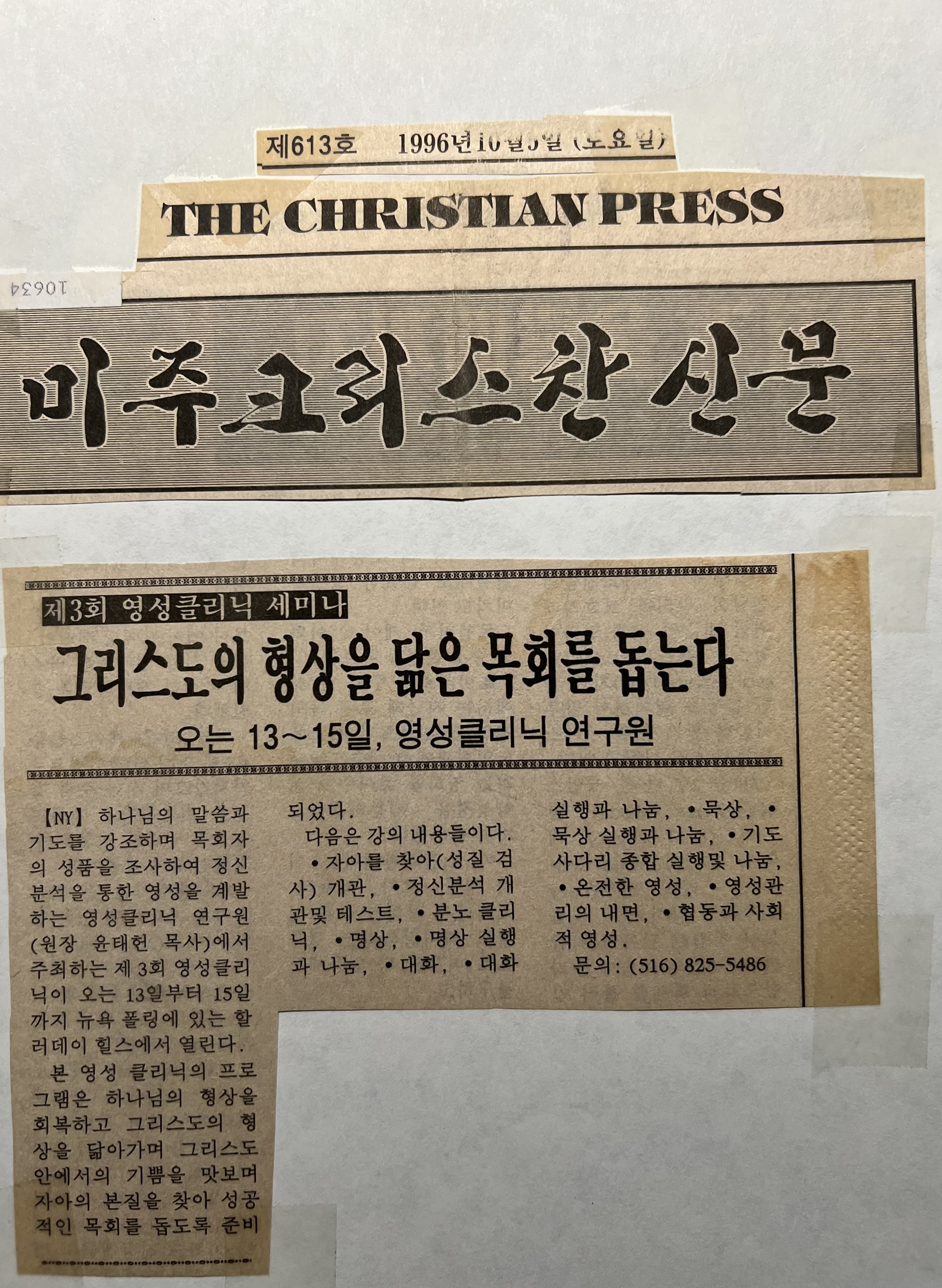
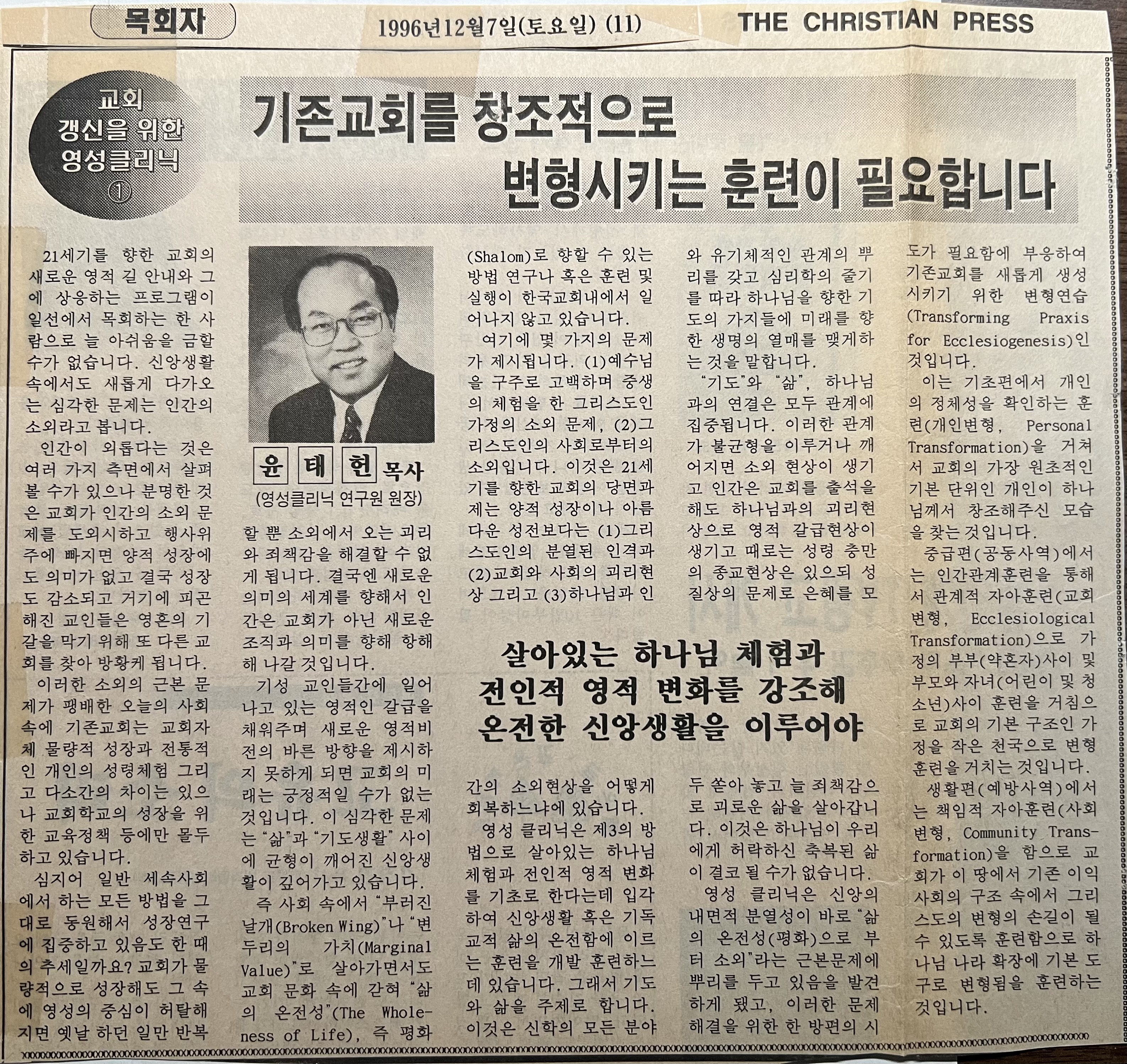
๊ฑด๊ฐ•ํ•œ ๊ตํšŒ, ๋„˜์น˜๋Š” ์˜์„ฑ์„ ์œ„ํ•œ “์˜์„ฑ ํด๋ฆฌ๋‹‰” (2002๋…„ /11์›” &12 ์›”, ์„ฌ๊ธฐ๋Š” ์‚ฌ๋žŒ๋“ค), United Methodists in Service, www.koreanumc.org, 14-17 ๋ฉด

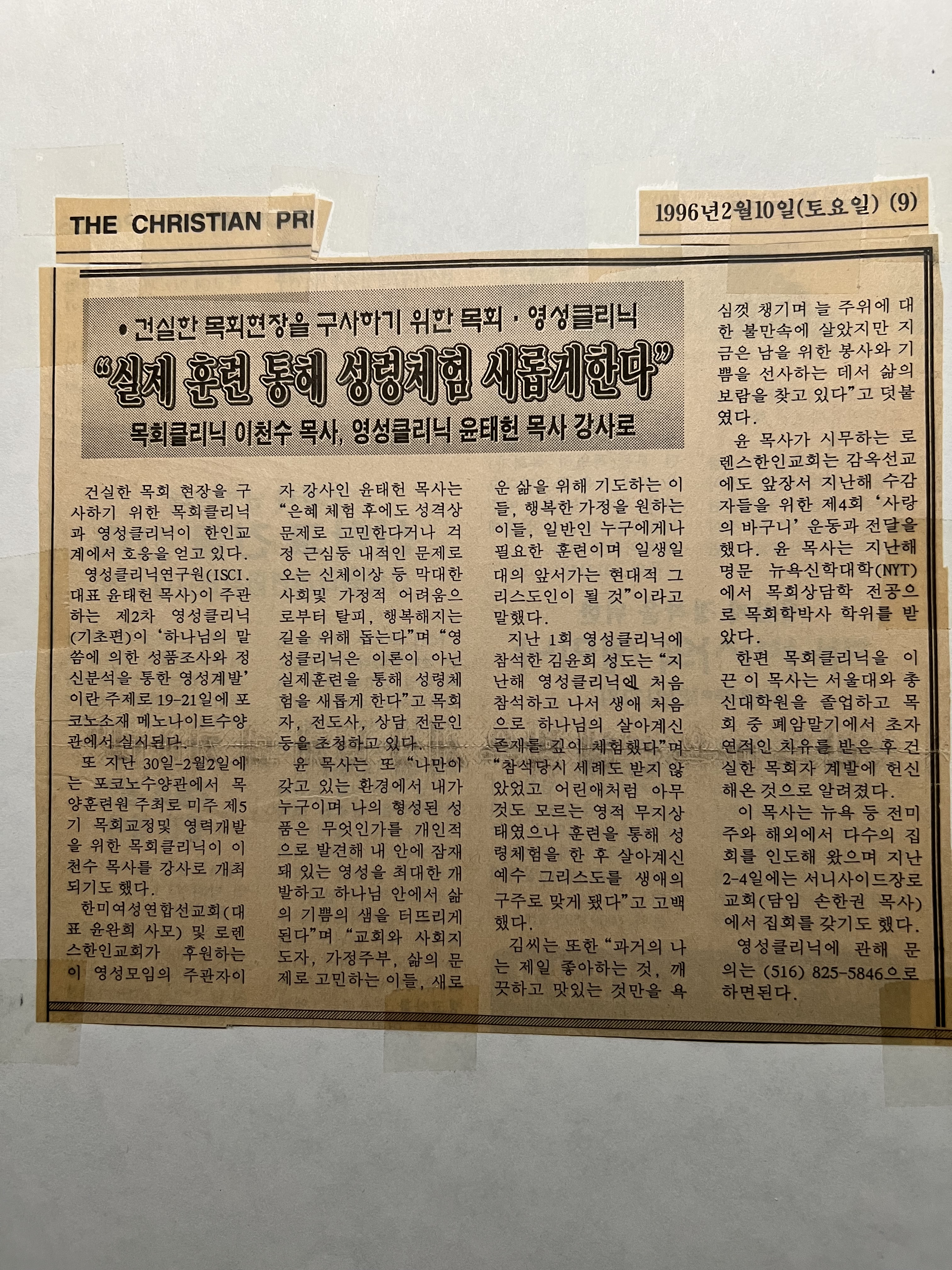
ํ•„์ž์ธ ์œคํƒœํ—Œ ๋ชฉ์‹œ๋Š” ํ˜„์žฌ(2002) ํ…Œ๋„ค์‹œ ์ฃผ ์กด์Šจ : ์‹œ์— ์†Œ์žฌํ•œ James H Quillen VA Medical Center์—์„œ Staff Chaplin๊ฒธ Clinical Pastoral Educaton Supervisor Resident๋กœ ์‹œ๋ฌดํ•˜๊ณ  ์žˆ๋‹ค. http://www.taehunyoon.com (2014๋…„ 6์›”์— ํ…Œ๋„ค์‹œ ํ™€์Šคํ†ค ์—ฐํšŒ์—์„œ ์€ํ‡ด)

[์ด ๊ธ€์€ ์„ฌ๊ธฐ๋Š”์‚ฌ๋žŒ๋“ค 2002๋…„ 7-8์›” ํ˜ธ 16-18 ์ชฝ์— ์žˆ๋Š” ๊ธ€,”๋ง์”€ ๋ฌต์ƒ์˜ ์‚ฌ๋‹ค๋ฆฌ 7๋‹จ๊ณ„”์™€ ์—ฐ ๊ด€ํ•ด์„œ ์ฝ์œผ๋ฉด ์ข‹๋‹ค.]


๋“ค์–ด๊ฐ€๋Š” ๋ง :


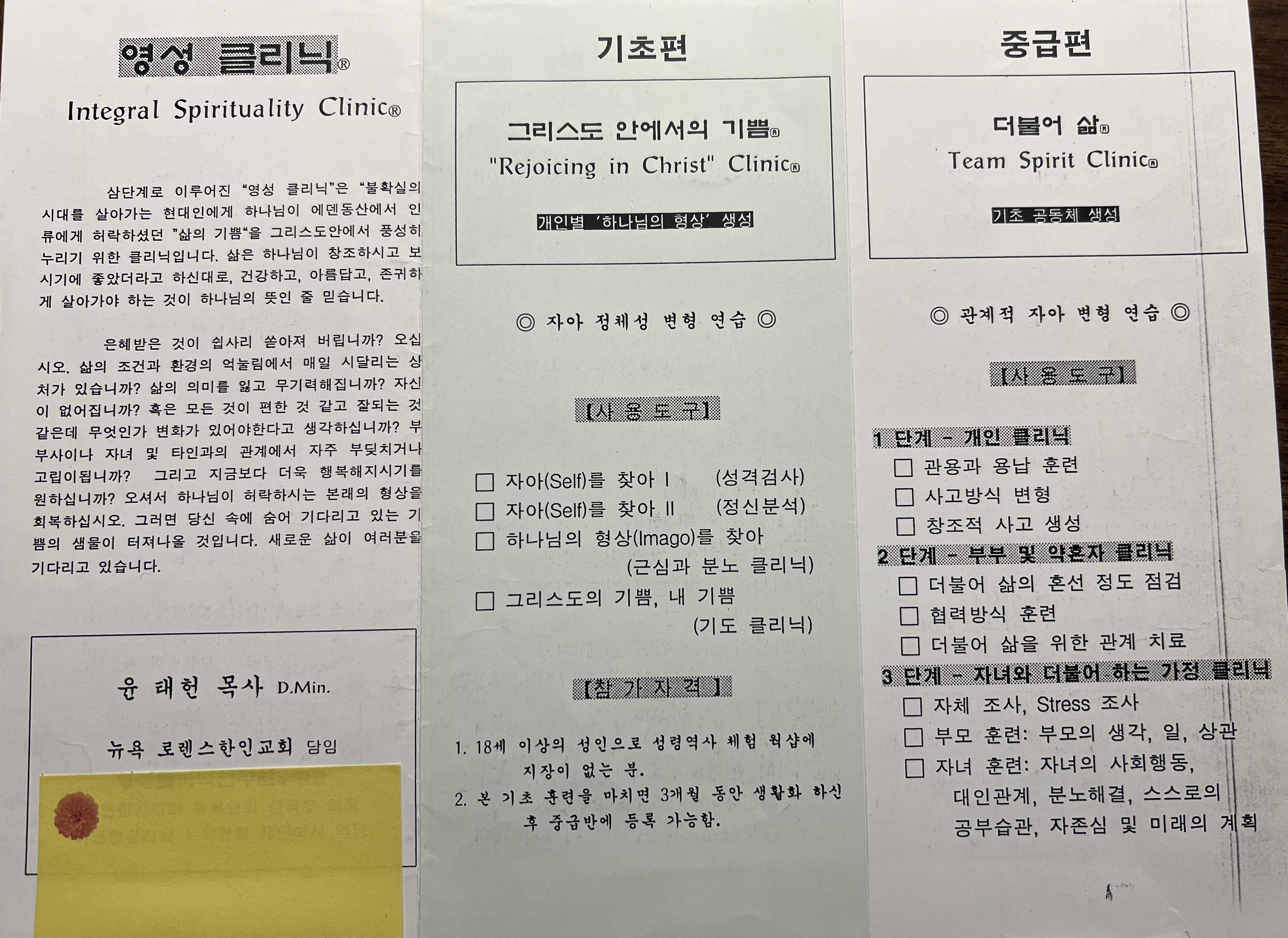
“์˜์„ฑ ํด๋ฆฌ๋‹‰(Integral Spirituality Clinic ์€ ‘๋ถˆํ™•์‹ค์˜ ์‹œ๋Œ€’๋ฅผ ์‚ด์•„๊ฐ€๋Š” ํ˜„๋Œ€์ธ ์—๊ฒŒ ๊ทธ๋ฆฌ์Šค๋„ ์•ˆ์—์„œ ‘์‚ถ์˜ ๊ธฐ์จ’์„ ํ’์„ฑํžˆ ๋ˆ„๋ฆด ์ˆ˜ ์žˆ์Œ์„ ์•Œ๋ ค์ฃผ๊ณ  ํ›ˆ๋ จ ์‹œ์ผœ ์ฃผ๋Š” ํ”„๋กœ๊ทธ๋žจ์ด๋‹ค. ํ•˜๋‚˜๋‹˜๊ป˜์„œ ์—๋ด ๋™์‚ฐ์„ ๋งŒ๋“œ์‹œ๊ณ  ์ธ๊ฐ„๋“ค์—๊ฒŒ ํ—ˆ ๋ฝํ•˜์…จ๋˜ ์‚ถ์€ ‘๋ณด์‹œ๊ธฐ์— ์•„๋ฆ„๋‹ต๊ณ ’ ๊ฑด๊ฐ•ํ•˜๊ณ , ์กด๊ท€ํ•œ ์‚ถ์ด์—ˆ๋‹ค. ๋ฐ”๋กœ ์ด๋Ÿฐ ์‚ถ์„ ๊ฟˆ๊พธ๊ณ  ์ด ์„ธ์ƒ์—์„œ ๋ง›๋ณด๋ฉฐ ์‚ด์•„ ๊ฐ€๋„๋ก ๋•๊ณ ์ž ํ•˜๋Š” ํ”„๋กœ๊ทธ๋žจ์ด ๋ฐ”๋กœ “์˜์„ฑ ํด๋ฆฌ๋‹‰”์ด๋‹ค. ์ด๋ฅผ ํ†ตํ•ด ๊ตํšŒ๊ฐ€ ๊ฑด๊ฐ•ํ•ด์ง€๊ณ  ์„ฑ์žฅํ•  ์ค„๋กœ ๋ฏฟ๋Š”๋‹ค.

์—๋ด ๋™์‚ฐ์—์„œ ์ธ๊ฐ„์€ ํ•˜๋‚˜๋‹˜๊ณผ ์˜ฌ๋ฐ”๋ฅธ ๊ด€๊ณ„๋ฅผ ํ˜•์„ฑํ•˜๋ฉฐ ๊ธฐ์˜๊ณ  ์•„ ๋ฆ„๋‹ต๊ฒŒ ์‚ด์•˜๋‹ค. ์ธ๊ฐ„์˜ ํŒ๋‹จ ์ฐฉ์˜ค๋กœ ์ธํ•ด ์ด ๊ด€๊ณ„๋Š” ๊นจ์–ด์ง€๊ณ , ์ธ๊ฐ„๋“ค์€ ํ•˜๋‚˜๋‹˜์œผ๋กœ๋ถ€ํ„ฐ ์†Œ์™ธ๋˜์—ˆ๋‹ค. ์ด์™€ ๋”๋ถˆ์–ด ํ•œ ์ธ๊ฐ„์ด ๋งบ๊ณ  ์žˆ๋Š” ๋ชจ๋“  ๊ด€๊ณ„๋„ ํ•œ๊บผ๋ฒˆ์— ํ—ˆ๋ฌผ์–ด์กŒ๋‹ค. ํ—ˆ๋ฌผ์–ด ์ง„ ๊ด€๊ณ„๋Š” ์ธ๊ฐ„๋“ค์—๊ฒŒ ์ƒ์ฒ˜๋ฅผ ์ค€๋‹ค. ์‚ถ์˜ ์กฐ๊ฑด๊ณผ ํ™˜๊ฒฝ์˜ ์–ต๋ˆŒ๋ฆผ์—์„œ ๋งค ์ผ ์‹œ๋‹ฌ๋ฆฌ๊ธฐ์— ์ƒ ๊ธฐ๋Š” ์ƒ์ฒ˜, ์‚ถ์˜ ์˜๋ฏธ๋ฅผ ์žƒ๊ณ  ๋ฌด๊ธฐ ๋ ฅํ•ด์ง, ์ž์‹ ๊ฐ ๊ฒฐ ์—ฌ, ๋ฏฟ์Œ ์ƒํ™œ์„ ์—ด์‹ฌํžˆ ํ•˜๊ธฐ๋Š” ํ•˜ ์ง€๋งŒ ์—ฌ์ „ํžˆ ๋ณ€ํ•˜์ง€ ์•Š๋Š” ์„ฑ๊ฒฉ ๋ฌธ ์ œ, ๋ถˆ์•ˆ๊ฐ, ๊ธฐ์จ์ด ์—†๋Š” ๊ตํšŒ ๋ด‰์‚ฌ, ๋ถ€๋ถ€ ๋ฐ ์ž๋…€ ์‚ฌ์ด ํ˜น์€ ํƒ€์ธ๊ณผ์˜ ๊ด€๊ณ„ ๊ฒฐ์—ฌ ๋‘ฅ๋‘ฅ. ํ•˜๋‚˜๋‹˜์œผ๋กœ๋ถ€ํ„ฐ ์†Œ์™ธ๋œ ์ธ๊ฐ„ ๊ตฐ์ƒ๋“ค์ด ๋Š˜์ƒ ๊ฒช๋Š” ์•„ํ””๋“ค์ด๋‹ค. ์ด๋กœ ์ธํ•ด ์šฐ๋ฆฌ ์ธ๊ฐ„ ๋“ค ๋งˆ์Œ ์†์—๋Š” ๋‘๋ ค์›€๊ณผ ๋ถ„๋…ธ๊ฐ€ ์Œ“์—ฌ ์žˆ์–ด, ์ด ๊ฐ์ •์˜ ๊ทธ๋Š˜ ์•„๋ž˜ ๋…ธ์˜ˆ ์ƒํ™œ์„ ํ•˜๋ฉฐ ์šฐ๋ฆฌ๋“ค์˜ ์‚ถ์„ ๋ณด๋‚ด๊ณ  ์žˆ๋‹ค.

ํ•˜๋‚˜๋‹˜์€ ๋ฐ”์šธ์ด ์ „ํ•˜๋Š” ๋ง์”€์„ ํ†ตํ•ด ์ด ๋…ธ์˜ˆ ์ƒํ™œ์—์„œ ํ•ด๋ฐฉํ•  ์ˆ˜ ๊ธธ์„ ์ œ์‹œํ•˜๊ณ  ๊ทธ ๊ธธ์„ ํ†ตํ•ด ์ž์œ  ์ธ์˜ ์‚ถ์„ ์‚ด๋„๋ก ๊ถŒ๋ฉดํ•ด ์ฃผ๊ณ  ์žˆ๋‹ค. “์ฃผ ์•ˆ์—์„œ ํ•ญ์ƒ ๊ธฐ๋ปํ•˜๋ผ ๋‚ด ๊ฐ€ ๋‹ค์‹œ ๋งํ•˜๋…ธ๋‹ˆ ๊ธฐ๋ปํ•˜๋ผ ๋„ˆํฌ ๊ด€์šฉ์„ ๋ชจ๋“  ์‚ฌ๋žŒ์—๊ฒŒ ์•Œ๊ฒŒ ํ•˜๋ผ ์ฃผ๊ป˜์„œ ๊ฐ€๊นŒ์šฐ์‹œ๋‹ˆ๋ผ ์•„๋ฌด ๊ฒƒ๋„ ์—ผ๋ คํ•˜์ง€ ๋ง๊ณ  ์˜ค์ง ๋ชจ๋“  ์ผ์— ๊ธฐ๋„ ์™€ ๊ฐ„๊ตฌ๋กœ, ๋„ˆํฌ ๊ตฌํ•  ๊ฒƒ์„ ๊ฐ์‚ฌํ•จ ์œผ๋กœ ํ•˜๋‚˜๋‹˜๊ป˜ ์•„๋ขฐ๋ผ ๊ทธ๋ฆฌํ•˜๋ฉด ๋ชจ๋“  ์ง€๊ฐ์— ๋›ฐ์–ด๋‚œ ํ•˜๋‚˜๋‹˜์˜ ํ‰๊ฐ•์ด ๊ทธ๋ฆฌ์Šค๋„ ์˜ˆ์ˆ˜ ์•ˆ์—์„œ ๋„ˆํฌ ๋งˆ์Œ๊ณผ ์ƒ๊ฐ์„ ์ง€ํ‚ค์‹œ๋ฆฌ๋ผ”(๋นŒ 4: 4-7). ์–ด๋–ค ์ผ์„ ๊ฒช๋“ ์ง€ ์šฐ๋ฆฌ๋“ค์€ ์˜ˆ์ˆ˜๋‹˜์„ ์˜์ง€ํ•˜๋Š” ๋ฏฟ์Œ์„ ๊ฐ€์ง€๊ณ  ํ•˜๋‚˜๋‹˜๊ป˜ ์•„๋ขธ ์ˆ˜ ์žˆ๋‹ค. ์ด ๊ณผ์ •์—์„œ ํ•˜๋‚˜๋‹˜์€ ์šฐ๋ฆฌ๋“ค์˜ ๋งˆ์Œ๊ณผ ์ƒ๊ฐ์„ ์ง€์ผœ ์ฃผ์‹œ๊ณ  ํ‰์•ˆํ•จ์„ ์ฃผ์‹ ๋‹ค. ์ด ํ‰์•ˆ ํ•œ ๋งˆ์Œ ์†์—์„œ ๋‚˜์˜ค๋Š” ‘๊ด€์šฉ’์„ ๊ฐ€์ง€๊ณ  ์‚ฌ๋žŒ๋“ค์„ ๋Œ€ํ•  ์ˆ˜ ์žˆ๊ฒŒ ๋œ๋‹ค. ์ด๋กœ ์ธํ•ด ์šฐ๋ฆฌ๋“ค์€ ํ‰๊ฐ•์˜ ๊ณต๋™์ฒด๋ฅผ ํ˜•์„ฑํ•ด ๋‚˜๊ฐˆ ์ˆ˜ ์žˆ๋‹ค. ํ•˜๋‚˜๋‹˜์ด ๋งŒ๋“œ์‹  ์—๋ด ๋™์‚ฐ์œผ๋กœ ํ–ฅํ•  ์ˆ˜ ์žˆ๋Š” ์ดˆ์„์„ ์„ธ์šธ ์ˆ˜ ์žˆ๋Š” ๊ฒƒ์ด๋‹ค. ์ด ๋ชจ๋“  ๊ณผ์ •์—์„œ ํ•จ๊ป˜ ํ•˜์‹œ๊ณ , ์ธ๋„ํ•ด ์ฃผ์‹œ๋Š” ์˜ˆ์ˆ˜๋‹˜์„ ์ƒ๊ฐํ•  ๋•Œ ์šฐ๋ฆฌ๋“ค์€ ๊ธฐ๋ปํ•  ์ˆ˜ ์žˆ๋‹ค. ๋‹ค๊ฐ€ ์˜ฌ ์—๋ด ๋™์‚ฐ์„ ๊ฟˆ ๊ฟ€ ๋•Œ ์šฐ๋ฆฌ๋“ค์€ ํ–‰๋ณตํ•ด ์งˆ ์ˆ˜ ์žˆ๋‹ค. ์˜ˆ์ˆ˜๋‹˜ ์•ˆ์—์„œ ํ•˜๋‚˜๋‹˜๊ณผ์˜ ๊ด€๊ณ„๊ฐ€ ํšŒ๋ณต๋˜๊ณ , ์ด์›ƒ๊ณผ์˜ ๊ด€๊ณ„๊ฐ€ ํšŒ๋ณต๋˜๋Š” ๊ฒƒ์ด๋‹ค. ์ด๋กœ ์ธํ•ด ์šฐ๋ฆฌ๋“ค์€ ๊ธฐ์จ์˜ ์‚ถ์„ ์–ป์„ ์ˆ˜ ์žˆ๋‹ค.

“์˜์„ฑ ํ‹€๋ฆฌ๋‹‰”์ด ์ถ”๊ตฌํ•˜๋Š” ๊ฒƒ์ด ๋ฐ”๋กœ ์ด๊ฒƒ์ด๋‹ค. ๊ทธ๋ฆฌ์Šค๋„ ์•ˆ์—์„œ ์šฐ๋ฆฌ๊ฐ€ ์ž์œ ์ธ์ด ๋˜๊ณ  ๊ธฐ์จ๊ณผ ํ–‰๋ณต์„ ๋ˆ„๋ฆฌ๋ฉด์„œ ์‚ด๋„๋ก ๋•๊ณ ์ž ํ•˜๋Š” ๊ฒƒ์ด๋‹ค. ์†Œ๊ทธ๋ฆ… ํ˜•์‹์œผ๋กœ ์ผ์ •๊ธฐ๊ฐ„ ํ›ˆ๋ จ ๋ฐ›๊ณ  ์ƒํ™œ์— ์ ์šฉํ•˜๋ฉด, ๊ทธ๋ฅด์‹œ๋„์˜ ๋งˆ์Œ์„ ํ†ตํ•ด ํ•˜๋‚˜๋‹˜์ด ์ฃผ์‹œ๋Š” ๊ธฐ์จ์˜ ์ƒ˜๋ฌผ์ด ํ„ฐ์ ธ ๋‚˜์˜จ๋‹ค.

์˜์„ฑํด๋ฆฌ๋‹‰ ์‚ผ๋‹จ๊ณ„:

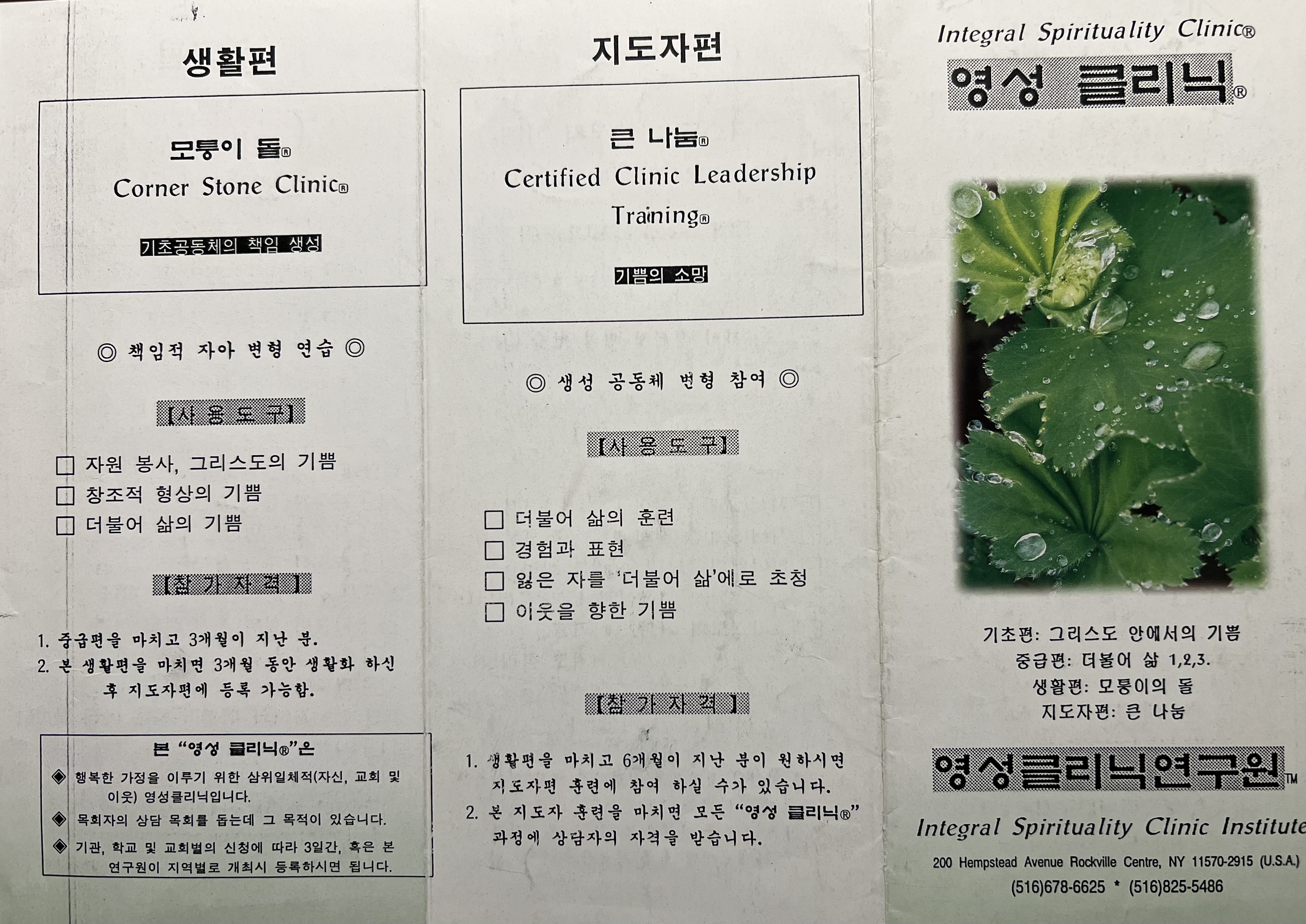
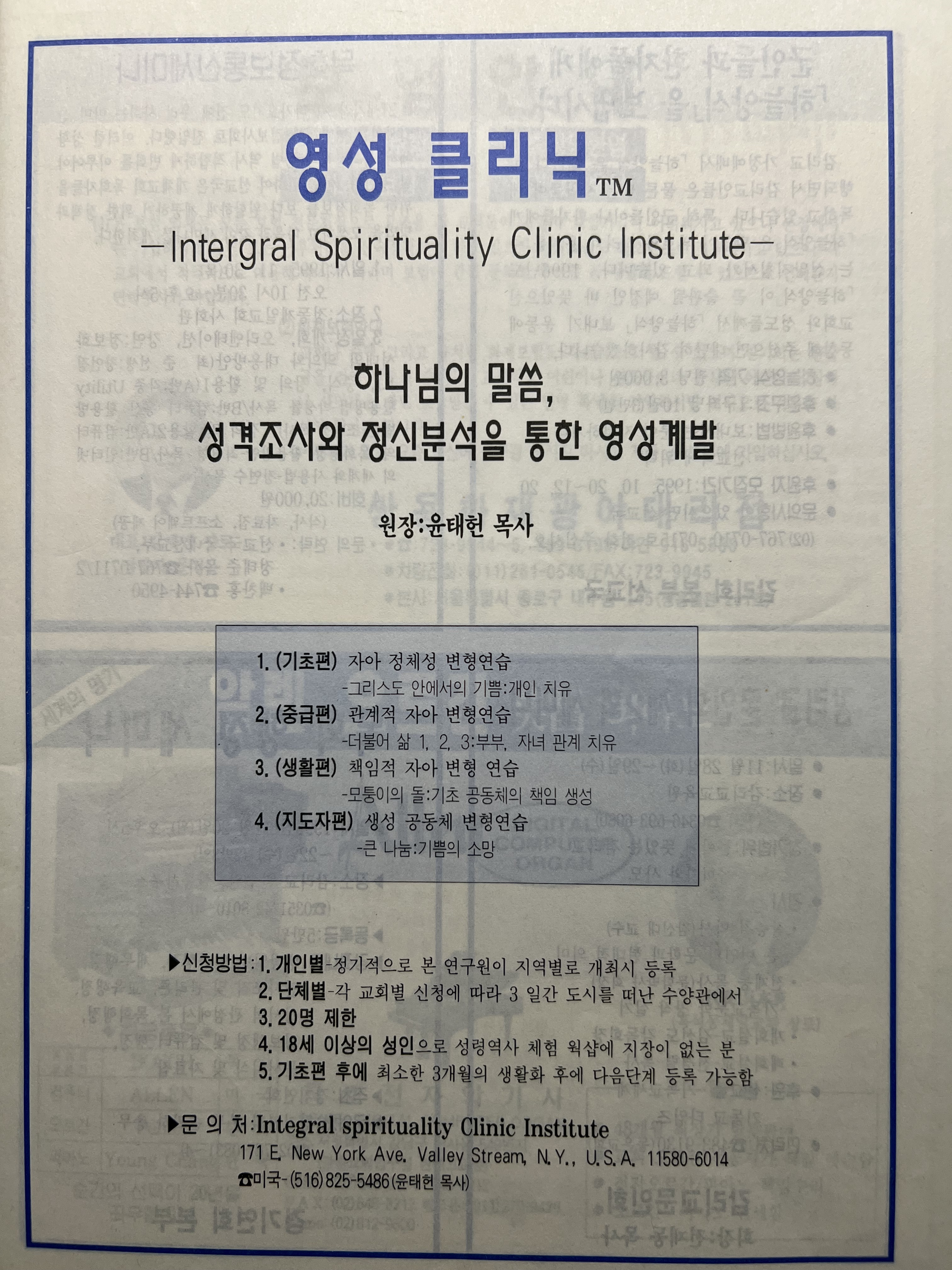
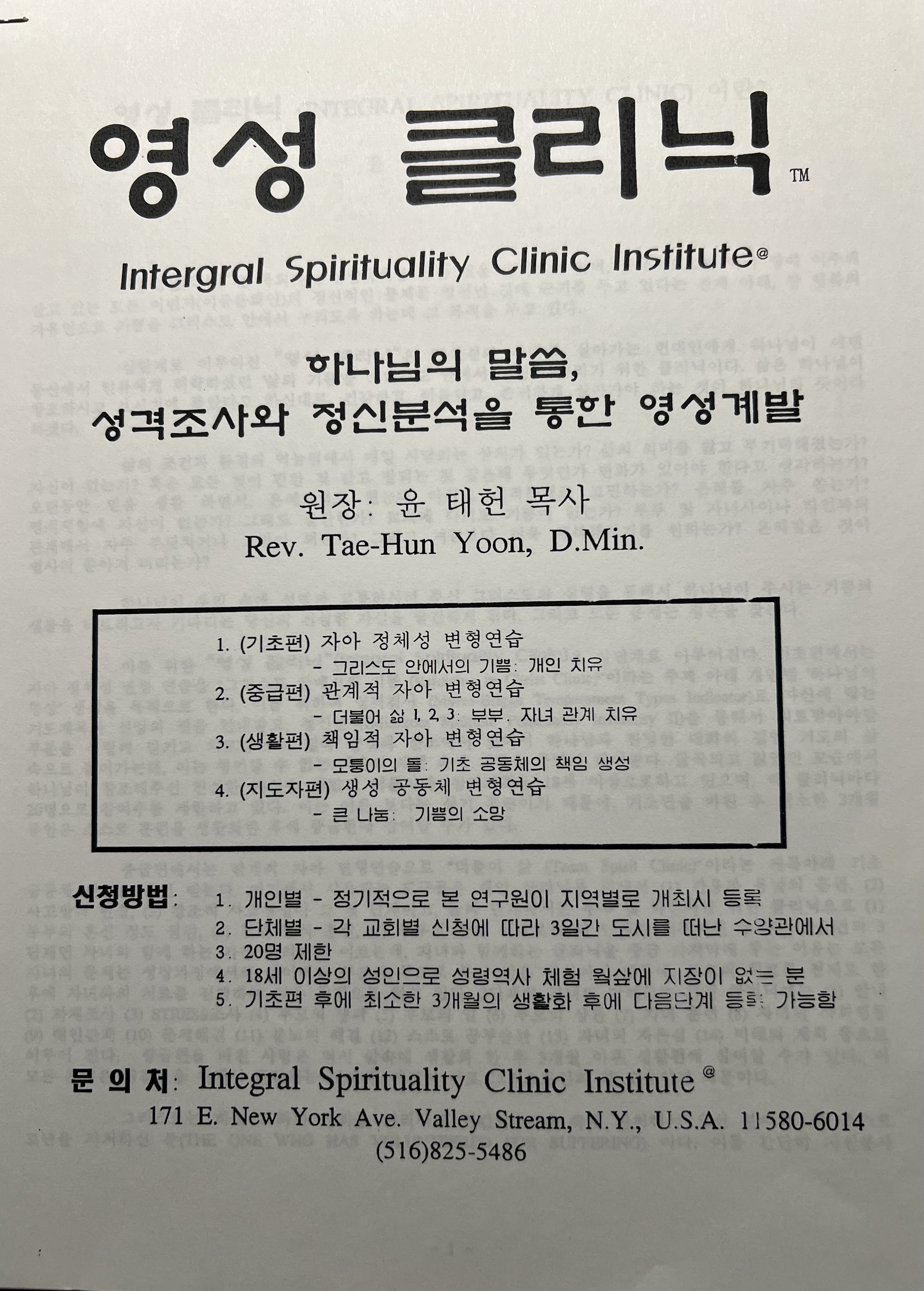
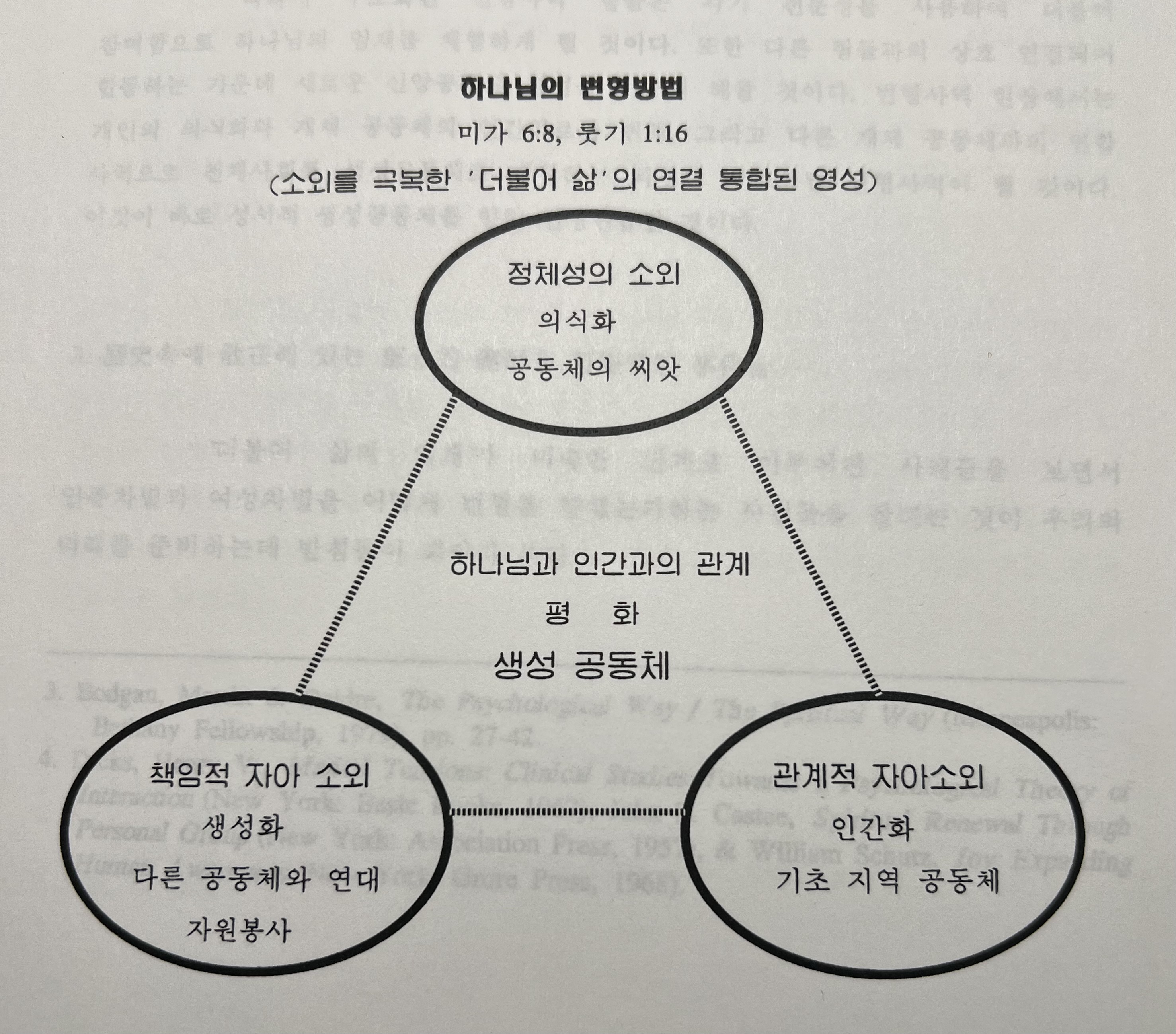
“์˜์„ฑ ํด๋ฆฌ๋‹‰” (Integral Spirituality Clinic)์€ ์‚ผ ๋‹จ๊ณ„๋กœ ์ด๋ฃจ์–ด์ ธ ์žˆ๋‹ค. ‘์ž์•„ ์ •์ฒด์„ฑ ๋ณ€ํ˜• ํ›ˆ๋ จ’ ๋‹จ๊ณ„, ‘๊ด€๊ณ„์  ์ž์•„ ๋ณ€ํ˜• ํ›ˆ๋ จ’ ๋‹จ๊ณ„, ๊ทธ๋ฆฌ๊ณ  ‘์ฑ…์ž„์  ์ž์•„ ๋ณ€ํ˜• ํ›ˆ๋ จ’ ๋‹จ๊ณ„๊ฐ€ ๊ทธ๊ฒƒ์ด๋‹ค.

  1. ‘์ž์•„ ์ •์ฒด์„ฑ ๋ณ€ํ˜• ํ›ˆ๋ จ’ ๋‹จ๊ณ„

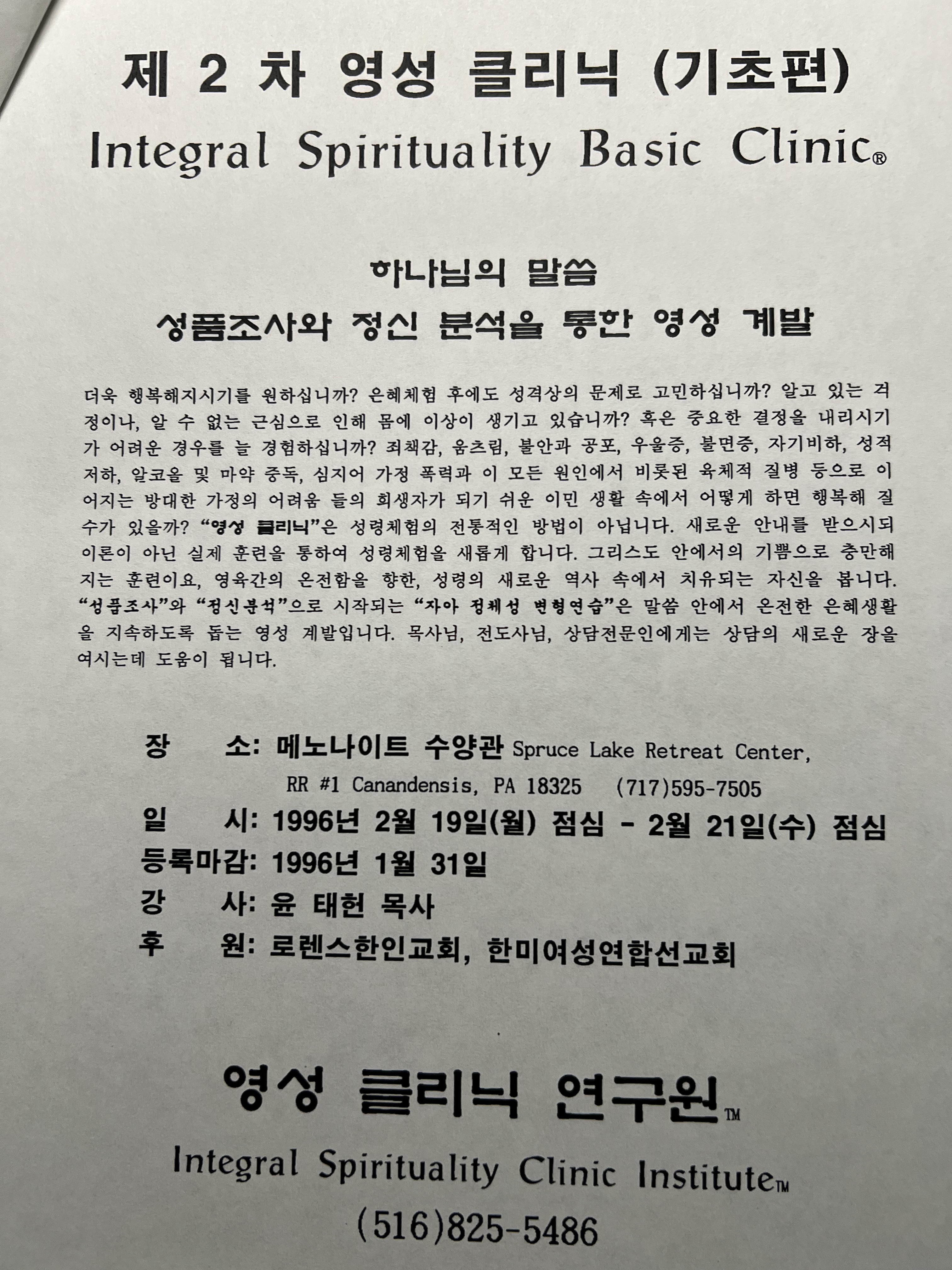
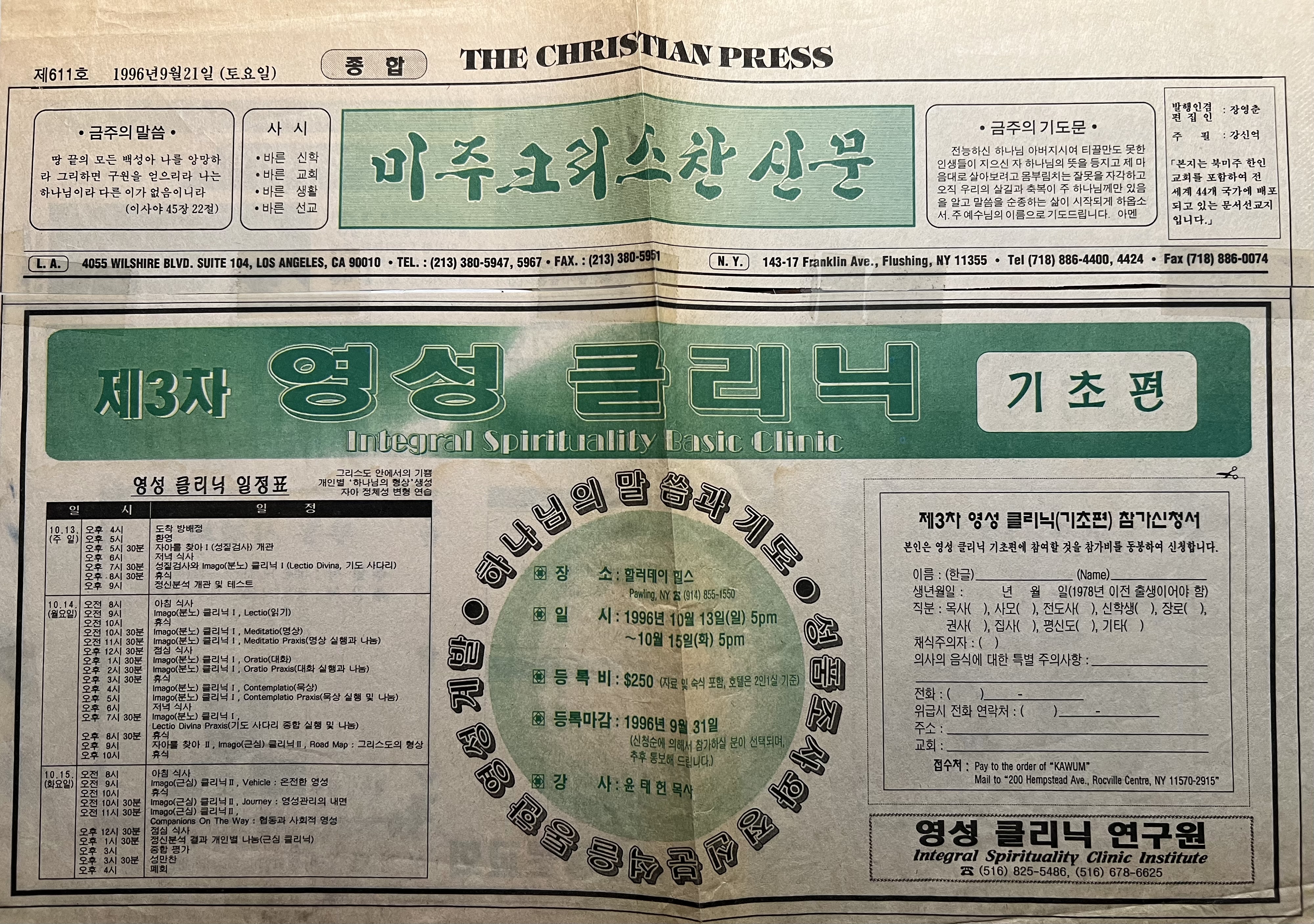
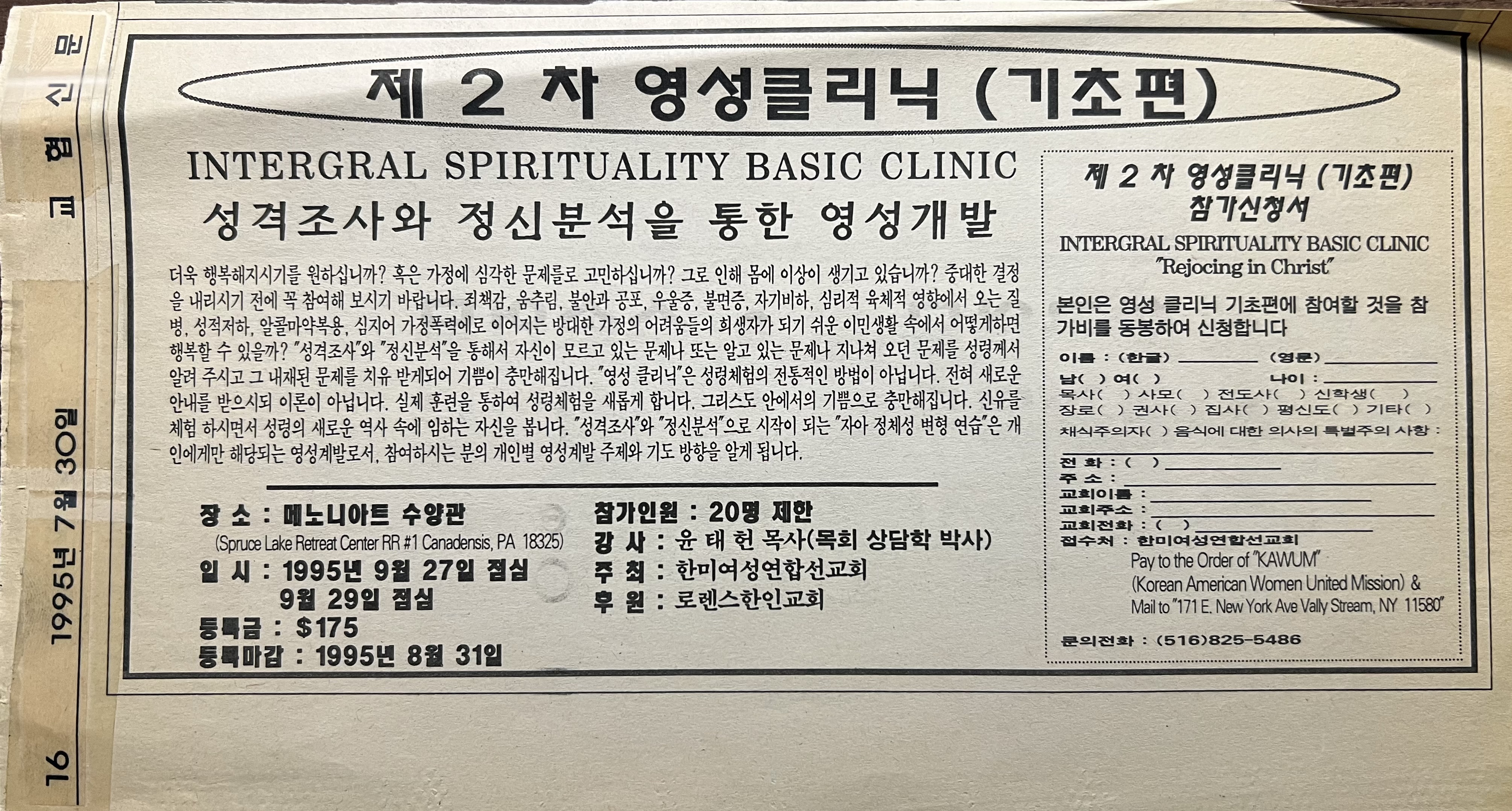
๊ธฐ์ดˆํŽธ์ด๋ผ๊ณ  ๋งํ•  ์ˆ˜ ์žˆ๋Š” ์ด ๋‹จ๊ณ„๋Š” “๊ทธ๋ฆฌ์Šค๋„ ์•ˆ์—์„œ์˜ ๊ธฐ์จ'(Rejoicing in Christ clinic)์ด๋ผ๋Š” ์ฃผ์ œ๊ฐ€ ๋งํ•˜๋“ฏ์ด, ์ด ๋‹จ๊ณ„์—์„œ๋Š” “๊ฐœ์ธ๋ณ„ ํ•˜๋‚˜๋‹˜์˜ ํ˜•์ƒ” ํšŒ๋ณต์„ ๋ชฉ์ ์œผ๋กœ ํ›ˆ๋ จ ๋ฐ›๊ฒŒ ๋œ๋‹ค.

์ด ๋‹จ๊ณ„๋Š” ์ด 14ํšŒ๋กœ ๊ตฌ์„ฑ๋˜์–ด ์žˆ๋‹ค. ์ด ๋‹จ๊ณ„์—์„œ ๊ฐ€์žฅ ์ง‘์ค‘์ ์œผ๋กœ ํ•˜๋Š” ํ›ˆ๋ จ์ด “๋ง์”€ ๋ฌต์ƒ” (Lectio Divina) ํ›ˆ๋ จ์ด๋‹ค. ๋ง์”€๊ณผ ๊ธฐ๋„๋ฅผ ํ†ตํ•ด ์–ป์€ ์ฃผ์˜ ๊ฐ€๋ฅด์นจ์„ ์‚ถ ์†์—์„œ ์‹คํ–‰ํ•˜๋ฉด์„œ ์‚ด๋„๋ก ํ›ˆ๋ จ๋ฐ›๋Š”๋‹ค. ์ด ํ›ˆ๋ จ์€ 7ํšŒ ๋•Œ๋ถ€ํ„ฐ ํ•œ๋‹ค. ์ด ํ›ˆ๋ จ ์ „์— ์ค€๋น„๊ณผ์ •์œผ๋กœ ๊ฑฐ์ณ์•ผ ํ•  ๊ฒƒ์ด ์žˆ๋‹ค. MBTI (Myers-Briggs Type
Indicator) ํ…Œ์ŠคํŠธ์™€ “๋ฌต์ƒ๊ธฐ๋„”(Focusing) ํ›ˆ๋ จ์ด๋‹ค.

MBTI(Myers-Briggs Type Indicator) ํ…Œ์ŠคํŠธ๋ฅผ ํ†ตํ•ด ์ฐธ์„์ž๋“ค์€ ์ž์‹ ์˜ ์„ฑํ’ˆ ์œ ํ˜•์„ ๋ฐœ๊ฒฌํ•  ์ˆ˜ ์žˆ๋‹ค. ์ด ํ…Œ์ŠคํŠธ๋Š” ์™ธํ–ฅ, ๋‚ดํ–ฅ, ๊ฐ๊ฐ, ์ง๊ด€, ์‚ฌ๊ณ , ๊ฐ์ •, ํŒ๋‹จ, ์ธ์‹ ๋“ฑ์˜ ๋‘๋‡Œ ์ž‘์šฉ์„ ํ†ตํ•ด 16๊ฐ€์ง€์˜ ์„ฑํ’ˆ์„ ์œ ํ˜•๋ณ„ ๋กœ ์ •๋ˆํ•ด ๋†“์€ ๊ฒƒ์ด๋‹ค. ์ด ํ…Œ์ŠคํŠธ๋ฅผ ํ†ตํ•ด ํ•˜๋‚˜๋‹˜์ด ๋‚˜์—๊ฒŒ ํ—ˆ๋ฝํ•˜์‹  ๋ชจ์Šต์ด ์–ด๋–ค ๊ฒƒ์ธ์ง€๋ฅผ ๋ฐœ๊ฒฌํ•  ์ˆ˜ ์žˆ ๋‹ค. ์œ ํ˜•์„ ์•Œ๊ฒŒ ๋˜๋ฉด ์ž์‹ ์„ ์ข€๋” ์ดํ•ดํ•˜๊ฒŒ ๋œ๋‹ค. ์ฒซ ํšŒ์— ์ด ํ…Œ์ŠคํŠธ๋ฅผ ์‹ค์‹œํ•œ๋‹ค.

“๋ฌต์ƒ๊ธฐ๋„”(Focusing) ํ›ˆ๋ จ์€ ์œ ์ง„ ๋ฐ•์‚ฌ(Dr. Eugene T. Gendlin)๊ฐ€ ์—ฐ๊ตฌ ํ•œ ๋ฌต์ƒ ๋ฐฉ๋ฒ•์„ ์‘์šฉํ•ด์„œ ํ•˜๋Š” ๊ธฐ๋„ ํ›ˆ๋ จ์ด๋‹ค. ์ด ํ›ˆ๋ จ์„ ํ†ตํ•ด ๊นŠ์ด ์žˆ๊ฒŒ ๊ธฐ๋„ํ•  ์ˆ˜ ์žˆ๋Š” ๋Šฅ๋ ฅ์ด ์ƒ๊ธฐ๊ณ , ๋˜ํ•œ ์ž์‹  ๋‚ด๋ฉด ์†์— ์žˆ๋Š” ์ƒ์ฒ˜์™€ ๋ถ„๋…ธ ๊ทธ๋ฆฌ๊ณ  ๊ทผ์‹ฌ์˜ ์‹ค์ฒด๋“ค์„ ๋ณผ ์ˆ˜ ์žˆ๊ฒŒ ๋œ๋‹ค. ๊ธฐ๋„ํ•  ๋•Œ ์„ฑ๋ น๊ป˜์„œ ํ•จ๊ป˜ ํ•˜์‹œ๋ฏ€๋กœ ๋‚ด๋ฉด ๊นŠ์ด ์žˆ๋Š” ์ด๋Ÿฐ ๋ฌธ์ œ๋“ค์ด ๋“œ๋Ÿฌ๋‚˜๊ณ , ๋˜ํ•œ ๊นŠ์€ ๊ธฐ๋„๋ฅผ ํ†ตํ•ด ์„ฑ๋ น๊ป˜์„œ ์ด๋Ÿฐ ๋ฌธ์ œ๋ฅผ ํ•ด๊ฒฐํ•ด ์ฃผ์‹ ๋‹ค. ์ฒซํšŒ๋ถ€ํ„ฐ 6ํšŒ์— ์ด๋ฅด๊ธฐ๊นŒ์ง€ ์ด ํ›ˆ๋ จ ์˜ฌ ํ•˜๊ฒŒ ๋œ๋‹ค.

์ด ๋‹จ๊ณ„๋ฅผ ๊ฑฐ์นœ ํ›„์—, “๋ง์”€ ๋ฌต ์ƒ”(Lectio Divina) ํ›ˆ๋ จ์„ ๋ฐ›๊ฒŒ ๋˜๋Š” ๊ฒƒ์ด๋‹ค. MBTI ํ…Œ์ŠคํŠธ์—์„œ ์–ป์€ ๊ฒฐ ๊ณผ๋ฅผ ํ† ๋Œ€๋กœ ์ฐธ์„์ž๋“ค์ด ์„œ๋กœ ๋‹ค๋ฅธ ๋ณธ๋ฌธ์„ ๊ฐ€์ง€๊ณ  ๋ฌต์ƒํ•œ๋‹ค. 1-6ํšŒ ๋•Œ๊นŒ ์ง€๋Š” “๋ฌต์ƒ๊ธฐ๋„”(Focusing) ํ›ˆ๋ จ์„ ์†Œ๊ฐœ๋ฐ›๊ณ  ์—ฐ์Šตํ–ˆ๋Š”๋ฐ, ์ง€๊ธˆ 7ํšŒ๋ถ€ํ„ฐ ๋Š” “๋ง์”€ ๋ฌต์ƒ” ์ „์— ๋งค๋ฒˆ ํ›ˆ๋ จ๋ฐ›์€ “๋ฌต์ƒ ๊ธฐ๋„” ๋ฐฉ๋ฒ•์„ ํ†ตํ•ด ๊ธฐ๋„ ํ•œ ํ›„, “๋ง์”€ ๋ฌต์ƒ”์— ๋“ค์–ด๊ฐ„๋‹ค.

์ด๋ ‡๊ฒŒ “๋ฌต์ƒ๊ธฐ๋„”(Focusing) ํ›ˆ๋ จ ๊ณผ “๋ง์”€ ๋ฌต์ƒ”(Lectio Divina) ํ›ˆ๋ จ ์„ ๊ฑฐ์ณ ๋ฐฐ์šด ์ƒํ™œํ™”๋œ ์˜์ ์ธ ๋„๊ตฌ๋ฅผ ๊ฐ€์ง€๊ณ , ์ฐธ์„์ž๋“ค์€ ์–ธ์ œ ์–ด๋А ๊ณณ์—์„œ๋“ ์ง€ ํ•˜๋‚˜๋‹˜๊ณผ ๊นŠ๊ฒŒ ์˜์ ์ธ ๋Œ€ํ™”๋ฅผ ๋‚˜๋ˆŒ ์ˆ˜ ์žˆ๊ฒŒ ๋œ๋‹ค. ์„ฑ๋ น๊ป˜์„œ ์ง์ ‘ ์‚ถ์— ์˜ค์…”์„œ ์ธ๋„ํ•˜์‹ฌ์„ ์ฒดํ—˜ํ•œ๋‹ค. ์ฐธ์„์ž ๋“ค์ด ์ž์‹ ์˜ ๋ฌธ์ œ๋ฅผ ์„ฑ๋ น์˜ ์—ญ์‚ฌ์— ๋งก๊ธธ ์ˆ˜ ์žˆ๋„๋ก ํ›ˆ๋ จ๋ฐ›๊ณ  ์‹คํ–‰ํ•ด ๋‚˜๊ฐ€๋ฉด์„œ ์ž์‹ ์˜ ๋ฌธ์ œ๋ฅผ ์น˜๋ฃŒ ๋ฐ›๊ฒŒ ๋œ๋‹ค. ๊ฒฐ๊ตญ ๊ทผ์‹ฌ๊ณผ ๋ถ„๋…ธ์—์„œ ๋ฒ—์–ด๋‚˜ ํ•˜๋‚˜๋‹˜๊ณผ ์ง„์ •ํ•œ ๋Œ€ํ™”์˜ ๊ธธ์ธ ๊ธฐ๋„์˜ ์‚ถ, ๊ทธ๋ฆฌ๊ณ  ๋ง์”€ ๋ฌต์ƒ์˜ ์‚ถ ์†์œผ๋กœ ๋“ค์–ด ๊ฐ€๊ฒŒ ๋œ๋‹ค. ์ด๋ฅผ ํ†ตํ•ด ํ˜•์–ธํ•  ์ˆ˜ ์—†๋Š” ์ž์œ ์˜ ์ฒดํ—˜์„ ๊ฐ–๊ฒŒ ๋˜๊ณ , ๊ทธ๋กœ์ธํ•ด ๊ธฐ์จ์ด ์ถฉ๋งŒํ•˜๊ฒŒ ๋œ๋‹ค. ๊ตด๊ณก๋˜๊ณ  ์žƒ์—ˆ๋˜ ๋ชจ์Šต์—์„œ, ํ•˜๋‚˜๋‹˜์ด ์ฐฝ์กฐํ•ด ์ฃผ์‹  ์ง„์‹คํ•œ ์ž์‹ ์„ ์ฐพ์•˜๊ธฐ ๋•Œ๋ฌธ์ด๋‹ค.

์ฐธ๊ฐ€ ์ž๊ฒฉ์€ 18์„ธ ์ด์ƒ(๊ณ ๋“ฑํ•™๊ต ์กธ์—…)์œผ๋กœ ํ•˜๊ณ , ๋งค ํด๋ฆฌ๋‹‰ ๋งˆ๋‹ค ์ตœ๋Œ€ 20๋ช…์œผ๋กœ ์ฐธ์—ฌ ์ˆ˜๋ฅผ ์ œํ•œํ•˜๊ณ  ์žˆ๋‹ค. ์ด๋Š” ์ด ํ”„๋กœ๊ทธ๋žจ์ด ์ด๋ก ์„ ๋‹ค๋ฃจ๊ธฐ ๋ณด๋‹ค๋Š” ์‹ค๊ธฐ ํ›ˆ๋ จ์„ ์œ„์ฃผ๋กœ ํ•˜๋Š” ๊ฒƒ์ด๊ธฐ ๋•Œ ๋ฌธ์ด๋‹ค. ๊ธฐ์ดˆ ํŽธ์„ ๋งˆ์นœ ํ›„ ์ตœ์†Œํ•œ 3-6๊ฐœ์›” ๋™์•ˆ ์ƒํ™œ ์†์—์„œ ์Šค์Šค๋กœ ํ›ˆ๋ จ์„ ์Œ“์€ ํ›„ ์ค‘๊ธ‰ํŽธ์— ์ฐธ์—ฌํ•  ์ˆ˜ ์žˆ๋‹ค.

2. ๊ด€๊ณ„์  ์ž์•„ ๋ณ€ํ˜• ํ›ˆ๋ จ’ ๋‹จ๊ณ„

์ค‘๊ธ‰ํŽธ์ด๋ผ๊ณ  ๋งํ•  ์ˆ˜ ์žˆ๋Š” ์ด ๋‹จ๊ณ„๋Š” “๋”๋ถˆ์–ด ์‚ถ”(Team Spirit Clinic)์ด๋ผ๋Š” ์ฃผ์ œ ๋ฐ ์ œ๋ชฉ์„ ๊ฐ€์ง€๊ณ  ์žˆ๋‹ค. ์ด ๋‹จ๊ณ„์—์„œ๋Š” ๊ธฐ์ดˆ ๊ณต๋™์ฒด ์ƒ์„ฑ”์„ ๋ชฉ์ ์œผ๋กœ ํ›ˆ๋ จ ๋ฐ›๊ฒŒ ๋œ๋‹ค.

์ด ๋‹จ๊ณ„๋Š” ์„ธ ๊ฐ€์ง€ ๊ณผ์ •์„ ๊ฑฐ์น˜๊ฒŒ ๋˜์–ด ์žˆ๋‹ค. ์ฒซ ๋ฒˆ์งธ ๊ณผ์ •์—์„œ๋Š” “๊ฐœ์ธ ํด๋ฆฌ๋‹‰”์„ ์œ„ํ•ด ๊ด€์šฉ๊ณผ ์šฉ๋‚ฉ์˜ ํ›ˆ๋ จ, ์‚ฌ๊ณ  ๋ฐฉ์‹ ๋ณ€ํ˜•, ๊ทธ๋ฆฌ๊ณ  ์ฐฝ์กฐ์  ์‚ฌ๊ณ  ์ƒ์„ฑ์„ ์œ„ํ•œ ํ›ˆ๋ จ ๋“ฑ์„ ๋ฐ›๋Š”๋‹ค. ๋‘˜์งธ ๊ณผ์ •์—์„œ๋Š” “๋ถ€๋ถ€ ๋ฐ ์•ฝํ˜ผ์ž๋ฅผ ์œ„ํ•œ ํด๋ฆฌ๋‹‰”์„ ์œ„ํ•ด ๋ถ€๋ถ€์˜ ํ˜ผ์„  ์ •๋„ ์ ๊ฒ€, ํ˜‘๋ ฅ ๋ฐฉ์‹ ํ›ˆ๋ จ, ๊ทธ๋ฆฌ๊ณ  ๋ถ€๋ถ€์˜ ๊ด€๊ณ„ ์น˜๋ฃŒ ํ›ˆ๋ จ ๋“ฑ์„ ๋ฐ›๋Š”๋‹ค. ๋งˆ์ง€๋ง‰ ๊ณผ์ •์€ “์ž๋…€์™€ ํ•จ๊ป˜ ํ•˜๋Š” ๊ฐ€์ • ํด๋ฆฌ๋‹‰”์ด๋‹ค. ์ž์™€ ํ•จ๊ป˜ ํ•˜๋Š” ๊ฐ€์ • ํด๋ฆฌ๋‹‰์„ ์ค‘๊ธ‰ ๋งˆ์ง€๋ง‰ ๊ณผ์ •์— ๋‘๋Š” ์ด์œ ๋Š” ๋ชจ๋“  ์ž๋…€์˜ ๋ฌธ์ œ๋Š” ์„ฑ์žฅ๊ณผ์ •์—์„œ์˜ ์žƒ์–ด๋ฒ„๋ฆฐ ๋ถ€๋ถ„๊ณผ ๋ถ€๋ชจ๋กœ๋ถ€ํ„ฐ ๋ฐ›์€ ์ƒ์ฒ˜๋กœ ์ƒ๊ธฐ๊ธฐ ๋•Œ๋ฌธ์ด๋‹ค. ๋ถ€๋ชจ์˜ ์น˜๋ฃŒ๋ฅผ ์ „์ œ๋กœ ํ•œ ํ›„ ์ž๋…€์™€์˜ ์น˜๋ฃŒ๋ฅผ ์ง„ํ–‰ํ•˜๋Š” ๊ฒƒ์„ ์›์น™์œผ๋กœ ํ•˜๊ณ  ์žˆ๋‹ค. ์ด ๊ณผ์ •์—์„œ๋Š” ์•ˆ๋‚ด, ์ž์ฒด ์กฐ์‚ฌ, ์ŠคํŠธ๋ ˆ์Šค ์กฐ์‚ฌ, ๋ถ€๋ชจ์˜ ์ƒ๊ฐ, ๋ถ€๋ชจ์˜ ์ผ, ๋ถ€๋ชจ์˜ ์ƒ๊ด€, ์ž๋…€ ํ›ˆ๋ จ, ์ž๋…€์˜ ์‚ฌํšŒ ํ–‰๋™, ๋Œ€์ธ ๊ด€๊ณ„, ๋ฌธ์ œ ํ•ด๊ฒฐ, ๋ถ„๋…ธ์˜ ํ•ด๊ฒฐ, ์Šค์Šค๋กœ ๊ณต๋ถ€ ์Šต๊ด€, ์ž๋ƒ์˜ ์ž์กด์‹ฌ, ๊ทธ๋ฆฌ๊ณ  ๋ฏธ๋ž˜์˜ ๊ณ„ํš ๋“ฑ์œผ๋กœ ๋‚˜๋ˆ„์–ด ํ›ˆ๋ จํ•˜๊ณ  ์žˆ๋‹ค.

์ค‘๊ธ‰ํŽธ์„ ๋งˆ์นœ ์‚ฌ๋žŒ๋„ ์ตœ์†Œํ•œ 3-6๊ฐœ์›” ๋™์•ˆ ์‚ถ ์†์—์„œ ์ƒํ™œํ™” ํ•œ ํ›„, ๋งˆ์ง€๋ง‰ ๋‹จ๊ณ„์— ์ฐธ์—ฌํ•  ์ˆ˜ ์žˆ๋‹ค. ๊ธฐ์ดˆํŽธ๊ณผ ์ค‘๊ธ‰ํŽธ ํ›ˆ๋ จ์€ ๋งˆ์ง€๋ง‰ ์ƒํ™œํŽธ์„ ์œ„ํ•œ ์ค€๋น„ ๋‹จ๊ณ„๋ผ๊ณ  ๋ณผ ์ˆ˜ ์žˆ๋‹ค.

3. ‘์ฑ…์ž„์  ์ž์•„ ๋ณ€ํ˜• ํ›ˆ๋ จ’ ๋‹จ๊ณ„

๋งˆ์ง€๋ง‰ ์ƒํ™œํŽธ์ธ ์ด ๋‹จ๊ณ„๋Š” “๋ชจํ‰ ์ด ๋Œ”(Comer Stone Clinic)์ด๋ผ๋Š” ์ฃผ์ œ ๋ฐ ์ œ๋ชฉ์„ ๊ฐ€์ง€๊ณ  ์žˆ๋‹ค. ์ด ๋‹จ๊ณ„์—์„œ๋Š” “๊ธฐ์ดˆ ๊ณต๋™์ฒด์˜ ์ฑ…์ž„ ์ƒ์„ฑ”์„ ๋ชฉ์ ์œผ๋กœ ํ›ˆ๋ จ ๋ฐ›๊ฒŒ ๋œ๋‹ค.

์ด๋ฅผ ์œ„ํ•ด ์ž์› ๋ด‰์‚ฌ์ž, ๊ทธ๋ฆฌ์Šค๋„์˜ ๊ธฐ์จ, ์Šค๋ฐ๋ฐ˜ ์‚ฌ์—ญ (Stephen Ministries), ์ฐฝ์กฐ์  ํ˜•์ƒ์˜ ๊ธฐ์จ, ๋”๋ถˆ์–ด ์‚ถ์˜ ๊ธฐ์จ ๋“ฑ์˜ ์ˆ˜์ˆœ์„ ๋ฐŸ์œผ๋ฉด์„œ ํ›ˆ๋ จ์„ ๋ฐ›๊ฒŒ ๋œ๋‹ค. ์ด ๋•Œ ํŠนํžˆ ์‚ฌํšŒ์ž‘ ์ฑ…์ž„๊ฐ ๊ฐ•์กฐ๋ฅผ ์œ„ํ•ด ์ž์› ๋ด‰์‚ฌ์ž์˜ ํƒœ๋„๊ฐ€ ๊ฐ•์กฐ๋œ๋‹ค. ๊ทธ๋ฆฌ์Šค๋„๋Š” ํ•˜๋Š˜ ๋ณด์ขŒ์™€ ์˜ํ™”๋ฅผ ๋ฒ„๋ฆฌ์‹œ๊ณ  ์ธ๊ฐ„์˜ ๊ณ ๋‚œ ์†์— ์ž์ฒ˜ํ•ด์„œ ์˜ค์‹  ๋ถ„์ด์‹œ๋‹ค. ์ฆ‰ ์Šค์Šค๋กœ ๊ณ ๋‚œ์„ ์ž์ฒ˜ํ•˜์‹  ๋ถ„ (The One who had suffered on his own initiative.)์ด์‹œ๋‹ค. ์ด๋ฅผ ๊ฐ„๋‹จํžˆ ์ž์›๋ด‰์‚ฌ (่‡ช้ก˜ๅฅ‰ไป•, Voluntary Suffering)๋ผ๊ณ  ๋ถ€๋ฅผ ์ˆ˜ ์žˆ๊ฒ ๋‹ค. ๊ธฐ๋… ์ •์‹  ์œ„์— ์„ธ์šด ๋ฏธ๊ตญ์€ ๋ฐ”๋กœ ์ด ์ž
์› ์ •์‹ ์— ์˜ํ•ด์„œ ์˜ค๋Š˜๋„ ์œ ์ง€๋œ๋‹ค๊ณ  ํ•ด๋„ ๊ณผ์–ธ์ด ์•„๋‹ˆ๋‹ค. ๊ฒฝ์ฐฐ ์ž์›๋Œ€ ์†Œ๋ฐฉ ์ž์›๋Œ€, ์‹ฌ์ง€์–ด ๋งˆ์„์˜ ํ–‰์ • ๊ธฐ๊ตฌ ๋‚ด์˜ Planning Boardy๋‚˜ Zoning Board, ํ•™๊ตฐ ๋‚ด์˜ ์ง€์—ญ ๊ต์œก ์œ„์›๋„ ์ž์› ๋ด‰์‚ฌ์ž๋“ค์ด๊ณ , ์ง€์—ญ ๋‹จ์ฒด์˜ ์ด์‚ฌํšŒ๋‚˜ ์ž„์›๋“ค๋„ ๋ชจ๋‘ ์ž์› ๋ด‰์‚ฌ์ž ๋“ค์ด ๋Œ€๋ถ€๋ถ„์ด๋‹ค. ๊ตํšŒ์˜ ๋ชจ๋“  ๊ตฌ์„ฑ ์›๋„ ์ž์›ํ•˜๋Š” ํ—Œ์‹ ์ž๋“ค์ด๋‹ค. ์ž์›์˜ ํ—Œ์‹ ์ด ์ง„์ • ํ•˜๋Š˜์˜ ๋ณ€์น˜ ์•Š๋Š” ์ •๊ธˆ๊ณผ ๊ฐ™์€ ๊ธฐ์จ์„ ์šฐ๋ฆฌ์—๊ฒŒ ๊ฐ•๋ฌผ์ฒ˜๋Ÿผ ๋„˜์ณ ํ๋ฅด๊ฒŒ ํ•œ๋‹ค. ์šฐ๋ฆฌ๋“ค๋„ ๊ทธ๋ฆฌ์Šค๋„์ธ์œผ๋กœ ๋‹น๋‹นํžˆ ์ด๋ ‡๊ฒŒ ์‚ฌํšŒ์˜ ํ•œ ๋ชซ์„ ๋‹ด๋‹นํ•˜๋ฉฐ ์‚ด์•„ ๊ฐˆ ์ˆ˜ ์žˆ๋„๋ก ํ›ˆ๋ จ๋ฐ›๋Š”๋‹ค.

์ด๋Ÿฐ ๋‹จ๊ณ„๋ฅผ ๊ฑฐ์ณ ํ›ˆ๋ จ์„ ๋งˆ์น˜๊ณ  ๋‚˜๋ฉด, ๊ตํšŒ, ์‚ฌํšŒ, ๊ฐ€์ •, ๊ทธ๋ฆฌ๊ณ  ๊ฐœ์ธ ์‚ถ์— ์ผ์ฒด๊ฐ์ด ์ƒ๊ธฐ๊ณ , ์‚ถ์˜ ํ’์กฑํ•จ ๊ณผ ์ž์‹ ์˜ ์„ฑ์ทจ๊ฐ์œผ๋กœ ์ธํ•ด ์ง€๊ทนํ•œ ํ–‰๋ณต์„ ๋ˆ„๋ฆฌ๊ฒŒ ๋œ๋‹ค. ํ•˜๋‚˜๋‹˜์ด ์ž์‹  ์—๊ฒŒ๋งŒ ํŠน๋ณ„ํžˆ ๋งก๊ฒจ ์ฃผ์‹  ์‚ฌ๋ช…์„ ๊นจ ๋‹ซ๊ณ  ๊ธฐ์จ์˜ ์ƒ˜๋ฌผ์ด ํ„ฐ์ ธ ๋‚˜์˜ค๋Š” ์‚ถ ์œผ๋กœ ์‚ด์•„๊ฐ€๊ฒŒ ๋œ๋‹ค. ๊ณ ๋ฏผ๊ณผ ๋ฌด์˜๋ฏธ ๊ทธ๋ฆฌ๊ณ  ๋ณ‘์ƒ‰์€ ์‚ฌ๋ผ์ง„๋‹ค. ์ž‘์€ ๊ทธ๋ฆฌ ์Šค๋„ ํ˜น์€ ์ต๋ช…์˜ ๊ทธ๋ฆฌ์Šค๋„๋กœ์„œ ์˜ ์›ํ•œ ์‚ถ์„ ์ด ๋•…์—์„œ ์‚ด์•„๊ฐ€๊ฒŒ ๋œ๋‹ค. ์‹œ๊ฐ„๊ณผ ๊ณต๊ฐ„์„ ์ดˆ์›”ํ•œ ์ฃผ์˜ ์ฐธ ์ œ์ž ๋กœ ๊ทธ ๋น›์„ ์„ธ์ƒ์— ๋„๋ฆฌ ๊ทธ๋ฆฌ๊ณ  ์ฐธ ์œผ๋กœ ํ›„์†์— ์ด๋ฅด๊ธฐ๊นŒ์ง€ ๊ธธ๊ฒŒ ๋˜์ง€๋ฉฐ ์‚ด์•„๊ฐ€๊ฒŒ ๋œ๋‹ค.

‘์˜์„ฑ ํด๋ฆฌ๋‹‰’์˜ ์ง€๋„์ž๊ฐ€ ๋˜์‹œ๊ณ  ์‹ถ์€ ๋ถ„์„ ์œ„ํ•ด ์ง€๋„์ž ํ›ˆ๋ จ ๋‹จ๊ณ„๋„ ๋งˆ๋ จํ•˜์˜€๋‹ค. ์ƒํ™œํŽธ์„ ๋งˆ์น˜์‹  ๋ถ„์ด ์ฐธ์„ํ•  ์ˆ˜ ์žˆ๋‹ค. “ํฐ ๋‚˜๋ˆ””(Certified Clinic Leadership Training)์ด๋ž€ ์ฃผ์ œ์„ ๊ฐ€์ง„ ์ด ๋‹จ๊ณ„๋ฅผ ๊ฑฐ์ณ ํ›ˆ๋ จ ๋ฐ›๊ณ  ์ง€๋„์ž ์ž๊ฒฉ์„ ์–ป์„ ์ˆ˜ ์žˆ๊ฒŒ ๋œ๋‹ค. ์ด ๋‹จ๊ณ„์—์„œ๋Š” ๋”๋ถˆ์–ด ์‚ถ์˜ ํ›ˆ๋ จ๊ณผ ๊ฒฝ์ฒญ, ๊ฒฝํ—˜๊ณผ ํ‘œํ˜„, ์žƒ์€ ์ž๋ฅผ ๋”๋ถˆ์–ด ์‚ถ์—๋กœ ์ดˆ์ฒญ, Clinical Pastoral Education, ๊ทธ๋ฆฌ๊ณ  ์ด์›ƒ์„ ํ–ฅํ•œ ๊ธฐ์จ ๋“ฑ์˜ ํ›ˆ๋ จ์„ ๋ฐ›๊ฒŒ๋œ๋‹ค.

์‹ค๋ก€ :

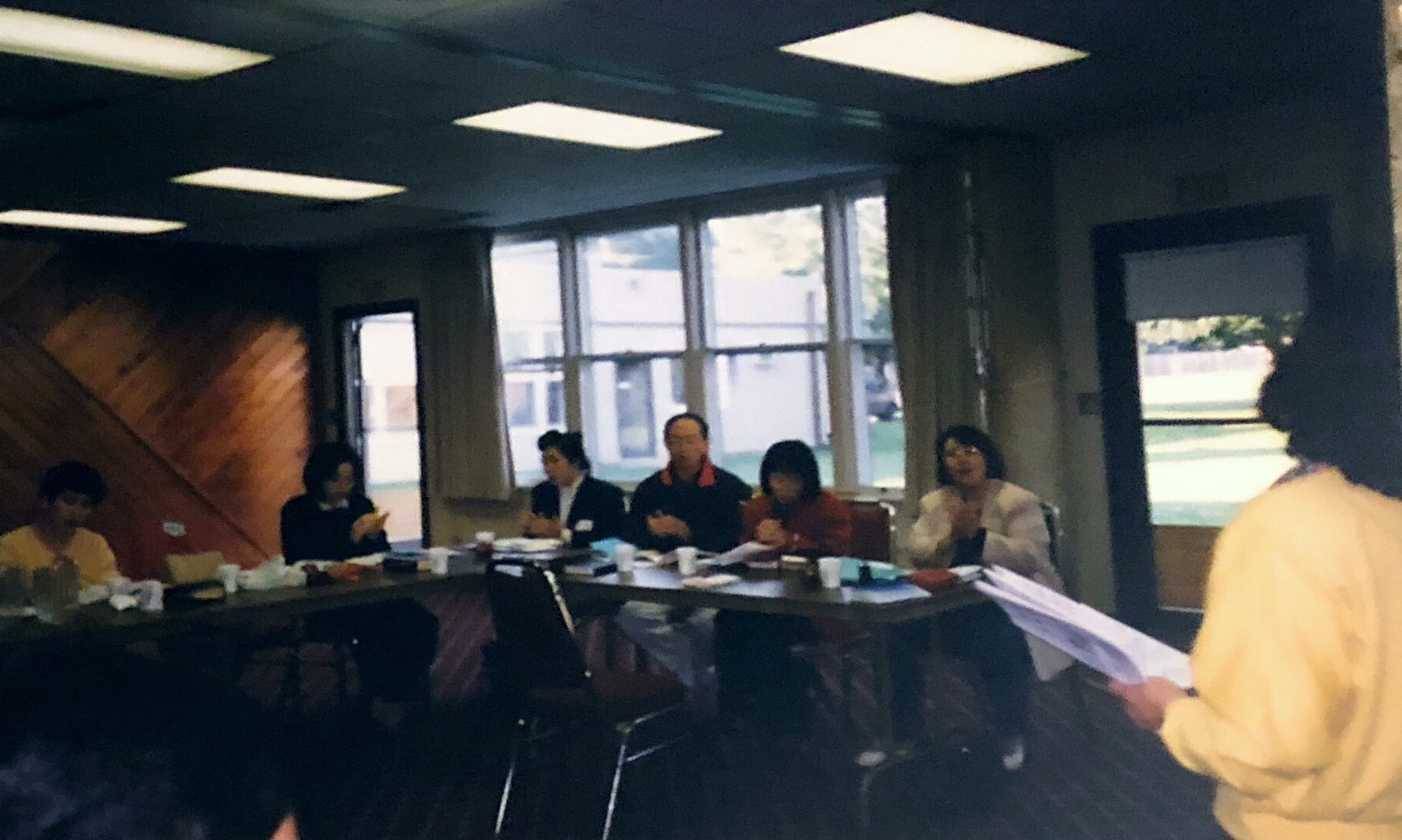
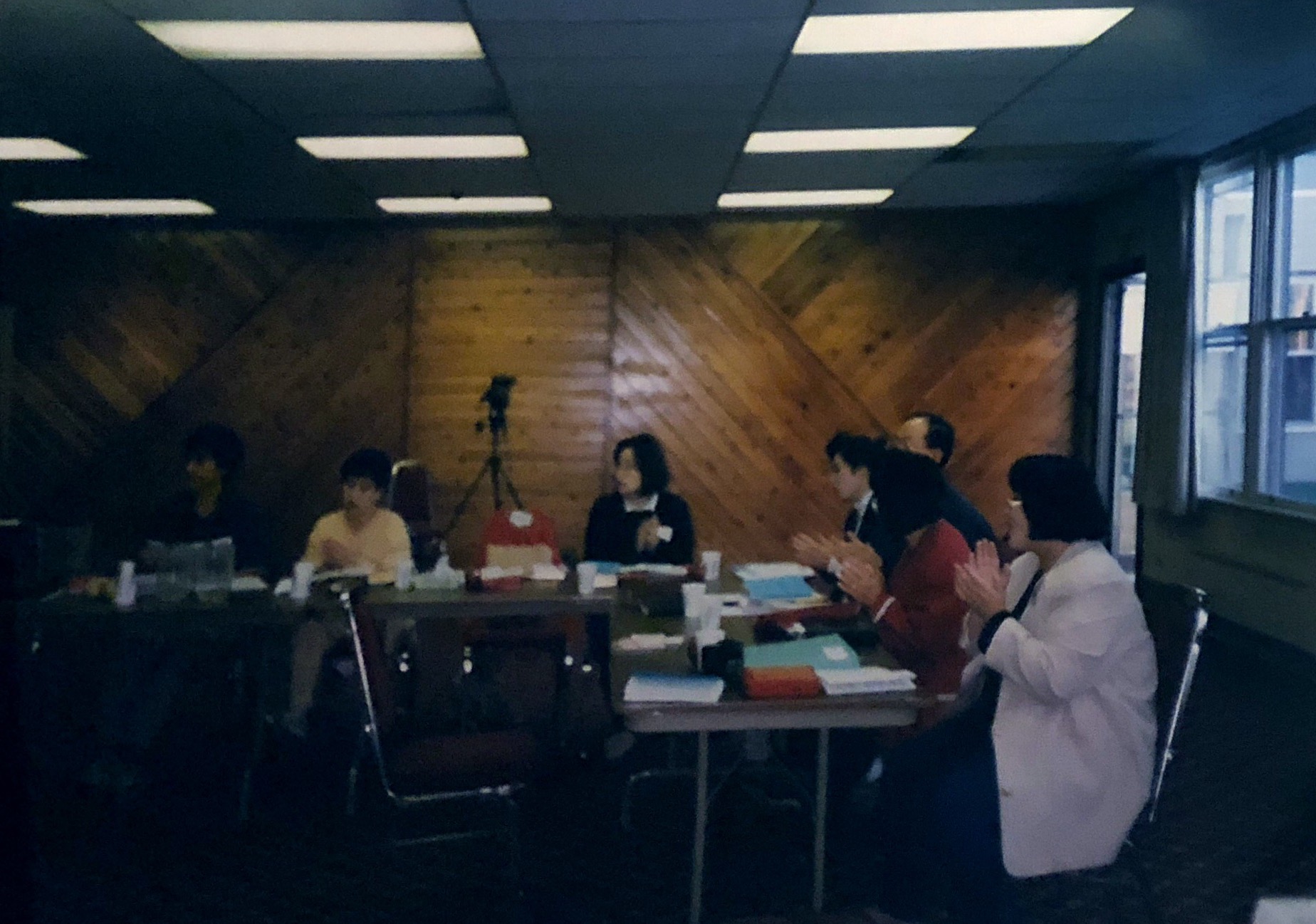
ํ•„์ž๋Š” ์ฝ”๋งฅ๊ฐ๋ฆฌ๊ตํšŒ์—์„œ ๋ชฉํšŒํ•  ๋ฌด๋ ต, ์ด ํ”„๋กœ๊ทธ๋žจ์„ ์ง์ ‘ ๊ต์šฐ๋“ค๊ณผ ํ•จ๊ป˜ ์‹คํ–‰ํ•ด ๋ณด์•˜๋‹ค. ์ง„ํ–‰๋˜๋Š” ํด๋ž˜์Šค ๋•Œ๋งˆ๋‹ค, ํ™”๊ธฐ์• ์• ํ•œ ๋ถ„์œ„๊ธฐ์˜€๋‹ค. ๋ฌต์ƒ์„ ํ•  ๋•Œ๋งˆ๋‹ค, ์€ํ˜œ๋ฅผ ์ฒดํ—˜ํ•œ๋‹ค. ํด๋ž˜์Šค ์†์—์„œ ๊ฐ™์ด “๋ฌต์ƒ ๊ธฐ๋„”ํ•˜๊ณ  ๋ฌต์ƒํ•œ ๋ง์”€์„ ๋‚˜๋ˆŒ ๋•Œ, ์ฐธ์„์ž๋“ค์˜ ๋‚ด๋ฉด์˜ ๋ฌธ์ด ์—ด๋ ค์ง€๋ฉฐ, ๋ง‰ํžŒ ๋‹ด์ด ๋ฌด๋„ˆ์ ธ ๋‚ด ๋ฆฌ๋ฉด์„œ, ํ•˜๋‚˜๋‹˜์˜ ์œ„๋กœ์™€ ์น˜์œ ๋ฅผ ๊ฒฝํ—˜ํ•œ๋‹ค.

์–ด๋А ์„ฑ๋„๋Š” ์ž์‹ ์˜ ์˜์‹์  ์ธ ๊ธฐ๋„ ์ œ๋ชฉ๊ณผ๋Š” ๋‹ฌ๋ฆฌ, ๋ฌด์˜์‹ ์†์— ์žŠํ˜€์กŒ๋˜ ๊ณผ๊ฑฐ์˜ ๊นŠ์€ ์ƒ์ฒ˜์™€ ์น˜์œ ๋˜์–ด์•ผ ํ•  ์‚ถ์˜ ๊ทผ๋ณธ ๋ฌธ์ œ๋ฅผ ๊ธฐ๋„ ์ œ๋ชฉ์œผ๋กœ ์‚ผ์•„ ๊ธฐ๋„ํ•˜๊ฒŒ ํ•˜์‹œ๋Š” ์„ฑ๋ น์˜ ๊ฐ•๊ฒฝํ•˜์‹ฌ์„ ๊ฒฝํ—˜ํ•˜๊ธฐ๋„ ํ–ˆ๋‹ค.

์˜ˆ๋ฅผ ๋“ค์–ด, ์–ด๋А ๋ถ„์€ ๊ฒฝ์ œ์ ์ธ ์–ด๋ ค ์›€์„ ๊ฐ–๊ณ  ๊ธฐ๋„ํ•˜๋˜ ์ค‘์—, ์ž์‹ ์˜ ์ง„์ •ํ•œ ๊ธฐ๋„ ์ œ๋ชฉ์€ ‘๊ฐฑ๋…„๊ธฐ’๋ฅผ ์ง€๋‚˜๊ณ  ์žˆ๋Š” ์—ฌ์„ฑ์ด๊ธฐ์— ๊ฐ–๋Š” ๋‘๋ ค์›€์ด๋ผ๋Š” ๊ฒƒ์„ ์•Œ๊ฒŒ ๋˜์—ˆ๋‹ค. ์ด ๋ฌธ์ œ๋ฅผ ๋†“๊ณ  ๊ทธ๋ถ„์€ ์ง‘์ค‘์ ์œผ๋กœ ๊ธฐ๋„ํ•˜๊ฒŒ ๋˜์—ˆ๋‹ค. ์ด ๊ณผ์ •์—์„œ ์„ฑ๋ น๊ป˜์„œ ์œ„๋กœํ•˜์‹œ๋Š” ์ฒดํ—˜์„ ํ•˜๊ธฐ๋„ ํ–ˆ๋‹ค.

์ด ํ›ˆ๋ จ์€ ์ƒˆ๋ฒฝ ๊ธฐ๋„๋‚˜ ๋ถ€ํฅํšŒ์—์„œ ๋ฐ›๋Š” ์€ํ˜œ์™€ ์˜์„ฑ ๋ชป์ง€ ์•Š์€ ์˜์  ๊ฒฝํ—˜์„ ๊ฐ–๋Š” ๊ฒƒ์„ ์ฒดํ—˜ํ•˜๋Š” ๊ฒฝ์šฐ๋„ ๋ณธ๋‹ค. ๋˜ํ•œ ํ•„์š”ํ•  ๋•Œ ์–ธ์ œ๋“ ์ง€ ์–ด๋””์„œ๋‚˜ ์žฅ์†Œ์™€ ์‹œ๊ฐ„์— ์ œํ•œ ์—†์ด ๋ฌต์ƒํ•  ์ˆ˜ ์žˆ๋‹ค๋Š” ์ ์—์„œ ๋ฐ”์œ ์ด๋ฏผ ์ƒํ™œ ํ™˜๊ฒฝ์— ๋”์šฑ ์ ํ•ฉํ•œ ์˜์„ฑ ํ›ˆ๋ จ ๋ฐฉ๋ฒ•์ด๋ผ๊ณ  ์—ฌ๊ฒจ์ง„๋‹ค.

“์˜์„ฑ ํด๋ฆฌ๋‹‰” ํ”„๋กœ๊ทธ๋žจ์€ ๋ถ€๋ถ€๊ฐ€ ํ•จ๊ป˜ํ•˜๋ฉด ๋”์šฑ ํšจ๊ณผ๊ฐ€ ์žˆ๋‹ค. ๋˜ํ•œ ๋ฌธ์ œ๊ฐ€ ์‹ฌํ™”๋˜๊ธฐ ์ด์ „, ๊ธด์žฅ์ด ์žˆ๋Š” ๊ตํšŒ์—์„œ ์ž„์›๋“ค๋งŒ ๋”ฐ๋กœ 3๋ฐ• 4์ผ ์ •๋„ ์ˆ˜์–‘ํšŒ๋ฅผ ๊ฒธํ•ด ํ›ˆ๋ จ์„ ํ•ด๋„ ๋„์›€์ด ๋œ๋‹ค. ํ›ˆ๋ จ ๋ฐ›์œผ์‹  ๋ชฉ์‚ฌ๋‹˜์ด ๊ฐ ๊ตํšŒ์—์„œ ์ธ๋„ ํ•  ์ˆ˜๋„ ์žˆ๋‹ค. ์‹œ์ž‘ํ•œ์ง€ ๋ฒŒ์จ 6๋…„์ด ๋ž€ ์„ธ์›”์ด ์ง€๋‚ฌ๋‹ค. ์‹œ์ž‘ํ•  ๋•Œ์—๋Š” ๋ถ€์กฑํ•˜๊ณ  ๋ฏธ๋ จํ•˜์—ฌ ๋งŽ์€ ์‹œํ–‰์ฐฉ์˜ค๋ฅผ ๊ฑฐ์น  ์ˆ˜๋ฐ–์— ์—†์—ˆ์ง€๋งŒ, ์ง€๊ธˆ์€ ์–ด๋А ์ •๋„ ์ •์ฐฉ์ด ๋˜์—ˆ๋‹ค. ๋ณด๋‹ค ์ž์„ธํ•œ ์ • ๋ณด๋‚˜ ๋Œ€ํ™”๋ฅผ ์›ํ•˜์‹œ๋Š” ๋…์ž๋“ค์€ ์–ธ ์ œ๋“ ์ง€ ํ•„์ž์—๊ฒŒ ์—ฐ๋ฝ ์ฃผ๊ธฐ๋ฅผ ๋ฐ”๋ž€๋‹ค.

๋‚˜๊ฐ€๋Š” ๋ง:

ํ•˜๋‚˜๋‹˜๊ณผ ๋‚˜์™€์˜ ๊ด€๊ณ„๊ฐ€ ๋ฐ”๋กœ ๊ฑด๊ฐ•ํ•˜๊ฒŒ ์ •๋ฆฝ๋  ๋•Œ ๊ฑด๊ฐ•ํ•œ ๋‚ด๊ฐ€ ๋œ๋‹ค. ์ด๋•Œ ๋น„๋กœ์„œ ์‹๊ตฌ๋‚˜ ์ด์›ƒ๊ณผ ๊ฑด๊ฐ•ํ•˜๊ณ  ํ–‰๋ณตํ•œ ๊ด€๊ณ„๋ฅผ ๋งบ์„ ์ˆ˜ ์žˆ๊ฒŒ ๋œ๋‹ค. ์ด ๊ณผ์ •์—์„œ ์˜์›ํ•œ ํƒ€์ž์ด์‹  ํ•˜๋‚˜๋‹˜๊ณผ์˜ ๊ด€๊ณ„๊ฐ€ ๋‚˜์™€ ํ•จ๊ป˜ ๋”๋ถˆ์–ด (ํ•˜๋‚˜๋‹˜์˜ ํ˜•์ƒ ํšŒ๋ณต) ์‚ฌ๋Š” ์•„๋ฆ„๋‹ค์šด ๊ด€๊ณ„๋กœ ๋ณ€ํ•˜๊ณ , ์‹๊ตฌ์™€ ์ด์›ƒ๊ณผ์˜ ๊ด€๊ณ„๊ฐ€ ํ˜•์„ฑ๋จ์œผ๋กœ, ๊ฒฐ๊ตญ ์ด ๋•…์—์„œ ํ•˜๋‚˜๋‹˜ ๋‚˜๋ผ์ธ ์—๋ด์„ ์ด๋ฃจ์–ด ๋‚˜๊ฐˆ ์ˆ˜ ์žˆ๊ฒŒ ๋˜๋Š” ๊ฒƒ์ด๋‹ค.

์ด๊ฒƒ์ด ์ „๋„์š” ์„ ๊ต๋ผ๊ณ  ํ•„์ž๋Š” ๊ตณ๊ฒŒ ๋ฏฟ๋Š”๋‹ค. ๋ณต๋œ ์ž์•„, ๊ฐ€์ •, ๊ทธ๋ฆฌ๊ณ  ๊ณต๋™์ฒด๋Š” ๋ฐ”๋ฅธ ๋‚˜๋ฅผ ์ฐพ์„ ๋•Œ ๋น„๋กœ์„œ ์ƒ๊ฒจ๋‚˜๋Š” ๊ฒƒ์ด๋‹ค. ์ด๋Ÿฐ ๋น„์ „๊ณผ ๋ฐฉํ–ฅ๊ฐ์„ ๊ฐ€์ง€๊ณ  ์‚ฌ์—ญํ•˜๊ณ  ๋ชฉํšŒํ•˜๋Š” ๊ฒƒ์ด ํ•œ๊ตญ ๊ตํšŒ๋ฅผ ํ–ฅํ•˜์‹  ํ•˜๋‚˜๋‹˜์˜ ๋ถ€๋ฅด์‹ฌ์— ์˜์  ์ง€๋„์ž๋“ค์ด ๋ฐ”๋กœ ์‘ํ•˜๋Š” ๊ฒƒ์ด๋ผ๊ณ  ๋ณธ๋‹ค. ์„ธ๊ณ„ ๊ฐ ๊ณณ์—์„œ ํฉ์–ด์ ธ ํ—Œ์‹ ํ•˜๊ณ  ์žˆ๋Š” ํ•œ๊ตญ ์ธ ์ง€๋„์ž๋“ค์˜ ๋น„์ „์— ์ƒˆ๋กœ์šด ์ง€ํ‰์„ ์ด ์—ด๋ฆฌ๊ธฐ๋ฅผ ๋ฐ”๋ผ๋งˆ์ง€ ์•Š๋Š”๋‹ค.


๊ธ€- ์œคํƒœํ—Œ ๋ชฉ์‚ฌ, James H Quinlan VA Medical Center, TN


Posted in Ministry | Leave a comment

“โ€˜Spiritual Clinicโ€™ for a Healthy Church and Abundant Spirituality”

November & December 2002, United Methodists in Service, http://www.koreanumc.org, pp. 14โ€“17

Rev. Taehun Yoon, the author of this article, is currently (as of 2002) serving as Staff Chaplain and Clinical Pastoral Education Supervisor Resident at the James H. Quillen VA Medical Center in Johnson City, Tennessee. www.taehunyoon.com (He has been retired from the appointed ministry since June 2014.)

[This article is best read in conjunction with the one titled โ€œThe Seven Steps of Scripture Meditation,โ€ published in the Julyโ€“August 2002 issue of United Methodists in Service, pp. 16โ€“18.]


Introduction:

The “Integral Spirituality Clinic” is a program designed to help modern peopleโ€”living in an age of uncertaintyโ€”discover and practice the abundant joy of life in Christ. The life God granted to humanity in the Garden of Eden was โ€œvery good,โ€ healthy, and dignified. This program, “Spiritual Clinic,” aims to help people dream of such a life and experience glimpses of it here and now. Through this program, we believe the church can become healthier and grow stronger.

In Eden, humanity lived joyfully and beautifully in right relationship with God. However, due to human misjudgment, that relationship was broken, and people became alienated from God. At the same time, all other human relationships began to fall apart. Broken relationships cause wounds. These wounds result from the pressures and oppressive conditions of daily life: loss of meaning, lethargy, lack of confidence, unchanged personality traits despite earnest faith life, anxiety, joyless service in the church, broken relationships with spouses, children, or others, etc. These are the painful realities experienced by those alienated from God. Consequently, fear and anger accumulate in our hearts, and we live enslaved under the shadow of these emotions.

Through the words of Paul, God offers a path of liberation from this slavery and invites us to live a free life:
“Rejoice in the Lord always. I will say it again: Rejoice! Let your gentleness be evident to all. The Lord is near. Do not be anxious about anything, but in every situation, by prayer and petition, with thanksgiving, present your requests to God. And the peace of God, which transcends all understanding, will guard your hearts and your minds in Christ Jesus.โ€ (Philippians 4:4โ€“7)

Whatever circumstances we may face, we can turn to God in faith through Christ. In this process, God guards our hearts and minds and grants us peace. With this peace, we can treat others with gentleness. As a result, we can form communities of peace. We begin to lay a foundation for the Eden that God created. When we think of Jesus who walks with us and guides us through this whole process, we are filled with joy. As we dream of the Eden to come, we find happiness. In Christ, our relationship with God is restored, and our relationships with others are also renewed. Thus, we gain a life of joy.

This is precisely what the “Spiritual Clinic” seeks to pursue: to help us become free people in Christ, living in joy and happiness. When practiced in small group settings over a set period, this training leads to the overflowing of the fountain of joy that God gives us through the mind of Christ.


Three Stages of the Spiritual Clinic:

The โ€œSpiritual Clinicโ€ (Integral Spirituality Clinic) consists of three stages:

  1. Transforming the Ego-Self (Self-Identity Formation)
  2. Transforming the Relational Self
  3. Transforming the Responsible Self

โ€”โ€”โ€”โ€”โ€”โ€”โ€”โ€”โ€”โ€”-

  1. Transforming the Ego-Self (Self-Identity Formation)

This stage, which can be called the Introductory Level, is based on the theme โ€œRejoicing in Christ Clinic.โ€ As the name suggests, the goal of this stage is to restore the โ€œindividual image of Godโ€ in each participant.

This stage consists of a total of 14 sessions. The core training focus of this stage is Lectio Divina (Scriptural Meditation). Participants are trained to live out the teachings received through Scripture and prayer in their daily lives. This training begins from session 7. Before this, participants go through a preparatory process, which includes the MBTI (Myers-Briggs Type Indicator) test and Focusing Prayer training.

The MBTI test helps participants discover their personality type. This psychological tool categorizes people into 16 types based on functions like extroversion/introversion, sensing/intuition, thinking/feeling, and judging/perceiving. Through this, participants come to recognize the personality traits God has given them. Gaining this self-understanding helps them begin their spiritual journey. The MBTI test is administered during the first session.

Focusing Prayer is a meditative prayer method adapted from the work of Dr. Eugene T. Gendlin. Through this training, participants learn to pray deeply and become aware of inner wounds, anger, and sources of anxiety. As the Holy Spirit joins them in prayer, these hidden issues are revealed and gradually healed through deeper communion with God. Sessions 1 through 6 focus on this training.

After completing this phase, participants begin the Lectio Divina training. Using the insights gained from their MBTI results, they engage in meditating on different biblical passages tailored to their personality types. While sessions 1โ€“6 introduced and practiced Focusing Prayer, starting from session 7, each meeting begins with Focusing Prayer followed by Lectio Divina.

Through this combination of Focusing Prayer and Lectio Divina, participants gain practical spiritual tools they can use to engage in intimate dialogue with God anywhere, anytime. They experience the direct guidance of the Holy Spirit in their lives. They are trained to entrust their personal struggles to the Spiritโ€™s work, leading to healing and transformation. As a result, they move from anxiety and anger into a life of authentic prayer and meditationโ€”true conversation with God. This brings them into a liberating and indescribable experience of freedom, overflowing with joy, because they rediscover their true selves as created by God, beyond the distorted and lost self.

Eligibility: Participants must be 18 years or older (high school graduates), and each clinic is limited to a maximum of 20 people to ensure quality of training and interaction. Since this program is focused more on practical training than on theory, this small-group format is essential. After completing the Introductory Level, participants are expected to practice these disciplines in their daily lives for 3 to 6 months before advancing to the Intermediate Level.

2. Transforming the Relational Self

This stage, which can be called the Intermediate Level, is titled “Team Spirit Clinic.” The goal of this stage is to train participants for the formation of a foundational community.

This stage consists of three main processes:

  1. Personal Clinic:
    In the first process, participants receive training in tolerance and acceptance, transforming thought patterns, and developing creative thinking.
  2. Clinic for Married or Engaged Couples:
    In the second process, participants assess the level of confusion or conflict in the relationship, receive training in cooperative communication, and engage in therapeutic work for strengthening marital relationships.
  3. Family Clinic with Children:
    The final process is a family clinic with children. This is placed at the end of the intermediate level because most childrenโ€™s issues stem from emotional wounds and unhealed experiences during their development, often influenced by their parents. Therefore, parental healing is a prerequisite before addressing the childโ€™s issues. In this process, training is divided into several areas:
    • Parental guidance
    • Self-assessment
    • Stress evaluation
    • Parental perspectives
    • Parental roles and work
    • Parent-child dynamics
    • Child development training
    • Social behavior of children
    • Interpersonal relationships
    • Problem-solving skills
    • Anger resolution
    • Independent study habits
    • Childrenโ€™s self-esteem
    • Planning for the future

Even after completing the Intermediate Level, participants are expected to continue practicing in their daily lives for 3 to 6 months before moving on to the final stage.

The Introductory and Intermediate Levels are considered preparation stages for the final โ€œLife Integration Stage.โ€

3. Transforming the Responsible Self

The final stage, known as the Life Integration Stage, is titled “Cornerstone Clinic.” The focus of this stage is on developing responsible foundational communities.

To achieve this, participants undergo training through various steps such as:

  • Volunteerism,
  • The Joy of Christ,
  • Stephen Ministries,
  • The Joy of the Creative Image, and
  • The Joy of Life Together.

At this stage, special emphasis is placed on the attitude of a volunteer to nurture a sense of social responsibility.
Christ voluntarily left the glory of heaven and came into the suffering of humanity.
He is โ€œThe One who suffered on His own initiative.โ€
This can be simply described as Voluntary Suffering (่‡ช้ก˜ๅฅ‰ไป•).
It would not be an exaggeration to say that the United States, founded on Christian values, is still sustained today by this very spirit of volunteerism.
Police reserves, fire department auxiliaries, even local administrative units such as the Planning Board or Zoning Board, as well as school board members and community organization leaders, are mostly volunteers.
All church members, too, are voluntary servants.

Such voluntary commitment brings us unfading joy like pure gold from heaven, flowing over like a river.
As Christians, we are trained to boldly take part in society in this way.

After completing this final stage, participants begin to experience a profound integration in their church, society, family, and personal life.
They live with a deep sense of fulfillment, abundance, and joy, recognizing the unique mission God has entrusted to them.
From this, a spring of joy bursts forth.
Worries, meaninglessness, and the symptoms of inner illness vanish.
They begin to live as a little Christ or anonymous Christ, embodying eternal life here on earth.

They become true disciples of the Lord who transcend time and space, casting the light of Christ far and wideโ€”even to future generations.


For those who wish to become leaders of the Spirituality Clinic, there is a leadership training stage available, which one can join after completing the Life Integration Stage.

This leadership training is titled “Great Sharing” (Certified Clinic Leadership Training).
In this phase, participants are trained in:

  • Living in community,
  • Listening deeply,
  • Sharing experiences and expressions,
  • Inviting the lost into life together,
  • Clinical Pastoral Education (CPE), and
  • Joy in serving neighbors.

This training prepares participants to become certified leaders who can guide others through the full journey of the Spirituality Clinic.

Example:

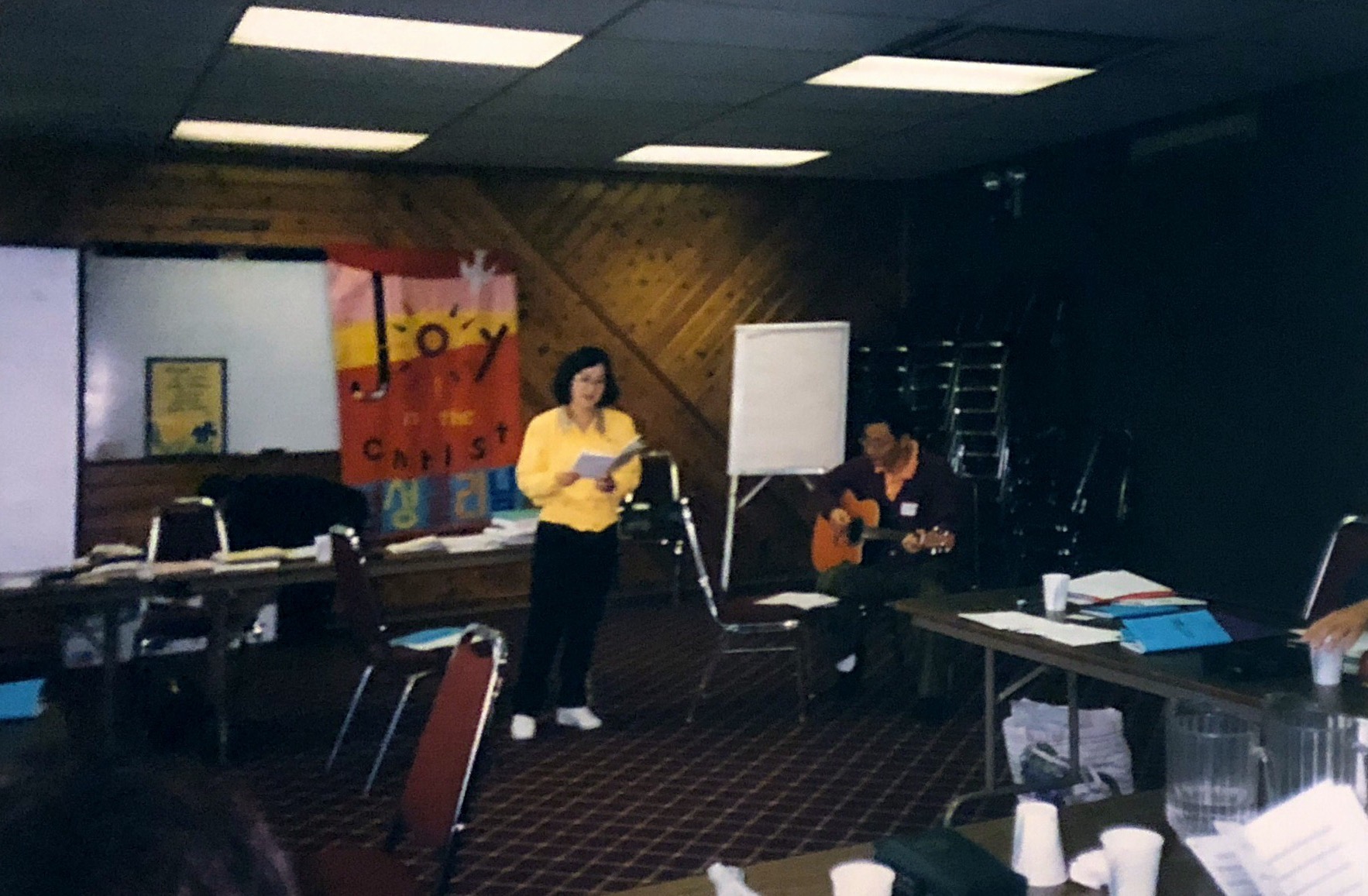
While the author was pastoring at Comac United Methodist Church, he implemented this program with the congregation. Every class was filled with a warm and joyful atmosphere. Each time the participants engaged in meditation, they experienced Godโ€™s grace. As they prayed together and shared their reflections on the Word, their inner selves opened up, walls of resistance crumbled, and they encountered Godโ€™s comfort and healing.

One church member, for example, came to realize that although her conscious prayer topic was about financial difficulties, the Holy Spirit led her to uncover a deeper, unconscious wound: the fear stemming from her transition through menopause. She then began to pray specifically about that fear, and through the process, experienced the comforting presence of the Holy Spirit.

This training offers spiritual power that is just as profound as the grace received during early morning prayer or revival services. Its flexibilityโ€”in terms of time and locationโ€”makes it especially well-suited to the busy lives of Korean immigrants. Meditation can be practiced anytime, anywhere, without constraint. The โ€œSpiritual Clinicโ€ program is even more effective when spouses participate together. It can also be helpful for churches experiencing tension to conduct a 3-night, 4-day retreat exclusively for church leaders, before conflicts become more serious. Trained pastors can lead this program in their own congregations.

It has already been six years since the program began. At first, it went through many trial-and-error stages due to a lack of experience and understanding. But now, it has become more stabilized. If any readers would like more detailed information or further discussion, please feel free to contact the author.


Conclusion:

When our relationship with God is properly and healthily established, we ourselves become whole and healthy. Only then can we begin to build happy and healthy relationships with others. In this process, our relationship with the Eternal Otherโ€”Godโ€”becomes a shared and beautiful relationship, and as our relationships with our neighbors are restored, we begin to build the Kingdom of God, Eden, here on earth. This, I firmly believe, is what evangelism and mission are all about.

A blessed self, a blessed family, and a blessed community come from discovering our true selves. To minister and lead with this vision and sense of direction is, in my view, a faithful response by spiritual leaders to God’s calling for the Korean Church. I sincerely hope that a new horizon opens for the vision of Korean leaders who are faithfully serving around the world.

Written by Rev. Taehun Yoon,
James H. Quillen VA Medical Center, TN

Posted in Ministry | Tagged , , , , , , | Leave a comment

THE TRANSFORMING PRAXIS TOWARD ECCLESIOGENESIS (Bibliography) New York, 1995

Abbott, K., & Abbey, E., “Juvenile Delinquency in San Francisco’s Chinese-American Community” Journal of Sociology . 1968, 45-56.

__________, Harmony and Individualism. Taipei: Orient Cultural Press, 1970.

Albright, William F., The Old Testament World, Vol. 1 of The Interpreter’s Bible.  Nashville: Abingdon, 1952.

Alinsky, Saul D., Rules for Radicals: A Pragmatic Primer for Realistic Radicals.. New York: 1972. A Division of Random House.

Allen, James Paul, and Eugene James Turner, We the People: An Atlas of Ethnic Diversity New York: Macmillan, 1988.

Allport, Gordon W., The Nature of Prejudice. New York: Doubleday, 1954.

Alves, Rubem, A Theology of Human Hope. New York: Corpus Books, 1969

Anderson, Gerald H., & Thomas F. Stransky, Edited by, Mission Trends No. 4: Liberation Theologies, – North American and European Perspectives on Liberation, with Contributions from the Black, Feminist, Native American, Asian American, and Chicano Experience. New York: Paulist Press, 1979.

Angelou, Maya, I Know Why The Caged Bird Sings.. New York: A Bantam Book, 1970.

Arkoff, A. Need, “Patterns of Two Generations of Japanese-Americans in Hawaii” Journal of   Social Psychology. 1959, 75-79.

Arndt, William F., and F. Wilbur Gingrich (eds.), A Greek-English Lexicon of the Testament. The University of Chicago Press, 1975.

Arthur, Lewis, “What Does the Bible Say about Mixed Marriage?” The Standard. Junes, 1987

Asedilli, Rebecca C., & B. David Williams, Editors, Rice in the Storm: Faith in Struggle in the Philippines. New York: Friendship Press, 1989.

Askew, C. Eugene, “Should My Daughter Marry a Negro?” in Marrying Across the Color Line, ed. Cloyte M. Larsson, Chicago: Johnson, 1965.

Atkinson, K. R., Maruyama, M., & Matsui, S., “The Effects of Counselor Race and Counseling Approach on Asian Americans’ Perceptions of Counselor Credibility and Utility”  Journal of Counseling Psychology. 1978.

Baker, Robert, & Frederick Elliston, Editors, Philosophy & Sex.. Buffalo, New York: Rometheus Books, 1975.

__________, Paul’s Idea of Community: The Early House Churches in their Historical Setting .Grand Rapids, Michigan: William B. Eerdmans Publishing Company, 1980.

Barth, Karl, Die Kirchliche Dogmatik. III/1,3. Zurich: Evangelisher Verlag A.G., 1956.

Baum, Gregory, and John Coleman, Eds. The Church and Racism. New York: Seabury, 1982.

Bay, Christian, The Structure of Freedom.. Stanford, CA: Stanford University Press, 1965.

Benedict, R., Patterns of Culture.. Boston: Houghton Mifflin, 1959.

Berger, Peter L., Facing Up to Modernity. Washington, D.C.: American Enterprise Institute for Public Policy, 1977.

Berger, Peter L., The Sacred Canopy, Garden City, N.Y.: Doubleday & Co., Anchor Books, 1969.

Bergson, H., Les Deux Sources de la morale et de la religion, Paris, 1932

Berk, Joseph & Susan, Managing Effectively. – A Handbook for First-Time Managers, New York: Sterling publishing Co., 1991.

Bernard, J., The Sociology of Community. Glenview: Scott, Foresman and Co., 1973.

Burstein, Richard J., Praxis and Action. Philadelphia: University of Pennsylvania Press, 1971.

Bestworth, Roger G., Social Ethics: An Examination of American Moral Traditions.. Louisville, Kentucky: Westminster/John Knox Press, 1990.

Bhaskar, Roy, The Possibility of Naturalism: A Philosophical Critique of the Contemporary Human Sciences (New York: Humanities Press, 1979.

“The Bible Speaks on Race,” The Students. March, 1984. p. 43.

Birch, Bruce C., & Larry L. Rasmussen, The Predicament df the Prosperous. Philadelphia, The Westminster Press, 1978.

Bode, Janet, Different Worlds.. New York: Franklin Watts, 1989.

Boesak, Allan Aubrey, Farefell to Innocence. Maryknoll, NY: Orbis Books, 1977.

Boff, Leonardo, Ecclesiogenesis: The Base Communities Reinvent the Church. Translated by Robert R. Barr, New York: Orbis Books, 1986.

_________, Jesus Christ Liberator: A Critical Christology for Our Time. Maryknoll, NY: Orbis,1978.

Bogardus, E., “Measuring Social Distance” Journal of Applied Sociology. 1925, 229-308.

Bonhoeffer, Dietrich, The Communion of Saints. New York: Harper & Row, 1963.

_________, New York, Act and Being.. New York: Harper & Row, 1962.

_________, The Cost of Discipleship.. Translated by R. H. Fuller, London: SCM Press, 1948.

_________, Life Together.. Translated by John W. Doberstein, New York: Harper & Brothers, 1954.

_________, Ethics.. Translated by N. Horton Smith, London: SCM Press, 1955.

_________, Letter and Papers from Prison . London: SCM Press, 1953.

_________, Prisoner for God.. New York: MacMillan Co., 1954.

Bono, Edward de, Six thinking Hats, Unit 1, 2, 3, 4, 5, Des Moines, Iowa: Advanced Practical Thinking Training, Inc., 1992.

Born, Ethel, A Tangled Web: A Search for Answers to The Question of Palestine. The Women’s Division, General Board of Global Ministries, New York; The United Methodist Church, 1989.

Boxley, R., & Wagner, N. N., “Clinical Psychology Training Programs and Minority Groups: A. Survey” Professional Psychology. 1971, 75-81.

Branshow, John, Homecoming: Reclaiming: Reclaiming and Championing Your Inner Child..New York: Bantam Books, 1990.

Brogan, Dick, Comp. Not Our Kind of Folks? Nashville: Broadman, 1978.

Brownmiller, Susan, Against Our Will: Men, Women and Rape. New York: Bantam Books, Simon & Schuster, 1975.

Brown, T. R., Stein, K. M., Huang, K., & Harris, D. E., Mental Illness and the Role of Mental Health facilities in Chinatown. In S. Sue & N. N. Wagner (Eds.), Asian  Americans: Psychological Perspectives. Palo Alto: Science & Behavior Books, 1973.

Brueggemann, Walter, Finally Comes the Poet, Minneapolis: Fortress Press, 1989.

Bruno, Leone., Racism. Greenhaven: St. Paul, Minn.: 1986.

Buber, Martin, I and You,. Translated by Ronald Gregor Smith, T. Clark, Edinburgh: 1953.

Bultmann, Rudolf, Primitive Christianity: In Its Contemporary Setting. Translated by Reginald H. Fuller, Philadelphia: Fortress Press, 1956.

Buren, Paul Van, Discerning The Way: A Theology of the Jewish-Christian Reality, New York: The Seabury Press, 1980.

Buswell, J. Oliver, III., Slavery, Segregation and Scripture. Grand Rapids: Eerdmans, 1964.

Capps, Donald, Pastoral Care and Henneneutics, Fortress Press, Philadelphia, 1984.

Castee, John L., Spiritual Renewal Through Personal Group. New York: Association Press, 1957.

Chai, Alice., “Korean Women in Hawaii” (1903-1945) in Women in New Worlds. by Thomas and Keller, Editors, Nashville: Abingdon, 1981.

Chalfant, H. Paul, Robert E. Beckley, & C. Eddie Palmer, Religion in Contemporary Society,. Alfred Publishing Co., Sherman Oaks, CA, 1981.

Chan, W.T. A Source Book in Chines Philosophy. Princeton, N.J.: Princeton University Press, 1963.

Chardin, Teihard de, The Phenomenon of Man,. New York: Harper & Row, 1959.

Charnofsky, S. Counseling for Power. Personnel and Guidance Journal,. 1971, 351- 357.

Chinatown Gangs. San Francisco Chronicle,. July 5, 1972.

Chin, R. New York Chinatown today: Community in crisis. Amerasia Journal,. 1971, 1-24.

Chittister, John, & Mary Lou Kownacki, Psalm Journal,. Kansas City: Sheed and Ward, 1985.

Chun, Hoon, L. Jade Snow Wong and the Fate of Chinese- American Identity. Amerasia Journal,. l(1), 52-63, 1971.

Cobbs, P., Ethnography in Groups. In L. Solomon & B. Berzon (Eds.), News Perspectives in Encounter Groups. San Francisco: Jossey-Bass, 1972.

Cone, James H., God of Oppressed,. New York: The Seabury Press, 1975.

___________, Speaking the Truth: Ecumenism, Liberation, and Black Theology. Grand Rapids, Michigan,William B. Eerdmans Publishing Co., 1990.

___________, “Black Theology and Reconciliation,” Christianity and Crisis, Jan. 22, 1973.

Cordova, F., “The Filipino-American, there’s Always and Identity Crisis.” In S. Sue & N. N. Wagner (Eds.), Asian Americans: Psychological Perspectives.. Palo Alto: Science & Behavior, 1973.

Costas, Orlando E., Christ Outside the Gate: Mission Beyond Christendom. New York: Orbis Books, Maryknoll, 1989.

Crester, Gary A., and Joseph J. leon, eds. “Intermarriage in the United States” Marriage and Family Review 5, no. 1(1982)

Cullmann, Oscar, The Christology of the New Testament. Philadelphia: The Westminster Press, 1957.

Daniels, R. Concentration Camps USA: Japanese Americans and World War II:. New York: Holt, Rinehart & Winston, 1971.

David, Alan T., Edited, Anti-Semitism and The Foundation of Christianity. Paulist, New York 1979.

Davies, Alan, Infected Christianity. Montreal: McGill Queens U., 1988.

Dechanet, J. M., Christian Yoga, New York: Harper & Row, 1972.

Demo, article in Comunidades: Ingreana Base, Estudos da CNBB No. 3 (Sao Paulo: Paulinas, 1975.

DeVos, G., & Abbott, K., The Chinese Family in San Francisco. MSW Dissertation, University of California, Berkeley, 1966.

Dewey, John, Democracy and Education: An Introduction to the Philosophy of Education.                    New York: The Free Psychological Press, 1944.

Dicks, Henry V., Marital Tensions: Clinical Studies Towards a Psychological Theory of Interaction. New York: Basic Books, 1967.

Dittes, James E., Bias and the Pious. Minneapolis: Augsburg, 1973.

Does Khaki Become You? : the Militarization of Women’s Lives, Boston, Mass: South End Press, 1983.

Doi, T., The Anatomy of Dependence.. New York: Harper & Row, 1973.

Door, Donald, Integral Spirituality: Resources for Community, Peace, Justice, and the Earth.New York: Orbis Books, 1990.

Drummond, Richard Henry, Toward a New Age in Christian Theology. Maryknoll,  New York: Orbis Books, 1985.

Dumas, “Biblical Anthropology,” in Concerning the Ordination of Women Durkheim, Emile, The Division of Labor in Society, Tr. by G. Simpson, Chicago: Free Press, 1933.

Eliade, Mircea, Myths, Dreams and Mysteries. – The Encounter between Contemporary Faith and Archaic Realities, Translated by Philip mairet, New York: Harper & Row, 1957.

Emry, Pastor, What does the Holy Bible Say? Phoenix, Ariz.: Lord’s Covenant Church, 1969. Pamphlet.

The Encyclopedia of the Social Science, ed. David Sills, vol. 15. New York: MacMillan and the Free Press, 1968.

Enloe, Cynthia, Bananas, Beaches & Bases, : Making Feminist Sense of International Politics. Berkerey, California., 1990.

Erickson, E.H., Childhood and Society, New York: Norton, 1950.

Evans, Anthony T., America’s Only Hope: Impacting Society in the ’90s. Chicago: Moody Press, 1990.

Fanon, Frantz, The Wretched of the Earth: The Handbook for the Black Revolution that is Changing the Shape of the World. Translated by Constance Farrington, New York: Grove Press, 1968.

Fenz, W., & Arkoff, A., Comparative Need Patterns of Five Ancestry Groups in Hawaii.Journal of Social Psychology. 1962, 67-89.

Fong, S. L. M., Assimilation of Chinese in America. Changes in Orientation and Social Perception, American Journal of Sociology. 1965, 265-273.

Fox, Matthew, The Coming of the Cosmic Christ: The Healing of Mother Earth and the Birth of a Global Renaissance, San Francisco: Harper & Row, 1988.

__________,      Originaal Blessing,. New Mexico: Bear & Company, 1983.

Frame, “Race and the Church: A Preogress Report,” pp. 16-17.

Fromm, Eric, Marx’s Concept of Man. New York: Frederick Ungar, 1966.

Galloway, Allan D., The Cosmic Christ,. Harper & Brothers Publishers, New York, 1951.

Gay, Kathlyn, The Rainbow Effect. New York: Franklin Watts, 1987.

Gaylord, C. Leroy, The Concept of Alienation: An Attempt at a Definition, in Marxism and Alienation. ed. Herbert Aptheker, New York: Humanities Press, 1965

Gendlin, Eugene T., Focusing, New York: Bantam Books, 1979.

Gittings, James A., Breach of Promise, – Portraits of Poverty in North America.. Friendship Press, New York, 1988.

Gondolf, Edward W. with Ellen R. Fisher, Battered Women as Survivors: an Alternative to Treating Learned Helplessness,. Lexington, Mass.: Lexington Books, 1988.

Gonzalez, Justo Stephen Kim, Homer Noley, Tallulah Williams, & Kil Sang Yoon(Staff), Planning Team, Uncover the Myths: Proceedings of the Roundtable of Ethnic Theologians with the Motifs of Creation and Hermeneutics.. The Cabrini Retreat Center, Des Plains, IL, October 20-23, 1988.

Gorden, Albert L., Intermarriage-Interfaith, Interracial, Interethnic. Boston: Beacon, 1964.

Greeley, A.M., Why Can’t They Be Like Us? New York: Institute of Human Relations Press, 1969.

Gretz, Karl F., & Steven R. Drozdeck, The Effective Manager-Being the Best in Financial Sales Management. New York: New York Institute of Finance, 1991.

Groat, Janet, “Augsburg Learns Major Benefactor Sent Hostile Mail,” Minneapolis Star-Tribune,. February 16, 1988, sec. A.

Gustafson, James M., Ethnics from a Theocentric Perspective, Volume One, Theology and Ethnics. The University of Chicago Press, 1981.

Gutierrez, Gustavo, Chicago:The Power of the Poor in History. Translated from the Spanish by Robert R. Barr, New York: Orbis Books, Maryknoll, 1990.

___________, A Theology of Liberation, Tr. and Ed. Sister Caridad Inda and John Eagleson New York: Orbis, 1973.

Harrison, Beverly Wildung, Our Right to Choose: Toward a New Ethnic of Abortion. Boston:Beacon Press.

Haseldon, Kyle, Mandate for White Christians. Richmond, Va.: Knox, 1966.

___________, The Racial Problem in Christian Perspective. New York: Harper, 1959.

Hauerwas, Stanley, and William H. Willimon, Resident Aliens-A Provocative Christian Assessment of Culture and Ministry for People Who Know That Something is Wrong. Nashville: Abingdon Press, 1989.

Health Policy Advisory Committee, The American Health Empire: Power, Profits, Politics. New York: Random, 1971.

Hegel, G. W. F., The Phenomenology of Mind. Translated be J.B. Baillie, New York: Harper & Row, 1967.

Henry III, William A., “Beyond the Melting Pot,” Time (April 9, 1990): 28-31.

Hick, John, and Paul F. Knitter, Editors, The Myth of Christian Uniqueness: Toward a Pluralistic Theology of Religions. New York: Orbis Books, 1987.

Holland, Joe, & Peter Henriot, Social Analysis: Linking Faith and Justice. Dove Communications and Orbis Books in Collaboration with the Center of Concern, 1986.

Hollingshead, A., & Redlich, F. Social Class and Mental Illness. New York: Wiley, 1958.

Hu, H.C., The Chinese Concepts of Face. In D. G. Haring (Ed.), Personal Character and Cultural Milieu. Syracuse, N.Y.: Syracuse University, 1975.

The Human Rights Office, National Council of Churches of Christ in the U.S.A, Life in All its Fullness: The Word of God & Human Rights. NY: American Bible Society, 1976.

Jacobs, P., Landau, S., & Pell, E. To Serve the Devil. Vol. 2 Colonials and Sojourners. New York: Vintage Books, 1971.

James, William, Pragmatism and Four Essays from The Meaning of Truth. New York: Meridian, 1907.

__________, The Will To Believe and Other 5 Essays in Popular Philosophy & Human Immortality Two Supposed Objections to the Doctrine. New York: Dover Publications, Inc., 1956.

James, Alsdurf & Phyllis, Battered into submission: the Tragedy of Wife Abuse in the Christian Home,. Downers Grove, Ill.: Inter Varsity Press, 1989.

Jones, William, “Toward an Interim Assessment of Black Theology,” Reflection. Yale Divinity School, Jan. 1972.

Johnson, Joseph A., “Jesus, the Liberator,” in James J. Gardiner and J. Deotis Roberts (eds.), Quest for a Black Theology. Pilgrim Press, 1971.

Jordan, Winthrop. White Over Black. Chapel Hill, N.C.: U. of North Carolina, 1968.

Kagiwada, G., & Fujimoto, I., Asian-American Studies: Implications for Education. Personnel and Gu idance Journal,. 1973, 400-405.

Kane, M. B., Minorities in Textbooks: A Study of their Treatment in Social Studies Texts. Chicago: Quadrangle, 1970.

Kaneshige, E., Cultural Factors in Group Counseling and Interaction. Personnel and Guidance Journal, 1973, 407-412.

Karno, M., & Edgarton, R. B. Perception of Mental Illness in a Mexican-American Community.Archives of General Psychiatry. 1969, 233-238.

Kasemann, Ernst, Jesus Means Freedom. Philadelphia: Fortress Press, 1977.

Katz, Phyllis, ed. Towards the Elimination of Racism. New York: Perganon, 1976.

Kelsey, Morton, Encounter With God-A Theology of Christian Experience. Minneapolis, Minnesota: Bethany Fellowship, Inc., 1972.

Kelsey, Morton, Christianity As Psychology-The Healing Power of the Christian Message.Minneapolis: Augsburg Publishing House, 1986.

Kikumura, A., & Kitan, H. H., Interracial Marriage: A picture of the Japanese Americans. Journal of Social Issues,. 1973, 67-81.

Kimmich, R. A., Ethnic Aspects of Schizophrenia in Hawaii. Psychiatry. 1960. 97-102.

Kim, Bok-Lim, et. al. Women in Shadows. 1981.

___________, “Casework with Japanese and Korean Wives of Americans”, Social Casework. 53:3 (May, 1972). PP. 272-279.

___________, Asian Americans: Changing Patterns, Changing Needs. New Jersey:AKCS, 1978.

Kim, Yong Bock, Editor, Minjung Theology: People as the Subjects of History. The Commission on Theological Concerns, The Christian Conference of Asia, Singapore, 1982.

Kind woman, Jan, & Ron Ozier, Editor, Journey Toward Justice: Commemorating the 80th  Anniversary of the Social Creed of the People Called Methodists. New York:Methodist Federation for Social Action, 1988.

King, Charles, – An Interview with, “White People Must Change”, Sojourners. May 1981. 21.

Kirwan, T. William, Biblical Concepts for Christian Counseling-A Case for Integrating Psychology and Theology. Grant Rapids, Michigan: Baker Book House, 1984.

Kitano, H. H. L., Changing Achievement Patterns of the Japanese in the United States. Journal of Social Psychology,. 1962, 257-264.

_________, H. H. L. Inter- and Intragenerational Differences in Maternal Attitudes Toward Child Rearing. Journal of Social Psychology. 1964, 215-220.

_________, H. H. L. Japanese-American Crime and Delinquency. Journal of Psychology. 1967, 253-263.

_________, H. H. L. Japanese-American Mental Illness. In S. C. Plog & R. B. Edgarton (Eds.), Changing Perspectives in Mental Illness.. New York: Holt, Rinehart & Winston, 1969a.

_________, H. H. L. Mental Illness in Four Cultures. Journal of Social Psychology,. 1970, 121-134.

Kittel, Gerhard & G. Friedrich, ed., Theological Dictionary of the New Testament. Grand Rapid: Eerdmans, vol. III, 1965.

Klausner, Joseph, Jesus of Nazareth: His Life, Times, and Teaching. Translated from   the Original Hebrew by Herbert Danby, Boston: Beacon Press, 1964.

Klausner, Pamaia, Korean Massages in New York City. University of Delawoare, 1987.

Klein, J., Jewish Identity and Self-Esteem: Healing Wounds through Ethnotherapy. New York: Institute on Pluralism and Group Identity, 1980.

Kleinman, A.M., Eisenberg, L., & Good, B. Culture, Illness, and Care: Clinical Lesson from anthropologic and Cross-Cultural Research. Annals of Internal Medicine, 88, 1978.

Klimek, David, Beneath Mate Selection and Marriage: The Unconscious Motives in Human Pairing. New York: Van Nostrand Reinhold, 1979.

Knitter, Paul F., No Other Name?: A Critical Survey of Christian Attitudes Toward the World Religions. Maryknoll, New York: Orbis Books, 1986.

Kohak, Erazim, Idea & Experience-Edmund Husserl’s Project Of Phenomenology in Idea. Chicago and London: University of Chicago Press, 1978.

Kouzes, James M., & Barry Z. Posner, The Leadership Challenge – How to Get Extraordinary Things Done in Organizations, San Francisco: Jossey-Bass Publishers, 1987.

____________, Credibility – How Leaders Gain and Lose it, Why People Demand it, San Francisco: Jossey-Bass, 1993.

____________, The Leadership Practices Inventory (LPI) Self-Assessment and Analysis, San Francisco: Jossey-Bass Publishers, 1993.

Kozol, Jonathan, Illiterate America. New York: Doubleday Anchor, 1985.

Kung, Hans, On Being a Christian. Translated by Edward Quinn, New York: Simon & Schuster, 1978.

Lane, Dermot A., The Experience of God-An Invitation To Do Theology. New York; Paulist Press, 1981.

Larsson, Clotye M., ed. Marriage Across the Color Line. Chicago: Johnson, 1965.

Lauer, Quentin, Hegel’s Concept of God. Albany: State University of New York Press, 1982.

__________, A Reading of Hegel’s Phenomenology of Spirit. New York: Fordham University Press, 1982.

Leas, Speed B., Time Management-A Working Guide for Church Leaders. Creative Leadership Series Edited by Lyle E. Schaller, Nashville: Abington, 1978.

Lee, Jung Young, The Theology of Change-a Christian Concept of God in an Eastern Perspective. New York: Orbis Books, Maryknoll, 1979.

Lee, Sang Hyun, Editor, Korean American Ministry: a Resourcebook. The Consulting Committee on Korean American Ministry, The Program Agency, Presbyterian Church(U.S.A.),Princeton Theological Seminary, 1987.

Levine, Irving, Personal Communication, Monterry, Calif.: Brooks/Cole, 1981.

Lewis, Arthur, “What Does the Bible Say about Mixed Marriage?” The Standard. Junes: 1987.

Linn, Dennis, & Matthew Linn, Healing Life’s Hurts-Healing Memories Through The Five Stages of Forgiveness. New York: Paulist Press, 1978.

Little, Sara, To Set One’s Heart: Belief and Teaching in the Church. Atlanta, GA: John Knox Press, 1983.

Lockwood, Edgar, South Africa’s Moment of Truth. New York: Friendship Press, 1988.

Loder, James E., The Transforming Moment-Understanding Convictional Experiences. San Francisco: Harper & Row, 1981.

Logan, William H., Editor, The Kairos Covenant: Standing with South African Christians. New York: Friendship Press, 1988.

Loomer, Bernard M., The Web of Life. The Graduate Theological Union, Berkley: California, October, 1977

Ruether, Rosemary Redford, Sexism and God-Talk – Toward a Feminist Theology. Boston: Beacon Press, 1983.

Lyman, S. M. The Asian in the West.. Reno; Nev.: University of Nevada Press, 1970.

MaCiver, R.M., Community. London: Routledge and Kegan Paul, 1951.

Maloney, George A., The Breath of the Mystic. New Jersey: Dimension Books, Denville, 1974.

Marsella, A. J., Kinzie, D., & Gordon, P. Depression Patterns Among American College Students of Caucasian, Chinese, and Japanese Ancestry. Paper Presented at the Conference on Culture and Mental Health in Asia and the Pacific. Honolulu, March 1971.

Martin, Bogdan & Deidre, The Psychological Way/ The Spiritual Way. Minneapolis: Bethany Fellowship, 1979.

Martin, Del., Battered Wives, San Francisco:: Glide Publication, 1976.

Maston, T. B., Segregation and Desegregation. New York: Macmillan, 1959.

Matsumoto, G. M., Meredith, G., & Masuda, M. Ethnic Identification: Honolulu and Seattle Japanese-Americans. Journal of Cross-Cultural Psychology. 1970, 63-76.

McFague, Sallie, Models of God-Theology for and Ecological, Nuclear Age.. Philadelphia: Fortress Press, 1987.

_________, Metaphorical Theology-Models of God in Religious Language. Philadelphia: F Ortres Press, 1982.

McGee, Robert S., The Search for Significance. Houston. Texas: Rapha Publishing, 1990.

McGoldrick, Monica, John K. Pearce, Joseph Giordano, edited by., Ethnicity and Family Therapy, New York: The Guilford Press, 1982.

McLaughlin, Rosemary Ruether & Eleanor., Women of Spirit – Female Leadership in the Jewish and Christian Traditions. Meredith, G. M. Amae and Acculturation Among Japanese-American College Students in Hawaii. Journal of Social Psychology,  1966, 171-180.

Miles, Margaret R., Fullness of Life-Historical Foundations for a New Ascetics. Philadelphia: The Westminster Press, 1981.

Miller, S. C., The Unwelcome Immigrant. Berkeley: University of California Press 1969.

Millett, Kate, Sexual Politics. New York: A Von Books, 1971.

Minunchin, S., Families and Family Therapy. Cambridge: Harvard University Press, 1974.

Meeks, Wayne A., The First Urban Christians: The Social World of the Apostle Paul. New Haven: Yale University Press, 1983.

Merton, Thomas, Faith and Violence: Christian Teaching and Christian Practice. Indiana: University of Notre Dame Press, 1981.

Metz, Barbara, & De N. John Burchill, The Enneagram And Prayer-Discovering Our True Selves Before God. New Jersey: Dimension Books, Inc., Denville, 1987.

Min, Pyong Gap, Ethnic Business Enterprise: Korean Small Business in Atlanta. New York: Center for Immigration Studies, 1988.

Mindel, Charles H., Robber W. Habenstein, & Roosevelt Wright, Jr., Ethnic Families in America: Patterns and Variations. New York: Elsevier, 1988

Moltmann, Jurgen, Theology Today. Translated by John Bowden, Philadelphia: PA, Trinity Press International, 1989.

__________, Translated by James W. Leitch, Theology of Hope: On the Ground and the Implications of a Christian Eschatology. New York: Harper & Row Publishers, 1965.

__________, The Crucified God: The Cross of Christ as the Foundation and Criticism of Christian Theology. New York: Harper & Row, 1974.

Montague, Ashley, Man’s Most Dangerous Myth: The Fallacy of Race. New York: Oxford U., 1974.

Moser, Leslie E., The Struggle for Human Dignity. Los Angeles: Nash Publishing, 1973.

Moxon, Reginald S., The Doctrine of Sin. New York: George H. Doran Co., 1922.

Myrdal, Gunnar, An American Dilemma. New York: Harper & Row, 1962.

Nachmias, Davis & Chava, Research Methods in the Social Sciences. Third Edition, New York: St. Martin’s Press, 1987.

Nelson, Jack A., Hunger for Justice: The Politics of Food and Faith. New York: Orbis Books, Maryknoll, 1981.

The New Encyclopaedia Britannica, Vol. 1, Micropaedia, 15th Edition, Chicago, 1988.

New York Times, “Struggling to Find Stability in Families Where Divorce Has Become a Way of Life”, March 19, 1995, p. 42.

Niebuhr, H. Richard, Christ and Culture. New York: Harper & Row, 1956.

__________, The Responsible Self: An Essay in Christian Moral Philosophy. San Francisco: Harper & Row, 1963.

Nogosek, Robert J., Nine Portraits of Jesus-Discovering Jesus Through The Enneagram. New Jersey: Dimension books, Inc., Denville, 1987.

Nouwen, Henry J. M., The Wounded Healer: Ministry in Contemporary Society, New York: Image Books, 1972.

___________, In the Name of Jesus. New York: The Crossroad Publishing Company, 1990.

Osseo-Asare, Francislee. A New Land to Live In.. Downers Grove, Ill.: InterVarsity, 1977.

Ogle, George E., Liberty to the Captives: The Struggle against Oppression in South Korea. Atlanta: John Knox Psychological Press, 1977.

O’Grady, Ron, Bread and Freedom-Understanding and Acting on Human Rights. The   Risk Book Series, Switzerland: World Council of Churches, 1979.

Ogletree, Thomas W., The Use of The Bible in Christian Ethics. Philadelphia: Fortress Press, 1983.

Owen, David G., Transparent Worship. New York Del: Women’s Division, General Board Of Global Ministries, The United Methodist Church, 1988.

Pannell, William E., My Fiend the Enemy. Waco, Tex.: Word, 1968

Park, Andrew Sung, The Wounded Heart of God: The Asian Concept of Han and the Christian Doctrine of Sin. Nashville: Abingdon Press, 1993.

Park, Bong Lang, Dereligionization of Christianity: Study on Dietrich Bonhoeffer. Seoul, Korea: Bim Moon Sa, 1975.

Park, R. E., Race and Culture. New York: Free Press, 1950.

Pascoe, Elaine, Racial Prejudice. New York: Franklin Watts, 1985.

Patton, Bruce, Roger Fisher, & William Ury, Getting to Yes – Negotiating Agreement Without  Giving In, New York: Penguin Books, 1981.

Perkins, John, With Justice for All. Ventura, Calif.: Gospel Light, 1982.

Perrin, Norman, Rediscovery of the Teaching of Jesus. New York: Harper & Row, 1967.

Petry, Ray C., Editor, Late Medieval Mysticism. The Library of Christian Classics. Philadelphia, The Westminster Press, 1967.

Pieris, Aloysius, An Asian Theology of Liberation. Orbis Books Maryknoll, New York, 1988.

Popper, K. R., The Open Society and Its Enemies: Volume I, The Spell of Plato. London: Routledge & Kegan Paul, 1973.

__________, The Open Society and Its Enemies: Volume II, Hegel & Marx. London: Routledge & Kegan Paul, 1973.

Poterfield, Ernest, Black and White Mixed Marriages. Chicago: Nelson- Hall, 1978.

Prinzing, Fred & Antia, Mixed Messages. Chicago: Moody Press, 1991.

Progoff, Ira, Translated be, The Cloud of Unknowing. Dell Publishing Co., New York, 1983.

Rabaya, V., Filipino Immigration: The Creation of a New Social Order. In A.Rad, Gerhard von, Theologie Des Alten Testaments, I. Munchen: Chr. Kaiser Verlag, 1969.

Raboteau, Albert J., Slave Religion-The “Invisible Institution” in the Antebellum South. New York: Oxford University Press, 1980.

Reich, Charles A., The Greening of America. New York, The Bantam Books, 1971.

Rendtorff, R., Die Offenbarungsvorstellungen …, in: Offenb. als Genschichte, 1961

Resolution Adopted by the General Assembly, “Declaration on the Elimination of Violence Against Women, New York: the United Nations, February 23, 1994.

Rhim, Soon Man, Women of Asia: Yesterday and Today. New York: Friendship Press, 1983.

Rich, Adrienne, Woman Born: Motherhood as Experience and Institution. New York: W.W.  Norton, 1976.

Richardson, Frank, “Ministries to Asian Wives of Servicemen: A 1975 Inquiry”. Ministry Chaplains Review, Pamphlet 1965, P. 108, Washington, D.C., Qinter, 1976.

Riso, Don Richard, Personality Types-Using the Enneagram for Self-Discovery. Boston: Houghton Mifflin Company, 1987.

Rosenthal, R., & Jacobson, L. Pygmalion in the Classroom. New York: Holt, Rinehart & Winston, 1968.

Ruether, Rosemary Radford & Eleanor McLaughlin, Edited, Women of Spirit-Female Leadership in the Jewish and Christian Traditions. Simon and Schuster, New York, 1979.

___________, Faith and Fratricide: The Theological Roots of Anti-Semitism. New York: The Seabury Press, 1979.

___________, To Change the World. New York: Crossroad, 1981.

Runyon, Theodore, Edited By, Wesleyan Theology Today-A Bicentennial Theological  Consultation. Nashville: Kingswood Books, 1985.

Russell, Letty M., Human Liberation in Feminist Perspective- a Theology. Philadelphia: The Westminster Press, 1974.

Salley Columbus, and Ronald Behm. What Color Is Your God? Secaucus, N.J.: Citadel, 1988.

Saiving, Valerie, “The Human Situation,” in Womanspirit Rising, ed. Carol Christ and Judith Plaskow, New York: Harper & Row, 1979.        

Scanzoni, Letha, & Virginia Ramey Mollenkott, Is the Homosexual My Neighbor? – Another Christian View. San Francisco: Harper & Row, 1978.

Schutz, William, Joy: Expanding Human Awareness. New York: Grore Press, 1968.

Shackford, Kate. “Children of Interracial Families.” Interracial Books For Children Bulletin 15, no. 6:4-15.

Shin, L. Koreans in America, 1903-1945. In A. Tachiki, E. Wong, F. Odo, & B. Wong  (Eds.), Roots: An Asian American Reader. Los Angeles: UCLA, 1971.

Sider, Ronald J., ed The Chicago Declaration. Carol Stream, Ill.: Creation House, 1974.

Smith, Archie, Jr., The Relational Self: Ethics & Therapy from a Black Church Perspective. Nashville: Abingdon, 1982.

Smith, M. E. Progress in the Use of English After Twenty-Two Years by Children of Chinese Ancestry in Honolulu. Journal of Genetic Psychology, 1957, 255-258.

Smith, M. E., & Kasdon, L. M., “Progress in the Use of English After Twenty Years by Children of Filipino and Japanese Ancestry in Hawaii” Journal of Genetic Psychology, 1961, 129-138.

Snyder, T. Richard, Once You Were No People: The Church and the Transformation of Society. Bloomington, IN: Meyer Stone Books, 1988.

Sobrino, Jon, Spirituality of Liberation: Toward Political Holiness. Translated by Robert R. Barr, New York: Orbis Books, Maryknoll, 1985.

Sommers, V. S., Identify Conflict and Acculturation Problems in Oriental-Americans.  American Journal of Orthopsychiatry, 1960, 637-644.

Song, Choan-Seng, Third-Eye Theology: Theology in Fomation in Asian Settings. New York: Orbis Books, Maryknoll, 1979.

Sparckard, Paul R. Mixed Blood – Intermarriage and Ethnic Identity in Twentieth-Century America. Madison, Wis.: U. of Wisconsin, 1989.

Struik, Dirk J., ed., The Economic and Philosophic Manuscripts of 1944. New York: International Pub. Co., 1964.

Stuart, Irving R., and Lawrence E. Abt, eds. Interracial Marriage: Expectations and Realities. New York: Grossman, 1973.

Success Story of One Minority Group in the U.S. U.S. News & World Report, December 1966.

Success Story: Outwhiting the Whites. Newsweek, June 1971.

Suchocki, Marjorie Hewitt, God Christ Church-a Practical Guide to Process Theology. New York: Crossroad, 1982.

Sue, D. W., Ethnic Identity: The Impact of Two Cultures on the Psychological Development of Asians in America. S. Sue & N. Wagner (Eds.), Asian Americans: Psychological Perspectives, Palo Alto, Calif.: Science and Behavior Books, 1973.

__________, & Frank, A. C., A typological approach to the study of Chinese- and Japanese-American College Males. Journal of Social Issues. 1973, 129-148.

__________, & Kirk, B. A., Asian Americans: Use of Counseling and Psychiatric Services on a College Campus. Journal of Counseling Psychology, 1975, 84-86.

__________, B. A., Differential characteristics of Japanese-American and Chinese-American College Students. Journal of Counseling Psychology.1973, 142-148.

__________, B. A., Psychological Characteristics of Chinese-American College Students. Journal of Counseling Psychology. 1972, 471-478.

__________, & Sue, S. Ethnic minorities: Resistance to Psychological Being Researched. Professional Psychology. 1972, 11-17.

Sue, S., & Kitano, H. H. L., Stereotypes as a Measure of Success. Journal of Social Issues. 1973, 83-98.

Sue, S., & McKinney, H. Asian Americans in the Community Mental Health Care System.  American Journal of Orthopsychiatry. 1975, 111-118.

__________, & Sue, D. W. Chinese-American Personality and Mental Health. Amerasia Journal. 1971a, 36-49.

__________, D. W. MMPI Comparison Between Asian-American and Non-Asian Students Utilizing a Student Health Psychiatric Clinic. Journal of Counseling Psychology, 1974, 423-427.

__________, & Mckinney, H. Asian Americans in the Community Mental Health Care System. American Journal of Orthopsychiatry, 45(1), 111-117, 1975. The Reflection of  Culture Conflict in the Psychological Problems of Chinese and Japanese Students. Paper Presented at the American Psychological Association Convention, 1971, Honolulu Asian American as a Minority Group. American Psychologist. 1975, 906-910.

Sung, B.L., Mountian of Gold. New York: Macmillan, 1967.

Swidler, Leonard, Editor, Toward a Universal Theology of Religion. New York: Orbis Books, Maryknoll, 1988.

Tachiki, E. Wong, F. Odo, & B. Wong (Eds.), Roots: An Asian American Reader. Los Angeles: UCLA, 1971.

Takayama, G. Analysis of Data on Asian Student at U.C. Berkeley, 1971. Project Report, As 150, Asian Studies Division, University of California, Berkeley, Winter, 1971.

Tarplee, Cornelius C., Racial Prejudice.. Greenwich, Conn.: Seabury, 1962.

Theology Today. Vol. 67, No. 4, Princeton, January, 1991.

Theology Today. Vol. 67, No. 3, Princeton, October, 1990.

Thielicke, Helmut, Theological Ethics vol. 3. Michigan: W.B. Edmans Publishing Co., 1979.

Thistlethwaite, Susan Brooks, Metaphors for the Contemporary Church. New York: The Pilgrim Press, 1983.

Thomas, Clemens, A Christian Theology of Judaism. Translated By Helga Croner, A Stimulus Book, New York: Paulist Press, 1980.

Thomas, Hilah F., & Rosemary Skinner Keller, Edited By, Women in New Worlds: Historical Perspectives on the Wesleyan Tradition. Nashville: Abingdon, 1981.

Thomas, Piri, Down These Mean Streets. Vintage Books, New York: A Division of Random House, 1974.Thomasma, David C., Human Life in the Balance. Kentucky Louisville: Westminster/John Knox Press, 1990.

Tillich, Paul, Love, Power, and Justice: Ontological Analysis and Ethical Applications. London: Oxford University Press, 1960.

__________, Systematic Theology. Volume Three, Life and the Spirit, History and the Kingdom of God, Chicago: The University of Chicago Press, 1976.

__________, The New Being. New York: Charles Scribner’s Sons, 1955.

Tinker, J. N., Intermarriage and Ethnic Boundaries: The Japanese American Case. Journal of Social Issues. 1973, 49-66

Tonnis, Ferdinand, Community and Society, Tr. by C.P. Loomis, New York: Harper & Row, 1957.

Tracy, David, “Theologies of Praxis”, in Creativity and Metho: Essays in Honor of Bernard Lonergan. Matthew L. Lamb, ed. Milwaukee: Marquette University Press, 1981.

Trible, “Eve and Adam,” Andover Newton Quarterly, March, 1973.

Trippe, George E., and Richard D. Thomson, Study Guide to Encounter With God by Morton Kelsey. Minneapolis, Minnesota: Bethany Fellowship, Inc., 1975.

Urban Associates. A Study of Selected Socioeconomic Characteristics Based on the 1970 Census. Asian American, Vol. 2 Washington, D.C.: U.S Government Printing Office, 1974.

Vontress, C. E., Racial Difference: Impediments to Rapport. Journal of Counseling Psychology. 1971, 7-13.

Walker, Lenore E., The Battered Women: from a Theology of Suffering to an Ethic of Empowerment. New York: Division for Mission in North America, Lutheran Church in America, 1986.

Ward, Barbara, The Home of Man. New York: W.W. Norton & Company, 1976.

Washington, Joseph R., Jr., Marriage in Black and White. Boston: Beacon, 1971.

Watanabe, C., Self-Expression and the Asian- American Experience. Personnel and Guidance Journal, 1973, 390-396.

Webster’s New Universal Unabridged Dictionary, Second Edition, Dorset & Baber, New York, NY, 1979.

Weiss, M.S., Selective Acculturation and the Dating Process: The Patterning of Chinese-Caucasian Interracial Dating. Journal of Marriage and the Family. 1970, 273-282.

West, Charles C., Outside The Camp. Garden City, New York: Doubleday & Company, 1959.

White, Steve, and Ruth, Free Indeed: The Autobiography of an Interracial Couple. Gardena, Calif.: A Place for Us, 1989.

Whitehead, Alfred North, Process and Reality, New York: Free Press, 1978.

Williamson, Joel, New People: Miscegenation and Mulattoes in the United State. New York: New York U., 1980.

Wood, Barry, The Magnificent Frolic. Philadelphia: The Westerminster Press, 1970.

Wright, B. R., Social Aspects of Change in the Chinese Family Pattern in Hong Kong. Journal of Social Psychology. 1964, 31-39.

Yamamoto, J., James, J.C., & Palley, N., Cultural Problems in Psychiatric Therapy. Archives of General Psychiatry. 1969, 45-49.

Yoder, John Howard, The Politics of Jesus. William B. Eerdmans Publishing Company, Michigan, Grand Rapids, 1983.

Young, Pamela Dickey, Feminist Theology/Christian Theology: In Search of Method. Minneapolis: Fortress Press, 1990.

Zaner, Richard M., The Context of Self-A Phenomenology Inquiry Using Medicine as a Clue. Athens, Ohio: Ohio University Press, 1981.

__________, The Way of Phenomenology-Criticism As a Philosophical Discipline. Indianapolis: Pegasus, 1970.

Zimmerli, W., Grundriss der alt testl. th., 1975.

Zborowski, P., People in Pain. San Francisco: Jossey-Bass, 1969.

Zola, I.K., The Concept of Trouble and Sources of Medical Assistance. Social Science and Medicine, 6, 1972.

__________, Culture and Symptoms: An Analysis of Patients’ Presenting Complains. American Sociological Review, 5, 1966,

Zseng, W.S. & McDermott, J.F., Culture, Mind and Therapy: An Introduction to Cultural Psychiatry, New York: Brunner/Mazel, 1981.

Kim, Kwang-il. โ€œA Psychiatric Study of 50 Battered Wives.โ€ Mental Health Studies, pp. 235โ€“256.

__________, ed. Domestic Violence. Seoul: Tamgudang, 1988.

Kim, Kwang-ja. โ€œA Survey on Attitudes toward Wife Battering.โ€ Mental Health Studies, pp. 218โ€“234.

Kim, Kyun-jin. โ€œA Theological Interpretation of Openness.โ€ Christian Thought. Seoul: The Christian Literature Society of Korea, June 1982.

Kim, Byung-seo. โ€œA Social Understanding of Church Community.โ€ Christian Thought. Seoul: The Christian Literature Society of Korea, January 1984, pp. 16โ€“27.

Kim, Myung-soo. โ€œSocial Ideals and Practices of the Early Christian Church.โ€ Christian Thought. Seoul: The Christian Literature Society of Korea, January 1984, pp. 28โ€“44.

Kim, Sung-jae. โ€œThe Cry of the People is the Cry of God: The Historical Context of Liberation Theology.โ€ Christian Thought. Seoul: The Christian Literature Society of Korea, September 1984, pp. 70โ€“91.

Kim, Soon-young. โ€œA Theological Review on Womenโ€™s Participation in Faith Communities.โ€ Society and Theology. New York: Institute for Social Theology, Spring 1991, pp. 190โ€“193.

Kim, Ae-young. โ€œThe Jubilee Reunification Movement and Women Pastors: A Feminist Theological Approach to Church Reform.โ€ Christian Thought. Seoul: The Christian Literature Society of Korea, May 1991, pp. 110โ€“124.

Kim, Yoon-ok. โ€œThe Current State of Korean Feminist Theology.โ€ Christian Thought. Seoul: The Christian Literature Society of Korea, May 1991, pp. 52โ€“66.

Kim, Lee-bong. Feminist Theology. Seoul: Yangseogak Publishing, 1985.

Kim, Il-soo. โ€œStratification of Asians in American Society.โ€ Society and Theology. New York: Institute for Social Theology, Spring 1991, pp. 194โ€“202.

Kim, Jung-soo & Yang, Mi-kang. โ€œFeminist Theology and Peace Theology.โ€ Christian Thought. Seoul: The Christian Literature Society of Korea, May 1991, pp. 89โ€“99.

Kim, Hye-kyung & Kim, Ae-ryoung, trans. Issues in Feminist Liberation Theory, Linda Burnham & Miriam Louie, A Marxist Critique of Socialist Feminism. Seoul: Taeam Publishing, 1989.

Christian Encyclopedia. Seoul: The Christian Literature Society of Korea, 1972.

House of Davita. โ€œRise Again, Geum-i!โ€ Dongducheon: House of Davita, Marchโ€“April 1993, pp. 15โ€“16.

Joint Data Collection for the Eradication of U.S. Military Crimes. โ€œOur Geum-i.โ€ Seoul: Joint Countermeasure Committee for the Yoon Geum-i Case, March 24, 1993.

Dialogue Monthly, Editorial Department. โ€œA Society with Prostitutes.โ€ Seoul: Dialogue Monthly, January 1977, pp. 120โ€“135.

Moon, Dong-hwan. โ€œThe Future Community of Korea and the Church.โ€ Christian Thought. Seoul: The Christian Literature Society of Korea, January 1984, pp. 67โ€“72.

The Korea Times Weekly (U.S. Edition). โ€œThe Churchโ€™s Prescription for Domestic Violence.โ€ Los Angeles: March 11, 1995.

Min, Byung-gap. Minority Groups in the U.S. New York: Queens College, 1990.

Park, Do-sik. โ€œLiberation Theology and Marxism.โ€ Christian Thought. Seoul: The Christian Literature Society of Korea, September 1984, pp. 44โ€“56.

Park, Choong-goo. โ€œSexist Culture and the Korean Church (I).โ€ Christian Thought. Seoul: The Christian Literature Society of Korea, February 1995, pp. 148โ€“165.

Sohn, Bong-ho. โ€œKorean Context and Liberation Theology.โ€ Christian Thought. Seoul: The Christian Literature Society of Korea, September 1984, pp. 57โ€“69.

Yang, Joo-sam, ed. New Korean Dictionary. Seoul: Han-Young Publishing, 1975.

Um, Mari. โ€œA Church Where Women Participate.โ€ Christian Thought. Seoul: The Christian Literature Society of Korea, May 1991, pp. 100โ€“109.

Oh, Sung-choon. โ€œThe Possibility of Community Formation through Healing Ministry.โ€ Christian Thought. Seoul: The Christian Literature Society of Korea, January 1984, pp. 56โ€“66.

Oh, Jae-shik. โ€œChurch Community and Prophetic Witness in Our Time.โ€ Christian Thought. Seoul: The Christian Literature Society of Korea, January 1984, pp. 45โ€“55.

Yoo, Bok-nim. โ€œWomen and Sexual Violence: A Social Issue.โ€ Christian Thought. Seoul: The Christian Literature Society of Korea, May 1991, pp. 80โ€“88.

Lee, Kyung-sook. โ€œSexual Violence and Advocacy for Women in the Old Testament.โ€ Christian Thought. Seoul: The Christian Literature Society of Korea, May 1991, pp. 7โ€“18.

Lee, Kyu-tae. The Consciousness Structure of Korean Women, Vol. 1: Reproductive Beings or Persons? Seoul: Shinwon Publishing, 1993.

__________, The Consciousness Structure of Korean Women, Vol. 2: Womenโ€™s Liberation and the Enlightenment Era. Seoul: Shinwon Publishing, 1993.

Lee, Soon-im, trans. โ€œThe Taizรฉ Community: A New Prospect of Communal Movements.โ€ Christian Thought. Seoul: The Christian Literature Society of Korea, May 1989.

Lee, Woo-jung. A Century of Christian Women in Korea. Seoul: Minjungsa, 1985.

Lee, Won-kyu. โ€œCrisis of Communality and the Symbiotic Responsibility of the Korean Church.โ€ Christian Thought. Seoul: The Christian Literature Society of Korea, January 1992, pp. 55โ€“64.

Lee, Eun-sun. โ€œFeminist Theology and Christology.โ€ Christian Thought. Seoul: The Christian Literature Society of Korea, May 1991, pp. 33โ€“51.

Jang, Sang. โ€œLabor Pains for a New Order: Paul and Women.โ€ Christian Thought. Seoul: The Christian Literature Society of Korea, May 1991, pp. 19โ€“32.

Prospects. New York: Asian Womenโ€™s Center Newsletter, Fall/Winter 1994.

Convention on the Elimination of All Forms of Discrimination Against Women. New York: United Nations, 1989.

Comfort Women Issue Documentation, โ€œWhy Must We Actively Engage in Solving This Issue?โ€ New York: East Coast Committee for the Comfort Women Issue, November 1992.

Joo, Young-hee. โ€œA Research Study on Abuse Through Runaway Children.โ€ Social Welfare, no. 80, pp. 71โ€“133.

JoongAng Ilbo, โ€œSpousal Violence Still Prevalent.โ€ New York: March 14, 1992, U.S. Edition, p. 5.

JoongAng Ilbo, โ€œFirst-Generation Korean Americans Know Little About Their Children.โ€ New York: March 25, 1992, U.S. Edition, p. 2.

Korean Association of Women Theologians. Survey on the Status of Korean Women Ministers. 1989.

Han, Kyung. โ€œDiscrimination Against Women in Korean History.โ€ Christian Thought. Seoul: The Christian Literature Society of Korea, May 1991, pp. 67โ€“79.

The Korea Times, โ€œThe Reality of Intercultural Marriages.โ€ New York: January 31, 1995, p. A7.

_________, โ€œTeen Pregnancy Rising Among Korean Female Students.โ€ New York: March 21, 1995, p. 1.

_________, โ€œUrban Population of New York City.โ€ New York Times Korean Edition, March 30, 1995, p. B.

Han, Jung-ja, trans. Contemporary Feminist Thought, Hester Eisenstein. Seoul: Ewha Womans University Press, 1986.

Hwang, Moo-yeon. Danjeon Breathing Technique. Seoul: Euiyaksa, 1979.

Posted in Doctor of Ministry | Tagged , , , , , , , | Leave a comment

The Church in a Multicultural Context, Capacity Building and Evaluation for Transformative Ministry, (Chapter 11) New York 1995

1. Assessment of Pastoral Capacity

The research group members who studied and evaluated this task went through three stages. The first team, formed in 1990 when this research project began at Embury Church, consisted of seven members: Wanhee Yoon, Jean Liling, Edna Mai Quibell, Cliff Quibell, Lester Forrester, Matthew Singh, and Judy Singh. The second research group, formed between 1991 and 1993, was composed of seven members centered on Korean members of the Hallelujah United Methodist Church who established the interdenominational Korean-American Womenโ€™s United Missionary Society: Inkyung Choi, Yunkyung Choi, Hyekyung Min, Youngja Kim, Joy Park, Kwansu Kim, and Geumok Kim. The final third research group, from 1993 until March 1995, was composed of six members centered on Korean members of Lawrence Korean Church, where the pastor was appointed on October 1, 1993: Yongok Kim, Choonghee Lee, Yongbum Park, Youngkeun Jang, Yongdae Lee, and Sanghwi Kim. For all subsequent research group data, please refer to Appendix A.

Pastoral capacity evaluation was conducted four times and involved two stages. After the project began in September 1990, the Embury Church research group and the first pastoral evaluation took place between October 30 and November 13, 1990. Six research group members gathered in one place where the author explained the questionnaire. Then, they took the questionnaire home, completed it, and returned it to the author. This was a survey of the Embury Church research groupโ€™s expectations of the pastorโ€™s role.

The second pastoral evaluation, belonging to the first stage, was conducted between September and November 1991 by nine members of the Pastor Parish Relations Committee, which serves as a bridge between pastors and congregants within the official organization of Embury Church after one year of project experimentation. The nine committee members gathered in one place to hear the authorโ€™s explanation of the questionnaire, took the questionnaire home, completed it, and submitted it to the committee chairperson, who compiled the results and returned them to the author. The questionnaire used was the pastor evaluation questionnaire employed in several annual conferences of the United Methodist Church [see Appendix A].

The second stage of pastoral evaluation occurred in June 1994, two and a half years later, when the third pastoral capacity evaluation was completed with responses from three of the six members of the Lawrence Church research group. After each research group member received the authorโ€™s explanation, they took the questionnaire home, completed it, and mailed it individually to National Computer Systems. The author also completed and sent a separate questionnaire designed exclusively for leaders. The material used at this time was the Campbell Leadership Development Survey (CLI), consisting of 100 questions (the leaderโ€™s version had 320 questions). Based on the computer analysis results, an eight-hour workshop was held on August 24 in Princeton.

The final, fourth pastoral capacity evaluation conducted in the second stage was performed using the Kouzes/Posner Leadership Practices Inventory (LPI). The questionnaire, consisting of 30 questions [see results in Appendix A], was completed in September 1994. The six research group members gathered in one place to hear the authorโ€™s explanation, completed the questionnaire on the spot, and the author collected and mailed them to a “Creative Church Leadership” trainer of the United Methodist Church New York Annual Conference in advance. The author completed a separate questionnaire consisting of 15 questions for comparison. The evaluation results were shared on October 18, 1994, with about 20 pastors from the United Methodist Church New York Annual Conference participating in the “Creative Church Leadership” training.

2. Setting the Areas for Pastoral Capacity Development

To practice transformative church formation, it is necessary to establish a Korean church for Korean-American bicultural families attending existing American churches. For these families, and to fulfill the mission of liberating women through bicultural families and especially humanizing the Korean immigrant community in society, the pastor must develop abilities in the following two areas:

1) Leadership Ability

  1. Leadership requires a clear self-identity and a definite leader. Leadership development, particularly for starting Korean-language congregations within existing American churches and establishing institutions for humanizing the Korean community, can be divided into two major aspects: first, humanity; second, mindset. A leaderโ€™s humanity consists of (1) fearless challenge toward new tasks, (2) wholehearted dedication to the work, and (3) coordination skills. For leadership development, it was decided to focus primarily on five areas:
  • (1) Challenging new tasks,
  • (2) Inspiring others with a newly built vision,
  • (3) Facilitating everything so others can act,
  • (4) Setting a good example to follow,
  • (5) Instilling the courage to believe โ€œit can be done.โ€

Secondly, because leadership involves planning and promoting new initiatives, improving the mindset will greatly affect the effectiveness of such work. Therefore, leaders should equip themselves with โ€œthinking tools.โ€

2) Counseling Ability

To help those who have lost themselves through alienation, psychoanalysis and counseling therapy are used to discover the true selves beneath their distorted identities. Through psychoanalysis and counseling, the process of self-confirmationโ€”i.e., identity confirmationโ€”is carried out. Afterward, the conscious self moves toward the dehumanized community. Especially for leaders, analytical and counseling skills are urgently required in todayโ€™s era. As community formation grows, there is an increasing need for leaders who understand human relationships and can heal wounded relationships. Since the family is the foundation of the world, it is believed that marital relationships hold the key to resolving all human relationships, making counseling and therapy methods for couples very important.


3. Implementation Strategies for Developing Pastoral Competency

To develop effective and capable leadership, thirteen senior pastors received a five-day training program provided by The Center for Creative Church Leadership from July 10 to 14, 1993. The training was led by Dr. James Pat Carlisle. It consisted of two major parts: first, Creative Leadership, and second, Six Thinking Hats. In addition, for the development of counseling ability, my wife and I participated in a two-day Relationship Therapy training from July 9 to 10, 1994, led by Dr. Harville Hendrix, which included a real couple undergoing divorce proceedings. Furthermore, from July 14 to 16, 1994, I attended a summer institute in Cincinnati, Ohio, hosted by the University of Minnesota, where 45 mental health professionals received training in psychoanalysis and counseling using the MMPI-2 (Minnesota Multiphasic Personality Inventory-2).


1) Leadership Development

The purpose of leadership development is to plan for growth, to share spiritual richness with others, and to affirm life and its meaning through cooperative work, aiming to build a truly equal community where no one is an owner but all are servants of Christ. Authentic creative leadership is thus essential.

The creative leadership training was organized into four areas:

  1. The challenge of leadership
  2. Credibility
  3. Persuasive negotiation techniques
  4. Meditative prayer practices

First: The Challenge of Leadership 1

Conducted over seven hours, the first session introduced creative leadership as the ability to move Christians beyond a victim mentality. Training was delivered in the following five domains, each for one hour:

  1. Challenging the status quo: This involves questioning all ongoing processes by:
    • Seeking every possible opportunity
    • Taking risks and embracing trial and error
  2. Inspiring a shared vision:
    • Envisioning and imagining the future while setting concrete goals
    • Exploring all possible future scenarios
  3. Enabling others to act:
    • Encouraging collaboration and nurturing
    • Empowering others to be strong
  4. Modeling the way:
    • Setting an example
    • Creating small wins that foster a sense of accomplishment
  5. Encouraging the heart:
    • Showing gratitude for personal contributions
    • Celebrating achievements together

Second: Credibility 2

The key to leadership lies in relationships, and relationships depend on trust. Leadership without credibility is ineffective. The core of trust is honesty. In surveys conducted among Americans, honesty consistently ranked first among desirable leadership qualitiesโ€”83% in 1987 and 87% in 1993. 3

The trust-building process moves through cycles of:

  • Clarity
  • Union
  • Focus
  • Returning to clarity

These three components must remain interconnected. Training in trust development includes six steps:

  1. Discovering the self
  2. Appreciating the components of one’s character
  3. Affirming shared values
  4. Developing receptivity
  5. Serving a purpose
  6. Sustaining hope

Third: Persuasive Negotiation Techniques 4

What is the best way to work with people who are different? How can agreement be reached?

  1. Identify the real issue:
    Arguing over positions leads to poor agreements, is ineffective, and can damage long-term relationshipsโ€”especially when multiple groups are involved.
  2. Apply key principles:
    • People must come before positions in negotiations.
    • Every negotiator has two concerns: the issue and the relationship.
    • Conflicts often entangle both.
    Therefore, we must separate the relationship from the issue and address interpersonal challenges directly.

Methods include:

  • Separate people from the problem:
    (i) Take the otherโ€™s perspective
    (ii) Accept emotions without mirroring them
    (iii) Practice active listening
    (iv) Focus on solving issues, not confronting people
  • Focus on interests, not positions
  • Generate options for mutual gain
  • Insist on objective criteria

Fourth: Meditative Prayer Practices 5

This prayer method helps leaders remain centered whether in the midst of events or planning alone. It supports physical and emotional regulation during stress and promotes overall health. I incorporated Danjeon breathing 6 and Christian yoga 7 into the practice.

Steps include:

  1. Sit or lie down comfortably. Perform abdominal breathing (Danjeon breathing) for 3 minutes.
  2. Clear a Space:
    • Ask yourself, โ€œHow am I?โ€
    • Let your body respond.
    • Greet each concern, then set it aside.
  3. Felt Sense:
    • Choose one concern.
    • Sense its presence in your body.
  4. Get a Handle:
    • Identify the duality or core quality.
    • Find a word, phrase, or image to match it.
  5. Resonate:
    • Check if the word/image matches the felt sense.
    • Adjust if needed.
  6. Ask:
    • Ask, โ€œWhat about this issue makes me feel ___?โ€
    • Wait for the body to respond.
  7. Receive:
    • Welcome what came.
    • Know itโ€™s one step, not the final answer.
    • Revisit if needed.

2) Six Thinking Hats 8

As a tool for creative thinking, the Six Thinking Hats method was introduced. People usually approach problems with mixed thinkingโ€”logic, emotion, opinionsโ€”all at once. This tool enables sequential thinking with clarity and effectiveness. When everyone “wears” the same hat together, consensus builds smoothly, and confusion is minimized.

The six hats and their functions:

  1. White Hat: Focus on facts and information
  2. Red Hat: Emotions and intuition
  3. Black Hat: Critical judgment, pointing out potential problems
  4. Yellow Hat: Positive logic, exploring benefits and feasibility
  5. Green Hat: Creativity and alternatives
  6. Blue Hat: Managing the thinking process itself

3) Development of Counseling Competency

(1) Relationship Therapy Training

This training was designed to heal broken marital relationships and to deepen already healthy ones. It consisted of three major parts:

  • First, the couple learns the โ€œmirror-reflectionโ€ method of communication by examining how their personal growth history impacts their marriage and by improving their dialogue techniques.
  • Second, the couple undergoes training to recognize and adjust the unconscious power struggles and self-defensive behaviors that occur within the relationship. As part of this process, each partner secretly identifies something the other likes and prepares a surprise gift each month to bring joy and healing.
  • Third, the couple explores a transformative approach toward a โ€œconscious marriage,โ€ in which they intentionally commit to redefining their relationship. This includes drawing a new image of their partner and actively blocking emotional โ€œexitsโ€ that may lead to invisible moments of separation or potential divorce.

(2) Analysis and Counseling Training Using MMPI-2 Psychoanalytic Data

  • First, the basic training was led by Dr. Kevin L. Moreland and included the following components:
    • General Description of the MMPI-2
    • Administering the Inventory
    • Scoring the Inventory
    • Validity Scales
    • Clinical Scales:
      • Scale 1 (Hypochondriasis)
      • Scale 2 (Depression)
      • Scale 3 (Hysteria)
      • Scale 4 (Psychopathic Deviate)
      • Scale 5 (Masculinity/Femininity)
      • Scale 6 (Paranoia)
      • Scale 7 (Psychasthenia)
      • Scale 8 (Schizophrenia)
      • Scale 9 (Hypomania)
      • Scale 0 (Social Introversion)
    • Interpreting the Entire Basic Profile
    • Computer-Assisted Interpretation
  • Second, advanced counseling and therapeutic assessment training based on MMPI-2 data was led by Dr. Stephen E. Finn and covered the following:
    • Goals and Theory of Therapeutic Assessment
    • Flow Chart of a Therapeutic Assessment
    • Initial Interviews
    • Assessment Intervention Sessions
    • Feedback Sessions
    • Client-Directed Reports
    • Case Examples
  • Third, the use of MMPI-2 in legal and forensic contexts was led by Dr. Stuart A. Greenberg and Dr. Kevin L. Moreland. The content included:
    • Forensic Evaluation Practice
    • Acquiring Forensic Competence
    • Clinical Evaluation Versus Forensic Evaluation
    • Forensic Boundaries
    • Civil Forensic Evaluations
    • Requesting Records
    • Evaluation Results and Attorney Feedback
    • Releasing and Declaration and Affidavits
    • What to Do When Subpoenas Come
    • Depositions and Testimony
    • Forensic Applications of the MMPI-2
    • The MMPI in Court: Landmark Legal Cases
    • Explaining MMPI Basics in Court
    • Context Effects
    • Generating Hypotheses from Profiles
    • Effective ministry cannot be produced without clearly established and consistently maintained standards and processes for evaluation. Therefore, it is crucial to set clear evaluation criteria, keep thorough records throughout the process, and regularly reflect on the outcomes. The following evaluation standards were used in monthly assessments conducted during the executive board meetings of the Korean-American Womenโ€™s United Mission Association.
    • It is important to note that the two evaluation formats below represent:
    • An evaluation of the implementation process of each project, and
    • An evaluation of the results and overall impact after the projectโ€™s completion.

4. Evaluation Criteria for the Development of Pastoral Competency

Effective ministry cannot be produced without clearly established and consistently maintained standards and processes for evaluation. Therefore, it is crucial to set clear evaluation criteria, keep thorough records throughout the process, and regularly reflect on the outcomes. The following evaluation standards were used in monthly assessments conducted during the executive board meetings of the Korean-American Womenโ€™s United Mission Association.

It is important to note that the two evaluation formats below represent:

  1. An evaluation of the implementation process of each project, and
  2. An evaluation of the results and overall impact after the projectโ€™s completion.

Korean-American Womenโ€™s United Mission Association Evaluation Form

๐Ÿ“… Date: ______________________ (Year: 199___)

๐Ÿ“ Title or Nature of Todayโ€™s Meeting:


๐Ÿ‘ค Facilitator: _________________________________________


A. Content of the Topic

SectionToo DifficultGoodInsufficient
1. Theoryโ˜โ˜โ˜
2. Practiceโ˜โ˜โ˜

B. Level of the Topic

Too BasicAppropriateToo Difficult
โ˜โ˜โ˜

Instructions:

  • Please check (โ˜‘) the box that best describes your evaluation.
  • Use the comments section on the back if needed.

Evaluation of the Leader

C. Presentation
Effectiveness:โ€ƒโ€ƒ Highโ€ƒโ€ƒโ€ƒModerateโ€ƒโ€ƒโ€ƒNone

  1. Communication Skillsโ€ƒ ______โ€ƒโ€ƒโ€ƒ______โ€ƒโ€ƒโ€ƒโ€ƒ______
  2. Emphasis on Key Points ______โ€ƒโ€ƒโ€ƒ______โ€ƒโ€ƒโ€ƒโ€ƒ______
  3. Audio-Visual Materials ______โ€ƒโ€ƒ โ€ƒ______โ€ƒโ€ƒโ€ƒโ€ƒ______
  4. Printed Materialsโ€ƒโ€ƒโ€ƒ ______โ€ƒโ€ƒโ€ƒ ______โ€ƒโ€ƒโ€ƒโ€ƒ______

D. When summarizing todayโ€™s leaderโ€™s performance, what number would you give from 1 to 10?
(10 means excellent, 1 means poor) ___________

E. When evaluating todayโ€™s meeting overall, what number would you give from 1 to 10?
(10 means excellent, 1 means poor) ___________

F. To make the next meeting more effective, in what areas should growth or improvement be made?

_____________________________________________________________________________

G. If you have any other advice, please feel free to share.

_____________________________________________________________________________

(If you wish, please fill in the following:)

Name: ___________________________

Attending Church: __________________________________________

Senior Pastor: ___________________________________

Thank you for participating today and giving your valuable advice. We promise to strive to make future meetings even more effective.

Korean American Womenโ€™s United Mission Society

2) Evaluation Form for Measuring the Impact Resulting After Implementation

Name: _______________________________       Phone Number: ______________

Organization Name: ___________________________________________________________

Address: _________________________________________________________________

The Korean American Womenโ€™s United Mission is eager to receive your valuable opinions to make our service more effective.

A. Is your church (or organization) involved in the Korean American Womenโ€™s United Missionโ€™s ministry for multicultural families?
( ) Yes     ( ) No     ( ) No, but would like to participate.

B. How much do you think your church members know about the importance of ministry to multicultural families?
( ) Very much   ( ) Somewhat   ( ) Not very much   ( ) Donโ€™t know well

C. If there have been multicultural families among your church members, have you ever fellowshiped with or helped them?
( ) No   ( ) Yes
If yes, how did you help? _____________________________________

D. Do you think the church should volunteer to support multicultural families who are facing difficulties?
( ) Yes   ( ) No

E. What kind of volunteer service do you think is needed?
( ) Prayer support
( ) Homeless shelter volunteering โ€“ for emergency cases
( ) Agape House volunteering โ€“ for long-term shelter
( ) Credit Union participation
( ) Newsletter โ€“ cooperation and subscription for community paper
( ) Nursery โ€“ volunteering to operate daycare and kindergarten
( ) Counseling center support
( ) Language school support
( ) Volunteer teacher for high school equivalency education
( ) Volunteer teacher for technical school
( ) Food pantry support
( ) Clothing pantry support
( ) Visitation for mental institutions / prisons / hospitals
( ) Active participation in community issues
( ) Volunteer police, volunteer firefighters, volunteer EMTs, parent associations, education committees, councils, hospital volunteers, nursing home volunteers, prison visits and leading Bible studies, etc. ________________
( ) Community center volunteering
( ) Support for sponsorship network
Other: ________________________________________________________________

F. Would you like to invite officers of the mission to your church to hear about multicultural family ministry in the New York area?
( ) Yes   ( ) No

G. Are you or your church already engaged in ministry for multicultural families?
( ) No   ( ) Yes, how many families or individuals? _____
Men: _____ Women: _____

H. If you or your church have not yet engaged in ministry to multicultural families, would you like to in the future?
( ) Yes   ( ) No
If you do not choose to engage in multicultural family ministry, what is the reason? _____________

I. If a multicultural family were to arise in your own family, what would you do?

__________________________________________________________________________

J. Please give any advice or suggestions that the Korean American Womenโ€™s United Mission should pay more attention to.

___________________________________________________________________________

Thank you very much for your precious time.

Korean American Womenโ€™s United Mission

5. Comprehensive Evaluation on Pastoral Competency Development

1) Expectations of the Pastor’s Role 9

A survey consisting of 31 questions categorized the roles of a pastor into 31 areas, asking respondents to evaluate each role. This approach provides a more concrete and practical assessment of the pastoral role than a formal or abstract one. The questions themselves are descriptive, making them easy for congregants to understand and concrete for pastors to apply to their ministry.

Respondents were asked to choose one number from 1 to 5 for each question. The question was framed as follows:
โ€œHow important are the following functions of a pastor to you? If you believe it is of utmost importance, circle 5; if it is next in importance, circle 4,โ€ and so on.

The 31 functions included:

  1. Adult education
  2. Community involvement
  3. Pastoral care for the sick, dying, and bereaved
  4. Leading public worship
  5. Cooperation with church committees and departments
  6. Maintaining prayer meetings and spiritual formation
  7. Public speaking and media relations
  8. Overseeing church departments, bulletin publication, documentation, and records
  9. Resolving conflicts and promoting reconciliation in church programs, finances, and leadership elections
  10. Preaching
  11. Visiting and recruiting new members
  12. Counseling individuals with personal problems
  13. Conducting continuing education programs
  14. Teaching and working directly with children, visiting Sunday school, giving childrenโ€™s sermons
  15. Helping victims of social injustice and collaborating with social welfare agencies
  16. Working with and teaching youth through church school and events
  17. Officiating baptisms, communion, weddings, and funerals
  18. Encouraging families and individuals to participate in community and friendships beyond church events
  19. Leading fundraising and building campaigns
  20. Discussing personal spirituality and religious faith with individuals
  21. Participating in denominational events, conferences, and district meetings
  22. Introducing denominational events and programs to the congregation
  23. Helping to plan and manage the church budget
  24. Nurturing fellowship within church gatherings
  25. Serving as a role model of high moral and ethical standards
  26. Presenting overall vision and goals for church policies and programs
  27. Identifying and training lay leaders through church activities
  28. Regular home visitation of church members
  29. Counseling individuals on major life decisions such as marriage
  30. Providing new ideas for church events and plans
  31. Inspiring enthusiasm and engagement in church events

The evaluation results revealed that the most important pastoral functions, in order, were: 10

  1. Moral role model
  2. Life of spiritual discipline and preaching
  3. Care for the sick
  4. Counselor
  5. Worship leader
  6. Administrator

2) The United Methodist Churchโ€™s Pastor Evaluation Questionnaire 11

This questionnaire includes 59 semi-structured multiple-choice questions, 5 open-ended questions, and 1 summary recommendation.

The 59 multiple-choice questions are divided into two major areas:

  • Personal Character (23 items), divided into 7 subcategories:
    1. Integrity and credibility (2 items)
    2. Evangelistic passion (3)
    3. Interpersonal skills (8)
    4. Self-reflection and professional growth (2)
    5. Leadership style (3)
    6. Theological and biblical understanding and tendencies (3)
    7. Human participation (2)
  • Functions and Skills (36 items), divided into 8 areas:
    1. Preaching (6)
    2. Worship (5)
    3. Administration (9)
    4. Pastoral care (3)
    5. Church and community involvement (2)
    6. Christian education (4)
    7. Denominational responsibilities (3)
    8. Evangelism (4)

The 5 subjective open-ended questions are:

  1. What does your pastor do particularly well?
  2. What areas of skill should your pastor further train in to be more effective?
  3. In what areas has your pastor shown growth over the past year?
  4. What area of church ministry will demand the most of your pastorโ€™s time in the coming year?
  5. In what areas of the denominationโ€™s work is your pastor involved?

Each multiple-choice item includes two parts:

  • Part A: The committeeโ€™s rating of the importance of the pastorโ€™s ministry in the church:
    1 = slightly important, 2 = important, 3 = very important
  • Part B: The actual performance evaluation of the pastor using a 5-point scale:
    1 = poor, great need for improvement
    2 = below average, needs attention
    3 = average, satisfactory
    4 = above average, desirable
    5 = excellent, outstanding ministry

The Pastor-Parish Relations Committee considered the pastor to be especially strong in preaching, kindness, church growth, visitation, counseling, encouraging, and striving for a healthy church.
Areas for improvement included English proficiency.
Achievements from the past year included growth in new membership, improved English, and progress in education.
Focus areas for the upcoming year were youth group development, expansion of Bible study groups, and launching prayer groups.

3) Campbell Leadership Development Survey (CLI) 12

In this survey, research team members act as observers of the pastor and answer 100 questions. Each question is answered by selecting one of six options and shading the circle with a No. 2 pencil for computer analysis. The options are:

  • A = Always
  • U = Usually
  • So = Sometimes
  • O = Occasionally
  • Se = Seldom
  • N = Never

Pastors answer a separate 320-question survey selecting their preferences using five degrees:

  • LL = Strongly like
  • L = Like
  • l = Slightly like
  • d = Slightly dislike
  • D = Dislike
  • DD = Strongly dislike

Pastors and observers send their answers to the National Computer Systems (NCS) for analysis. Key leadership evaluation areas include:

  1. Leadership
  2. Activity level
  3. Sociability
  4. Dependability
  5. Resilience

Psychological analysis of leadership is done in five areas:

  1. Overall analysis
  2. Leadership
  3. Interests and skills
  4. Team building
  5. Community life (See Appendix E-4)

Comparative evaluations showed:

  • Leadership: Observers rated the pastor very high; the pastor rated themselves high but slightly lower than the observers.
  • Activity Level: The pastor rated themselves high; observers rated them moderately high.
  • Sociability: Observers rated very high; the pastor also rated high, but slightly below the observer rating.
  • Dependability: Both observer and pastor rated similarly high.
  • Resilience: Observers rated moderately high; the pastor rated slightly higher.

Pastors also completed a personal interest and skill inventory. The results assessed:

  1. Influence โ€“ very high interest, skill exceeds interest
  2. Organization โ€“ fairly high, with skill and interest aligned
  3. Caring ability โ€“ high, with skill exceeding interest
  4. Creativity โ€“ low, skill exceeds interest
  5. Analytical ability โ€“ high, but skill lower than interest
  6. Productivity โ€“ very low overall, skill exceeds interest
  7. Risk-taking โ€“ both skill and interest are low

4) Kouzes/Posnerโ€™s Leadership Practices Inventory (LPI) 13

Both the pastor and observers completed separate 30-question surveys, the results of which were analyzed without their knowledge of how. The questions were sent to a computer lab for analysis. Key areas assessed were:

  1. Challenging new initiatives โ€“ Observers rated 94%, pastor 82%
  2. Inspiring a shared vision โ€“ Observers 98%, pastor 94%
  3. Enabling others to act โ€“ Observers 80%, pastor 70%
  4. Modeling the way โ€“ Observers 93%, pastor 90%
  5. Encouraging the heart โ€“ Observers 95%, pastor 89%

6. Comprehensive Evaluation of Pastoral Competence

1) Expectations of a Pastor’s Ministry

According to the evaluation, the key functions of a pastor were ranked by the research group as follows:
(1) Moral role model,
(2) A disciplined life of spiritual practice and preaching,
(3) Care for the sick,
(4) Counselor,
(5) Worship leader,
(6) Administrator.

This shows that the relationship between the congregation and the pastor is primarily shaped by the pastorโ€™s trustworthiness. In other words, trustworthiness is the lifeline of leadership. This concept is supported by Credibility and The Leadership Challenge by James M. Kouzes and Barry Z. Posner.

2) Evaluation Questionnaire of the UMC (United Methodist Church) in the U.S.

The Pastoral Support Committee evaluated the pastor as performing well in areas such as being approachable, preaching, kindness, church member growth, visitation, counseling, encouragement, and efforts toward church health. The area requiring the most improvement was English proficiency.

The previous pastor’s achievements were reported as growth in new members, improvement in English, and development in the area of education. Areas to focus on in the coming year include youth gatherings, expanding Bible study groups, and launching prayer groups.

3) Campbell Leadership Development Survey (CLI)

In the CLI, the research team rated the pastorโ€™s leadership and sociability higher than the pastor rated himself. However, although activity level, dependability, and resilience all received high scores, the pastor rated himself higher than the team did. This suggests that greater effort should be invested in improving these qualitiesโ€”activity, dependability, and resilience.

In summary, pastors should not directly carry out analytical and productive tasks but should instead identify and train leaders who can take on these roles.

4) Kouzes/Posnerโ€™s Leadership Practices Inventory (LPI)

Overall, 80% of the research team agreed that the pastor facilitates action in others, while the pastor himself evaluated this ability at 70%. The pastor’s leadership needs further development to enable others to act freely and with ease.

When drawing a comprehensive evaluation of pastoral competency, it leads us to a foundational question: โ€œWho is the pastor?โ€
This question fundamentally concerns pastoral identity. A pastor’s identity is not merely that of an individualโ€”it must align with the identity demanded by the base community. Only then will the base community possess the proper leadership needed for ecclesial formation. The question of pastoral identity is one of the most fundamental inquiries for the Christian faith community.


1) Negative Definitions of Pastoral Identity

(1) The notion that a pastor is a โ€œshepherdโ€
This implies a non-communal, authoritarian element within the church. The โ€œshepherd and sheepโ€ analogy is valid only when applied to Jesus Christ, our one true Shepherd. The idea of a pastor being a shepherd reflects a premodern, feudal, and authoritarian concept. All baptized believers are called to be disciples of Christ and are co-ministers of mission.

(2) The idea that only pastors are โ€œclergyโ€
This creates a dualistic conclusion that only church work is holy while worldly work is sinful. However, all acts of volunteer service by believers are sacred. This widely used term no longer suits the times. The dichotomy between sacred and secular stems from dualism, which was characteristic of the medieval period before the Reformation. Jesus, Peter, and Paul never referred to themselves as clergy but rather saw themselves as messengers or servants.
In Protestant theology, all vocations are seen as divine callings (vocations from God), making all work sacred. Therefore, distinguishing between sacred and secular work or viewing only pastoral work as sacred blocks the churchโ€™s engagement with society. All baptized Christians are clergy.

(3) The notion that only pastors are โ€œpriestsโ€
This risks elevating the pastor to a divine role, bordering on blasphemy. Pastors are merely servants acting according to the command of Christ, who is the head of the church. The โ€œcommand of Christโ€ refers to decisions made through the consensus of the whole body of believers, grounded in Scripture and prayer.

Just as the title of โ€œShepherdโ€ is meant for Christ, the title of โ€œPriestโ€ should not be applied to human pastors. In the Old Testament, a priest was a public official who served God on behalf of the people, offering sacrifices and acting as an intermediary. The act of offering sacrificesโ€”confessing and seeking forgiveness on behalf of the peopleโ€”defined the priestโ€™s role. 14

In Protestant belief, each believer stands directly before Christ and receives forgivenessโ€”a doctrine grounded in the biblical concept of justification. To require a priest as a mediator undermines this core principle and reflects a priest-centered religion that blocks direct access to God’s grace.

Today, whether pastors identify themselves or are identified by others as โ€œpriests,โ€ this reflects a mistaken logic. The New Testament attributes the priestly role to Jesus Christ aloneโ€”especially emphasized in the book of Hebrews, which describes Him as the eternal High Priest.

Unlike the Roman Catholic Church, Protestant churches do not assign the status of priest to pastors. Rather, the Reformers opposed the Catholic priesthood and emphasized the doctrine of the โ€œpriesthood of all believers,โ€ as found in 1 Peter 2:5,9; Revelation 1:6; 5:10; and 20:6. Thus, no one can claim priestly status in the church except Jesus Christ.


2) Affirmative Definition of the Identity of the Pastor 15

(1) The Pastor as a Righteous Person with Moral Conscience
Henry Nouwen advises modern pastors to turn from compromise with worldly systems and return to dialogue (prayer) with God. Pastors should be among the few righteous who can redeem corrupt communities. The destruction of Sodom and Gomorrah for the lack of just ten righteous people shows the significance of moral conscience. These are not merely religious people, but a โ€œcreative and critical minorityโ€ with a deep ethical awarenessโ€”what Toynbee called the โ€œcreative minority.โ€
Christians and pastors are the light that exposes and banishes corruption and are the salt that preserves moral health. Such figures correspond to the โ€œten righteous onesโ€ needed for a healthy community.

(2) The Pastor as Prophet
Nouwen encourages pastors and believers to shift from being โ€œpublic starsโ€ to genuine servants of God. Both pastors and lay believers are called to prophetic rolesโ€”receiving God’s word and conveying it to the world. The difference lies in training and calling: pastors receive both an internal call from God and an external call from the church, whereas laypeople may only have the internal call.
Therefore, pastors must have authority in interpreting the Wordโ€”not to please listeners, but to proclaim God’s righteous voice in a dark age. The biblical prophets were leaders who cried out in the wilderness for justice and human dignity, striving for social reform and the protection of the weak.

(3) The Pastor as Ambassador of Reconciliation
Nouwen also views pastoral work not as domination but as serviceโ€”particularly, the ministry of reconciliation. This is about turning broken relationships into dialogue and building bridges, reflecting the cross of Christ. A pastor is an โ€œambassador of reconciliationโ€ (2 Cor. 5:17).
This ambassador is not someone sent to the laity by God, but someone sent into the world on God’s behalf. All Christians are ambassadors of reconciliation, following Christ, who removed hostility and divisions, brought reconciliation, and built unity through His cross (Eph. 2:14โ€“16).
Thus, all Christiansโ€”especially pastorsโ€”are called to be prominent representatives in the ministry of reconciliation, peace, and unity.

[Notes]

  1. Kouzes, James M., & Barry Z. Posner, The Leadership Challenge: How to Get Extraordinary Things Done in Organizations, (San Francisco: Jossey-Bass Publishers, 1987).
  2. _______________, Credibility: How Leaders Gain and Lose It, Why People Demand It, (San Francisco: Jossey-Bass, 1993).
  3. Ibid., p. 14.
  4. Patton, Bruce, Roger Fisher, & William Ury, Getting to Yes: Negotiating Agreement Without Giving In, (New York: Penguin Books, 1981).
  5. Gendlin, Eugene T., Focusing, (New York: Bantam Books, 1979).
  6. Hwang Moo-Yeon, Danjeon Breathing Method, (Seoul: Uiyaksa, 1979).
  7. Dechanet, J. M., Christian Yoga, (New York: Harper & Row, 1972).
  8. Bono, Edward de, Six Thinking Hats, Units 1, 2, 3, 4, 5, (Des Moines, Iowa: Advanced Practical Thinking Training, Inc., 1992).
  9. See Appendix [E-2-1]
  10. See Appendix [E-2-2]
  11. See Appendix [E-3]
  12. Kouzes, James M., & Barry Z. Posner, The Leadership Practices Inventory (LPI) Self-Assessment and Analysis, (San Francisco: Jossey-Bass Publishers, 1993), p. 11. & See Appendix [E-5]
  13. The Great Dictionary of Christ, (Seoul: Korean Christian Publishing House, 1972), p. 923.
  14. Henry M. Nouwen, In the Name of Jesus, (New York: The Crossroad Publishing Company, 1990).

Posted in Doctor of Ministry | Tagged , , , , , | Leave a comment

๋‹ค๋ฌธํ™” ์†์˜ ๊ตํšŒ, ๋ณ€ํ˜•์  ๋ชฉํšŒ๋ฅผ ์œ„ํ•œ ๋Šฅ๋ ฅ ๊ฐœ๋ฐœ๊ณผ ํ‰๊ฐ€ (์ œ 11 ์žฅ ) ๋‰ด์š• 1995

์ฐฝ์กฐ์  ๊ตํšŒ์ƒ์„ฑ์„ ํ–ฅํ•œ ๋ณ€ํ˜•์—ฐ์Šต ์ œ 11 ์žฅ

1. ๋ชฉํšŒ๋Šฅ๋ ฅ ์‚ฌ์ •(ๆŸปๅฎš)

            ์ด ๊ณผ์ œ๋ฅผ ํ•จ๊ป˜ ์—ฐ๊ตฌํ•˜๊ณ  ํ‰๊ฐ€ ํ•  ์—ฐ๊ตฌ ๋ฐ˜์›์€ 3 ๋‹จ๊ณ„๋ฅผ ๊ฑฐ์น˜๊ฒŒ ๋œ๋‹ค. ์ œ 1 ์ฐจ ํŒ€์€ 1990๋…„๋„์— ๋ณธ ์—ฐ๊ตฌ ๊ณผ์ œ๋ฅผ ์‹œ์ž‘ํ–ˆ๋˜ Embury๊ตํšŒ์˜ ๊ต์ธ ์ค‘์—์„œ ์œค์™„ํฌ, Jean Liling, Edna Mai Quibell, Cliff Quibell, Lester Forrester, Matthew Singh, Judy Singh๋“ฑ 7๋ช…์œผ๋กœ ๊ตฌ์„ฑ๋˜์˜€๋‹ค. ์ œ 2 ์ฐจ ์—ฐ๊ตฌ๋ฐ˜์€ ํ• ๋ ๋ฃจ์•ผ ์—ฐํ•ฉ๊ฐ๋ฆฌ๊ตํšŒ์˜ ํ•œ์ธ ๊ต์ธ์„ ์ค‘์‹ฌ์œผ๋กœ ์ดˆ๊ตํŒŒ ํ•œ๋ฏธ ์—ฌ์„ฑ ์—ฐํ•ฉ ์„ ๊ตํšŒ๋ฅผ ์ฐฝ๋ฆฝํ•œ 1991๋…„๋ถ€ํ„ฐ 1993๋…„๊นŒ์ง€ ์ตœ์ธ๊ฒฝ, ์ตœ์œค๊ฒฝ, ๋ฏผํ˜œ๊ฒฝ, ๊น€์˜์ž, ๋ฐ•์กฐ์ด, ๊น€๊ด€์ˆ˜ ๊น€๊ธˆ์˜ฅ๋“ฑ 7๋ช…์œผ๋กœ ๊ตฌ์„ฑ๋˜์˜€๊ณ , ๋งˆ์ง€๋ง‰ ์ œ 3 ์ฐจ ์—ฐ๊ตฌ๋ฐ˜์€ 1993๋…„๋ถ€ํ„ฐ 1995๋…„ 3์›”๊นŒ์ง€ 1993๋…„ 10์›” 1์ผ๋ถ€๋กœ ๋‹ด์ž„์ž๋กœ ๋ถ€์ž„ํ•œ ๋กœ๋ Œ์Šค ํ•œ์ธ๊ตํšŒ๊ต์ธ์„ ์ค‘์‹ฌ์œผ๋กœ ๊น€์šฉ์˜ฅ, ์ด์ถฉํฌ, ๋ฐ•์šฉ๋ฒ”, ์žฅ์˜๊ทผ, ์ด์šฉ๋Œ€, ๊น€์ƒํœ˜๋“ฑ 6๋ช…์œผ๋กœ ๊ตฌ์„ฑ๋๋‹ค. ์ดํ›„์˜ ๋ชจ๋“  ์—ฐ๊ตฌ๋ฐ˜ ์ž๋ฃŒ๋Š” ๋ถ€๋ก A๋ถ€๋ถ„์„ ์ฐธ๊ณ  ํ•˜๊ธฐ ๋ฐ”๋ž€๋‹ค.

             ๋ชฉํšŒ์ž ๋Šฅ๋ ฅ ํ‰๊ฐ€๋Š” 4 ์ฐจ์— ์ด๋ฃจ์–ด ์กŒ์œผ๋ฉฐ, 2 ๋‹จ๊ณ„๋ฅผ ๊ฑฐ์ณค๋‹ค. ๋ณธ ๋…ผ๋ฌธ์˜ ํ”„๋กœ์ ํŠธ๊ฐ€ ์‹œ์ž‘๋œ 1990๋…„ 9์›” ์ดํ›„ Embury๊ตํšŒ์˜ ์—ฐ๊ตฌ๋ฐ˜๊ณผ ์ œ 1 ์ฐจ ๋ชฉํšŒ์ž ํ‰๊ฐ€๊ฐ€ 1990๋…„ 10์›” 30์ผ์—์„œ 11์›” 13์ผ ์‚ฌ์ด์— ์ด๋ฃจ์–ด ์กŒ๋‹ค. 6๋ช…์˜ ์—ฐ๊ตฌ๋ฐ˜์›์€ ํ•„์ž๋กœ๋ถ€ํ„ฐ ์งˆ๋ฌธ์„œ์— ๋Œ€ํ•œ ์„ค๋ช…์„ ํ•œ ๊ณณ์— ๋ชจ์—ฌ ๋“ค์€ ํ›„์— ์งˆ๋ฌธ์„œ๋ฅผ ์ง‘์œผ๋กœ ๊ฐ€์ง€๊ณ  ๊ฐ€์„œ ๊ธฐ์ž… ํ›„์— ํ•„์ž์—๊ฒŒ ๋ฐ˜๋‚ฉ์„ ํ–ˆ๋‹ค. ์ด๊ฒƒ์€ ํ•„์ž์— ๋Œ€ํ•œ ๋ชฉํšŒ์ž์˜ ์—ญํ•  ๊ธฐ๋Œ€์— ๋Œ€ํ•œ Embury ๊ตํšŒ์˜ ์—ฐ๊ตฌ๋ฐ˜์˜ ๊ธฐ๋Œ€ ์กฐ์‚ฌ์˜€๋‹ค.

            ์ œ 1 ๋‹จ๊ณ„์— ์†ํ•œ ์ œ 2 ์ฐจ ๋ชฉํšŒ์ž ํ‰๊ฐ€๋Š” ํ•„์ž๊ฐ€ ํ”„๋กœ์ ํŠธ๋ฅผ ์‹คํ—˜ํ•˜๋Š” 1๋…„์ด ๊ฒฝ๊ณผํ•œ ํ›„์˜ Embury๊ตํšŒ์˜ ๊ณต์‹ ์กฐ์ง ๊ฐ€์šด๋ฐ ๋ชฉํšŒ์ž์™€ ๊ต์ธ์‚ฌ์ด์˜ ๋‹ค๋ฆฌ์—ญํ• ์„ ํ•˜๋Š” ๋ชฉํšŒํ˜‘๋ ฅ์œ„์›ํšŒ(Pastor Parish Relation’s Committee)์˜ 9๋ช…์— ์˜ํ•ด์„œ 1991๋…„ 9์›” ๋ถ€ํ„ฐ 11์›” ์‚ฌ์ด์— ์ด๋ฃจ์–ด์กŒ๋‹ค. 9๋ช…์˜ ๋ชฉํšŒํ˜‘๋ ฅ์œ„์›๋“ค์ด ๋ชจ๋‘ ํ•œ ๊ณณ์— ๋ชจ์—ฌ ํ•„์ž๋กœ ๋ถ€ํ„ฐ ์„ค๋ฌธ์ง€์— ๋Œ€ํ•œ ์„ค๋ช…์„ ๋“ค์€ ํ›„์— ์งˆ๋ฌธ์„œ๋ฅผ ์ง‘์œผ๋กœ ๊ฐ€์ง€๊ณ  ๊ฐ€์„œ ๊ธฐ์ž… ํ›„์— ๋ชฉํšŒํ˜‘๋ ฅ์œ„์›ํšŒ ์œ„์›์žฅ์—๊ฒŒ ์ œ์ถœํ•œ ํ›„, ์œ„์›์žฅ์ด ์ด๋ฅผ ์ข…ํ•ฉํ•ด์„œ ํ•„์ž์—๊ฒŒ ๋ฐ˜๋‚ฉ์„ ํ–ˆ๋‹ค. ์ด ๋•Œ์— ์‚ฌ์šฉ๋œ ์งˆ๋ฌธ์„œ๋Š” ๋ฏธ์—ฐํ•ฉ๊ฐ๋ฆฌ๊ตํšŒ์˜ ๋ช‡๋ช‡ ์—ฐํšŒ(Annual Conference)์—์„œ ์“ฐ๊ณ  ์žˆ๋Š” ๋ชฉ์‚ฌํ‰๊ฐ€ ์งˆ๋ฌธ์„œ[๋ถ€๋ก A์ฐธ์กฐ]์„ ์‚ฌ์šฉํ•˜์˜€๋‹ค.

            ์ œ 2 ๋‹จ๊ณ„์˜ ๋ชฉํšŒ์ž ํ‰๊ฐ€๋Š” 2๋…„ 6๊ฐœ์›”์ด ์ง€๋‚œ 1994๋…„ 6์›”์— ์ œ 3 ์ฐจ ๋ชฉํšŒ์ž ๋Šฅ๋ ฅ ํ‰๊ฐ€๊ฐ€ ๋กœ๋ Œ์Šค๊ตํšŒ ์—ฐ๊ตฌ๋ฐ˜ 6 ๋ช…์ค‘ 3๋ช…์˜ ํšŒ์‹ ์œผ๋กœ ์ด๋ฃจ์–ด์กŒ๋‹ค. ์—ฐ๊ตฌ๋ฐ˜์› 6๋ช…์ด ๊ฐ์ž ํ•„์ž๋กœ ๋ถ€ํ„ฐ ์„ค๋ช…์„ ๋“ค์€ ํ›„์— ์„ค๋ฌธ์ง€๋ฅผ ์ง‘์œผ๋กœ ๊ฐ€์ง€๊ณ  ๊ฐ€์„œ ๊ธฐ์ž…ํ•œ ํ›„ National Computer Systems๋กœ ๊ฐ์ž๊ฐ€ ์šฐํŽธ์œผ๋กœ ๋ฐœ์†กํ–ˆ๋‹ค. ํ•„์ž ์ž์‹ ๋„ ๋ณ„๋„์˜ ์ง€๋„์ž๋งŒ์„ ์œ„ํ•œ ๋ณ„๋„์˜ ์งˆ๋ฌธ์„œ๋ฅผ ๊ธฐ์ž…ํ•˜์—ฌ ๋ฐœ์†กํ–ˆ๋‹ค. ์ด ๋•Œ ์‚ฌ์šฉํ•œ ์ž๋ฃŒ๋Š” 100๊ฐœ์˜ ์งˆ๋ฌธ์œผ๋กœ ์ด๋ฃจ์–ด์ง„ (์ง€๋„์ž ์ž์‹ ์€ 320๊ฐœ์˜ ์งˆ๋ฌธ์„œ) Campbell Leadership Development Survey(CLI)์ด๋ฃจ์–ด ์กŒ๊ณ , ์ฝคํ”„ํ„ฐ ๋ถ„์„์˜ ๊ฒฐ๊ณผ๋ฅผ ๊ฐ–๊ณ  8์›” 24์ผ 8์‹œ๊ฐ„์˜ ์›ค์ƒ†์„ ํ”„๋ฆฐ์Šคํ†ค์—์„œ ๋ฐ›์•˜๋‹ค.

            ์ œ 2 ๋‹จ๊ณ„์—์„œ ์ด๋ฃจ์–ด์ง„ ๋งˆ์ง€๋ง‰ 4 ์ฐจ ๋ชฉํšŒ์ž ๋Šฅ๋ ฅ ํ‰๊ฐ€๋Š” Kouzes/Posner’s Leadership Practices Inventory(LPI)๋กœ ์ด๋ฃจ์–ด์กŒ๋‹ค. 30๊ฐœ์˜ ์งˆ๋ฌธ์œผ๋กœ ์ด๋ฃจ์–ด์ง„ ์งˆ๋ฌธ์„œ[๊ฒฐ๊ณผ๋ฅผ ๋ถ€๋ก A์—์„œ ์ฐธ๊ณ  ๋ฐ”๋žŒ]๋ฅผ 1994๋…„ 9์›”์— 6๋ช…์˜ ์—ฐ๊ตฌ๋ฐ˜์ด ํ•œ ๊ณณ์— ๋ชจ์—ฌ์„œ ํ•„์ž๋กœ ๋ถ€ํ„ฐ ์„ค๋ช…์„ ๋“ค์€ ํ›„, ๊ทธ ์ž๋ฆฌ์—์„œ ๊ธฐ์ž…์„ ํ•œ ํ›„, ํ•„์ž๊ฐ€ ๋ชจ์•„์„œ ๋ฏธ์—ฐํ•ฉ๊ฐ๋ฆฌ๊ตํšŒ ๋‰ด์š•์—ฐํšŒ ๋ชฉํšŒ์ž๊ฐ€ “์ฐฝ์กฐ์ ์ธ ๊ตํšŒ ์ง€๋„์ž”ํ›ˆ๋ จ ์ธ๋„์ž์—๊ฒŒ ๋ฏธ๋ฆฌ ์šฐํŽธ์œผ๋กœ ๋ฐœ์†ก์„ ํ–ˆ๋‹ค. ํ•„์ž ์ž์‹ ์€ 15๊ฐœ์˜ ์งˆ๋ฌธ์ด ๋‹ด๊ฒจ์žˆ๋Š” ๋ณ„๋„์˜ ์งˆ๋ฌธ์„œ๋ฅผ ์ž‘์„ฑ ๋น„๊ตํ•˜๋Š” ๊ฒƒ์œผ๋กœ ์ด๋ฃจ์–ด์กŒ๋Š”๋ฐ ๊ฒฐ๊ณผ์˜ ํ‰๊ฐ€๋Š” 1994๋…„ 10์›” 18์ผ 20์—ฌ๋ช…์˜ ๋ฏธ์—ฐํ•ฉ๊ฐ๋ฆฌ๊ตํšŒ ๋‰ด์š•์—ฐํšŒ ๋ชฉํšŒ์ž๊ฐ€ “์ฐฝ์กฐ์ ์ธ ๊ตํšŒ ์ง€๋„์ž”ํ›ˆ๋ จ์„ ์œ„ํ•ด์„œ ์ด๋ฃจ์–ด์กŒ๋‹ค.

2. ๋ชฉํšŒ๋Šฅ๋ ฅ ๊ฐœ๋ฐœ ๋ถ„์•ผ ์„ค์ •

            ๊ตํšŒ์ƒ์„ฑ์˜ ๋ณ€ํ˜•์—ฐ์Šต์„ ์œ„ํ•ด์„œ๋Š” ๊ธฐ์กดํ•ด ์žˆ๋Š” ๋ฏธ๊ตญ์ธ ๊ตํšŒ๋‚ด์— ์ฐธ์„ํ•˜๊ณ  ์žˆ๋Š” ํ•œ์ธ ์ด์ค‘๋ฌธํ™”๊ฐ€์ •์„ ์œ„ํ•ด์„œ ํ•œ์ธ๊ตํšŒ๋ฅผ ์ฐฝ๋ฆฝํ•ด์•ผํ•˜๊ณ , ์ด๋“ค์„ ์œ„ํ•ด์„œ ์‚ฌํšŒ๋‚ด์— ์ด์ค‘๋ฌธํ™” ๊ฐ€์ •์„ ํ†ตํ•œ ์—ฌ์„ฑ์˜ ํ•ด๋ฐฉ๊ณผ ํŠนํžˆ ์ด๋ฏผ ํ•œ์ธ ์‚ฌํšŒ๋ฅผ ์ธ๊ฐ„ํ™”ํ•˜๋Š” ์‚ฌ๋ช…์„ ๊ฐ๋‹นํ•˜๊ธฐ ์œ„ํ•˜์—ฌ ์ž์›๋ด‰์‚ฌ ๊ธฐ๊ด€์ธ ํ•œ๋ฏธ์—ฌ์„ฑ ์—ฐํ•ฉ ์„ ๊ตํšŒ๋ฅผ ์กฐ์งํ•˜๊ธฐ ์œ„ํ•ด์„œ ๋ชฉํšŒ์ž ์ž์‹ ์—๊ฒŒ ๋‹ค์Œ๊ณผ ๊ฐ™์€ ๋ถ„์•ผ์˜ ๋Šฅ๋ ฅ ๊ฐœ๋ฐœ์ด ๋”ฐ๋ผ์•ผ ํ•  ๊ฒƒ์œผ๋กœ ์‚ฌ๋ ค ๋˜์—ฌ 2 ๊ฐ€์ง€๋ฅผ ์ •ํ–ˆ๋‹ค:

            1) ์ง€๋„๋Šฅ๋ ฅ

            ์ง€๋„๋ ฅ์€ ์ž์•„์˜ ์ •์ฒด์„ฑ์ด ํ™•์ธ๋˜๊ณ  ๋ถ„๋ช…ํ•œ ์ง€๋„์ž๊ฐ€ ํ•„์š”ํ•˜๋‹ค. ์ง€๋„๋ ฅ์—์„œ๋Š” ๊ธฐ์กด ๋ฏธ๊ตญ ๊ตํšŒ๋‚ด์— ํ•œ๊ตญ์–ด ํšŒ์ค‘์„ ์‹œ์ž‘๊ณผ ํ•œ์ธ ์‚ฌํšŒ๋‚ด์˜ ์ธ๊ฐ„ํ™” ์ž‘์—…์„ ์œ„ํ•œ ๊ธฐ๊ด€ ์„ค๋ฆฝ์„ ์œ„ํ•œ ์ง€๋„๋ ฅ ๊ฐœ๋ฐœ์€ ํฌ๊ฒŒ ๋‘๊ฐ€์ง€๋กœ ๋‚˜๋ˆ„์–ด ์ƒ๊ฐํ•  ๋•Œ ์ฒซ์งธ๋Š” ์ธ๊ฐ„์„ฑ์ด์š” ๋‘˜์งธ๋Š” ์‚ฌ๊ณ  ๋ฐฉ์‹์ด๋ผ ํ•˜๊ฒ ๋‹ค. ์ง€๋„์ž์˜ ์ธ๊ฐ„์„ฑ์€ (1) ์ƒˆ๋กœ์šด ์ผ์— ๋Œ€ํ•ด์„œ ๋‘๋ ค์›€์—†๋Š” ๋„์ „๋ ฅ์ด์š”, (2) ๊ทธ ์ผ์— ๋Œ€ํ•ด์„œ ์ „์‹ฌ์ „๋ ฅ์„ ๋‹คํ•˜๋Š” ํ—Œ์‹ ๋ ฅ์ด์š”, ๋์œผ๋กœ (3) ์กฐ์ • ๋Šฅ๋ ฅ์ด๋ผ ํ•˜๊ฒ ๋‹ค. ์ด๋Ÿฌํ•œ ์ง€๋„๋ ฅ ๊ฐœ๋ฐœ์„ ์œ„ํ•ด์„œ ๋‹ค์Œ์˜ 5๊ฐ€์ง€์˜์—ญ์„ ์ฃผ๋กœ ๊ด€์‹ฌ์„ ๊ฐ€์ ธ์•ผ ํ•  ๊ฒƒ์ด๋ผ๊ณ  ๊ฒฐ์ •ํ–ˆ๋‹ค.

            (1) ์ƒˆ๋กœ์šด ์ผ์— ๋„์ „(ๆŒ‘ๆˆฐ) ํ•จ,

            (2) ํ•จ๊ป˜ ์ƒˆ์šด ์ƒˆ๋กœ์šด ๋น„์ ผ์œผ๋กœ ๊ฐ๋™(ๆ„Ÿๅ‹•)์‹œํ‚ด,

            (3) ๋‹ค๋ฅธ์ด๋กœ ํ•˜์—ฌ๊ธˆ ํ–‰๋™ํ•  ์ˆ˜์žˆ๋„๋ก ๋ชจ๋“  ๊ฒƒ์„ ์šฉ์ด(ๅฎนๆ˜“)์ผ€ ํ•จ,

            (4) ๋”ฐ๋ฅผ ์ˆ˜ ์žˆ๋Š” ์ข‹์€ ๋ชจ๋ฒ”(ๆจก็ฏ„)์„ ๋งŒ๋“ฌ,

            (5) ํ•  ์ˆ˜ ์žˆ๋‹ค๋Š” ์šฉ๊ธฐ(ๅ‹‡ๆฐฃ)๋ฅผ ๋ถˆ์–ด ๋„ฃ์Œ

            ๋‘๋ฒˆ์งธ๋Š” ์ด๋Ÿฌํ•œ ์ง€๋„๋ ฅ์ด ์ƒˆ๋กœ์šด ์ผ์„ ๊ณ„ํšํ•˜๊ณ  ์ถ”์ง„ํ•˜๋Š”๋ฐ์— ์žˆ์–ด์„œ ๊ทธ ์‚ฌ๊ณ ๋ฐฉ์‹์„ ๊ฐœ์„ ํ•  ๋•Œ ๊ทธ ์ผ์˜ ํšจ๊ณผ์— ํฐ ์ฐจ์ด๊ฐ€ ์žˆ์„ ๊ฒƒ์ด๋ผ ์‚ฌ๋ คํ•ด์„œ ‘์ƒ๊ฐํ•˜๋Š” ๋„๊ตฌ’๋ฅผ ๊ฐ–์ถ”์–ด์•ผ ํ•  ๊ฒƒ์ด๋‹ค.

            2) ์ƒ๋‹ด๋Šฅ๋ ฅ:

์†Œ์™ธ๋œ ์ž์•„ ์ƒ์‹ค๋“ค์—๊ฒŒ ์ž์‹ ์„ ์ฐพ์•„์ฃผ๊ธฐ ์œ„ํ•˜์—ฌ ์‹ฌ๋ฆฌ๋ถ„์„๊ณผ ์ƒ๋‹ด์น˜๋ฃŒ๋ฅผ ํ†ตํ•ด์„œ ๊ตด๊ณก๋œ ์ž์•„๋“ค์˜ ์ฐธ ๋ชจ์Šต์„ ์ฐพ์•„๊ฐ„๋‹ค. ์ •์‹ ๋ถ„์„๊ณผ ์ƒ๋‹ด์„ ํ†ตํ•ด์„œ ์ž์•„ํ™•์ธ ์ฆ‰ ์ •์ฒด์„ฑ ํ™•์ธ ์ž‘์—…์„ ํ•œ๋‹ค. ๊ทธ๋ฆฌ๊ณ  ๋‚˜๋ฉด, ์˜์‹ํ™”๋œ ์ž์•„๋Š” ๋น„์ธ๊ฐ„ํ™”๋œ ๊ณต๋™์ฒด๋ฅผ ํ–ฅํ•˜์—ฌ ๋‚˜์•„๊ฐ„๋‹ค. ํŠนํžˆ ์ง€๋„์ž์ผ ๊ฒฝ์šฐ์—๋Š” ์ด๋Ÿฌํ•œ ๋ถ„์„ ๋Šฅ๋ ฅ๊ณผ ์ƒ๋‹ด ๋Šฅ๋ ฅ์ด ๋”์šฑ ์ ˆ์‹คํžˆ ์š”๊ตฌ๋˜๋Š” ์‹œ๋Œ€์— ์šฐ๋ฆฌ๊ฐ€ ์‚ด๊ณ  ์žˆ๋‹ค. ๊ทธ๋ฆฌ๊ณ  ๋‚˜๋ฉด ๊ณต๋™์ฒด ์ƒ์„ฑ์—๋Š” ์ธ๊ฐ„๊ด€๊ณ„๋ฅผ ๋‹ค๋ฅผ์ค„ ์•Œ๊ณ  ์ƒ์ฒ˜๋‚œ ์ธ๊ฐ„๊ด€๊ณ„๋ฅผ ํšŒ๋ณต ์น˜๋ฃŒํ•˜๋Š” ์ง€๋„์ž๋ฅผ ์ ์  ๋” ํ•„์š”ํ•˜๊ฒŒ ๋œ๋‹ค. ์„ธ๊ณ„์˜ ๊ทผ๋ณธ์ด ๊ฐ€์ •์ด๋ผ๋ฉด ๋ถ€๋ถ€์˜ ๊ด€๊ณ„๊ฐ€ ์ธ๊ฐ„ ๊ด€๊ณ„์˜ ๋ชจ๋“  ์‹ค๋งˆ๋ฆฌ๋ฅผ ํ’€์–ด ๋‚˜๊ฐˆ ์ˆ˜ ์žˆ๋‹ค๊ณ  ๋ณด์•„์„œ ๋ถ€๋ถ€์˜ ๊ด€๊ณ„ ์ƒ๋‹ด ๋ฐ ์น˜๋ฃŒ๋ฐฉ๋ฒ•์ด ๋งค์šฐ ์ค‘์š”ํ•˜๋‹ค๊ณ  ๋ณธ๋‹ค.

3. ๋ชฉํšŒ๋Šฅ๋ ฅ ๊ฐœ๋ฐœ์„ ์œ„ํ•œ ์‹œํ–‰์ „๋žต

            ํšจ๊ณผ์ ์ด๊ณ  ๋Šฅ๋ ฅ์žˆ๋Š” ์ง€๋„๋ ฅ์„ ๊ฐœ๋ฐœํ•˜๊ธฐ ์œ„ํ•ด์„œ ‘The Center for Creative Church Leadership’์—์„œ ์ œ๊ณตํ•˜๋Š” 1993๋…„ 7์›” 10์ผ์—์„œ 14์ผ๊นŒ์ง€ 13๋ช…์˜ ๋‹ด์ž„ ๋ชฉํšŒ์ž๋“ค์ด 5์ผ๊ฐ„์˜ ํ›ˆ๋ จ์„ ๋ฐ›์•˜๋‹ค. ์ธ๋„์ž๋Š” Dr. James Pat Carlisle์˜€๋‹ค. ํ›ˆ๋ จ์€ ๋‘ ๋ถ€๋ถ„์œผ๋กœ ์ด๋ฃจ์–ด์กŒ๋Š”๋ฐ ์ฒซ์งธ๋Š” ์ฐฝ์กฐ์  ์ง€๋„๋ ฅ๊ณผ ๋‘˜์งธ๋Š” 6๊ฐœ์˜ ์ƒ๊ฐํ•˜๋Š” ๋ชจ์ž์˜€๋‹ค. ๊ทธ๋ฆฌ๊ณ  ์…‹์งธ๋กœ ์ƒ๋‹ด๋ ฅ์„ ์œ„ํ•œ ํ›ˆ๋ จ์„, ์‹ค์žฌ๋กœ ์ดํ˜ผ ์ˆ˜์†์„ ๋ฐŸ๊ณ  ์žˆ๋˜ ๋ถ€๋ถ€์™€ ํ•จ๊ป˜ ํ•„์ž์˜ ๋ถ€๋ถ€๊ฐ€ 1994๋…„ 7์›” 9์ผ๋ถ€ํ„ฐ 10์ผ๊นŒ์ง€ 2์ผ๊ฐ„ Dr. Harville Hendrix๊ฐ€ ์ธ๋„ํ•˜๋Š” ‘Relationship Therapy’ ํ›ˆ๋ จ์„ ๋ฐ›์•˜๋‹ค. 1994๋…„ 7์›” 14์ผ ๋ถ€ํ„ฐ 16์ผ๊นŒ์ง€ Cincinnati, Ohio์—์„œ University of Minnesota์ฃผ์ตœ๋กœ ์—ด๋ฆฐ ํ•˜๊ธฐ์—ฐ๊ตฌ์›์—์„œ 45๋ช…์˜ ์ •์‹ ์น˜๋ฃŒ ๋ฐ ์ƒ๋‹ด ์ „๋ฌธ์ธ๋“ค๊ณผ ํ•จ๊ป˜ MMPI-2(Minnesota Multiphasic Personality Inventory-2)๋ฅผ ์‚ฌ์šฉํ•œ ์ •์‹ ๋ถ„์„ ๋ฐฉ๋ฒ•๊ณผ ์ƒ๋‹ด๋ฒ•์„ ํ›ˆ๋ จ ๋ฐ›์•˜๋‹ค.

            1) ์ง€๋„๋ ฅ ๊ฐœ๋ฐœ

            ์ง€๋„๋ ฅ ๊ฐœ๋ฐœ์˜ ๋ชฉ์ ์€ ์„ฑ์žฅ์„ ๊ณ„ํ™•ํ•˜๊ธฐ ์œ„ํ•จ์ด๊ณ , ๋‹ค๋ฅธ ๊ทธ๋ฆฌ์Šค๋„์ธ๊ณผ ๊ทธ ํ’์š”๋กœ์›€์„ ๋‚˜๋ˆ„๊ธฐ ์œ„ํ•จ์ด๊ณ , ์„œ๋กœ ํ•จ๊ป˜ ๋˜์—ฌ์ง€๋Š” ์ผ๋“ค์„ ํ‰๊ฐ€ํ•˜๋ฉด์„œ ์ผ์„ ํ†ตํ•ด์„œ ๋”๋ถˆ์–ด ์‚ถ์„ ํ™•์ธํ•˜๊ณ  ์‚ถ์˜ ์˜๋ฏธ๋ฅผ ์ฐพ์•„ ์ง„์ •ํ•œ ํ‰๋“ฑ ๊ณต๋™์ฒด๋ฅผ ์ด๋ฃจ๊ณ ์ž ํ•จ์— ์žˆ๋‹ค. ๊ทธ ๋ˆ„๊ตฌ๋„ ์†Œ์œ ์ž๊ฐ€ ์•„๋‹ˆ๋ผ ๋ชจ๋‘๊ฐ€ ๊ทธ๋ฆฌ์Šค๋„์˜ ์ผ๊พผ๋“ค์ด ๋˜๊ณ ์ž ์ง„์ •ํ•œ ์ฐฝ์กฐ์  ์ง€๋„๋ ฅ์€ ํ•„์š”ํ•œ ๊ฒƒ์ด๋‹ค.

            ์ฐฝ์กฐ์  ์ง€๋„๋ ฅ ํ›ˆ๋ จ์—๋Š” 4 ์˜์—ญ์œผ๋กœ ํ›ˆ๋ จ์— ๋“ค์–ด๊ฐ”๋‹ค: ์ฒซ์งธ๋Š” ์ง€๋„๋ ฅ์˜ ๋„์ „, ๋‘˜์งธ๋Š” ์‹ ๋ขฐ์„ฑ, ์…‹์งธ๋Š” ์„ค๋“๋ ฅ์žˆ๋Š” ํ˜‘์ƒ๋ฒ•, ๊ทธ๋ฆฌ๊ณ  ๋„ค๋ฒˆ์งธ๋กœ๋Š” ๋ฌต์ƒ ๊ธฐ๋„๋ฒ•์ด์˜€๋‹ค.

            ์ฒซ์งธ, ์ง€๋„๋ ฅ์˜ ๋„์ „1

            ์ด 7 ์‹œ๊ฐ„์œผ๋กœ ์ด๋ฃจ์–ด ์ ธ์„œ ์ฒซ์‹œ๊ฐ„์—๋Š” ์•ˆ๋‚ด๋กœ ์ฐฝ์กฐ์  ์ง€๋„๋ ฅ์ด๋ผํ•จ์€ ๊ทธ๋ฆฌ์Šค๋„์ธ์„ ํฌ์ƒ์ž๋ผ๋Š” ๊ฐ๊ฐ์„ ๋„˜์–ด์„œ ์›€์ง์—ฌ ๋‚˜๊ฐˆ ์ˆ˜์žˆ๋„๋ก ๋•๋Š” ๊ฒƒ์ด๋ผ๊ณ  ์ •์˜ํ•˜๋ฉด์„œ ๋‹ค์Œ์˜ 5 ๊ฐ€์ง€ ์˜์—ญ์„ ํ•œ์‹œ๊ฐ„ ์”ฉ ํ›ˆ๋ จํ–ˆ๋‹ค.

            (1) ์ƒˆ๋กœ์šด ์ผ์— ๋„์ „(ๆŒ‘ๆˆฐ) ํ•จ์€ ํ˜„์žฌ ๋˜์—ฌ์ง€๋Š” ๋ชจ๋“  ์ผ์˜ ๊ณผ์ •์— ๋Œ€ํ•˜์—ฌ ๋„์ „ํ•˜๋Š” ๊ฒƒ์œผ๋กœ (i) ๋ชจ๋“  ๊ฐ€๋Šฅํ•œ ๊ธฐํšŒ๋ฅผ ์ฐพ๊ณ , (ii) ์‹œํ–‰์ฐฉ์˜ค์™€ ์ด๋ฅผ ์œ„ํ•œ ์œ„ํ•จ๋ถ€๋‹ด์„ ๊ฐ์ˆ˜ํ•˜๋„๋ก ํ•œ๋‹ค.          

            (2) ํ•จ๊ป˜ ์„ธ์šด ์ƒˆ๋กœ์šด ๋น„์ ผ์œผ๋กœ ๊ฐ๋™(ๆ„Ÿๅ‹•)์‹œํ‚ด์€ (iii) ๋ฏธ๋ž˜๋ฅผ ์ƒ์ƒํ•˜๊ณ  ๊ทธ๋ฆฌ๋Š” ๊ฐ€์šด๋ฐ ๊ตฌ์ฒด์ ์ธ ๊ณ„ํš์„ ์„ธ์šฐ๊ณ , ๋˜ํ•œ (iv) ๊ฐ€๋Šฅํ•œํ•œ ๋‹ค๋ฅธ ๋ชจ๋“  ๋ฏธ๋ž˜๋“ค๋„ ์„ธ์›Œ๋ณธ๋‹ค.

            (3) ๋‹ค๋ฅธ์ด๋กœ ํ•˜์—ฌ๊ธˆ ํ–‰๋™ํ•  ์ˆ˜์žˆ๋„๋ก ๋ชจ๋“  ๊ฒƒ์„ ์šฉ์ด(ๅฎนๆ˜“)์ผ€ ํ•จ์€ (v) ๊ณต๋™ ํ˜‘๋ ฅ์„ ๋•๊ณ  ์–‘์œกํ•œ๋‹ค. ๊ทธ๋ฆฌ๊ณ  (vi) ๋‹ค๋ฅธ ์ด๋“ค์„ ๊ฐ•ํ•  ์ˆ˜ ์žˆ๋„๋ก ๋•๋Š”๋‹ค.

            (4) ๋”ฐ๋ฅผ ์ˆ˜ ์žˆ๋Š” ์ข‹์€ ๋ชจ๋ฒ”(ๆจก็ฏ„)์„ ๋งŒ๋“ฌ์€ (vii) ํ•œ ํ‘œ๋ณธ์„ ์„ธ์šด๋‹ค. ๊ทธ๋ฆฌ๊ณ  (viii) ์ž‘์€ ์ผ์˜ ์„ฑ์ทจ๋กœ ์Šน๋ฆฌ๊ฐ์„ ๊ฐ–์„ ์ˆ˜ ์žˆ๋„๋ก ํ•œ๋‹ค.

            (5) ํ•  ์ˆ˜ ์žˆ๋‹ค๋Š” ์šฉ๊ธฐ(ๅ‹‡ๆฐฃ)๋ฅผ ๋ถˆ์–ด ๋„ฃ์Œ์€ (viii) ๊ฐœ์ธ์ ์ธ ๊ณตํ—Œ์„ ๊ฐ์‚ฌํ•œ๋‹ค. ๊ทธ๋ฆฌ๊ณ  (ix) ์„ฑ์ทจ๋“ค์„ ์ž”์น˜ํ•œ๋‹ค.

            ๋‘˜์งธ๋Š” ์‹ ๋ขฐ์„ฑ2

            ์ง€๋„๋ ฅ์˜ ์—ด์‡ ๋Š” ๊ด€๊ณ„์„ฑ์— ์žˆ๊ณ  ์ด ๊ด€๊ณ„๋Š” ์‹ ๋ขฐ๊ฐ€ ์„ฑ๋ฆฝ์ด๋˜์•ผ ๊ทธ ํšจ๊ณผ๋ฅผ ๊ฐ€์ ธ์˜ฌ ์ˆ˜ ์žˆ๋Š” ๊ฒƒ์ด๋‹ค. ๋”ฐ๋ผ์„œ ์‹ ๋ขฐ์„ฑ์ด ์•ฝํ™”๋œ ์ง€๋„๋ ฅ์€ ์–ด๋–ค ๋ชจ์–‘์˜ ๊ด€๊ณ„์ด๋˜์ง€ ํšจ๋ ฅ์ด ์ „ํ˜€ ์—†๋Š” ๊ฒƒ์ด๋‹ค. ์ด๋Ÿฌํ•œ ์‹ ๋ขฐ์˜ ํ•ต์‹ฌ์€ ์ •์ง์—๋‹ค ๋‘๊ณ  ์žˆ๋‹ค. ๋ฏธ๊ตญ์ธ์„ ์ƒ๋Œ€๋กœํ•œ ์กฐ์‚ฌ์—์„œ ์กด๊ฒฝํ•˜๋Š” ์ง€๋„์ž์˜ ์ธํ’ˆ์—์„œ ์ •์ง์ด ๋‹น์—ฐ 1์œ„๋ฅผ ์ฐจ์ง€ํ–ˆ๋Š”๋ฐ 1987๋…„์— 83%, ๊ทธ๋ฆฌ๊ณ  1993๋…„์—๋Š” 87%์˜ ์ธ๊ตฌ๊ฐ€ ์ด๋ฅผ ์ œ์‹œํ•˜๊ณ  ์žˆ๋‹ค.3

            ์ด๋Ÿฌํ•œ ์‹ ๋ขฐ๋ฅผ ํ˜•์„ฑํ•˜๋Š” ๊ณผ์ •์€ ๋ถ„๋ช…(ๅˆ†ๆ˜Ž), ์—ฐํ•ฉ(่ฏๅˆ), ์ง‘์ค‘(้›†ไธญ) ๊ทธ๋ฆฌ๊ณ  ๋‹ค์‹œ ๋ถ„๋ช…์˜ ์ˆœ์œผ๋กœ ํ˜น์€ ์—ญ์ˆœ์œผ๋กœ ๊ด€๊ณ„๋ฅผ ๋งบ์œผ๋ฉฐ ๋Œ์•„๊ฐ€๋˜, ๋ถ„๋ช…๊ณผ ์—ฐํ•ฉ, ์—ฐํ•ฉ๊ณผ ์ง‘์ค‘, ๊ทธ๋ฆฌ๊ณ  ์ง‘์ค‘๊ณผ ๋ถ„๋ช…์ด ์„œ๋กœ์˜ ๊ด€๊ณ„๋ฅผ ์œ ์ง€ํ•˜๊ณ  ์žˆ์–ด์•ผํ•œ๋‹ค. ์‹ ๋ขฐํ˜•์„ฑ์„ ์œ„ํ•ด์„œ๋Š” 6 ๊ฐ€์ง€์˜ ํ›ˆ๋ จ์„ ํ•˜๊ฒŒ ๋˜๋Š”๋ฐ ๊ทธ๊ฒƒ๋“ค์€:

            (1) ์ž์‹ ์„ ๋ฐœ๊ฒฌํ•˜๋Š” ๊ฒƒ,

            (2) ๊ตฌ์„ฑ์š”์†Œ๋“ค์— ๊ฐ์‚ฌํ•˜๋Š” ๊ฒƒ,

            (3) ํ•จ๊ป˜ ๋‚˜๋ˆ„๊ณ  ์žˆ๋Š” ๊ฐ€์น˜๋“ค์„ ํ™•์ธํ•˜๋Š” ๊ฒƒ,

            (4) ์ˆ˜์šฉ๋Šฅ๋ ฅ์„ ๊ฐœ๋ฐœํ•˜๋Š” ๊ฒƒ,

            (5) ๋ชฉ์ ์— ๋ด‰์‚ฌํ•˜๋Š” ๊ฒƒ,

            (6) ํฌ๋ง์„ ์œ ์ง€ํ•˜๋Š” ๊ฒƒ์ด๋‹ค.

            ์…‹์งธ๋Š” ์„ค๋“๋ ฅ์žˆ๋Š” ํ˜‘์ƒ๋ฒ•4

            ์„œ๋กœ ๋‹ค๋ฅธ ์‚ฌ๋žŒ๋“ค์„ ์–ด๋–ป๊ฒŒ ๋‹ค๋ฃจ๋Š” ๊ฒƒ์ด ์ตœ์ƒ์˜ ๋ฐฉ๋ฒ•์ผ๊นŒ? ์ฆ‰ ์–ด๋–ป๊ฒŒ ํ•˜๋ฉด ๋™์˜๋ฅผ ์–ป์–ด๋‚ผ ์ˆ˜๊ฐ€ ์žˆ์„๊นŒ?

            (1) ๋ฌธ์ œ๋ฅผ ํ™•์ธํ•˜๋Š” ๊ฒƒ์ด ์ œ์ผ ์ค‘์š”ํ•˜๋‹ค. ์ž๋ฆฌ๋ฅผ ๊ฐ€์ง€๊ณ  ๋ง๋‹คํˆผ์„ ํ•˜๋ฉด ํ˜„๋ช…์น˜ ๋ชปํ•œ ๋™์˜๋ฅผ ์ƒ์‚ฐํ•œ๋‹ค. ์ž๋ฆฌ๋ฅผ ๊ฐ€์ง€๊ณ  ๋ง๋‹คํˆผํ•˜๋ฉด ๋น„ํšจ๊ณผ์ ์ด๋‹ค. ์ž๋ฆฌ๋ฅผ ๊ฐ€์ง€๊ณ  ๋ง ๋‹คํˆผํ•˜๋ฉด ์˜์†๋  ๊ด€๊ณ„์— ์œ„ํ—˜์„ ๊ฐ€์ ธ์˜จ๋‹ค. ๋งŒ์ผ ์—ฌ๋Ÿฌ ๋‹จ์ฒด๊ฐ€ ํ•จ๊ป˜์žˆ์„ ๋•Œ์—๋Š” ์ž๋ฆฌ๋‹คํˆผ์€ ๋”์šฑ ์–ด๋ ต๊ฒŒ ๋งŒ๋“ ๋‹ค. ๋ชจ๋‘์—๊ฒŒ ์ฐฉํ•˜๊ฒŒ ๋Œ€ํ•˜๋Š” ๊ฒƒ ๋งŒ์ด ๋Œ€๋‹ต์€ ์•„๋‹ˆ๋‹ค. ๊ทธ๋Ÿฌ๋‚˜ ํ•ญ์ƒ ์„ ํƒํ•  ์ˆ˜ ์žˆ๋Š” ๊ธธ์ด ์žˆ๋‹ค.

            (2) ์ด๋ฅผ ์œ„ํ•ด์„œ๋Š” ์—ฌ๋Ÿฌ ๋ฐฉ๋ฒ•์ด ์žˆ์„ ์ˆ˜ ์žˆ๋‹ค.

            ํ˜‘์ƒ์—๋Š” ์ž๋ฆฌ๋ณด๋‹ค ์‚ฌ๋žŒ์ด ๋จผ์ €์ž„์„ ์žŠ์–ด์„œ๋Š” ์•Š๋œ๋‹ค. ๋ชจ๋“  ํ˜‘์ƒ์ž๋Š” ๋‘๊ฐ€์ง€์— ๊ด€์‹ฌ์„ ๋‘”๋‹ค, ์ฒซ์งธ๋Š” ๋‚ด์šฉ์ด์š” ๋‘˜์งธ๋Š” ๊ด€๊ณ„์ด๋‹ค. ๊ด€๊ณ„๋Š” ๋ฌธ์ œ์™€ ๋”๋ถˆ์–ด ๋ณตํ•ฉ์ ์œผ๋กœ ์–ฝํ˜€๋“ค์–ด๊ฐˆ ๊ฒฝํ–ฅ์ด ์žˆ๋‹ค. ์ž๋ฆฌ๋‹คํˆผ์€ ๊ด€๊ณ„์™€ ๋‚ด์šฉ์— ๊ฐˆ๋“ฑํ•˜๋„๋ก ๋งŒ๋“ ๋‹ค. ๋”ฐ๋ผ์„œ ๋‚ด์šฉ์„ ๊ด€๊ณ„์™€ ๋ถ„๋ฆฌ์‹œ์ผœ์•ผ ํ•œ๋‹ค. ๊ทธ๋ฆฌ๊ณ  ์‚ฌ๋žŒ์˜ ๋ฌธ์ œ๋“ค์„ ์ง์ ‘ ๋‹ค๋ฃจ์–ด์•ผ ํ•œ๋‹ค.

            ์ฒซ์งธ ๋ฐฉ๋ฒ•์€ ๋ฌธ์ œ๋กœ๋ถ€ํ„ฐ ์‚ฌ๋žŒ์„ ๋ถ„๋ฆฌ์‹œ์ผœ์•ผ ํ•œ๋‹ค. ์ด๋ฅผ ์œ„ํ•ด์„œ๋Š” ๋จผ์ € (i) ‘๋‚จ์˜ ์ž…์žฅ์— ์„œ๋Š” ๊ฐœ๋…’์„ ๊ฐ€์ ธ์•ผํ•œ๋‹ค. (ii) ๊ฐ์ •์„ ๋ฐ›์•„์ฃผ๋˜ ๊ฐ™์ด ๊ฐ์ • ๋ฐ˜์‚ฌ๋ฅผ ํ•˜๋ฉด ์•Š๋œ๋‹ค. (iii) ๋Œ€ํ™”์˜ ๊ตํ†ต์„ ์œ„ํ•ด์„œ ๋“ฃ๋Š” ํ›ˆ๋ จ์ด ํ•„์š”ํ•˜๋‹ค. (iv) ๋ฏธ์—ฐ์˜ ๋ฐฉ์ง€์ฑ…์ด ์ตœ๊ณ ๋กœ์„œ ์ผ๋กœ์„œ์˜ ๊ด€๊ณ„๋ฅผ ํ˜•์„ฑํ•˜๊ณ  ์‚ฌ๋žŒ์„ ๋‹ค๋ฃจ๊ธฐ ๋ณด๋‹ค๋Š” ๋ฌธ์ œ๋“ค์„ ๋‹ค๋ฃจ์–ด์•ผ ํ•œ๋‹ค.

            ๋‘˜์งธ ๋ฐฉ๋ฒ•์€ ์ž๋ฆฌ๊ฐ€ ์•„๋‹ˆ๊ณ  ๊ด€์‹ฌ์— ์ด›์ ์„ ๋‘์–ด์•ผ ํ•œ๋‹ค. ์…‹์งธ ๋ฐฉ๋ฒ•์€ ์Œ๋ฐฉ๊ฐ„์˜ ์ด๋“์„ ์œ„ํ•ด์„œ ์„ ํƒํ•  ์ˆ˜ ์žˆ๋Š” ๊ฒƒ๋“ค์„ ์ฐฝ์ถœํ•ด์•ผ ํ•œ๋‹ค. ๋„ท์งธ ๋ฐฉ๋ฒ•์€ ๊ฐ๊ด€์ ์ธ ํ‘œ์ค€์„ ์‚ฌ์šฉํ•  ๊ฒƒ์„ ์ฃผ์žฅํ•ด์•ผ ํ•œ๋‹ค.

            ๋„ค๋ฒˆ์งธ๋กœ๋Š” ๋ฌต์ƒ ๊ธฐ๋„๋ฒ•5

            ์ด๊ฒƒ์€ ์ง€๋„์ž๋กœ ์‚ฌ๊ฑด์ด ์ง„ํ–‰์ด ๋˜๋Š” ๊ณผ์ •์—์„œ๋‚˜ ํ˜น์€ ํ™€๋กœ ์ผ์„ ๊ณ„ํšํ•˜๊ณ  ์žˆ๋˜์ง€ ๊ฐ„์—, ๋งˆ์Œ ์†์ด ์ •๋ˆ์ด ๋˜์ง€ ์•Š๊ฑฐ๋‚˜ ํ˜น์€ ๋ฌธ์ œ๋กœ ์ธํ•ด์„œ ๋ชธ์— ์˜ํ–ฅ์„ ๋ฐ›์„ ๋•Œ์— ์ž์‹ ์˜ ๋ชธ๊ณผ ๋งˆ์Œ์„ ์กฐ์ •ํ•  ์ˆ˜ ์žˆ๋Š” ๋ฌต์ƒ ๊ธฐ๋„๋ฒ• ์ด๋‹ค. ์ด๊ฒƒ์€ ํ‰์ƒ์‹œ์— ์ง€๋„์ž์˜ ๊ฑด๊ฐ•์œ ์ง€์—๋„ ํฐ ๋„์›€์ด ๋œ๋‹ค. ํ•„์ž๋Š” ๋ฌต์ƒ ๊ธฐ๋„๋ฒ•์— ๋‹จ์ „ ํ˜ธํก๋ฒ•6 ๊ณผ ๊ธฐ๋…๊ต ์š”๊ฐ€7 ๋ฅผ ์ฒจ๊ฐ€ ํ–ˆ๋‹ค.

            (1) ๋จผ์ € ํŽธ์•ˆํ•œ ์ œ์„ธ๋กœ ์•‰๋˜์ง€ ๋ˆ•๋Š”๋‹ค. ๋‹จ์ „ ๋ณต์‹ ํ˜ธํก์„ 3๋ถ„๊ฐ„ ํ•œ๋‹ค. ๋ชธ์ด ์•ˆ์ •์„ ํ•˜๋ฉด ๊ฒŒ์†ํ•ด์„œ ๋ณต์‹ํ˜ธํก์„ ์ž์—ฐ์Šค๋Ÿฝ๊ฒŒ ์œ ์ง€ํ•˜๋ฉด์„œ,

            (2) ๋งˆ์Œ ์†์— ํ˜ผ์ž ๋งŒ์˜ ์ž๋ฆฌ๋ฅผ ๋งŒ๋“ฌ, Clear a Space:

                        How are you? What’s between you and feeling fine?

                        Don’t answer; let what comes in your body do the answering.

                        Don’t go into anything.

                        Greet each concern that comes. Put each aside for a while, next to you.

                        Except for that, are you fine?

            (3) ๊ฐ๊ฐ์„ ๋А๋‚Œ, Felt Sense:

                        Pick one problem to focus on.

                        Don’t go into the problem. What do you sense in your body when you recall the whole of that problem?

                        Sense all of that, the sense of the whole thing, the murky discomfort or the unclear body-sense of it.

            (4) ์ž๋ฃจ๋ฅผ ์ฅ , Get a Handle:

                        What is the duality of the felt sense?

                        What one word, phrase, or image comes out of this felt sense?

                        What quality-word whould fit it best?

            (5) ๊ณต๋ช…ํ•จ, Resonate: (๋ชจ๋“  ๊ฐ์ •์„ ํ•˜๋‚˜๋‹˜๊ป˜ ์—ด์–ด๋†“์Œ)

                        Go back and forth between word (or image) and the felt sense. Is that right?

                        If they match, have the sensation of matching several times.

                        If the felt sense changes, follow it with your attention.

                        When you get a perfect match, the words (images) being just right for this feeling, let yourself feel that for a minute.

            (6) ๋ฌป๋Š”๋‹ค, Ask:

            “What is it, about the whole problem, that makes me so __________ ?”

                        When stuck, ask questions:

                        What is the worst of this feeling?

                        What’s really so bad about this?

                        What does it need?

                        What should happen?

                        Don’t answer; wait for the feeling to stir and give you an answer.

                        What would it feel like if it was all OK? Let the body answer: What is in the way of that?

            (7) ์ˆ˜์šฉ, Receive: ๋ง์”€์„ ํ†ตํ•œ ์ˆ˜์šฉ์  ์ค‘์‹ฌ ๊ธฐ๋„

                        Welcome what came. Be glad it spoke.

                        It is only one step on this problem, not the last.

                        Now that you know where it is, you can leave it and come back to it later.

                        Protect it from critical voices that interrupt.                             

                        Does your body want another round of focusing, or is this a good stopping place?

            2) 6๊ฐœ์˜ ์‚ฌ๊ณ (ๆ€่€ƒ)ํ•˜๋Š” ๋ชจ์ž(ๅธฝๅญ): ์ฐฝ์กฐ์  ์‚ฌ๊ณ ๋ฅผ ์œ„ํ•œ ๋„๊ตฌ์˜ ํ›ˆ๋ จ์œผ๋กœ ‘6๊ฐœ์˜ ์ƒ๊ฐํ•˜๋Š” ๋ชจ์ž’ 8 ํ›ˆ๋ จ์„ ๋ฐ›์•˜๋‹ค.

            ์šฐ๋ฆฌ๋Š” ํ”ํžˆ ํ•˜๋‚˜์˜ ์‚ฌ๊ฑด์ด๋‚˜ ์ƒ๊ฐ์„ ํ•  ๋•Œ ํ•จ๊ป˜ ๋ชจ์—ฌ์„œ๋“ ์ง€ ํ™€๋กœ๋“ ์ง€ ๋…ผ๋ฆฌ์ ์œผ๋กœ ์ƒ๊ฐํ•˜๋˜ ์„ž์–ด์„œ ํ•œ๋‹ค. ์žฅ์ ๊ณผ ๋‹จ์ , ์ •๋ณด์™€ ์˜๊ฒฌ๋“ฑ์„ ๋™์‹œ์— ๋†“๊ณ  ์ž์‹ ์˜ ์ƒ๊ฐ์„ ๊ด€์ฒ ํ•˜๊ธฐ๋ฅผ ์ฃผ์žฅํ•œ๋‹ค. ๊ทธ๋Ÿฌ๋‚˜ 6๊ฐœ์˜ ๋ชจ์ž๊ฐ€ ๊ฐ–๊ณ  ์žˆ๋Š” ๊ธฐ๋Šฅ์„ ํ•œ ๊ฐ€์ง€์”ฉ ๊ฐ–๊ณ  ์‚ฌ๊ณ ๋ฅผ ํ•˜๋ฉด ํ˜ผํ•ฉ์ด ์—†์ด ๋น ๋ฅธ ์‹œ๊ฐ„๋‚ด์— ๊ทธ๋ฆฌ๊ณ  ํšจ๊ณผ์ ์ธ ๊ฒฐ๊ณผ๋ฅผ ์–ป์„ ์ˆ˜๊ฐ€ ์žˆ๋‹ค. ๋ชจ๋‘๊ฐ€ ๋™์‹œ์— ๊ฐ™์€ ๋ชจ์ž๋“ค์„ ์“ฐ๋“ฏ์ด ๋‘๋‡Œ์˜ ๊ธฐ๋Šฅ์„ ๊ฐ™์ดํ•ด์„œ ์ด์•ผ๊ธฐํ•˜๋ฉด ์˜๊ฒฌ์ด ์—‡๊ฐˆ๋ฆฌ์ง€ ์•Š๊ณ  ๋ชจ๋“  ๊ฒƒ์ด ์Œ“์—ฌ๋‚˜๊ฐˆ ๋ถ„์ด๊ณ  ๋™์˜๊ฐ€ ํ•จ๊ป˜ ์ด๋ฃจ์–ด์ง„๋‹ค. ๋ชจ์ž๋ฅผ ๋ฐ”๊พธ์–ด ์“ธ๋•Œ ๋งˆ๋‹ค ๋ชจ๋‘๊ฐ€ ํ•œ ๋งˆ์Œ์œผ๋กœ ํ‰ํ–‰์„ ์„ ๊ธ‹๊ณ  ํ•จ๊ป˜ ๋‹ฌ๋ ค๊ฐ€๊ฒŒ ๋œ๋‹ค.

            (1) ํ•˜์–€๋ชจ์ž๋Š” ๋ชจ๋“  ์ •๋ณด๋ฅผ ์ˆ˜์ง‘ํ•˜๋Š” ๊ธฐ๋Šฅ์œผ๋กœ ์ •๋ณด๋ฅผ ํ•„์š”๋กœํ•˜๋ฉฐ ์ •๋ณด๋ฅผ ์ œ๊ณตํ•˜๊ธฐ๋„ ํ•œ๋‹ค. (2) ๋นจ๊ฐ• ๋ชจ์ž๋Š” ๊ฐ์ •๊ณผ ์ง๊ด€์˜ ๊ธฐ๋Šฅ์ด๋‹ค. (3) ๊ฒ€์ •์ƒ‰์˜ ๋ชจ์ž๋Š” ๋ถ€์ •์  ๋…ผ๋ฆฌ์ด๋‹ค. ์ผ์„ ์ผ๋‹จ ์˜์‹ฌํ•ด๋ณด๊ณ  ์–ด๋ ค์šด ์ ์ด๋‚˜ ๋ฌธ์ œ์˜ ๊ฐ€๋Šฅ์„ฑ์„ ์ด์•ผ๊ธฐ ํ•œ๋‹ค. (4) ๋…ธ๋ž‘์ƒ‰ ๋ชจ์ž๋Š” ๊ธ์ •์  ๋…ผ๋ฆฌ์ด๋‹ค. ๊ทธ ์ผ์˜ ์ด๋“๊ณผ ์ ์šฉ ๊ฐ€๋Šฅ์„ฑ๋“ฑ์„ ์ด์•ผ๊ธฐํ•œ๋‹ค. (5) ์ดˆ๋ก ์ƒ‰ ๋ชจ์ž๋Š” ์ฐฝ์กฐ์  ํ™œ๋™๋ ฅ์ด๋‹ค. ๋˜ ๋‹ค๋ฅธ ๊ฐ€๋Šฅ์„ฑ์ด๋‚˜ ์ฐฝ์กฐ์  ์ƒ๊ฐ๋“ค์„ ๋งํ•œ๋‹ค. (6) ํŒŒ๋ž€ ์ƒ‰์˜ ๋ชจ์ž๋Š” ์ƒ๊ฐํ•˜๋Š” ๊ณผ์ •์„ ๊ด€๋ฆฌํ•˜๋Š” ๊ฒƒ์ด๋‹ค.

            3) ์ƒ๋‹ด๋Šฅ๋ ฅ ๊ฐœ๋ฐœ

            (1) ๊ด€๊ณ„์˜ ์น˜๋ฃŒ ํ›ˆ๋ จ์€ ์ƒํ•œ ๋ถ€๋ถ€์˜ ๊ด€๊ณ„๋ฅผ ์น˜๋ฃŒํ•˜๊ณ  ๋˜ํ•œ ์ •์ƒ์ ์ธ ๋ถ€๋ถ€๊ด€๊ณ„๋ฅผ ๋”์šฑ ๊นŠ๊ฒŒ ๋งŒ๋“œ๋Š” ํ›ˆ๋ จ์ด๋‹ค. ์ด๋Š” ํฌ๊ฒŒ 3 ๋ถ€๋ถ„์œผ๋กœ:

            ์ฒซ์งธ๋Š” ์„ฑ์žฅ๊ณผ์ •์ด ๋ถ€๋ถ€์ƒํ™œ์— ๋ฏธ์น˜๋Š” ๊ฒฐ๊ณผ๋ฅผ ๋ณด๊ณ  ๋ถ€๋ถ€๊ฐ€ ๋Œ€ํ™”๋ฅผ ๊ฐœ์„ ํ•˜๋Š” “๊ฑฐ์šธ ๋ฐ˜์˜’๋ฒ•์˜ ๋Œ€ํ™”์ˆ ์„ ์ตํžŒ๋‹ค.

            ๋‘˜์งธ๋กœ๋Š” ๋ถ€๋ถ€๊ฐ€ ์ง€๋ฐฐ๋ ฅ ์•”ํˆฌ๋ฅผ ๋ฌด์˜์‹์ ์œผ๋กœ ํ•จ์œผ๋กœ ์ธํ•œ ์ž๊ธฐ ๋ฐฉ์–ด๋ฅผ ๊นจ๋‹ซ๊ณ  ์ˆ˜์ •ํ•˜๋Š” ํ›ˆ๋ จ์„ ํ•œ๋‹ค. ์ด ๋•Œ ์ƒ๋Œ€๊ฐ€ ์ข‹์•„ํ•˜๋Š” ๊ฒƒ์„ ๋ชฐ๋ž˜ ์•Œ์•„ ๋‘์—ˆ๋‹ค๊ฐ€ ๊ธฐ์˜๊ฒŒ ๋†€๋ž˜์ฃผ๋Š” ์„ ๋ฌผ๋“ค์„ ๋งค์›” ์ค€๋น„ํ•œ๋‹ค.

            ์…‹์งธ๋กœ ์˜์‹(ๆ„่ญ˜)์žˆ๋Š” ๊ฒฐํ˜ผ์˜ ์ฐจ์›์œผ๋กœ ๋ณ€ํ˜•๊ณผ์ •์—๋Š” ์˜๋„์ ์ธ ๊ฐœ๋…์„ ๊ฒฐ๋‹จํ•˜๊ณ  ๋ˆˆ์— ๋ณด์ด์ง€ ์•Š๋Š” ์ดํ˜ผ์˜ ์ˆœ๊ฐ„๋“ค์„ ๋ฐฉ์ง€ํ•˜๊ธฐ ์œ„ํ•˜์—ฌ ์ถœ๊ตฌ๋ฅผ ๋ง‰๋Š” ์ƒˆ๋กœ์šด ์ƒ๋Œ€์˜ ๋ชจ์Šต์„ ๊ทธ๋ฆฐ๋‹ค.

            (2) MMPI-2 ์ •์‹ ๋ถ„์„ ์ž๋ฃŒ๋ฅผ ํ†ตํ•œ ๋ถ„์„๊ณผ ์ƒ๋‹ดํ›ˆ๋ จ

            ์ฒซ์งธ๋Š” ๊ธฐ๋ณธ ํ›ˆ๋ จ์œผ๋กœ: Dr. Kevin L. Moreland๊ฐ€ ์ธ๋„ํ•œ ๋‚ด์šฉ์€ ๋‹ค์Œ๊ณผ ๊ฐ™๋‹ค. General Description of the MMPI-2; Administering the Inventory; Scoring the Inventory; Validity Scales; Clinical Scales – Scales 1 (Hypochondriasis), Scales 2 (Depression), Scales 3 (Hysteria), Scales 4 (Psychopathic Deviate), Scales 5 (Masculinity / Femininity), Scales 6 (Paranoia), Scales 7 (Psychasthenia), Scales 8 (Schizophrenia), Scales 9 (Hypomanis), Scales 0 (Social Introversion); Interpreting the Entire Basic Profile; Computer-Assisted Interpretation.

            ๋‘˜์งธ๋Š” MMPI-2์˜ ์กฐ์‚ฌ์™€ ๋ถ„์„์„ ํ†ตํ•œ ์ƒ๋‹ด๊ณผ ์น˜๋ฃŒ ํ›ˆ๋ จ์œผ๋กœ์„œ Dr. Stephen E. Finn์— ์˜ํ•ด์„œ ๋‹ค์Œ๊ฐ™์€ ๋‚ด์šฉ์„ ๋‹ค๋ฃจ์—ˆ๋‹ค: Goals and Theory of Therapeutic Assessment, Flow Chart of a therapeutic Assessment, Initial Interviews, Assessment intervention Sessions, Feedback Sessions, Client-directed Reports and Case Examples.

            ์…‹์งธ๋Š” MMPI-2์˜ ๋ฒ•์ •์„ ์œ„ํ•œ ํ‰๊ฐ€์™€ ์ ์šฉ์€ Dr. Stuart A. Greenberg๊ณผ Kevin L. Moreland๊ฐ€ ๋ง์•„์„œ ๋‹ค์Œ๊ณผ ๊ฐ™์€ ๋‚ด์šฉ์„ ์ธ๋„ํ–ˆ๋‹ค. Forensic Evaluation Practice, Acquiring Forensic Competence, Clinical Evaluation Versus Forensic Evaluation, Forensic Boundaries, Civil Forensic Evaluations, Requesting Records, Evaluation Results and Attorney Feedback, Releasing and Declaration and Affidavits, What To Do When the Subpoenas Come, Depositions and Testimony, Forensic Applications of the MMPI-2, The MMPI in Court: Landmark Legal Cases, Explaining MMPI Basics in Court, Context Effects, Generating Hypotheses from Profiles.

4. ๋ชฉํšŒ๋Šฅ๋ ฅ ๊ฐœ๋ฐœ์— ๋Œ€ํ•œ ํ‰๊ฐ€๊ธฐ์ค€

            ํ‰๊ฐ€์˜ ๊ธฐ์ค€๊ณผ ๊ทธ ๊ณผ์ •์ด ์ž˜ ์œ ์ง€ ๋˜์ง€ ์•Š๊ณ ๋Š” ์ข‹์€ ์‚ฌ์—ญ์ด ์ƒ์„ฑ๋  ์ˆ˜๊ฐ€ ์—†๋‹ค. ๋”ฐ๋ผ์„œ ํ‰๊ฐ€๊ธฐ์ค€์„ ์ •ํ•˜๊ณ  ์ง„ํ–‰์— ๋”ฐ๋ผ์„œ ์ด์˜ ๊ธฐ๋ก์„ ์ž˜ ๋ณด๊ด€ํ•˜๋ฉฐ ์ •๊ทœ์ ์œผ๋กœ ๋ฐ˜์˜ํ•˜๋Š” ๊ฒƒ์ด ๋งค์šฐ ์ค‘์š”ํ•˜๋‹ค. ๋‹ค์Œ์˜ ํ‰๊ฐ€ ๊ธฐ์ค€์€ ๋งค์›” 1 ํšŒ์”ฉ ํ•œ๋ฏธ ์—ฌ์„ฑ ์—ฐํ•ฉ ์„ ๊ตํšŒ ์›”๋ก€ ์ž„์›ํšŒ๋กœ ๋ชจ์ผ ๋•Œ ์ž„์›๋“ค๊ณผ ํ•จ๊ป˜ ํ‰๊ฐ€๋ฅผ ํ–ˆ์Œ์„ ๋ฐํ˜€๋‘”๋‹ค. ๋‹ค์Œ ๋‘๊ฐ€์ง€์˜ ํ‰๊ฐ€์–‘์‹์€ ์ฒซ์งธ ํ”„๋กœ์žญํŠธ๋ฅผ ์‹œํ–‰ํ•˜๋Š” ๊ณผ์ •์— ๋Œ€ํ•œ ํ‰๊ฐ€์™€ ๋‘˜์งธ ํ”„๋กœ์žญํŠธ ํ›„์˜ ๊ทธ ๊ฒฐ๊ณผ ๋ฐ ์˜ํ–ฅ์— ๋Œ€ํ•œ ํ‰๊ฐ€ ์–‘์‹์ž„์„ ๋ฐํ˜€๋‘”๋‹ค.

            1) ์‹œํ–‰๊ณผ์ • ์ค‘์˜ ํ‰๊ฐ€์„œ

ํ•œ๋ฏธ ์—ฌ์„ฑ ์—ฐํ•ฉ ์„ ๊ตํšŒ ํ‰๊ฐ€์„œ

199 ๋…„ ์›” ์ผ

์˜ค๋Š˜ ๋ชจ์ž„์˜ ์ด๋ฆ„ ์ด๋‚˜ ์„ฑ๊ฒฉ: ______________________________________________________

์ธ๋„์ž: _________________________________________

๊ฐ€.        ์ฃผ์ œ์˜ ๋‚ด์šฉ                   ๋„ˆ๋ฌด ์–ด๋ ต๋‹ค       ์ข‹๋‹ค ์ถฉ๋ถ„์น˜ ๋ชปํ•˜๋‹ค

            1. ์ด๋ก               _____ ____ ____

            2. ์‹ค์ œ              _____ ____ ____

๋‚˜.        ์ฃผ์ œ์˜ ์ˆ˜์ค€                   ๋„ˆ๋ฌด ๊ธฐ์ดˆ์  ์•Œ๋งž๋‹ค ๋„ˆ๋ฌด ์–ด๋ ต๋‹ค

                                      _____ _____ _____

์ธ๋„์ž์— ๋Œ€ํ•œ ํ‰๊ฐ€

๋‹ค.        ๋ฐœ ํ‘œ                 ํšจ ๊ณผ ์–ด๋А์ •๋„ ํšจ๊ณผ ์„ฑ๊ณผ๊ฐ€ ์—†๋‹ค

            1. ๋Œ€ํ™”๋Šฅ๋ ฅ              ______  _______           _______

            2. ์šง์  ๊ฐ•์กฐ            ______  _______          _______

            3. ์‹œ์ฒญ๊ฐ ๊ต์žฌ   ______  _______           _______

            4. ์ธ์‡„ ์ž๋ฃŒ            ______  _______ _______

๋ผ. ์˜ค๋Š˜ ์ธ๋„์ž์˜ ์„ฑ๊ณผ๋ฅผ ์ข…ํ•ฉํ•  ๋•Œ, 1์—์„œ 10๊นŒ์ง€์˜ ๋ฒˆํ˜ธ๋ฅผ ๋งค๊ธด๋‹ค๋ฉด ์–ด๋–ค ๋ฒˆํ˜ธ์—          

            ํ•ด๋‹นํ•ฉ๋‹ˆ๊นŒ? (10์€ ์šฐ์ˆ˜ํ•˜๊ฒŒ ๋๋‹ค, 1์€ ์ž˜ ์•Š๋๋‹ค) ___________

๋งˆ. ์˜ค๋Š˜์˜ ๋ชจ์ž„์„ ์ „์ฒด์ ์œผ๋กœ ํ‰๊ฐ€ํ•  ๋•Œ, 1์—์„œ 10๊นŒ์ง€์˜ ๋ฒˆํ˜ธ๋ฅผ ๋‚ด๊ธด๋‹ค๋ฉด ์–ด๋–ค ๋ฒˆํ˜ธ์—   

            ํ•ด๋‹นํ•ฉ๋‹ˆ๊นŒ? (10์€ ์šฐ์ˆ˜ํ•˜๊ฒŒ ๋๋‹ค, 1์€ ์ž˜ ์•Š๋๋‹ค) ___________  

๋ฐ”. ๋‹ค์Œ์— ์ข€๋” ํšจ๊ณผ์žˆ๋Š” ๋ชจ์ž„์ด ๋˜๋ ค๋ฉด ์–ด๋–ค ๋ฉด์—์„œ ์„ฑ์žฅ ํ˜น์€ ์ˆ˜์ •๋˜์–ด์•ผ ํ•˜๊ฒ ์Šต๋‹ˆ๊นŒ?

            _______________________________________________________________

            _______________________________________________________________

์‚ฌ. ๋˜ ๋‹ค๋ฅธ ์กฐ์–ธ์ด ์žˆ์œผ์‹œ๋ฉด ์„œ์Šด์—†์ด ์ฃผ์‹œ๋ฉด ๊ฐ์‚ฌํ•˜๊ฒ ์Šต๋‹ˆ๋‹ค.

            _______________________________________________________________

            _______________________________________________________________

            (์›ํ•˜์‹œ๋Š” ๋ถ„์— ํ•œํ•ด์„œ ์•„๋ž˜ ์‚ฌํ•ญ์„ ๊ธฐ์ž…ํ•˜์‹œ๊ธฐ ๋ฐ”๋ž๋‹ˆ๋‹ค.)

            ๋ณธ์ธ ์„ฑ๋ช…: ___________________________

            ์ถœ์„ ๊ตํšŒ : __________________________________________

            ๋‹ด์ž„๋ชฉ์‚ฌ๋‹˜: ___________________________________

            ์˜ค๋Š˜ ์ฐธ์—ฌํ•ด์ฃผ์‹œ๊ณ  ๊ท€ํ•œ ์กฐ์–ธ์„ ์ฃผ์…”์„œ ๊ฐ์‚ฌ๋ฅผ ๋“œ๋ฆฝ๋‹ˆ๋‹ค. ๋‹ค์Œ์—๋Š” ๋”์šฑ  

            ํšจ๊ณผ์žˆ๋Š” ๋ชจ์ž„์ด ๋˜๋„๋ก ๋…ธ๋ ฅํ•  ๊ฒƒ์„ ์•ฝ์†๋“œ๋ฆฝ๋‹ˆ๋‹ค.

ํ•œ๋ฏธ์—ฌ์„ฑ์—ฐํ•ฉ์„ ๊ตํšŒ

            2) ์‹œํ–‰ ํ›„ ๊ทธ ๊ฒฐ๊ณผ๋กœ ๋‚˜ํƒ€๋‚œ ์˜ํ–ฅ ์ธก์ • ํ‰๊ฐ€์„œ

ํ•œ๋ฏธ์—ฌ์„ฑ ์—ฐํ•ฉ์„ ๊ตํšŒ

            ์„ฑ๋ช…: _______________________________           ์ „ํ™”๋ฒˆํ˜ธ: ______________

            ๊ธฐ๊ด€ ์ด๋ฆ„ : ___________________________________________________________

            ์ฃผ์†Œ: _________________________________________________________________

            ํ•œ๋ฏธ์—ฌ์„ฑ์—ฐํ•ฉํšŒ๊ฐ€ ํ•˜๊ณ  ์žˆ๋Š” ๋ด‰์‚ฌ๋ฅผ ๋”์šฑ ํšจ๊ณผ ์žˆ๊ฒŒํ•˜๊ธฐ ์œ„ํ•˜์—ฌ ์—ฌ๋Ÿฌ๋ถ„์˜            

            ๊ท€ํ•œ ์˜๊ฒฌ์„ ๊ธฐ๋‹ค๋ฆฌ๊ณ  ์žˆ์Šต๋‹ˆ๋‹ค.

๊ฐ€. ๊ท€ํ•˜์˜ ๊ตํšŒ(๊ธฐ๊ด€)์—์„œ๋Š” ํ•œ๋ฏธ์—ฌ์„ฑ์—ฐํ•ฉ์„ ๊ตํšŒ์˜ ์ด์ค‘๋ฌธํ™”๊ฐ€์ •์„ ๊ต์— ์ฐธ์—ฌํ•˜๊ณ           

            ์žˆ์Šต๋‹ˆ๊นŒ?

            ( ) ๋„ค    ( ) ์•„๋‹ˆ์˜ค          ( ) ์•„๋‹ˆ์˜ค, ๊ทธ๋Ÿฌ๋‚˜ ์ฐธ์—ฌ๋ฅผ ์›ํ•ฉ๋‹ˆ๋‹ค.

๋‚˜. ๊ท€ํ•˜์˜ ๊ตํšŒ ๊ต์ธ๋“ค๊ป˜์„œ ์ด์ค‘๋ฌธํ™”๊ฐ€์ • ์„ ๊ต์˜ ์ค‘์š”์„ฑ์— ๋Œ€ํ•˜์—ฌ ์–ด๋А ์ •๋„ ์•Œ๊ณ            

            ์žˆ๋‹ค๊ณ  ์ƒ๊ฐํ•˜์‹ญ๋‹ˆ๊นŒ?

            ( ) ์•„์ฃผ ๋งŽ์ด ( ) ์–ด๋А์ •๋„ ( ) ๊ทธ๋ ‡๊ฒŒ ๋งŽ์ด๋Š” ( ) ์ž˜ ๋ชจ๋ฅด๊ณ 

๋‹ค. ๋งŒ์ผ ๊ท€ํ•˜์˜ ๊ตํšŒ์˜ ๊ต์ธ ์ค‘์— ์ด์ค‘๋ฌธํ™”๊ฐ€์ •์ด ๋˜์—ˆ์„ ๋•Œ, ๊ต์ œํ•˜๋ฉฐ ๋„์›€์„ ์ค€์ ์ด      

            ์žˆ์Šต๋‹ˆ๊นŒ?

            ( ) ์•„๋‹ˆ์˜ค ( ) ์˜ˆ

            ๋งŒ์ผ ์žˆ๋‹ค๋ฉด ์–ด๋–ป๊ฒŒ ๋„์šฐ์…จ์Šต๋‹ˆ๊นŒ? _____________________________________

๋ผ. ๊ท€ํ•˜๊ฐ€ ์ƒ๊ฐํ•˜์‹ค ๋•Œ ์ด์ค‘๋ฌธํ™”๊ฐ€์ • ์ค‘์— ์–ด๋ ค์›€์„ ๋‹นํ•˜๊ณ  ์žˆ๋Š” ๊ฐ€์ •์„ ์œ„ํ•ด์„œ ๊ตํšŒ๊ฐ€   

            ์ž์›๋ด‰์‚ฌ๋ฅผ ํ•ด์•ผ ํ•œ๋‹ค๊ณ  ์ƒ๊ฐํ•˜์‹ญ๋‹ˆ๊นŒ?

            ( ) ์˜ˆ                ( ) ์•„๋‹ˆ์˜ค

๋งˆ. ์–ด๋– ํ•œ ์ž์› ๋ด‰์‚ฌ๋ฅผ ํ•ด์•ผํ• ๊นŒ์š”?

            ( ) ๊ธฐ๋„ํ›„์›,      ( ) Homeless Shelter ์ž์›๋ด‰์‚ฌ – for Emergency,

            ( ) Agape House ์ž์›๋ด‰์‚ฌ – for Long Term Shelter,

            ( ) Credit Union (์‹ ์šฉํ˜‘๋™์กฐํ•ฉ) ์ฐธ์—ฌ,

            ( ) News Letter – ๋งˆ์„์‹ ๋ฌธ ๋ฐœ๊ฐ„ ํ˜‘์กฐ์™€ ๊ตฌ๋…,

            ( ) Nursery – ํƒ์•„์†Œ์™€ ์œ ์น˜์› ์šด์˜ ์ž์›๋ด‰์‚ฌ,

            ( ) ์ƒ๋‹ด์†Œ ํ›„์›, ( ) ์–ธ์–ดํ•™๊ต ํ›„์›,

            ( ) ๊ณ ๋“ฑํ•™๊ต ์กธ์—…์ž๊ฒฉ ๊ต์œก ๊ต์‚ฌ๋กœ ์ž์›๋ด‰์‚ฌ,

            ( ) ๊ธฐ์ˆ ํ•™๊ต ๊ต์‚ฌ๋กœ ์ž์›๋ด‰์‚ฌ,

            ( ) ์Œ์‹์ฐฝ๊ณ  ํ›„์›,          ( ) ์˜ท ์ฐฝ๊ณ  ํ›„์›,

            ( ) Visitation for Mental Institution/Prison/Hospital,

            ( ) ์ง€์—ญ์‚ฌํšŒ๋ฌธ์ œ์— ์ฃผ์ฒด์  ์ฐธ์—ฌ,

            ( ) ์ž์› ๊ฒฝ์ฐฐ, ์ž์› ์†Œ๋ฐฉ์›, ์ž์› ์‘๊ธ‰์›, ํ•™๋ถ€ํ˜•ํšŒ, ๊ต์œก์œ„์›ํšŒ, ์˜ํšŒ,       

                        ๋ณ‘์›์ž์›๋ด‰์‚ฌ, ์–‘๋กœ์› ์ž์›๋ด‰์‚ฌ, ๊ฐ์˜ฅ ๋ฐฉ๋ฌธ ๋ฐ ์„ฑ๊ฒฝ๊ณต๋ถ€์ธ๋„        

                        ๋“ฑ ์ฐธ์—ฌ,

            ( ) ์ง€์—ญ์‚ฌํšŒ์„ผํ„ฐ ์ž์›๋ด‰์‚ฌ,

            ( ) ํ›„์›ํšŒ (Network) ์ง€์›

            ๊ธฐํƒ€: ________________________________________________________________

๋ฐ”. ๋‰ด์š•์ง€์—ญ์˜ ์ด์ค‘๋ฌธํ™”๊ฐ€์ •์— ๊ด€ํ•˜์—ฌ ์„ ๊ตํšŒ ์ž„์›์„ ๊ท€ํ•˜์˜ ๊ตํšŒ๋กœ ์ดˆ๋Œ€ํ•˜์—ฌ ๋“ฃ๊ธฐ๋ฅผ     

            ์›ํ•˜์‹ญ๋‹ˆ๊นŒ?

            ( ) ์˜ˆ                ( ) ์•„๋‹ˆ์˜ค

์‚ฌ. ๊ท€ํ•˜๋‚˜ ๊ท€๊ตํšŒ๊ฐ€ ์ด๋ฏธ ์ด์ค‘๋ฌธํ™”๊ฐ€์ •์„ ์œ„ํ•ด์„œ ์‚ฌ์—ญ์„ ํ•˜๊ณ  ์žˆ์๋‹ˆ๊นŒ?

            ( ) ์•„๋‹ˆ์˜ค                      ( ) ์˜ˆ, ์–ผ๋งˆ๋‚˜ ๋งŽ์€ ๊ฐ€์ •์ด๋‚˜ ๊ฐœ์ธ์„? _____

                                                ๋‚จ์ž: _____ ์—ฌ์ž: _____

์•„. ์ด์ค‘๋ฌธํ™”๊ฐ€์ •์„ ์œ„ํ•ด์„œ ๊ท€ ๊ตํšŒ๋‚˜ ๊ท€ํ•˜๊ป˜์„œ ์„ ๊ต๋ฅผ ํ•ด๋ณด์ง€ ์•Š์œผ์…จ์œผ๋ฉด ์•ž์œผ๋กœ            

            ํ•ด๋ณด์‹œ๊ธฐ ์›ํ•˜์‹ญ๋‹ˆ๊นŒ?

            ( ) ์˜ˆ                ( ) ์•„๋‹ˆ์˜ค

            ์ด์ค‘๋ฌธํ™”๊ฐ€์ •์„ ๊ต๋ฅผ ํƒํ•˜์ง€ ์•Š์œผ์‹œ๋Š” ์–ด๋–ค ์ด์œ ๊ฐ€ ์žˆ์Šต๋‹ˆ๊นŒ? _____________

            ______________________________________________________________________

์ž. ๊ท€ํ•˜์˜ ๊ฐ€์ •์— ์ด์ค‘๋ฌธํ™”๊ฐ€์ •์ด ์ƒ๊ฒจ๋‚œ๋‹ค๋ฉด ์–ด๋–ป๊ฒŒ ํ•˜์‹œ๊ฒ ์Šต๋‹ˆ๊นŒ?

            ______________________________________________________________________

            ______________________________________________________________________

์ฐจ. ํ•œ๋ฏธ์—ฌ์„ฑ์—ฐํ•ฉ์„ ๊ตํšŒ๊ฐ€ ๋” ๊ด€์‚ผ์„ ๊ท€์šธ์—ฌ์•ผํ•  ์กฐ์–ธ์ด๋‚˜ ์ œ์‹œ๋ฅผ ์ฃผ์‹œ๋ฉด ๊ฐ์‚ฌ    

            ํ•˜๊ฒ ์Šต๋‹ˆ๋‹ค.

            ______________________________________________________________________

            ______________________________________________________________________

๊ท€ํ•œ ์‹œ๊ฐ„ ๋‚ด์–ด์ฃผ์…”์„œ ๊ฐ์‚ฌํ•ฉ๋‹ˆ๋‹ค. ํ•œ๋ฏธ์—ฌ์„ฑ์—ฐํ•ฉ์„ ๊ตํšŒ

5. ๋ชฉํšŒ๋Šฅ๋ ฅ ๊ฐœ๋ฐœ ๋ถ„์•ผ์— ๋Œ€ํ•œ ์ข…ํ•ฉํ‰๊ฐ€

            1) ๋ชฉํšŒ์ž์˜ ์—ญํ•  ๊ธฐ๋Œ€ (Expectations of the Pastor’s Role) 9

            31๊ฐœ์˜ ์งˆ๋ฌธ์œผ๋กœ ๋œ ์„ค๋ฌธ์ง€์†์—๋Š” ๋ชฉํšŒ์ž์˜ ํ•˜๋Š” ์ผ์„ 31๊ฐ€์ง€๋กœ ๋ถ„๋ฅ˜ํ•ด์„œ ๋Œ€๋‹ตํ•˜๋„๋ก ํ•จ์œผ๋กœ ๋ชฉํšŒ์ž์˜ ์—ญํ• ์„ ์„ธ๋ถ„ํ™”ํ•ด์„œ ์กฐ์‚ฌํ•˜๊ณ  ์žˆ๋‹ค. ํ˜•์‹์ ์ธ ์กฐ์‚ฌ๋ณด๋‹ค๋Š” ๋”์šฑ ์‹ค์งˆ์ ์ธ ์กฐ์‚ฌ๋ผ๊ณ  ๋ฏฟ์–ด์ง„๋‹ค. ์งˆ๋ฌธ์ž์ฒด๊ฐ€ ์„ค๋ช…์ ์ด์—ฌ์„œ ๊ต์ธ์ด ์ดํ•ดํ•˜๊ธฐ๊ฐ€ ํŽธํ•˜๊ณ  ๋ชฉํšŒ์ž๊ฐ€ ๋ชฉํšŒ๋ ฅ์— ์ ์šฉํ•˜๊ธฐ๊ฐ€ ๊ตฌ์ฒดํ™”๋œ๋‹ค.๊ทธ ๋‚ด์šฉ์„ ์‚ดํŽด๋ณด๋ฉด ๋‹ค์Œ๊ณผ ๊ฐ™๋‹ค.

            ๊ฐ ์งˆ๋ฌธ์— ๋Œ€ํ•˜์—ฌ 5๊ฐœ์˜ ์ˆซ์ž ์ค‘์— ํ•˜๋‚˜๋ฅผ ํƒํ•˜๋Š” ๋ฐฉ๋ฒ•์œผ๋กœ ์กฐ์‚ฌ๋ฅผ ํ–‰ํ–ˆ๋‹ค. ์งˆ๋ฌธ์€ “๋‹ค์Œ์— ์—ด๊ฑฐ๋œ ๋ชฉ์‚ฌ์˜ ๊ธฐ๋Šฅ๋“ค์ด ๋‹น์‹ ์—๊ฒŒ ์–ผ๋งˆ๋‚˜ ์ค‘์š”ํ•ฉ๋‹ˆ๊นŒ? ๋งŒ์ผ ๊ฐ€์žฅ ์ค‘๋Œ€ํ•˜๋‹ค๊ณ  ์ƒ๊ฐํ•˜์‹œ๋ฉด 5๋ฒˆ์— ๋™๊ทธ๋ผ๋ฏธ, ๋‹ค์Œ์œผ๋กœ ์ค‘์š”ํ•œ ๊ฒƒ์€ 4๋ฒˆ ๋“ฑ์œผ๋กœ ํƒํ•˜์‹œ๊ธฐ ๋ฐ”๋ž๋‹ˆ๋‹ค.”          

            (1) ์„ฑ์ธ ๊ต์œก, (2) ์ง€์—ญ์‚ฌํšŒ ์ฐธ์—ฌ, (3) ๋ณ‘์ž, ์ฃฝ๋Š” ์ด, ์œ ๊ฐ€์กฑ์„ ์œ„ํ•œ ๋ชฉํšŒ, (4) ๊ณต์ค‘ ์˜ˆ๋ฐฐ ์ธ๋„, (5) ๊ตํšŒ๋‚ด ์œ„์›ํšŒ์™€ ๋ถ€์„œ์™€์˜ ํ˜‘๋™, (6) ๊ธฐ๋„ํšŒ์™€ ์˜์„ฑํ›ˆ๋ จ ์œ ์ง€, (7) ์ง€์—ญ์‚ฌํšŒ์™€ ๋ฐฉ์†ก๊ด€๊ณ„ ์—ฐ์„ค, (8) ๊ตํšŒ ๋ถ€์„œ ์ฑ…์ž„์ž๋“ค์ด๋‚˜ ์ฃผ๋ณด ๋ฐœํ–‰๋“ฑ, ๊ณต๋ฌธ์„œ ์ฒ˜๋ฆฌ์™€ ๊ธฐ๋ก๋ณด๊ด€๋“ฑ์„ ๊ด€๋ฆฌ ๊ฐ๋…, (9) ๊ตํšŒ์˜ ํ”„๋กœ๊ทธ๋žจ๊ณผ ์žฌ์ • ๊ทธ๋ฆฌ๊ณ  ์ž„์›์ธ์„ ์„ ํ†ตํ•ด์„œ ์ผ์–ด๋‚˜๋Š” ๋ฌธ์ œ๋ฅผ ํ•ด๊ฒฐํ•˜๊ณ  ํ™”ํ•ด๋ฅผ ์œ ์ง€ํ•˜๋„๋ก ์• ์”€, (10) ์„ค๊ตํ•จ, (11) ์ƒˆ ๊ต์ธ์„ ์‹ฌ๋ฐฉํ•˜๊ณ  ์ƒˆ ๊ต์ธ์„ ๋ชจ์ง‘, (12) ๊ฐœ์ธ์ ์ธ ๋ฌธ์ œ๊ฐ€ ์žˆ๋Š” ์‚ฌ๋žŒ ์ƒ๋‹ด, (13) ์—ฐ์žฅ๊ต์œก์˜ ํ”„๋กœ๊ทธ๋žจ์„ ์ˆ˜ํ–‰ํ•จ, (14) ์•„๋™๋“ค์„ ์ง์ ‘ ๊ฐ€๋ฅด์น˜๊ณ  ํ•จ๊ป˜ ์ผํ•˜๊ณ , ์ฃผ์ผํ•™๊ต๋ฅผ ๋ฐฉ๋ถ„ํ•˜๊ณ  ์•„๋™์„ค๊ต๋„ ํ•˜๋Š” ๊ฒƒ ๋“ฑ, (15) ์‚ฌํšŒ๊ฐ€ ๋“ฑํ•œ์‹œํ•˜๊ณ  ๋ถ€์ •์˜, ํŽธ๊ฒฌ๋“ฑ์œผ๋กœ ๋‹นํ•œ ํฌ์ƒ์ž๋“ค์„ ๋•๊ณ  ์‚ฌํšŒ๋ด‰์‚ฌ ๋ณต์ง€ ๊ธฐ๊ฐ„๊ณผ ํ˜‘๋™, (16) ๊ตํšŒํ•™๊ต ๊ต์‹ค๊ณผ ํ–‰์‚ฌ๋“ค์„ ํ†ตํ•ด์„œ ์ฒญ์†Œ๋…„๋“ค๊ณผ ์ง์ ‘ ์ผํ•˜๊ณ  ๊ฐ€๋ฅด์นœ๋‹ค. (17) ์„ธ๋ก€ ์„ฑ์ฐฌ ๊ฒฐํ˜ผ ์žฅ๋ก€๋ฅผ ์ฃผ๊ด€ํ•œ๋‹ค. (18) ๊ตํšŒํ–‰์‚ฌ ์ด์™ธ์˜ ๊ตํšŒ ๋ฐ–์˜ ์ผ๊ณผ ์นœ๊ตฌ๋“ค์— ํ•จ๊ป˜ ํ•˜๋„๋ก ๊ฐœ์ธ๊ณผ ๊ฐ€์ •๋“ค์„ ์ด‰์ง„ํ•œ๋‹ค. (19) ์žฌ์ • ํ›„์›์šด๋™๊ณผ ๊ฑด์ถ• ํ–‰์‚ฌ๋ฅผ ์ธ๋„ํ•œ๋‹ค. (20) ๊ฐœ์ธ ์˜์„ฑ๊ฐœ๋ฐœ๊ณผ ์ข…๊ต์ƒํ™œ๊ณผ ์‹ ์•™์— ๋Œ€ํ•ด์„œ ์ด์•ผ๊ธฐ๋ฅผ ๊ฐœ์ธ๊ณผ ๋‚˜๋ˆˆ๋‹ค. (21) ๊ต๋‹จ ํ–‰์‚ฌ์™€ ์—ฐํšŒ ์ง€๋ฐฉํšŒ๋“ฑ์— ์ฐธ์—ฌํ•œ๋‹ค. (22) ๊ต๋‹จ ํ–‰์‚ฌ๋‚˜ ํ”„๋กœ๊ทธ๋žจ์„ ๊ต์ธ์—๊ฒŒ ์†Œ๊ฐœํ•œ๋‹ค. (23) ๊ตํšŒ ์žฌ์ • ์˜ˆ์‚ฐ ์„ค์ •์„ ๋•๊ณ , ๊ด€๋ฆฌํ•œ๋‹ค. (24) ๊ตํšŒ ๋ชจ์ž„์— ์นœ๊ต๋ฅผ ๋ณดํ˜ธ ์–‘์œกํ•œ๋‹ค. (25) ๋†’์€ ๋„๋•๊ณผ ์œค๋ฆฌ์˜ ์ธ๊ฒฉ์ž์˜ ๋ชจ๋ฒ”์ž๋กœ ์„ฌ๊ธด๋‹ค. (26) ๊ตํšŒ์˜ ์ •์ฑ…๊ณผ ํ–‰์‚ฌ์˜ ์ „์ฒด ๋ชฉ์ ๊ณผ ๊ณ„ํš์„ ๊ทธ๋ ค ์ œ์‹œํ•œ๋‹ค. (27) ๊ตํšŒ ํ–‰์‚ฌ๋ฅผ ํ†ตํ•ด์„œ ํ‰์‹ ๋„ ์ง€๋„์ž์— ๊ฐ€๋Šฅํ•œ ์‚ฌ๋žŒ๋“ค์„ ์‚ดํ”ผ๊ณ  ๋ชจ์ง‘ํ•˜์—ฌ ๊ทธ ์ง€๋„๋ ฅ์„ ํ›ˆ๋ จํ•˜๊ณ  ๋•๋Š”๋‹ค. (28) ๊ต์ธ์˜ ๊ฐ€์ •์„ ์ •๊ทœ์ ์œผ๋กœ ์‹ฌ๋ฐฉํ•œ๋‹ค. (29) ๊ฒฐํ˜ผ๊ณผ ๊ฐ™์€ ์ธ์ƒ์˜ ์ค‘๋Œ€์‚ฌ๋ฅผ ๊ฒฐ์ •ํ•˜๋Š” ๊ต์ธ์„ ์ƒ๋‹ดํ•œ๋‹ค. (30) ํ–‰์‚ฌ์™€ ๊ณ„ํš์— ์ƒˆ๋กœ์šด ์ƒ๊ฐ์„ ์ œ๊ณตํ•œ๋‹ค. (31) ๊ตํšŒ ํ–‰์‚ฌ์— ํฅ๋ฏธ ์ง„์ง€ํ•จ์„ ๋ถˆ๋Ÿฌ์ผ์œผํ‚จ๋‹ค.

            ๊ทธ ํ‰๊ฐ€ ๊ฒฐ๊ณผ๋Š” (1) ๋„๋•์  ๋ชจ๋ฒ”์ž, (2) ์˜์  ์ƒํ™œ์˜ ํ›ˆ๋ จ๋จ ์‚ถ๊ณผ ์„ค๊ต, (3) ํ™˜์ž๋ฅผ ์œ„ํ•œ ๋Œ๋ด„, (4) ์ƒ๋‹ด์ž, (5) ์˜ˆ๋ฐฐ ์ธ๋„์ž, (6) ํ–‰์ •์ž๋“ฑ์˜ ์ˆœ์„œ๋กœ ๋ชฉํšŒ์ž์˜ ์ค‘์š”๊ธฐ๋Šฅ์„ ์—ฐ๊ตฌ๋ฐ˜์›๋“ค์€ ๋ณด์•˜๋‹ค.10

            2) ๋ฏธ ์—ฐํ•ฉ๊ฐ๋ฆฌ๊ตํšŒ์˜ ๋ชฉ์‚ฌ ํ‰๊ฐ€ ์งˆ๋ฌธ์„œ 11

            59๊ฐœ์˜ ์ค€ ์„ ๋‹คํ˜• ์งˆ๋ฌธ๊ณผ 5๊ฐœ์˜ ์ฃผ๊ด€์‹ ์งˆ๋ฌธ, ๊ทธ๋ฆฌ๊ณ  ์š”์•ฝ์ œ์–ธ 1๊ฐœ๋“ฑ์œผ๋กœ ์ด๋ฃจ์–ด์ง„ ์งˆ๋ฌธ์„œ์ด๋‹ค. 59๊ฐœ์˜ ์ค€ ์„ ๋‹คํ˜• ์งˆ๋ฌธ์—๋Š” ํฌ๊ฒŒ ๋‘ ์˜์—ญ์œผ๋กœ ๋‚˜๋‰˜์–ด์ ธ ์žˆ๋Š”๋ฐ, ์ฒซ์งธ๋Š” ๊ฐœ์ธ์˜ ์„ฑ๊ฒฉ์— ๊ด€ํ•ด์„œ 23๊ฐœ์˜ ์งˆ๋ฌธ์ด ์žˆ๊ณ , ๋‘˜์งธ๋Š” ๊ธฐ๋Šฅ๊ณผ ๊ธฐ์ˆ ์— ๊ด€ํ•œ ์งˆ๋ฌธ๋“ค 36๊ฐœ๊ฐ€ ์žˆ๋‹ค. ์ฒซ์งธ, ๋ชฉํšŒ์ž์˜ ๊ฐœ์ธ์˜ ์„ฑ๊ฒฉ์— ๋Œ€ํ•œ ์งˆ๋ฌธ์€ 7๊ฐœ์˜ ์˜์—ญ์œผ๋กœ ์ด๋ฃจ์–ด ์กŒ๋Š”๋‹ค: (1) ํ†ตํ•ฉ๋ ฅ๊ณผ ์‹ ๋น™์„ฑ 2๊ฐœ, (2) ์ „๋„ ์—ด๋ง 3๊ฐœ, (3) ์ธ๊ฐ„ ๊ด€๊ณ„์„ฑ ๋Šฅ๋ ฅ 8๊ฐœ, (4) ์ž๊ธฐ ์„ฑ์ฐฐ๊ณผ ์ „๋ฌธ์  ์„ฑ์žฅ 2๊ฐœ, (5) ์ง€๋„๋ ฅ ๋ชจ์Šต 3๊ฐœ, (6) ์‹ ํ•™์  ์„ฑ์„œ์  ์ดํ•ด์™€ ๊ฒฝํ–ฅ 3๊ฐœ, (7) ์ธ๊ฐ„์  ์ฐธ์—ฌ 2๊ฐœ. ๋‘˜์งธ๋กœ ๋ชฉํšŒ์ž์˜ ๊ธฐ๋Šฅ๊ณผ ๊ธฐ์ˆ ์— ๋Œ€ํ•˜์—ฌ๋Š” 8 ๋ถ„์•ผ๋กœ ๋‚˜๋ˆ„์–ด ์งˆ๋ฌธ์„ ํ–ˆ๋‹ค: (1) ์„ค๊ต 6๊ฐœ, (2) ์˜ˆ๋ฐฐ 5๊ฐœ, (3) ํ–‰์ • 9๊ฐœ (4) ์‚ฌ๋žŒ์„ ๋Œ๋ด„ 3๊ฐœ, (5) ๊ตํšŒ์™€ ๊ณต๋™์ฒด ์ฐธ์—ฌ 2๊ฐœ, (6) ๊ธฐ๋…๊ต ๊ต์œก 4๊ฐœ, (7) ๊ต๋‹จ ์—ฐ๊ฒฐ ์ฑ…์ž„ 3๊ฐœ, (8) ์ „๋„ 4๊ฐœ. ๋ชฉํšŒ์ž์— ๋Œ€ํ•œ ์š”์•ฝ ํ‰๊ฐ€ 5๊ฐœ๋Š” ์ฃผ๊ด€์ ์ธ ์งˆ๋ฌธ์ด๋‹ค: (1) ๋‹น์‹ ์˜ ๋ชฉํšŒ์ž๊ฐ€ ํŠน๋ณ„ํžˆ ์ž˜ํ•˜๋Š” ๊ฒƒ์€ ๋ฌด์—‡์ธ๊ฐ€? (2) ๋‹น์‹ ์˜ ๋ชฉํšŒ์ž๊ฐ€ ๋Šฅ๋ ฅ์žˆ๊ณ  ํšจ๊ณผ์ ์ธ ๋ชฉํšŒ๋ฅผ ํ•˜๊ธฐ ์œ„ํ•ด์„œ๋Š” ์–ด๋– ํ•œ ์˜์—ญ์˜ ๊ธฐ์ˆ ์„ ๋” ํ›ˆ๋ จํ•ด์•ผํ•œ๋‹ค๊ณ  ์ƒ๊ฐํ•˜๋Š”๊ฐ€? (3) ์ง€๋‚œํ•ด ๋™์•ˆ ๋‹น์‹ ์˜ ๋ชฉํšŒ์ž๊ฐ€ ์–ด๋А ์˜์—ญ์—์„œ ๋ชฉํšŒ์˜ ๊ธฐ์ˆ ์ด ์„ฑ์žฅํ–ˆ๋‹ค๊ณ  ์ƒ๊ฐํ•˜๋Š”๊ฐ€? (4) ๋‹ค๊ฐ€์˜ค๋Š” ์ผ๋…„๋™์•ˆ ๊ตํšŒ๋‚ด์˜ ์–ด๋–ค ์˜์—ญ์ด ๋ชฉํšŒ์ž์˜ ์‹œ๊ฐ„์„ ๊ฐ€์žฅ ์š”ํ•˜๋Š”๊ฐ€? (5) ๊ต๋‹จ์˜ ์—ฐํšŒ์— ์–ด๋– ํ•œ ์˜์—ญ์— ๋‹น์‹ ์˜,๋ชฉํšŒ์ž๋Š” ์ฐธ์—ฌํ•˜๊ณ  ์žˆ๋Š”๊ฐ€? ๊ทธ๋ฆฌ๊ณ  ์š”์•ฝ ์ œ์–ธ์„ ์“ฐ๋„๋ก ํ•˜๊ณ  ์žˆ๋‹ค.

            59๊ฐœ์˜ ์ค€ ์„ ๋‹คํ˜• ์งˆ๋ฌธ์— ๋Œ€ํ•˜์—ฌ๋Š” 2 ๋ถ„์•ผ๋กœ ๋Œ€๋‹ต์„ ์š”๊ตฌํ–ˆ๋Š”๋ฐ (A) ํ•ญ๋ชฉ์€ ์œ„์›ํšŒ๊ฐ€ ์ƒ๊ฐํ•˜๋Š” ๊ตํšŒ๋‚ด์˜ ๋ชฉํšŒ์ž์˜ ์‚ฌ์—ญ์˜ ์ค‘์š”๋„๋ฅผ 1์€ ์กฐ๊ธˆ ์ค‘์š”ํ•œ ๊ฒƒ, 2๋Š” ์ค‘์š”ํ•œ ๊ฒƒ, 3์€ ๋งค์šฐ ์ค‘์š”ํ•œ ๊ฒƒ์œผ๋กœ ์ธก์ •ํ–ˆ๊ณ , (B)ํ•ญ๋ชฉ์€ ์‹ค์ œ๋กœ ๋ชฉํšŒ์ž๊ฐ€ ์–ผ๋งˆ๋‚˜ ์‹ค์ ์„ ์˜ฌ๋ฆฌ๊ณ  ์žˆ๋Š”๊ฐ€์— ๋Œ€ํ•œ ํ‰๊ฐ€ ์ธก์ •์ด๋‹ค. ์ด๊ฒƒ์€ 5๊ฐœ๋กœ ๊ทธ ์ •๋„๋ฅผ ์ธก์ • ํ–ˆ๋‹ค. 1์€ ๋ณด์ž˜ ๊ฒƒ ์—†์–ด์„œ ๋Œ€๋‹จํ•œ ์„ฑ์žฅ์ด ํ•„์š”๋กœํ•˜๋Š” ์˜์—ญ์ด๋‹ค. 2๋Š” ํ‰๊ท  ์ดํ•˜๋กœ ํ•ฉ๋‹นํ•œ ์‚ฌ์—ญ์„ ์œ„ํ•ด์„œ ์ฃผ์˜๊ฐ€ ํ•„์š”๋กœ ํ•˜๋Š” ์˜์—ญ์ด๋‹ค. 3์€ ํ‰๊ท ์œผ๋กœ ๋ชฉํšŒ์ž์˜ ์‚ฌ์—ญ์ด ๋งŒ์กฑํ•  ๋งŒ ํ•˜๋‹ค. 4๋Š” ์•„์ฃผ ์ข‹์€ ๊ฒƒ์œผ๋กœ ๋ชฉํšŒ์ž์˜ ์‚ฌ์—ญ์ด ํ‰๊ท  ์ด์ƒ์œผ๋กœ ๋ฐ›์„ ๋งŒํ•˜๊ณ  ๋ฐ”๋žŒ์งํ•˜๋‹ค. 5๋Š” ์ตœ๊ณ ๋กœ ๋›ฐ์–ด๋‚œ ๊ฒƒ์œผ๋กœ ์ตœ๊ณ ์˜ ์‚ฌ์—ญ์™€ ํŠน์ถœํ•œ ์ผ์„ ๋‚˜ํƒ€๋‚ธ๋‹ค.

            ํ‰๊ฐ€๋Š” ์ƒ๋Œ€ํ•˜๊ธฐ๊ฐ€ ํŽธํ•จ, ์„ค๊ต, ์นœ์ ˆ, ๊ต์ธ ์„ฑ์žฅ, ์‹ฌ๋ฐฉ, ์ƒ๋‹ด, ์šฉ๊ธฐ๋ฅผ ์คŒ, ๊ตํšŒ์˜ ๊ฑด๊ฐ•์„ ์œ„ํ•ด์„œ ๋…ธ๋ ฅ๋“ฑ์„ ์ž˜ํ•˜๋Š” ๊ฒƒ์œผ๋กœ ๋ชฉํšŒํ˜‘๋ ฅ์œ„์›ํšŒ๋Š” ๋ณด์•˜๊ณ , ๋ชฉํšŒ์ž๊ฐ€ ๋…ธ๋ ฅํ•ด์•ผ ๋  ๋ถ„์•ผ๋Š” ์˜์–ด์˜ ์ˆ™๋‹ฌ๋กœ ๋‚˜ํƒ€๋‚ฌ๋‹ค. ์ง€๋‚œํ•ด์˜ ๋ชฉํšŒ์ž๊ฐ€ ๋‚จ๊ธด ์—…์ ์€ ์ƒˆ ๊ต์ธ ์„ฑ์žฅ๊ณผ ์˜์–ด ์ˆ™๋‹ฌ ๊ทธ๋ฆฌ๊ณ  ๊ต์œก๋ถ„์•ผ์˜ ๊ฐœ์„  ๋ฐœ์ „์ด ์˜€๋‹ค๊ณ  ๋ณด๊ณ ๋˜์˜€๊ณ , ์•ž์œผ๋กœ์˜ ์ผ๋…„๋™์•ˆ์— ๋”์šฑ ํž˜์จ์•ผ ๋  ๋ถ„์•ผ๋Š” ์ฒญ๋…„๋ชจ์ž„, ์„ฑ๊ฒฝ๊ณต๋ถ€๋ฐ˜ ํ™•์žฅ, ๊ทธ๋ฆฌ๊ณ  ๊ธฐ๋„ํšŒ ๊ตฌ๋ฃน ์‹œ์ž‘์ฆ์ด๋‹ค.

            3) Campbell Leadership Development Survey (CLI) 12

            ์—ฐ๊ตฌ๋ฐ˜์›์ด ๋ชฉํšŒ์ž์— ๋Œ€ํ•œ ๊ด€์ฐฐ์ž๊ฐ€ ๋˜์–ด์„œ 100๊ฐœ์˜ ์„ค๋ฌธ์— ๋Œ€๋‹ตํ•˜๋Š” ํ˜•์‹์„ ๊ฐ€์กŒ๋‹ค. ๊ฐ ์งˆ๋ฌธ์— ๋Œ€ํ•œ ๋‹ต์€ 6๊ฐœ ์ค‘์—์„œ ํ•˜๋‚˜๋ฅผ ํƒํ•˜์—ฌ ์กฐ๊ทธ๋งŒ ์›์— No. #2 ์—ฐํ•„๋กœ ์ฝคํ”„ํƒ€ ๋ถ„์„์„ ์œ„ํ•ด์„œ ๊นŒ๋งฃ๊ฒŒ ์น ํ•˜๋ฉด ๋œ๋‹ค. A๋Š” ํ•ญ์ƒ, U๋Š” ํ‰์ƒ, so๋Š” ๋•Œ๋กœ, o๋Š” ๊ฐ€๋”, Se๋Š” ๋“œ๋ฌผ๊ฒŒ, N์€ ๊ฒฐ์ฝ”์ด๋‹ค. ๋ชฉํšŒ์ž๋Š” ์ง€๋„์ž์šฉ์œผ๋กœ ๋‚˜์˜จ 320๊ฐœ์˜ ์งˆ๋ฌธ์„œ์— ์ž์‹ ์ด ์ข‹์•„ํ•˜๋Š” ๊ฒƒ์„ 5๊ฐœ์˜ ์ •๋„ ์ค‘์—์„œ ํ•˜๋‚˜๋ฅผ ์ •ํ•ด์„œ No. # 2 ์—ฐํ•„๋กœ ์กฐ๊ทธ๋งŒ ์›์— ๊นŒ๋งฃ๊ฒŒ ์น ํ•˜๋Š” ๊ฒƒ์ด๋‹ค. 5๊ฐœ์˜ ์ •๋„๋Š” L์€ ๊ฐ•๋ ฅํžˆ ์ข‹์•„ํ•จ, L์€ ์ข‹์•„ํ•จ, l์€ ๊ฐ€๋ณ๊ฒŒ ์ข‹์•„ ํ•จ, d๋Š” ๊ฐ€๋ณ๊ฒŒ ์‹ซ์–ด ํ•จ, D๋Š” ์‹ซ์–ด ํ•จ, D๋Š” ๋Œ€๋‹จํžˆ ์‹ซ์–ด ํ•จ์ด๋‹ค.

            ์—ฐ๊ตฌ๋ฐ˜์›์ด ๊ทธ๋™์•ˆ์˜ ์‚ฌ์—ญ์„ ํ†ตํ•ด์„œ ๋ชฉํšŒ์ž๋ฅผ ๊ด€์ฐฐํ•œ ๊ฒƒ์„ ์„ค๋ฌธ์ง€์— ๋‹ตํ•˜๋˜ ์—ฐ๊ตฌ๋ฐ˜์›์€ ์–ด๋–ป๊ฒŒ ๋ถ„์„์ด ๋˜๋Š”์ง€๋Š” ์ „ํ˜€์•Œ ์ˆ˜๊ฐ€ ์—†๋‹ค. ๋ชฉํšŒ์ž๋„ ์„ค๋ฌธ์ง€์— ๋‹ตํ•˜์—ฌ National Computer Systems์— ๋ณด๋ƒˆ๋‹ค. ๋ชฉํšŒ์ž ์ง€๋„๋ ฅ ํ‰๊ฐ€ ๋ถ„์•ผ๋“ค์€ (1) ์ง€๋„๋ ฅ, (2) ํ™œ๋™๋ ฅ, (3) ๋ถ™์ž„์„ฑ, (4) ์˜์กด๋ ฅ, (5) ํšŒ๋ณต๋ ฅ์ด๊ณ , ๊ทธ ๊ฒฐ๊ณผ๋Š” ๋ชฉํšŒ์ž์˜ ์ž์‹ ์— ๋Œ€ํ•œ ์ถ”์ธก๊ณผ 12. ์ง€๋„์ž์˜ 5๊ฐ€์ง€ ๋ถ„์•ผ์˜ ์‹ฌ๋ฆฌํ•™์  ๋ถ„์„: (1) ์ข…ํ•ฉ์ ๋ถ„์„, (2) ์ง€๋„๋ ฅ, (3) ๊ด€์‹ฌ๊ณผ ๊ธฐ์ˆ ,   

            (4) ํŒ€ ํ˜•์„ฑ, (5) ๊ณต๋™์ฒด ์‚ถ. & ๋ถ€๋ก [E-4] ์ฐธ์กฐ.

์—ฐ๊ตฌ๋ฐ˜์›์ด ๋ชฉํšŒ์ž๋ฅผ ๋ณธ ํ†ต๊ณ„์˜ ํ‰๊ท ์„ ๋น„๊ตํ•  ์ˆ˜ ์žˆ๋‹ค. ๋ถ„์„ ๊ฒฐ๊ณผ๋ฅผ ๋ณด๋ฉด (1) ์ง€๋„๋ ฅ์ด ์—ฐ๊ตฌ๋ฐ˜์›์€ ๋ชฉํšŒ์ž์˜ ์ง€๋„๋ ฅ์ด ์•„์ฃผ ๋†’์€ ๊ฒƒ์œผ๋กœ ๋ณด์•˜๊ณ  ๋ชฉํšŒ์ž ์ž์‹ ๋„ ์•„์ฃผ ๋†’์€ ๊ฒƒ์œผ๋กœ ๋ณด์•˜์œผ๋‚˜ ์—ฐ๊ตฌ๋ฐ˜์›์ด ์ธก์ •ํ•œ ๊ฒƒ๋ณด๋‹ค๋Š” ์กฐ๊ธˆ์€ ๋‚ฎ์€ ๊ฒƒ์œผ๋กœ ์Šค์Šค๋กœ ํ‰๊ฐ€ํ–ˆ๋‹ค. (2) ํ™œ๋™๋ ฅ์— ์žˆ์–ด์„œ ๋ชฉํšŒ์ž ์ž์‹ ์€ ๋†’์€ ๊ฒƒ์œผ๋กœ ํ‰๊ฐ€ํ–ˆ์œผ๋‚˜ ์—ฐ๊ตฌ๋ฐ˜์›์€ ์ค‘๊ฐ„ ๋†’์€ ๊ฒƒ์œผ๋กœ ๋‚˜์™”๊ณ , (3) ๋ถ™์ž„์„ฑ์—๋Š” ์—ฐ๊ตฌ๋ฐ˜์›๋“ค์€ ๋งค์šฐ ๋†’๊ฒŒ ๋ณด์•˜๊ณ  ๋ชฉํšŒ์ž ์ž์‹ ์€ ๋†’์ด ๋ณด์•˜์œผ๋‚˜ ์—ฐ๊ตฌ๋ฐ˜์›์ด ๋ณธ ๊ฒƒ ๋ณด๋‹ค๋Š” ๋‚ฎ๊ฒŒ ๋ณด์•˜๋‹ค. (4) ์˜์กด๋ ฅ์€ ๋†’๊ฒŒ ๋‚˜ํƒ€ ๋‚ฌ๋Š”๋ฐ ์—ฐ๊ตฌ๋ฐ˜์›์ด๋‚˜ ๋ชฉํšŒ์ž๋‚˜ ๊ฑฐ์˜ ๋น„์Šทํ•˜๊ฒŒ ๋‚˜ํƒ€๋‚ฌ๋‹ค. (5) ํšŒ๋ณต๋ ฅ์€ ๋ชฉํšŒ์ž ์ค‘๊ฐ„ ๋†’์ด๋กœ ๋‚ฎ๊ฒŒ ์žก์•˜์œผ๋‚˜ ๋ชฉํšŒ์ž ๋ณธ์ธ์€ ์กฐ๊ธˆ ๋†’๊ฒŒ ์žก์•˜๋‹ค.

            ๋ชฉํšŒ์ž ์Šค์Šค๋กœ์˜ ๊ด€์‹ฌ๊ณผ ๊ธฐ์ˆ  ์กฐ์‚ฌ ์„ค๋ฌธ์ง€์— ๋‹ตํ•˜์—ฌ NCS์— ๋ณด๋ƒˆ๋‹ค. ๊ทธ ํ‰๊ฐ€ ๋‚ด์šฉ์„ ๋ณด๋ฉด (1) ์˜ํ–ฅ๋ ฅ, (2) ์กฐ์ง๋ ฅ, (3) ๋Œ๋ณด๋Š” ๋Šฅ๋ ฅ, (4) ์ฐฝ์กฐ๋ ฅ, (5) ๋ถ„์„๋ ฅ, (6) ์ƒ์‚ฐ๋ ฅ, (7) ๋ชจํ—˜๋ ฅ๋“ฑ์„ ์ด์—ˆ๋‹ค. ๊ฒฐ๊ณผ์—๋Š” ๋ชฉํšŒ์ž ์ž์‹ ์ด ์–ผ๋งˆ๋‚˜ ํฅ๋ฏธ๋ฅผ ๊ฐ–๊ณ  ์žˆ๊ณ  ์‹ค์ œ์˜ ๊ธฐ์ˆ ์€ ๊ฐ ์˜์—ญ๋งˆ๋‹ค ์–ผ๋งˆ์ธ์ง€๋ฅผ ๋น„๊ตํ•  ์ˆ˜ ์žˆ๊ฒŒ ๋ถ„์„์ด ๋‚˜์˜จ๋‹ค. (1) ๋ชฉํšŒ์ž์˜ ์˜ํ–ฅ๋ ฅ์€ ๋งค์šฐ ๋†’์œผ๋‚˜ ๊ธฐ์ˆ ์ด ๊ด€์‹ฌ์„ ๋„˜์–ด์„œ๊ณ  ์žˆ๋‹ค. (2) ๋ชฉํšŒ์ž์˜ ์กฐ์ง๋ ฅ์€ ๊ทธ์ € ๋†’์€ ๋ชจ์Šต์ด๊ณ  ๊ธฐ์ˆ ๊ณผ ๊ด€์‹ฌ์ด ๊ฐ™์€ ์ ์ˆ˜ ์ด๋‹ค. (3) ๋Œ๋ณด๋Š” ๋Šฅ๋ ฅ์€ ๋†’์€๋ฐ ๊ธฐ์ˆ ์ด ๊ด€์‹ฌ๋ณด๋‹ค ๋†’๋‹ค. (4) ์ฐฝ์กฐ๋ ฅ ๋‚ฎ์€ ํŽธ์œผ๋กœ ๊ธฐ์ˆ ์ด ๊ด€์‹ฌ๋ณด๋‹ค ์•ž์„ ๋‹ค. (5) ๋ถ„์„๋ ฅ์€ ๋†’์œผ๋‚˜ ๊ด€์‹ฌ๋ณด๋‹ค ๊ธฐ์ˆ ์ด ๋‚ฎ๋‹ค. (6) ์ƒ์‚ฐ๋ ฅ์€ ๊ธฐ์ˆ ์ด ๊ด€์‹ฌ๋ณด๋‹ค ์ด๋ฅด๋‚˜, ์ „์ฒด์ ์œผ๋กœ ์•„์ฃผ ๋‚ฎ๋‹ค. (7) ๋ชจํ—˜๋ ฅ์€ ๊ด€์‹ฌ๊ณผ ๊ธฐ์ˆ  ๋ชจ๋‘ ๋‚ฎ๋‹ค.

            4) Kouzes/Posner’s Leadership Practices Inventory (LPI) 13

            ์—ฐ๊ตฌ๋ฐ˜์›๊ณผ ๋ชฉํšŒ์ž๊ฐ€ ๊ฐ๊ฐ ๋‹ค๋ฅธ ์„ค๋ฌธ์ง€๋ฅผ ๊ฐ–๋Š”๋‹ค. ๋ชจ๋‘ 30์˜ ์งˆ๋ฌธ์ด ์žˆ๋‹ค.์–ด๋–ค ๋ชจ์–‘์œผ๋กœ ๋ถ„์„์ด ๋˜๋Š”์ง€๋ฅผ ์•Œ ์ˆ˜๊ฐ€ ์—†๋‹ค. ์—ฐ๊ตฌ๋ฐ˜์›์€ ๊ทธ๋™์•ˆ ๋ชฉํšŒ์ž๋ฅผ ์ง€์ผœ๋ณธ ๋ฐ” ๋Œ€๋กœ ์„ค๋ฌธ์ง€์— ๋‹ตํ•˜์—ฌ ๋ชจ๋‘ ์ฝคํ”„ํ„ฐ ๋ถ„์„์‹ค๋กœ ๋ณด๋‚ด์กŒ๋‹ค. ๊ทธ ๋ถ„์„์˜ ์˜์—ญ๋“ค์€ ๋‹ค์Œ๊ณผ ๊ฐ™๋‹ค: (1) ์ƒˆ๋กœ์šด ์ผ์— ๋„์ „(ๆŒ‘ๆˆฐ) ํ•จ์— ์—ฐ๊ตฌ๋ฐ˜์›์ด ๋ชฉํšŒ์ž๋ฅผ 94%๋กœ ๋†’์ด ๋ณด์•˜๊ณ  ๋ชฉํšŒ์ž ์ž์‹ ์€ 82%๋กœ ๋ณด์•˜๋‹ค.    (2) ํ•จ๊ป˜ ์ƒˆ์šด ์ƒˆ๋กœ์šด ๋น„์ ผ์œผ๋กœ ๊ฐ๋™(ๆ„Ÿๅ‹•)์‹œํ‚ด์€ ์—ฐ๊ตฌ๋ฐ˜์€ 98%๋กœ ๋ชฉํšŒ์ž๋Š” 94%๋กœ ๋ณด์•˜๋‹ค. (3) ๋‹ค๋ฅธ์ด๋กœ ํ•˜์—ฌ๊ธˆ ํ–‰๋™ํ•  ์ˆ˜ ์žˆ๋„๋ก ๋ชจ๋“  ๊ฒƒ์„ ์šฉ์ด(ๅฎนๆ˜“)์ผ€ ํ•จ์€ 80%๋กœ ๋ณด์•˜๊ณ  ๋ชฉํšŒ์ž ์ž์‹ ์€ 70%๋กœ ๋ณด์•˜๋‹ค. (4) ๋”ฐ๋ฅผ ์ˆ˜ ์žˆ๋Š” ์ข‹์€ ๋ชจ๋ฒ”(ๆจก็ฏ„)์„ ๋งŒ๋“ฌ๋Š” ๊ฒƒ์—๋Š” ์—ฐ๊ตฌ๋ฐ˜์›์ด 93%๋กœ ๋ณด์•˜์œผ๋‚˜ ๋ชฉํšŒ์ž ์ž์‹ ์€ 90%๋กœ ๋ณด์•˜๋‹ค. (5) ํ•  ์ˆ˜ ์žˆ๋‹ค๋Š” ์šฉ๊ธฐ(ๅ‹‡ๆฐฃ)๋ฅผ ๋ถˆ์–ด ๋„ฃ์Œ์€ ์—ฐ๊ตฌ๋ฐ˜์›์ด ๋ณด๊ธฐ๋ฅผ 95%์ด๊ณ  ๋ชฉํšŒ์ž ์ž์‹ ์ด ๋ณผ ๋•Œ์—๋Š” 89%๋กœ ๋‚˜ํƒ€๋‚ฌ๋‹ค.

6. ๋ชฉํšŒ๋Šฅ๋ ฅ์— ๋Œ€ํ•œ ์ข…ํ•ฉํ‰๊ฐ€

            1) ๋ชฉํšŒ์ž์˜ ์‚ฌ์—ญ ๊ธฐ๋Œ€

            ๊ทธ ํ‰๊ฐ€ ๊ฒฐ๊ณผ๋Š” (1) ๋„๋•์  ๋ชจ๋ฒ”์ž, (2) ์˜์  ์ƒํ™œ์˜ ํ›ˆ๋ จ๋จ ์‚ถ๊ณผ ์„ค๊ต, (3) ํ™˜์ž๋ฅผ ์œ„ํ•œ ๋Œ๋ด„, (4) ์ƒ๋‹ด์ž, (5) ์˜ˆ๋ฐฐ ์ธ๋„์ž, (6) ํ–‰์ •์ž๋“ฑ์˜ ์ˆœ์„œ๋กœ ๋ชฉํšŒ์ž์˜ ์ค‘์š”๊ธฐ๋Šฅ์„ ์—ฐ๊ตฌ๋ฐ˜์›๋“ค์€ ๋ณด์•˜๋‹ค. ์ด๊ฒƒ์€ ๊ต์ธ๋“ค์€ ๋ชฉํšŒ์ž์™€์˜ ๊ด€๊ณ„ ํ˜•์„ฑ์„ ๋จผ์ € ๋ชฉํšŒ์ž์˜ ์‹ ๋ขฐ๋„์— ๋”ฐ๋ผ์„œ ํ˜•์„ฑํ•œ๋‹ค๋Š” ๊ฒƒ์„ ๋ณด์—ฌ์ฃผ๊ณ  ์žˆ๋‹ค ํ•˜๊ฒ ๋‹ค. ํ™˜์–ธํ•˜๋ฉด ์‹ ๋ขฐ๋„๊ฐ€ ์ง€๋„๋ ฅ์˜ ์ƒ๋ช…์ด๋ผ ํ•˜๊ฒ ๋‹ค. ์ด์— ๋Œ€ํ•˜์—ฌ James M. Kouzes & Barry Z. Posner์˜ Credibility ์™€ The Leadership Challenge ๊ฐ€ ๋„์›€์„ ์ฃผ์—ˆ๋‹ค.

            2) ๋ฏธ ์—ฐํ•ฉ๊ฐ๋ฆฌ๊ตํšŒ์˜ ๋ชฉ์‚ฌ ํ‰๊ฐ€ ์งˆ๋ฌธ์„œ

            ํ‰๊ฐ€๋Š” ์ƒ๋Œ€ํ•˜๊ธฐ๊ฐ€ ํŽธํ•จ, ์„ค๊ต, ์นœ์ ˆ, ๊ต์ธ ์„ฑ์žฅ, ์‹ฌ๋ฐฉ, ์ƒ๋‹ด, ์šฉ๊ธฐ๋ฅผ ์คŒ, ๊ตํšŒ์˜ ๊ฑด๊ฐ•์„ ์œ„ํ•ด์„œ ๋…ธ๋ ฅ๋“ฑ์„ ์ž˜ํ•˜๋Š” ๊ฒƒ์œผ๋กœ ๋ชฉํšŒํ˜‘๋ ฅ์œ„์›ํšŒ๋Š” ๋ณด์•˜๊ณ , ๋ชฉํšŒ์ž๊ฐ€ ๋…ธ๋ ฅํ•ด์•ผ ๋  ๋ถ„์•ผ๋Š” ์˜์–ด์˜ ์ˆ™๋‹ฌ๋กœ ๋‚˜ํƒ€๋‚ฌ๋‹ค. ์ง€๋‚œํ•ด์˜ ๋ชฉํšŒ์ž๊ฐ€ ๋‚จ๊ธด ์—…์ ์€ ์ƒˆ ๊ต์ธ ์„ฑ์žฅ๊ณผ ์˜์–ด ์ˆ™๋‹ฌ ๊ทธ๋ฆฌ๊ณ  ๊ต์œก๋ถ„์•ผ์˜ ๊ฐœ์„  ๋ฐœ์ „์ด ์˜€๋‹ค๊ณ  ๋ณด๊ณ  ๋˜์˜€๊ณ , ์•ž์œผ๋กœ์˜ ์ผ๋…„๋™์•ˆ์— ๋”์šฑ ํž˜์จ์•ผ ๋  ๋ถ„์•ผ๋Š” ์ฒญ๋…„๋ชจ์ž„, ์„ฑ๊ฒฝ๊ณต๋ถ€๋ฐ˜ ํ™•์žฅ, ๊ทธ๋ฆฌ๊ณ  ๊ธฐ๋„ํšŒ ๊ตฌ๋ฃน ์‹œ์ž‘๋“ฑ์ด๋‹ค.

            3) Campbell Leadership Development Survey (CLI)

            ์ง€๋„๋ ฅ๊ณผ ๋ถ™์ž„์„ฑ์€ ๋ชฉํšŒ์ž๊ฐ€ ์ธก์ •ํ•œ ๊ฒƒ ๋ณด๋‹ค ์—ฐ๊ตฌ๋ฐ˜์›์ด ๋†’์ด ํ‰๊ฐ€ํ•˜๊ณ  ์žˆ๋‹ค. ๊ทธ๋Ÿฌ๋‚˜ ํ™œ๋™๋ ฅ, ์˜์กด๋ ฅ, ํšŒ๋ณต๋ ฅ์€ ๋ฌผ๋ก  ๋ชจ๋‘๊ฐ€ ๋‹ค ๋†’์€ ํ‰๊ฐ€๋ฅผ ๋ฐ›์•˜์œผ๋‚˜, ์—ฐ๊ตฌ๋ฐ˜์›์ด ๋ณด๋Š” ๊ฒƒ ๋ณด๋‹ค ๋ชฉํšŒ์ž ์Šค์Šค๋กœ๊ฐ€ ๋‚จ์ด ๋ณด๋Š” ๊ฒƒ ๋ณด๋‹ค ์ž์‹ ์„ ๋” ๋†’๊ฒŒ ํ‰๊ฐ€ ํ–ˆ์Œ์„ ์•Œ ์ˆ˜๊ฐ€ ์žˆ๋‹ค. ๋”ฐ๋ผ์„œ ํ™œ๋™๋ ฅ, ์˜์กด๋ ฅ ๊ทธ๋ฆฌ๊ณ  ํšŒ๋ณต๋ ฅ์— ๋Œ€ํ•˜์—ฌ ๋”์šฑ ๋…ธ๋ ฅ์„ ํ•ด์•ผ ํ•œ๋‹ค.

            ์ข…ํ•ฉํ•ด ๋ณด๋ฉด, ๋ชฉํšŒ์ž์ด ๋ถ„์„ํ•˜๊ณ  ์ƒ์‚ฐํ•˜๋Š” ์ผ์€ ์ง์ ‘ํ•˜์ง€ ๋ง๊ณ  ์ง€๋„์ž๋ฅผ ๋ฐœ๊ตด ์–‘์„ฑํ•ด์„œ ๊ทธ๋“ค๋กœ ํ•˜์—ฌ๊ธˆ ๋ถ„์„ํ•˜๋Š” ์ผ๊ณผ ์ƒ์‚ฐํžˆ๋Š” ์ผ์„ ๋ง๊ฒจ์•ผ ํ•˜๋ฆฌ๋ผ ๋ณธ๋‹ค.

            4) Kouzes/Posner’s Leadership Practices Inventory (LPI)

            ์ข…ํ•ฉ์ ์œผ๋กœ ๋ณด๋ฉด, ๋‹ค๋ฅธ์ด๋กœ ํ•˜์—ฌ๊ธˆ ํ–‰๋™ํ•  ์ˆ˜ ์žˆ๋„๋ก ๋ชจ๋“  ๊ฒƒ์„ ์šฉ์ด(ๅฎนๆ˜“)์ผ€ ํ•จ์ด ์—ฐ๊ตฌ๋ฐ˜์›์ด ๋ณธ ๋ชฉํšŒ์ž๋ฅผ 80%๋กœ ๋ณด์•˜๊ณ  ๋ชฉํšŒ์ž ์ž์‹ ์€ 70%๋กœ ๋ณด์•˜๋‹ค. ๋‹ค๋ฅธ์ด๋กœ ํ•˜์—ฌ๊ธˆ ์ž์œ ์Šค๋Ÿฝ๊ฒŒ ํ–‰๋™ํ•˜๊ณ  ๋ชจ๋“  ์ผ์ด ์šฉ์ดํ•  ์ˆ˜ ์žˆ๋„๋ก ๊ทธ ์ง€๋„๋ ฅ์ด ๊ฐœ๋ฐœ๋˜์—ฌ์•ผ ํ•œ๋‹ค.

            ๋ชฉํšŒ๋Šฅ๋ ฅ์— ๋Œ€ํ•œ ์ข…ํ•ฉ์ ์ธ ํ‰๊ฐ€๋ฅผ ๋‚ด๋ฆฌ๋ฉด์„œ ‘๋ชฉํšŒ์ž๋ž€ ๋ˆ„๊ตฌ์ธ๊ฐ€?’๋ผ๊ณ  ์งˆ๋ฌธ์„ ๋‹ค์‹œ ํ•œ๋ฒˆ ๊ทผ๋ณธ์ ์œผ๋กœ ๋˜์ ธ๋ณธ๋‹ค. ์ด ์งˆ๋ฌธ์€ ๋ชฉํšŒ์ž์˜ ์ •์ฒด์„ฑ์„ ๋ฌป๋Š” ๊ฒƒ์ด๋‹ค. ๋ชฉํšŒ์ž๋Š” ์ผ๊ฐœ์ธ์œผ๋กœ์„œ์˜ ์ •์ฒด๊ฐ€ ์•„๋‹ˆ๋ฉฐ ๊ธฐ์ดˆ๊ณต๋™์ฒด๊ฐ€ ์š”๊ตฌํ•˜๋Š” ์ •์ฒด์„ฑ์„ ๋ฐ”๋กœ ์ฐพ์•„์•ผ ํ•  ๊ฒƒ์ด๋‹ค. ์ด ๋•Œ์— ๊ธฐ์ดˆ ๊ณต๋™์ฒด๋Š” ์ƒ์„ฑ ๊ณต๋™์ฒด๋ฅผ ํ–ฅํ•œ ๋ฐ”๋ฅธ ์ง€๋„๋ ฅ์„ ์†Œ์œ ํ•˜๊ฒŒ ๋  ๊ฒƒ์ด๊ธฐ ๋•Œ๋ฌธ์ด๋‹ค. ๋ชฉํšŒ์ž ์ •์ฒด์„ฑ์— ๋Œ€ํ•œ ์งˆ๋ฌธ์€ ๊ธฐ๋…๊ต ์‹ ์•™ ๊ณต๋™์ฒด์˜ ๊ทผ๋ณธ์  ์งˆ๋ฌธ ์ค‘์— ํ•˜๋‚˜๊ฐ€๋  ๊ฒƒ์ด๋‹ค.

            1) ๋ชฉํšŒ์ž ์ •์ฒด์— ๋Œ€ํ•œ ๋ถ€์ •์ ์ธ ์ •์˜

            (1) ๋ชฉํšŒ์ž(็‰งๆœƒ่€…)๊ฐ€ ๋ชฉ์ž(็‰ง่€…)๋ผ๋Š” ํ‘œํ˜„์€ ๊ตํšŒ ๋‚ด์— ๋น„ ๊ณต๋™์ฒด์ ์ธ ์š”์†Œ์ธ ๋…์žฌ์„ฑ์˜ ๊ทผ๊ฑฐ๊ฐ€ ๋œ๋‹ค. ๋ชฉ์ž์™€ ์–‘์˜ ๊ด€๊ณ„๋Š” ์˜ค์ง ์˜ˆ์ˆ˜ ๊ทธ๋ฆฌ์Šค๋„๊ฐ€ ์šฐ๋ฆฌ์˜ ์œ ์ผํ•œ ๋ชฉ์ž๋ผ๋Š” ๋งฅ๋ฝ์—์„œ ์ดํ•ด๋  ๋ฟ์ด๋‹ค. ๋ชฉ์‚ฌ๊ฐ€ ๋ชฉ์ž๋ผ๋Š” ํ‘œํ˜„์€ ์ „๊ทผ๋Œ€์ ์ด๊ณ  ๋ด‰๊ฑด์ ์ด๊ณ , ๊ถŒ์œ„์ฃผ์˜์ ์ธ ์‹œ๋Œ€์—์„œ ํ†ตํ•  ์ˆ˜ ์žˆ๋Š” ๊ฐœ๋…์ด๋‹ค. ์„ธ๋ก€๋ฐ›์€ ๋ชจ๋“  ๊ต์ธ์€ ๋ชจ๋‘ ๊ทธ๋ฆฌ์Šค๋„์˜ ์ œ์ž๋กœ ๋ถˆ๋ฆผ์„ ๋ฐ›์€ ์„ ๊ต์˜ ์ฃผ์ฒด์š” ๊ณต๋™ ๋ชฉํšŒ์ž์ด๋‹ค.

            (2) ๋ชฉํšŒ์ž(็‰งๆœƒ่€…) ๋งŒ์ด ์„ฑ์ง์ž(่–่ท่€…)๋ผ๋Š” ํ‘œํ˜„์€ ์„ฑ๋„๋“ค์ด ์„ฌ๊ธฐ๋Š” ๋ชจ๋“  ์ผ์— ๋Œ€ํ•˜์—ฌ ์ด์›๋ก ์ ์ธ ๊ฒฐ๋ก ์„ ๋‚ด๋ฆด ์—ฌ์ง€๋ฅผ ์ค€๋‹ค. ์ฆ‰ ๊ตํšŒ ์ผ๋งŒ ๊ฑฐ๋ฃฉํ•˜๊ณ  ์„ธ์ƒ ์ผ์€ ์ฃ„๋œ ์ผ์ด๋ผ๊ณ  ๋‹จ์ •ํ•˜๋Š” ๊ฒฐ๋ก ์œผ๋กœ ์œ ๋„ํ•˜๊ฒŒ ๋œ๋‹ค. ์„ฑ๋„๋“ค์ด ์ž์›๋ด‰์‚ฌํ•˜๋Š” ์ผ๋“ค์€ ๋ชจ๋‘๊ฐ€ ๊ฑฐ๋ฃฉํ•œ ์ผ์ธ ๊ฒƒ์ด ์•„๋‹ˆ๊ฒ ๋Š”๊ฐ€? ์˜ค๋Š˜๋‚  ์žํƒ€๊ฐ€ ๊ณต์ธํ•˜๋Š”ํ‘œํ˜„์ด๋‹ค. ๊ทธ๋Ÿฌ๋‚˜ ์‹œ๋Œ€์— ๋งž์ง€ ์•Š๋Š” ํ‘œํ˜„์ด๋‹ค. ์„ฑ๊ณผ ์†์„ ๊ตฌ๋ณ„ํ•˜๋Š” ์‚ฌ๊ณ ๋Š” ์ด์›๋ก ์ ์ด๊ณ  ์ด๋Ÿฌํ•œ ์‹œ๋Œ€๋Š” ์ข…๊ต๊ฐœํ˜ ์ด์ „์˜ ์•”ํ‘์‹œ๋Œ€์˜€๋˜ ์ค‘์„ธ ๋•Œ์— ํ†ตํ–ˆ๋˜ ๋ง์ด์˜€๋‹ค. ์•„๋ฌด๋Ÿฐ ๋ฐ˜์„ฑ์—†์ด ๋ถ€๋ฅด๋Š” ๊ฒƒ์€ ์œ„ํ—˜ํ•˜๋‹ค. ์˜ˆ์ˆ˜๋‹˜์ด๋‚˜ ๋ฒ ๋“œ๋กœ ๊ทธ๋ฆฌ๊ณ  ๋ฐ”์šธ๋„ ์‹ฌ๋ถ€๋ฆ„๊พผ์ด๋ผ๊ณ  ์ƒ๊ฐํ–ˆ์ง€ ์„ฑ์ง์ž๋ผ๊ณ  ๋ถ€๋ฅด์ง€ ์•Š์•˜๋‹ค. ๊ฐœ์‹ ๊ต์—์„œ๋Š” ๋ชจ๋“  ์ง์—…์€ ํ•˜๋‚˜๋‹˜์œผ๋กœ ๋ถ€ํ„ฐ ๋ฐ›์€ ์ฒœ์ง(ๅคฉ่ท, CALLING)์ด์—ฌ์„œ ๋ชจ๋“  ์ผ์ด ๊ฑฐ๋ฃฉํ•˜๋‹ค๊ณ  ๋ณธ๋‹ค. ๋”ฐ๋ผ์„œ ๊ฑฐ๋ฃฉํ•œ ์ผ๊ณผ ์„ธ์†์ ์ธ ์ผ์„ ๊ตฌ๋ถ„ํ•˜๋Š” ์ด์ค‘์  ์ง์—…๊ด€์€ ์š”๋‚ฉ๋  ์ˆ˜๊ฐ€ ์—†๋‹ค. ๋˜ํ•œ ๋ชฉํšŒ์ง๋งŒ์„ ๊ฑฐ๋ฃฉํ•œ ์ผ๋กœ ๋ณด๋Š” ๊ฒฌํ•ด๋Š” ๋ชฉํšŒ์ž์™€ ์„ฑ๋„๋“ค์˜ ์‚ฌํšŒ์ฐธ์—ฌ์˜ ๊ธธ๋„ ๋ง‰๋Š” ์ฃ„๋ฅผ ๋ฒ”ํ•˜๊ฒŒ ๋œ๋‹ค. ์„ธ๋ก€๋ฅผ ๋ฐ›์€ ๋ชจ๋“  ๊ทธ๋ฆฌ์Šค๋„์ธ์ด ๋‹ค ์„ฑ์ง์ž์ด๋‹ค.

            (3) ๋ชฉํšŒ์ž ๋งŒ์ด ์ œ์‚ฌ์žฅ(็ฅญๅธ้•ท)์ด๋ผ๋Š” ํ‘œํ˜„์€ ๋ชฉํšŒ์ž๊ฐ€ ์˜ˆ์ˆ˜ ๊ทธ๋ฆฌ์Šค๋„์˜ ์‹ ์„ฑ์˜ ์ž๋ฆฌ์— ์•‰์•„ ์‹ ์„ฑ ๋ชจ๋…์„ ํ•˜๊ฒŒ๋˜๋Š” ์œ„ํ—˜์— ๋น ์งˆ ์š”์†Œ๋ฅผ ์ œ๊ณตํ•œ๋‹ค. ๋ชฉํšŒ์ž๋Š” ๋‹ค๋งŒ ์˜ˆ๋ฐฐ์™€ ์„ฑ์ „์— ๊ด€ํ•œ ๋ชจ๋“  ์ผ์„ ๊ตํšŒ์˜ ๋จธ๋ฆฌ๋˜์‹  ์˜ˆ์ˆ˜ ๊ทธ๋ฆฌ์Šค๋„์˜ ๋ช…์— ๋”ฐ๋ผ ‘์‹ฌ๋ถ€๋ฆ„’ํ•˜๋Š” ๊ฒƒ์— ๋ถˆ๊ณผํ•˜๋‹ค. ์˜ˆ์ˆ˜ ๊ทธ๋ฆฌ์Šค๋„์˜ ๋ช…์ด๋ผ ํ•จ์€ ์˜จ ์„ฑ๋„๊ฐ€ ๊ทธ๋ฆฌ์Šค๋„์˜ ๋ชจ์„ ์ด๋ฃฌ๊ณ ๋กœ, ๊ตํšŒ์˜ ์„ฑ์„œ์™€ ๊ธฐ๋„์— ์ค€ํ•˜์—ฌ ์ดํšŒ์—์„œ์˜ ๊ฒฐ์ •๋œ ๋ชจ๋“  ์‚ฌํ•ญ์ด๋ผ๊ณ  ๋ณด์•„์•ผ ํ•  ๊ฒƒ์ด๋‹ค.

            ๋ชฉ์ž๋„ ๊ทธ๋ ‡์ง€๋งŒ ์ œ์‚ฌ์žฅ์€ ๋ชจ๋‘ ๊ทธ๋ฆฌ์Šค๋„์—๊ฒŒ ์ ์šฉ๋œ ์นญํ˜ธ์ด๋‹ค. ๊ทธ๋ž˜์„œ ์ธ๊ฐ„ ๋ชฉํšŒ์ž์—๊ฒŒ ์ ์šฉํ•˜๋Š” ๊ฒƒ์€ ํƒ€๋‹นํ•˜์ง€ ์•Š๋‹ค. ๊ตฌ์•ฝ์‹œ๋Œ€์˜ ์œ ์‚ฐ์ธ ์ œ์‚ฌ์žฅ์ด๋ผ๋Š” ํ‘œํ˜„์€ “๋ฐฑ์„ฑ์„ ์œ„ํ•˜์—ฌ, ๋ฐฑ์„ฑ์„ ๋Œ€์‹ ํ•˜์—ฌ ํ•˜๋‚˜๋‹˜์„ ์„ฌ๊ธฐ๊ณ  ์ œ์‚ฌ์˜์‹์„ ํ–‰ํ•œ ๊ณต์ง์ž์ด๋ฉฐ, ํ•˜๋‚˜๋‹˜๊ณผ ์‚ฌ๋žŒ๊ดด์˜ ์ค‘๋ณด์ž๋กœ์„œ ํ•˜๋‚˜๋‹˜์˜ ๊ณ„์‹œ๋ฅผ ๋ฐ›์•„ ๋ฐฑ์„ฑ๋“ค์—๊ฒŒ ์ •ํ•˜๋Š” ์‚ฌ๋ช…์„ ๋ค” ์‚ฌ๋žŒ์„ ๊ธฐ๋ฅดํ‚จ๋‹ค.14

            ์ œ์‚ฌ์˜์‹์„ ํ–‰ํ•œ๋‹ค๋Š” ๊ฒƒ์€ ๋ฐฑ์„ฑ๋“ค์˜ ์ฃ„๋ฅผ ๋Œ€์‹  ํ•˜๋‚˜๋‹˜๊ป˜ ๊ณ ํ•˜๊ณ  ์šฉ์„œ๋ฅผ ๋น„๋Š” ํ–‰์œ„๋ฅผ ๋œปํ•˜๋ฉฐ, ์ด๋ฅผ ํ–‰ํ•˜๋Š” ์‚ฌ๋žŒ์ด ์ œ์‚ฌ์žฅ์ด๋‹ค. ๊ฐœ์‹ ๊ต์—์„œ๋Š” ์„ฑ๋„ ๊ฐ์ž๊ฐ€ ๊ทธ๋ฆฌ์Šค๋„์™€ ๋Œ€๋ฉดํ•˜์—ฌ ์‚ฌ๋˜๋ฅผ ๋ฐ›๋Š” ๊ฒƒ์ด๋‹ค. ์ฆ‰ ๊ทธ๋ฆฌ์Šค๋„๋ฅผ ํ†ตํ•˜์—ฌ ์ธ๊ฐ„์ด ํ•˜๋‚˜๋‹˜๊ณผ ํ™”ํ•ด๋˜์—ˆ๋‹ค๋Š” ‘์นญ์˜(JUSTIFICATION)’์˜ ์„ฑ์„œ์  ๊ต๋ฆฌ์™€๋„ ์–ด๊ธ‹๋‚œ๋‹ค. ๋ชจ๋“  ์‚ฌ๋žŒ์ด ์ง์ ‘ ์ฃ„์˜ ์šฉ์„œ๋ฅผ ๋ฐ›์„ ์ˆ˜ ์—†๊ฒŒ ํ•˜๊ณ  ์ œ์‚ฌ์žฅ์„ ์ค‘๊ณ„์‹œํ‚ค๋Š” ์ œ์‚ฌ์žฅ ์ข…๊ต์˜ ์ „ํ˜•์  ํŠน์ง• ๊ต๋ฆฌ์ด๋‹ค.

            ์˜ค๋Š˜๋‚  ์Šค์Šค๋กœ๋“  ํƒ€์˜๋“  ๋ชฉํšŒ์ž๋ฅผ ์ด๋Ÿฌํ•œ ๊ตฌ์•ฝ ์ข…๊ต์˜ ์œ ๋ฌผ์ธ ์ œ์‚ฌ์žฅ์œผ๋กœ ๋ณด๋Š” ๊ฒƒ์€ ์ž˜๋ชป๋œ ๋…ผ๋ฆฌ์ด๋‹ค. ์‹ ์•ฝ์„ฑ์„œ์—์„œ๋Š” ์‚ฌ์‹ค์ƒ ์˜ˆ์ˆ˜ ๊ทธ๋ฆฌ์Šค๋„์˜ ์ง๋ฌด๋กœ ๋Œ๋ฆฌ๊ณ  ์žˆ๋‹ค. ํŠนํžˆ ํžˆ๋ธŒ๋ฆฌ์„œ๋Š” ๊ทธ๋ฆฌ์Šค๋„๋ฅผ ์ด๋Ÿฌํ•œ ์˜๋ฏธ์˜ ์˜์›ํ•œ ์ œ์‚ฌ์žฅ์œผ๋กœ ์†Œ๊ฐœํ•˜๊ณ  ์žˆ๋‹ค.

            ๊ฐœ์‹ ๊ตํšŒ์—์„œ๋Š” ๋กœ๋งˆ ์บ๋Œ๋ฆญ ๊ตํšŒ์™€๋Š” ๋‹ฌ๋ฆฌ ๋ชฉํšŒ์ž๋ฅผ ์ œ์‚ฌ์žฅ์œผ๋กœ์„œ์˜ ์‚ฌ์ œ๋ผ๋Š” ์ง€์œ„๋ฅผ ๋ถ€์—ฌํ•˜์ง€ ์•Š๋Š”๋‹ค. ์˜คํžˆ๋ ค ์ข…๊ต๊ฐœํ˜์ž๋“ค์€ ์นด๋Œ๋ฆญ์˜ ์‚ฌ์ œ์ œ๋„์— ๋ฐ˜๋Œ€ํ•˜๊ณ  ์„ฑ์„œ์˜ ๋ง์”€์— ๊ทผ๊ฑฐํ•˜์—ฌ ๋ชจ๋“  ๊ทธ๋ฆฌ์Šค๋„์ธ์ด ์‚ฌ์ œ๋ผ๋Š” ์†Œ์œ„, ‘๋งŒ์ธ์ œ์‚ฌ์žฅ’ ๊ต๋ฆฌ๋ฅผ ๋‚ด์„ธ์› ๋‹ค.(๋ฒ ๋“œ๋กœ์ „์„œ 2:5,9, ์š”ํ•œ๊ณ„์‹œ๋ก 1:6, 5;10, 20:6) ๋”ฐ๋ผ์„œ ๊ตํšŒ์— ์—์ˆ˜๋‹˜ ์ด์™ธ์— ์ œ์‚ฌ์žฅ์„ ๋‘”๋‹ค๋Š” ๋ง๋กœ ํ•ด์„ํ•  ์ˆ˜๊ฐ€ ์—†๋‹ค.

            2) ๋ชฉํšŒ์ž์˜ ์ •์ฒด์— ๋Œ€ํ•œ ์ ๊ทน์ ์ธ ์ •์˜ 15

            (1) ๋ชฉํšŒ์ž๋Š” ์œค๋ฆฌ์˜์‹์„ ๊ฐ€์ง„ ‘์˜์ธ(็พฉไบบ)’

            Henry M. Nouwen์€ ์˜ค๋Š˜๋‚ ์˜ ํ˜„์‹ค๊ณผ ํƒ€ํ˜‘ํ•˜๋Š” ๋ชฉํšŒ์ž๋“ค์„ ํ–ฅํ•˜์—ฌ ํƒ€ํ˜‘์—์„œ ํ•˜๋‚˜๋‹˜๊ณผ์˜ ๋Œ€ํ™”(๊ธฐ๋„)๋กœ ๋Œ์•„์˜ค๋ผ๊ณ  ์ถฉ๊ณ ํ•˜๊ณ  ์žˆ๋‹ค. ๋ชฉํšŒ์ž๋Š” ๋ถ€ํŒจํ•˜๊ณ  ํƒ€๋ฝํ•œ ๊ณต๋™์ฒด๋ฅผ ๊ตฌ์›ํ•  ์ˆ˜ ์žˆ๋Š” ์†Œ์ˆ˜์˜ ‘์˜์ธ๋“ค’์— ๋น„๊ตํ•  ์ˆ˜ ์žˆ๋‹ค. ๋ถ€ํŒจํ•œ ์†Œ๋”๊ณผ ๊ณ ๋ชจ๋ผ์— ์˜์ธ 10๋ช…์ด ์—†์–ด์„œ ๋ฉธ๋งํ–ˆ๋‹ค๋Š” ๊ฒƒ์€ ๊ทธ ๋„์‹œ์˜ ๋งˆ์ง€๋ง‰ ์–‘์‹ฌ์˜ ๋ณด๋ฃจ๊ฐ€ 10๋ช…์ด ์—†์—ˆ๋‹ค๋Š” ๋ง์ด๋‹ค. ์ข…๊ต์ธ ๋ณด๋‹ค๋Š” ์œค๋ฆฌ์˜์‹์„ ๊ฐ€์ง„ ์ฐฝ์กฐ์ , ๋น„ํŒ์  ์†Œ์ˆ˜์˜ ์–‘์‹ฌ์˜ ๋ฌด๋ฆฌ๋ผ๊ณ  ๋ณผ ์ˆ˜ ์žˆ๋‹ค. ์ด๋“ค์ด ๋ฐ”๋กœ ์˜ˆ์ˆ˜๋‹˜์ด ๋ง์”€ํ•˜์‹  ์„ธ์ƒ์˜ ๋น›๊ณผ ์†Œ๊ธˆ์ด์š”, ํ† ์ธ๋น„๊ฐ€ ๋งํ•œ ‘์ฐฝ์กฐ์  ์†Œ์ˆ˜’์ธ ๊ฒƒ์ด๋‹ค. ๊ทธ๋ฆฌ์Šค๋„์ธ๊ณผ ๋ชฉํšŒ์ž๋ž€ ๊ฒฐ๊ตญ ๋ถ€ํŒจ๋ฅผ ํญ๋กœํ•˜๊ณ  ์ถ”๋ฐฉํ•˜๋Š” ๋น›์ด๋‹ค. ๋ถ€ํŒจ๋ฅผ ๋ฐฉ์ง€ํ•˜๋Š” ์†Œ๊ธˆ๊ณผ ๊ฐ™์€ ์—ญํ• ์„ ํ•˜๋Š” ์กด์žฌ๋ž€ ๊ณต๋™์ฒด์˜ ๊ฑด์ „ํ•œ ์‚ถ์„ ๋ณด์žฅํ•˜๋Š” ‘์˜์ธ 10๋ช…’์— ํ•ด๋‹นํ•˜๋Š” ์œค๋ฆฌ์  ์˜์‹์„ ๊ฐ€์ง„ ์กด์žฌ๋“ค์ด๋ผ๊ณ  ๋ณผ ์ˆ˜ ์žˆ์„ ๊ฒƒ์ด๋‹ค.

            (2) ๋ชฉํšŒ์ž๋Š” ์˜ˆ์–ธ์ž(้ ่จ€่€…)

            Henry M. Nouwen์€ ๋ชฉํšŒ์ž์™€ ์„ฑ๋„๋“ค๊ฐ„์˜ ๊ด€๊ณ„๊ฐ€ ‘๋Œ€์ค‘์˜ ์Šคํƒ€’์˜ ๋ชจ์Šต์—์„œ ์ง„์ • ์˜์ธ์œผ๋กœ ํ•˜๋‚˜๋‹˜์˜ ์‹ฌ๋ถ€๋ฆ„๊พผ์œผ๋กœ ๋Œ์•„์˜ค๋ผ๊ณ  ์ถฉ๊ณ ํ•˜๊ณ  ์žˆ๋‹ค. ์„ฑ๋„์™€ ๋ชฉํšŒ์ž๋Š” ์˜ˆ์–ธ์ž์˜ ์—ญํ• ์„ ํ•˜๋Š” ์œ„์น˜์— ์žˆ๋Š” ์‚ฌ๋žŒ์ด๋ผ๊ณ  ํ•  ์ˆ˜ ์žˆ์„ ๊ฒƒ์ด๋‹ค. ์—ฌ๊ธฐ์„œ๋Š” ์„ฑ์„œ์—์„œ ์˜๋ฏธํ•˜๋Š” ์˜ˆ์–ธ์ž๋กœ ํ•˜๋‚˜๋‹˜์˜ ๋ง์”€์„ ๋ฐ›์•„์„œ ์ธ๊ฐ„ ์„ธ์ƒ์— ์ „ํ•˜๋Š” ์‚ฌ๋ช…์„ ๋ฐ›์€ ์‚ฌ๋žŒ๋“ค์„ ์˜๋ฏธํ•œ๋‹ค. ์—ฌ๊ธฐ์„œ ๋ชฉํšŒ์ž์™€ ์„ฑ๋„๊ฐ€ ๋‹ค๋ฅธ ๊ฒƒ์€ ๋ชฉํšŒ์ž์˜ ๊ฒฝ์šฐ์—๋Š” ๋‚ด์ ์ธ ํ•˜๋‚˜๋‹˜์˜ ๋ถ€๋ฅด์‹ฌ๊ณผ ์˜ˆ์–ธ์„ ์‹œ๋Œ€ ์ •ํ™ฉ์†์— ์ „๋‹ฌํ›ˆ๋ จ์ด ๋˜์—ฌ์„œ ์™ธ์ ์ธ ๊ตํšŒ์˜ ๋ถ€๋ฆ„์„ ๋ฐ›์€ ์‚ฌ๋žŒ์ด์š”, ์„ฑ๋„๋Š” ๋‚ด์ ์ธ ํ•˜๋‚˜๋‹˜์˜ ๋ถ€๋ฅด์‹ฌ์„ ๋ฐ›์•˜์œผ๋‚˜ ์™ธ์ ์ธ ๊ตํšŒ์˜ ๋ถ€๋ฆ„์„ ๋ฐ›์ง€ ์•Š์€ ์‚ฌ๋žŒ๋“ค์ด๋‹ค. ๋”ฐ๋ผ์„œ ๋ชฉํšŒ์ž๋Š” ๋ง์”€ํ•ด์„์— ๊ถŒ์œ„๊ฐ€ ์žˆ์–ด์•ผ ํ•œ๋‹ค. ์ธ๊ฐ„์˜ ๊ท€์— ์ฆ๊ฒ๊ณ  ๋‹ฌ์ฝคํ•œ ๊ฒƒ์„ ๋“ค๋ ค์ฃผ๋Š” ๊ฒƒ์ด๊ธฐ ๋ณด๋‹ค๋Š” ์–ด๋‘์šด ์‹œ๋Œ€๋ฅผ ํ–ฅํ•˜์‹  ํ•˜๋‚˜๋‹˜์˜ ๋ฐ”๋ฅด๊ณ  ์˜ณ์€ ์†Œ๋ฆฌ๋ฅผ ์‚ฌ๋žŒ๋“ค์—๊ฒŒ ์ „ํ•˜๋Š” ๊ฒƒ์ด ์‚ฌ๋ช…์ธ ๊ฒƒ์ด๋‹ค. ์˜ˆ์–ธ์ž๋“ค์€ ํ•˜๋‚˜๋‹˜์ด ์ธ๊ฐ„ ๊ณต๋™์ฒด์—์„œ ๋ฌด์—‡๋ณด๋‹ค๋„ ์šฐ์„ ์ ์œผ๋กœ ์‚ฌํšŒ ์ •์˜์™€ ์ธ๊ถŒ์˜ ์‹คํ˜„์„ ์š”๊ตฌํ•˜๊ณ  ๋˜ ๊ธฐ๋Œ€ํ•˜์‹ ๋‹ค๋Š” ๊ฒƒ์„ ์—ญ์„คํ•˜๊ณ , ์‹ค์ œ๋กœ ์‚ฌํšŒ์ •์˜์™€ ๊ตฌํ˜„๊ณผ ์•ฝ์ž์˜ ์ธ๊ถŒ๋ณด์žฅ์„ ์œ„ํ•ด ์• ์“ฐ๋ฉฐ ์ผํ•˜๋Š” ๊ด‘์•ผ์˜ ์†Œ๋ฆฌ ์ง€๋„์ž์˜€๋‹ค.

            (3) ๋ชฉํšŒ์ž๋Š” ํ™”ํ•ด์˜ ์‚ฌ์ ˆ(ไฝฟ็ฏ€)

            Henry M. Nouwen๋Š” ๋ชฉํšŒ์ž์˜ ํ•˜๋Š” ์ผ์€ ์ง€๋ฐฐํ•˜๋Š” ์ผ์ด ์•„๋‹ˆ์š” ์„ฌ๊ธฐ๋Š” ์ผ๋กœ์„œ, ๊ทธ ์„ฌ๊ธฐ๋Š” ์ผ์ด๋ž€ ๋ฐ”๋กœ ๋Š์–ด์ง€๊ณ  ๋‹จ์ ˆ๋œ ๊ฒƒ์„ ๋Œ€ํ™”๋กœ ์ด๋Œ์–ด ๋‚ด๊ณ , ๋‹ค๋ฆฌ๋ฅผ ๋†“์€ ํ™”ํ•ด์ž๋ผ๋Š” ๊ฒƒ์ด๋‹ค. ๊ทธ๋ฆฌ์Šค๋„์˜ ์‹ญ์ž๊ฐ€์˜ ๋ชจ์Šต์ด๋ผ ํ•˜๊ฒ ๋‹ค. ๋ชฉํšŒ์ž๋Š” ํ™”ํ•ด์˜ ์‚ฌ์ ˆ(๊ณ ํ›„ 5:17)์˜ ์œ„์น˜์— ์žˆ๋Š” ์‚ฌ๋žŒ์ด๋ผ ํ•  ์ˆ˜ ์žˆ๋‹ค. ์‚ฌ์ ˆ์€ ํ•˜๋‚˜๋‹˜์„ ๋Œ€์‹ ํ•˜์—ฌ ํ‰์‹ ๋„์—๊ฒŒ ๋ณด๋‚ด์ง„ ‘๋Œ€์‚ฌ’๋ž€ ์˜๋ฏธ์—์„œ๊ฐ€ ์•„๋‹ˆ๋‹ค. ํ•˜๋‚˜๋‹˜์„ ๋Œ€ํ‘œํ•˜์—ฌ ์ด ์„ธ์ƒ์œผ๋กœ ๋ณด๋‚ด์ง„ ์‚ฌ๋žŒ๋“ค์ด๋ž€ ๋œป์—์„œ ‘๋Œ€์‚ฌ’์ด๋‹ค. ๋ชจ๋“  ๊ทธ๋ฆฌ์Šค๋„์ธ์ด ์ด ์„ธ์ƒ์— ๋ณด๋ƒ„์„ ๋ฐ›์€ ์˜ˆ์ˆ˜ ๊ทธ๋ฆฌ์Šค๋„์˜ ‘ํ™”ํ•ด์˜ ๋Œ€์‚ฌ’์ด๋‹ค. ๊ทธ๋ฆฌ์Šค๋„๊ฐ€ ํ•˜๋‚˜๋‹˜๊ณผ ์ธ๊ฐ„์‚ฌ์ด์— ๋ชจ๋“  ์›์ˆ˜ ๊ด€๊ณ„๋ฅผ ์—†์• ์‹œ๊ณ  ๋‹ค์‹œ ํ™”ํ•ด์‹œํ‚จ ํ™”ํ•ด์ž์š” ํ‰ํ™”์˜ ๊ตฌํ˜„์ž์ด๋ฉฐ, ๋ชจ๋“  ๋ถ„์—ด์˜ ์žฅ๋ฒฝ์„ ํ—ˆ๋ฌผ๊ณ  ํ•˜๋‚˜๋กœ ๋งŒ๋“  ๋ถ„์ด๋ฉฐ, ๊ทธ์˜ ์‚ฌ์—ญ๊ณผ ์‹ญ์ž๊ฐ€ ์‚ฌ๊ฑด์ด ๋ชจ๋‘ ์ด๊ฒƒ์„ ์˜๋ฏธํ•œ๋‹ค๊ณ  ํ•  ๋•Œ(์—ก 2:14-16), ๊ทธ๋ฅผ ๋ฏฟ๊ณ  ๊ทธ์˜ ๋’ค๋ฅผ ๋”ฐ๋ฅด๋Š” ๋ชจ๋“  ๊ทธ๋ฆฌ์Šค๋„์ธ, ํŠนํžˆ ๋ชฉํšŒ์ž๋“ค์€ ์ด๋Ÿฌํ•œ ํ™”ํ•ด์˜ ์‚ฌ์ ˆ ๋˜๋Š” ํ™”ํ•ด์˜ ์‚ฌ๋„๋กœ์„œ ๋Œ€ํ‘œ์  ์ง€์œ„์— ์žˆ๋Š”, ํ™”ํ•ด ํ‰ํ™” ์ผ์น˜๋ฅผ ์œ„ํ•ด ์ผํ•˜๋„๋ก ๋ถ€๋ฆ„์„ ๋ฐ›์€ ํ™”ํ•ด์˜ ๋Œ€์‚ฌ๋“ค์ด๋‹ค.

[์ฃผ]

1. Kouzes, James M., & Barry Z. Posner, The Leadership Challenge – How to Get Extraordinary Things Done in Organizations, (San Francisco: Jossey-Bass Publishers, 1987).

2. _______________, Credibility – How Leaders Gain and Lose it, Why People Demand it, (San Francisco: Jossey-Bass, 1993).

3. Ibid., p. 14.

4. Patton, Bruce, Roger Fisher, & William Ury, Getting to Yes – Negotiating Agreement Without Giving In, (New York: Penguin Books, 1981).

5. Gendlin, Eugene T., Focusing, (New York: Bantam Books, 1979).

6. ํ™ฉ๋ฌด์—ฐ, ๋‹จ์ „ํ˜ธํก๋ฒ•, (์„œ์šธ: ์˜์•ฝ์‚ฌ, 1979).

7. Dechanet, J. M., Christian Yoga, (New York: Harper & Row, 1972).

8. Bono, Edward de, Six thinking Hats, Unit 1, 2, 3, 4, 5, (Des Moines, Iowa: Advanced Practical Thinking Training, Inc., 1992).

9. ๋ถ€๋ก [E-2-1] ์ฐธ์กฐ

10. ๋ถ€๋ก [E-2-2] ์ฐธ์กฐ

11. ๋ถ€๋ก [E-3] ์ฐธ์กฐ

13. Kouzes, James M., & Barry Z. Posner, The Leadership Practices Inventory (LPI) Self- Assessment and Analysis, (San Francisco: Jossey-Bass Publishers, 1993), p. 11. & ๋ถ€๋ก [E-5] ์ฐธ์กฐ

14. ๊ทธ๋ฆฌ์Šค๋„ ๋Œ€์‚ฌ์ „, (์„œ์šธ: ๋Œ€ํ•œ ๊ธฐ๋…๊ต์„œํšŒ, 1972), p. 923.

15. Henry M. Nouwen, In the Name of Jesus. (New York: The Crossroad Publishing Company, 1990).

Posted in Doctor of Ministry | Tagged , , , , , , , , | Leave a comment

The Church in a Multicultural Context, Developmental Pastoral Competency for Transforming Praxis, (Chapter 10) New York 1995

Chapter 10: Developmental Pastoral Competency for Transforming Praxis

Based on the theoretical analysis of the research questions examined thus far, the study group proposed a pastoral experiment focused on humanizing ministry through the Korean-American Womenโ€™s United Mission, as a way to practice transforming praxis for the purpose of church formation. Through this biblically grounded transforming praxis aimed at ecclesiogenesis, it is hoped that all forms of alienation caused by discrimination may be transformed into peace. It also aims to bring liberation to women in intercultural families who suffer the unbearable burden of racial and gender-based discrimination and dehumanization.

The initial subject of this experimental pastoral ministry was the Embury Korean congregation, and since October 1993. From the beginning until the present, the Korean-American Womenโ€™s United Mission, which was born as a result of this experimental ministry, has naturally become a central participant. Furthermore, the intercultural families living in and around New York City are also included in the scope of this study. Even before the proposal of this thesis was accepted in October 1991, the Korean-American Womenโ€™s United Mission had already been founded on August 23, 1991, through the author’s vision of generative ministry (saengseong sa-yeok, ์ƒ์„ฑ์‚ฌ์—ญ). As mentioned in the introduction, a simplified but intentional process of conscientization, humanization, and generation was conducted to receive approval from the members of Embury Church.

The first phase of this process is conscientizationโ€”a healing journey where individuals reclaim their identity. Once the conscientized individual rediscovers the possibility of dialogue, the restoration of a relational self within the framework of equality becomes the foundation for the churchโ€™s authentic identity to emergeโ€”this is the generative process. When relationships are formed as a basic community, the church moves to the third phase, where it voluntarily engages in service to recover the responsible self. This is the priestly image of a chosen people sent into the world. At this point, the church truly becomes a missional churchโ€”a space where individuals can find the foundation for their identity and calling.

Summary of the Goals, Implementation Strategies, and Evaluations of This Experimental Ministry

1. Goal of Transformation

To implement these goals, an Integral Spirituality Workshop was established within the Korean-American Womenโ€™s United Mission (KAWUM), offering annual training sessions to fulfill each objective.


1) Transforming Practice for Identity Formation

Disintegration within families caused by alienation and inner division can begin to be healed by recovering the lost self. For this purpose, the Integral Spirituality Workshop offers a basic spiritual training course for personal healing once a year. The training is conducted in a three-day retreat format, including psychological assessments, counseling, lectures, Bible study, and worship. Tools and materials usedโ€”drawn from the author’s own training and described further in the section on pastoral competency developmentโ€”include:

  • (1) MMPI-2 (Minnesota Multiphasic Personality Inventory)
  • (2) MBTI (Myers-Briggs Type Indicator)
  • (3) Lecture on Self-Discovery I (Homecoming)
  • (4) Focusing โ€“ for anger treatment
  • (5) Lecture on Self-Discovery II (Enneagram)
  • (6) Experiencing God โ€“ Rainbow Meditation
  • (7) Breathing and Fasting (brief sessions before gatherings)

2) Transforming Practice for Relational Self Formation

Family conflicts and high divorce rates are common issues in immigrant communities. Improving spousal relationships is essential for building healthy families and, by extension, a healthy church. The formation of the relational self within the family lays the groundwork for authentic ecclesial identity and readiness for mission.

Domestic violence was identified as one of the most serious relational issues in immigrant life. In response, the study group established a project for abused women as part of the second phase of training in the Integral Spirituality Workshop II-1. This training aims at humanization through relational improvement. Couples who complete this program can become effective missionaries against domestic violence. This training is also conducted annually in a retreat format, similar to Phase 1. Tools used include:

  • (1) Conflict Inventory & Self/Partner Knowledge Inventory
  • (2) FIRO-B & FIRO-F (interpersonal needs assessments)
  • (3) Relationship Therapy
  • (4) Getting to Yes (negotiation strategy)
  • (5) Six Thinking Hats (creative problem-solving)

After completing the Phase 2 couples’ training, couples mayโ€”after applying what they’ve learned for about three months (but within ten months)โ€”participate in a family spirituality training session with their children. This session addresses issues between parents and children and is also offered once every two years in retreat format. Participation requires both parents and children to attend together. Tools include:

  • (1) Music therapy
  • (2) Healing through self-created skits
  • (3) Joint lectures for parents and children
  • (4) Separate lectures for parents and children
  • (5) Movement therapy

Graduates from this program can then join the team working in domestic violence prevention.


3) Transforming Practice for the Responsible Self

Once couples and families have completed the above training and have participated in domestic violence prevention efforts, they may move on to the third phase: life-practice training, which focuses on recovering the responsible self. This phase represents the ultimate stage of liberation from alienation and serves as an active, preventative strategy against social darkness.

This phase is lived out through voluntary suffering, in which participants form life-giving base communities within society. A key training context is the ministry to marginalized sex workers in immigrant communities. Practical training for transforming praxis is conducted through such outreach. Tools used include:

  • (1) Networking: organizing support circles among sex workers and volunteers
  • (2) Voluntary Suffering:
    โ€ƒโ€ƒ- Prison visitation (Bible study, worship, counseling for those on probation)
    โ€ƒโ€ƒ- Support for probationers (shelter, vocational/faith education, participation in renovation or construction projects, interpersonal healing, counseling, and spiritual formation)
    โ€ƒโ€ƒ- Fundraising campaigns

2. Implementation Strategies for Achieving the Goals

1) Implementation Strategy Plan for Achieving Transformational Goals

(1) Transforming Practice for Identity Formation

Basic Course (Individual Workshop)
Integral Spirituality Workshop (I)

  • First Session Held: July 18โ€“20, 1994 (conducted as a summer camp for intercultural families)
  • Target Participants:
    โ€ƒ1. Anyone aged 18 and older may participate.
    โ€ƒ2. After completing the basic training, participants are encouraged to choose the intermediate course after practicing for 3 months and within no more than 8 months.
  • Group Size: Designed for 20โ€“40 participants (35 attended the first session).
  • Frequency: Begins each year in May and is offered once every 3 months.
  • Duration: Thursday to Saturday (3 days)
  • Location: Rotates regionally (e.g., Wisdom House in Connecticut)
  • Facility: Held at a retreat center or hotel (e.g., Catholic convent)

Celebrating Life

<Personal Training Schedule>

TimeDay 1Day 2Day 3
8:00 AMRegistration & BreakfastBreakfastBreakfast
8:30 AMRoom Assignment
9:00 AM(1) Mental Assessment(6) Self-Discovery I-3(9) Self-Discovery II-1
(2) Personality Test
10:15 AMBreakBreakBreak
10:30 AM(7) Focusing(10) Self-Discovery II-2
12:00 PMLunchLunchLunch
1:30 PM(3) Self-Discovery I-1(5) Personal Counseling
3:00 PMBreakBreakBreak
3:30 PM(4) Self-Discovery I-2(5) Personal Counseling
6:00 PMDinnerDinnerDinner
7:30 PM(5) Personal Counseling(8) Experience & Healing
10:00 PMSleepSleepSleep

(2) Transforming Practice for Relational Self

The church, when individuals find their true identity in God, naturally becomes a community of relational selves, as God is relational. Therefore, the church is not about events but about people. In other words, the church is the place of the cross, where relationships between God and humans are formed. The church can be understood as a collective identity.

Then, as an extended family, what can the church do today to counteract gender discrimination? Training in living together toward wholeness of life is essential. In response to dehumanizing alienation that disrupts communal living, this project aims to support women who suffer from domestic violence through the Korean-American Womenโ€™s Mission Fellowship. This project presents a policy alternative for healing and restoring the relational self.

<1> Problem Analysis

Wife battering most frequently begins within the first two years of marriage, and the rate decreases as the marriage continues. However, more women who were physically abused before marriage experience abuse than those who begin experiencing abuse ten years after marriage. This suggests that early tolerance or initiation of abuse is related to frequent, repeated violence.

From the perspective of the abused, initial tolerance of violence often leads to long-term, habitual victimization. For the abuser, failure to control the first act of violence often results in entrenched behavior that becomes increasingly difficult to heal or correct.

Commonly cited reasons for abuseโ€”based on client reportsโ€”include violent temperament, alcohol dependence, extreme jealousy, and infidelity. While abusers may cite one of these as a justification, in reality, the underlying causes are often complex and interrelated: violent temperament combined with alcohol dependence, financial issues with inferiority complex, premarital sexual relations with jealousy, dissatisfaction with sexual life along with infidelityโ€”all can lead to violence.

Such complex motives often lead to habitual wife abuse. While most violence is carried out by hand or foot, some cases involve weapons, burns from cigarettes, or stripping and beatingโ€”severe forms that often cause major injuries or trauma. Mental illness was reported in 62 cases, revealing the severity and brutality of domestic violence.

In many cases, even after severely harming their wives, abusers show no remorseโ€”instead, they reoffend, confine, or expel their wives with shameless attitudes.

In such situations, abused wives often either endure silently, run away, or simply apologize to avoid further harm. Many feel helpless. Moreover, men who abuse their wives often also abuse their children. These consequences can severely damage not only individual families but also the growth and health of the Korean-American community.

<2> Policy Alternatives

โ€ข Public Awareness Campaigns (To be maintained throughout the initial 5-year plan)

Efforts must be made to eliminate gender-based discrimination. This must be a community-driven project, not the task of a single individual. It must be made clear that traditional gender role teachings have enabled the conditions for abuse.

  • Promote gender equality through books, newspapers, and broadcast media.
  • Ban media content that glorifies or encourages violence.
  • Create a cultural norm within the Korean-American community that violence is never acceptable under any circumstances.
  • Corporal punishment of children must not be justified.
  • Raise awareness about the ignorance surrounding wife abuse and correct these misunderstandings.
  • Widely educate the public about the seriousness of domestic and child abuse and provide clear guidance on protective measures:
    โ€ƒ(First, call 911. After receiving a “complaint” number from the police, if personal safety remains at risk, go to the county family court where a judge can issue an Order of Protection. This legally prohibits the abuser from approaching the victim. If violated, police may arrest the abuser. This is grounds for divorce.)

โ€ข Community-Based Actions (To be implemented within the first year of the 5-year plan)

Phase 1 โ€“ What Local Community Institutions Must Do:

  1. Although general protective laws for abused women exist, legal safeguards tailored to Korean womenโ€™s unique circumstances must be developed. This includes Korean-language hotlines and legal follow-up, even under sexual harassment laws.
  2. Organizations advocating for womenโ€™s rights and human rights must be activated. Many such organizations must emerge within the Korean community to raise awareness, provide counseling, and push for institutional change.
  3. Early identification, prompt support from hospitals and counseling centers, connections with police, and swift legal aid from attorneys are all essential.
  4. Thorough education for staff in counseling centers and hospitals must be implemented. The community must not conceal these issues but bring them to light and raise public awareness.

Phase 2 โ€“ Early Detection and Early Intervention

Early Detection

  • Community members
  • Police stations
  • Hospital emergency rooms
  • Orthopedic clinics
  • Schools
  • Churches
  • Other public gathering places
  • Counseling centers (e.g., Womenโ€™s Helpline, Family Counseling Centers, Legal Counseling Centers, Child Counseling Centers, Youth Centers, Health Counseling Centers, Human Rights Counseling Centers, etc.)

Early Intervention

  1. Crisis Intervention and Protection:
    Upon discovery, the abuser must be reported to the police and arrested or restrained. The violence must be stopped immediately, and the victim should be evacuated from the scene. It would be helpful to establish emergency shelters in each county.
  2. Emergency Medical Treatment for Victims:
    Since abuse often leads to fractures, concussions, eye injuries, and miscarriages, emergency treatment is necessary. Psychiatric symptoms may also be present, so it is necessary to designate hospitals capable of treating abused wives with federal or New York State approval. Alternatively, victims should be referred to county psychiatrists, state mental hospitals, or community-based mental health clinics for outpatient treatment.
  3. Mental Health Facilities:
    Specialists with training in emotional and psychological recovery must be assigned to help victims regain self-esteem and overcome emotional and social isolation.
  4. Measures for the Abusive Husband:
    Psychiatric evaluations must be conducted for the abuser under legal authority. Treatment should aim to heal both the victim and the abuser to prevent further harm. If the entire family (children and parents) are victims, comprehensive family healing should occur in parallel.
  5. Cooperation with Related Organizations:
    • Religious Institutions:
      Spiritual healing methods should be explored through clergy members. Special ministries may be conducted through designated or specialized churches.
    • Emergency Shelters:
      Shelters with confidential phone numbers and addresses must be established for emergency evacuation. Victim locations must remain confidential for safety.

Phase 3 โ€“ Tertiary Prevention

Tertiary prevention involves ensuring that violence does not recur after early detection and treatment, and helping the victim establish an independent life apart from the abusive husband. In reality, first, second, and third-stage prevention must often proceed simultaneously for effectiveness.

To succeed in tertiary prevention, a strong and cooperative network is essential, including emergency shelters, counseling centers, job training centers, government offices, police stations, legal services, churches, addiction treatment centers, and medical institutions. Measures should be prepared both separately and jointly for the husband and for the wife and children.


<3> Healing Principles

Long-term treatment is required. Rebuilding independence takes time due to shattered self-esteem and chronic helplessness. Rushing treatment may lead to adverse effects such as suicide, homicide, or abandonment of treatment. If divorce is not an option, lifelong therapeutic support may be necessary.

The primary therapeutic goal is to rebuild the victimโ€™s independence. Boosting self-esteem is key, and educational support on human rights, lifeโ€™s meaning, and womenโ€™s rights should accompany it.

If the husband’s abuse results from a specific mental illness and that illness is successfully treated, divorce is not recommended. Instead, the wife should be educated about the nature of the illness, treatment, prevention, and home care.

If the abuse is due to a personality disorder without mental illness and continues, the wife should be helped to live independently, including divorce. In such cases, it is essential to arrange for legal protection in advance to restrain the husband’s violence.

Training should also be provided to help the woman recover or acquire economic and occupational functions. This is necessary before or after divorce, and even if she ends up living again with the abusive husband.

Before divorce, it is best if the wife can live separately from her husband. The longer this period, the more effective it is in rebuilding independence.

If the wife cannot divorce and must live with her husband, she must learn ways to avoid abuse. Even violent husbands have weaknesses. She should find methods to escape violence, such as threatening police reports, divorce, or hospitalization. However, these can sometimes provoke worse abuse. If the husband is drunk, verbal reasoning will not workโ€”she must simply leave the scene carefully.

When abuse seems imminent, the wife might consider being hospitalized or escaping. Although avoidance is not always possible, it is important to seek the best methods to avoid violence.

Even after divorce, there is a risk of retaliation from the husband. The woman must maintain strong connections with legal and support agencies for protection.

Post-divorce, therapeutic help must continue. Emotional support is often needed to cope with despair, depression, and suicidal thoughts. Realistic support is also required for issues such as employment, child education, and social stigma toward divorced women.


Final Thoughts

Spousal abuse cannot be treated as merely a personal or family issue, nor can it be solved through isolated efforts. It must be addressed as a fundamental human rights issue at the community level. A united Korean-American community must actively and continuously work to prevent violence and protect the promise of a brighter future for the next generation.

< 4 > Conclusion

There must be continuous and fundamental healing efforts for abusive husbands, along with legal oversight functions to prevent the recurrence of violence. Women should not be subjected to unfair or one-sided rulings, so the monitoring role of womenโ€™s human rights organizations must be strengthened. The Korean-American Womenโ€™s United Mission is developing programs with the following focus areas to serve abused women and survivors of sexual violence.

Service for Abused Women and Sexual Assault Survivors

  • Faith Education
  • Community Education & Early Detection
    (Family, School)
  • Early Intervention
  • Awareness Campaigns
    • Emergency Hotlines
    • Emergency Shelters
    • Advocacy and Companionship
  • Court Advocacy Design
  • Role of Research Departments and Hospitals
  • Legal Reform
  • Skills for Sustainable Living
  • Humanization Education and Welfare Issues
  • Collaboration with Support Organizations and Other Activities
  • Group, Individual, and Family Healing Centers (Counseling)
  • Compensation for Various Types of Abuse
    • Including Medical Insurance
    • Treatment and Healing Plans for Perpetrators
  • Economic Independence through Skill Acquisition
  • Children’s Issues
  • Free Services and Confidentiality Guarantee

Above all, the prevailing social norms must be transformed. It is our urgent task on earth to reform society so that all people may come to a proper understanding of true values and human rights, recover their authentic selves, and realize that genuine happiness lies in living together with true justice, mutual respect for one anotherโ€™s dignity, and shared freedom.

< 5 > Relational Training

Beginner Course (Couples Workshop) โ€“ Integral Spirituality Workshop (II-1)

First Implementation Date:
Planned for the first time in June 1995.

Eligibility:

  1. Only those who have completed the basic training.
  2. After completing the basic training, participants are encouraged to practice for 3 months before selecting the intermediate course, preferably within 8 months.
  3. Married or engaged couples.

Group Size: Targeted for 10โ€“20 couples.
Time: Begins every April, offered once every 3 months.
Duration: Thursday to Saturday (3 days)
Location: Rotates by region.
Facility: Held at a retreat center or hotel.


Corner Stone of Relationship (Relational Identity)

Couples Workshop Schedule

TimeDay 1Day 2Day 3
8:00 AMRegistration & BreakfastBreakfastBreakfast
8:30 AMRoom Assignment
9:00 AM(1) Conflict Survey(7) Relationship Therapy 4(11) New Way of Thinking 1
(2) Self/Partner Awareness
10:15 AMBreak
10:30 AM(3) Firo-F Scale(8) Relationship Therapy 5(12) New Way of Thinking 2
12:00 PMLunch
1:30 PM(4) Relationship Therapy 1(9) Individual Counseling 1
3:00 PMBreak
3:30 PM(5) Relationship Therapy 2(9) Individual Counseling 2
6:00 PMDinner
7:30 PM(6) Relationship Therapy 3(10) How to Receive Approval
10:00 PMSleep

Intermediate Course (Parent-Child, Family Workshop)
Integral Spirituality Workshop (II-2)

Eligibility:

  1. Only for couples and their children who have completed Intermediate Course II-1.
  2. After completing II-1, practice for 3 months and choose II-2 within 8 months.

Group Size: For up to 15 families.
First Implementation Date:
Planned for mid-August, following the June 1995 couples workshop.

Time: Begins every March, offered once every 3 months.
Duration: Thursday to Saturday (3 days)
Location: Rotates by region.
Facility: Held at a retreat center or hotel.


Corner Stone of Relationship (Relational Identity)

Parent-Child & Family Workshop Schedule

TimeDay 1Day 2Day 3
8:00 AMRegistration & BreakfastBreakfastBreakfast
8:30 AMRoom Assignment
9:00 AM(1) Orientation(7) Child Training(12) Childโ€™s Self-Esteem
(2) Self-Assessment
10:15 AMBreak
10:30 AM(3) Stress Management(8) Childโ€™s Social Behavior(13) Future Planning
12:00 PMLunch
1:30 PM(4) Parental Thoughts(9) Solving Relationship Problems
3:00 PMBreak
3:30 PM(5) Parental Work(10) Managing Anger
6:00 PMDinner
7:30 PM(6) Parental Supervision(11) Study Habits
10:00 PMSleep

(3) Responsible Self-Formation Praxis

The Church holds a responsible position in society. This reflects God’s choice of Israel to stand as a priest before the world. The relational self must now form a foundational community that reclaims the identity of a responsible self within society. When selves created in the image of God gather within the Churchโ€”the body of Christโ€”this assembly becomes a unified body through a likeness that reconnects with God. This body, in turn, must form life-giving relationships with various social groups. Unless it divides and shares itself like living cells, the foundational community hardens like spoiled milk and begins to resemble self-serving organizations, losing its function as an instrument of blessing to the world. It then forfeits its place among the chosen.

Thus, the Churchโ€™s identity as a responsible self is not merely a matter of choice but of blessing. Without such a formation process, the Church is no longer a priest to the world but degenerates into a secular interest group. Though its religious form may remain, the generation of life has ceased. The process of forming the Church as a responsible self is essentially the path of volunteer service. Volunteering itself is a form of integral spirituality, embodying the voluntary service Jesus Christ exemplified. This is how individuals, saved and freed through the Exodus, come together at the Cross for equal dialogue, form the body of Christ (communion), and carry out the Church’s active ministry in society, serving as life-giving yeast.

Yeast and seeds both symbolize self-giving for the resurrection of many lives. This is the fullness of Godโ€™s love and the fulfillment of God’s call to us.

As a Church moving toward eternity as a responsible self, this also entails a ministry of preventing community destruction. This is considered a crucial aspect of pastoral ministry. The following volunteer project is proposed to practice this type of generative community. One of the most marginalized communities in society is women involved in prostitutionโ€”perhaps the most difficult group to approach. This is not only a Korean issue but one increasingly visible in immigrant communities, including in areas like Manhattan. It represents the height of dehumanization. The commercialization of the sacred sexuality gifted by God is not only a tragedy but a manifestation of human sinfulness.

We must not scapegoat sex workers but rather, like Jesus, offer them living water, as He did to the woman at the well in Samaria. The dehumanization caused by prostitution is our collective problem and responsibility. It is precisely here that the Churchโ€™s life-generating mission becomes possibleโ€”bringing with it the blessing of integral spirituality, or eternal life.

Currently, there are no separate shelters, health clinics, or welfare centers specifically for sex workers in the Korean-American immigrant community. They rely on general homeless shelters and social welfare centers. The entire immigrant community must work toward deeper analysis, healing, and the formation of generative communities. A single sex worker is still our sister. Together, we must examine societyโ€™s unconscious biases and contradictions, diagnose the social pathologies, and jointly develop strategies of analysis and response. Healing must followโ€”treating root causes, providing medical care, and offering preventative education and faith-based restoration. Welfare systems should help rebuild lives and prevent recurrence through sustained research and intervention.

The goal is to raise individual awareness, humanize relationships, and train volunteers to engage in the healing of society. This is how we collectively move toward a future of healthy, generative communities.

Six reasons are identified for the past failures to address prostitution:

  1. No praxis of generative communities was attempted.
  2. Though missionary zeal and spiritual experiences existed, there was a lack of professional methods (in health, medical care, and education).
  3. Instead of comprehensive, long-term strategies, short-term programs were used.
  4. There was a lack of financial support and committed volunteers.
  5. Focus was on police arrests of women without addressing root causes.
  6. Most importantly, there was no theology of the Crossโ€”no redemptive event that called for self-awareness and the transformation of alienation into communal life and volunteer service.

When over 300 Korean-American churches in New York and New Jersey unite in prayer, the immigrant community can reclaim the image of God in which it was created.


<1> The Problem

Among Asians already facing racial discrimination in the U.S., Korean women suffer dual discrimination. Those most burdened are women who came to America through interracial marriages and, after experiencing trauma and divorce, drift into massage parlorsโ€”estimated at over 60%. This reality demands the Church not fall into destruction like Sodom and Gomorrah, but rather become like Nineveh, repenting and being saved. A โ€œWelfare Center for Sex Workersโ€ should become a response to God’s call to overcome racial and gender discrimination.

Through this, the Churchโ€”constantly being renewed as the body of Christโ€”becomes the risen and eternal body of Christ in this world.


<2> A Comprehensive Welfare Center for Sex Workers

Existing mission centers offer:

  1. Psychological counseling
  2. Social welfare counseling
  3. Fellowship
  4. Worship and Bible study

Government-funded women’s centers provide benefits (including job and language training) when requested. However, sex workers often lack the self-awareness necessary to initiate change. Therefore, a Comprehensive Welfare Center for Korean-American Sex Workers is proposed:


Korean-American Womenโ€™s United Mission Comprehensive Welfare Center
(Departments and Services)

HealingSkills TrainingLife WelfarePrevention & AwarenessEducationResearch & Formation
Root Cause TreatmentBeautyEmploymentMaternal HealthBible StudySocial Pathology Research
Psychological CounselingSewingSelf-EmploymentSex EducationWorshipSeminars/Workshops
Mental TherapyBeautySide JobsHealth EducationGeneral EducationCollaborations, Adoptions
ComputerCommunity MarketplacePlanning & EvaluationLegislative Proposals
Disease TreatmentCredit UnionGeneral SchoolingLanguage, Community Bonding
OB-GYNDormitory(U.S./Korea)
Urology, DentalNetworking
Long/Short-Term TreatmentVolunteer Training

2) Strategy for Achieving Transformative Goals

Three workshops are designed to help individuals affirm their identity and prepare to live in community. Each workshop lasts 3 days. The first stage (individual identity) has already been conducted. The second stage (relational identity) will begin with a couples’ workshop in June 1995 and a family workshop in August 1995.

(1) Individual Identity Formation Workshop

  • Title: โ€œCelebrating in Christโ€
  • Scripture: Micah 6:8, Ruth 1:16
  • Methods: Psychological testing (MMPI-2), MBTI, Enneagram, Meditation, Focusing (anger), Fasting

(2) Relational Identity Formation Workshop

  • Title: โ€œCorner Stoneโ€
  • For couples and families
  • Scripture: Micah 6:8, Ruth 1:16
  • Methods: Conflict inventories, FIRO-B, relationship therapy, โ€œGetting to Yes,โ€ โ€œSix Thinking Hats,โ€ music and drama therapy

(3) Responsible Identity Formation Workshop

  • Title: โ€œTeam Spiritโ€
  • Start: October 1995
  • Scripture: Micah 6:8, Ruth 1:16
  • Areas: Prison ministry, parolee care, construction work, grace-centered counseling, spiritual education
  • Methods: Monthly gatherings, networking, caring and expanding systems, voluntary suffering, Creative activities(Education, training, performance, and exhibition).

3-Hour โ€œLiving Togetherโ€ Workshop

A short, multipurpose program

Duration: 3 hours
Audience: Anyone
Location: Quiet setting

Contents:

  1. Alternating solitude and community practice
  2. Declaration of life together
  3. Worship and shared life with God
  4. Journey through 1 Corinthians 15:42โ€“58
  5. Stages of personal grief and communal healing
  6. Rest and reflection
  7. Creating another shared life
  8. Living with God (prayer)
Posted in Doctor of Ministry | Tagged , , , , , , , | Leave a comment

๋‹ค๋ฌธํ™” ์†์˜ ๊ตํšŒ, ๋ณ€ํ˜• ์—ฐ์Šต์„ ์œ„ํ•œ ๋ฐœ์ „์  ๋ชฉํšŒ๋Šฅ๋ ฅ (์ œ 10 ์žฅ) ๋‰ด์š• 1995

่–ๆ›ธ็š„ ๆ•Žๆœƒ ็”Ÿๆˆ์„ ํ–ฅํ•œ ่ฎŠๅฝข ๆผ”็ฟ’

์ œ 10 ์žฅ ๋ณ€ํ˜• ์—ฐ์Šต์„ ์œ„ํ•œ ๋ฐœ์ „์  ๋ชฉํšŒ ๋Šฅ๋ ฅ

            ์ง€๊ธˆ๊นŒ์ง€ ์‚ดํŽด๋ณธ ์—ฐ๊ตฌ ์งˆ๋ฌธ์˜ ์ด๋ก ์  ๋ถ„์„ ์—ฐ๊ตฌ์— ๊ทผ๊ฑฐํ•˜์—ฌ ๊ตํšŒ ์ƒ์„ฑ์„ ์œ„ํ•œ ๋ณ€ํ˜•์—ฐ์Šต์„ ํ•œ๋ฏธ์—ฌ์„ฑ์—ฐํ•ฉ ์„ ๊ตํšŒ๋ฅผ ํ†ตํ•œ ์ธ๊ฐ„ํ™”์˜ ์‚ฌ์—ญ์„ ์‹คํ—˜ํ•  ๊ฒƒ์„ ์—ฐ๊ตฌ๋ฐ˜์—์„œ ์ œ์‹œํ–ˆ๋‹ค. ์„ฑ์„œ์  ๊ตํšŒ ์ƒ์„ฑ์„ ํ–ฅํ•œ ๋ณ€ํ˜•์—ฐ์Šต์„ ํ†ตํ•ด์„œ ์ฐจ๋ณ„๋กœ ์ธํ•ด์„œ ์ƒ๊ฒจ๋‚œ ๋ชจ๋“  ์†Œ์™ธ๊ฐ€ ํ‰ํ™” ์†์œผ๋กœ ๋ณ€ํ˜•๋˜์–ด ๋“ค์–ด๊ฐ€๊ธฐ๋ฅผ ๋ฐ”๋ž€๋‹ค. ์ด์ค‘๋ฌธํ™”๊ฐ€์ •์„ ์ด๋ฃจ๊ณ  ์ธ์ข… ์ฐจ๋ณ„๊ณผ ์—ฌ์„ฑ์ฐจ๋ณ„์˜ ์ด์ค‘๊ณ ๋กœ ๊ณ ๋‚œ ๋ฐ›๊ณ ์žˆ๋Š” ์—ฌ์„ฑ๋“ค์˜ ๊ฒฌ๋”œ ์ˆ˜ ์—†๋Š” ์†Œ์™ธ์™€ ๋น„์ธ๊ฐ„ํ™”๋„ ํ•ด๋ฐฉ๋˜๊ธฐ๋ฅผ ๋ฐ”๋ž€๋‹ค.

            ์ด ์‹คํ—˜ ๋ชฉํšŒ ์—ฐ๊ตฌ ๋Œ€์ƒ์€ ์ฒซ ๋‹จ๊ณ„์—์„œ๋Š” Emburyํ•œ์ธ ํšŒ์ค‘์ด์˜€๊ณ , 1993๋…„ 10์›” ์ดํ›„๋กœ๋Š” ๋กœ๋ Œ์Šค ํ•œ์ธ ๊ตํšŒ๊ฐ€ ๋Œ€์ƒ์ด ๋˜์˜€๋‹ค. ์ฒ˜์Œ๋ถ€ํ„ฐ ํ˜„์žฌ๊นŒ์ง€ ๋ณธ ์‹คํ—˜ ๋ชฉํšŒ์˜ ๊ฒฐ๊ณผ๋กœ ํƒ„์ƒํ•œ ํ•œ๋ฏธ์—ฌ์„ฑ์—ฐํ•ฉ ์„ ๊ตํšŒ๊ฐ€ ๋ฌผ๋ก  ๋Œ€์ƒ์ด๋ฉฐ, ๋‰ด์š• ์‹œ๋‚ด์™€ ์ธ๊ทผ์— ์‚ด๊ณ  ์žˆ๋Š” ์ด์ค‘๋ฌธํ™”๊ฐ€์ •์ด ๋˜๊ฒ ๋‹ค. 1991๋…„ 10์›” ๋ณธ ๋…ผ๋ฌธ์˜ ๊ณ„ํš์„œ๊ฐ€ ์ˆ˜๋ฝ๋˜๊ธฐ ์ „ ์ด๋ฏธ ํ•„์ž๊ฐ€ ์ฃผ์žฅํ•˜๊ณ  ์žˆ๋Š” ์ƒ์„ฑ์‚ฌ์—ญ์„ ํ†ตํ•ด์„œ ์ด๋ฏธ 1991๋…„ 8์›” 23์ผ ํ•œ๋ฏธ์—ฌ์„ฑ์—ฐํ•ฉ์„ ๊ตํšŒ๊ฐ€ ํƒ„์ƒํ•˜๊ณ  ์žˆ์—ˆ๋‹ค. ์„œ๋ก ์—์„œ๋„ ๋ฐํ˜”๋“ฏ์ด ์ด๋ฅผ ์œ„ํ•˜์—ฌ Embury๊ตํšŒ ๊ต์ธ์˜ ์ˆ˜๋ฝ์„ ์œ„ํ•ด์„œ ์ด๋ฏธ ์˜์‹ํ™”์™€ ์ธ๊ฐ„ํ™” ๋ฐ ์ƒ์„ฑํ™”์˜ ๊ณผ์ •์„ ์‹คํ—˜ํ•˜๋Š” ๊ณผ์ •์„ ๊ฐ„๋‹จํ•œ ๋ชจ์–‘์ด์ง€๋งŒ ๊ฑฐ์ณค์Œ์„ ์ด์ž๋ฆฌ๋ฅผ ๋นŒ๋ ค์„œ ๋ฐํ˜€๋‘”๋‹ค.

            ๊ฐœ์ธ์˜ ์ •์ฒด์„ฑ์„ ํ™•์ธํ•˜๋Š” ์˜์‹ํ™”์˜ ์น˜์œ ๊ณผ์ •์ด ์ผ๋‹จ๊ณ„ ์ด๊ณ , ์˜์‹ํ™”๋œ ๊ฐœ์ธ์ด ์žƒ์–ด๋ฒ„๋ฆฐ ๋Œ€ํ™”๋ฅผ ์ฐพ์„ ๋•Œ์˜ ํ‰๋“ฑํ•œ ๋ชจ์Šต ์†์—์„œ ์ด๋ฃจ์–ด์ง€๋Š” ๊ด€๊ฒŒ์  ์ž์•„์˜ ํšŒ๋ณต์€ ๊ตํšŒ์˜ ์ง„์ •ํ•œ ๋ชจ์Šต์„ ๋˜์ฐพ๋Š” ์ƒ์„ฑ๊ณผ์ •์ด๋‹ค. ๊ธฐ์ดˆ ๊ณต๋™์ฒด๋กœ์„œ์˜ ๊ด€๊ณ„๊ฐ€ ํ˜•์„ฑ์ด๋˜๋ฉด ๊ตํšŒ๋Š” ๋‹ค์‹œ ์ž์›๋ด‰์‚ฌ๋ฅผ ํ†ตํ•ด์„œ ์ œ 3์˜ ๋‹จ๊ฒŒ์ธ ์ฑ…์ž„์  ์ž์•„๋ฅผ ์ฐพ์•„๋‚˜์„ ๋‹ค. ์ด๊ฒƒ์ด ์„ธ์ƒ์„ ํ–ฅํ•˜์—ฌ ์„ ํƒ๋ฐ›์€ ์ œ์‚ฌ์žฅ์˜ ๋ชจ์Šต์ธ ๊ฒƒ์ด๋‹ค. ์ด ๋•Œ ๋น„๋กœ์„œ ๊ตํšŒ๋Š” ์„ ๊ตํ•˜๋Š” ๊ตํšŒ์˜ ๋ชจ์Šต์ด๋ฉฐ ๊ตํšŒ๋Š” ๊ต์ธ์ด ์ž์‹ ์˜ ์ •์ฒด๋ฅผ ์ฐพ์„ ์ˆ˜ ์žˆ๋Š” ๊ทผ๊ฑฐ๋ฅผ ๋งˆ๋ จํ•˜๊ณ  ์žˆ๋Š” ๊ฒƒ์ด๋‹ค.

            ์ด๋Ÿฌํ•œ ์‹คํ—˜๋ชฉํšŒ๋ฅผ ์‹คํ–‰ํ•œ ๋ชฉํ‘œ์™€ ์‹œํ–‰์ „๋žต ๋ฐ ๊ทธ ๊ฒฐ๊ณผ์— ๋Œ€ํ•œ ํ‰๊ฐ€๋ฅผ ์š”์•ฝํ•˜๋ฉด ๋‹ค์Œ๊ณผ ๊ฐ™๋‹ค.

1. ๋ณ€ํ™” ๋ชฉํ‘œ ์„ค์ •

            ์ด๋ฅผ ์œ„ํ•˜์—ฌ ๋‹ค์Œ๊ณผ ๊ฐ™์ด ํ•œ๋ฏธ์—ฌ์„ฑ์—ฐํ•ฉ์„ ๊ตํšŒ๋‚ด์— ์‚ฌ์—…์„ ์œ„ํ•œ    ์˜์„ฑํ›ˆ๋ จ์› (Integral Spirituality Workshop)์„ ๋‘์–ด ๊ฐ ๋ชฉํ‘œ๋ฅผ 1๋…„์— 1ํšŒ์”ฉ์„ ์‹ค์‹œํ–ˆ๋‹ค.

            1) ์ž์•„ ์ •์ฒด์„ฑ ์ƒ์„ฑ์—ฐ์Šต

            ์†Œ์™ธ์™€ ์ž๊ธฐ๋ถ„์—ด๋กœ ์ธํ•œ ๊ฐ€์ •์˜ ๋ถ„์—ด์€ ๋จผ์ € ์žƒ์–ด๋ฒ„๋ฆฐ ์ž์•„๋ฅผ ์ฐพ๋Š”๋ฐ์„œ ํ•ด๋ฐฉ๊ณผ ์ž์œ ์˜ ์‹ค๋งˆ๋ฆฌ๋ฅผ ์ฐพ์„ ์ˆ˜๊ฐ€ ์žˆ๋‹ค. ์ด๋ฅผ ์œ„ํ•˜์—ฌ ์˜์„ฑํ›ˆ๋ จ์›(Integral Spirituality Workshop) ๋งค๋…„ 1ํšŒ ๊ฐœ์ธ์น˜์œ ๋ฅผ ์œ„ํ•œ ์˜์„ฑ ํ›ˆ๋ จ ๊ธฐ์ดˆ๋ฐ˜์„ ๊ฐœ์ตœํ•œ๋‹ค. ์ •์‹ ์กฐ์‚ฌ์™€ ์‹ฌ๋ฆฌ์ƒ๋‹ด, ๊ฐ•์˜, ์„ฑ๊ฒฝ๊ณต๋ถ€, ์˜ˆ๋ฐฐ๋“ฑ์˜ ๋‚ด์šฉ์œผ๋กœ ์ˆ˜์–‘ํšŒ ํ˜•์‹์œผ๋กœ 3์ผ๋™์•ˆ ์ด๋ฃจ์–ด์ง„๋‹ค. ์‚ฌ์šฉ๋˜์—ฌ์งˆ ์ž๋ฃŒ ๋ฐ ๋„๊ตฌ๋“ค์€ ๋ชฉํšŒ๋Šฅ๋ ฅ ๊ฐœ๋ฐœ๊ณผ ํ‰๊ฐ€์—์„œ๋„ ๋ฐํ˜€์งˆ ๋‚ด์šฉ์œผ๋กœ, ํ•„์ž๊ฐ€ ํ›ˆ๋ จ๋ฐ›์€ ๊ฒƒ๋“ค์ด๋‹ค: (1) ์ •์‹ ๊ฒ€์‚ฌ (MMPI-2), (2) ์„ฑ๊ฒฉ๊ฒ€์‚ฌ (MBTI), (3) ์ž์•„๋ฐœ๊ฒฌ ๊ฐ•์˜ I (Homecoming), (4) ์ด›์  (Focusing) – Anger Treatment, (5) ์ž์•„๋ฐœ๊ฒฌ ๊ฐ•์˜ II (Enneagram), (6) ๊ฒฝํ—˜๊ณผ ์น˜์œ  (Experiencing God – Rainbow Meditation), (7) ํ˜ธํก๊ณผ ๊ธˆ์‹ (๋ชจ์ผ ๋•Œ ๋งˆ๋‹ค ์‹œ์ž‘ ์ „์— ์กฐ๊ธˆ์”ฉ) ๋“ฑ์ด๋‹ค.

            2) ๊ด€๊ณ„์  ์ž์•„ ์ƒ์„ฑ์—ฐ์Šต

            ๊ตํšŒ๋‚ด์˜ ๊ฐ€์ •๋“ค์ด ์–ด๋ ค์›€์„ ๊ฐ–๊ณ  ๋ถ€๋ถ€๋“ค์ด ์ดํ˜ผ์˜ ์‚ฌ๋ก€๋ฅผ ๋งž๋Š” ๊ฒฝ์šฐ๊ฐ€ ์ด๋ฏผ์‚ฌํšŒ์—์„œ ๋งŽ์ด ์žˆ๋‹ค. ๋จผ์ € ๋ถ€๋ถ€์˜ ๊ด€๊ณ„๊ฐœ์„ ์ด ๊ฐ€์ •์„ ๊ฑด๊ฐ•ํ•˜๊ฒŒ ํ•˜๋ฉฐ ๊ตํšŒ๋ฅผ ๊ฑด๊ฐ•ํ•˜๊ฒŒ ํ•  ๊ฒƒ์ด๋‹ค. ๊ด€๊ณ„์  ์ž์•„๊ฐ€ ๊ฐ€์ •๋‚ด์—์„œ ํ˜•์„ฑ์ด ๋˜๋Š” ๊ฒƒ์ด ๊ตํšŒ๋ฅผ ๊ตํšŒ๋‹ต๊ฒŒ ๊ทธ๋ฆฌ๊ณ  ์„ ๊ต๋ฅผ ์œ„ํ•œ ์ค€๋น„๊ฐ€ ๋˜๋Š” ๊ตํšŒ์ธ ๊ฒƒ์ด๋‹ค

            ์ด๋ฏผ ์‚ฌํšŒ์˜ ๊ฐ€์žฅ ์‹ฌ๊ฐํ•œ ๊ด€๊ณ„ํŒŒ๊ดด์˜ ๊ฒƒ ์ค‘์— ํ•˜๋‚˜๋กœ ๊ฐ€์ •๋‚ด์˜ ํญ๋ ฅ์„ ์‹ฌ๊ฐํ•œ ๋ฌธ์ œ๋กœ ๋ณด๊ณ , ํ•™๋Œ€๋ฐ›๋Š” ์—ฌ์„ฑ๋“ค์„ ์œ„ํ•œ ํ”„๋กœ์ ํŠธ๋กœ ์—ฐ๊ตฌ๋ฐ˜์€ ์„ธ์› ๋‹ค. ๋”ฐ๋ผ์„œ ํ•œ๋ฏธ์—ฌ์„ฑ์—ฐํ•ฉ์„ ๊ตํšŒ์˜ ์˜์„ฑํ›ˆ๋ จ์›(Intergral Spirituality Workshop II-1)์˜ ์ œ 2 ๋‹จ๊ณ„ ํ›ˆ๋ จ์ธ ์ธ๊ฐ„๊ด€๊ณ„ ๊ฐœ์„ ์„ ํ†ตํ•œ ์ธ๊ฐ„ํ™” ์ž‘์—…์œผ๋กœ ๋“ค์–ด๊ฐ„๋‹ค. ์ด๊ฒƒ์ด ์ด๋ฃจ์–ด์ง„ ๋ถ€๋ถ€๋Š” ๊ฐ€์ •ํญ๋ ฅ์„ ๋Œ€ํ•ญํ•˜๋Š” ์ข‹์€ ์„ ๊ต์‚ฌ๊ฐ€ ๋  ๊ฒƒ์ด๋‹ค. ์ด๊ฒƒ๋„ ๋งค๋…„ 1ํšŒ ์ฃผ์–ด์ง„๋‹ค. ์‚ฌ์šฉ๋˜๋Š” ๋„๊ตฌ๋“ค๋กœ์„œ๋Š” (1) Conflict Inventory & Self/Partner knowledge Inventory, (2) Firo-B Scale & Firo-F Scale, (3) Relationship Therapy, (4) Getting to Yes, (5) Six Thinking Hats๋“ฑ์ด๋‹ค. ๋ฌผ๋ก  ์ˆ˜์–‘ํšŒ ํ˜•์‹์„ ๊ฐ–๊ณ ํ•˜๋Š”๋ฐ ๊ทธ ํ˜•์‹์€ ์ œ 1 ๋‹จ๊ณ„์™€ ๋น„์Šทํ•˜๋‹ค. ์ƒ๋‹ด, ๊ฐ•์˜, ์‹ค์Šต, ๊ธฐ๋„ํšŒ, ์˜ˆ๋ฐฐ๋“ค์œผ๋กœ ์ด๋ฃจ์–ด์ง„๋‹ค.

            ์ œ 2 ๋‹จ๊ณ„ ๋ถ€๋ถ€์˜ ์˜์„ฑํ›ˆ๋ จ์ด ๋๋‚˜๋ฉด ๋‹ค์‹œ 3๊ฐœ์›” ๋™์•ˆ ์ƒํ™œ์— ์ ์šฉํ•œ ํ›„ ๊ทธ๋Ÿฌ๋‚˜ 10๊ฐœ์›”์ด ๋„˜์ง€ ์•Š๋Š” ํ•œ๋„๋กœ ์ž๋…€๋“ค๊ณผ ํ•จ๊ป˜ ์ œ 2 ๋‹จ๊ฒŒ์˜ ํ›„๋ฐ˜๋ถ€ ๊ฐ€์กฑํ›ˆ๋ จ์— ์ฐธ์—ฌํ•  ์ˆ˜๊ฐ€ ์žˆ๋‹ค. ์ด๊ฒƒ์€ ์ž๋…€๋ฌธ์ œ๋ฅผ ๋‹ค๋ฃจ๋Š” ์˜์„ฑํ›ˆ๋ จ์ด๋‹ค. ๋ฌผ๋ก  2๋…„์— 1ํšŒ ์ฃผ์–ด์ง€๊ณ  ์ˆ˜์–‘ํšŒ ํ˜•์‹์„ ๊ฐ–์ถ˜๋‹ค. ๋ถ€๋ชจ๋Š” ์ž๋…€๋ฅผ ๋Œ€๋™ํ•ด์•ผํ•˜๋ฉฐ, ์ž๋…€๋„ ๋ถ€๋ชจ๋ฅผ ๋Œ€๋™ํ•ด์•ผ ์ฐธ์„ํ•  ์ˆ˜ ์žˆ๋‹ค. ๊ทธ ๋„๊ตฌ๋กœ๋Š” (1) ์Œ์•… ์น˜์œ , (2) ์Šค์Šค๋กœ์˜ ์ž‘์€ ์—ฐ๊ทน ์น˜์œ , (3) ๋ถ€๋ชจ์™€ ์ž๋…€๋ฅผ ์œ„ํ•œ ํ•ฉ๋™๊ฐ•์˜, (4) ๋ถ€๋ชจ ์ž๋…€๋ฅผ ์œ„ํ•œ ๋ถ„๋ฆฌ ๊ฐ•์˜, (5) ์šด๋™์น˜์œ ๋“ฑ์ด๋‹ค. ์ด ํ›ˆ๋ จ์„ ๋๋‚ธ ์‚ฌ๋žŒ๋“ค์€ ๊ฐ€์ •ํญ๋ ฅ๋ฐฉ์ง€๋ฅผ ์œ„ํ•œ ํ”„๋กœ์ ดํŠธ์ด ์ผ์›์œผ๋กœ ์‹ค์ œ์˜ ํ›ˆ๋ จ์„ ์Œ“๋Š”๋‹ค.

            3) ์ฑ…์ž„์  ์ž์•„ ์ƒ์„ฑ์—ฐ์Šต

            ๋ถ€๋ถ€์™€ ์ž๋…€์™€ ๋”๋ถˆ์–ดํ•˜๋Š” ํ›ˆ๋ จ์„ ๋งˆ์น˜๊ณ  ๊ฐ€์ •ํญ๋ ฅ ํ‡ด์น˜์™€ ๋ฐฉ์ง€๋ฅผ ์œ„ํ•œ ์‚ฌ์—…์—์„œ ๊ด€๊ณ„์  ์ž์•„์˜ ํ›ˆ๋ จ์„ ์Œ“๊ณ  ์žˆ๋Š” ์‚ฌ๋žŒ๋“ค์€ ์˜์„ฑํ›ˆ๋ จ์˜ ์ œ 3 ๋‹จ๊ณ„์ธ ์ƒํ™œํŽธ์˜ ํ›ˆ๋ จ์— ์ž„ํ•  ์ˆ˜๊ฐ€ ์ž‡๋‹ค. ์ด๊ฒƒ์€ ์ฑ…์ž„์  ์ž์•„ ํšŒ๋ณต์„ ์œ„ํ•œ ๊ฒƒ์œผ๋กœ ์†Œ์™ธ ํ•ด๋ฐฉ์˜ ๊ถ๊ทน์ ์ธ ๋‹จ๊ณ„๊ฐ€ ๋˜๋ฉฐ ์‚ฌํšŒ๋‚ด์˜ ์–ด๋‘์›€์„ ๋ง‰๋Š” ์ ๊ทน์ ์ธ ์˜ˆ๋ฐฉ๋ฒ•์ธ ๊ฒƒ์ด๋‹ค. ์ด๊ฒƒ์—๋Š” ํ›ˆ๋ จ์€ ์ƒํ™œ์ž์ฒด์—ฌ์„œ ์ž์›๋ด‰์‚ฌ(VOLUNTERY SUFFERING)๋กœ ์‚ฌํšŒ๋‚ด์—์„œ ๊ธฐ์ดˆ ๊ณต๋™์ฒด๊ฐ€ ์ƒˆ ์ƒ๋ช…์œผ๋กœ ์ƒ์„ฑ๋˜๋Š” ๊ฒƒ์ด๋‹ค. ์ด๋ฏผ ์‚ฌํšŒ๋‚ด์— ์†Œ์™ธ๋‹นํ•œ ๋งค์ถ˜๋ถ€๋“ค์„ ์œ„ํ•œ ์‚ฌ์—ญ์„ ํ†ตํ•ด์„œ ๋ณ€ํ˜•์—ฐ์Šต์˜ ์‹ค์ œ ํ›ˆ๋ จ์„ ํ•œ๋‹ค. ์‚ฌ์šฉ๋  ๋„๊ตฌ๋กœ๋Š” (1) Networking์œผ๋กœ์„œ ๋งค์ถ˜๋ถ€ ์ž์‹ ๋“ค์˜ ๋ชจ์ž„์ด๋‚˜ ๋ด‰์‚ฌ์ž๋“ค์€ ํ›„์›ํšŒ์›์ด ๋œ๋‹ค. (2) Voluntary Suffering, – ๊ฐ์˜ฅ๋ฐฉ๋ฌธ (์„ฑ๊ฒฝ๊ณต๋ถ€, ์˜ˆ๋ฐฐ, ์ง‘ํ–‰์œ ์˜ˆ์ž๋“ค ์ƒ๋‹ด), – ์ง‘ํ–‰์œ ์˜ˆ์ž๋“ค์˜ ๋ณดํ˜ธ(์ˆ™์†Œ, ๊ธฐ์ˆ /์‹ ์•™๊ต์œก, ๊ฑด๋ฌผ์ˆ˜๋ฆฌ๋‚˜ ๊ฑด์ถ•์— ๋™์›, ์ธ๊ฐ„์  ์ƒ๋Œ€ ์ฆ‰ ์šฉ์„œ์™€ ์€ํ˜œ ์ •์‹ ์  ์น˜๋ฃŒ, ์‹ ์•™๊ต์œก), – ๊ธฐ๊ธˆ๋ชจ๊ธˆ ๋“ฑ์ด๋‹ค.

2. ๋ชฉํ‘œ ๋‹ฌ์„ฑ์„ ์œ„ํ•œ ์‹œํ–‰ ์ „๋žต

            1) ๋ณ€ํ™” ๋ชฉํ‘œ ๋‹ฌ์„ฑ์„ ์œ„ํ•œ ์‹œํ–‰ ์ „๋žต ๊ณ„ํš

            (1) ์ž์•„ ์ •์ฒด์„ฑ ์ƒ์„ฑ ์—ฐ์Šต

            ๊ธฐ์ดˆ๋ฐ˜ (๊ฐœ์ธ ์›์ƒ†) – ์˜์„ฑํ›ˆ๋ จ์› Integral Spirituality Workshop (I)

            ์ฒซ์‹ค์‹œ์ผ: 1994๋…„ 7์›” 18์ผ – 20์ผ (์ด์ค‘๋ฌธํ™”๊ฐ€์ • ์—ฌ๋ฆ„์บ ํ”„๋กœ ์—ด์—ˆ๋‹ค.)

            ๋Œ€์ƒ:     1. 18์„ธ ์ด์ƒ์ด๋ฉด ๋ˆ„๊ตฌ๋‚˜ ์ฐธ์„ํ•  ์ˆ˜์žˆ๋‹ค.

                        2. ๊ธฐ์ดˆํ›ˆ๋ จ์„ ๋งˆ์นœ ํ›„ 3๊ฐœ์›” ๋™์•ˆ ์—ฐ์Šตํ•œ ํ›„์— ์ค‘๊ธ‰๋ฐ˜ ํƒํ•˜๋˜ 8๊ฐœ์›” ์ด๋‚ด์— ํƒํ•  ๊ฒƒ์„ ๊ถŒํ•œ๋‹ค.

            ๋ชจ์ž„์˜ ํฌ๊ธฐ: 20-40 ๋ช…์„ ๋Œ€์ƒ์œผ๋กœ ํ•œ๋‹ค.(35๋ช…์ฐธ์„)

            ๋•Œ: ๋งค๋…„ 5์›”๋ถ€ํ„ฐ ์‹œ์ž‘ํ•˜๋˜ 3๊ฐœ์›”์— 1ํšŒ ์ œ๊ณต๋œ๋‹ค.

            ๊ธฐ๊ฐ„: ๋ชฉ-ํ†  (3์ผ๊ฐ„)

            ์žฅ์†Œ: ์ง€์—ญ์„ ์ˆœํšŒํ•œ๋‹ค. (CT Wisdom House์—์„œ)

            ์‹œ์„ค: ์ˆ˜์–‘๊ด€์ด๋‚˜ ํ˜ธํ…”๋กœ ํ•œ๋‹ค. (Catholic ์ˆ˜๋…€์›)

์‚ถ์˜ ์ถ•์ œ Celebrating Life

<๊ฐœ์ธ ํ›ˆ๋ จ ์ผ์ •ํ‘œ>

                                    1์ผ                   2์ผ                   3์ผ

            ์˜ค์ „ 8์‹œ           ๋“ฑ๋ก ๋ฐ  ์•„ ์นจ ์‹ ์‚ฌ

            ์˜ค์ „ 8์‹œ 30๋ถ„    ๋ฐฉ๋ฐฐ์ •

            ์˜ค์ „ 9์‹œ       (1) ์ •์‹ ๊ฒ€์‚ฌ      (6) ์ž์•„๋ฐœ๊ฒฌ I-3 (9) ์ž์•„๋ฐœ๊ฒฌ II-1

                                 (2) ์„ฑ๊ฒฉ๊ฒ€์‚ฌ

            ์˜ค์ „ 10์‹œ15๋ถ„                     ํœด ์‹

            ์˜ค์ „ 10์‹œ30๋ถ„   (7) ์ด› ์            (10) ์ž์•„๋ฐœ๊ฒฌ II-2

            ์ •์˜ค                  ์  ์‹ฌ ์‹ ์‚ฌ

            ์˜คํ›„1์‹œ30๋ถ„  (3) ์ž์•„๋ฐœ๊ฒฌ I-1

(5) ๊ฐœ์ธ ์ƒ๋‹ด

            ์˜คํ›„ 3์‹œ                        ํœด ์‹

            ์˜คํ›„ 3์‹œ 30๋ถ„  (4) ์ž์•„๋ฐœ๊ฒฌ I-2

(5) ๊ฐœ์ธ ์ƒ๋‹ด

            ์˜คํ›„ 6์‹œ                        ์ € ๋… ์‹ ์‚ฌ

            ์˜คํ›„7์‹œ30๋ถ„                  (5) ๊ฐœ์ธ ์ƒ๋‹ด    

(8) ๊ฒฝํ—˜๊ณผ ์น˜์œ 

            ์˜คํ›„10์‹œ                       ์ทจ     ์นจ

            (2) ๊ด€๊ณ„์  ์ž์•„ ์ƒ์„ฑ์—ฐ์Šต

            ๊ตํšŒ๋Š” ๊ฐœ์ธ์ด ์ž์‹ ์˜ ์ •์ฒด์„ฑ์„ ํ•˜๋‚˜๋‹˜ ์•ˆ์—์„œ ๋ฐ”๋กœ ์ฐพ์€ ๋ชจ์Šต์ผ ๋•Œ๋Š” ํ•˜๋‚˜๋‹˜์ด ๊ด€๊ณ„์ ์ด๋‹ˆ ์ž์—ฐ ๊ตํšŒ์˜ ๊ธฐ์ดˆ ๊ณต๋™์ฒด ์†์—์„œ ํ•จ๊ป˜ ์นœ๊ต๋ฅผ ๋‚˜๋ˆ„๋Š” ๊ด€๊ณ„์  ์ž์•„๋กœ ์ƒ์„ฑ์ด๋œ๋‹ค. ๋”ฐ๋ผ์„œ ๊ตํšŒ๋Š” ์‚ฌ๋žŒ์ด ์ค‘์š”ํ•˜์ง€ ํ–‰์‚ฌ๊ฐ€ ์ค‘์š”ํ•œ ๊ฒƒ์ด ์•„๋‹ˆ๋‹ค. ๋‹ค์‹œ ๋งํ•ด์„œ ๊ตํšŒ๋Š” ๊ด€๊ณ„๋ฅผ ํ•˜๋‚˜๋‹˜๊ณผ ์ธ๊ฐ„๊ณผ ์ด๋ฃจ์–ด์ง€๋Š” ์‹ญ์ž๊ฐ€์˜ ์ž๋ฆฌ์ด๋‹ค. ๊ตํšŒ๋Š” ์ง‘ํ•ฉ๋œ ์ •์ฒด์„ฑ (COLLECTIVE IDENTITY)์ด๋ผ ๋ณผ ์ˆ˜ ์žˆ๋‹ค.

            ๊ทธ๋Ÿฌ๋ฉด ํ™•์žฅ๋œ ๊ฐ€์ •์œผ๋กœ์„œ์˜ ๊ตํšŒ๊ฐ€ ์˜ค๋Š˜๋‚  ์—ฌ์„ฑ์ฐจ๋ณ„์„ ๋Œ€ํ•ญ ํ•ด์„œ ํ•  ์ˆ˜ ์žˆ๋Š” ์ผ์ด ๋ฌด์—‡์ผ๊นŒ? ์‚ถ์˜ ์˜จ์ „ํ•จ์„ ํ–ฅํ•˜์—ฌ ๋”๋ถˆ์–ด ์‚ฌ๋Š” ํ›ˆ๋ จ์€ ์ค‘์š”ํ•œ ๊ฒƒ์ด๋‹ค ์ด ๋”๋ถˆ์–ด ์‚ถ์„ ํ•ดํ•˜๋Š” ๋น„์ธ๊ฐ„ํ™”์˜ ์†Œ์™ธํ˜„์ƒ์„ ๋Œ€ํ•ญํ•ด์„œ, ๊ฐ€์ •๋‚ด์˜ ํญ๋ ฅ์œผ๋กœ ํ•™๋Œ€๋ฐ›๋Š” ์—ฌ์„ฑ๋“ค์„ ์œ„ํ•œ ํ”„๋กœ์ ํŠธ๋ฅผ ํ•œ๋ฏธ์—ฌ์„ฑ์—ฐํ•ฉ์„ ๊ตํšŒ๋ฅผ ํ†ตํ•ด์„œ ์‹œ๋„ํ•˜๊ณ ์ž ํ•œ๋‹ค. ๋ณธ ํ”„๋กœ์ ํŠธ๋Š” ๊ด€๊ณ„์  ์ž์•„ํšŒ๋ณต์„ ์œ„ํ•œ ์น˜์œ ์ค‘ ํ•˜๋‚˜์˜ ์ •์ฑ… ๋Œ€์•ˆ์ œ์‹œ๋ฅผ ์ž„์„ ๋ฐํžŒ๋‹ค.

            < 1 > ๋ฌธ์ œ ๋ถ„์„

            ์•„๋‚ด ๊ตฌํƒ€๋Š” ๊ฒฐํ˜ผ 2๋…„ ๋ฏธ๋งŒ์— ์‹œ์ž‘๋˜๋Š” ์ผ์ด ๊ฐ€์žฅ ๋งŽ๊ณ , ๊ฒฐํ˜ผ๊ธฐ๊ฐ„์ด ์Œ“์ผ์ˆ˜๋ก ๊ตฌํƒ€๋ฅผ ์‹œ์ž‘ํ•˜๋Š” ๋น„์œจ์€ ์ฐจ์ฐจ ์ค„์–ด๋“ค๊ณ  ์žˆ๋Š”๋ฐ, ๊ฒฐํ˜ผ ์ „๋ถ€ํ„ฐ ์†์ฐŒ๊ฒ€์„ ๋‹นํ•˜๋ฉด์„œ ๊ฒฐํ˜ผ์œผ๋กœ ์ด๋ฅด๊ฒŒ ๋˜๋Š” ์—ฌ์„ฑ์ด ๊ฒฐํ˜ผํ•œ์ง€ 10๋…„ ์ดํ›„์— ์ฒ˜์Œ์œผ๋กœ ๊ตฌํƒ€๋‹นํ•˜๋Š” ์—ฌ์„ฑ์˜ ๋น„์œจ๋ณด๋‹ค ๋†’๊ฒŒ ๋‚˜ํƒ€๋‚˜๊ณ  ์žˆ๋‹ค. ์ด์™€๊ฐ™์€ ๊ฒฐํ˜ผ ์ „ ํ˜น์€ ๊ฒฐํ˜ผ ์ดˆ๊ธฐ์™€ ๊ฐ™์€ ์ดˆ์žฅ์˜ ๊ตฌํƒ€ ์‹œ์ž‘ ๋˜๋Š” ๊ตฌํƒ€ ํ—ˆ์šฉ์€ ์žฆ์€ ๊ตฌํƒ€์˜ ๋†’์€ ๋นˆ๋„์™€ ์œ ๊ด€ํ•  ๊ฒƒ์œผ๋กœ ์ถ”์ธก ๋œ๋‹ค.

            ์ด๋กœ ๋ฏธ๋ฃจ์–ด ํ”ผ๊ตฌํƒ€์ž์˜ ์ชฝ์—์„œ ๋ณผ ๋•Œ ์ตœ์ดˆ์˜ ๊ตฌํƒ€ํ—ˆ์šฉ์ด ์žฅ๊ธฐ์  ์Šต๊ด€์ ์ธ ํ”ผํ•™๋Œ€๋ฅผ ์œ ๋ฐœํ•˜๊ฒŒ ๋œ ๊ฒƒ์ด๋ฉฐ, ๊ตฌํƒ€์ž๋กœ์„œ๋Š” ์ตœ์ดˆ์˜ ๋งŒํ–‰์„ ์ž์ œํ•˜์ง€ ๋ชปํ–ˆ์„ ๊ฒฝ์šฐ ํญ๋ ฅ์ด ๊ณ ์งˆํ™”๋˜๊ณ  ๊ธฐ์งˆํ™”๋˜์–ด ์น˜์œ ๋ถˆ๊ฐ€๋Šฅํ•œ ๊ฒฝ์ง€์— ์ด๋ฅด๋Š” ์‚ฌ๋ก€๊ฐ€ ๋งŽ์Œ์„ ์•Œ ์ˆ˜ ์žˆ๋‹ค.

            ๊ตฌํƒ€ ์ด์œ ๋กœ ์ œ์‹œ๋˜๊ณ  ์žˆ๋Š” ํ•ญ๋ชฉ์€ ๋‚ด๋‹ด์ž์˜ ์ฃผ์žฅ์„ ๊ทธ๋Œ€๋กœ ์ธ์šฉํ•œ ๊ฒƒ์ธ๋ฐ, ์ด ๊ฐ€์šด๋ฐ ์„ฑ๊ฒฉ๋‚œํญ, ์ฃผ๋ฒฝ, ์˜์ฒ˜์ฆ, ์™ธ๋„์˜ ์ˆœ์œผ๋กœ ๋†’์€ ๋น„์œจ์„ ๋‚˜ํƒ€๋‚ธ๋‹ค. ์‹ค์ œ๋กœ ๊ตฌํƒ€๊ฐ€ ๋ฐœ์ƒํ•˜๋Š”๊ฒฝ์šฐ ๊ตฌํƒ€์ž๊ฐ€ ๋‚ด์„ธ์šฐ๋Š” ํ‘œ๋ฉด์ ์ธ ์ด์œ ๋Š” ์ด ๊ฐ€์šด๋ฐ ์–ด๋А ํ•˜๋‚˜์ผ ์ˆ˜ ์žˆ์œผ๋‚˜ ๊ตฌํƒ€์ž์˜ ์‹ฌ๋ฆฌ ์ €๋ณ€์—๋Š” ์—ฌ๋Ÿฌ ์š”์ธ์ด ๋ณตํ•ฉ์ ์œผ๋กœ ๊น”๋ ค ์žˆ๋Š” ๊ฒฝ์šฐ๊ฐ€ ๋งŽ๋‹ค. ์ฆ‰ ์„ฑ๊ฒฉ๋‚œํญ๊ณผ ์ฃผ๋ฒฝ, ์˜์ฒ˜์ฆ์ด ํ•ฉ๋ณ‘๋˜์–ด ํ‘œ์ถœ๋„๊ธฐ๋„ ํ•˜๊ณ , ๋ˆ ๋ฌธ์ œ์™€ ์—ด๋“ฑ๊ฐ ๋˜๋Š” ๋ถˆ๋ณต์ข…๊ณผ ๋ณตํ•ฉ, ์•„๋‚ด์˜ ํ˜ผ์ „ ์„ฑ๊ด€๊ณ„์™€ ์˜์ฒ˜์ฆ์˜ ๋ณตํ•ฉ, ์„ฑ์ƒํ™œ๋ถˆ๋งŒ๊ณผ ์™ธ๋„๊ฐ€ ๊ฒน์ณ์„œ ๊ตฌํƒ€๋กœ ๋‚˜ํƒ€๋‚˜๊ธฐ๋„ ํ•œ๋‹ค.

            ์ด์™€๊ฐ™์€ ๋ณตํ•ฉ๋œ ๋™๊ธฐ์—์„œ ๋ฐœ๋‹ฌ๋œ ์•„๋‚ด ๊ตฌํƒ€๋Š” ์Šต๊ด€ํ™”ํ•˜๋Š” ๊ฒฝํ–ฅ์ด ๋†’๊ณ  ์†์ด๋‚˜ ๋ฐœ๋กœ ๊ตฌํƒ€ํ•˜๋Š” ๊ฒฝ์šฐ๊ฐ€ ๊ฐ€์žฅ ๋งŽ์œผ๋‚˜, ํ‰๊ธฐ๋กœ ๊ตฌํƒ€ํ•˜๊ฑฐ๋‚˜ ๋‹ด๋ฐฐ๋ถˆ๋กœ ์ง€์ง„๋‹ค๋“ ์ง€ ์˜ท์„ ๋ฒ—๊ธฐ๊ณ  ๋•Œ๋ฆฌ๋Š” ๋“ฑ ํฌ์•…ํ•˜๊ฒŒ ๊ตฌํƒ€ํ•˜๋Š” ๊ฒฝ์šฐ๋„ ๊ฝค ์žˆ์–ด์„œ, ํ”ผ ๊ตฌํƒ€์ž๊ฐ€ ์ค‘์ƒ์ด๋‚˜ ๊ณจ๋ณ‘์ด ๋“œ๋Š” ๊ฒฝ์šฐ๊ฐ€ ๋†’๊ฒŒ ๋‚˜ํƒ€๋‚˜๊ณ  ์ •์‹ ์งˆํ™˜์„ ์ผ์œผํ‚จ ๊ฒฝ์šฐ๋„ 62๊ฑด์ด๋‚˜ ๋˜์–ด์•„๋‚ด ๊ตฌํƒ€์˜ ํšกํฌ์„ฑ๊ณผ ๊ทธ ์‹ฌ๊ฐ์„ฑ์„ ์ž˜ ๋‚˜ํƒ€๋‚ด๊ณ  ์žˆ๋‹ค๊ณ  ํ•˜๊ฒ ๋‹ค.

            ์ด๋ ‡๊ฒŒ ํ™œ๋™์— ์ง€์žฅ์„ ์ค„ ์ •๋„๋กœ ์‹ฌ๊ฐํ•˜๊ฒŒ ๊ตฌํƒ€ํ•ด ๋†“๊ณ ๋„ ๋ฐ˜์„ฑํ•˜๋Š” ๊ฒฝ์šฐ๋ณด๋‹ค๋Š” ๋‹น์—ฐ์‹œํ•˜๊ฑฐ๋‚˜ ์žฌ ๊ณต๊ฒฉ, ๊ฐ๊ธˆ ๋˜๋Š” ์•„๋‚ด์ถ•์ถœ ๋“ฑ ๋”์šฑ ๋ป”๋ป”์Šค๋Ÿฌ์šด ํƒœ๋„๋ฅผ ๋‚˜ํƒ€๋‚ด๋Š” ๊ฒฝ์šฐ๊ฐ€ ํ›จ์”ฌ ๋งŽ์•„ ์ง€๊ณ  ์žˆ๋‹ค.

            ์ด๋Ÿฐ ์ƒํ™ฉ์—์„œ ํ”ผ ๊ตฌํƒ€์ž์ธ ์•„๋‚ด๋“ค์€ ์ฐธ๊ฑฐ๋‚˜ ๋ชป๊ฒฌ๋””์–ด์„œ ๊ฐ€์ถœ ํ•œ๋‹ค๋“ ์ง€, ๋ฌด์กฐ๊ฑด ์‚ฌ๊ณผ ํ•œ๋‹ค๋“ ์ง€ ํ•˜๋Š” ๊ฒฝ์šฐ๊ฐ€ ๋งŽ๋‹ค. ํ”ผ ๊ตฌํƒ€์ž์˜ ํ–‰๋™์€ ์†์ˆ˜ ๋ฌด์ฑ…์ธ ๊ฒฝ์šฐ๊ฐ€ ์ƒ๋‹นํžˆ ๋งŽ๋‹ค. ๋”์šฐ๊ธฐ ์•„๋‚ด๋ฅผ ๊ตฌํƒ€ํ•˜๋Š” ์‚ฌ๋žŒ์€ ์ž๋…€๋ฅผ ๊ตฌํƒ€ํ•˜๋Š” ๊ฒฝ์šฐ๊ฐ€ ์ƒ๋‹นํžˆ ๋งŽ์Œ์„ ๋ณผ ์ˆ˜ ์žˆ๋‹ค. ์ด๋Ÿฌํ•œ ๊ฒฐ๊ณผ๋Š” ๊ฒฐ๊ตญ ํ•œ ๊ฐ€์ •๋ฟ๋งŒ ์•„๋‹ˆ๋ผ ํ•œ์ธ ๊ณต๋™์ฒด์˜ ๋ฐœ์ „์  ์š”์†Œ์— ์น˜๋ช…ํƒ€๋ฅผ ์ค„ ์ˆ˜ ์žˆ๋Š” ๊ฒƒ์ด๋‹ค.

            < 2 > ์ •์ฑ… ๋Œ€์•ˆ           

            * ๊ณ„๋ชฝ์šด๋™ (1์ฐจ 5๊ฐœ๋…„ ์ค‘ ์ง€์† ์‹œ์ผœ์•ผ ํ•  ๋ฌธ์ œ)

            ๋‚จ์—ฌ์˜ ์ฐจ๋ณ„์˜์‹์„ ์—†์• ๋Š” ์ผ์„ ์‹œ์ž‘ํ•ด์•ผํ•œ๋‹ค. ์ด๊ฒƒ์€ ๊ณต๋™์ฒด์  ์‚ฌ์—…์ด๋ฉฐํ•œ ๊ฐœ์ธ์ด ํ•  ์ˆ˜ ์—†๋Š” ๊ฒƒ์ด๋‹ค. ๋‚จ์—ฌ ์—ญํ• ์˜ ์ฐจ์ด๋ฅผ ๊ฐ•์กฐํ•˜๋Š” ์ด๋ฅธ ๋ฐ” ๋น„ ์ธ๊ฐ„ํ™”๊ต์œก์ด ์•„๋‚ด์˜ ๊ตฌํƒ€์˜ ์†Œ์ง€๋ฅผ ๋งˆ๋ จํ•ด ์ฃผ๊ณ  ์žˆ์Œ์„ ์•Œ๋ ค์•ผํ•œ๋‹ค.

            – ์ฑ…, ์‹ ๋ฌธ ๋ฐฉ์†ก๋“ฑ์˜ ๋Œ€์ค‘ ๋งค์ฒด์—์„œ ๋‚จ์—ฌ ํ‰๋“ฑ ์šด๋™์„ ๊ณ ์ทจ์‹œ์ผœ์•ผ ํ•œ๋‹ค.

            – ๋˜ํ•œ ๋ชจ๋“  ๋ฐฉ์†ก ๋งค์ฒด์—์„œ ํญ๋ ฅ์„ ๋ฏธํ™”ํ•˜๊ฑฐ๋‚˜ ํญ๋ ฅ์„ ์กฐ์žฅํ•˜๋Š” ์ผ์€ ๊ธˆ์ง€ ์‹œ์ผœ์•ผํ•œ๋‹ค.      

            – ํญ๋ ฅ์€ ์—ฌํ•˜ํ•œ ์ด์œ ์—์„œ ์šฉ๋‚ฉํ•  ์ˆ˜ ์—†๋‹ค๋Š” ํ•œ์ธ์‚ฌํšŒ ๊ธฐํ’์„ ์กฐ์„ฑํ•ด ๋‚˜๊ฐ€์•ผ ํ•œ๋‹ค.

            – ์–ด๋ฆฐ์ด๋“ค ์ฒด๋ฒŒ์„ ์ •๋‹นํ™” ํ•ด์„œ๋Š” ์•ˆ๋œ๋‹ค.

            – ์•„๋‚ด ๊ตฌํƒ€์— ๋Œ€ํ•œ ๋ฌด์ง€๋ฅผ ๊นจ์šฐ์น˜๊ณ  ์ž˜๋ชป๋œ ์ธ์‹๊ณผ ํƒœ๋„๋ฅผ ๊ต์ •ํ•ด์•ผ ํ•œ๋‹ค.

            – ์•„๋‚ด ๊ตฌํƒ€ ๋‚ด์ง€๋Š” ์•„๋™ ๊ตฌํƒ€์— ๋Œ€ํ•œ ์‹ฌ๊ฐ์„ฑ๊ณผ ์ด์— ๋Œ€ํ•œ ๋Œ€์ฑ…๋ฐฉ๋ฒ•์œผ๋กœ ๋„๋ฆฌ ์•Œ๋ ค์„œ ๋ณดํ˜ธ ๋ฐ›๋„๋ก ํ•œ๋‹ค. (๋จผ์ € 911 ์‹ ๊ณ , ๊ฒฝ์ฐฐ์—์„œ ‘Complain’ ๋ฒˆํ˜ธ๋ฅผ ๋ฐ›์€ ํ›„, ์ง„์ •์œผ๋กœ ์‹ ๋ณ€์— ์œ„ํ—˜์„ ๋А๋ผ๊ฒŒ๋  ๊ฒฝ์šฐ ์นด์šดํ‹ฐ ๊ฐ€์ •๋ฒ•์›์— ๊ฐ€๋ฉด, ํŒ์‚ฌ๊ฐ€ ๊ทธ ์ž๋ฆฌ์—์„œ ‘Order of Protection’์„ ๋งŒ๋“ค์–ด ์ค€๋‹ค. ์ด๋กœ์„œ ๊ตฌํƒ€์ž๋Š” ํ”ผ๊ตฌํƒ€์ž์˜ ์ฃผ๋ณ€์— ์ ‘๊ทผํ•  ์ˆ˜ ์—†๋„๋ก ๋ฒ•์—์˜ํ•œ ๋ณดํ˜ธ๊ฐ€ ๋œ๋‹ค. ์ ‘๊ทผํ•  ์‹œ์— ๊ด€ํ•  ๊ฒฝ์ฐฐ์— ์ „ํ™” ์‹ ๊ณ ํ•˜๋ฉด, ๊ตฌํƒ€์ž๋Š” ๋ถˆ๋ฒ•์ธ์œผ๋กœ ๊ตฌ์† ์กฐ์น˜๋œ๋‹ค. ์ด๊ฒƒ์€ ์ดํ˜ผ ์‚ฌ์œ ๊ฐ€ ๋œ๋‹ค.)

            * ์ง€์—ญ ์‚ฌํšŒ ์šด๋™ (1์ฐจ 5๊ฐœ๋…„ ์ค‘ 1๋…„ ์ด๋‚ด์— ํ•ด๊ฒฐํ•ด์•ผํ•  ๋ฌธ์ œ)

1 ๋‹จ๊ณ„ – ์ •์ฑ… ์ค‘ ์ง€์—ญ ์‚ฌํšŒ ๊ธฐ๊ด€๋“ค์ด ํ•ด์•ผํ•  ์ผ์€ ๋‹ค์Œ๊ณผ ๊ฐ™๋‹ค.

            ์ฒซ์งธ: ์ผ๋ฐ˜์ ์œผ๋กœ ํ•™๋Œ€ ์—ฌ์„ฑ๋ณดํ˜ธ๋ฒ•์ด ์žˆ์œผ๋‚˜ ํ•œ์ธ ์—ฌ์„ฑ์˜ ํŠน์ˆ˜ ์ƒํ™ฉ์— ๋งž๋Š” ๋ฒ•์  ๋ณดํ˜ธ ๊ฐ€ ๋งˆ๋ จ ๋˜์–ด์•ผ ํ•œ๋‹ค. ์‹ฌ์ง€์–ด ์„ฑํฌ๋กฑ ๋ฒ•์˜ ์ ์šฉ๊ณผ ์‹ ๊ณ ๋ฅผ ์œ„ํ•œ ํ•œ์ธ ์—ฌ์„ฑ์„ ์œ„ํ•œ ํŠน๋ณ„ ์ „ํ™” ๋ฐ ํ›„์† ์กฐ์น˜์˜ ๊ฐ•ํ™”

            ๋‘˜์งธ: ์—ฌ๊ถŒ ์‹ ์žฅ์„ ์œ„ํ•œ ๋‹จ์ฒด๋‚˜ ์ธ๊ถŒ์„ ๋‹ค๋ฅผ ๋‹จ์ฒด๊ฐ€ ํ™œ์„ฑํ™” ๋˜์–ด์•ผ ํ•œ๋‹ค. ์ด๋Ÿฐ ๋ฌธ์ œ๋ฅผ ๊ณ„๋ชฝํ•˜๊ณ  ์ƒ๋‹ดํ•˜๊ณ  ๊ทธ๋ฆฌ๊ณ  ์ œ๋„์  ๋’ท๋ฐ”์นจ์„ ์œ„ํ•ด ํˆฌ์Ÿํ•˜๋Š” ๋‹จ์ฒด๊ฐ€ ํ•œ์ธ ๊ณต๋™์ฒด์ ์ธ ์ฐจ์›์—์„œ ๋งŽ์ด ๋‚˜์™€์•ผ ํ•œ๋‹ค.

            ์„ธ์งธ: ๋ณ‘์›์ด๋‚˜ ์ƒ๋‹ด์†Œ์—์„œ์˜ ์กฐ๊ธฐ ๋ฐœ๊ฒฌ ๋ฐ ๋ฒ…์ ˆํ•œ ๋„์›€, ๊ฒฝ์ฐฐ์„œ์™€์˜ ์—ฐ๊ณ„, ๋ณ€ํ˜ธ์‚ฌ ๋“ฑ์˜ ์‹ ์†ํ•˜๊ณ ๋„ ์ ์ ˆํ•œ ๋„์›€์ด ํ•„์š”ํ•˜๋‹ค.

            ๋„ค์งธ: ์ƒ๋‹ด์†Œ๋‚˜ ๋ณ‘์› ์ข…์‚ฌ์ž๋“ค์—๊ฒŒ ์ฒ ์ €ํ•œ ๊ต์œก ๋ฐ ๋Œ€์ฑ…์„ ์œ„ํ•œ ๊ต์œก์ด ์ด๋ฃจ์–ด์ ธ์•ผ ํ•œ๋‹ค. ์ง€์—ญ ์‚ฌํšŒ์—์„œ ์ด๋Ÿฌํ•œ ๋ฌธ์ œ๋ฅผ ๋ฎ์–ด๋‘๋Š” ๊ฒƒ์ด ์•„๋‹ˆ๋ผ ๊ฐ€์‹œํ™”์‹œ์ผœ์„œ ์—ฌ๋ก ์„ ์กฐ์„ฑํ•ด ์ฃผ์–ด์•ผ ํ•œ๋‹ค.

2 ๋‹จ๊ณ„ – 2 ๋‹จ๊ณ„์—์„œ๋Š” ์กฐ๊ธฐ ๋ฐœ๊ฒฌ๊ณผ ์กฐ๊ธฐ ๋Œ€์ฑ…์„ ๊ฐ•๊ตฌํ•˜๋Š” ๊ฒƒ์ด๋‹ค.

            * ์กฐ๊ธฐ๋ฐœ๊ฒฌ

                        – ์ง€์—ญ์ธ๋“ค์ด,

                        – ๊ฒฝ์ฐฐ์„œ์—์„œ,

                        – ๋ณ‘์›์˜ ์‘๊ธ‰์‹ค,

                        – ์ •ํ˜• ์™ธ๊ณผ์˜์›,

                        – ํ•™๊ต

                        – ๊ตํšŒ

                        – ๊ธฐํƒ€ ์ง‘ํ•ฉ ์žฅ์†Œ์—์„œ

                        – ์ƒ๋‹ด์†Œ์—์„œ (์—ฌ์„ฑ์˜ ์ „ํ™”, ๊ฐ€์ • ๋ฌธ์ œ์ƒ๋‹ด์†Œ, ๊ฐ€์ • ๋ฒ•๋ฅ ์ƒ๋‹ด์†Œ, ์•„๋™ ์ƒ๋‹ด์†Œ, ์ฒญ์†Œ๋…„ ์„ผํ„ฐ, ๊ฑด๊ฐ„ ์ƒ๋‹ด์†Œ, ์ธ๊ถŒ ์ƒ๋‹ด์†Œ ๋“ฑ)

            * ์กฐ๊ธฐ ๋Œ€์ฑ…

            (1) ์œ„๊ธฐ ์ฐจ๋‹จ๊ณผ ๋ณดํ˜ธ; ๋ฐœ๊ฒฌ ์ฆ‰์‹œ ๊ฐ€ํ•ด์ž๋ฅผ ๊ตฌ์† ํ˜น์€ ๊ตฌ์†ํ•˜๋„๋ก ๊ฒฝ์ฐฐ์— ์‹ ๊ณ ํ•ด์•ผํ•œ๋‹ค. ๊ทธํƒ€๋ฅผ ์ฆ‰๊ฐ ์ค‘์ง€์‹œ์ผœ์•ผ ํ•˜๊ณ  ๊ทธ ํ˜„์žฅ์œผ๋กœ ๋ถ€ํ„ฐ ํ”ผํ•ด์ž๋Š” ํ”ผ์‹  ์‹œ์ผœ์•ผ ํ•œ๋‹ค. ๊ธด๊ธ‰ ๋Œ€ํ”ผ์†Œ๋ฅผ ๊ฐ ์นด์šดํ‹ฐ ๋งˆ๋‹ค ๋งŒ๋“œ๋Š” ๊ฒƒ์ด ๋„์›€์ด ๋  ๊ฒƒ์ด๋‹ค.

            (2) ํ”ผํ•ด์ž์˜ ์‘๊ธ‰์น˜๋ฃŒ; ๊ณจ์ ˆ, ๋‡Œ์ง„ํƒ•, ์•ˆ๊ตฌํŒŒ์—ด, ๋‚™ํƒœ ๋“ฑ์œผ๋กœ ์ด์–ด์ง์œผ๋กœ ์‘๊ธ‰ ์น˜๋ฃŒ์˜ ๋Œ€์ƒ์ด ๋œ๋‹ค. ์ •์‹ ๊ณผ์  ์ฆ์ƒ๋„ ๋™๋ฐ˜ํ•˜๋Š” ์ˆ˜๊ฐ€ ์žˆ์œผ๋‹ˆ ์–ด๋А ๋ณ‘์›์„ ์ง€์ •ํ•˜์—ฌ ์ฟ ํƒ€ ๋‹นํ•œ ์•„๋‚ด๋“ค์„ ์ „๋ฌธ์ ์œผ๋กœ ์น˜์œ ํ•  ์ˆ˜ ์žˆ๋Š” ๋ณ‘์›์„ ์—ฐ๋ฐฉ์ •๋ถ€๋‚˜ ๋‰ด์š• ์ฃผ๋กœ ๋ถ€ํ„ฐ ์ง€์ •๋ฐ›๋Š” ๊ฒƒ์ด ํ•„์š”ํ•˜๋‹ค. ์•„๋‹ˆ๋ฉด ํ˜„ํ–‰๋ฐ๋กœ ์นด์šดํ‹ฐ ์ •์‹ ๊ณผ ์˜์‚ฌ์™€ ์ฃผ๋ฆฝ์ •์‹ ๋ณ‘์›์˜ ๋„์›€์ด๋‚˜ ์™œ๋ž˜์ง„๋ฃŒ๋ฅผ ํ•ด์ฃผ๋Š” ์ง€์—ญ ๊ณต๋™์ฒด ์ •์‹  ์น˜๋ฃŒ์†Œ๋กœ ๊ฐ€์•ผํ•  ๊ฒƒ์ด๋‹ค.

            (3) ์ •์‹ ์  ์น˜๋ฃŒ์†Œ; ์ž์กด์‹ฌ์˜ ํšŒ๋ณต, ์ •์„œ์  ๋ฐ ์‚ฌํšŒ์ ์ธ ๊ณ ๋ฆฝ์„ ํ•ด์†Œํ•˜๊ธฐ ์œ„ํ•ด์„œ ํŠน์ˆ˜ ๊ต์œก์„ ๋ฐ›์€ ์ „๋ฌธ๊ฐ€๋ฅผ ๋ฐฐ์น˜ ํ•˜์—ฌ์•ผ ํ•œ๋‹ค.

            (4) ๊ฐ€ํ•ด์ž์ธ ๋‚จํŽธ์— ๋Œ€ํ•œ ๋Œ€์ฑ…; ๊ตฌํƒ€์ž์˜ ์ •์‹  ๋ณ‘๋ฆฌํ•™์  ๊ฒ€์‚ฌ๋ฅผ ๋ฒ•์ ์ธ ์ฐจ์›์—์„œ ์‹ค์‹œํ•ด์•ผ ํ•œ๋‹ค. ๊ตฌ์†๋ ฅ์„ ๊ฐ€์ง€๊ณ  ํ”ผํ•ด์ž ๋ฟ ๋งŒ ์•„๋‹ˆ๋ผ ๊ฐ€ํ•ด์ž๋„ ๋˜‘๊ฐ™์ด ์น˜์œ ๋ฅผ ํ•จ์œผ๋กœ ์ธํ•ด ๋” ์ด์ƒ์˜ ํ”ผํ•ด๊ฐ€ ๋‚˜์˜ค์ง€ ์•Š๋„๋ก ์ตœ์„ ์„ ๋‹คํ•ด์•ผ ํ•  ๊ฒƒ ์ด๋‹ค. ๋งŒ์•ฝ ์˜จ ๊ฐ€์กฑ (์•„๋™, ๋ถ€๋ชจ)์ด ๋‹ค ํ”ผํ•ด์ž์ด๋ฉด ๊ฐ€์ •์ ์ธ ์ „์ธ ์น˜์œ ๊ฐ€ ๋ณ‘ํ–‰๋˜์–ด์•ผ ํ•œ๋‹ค.

            (5) ํ˜‘์กฐ ๊ธฐ๊ด€๊ณผ์˜ ์—ฐ๊ณ„;

            ์ข…๊ต๊ธฐ๊ด€ – ์„ฑ์ง์ž๋ฅผ ํ†ตํ•˜์—ฌ ์ข…๊ต์  ์‹ฌ์„ฑ์„ ๊ฐ€์ง€๊ณ  ์น˜์œ ์˜ ๋ฐฉ๋ฒ•์„ ์ฐพ์•„์•ผ ํ•œ๋‹ค. ์ง€์ •๊ตํšŒ ํ˜น์€ ํŠน์ˆ˜๊ตํšŒ๋ฅผ ํ†ตํ•˜์—ฌ ํŠน์ˆ˜์‚ฌ์—ญ์„ ํ•  ์ˆ˜์žˆ๋‹ค.

            ๊ธด๊ธ‰๋Œ€ํ”ผ์†Œ – ์œ„๊ธฐ์— ์ฒ˜ํ•ด ์žˆ์„ ๋•Œ ๊ธด๊ธ‰ํžˆ ๋Œ€ํ”ผํ•  ์ˆ˜ ์žˆ๋Š” ๊ณ ์œ ์˜ ์ „ํ™” ๋ฒˆํ˜ธ ๋ฐ ๋Œ€ํ”ผ์†Œ๋ฅผ ์„ค์น˜ํ•ด์•ผ ํ•œ๋‹ค. ํ”ผํ•ด์ž์˜ ์•ˆ์ „๋ณดํ˜ธ๋ฅผ ์œ„ํ•ด์„œ ์ ˆ๋Œ€ ์ฃผ์†Œ๋ฅผ ๋ˆ„์„คํ•ด์„œ๋Š” ์•Š๋œ๋‹ค.

3 ๋‹จ๊ณ„

            3 ์ฐจ ์˜ˆ๋ฐฉ์€ ์กฐ๊ธฐ ๋ฐœ๊ฒฌ, ์กฐ๊ธฐ ์น˜๋ฃŒ๋ฅผ ํ•œ ํ›„์— ํญ๋ ฅ์ด ์žฌ๋ฐœํ•˜์ง€ ์•Š๋„๋ก ํ•˜๊ฑฐ๋‚˜ ํญ๋ ฅ ๋‚จํŽธ์œผ๋กœ ๋ถ€ํ„ฐ ๋…๋ฆฝ๋œ ์ƒํ™œ์„ ์œ ์ง€ํ•  ์ˆ˜ ์žˆ๋„๋ก ๋•๋Š” ์ผ์ด๋‹ค. ๋ฌผ๋ก  ์‹ค์ œ ์ƒํ™ฉ์—์„œ๋Š” 1 ์ฐจ, 2 ์ฐจ, 3 ์ฐจ ์˜ˆ๋ฐฉ์ด ๋™์‹œ์— ์ง„ํ–‰๋˜์–ด์•ผ ํšจ๊ณผ์ ์ด๋‹ค.

            ์„ฑ๊ณต์ ์ธ 3 ์ฐจ ์˜ˆ๋ฐฉ์„ ์œ„ํ•ด์„œ๋Š” ๊น€๊ธ‰ ๋Œ€ํ”ผ์†Œ, ์ƒ๋‹ด์†Œ, ์ง์—…ํ›ˆ๋ จ์›, ํ–‰์ •๊ธฐ๊ด€, ๊ฒฝ์ฐฐ์„œ, ๋ฒ•์กฐ๊ณ„, ๊ตํšŒ, ์•ฝ๋ฌผ ๋ฐ ์•Œ์ฝœ์ค‘๋… ์น˜๋ฃŒ์†Œ, ์˜๋ฃŒ์› ๋“ฑ ์ง€์—ญ ์‚ฌํšŒ ์ „์ฒด๊ฐ€ ์šฐ๊ธฐ์ ์ธ ์กฐ์ง์„ ์ด๋ฃจ์–ด ๋‚˜๊ฐ€์•ผ ํ•œ๋‹ค. ์—ฌ๊ธฐ์—๋Š” ๋‚จํŽธ์— ๋Œ€ํ•œ ๋Œ€์ฑ…, ๋ถ€์ธ๊ณผ ๊ทธ ์ž๋…€๋“ค์— ๋Œ€ํ•œ ๋Œ€์ฑ…์ด ๋ณ„๋„๋กœ ํ˜น์€ ๊ณต๋™์œผ๋กœ ๋งˆ๋ จ๋˜์–ด์•ผ ํ•  ๊ฒƒ์ด๋‹ค.

            < 3 > ์น˜์œ  ์›์น™

            ์žฅ๊ธฐ์ ์ธ ์น˜๋ฃŒ๋Œ€์ฑ…์ด ์š”๋ง๋œ๋‹ค. ๋š ๋–จ์–ด์ง„ ์ž์กด์‹ฌ๊ณผ ์˜ค๋ž˜ ์ง€์†๋œ ๋ฌด๊ธฐ๋ ฅ ๋•Œ๋ฌธ์— ๋…๋ฆฝ์‹ฌ์„ ์žฌ๊ฑด ์‹œํ‚ค๋Š” ๋ฐ๋Š” ๋งŽ์€ ์‹œ๊ฐ„์ด ํ•„์š”ํ•˜๋‹ค. ์„œ๋‘๋ฅด๋ฉด ์ž์‚ด, ํƒ€์‚ด, ์น˜๋ฃŒ ์ค‘๋‹จ ๋“ฑ์˜ ๋ถ€์ž‘์šฉ์ด ์ƒ๊ธด๋‹ค. ์ดํ˜ผํ•˜์ง€ ๋ชปํ•˜๋Š” ๊ฒฝ์šฐ์—๋Š” ํ‰์ƒ ์น˜๋ฃŒ์  ๋„์›€์ด ํ•„์š”ํ•˜๋‹ค.

            ๋…๋ฆฝ์‹ฌ์„ ์žฌ๊ฑดํ•˜๋Š” ๊ฒƒ์„ ์น˜๋ฃŒ ๋ชฉํ‘œ๋กœ ์‚ผ๊ฒŒ ๋œ๋‹ค. ์†์ƒ๋œ ์ž์กด์‹ฌ์„ ์˜ฌ๋ ค ์ฃผ๋Š” ๊ฒƒ์ด ์ค‘์š”ํ•œ ๋Œ€์ฑ…์ด ๋˜๋Š”๋ฐ, ๊ทธ ๋ฐ–์— ์ธ๊ฐ„์˜ ๊ถŒ๋ฆฌ, ์‚ถ์˜ ์˜๋ฏธ, ์—ฌ์„ฑ์˜ ๊ถŒ์ต ๋“ฑ์— ๊ด€ํ•œ ๊ต์œก๋„ ๋ณ‘ํ–‰ํ•  ํ•„์š”๊ฐ€ ์žˆ๋‹ค.

            ๋‚จํŽธ์˜ ๊ตฌํƒ€๊ฐ€ ์ข…์‹๋  ๊ฐ€๋Šฅ์„ฑ์ด ์žˆ๋Š” ๊ฒฝ์šฐ ์ฆ‰ ํŠน์ˆ˜ํ•œ ์ •์‹  ๋ณ‘์ผ ๋•Œ, ๊ทธ๊ฒƒ์ด ์น˜๋ฃŒ๋กœ ํšŒ๋ณต๋˜์—ˆ๋‹ค๋ฉด, ์ดํ˜ผ์€ ์ข…์šฉํ•˜์ง€ ์•Š๋Š” ๊ฒƒ์ด ์ข‹๋‹ค. ๊ทธ ๋Œ€์‹  ๋‚จํŽธ์˜ ๋ณ‘์˜ ๋ณธ์งˆ๊ณผ ์น˜๋ฃŒ, ์˜ˆ๋ฐฉ ๊ทธ๋ฆฌ๊ณ  ๊ฐ€์ •๊ฐ„ํ˜ธ์— ๋Œ€ํ•œ ์ง€์‹์„ ๊ฐ€๋ฅด์ณ ์ค„ ๊ฒƒ์ด๋‹ค.

            ๋‚จํŽธ์˜ ๊ตฌํƒ€๊ฐ€ ์ข…์‹๋˜์ง€ ์•Š์„ ๊ฒฝ์šฐ, ๊ทธ๋Ÿฌ๋‹ˆ๊นŒ ํŠน๋ณ„ํ•œ ์ •์‹ ๋ณ‘ ์—†์ด ์„ฑ๊ฒฉ์žฅ์• ๋กœ ๊ตฌํƒ€ํ•˜๋Š” ๊ฒฝ์šฐ๋Š” ์ดํ˜ผํ•ด์„œ ๋…๋ฆฝํ•ด ์‚ฌ๋Š” ๋ฐฉ๋ฒ•์„ ๋„์™€ ์ฃผ๊ฒŒ ๋œ๋‹ค. ๊ทธ๋Ÿด ๊ฒฝ์šฐ์—๋Š” ๊ฐ€๋Šฅํ•˜๋ฉด ์‚ฌ์ „์— ๋ฒ•์˜ ๋ช…๋ น์œผ๋กœ ๋‚จํŽธ์˜ ํญํ–‰์„ ์ œ์ง€ํ•˜๊ธฐ ์œ„ํ•œ ๋Œ€์ฑ…์„ ์ฃผ์„ ํ•จ์ด ์›์น™์ด๋‹ค.

            ๊ฒฝ์ œ์  ์ง์—…์  ๊ธฐ๋Šฅ์„ ํšŒ๋ณตํ•˜๊ธฐ ์œ„ํ•œ ๋˜๋Š” ๊ทธ๋Ÿฐ ๊ธฐ๋Šฅ์„ ์Šต๋“ํ•˜๊ธฐ ์œ„ํ•œ ํ›ˆ๋ จ์„ ์ฃผ์„ ํ•œ๋‹ค. ๊ทธ๊ฒƒ์€ ์ดํ˜ผ ์ „์ด๋‚˜ ์ดํ˜ผ ํ›„์—๋‚˜, ๊ทธ๋ฆฌ๊ณ  ํญ๋ ฅ ๋‚จํŽธ๊ณผ ๋‹ค์‹œ ํ•จ๊ป˜ ์‚ฌ๋Š” ๊ฒฝ์šฐ์—๋„ ๋งˆ์ฐฌ๊ฐ€๋น„๋กœ ํ•„์š”ํ•˜๋‹ค.

            ์ดํ˜ผํ•˜๊ธฐ ์ด์ „์—๋Š” ๊ฐ€๋Šฅํ•œ ํ•œ ๋‚จํŽธ๊ณผ ๋–จ์–ด์ ธ ์‚ด ์ˆ˜ ์žˆ๋„๋ก ๊ถŒํ•˜๊ณ  ๊ทธ๋Ÿฐ ๊ธฐ๊ฐ„์ด ๊ธธ๋ฉด ๊ธธ์ˆ˜๋ก ๋…๋ฆฝ์‹ฌ ์žฌ๊ฑด์— ํšจ๊ณผ์ ์ด๋‹ค.

            ์ดํ˜ผํ•˜๊ธฐ ์žŠ์ „์ด๋‚˜ ์ดํ˜ผ์„ ๋ชปํ•˜๊ณ  ๋‚จํŽธ๊ณผ ํ•จ๊ป˜ ์‚ด ์ˆ˜ ๋ฐ–์— ์—†๋Š” ๊ฒฝ์šฐ์—๋Š” ๋‚จํŽธ์˜ ๊ตฌํƒ€๋ฅผ ํ”ผํ•˜๋Š” ๊ฐ€๋Šฅํ•œ ๋ฐฅ๋ฒ•์„ ๋ชจ์ƒ‰ํ•  ๊ฒƒ์ด๋‹ค. ํญ๋ ฅ ๋‚จํŽธ์—๊ฒŒ๋„ ์•ฝํ•œ ์ ์€ ์žˆ๋‹ค. ๊ตฌํƒ€๋ฅผ ํ”ผํ•  ์ˆ˜ ์žˆ๋Š” ๋นˆ๋ฐ๋ฅผ ๋ฐœ๊ฒฌํ•˜๋Š” ๊ฒƒ์ด๋‹ค. ๊ฐ€๋ น ๊ฒฝ์ฐฐ ์‹ ๊ณ  ํ˜น์€ ์‹ ๊ณ ์˜ ์œ„ํ˜‘, ์ดํ˜ผ ์œ„ํ˜‘, ์ž…์› ์œ„ํ˜‘๋“ฑ์ด ํšจ๊ณผ์ ์ด๋‹ค. ๊ทธ๋Ÿฌ๋‚˜ ๋ฐ˜๋Œ€๋กœ ๋” ์‹ฌํ•œ ๊ตฌํƒ€๋ฅผ ์ž๊ทนํ•  ์ˆ˜๋„ ์žˆ๋‹ค. ํŠนํžˆ ์ˆ ์ทจํ•˜๋ฉด ์ด๋ก ์ ์ธ ์„ค๋ช…์ด ํ•„์š”์น˜ ์•Š์œผ๋ฏ€๋กœ ๋ฌด์กฐ๊ฑด ๊ทธ์ž๋ฆฌ๋ฅผ ํ”ผํ•˜์—ฌ ์กฐ์‹ฌํ•˜๋Š” ๋ฐฉ๋ฒ•์„ ์ฐพ์•„์•ผ ํ•œ๋‹ค.

            ๊ตฌํƒ€๊ฐ€ ์‹œ์ž‘๋  ๊ฒƒ ๊ฐ™์œผ๋ฉด ๋ณ‘์›์— ์ž…์›ํ•˜๊ฑฐ๋‚˜ ๋„๋งํ•˜๋Š” ๋ฐฉ๋ฒ•๋„ ์žˆ๋‹ค. ๊ทธ๋Ÿฌ๋‚˜ ํ”ผํ•˜๋Š” ๊ฒƒ์ด ๋งค์–‘ ๊ฐ€๋Šฅํ•œ ๊ฒƒ์€ ์•„๋‹ˆ๋‚˜, ์ตœ์„ ์„ ๋‹คํ•ด ๊ตฌํƒ€๋ฅผ ๋‹นํ•˜์ง€ ์•Š๋Š” ๋ฐฉ๋ฒ•์„ ์‹ ์ค‘ํ•˜๊ฒŒ ๋ชจ์ƒ‰ํ•˜๋Š” ๊ฒƒ์€ ์ค‘์š”ํ•˜๋‹ค.

            ์ดํ˜ผ ์ „ ๋ฟ ์•„๋‹ˆ๋ผ, ์ดํ˜ผ ํ›„์—๋„ ๋‚จํŽธ์˜ ๋ณด๋ณต์ด ๋Š˜ ์˜ˆ์ƒ๋˜๋ฏ€๋กœ ๋ฒ•์˜ ๋ณดํ˜ธ๋ฅผ ๋ฐ›๋„๋ก ๊ด€๊ณ„๊ธฐ๊ด€๊ณผ์˜ ์œ ๋Œ€๋ฅผ ๊ตณ๊ฒŒ ํ•  ๊ฒƒ์ด๋‹ค.

            ์ดํ˜ผ ํ›„์—๋„ ์น˜๋ฃŒ์  ๋„์›€์€ ๊ณ„์† ํ•„์š”ํ•˜๋‹ค. ๊ทธ ํ›„์— ์˜ค๋Š” ์ขŒ์ ˆ, ์šฐ์šธ, ์ž์‚ด ๋“ฑ ์ •์„œ์  ๊ฐˆ๋“ฑ์„ ๋„์™€ ์ฃผ์–ด์•ผ ํ•  ๊ฒฝ์šฐ๊ฐ€ ๋งŽ๊ณ  ํ˜„์‹ค์ ์ธ ์–ด๋ ค์›€๋“ค, ์ด๋ฅดํ…Œ๋ฉด ์ง์—…, ์ž๋…€๊ต์œก, ์ดํ˜ผ๋…€์— ๋Œ€ํ•œ ์ž˜๋ชป๋œ ์ธ์‹ ๋“ฑ์— ๋Œ€ํ•œ ๋„์›€๋„ ์š”๋ง๋œ๋‹ค.

            ์•„๋‚ด ๊ตฌํƒ€๋Š” ํ•œ ๊ฐœ์ธ์ด๋‚˜ ๊ฐ€์ •์˜ ๋ฌธ์ œ๋กœ ๋งŒ ๋‹ค๋ฃจ์–ด ์งˆ ์ˆ˜ ์—†๋‹ค. ๋˜ํ•œ ํŠน์ • ๋ถ„์•ผ์˜ ๋…ธ๋ ฅ์œผ๋กœ๋งŒ ํ•ด๊ฒฐ๋  ๊ฒƒ์ด ์•„๋‹ˆ๋‹ค. ํ•œ ์ง€์—ญ ์‚ฌํšŒ ๋‚˜ ๊ณต๋™์ฒด ์ „์ฒด์˜ ์ฐจ์›์—์„œ ํญ๋ ฅ ๋ฐฉ์ด๋ผ๋Š” ์ธ๊ถŒ์˜ ์ค‘์š”ํ•œ ๋ฌธ์ œ๋ฅผ ๊ทธ๋ฆฌ๊ณ  ์ž๋ผ๋‚˜๋Š” 2์„ธ๋“ค์—๊ฒŒ ๋ฐ์€ ๋‚ด์ผ์„ ์•ฝ์†ํ•œ๋‹ค๋Š” ์ฐจ์›์—์„œ ์ง€์†์ ์ด๊ณ  ์ ๊ทน์ ์ธ ์ž์„ธ๋กค ์‹ค์ฒœํ•ด ๋‚˜๊ฐ€์•ผ๋งŒ ํ•  ํ•œ์ธ ์ธ๋ฏผ ์‚ฌํšŒ์˜ ๊ณต๋™์˜ ๊ณผ์ œ์ธ ๊ฒƒ์ด๋‹ค.

            < 4 > ๊ฒฐ๋ก 

            ๊ฐ€ํ•ด์ž์ธ ๋‚จํŽธ์— ๋Œ€ํ•œ ์ง€์†์ ์ด๊ณ  ๊ทผ๋ณธ์ ์ธ ์น˜์œ  ๋ฐ ํญ๋ ฅ ์žฌ๋ฐœ ๋ฐฉ์ง€์— ๋Œ€ํ•œ ๋ฒ•์  ๊ฐ์‹œ ๊ธฐ๋Šฅ์ด ์žˆ์–ด์•ผ ํ•  ๊ฒƒ์ด๋‹ค. ๋ถˆ๋ฆฌํ•œ ํŒ๊ฒฐ์ด๋‚˜ ์ผ๋ฐฉ์ ์œผ๋กœ ๋‹นํ•˜๋Š” ํŒ๊ฒฐ์„ ๋ฐ›์•„์„œ๋Š” ์•Š๋˜๋ฏ€๋กœ ์—ฌ์„ฑ ์ธ๊ถŒ๋‹จ์ฒด์˜ ๊ฐ์‹œ ๊ธฐ๋Šฅ๋„ ํ™œ์„ฑํ™” ๋˜์–ด์•ผ ํ•œ๋‹ค. ํ•™๋Œ€๋ฐ›๋Š” ์—ฌ์„ฑ๋“ค๊ณผ ์„ฑํญํ–‰ ์ƒ์กด์ž๋“ค์„ ์œ„ํ•œ ๋ด‰์‚ฌ๋ฅผ ํ•œ๋ฏธ์—ฌ์„ฑ ์—ฐํ•ฉ ์„ ๊ตํšŒ์—์„œ๋Š” ๋‹ค์Œ๊ณผ ๊ฐ™์€ ๋‚ด์šฉ์œผ๋กœ ๊ฐœ๋ฐœํ•˜๊ณ  ์žˆ๋‹ค.

ํ•™๋Œ€๋ฐ›๋Š” ์—ฌ์„ฑ๋“ค๊ณผ ์„ฑํญํ–‰ ์ƒ์กด์ž๋“ค์„ ์œ„ํ•œ ๋ด‰์‚ฌ

             ์‹ ์•™ ๊ต์œก        

์ง€์—ญ์‚ฌํšŒ๊ต์œก ์กฐ๊ธฐ ๋ฐœ๊ฒฌ

             (๊ฐ€์ •, ํ•™๊ต)                              ์กฐ๊ธฐ ๋Œ€์ฑ…

             ๊ณ„๋ชฝ ์šด๋™

                                    ๊ธด๊ธ‰์ „ํ™”

                                    ๊ธด๊ธ‰ํ”ผ์‹ ์ฒ˜                   

                                    ์˜นํ˜ธ์™€ ๋™๋ฐ˜

            ๋ฒ•์ •์˜นํ˜ธ ์„ค๊ณ„               ์—ฐ๊ตฌ๋ถ€์„œ ๋ฐ ๋ณ‘์› ์—ญํ™œ

            ๋ฒ•๋ฅ  ๊ฐœ์ •,                     ์‚ถ์˜ ์˜์œ„๋ฅผ ์œ„ํ•œ ๊ธฐ์ˆ 

            ์ธ๊ฐ„ํ™” ๊ต์œก                               ๋ฐ ๋ณต์ง€ ๋ฌธ์ œ

            ํ›„์›๋‹จ์ฒด์™€ ํ˜‘์กฐ ๋ฐ ๊ธฐํƒ€ํ™œ๋™     ์ง‘๋‹จ ๊ฐœ์ธ ๊ฐ€์ • ์น˜์œ ์†Œ(์ƒ๋‹ด)

            ๊ฐ์ข… ๊ตฌํƒ€์— ๋Œ€ํ•œ ํ”ผํ•ด ๋ณด์ƒ                    ๊ฐ€ํ•ด์ž์˜ ์ง„๋ฃŒ

                        ๋ฐ ์˜๋ฃŒ๋ณดํ—˜                   ๋ฐ ์น˜์œ  ๋Œ€์ฑ…

            ๊ธฐ์ˆ  ์Šต๋“์„ ํ†ตํ•œ ์ž๋ฆฝ ๊ฒฝ์ œ ๋„์ž…            ์•„๋™ ๋ฌธ์ œ         

                                     ๋ฌด๋ฃŒ ์„œ๋น„์Šค์™€ ๋น„๋ฐ€๋ณด์žฅ

            ๋ฌด์—‡๋ณด๋‹ค๋„ ์‚ฌํšŒ ํ†ต๋…์ด ๋ฐ”๋€Œ์–ด์ง€๊ณ  ๋ฐ”๋ฅธ ๊ฐ€์น˜๊ด€๊ณผ ์ธ๊ฐ„์˜ ์ธ๊ถŒ์— ๋Œ€ํ•œ ๋ชจ๋“  ์‚ฌ๋žŒ๋“ค์˜ ๋ฐ”๋ฅธ ์ดํ•ด๋ฅผ ๊ฐ–๊ณ  ์ง„์ •ํ•œ ์ž์‹ ์˜ ๋ชจ์Šต์„ ํšŒ๋ณตํ•˜์—ฌ ์ง„์ •ํ•œ ์ •์˜๋กœ ๋”๋ถˆ์–ด ๋ชจ๋‘๊ฐ€ ์ž์œ ๋กœ์›€์œผ๋กœ ์„œ๋กœ์˜ ์ธ๊ฒฉ์„ ์กด์ค‘ํ•  ๋•Œ, ์ง„์ •ํ•œ ํ–‰๋ณต์ž„์„ ์•Œ๋„๋ก ๊ฐœํ˜ํ•ด ๋‚˜๊ฐ€๋Š” ๊ณผ์ œ๊ฐ€ ์šฐ๋ฆฌ์— ๋‚จ์€ ์ง€์ƒ ์ˆ™์ œ์ผ ๊ฒƒ์ด๋‹ค.

            < 5 > ๊ด€๊ณ„ ํ›ˆ๋ จ

            ์ดˆ๊ธ‰๋ฐ˜ (๋ถ€๋ถ€ ์›ค์‚ฝ) – ์˜์„ฑํ›ˆ๋ จ์› Integral Spirituality Workshop (II-1)

            ์ฒซ์‹ค์‹œ์ผ:          ์ฒซ ์‹œ๋„๋ฅผ 1995๋…„ 6์›”์— ์‹ค์‹œ ์˜ˆ์ • ์ด๋‹ค.

            ๋Œ€์ƒ:     1. ๊ธฐ์ดˆํ›ˆ๋ จ์„ ๋งˆ์นœ ์‚ฌ๋žŒ์— ํ•œํ•ด์„œ ์ฃผ์–ด์ง„๋‹ค.

                        2. ๊ธฐ์ดˆํ›ˆ๋ จ์„ ๋งˆ์นœ ํ›„ 3๊ฐœ์›” ๋™์•ˆ ์—ฐ์Šตํ•œ ํ›„์— ์ค‘๊ธ‰๋ฐ˜์„

                                    ํƒํ•˜๋˜ 8๊ฐœ์›” ์ด๋‚ด์— ํƒํ•  ๊ฒƒ์„ ๊ถŒํ•œ๋‹ค.

                        3. ๋ถ€๋ถ€๋‚˜, ์•ฝํ˜ผํ•œ ๋‚จ์—ฌ

            ๋ชจ์ž„์˜ ํฌ๊ธฐ: 10-20 ์Œ์„ ๋Œ€์ƒ์œผ๋กœ ํ•œ๋‹ค.

            ๋•Œ: ๋งค๋…„ 4์›” ๋ถ€ํ„ฐ ์‹œ์ž‘ํ•˜๋˜ 3๊ฐœ์›”์— 1ํšŒ ์ œ๊ณต๋œ๋‹ค.

            ๊ธฐ๊ฐ„: ๋ชฉ-ํ†  (3์ผ๊ฐ„)

            ์žฅ์†Œ: ์ง€์—ญ์„ ์ˆœํšŒํ•œ๋‹ค.

            ์‹œ์„ค: ์ˆ˜์–‘๊ด€์ด๋‚˜ ํ˜ธํ…”๋กœ ํ•œ๋‹ค.

๋ชจํ‰์ด์˜ ๋จธ๋ฆฟ๋Œ Corner Stone (Relational Identity)

<๋ถ€๋ถ€ ํ›ˆ๋ จ ์ผ์ •ํ‘œ>

                                    1์ผ                   2์ผ                   3์ผ

            ์˜ค์ „ 8์‹œ                        ๋“ฑ๋ก ๋ฐ             ์•„ ์นจ ์‹ ์‚ฌ

            ์˜ค์ „ 8์‹œ 30๋ถ„    ๋ฐฉ๋ฐฐ์ •

            ์˜ค์ „ 9์‹œ                        (1) ๋ถˆํ™”์กฐ์‚ฌ      (7) ๊ด€๊ณ„์น˜๋ฃŒ 4 (11) ์ƒˆ ์‚ฌ๊ณ ๋ฐฉ๋ฒ• 1

                                    (2) ๋‚˜/์ƒ๋Œ€ ์•„๋Š” ๋Ÿ‰ ์กฐ์‚ฌ

            ์˜ค์ „ 10์‹œ15๋ถ„                           ํœด ์‹

            ์˜ค์ „ 10์‹œ30๋ถ„   (3) Firo-F Scale (8) ๊ด€๊ณ„์น˜๋ฃŒ 5 (10) ์ƒˆ ์‚ฌ๊ณ ๋ฐฉ๋ฒ• 2

            ์ •์˜ค                  ์  ์‹ฌ ์‹ ์‚ฌ

            ์˜คํ›„1์‹œ30๋ถ„                  (4) ๊ด€๊ณ„์น˜๋ฃŒ 1   (9) ๊ฐœ์ธ ์ƒ๋‹ด 1

            ์˜คํ›„ 3์‹œ                        ํœด ์‹

            ์˜คํ›„ 3์‹œ 30๋ถ„    (5) ๊ด€๊ณ„์น˜๋ฃŒ 2   (9) ๊ฐœ์ธ ์ƒ๋‹ด 2

            ์˜คํ›„ 6์‹œ                        ์ € ๋… ์‹ ์‚ฌ

            ์˜คํ›„7์‹œ30๋ถ„                  (6) ๊ด€๊ณ„์น˜๋ฃŒ 3   (10) ์Šน๋ฝ๋ฐ›๋Š” ๋ฒ•

            ์˜คํ›„10์‹œ                                   ์ทจ                    ์นจ

            ์ค‘๊ธ‰๋ฐ˜ (๋ถ€๋ชจ์ž๋…€, ๊ฐ€์กฑ ์›ค์‚ฝ)/์˜์„ฑํ›ˆ๋ จ์› Integral Spirituality Workshop (II-2)

            ๋Œ€์ƒ:     1. ์ค‘๊ธ‰ II-1์„ ๋งˆ์นœ ๋ถ€๋ถ€์™€ ๊ทธ ์ž๋…€์—๊ฒŒ ํ•œํ•ด์„œ ์ฃผ์–ด์ง„๋‹ค.

                        2. ์ค‘๊ธ‰ II-1๋ฅผ ๋งˆ์นœ ํ›„ 3๊ฐœ์›” ๋™์•ˆ ์—ฐ์Šตํ•œ ํ›„์— ์ค‘๊ธ‰ II-2๋ฅผ           

                                    ํƒํ•˜๋˜ 8๊ฐœ์›” ์ด๋‚ด์— ํƒํ•  ๊ฒƒ์„ ๊ถŒํ•œ๋‹ค.

            ๋ชจ์ž„์˜ ํฌ๊ธฐ: 15๊ฐ€์กฑ์˜ ์‹๊ตฌ๋“ค์„ ๋Œ€์ƒ์œผ๋กœ ํ•œ๋‹ค.

            ์ฒซ ์‹ค์‹œ์ผ: 1995๋…„ 6์›”์˜ ๋ถ€๋ถ€ํ›ˆ๋ จ์ด ๋๋‚œ ํ›„, 8์›” ์ค‘์ˆœ์— ์‹œ๋„ ์˜ˆ์ •์ด๋‹ค.

            ๋•Œ: ๋งค๋…„ 3์›” ๋ถ€ํ„ฐ ์‹œ์ž‘ํ•˜๋˜ 3๊ฐœ์›”์— 1ํšŒ ์ œ๊ณตํ•œ๋‹ค.

            ๊ธฐ๊ฐ„: ๋ชฉ-ํ†  (3์ผ๊ฐ„)

            ์žฅ์†Œ: ์ง€์—ญ์„ ์ˆœํšŒํ•œ๋‹ค.

            ์‹œ์„ค: ์ˆ˜์–‘๊ด€์ด๋‚˜ ํ˜ธํ…”๋กœ ํ•œ๋‹ค.

๋ชจํ‰์ด์˜ ๋จธ๋ฆฟ๋Œ Corner Stone (Relational Identity)

<๋ถ€๋ชจ์ž๋…€ ๋ฐ ๊ฐ€์กฑ ํ›ˆ๋ จ ์ผ์ •ํ‘œ>

                                    1์ผ                   2์ผ                   3์ผ

            ์˜ค์ „ 8์‹œ                        ๋“ฑ๋ก ๋ฐ ์•„ ์นจ ์‹ ์‚ฌ

            ์˜ค์ „ 8์‹œ 30๋ถ„    ๋ฐฉ๋ฐฐ์ •

            ์˜ค์ „ 9์‹œ                        (1) ์•ˆ๋‚ด            (7) ์ž๋…€ํ›ˆ๋ จ      (12) ์ž๋…€์˜ ์ž์กด์‹ฌ

                                    (2) ์ž์ฒด์กฐ์‚ฌ

            ์˜ค์ „ 10์‹œ15๋ถ„               ํœด ์‹

            ์˜ค์ „ 10์‹œ30๋ถ„ (3) Stress ๊ด€๋ฆฌ (8) ์ž๋…€์˜ ์‚ฌํšŒํ–‰๋™ (13) ๋ฏธ๋ž˜์˜ ๊ณ„ํš

            ์ •์˜ค                  ์  ์‹ฌ ์‹ ์‚ฌ

            ์˜คํ›„1์‹œ30๋ถ„                  (4) ๋ถ€๋ชจ์˜ ์ƒ๊ฐ (9) ๋Œ€์ธ๊ด€๊ณ„๋ฌธ์ œํ•ด๊ฒฐ

            ์˜คํ›„ 3์‹œ                        ํœด ์‹

            ์˜คํ›„ 3์‹œ 30๋ถ„    (5) ๋ถ€๋ชจ์˜ ์ผ     (10) ๋ถ„๋…ธ์˜ ํ•ด๊ฒฐ

            ์˜คํ›„ 6์‹œ                        ์ € ๋… ์‹ ์‚ฌ

            ์˜คํ›„7์‹œ30๋ถ„                  (6) ๋ถ€๋ชจ์˜ ์ƒ๊ด€ (11) ์Šค์Šค๋กœ ๊ณต๋ถ€์Šต๊ด€

            ์˜คํ›„10์‹œ                                   ์ทจ                    ์นจ

            (3) ์ฑ…์ž„์  ์ž์•„ ์ƒ์„ฑ์—ฐ์Šต

            ๊ตํšŒ๋Š” ์‚ฌํšŒ๋‚ด์—์„œ ์ฑ…์ž„์ ์ธ ์œ„์น˜์— ์žˆ๋‹ค. ๊ทธ๊ฒƒ์ด ํ•˜๋‚˜๋‹˜์ด ์ด์Šค๋ผ์—˜์„ ์„ธ์ƒ ์•ž์— ์ œ์‚ฌ์žฅ์œผ๋กœ ์„ ํƒํ•œ ๋ชจ์Šต์ด๋‹ค. ๊ด€๊ณ„์  ์ž์•„๋Š” ์ด์ œ ๊ธฐ์ดˆ ๊ณต๋™์ฒด๋ฅผ ์ด๋ฃจ์–ด ์‚ฌํšŒ๋‚ด์—์„œ ์ฑ…์ž„์  ์ž์•„์˜ ์ •์ฒด์„ฑ์„ ํšŒ๋ณตํ•ด์•ผ ํ•˜๋Š” ๊ฒƒ์ด๋‹ค. ํ•˜๋‚˜๋‹˜์˜ ํ˜•์ƒ์ธ ์ž์•„ ์ •์ฒด๊ฐ€ ๋‹ค๋ฅธ ์‚ฌ๋žŒ๋“ค๊ณผ ํ•จ๊ป˜ ๊ทธ๋ฆฌ์Šค๋„์˜ ๋ชธ์ธ ๊ตํšŒ๋‚ด์— ๋ชจ์ด๋ฉด, ํ•˜๋‚˜๋‹˜๊ณผ์˜ ๊ด€๊ณ„๋ฅผ ๋งบ๋Š” ์œ ์‚ฌ์„ฑ์œผ๋กœ ๋ชจ๋‘๊ฐ€ ์ง‘ํ•ฉ๋œ ํ•œ ๋ชธ์„ ์ด๋ฃฌ๋‹ค. ์ด ๋ชธ์€ ๋‹ค์‹œ ๋ชจ์–‘์ด ๋‹ค๋ฅธ ์‚ฌํšŒ๋‹จ์ฒด๋“ค๊ณผ์˜ ๊ด€๊ณ„๋ฅผ ์ด๋ฃจ๋ฉฐ ์ƒ๋ช… ์„ธํฌ๊ฐ€ ๋˜์—ฌ ๋ถ„ํ™œ๋˜์—ฌ ๋‚˜๋ˆ„์–ด์ฃผ์ง€ ์•Š์œผ๋ฉด ๊ธฐ์ดˆ ๊ณต๋™์ฒด๋Š” ์šฐ์œ ๊ฐ€ ๊ตณ๋“ฏ์ด ๊ตณ์–ด์„œ ๋‹ค๋ฅธ ์ด์ต ์‚ฌํšŒ๋ฅผ ๋‹ฎ์•„๋ฒ„๋ฆฌ๊ณ  ์„ธ์ƒ์„ ํ–ฅํ•œ ์ถ•๋ณต์˜ ๋„๊ตฌ๋กœ์„œ์˜ ๊ธฐ๋Šฅ์„ ์ƒ์‹คํ•œ๋‹ค. ์„ ํƒ์˜ ๋ฐ˜์—ด์— ์„œ๊ธฐ๋ฅผ ํฌ๊ธฐํ•˜๋Š” ๊ฒƒ์ด๋‹ค. ๋”ฐ๋ผ์„œ ์ฒต์ž„์  ์ž์•„๋กœ์„œ์˜ ๊ตํšŒ์˜ ์ •์ฒด์„ฑ์€ ์„ ํƒ์ด์•„๋‹ˆ๊ณ  ์ถ•๋ณต์ด๋ฉฐ, ์ด๋Ÿฌํ•œ ์ƒ์„ฑ๊ณผ์ •์ด ์—†์ด๋Š” ๊ตํšŒ๋Š” ์„ธ์ƒ์˜ ์ œ์‚ฌ์žฅ์ด ์•„๋‹ˆ๊ณ  ์„ธ์† ์ด์ต ๊ณต๋™์ฒด๋กœ ์ „๋ฝํ•˜๋Š” ๋ถˆํ–‰ํ•œ ์ผ์„ ๋งž๊ฒŒ๋˜๋Š” ๊ฒƒ์ด๋‹ค. ์ข…๊ต์˜ ํ˜•ํƒœ๋Š” ์žˆ์œผ๋‚˜ ์ƒ๋ช… ์ƒ์„ฑ์€ ์ด๋ฏธ ์ •์ง€๋œ ์ƒํƒœ์ด๋‹ค. ์ด๋Ÿฌํ•œ ์ฑ…์ž„์  ์ž์•„๋กœ์„œ์˜ ๊ตํšŒ์˜ ์ƒ์„ฑ๊ณผ์ •์€ ๋ฐ”๋กœ ์ž์› ๋ด‰์‚ฌ์ธ ๊ฒƒ์ด๋‹ค. ์ž์›๋ด‰์‚ฌ๋Š” ๊ทธ ์ž์ฒด๊ฐ€ ๋ณตํ•ฉ์˜์„ฑ(INTEGRAL SPIRITUALITY) ์ƒํ™œ๋กœ์„œ ์˜ˆ์ˆ˜ ๊ทธ๋ฆฌ์Šค๋„๊ฐ€ ํ–‰ํ•˜์‹  ์ž์›๋ด‰์‚ฌ์˜ ๋ชจ์Šต์„ ๋”ฐ๋ผ๊ฐ€๋Š” ๊ฒƒ์ด๋‹ค. ์ด๊ฒƒ์ด ์ถœ์• ๊ธ‰์œผ๋กœ ๊ตฌ์›๋ฐ›๊ณ  ์ž์œ ๋กœ์šด ๊ฐœ์ธ์ด ์‹ญ์ž๊ฐ€์—์„œ ๋”๋ถˆ์–ด ๋งŒ๋‚˜ ๋™๋“ฑํ•œ ๋Œ€ํ™”๊ฐ€ ๊ฐ€๋Šฅํ•˜์—ฌ ๊ทธ๋ฆฌ์Šค๋„์˜ ๋ชธ๋œ ๊ตํšŒ๋ฅผ ์ด๋ฃจ๊ณ  (COMMUNION), ์ด์ œ๋Š” ๊ทธ๋ฆฌ์Šค๋„์˜ ๋ชธ์˜ ๋Šฅ๋™์ ์ธ ์‚ฌ์—ญ์„ ๊ฐ๋‹นํ•˜๋Š” ๊ฒƒ์œผ๋กœ ์‚ฌํšŒ ๋‚ด์˜ ์ƒ๋ช… ์„ธํฌ (๋ˆ„๋ฃฉ)์˜ ์—ญํ• ์„ ๋‹น๋‹นํ•˜๋Š” ๊ฒƒ์ด๋‹ค. ๋ˆ„๋ฃฉ๊ณผ ์”จ์•—์€ ๋”ฐ๋ผ์„œ ์ˆ˜ ๋งŽ์€ ์ƒ๋ช…์˜ ๋ถ€ํ™œ์„ ์œ„ํ•˜์—ฌ ์ž์‹ ์„ ๋‚ด์–ด ์คŒ์ด๋‹ค. ์ด๊ฒƒ์ด ํ•˜๋‚˜๋‹˜์˜ ์‚ฌ๋ž‘์˜ ์ง€๊ทน์ด๋ฉฐ, ์šฐ๋ฆฌ๋ฅผ ๋ถ€๋ฅด์‹  ํ•˜๋‚˜๋‹˜ ๋œป์˜ ์™„์„ฑ์ด๋‹ค.

            ์ด๋Ÿฌํ•œ ์˜์›์„ ํ–ฅํ•œ ์ฑ…์ž„์  ์ž์•„๋กœ์„œ์˜ ๊ตํšŒ๋Š” ์ด๋กœ ์ธํ•ด์„œ ๊ณต๋™์ฒด์˜ ํŒŒ๋ฉธ์„ ์˜ˆ๋ฐฉํ•ด์ฃผ๋Š” ์‚ฌ์—ญ์„ ๊ฐ๋‹นํ•˜๊ฒŒ๋œ๋‹ค. ๋งค์šฐ ์ฃผ์š”ํ•œ ๋ชฉํšŒ์˜ ์˜์—ญ์ด๋ผ ์‚ฌ๋ ค๋œ๋‹ค. ์ด๋Ÿฌํ•œ ์ƒ์„ฑ ๊ณต๋™์ฒด ์—ฐ์Šต์„ ์œ„ํ•ด์„œ ์ž์›๋ด‰์‚ฌํ•  ์ˆ˜ ์žˆ๋Š” ๋‹ค์Œ๊ณผ ๊ฐ™์€ ํ”„๋กœ์ ํŠธ๋ฅผ ์ œ์‹œํ•œ๋‹ค. ์†Œ์™ธ๋œ ์‚ฌํšŒ์˜ ํ•œ ๊ณต๋™์ฒด๊ฐ€ ์žˆ๋‹ค. ์†Œ์™ธ๋œ ์—ฌ์„ฑ ์ค‘์—์„œ ๊ฐ€์žฅ ์ ‘๊ทผํ•˜๊ธฐ๊ฐ€ ์–ด๋ ค์šด ์˜์—ญ์ด ๋งค์ถ˜๋ถ€์˜ ์˜์—ญ์ด๋‹ค. ๋งค์ถ˜๋ถ€๊ฐ€ ํ•œ๊ตญ ๋ฟ ๋งŒ์•„๋‹ˆ๋ผ ์ด๋ฏผ ์‚ฌํšŒ์—๋„ ๋งŒํ•˜ํƒ„์„ ๋น„๋กœํ•ด์„œ ๋งŽ์€ ๊ณณ์—์„œ ๋…๋ฒ„์„ฏ์ผ์–ด๋‚˜๋“ฏ ์ผ์–ด๋‚˜๊ณ  ์žˆ๋Š” ์‹ค์ •์ด๋‹ค. ์ด๊ฒƒ์€ ๋น„์ธ๊ฐ„ํ™”์˜ ๊ทน์น˜์ด๋‹ค. ํ•˜๋‚˜๋‹˜์ด ์ถ•๋ณต์œผ๋กœ ์ฃผ์‹  ์‹ ์„ฑํ•œ ์„ฑ์ด ์ƒ์—…ํ™”๋˜๋Š” ๊ฒƒ์€ ๋ถˆํ–‰์„ ๋„˜์–ด ์ธ๊ฐ„์˜ ์ฃ„์•…์ƒ์ž„์— ํ‹€๋ฆผ์—†๋‹ค. ๋งค์ถ˜๋ถ€๋ฅผ ์ง€๋ชฉํ•ด์„œ ํฌ์ƒ์–‘์„ ์‚ผ์ง€๋ง๊ณ  ๊ทธ๋ฆฌ์Šค๋„์ธ ๋ชจ๋‘๊ฐ€ ์˜ˆ์ˆ˜์ฒ˜๋Ÿผ ์‚ฌ๋งˆ๋ฆฌ์•„ ๋•…์˜ ์•ผ๊ณฑ์˜ ์šฐ๋ฌผ๊ฐ€์—์„œ ์—ฌ์ธ์—๊ฒŒ ์ƒ๋ช…์˜ ๋ฌผ์„ ๊ฑด๋„ค์ฃผ๋ฉฐ ์ด์›ƒ์ด ๋œ ์˜ˆ์ˆ˜์˜ ๋ชจ์Šต์„ ๋”ฐ๋ผ์•ผ ํ•  ๊ฒƒ์ด๋‹ค. ๋งค์ถ˜๋ถ€๋กœ ์ธํ•œ ๋น„์ธ๊ฐ„ํ™”๋Š” ์šฐ๋ฆฌ๋ชจ๋‘์˜ ๋ฌธ์ œ์ด๊ณ  ๋˜ํ•œ ์šฐ๋ฆฌ ๋ชจ๋‘์˜ ํ•ด๊ฒฐํ•ด์•ผํ•  ๋ฌธ์ œ์ด๋‹ค. ์—ฌ๊ธฐ์„œ ๊ตํšŒ์˜ ์ƒ๋ช… ์ƒ์„ฑ์€ ๋˜ํ•œ ๊ฐ€๋Šฅํ•œ ๊ฒƒ์œผ๋กœ ๊ฒฐ๊ตญ ๊ตํšŒ์— ์ถ•๋ณต์˜ ๊ฒฐ๊ณผ๋กœ ๋ณตํ•ฉ์˜์„ฑ(์˜์ƒ)์˜ ์ถ•๋ณต์„ ๋ฐ›๋Š” ๊ฒƒ์ด๋‹ค.

            ํ˜„ ๋ฏธ์ฃผ ํ•œ์ธ ์ด๋ฏผ์‚ฌํšŒ์˜ ๋งค์ถ˜๋ถ€๋ฅผ ์œ„ํ•œ ๋ณ„๋„์˜ ๋ณดํ˜ธ์†Œ๋‚˜ ๊ฑด๊ฐ•์ง„๋‹จ์†Œ ํ˜น์€ ๋ณต์ง€์‹œ์„ค์ด ์ „๋ฌดํ•œ ์ƒํƒœ์ด๋ฉฐ Homeless Shelter(๋ฌด์ˆ™์ž ์ˆ™์†Œ)์™€ Social Welfare (์‚ฌํšŒ ๋ณต์ง€ ์„ผํ„ฐ)์— ์˜์กดํ•˜๊ณ  ์žˆ๋Š” ํ˜•ํŽธ์ด๋‹ค. ์ด์˜ ์‹ฌ์ธต๊นŠ์€ ์›์ธ๋ถ„์„๊ณผ ์น˜์œ  ๊ทธ๋ฆฌ๊ณ  ์ƒ์„ฑํ•˜๋Š” ๊ณต๋™์ฒด๋ฅผ ์œ„ํ•ด์„œ ์ด๋ฏผ ์‚ฌํšŒ๊ฐ€ ๋ชจ๋‘ ๋…ธ๋ ฅํ•ด์•ผ ํ•  ๊ฒƒ์ด๋‹ค. ์œค๋ฝ ์—ฌ์„ฑ ํ•œ ์‚ฌ๋žŒ์ด ์šฐ๋ฆฌ ์ž์‹ ์˜ ์ž๋งค์ž„์„ ํ™•์ธํ•˜๊ณ  ์‚ฌํšŒ์ „๋ฐ˜์ ์ธ ๋ฌด์˜์‹๊ณผ ๋ชจ์ˆœ์„ ๋ถ„์„ํ•˜๊ณ (์›์ธ) ์‚ฌํšŒ๋ณ‘๋ฆฌํ˜„์ƒ์„ ์ง„๋‹จํ•˜๋ฉด์„œ ๊ทธ ๋ชจ์ˆœ์— ๋Œ€ํ•œ ๋ถ„์„๊ณผ ๋Œ€์‘์ „๋žต์„ ๊ณต๋™์œผ๋กœ ๋งˆ๋ จํ•ด์•ผํ•˜๋ฉฐ ๊ฑฐ๊ธฐ์— ๋”ฐ๋ฅธ ์ ์ ˆํ•œ ์น˜์œ (์›์ธ์น˜๋ฃŒ, ์งˆ๋ณ‘์น˜๋ฃŒ, ์˜ˆ๋ฐฉ์น˜๋ฃŒ)์™€ ์˜ํ˜ผ ์†Œ์ƒ์˜ ์‹ ์•™ ๊ต์œก ๋”๋‚˜์•„๊ฐ€์„œ ์ƒํ™œ ์žฌ๊ฑด์„ ์œ„ํ•œ ๋ณต์ง€๋ฌธ์ œ์™€ ์˜ˆ๋ฐฉ ๋ฐ ์ง€์†์ • ์—ฐ๊ตฌ๋ฅผ ํ†ตํ•œ ์žฌ๋ฐœ ๋ฐฉ์ง€๋ฅผ ๋…ธ๋ ฅํ•ด์•ผ ํ•  ๊ฒƒ์ด๋‹ค. ์ด๋ฅผ ์œ„ํ•œ ๊ฐœ์ธ์˜ ์˜์‹ ๊ฐœ๋ฐœ์„ ๊ฑฐ์ฒ˜, ๊ด€๊ณ„์˜ ์‚ถ์œผ๋กœ ์ธ๊ฐ„ํ™”๋ฅผ ๊ฐ€์ ธ์ด์ œ๋Š” ์‚ฌํšŒ๋ณ‘๋ฆฌ ์น˜๋ฃŒ๋กœ ๋ฏธ๋ž˜ ์‚ฌํšŒ์˜ ๊ฑด๊ฐ• ์ฆ‰ ์ƒ์„ฑ๊ณต๋™์ฒด๋ฅผ ์œ„ํ•œ ๋ชจ๋‘์˜ ์ž์›๋ด‰์‚ฌ์— ๋‚˜์˜ค๋„๋ก ํ•จ๊ป˜ ์—ฐ์Šตํ•˜๋Š” ๊ฒƒ์ด ๋ชฉ์ ์ด๋ผํ•˜๊ฒ ๋‹ค.

            ๊ณผ๊ฑฐ์˜ ์œค๋ฝ๋ฌธ์ œ์— ๋Œ€ํ•œ ๋Œ€์ฑ…์ด ์‹คํŒจํ•œ ์›์ธ์„ 6 ๊ฐ€์ง€๋กœ ์‚ดํŽด๋ณด๋ฉด, (1) ๋ณ€ํ˜• ๊ณต๋™์ฒด์  ์ƒ์„ฑ์—ฐ์Šต์ด ์—†์—ˆ๋‹ค. (2) ๊ตํšŒ๋‚ด์— ์„ ๊ต์ ์ธ ์—ด์ •๊ณผ ์„ฑ๋ น์ฒดํ—˜์€ ์žˆ์œผ๋‚˜ ์ „๋ฌธ์ ์ธ ๋ฐฉ๋ฒ•์„ ๋„์ž…ํ•˜์ง€๋ฅผ ์•Š์•˜๋‹ค.(๋ณด๊ฑด, ์˜๋ฃŒ, ๊ต์œก) (3) ์ข…ํ•ฉ์ ์ด๊ณ  ์žฅ๊ธฐ์ ์ธ ๋Œ€์ฑ…๋ณด๋‹ค๋Š” ๋‹จ์ˆœํ•œ ๋‹จ๊ธฐ ํ”„๋กœ๊ทธ๋žจ์œผ๋กœ ๋Œ€์ฒ˜ํ–ˆ์—ˆ๋‹ค. (4) ๋งŽ์€ ์žฌ์ •์  ํ›„์›๊ณผ ์ž์› ๋ด‰์‚ฌ์ž๋“ค์ด ์—†์—ˆ๋‹ค. (5) ์›์ธ์€ ๋†”๋‘๊ณ  ์—ฌ์„ฑ๋“ค์— ๋Œ€ํ•œ ๊ฒฝ์ฐฐ์— ์˜ํ•œ ๋‹จ์ˆœ ๊ฒ€๊ฑฐ์— ์˜์กดํ–ˆ๋‹ค. (6) ๋ฌด์—‡๋ณด๋‹ค๋„ ๊ฐœ์ธ์˜ ์˜ํ˜ผ ์†์— ‘์ž์•„์˜์‹’๊ณผ ์†Œ์™ธ์—์„œ ๋ฒ—์–ด๋‚˜์˜ค๋Š” ํ•จ๊ป˜ํ•จ์˜ ํ›ˆ๋ จ๊ณผ ๋‚จ์„ ์œ„ํ•ด ์‚ฌ๋Š” ์ž์›๋ด‰์‚ฌ๋ฅผ ํ–ฅํ•œ ์ƒ์„ฑ์—ญ์‚ฌ์ธ ์‹ญ์ž๊ฐ€์˜ ๊ตฌ์† ์‚ฌ๊ฑด์ด ์—†์—ˆ๋‹ค. 300์—ฌ ๊ตํšŒ๊ฐ€ ๋„˜๋Š” ๋‰ด์š• ๋‰ด์ €์ง€์˜ ๊ทธ๋ฆฌ์Šค๋„์ธ๋“ค์ด ๊ธฐ๋„๋กœ ํ•จ๊ป˜ ํ•  ๋•Œ, ์ด๋ฏผํ•œ์ธ ๊ณต๋™์ฒด๊ฐ€ ์ฐธ ํ•˜๋‚˜๋‹˜์ด ์ฐฝ์กฐํ•˜์‹  ํ•˜๋‚˜๋‹˜์˜ ํ˜•์ƒ์„ ํšŒ๋ณตํ•˜๋ฆฌ๋ผ ํ™•์‹ ํ•œ๋‹ค.

            < 1 > ๋ฌธ์ œ ์ œ๊ธฐ

            ์ธ์ข…์ฐจ๋ณ„์„ ์ด๋ฏธ๋ฐ›๊ณ  ์žˆ๋Š” ์•„์‹œ์•ˆ์ธ์ค‘์˜ ํ•œ ๋ฌด๋ฆฌ์ธ ํ•œ์ธ ๊ฐ€์šด๋ฐ์—์„œ, ์ด์ค‘์˜ ์ฐจ๋ณ„๋กœ ์‹ ์Œํ•˜๊ณ  ์žˆ๋Š” ์—ฌ์„ฑ๋“ค์€ ๊ฐ€์ •๋‚ด์˜ ํญ๋ ฅ์— ์˜ํ•œ ํฌ์ƒ์ž๋“ค์ด๋ผ ํ•˜๊ฒ ๋‹ค. ๊ทธ๋Ÿฌ๋‚˜ ์‚ผ์ค‘๊ณ ๋ฅผ ๋ฐ›๊ณ  ์žˆ๋Š” ์—ฌ์„ฑ๋“ค์ด ๋ฐ”๋กœ ์ด์ข…๊ฒฐํ˜ผ์œผ๋กœ ๋ฏธ๊ตญ์œผ๋กœ ๊ฑด๋„ˆ์˜จ ํ›„, ์ฐจ๋ณ„๊ณผ ์ถฉ๊ฒฉ์˜ ๊ฒฐ๊ณผ๋กœ ์ดํ˜ผ์„ ํ•˜๊ฑฐ๋‚˜ ๋‹นํ•œ ํ›„ 60%์ด์ƒ์ด ์Šค๋ฉฐ ๋“ค์–ด๊ฐ„ ๊ณณ์ด ๋งˆ์‚ฌ์ง€ ํŒŒ๋Ÿฌ๋กœ ์ด๋“ค์„ ํ–ฅํ•œ ์ธ๊ฐ„ํ™”๋ฅผ ์œ„ํ•œ ์ž์›๋ด‰์‚ฌ์˜ ์„ ๊ต์  ์‚ฌ๋ช…์ด ์˜ค๋Š˜์˜ ๊ตํšŒ๊ฐ€ ์กฐ์ง๊ณผ ๊ฑด๋ฌผ๊ณผ ํ•จ๊ป˜ ์†Œ๋”๊ณผ ๊ณ ๋ชจ๋ผ ์†์—์„œ ๋ฉธ๋ง๋‹นํ•˜์ง€ ์•Š๊ณ  ์˜คํžˆ๋ ค, ํšŒ๊ฐœํ•˜๊ณ  ๊ตฌ์›๋ฐ›๋˜ ๋‹ˆ๋А์›จ์˜ ๋ชจ์Šต์ด ๋˜๋ผ๊ณ  ํ™•์‹ ํ•œ๋‹ค. “์œค๋ฝ ์—ฌ์„ฑ์„ ์œ„ํ•œ ๋ณต์ง€์„ผํƒ€”๋Š” ์ด์™€๊ฐ™์€ ์ธ์ข…์ฐจ๋ณ„๊ณผ ์—ฌ์„ฑ์ฐจ๋ณ„์˜ ๋ฌธ์ œ๋ฅผ ๊ทน๋ณตํ•˜๊ธฐ ์œ„ํ•œ ํ•˜๋‚˜๋‹˜์˜ ๋ถ€๋ฆ„์— ์‘ํ•˜๋Š” ์‚ฌ๊ฑด์ด ๋˜์–ด์•ผํ•œ๋‹ค. ์ด๋ฅผ ํ†ตํ•ด์„œ ๊ฐ™์€ ๊ต์ธ๊ณผ ์กฐ์ง ๋ฐ ๊ฑด๋ฌผ์„ ๊ฐ€์ง€๊ณ  ๋Š˜ ์ƒˆ๋กญ๊ฒŒ ์ƒ์„ฑ๋˜๋Š” ๊ทธ๋ฆฌ์Šค๋„์˜ ๋ชธ, ์ฆ‰ ๊ตํšŒ๋Š” ์ด ๋•… ์œ„์—์„œ ๊ทธ๋ฆฌ์Šค๋„ ์˜ ๋ถ€ํ™œํ•˜์‹  ๋ชธ์œผ๋กœ, ์˜์ƒํ•˜๋Š” ๋ชธ์œผ๋กœ ์„œ๋Š” ๊ฒƒ์ด๋‹ค. ๊ทธ๋Ÿฌ๋ฉด ์ œ 3 ๋‹จ๊ณ„์˜ ๋ณ€ํ˜•์—ฐ์Šต์€ ์–ด๋–ป๊ฒŒ ํ•  ๊ฒƒ์ธ๊ฐ€?

            < 2 > ์œค๋ฝ ์—ฌ์„ฑ์„ ์œ„ํ•œ ์ข…ํ•ฉ ๋ณต์ง€์„ผํƒ€

            ํ˜„์žฌ ์ง„ํ–‰๋˜๊ณ  ์žˆ๋Š” ๋ณต์ง€์‹œ์„ค์€ ์„ ๊ต์„ผํƒ€์—์„œ๋Š” (1) ์‹ฌ๋ฆฌ์ƒ๋‹ด, (2) ์‚ฌํšŒ๋ณต์ง€ ์ƒ๋‹ด, (3) ์นœ๊ต, (4) ์˜ˆ๋ฐฐ์™€ ์„ฑ๊ฒฝ๊ณต๋ถ€์˜ ๋‚ด์šฉ์œผ๋กœ ์šด์˜๋˜๊ณ  ์žˆ๋‹ค. ์ •๋ถ€๋ณด์กฐ ์‚ฌ์„ค ์—ฌ์„ฑ์„ผํƒ€์—์„œ๋Š” ์—ฌ์„ฑ๋“ค์ด ์š”์ฒญํ•ด ์™”์„ ๋•Œ, ๊ทธ ์ˆ˜์ž…์— ๋”ฐ๋ผ ์ผ๋ฐ˜ ์ •๋ถ€๊ธฐ๊ด€์ด๋‚˜ ์˜ํƒ๋œ ์‚ฌ์„ค๊ธฐ๊ด€์— ์˜ํ•ด์„œ ๋ณต์ง€ํ˜œํƒ(์ง์—…๊ต์œก๊ณผ ์–ธ์–ด๊ต์œก๋„ ํฌํ•จ)์„ ๋ฐ›๋Š” ๊ฒƒ์ด๋‹ค. ๊ทธ๋Ÿฌ๋‚˜ ์œค๋ฝ์—ฌ์„ฑ๋“ค์ด ๊ทธ ๊ณณ์—์„œ ๋‚˜์˜ค๋ ค๋Š” ๊ฒฐ๋‹จ๊ณผ ์‹œํ–‰๊นŒ์ง€์—๋Š” ์ž์‹ ๋“ค์˜ ์ž์•„์˜์‹์ด ๋„ˆ๋ฌด๋„ ์•ฝํ•œ ์ƒํƒœ์— ์žˆ์–ด์„œ ๋ฌธ์ œ๋Š” ๋‹จ์ˆœํ•˜์ง€๋ฅผ ์•Š๋‹ค๊ณ  ๋ณธ๋‹ค. ๋”ฐ๋ผ์„œ ๋‹ค์Œ๊ณผ ๊ฐ™์€ ํ•œ์ธ ์œค๋ฝ์—ฌ์„ฑ์„ ์œ„ํ•œ ์ข…ํ•ฉ ๋ณต์ง€์„ผํƒ€๋ฅผ ์ œ์‹œํ•œ๋‹ค.

ํ•œ๋ฏธ์—ฌ์„ฑ์—ฐํ•ฉ์„ ๊ตํšŒ ์ข…ํ•ฉ๋ณต์ง€์„ผํƒ€

์น˜์œ ๋ถ€ ๊ธฐ์ˆ ๊ต์œก๋ถ€ ์ƒํ™œ๋ณต์ง€๋ถ€ ์˜ˆ๋ฐฉ ๋ฐ ๊ณ„๋ชฝ๋ถ€ ๊ต์œก๋ถ€ ๊ธฐํš ๋ฐ ์—ฐ๊ตฌ๋ถ€ ์ƒ์„ฑ๋ถ€

์›์ธ์น˜๋ฃŒ – ๋ฏธ์šฉ – ์ทจ์—… – ๋ชจ์ž๋ณด๊ฑด – ์„ฑ๊ฒฝ๊ณต๋ถ€ – ์‚ฌํšŒ๋ณ‘๋ฆฌํ˜„์ƒ์—ฐ๊ตฌ – ๋ฏธํ˜ผ๋ชจ

– ์‹ฌ๋ฆฌ์ƒ๋‹ด – ์–‘์žฌ – ์ž์˜ – ์„ฑ๊ต์œก – ์˜ˆ๋ฐฐ – ์„ธ๋ฏธ๋‚˜/์›ค์‚ฝ    – 10๋Œ€ ๋งค์ถ˜

– ์ •์‹ ์น˜๋ฃŒ – ๋ฏธ์šฉ – ๋ถ€์—… – ๊ฑด๊ฐ•๊ต์œก – ๊ต์–‘๊ต์œก – ํƒ€๊ธฐ๊ด€๊ณผ ๊ต๋ฅ˜์ž…์–‘

            – ์ปดํ“จํ„ฐ – ๊ณต๋™์ฒด ์‹œ์žฅ ํ˜•์„ฑ – ํ‰๊ฐ€ ๋ฐ ๊ธฐํš – ์ž…๋ฒ•์„       

์งˆ๋ณ‘์น˜๋ฃŒ

             – ์‹ ์šฉํ˜‘๋™์กฐํ•ฉ – ์ผ๋ฐ˜ํ•™๊ต๊ณผ์ • ์ด์ˆ˜์œ„ํ•œ

– ์‚ฐ๋ถ€์ธ๊ณผ – ๊ธฐ์ˆ™์‚ฌ – ์–ธ์–ด๊ต์œก ์นœ๋ชฉ๊ฒฐ์†

– ๋น„๋‡จ๊ธฐ๊ณผ         (๋ฏธ์ฃผ/ํ•œ๊ตญ)

– ์น˜๊ณผ   – Networking

                                                            – ์ž์›๋ด‰์‚ฌ

์ข…ํ•ฉ์น˜๋ฃŒ                                                                                  

– ์žฅ๊ธฐ ์น˜๋ฃŒ

– ๋‹จ๊ธฐ ์น˜๋ฃŒ

            2) ๋ณ€ํ™” ๋ชฉํ‘œ ๋‹ฌ์„ฑ์„ ์œ„ํ•œ ์‹œํ–‰ ์ „๋žต ๊ณ„ํš์— ๋Œ€ํ•œ ์‹ค์‹œ

            ๋‹ค์Œ 3๊ฐ€์ง€์˜ ์›์ƒ†์€ ๊ฐœ์ธ์˜ ์ •์ฒด์„ฑ์„ ํ™•์ธํ•˜๊ณ  ๋‹ค๋ฅธ ์‚ฌ๋žŒ๊ณผ ํ•จ๊ป˜ํ•  ์ˆ˜ ์žˆ๋Š” ์ค€๋น„์ž‘์—…์„ ๋•๋Š” ๊ฒƒ์ด๋‹ค. ๊ฐ ์›์ƒ†์€ 3์ผ๊ฐ„ ์ด๋‹ค. ์ œ 1 ๋‹จ๊ณ„์ธ ์ž์•„ ์ •์ฒด์„ฑ ํ™•์ธ์„ ์œ„ํ•œ ์˜์‹ํ™”์˜ ์—ฐ์Šต์€ ์ด๋ฏธ ์‹ค์‹œ๊ฐ€ ๋˜์˜€์œผ๋‚˜, ๊ด€๊ณ„์  ์ž์•„ ์ƒ์„ฑ์˜ ์ธ๊ฐ„ํ™” ์—ฐ์Šต์€ ๋ถ€๋ถ€์›ค์‚ฝ๊ณผ ์ž๋…€์™€ ํ•จ๊ป˜ํ•˜๋Š” ๊ฐ€์กฑ์›ค์‚ฝ์œผ๋กœ ๊ฐ๊ฐ 1995๋…„ 6์›”๊ณผ 8์›”์— ๊ทธ ์ฒซ ์‹œ๋„๋ฅผ ํ•  ์˜ˆ์ •์œผ๋กœ ์žˆ๋‹ค. ์ด ๋ชจ๋“  ๊ต์•ˆ์€ ๋…ผ๋ฌธ์˜ ๋ถ„๋Ÿ‰์˜ ์ด์œ ๋กœ ๊ฐ ๋‹จ๊ณ„ ๋งˆ๋‹ค ํ•œ ๊ถŒ์”ฉ์˜ ๊ต์•ˆ์ด ๋‚˜์˜ฌ ๊ฒƒ์ด๋‹ค. ๋ณธ ๋…ผ๋ฌธ์—์„œ๋Š” ๊ฐœ๋žต๋งŒ์„ ์†Œ๊ฐœํ•˜๋Š” ๊ฒƒ์œผ๋กœ ๋Œ€์‹ ํ•˜๋ ค ํ•œ๋‹ค.

            (1) ์ž์•„ ์ •์ฒด์„ฑ ์ƒ์„ฑ ์—ฐ์Šต

            ์˜์„ฑํ›ˆ๋ จ์› Integral Spirituality Workshop (I)

            ๊ธฐ๊ฐ„:     1994๋…„ 7์›” 18์ผ – 20์ผ

            ๋‹จ๊ณ„:     ๊ธฐ์ดˆ๋ฐ˜ (Individual Identity)

            ์ฃผ์ œ:     ๊ทธ๋ฆฌ์Šค๋„์•ˆ์—์„œ ์ถ•์ œ Celebrating In Christ

                        (์ด์ค‘๋ฌธํ™”๊ฐ€์ • ์—ฌ๋ฆ„์ˆ˜์–‘ํšŒ)

            ์„ฑ๊ฒฝ๋ณธ๋ฌธ:          ๋ฏธ๊ฐ€ 6:8, – “๊ฒธ์†ํžˆ ๋„ค ํ•˜๋‚˜๋‹˜๊ณผ ํ•จ๊ป˜ ํ–‰ํ•˜๋Š” ๊ฒƒ์ด ์•„๋‹ˆ๋ƒ”

                        ๋ฃป๊ธฐ 1:16 – “๋‹น์‹ ์ด ๊ฐ€๋Š” ๊ณณ์— ๋‚˜๋„ ๊ฐ€๊ณ ”

            ์น˜์œ ์˜์—ญ:          ๊ฐœ์ธ์น˜์œ  ์‹ฌ๋ฆฌ์ƒ๋‹ด (Self)

                        “์ž์•„” ๋ฐœ๊ฒฌ์˜ ์—ฌ์ •์„ ์œ„ํ•œ “๊ณ ์นจ”์˜ ๋ชฉํšŒ

            ์ธ๋„์ž: ์œคํƒœํ—Œ ๋ชฉ์‚ฌ

            ์‚ฌ์šฉํ–ˆ๋˜ ๋„๊ตฌ: (1) ์ •์‹ ๊ฒ€์‚ฌ (MMPI-2), (2) ์„ฑ๊ฒฉ๊ฒ€์‚ฌ (MBTI),                 (3) ์ž์•„๋ฐœ๊ฒฌ

๊ฐ•์˜ I (Homecoming), (4) ์ด›์  (Focusing) – Anger Treatment, (5) ์ž์•„๋ฐœ๊ฒฌ ๊ฐ•์˜ II

(Enneagram), (6) ๊ฒฝํ—˜๊ณผ ์น˜์œ  (Experiencing God – Rainbow Meditation), (7) ํ˜ธํก๊ณผ ๊ธˆ์‹

(๋ชจ์ผ ๋•Œ ๋งˆ๋‹ค ์‹œ์ž‘ ์ „์— ์กฐ๊ธˆ์”ฉ).

            2) ๊ด€๊ณ„์  ์ž์•„ ์ƒ์„ฑ์—ฐ์Šต

            ์˜์„ฑํ›ˆ๋ จ์› Intergral Spirituality Workshop (II-1)

            ๊ธฐ๊ฐ„:     4์›” (์ฒซ ์‹œ๋„ 1995๋…„ 6์›” ๋ง)

            ๋‹จ๊ณ„:     ์ค‘๊ธ‰๋ฐ˜ (๋ถ€๋ถ€ ์›ค์‚ฝ) (Relational Identity)

            ์ฃผ์ก”:     ๋ชจํ‰์ด์˜ ๋จธ๋ฆฟ๋Œ Corner Stone

            ์„ฑ๊ฒฝ๋ณธ๋ฌธ:          ๋ฏธ๊ฐ€ 6:8 – “์ธ์ž๋ฅผ ์‚ฌ๋ž‘ํ•˜๋ฉฐ”

                        ๋ฃป๊ธฐ 1:16 – “์–ด๋จธ๋‹ˆ์˜ ํ•˜๋‚˜๋‹˜์ด ๋‚˜์˜ ํ•˜๋‚˜๋‹˜์ด ๋˜์‹œ๋ฆฌ๋‹ˆ”

            ์น˜์œ ์˜์—ญ:          ๊ฐ€์ •๊ณผ ๊ตํšŒ ์น˜์œ  (Basic Community)

                        “ํ•˜๋‚˜๋‹˜์˜ ๋‹ค์Šค๋ฆผ” ๋ฐœ๊ฒฌ์˜ ์—ฌ์ •์„ ์œ„ํ•œ “๋งŒ์ง”์˜ ๋ชฉํšŒ

            ์น˜์œ ๋‚ด์šฉ:          (1) Conflict Inventory & Self/Partner knowledge Inventory

                        (2) Firo-B Scale & Firo-F Scale

                        (3) Relationship Theraphy

                        (4) Getting to Yes

                        (5) Six Thingking Hats

            ์˜์„ฑํ›ˆ๋ จ์› Intergral Spirituality Workshop (II-2)

            ๊ธฐ๊ฐ„:     3์›” (์ฒซ์‹œ๋„ 1995๋…„๋„ 8์›” ๋ง)

            ๋‹จ๊ณ„:     ์ค‘๊ธ‰๋ฐ˜ (๋ถ€๋ชจ์ž๋…€, ๊ฐ€์กฑ ์›ค์‚ฝ)

            ์ฃผ์ œ:     ๋ชจํ‰์ด์˜ ๋จธ๋ฆฟ๋Œ Corner Stone

            ์น˜์œ ์˜์—ญ:          ์ž๋…€๋ฌธ์ œ, Relational Identity

            ์น˜์œ ๋‚ด์šฉ:          ์Œ์•… ์น˜๋ฃŒ

                        ์—ฐ๊ทน ์น˜๋ฃŒ

                        ๋ถ€๋ชจ ์ž๋…€๋ฅผ ์œ„ํ•œ ํ•จ๊ป˜ ๊ฐ•์˜

                        ๋ถ€๋ชจ ์ž๋…€๋ฅผ ์œ„ํ•œ ๋ถ„๋ฆฌ ๊ฐ•์˜

                        ์šด๋™ ์น˜๋ฃŒ

                        ์ƒ๋‹ด ์น˜๋ฃŒ

            3) ์ฑ…์ž„์  ์ž์•„ ์ƒ์„ฑ์—ฐ์Šต

            ๋ณธ 3 ๋‹จ๊ณ„ ์ฑ…์ž„์  ์žฅ์•„ ์ƒ์„ฑ์˜ ๋ณ€ํ˜•์—ฐ์Šต์€ ์ œ 2 ๋‹จ๊ณ„ ์—ฐ์Šต์ด ๋๋‚œ ์‚ฌ๋žŒ๋“ค๋กœ 1์ผ ์•ˆ๋‚ด ๊ต์œก์„ ๋ฐ›๊ณ , ์•ˆ๋‚ด๋˜๋Š” ์ง€์—ญ๊ณผ ๊ธฐ๊ด€์—์„œ ํ˜น์€ ํ•œ๋ฏธ์—ฌ์„ฑ์—ฐํ•ฉ ์„ ๊ตํšŒ๊ฐ€ ์ œ์ถœํ•˜๋Š” ์ž์›๋ด‰์‚ฌ์ค‘ ํ•˜๋‚˜๋ฅผ ์„ ํƒํ•˜์—ฌ ์ž์›๋ด‰์‚ฌ๋ฅผ ์ฒด์งˆํ™”ํ•˜์—ฌ ์ƒ๋ช…์˜ ์ƒ์„ฑํ™”๋กœ์˜ ์ง„์ •ํ•œ ์„ฑ๋„์˜ ์‚ถ์„ ์‚ด์•„๊ฐ„๋‹ค. ์‚ฌํšŒ๋Š” ๊ณต๋™์ฒด๋กœ ๋ณ€ํ™”๋˜๊ณ  ์˜› ๊ตํšŒ์—์„œ ์ง„์ •ํ•œ ๊ตํšŒ๋Š” ์ƒ์„ฑ์ด ๋˜๋Š” ๊ฒƒ์ด๋‹ค

            ์˜์„ฑํ›ˆ๋ จ์› Intergral Spirituality Workshop (III)

            ๊ธฐ๊ฐ„:     2์›” (์ฒซ์‹œ๋„๊ฐ€ 1995๋…„ 10์›” ๋ถ€ํ„ฐ ์‹œ์ž‘์ด ๋˜๋ฉด ์ž์›๋ด‰์‚ฌ์ž๋Š” ์›”   

                                    1ํšŒ ๋ชจ์—ฌ ๋”๋ถˆ์–ด ์‚ถ์˜ ๋‚˜๋ˆ”์„ ๊ฐ–๋Š”๋‹ค.)

            ๋‹จ๊ณ„;     ์ƒํ™œํŽธ

            ์ฃผ์ œ:     Team Spirit

            ์น˜์œ ์˜์—ญ:          ๋Œ€ ์‚ฌํšŒ ๋ฌธ์ œ (Collective Identity)

                        “์˜์›์„ฑ” ๋ฐœ๊ฒฌ์˜ ์—ฌ์ •์„ ์œ„ํ•œ “์˜ˆ๋ฐฉ”์˜ ๋ชฉํšŒ

            ์„ฑ๊ฒฝ๋ณธ๋ฌธ:          ๋ฏธ๊ฐ€ 6:8 – “์˜ค์ง ๊ณต์˜๋ฅผ ํ–‰ํ•˜๋ฉฐ”

                        ๋ฃป๊ธฐ 1:16 – “์–ด๋จธ๋‹ˆ์˜ ๋ฐฑ์„œ์ด ๋‚˜์˜ ๋ฐฑ์„ฑ์ด๋˜๊ณ ”

            ์น˜์œ ๋‚ด์šฉ:          (1) Networking – Maintaining System

                                                – Caring System

                                                – Expanding System

                        (2) Voluntery Suffering

                        – ๊ฐ์˜ฅ๋ฐฉ๋ฌธ (์„ฑ๊ฒฝ๊ณต๋ถ€, ์˜ˆ๋ฐฐ, ์ง‘ํ–‰์œ ์˜ˆ์ž๋“ค ์ƒ๋‹ด)

                        – ์ง‘ํ–‰์œ ์—์ž๋“ค์˜ ๋ณดํ˜ธ(์ˆ™์†Œ, ๊ธฐ์ˆ /์‹ ์•™๊ต์œก, ๊ฑด๋ฌผ์ˆ˜๋ฆฌ๋‚˜ ๊ฑด์ถ•์—

                        ๋™์›, ์ธ๊ฐ„์  ์ƒ๋Œ€ ์ฆ‰ ์šฉ์„œ์™€ ์€ํ˜œ ์ •์‹ ์  ์น˜๋ฃŒ, ์‹ ์•™๊ต์œก)

                        – ๊ธฐ๊ธˆ๋ชจ๊ธˆ

            ํ•œํŽธ์œผ๋กœ ๋‹จ๊ธฐ ํ›ˆ๋ จ ํ”„๋กœ๊ทธ๋žจ์„ ์‚ฌ์šฉํ•˜๊ณ  ์žˆ๋‹ค. ์ด๊ฒƒ์€ ๋‹ค๋ชฉ์ ์œผ๋กœ ์–ด๋–ค ๋Œ€ํšŒ์— ํ•œ ๋ถ€๋ถ„์˜ ํ”„๋กœ๊ทธ๋žจ์œผ๋กœ ๋„ฃ์„ ์ˆ˜๋„ ์žˆ๊ณ , ์„ ๊ตํšŒ๊ฐ€ ํ•˜๋Š” ํ–‰์‚ฌ์˜ ์ค‘๊ฐ„์— ๋„ฃ์–ด์„œ ๊ฐ–์„ ์ˆ˜๋„ ์žˆ๊ณ , ํŠน๋ณ„ํ•œ ๊ฒฝ์šฐ์— ์–ด๋–ค ๋ฌธ์ œ๋ฅผ ๊ณตํ†ต์œผ๋กœ ์ง€๋‹Œ ์‚ฌ๋žŒ๋“ค ๋ผ๋ฆฌ ๋ชจ์—ฌ์„œ ๊ฐ–์„ ์ˆ˜๋„ ์žˆ๋Š” ๋‹ค๋ชฉ์  ํ›ˆ๋ จ ์›ค์‚ฝ์ด๋‹ค. ์ด๊ฒƒ์€ ํ•„์ž๊ฐ€ ํ”ํžˆ ํ•„์š”์— ๋”ฐ๋ผ ์‚ฌ์šฉํ•˜๊ณ  ์žˆ๋Š” ๋ฐฉ๋ฒ•์ด๋‹ค. ์ด ๋ฐฉ๋ฒ•์„ ์ถ•์†Œํ•˜๋ฉด 30๋ถ„์งœ๋ฆฌ ๋ชจ์ž„์„ ์œ„ํ•ด์„œ๋„ ์•„๋ฌด์žฅ์†Œ์—์„œ๋‚˜ ๊ฐ€๋Šฅํ•œ ๊ฒƒ์ด๋‹ค.

3์‹œ๊ฐ„์˜ ๋”๋ถˆ์–ด ์‚ถ (ํฐ ๋‚˜๋ˆ”)

์‹œ๊ฐ„: 3 ์‹œ๊ฐ„

๋Œ€์ƒ: ๋ˆ„๊ตฌ๋‚˜

์žฅ์†Œ: ์กฐ์šฉํ•œ ๊ณณ

            1. ํ˜ผ์ž ์žˆ๊ธฐ์™€ ํ•จ๊ป˜ ์žˆ๊ธฐ์˜ ๊ต์ฐจ ํ›ˆ๋ จ

            2. ๋”๋ถˆ์–ด ์‚ถ์˜ ์„ ์–ธ

            3. ๋”๋ถˆ์–ด ๊ณ„์‹  ํ•˜๋‚˜๋‹˜๊ณผ ๋”๋ฌผ์–ด ์‚ถ ํ›ˆ๋ จ (์˜ˆ๋ฐฐ)

            4. ๊ณ ๋ฆฐ๋„์ „์„œ 15์žฅ 42-58์ ˆ ์†์œผ๋กœ์˜ ๋”๋ถˆ์–ด ์—ฌํ–‰

            5. ํ™€๋กœ ์žˆ๋Š” ์Šฌํ””์˜ ๋‹จ๊ณ„

                        (1) ํ”๋“ค๋ฆผ๊ณผ ๋ฌด๋”ค

                        (2) ๊ฒฝํ—˜๊ณผ ํ‘œํ˜„

                        (3) ์ƒˆ๋กœ์›€์œผ๋กœ ๊ทน๋ณต

                        (4) ์žƒ์€ ์ž๋ฅผ ๋”๋ถˆ์–ด ์‚ถ์˜ ์ •ํ™ฉ ์†์œผ๋กœ ๋ฐ€์–ด๋„ฃ์Œ

                        (5) ์ด์›ƒ๋“ค์„ ํ–ฅํ•ด ๋ถ€์„œ์ง„๋‹ค.

            6. ํœด์‹๊ณผ ํ‰๊ฐ€(๋‚˜๋ˆ”)

            7. ๋˜ ๋‹ค๋ฅธ ๋”๋ถˆ์–ด๋ฅผ ๋งŒ๋“ค์–ด

            8. ํ•˜๋‚˜๋‹˜๊ณผ ๋”๋ถˆ์–ด (๊ธฐ๋„)

Posted in Doctor of Ministry | Tagged , , , , , , | Leave a comment

The Church in a Multicultural Context, The Pastoral Journey for Transforming Praxis, (Chapter 9) New York 1995

The Pastoral Journey for Transforming Praxis

Since the outbreak of the Korean War in June 1950, approximately 130,000 Korean women have married American soldiers and immigrated to the United States. Even today, around 3,000 to 4,000 continue to arrive annually. These women often sponsor their families of originโ€”parents, siblings, and their direct descendantsโ€”resulting in exponential growth that now constitutes nearly one-third of the Korean American community.

Due to limited class resources in the American social hierarchy, many of these women are relegated to manual labor. Consequently, the working-class population within the Korean American community has become increasingly larger. Among Korean women in intercultural marriages who immigrated to the U.S. through marriage to U.S. military personnel, approximately 10% are engaged in small businesses or professional occupations, 30% work in manual labor, and 60% are employed in various service industries. A majority of those in the service sector are women who have experienced marital failure, and half of them are working in massage parlors.

Understanding how these three groupsโ€”(1) self-employed or professional women, (2) manual laborers, and (3) those working in massage parlorsโ€”perceive the church will provide invaluable insights into their lives.

Korean immigrants are among the ethnic minorities who have suffered from racism, sexism, and classism in American society. The divide between lower-class Korean laborers and the more conservative, middle-to-upper-class Korean American populationโ€”combined with gender discriminationโ€”reflects the hidden stories of sacrifice among Korean women in intercultural families. These stories are deeply embedded within the immigrant experience.

Therefore, the issues of division and alienation in the immigrant communityโ€”illustrated by the struggles of intercultural womenโ€”should not be viewed as marginal or special interest areas for the church. Rather, they must be recognized as central to the immigrant churchโ€™s mission: to raise awareness, promote human dignity, and build a just and inclusive community, both within the immigrant society and beyond. This is the true mission of the church.

1) Research Method and Procedure

In selecting the sample, the focus was placed on women from intercultural families who attend church. The study centered on Korean churches throughout the United States, categorized into three types:
(1) General churches,
(2) Intercultural family churches, and
(3) Specialized churches (such as Bible study or Christian fellowship groups for women working in service industries, including massage parlors).

The research method involved having the mission or evangelism department representatives in each church distribute and collect the surveys during gatherings. Among the three types of church attendees, 1,000 questionnaires were distributed, with an expected response rate of about 150. The actual number of collected responses was:
(1) 100 from general churches,
(2) 45 from intercultural family churches, and
(3) 55 from specialized service-industry-related churches.


2) Sample Characteristics

Type of ChurchRespondentsPercentage (%)
General Churches10050.0%
Intercultural Churches4522.5%
Specialized Churches5527.5%
Total200100%

3) Perceptions of Intercultural Women by Church Type

(1) Perception of the Church

To understand how women in intercultural families perceive the church, they were first asked why they attend church. Please refer to Table 1 below.

The overwhelming majority of women in all three church types responded that they attend church “to live rightly.” The response rate was highest among women in specialized churches (78.1%), followed by intercultural family churches (66.8%) and general churches (60%).

A noteworthy point is that the percentage of women in specialized churches who chose “to go to heaven” or “because of sin” totaled only 12.8%, whereas those in general churches and intercultural churches showed higher rates at 21% and 22.2%, respectivelyโ€”indicating a stronger tendency toward traditional religious beliefs in those groups.


[Table 1]
Why do you attend church?

ResponseGeneral ChurchesIntercultural ChurchesSpecialized ChurchesTotal
To go to heaven11%13.4%5.5%10%
Because of sin10%8.8%7.3%9%
To receive blessings5%0%1.8%3%
To make friends6%2%3.7%4.5%
To live rightly60%66.8%78.1%66.5%
No response8%8.8%3.7%7%
Total100%100%100%100%

(2) The Desirable Church

To understand what kind of church intercultural women desire, the question was asked:
“What do you think a desirable church should be like?”
Please refer to Table 2 below.

Among women in general churches, a majority (53%) responded that a desirable church should help individuals cultivate character and refinement.
In contrast, women in intercultural churches (64.6%) and specialized churches (80%) emphasized that the church should work to address the problems of the poor and the oppressed.


[Table 2]
What do you think a desirable church should be like?

ResponseGeneral ChurchesIntercultural ChurchesSpecialized ChurchesTotal
A place that leads people to heaven13%4.4%0%7.5%
A place to gain wealth and blessings0%2.2%1.8%1.0%
A place for character development and refinement53%17.8%9.1%33%
A place that addresses the problems of the poor and oppressed23%64.6%80%48%
No response11%11%9.1%10.5%
Total100%100%100%100%

What is noteworthy here is that even 23% of women in general churches expect the church to take action in solving the problems of the poor and the oppressed. In contrast, 13% of general church women view the church as a place to lead them to heaven, while women in intercultural churches showed little interest in this aspect. On average, 48% of women from intercultural families believe the church should actively address issues facing the poor and oppressed. Among them, women from specialized churches demonstrate a stronger awareness of these concerns than those from intercultural churches.

Women in intercultural families strive to live resiliently despite their hardships. In many ways, these โ€œinternationally married womenโ€ possess admirable strengths, yet they have long experienced marginalization. Many people hold misguided prejudices against women in international marriages. Sadly, such prejudices sometimes even appear within the churchโ€”a troubling reality.

It is in this context that church members, as carriers of the fragrance of Christ, must first cultivate a proper understanding of intercultural families. From this, three pastoral directions can be drawn.

2. The Pastoral Journey Toward Transforming Praxis

1) Personal Consciousness-Raising Ministry for Identity

Through the Korean-American Women’s United Mission, the following ministry unfolds.
The first stage is one of healingโ€”a pastoral approach that helps recover the damaged image of God within individuals who have been oppressed or distorted due to racial and gender discrimination. This stage aims to rediscover the self and restore identity by asking โ€œWho am I?โ€ Without this initial consciousness-raising process, the second and third stages of ministry will be ineffective and remain mere events, lacking true transformative growth. This is the recovery of personal identity. It is equivalent to the Exodus story in the formation of the Church.

As a ministry of identity formation, it deals with the soul and the self. This is a personal transformation ministry that helps individuals rediscover their true Korean identity, often lost or misunderstood, and reclaim their self-identity.

Bernard Steinzor, in The Healing Partnership, suggests that a person’s true self exists in relationship. Martin Buber similarly states, โ€œIn the beginning was the relationship.โ€ In the conclusion of chapter one of his book, Buber argues that:

โ€œThe world of โ€˜Itโ€™ (objects) exists within the framework of time and space, while the world of โ€˜Youโ€™ (persons) does not. A unique โ€˜Youโ€™ cut off from all relationship becomes just an โ€˜It.โ€™ Conversely, a unique โ€˜Itโ€™ entering into a relational event may become a โ€˜You.โ€™โ€
He insists that to be human is to exist in relationship. Though we cannot live without objects, if we live only with objects, we are no longer fully human.

Neither โ€œItโ€ nor โ€œYouโ€ is inherently evil, but it is evil when:

  • โ€œItโ€ pretends to be โ€œYou,โ€
  • โ€œYouโ€ disguises itself as โ€œIt,โ€
  • the relationship of โ€œIt-Youโ€ masquerades as โ€œYou-You,โ€ or
  • โ€œIt-Itโ€ relationships replace genuine โ€œYou-Youโ€ relationships.

Thus, true human identity is found within relationships, and this requires the proper balance between โ€œI-Youโ€ and โ€œI-Itโ€ relationships. Only then can human beings become what God intended: truly free, unalienated, and in the image of God.

An ancient African proverb captures this relational self perfectly:

โ€œA person is only a person through others, with others, and for others.โ€
Human beings exist within the complex webs of individual, familial, social, and historical contexts. Therefore, they must confirm their true essence both internally and externally. This becomes the basis for social transformation and the hope for an open, dialogical society of equality.

Even from a uniquely advantageous positionโ€”being bilingual and biculturalโ€”some still experience identity confusion or self-devaluation, hiding away rather than contributing to society or the community. This pastoral model begins by embracing both languages and cultures. The Christian community must ensure that no one is excluded from worship, gratitude, fellowship, mission, or spiritual growth due to language limitations. Rather than settling for basic translation or interpretation, churches should develop ministries that recognize the value of bilingualism and biculturalism and foster mutual learning and communication.

Special focus is given to education and personal growth.

As women leaders share consciousness and pursue ministry, they must cultivate a strong self-awareness as professionals and practice their identity within concrete life situations. Criticisms arise such as:

  • โ€œSome women are unwilling to give up the privileges they enjoyed by conforming to patriarchal roles,โ€ or
  • โ€œThey replicate the methods of male-centered ministry and fall into self-contradiction.โ€

As Letty Russell once said, this may be the result of womenโ€™s uncritical assimilation into patriarchal clergy structures. Even if women succeed in โ€œplaying by the rulesโ€ of male-dominated leadership, they may be criticized for losing their femininity or paying an unbearable physical and psychological price. In this setting, women survive only peripherallyโ€”as symbols of token inclusion or assistants.

Despite these layers of gender discrimination, or perhaps because of them, women leaders must stake their claim boldly. They must become ardent advocates of womenโ€™s rights, help men become advocates as well, and ultimately strive for a world where such advocacy is no longer necessaryโ€”a world that reflects the Kingdom of God.

To support this journey, the following tools and programs are used in workshops to help individuals reclaim their identity:

  1. MMPI-2
  2. MBTI
  3. Homecoming
  4. Focusing
  5. Enneagram
  6. Breathing & Fasting

2. The Pastoral Journey for Transforming Praxis

1) Personal Consciousness Ministry for Identity Formation

Through the Korean-American Women United Mission (KAWUM), the following ministry is carried out. The first stage is a healing phase, aimed at restoring the distorted image of God caused by racial and gender discrimination. It is a journey to recover identityโ€”knowing โ€œwho I amโ€โ€”and to rediscover the self that has been lost or shattered. Without this process of consciousness-raising, the second and third stages of ministry will have no real effectโ€”they will merely end as events without generating transformation. This is the restoration of personal identity and marks the churchโ€™s exodus-like journey toward ecclesiogenesis.

This identity-affirming ministry relates to the human soul or personality. It seeks to guide individuals in rediscovering their true Korean identity, which may have been misrecognized or lost. This is a ministry of personal transformation.

Bernard Steinzor, in The Healing Partnership, states, โ€œThe self is located in relationship.โ€ Martin Buber famously said, โ€œIn the beginning is the relationship.โ€ In the conclusion of Chapter 1 of the same book, Buber explains: โ€œThe world of โ€˜Itโ€™ (object) is situated in the realm of time and space, while the world of โ€˜Youโ€™ (human) is not. A โ€˜Youโ€™ that has lost all relationships becomes bound to โ€˜It,โ€™ whereas an โ€˜Itโ€™ that enters into the event of relationship may perhaps become a โ€˜You.โ€™โ€ He argues that to be human is to be in relationship. Humans cannot live without things, but living only among things makes one less than human.

Neither โ€˜Itโ€™ nor โ€˜Youโ€™ is inherently evil; rather, it is evil when โ€˜Itโ€™ pretends to be โ€˜You,โ€™ or when โ€˜Youโ€™ disguises itself as โ€˜It.โ€™ Even worse is when the โ€˜Itโ€“Youโ€™ relationship imitates a โ€˜Youโ€“Youโ€™ relationship, or when the โ€˜Youโ€“Youโ€™ relationship is replaced by โ€˜Itโ€“You.โ€™ At its worst, an โ€˜Itโ€“Itโ€™ relationship replaces a โ€˜Youโ€“Youโ€™ interaction.

Thus, true identity is found through relationshipsโ€”both โ€œIโ€“Youโ€ and โ€œIโ€“Itโ€โ€”when they are rightly ordered. Only then can a person live as a truly undistorted human being, reflecting Godโ€™s original image: a free and un-alienated human.

A traditional African proverb captures this well: โ€œA person exists only through others, with others, and for others.โ€ Human beings exist within a web of personal, familial, societal, and historical relationships. By recognizing their reality both internally and externally, individuals become the foundation for social transformation and for the creation of an open, dialogical society.

Even when bicultural and bilingual individuals are in a uniquely advantageous position, they may suffer from confusion of values or self-deprecation. Rather than contributing their uniqueness to the community, they may withdraw or be seen as problematic. This ministry begins by embracing the strengths and weaknesses of both languages and cultures. Christian communities should not allow language barriers to hinder worship, fellowship, mission, or spiritual growth. Rather than simply relying on translation or interpretation, churches should build pastoral approaches that recognize and utilize the strengths of both cultures. This is especially important in education and personal development.

Women leaders, especially, must have a strong self-awareness as professional ministers and put their identities into practice in real-life contexts. Some critiques state that women refuse to give up former privileges tied to traditional gender roles, or uncritically imitate patriarchal styles of ministry. As Letty Russell noted, this often results in “the uncritical adoption of patriarchal clergy structures.” In this case, even if a woman excels in a male-dominated ministry environment, she may be criticized for losing her femininity or suffer physically and psychologically as a result. Thus, even when women are included in ministry, it may only be symbolically (tokenism) or peripherally (as assistants). Trapped in multiple layers of gender discrimination, women leaders must first become assertive feminists themselves, helping men also become advocates of gender equality. The ultimate goal is a world where feminism is no longer needed, and men and women work together for Godโ€™s Kingdom.

To support this, workshops are conducted to help individuals recover their identity using tools such as:
(1) MMPI-2
(2) MBTI
(3) Homecoming
(4) Focusing
(5) Enneagram
(6) Breathing & Fasting
(See Appendix B for details.)


2) Humanization Ministry for Relational Identity Recovery

The second stage focuses on those whose identity has been affirmed. These individuals are now capable of dialogue and understand that oppressing or violating others ultimately destroys their own peace. At this stage, the individual undergoes a transformation toward living together with others, and human relationshipsโ€”long lost in a society of self-interestโ€”begin to form. Here begins the basic ecclesial community (COMMUNION), initiated by communication. On the personal level, the problem of discrimination is resolved. This is the restoration of Christian relational identityโ€”the essential foundation for an authentic church. It is the cross-bearing journey of ecclesiogenesis.

Our cultural situation tempts us with two extreme mindsets:

  1. Extreme Subjectivism โ€“ “Only I matter.”
  2. Extreme Objectivism โ€“ “Only God matters.”

Extreme subjectivism believes the world revolves around the self. Extreme objectivism believes the self only exists as an offering to the lofty God. The former leads to alienation and rage, denying any relation between the self and justice. The latter believes that since God is always right, we must always be wrongโ€”even if we know better. This contradiction generates internal rage when others reject our reason or values.

Both extremes are rooted in a lack of dialogue. These polarized lives lead to silence. The Christian role is to bring these isolated individuals into dialogueโ€”those trapped in narcissistic silence, or in blind obedience to God, must be invited into covenantal dialogue. Without dialogue, communion is impossible. A society without dialogue becomes a closed society.

As H. Richard Niebuhr said in The Responsible Self, the unsaved are closed-off beings, unresponsive to God and neighbor. The saved are open beingsโ€”living lives of open dialogue with God and humanity.

This healing ministry is spiritual in nature. After recovering their Korean identity, individuals confirm the value of having formed a family with an American spouse. This awareness affirms that their family represents the image of the Kingdom of God on earthโ€”Godโ€™s original design for humanity. The church, too, is such a space of mutual belonging and empathy. Just as God gave Eve to Adam so he would not be alone, God created the family and the church as nests of โ€œbeing withโ€ others. This is true healing and ecclesiological transformation.

This pastoral form emphasizes the spiritual gift of healing han (ํ•œ) and emotional wounds. It comforts women, especially international women, who have endured deep suffering. They experience the love of Christ and spiritual rebirth, and go on to share that love with others. Through words, expressions, gratitude, praise, and prayer, they embody a life of faith. This ministry challenges hypocrisy and illusion in human society, and leads individuals to genuine renewal of personhood in Christ.

When women come to accept themselves as they areโ€”without self-deprecationโ€”they can also accept others as equals. Shared womanhood fosters solidarity. Recognizing the past of gender discrimination and choosing to overcome it allows women to take action. Because of their history of suffering, women are deeply attuned to othersโ€™ pain, able to embody and speak on behalf of it. This enables not just women but all marginalized people to act for change. This is the hidden strength of women in the church.

For the recovery of relational identity, the following are used:
(1) Conflict Inventory & Self/Partner Knowledge Inventory
(2) Firo-B & Firo-F Scales
(3) Relationship Therapy
(4) Getting to Yes
(5) Six Thinking Hats

These tools are used in the spiritual training of the Korean-American Women United Mission but are omitted here due to space. They are available during actual training sessions.

3) Generative Ministry for the Restoration of Responsible Identity

The third stage focuses on the church as a model of an egalitarian community capable of dialogue. As such a model, the church begins volunteering toward individuals and groups throughout the world, engaging in relationships based on egalitarian communication. This ongoing, multifaceted dialogue of the church is called mission.

As a living cell capable of generating human relationships within a society driven by self-interest, the church must actively form such relationships within the social sphere. If the church fails to do this, it will either remain as a shell of its original formโ€”no different from other self-serving organizationsโ€”or eventually vanish into the past. The church, as a life-giving cell that requires relationship, must live with society and teach the worldโ€”especially the profit-driven societyโ€”how to live together. This ministry of accompaniment, or voluntary suffering, expresses Godโ€™s love for humanity through the lens of relationship.

God is not only individual identity but also relational identity. Therefore, unless the church voluntarily seeks out relationships and embraces the suffering they may entail, it cannot be in relationship with God. To refuse this is to lose the source of its existence as a basic community. Moreover, it results in the loss of connection to the foundation of individual identity. For God voluntarily became flesh to liberate alienated and fragmented humanity from their isolated selves and led them to a land of relationshipโ€”the Promised Land. A body is healthy only when every part breathes and moves together. This is what we call a responsible identity.

Thus, within the society of profit, community must be generatedโ€”and these generative communities must continuously undergo transformation to maintain their vitality through ongoing relationships. In dialogue with God, we rediscover the relational self. As these gathered selves live together and voluntarily fill in the empty places (Place) and times of pain (Time), they become living witnesses, participating in the Community of Communion that prevents decay and death in the world.

This preventive ministry addresses the physical and emotional realities of life. For instance, women in intercultural families and other members of the Korean immigrant community, upon gaining new awareness of their identity as Korean Americans, begin to reimagine how they structure home and church life. Once they understand the true mission of the church, they move into communal ministry toward society.

Such new awareness will prevent further suffering and, when suffering does occur, will not abandon those affected or relegate the work of support to only a few individuals or institutions. Rather, this becomes the voluntary ministry/suffering embodied by the Incarnationโ€”the Kenosis of Christ, who emptied Himself. Ministry in the flesh is the source of community transformation.

This ministry transcends generational gaps, intercultural divides, racial and class barriers, and unites people as brothers and sisters before God. It creates a form of faith community that does not remain inward but actively reaches out to the wider society and history. In this way, the church becomes a unique missionary tool of God. Churches composed only of intercultural women will one day be integrated into broader communities and join in social service, becoming partners in transforming history.

If we do not build this vision through intercultural ministry, the Cross and Resurrection of Jesus Christโ€”who is the cornerstone of Godโ€™s kingdom on earthโ€”will lose their meaning. We must abandon fixed ideas, ethnocentric cultural attitudes, personal stubbornness, and social prejudices to fulfill the greatest commandment: to love God and our neighbor as ourselves. This requires a missional strategy rooted in profound faith that grows deep, wide, and highโ€”making churches vibrant and responsive to todayโ€™s world.

These three forms of ministry should contribute to the growth of the church and the globalization of the gospel by activating the potential and possibilities within intercultural families.

A generative community is:

  1. A community of mutual service, not domination,
  2. An open community that engages with the local society,
  3. A community of education and participation,
  4. A community that goes out rather than merely waits, and
  5. A basic community ideally organized in groups of twelve.

To support this transformation toward generative church formation, the Korean-American Womenโ€™s United Mission includes various ministries for intercultural families, such as:

  1. Prayer Line
  2. Homeless Shelter (Emergency)
  3. Agape House (Long-Term Shelter)
  4. Credit Union
  5. Newsletter (Village Newspaper)
  6. Nursery and Kindergarten
  7. Family Counseling Center
  8. Language School
  9. GED School
  10. Technology School
  11. Food Pantry
  12. Thrift Shop
  13. Visitation to Mental Institutions, Prisons, Hospitals
  14. Active Engagement in Local Community Issues
  15. Volunteering in local police, fire, emergency response teams, PTA, school boards, councils, hospitals, senior homes, prisons (e.g., Bible study)
  16. Community Center Management
  17. Support Groups (Networks)

[Notes]

  1. Archie Smith, Jr., The Relational Self: Ethics & Therapy from a Black Perspective (Nashville: Abingdon, 1982), p. 13.
  2. Martin Buber, trans. by Ronald Gregor Smith, I and Thou (Edinburgh: T & T Clark, 1937), p. 18.
  3. Ibid.
  4. Ibid., p. 62.
  5. Archie Smith, Jr., Ibid., p. 27.
  6. Walter Brueggemann, Finally Comes the Poet: Daring Speech for Proclamation (Minneapolis: Fortress Press, 1989), p. 48.
  7. H. Richard Niebuhr, The Responsible Self: An Essay in Christian Moral Philosophy (San Francisco: Harper & Row, 1963), pp. 35โ€“41.
Posted in Doctor of Ministry | Tagged , , , , , , , , | Leave a comment

๋‹ค๋ฌธํ™” ์†์˜ ๊ตํšŒ, ๋ณ€ํ–ฅ์—ฐ์Šต์„ ์œ„ํ•œ ๋ชฉํšŒ์˜ ์—ฌ์ •, ๋‰ด์š• 1995 (์ œ 9 ์žฅ)  

์ œ 9 ์žฅ ์„ฑ์„œ์  ๊ตํšŒ์ƒ์„ฑ์„ ํ–ฅํ•œ ๋ณ€ํ˜• ์—ฐ์Šต

๋ณ€ํ˜•์—ฐ์Šต์„ ์œ„ํ•œ ๋ชฉํšŒ์˜ ์—ฌ์ •

            1950๋…„ 6.25๋ฅผ ๊ธฐ์ ์œผ๋กœ ํ˜„์žฌ๊นŒ์ง€ ์•ฝ 13๋งŒ๋ช…์˜ ํ•œ๊ตญ์—ฌ์„ฑ์ด ๋ฏธ๊ตฐ๊ณผ ๊ฒฐํ˜ผํ•˜์—ฌ ๋ฏธ๊ตญ์œผ๋กœ ๊ฑด๋„ˆ์™”๋‹ค. ๋งค๋…„ 3-4์ฒœ๋ช…์ด ํ˜„์žฌ ์˜ค๊ณ ์žˆ๋‹ค. ๋˜ํ•œ ์ด๋“ค์˜ ์นœ์ • ๊ฐ€์กฑ์„ ์ดˆ์ฒญํ•˜์—ฌ ๋ถ€๋ชจ์™€ ํ˜•์ œ์ž๋งค ๋ฐ ๊ทธ ์ง๊ณ„๊ฐ€์กฑ๊นŒ์ง€ ํฌํ•จ ๊ธฐํ•˜๊ธ‰์ˆ˜๋กœ ํ•œ์ธ ๊ณต๋™์ฒด์˜ 1/3์˜ ์ธ๊ตฌ๋ฅผ ์ฐจ์ง€ํ•˜๊ฒŒ ๋œ๋‹ค. ์ด๋“ค์€ ๊ณ„์ธต์ž์›(CLASS RESOURCES) [๋ฏธ๊ตญ์‚ฌํšŒ์˜ ๊ณ„์ธต๋ถ„ํ™”]์ด ๋นˆ์•ฝํ•œ ๊ด€๊ณ„๋กœ ๋‹จ์ˆœ๋…ธ๋™์— ์ด๋ด๊ฒŒ ๋˜๋Š”๋ฐ, ์ด๋กœ ์ธํ•ด์„œ ํ•œ์ธ์‚ฌํšŒ์˜ ๋…ธ๋™์ž ์ธต์˜ ์ธ๊ตฌ๊ฐ€ ๋”์šฑ ๋‘ํ„ฐ์›Œ์กŒ๋‹ค. ํ•œํŽธ ๋ฏธ๊ตฐ๊ณผ ๊ฒฐํ˜ผํ•ด์„œ ๋ฏธ๊ตญ์˜๋กœ ์ด๋ฏผ์˜จ ์ด์ค‘๋ฌธํ™”๊ฐ€์ •์˜ ํ•œ์ธ ์—ฌ์„ฑ ๊ฐ€์šด๋ฐ 10%๊ฐ€ ์ž์˜์‚ฌ์—…์ด๋‚˜ ์ „๋ฌธ์ง์— ๊ทผ๋ฌดํ•˜๊ณ , 30%๊ฐ€ ๋‹จ์ˆœ ๋…ธ๋™์„ ํ•˜๋ฉฐ, 60%๊ฐ€ ๋‹ค์–‘์˜ ์„œ๋น„์Šค ์—…์ข…์—์„œ ์ผ์„ํ•˜๊ณ  ์žˆ๋‹ค. ์„œ๋น„์Šค์—…์—์„œ ์ผํ•˜๋Š” ์—ฌ์„ฑ์˜ ๋Œ€๋ถ€๋ถ„์ด ์ด๋ฏธ ๊ฒฐํ˜ผ์— ์‹คํŒจ๋ฅผ ํ•œ ์—ฌ์„ฑ๋“ค์ด๊ณ  ๊ทธ์ค‘ ์ ˆ๋ฐ˜์ด ๋ง›์‚ฌ์ง€ ํŒ”๋Ÿฌ์—์„œ ์ผ์„ ํ•˜๊ณ  ์žˆ๋Š” ํ˜•ํŽธ์ด๋‹ค.

            ์ด๋Ÿฌํ•œ ์ด์ค‘๋ฌธํ™” ์—ฌ์„ฑ๋“ค์˜ (1) ์ž์˜, ์‚ฌ์—…๊ณผ ์ „๋ฌธ์ง, (2) ๋‹จ์ˆœ๋…ธ๋™ (3) ๋ง›์‚ฌ์ง€ ํŒ”๋Ÿฌ๋กœ ๋ถ„๋ฅ˜๋œ ๊ตฌ๋ฆ…์ด ๊ตํšŒ์— ๋Œ€ํ•˜์—ฌ ์–ด๋–ป๊ฒŒ ์˜์‹ํ•˜๊ณ  ์žˆ๋Š”์ง€๋ฅผ ์กฐ์‚ฌํ•ด๋ณด๋Š” ๊ฒƒ์ด, ์ด๋“ค์„ ์ดํ•ดํ•˜๋Š”๋ฐ ๋Œ€๋‹จํžˆ ์ค‘์š”ํ•œ ์ž๋ฃŒ๊ฐ€ ๋˜๋ฆฌ๋ผ๋ณธ๋‹ค.

            ๋ฏธ๊ตญ์‚ฌํšŒ์˜ ์ธ์ข…์ฐจ๋ณ„, ์—ฌ์„ฑ์ฐจ๋ณ„ ๋ฐ ๊ณ„๊ธ‰์ฃผ์˜์˜ ํฌ์ƒ์ž์ธ ์†Œ์ˆ˜๋ฏผ์กฑ ์ค‘์˜ ํ•˜๋‚˜๊ฐ€ ์ด๋ฏผ ํ•œ๊ตญ์ธ์ด๋‹ค. ํ•˜๋ฌผ๋ฉฐ ๊ณ„์ธต์ž์›์ด ์—†๋Š” ๋‹จ์ˆœ๋…ธ๋™ ํ•œ์ธ๊ณผ ์ค‘์‚ฐ์ธต ์ด์ƒ์˜ ๋ณด์ˆ˜ํŒŒ ํ•œ์ธ์‚ฌํšŒ์˜ ๋ถ„์—ด๊ณผ ์—ฌ์„ฑ์˜ ์ฐจ๋ณ„์˜์‹๊ณผ ๊ทธ ํ˜„์ƒ์€ ์ด๋ฏผ ์‚ฌํšŒ ๊นŠํžˆ ์ด์ค‘๋ฌธํ™”๊ฐ€์ •์˜ ํ•œ์ธ ์—ฌ์„ฑ๋“ค์˜ ์ˆจ์€ ํฌ์ƒ์˜ ์ด์•ผ๊ธฐ์™€ ๊ทธ ๋งฅ๋ฝ์„ ๊ฐ™์ด ํ•œ๋‹ค. ๋”ฐ๋ผ์„œ ์ด๋ฏผ์‚ฌํšŒ์˜ ๋ฌธ์ œ์˜ ๋ถ„์—ดํ™”์™€ ์†Œ์™ธํ™”๋ฅผ ๋น™์‚ฐ์ผ๊ฐ์œผ๋กœ ์•Œ๋ ค์ฃผ๋Š” ์ด์ค‘๋ฌธํ™” ์—ฌ์„ฑ์˜ ๋ฌธ์ œ๋Š” ๊ตํšŒ์˜ ํŠน์ˆ˜ ์„ ๊ต ๋ถ„์•ผ๋ผ๊ธฐ ์ด๋ฏผ ์‚ฌํšŒ์™€ ์„ธ๊ณ„๋ฅผ ํ–ฅํ•œ ๊ตํšŒ์˜ ์˜์‹ํ™”, ์ธ๊ฐ„ํ™” ๋ฐ ํ‰๋“ฑ ๊ณต๋™์ฒด ํ˜•์„ฑ์„ ์œ„ํ•œ ์„ ๊ต ๋ชฉ์  ์ž์ฒด์— ๋ถ€์‘ํ•œ ์ด๋ฏผ๊ตํšŒ์˜ ์ฐธ ์„ ๊ต๊ฐ€ ๋˜์—ฌ์•ผ ํ•œ๋‹ค๊ณ  ๋ณธ๋‹ค.

1. ์ด์ค‘๋ฌธํ™” ๊ฐ€์ • ์—ฌ์„ฑ์˜ ๊ตํšŒ์ธ์‹

            ์ด๋Ÿฌํ•œ ๊ธฐ๋…๊ต ๋ณต์Œ์— ๋Œ€ํ•œ ์ด์ค‘๋ฌธํ™” ๊ฐ€์ • ์—ฌ์„ฑ๋“ค์˜ ์ธ์‹์— ๋Œ€ํ•œ ์ดํ•ด๋Š” ๊ฒฐ๊ตญ ํ•œ์ธ๊ตํšŒ๊ฐ€ ๊ทธ๋“ค์˜ ๋ฌธ์ œ์™€์˜ ๊ด€๊ณ„์—์„œ ์–ด๋А ์œ„์น˜์— ์žˆ๋Š”์ง€๋ฅผ ๋งํ•ด ์ฃผ๋Š” ๊ฒƒ์œผ๋กœ์„œ ๋Œ€๋‹ค์ˆ˜ ์ผ๋ฐ˜๊ตํšŒ๋“ค์ด ๋ณดํŽธ์ ์œผ๋กœ ๋‹น๋ฉดํ•˜๊ณ  ์žˆ๋Š” ์ด์ค‘๋ฌธํ™”๊ฐ€์ • ์—ฌ์„ฑ ๋ฌธ์ œ๋ฅผ ์„ ๊ต์  ๊ณผ์ œ๋กœ์„œ ์–ด๋–ป๊ฒŒ ์ •๋ฆฝํ•ด ๋‚˜๊ฐˆ ๊ฒƒ์ธ๊ฐ€๋ฅผ ์ƒ๊ฐํ•ด ๋ณด๋Š” ๊ณ„๊ธฐ๊ฐ€ ๋  ์ˆ˜ ์žˆ์„ ๊ฒƒ์œผ๋กœ ๊ธฐ๋Œ€ํ•˜๋Š” ๊ฒƒ์ด๋‹ค.

            1) ์กฐ์‚ฌ ๋ฐฉ๋ฒ•๊ณผ ๊ณผ์ •

            ํ‘œ๋ณธ์„ ์„ ์ •ํ•จ์— ์žˆ์–ด ๊ตํšŒ์— ์ถœ์„ํ•˜๋Š” ์ด์ค‘๋ฌธํ™”๊ฐ€์ • ์—ฌ์„ฑ์œผ๋กœ ํ•˜์˜€์œผ๋ฉฐ ๋ฏธ ์ „์—ญ์˜ ํ•œ์ธ๊ตํšŒ๋ฅผ ์ค‘์‹ฌ์œผ๋กœ (1) ์ผ๋ฐ˜๊ตํšŒ, (2) ์ด์ค‘๋ฌธํ™”๊ฐ€์ • ๊ตํšŒ, (3) ํŠน์ˆ˜ ๊ตํšŒ(์„œ๋น„์Šค์—… ์ฆ‰ ๋งˆ์‚ฌ์ง€ ํŒ”๋Ÿฌ๋“ฑ์˜ ์ข…์—…์›์„ ์œ„ํ•œ ์„ฑ๊ฒฝ๊ณต๋ถ€ ํ˜น์€ ๊ธฐ๋…๊ต์นœ๊ต ๋ชจ์ž„) ๋“ฑ ์„ธ ์œ ํ˜•์˜ ๊ต์ธ๋“ค์„ ์กฐ์‚ฌํ–ˆ๋‹ค. ์กฐ์‚ฌ๋ฐฉ๋ฒ•์€ ๊ฐ ๊ตํšŒ์˜ ์„ ๊ต(์ „๋„)๋ถ€ ๋‹ด๋‹น์ž๋“ค์ด ์ง‘ํšŒ์ค‘์— ๊ฐ๊ธฐ ์ž‘์„ฑํ•˜๋„๋ก ํ•ด์„œ ํšŒ์ˆ˜ ํ•˜๋„๋ก ํ–ˆ๋‹ค. ์œ„ ์„ธ ์œ ํ˜•์˜ ์ถœ์„์ž์ค‘ 1000๋งค์˜ ์„ค๋ฌธ์ง€ ์ค‘ 150๋ช… ์ •๋„์˜ ์‘๋‹ต์ž๋ฅผ ๊ธฐ๋Œ€ํ•˜์˜€์œผ๋‚˜ (1) 100, (2) 45, (3) 55๊ฐ€ ์ตœ์ข… ํšŒ์ˆ˜๋˜์˜€๋‹ค.

            2) ํ‘œ๋ณธ์˜ ์„ฑ๊ฒฉ

            3) ๊ตํšŒ๋ณ„ ์ด์ค‘๋ฌธํ™” ์—ฌ์„ฑ๋“ค์˜ ์ธ์‹

            (1) ๊ตํšŒ์— ๋Œ€ํ•œ ์ธ์‹

            ์ด์ค‘๋ฌธํ™” ์—ฌ์„ฑ๋“ค์˜ ๊ตํšŒ์— ๋Œ€ํ•œ ์ธ์‹์„ ์•Œ์•„๋ณด๊ธฐ ์œ„ํ•˜์—ฌ ๋จผ์ € ๊ทธ๋“ค์ด ์™œ ๊ตํšŒ์— ๋‹ค๋‹ˆ๋Š”์ง€ ๋ฌผ์–ด ๋ณด์•˜๋‹ค. ๋‹ค์Œ์˜ [ํ‘œ 1]์„ ์ฐธ์กฐํ•˜๊ธฐ ๋ฐ”๋ž€๋‹ค.

            ์„ธ ์œ ํ˜• ๊ตํšŒ ์—ฌ์„ฑ๋“ค ์ ˆ๋Œ€ ๋‹ค์ˆ˜๊ฐ€ ‘๋ฐ”๋ฅด๊ฒŒ ์‚ด๊ธฐ ์œ„ํ•ด์„œ’ ๊ตํšŒ์— ๋‹ค๋‹Œ๋‹ค๊ณ  ์‘๋‹ตํ•˜๊ณ  ์žˆ๋Š”๋ฐ ๊ทธ ๊ฐ•๋„๋Š” ์ผ๋ฐ˜๊ตํšŒ ์—ฌ์„ฑ(60%), ์ด์ค‘๋ฌธํ™”๊ตํšŒ ์—ฌ์„ฑ (66.8%), ํŠน์ˆ˜๊ตํšŒ ์—ฌ์„ฑ(78.1%) ์ˆœ์ด๋‹ค. ํŠน๊ธฐํ•  ์ ์€ ํŠน์ˆ˜ ๊ตํšŒ ์—ฌ์„ฑ์ด ‘์ฒœ๊ตญ์— ๊ฐ€๊ธฐ ์œ„ํ•ด’ ‘์ฃ„ ๋•Œ๋ฌธ์—’, ๋‘ ํ•ฉ๊ณ„๋น„๊ฐ€ 12.8%์ธ๋ฐ ๋น„ํ•ด ์ผ๋ฐ˜๊ตํšŒ ์—ฌ์„ฑ 21%, ์ด์ค‘๋ฌธํ™”๊ตํšŒ ์—ฌ์„ฑ 22.2%๋กœ์„œ ์ „ํ†ต์  ์‹ ์•™์˜ ๊ฒฝํ–ฅ์ด ๋‘๋“œ๋Ÿฌ์ ธ ๋ณด์ธ๋‹ค.

[ ํ‘œ1 ]

            (2) ๋ฐ”๋žŒ์งํ•œ ๊ตํšŒ

             ์ด์ค‘๋ฌธํ™”๊ฐ€์ • ์—ฌ์„ฑ๋“ค์ด ๋ฐ”๋ผ๋Š” ๊ตํšŒ์ƒ์ด ๋ฌด์—‡์ธ์ง€ ์•Œ์•„๋ณด๊ธฐ ์œ„ํ•˜์—ฌ ‘๋ฐ”๋žŒ์งํ•œ ๊ตํšŒ๋Š” ์–ด๋– ํ•ด์•ผ ๋œ๋‹ค๊ณ  ์ƒ๊ฐํ•˜๋Š”๊ฐ€(?)’๋ผ๋Š” ์งˆ๋ฌธ์„ ํ•˜์˜€๋‹ค. ์•„๋ž˜์˜ [ํ‘œ 2]๋ฅผ ์ฐธ์กฐํ•˜๊ธฐ ๋ฐ”๋ž€๋‹ค. ์ผ๋ฐ˜๊ตํšŒ ์—ฌ์„ฑ๋“ค์€ ‘์ธ๊ฒฉ์ˆ˜์–‘๊ณผ ๊ต์–‘์„ ๊ฐ–์ถ”๊ฒŒ'(53%)ํ•ด์•ผ ํ•œ๋‹ค๊ณ  ์‘๋‹ตํ•œ ๋ฐ˜๋ฉด, ์ด์ค‘๋ฌธํ™” ๊ตํšŒ์™€ ํŠน์ˆ˜๊ตํšŒ์˜ ์—ฌ์„ฑ๋“ค์€ ๊ฐ€๋‚œํ•˜๊ณ  ์–ต๋ˆŒ๋ฆฐ ์‚ฌ๋žŒ๋“ค์˜ ๋ฌธ์ œ๋ฅผ ํ•ด๊ฒฐํ•˜๊ธฐ ์œ„ํ•ด ๋…ธ๋ ฅํ•ด์•ผ ํ•œ๋‹ค'(64.6%์™€ 80%)๊ณ  ์‘๋‹ตํ•˜๊ณ  ์žˆ๋‹ค.

[ ํ‘œ 2 ]

            ๊ทธ๋Ÿฐ๋ฐ ์ฃผ๋ชฉํ•  ๊ฒƒ์€ ์ผ๋ฐ˜๊ตํšŒ ์—ฌ์„ฑ๋“ค์˜ 23%๋„ ๊ตํšŒ๊ฐ€ ๊ฐ€๋‚œํ•˜๊ณ  ์–ต๋ˆŒ๋ฆฐ ์‚ฌ๋žŒ๋“ค์˜ ๋ฌธ์ œ ํ•ด๊ฒฐ์— ๋‚˜์„œ์•ผ ํ•จ์„ ๊ธฐ๋Œ€ํ•˜๊ณ  ์žˆ์œผ๋ฉฐ ์ฒœ๊ตญ๊ฐ€๋Š” ๊ธธ ์ธ๋„๋Š” ์ผ๋ฐ˜๊ตํšŒ ์—ฌ์„ฑ์ด 13%์ด๊ณ  ์ด์ค‘๋ฌธํ™”๊ตํšŒ ์—ฌ์„ฑ๋“ค์€ ๋ฌด๊ด€์‹ฌํ•œ ๋ฐ˜์‘์„ ๋ณด์ธ ์ ์ด๋‹ค. ์ด์ค‘๋ฌธํ™” ๊ฐ€์ • ์—ฌ์„ฑ๋“ค์€ ๊ฐ€๋‚œํ•˜๊ณ  ์–ต๋ˆŒ๋ฆฐ ์‚ฌ๋žŒ๋“ค์˜ ๋ฌธ์ œ ํ•ด๊ฒฐ์— ๊ตํšŒ๊ฐ€ ๋‚˜์„œ์•ผํ•œ๋‹ค๋Š” ๊ฒฌํ•ด๋ฅผ ํ‰๊ท  48%๋กœ ๋ณด์ด๊ณ  ์žˆ๋‹ค. ์ด ์ค‘์— ์ด์ค‘๋ฌธํ™”๊ตํšŒ ์—ฌ์„ฑ๋ณด๋‹ค๋Š” ํŠน์ˆ˜๊ตํšŒ์—ฌ์„ฑ์˜ ์˜์‹์ด ๋” ๊ฐ•ํ•˜๋‹ค๊ณ  ๋ณผ ์ˆ˜ ์žˆ๋‹ค. 

            ์ด์ค‘๋ฌธํ™” ๊ฐ€์ • ์—ฌ์„ฑ์€ ์–ด๋ ค์šด ๊ฐ€์šด๋ฐ์„œ๋„ ๊ตณ๊ตณํžˆ ์‚ด์•„๊ฐ€๋ ค๊ณ  ํ•˜๊ณ  ๊ทธ ์ ์—์„œ ์ข‹์€ ์ ์„ ๋งŽ์ด ๊ฐ–๊ณ  ์žˆ๋Š” ‘๊ตญ์ œ๊ฒฐํ˜ผํ•œ ์—ฌ์„ฑ’๋“ค์ด ๊ทธ ๋™์•ˆ ์†Œ์™ธ๋˜์–ด ์™”๋˜ ๊ฒƒ์ด ์‚ฌ์‹ค์ด๋‹ค. ๋งŽ์€ ์‚ฌ๋žŒ๋“ค์ด ๊ตญ์ œ ๊ฒฐํ˜ผํ•œ ์—ฌ์„ฑ๋“ค์— ๋Œ€ํ•œ ๊ทธ๋ฆ‡๋œ ํŽธ๊ฒฌ์„ ๊ฐ–๊ณ  ์žˆ๋‹ค. ์ด๋Ÿฐ ํ˜„์ƒ์€ ์‹ฌ์ง€์–ด ๊ตํšŒ์—์„œ๋„ ๋‚˜ํƒ€๋‚˜๊ณค ํ•˜๋Š” ๋ถˆํ–‰ํ•œ ํ˜„์‹ค์ด๋‹ค. ๋ฐ”๋กœ ์ด๋Ÿฐ ์ ์—์„œ ๊ทธ๋ฆฌ์Šค๋„์˜ ํ–ฅ๊ธฐ๋ฅผ ์ „ํ•˜๋Š” ๊ตํšŒ์˜ ๊ต์ธ์ด ๋จผ์ € ์ด์ค‘๋ฌธํ™” ๊ฐ€์ •์— ๋Œ€ํ•œ ์˜ฌ๋ฐ”๋ฅธ ์ดํ•ด๋ฅผ ํ•„์š”๋กœ ํ•จ์„ ๋А๋‚€๋‹ค. ์ด์— ์—ฌ๊ธฐ์„œ 3๊ฐ€์ง€ ๋ชฉํšŒ ๋ฐฉํ–ฅ์„ ์„ค์ •ํ•  ์ˆ˜ ์žˆ๊ฒ ๋‹ค.

2. ๋ณ€ํ˜•์—ฐ์Šต์„ ์œ„ํ•œ ๋ชฉํšŒ์˜ ์—ฌ์ •

            1) ์ •์ฒด์„ฑ์„ ์œ„ํ•œ ๊ฐœ์ธ ์˜์‹ํ™” ์‚ฌ์—ญ

            ํ•œ๋ฏธ ์—ฌ์„ฑ์—ฐํ•ฉ์„ ๊ตํšŒ๋ฅผ ํ†ตํ•ด์„œ ๋‹ค์Œ๊ณผ ๊ฐ™์€ ์‚ฌ์—ญ์„ ์ง„ํ–‰ํ•˜๊ฒŒ ๋œ๋‹ค. ์ฒซ์งธ ๋‹จ๊ณ„๋Š” ์น˜์œ ์˜ ๋‹จ๊ณ„๋กœ ์ธ์ข…์ฐจ๋ณ„๊ณผ ์„ฑ์ฐจ๋ณ„๋กœ ์ธํ•œ ๋ˆŒ๋ฆผ ์†์— ์ƒ์‹ค๋‹นํ•œ ํ˜น์€ ๊ทน๋‹จ์˜ ๋ชจ์Šต์„ ๋ชจ์ด๊ณ  ์žˆ๋Š” ํŒŒ๊ดด๋œ ํ•˜๋‚˜๋‹˜์˜ ํ˜•์ƒ์„ ํšŒ๋ณตํ•˜๊ณ  ‘์ž์‹ ์ด ๋ˆ„๊ตฌ์ธ์ง€’ ์•„๋Š” ์ •์ฒด์„ฑ ํšŒ๋ณต์„ ์œ„ํ•œ ‘์ž์•„’ ๋ฐœ๊ฒฌ์˜ ์—ฌ์ •์„ ์œ„ํ•œ ‘๊ณ ์นจ’์˜ ๋ชฉํšŒ์ด๋‹ค. ์ด ์˜์‹ํ™” ์ž‘์—…์ด ๋˜์ง€ ์•Š์œผ๋ฉด ๋‘˜์งธ ๋‹จ๊ณ„์™€ ์…‹์งธ ๋‹จ๊ณ„์˜ ์‚ฌ์—ญ์— ์•„๋ฌด๋Ÿฐ ํšจ๊ณผ๊ฐ€ ์—†์„ ๊ฒƒ์ด๋‹ค. ๋‹ค๋งŒ ํ–‰์‚ฌ๋กœ ๋๋‚  ๋ฟ ์ƒ์„ฑ๊ณผ์ •์€ ์—†์„ ๊ฒƒ์ด๋‹ค. ์ด๊ฒƒ์ด ๊ฐœ์ธ์  ์ •์ฒด์˜ ํšŒ๋ณต์ด๋‹ค. ์ด๊ฒƒ์ด ์ถœ์• ๊ธ‰์˜ ์—ญ์‚ฌ์™€ ๊ฐ™์€ ๊ตํšŒ ์ƒ์„ฑ์ด๋‹ค.

            ์ •์ฒด์„ฑ ํš์ธ์‚ฌ์—ญ์œผ๋กœ์„œ ์ด๊ฒƒ์€ ํ˜ผ ์ฆ‰ ์ธ๊ฒฉ์— ๊ด€ํ•œ ์‚ฌ์—ญ์œผ๋กœ ์ž์‹ ์˜ ์ •์ฒด์„ฑ(SELF-IDENTITY)๋ฅผ ์ฐพ์•„์ฃผ๋Š” ์‚ฌ์—ญ์œผ๋กœ์„œ ํ˜„์žฌ ์ž˜๋ชป์ธ์‹ ํ˜น์€ ์žƒ์–ด๋ฒ„๋ ค์กŒ๋˜ ํ•œ๊ตญ์ธ์˜ ์ฐธ ๋ชจ์Šต์„ ์ฐพ์•„์ฃผ๋Š” ๊ฐœ์ธ์˜ ๋ณ€ํ˜•(PERSONAL TRANSFORMATION)์„ ์œ„ํ•œ ์‚ฌ์—ญ์ด๋‹ค.

            ์ธ๊ฐ„์˜ ์ •์ฒด์„ฑ์„ ์ฐพ๋Š”๋ฐ๋Š” Bernard Steinzor๋Š” ๊ทธ์ด ์ฑ… The Healing Partnership ์—์„œ ๋งํ•œ “์ž์‹ ์˜ ์‹ค์ฒด๋Š” ๊ด€๊ณ„์†์— ์žˆ์Œ์ด๋‹ค”์—์„œ ์ฐพ์„ ์ˆ˜ ์žˆ๋‹ค๊ณ  ๋ณธ๋‹ค.1 Martin Buber๋Š” ๋งํ•˜๊ธฐ๋ฅผ “ํƒœ์ดˆ์—๋Š” ๊ด€๊ณ„๊ฐ€ ์žˆ์—ˆ๋‹ค”๊ณ  ํ–ˆ๋‹ค.2 Martin Buber๋Š” ๊ทธ์˜ ์ƒ๊ธฐ ์ฑ… 1์žฅ ๊ฒฐ๋ก ์—์„œ ๋งํ•˜๊ธฐ๋ฅผ “‘๊ทธ๊ฒƒ(์‚ฌ๋ฌผ)’์˜ ์„ธ๊ณ„๋Š” ์‹œ๊ฐ„๊ณผ ๊ณต๊ฐ„์˜ ์ƒํ™ฉ ์†์— ์ž๋ฆฌ๋ฅผ ์žก๊ณ  ์žˆ๊ณ , ๋‹น์‹ (์ธ๊ฐ„)์˜ ์„ธ๊ณ„๋Š” ์‹œ๊ฐ„๊ณผ ๊ณต๊ฐ„์˜ ์ƒํ™ฉ์†์— ์ž๋ฆฌ๋ฅผ ์žก๊ณ  ์žˆ์ง€ ์•Š๋‹ค. ๋ชจ๋“  ๊ด€๊ณ„๊ฐ€ ๋‹ค ๋Š๋‚œ ํŠน๋ณ„ํ•œ ‘๋‹น์‹ (์ธ๊ฐ„)’์€ ๊ฐœ์ฒด์˜ ๊ทธ๊ฒƒ(์‚ฌ๋ฌผ)์œผ๋กœ ๋˜๋ ค ๋ฌถ์—ฌ(์ œํ•œ)์ง„๋‹ค. ๋ฐ˜๋ฉด์— ๊ด€๊ณ„์˜ ์‚ฌ๊ฑด ์†์œผ๋กœ ๋“ค์–ด๊ฐ€๊ฒŒ๋œ ํŠน๋ณ„ํ•œ ‘๊ทธ๊ฒƒ(์‚ฌ๋ฌผ)’์€ ‘์•„๋งˆ๋„’ ๊ฐœ์ฒด์˜ ‘๋‹น์‹ (์ธ๊ฐ„)’์ด ๋œ๋‹ค”๊ณ  ๋งํ•˜๋ฉด์„œ3 ์ธ๊ฐ„์€ ๊ด€๊ณ„์†์— ์žˆ์–ด์•ผ ๋งŒ์ด ์ธ๊ฐ„์ผ ์ˆ˜ ์žˆ๋‹ค๊ณ  ์ฃผ์žฅํ•˜๊ณ  ์žˆ๋‹ค. ์ธ๊ฐ„์€ ์‚ฌ๋ฌผ์ด ์—†์ด๋Š” ์‚ด์•„๊ฐˆ ์ˆ˜ ์—†์œผ๋‚˜ ์‚ฌ๋ฌผ ๋งŒ์œผ๋กœ ์‚ด์•„๊ฐˆ ๋•Œ์—๋Š” ๋”์ด์ƒ ์ธ๊ฐ„์ผ ์ˆ˜ ์—†๋‹ค๋Š” ์ฃผ์žฅ์ด๋‹ค.

            ‘๊ทธ๊ฒƒ’์ด๋‚˜ ‘๋‹น์‹ ’ ์ž์ฒด๋Š” ์•…ํ•œ ๊ฒƒ์ผ ์ˆ˜ ์—†์œผ๋‚˜ ‘๊ทธ๊ฒƒ’์ด ‘๋‹น์‹ ์ธ ์ฒ™ํ•˜๊ฑฐ๋‚˜, ‘๋‹น์‹ ’์ด ‘๊ทธ๊ฒƒ’์œผ๋กœ ๊ฐ€์žฅํ•˜๋Š” ๊ฒƒ์€ ์•…ํ•œ ๊ฒƒ์ด๋ฉฐ, ๋”์šฑ์ด ‘๊ทธ๊ฒƒ๊ณผ ๋‹น์‹ ’์˜ ๊ด€๊ณ„๊ฐ€ ‘๋‹น์‹ ๊ด€ ๋‹น์‹ ’์˜ ๊ด€๊ณ„๋ฅผ ๊ฐ€์žฅํ•ด์„œ ๋‚˜ํƒ€๋‚˜๋ฉด ์•…ํ•œ ๊ฒƒ์ด๋ฉฐ, ‘๋‹น์‹ ๊ณผ ๋‹น์‹ ’์ด ‘๊ทธ๊ฒƒ๊ณผ ๋‹น์‹ ’์˜ ๊ด€๊ณ„๋ฅผ ๋Œ€์‹ ํ•  ๋•Œ ์•…ํ•œ ๊ฒƒ์ด๋‹ค. ๋”์šฑ์ด ‘๊ทธ๊ฒƒ๊ณผ ๊ทธ๊ฒƒ’์ด ‘๋‹น์‹ ๊ณผ ๋‹น์‹ ’์˜ ์œ„์น˜๋ฅผ ์„œ๋กœ ๋Œ€์‹ ํ•  ๋•Œ, ์•…ํ•œ ๊ฒƒ์ด๋‹ค.4

            ๋”ฐ๋ผ์„œ ์ธ๊ฐ„์€ ๊ด€๊ณ„ ์†์— ์žˆ์–ด์•ผ ์ฐธ ์ธ๊ฐ„์ด ๋˜๊ธฐ์œ„ํ•œ ์ •์ฒด์„ฑ (IDENTITY)์„ ์ฐพ์œผ๋‚˜, ๊ทธ ๊ด€๊ณ„๋Š” ‘๋‚˜์™€ ๋‹น์‹ ’๊ณผ์˜ ๊ด€๊ณ„์™€ ‘๋‚˜์™€ ๊ทธ๊ฒƒ’๊ณผ์˜ ๊ด€๊ณ„ ์ •๋ฆฝ์ด ๋ฐ”๋ฅธ ์ž๋ฆฌ๋ฅผ ์ฐพ์„ ๋•Œ ์™œ๊ณก๋˜์ง€์•Š์€ ๋ฐ”๋ฅธ ์ธ๊ฐ„์˜ ์กด์žฌ๊ฐ€ ๊ฐ€๋Šฅํ•œ ๊ฒƒ์ด๋‹ค. ๋‹ค๋ฅธ ํ‘œํ˜„์„ ์“ด๋‹ค๋ฉด, ํ•˜๋‚˜๋‹˜์ด ๋ณธ๋ž˜ ํ˜•์ƒ๋Œ€๋กœ ์ฐฝ์กฐํ•˜์‹  ๋ชจ์Šต์˜ ์ธ๊ฐ„ ์ฆ‰ ์†Œ์™ธ๋˜์ง€ ์•Š์€ ์ฐธ ์ž์œ ํ•œ ์ธ๊ฐ„์ด ์กด์žฌํ•  ์ˆ˜ ์žˆ๋‹ค๋Š” ๊ฒƒ์ด๋‹ค.

            ์ด๋Ÿฌํ•œ ‘๊ด€๊ณ„์  ์ž์•„’๋ฅผ ๋‘๊ณ  ๊ณ ๋Œ€ ์•„ํ”„๋ฆฌ์นด์˜ ๊ฒฉ์–ธ์€ ์ •ํ™•ํ•˜๊ฒŒ ์ด›์ ์„ ๋งž์ถ”๊ณ  ์žˆ๋‹ค: “์‚ฌ๋žŒ์€ ํƒ€์ธ์˜, ํƒ€์ธ๊ณผ ํ•จ๊ป˜, ํƒ€์ธ์„ ์œ„ํ•ด์„œ ๋งŒ์ด ์กด์žฌํ•œ๋‹ค.”5 ์ธ๊ฐ„์€ ๊ฐœ์ธ๊ณผ ๊ฐ€์ •๊ณผ ์‚ฌํšŒ์™€ ์—ญ์‚ฌ์˜ ๊ณผ์ • ์†์— ์–ฝํ˜€์žˆ๋Š” ๊ฑฐ๋ฏธ์ค„๊ฐ™์€ ์‚ถ์˜ ๋งˆ๋‹น ์†์— ์กด์žฌํ•œ๋‹ค. ๋”ฐ๋ผ์„œ ์ธ๊ฐ„ ๋‚ด๋ฉด๊ณผ ์™ธ๋ฉด์˜ ์ฐจ์›์—์„œ ์ž์‹ ์˜ ์‹ค์ฒด๋ฅผ ํ™•์ธ(็ขบ่ช)ํ•˜๊ณ , ์‚ฌํšŒ์  ๋ณ€ํ˜•์˜ ๊ทผ๊ฑฐ๊ฐ€ ๋˜์—ฌ, ์—ด๋ฆฐ ์‚ฌํšŒ ์ฆ‰ ํ•จ๊ป˜ํ•˜๋Š” ๋™๋“ฑ์˜ ๋Œ€ํ™”์˜ ์‚ฌํšŒ๋ฅผ ์†Œ๋งํ•  ์ˆ˜ ์žˆ๋‹ค.

            ์ด์ค‘์–ธ์–ด ์ด์ค‘๋ฌธํ™”์˜ ์–‘๋ฌธํ™” ์ˆ˜์šฉ์ด ๊ฐ€๋Šฅํ•œ ์œ ๋ฆฌํ•œ ์ž…์žฅ์—์„œ๋„ ๊ฐ€์น˜ํ˜ผ๋ž€๊ณผ ์ž์‹ ์— ๋Œ€ํ•œ ๋น„ํ•˜๊ฐ€ ์ž์‹ ์˜ ํŠน์œ ํ•œ ์œ„๋ฅผ ๋‚ด์„ธ์›Œ ๊ณต๋™์ฒด๋‚˜ ์‚ฌํšŒ์— ์ด๋ฐ”์ง€ ํ•˜๊ธฐ๋ณด๋‹ค๋Š” ์ˆจ์–ด ์ง€๋‚ด๊ฑฐ๋‚˜ ๋ฌธ์ œ์˜ ์‚ฌ๋žŒ์œผ๋กœ ๋‚จ๋Š” ๊ฒฝ์šฐ๊ฐ€ ์ƒ๊ธด๋‹ค. ์ด ํ˜•ํƒœ์˜ ๋ชฉํšŒ๋Š” ๋จผ์ € ์ด์ค‘์–ธ์–ด์˜ ์‚ฌ์šฉ๊ณผ ์–‘ ๋ฌธํ™”์˜ ์žฅ๋‹จ์ ์„ ์ˆ˜์šฉํ•˜๋Š” ๊ฒƒ์œผ๋กœ ๋ถ€ํ„ฐ ์‹œ์ž‘ํ•œ๋‹ค. ๊ทธ๋ฆฌ์Šค๋„์˜ ์‹ ์•™ ๊ณต๋™์ฒด๊ฐ€ ์–ด๋А ์–ธ์–ด์˜ ์ œํ•œ์œผ๋กœ ์˜ˆ๋ฐฐ, ๊ฐ์‚ฌ, ์นœ๊ต, ์„ ๊ต, ์‹ ์•™์˜ ์„ฑ์žฅ์„ ์ œํ•œ ์‹œํ‚ค์ง€ ์•Š๋„๋ก ๋…ธ๋ ฅ ํ•ด์•ผํ•  ๊ฒƒ์ด๋‹ค. ๋‹จ์ˆœํ•œ ๋ฒˆ์—ญ์ด๋‚˜ ๋™์‹œํ†ต์—ญ์œผ๋กœ ๋Œ€์น˜ํ•˜๊ธฐ๋ณด๋‹ค ์–‘๋ฌธํ™”๊ฐ€ ์†Œ์œ ํ•œ ์žฅ์ ์„ ์ธ์ •ํ•˜๊ณ  ์ˆ˜์šฉํ•˜๋Š” ๊ฒƒ์œผ๋กœ ์„œ๋กœ ๋ฐฐ์šฐ๊ณ  ๊ตํ†ตํ•˜๋Š” ๊ณผ์ •์—์„œ ๋ชฉํšŒ ํ˜•ํƒœ๊ฐ€ ๊ฐœ๋ฐœ๋  ์ˆ˜ ์žˆ๋‹ค. ํŠนํžˆ ๊ต์œก์ ์ธ ๋ฉด๊ณผ ์ž๊ธฐ ์„ฑ์žฅ๋ฉด์— ๋ชฉํšŒ์˜ ๋น„์ค‘์„ ๋‘”๋‹ค.

            ์—ฌ์„ฑ์˜์‹์„ ๊ณต์œ ํ•˜๋ฉด์„œ ์—ฌ์„ฑ์ง€๋„์ž๋“ค์€ ํŠน๋ณ„ํžˆ ์‚ฌ์—ญ์˜ ์ „๋ฌธ์ธ์œผ๋กœ์„œ์˜ ์ž์˜์‹์— ํˆฌ์ฒ ํ•ด์•ผ ํ•˜๋ฉฐ ๊ตฌ์ฒด์ ์ธ ์‚ถ์˜ ์ž๋ฆฌ์—์„œ ์ž๊ธฐ ์ •์ฒด์„ฑ์„ ์‹ค์ฒœํ•ด์•ผํ•œ๋‹ค. ‘์—ฌ์ž์˜€๊ธฐ ๋•Œ๋ฌธ์— ๋ˆ„๋ ค์™”๋˜ ๊ธฐ์กด์˜ ํŠน๊ถŒ์„ ํ•˜๋‚˜๋„ ํฌ๊ธฐํ•˜์ง€ ์•Š์œผ๋ คํ•œ๋‹ค’, ‘๋ชฉํšŒํ˜„์žฅ์—์„œ ๊ธฐ์กด์˜ ๋‚จ์„ฑ๋ชฉํšŒ ๋ฐฉ๋ฒ•์„ ๊ทธ๋Œ€๋กœ ๋‹ต์Šตํ•˜๋Š” ์ž๊ธฐ ๋ชจ์ˆœ์— ๋น ์ ธ์žˆ๋‹ค’๋Š” ๋น„ํŒ์˜ ์†Œ๋ฆฌ๊ฐ€ ์žˆ๋‹ค. ์ด๋Š” ๋ ˆํ‹ฐ ๋Ÿฌ์…€์ด ๋งํ–ˆ๋“ฏ์ด ‘๊ฐ€๋ถ€์žฅ์  ์„ฑ์ง์—์˜ ์—ฌ์„ฑ์˜ ๋ฌด๋น„ํŒ์  ํˆฌ์—ฌ’์˜ ๊ฒฐ๊ณผ์ผ ์ˆ˜ ์žˆ๋‹ค. ์ฆ‰ ๊ฐ€๋ถ€์žฅ์  ์„ฑ์ง์—์˜ ์—ฌ์„ฑ์˜ ๋ฌด๋น„ํŒ์  ํˆฌ์—ฌ๋Š” ์—ฌ์„ฑ์„ฑ์ง์ž๋กœ ํ•˜์—ฌ๊ธˆ ๋งˆ์น˜ ๋‚จ์„ฑ๋‹ค์›€์„ ๊ฒจ๋ฃจ๋Š” ๊ฒฝ๊ธฐ์—์„œ ๋›ฐ์–ด๋‚˜๊ฒŒ ์„ฑ๊ณตํ•˜์—ฌ๋„ ์—ฌ์„ฑ๋‹ค์›€์„ ์ƒ์‹คํ•ด ๋ฒ„๋ ธ๋‹ค๋Š” ๋น„๋‚œ์„ ๋‹นํ•˜๊ฑฐ๋‚˜ ์œก์ฒด์  ์‹ฌ๋ฆฌ์ ์œผ๋กœ ์—„์ฒญ๋‚œ ๋Œ€๊ฐ€๋ฅผ ์ง€๋ถˆํ•˜๋ฉด์„œ ํ˜•์‹์ (์—ฌ์„ฑ์„ ์ˆ˜์šฉํ–ˆ๋‹ค๋Š” ์„ ์ „ ์ •๋„) ์ฃผ๋ณ€์ (๋ณด์กฐ์ž) ๋ฐฉ์‹์œผ๋กœ ์‚ด์•„๋‚จ์„ ์ˆ˜ ๋ฐ–์— ์—†๋‹ค๋Š” ๊ฒƒ์ด๋‹ค. ์ด์ฒ˜๋Ÿผ ์ด์ค‘์‚ผ์ค‘์˜ ์„ฑ์ฐจ๋ณ„ ๋ฒฝ์—์‹ธ์—ฌ ์žˆ๋‹ค ํ• ์ง€๋ผ๋„, ์•„๋‹ˆ ์–ด์ฉŒ๋ฉด ๋ฐ”๋กœ ๊ทธ๋ ‡๊ธฐ ๋•Œ๋ฌธ์— ์น˜์—ดํ•œ ์‚ถ์„ ๋‹ด๋ณด๋กœ ์—ฌ์„ฑ์ง€๋„์ž ์ž์‹ ์ด ๋จผ์ € ์ฒ ์ €ํ•œ ์—ฌ๊ถŒ๋ก ์ž๊ฐ€ ๋˜๊ณ , ๋‚จ์„ฑ๋“ค์ด ์—ฌ๊ถŒ๋ก ์ž๊ฐ€ ๋˜๋„๋ก ๋„์šฐ๋ฉฐ, ์ข…๊ตญ์—๋Š” ๋” ์ด์ƒ ์—ฌ๊ถŒ๋ก ์ž๊ฐ€ ํ•„์š”์—†๋Š” ์„ธ์ƒ ์†์—์„œ, ํ•˜๋‚˜๋‹˜ ๋‚˜๋ผ๋ฅผ ์œ„ํ•ด ํ•จ๊ป˜ ์ผํ•ด์•ผ ํ•œ๋‹ค.

            ์ด๋ฅผ ์œ„ํ•˜์—ฌ ๋‹ค์Œ๊ณผ ๊ฐ™์€ ํ”„๋กœ๊ทธ๋žจ์„ ์‚ฌ์šฉํ•˜์—ฌ ์›ค์ƒ†์„ ํ†ตํ•ด์„œ ๊ฐœ์ธ์˜ ์ •์ฒด์„ฑ์„ ํšŒ๋ณตํ•˜๋„๋ก ํ•œ๋‹ค: (1) MMPI-2, (2) MBTI, (3) Homecoming, (4) Focusing, (5) Enneagram, (6) Breathing & Fasting. [๋ถ€๋ก B] ๋ถ€๋ถ„์˜ ์ž๋ฃŒ๋ฅผ ์ฐธ๊ณ  ๋ฐ”๋ž€๋‹ค.

            2) ๊ด€๊ณ„์  ์ •์ฒด์„ฑ์„ ํšŒ๋ณตํ•˜๊ธฐ ์œ„ํ•œ ์ธ๊ฐ„ํ™” ์‚ฌ์—ญ

            ๋‘˜์งธ๋‹จ๊ณ„๋Š” ์ •์ฒด์„ฑ์ด ํ™•์ธ๋œ ์ž์•„๋Š” ํ•จ๊ป˜ ๋Œ€ํ™”๊ฐ€ ๊ฐ€๋Šฅํ•˜๋ฉฐ ์„œ๋กœ๋ฅผ ๋ˆ„๋ฅด๊ฑฐ ๋‚˜ ์นจํ•ดํ•˜๋Š” ๊ฒƒ์ด ๊ฒฐ๊ตญ์—๋Š” ์ž์‹ ์˜ ํ‰ํ™”๋ฅผ ํŒŒ๊ดดํ•œ๋‹ค๋Š” ๊ฒƒ์„ ์•„๋Š” ๊ฒฝ์ง€์ด๋‹ค. ๋”ฐ๋ผ์„œ ์ด ์ง€๊ฒฝ์— ์ด๋ฅด๋ฉด ‘๋”๋ถˆ์–ด’ ์‚ฌ๋Š” ์‚ถ์˜ ๋‹จ๊ณ„๋กœ ๋ณ€ํ˜•๋˜๋Š”๋ฐ ์ด์ต์‚ฌํšŒ๋‚ด์— ์‚ฌ๋ผ์กŒ๋˜ ์ธ๊ฐ„๊ด€๊ณ„๊ฐ€ ์ƒ์„ฑ์ด ๋˜๊ฒŒ ์‹œ์ž‘ํ•œ๋‹ค. ์ด์ œ๋ถ€ํ„ฐ ๊ธฐ์ดˆ ๊ณต๋™์ฒด์ธ ๊ตํšŒ(COMMUNION)๊ฐ€ ๋น„๋กœ์†Œ ๋Œ€ํ™”์—ฐ (COMMUNICATION) ์—์„œ ์‹œ์ž‘๋œ๋‹ค. ์ฐจ๋ณ„์˜ ๋ฌธ์ œ๊ฐ€ ๊ฐœ์ธ์ ์ธ ์ฐจ์›์—์„œ๋Š” ๊ธฐ๋ณธ์ ์œผ๋กœ ํ•ด๋‹ต์„ ์–ป์€ ๊ฒƒ์ด๋‹ค. ์ด๊ฒƒ์ด ๊ทธ๋ฆฌ์Šค๋„์ธ์˜ ๊ด€๊ณ„์  ์ •์ฒด ํšŒ๋ณต์œผ๋กœ ๊ตํšŒ๊ฐ€ ๊ตํšŒ๋‹ค์šธ ์ˆ˜์žˆ๋Š” ๊ธฐ๋ณธ์ธ ๊ฒƒ์ด๋‹ค. ์‹ญ์ž๊ฐ€ ์—ญ์‚ฌ์™€ ๊ฐ™์€ ๊ตํšŒ ์ƒ์„ฑ์ด๋‹ค.

            ์šฐ๋ฆฌ ๋ฌธํ™” ์ƒํ™ฉ์€ ๋‘๊ฐ€์ง€์˜ ์–‘๊ทน๋‹จ์˜ ์˜์‹์ด ์œ ํ˜นํ•˜๊ณ  ์žˆ๋‹ค.6 ๊ทน๋‹จ์  ์ฃผ๊ด€์ฃผ์˜ ์˜์‹์ด๊ณ , ๋‘˜์งธ๋Š” ๊ทน๋‹จ์  ๊ฐœ๊ด€์ฃผ์˜ ์˜์‹์ด๋‹ค. ์ฃผ๊ด€์ฃผ์˜์  ๊ธฐ๋‘ฅ์€ ์–ธ์ œ๋‚˜ ‘์˜ค์ง ๋‚˜ ์ž์‹  ๋งŒ’์ด๋ผ๋Š” ์ƒ๊ฐ์— ์ –์–ด ์žˆ๋Š” ๊ฒฝํ–ฅ ๋•Œ๋ฌธ์—, ์„ธ๊ณ„๊ฐ€ ๋‚˜๋ฅผ ์ค‘์‹ฌ์œผ๋กœ ์›€์ง์ผ ์ˆ˜ ์žˆ๋‹ค๊ณ  ๋ฏฟ๋Š”๋‹ค. ๋ฐ˜๋ฉด์— ๊ฐ๊ด€์ ์ธ ๊ธฐ๋‘ฅ์€ ๋†’๊ณ  ์„ ํ•˜๊ฒŒ ์‚ด๊ธฐ์œ„ํ•ด์„œ ‘์˜ค์ง ํ•˜๋‚˜๋‹˜ ๋งŒ’์ด๋ผ๋Š” ์ƒ๊ฐ์— ์ –์–ด ์žˆ๋Š” ๊ฒฝํ–ฅ ๋•Œ๋ฌธ์—, ํ•˜๋Š˜์— ์žˆ๋Š” ๊ฑฐ๋Œ€ํ•œ ์ž์‹ ์—๊ฒŒ ์ž์‹ ์„ ๋“œ๋ฆฌ๋Š” ๊ฒƒ์œผ๋กœ ๋‚˜๋ฅผ ์—ฐ์žฅ ํ–ˆ์„ ๋•Œ์— ๋งŒ์ด ์ž์‹ ์ด ์˜ค์ง ์กด์žฌํ•œ๋‹ค๊ณ  ๋ฏฟ๋Š”๋‹ค.

            ‘์˜ค์ง ๋‚˜ ์ž์‹  ๋งŒ’์˜ ๊ทน๋‹จ์  ์ฃผ๊ด€์ฃผ์˜๋Š” ๋ถˆ์•ˆํ•œ ์†Œ์™ธ(็–Žๅค–)๋ฅผ ์ดˆ๋ž˜ํ•  ์ˆ˜ ์žˆ๊ณ , ๊นŠ์€ ๊ฒฉ๋…ธ(ๆฟ€ๅฅด)๋ฅผ ๋‚ณ์„ ์ˆ˜ ์žˆ๋‹ค. ์ง€๋‚˜์นœ ์ฃผ๊ด€์ฃผ์˜์ž๋“ค์€ ๋ชจ๋“  ์ •์˜(ๆญฃ็พฉ) ๋ฌธ์ œ๋Š” ์ž์‹ ๊ณผ๋Š” ์•„๋ฌด๋Ÿฐ ์ƒ๊ด€์ด ์—†๋‹ค๊ณ  ๋ฏฟ๋Š”๋‹ค. ์™œ๋ƒํ•˜๋ฉด ์ž์‹ ๊ณผ ์ •์˜๋Š” ์•„๋ฌด๋Ÿฐ ๊ด€๊ณ„๊ฐ€ ์—†๊ธฐ ๋•Œ๋ฌธ์ด๋‹ค. ๋ฐ˜๋ฉด ‘์˜ค์ง ํ•˜๋‚˜๋‹˜ ๋งŒ’์˜ ๊ทน๋‹จ์ ์ธ ๊ฐ๊ด€์ฃผ์˜์ž๋Š” ์ •์˜๋ฅผ ์œ„ํ•œ ์›์น™์ด ์žˆ๋‹ค๊ณ  ๋ฏฟ๋Š”๋‹ค. ์™œ๋ƒํ•˜๋ฉด ํ•˜๋‚˜๋‹˜์€ ์–ธ์ œ๋‚˜ ์˜ณ๊ธฐ ๋•Œ๋ฌธ์ด๋‹ค. ํ•˜๋‚˜๋‹˜์ด ์–ธ์ œ๋‚˜ ์˜ณ๊ธฐ ๋•Œ๋ฌธ์— ๋‚˜๋Š” ์–ธ์ œ๋‚˜ ์ž˜๋ชปํ•˜๊ณ  ์žˆ๋‹ค๊ณ  ๋ฏฟ๋Š”๋‹ค. ๊ทธ๋ฆฌ๊ณ  ๋‚ด๊ฐ€ ์ข€๋” ๋งŽ์ด ๊ทธ๋ฆฌ๊ณ  ์ž˜ ์•„๋Š”๋ฐ๋„ ์ž์‹ ์˜ ํŒ๋‹จ์— ๋ฐ˜๋Œ€๋˜๋Š” ํƒœ๋„๋ฅผ ์šฉ๋‚ฉํ•˜๋„๋ก ๋ถ€์ถ”๊ธฐ๋Š”๋ฐ๋Š” ๊ฒฉ๋…ธ(ๆฟ€ๅฅด)ํ•  ์ˆ˜ ๋ฐ–์— ์—†๋‹ค. ์ด๋Ÿฌํ•œ ๋‘๊ฐ€์ง€ ๊ทน๋‹จ์˜ ๊ฒฝ์šฐ๋ฅผ ๋‹จ์ˆœํ™” ์‹œํ‚จ ๊ฒฌํ•ด๋“ค์ด ์„œ๋กœ๋ฅผ ๋”์šฑ ์‹ฌํ™”์‹œํ‚จ๋‹ค. ํ•œ์ชฝ์€ ๋‚˜ ์ž์‹ ์ด ํŒ๋‹จ์„ ์‹ ๋ขฐํ•˜๋ผ๊ณ  ๋ถ€์ถ”๊ธฐ๊ณ  ๋‹ค๋ฅธ ํ•œ์ชฝ์€ ๋‚˜์˜ ํŒ๋‹จ์„ ๋ฌด์‹œํ•˜๋ผ๊ณ  ์š”๊ตฌํ•œ๋‹ค. ํ•œํŽธ์œผ๋กœ๋Š” ์ž์‹ ์˜ ๊ทน๋Œ€ํ™”๋Š” ํ•˜๋‚˜๋‹˜๊ณผ์˜ ๊ด€๊ณ„ ํ†ต๋กœ๊ฐ€ ์—†๊ณ , ๋ฐ˜๋ฉด์— ํ•˜๋‚˜๋‹˜์˜ ๊ทน๋Œ€ํ™”๋Š” ์ž์‹ ๊ณผ์˜ ํ†ต๋กœ๊ฐ€ ์‚ฌ๋ผ์ง€๊ณ  ์—†๋‹ค. ์†Œ์™ธ๊ฐ€์šด๋ฐ ์ž์‹ ์˜ ๊ทน๋Œ€ํ™”๋œ ๊ฐ๊ฐ์„ ๊ฐ€์ง„ ์‚ฌ๋žŒ์€ ์–ธ์ œ๋‚˜ ํ™€๋กœ ๋‚จ์•„ ์žˆ๊ณ , ์ž์‹ ์„ ๋ถ€์ •ํ•˜๊ณ  ํ•˜๋‚˜๋‹˜ ๋งŒ์„ ๊ทน๋Œ€ํ™”ํ•œ ์‚ฌ๋žŒ๋“ค์€ ๋งน์ข…๋์— ๊ฒฐ๊ตญ์— ํ•˜๋‚˜๋‹˜์€ ๋‚˜๋ฅผ ๋ฌด์‹œํ•œ๋‹ค๊ณ  ๊ฒฉ๋…ธ์™€ ์‹ค๋ง์„ ํ˜•์„ฑํ•œ๋‹ค.

            ์ด๋Ÿฌํ•œ ์†Œ์™ธ์™€ ์นจ๋ฌตํ•˜๊ณ  ์žˆ๋Š” ๊ฒฉ๋…ธ๋Š” ๊ทธ ์ค‘์‹ฌ์— ๊ณตํ†ต๋œ ์„ฑ๊ฒฉํžˆ ์žˆ๋Š”๋ฐ, ๊ทธ๊ฒƒ์€ ๋Œ€ํ™”์˜ ๋ถ€์žฌ๋ผ๋Š” ๊ฒƒ์ด๋‹ค. ์–‘ ๊ทน๋‹จ์  ์‚ถ์€ ์นจ๋ฌต์œผ๋กœ ์ธ๋„ํ•ด ๋“ค์–ด ๊ฐ„๋‹ค. ๋”ฐ๋ผ์„œ ๊ทธ๋ฆฌ์Šค๋„์ธ์˜ ์—ญํ• ์€ ์ž์‹ ์„ ๊ทน๋Œ€ํ™”ํ•œ ์†Œ์™ธ๋œ ์นจ๋ฌต์œผ๋กœ ๋ถ€ํ„ฐ์˜ ์‚ถ๋“ค์„ ๋Œ€ํ™”์—๋กœ ์ธ๋„ํ•ด๋‚ด๋Š” ์ผ์ด๋ฉฐ, ๋˜ํ•œ ํ•˜๋‚˜๋‹˜ ๋งŒ์„ ๊ทน๋Œ€ํ™”ํ•œ ๊ฑฐ์ ˆ๊ณผ ๊ฒฉ๋…ธ์˜ ์นจ๋ฌต์˜ ์‚ฌ๋žŒ๋“ค์„ ์‹ฌ๊ฐํžˆ ๊ณ„์•ฝ์  ๋Œ€ํ™”์—๋กœ ์ธ๋„ํ•  ๊ณ ์ง‘์„ ์ „๋ณต์‹œํ‚ฌ ‘ํ•จ๊ป˜ ํ•จ'(COMMUNION)์˜ ๊ทผ๋ณธ ํ˜•ํƒœ์ธ ๋Œ€ํ™”์—๋กœ ์ธ๋„ํ•ด๋‚ด๋Š” ์‚ฌ๋ช…์ด ์žˆ๋Š” ๊ฒƒ์ด๋‹ค. ์ด๊ธฐ์ฃผ์˜์™€ ๋ณต์ข…์— ์˜ํ•ด์„œ ๋Œ€ํ™”๊ฐ€ ํŒŒ๊ดด๋˜๋ฉด ‘ํ•จ๊ป˜ ํ•จ’์€ ๋ถˆ๊ฐ€๋Šฅํ•œ ๊ฒƒ์ด๋‹ค. ๊ฒฐ๊ตญ ๋Œ€ํ™”๋ฅผ ์žƒ์€ ๊ฐœ์ธ๊ณผ ์‚ฌํšŒ๋Š” ํ์‡ ๋œ ๊ฐœ์ธ๊ณผ ์‚ฌํšŒ์ธ ๊ฒƒ์ด๋‹ค.

            ๋”ฐ๋ผ์„œ H. Richard Niebuhr์€ ๊ทธ์˜ The Responsible Self ์—์„œ ๊ตฌ์› ๋ฐ›์ง€ ๋ชปํ•œ ์ธ๊ฐ„์€ ํ์‡ ๋œ ์ธ๊ฐ„์ด๋ฉฐ ํ•˜๋‚˜๋‹˜๊ณผ ์ด์›ƒ์„ ํ–ฅํ•˜์—ฌ ๋ฌด๋ฐ˜์‘ํ•œ ์ธ๊ฐ„์ด๋ผ๊ณ  ๋ณด๋ฉฐ, ๊ตฌ์› ๋ฐ›์€ ์ธ๊ฐ„์€ ๊ฐœ๋ฐฉ๋œ ์ธ๊ฐ„ ์ฆ‰ ํ•˜๋‚˜๋‹˜๊ณผ ์ธ๊ฐ„์„ ํ–ฅํ•˜์—ฌ ์—ด๋ฆฐ ๋Œ€ํ™”๋กœ ์‚ด์•„๊ฐ€๋Š” ์‚ถ์„ ๋œปํ•˜๊ณ  ์žˆ๋‹ค.7

            ์น˜์œ ์‚ฌ์—ญ์œผ๋กœ์„œ ์ด๊ฒƒ์€ ์˜์ ์ธ ๋ฌธ์ œ๋กœ, ํ•œ๊ตญ์ธ์œผ๋กœ์„œ์˜ ์ž์‹ ์„ ์ฐพ์€ ํ›„, ์ž์‹ ์ด ํ•œ๊ตญ์ธ์œผ๋กœ ๋ฏธ๊ตญ์ธ๊ณผ ํ•œ๊ฐ€์ •์„ ์ด๋ฃจ์—ˆ์Œ์„ ํ™•์ธํ•˜๋Š” ๊ณผ์ •์œผ๋กœ, ์ด๊ฒƒ์ด ์–ผ๋งˆ๋‚˜ ์ค‘์š”ํ•˜๊ณ  ์˜๋ฏธ ์žˆ๋Š” ์ผ์ธ์ง€๋ฅผ ํ™•์ธ์‹œํ‚จ๋‹ค. ์ด ๊ต์œก ํ›ˆ๋ จ ๊ณผ์ •์—์„œ ์ด๋“ค์€ ์ž์‹ ์ด ํ•˜๋‚˜๋‹˜์˜ ์ฐฝ์กฐ์—ญ์‚ฌ์— ์ด๋ฃจ์‹  ์ธ๊ฐ„์‚ฌํšŒ์˜ ํ•˜๋‚˜๋‹˜ ๋‚˜๋ผ์˜ ์›ํ˜•์ด ๊ฐ€์ •์ž„์„ ๊นจ๋‹ซ๊ณ  ์ด๊ฒƒ์ด ๊ตํšŒ์˜ ๊ธฐ๋ณธ ๊ตฌ์„ฑ์œผ๋กœ, ์™ธ๋กญ๊ณ  ์†Œ์™ธ๋œ ์ด๋“ค๊ณผ ํ•จ๊ป˜ ์žˆ์–ด์คŒ(EMPATHY MINISTRY)์ด ๋ฐ”๋กœ ์น˜๋ฃŒ์‚ฌ์—ญ์ž„์„ ํ™•์ธํ•œ๋‹ค. ์ž…์žฅ๊ณผ ๋ฐฐ๊ฒฝ์ด ๋‹ค๋ฅธ ์„œ๋กœ๊ฐ€ ์„œ๋กœ๋ฅผ ์œ„ํ•ด์„œ ์žˆ์–ด์ฃผ๋Š” ๊ฒƒ์ด ํ•˜๋‚˜๋‹˜๊ป˜์„œ ์•„๋‹ด์ด ๋…์ฒ˜ํ•˜๋Š” ๊ฒƒ์„ ์›์น˜ ์•Š์œผ์‹œ๊ณ  ์ด๋ธŒ๋ฅผ ์ฐฝ์กฐํ•˜์…”์„œ ๋™ํ–‰์ธ์œผ๋กœ ์‚ผ์œผ์‹œ๊ณ  ์ธ๊ฐ„๊ณผ ์ธ๊ฐ„ ์‚ฌ์ด์—๋Š” ‘ํ•จ๊ป˜ ํ•จ์˜ ๋‘ฅ์šฐ๋ฆฌ’์ธ ๊ฐ€์ •์„ ์‚ผ์œผ์…จ๊ณ , ํ•˜๋‚˜๋‹˜๊ณผ ์ธ๊ฐ„ ์‚ฌ์ด์—๋Š” ‘ํ•จ๊ป˜ ํ•จ์˜ ๋‘ฅ์šฐ๋ฆฌ’์ธ ๊ตํšŒ๋ฅผ ์‚ผ์œผ์…จ๋‹ค. ์ด๊ฒƒ์ด ์น˜์œ ์š” ๊ตํšŒ๋ณ€ํ˜•(ECCLESIOLOGICAL TRANSFORMATION)์˜ ์ฐธ ๋ชจ์Šต์ด๋‹ค.

            ๋งŽ์€ ๋Œ€์ƒ์ž๋“ค์ด ์•ˆ๊ณ  ์žˆ๋Š” ํ•œ์„ ํ’€์–ด์ฃผ๊ณ  ์ƒ์ฒ˜๋ฅผ ์น˜์œ ํ•˜๋Š” ์น˜์œ ๋ชฉํšŒ์˜ ์€์‚ฌ์— ์น˜์ค‘ํ•˜๋Š” ๋ชฉํšŒ์ด๋‹ค. ๋งŽ์€ ๊ตญ์ œ ์—ฌ์„ฑ๋“ค์ด ๊ฒฝํ—˜ํ•œ ์ธ๊ฐ„์˜ ๊นŠ์€ ๊ณ ๋‚œ์˜ ๊ธธ์„ ๊ทธ๋ฆฌ์Šค๋„์˜ ์‚ฌ๋ž‘์œผ๋กœ ์œ„๋กœํ•˜๊ณ  ๊ตฌ์›์˜ ํ™•์ธ ์†์—์„œ ๊ฑฐ๋“ญ๋‚จ์˜ ๋ณ€ํ™”๋ฅผ ์ฒดํ—˜์ผ€ ํ•œ๋‹ค. ๊ทธ๋ฆฌ๊ณ  ์ž์‹ ๋“ค๊ณผ ๊ฐ™์ด ์–ด๋ ค์›€์„ ๋‹นํ•˜๊ณ  ์žˆ๋Š” ์ด์›ƒ๋“ค์—๊ฒŒ ๊ทธ๋ฆฌ์Šค๋„์˜ ์‚ฌ๋ž‘์„ ๋‹ค์‹œ ๋ฒ ํ‘ธ๋Š” ์‚ฌ์—ญ์ž๋“ค์„ ๋ฐฐ์ถœํ•˜๋Š” ๋ชฉํšŒ ํ˜•ํƒœ์ด๋‹ค. ๋ง ํ•œ ๋งˆ๋””, ํ‘œ์ • ํ•˜๋‚˜๋กœ ์ด์›ƒ์—๊ฒŒ ๋”ฐ๋œปํ•จ์„ ์ „๋‹ฌํ•˜๊ณ  ๊นŠ์€ ๊ฐ์‚ฌ์™€ ์ฐฌ์–‘๊ณผ ๊ธฐ๋„๊ฐ€ ์ค‘์‹ฌ์ด ๋˜๋Š” ์‹ ์•™์ƒํ™œ์„ ์ถ”๊ตฌํ•œ๋‹ค. ์ธ๊ฐ„ ์‚ฌํšŒ์˜ ๊ฐ€์‹๊ณผ ํ—ˆ์ƒ์— ๋„์ „ํ•˜๊ณ  ์ง„์ •ํ•œ ์ธ์„ฑ์˜ ๊ฑฐ๋“ญ๋‚จ์ด ๊ทธ๋ฆฌ์Šค๋„ ์•ˆ์—์„œ ๊ฐ€๋Šฅํ•˜๊ฒŒ ๋˜๋Š” ์ฒดํ—˜์„ ๊ฐ€์ง€๋„๋ก ์น˜์ค‘ํ•˜๋Š” ๋ชฉํšŒ์˜ ํ˜•ํƒœ์ด๋‹ค.

            ํ˜„์‹ค์ธ์‹์œผ๋กœ๋ถ€ํ„ฐ ์ž๊ธฐ๋ฅผ ๋น„ํ•˜ํ•˜์ง€ ์•Š๊ณ  ๊ทธ๋Œ€๋กœ๋ฅผ ์ˆ˜์šฉํ•˜๋Š” ์ž๊ธฐ์ˆ˜์šฉ (์ž์˜์‹)์ด ๊ฐ€๋Šฅํ•ด์ง€๋ฉด ๋™์‹œ์— ๋™๋“ฑํ•œ ๋ฌด๊ฒŒ๋กœ ํƒ€์ธ์„ ์ˆ˜์šฉํ•  ์ˆ˜ ์žˆ๊ฒŒ ๋˜๋Š”๋ฐ ์—ฌ๊ธฐ์„œ ๊ฐ™์€ ์—ฌ์„ฑ์ด๋ผ๋Š” ์‚ฌ์‹ค ๋•Œ๋ฌธ์— ์ƒ๊ธฐ๋Š” ๋™๋ฃŒ์˜์‹์ด ์ค‘์š”ํ•˜๋‹ค. ์—ฌ์„ฑ๋“ค์ด ์˜ค๋žœ ์„ฑ์ฐจ๋ณ„์  ์ „ํ†ต์— ๋ˆŒ๋ ค ์ œ๋Œ€๋กœ ์„ฑ์žฅํ•˜์ง€ ๋ชปํ–ˆ๋˜ ๊ณผ๊ฑฐ๋ฅผ ์ดํ•ดํ•˜๊ณ  ๊ณต์œ ํ•˜๋ฉด์„œ ๊ทธ๋Ÿฌํ•œ ๊ณผ๊ฑฐ๋ฅผ ์ดˆ๊ทนํ•˜๋Š” ์ผ์„ ์œ„ํ•ด ์ผํ•  ๊ฒฐ๋‹จ๊นŒ์ง€๋„ ํ•  ์ˆ˜ ์žˆ๊ฒŒ ํ•œ๋‹ค. ์—ฌ์„ฑ์€ ๊ณ ํ†ต์˜ ๊ฒฝํ—˜์œผ๋กœ ๋‚จ์˜ ์•„ํ””์— ๋ฏผ๊ฐํ•˜๊ฒŒ ๋ฐ˜์‘ํ•œ๋‹ค. ๊ทธ ์•„ํ””์„ ์˜จ ๋ชธ์œผ๋กœ ๋А๋‚„ ์ˆ˜ ์žˆ๊ณ  ๊ทธ๋ž˜์„œ ๊ทธ ์•„ํ””์„ ๋Œ€๋ณ€ํ•  ์ˆ˜ ์žˆ๋‹ค. ๋•Œ๋ฌธ์— ์—ฌ์„ฑ๋งŒ์ด ์•„๋‹ˆ๋ผ ์†Œ์™ธ๋œ ๋ชจ๋“  ์ด์›ƒ์˜ ์•„ํ””์„ ๊ทน๋ณตํ•˜๊ธฐ ์œ„ํ•ด ๊ตฌ์ฒด์ ์ธ ์ผ์„ ์•ž์— ๋‘๊ณ  ๊ฒฐ๋‹จ๊นŒ์ง€๋„ ํ•  ์ˆ˜์žˆ๋Š” ๊ฒƒ์ด๋‹ค. ์—ฌ๊ธฐ์— ๊ตํšŒ์—ฌ์„ฑ์˜ ์ž ์žฌ๋œ ํž˜์ด ์žˆ๋‹ค.

            ๊ด€๊ณ„์  ์ •์ฒด์„ฑ์„ ํšŒ๋ณตํ•˜๊ธฐ ์œ„ํ•˜์—ฌ (1) Conflict Inventory & Self/Partner Knowledge Inventory, (2) Firo-B Scale & Firo-F Scale, (3) Relationship Therapy, (4) Getting to Yes, (5) Six Thinking Hats. ํ•œ๋ฏธ์—ฌ์„ฑ์—ฐํ•ฉ์„ ๊ตํšŒ์˜ ์˜์„ฑํ›ˆ๋ จ์›์—์„œ ์‚ฌ์šฉํ•˜๋Š” ๋ณธ ์ž๋ฃŒ๋Š” ๋ณธ ๋…ผ๋ฌธ์˜ ์ง€๋ฉด ๊ด€๊ณ„์ƒ ์ƒ๋žตํ•œ๋‹ค. ํ›ˆ๋ จ์— ์ฐธ์—ฌ์‹œ ๋ฐ›๊ฒŒ๋œ๋‹ค.

            3) ์ฑ…์ž„์  ์ •์ฒด์„ฑ ํšŒ๋ณต์„ ์œ„ํ•œ ์ƒ์„ฑํ™” ์‚ฌ์—ญ

            ์…‹์งธ๋‹จ๊ณ„๋Š” ๋Œ€ํ™”๊ฐ€ ๊ฐ€๋Šฅํ•œ ํ‰๋“ฑ ๊ณต๋™์ฒด์˜ ํ•œ ๋ชจ๋ฒ”์œผ๋กœ์„œ์˜ ๊ตํšŒ๋Š” ์ด์ œ ๊ทธ ๊ด€๊ณ„ ๋งบ๋Š” ํ‰๋“ฑ ๋Œ€ํ™”๋ฒ•์œผ๋กœ ์„ธ์ƒ์˜ ๋ชจ๋“  ๊ณณ์— ์žˆ๋Š” ๊ฐœ์ธ์ด๋‚˜ ๋‹จ์ฒด๋ฅผ ํ–ฅํ•ด์„œ ์ž์› ๋ด‰์‚ฌ๋ฅผ ์‹œ์ž‘ํ•œ๋‹ค. ์ด๋Ÿฌํ•œ ์‰ฌ์ž„์—†๋Š” ๊ตํšŒ์˜ ๋ณตํ•ฉ์ ์ธ ๋Œ€ํ™”๋ฅผ ์„ ๊ต๋ผ ๋ถ€๋ฅธ๋‹ค. ๊ตํšŒ ๊ณต๋™์ฒด๊ฐ€ ๋‹ค๋ฅธ ์ด์ต์‚ฌํšŒ ์†์—์„œ ์ธ๊ฐ„๊ด€๊ณ„๋ฅผ ์ƒ์„ฑํ•  ์ˆ˜ ์žˆ๋Š” ์ƒ๋ช…์„ธํฌ ์ž„์œผ๋กœ, ๋งŒ์ผ ๊ตํšŒ๊ฐ€ ๊ด€๊ณ„ ์ƒ์„ฑ์„ ์‚ฌํšŒ ์†์—์„œ ํ•˜์ง€ ์•Š์œผ๋ฉด ์ด์ต์‚ฌํšŒ ๋ฟ ๋งŒ ์•„๋‹ˆ๋ผ ์‚ฌํšŒ ์†์˜ ๊ด€๊ณ„๋ฅผ ํ•„์š”๋กœํ•˜๋Š” ๊ตํšŒ๋„ ๊ด€๊ณ„์˜ ๋ถ€์กฑ์œผ๋กœ ๋ณธ๋ž˜์˜ ๋ชจ์–‘์—์„œ ํŒŒ๊ดด๋œ ๋ชจ์Šต์œผ๋กœ ๋‹ค๋ฅธ ์ด์ต ์‚ฌํšŒ์™€ ๊ฐ™์€ ๋ชจ์Šต์œผ๋กœ ์ž”์กดํ•˜๋˜์ง€ ์•„๋‹ˆ๋ฉด ๊ณผ๊ฑฐ ์†์œผ๋กœ ์นจ๋ชฐํ•ด์„œ ์‚ฌ๋ผ์ ธ ๋ฒ„๋ฆฌ๊ณ  ๋งŒ๋‹ค. ๊ด€๊ณ„๋ฅผ ํ•„์š”๋กœํ•˜๋Š” ์ƒ๋ช…์„ธํฌ์ธ ๊ตํšŒ๋Š” ์‚ฌํšŒ์™€ ๋”๋ถˆ์–ด ์‚ด์•„์•ผ ํ•˜๋ฉฐ, ๋”๋ถˆ์–ด ์‚ฌ๋Š” ๋ฒ•์„ ๋ชจ๋ฅด๋Š” ์ด์ต์‚ฌํšŒ๋ฅผ ๊ฐ€๋ฅด์น˜๊ธฐ ์œ„ํ•˜์—ฌ ํ•จ๊ป˜ ์‚ด์•„ ์ฃผ์–ด์—ฌํ•œ๋‹ค. ๊ทธ๊ฒƒ์ด ์ž์›๋ด‰์‚ฌ(VOLUNTARY SUFFERING)๋กœ์„œ ์ธ๊ฐ„์„ ํ–ฅํ•˜์‹  ํ•˜๋‚˜๋‹˜์˜ ์‚ฌ๋ž‘์„ ๊ด€๊ณ„์˜ ์ธก๋ฉด์—์„œ ํ‘œํ˜„ํ•œ ๊ฒƒ์ด๋‹ค. ๋”ฐ๋ผ์„œ ํ•˜๋‚˜๋‹˜์€ ํ•œ ๊ฐœ์ธ์˜ ๋ชจ์Šต(INDIVIDUAL IDENTITY)๋„ ์žˆ์œผ๋‚˜, ๊ธฐ์ดˆ ๊ณต๋™์ฒด์˜ ๋ชจ์Šต(RELATIONAL IDENTITY)๋„ ์žˆ๋Š” ๊ฒƒ์ด๋‹ค. ๋”ฐ๋ผ์„œ ๊ตํšŒ๊ฐ€ ์ž์›ํ•ด์„œ ๊ด€๊ณ„๋ฅผ ๋งบ์œผ๋ ค ์ฐพ์•„๊ฐ€์„œ ๊ณ ๋‚œ์„ ์ž์ฒ˜ํ•˜์ง€ ์•Š์œผ๋ฉด ํ•˜๋‚˜๋‹˜๊ณผ์˜ ์•„๋ฌด๋Ÿฐ ๊ด€๊ณ„๋„ ์ด๋ฃฐ ์ˆ˜๊ฐ€ ์—†์œผ๋ฉฐ ์ด๊ฒƒ์€ ๊ตํšŒ ์ฆ‰ ๊ธฐ์ดˆ ๊ณต๋™์ฒด๊ฐ€ ์‹ค์กดํ•  ์ˆ˜ ์žˆ๋Š” ๊ทผ์›์„ ์ƒ์‹คํ•˜๋Š” ๊ฒƒ์ด๋ฉฐ, ๋”์šฑ์ด ๊ฐœ์ธ์ด ์‹ค์กดํ•  ์ˆ˜ ์žˆ๋Š” ์ •์ฒด์„ฑ์˜ ๊ทผ์›๊ณผ์˜ ๊ด€๊ณ„๋ฅผ ์ƒ์‹คํ•˜๋Š” ๊ฒฐ๊ณผ๋ฅผ ๊ฐ€์ ธ์˜ค๋Š” ๊ฒƒ์ด๋‹ค. ์™œ๋ƒํ•˜๋ฉด ํ•˜๋‚˜๋‹˜์€ ์ž์›ํ•ด์„œ ์ž์‹ ์„ ๊ด€๊ณ„๋ฅผ ์žƒ์–ด๋ฒ„๋ฆฐ ๋น„ ์‹ค์ฒด์ธ ์ธ๊ฐ„์„ ์œก์‹ ์œผ๋กœ ์˜ค์…”์„œ ์ธ๊ฐ„์˜ ์œก์‹  ์†์— ๊ฐ‡ํ˜€ ์žˆ๋Š” ์ธ๊ฐ„์„ ์ถœ์• ๊ธ‰์‹œ์ผœ ๊ด€๊ณ„์˜ ๋•…, ๊ฐ€๋‚˜์•ˆ์œผ๋กœ ์ธ๋„ ํ•˜์…จ๋‹ค. ์ƒ๋ช… ์„ธํฌ๊ฐ€ ๋ชจ๋“  ๋ชธ์˜ ๋ถ€๋ถ„๊ณผ ํ˜ธํก์„ ๊ฐ™์ด ํ•  ๋•Œ ์˜จ ๋ชธ์€ ๊ฑด๊ฐ•ํ•œ ๊ฒƒ์ด๋‹ค. ์ด๊ฒƒ์ด ์ฑ…์ž„์  ์ •์ฒด (RESPONSIBLE IDENTITY)์ด๋‹ค. ์ด๋กœ์„œ ์ด์ต์‚ฌํšŒ๋‚ด์— ๊ณต๋™์ฒด๋Š” ์ƒ์„ฑ์ด๋˜๊ณ  ์ƒ์„ฑ๊ณต๋™์ฒด๋Š” ๋Š์ž„ ์—†๋Š” ๊ด€๊ณ„ ์†์— ํ™œ๋™๋ ฅ์„ ๋„ฃ๊ธฐ ์œ„ํ•ด์„œ ๋Š์ž„์—†๋Š” ๋ณ€ํ˜•์„ ํ•ด์•ผํ•œ๋‹ค. ํ•˜๋‚˜๋‹˜๊ณผ์˜ ๋Œ€ํ™” ์†์— ๊ด€๊ณ„์  ์ž์•„๋ฅผ ์ฐพ๊ณ , ๋ชจ์—ฌ์ง„ ์ž์•„๋“ค์ด ํ•จ๊ป˜ ์‚ด๋˜ ์ž์›ํ•ด์„œ ๋นˆ ๊ณณ(Place), ์•„ํ”ˆ ๋•Œ(Time)๋ฅผ ์ฑ„์›Œ๋‚˜๊ฐ€๋Š” ์ƒ๋ช…์œผ๋กœ ์ƒ์„ฑ๋  ๋•Œ, ์˜์›๊ณผ์˜ ๊ด€๊ณ„(THE COMMUNITY OFCOMMUNION) ์†์— ๊ทธ๋ฆฌ์Šค๋„์ธ๊ณผ ๊ตํšŒ๋Š” ์ฉ์–ด๊ฐ์„ ๋ฐฉ์ง€ํ•  ์ˆ˜ ์žˆ๋Š” ์˜ˆ๋ฐฉ์‚ฌ์—ญ์„ํ•˜๊ณ  ์žˆ๋Š” ๊ฒƒ์ด๋‹ค.

            ์˜ˆ๋ฐฉ์‚ฌ์—ญ์œผ๋กœ์„œ ์ด๊ฒƒ์€ ์œก์ ์ธ ๋ฌธ์ œ๋กœ, ์ด์™€๊ฐ™์ด ์ž์‹ ์„ ์ฐพ๋Š” ์ผ์— ์ด์ค‘๋ฌธํ™”๊ฐ€์ • ์—ฌ์„ฑ์€ ์—ฌ์„ฑ๋Œ€๋กœ, ์ด๋ฏผํ•œ์ธ ์‚ฌํšŒ์˜ ์ผ๋ฐ˜์ธ์€ ๊ทธ๋“ค๋Œ€๋กœ ์ƒˆ๋กœ์šด ํ•œ๊ตญ์ธ์œผ๋กœ์„œ์˜ ์ด์ค‘๋ฌธํ™”๊ฐ€์ •์— ๋Œ€ํ•œ ์ƒˆ๋กœ์šด ์ธ์‹์„ ๊ฐ–์€ ํ›„, ๊ฐ€์ •๊ณผ ๊ตํšŒ๋ฅผ ์–ด๋–ป๊ฒŒ ๊ตฌ์„ฑํ•˜๊ณ  ์šด์˜ํ•ด์•ผ๋˜๋Š”์ง€ ๋”๋‚˜์•„๊ฐ€์„œ ๊ตํšŒ ์‚ฌ์—ญ์ด ์ง„์ • ๋ฌด์—‡์ธ์ง€๋ฅผ ๊นจ๋‹ฌ์€ ํ›„์—๋Š”, ์ผ๋ฐ˜ ์‚ฌํšŒ๋ฅผ ํ–ฅํ•œ ๊ณต๋™์ฒด์  ์‚ฌ์—ญ์„ ํ•˜๋Š” ๊ฒƒ์„ ๋งํ•œ๋‹ค. ๋”ฐ๋ผ์„œ ์ƒˆ๋กœ์šด ์ธ์‹์€ ๋” ์ด์ƒ ๋ถˆํ–‰ํ•œ ์ผ์„ ๋ฐฉ์ง€ํ•ด์ฃผ๋ฉฐ, ์žˆ๋‹คํ•˜๋”๋ผ๋„ ์–ด๋ ต๊ณ  ๋ถˆํ–‰ํ•œ ๊ฒฝ์šฐ์— ์ฒ˜ํ•œ ์‚ฌ๋žŒ์„ ๋„์™ธ์‹œํ•˜๊ฑฐ๋‚˜ ํŠน์ˆ˜ํ•œ ๋ช‡๋ช‡ ํ˜น์€ ๊ธฐ๊ด€์˜ ์ผ๋กœ ๋ฒ„๋ ค๋‘์ง€๋ฅผ ์•Š์„ ๊ฒƒ์ด๋‹ค. ์ด๊ฒƒ์ด ๋ฐ”๋กœ ์šฐ๋ฆฌ์˜ ์œก์‹ ์„ ๊ฐ€์ง€๊ณ  ์ž์›๋ด‰์‚ฌ(VOLUNTARY MINISTRY / SUFFERING)์ด๋ฉฐ ํ•˜๋‚˜๋‹˜๊ป˜์„œ ‘์ž์‹ ์„ ๋น„์šฐ์‹ (KENOSIS)’ ๊ทธ๋ฆฌ์Šค๋„์˜ ๊ตฌ์›์‚ฌ๊ฑด์ธ ๊ฒƒ์ด๋‹ค. ์œก์‹ ์„ ๊ฐ€์ง€๊ณ  ๋ฐ”์น˜๋Š” ์ž์›๋ด‰์‚ฌ๋Š” ๋ฐ”๋กœ ์‚ฌํšŒ๋ณ€ํ˜•(COMMUNITY TRANSFORMATION)์˜ ๊ทผ์›์ธ ๊ฒƒ์ด๋‹ค.

            ์„ธ๋Œ€๊ฐ„์˜ ์ฐจ์ด, ์ด์ค‘๋ฌธํ™”์˜ ๊ฐ„๊ฒฉ, ์ธ์ข…๊ณผ ๊ณ„๊ธ‰์˜ ๋ฒฝ์„ ์ดˆ์›”ํ•˜์—ฌ ํ•˜๋‚˜๋‹˜ ์•ž์— ํ•œ ํ˜•์ œ ์ž๋งค๋กœ ์—ฐ๊ฒฐ๋˜๊ณ  ๊ต์ œํ•  ์ˆ˜ ์žˆ๋Š” ์‹ ์•™ ๊ณต๋™์ฒด์˜ ํ˜•ํƒœ์ด๋ฉฐ ์ด๋Š” ๋‚ด๋ถ€์ ์ธ ๊ณต๋™์ฒด๋กœ ๋๋‚˜๊ธฐ๋ณด๋‹ค๋Š” ๋ฐ–์œผ๋กœ ์ผ๋ฐ˜์ธ๋“ค๊ณผ ํ•จ๊ป˜ํ•˜๋Š” ๊ณต๋™์ฒด๋กœ ์‚ฌํšŒ์™€ ์—ญ์‚ฌ์— ์ด๋ฐ”์ง€ ํ•  ์ˆ˜ ์žˆ๋Š” ํ•˜๋‚˜๋‹˜์˜ ํŠน์ˆ˜ํ•œ ์„ ๊ต๋„๊ตฌ๊ฐ€ ๋˜๋Š” ๊ฒƒ์ด๋‹ค. ๋”ฐ๋ผ์„œ ์ด์ค‘๋ฌธํ™”๊ฐ€์ •์˜ ์—ฌ์ธ๋“ค๋งŒ์˜ ๊ตํšŒ๋Š” ์–ธ์ œ๊ฐ€๋Š” ์‚ฌ๋ผ์ง€๊ณ  ์ผ๋ฐ˜์ธ๋“ค๊ณผ ํ•จ๊ป˜ ํ•˜๋Š” ๊ตํšŒ๋ฅผ ์ด๋ฃจ๊ณ  ๋˜ํ•œ ๋Œ€ ์‚ฌํšŒ์  ๋ด‰์‚ฌ๋„ ํ•จ๊ป˜ ํ•จ์œผ๋กœ ์—ญ์‚ฌ๋ณ€ํ˜•์— ๋™๋ฐ˜์ž๊ฐ€ ๋˜์–ด์•ผํ•  ๊ฒƒ์ด๋‹ค. ์ด์ค‘๋ฌธํ™” ์‚ฌ์—ญ์˜ ์ฐจ์›์—์„œ ์ด๋ฅผ ๋งŒ๋“ค์–ด ๋‚˜๊ฐ€์ง€ ์•Š๋Š”๋‹ค๋ฉด ์ด ๋•… ์œ„์— ํ•˜๋‚˜๋‹˜ ๋‚˜๋ผ๋ฅผ ๊ฑด์„คํ•˜๋„๋ก ๋ชจํ‰์ด ๋Œ์ด ๋˜์‹  ์˜ˆ์ˆ˜ ๊ทธ๋ฆฌ์Šค๋„์˜ ์‹ญ์ž๊ฐ€์™€ ๋ถ€ํ™œ์ด ๊ทธ ์˜๋ฏธ๋ฅผ ์žƒ๊ณ  ๋ง ๊ฒƒ์ด๋‹ค. ๊ณ ์ • ๊ด€๋…์ด๋‚˜ ๋ฏผ์กฑ ์ค‘์‹ฌ์  ๋ฌธํ™”์„ฑ, ๊ฐœ์ธ์˜ ๊ณ ์ง‘๊ณผ ์‚ฌํšŒ์  ํŽธ๊ฒฌ์„ ๋ฒ„๋ฆฌ๊ณ  ํ•œ ํ•˜๋‚˜๋‹˜๊ณผ ๋‚ด ์ด์›ƒ์ด ๋‚ด ๋ชธ๊ณผ ๊ฐ™์ด ๋˜๋Š” ๊ทธ ํฌ์‹  ๊ณ„๋ช…์„ ์ด๋ฃจ๋Š” ์„ ๊ต ์ „๋žต์„ ์„ธ์šด๋‹ค, ๊นŠ์€ ์‹ ์•™์˜ ๋ฟŒ๋ฆฌ๊ฐ€ ๋„“๊ฒŒ ๊ทธ๋ฆฌ๊ณ  ๋†’๊ฒŒ ํŽผ์ณ์ง€๋Š” ๊ตํšŒ๊ฐ€ ๋˜๋„๋ก ๊ทธ ์—ญํ• ์„ ๋‹คํ•˜๋Š” ๋ชฉํšŒ๊ฐ€ ์˜ค๋Š˜์„ ์‚ฌ๋Š” ์ด ์‹œ๋Œ€ ์‚ฌ๋žŒ๋“ค์—๊ฒŒ๋Š” ํ•„์š”ํ•˜๋‹ค.

            ์ด์™€๊ฐ™์€ ์‚ฌ์—ญ์˜ ์„ธ๊ฐ€์ง€ ํ˜•ํƒœ๊ฐ€ ์ด์ค‘๋ฌธํ™” ๊ฐ€์ •์„ ์œ„ํ•œ ๋ชฉํšŒ์™€ ๊ทธ ๊ฐ€์ •์˜ ์ž ์žฌ๋ ฅ๊ณผ ๊ฐ€๋Šฅ์„ฑ์„ ํ™œ์„ฑํ™” ํ•จ์œผ๋กœ์จ ๊ตํšŒ ์„ฑ์žฅ๊ณผ ๋ณต์Œ์˜ ์„ธ๊ณ„ํ™”์— ์ด๋ฐ”์ง€ํ•ด์•ผํ•  ๊ฒƒ์ด๋‹ค.

            ์ƒ์„ฑ ๊ณต๋™์ฒด๋Š” (1) ๊ตฐ๋ฆผํ•˜๋Š” ๊ตํšŒ๊ฐ€ ์•„๋‹Œ ์„œ๋กœ ์„ฌ๊ธฐ๋Š” ๊ณต๋™์ฒด, (2) ์ง€์—ญ์‚ฌํšŒ์™€ ํ•จ๊ป˜ ํ•˜๋Š” ๊ฐœ๋ฐฉ๋œ ๊ณต๋™์ฒด, (3) ๊ต์œกํ•˜๊ณ  ์ฐธ์—ฌํ•˜๋Š” ๊ณต๋™์ฒด, (4) ๊ธฐ๋‹ค๋ฆฌ๋Š” ๊ณต๋™์ฒด๊ฐ€ ์•„๋‹ˆ๊ณ  ์ฐพ์•„๊ฐ€๋Š” ๊ณต๋™์ฒด, (5) 12๋ช…์„ ๋‹จ์œ„๋กœํ•œ ๊ธฐ์ดˆ๊ณต๋™์ฒด๋กœ ๊ฐ€๋Šฅํ•œ ํ•œ ๊ตฌ์„ฑํ•œ๋‹ค. ๋˜ํ•œ ์ด์™€ ๊ฐ™์€ ๊ตํšŒ์ƒ์„ฑ์„ ํ–ฅํ•œ ๋ณ€ํ˜•์—ฐ์Šต์„ ์œ„ํ•ด์„œ ํ•œ๋ฏธ์—ฌ์„ฑ ์—ฐํ•ฉ ์„ ๊ตํšŒ์—๋Š” ์ด์ค‘๋ฌธํ™”๊ฐ€์ • ์—ฌ์„ฑ๊ณผ ๊ทธ ๊ฐ€์ •์„ ์œ„ํ•œ ์‚ฌ์—…์œผ๋กœ (1) Prayer Line, (2) (2) Homeless Shelter – for Emergency, (3) Agape House – for Long Term Shelter, (4) Credit Union (์‹ ์šฉํ˜‘๋™์กฐํ•ฉ), (5) News Letter – ๋งˆ์„์‹ ๋ฌธ, (6) Nursery – ํƒ์•„์†Œ์™€ ์œ ์น˜์› ์šด์˜, (7) Family Counseling Center, (8) Language School, (9) GED School, (10) Technology School, (11) Food Pantry, (12) Thrift-Shop, (13) Visitation for Mental Institution/Prison/Hospital, (14) ์ง€์—ญ์‚ฌํšŒ๋ฌธ์ œ์— ์ฃผ์ฒด์  ์ฐธ์—ฌ, (15) ์ž์› ๊ฒฝ์ฐฐ, ์ž์› ์†Œ๋ฐฉ์›, ์ž์› ์‘๊ธ‰์›, ํ•™๋ถ€ํ˜•ํšŒ, ๊ต์œก์œ„์›ํšŒ, ์˜ํšŒ, ๋ณ‘์›์ž์›๋ด‰์‚ฌ, ์–‘๋กœ์› ์ž์›๋ด‰์‚ฌ, ๊ฐ์˜ฅ ๋ฐฉ๋ฌธ ๋ฐ ์„ฑ๊ฒฝ๊ณต๋ถ€์ธ๋„ ๋“ฑ ์ฐธ์—ฌ (15) ์ง€์—ญ์‚ฌํšŒ์„ผํ„ฐ์šด์˜, (16) Support Group (Network).

[์ฃผ]

1. Archie Smith, Jr., The Relational Self, Ethics & Therapy from a Black Perspective. (Nashville: Abingdon, 1982), p. 13.

2. Martin Buber, trans. by Ronald Gregor Smith, I And Thou, (Edinburgh: T & T Clark,  1937), p. 18.

3. Ibid.

4. Ibid., p. 62.

5. Archie Smith, Jr., Ibid., p. 27.

6. Walter Brueggemann, Finally Comes the Poet – Daring Speech for Proclamation. (Minneapolis: Fortress Press, 1989), p. 48.

7. H. Richard Niebuhr, The Responsible Self – An Essay in Christian Moral Philosophy. (San Francisco: Harper & Row, 1963) pp. 35-41.

Posted in Doctor of Ministry | Leave a comment

๋‹ค๋ฌธํ™” ์†์˜ ๊ตํšŒ, ๋ณ€ํ˜•์—ฐ์Šต์˜ ์—ญ์‚ฌ์  ์‹ค๋ก€, (์ œ 8 ์žฅ) ๋‰ด์š• 1995

่–ๆ›ธ็š„ ๆ•Žๆœƒ ็”Ÿๆˆ์„ ํ–ฅํ•œ ่ฎŠๅฝข ๆผ”็ฟ’ (ๅˆถ 8 ็ซ )

1. ๋ณ€ํ˜•์—์˜ ์ ‘๊ทผ

์ด์ค‘๋ฌธํ™” ๊ฐ€์ •์˜ ๊ธฐ๋Šฅ๋งˆ๋น„๋ฅผ ํšŒ๋ณต์‹œํ‚ค๊ธฐ ์œ„ํ•œ ๋ณ€ํ˜•์˜ ๊ณผ์ •์„ ์‹œ์ž‘ํ•œ๋‹ค๋Š” ๊ฒƒ์ด ์‰ฝ์ง€ ์•Š์€ ์ผ์ด๋‹ค. ์ด์— ๋”ฐ๋ฅธ ์ž์•„๋ฐœ๊ฒฌ์„ ํ†ตํ•œ ๊ฐœ์ธํšŒ๋ณต์€ ๋˜ํ•œ ํ‰๋“ฑ ๊ณต๋™์ฒด๋ฅผ ํ–ฅํ•œ ์ฒซ ๋ฐœ๊ฑธ์Œ์ด ๋˜๋Š” ๊ฒƒ์ด๋‹ค. ์ •์‹ ๋ณ€ํ˜•๋ฅผ ๋ฐ›์•„์•ผ ๋˜๋Š” ๊ฒฝ์šฐ์—๋Š” ๊ธฐ๋Šฅ๋งˆ๋น„๊ฐ€ ์‹ฌํ™”๋˜์˜€์„ ๋•Œ ์ด๋‹ค. ํ•œ์ธ ์ด๋ฏผ ๊ฐ€์ •๊ณผ ํŠนํžˆ ์ด์ค‘๋ฌธํ™”๊ฐ€์ • ์—ฌ์„ฑ๋“ค์„ ์ง€๋‚œ ์ˆ˜๋…„๋™์•ˆ ๋Œ€ํ•˜๋ฉด์„œ ๋ณด๊ณ ๋ฐ›๋Š” ๊ธฐ๋Šฅ๋งˆ๋น„ ๋‚ด์šฉ๋“ค ์ค‘์— ๊ทน์‹ฌํ•œ ํ˜ผ๋ž€(์žฅ์• ) ์ฆ‰ ์ •์‹ ์ด์ƒ์„ ์ผ์œผํ‚จ ์‚ฌ๋žŒ์˜ ๋ณด๊ณ ๊ฐ€ ์˜์™ธ๋กœ ๋งŽ์•˜๋‹ค. ์ด๊ฒƒ์€ ํ•œ์ธ ๊ฐ€์ •์—๋Š” ๋‹ค๋ฅธ ์ธ์ข…๋ณด๋‹ค ์‹ฌํ•œ ์ •์‹ ๋ณ‘์ž๋“ค์ด ๋งŽ์ด ์žˆ๋‹ค๋Š” ๊ฒƒ๋ณด๋‹ค๋Š” ํ•œ์ธ์˜ ๋ฌธํ™”๊ฐ€ ๋ฌธ์ œ๊ฐ€ ์žˆ์„ ๋•Œ์—๋Š” ํ•  ์ˆ˜ ์žˆ๋Š” ๋ชจ๋“  ๊ฒฝ์šฐ๋ฅผ ์ง‘์•ˆ์—์„œ ์‹œ๋„ํ•˜๋‹ค๊ฐ€, ๊ทน์‹ฌํ™”๋˜์—ฌ ์ง‘์•ˆ์—์„œ ๋‹ค๋ฃฐ ์ˆ˜๊ฐ€ ์—†์–ด์„œ ํฌ๊ธฐํ•  ๋•Œ ๋ณด๊ธฐ ๋•Œ๋ฌธ์—, ์–ธ์ œ๋‚˜ ๊ทน๋„ํ™”๋œ ๊ฒฝ์šฐ๋งŒ ๋ณด๊ฒŒ๋œ๋‹ค.

            ์ด๋Ÿฌํ•œ ํ•œ์ธ ๊ฐ€์ •์˜ ๋ฌธ์ œ ํ•ด๊ฒฐ์˜ ๋ฐฉ์‹์ด ํ˜•์„ฑ๋˜๋Š”๋ฐ๋Š” ์„ธ๊ฐ€์ง€์˜ ์ค‘์š”ํ•œ ์ด์œ ๊ฐ€ ์žˆ๋‹ค๊ณ  ๋ณธ๋‹ค:

            (1) ์„œ์–‘์  ์ •์‹  ๊ฑด๊ฐ•์˜ ๊ฐœ๋…์— ์ต์ˆ™์น˜๋ฅผ ์•Š๋‹ค.

            (2) ๋ฌธ์ œํ•ด๊ฒฐ ๋ฐฉ์‹์ด ๋‚ด๋ฉด์  ์‹œ๋„๋กœ ํ›ˆ๋ จ๋˜์—ฌ ์žˆ๋‹ค.

            (3) ์ฒด๋ฉด๋ฌธํ™”์˜ ์‚ฌํšŒ์  ๋‚™์ธ์„ ๋‘๋ ค์›Œ ํ•˜๋Š” ๊ฒƒ1

             ์„œ์–‘์  ์ •์‹  ๊ฑด๊ฐ•์˜ ๊ฐœ๋…์— ์ต์ˆ™ํ•ด๊ฐ€๋Š” ๊ณผ์ •์ด ๋งค์šฐ ๋А๋ฆฌ๋‹ค. ๋งค์šฐ ๋‹ค๋ฅธ ์˜์‹๊ณผ ํ–‰๋™์˜ ์‚ฌํšŒ์†์— ์ต์ˆ™ํ•˜์ง€ ๋ชปํ•œ ํ•œ์ธ์€ ‘์•ฝ๊ฐ„์˜ ๊ตณ์–ด ์žˆ๋Š” ๋ถ„์—ด์ฆ์„ธ’๋ฅผ ๋ณด์ด๋Š” ๊ฒฝ์šฐ์—๋„ ‘๋ฏธ์ณค๋‹ค’๊ณ  ๋ฏฟ์–ด๋ฒ„๋ฆฌ๋Š” ๊ฒฝํ–ฅ์ด ์žˆ๋‹ค. ๋”ฐ๋ผ์„œ ๊ฐ€์ • ๋ฐ–์œผ๋กœ ๋‚˜๊ฐ€ ๋„์›€์„ ์š”์ฒญํ•  ๋•Œ์—๋Š” ์ „๋ฌธ์ธ์ด ์•„๋‹Œ ๊ฐ€์กฑ๋“ค์ด ๋ณผ ๋•Œ, ์ง„์ • ‘๋ฏธ์ณค๋‹ค’๊ณ  ํŒ๋‹จ์ด ๋  ๋•Œ์ธ ๊ฒƒ์ด๋‹ค. ๋ณดํ†ต ์™„์ „ํ•œ ๋ณ€ํ˜•๊ฐ€ ๋ถˆ๊ฐ€๋Šฅํ•œ ์ง€๊ฒฝ์— ์ด๋ฅด๋Š” ์•…ํ™” ์ƒํƒœ ์ด์ „์— ๋ณ€ํ˜•๊ฐ€ ๋˜๋ฉด, ํ”ํžˆ๋Š” ์ •์ƒ์œผ๋กœ ๋Œ์•„ ์˜ฌ ์ˆ˜ ์žˆ์Œ์—๋„ ๋ถˆ๊ตฌํ•˜๊ณ  ๊ทธ ์‹œ๊ธฐ๋ฅผ ๋†“์น˜๋Š” ๊ฒฝ์šฐ๊ฐ€ ์ข…์ข… ์žˆ๋‹ค.

            ํ•œ์ธ ๊ฐ€์ •์€ ๋ฌธ์ œํ•ด๊ฒฐ์„ ๊ธฐ๋ณธ์ ์œผ๋กœ ๊ฐ€์ •์ด๋ผ๋Š” ์ƒํ™ฉ ์•ˆ์—์„œ ๋ชจ๋“  ๊ฒƒ์„ ์ฒ˜๋ฆฌํ•˜๋ ค๊ณ  ํ•œ๋‹ค. ๋”ฐ๋ผ์„œ ๋ฌธ์ œ๋ฅผ ๊ฐ€์ • ๋ฐ–์œผ๋กœ ๋“ค๊ณ  ๋‚˜๊ฐ€๋Š” ๊ฒƒ์„ ๋ถ€๋„๋Ÿฌ์šด ์ผ๋กœ ์—ฌ๊ธด๋‹ค. ์ด๊ฒƒ์€ ๋ถ€๋ชจ๊ฐ€ ๊ฐ€์ •๊ด€๋ฆฌ์— ์‹คํŒจํ•œ ๊ฒƒ์œผ๋กœ ๋ถ€๋ชจ์˜ ์–ผ๊ตด์ด ์—†์–ด์ง์„ ๋œปํ•œ๋‹ค. ์ด์™€๊ฐ™์€ ์ฒ ์ €ํ•œ ๋น„๋ฐ€ ๋ด‰์‡„๋Š” ๊ฐ€์ •์ด ์ •ํ•ด ๋†“์€ ๊ธฐ๋Œ€์„ ์„ ์„ฑ์ทจํ•˜์ง€ ๋ชปํ–ˆ๋‹ค๊ณ  ํ•˜๋Š” ์ƒ๊ฐ์„ ์กฐ๊ธˆ๋„ ๋ˆ„๊ตฌ๋Ÿฌ ๋œจ๋ฆฌ์ง€๋ฅผ ๋ชปํ•œ๋‹ค.

            ์ด๋Ÿฌํ•œ ์ ์€ ๋ฌธ์ œ์˜ ํ•ด๊ฒฐ์„ ์ „๋ฌธ์ธ์—๊ฒŒ ์˜ํƒํ•˜์ง€ ๋ชปํ•˜๋Š” ์„ธ๋ฒˆ์งธ์˜ ์ด์œ ๋กœ ์ธ๋„ํ•ด๊ฐ€๋Š”๋ฐ, ๊ทธ๊ฒƒ์€ ์‚ฌํšŒ์ ์ธ ๋‚™์ธ์ด๋‹ค. ํ•œ์ธ ์‚ฌํšŒ ์†์—์„œ๋Š” ๊ณต๋™์ฒด์˜ ๋ˆˆ์— ๋น„์น˜๋Š” ๊ฐ€์ •์˜ ์œ„์น˜๊ฐ€ ๋งค์šฐ ์ค‘์š”ํ•œ ๊ฒƒ์ด๋‹ค. ์ด๊ฒƒ์ด ์ด๋ฏผ ์ƒํ™œ์„ ์–ด๋ ต๊ฒŒ ๋งŒ๋“œ๋Š” ์›์ธ ์ค‘์— ํ•˜๋‚˜๊ฐ€ ๋˜๋Š” ๊ฒƒ์ด๋‹ค. ๋ฏธ๊ตญ์‚ฌํšŒ์—๋Š” ๊ณ„์ธต์„ ์—ผ๋ คํ•ด์„œ ๊ณต๋™์ฒด ์†์˜ ์ž๊ธฐ ์ฒด๋ฉด์„ ์ง€ํ‚ค๊ธฐ ์œ„ํ•ด์„œ ์ž์‹ ๊ณผ ๊ฐ€์ •์„ ํฌ์ƒ ์‹œํ‚ค๋Š” ์ผ์ด ๊ฑฐ์˜ ์—†๋‹ค.

            ์ด๋Ÿฌํ•œ ‘๋ฏธ์น˜๋Š” ์›์ธ’์˜ ๊ฐ€์žฅ ๋ณดํŽธ์ ์ธ ์„ธ๊ฐ€์ง€ ์ด์œ ๋“ค์€ ๊ฐ€์ •์„ ์ถ”์ ํ•ด ๋“ค์–ด๊ฐ€๊ฒŒ ๋งˆ๋ จ์ด๋‹ค. (1) ์„ธ์Šต์  ํŠน์„ฑ์ด ๊ฐ€๋ฌธ ์•ˆ์— ์žˆ๋Š” ๊ฒƒ์œผ๋กœ ๋ณด์ธ๋‹ค. (2) ์šด๋ช…์œผ๋กœ ๋ณด๋Š” ์‚ฌ๋žŒ๋“ค๋„ ์žˆ๋‹ค. (3) ๊ฐ€์žฅ์— ์˜ํ•ด์„œ ์ต์ˆ™์ง€ ๋ชปํ•œ ์ธ๋„์™€ ํ›ˆ์œก์˜ ๋ฐ˜์˜์œผ๋กœ ๋‚˜ํƒ€๋‚œ๋‹ค๊ณ  ๋ณด๋Š” ๊ฒƒ์ด๋‹ค. ํ”ํžˆ๋Š” ์ƒ๊ธฐ ์ค‘์˜ ํ•˜๋‚˜ ์ด๊ฑฐ๋‚˜ ํ˜น์€ ๋ณตํ•ฉ๋œ ์ด์œ ๋“ค๋กœ ์ธํ•ด์„œ ๊ฐ€์กฑ์ด ๋ฏธ์นœ๋‹ค๊ณ  ๋ณธ๋‹ค. ์–ด๋– ํ•œ ๊ฒฝ์šฐ์ด๋˜์ง€ ๊ฐ„์— ๊ฐ€๋ฌธ ์œ ์ง€ํ•˜๋Š”๋ฐ ๊ฐ€์žฅ ์ค‘์š”ํ•œ ์ข‹์€ ๊ฒฐํ˜ผ์„ ์ฐพ๊ณ  ํ—ˆ๋ฝ๋˜๊ธฐ์—๋Š” ์–ด๋ ค์šด ๊ฐ€์ •์ด ๋˜๊ณ  ๋งˆ๋Š” ๊ฒƒ์ด๋‹ค.

            ์ด๋Ÿฌํ•œ ์ด์œ ๋“ค๋กœ ํ•œ์ธ ๊ณต๋™์ฒด ๋‚ด์˜ ํ† ์†์ ์ธ ๊ฐ„์ ‘์ ์ธ ์น˜๋ฃŒ๋ฐฉ๋ฒ•(์ ์Ÿ์ด, ์ž์—ฐ์‹์ด์š”๋ฒ•, ํ•œ๋ฐฉ์˜, ์ง€์••๋ฒ•, ํ˜ธํก๋ฒ•, ์‹ฌ์ง€์–ด ๋ฌด๋‹น)๊ณผ ํ™˜์ž๊ฐ€ ์†ํ•œ ํ•ต ๊ฐ€์ • ์•ˆ์—์„œ์˜ ์ž์›(์‹ฌ์ง€์–ด ์‹ ์œ ๋ฐฉ๋ฒ•)์„ ์ฐพ๋Š” ์น˜๋ฃŒ ๊ฐ€์กฑ๋“ค์ด ์ง€์น˜์ง€ ์•Š๋Š” ํ•œ์—๋Š” ํ•œ์ธ๊ฐ€์ •์€ ์ ˆ๋Œ€ ๋ฐ–์œผ๋กœ ์ „๋ฌธ์ธ์„ ๋”์šฑ ์ฐพ์ง€ ์•Š์œผ๋ ค๋Š” ๊ฒฝํ–ฅ์ด ์žˆ๋‹ค. ๊ทธ๋ž˜์„œ ํ•œ์ธ๋“ค์€ ์ „๋ฌธ์ธ์„ ์ฐพ์„ ๋•Œ์—๋Š” ๋ฏธ์น˜๊ฑฐ๋‚˜, ํญ๋ ฅ์ ์ด๊ณ , ์ž์‚ด๋ฏธ์ˆ˜์ด๊ณ , ํ˜น์€ ๊ฐ€์กฑ์ด ๋” ์ด์ƒ ์–ด์ฉŒ์ง€ ๋ชปํ•˜๋„๋ก ๋˜๋Š” ์ง€๊ฒฝ์— ์ด๋ฅด๋ฉด, ์ฐฝํ”ผํ•˜๊ณ  ์ ˆ๋งํ•œ ๋ชจ์Šต์œผ๋กœ ์ฐพ๋Š”๋‹ค. ํ•™๊ต์—์„œ ํ•™์ƒ์ด ์ •์‹ ์ด์ƒ์ด ์žˆ์Œ์„ ํ™•์ธํ–ˆ์„ ๊ฒฝ์šฐ๋Š” ๊ฐ€์กฑ์˜ ๋ฐ˜๋Œ€์—๋„ ๋ถˆ๊ตฌํ•˜๊ณ  ํ•™๊ต์—์„œ ์ „๋ฌธ ๊ธฐ๊ด€์— ์˜๋ขฐํ•ด์„œ ์น˜๋ฃŒํ•˜๋Š” ๊ฒฝ์šฐ๊ฐ€ ์ข…์ข… ์žˆ๋‹ค. ์‹ฌ์ง€์–ด ๋ณ€ํ˜•๋ฅผ ๋ฐ›์œผ๋Ÿฌ ์™”๋˜ ๊ฒฝ์šฐ์—๋„ ์ฒซ๋ฒˆ ๋ฐฉ๋ฌธ ํ›„์— 53%๊ฐ€ ๋‹ค์Œ์—๋Š” ์˜ค์ง€ ์•Š๊ณ  ๋ณ€ํ˜•์˜ ๊ณผ์ •์„ ์ค‘๋‹จํ•œ๋‹ค. ๋‘๋ฒˆ ์งธ ๋Œ์•„์˜จ 48%๊ฐ€์šด๋ฐ์—์„œ๋„ ๋ณ€ํ˜• ํšŸ์ˆ˜๋ฅผ ํ‰๊ท  ์žก์œผ๋ฉด 2.35ํšŒ์— ๋ถˆ๊ณผ ํ•˜๋‹ค.

            ๋”ฐ๋ผ์„œ ํ•œ์ธ์˜ ๋Œ€ํ™” ๊ณผ์ •์„ ์‚ดํŽด๋ณด๋Š” ๊ฒƒ์ด ๋งค์šฐ ์ค‘์š”ํ•˜๋‹ค. ๋‹ค์Œ์˜ ์„ธ ์š”์†Œ๊ฐ€ ๋Œ€ํ™”๋ฅผ ์„ฑ๊ณต์ ์œผ๋กœ ๋Œ์–ด๊ฐ€๋Š” ์ค‘์š”ํ•œ ๋ฐฉ๋ฒ•์ด๋‹ค: (1) ๋ฌธ์ œ ํ•ต์‹ฌ์˜ ํ™•์ธ, (2) ๊ฐ์ •ํ‘œํ˜„, (3) ๋ฐ˜๋Œ€์˜ ๊ณผ์ •.

            (1) ๋ฌธ์ œ ํ•ต์‹ฌ ํ™•์ธ

            ์ „๋ฌธ์ธ์—๊ฒŒ ๊ฐ€์ •์˜ ๊ฐˆ๋“ฑ๊ณผ ๋น„๋ฐ€๋“ค์„ ๋ฐํžˆ๊ธฐ ์ „์— ๊ฐ€์กฑ๋“ค์€ ๋จผ์ € ํŽธ์•ˆํ•œ ๊ด€๊ณ„์™€ ์‹ ์šฉํ•  ๋งŒํ•œ ๊ด€๊ณ„๋ฅผ ๋จผ์ € ํ˜•์„ฑํ•˜๋ ค๊ณ  ๋…ธ๋ ฅํ•œ๋‹ค. ๋‚ดํŽธ์ด ๋˜์–ด ๋ฏฟ์„ ๋งŒ ํ•ด์•ผ ์†์„ ๋ณด์ธ๋‹ค. ๊ทธ๋ž˜์„œ ์ฒ˜์Œ์—๋Š” ๋ชจ๋“  ์‚ฌ๊ฑด๊ณผ ํ˜„์ƒ๋“ค์„ ๋ชจ๋‘ ์ˆจ๊ธฐ๊ณ  ๋น™์‚ฐ์ผ๊ฐ ๋งŒ์„ ๋‚ด์–ด ๋†“๊ฑฐ๋‚˜, ์ „ํ˜€ ๋‹ค๋ฅธ ์ผ์„ ๋ณด๊ณ  ํ•˜๊ธฐ ๋งˆ๋ จ์ด๋‹ค. ๊ทธ๋ž˜์„œ ๋ง๊ณผ ํ–‰๋™ ์†์— ์ˆจ์–ด ์žˆ๋Š” ์–ธ์–ด๋ฅผ ์ฐพ์•„ ๋‚ด์•ผํ•˜๊ณ  ์ด์— ๋ฐ˜์‘์„ ๋ณด์—ฌ์•ผ ์•ˆ์‹ฌ์„ ํ•˜๊ณ  ์ˆจ์€ ๋‚ด์šฉ์ด ์„œ์„œํžˆ ํ’€๋ ค ๋‚˜๊ฐ„๋‹ค. ๋”ฐ๋ผ์„œ ๋งŽ๊ณ  ๊นŠ์€ ์ธ๋‚ด๊ฐ€ ํ•„์š”ํ•˜๊ณ  ์ •ํ™•ํ•œ ์šง์ ์„ ๋ถ€์กฑํ•œ ์ง•์กฐ์™€ ๊ฐ€์กฑ์˜ ํƒœ๋„์—์„œ ์žก์•„ ๊ฐˆ ๋•Œ, ๊ฐ€์กฑ๋“ค์€ ์„œ์„œํžˆ ์•ˆ์‹ฌ์„ ํ•œ๋‹ค.

            (2) ๊ฐ์ • ํ‘œํ˜„

            ๊ฐ์ •์„ ๊ฐœ๋ฐฉ์ ์œผ๋กœ ๊ตํ†ตํ•˜๋Š”๋ฐ ์„œ์–‘์ธ๊ณผ ์ „ํ˜€ ๋‹ค๋ฅธ ํƒœ๋„๋ฅผ ์ „ํ†ต์ ์ธ ํ•œ์ธ๋“ค์€ ๊ฐ€์ง€๊ณ  ์žˆ๋‹ค. ๋‹ค๋ฅธ ์‚ฌ๋žŒ๋“ค ์•ž์—์„œ ๊ฐ์ •์„ ๊ณต๊ฐœ์ ์œผ๋กœ ๋‚˜๋ˆ„๋Š” ๋ฐฉ๋ฒ•์€ ๋Œ€ํ™”๋ฅผ ๋”์šฑ ๊ณค๊ฒฝ์œผ๋กœ ์ด๋Œ์–ด ๊ฐ„๋‹ค. ์‚ฌ๋ž‘์˜ ํ‘œํ˜„๋„ ์‚ฌ๋žŒ๋“ค ์•ž์—์„œ ๊ณต๊ฐœ์ ์œผ๋กœ ํ•˜๋Š” ๊ฒƒ์ด ์•„๋‹ˆ๋‹ค. ๊ทธ๋Ÿฌ๋‚˜ ์•„๊ธฐ๋‚˜ ์–ด๋ฆฐ์ด๋“ค์„ ์‚ฌ๋ž‘ํ•˜๋Š” ํ‘œํ˜„์€ ์„œ์–‘์ธ๋“ค ๋ณด๋‹ค ๊ทธ ์‹ฌ๋„๊ฐ€ ๋”์šฑ ์‹ถ๋‹ค๊ณ  ๋ณธ๋‹ค. ์–ด๋ฆฐ๋‚˜์ด์— ๋ฐ›๋Š” ๋ถ€๋ชจ์˜ ์‚ฌ๋ž‘์˜ ํ‘œํ˜„์€ ๊ธฐ๋ณธ์ ์ธ ์‹ ๋ขฐ๊ฐ์„ ๊นŠ๊ณ  ๊ฐ•ํ•˜๊ฒŒ ์Œ“์•„ ๋‚˜๊ฐ€๋„๋ก ๋•๋Š”๋‹ค. ์„ฑ์ธ์ด ๋˜๋ฉด “๋‚˜๋Š” ๋‹น์‹ ์„ ์‚ฌ๋ž‘ํ•ฉ๋‹ˆ๋‹ค’๋ผ๋Š” ์ง์„ค์ ์ธ ํ‘œํ˜„๋ณด๋‹ค๋Š” ๊ฐ„์ ‘์ ์ด๋ฉด์„œ๋„ ๊ตฌ์ฒด์ ์ธ ํ–‰๋™์œผ๋กœ ์‚ฌ๋ž‘ํ•˜๊ณ  ์žˆ์Œ์„ ํ‘œํ˜„ํ•œ๋‹ค. ์ฆ‰ ์•„๋ฒ„์ง€๊ฐ€ ์—ด์‹ฌํžˆ ์ผํ•ด์„œ ์ˆ˜์ž…์œผ๋กœ ์˜์‹์ฃผ๋ฅผ ๊ฐ€์กฑ์„ ์œ„ํ•ด์„œ ์ œ๊ณตํ•˜๊ณ , ๋˜ํ•œ ์ข‹์€ ์•ˆ๋‚ด์™€ ์ง€๋„๋ฅผ ํ†ตํ•ด์„œ ๊ฐ€์กฑ์„ ์ž˜ ์ดํ•ดํ•˜๊ณ  ์žˆ์Œ์„ ๋‚˜ํƒ€๋‚ด๋ฉด. ๊ทธ๊ฒƒ์ด ์•„๋ฒ„์ง€๊ฐ€ ๊ฐ€์กฑ์„ ์‚ฌ๋ž‘ํ•˜๊ณ  ์žˆ์Œ์„ ๊ตฌ์ฒด์ ์œผ๋กœ ํ‘œํ˜„ํ•˜๋Š” ๊ฒƒ์œผ๋กœ ๋ณด๋Š” ๊ฒƒ์ด๋‹ค.

            ๊ฐ์ •ํ‘œํ˜„์˜ ์–ด๋ ค์›€์œผ๋กœ ์ธํ•ด ๋ฏธ์ฃผ์—์„œ ํƒœ์–ด๋‚˜ ์ž๋…€๋ฅผ ๊ฐ–๊ณ  ์žˆ๋Š” ํ•œ์ธ ๊ฐ€์ •์— ์–ด๋ ค์›€์ด ์ผ์–ด๋‚˜๊ณ  ์žˆ๋‹ค. ๋ฐฉ์†ก ๋งค์ฒด์™€ ์ž๋…€๋“ค์˜ ์นœ๊ตฌ๊ฐ€์ •๋“ค์„ ๋Œ€ํ•˜๋ฉด์„œ, ํ•œ์ธ ๋ถ€๋ชจ๋“ค์€ ๋‹ค๋ฅธ ์„œ์–‘์ธ ๋ถ€๋ชจ๊ฐ€ ์ž๋…€๋ฅผ ํ–ฅํ•œ ํ‘œํ˜„์ ์ด๊ณ  ์• ์ •์ ์ธ ํƒœ๋„์— ๋Œ€ํ•˜์—ฌ ์ง€๋‚˜์น˜๋‹ค๋Š” ์ƒ๊ฐ๊ณผ ํ•จ๊ป˜ ํ˜ผ๋ˆ์„ ํ•˜๊ฒŒ๋œ๋‹ค. ์„œ์–‘ ๋ถ€๋ชจ๋“ค์ด ์ž๋…€๋“ค์„ ๋œ ์‚ฌ๋ž‘ํ•œ๋‹ค๊ณ  ๋ณด๋Š” ์ด์œ ๋Š” ์ž๋…€๋“ค์˜ ๋ฒ„๋ฆ‡์„ ์ž˜๋ชป๋“ค์ธ๋‹ค๊ณ  ์ƒ๊ฐํ•˜๊ธฐ ๋•Œ๋ฌธ์ด๋‹ค.

            (3) ๋ฐ˜๋Œ€ ๊ณผ์ •

            ์ „๋ฌธ๊ฐ€๋‚˜ ์ž์‹ ๋ณด๋‹ค ๋†’์€ ์ง€์œ„๋‚˜ ์—ฐ์žฅ์ž ๊ทธ๋ฆฌ๊ณ  ์€ํ˜œ๋ฅผ ์ž…๊ณ  ๋นš์ง„ ์‚ฌ๋žŒ์—๊ฒŒ ํ–ฅํ•œ ๋ถ„๋…ธ์™€ ๋น„ํ‰์˜ ๊ฐ์ •์„ ํ‘œํ˜„์„ ํ•˜๋Š” ๊ฒƒ์€ ๋ถˆ๊ณต์Šค๋Ÿฝ๋‹ค๊ณ  ๋ณธ๋‹ค. ๋”ฐ๋ผ์„œ ์–ด๋ฆฐ ์‚ฌ๋žŒ์ด๋‚˜ ์ง€์œ„๊ฐ€ ์•„๋ž˜ ๊ฒฉ์ธ ์‚ฌ๋žŒ๋“ค์€ ๋ถ„๋…ธ์™€ ๋ถ€์ •์ ์ธ ๊ฐ์ • ํ‘œํ˜„์„ ์—ฐ์žฅ์ž๋‚˜ ๋†’์€ ์‚ฌ๋žŒ์—๊ฒŒ ์ž˜ํ•˜์ง€๋ฅผ ์•Š๋Š” ๊ฒƒ์ด ์ƒ๋ก€์ด๋‹ค. ์–ด๋–ค ๊ฒฝ์šฐ์—๋ผ๋„ ๊ทธ๊ฒƒ์€ ๋ถˆ๊ณต์Šค๋Ÿฝ๋‹ค๊ณ  ์ทจ๊ธ‰๋œ๋‹ค. ์ด๋Ÿฌํ•œ ์ด์œ ๋กœ ์ž์‹ ์˜ ๊ฐ์ •์„ ์ฐธ๋“ ์ง€ ์•„๋‹ˆ๋ฉด ์ฃผ์ €ํ•˜๋ฉด์„œ ์กฐ๊ธˆ ๊ณต๊ฐœํ•˜๊ฒŒ ๋œ๋‹ค. ๊ฒฐ๊ตญ์—๋Š” ๊ฑฐ์˜๊ฐ€ ๋‚ด๋ฉดํ™”ํ•˜๋ฉด์„œ ์ž๊ธฐ๋ฐ˜์†Œ(่‡ชๅทฑๅ่จด)๋‚˜ ์ž๊ธฐ๋น„ํŒ(่‡ชๅทฑๆ‰นๅˆค)์œผ๋กœ ๋‚˜ํƒ€๊ณ  ๋งŒ๋‹ค.

2. ๋ณ€ํ˜• ๊ทผ๊ฑฐ

            ๋ณ€ํ˜•๋Š” ๋Œ€ํ™”๊ฐ€ ์ƒ์‹ค๋ผ์—ฌ ์†Œ์™ธ๋œ ์ƒํƒœ์˜ ๊ฒฐํ•จ, ์นจํ•ด, ์™œ๊ณก, ๊ฒฐ์‹ฌ๋“ฑ ์ฆ‰ ์ •์ฒด์„ฑ์˜ ์†Œ์™ธ(ALIENATION FROM SELF-IDENTITY), ๊ด€๊ณ„์  ์ž์•„์˜ ์†Œ์™ธ(ALIENATION FROM RELATIONAL SELF) ๊ทธ๋ฆฌ๊ณ  ์ฑ…์ž„์  ์ž์•„์˜ ์†Œ์™ธ(ALIENAION FROM RESPONSIBLE SELF)๋กœ ๊ณ ํ†ต ๋‹นํ•˜๋Š” ์‚ฌ๋žŒ๋“ค๋กœ ํ•˜์—ฌ๊ธˆ ์˜์‹ํ™”๋ฅผ ํ†ตํ•ด์„œ ์ž์‹ ์„ ์ฐพ๊ณ , ์ž์‹ ์„ ์ฐพ์€ ์ฐธ๋‹ค์šด ์ด์›ƒ๋“ค์ด ๋ชจ์—ฌ ๊ณต๋™์ฒด์˜ ์ธ๊ฐ„ํ™”๋ฅผ ์ด๋ฃฌ ํ›„์—, ์‚ฌํšŒ๊ฐ€ ์ƒ์„ฑ ๊ณต๋™์ฒด๋กœ์˜ ๋ณ€ํ˜•์„ ์œ„ํ•˜์—ฌ ์‚ฌํšŒ์˜ ์ƒ์„ฑ๊ณต๋™์ฒด๋กœ ๋ณ€ํ˜•์„ ์Šค์Šค๋กœ ์ž์›ํ•ด์„œ ๋…ธ๋ ฅํ•  ๋•Œ, ์ด๋ชจ๋“  ๊ณผ์ •์„ ๋ณ€ํ˜•์—ฐ์Šต์ด๋ผ ํ•˜๋ฉฐ, ๋ณ‘์„ ์•“๊ธฐ ์ด์ „ ๋ณด๋‹ค ํ•œ ๋‹จ๊ณ„ ๋ฐœ์ „ํ•œ ์ƒํƒœ๋กœ ํšŒ๋ณต์‹œํ‚ค๋Š” ๊ฒƒ์„ ๋ชฉ์ ์œผ๋กœํ•˜๋Š” ์‚ฌ์—ญ์˜ ํ•œ ๊ธฐ๋Šฅ์ด๋ผ ๋ณด๊ฒ ๋‹ค. ๊ทธ๋Ÿฌ๋ฏ€๋กœ ๋ณ€ํ˜• ์‚ฌ์—ญ์€ ๊ฒฐํ•จ ์นจํ•ด ์™œ๊ณก ๊ฒฐ์‹ฌ ์ด์ „์˜ ์ƒํƒœ๋ฅผ ํšŒ๋ณตํ•˜๋Š” ๊ฒƒ์œผ๋กœ ๋งŒ์กฑํ•  ์ˆ˜ ์—†๋‹ค. ์ฆ‰ ์‚ฌ์—ญ ๊ธฐ๋Šฅ์œผ๋กœ์„œ์˜ ๋ณ€ํ˜•์˜ ์‚ฌ์—ญ์€ ์œก์ฒด์™€ ์‹ฌ๋ฆฌ ๊ทธ๋ฆฌ๊ณ  ๊ด€๊ณ„์˜ ํšŒ๋ณต์— ๊ด€์‹ฌ์„ ๋‘๋Š” ๊ฒƒ์ด๋‹ค.

            ๊ทธ๋Ÿฌ๋ฏ€๋กœ P. Tillich๋Š” ๋ณ€ํ˜•์— ๋Œ€ํ•˜์—ฌ, “๊ตฌ์›์€ ๊ทผ๋ณธ์ ์ด๊ณ ๋„ ์›์น™์ ์ธ ๋ณ€ํ˜•์ด๋‹ค”๋ผ๊ณ  ๋งํ–ˆ๋‹ค.2 ๊ทธ๋Š” ์ธ๊ฐ„ ๊ตฌ์กฐ๋ฅผ ‘๋ณตํ•ฉ์ฐจ์›์˜ ๊ฒฐํ•ฉ์ฒด'(MULTIDIMENTIONAL UNITY)๋กœ ๋ณด๋ฉด์„œ ์ธ๊ฐ„์˜ ๊ฑด๊ฐ• ์งˆ๋ณ‘ ๊ตฌ์› ๋“ฑ์˜ ๊ฐœ๋…๋„ ์ด๋Ÿฌํ•œ ๋ณตํ•ฉ์ฐจ์›์„ ์†Œ์œ ํ•œ ์ธ๊ฐ„์˜ ๊ฐ ์ฐจ์›์— ์ด๋ฏธ ๋น„ ์ธ๊ฐ„ํ™”๊ฐ€ ์นจํˆฌํ•˜์˜€๊ธฐ ๋•Œ๋ฌธ์— ์–ด๋А ํ•œ ์ฐจ์›์˜ ๋ณ€ํ˜• ๋งŒ์œผ๋กœ๋Š” ์ „์ฒด์ ์ธ ๋ณ€ํ˜•๊ฐ€ ๋ถˆ๊ฐ€๋Šฅํ•˜๋‹ค๊ณ  ์ฃผ์žฅํ•œ๋‹ค. P. Tillich๋Š” ์ธ๊ฐ„์˜ ๋น„์ธ๊ฐ„ํ™”์˜ ์›์ธ์ด๋‚˜ ๋น„์ธ๊ฐ„ํ™” ์ž์ฒด์— ์ด›์ ์„ ๋งž์ถ”์ง€ ์•Š๊ณ , ๋น„์ธ๊ฐ„ํ™”๋กœ ์ธํ•˜์—ฌ ์ผ์–ด๋‚˜๋Š” ์ธ๊ฐ„์˜ ๋‚ด์  ์ฒดํ—˜๊ณผ ์ด์— ๊ด€๋ จ๋œ ํƒ€์ธ๋“ค๊ณผ์˜ ๊ด€๊ณ„์—์„œ ์ผ์–ด๋‚˜๋Š” ์‚ฌํšŒ์ ์ธ ๋ฌธ์ œ, ๊ทธ๋ฆฌ๊ณ  ๋น„์ธ๊ฐ„ํ™”๋กœ ์ธํ•˜์—ฌ ๋ฐœ์ƒ๋˜๋Š” ์˜์ ์ธ ํ•„์š”(์˜์‹ํ™”)์— ๋Œ€ํ•˜์—ฌ ์ด›์ ์„ ๋งž์ถ”๊ณ  ์žˆ๋‹ค.

            ๊ทธ๋Ÿฌ๋ฏ€๋กœ P. Tillich๋Š” ์œก์ฒด์  ์ •์‹ ์  ์งˆ๋ณ‘์—์„œ์˜ ๋ณ€ํ˜•์™€ ์˜์ ์ธ ์ฃ„์•…์—์„œ์˜ ๊ตฌ์›, ๊ทธ๋ฆฌ๊ณ  ๊ณต๋™์ฒด ์†์— ์œ ๋ฐœ๋˜๋Š” ๋ฌธ์ œ์ ๋“ค์„ ๊ตฌ๋ณ„ํ•˜์—ฌ ๋ณด์ง€์•Š๊ณ  ์žˆ๋‹ค. ์ฆ‰ ์šฐ๋ฆฌ์˜ ์ „์ธ์ ์ธ ์กด์žฌ์˜ ๊ตฌ์„ฑ์š”์†Œ ์ค‘์—์„œ ์–ด๋А ํ•œ ๋ถ€๋ถ„์ด ์ƒํ•ด๋ฅผ ์ž…๊ฒŒ ๋  ๋•Œ, ์ƒํ•ด๊ฐ€ ์ผ์–ด๋‚œ ๊ทธ ๋ถ€๋ถ„ ๋ฟ ๋งŒ ์•„๋‹ˆ๋ผ ์ „์ธ์ ์ธ ์™€ํ•ด์˜ ์œ„๊ธฐ๋ฅผ ๋งž๊ฒŒ ๋˜๋ฉฐ, ์ด๋Š” ์ง„์‹คํ•œ ์˜๋ฏธ์—์„œ์˜ ๋ณ€ํ˜•๋Š” ๊ณ ํ†ต์„ ๋‹นํ•˜๋Š” ๊ฐœ์ธ์˜ ๋ถ€๋ถ„์„ ๋ณ€ํ˜•ํ•˜์—ฌ ์›์ƒ ํšŒ๋ณต์„ ํ•˜๋Š” ๊ฒƒ ๋ณด๋‹ค๋Š” ์ „์ธ์ ์ธ ์ธ๊ฐ„ํšŒ๋ณต์„ ๋ณ€ํ˜•๋ผ๊ณ  ๋ณด๊ณ  ์žˆ๋‹ค๊ณ  ํ•˜๊ฒ ๋‹ค.

            ๋”ฐ๋ผ์„œ ๋ณ€ํ˜•์‚ฌ์—ญ์€ ํ•œ ๊ฐœ์ธ์˜ ์ž์‹ ์˜ ์ •์ฒด์„ฑ ํ™•์ธ์„ ์œ„ํ•œ ์˜์‹ํ™”๋กœ ์ •์ฒด์„ฑ์˜ ์†Œ์™ธ๋ฅผ ํ•ด๊ฒฐ(๋Œ€ํ™” ํ‰๋“ฑ ๊ณต๋™์ฒด)ํ•œ ํ›„์—, ์‚ด๊ณ  ์žˆ๋Š” ์‚ฌํšŒ๊ฐ€ ๊ด€๊ณ„์ž์•„์˜ ์†Œ์™ธ๋กœ ๊ณ ํ†ต๋ฐ›๋Š” ๊ฒƒ์„ ์œ„ํ•˜์—ฌ ์ฒ˜ํ•ด์žˆ๋Š” ์ž‘์€ ๊ณต๋™์ฒด ๋‚ด์˜ ์ธ๊ฐ„ํ™” ์ฆ‰ ๊ด€๊ณ„์  ์ž์•„ ํ™˜์›(๋Œ€ํ™” ํ‰๋“ฑ ๊ณต๋™์ฒด)์œผ๋กœ, ์ „์ฒด์˜ ์‚ฌํšŒ ๊ตฌ์กฐ ๋ณ€ํ˜•์„ ์œ„ํ•œ ์ฑ…์ž„์ ์ž์•„์˜ ์†Œ์™ธ๋ฅผ ์ž์›๋ด‰์‚ฌ๋กœ ๊ทน๋ณตํ•ด์„œ ์ „์ฒด ์‚ฌํšŒ๋ฅผ ์ ์ฐจ์ ์œผ๋กœ ์ƒ์„ฑ๊ณต๋™์ฒด(๋Œ€ํ™” ํ‰๋“ฑ ๊ณต๋™์ฒด)๋ฅผ ์ด๋ฃจ์–ด ๋‚˜๊ฐˆ ๋•Œ ์ง„์ •ํ•œ ์˜๋ฏธ์˜ ์ „์ธ์ ์ธ ๋ณ€ํ˜•๊ฐ€ ์ผ์–ด ๋‚  ์ˆ˜๊ฐ€ ์žˆ์„ ๊ฒƒ์ด๋‹ค. ์˜ˆ์ˆ˜๋Š” ์‚ฌ๋žŒ์„ ์œก์ฒด ์ •์‹  ์˜ํ˜ผ์œผ๋กœ ๋”ฐ๋กœ ๋‚˜๋ˆ„์–ด ์‚ฌ์—ญํ•˜์‹œ์ง€ ์•Š๊ณ  ์ธ๊ฐ„์„ ์ „์ฒด์ ์œผ๋กœ ๋ณด๋˜ ๊ฐœ์ธ๊ณผ ๊ณต๋™์ฒด๋กœ ๋ณด์•˜๊ธฐ ๋•Œ๋ฌธ์— ์‚ฌ๋žŒ์ด ์–ด๋– ํ•œ ๋ฌธ์ œ๋กœ ๊ณ ํ†ต์„ ๋‹นํ•˜๋“ ์ง€ ๊ทธ ๊ณ ํ†ต์—์„œ ์ธ๊ฐ„์„ ํ•ด๋ฐฉ์‹œํ‚จ๋‹ค๋Š” ๊ฒƒ์€ ํ•œ ๊ฐœ์ธ์˜ ํ•ด๋ฐฉ ๋ฟ๋งŒ ์•„๋‹ˆ๋ผ ๊ณต๋™์ฒด์˜ ํ•ด๋ฐฉ์„ ์˜๋ฏธํ•˜๋Š” ๊ฒƒ์ด๋‹ค.3

            ํ•˜๋‚˜๋‹˜์˜ ๋ณ€ํ˜•๋ฐฉ๋ฒ•์„ ๋„ํ˜•ํ™”ํ•œ ์ „๋ฉด(ๅ‰้ข)์˜ ๋„ํ‘œ์—์„œ ๋ณด๋Š” ๋ฐ”์™€ ๊ฐ™์ด ์ธ๊ฐ„์€ ์ „์ฒด์˜ ๊ตฌ์กฐ๊ฐ€ ์งœ์—ฌ์ ธ์•ผ ๋น„๋กœ์†Œ ๊ฑด๊ฐ•ํ•œ ๊ฐœ์ธ๊ณผ ์ „์ฒด์˜ ์ธ๊ฐ„์ด ๋œ๋‹ค. ์–ด๋Аํ•œ ๋ถ€๋ถ„์— ๊ฒฐํ•จ์ด ์ƒ๊ธฐ๋ฉด ์ „์ธ์ ์ธ ํŒŒ๊ธ‰ํšจ๊ณผ๋ฅผ ๊ฐ€์ ธ์˜ค๊ฒŒ๋œ๋‹ค. ์‹ฌ์ง€์–ด ์ž์—ฐํ™˜๊ฒฝ์˜ ํ•œ ๋ถ€๋ถ„์— ํŒŒ์†์ด ์ƒ๊ฒจ๋„ ์ธ๊ฐ„์—๊ฒŒ ๊ณ ํ†ต๊ณผ ๋ณ‘์„ ์œ ํ• ํ•˜๊ฒŒ ๋˜๋Š” ‘๋”๋ถˆ์–ด ์‚ถ’์˜ ‘์–ผ๊ฐœ’๋ฅผ ์•Œ๊ฒŒ ๋œ๋‹ค. ๋ฐ”์šธ์€ ๊ณ ๋ฆฐ๋„์ „์„œ 12์žฅ์—์„œ ๋ชธ์—๋Š” ์—ฌ๋Ÿฌ ์ง€์ฒด๋“ค์ด ์žˆ์–ด ๊ฐ๊ธฐ ์ž๊ธฐ์˜ ๊ธฐ๋Šฅ์„ ์ˆ˜ํ–‰ํ•จ๊ณผ ๋™์‹œ์— ํ•œ ์ง€์ฒด์˜ ๊ณ ํ†ต๊ณผ ์˜๊ด‘์€ ๋‹ค๋ฅธ ๋ชจ๋“  ์ง€์ฒด์˜ ๊ณ ํ†ต๊ณผ ์˜๊ด‘์ด ๋œ๋‹ค๊ณ  ์ง€์ ํ–ˆ๋‹ค. ์‚ฌํšŒํ•™์ž๋“ค๋„ ํ•œ ๊ณต๋™์ฒด์˜ ํ•œ ์ง€์ฒด์˜ ๋ชจ๋“  ๊ฒƒ์€ ๋‹ค๋ฅธ ์ง€์ฒด์™€ ์ƒํ˜ธ ์—ฐ๊ณ„๋˜์–ด ์žˆ๋‹ค๋Š” ์‚ฌ์‹ค์„ ์ฆ๋ช…ํ•ด ๋‚ด๊ณ  ์žˆ๋‹ค.4 ๋”ฐ๋ผ์„œ ๋ณ€ํ˜•๋ผ๋Š” ๊ฐœ๋…์ด ๋ณ€ํ™”๋˜์—ฌ์•ผ ํ•˜๋Š”๋ฐ ๊ทธ๊ฒƒ์€ ํ•œ ๋ถ€๋ถ„์˜ ๋ณ€ํ˜•๊ฐ€ ์•„๋‹ˆ๊ณ  ์ „์ฒด์˜ ๋ณ€ํ˜•์ด๊ณ  ํ•œ ๋ถ€๋ถ„์„ ๋ณ€ํ˜•ํ•˜๊ณ  ์žˆ์„ ๋•Œ์— ์šฐ๋ฆฌ๋Š” ์ „์ฒด์™€ ์—ฐ๊ฒฐ๋˜์—ฌ ์žˆ์Œ์œผ๋กœ ์˜จ์ „(WHOLENESS)์„ ํ–ฅํ•˜์—ฌ, ์†Œ์™ธ๋ฅผ ๊ทน๋ณตํ•œ ๋”๋ถˆ์–ด ์‚ถ์˜ ์—ฐ๊ฒฐ ํ†ตํ•ฉ๋œ ์ƒ์„ฑ ๊ณต๋™์ฒด๋กœ์˜ ๋ณ€ํ˜•๋ฅผ ๋งํ•˜๋Š” ๊ฒƒ์ด๋‹ค.

            ๋”ฐ๋ผ์„œ ๊ตฌ์กฐํ™”๋œ ๋ณ€ํ˜•์‚ฌ์—ญ ํŒ€๋“ค์€ ๊ฐ๊ธฐ ์ „๋ฌธ์„ฑ์„ ์‚ฌ์šฉํ•˜์—ฌ ๋”๋ถˆ์–ด ์ฐธ์—ฌํ•จ์œผ๋กœ ํ•˜๋‚˜๋‹˜์˜ ์ž„์žฌ๋ฅผ ์ฒดํ—˜ํ•˜๊ฒŒ ๋  ๊ฒƒ์ด๋‹ค. ๋˜ํ•œ ๋‹ค๋ฅธ ํŒ€๋“ค๊ณผ์˜ ์ƒํ˜ธ ์—ฐ๊ฒฐ๋˜์–ด ํ˜‘๋™ํ•˜๋Š” ๊ฐ€์šด๋ฐ ์ƒˆ๋กœ์šด ์‹ ์•™๊ณต๋™์ฒด ํ˜•์„ฑ์„ ๊ฐ€๋Šฅ์ผ€ ํ•ด์ค„ ๊ฒƒ์ด๋‹ค. ๋ณ€ํ˜•์‚ฌ์—ญ ํ˜„์žฅ์—์„œ๋Š” ๊ฐœ์ธ์˜ ์˜์‹ํ™”์™€ ๊ฐœ์ฒด ๊ณต๋™์ฒด์˜ ์ธ๊ฐ„ํ™”๋กœ์˜ ๋ณ€ํ˜•, ๊ทธ๋ฆฌ๊ณ  ๋‹ค๋ฅธ ๊ฐœ์ฒด ๊ณต๋™์ฒด์™€์˜ ์—ฐํ•ฉ ์‚ฌ์—ญ์œผ๋กœ ์ „์ฒด์‚ฌํšŒ๋ฅผ ์ƒ์„ฑ๊ณต๋™์ฒด๋กœ ๋ณ€ํ˜•ํ•˜๋Š” ๊ณผ์ •์ด ๊ตฌ์กฐํ™”๋œ ๋ณ€ํ˜•์‚ฌ์—ญ์ด ๋  ๊ฒƒ์ด๋‹ค. ์ด๊ฒƒ์ด ๋ฐ”๋กœ ์„ฑ์„œ์  ์ƒ์„ฑ๊ณต๋™์ฒด๋ฅผ ํ–ฅํ•œ ๋ณ€ํ˜•์—ฐ์Šต์ธ ๊ฒƒ์ด๋‹ค.

3. ์—ญ์‚ฌ์†์— ์‚ฐ์žฌํ•ด ์žˆ๋Š” ๋ถ€๋ถ„์  ์น˜์œ ๋ฅผ ๊ฐ€๋Šฅ์ผ€ํ•œ ์‚ฌ๋ก€๋“ค 

            ‘๋”๋ถˆ์–ด ์‚ถ์˜ ์–ผ๊ฐœ’๊ฐ€ ๋ฏธ์ˆ™ํ•œ ๋‹จ๊ณ„๋กœ ์ด๋ฃจ์–ด์ง„ ์‚ฌ๋ก€๋“ค์„ ๋ณด๋ฉด์„œ ์ธ์ข…์ฐจ๋ณ„๊ณผ ์—ฌ์„ฑ์ฐจ๋ณ„์„ ์–ด๋–ป๊ฒŒ ๋ณ€ํ˜•๋ฅผ ํ–ฅํ–ˆ๋Š”๊ฐ€ํ•˜๋Š” ์‚ฌ๊ฑด๋“ค์„ ์‚ดํ”ผ๋Š” ๊ฒƒ์ด ์šฐ๋ฆฌ์˜ ๋ฏธ๋ž˜๋ฅผ ์ค€๋น„ํ•˜๋Š”๋ฐ ๋ฐ›์นจ๋Œ์ด ๋˜๋ฆฌ๋ผ ๋ณธ๋‹ค.

            AMNESIA๋ผ๋Š” ๋ง์€ ๊ณผ๊ฑฐ๋ฅผ ์žŠ๋Š”๋‹ค ํ˜น์€ ๊ณผ๊ฑฐ์˜ ๊ธฐ์–ต์„ ๋ฐฉํ•ดํ•œ๋‹ค๋Š” ๋œป์ด๋‹ค. ๊ทธ๋Ÿฌ๋‚˜ AN-AMNESIS๋Š” ๋ฐ˜๋Œ€์˜ ๋œป์„ ๊ฐ€์ง€๊ณ  ์žˆ๋‹ค. ๊ทธ ๋œป์€ ์žŠ์–ด๋ฒ„๋ ธ๋˜ ๊ณผ๊ฑฐ์˜ ๊ธฐ์–ต์„ ๋‹ค์‹œ ์ˆ˜์ง‘ํ•ด์„œ, ๊ณตํ†ต์˜ ๊ธฐ์–ต๊ณผ ํฌ๋ง์œผ๋กœ ์‚ผ๊ณ  ๋…ธ๋ ฅํ•œ๋‹ค๋Š” ๋œป์ด ์žˆ๋‹ค. ์ฆ‰ ๊ณผ๊ฑฐ์˜ ์‚ฌ๊ฑด์„ ๋‹ค์‹œ ์žฌ์‚ผ ์žฌ์‚ฌ ๋งˆ์Œ์— ๋‘”๋‹ค๋Š” ๋ง์ด๋‹ค.

            ์‹ ๋ช…๊ธฐ 26์žฅ 5-9์ ˆ์—๋Š” ํ•˜๋‚˜๋‹˜์ด ๊ณ ๋Œ€ ์ด์Šค๋ผ์—˜์ธ์—๊ฒŒ ์–ด๋–ป๊ฒŒ ๊ตฌ์›์˜ ์—ญ์‚ฌ๋ฅผ ๋ฒ ํ‘ธ์…จ๋Š”์ง€์— ๋Œ€ํ•œ ํšŒ์ƒ์„ ๊ธฐ๋กํ•˜๊ณ  ์žˆ๋‹ค. ์žƒ์–ด๋ฒ„๋ฆฐ ๊ณผ๊ฑฐ์˜ ์‚ฌ๊ฑด์„ ๋‹ค์‹œ ๊ธฐ์–ตํ•˜๋Š” ๊ฐ€์šด๋ฐ ๊ทธ ๊ณต๋™์ฒด ์†์— ์˜์†์„ฑ์˜ ๊ฐ๊ฐ์„ ๊ฐ–๊ฒŒ๋œ๋‹ค. ์ฆ‰ ๊ณต๋™์ฒด์˜ ์—ฐ๋Œ€์„ฑ์ด ํ˜•์„ฑ๋˜๋Š” ๊ฒƒ์ด๋‹ค. Archie Smith๋Š” ํ˜„์žฌ ์†์— ํฌ๋ง์„ ์†Œ์œ ํ•  ์ˆ˜์žˆ๋Š” ๊ทผ๊ฑฐ๊ฐ€ ๋ฐ”๋กœ ANAMNESTIC SOLIDARITY๋กœ ๋ณด๊ณ ์žˆ๋‹ค.5

            1) ์—ฌ์„ฑ์„ ๋‚ด์กฐ์ž๋กœ ๋ณด๋Š” ์ฐจ๋ณ„๊ฐœ๋…์— ๋Œ€ํ•ญํ•œ ์‚ฌ๋ก€๋“ค

            1637๋…„ ์ด์ „, Ann Hutchonson์€ ์ฒ˜์Œ์œผ๋กœ ๋ฐ”์šธ์˜ ๊ฐ€๋ฅด์นจ์„ ๊ทธ๋…€์˜ ์‚ถ์— ์ ์š”ํ•˜๊ธฐ ์‹œ์ž‘ํ–ˆ๋‹ค. “์ƒˆ ํ”ผ์กฐ๋ฌผ์˜ ๋ฒ•์€ … ์˜ˆ์ˆ˜ ๊ทธ๋ฆฌ์Šค๋„ ์•ˆ์—๋Š” ๋‚จ์ž๋„ ์—ฌ์ž๋„ ์—†๊ณ  ์—ฌ๋Ÿฌ๋ถ„์€ ๋ชจ๋‘ ํ•˜๋‚˜์ž…๋‹ˆ๋‹ค.” ์ด์— ๋Œ€ํ•œ ํ™•์‹ ์œผ๋กœ ๊ทธ๋…€์˜ ์ง‘์—์„œ ์ง‘ํšŒ๋ฅผ ์‹œ์ž‘ํ–ˆ๋‹ค. ๋งˆ์น˜๋„ ๊ด‘์•ผ์˜ ์†Œ๋ฆฌ์ฒ˜๋Ÿผ ๋ณด์Šคํ†ค์˜ ์—ฌ์„ฑ๋“ค์—๊ฒŒ ์™ธ์ณ๋Œ”๋‹ค. ์‚ฌํšŒ์ ์ธ ๋‚จ์—ฌ ํ‰๋“ฑ์„ ์ด์•ผ๊ธฐ ํ•˜๊ธฐ์ „์— ํ•˜๋‚˜๋‹˜ ์•ž์—์„  ๋‚จ์—ฌ์˜ ์˜์ ํ‰๋“ฑ์„ ์ฃผ์žฅํ•จ์œผ๋กœ ๋‚จ์„ฑ๋“ค์—๊ฒŒ๋„ ์ธ์ •์„ ๋ฐ›๊ธฐ ์‹œ์ž‘ํ–ˆ๋‹ค.6

            ํ€˜์ด์ปค ์—ฌ์„ฑ์ธ George Fox์™€ Margaret Fell์ด ์žˆ๋‹ค. ์ด ๋“ค์€ the Religious Society of Friends (Quakers)์˜ ์ฐฝ์‹œ์ž๋กœ์„œ, ๊ฑฐ๋ฃฉํ•œ ๋น›(the Divine Light)์— ์˜ํ•œ ์˜์ ์ธ ์ค‘์ƒ์€ ํ‰์‹ ๋„ ์‚ฌ์—ญ์ด ์—ฌ์„ฑ๋“ค ์—๊ฒŒ๋„ ์ ์šฉํ•  ์ˆ˜ ์žˆ์Œ์„ ์ฃผ์žฅํ–ˆ๋‹ค. ์ตœ์ดˆ๋กœ ๋ฏธ๊ตญ์œผ๋กœ ๊ฑด๋„ˆ์˜จ 55๋ช…์˜ ํ€˜์ด์ปค ์ „๋„์ž๋“ค ์ค‘์— ์—ฌ์„ฑ ์ „๋„์ž๋“ค์ด 26๋ช…์ด ๋˜์˜€๋‹ค. ๋˜ํ•œ Ann Hutchinson์— ์˜ํ•ด์„œ ์˜ํ–ฅ์„ ๋ฐ›์•˜๋˜ Mary Dyer๋Š” ๊ณต๊ณต ์žฅ์†Œ์—์„œ ์„ค๊ตํ•˜๋ฉฐ ๊ฐ€๋ฅด์น˜๋‹ค๊ฐ€ the Massachusetts Bay Colony์—์„œ ์žกํ˜”์—ˆ๊ณ , ์„ธ๋ฒˆ์งธ ์žกํ˜”์„ ๋•Œ์—๋Š” ๋ชฉ์„ ๋‹ค๋Š” ํ˜•์— ์ฒ˜ํ•ด์ง์„ ๋‹นํ–ˆ๋‹ค.7

            ์ œ2์˜ ๋Œ€๊ฐ์„ฑ(The second Great Awakening)์€ ์—ฌ์„ฑ๋“ค์ด ์„ฑ๊ฒฝ์„ ์žฌ ํ•ด์„ํ•  ์ˆ˜ ์žˆ๋Š” ์ข‹์€ ๊ธฐํšŒ๋กœ ์ฃผ์–ด์กŒ๋‹ค. ๋”ฐ๋ผ์„œ ์ˆœ์ˆ˜ํ•œ ํ‰๋“ฑ์˜ ์—ญํ• ์ด ์ฐฝ์กฐ๋๋‹ค. ๋ถ€ํฅํšŒ์˜ ์ฐธ์„์ธ์˜ 2/3๊ฐ€ ์—ฌ์„ฑ๋“ค์ด์˜€๋‹ค. ๊ทธ๋“ค์€ ์„ฑ๋ น์˜ ์—ญ์‚ฌ๊ฐ€ ์ž์‹ ๋“ค์˜ ์‚ถ์— ์–ด๋–ป๊ฒŒ ์—ญ์‚ฌํ–ˆ๋Š”์ง€๋ฅผ ์ฆ๊ฑฐํ–ˆ๋‹ค. ์—ฌ์„ฑ๋“ค์ด ๊ณต๊ณต ๊ธฐ๋„ํšŒ๋„ ์ธ๋„ํ•˜๊ฒŒ ๋˜์˜€๋Š”๋ฐ 1850๋…„์— Phoebe Palmer๋Š” ์„ฑ๋ น์˜ ์€์‚ฌ๋ฅผ ๊ฐ•์กฐํ•˜๋Š” ๋ถ€ํฅ์‚ฌ๋กœ ํ™œ์•ฝํ–ˆ๋‹ค. ๋˜ํ•œ Frances Willard๋Š” Dwight Moody์™€ ๋”๋ถˆ์–ด ์ „๋„์ž๋กœ ํ™œ์•ฝํ–ˆ๊ณ  Women’s Christian Temperance Union์˜ ํšŒ์žฅ์„ ์—ญ์ž„ํ–ˆ๋‹ค. ๋˜ ๊ตฌ์„ธ๊ตฐ์˜ ์ฐฝ์‹œ์ž William Booth์˜ ๋ถ€์ธ Catherine Booth๋Š” ๋Œ€๋‹จํ•œ ์„ค๊ต์ž์˜€๋‹ค๊ณ  ํ•œ๋‹ค. ๋Œ€๊ฐ์„ฑ์˜ ์‹ ํ•™์€ ํ•ด๋ฐฉ์‹ ํ•™์œผ๋กœ ๋ณ€๋ชจํ–ˆ๊ณ  ์—ฌ์„ฑ์„ ๋‚ด์กฐ์ž๋กœ ๋งŒ ๋ณด๋˜ ๊ฒƒ์„ ๋ฐ”๊พธ๊ธฐ ์‹œ์ž‘ํ–ˆ๋‹ค.8

            19์„ธ๊ธฐ์— ์™€์„œ๋Š”, Elizabeth Cady Stanton์˜ The Women’s Bible์ด 1895๋…„์— ์ถœ๊ฐ„๋˜๋ฉด์„œ ์„ฑ๊ฒฝ๋ง์”€์„ ์žฌ ์กฐ๋ช…ํ•˜๊ฒŒ ๋˜์˜€๋‹ค. ๊ฐ€๋ถ€์žฅ์  ๋ฌธํ™”์†์—์„œ ๊ฐ€๋ถ€์žฅ๋“ค์ธ ๋‚จ์ž๋“ค ๋งŒ์„ ์œ„ํ•œ ์šฉ์–ด์™€ ์‚ฌ์ƒ์œผ๋กœ ์“ฐ์—ฌ์กŒ๊ณ  ํ•ด์„๋˜๊ณ  ์žˆ๋‹ค. ์ด๊ฒƒ์ด Elisabeth Schussler Fiorenza์˜ In Memory of Her์—์„œ ๋ง์”€์ด ์žฌํ•ด์„๋˜๊ณ  ์žˆ๋‹ค. ์—ฌ์„ฑ์€ ๊ตํšŒ์˜ ์ฐธ์—ฌ์ž๊ฐ€ ๋˜์˜€๋‹ค.9

            ํ•œ๊ตญ์˜ ์‚ฌ๋ก€๋ฅผ ๋“ค์–ด๋ณด๋ฉด, ๊ฒฝ์ƒ๋„ ๊ณ ์„ฑ(ๅ›บๅŸŽ) ์ง€๋ฐฉ์—์„œ๋Š” ์‹œ์žฅ์˜ ์ฃผ๋„๊ถŒ์„ ์—ฌ์ž๊ฐ€ ์ฅ๊ณ  ์žˆ์—ˆ๋‹ค๊ณ  ์˜ค์ฃผ์—ฐ๋ฌธ์žฅ์ „์‚ฐ๊ณ (ไบ”ๅทž่กๆ–‡้•ท็ฎ‹ๆ•ฃ็จฟ)๋Š” ๊ธฐ๋กํ•˜๊ณ  ์žˆ๋‹ค. ๊ณก๊ฐ€(็ฉ€ๅƒน)๋ฅผ ์ด ์—ฌ์ž๋“ค์ด ์ขŒ์šฐํ•˜๊ณ  ๋‚จ์ž๋“ค์€ ์ž์นซ ์–ธ์‚ฌ์— ์‹ค์–ธ์„ ํ•˜๋ฉด ์ค‘๋…€(่ก†ๅฅณ)๊ฐ€ ๊ทธ ์‚ฌ๋‚˜์ด๋ฅผ ๋‘˜๋Ÿฌ์‹ธ๊ณ  ๋งˆ๊ตฌ ์น˜๊ณ  ๋ฐ›๋Š” ๋ฐ”๋žŒ์— ์‚ฌ๋‚˜์ด๋Š” ๊ฐํžˆ ๋Œ€์–ด๋“ค์ง€ ๋ชปํ•˜๊ณ  ๋ชฉ๋งŒ ๋Š˜์–ด๋œจ๋ฆฌ๊ณ  ๊ฐ์ˆ˜ํ•ด์•ผ ํ•œ๋‹ค๋Š” ๊ฒƒ์ด์—ˆ๋‹ค.10 ์ด ์ž๋ฃŒ์—์„œ ์šฐ๋ฆฌ๋Š” ์ด๊ฐ™์€ ํ’์Šต์ด ๊ณ ์„ฑ์ด๋ผ๋Š” ๊ณณ์—๋งŒ ์ ์ ์œผ๋กœ ์žˆ๋Š” ํŠน์ˆ˜ํ•œ ํ’์†์œผ๋กœ๋งŒ ๋ณด๊ธฐ์—๋Š” ๋ฌด๋ฆฌ๊ฐ€ ๊ฐ„๋‹คํ•  ๊ฒƒ์ด๋‹ค.

            ํ•œ๊ตญ์—ฌ์„ฑ์€ ์–‘๋ฐ˜์‚ฌํšŒ์—์„œ๋Š” ๋‚˜์•ฝํ–ˆ์„ ๋ฟ ์ƒ๋ฏผ ์‚ฌํšŒ์—์„œ๋Š” ๋‚˜์•ฝํ•˜์ง€ ์•Š์•˜์Œ์„ ํ†ต์ง„ ์ˆ˜๋ น ์ž„์ƒํ˜„์˜ ๋ถ€์ธ ๊ธˆ์šด์˜ ๊ฒฝ์šฐ์—์„œ ๋ณผ ์ˆ˜ ์žˆ๋‹ค.

            ๋Œ€์›๊ตฐ์ด ์ง‘๊ถŒํ•˜๊ธฐ ์ด์ „์˜ ์•ˆ๋™ ๊น€์”จ๋Š” ๊ทธ ์„ธ๋„๊ฐ€ ์ž„๊ธˆ ์œ„์— ์žˆ์—ˆ๊ณ , ๊น€์ขŒ๊ทผ์€ ์„ธ๋„ ์œ„์— ์˜ฌ๋ผ ์•‰์•„ ์žˆ์—ˆ๋‹ค. ๋ชจ๋“  ์„ธ๋„๋Š” ์ฒ ์ข…์˜ ์™ธ์‚ผ์ดŒ์ธ ๊ทธ์˜ ์ง‘์ด ์žˆ๋Š” ๊ต๋™์œผ๋กœ ์ง‘์‚ฐ๋˜์˜€๋‹ค. ์ด ๊น€์ขŒ๊ทผ ์œ„์— ๋˜ํ•œ ์‚ฌ๋žŒ์ด ์žˆ์—ˆ๋Š”๋ฐ ๊ธฐ์ƒ์ฒฉ์ธ ๋‚˜ํ•ฉ(็พ…้–ค)์ด์˜€๋‹ค. ๋‚˜ํ•ฉ์€ ๋ณธ๋ž˜ ์ „๋ผ๋„ ๋‚˜์ฃผ ๊ธฐ์ƒ์ด์˜€๋‹ค. ํ†ต์ง„ ์ˆ˜๋ น ์ž„์ƒํ˜„์˜ ์ฒฉ ๊ธˆ์šด๊ณผ ๊ฐ™์€ ๊ธฐ๋ฒˆ์ถœ์‹ ์ด์˜€๋‹ค. … ๋‚˜ํ•ฉ์˜ ์ƒ์ผ ๊ธˆ์šด์€ ์˜ˆ๋ฌผ์„ ๊ฐ–๊ณ  ์ฐพ์•„๊ฐ”๋‹ค. ๋‚˜ํ•ฉ์˜ ๋ฌธ์ „์—์„œ ๋ชจ๋‘๊ฐ€ ๊ณ ๊ฐœ๋ฅผ ๋“ค์ง€ ๋ชปํ•˜๋Š”๋ฐ ๊ธˆ์šด์ด ๋งˆ๋ฃจ์— ์˜ฌ๋ผ, “์‚ฌ๋žŒ์€ ํƒœ์–ด๋‚  ๋•Œ๋ถ€ํ„ฐ ๊ท€์ฒœ์ด ์—†๋Š” ๊ฒƒ์ด๋‹ค. ํ•˜๋ฌผ๋ฉฐ ๋„ˆ์™€ ๋‚˜๋Š” ๊ฐ™์€ ์ฒญ๋ฃจ์˜ ์ฒœํ•œ ๊ธฐ์ƒ์œผ๋กœ ์–ด์ฉŒ๋‹ค ์šฐ์—ฐํžˆ ์†์„ ์ž˜ ๋ฐ›์•„ ๋„ˆ๋Š” ์˜์ƒ๋Œ€๊ฐ์„ ์„ฌ๊ธฐ๊ฒŒ ๋˜๊ณ  ๋‚˜๋Š” ์ผ๊ฐœ ์ˆ˜๋ น์˜๊ฐ์„ ์„ฌ๊ธฐ๊ฒŒ ๋œ ๊ฒƒ ๋ฟ์ด๋‹ˆ ๋„ˆ์™€ ๋‚ด๊ฐ€ ๊ทธ ์„ฌ๊ธฐ๋Š” ์ด๋ฅผ ๋ฐ”๊ฟ” ์„ฌ๊ธด๋‹คํ•ด๋„ ๊ทธ๋‹ค์ง€ ๋ง๋ฐœ์ด ๋  ๋ฐ” ์•„๋‹ˆ๋ผ, ํ•˜๋ฌผ๋ฉฐ ๋„ค๋…„์˜ ์œ ๋ชจ๊นŒ์ง€ ์ด๋‹ค์ง€ ๊ต๋งŒํ•˜๊ฒŒ๊ฐ€๋ฅด์ณค๋А๋ƒ.”ํ•˜๊ณ  ์ผ๊ฐˆํ•œ ๊ฒƒ์ด๋‹ค.11        

            ๊ธˆ์šด์˜ ์ด๊ฐ™์€ ์šฉ๊ธฐ๋Š” ์ˆ˜๋‚œ๋งŒ ๋ฐ›์•„์˜ค๊ณ , ๋ชฉ์„์ฒ˜๋Ÿผ ์ธ๊ฐ„์„ฑ์„ ๋ฐ•ํƒˆ๋‹นํ•ด ์˜จ ํ•œ๊ตญ ์—ฌ์„ฑ์‚ฌ์—์„œ ๋Œ€๊ฒฌํ•œ ๋ฐ˜๋™์ด์š” ์ €ํ•ญ์ž„์„ ์•Œ ์ˆ˜ ์žˆ๋‹ค. ๊ณง ๊ฐœํ™”๊ธฐ์˜ ์ธ๊ถŒ์˜์‹์—์„œ ์„ ๊ตฌ์ž์ ์ธ ๋ชจ์Šต์ด๋ผํ•  ์ˆ˜ ์žˆ๋‹ค. ๊ธˆ์šด์€ ์ง‘์œผ๋กœ ๋Œ์•„์™€ ๋‚จํŽธ์—๊ฒŒ ์ด ์‚ฌ์‹ค์„ ์•Œ๋ ธ๊ณ , ๋‚จํŽธ์€ ๊น€์ขŒ๊ทผ์„ ์ฐพ์•„๊ฐ€ ์‚ฌ๊ณผ๋ฅผ ํ–ˆ๊ณ , ๊ธˆ์šด์€ ๋‚จํŽธ์„ ๋ฒผ์Šฌ๋กœ๋ถ€ํ„ฐ ๋ณดํ˜ธํ•˜๊ธฐ ์œ„ํ•ด์„œ ๋˜ํ•œ ๊ทธ๋Ÿฌํ•œ ์‚ฌ๋žŒ์„ ๋‚จํŽธ์œผ๋กœ ์„ฌ๊ธธ ์ˆ˜ ์—†๋‹ค๊ณ  ์ž„์ƒํ˜„์˜ ์ง‘์„ ๋‚˜์™”๋‹ค. ๊ทธ ํ›„ ํ•œ๋ง ์ผ๋ณธ์˜ ์นจ๋žต์œผ๋กœ ์™•์‹ค์˜ ๊ด€๊ธฐ๋“ค์ด ๋Œ€ํญ ์ถ”๋ฐฉ๋˜์—ฌ ๊ฑฐ๋ฆฌ๋กœ ๋ฐฉํ™ฉํ•˜๋Š” ๊ฒƒ์„ ๋ชจ๋‘์–ด ์ž ์ž๋ฆฌ์™€ ๋ฐฅ์„ ์ฃผ๋Š” ํ›„์ƒ์‚ฌ์—…์„ ๋ฒŒ๋ฆฌ๋Š” ํ•œํŽธ, ๊ด€๋ณ€์˜ ์•„๋Š” ์–ผ๊ตด์„ ํ†ตํ•ด์„œ ๊ณก์‹์„ ์–ป์–ด๋‹ค๊ฐ€ ์ฃผ๋Š” ๋“ฑ ๋Šฅ๋™์ ์ธ ํ™œ๋™์„ ๋Œ€๋‹จํžˆ ํŽผ์ณ๊ฐ”๋‹ค๋Š” ๊ฒƒ์ด๋‹ค. ๊ทธ๋…€๋Š” ‘์ฒญ๋ฃจ์˜ ์–ด๋จธ๋‹ˆ’๋กœ ์ˆญ์•™์„ ๋ฐ›๋‹ค ์ฃฝ์—ˆ๋‹ค๊ณ  ํ•œ๋‹ค.

            ์—ฌํ•™์ƒ๋“ค์˜ ๋ฏผ์กฑ์˜์‹์€ ๊ด‘๋ณต์„ ์œ„ํ•œ ๊ฒฐ์‚ฌ๋กœ ๋ฐœ์ „ํ–ˆ๋‹ค. ๊ทธ ์ค‘ ์ˆญ์˜์—ฌํ•™๊ต์—์„œ ์žˆ์—ˆ๋˜ ์†ก์ฃฝ๊ฒฐ์‚ฌ๋Œ€์˜ ๋‹จ๋ฐœํ—Œ๊ธˆ์€ ์žŠ์„ ์ˆ˜ ์—†๋Š” ๊ฒƒ์ด๋‹ค. ์ดํ™”์ „๋ฌธํ•™๊ต๋ฅผ ๊ฐ“ ๋‚˜์˜จ ํ™ฉ์• ๋•์ด ์ˆญ์˜ํ•™๊ต ์„ ์ƒ์œผ๋กœ ์˜จ ํ›„์˜ ์ผ์ด๋‹ค. ๊ทธ๋Š” ๊น€๊ฒฝํฌ, ์ดํšจ๋• ์„ ์ƒ๊ณผ ๋œป์„ ํ†ตํ•˜๊ณ  ์ƒํ•ด ์ž„์‹œ์ •๋ถ€ ์š”์›์—๊ฒŒ ๊ตฐ์ž๊ธˆ์„ ๋ชจ๊ธˆํ•ด์„œ ๋ณด๋‚ด๋Š” ๋น„๋ฐ€ ๊ฒฐ์‚ฌ๋Œ€๋ฅผ ํ•™์ƒ๋“ค๋กœ ํ•˜์—ฌ๊ธˆ ์กฐ์งํ•˜๊ธฐ๋กœ ๋œป์„ ๋ชจ๋‘์—ˆ๋‹ค. ๊ทธ๋“ค์€ ๋งค๋‹ฌ 15์ผ์— ํšŒ๋น„ 30์ „์”ฉ์„ ๊ฐ–๊ณ  ๊ธฐ์ˆ™์‚ฌ ์ง€ํ•˜์‹ค์— ๋ชจ์—ฌ์„œ ๋จผ์ € ํ•˜๋‚˜๋‹˜ ์•ž์— ๊ธฐ๋„ํ•˜๋Š” ๊ฒƒ์œผ๋กœ ์‹œ์ž‘ํ–ˆ๋‹ค. “์šฐ๋ฆฌ๋“ค์€ ๊ธฐ์™•์— ์ด ๋‚˜๋ผ์˜ ์—ฌ์„ฑ์œผ๋กœ ํƒœ์–ด๋‚ฌ์Šต๋‹ˆ๋‹ค. ์ง€๊ธˆ ์šฐ๋ฆฌ๋Š” ์—ฌ์„ฑ์˜ ํž˜์œผ๋กœ ํ•  ์ˆ˜ ์žˆ๋Š” ์ผ์„ ๋ฐœ๊ฒฌํ•˜์˜€์Šต๋‹ˆ๋‹ค. ๊ทธ๊ฒƒ์€ ๋‚˜๋ผ์˜ ๋…๋ฆฝ์ด ์†ํžˆ ์‹คํ˜„๋˜๋„๋ก ํž˜์จ ๋ณด๋ ค๋Š” ๊ฒƒ์ž…๋‹ˆ๋‹ค. ์ฃผ๋‹˜์ด์‹œ์—ฌ! ์ด ์ผ์— ์ถ•๋ณต์„ ์•„๋ผ์ง€ ๋งˆ์˜ต์‹œ๊ณ  ์ €ํฌ๋“ค์ด ๋งˆ์Œ๊ณผ ์ง€ํ˜œ๋ฅผ ๋”์šฑ ๋ถ€(ๅฏŒ)ํ•˜๊ฒŒ ํ•˜์˜ต์†Œ์„œ” ์†กํ˜•์ œํšŒ์— ๋’ค์ด์–ด ‘์ฃฝํ˜•์ œํšŒ’๊ฐ€ ์–ด๋ฆฐ ํ•™์ƒ๋“ค์„ ์ค‘์‹ฌ์œผ๋กœ ์˜ˆ๋น„ ๊ฒฐ์‚ฌ๋Œ€๋กœ ์กฐ์ง๋˜์—ˆ๋‹ค. ๊ทธ๋“ค์€ ์ƒ์ผ๋†€์ด, ์—ฟ์žฅ์ˆ˜ํ–‰์ƒˆ๋“ฑ์˜ ํ–‰์ƒˆ๋กœ ๊ตฐ์ž๊ธˆ์„ ๋ชจ์œผ๋Š”๊ฐ€ ํ•˜๋ฉด, ์–ด๋ฆฐ์ด ๋จธ๋ฆฌ์— ๋ ๋Š” ๊ตด๋ ˆ(์ผ์ข…์˜ ๋ฐฉํ•œ๋ชจ)์™€ ๋Œ ๋ (ํ—ˆ๋ฆฌ๋ )์— ์•„๋ฆ„๋‹ต๊ฒŒ ์ˆ˜๋ฅผ ๋†“์•„ ๋†“์•„์„œ ๊ตฐ์ž๊ธˆ์„ ๋ชจ์œผ๊ธฐ๋„ ํ–ˆ๋‹ค๊ณ  ํ•œ๋‹ค. ๋๋‚ด๋Š” ํšŒ์›๋“ค ์ž์‹ ๋“ค์ด ์•„๋ผ๊ณ  ๋‹ค๋“ฌ๋˜ ๋Œ•๊ธฐ๋จธ๋ฆฌ๋ฅผ ์ž๋ฅด๊ธฐ๋กœ ๊ฒฐ์˜ ํ–ˆ๋‹ค. ๋Œ€๋‹ดํ•˜๊ฒŒ ์ž์‹ ์˜ ์œก์‹ ์˜ ์ผ๋ถ€๊นŒ์ง€ ์ž˜๋ผ ํŒ”์•˜๋˜ ๊ฒƒ์ด๋‹ค. ์ด๊ฒƒ์€ ์ž์‹ ์˜ ์‹ ๋ถ„์ด ์—ฌ์„ฑ์œผ๋กœ๋งŒ์ด ์ž๋ฆฌ๋ฅผ ๋ฒ—์–ด๋‚˜ ์˜์›ํ•œ ์ธ๊ฐ„์˜ ๊ฐ€์น˜์˜ ์ž์œ ๋ฅผ ์ฒœ๋ช…ํ•œ ๊ฒƒ์ด๋ฆฌ๋ผ.12

            ์ด์ƒ์€ ์—ฌ์„ฑ์„ ๋‚จ์„ฑ์˜ ๋‚ด์กฐ์ž๋กœ ๋ณด๋Š” ์ฐจ๋ณ„๊ฐœ๋…์„ ๋„˜์–ด์„œ ์—ฌ์„ฑ์˜ ํŠน์œ ์„ฑ์„ ๋ณด์—ฌ์ค€ ์ž‘์€ ์˜ˆ๋“ค์ด๋‹ค. ์ด ์„ธ์ƒ์—๋Š” ๋”์šฑ ๋งŽ์€ ์—ฌ์„ฑ๋‹ค์šด ์ด์•ผ๊ธฐ๋“ค์ด ์‚ฐ์žฌํ•ด ์žˆ๋‹ค๊ณ  ๋ฏฟ๋Š”๋‹ค. ์—ฌ์„ฑ ์Šค์Šค๋กœ๊ฐ€ ๋‚จ์ž์˜ ์‹ฌ๋ถ€๋ฆ„๊พผ์œผ๋กœ ์ƒ๊ฐํ•˜๋Š” ๊ฒƒ์„ ์˜์‹ํ™”ํ•˜๋Š” ๊ฒƒ์ด ์—ฌ์„ฑ์˜๋กœ์„œ ์ธ๊ฐ„ํ™”๋˜๋Š” ๊ฒƒ์ด๋ผ ๋ฏฟ๋Š”๋‹ค. ํ•œํŽธ ๋‚จ์„ฑ๋“ค์ด ์—ฌ์„ฑ์— ๋Œ€ํ•œ ์ž˜๋ชป๋œ ์˜์‹๋„ ๋ณ€ํ˜•์ด๋˜์—ฌ ์—ฌ์„ฑ์ด ๋‚จ์„ฑ์˜ ๋™๋ฐ˜์ž ์ž„์„ ๊นจ๋‹ฌ์„ ๋•Œ ์—ฌ์„ฑ์˜ ์ง„์ •ํ•œ ํ•ด๋ฐฉ๊ณผ ๋‚จ์„ฑ ์ž์‹ ์˜ ์ง„์ •ํ•œ ์ธ๊ฐ„ํšŒ๋ณต์ด ๊ฐ€๋Šฅํ•  ๊ฒƒ์ด๋ผ๊ณ  ์‚ฌ๋ ค๋œ๋‹ค.

            2) ์—ฌ์„ฑ์˜ ๋‚ฎ์€ ์ง€์œ„๋ผ๋Š” ์ฐจ๋ณ„๊ฐœ๋…์— ๋Œ€ํ•ญํ•œ ์‚ฌ๋ก€

            ๋‹ค์Œ์˜ ์‚ฌ๋ก€๋Š” ํ•œ ์—ฌ์„ฑ์ด ๋‚ฎ์€ ์‹ ๋ถ„์œผ๋กœ ์˜จ ๋‚˜๋ผ์˜ ์กด๊ฒฝ๋ฐ›๋Š” ์ธ๊ฐ„์˜ ๋ณ€ํ˜• ๋ชจ์Šต์„ ๋ณด์—ฌ์ค€๋‹ค. ๊ฐœ์ธ์˜ ์˜์‹๋ณ€ํ™”๊ฐ€ ์ฃผ๋Š” ์˜ํ–ฅ์€ ๋„ˆ๋ฌด๋„ ํฌ๋‹ค ํ•  ๊ฒƒ์ด๋‹ค. ๊ฐœ์ธ์˜ ์˜์‹ํ™”๊ฐ€ ๊ณต๋™์ฒด๋ฅผ ํ–ฅํ•œ ๋ณ€ํ˜• ์—ฐ์Šต์œผ๋กœ ์—ฐ๊ฒฐ๋˜์—ฌ ์กŒ์„ ๋•Œ, ์ด์ต์‚ฌํšŒ๊ฐ€ ๋”๋ถˆ์–ด ์‚ถ์˜ ์–ผ๊ฐœ๋กœ ์—ฎ์–ด์ง„ ์ƒ์„ฑ๊ณต๋™์ฒด๋กœ ๋ณ€ํ™”๋˜๊ฐ€๋Š” ๋ˆ„๋ฃฉ์ด ๋˜๋Š” ๊ณผ์ •์„ ์ž˜ ๋ณด์—ฌ์ฃผ๋Š” ์‹ค๋ก€๊ฐ€ ๋œ๋‹ค.

                        ์ž์‹ ์˜ ์ฒœํ•œ ์‹ ๋ถ„์—์˜ ์ €ํ•ญ์ด ์ž์„ ์‚ฌ์—…์ด๋ผ๋Š” ์•„๋ฆ„๋‹ค์šด ์—ด๋งค๋กœ ์Šนํ™”ํ•œ ํ•œ๊ตญ ์—ฌ์„ฑ์˜ ์ €ํ•ญํŒจํ„ด์„ ์‚ดํŽด๋ณด์ž. ์ œ์ฃผ๋„์˜ ๋งŒ๋•์ด๋ผ๋Š” ๊ธฐ์ƒ์€ ์ž์‹ ์ด ์–ด๋–ป๊ฒŒ ํ•ด์„œ ๊ธฐ์ƒ์ด ๋˜์—ˆ๋Š”์ง€ ๋ชฐ๋ž์œผ๋‚˜, ๋ณธ๋ž˜ ์–‘๋ฐ˜ ์ถœ์‹ ์ด์—ˆ๋Š”๋ฐ ์–ด๋จธ๋‹ˆ๊ฐ€ ์ผ์ฐ ์ฃฝ์–ด ์˜ํƒํ•  ๊ณณ์ด ์—†์–ด ๊ธฐ์ (ๅฆ“็ฑ)์— ์˜ฌ๋ ธ์Œ์„ ์•Œ์•˜๋‹ค. 20์„ธ ๋•Œ์— ์ œ์ฃผ ๋ชฉ์‚ฌ์—๊ฒŒ ์ž์‹ ์˜ ์ด๋ฆ„์„ ๊ธฐ์ ์—์„œ ๋นผ์–ด์ค„ ๊ฒƒ์„ ๊ฐ„์ฒญ ํ–ˆ๋‹ค. ๊ธฐ์ƒ์˜ ์ผ์— ์ถฉ์‹คํ•˜๋ฉด์„œ๋„ ๋ชธ๊ฐ€์ง์ด ์กฐ๊ธˆ๋„ ํํŠธ๋Ÿฌ์ง ์—†์ด ์ž์‹ ์˜ ์‹ ๋ถ„์„ ์ง€์ผฐ๋‹ค. ๊ฒฐ๊ตญ ์ œ์ฃผ ๋ชฉ์‚ฌ๋Š” ๊ฐ๋™๋˜์—ฌ ๊ธฐ์ ์—์„œ ๋นผ์–ด ์–‘๋ฏผ(่‰ฏๆฐ‘)์œผ๋กœ ๋ณต๊ท€์‹œ์ผœ ์ฃผ์—ˆ๋‹ค. ๊ฝƒ๋‹ค์šด ๋‚˜์ด๋กœ ์–‘๋ฏผ์œผ๋กœ ๋Œ์•„์˜ค์ž ๊ตฌํ˜ผ์ž๊ฐ€ ์ž‡๋”ฐ๋ž๋‹ค. ๊ทธ๋Ÿฐ๋ฐ ๋งŒ๋•์€ ์—ฌ์ž์—๊ฒŒ ์–นํ˜€ ๋ฌด๊ธฐ๋ ฅํ•˜๊ฒŒ ์‚ฌ๋Š” ์ œ์ฃผ์˜ ๋‚จ์ž๋“ค์—๊ฒŒ ํ™˜๋ฉธ์„ ๋А๋ผ๊ณ  ๊ฒฐํ˜ผ์„ ํ•˜์ง€ ์•Š์•˜๋‹ค. ๋๋‚ด ๋งŒ๋•์€ 10๋…„๋งŒ์— ์ œ์ฃผ์—์„œ ์œ ์ˆ˜ํ•œ ์ฒ˜๋…€ ๋ถ€์ž๊ฐ€ ๋๋‹ค. ์ •์กฐ 19๋…„(1795๋…„)์— ์ œ์ฃผ๋„์— ํฐ ํ‰๋…„์ด ์™”๋‹ค. ํ•œ ๋งˆ์„์— ์˜จ ์‹๊ตฌ๊ฐ€ ๊ตถ์–ด ์ฃฝ์–ด๊ฐ€๋Š” ์ง‘์ด 10์—ฌ์ฑ„์”ฉ ์ƒ๊ธฐ๋Š” ๋Œ€๋‹จํ•œ ๊ธฐ๊ทผ์ด์˜€๋‹ค. ์กฐ์ •์—์„œ๋„ ๊ตฌํ˜ธ์–‘๊ณก์„ ๋Œ€๋А๋ผ ๋‚จํ•ด์—ฐ์•ˆ์˜ ๋ฐฐ๋“ค์„ ์ง•๋ฐœ ์—ฐ์ผ ์ œ์ฃผ ๋‚˜๋ฃปํ„ฐ๋ฅผ ๋ถ๋น„์ง€๋งŒ ๊ธฐ๊ทผ์„ ๋งค์šฐ๊ธฐ์—๋Š” ์—ญ๋ถ€์กฑ์ด ์˜€๋‹ค. ์ฒ˜๋…€๋ถ€์ž ๋งŒ๋•์€ ์ž์‹ ์˜ ์žฌ์‚ฐ์œผ๋กœ ์œก์ง€์— ๊ฐ€์„œ ์‹๋Ÿ‰์„ ๊ตฌ์ž…ํ•ด์„œ ๋‚˜๋ฃปํ„ฐ์— ๋Œ€๋†“๊ณ  ๋จผ์ € ์นœ์ฒ™์„ ๊ทธ๋ฆฌ๊ณ ๋Š” ๊ด€์˜ ํ˜‘์กฐ๋ฅผ ๊ตฌํ•ด ๋ถ€ํ™ฉ๋‚œ ์‚ฌ๋žŒ๋“ค์„ ๊ด€๋•์ •(่ง€ๅพทไบญ) ๋„“์€ ๋œฐ์— ๋ชจ์ด๋„๋ก ํ•˜๊ณ  ๊ณจ๊ณ ๋ฃจ ๋‚˜๋ˆ„์–ด ์ฃผ์—ˆ๋‹ค. ์ด๋กœ ์ธํ•ด ์ƒˆ๊ณก์‹์ด ๋‚  ๋•Œ ๊นŒ์ง€ ์•„์‚ฌ์ž๊ฐ€ ๋‚˜์ง€ ์•Š์•˜๋˜ ๊ฒƒ์ด๋‹ค. ์ œ์ฃผ ๋ชฉ์‚ฌ๋Š” ์ด๋ฅผ ์กฐ์ •์— ์•Œ๋ ธ๊ณ , ์ž„๊ธˆ์€ ๋งŒ๋•์˜ ์›์€ ๋ฌด์—ˆ์ด๋“ ์ง€ ๋“ค์–ด ์ฃผ๋ผ๊ณ  ํšŒ์œ ํ–ˆ๋‹ค. ๋งŒ๋•์€ ์„œ์šธ ๊ตฌ๊ฒฝํ•˜๊ณ  ๊ทธ ๊ธธ๋กœ ๊ธˆ๊ฐ•์‚ฐ์„ ๊ตฌ๊ฒฝํ•˜๊ณ  ์‹ถ๋‹ค๊ณ  ํ–ˆ๋‹ค. ๊ทธ ๋‹น์‹œ ํƒ๋ผ ์—ฌ์ธ์˜ ์›”ํ•ด๊ธˆ๋ฒ• (่ถŠๆตท็ฆๆณ•)์—์„œ ๋งŒ๋•์„ ์ œ์™ธํ•ด์ฃผ๊ณ , ๋ชจ๋“  ์—ญ๋งˆ์™€ ๊ฒฝ๋น„๋ฅผ ๊ด€๋น„๋กœ ๋‹ด๋‹น์‹œ์ผฐ๋‹ค. ์ œ์ฃผ ๋งŒ๊ฒฝ๋‚˜๋ฃจ์—๋Š” ์ œ์ฃผ ์—ฌ์ธ๋“ค์ด ํ™˜์†กํ–ˆ๊ณ  ํ•œ์–‘์—์„œ๋Š” ๋‹น์‹œ ์˜์˜์ •์ด๋˜ ์ฑ„์ œ๊ณต์ด ๋งˆ์ค‘ํ–ˆ์œผ๋‹ˆ ๋‹น์‹œ ์ œ์ฃผ ์—ฌ์ธ์œผ๋กœ ์ด๋Ÿฌํ•œ ์˜๊ด‘์ด ์—†์—ˆ๋‹ค. ์ž„๊ธˆ์€ ์„ ํ˜œ์ฒญ(ๅฎฃๆƒ ๅปณ)์œผ๋กœ ์ถฉ๋ถ„ํ•œ ๊ธ‰๋Ÿ‰์„ ํ•˜๋ผ๊ณ  ์‹œ๋‹ฌํ–ˆ๊ณ , ๋‚ด์˜์› ์˜๋…€๋“ค์„ ๋™์ˆ™ ์‹œ์ผฐ๊ณ , ์˜๋…€์žฅ์ด๋ผ๋Š” ๋ฐ˜์ˆ˜(็ญ้ฆ–) ๋ช…์˜ˆ๋ฒผ์Šฌ์„ ์ฃผ๊ณ , ๊ทธ ์ž๊ฒฉ์œผ๋กœ ๋Œ€๊ถ์— ๋“ค์–ด๊ฐ€ ์ž„๊ธˆ์„ ์•Œํ˜„ํ•˜๋Š” ์˜๊ด‘๊นŒ์ง€ ๋ˆ„๋ ธ๋‹ค. ์ž„๊ธˆ์€ ์—ฌ์‹œ(ๅฅณไพ)๋ฅผ ํ†ตํ•œ ์ „๊ต์—์„œ ๋‹ค์Œ๊ณผ ๊ฐ™์ด ๋งํ–ˆ๋‹ค. “ํ•œ ์—ฌ์ž์˜ ์˜๊ธฐ๋กœ ๊ธฐ๊ทผ์— ์ฃฝ์–ด๊ฐ€๋Š” 1์ฒœ 1๋ฐฑ์—ฌ ๋ฐฑ์„ฑ์„ ๊ตฌํ–ˆ์Œ์€ ๊ฐ€์ƒํ•˜๊ธฐ ๊ทธ์ง€์—†๋‹ค.” ๊ทธ ํ›„ ๋งŒ๋•์€ ๊ธˆ๊ฐ•์‚ฐ์—์„œ ๊ทธ์˜ ๋‚˜์ด 58์„ธ๋กœ ๋ถˆ๋„์— ์ ‘ํ–ˆ๋‹ค. ๋งŒ๋•์ด ์ œ์ฃผ๋กœ ๋– ๋‚  ๋•Œ์— ๊ด€์•„์—์„œ๋Š” ์•ž์„ ๋‹คํˆฌ์–ด ์„ ๋ฌผ์„ ์ฃผ์—ˆ๊ณ , ์žฅ์•ˆ์˜ ๊ณต๊ฒฝ๋Œ€๋ถ€ (ๅ…ฌๅฟๅคงๅคซ)๋“ค์€ ๋งŒ๋•์„ ๋ณด๋ ค๊ณ  ๋‚ด์› ์•ž ๊ฐ€๋งˆ๊ธธ์„ ๋ฉ”์› ๋‹ค๊ณ  ํ•œ๋‹ค. ๋งŒ๋…์˜ ํ•˜์ง์ธ์‚ฌ๋ฅผ ๋ฐ›์€ ์ •์Šน ์ฑ„์ œ๊ณต์€ ๋ˆˆ๋ฌผ์„ ํ˜๋ฆฌ๋ฉฐ ๋งํ•˜๊ธฐ๋ฅผ, “์ด ์‚ถ์„ ๋Œ์ดํ‚ฌ ์ˆ˜ ์—†์œผ๋‹ˆ ํ•œํƒ„์Šค๋Ÿฝ๋‹ค”๊ณ  ํ–ˆ์œผ๋‹ˆ, ์ด๋Š” ๊ณง ๋‹ค์‹œ ํƒœ์–ด๋‚  ์ˆ˜ ์žˆ์œผ๋ฉด ์žฌ์ƒ์ด๋‚˜ ์ •์Šน๋ฐ˜์—ด์— ์˜ค๋ฅด๋Š” ๊ฒƒ ๋ณด๋‹ค ๋งŒ๋•์ด ๊ฐ™์€ ์„ ํ–‰์„ ํ•˜๊ณ  ์‹ถ์–ดํ•˜๋Š” ๊ฐ„์ ˆํ•œ ์š•๊ตฌ์˜ ํ‘œํ˜„์ด์—ˆ๋‹ค. ๊ทธ ํ›„ ์ •์Šน์€ ๊ทธ์˜ ๋ฌธ์ง‘์— ๋งŒ๋•์ „(่ฌๅพทๅ‚ณ)์„ ์“ฐ๊ณ  ๊ทธ ๋์— ์ฒœํ•˜์ˆ˜๋น„(ๅคฉไธ‹้š‹้ž)์— ๋งŒ์ž๊ฐ€ ๋งŽ์ง€๋งŒ ๋ฏธ๋ฏธํ•œ ์—ฌ์ž๋งŒ๋„ ๋ชปํ•˜๋‹ˆ ์ด ๋˜ํ•œ ์–ด์ฐŒ๋œ ์ผ์ธ๊ฐ€๊ณ  ๊ฐœํƒ„ํ•˜๊ณ  ์žˆ๋‹ค. ์ œ์ฃผ์— ๋Œ์•„์˜จ ๋งŒ๋•์€ ์ ˆ์„ ์„ธ์šฐ๊ณ  ๋ถˆ๋ฒ•์„ ํŽด ์ œ์ฃผ ๋ถˆ๊ต์˜ ์ค‘ํฅ์ž๋˜ ๋˜๊ธฐ๋„ ํ–ˆ๋‹ค.13

            3) ์—ฌ์„ฑ์ด ๊ณต์ƒ๊ฐ€๋ผ๋Š” ์ฐจ๋ณ„๊ฐœ๋…์— ๋Œ€ํ•ญํ•œ ์‚ฌ๋ก€

                        ๊ณ ๋ ค์‚ฌ์˜ “๋ฐ•์œ ์ „”์— ์˜ํ•˜๋ฉด ๋ฐ•์œ ๋ผ๋Š” ์ •์Šน์ด ๋‹ค์Œ๊ณผ ๊ฐ™์€ ์ด์ƒ‰์ ์ธ ์ƒ์†Œ๋ฅผ ํ•˜๊ณ  ์žˆ๋‹ค. ‘๋ณธ๋ž˜ ์šฐ๋ฆฌ ๋‚˜๋ผ๋Š” ์—ฌ์ž๊ฐ€ ๋งŽ๊ณ  ๋‚จ์ž๊ฐ€ ์ ์€๋ฐ๋‹ค ์ฒ˜ ํ•˜๋‚˜๋งŒ์„ ์–ป์–ด ์‚ฌ๋Š” ๊ฒƒ์„ ์กด๋Œ€ํ•˜์—ฌ ์•„๋“ค์ด ์—†๋Š” ์ž๋„ ๊ฐํžˆ ์ฒฉ ์–ป๊ธฐ๋ฅผ ์ฃผ์ €ํ•˜๊ฑฐ๋Š˜ ์™ธ๊ตญ์ธ(์›๋‚˜๋ผ)์€ ์šฐ๋ฆฌ ๋‚˜๋ผ์— ์™€์„œ ํ•œ์ •์—†์ด ์ฒฉ์„ ๊ฑฐ๋А๋ฆฌ๋‹ˆ ์ด๋Ÿฌ๋‹ค๊ฐ€๋Š” ๋ชจ๋“  ์ธ๋ฌผ์ด ๋ถ์œผ๋กœ ํ˜๋Ÿฌ๊ฐˆ๊นŒ ์—ผ๋ ค๋˜์˜ต๋‹ˆ๋‹ค. ๋Œ€์†Œ ์‹ ๋ฃŒ(่‡ฃๅƒš)์—๊ฒŒ ํ—ˆ๋ฝํ•˜์—ฌ ์„œ์ฒ˜(ๅบถๅฆป)๋ฅผ ๋ณด๊ฒŒ ํ•˜๋˜ ๊ทธ ์„œ์ฒ˜ ์†Œ์ƒ์˜ ์•„๋“ค ๋”ธ๋„ ์ ์ž(ๅซกๅญ)์ฒ˜๋Ÿผ ์ข…์‚ฌ(ๅพžไป•)ํ•˜๋ฉด ์ง€๊ธˆ๊ณผ ๊ฐ™์€ ์›๋ง์€ ์—†์–ด์งˆ ๋ฟ๋”๋Ÿฌ ํ˜ธ๊ตฌ๋„ ๋Š˜์–ด ๊ตญ๋ ฅ๋„ ์ปค์งˆ ๊ฒƒ์ด์˜ต๋‹ˆ๋‹ค.”14

                        ์ด ์ƒ์†Œ๋Š” ์‚ฌ์‹ค์ƒ ์ผ๋ถ€์ผ์ฒ˜์ œ๋ฅผ ์ผ๋ถ€์ด์ฒ˜์ œ๋กœ ํ•˜์ž๋Š” ํ•œ๊ตญ ์—ฌ์„ฑ ์‚ฌ์ƒ ๊ฐ€์žฅ ์œ„๊ธฐ์˜€๋‹ค. ์ด ์œ„๊ธฐ๋ฅผ ๋‹นํ•œ ๊ณ ๋ ค ์—ฌ์„ฑ๋“ค์˜ ๋ฐ˜์‘์€ ์šฐ๋ฆฌ์˜ ์„ ์ž…๊ฐ์ฒ˜๋Ÿผ ์ˆ˜๋™์ ์ด๊ณ  ๊ตด์š•์ ์ด์ง„ ์•Š์•˜๋‹ค. ‘๋ถ€๋…€์ž๋“ค์ด ์ด๋ฅผ ๋“ฃ๊ณ  ์›ํ†ตํ•˜๊ณ  ๋ถ„ํ•จ์„ ๋ชป ์ฐธ์•„ ํ•˜๋”๋‹ˆ ๋•Œ ๋งˆ์นจ ์ด๋ฅผ ๋ถ€๋ฅด์ง–์€ ๋ฐ•์œ ๊ฐ€ ๊ฐ€๋งˆํƒ€๊ณ  ์ง€๋‚˜๊ฐ€์ž ํ•œ ๋Š™์€ ํ• ๋ฏธ๊ฐ€ ์†๊ฐ€๋ฝ์งˆํ•˜๋ฉฐ ์„œ์ฒ˜๋ฅผ ๋‘์ž๊ณ  ์ฒญํ•œ ์ž๊ฐ€ ๋ฐ”๋กœ ์ € ๋Š™์€ ๊ฑฐ์ง€๋ผ๊ณ  ์š•ํ•˜์ž ์ด๋ฅผ ๋“ค์€ ์—ฌ์ธ๋“ค์ด ์„œ๋กœ ์†๊ฐ€๋ฝ์งˆํ•˜๊ณ  ์นจ์„ ๋ฑ‰๊ณค ํ•˜์˜€๋‹ค. ๋˜ํ•œ ๋‹น์‹œ์˜ ์žฌ์ƒ๋“ค์€ ์ด ์„œ์ฒ˜์ œ๋ฅผ ์š•ํ•˜๋Š” ๋ถ€์ธ๋“ค์˜ ๋“ฑ์‚ด์— ์ž ์„ ์ž๋Ÿฌ ์ง‘์— ๊ฐ€์ง€๋„ ๋ชปํ–ˆ๋‹ค๊ณ  ํ–ˆ๋‹ค.

            ์ •์ข…์กฐ์— ์ฒœ์ฃผ๊ต๊ฐ€ ๋“ค์–ด์™”์„๋•Œ ๊ทธ ํ˜น๋…ํ•œ ๋ฐ•ํ•ด์—๋„ ๋ถˆ๊ตฌํ•˜๊ณ  ๋งŽ์€ ํ•œ๊ตญ ์—ฌ์ธ๋“ค์ด ์ด์— ๊ท€์˜ํ•˜์˜€๊ณ  ๋†€๋ผ์šด ์šฉ๊ธฐ์™€ ์˜์›…์ ์œผ๋กœ ์ˆœ๊ตํ•œ ์—ฌ์ธ๋“ค์ด ๋‚จ์ž๋“ค๋ณด๋‹ค ๋งŽ์•˜๋‹ค๋Š” ์‚ฌ์‹ค์€ ์„ฑ๋ฆฌํ•™์˜ ์‚ฌํšŒ ๋ชจ๋ž„์— ์ง“๋ˆŒ๋ ค ๊ทธ๋Š˜ ์†์— ์›€์ถ”๋ ค ์žˆ๋˜ ์ธ๊ฐ„์—์˜ ๋ณต๊ท€์˜์ง€๊ฐ€ ๋‚จ์„ฑ๋ณด๋‹ค ๊ฐ•๋ ฌํ–ˆ๊ธฐ ๋•Œ๋ฌธ์ด๋‹ค. ๋˜ํ•œ ์ดˆ๊ธฐ ์ฒœ์ฃผ๊ต๋„ ๊ฐ€์šด๋ฐ ๊ฒฐํ˜ผ์„ ๊ฑฐ๋ถ€ํ•˜๋Š” ์ฒ˜๋…€์˜ ์ˆœ๊ฒฐ๊ด€์ด ์œ ํ–‰ํ•˜์˜€๊ณ , ๋˜ ๊ฒฐํ˜ผ์„ ํ•˜๋”๋ผ๋„ ์„ฑ๊ต๋ฅผ ์•Š๋Š” ๋™์ •์ฒ˜์˜ ํ’์Šต์ด ์œ ํ–‰ํ•˜์˜€์Œ์€ ์ด๋ฏธ ๊ทธ ์ด์ „๋ถ€ํ„ฐ ์žˆ์–ด ์™”๋˜ ํ•œ๊ตญ ์—ฌ์„ฑ๋“ค์˜ ์ธ๊ฐ„์  ์ง‘๋…๊ณผ ์ž์œ ๋ฅผ ํ–ฅํ•œ ์ง‘๋…์—†์ด๋Š” ์ƒ์ƒํ•  ์ˆ˜ ์—†๋Š” ์ผ๋“ค์ด์˜€๋‹ค.15

4. ํ•œ์ธ ์ด๋ฏผ์‚ฌํšŒ ๋‚ด์—์„œ์˜ ๊ตํšŒ๋ฅผ ์ค‘์‹ฌํ•œ ์—ฌ๊ถŒํšŒ๋ณต์„ ์œ„ํ•œ ์›€์ง์ž„

            1) ํ•˜์™€์ด์˜ ํ•œ๊ตญ์—ฌ์„ฑ (1903-1945)

            Alice Chai์— ์˜ํ•˜๋ฉด, ํ•˜์™€์ด์˜ ํ•œ๊ตญ์—ฌ์„ฑ๋“ค์€ ์ƒ์กดํ•˜๊ธฐ ์œ„ํ•˜์—ฌ ๋…ธ๋ ฅํ•˜๋Š” ๊ฒƒ ๋ฟ์•„๋‹ˆ๋ผ ์กฐ๊ตญ์˜ ํ•ด๋ฐฉ์šด๋™์—๋„ ์—ฐํ•ฉํ•˜๋Š” ์šด๋™์ฒด๋กœ ๋ฐœ์ „ํ–ˆ๋‹ค. ์—ฌ์„ฑ์œผ๋กœ์„œ์˜ ์ •์ฒด์„ฑ์„ ์ฐพ์•˜๋˜ ์ข‹์€ ์˜ˆ๊ฐ€ ๋œ๋‹ค. ๊ฒฝ์ œ์ ์ธ ์กฐ์ •๊ณผ ์—ฐ๋Œ€๊ตฌ๋ค‚๊ณผ ์‚ถ์˜ ์–ด๋ ค์›€์„ ๊ฒฌ๋””์–ด ๋‚˜๊ฐ€๋Š” ์„œ๋กœ ์—ฐ๊ฒฐ๋œ ์กฐ์ง๊ณผ ๋”๋‚˜์•„๊ฐ€์„œ๋Š” ์ž์‹ ๋“ค์˜ ๋ชฉํ‘œ๋ฅผ ๋‹ฌ์„ฑํ•˜๊ธฐ ์œ„ํ•œ ์ •์น˜์  ํž˜์„ ํ˜•์„ฑํ•ด๋‚˜๊ฐ€๋Š” ๋‹จ์ฒด๋กœ ๋ฐœ์ „ ํ•ด๊ฐ”๋‹ค. ์ด ๋ชจ๋“  ๊ฒƒ์ด ์‚ฌํšŒ์—์„œ ๋ณด์ด์ง€ ์•Š๋Š” ๊ตํšŒ๋ฅผ ์ค‘์‹ฌ์œผ๋กœ ์ด๋ฃจ์–ด์กŒ๋‹ค.16

            2) ์ด์ค‘๋ฌธํ™” ๊ฐ€์ •๋ชฉํšŒ ์ „๊ตญํ˜‘์˜ํšŒ

            1989๋…„ ์ฝœ๋กœ๋ผ๋„ ์Šคํ”„๋ง์Šค์—์„œ ์ด์ค‘๋ฌธํ™”๊ฐ€์ • ์ „๊ตญํ˜‘์˜ํšŒ๊ฐ€ ๋ฏธ์—ฐํ•ฉ๊ฐ๋ฆฌํšŒ ๋‚ด์˜ ์ด์ค‘๋ฌธํ™”๊ฐ€์ • ํ•œ์ธ๋“ค์ด ์ค‘์‹ฌ์ด๋˜์—ฌ ๊ตฌ์„ฑํ•œ ํ›„์— ๋งค 2 ๋…„์— ํ•œ๋ฒˆ์”ฉ ์ด์ค‘๋ฌธํ™” ๊ฐ€์ •์„ ์œ„ํ•œ ์ข…ํ•ฉ ์ˆ˜๋ จํšŒ๊ฐ€ ์—ด๋ฆฌ๊ณ  ์žˆ๋‹ค. ์„œ๋กœ์˜ ์นœ๊ต์™€ ์ด์ค‘๋ฌธํ™”๊ฐ€์ •์„ ๊ต๋ฅผ ์œ„ํ•œ ๊ด€์‹ฌ์‚ฌ๋ฅผ ์„œ๋กœ ๋‚˜๋ˆ„๊ณ  ๋Œ€์ฑ…์„ ์˜๋…ผํ•˜๋Š” ์ž๋ฆฌ๋กœ ๊ตณํ˜€๊ฐ€๊ณ  ์žˆ๋‹ค. ์ง€๋‚œ 94๋…„์—๋Š” ์œ ํƒ€์ฃผ์— ๊ฑฐ์ฃผํ•˜๋Š” ์˜ฅ๊ธˆ๋ฒˆ ์ž๋งค์˜ ๊ตฌ์ œ ์—ฐ๋Œ€์„œ๋ช…์šด๋™์„ ๋ฒŒ์ด๊ธฐ๋„ ํ–ˆ๋‹ค.

            ์˜ฅ๊ธˆ๋ฒˆ ์—ฌ์ธ์€ 1994๋…„ 6์›” 18์ผ ๋‚จํŽธ์œผ๋กœ ๋ถ€ํ„ฐ ์‹ฌํ•œ ํ•™๋Œ€์™€ ์ฒœ๋Œ€๋ฅผ ๋ฐ›์•„์˜ค๋˜ ์ค‘ ์ดํ˜ผ์„ ๋‹นํ•˜๊ฒŒ ๋˜์—ฌ ์ž์‚ด์„ ๊ธฐ๋„ํ•˜๊ณ  ๊ทธ์˜ ์•„๋“ค ์กฐ์Šˆ์•„๋ฅผ ์‚ดํ•ดํ•˜๊ณ  ์ž์‹ ๋„ ์ž์‚ด์„ ์‹œ๋„ํ–ˆ์œผ๋‚˜ ์‚ด์•„๋‚˜๊ฒŒ ๋˜์˜€์œผ๋ฉฐ ์ด๋กœ ์ธํ•˜์—ฌ ์ผ๊ธ‰ ์‚ด์ธ๋ฒ”์œผ๋กœ ๊ธฐ์†Œ๋˜์—ฌ 1994๋…„ 11์›” ์ค‘์ˆœ์— ํŒ๊ฒฐ์„ ๋ฐ›๊ฒŒ ๋˜์˜€๋Š”๋ฐ, 1๊ฐœ์›” ์•ž๋‘๊ณ  94๋…„ 10์›”์— ์ด๋ฅผ ์•Œ๊ฒŒ๋œ ์ง€์—ญ ์ด์ค‘๋ฌธํ™”๊ฐ€์ • ์—ฌ์„ฑ๋“ค์ด “์˜ฅ๊ธˆ๋ฒˆ ๊ตฌ์ œ์œ„์›ํšŒ”๋ฅผ ๊ฒฐ์„ฑํ•˜๊ณ  ๋‹ด๋‹นํŒ์‚ฌ์—๊ฒŒ ๋ถ€๋ก [D-2]๊ณผ ๊ฐ™์€ Petition์„ ๋‚ด๊ณ  ์ „๊ตญ์˜ ๊ทธ๋ฆฌ์Šค๋„์ธ๋“ค์—๊ฒŒ ์—ฐ๋Œ€ ์„œ๋ช…์šด๋™์— ์ฐธ์—ฌํ•ด์ค„ ๊ฒƒ์„ ์ด์ค‘๋ฌธํ™”๊ฐ€์ • ๋ชฉํšŒ ์ „๊ตญ์—ฐํ•ฉํšŒ๋ฅผ ํ†ตํ•ด์„œ ๋ฒŒ๋ ธ๋‹ค.

            3) ๋‰ด์š•์•„์‹œ์•ˆ์—ฌ์„ฑ์„ผํ„ฐ17

            ๋‰ด์š• ์•„์‹œ์•ˆ ์—ฌ์„ฑ์„ผํƒ€๋Š” ๋ฏธ๋™๋ถ€ ์ง€์—ญ์—์„œ ์ตœ์ดˆ๋กœ ๋™์–‘๊ณ„ ๊ณต๋™์ฒด์—์„œ ๋นˆ๋ฒˆํžˆ ๋ฐœ์ƒํ•˜๋Š” ์—ฌ์„ฑํ•™๋Œ€ ๋ฐ ์„ฑ ํญํ–‰ ๋“ฑ ์—ฌ์„ฑ์˜ ์‚ถ ์ž์ฒด๋ฅผ ์œ„ํ˜‘ํ•˜๋Š” ๋ฌธ์ œ๋“ค์— ๊ด€์‹ฌ์„ ๊ฐ€์ง€๊ณ  1982๋…„์— ๋…์ž์ ์œผ๋กœ ์„ค๋ฆฝ๋˜์—ˆ๋‹ค. ์ด ๋‹จ์ฒด๋Š” ๊ณผ๊ฑฐ ์ง์ ‘ ๊ทธ๋Ÿฌํ•œ ํ”ผํ•ด๋ฅผ ๋‹นํ–ˆ๊ฑฐ๋‚˜ ๊ทธ ๋ฌธ์ œ์„ฑ์„ ๊นŠ์ด ์ธ์‹ํ•˜๋Š” ์—ฌ์„ฑ๋“ค๋กœ ๊ตฌ์„ฑ๋˜์–ด ์žˆ๋‹ค.

            ๊ทธ ํ™œ๋™์œผ๋กœ๋Š” ์ง์ ‘์ ์ธ ๋ด‰์‚ฌ์™€ ๊ต์œก์„ ํ†ตํ•œ ๊ตฌ์กฐ๊ฐœ์„ ์˜ ๋‘๊ฐ€์ง€ ๋ถ„์•ผ๋กœ ํฌ๊ฒŒ ๋‚˜๋ˆ„์–ด์ ธ์žˆ๋‹ค. ์ง์ ‘์ ์ธ ๋ด‰์‚ฌ๋กœ๋Š” 24์‹œ๊ฐ„ ์—ฌ๋Ÿฌ ์–ธ์–ด ํ•ซ ๋ผ์ธ, ํญํ–‰ ํ”ผํ•ด์—ฌ์„ฑ ์ƒ๋‹ด, ๋ฒ•์  ์˜นํ˜ธ, ์•ˆ์ „ํ•œ ํ”ผ์‹ ์ฒ˜ ์ œ๊ณต๋“ฑ์ด๋‹ค. ์ง€์—ญ์‚ฌํšŒ ๊ต์œกํ™œ๋™์œผ๋กœ๋Š” ๊ฐ ๋ฏผ์กฑ ํŠน์œ ์˜ ๊ฒฝ์ œ ๋ฐ ๋ฌธํ™” ์ƒํ™ฉ ๋“ฑ์„ ๊ณ ๋ คํ•˜์—ฌ ์‹œํ–‰ํ•˜๊ณ  ์žˆ๋‹ค. ๋˜ํ•œ ๋ฌธ์ œ์˜ ๊ทผ์ ˆ์„ ์œ„ํ•ด์„œ ์ƒ๊ธฐ์˜ ๋‘๊ฐ€์ง€ ๋ฐฉ๋ฒ•์„ ๋™์‹œ์— ์‹ค์ฒœํ•˜๊ณ  ์žˆ๋‹ค.

            ์ด๋“ค์€ ์ ˆ์‹คํ•œ ๋„์›€๋งŒ์„ ์ œ๊ณตํ•˜๋Š” ๊ฒƒ์„ ๋„˜์–ด์„œ ํ˜„ ๋™์–‘๊ณ„ ๊ณต๋™์ฒด ๋‚ด์˜ ์—ฌ์„ฑ์˜ ์ง€์œ„๋ฅผ ํ–ฅ์ƒ์‹œํ‚ค๊ณ  ๊ทธ ์ง€์œ„๋ฅผ ๊ณต๊ณ ํžˆ ํ•ด์„œ ์—ฌ์„ฑ์˜ ์‚ถ์˜ ์งˆ์„ ๋†’์ด๋ ค๊ณ  ๋…ธ๋ ฅํ•˜๊ณ  ์žˆ๋‹ค.

            4) ๋ฌด์ง€๊ฐœ ๊ฐ€์ •์ง‘

            ๋ฌด์ง€๊ฐœ์˜ ์ง‘์€ (ํ˜น์€ ๋ฌด์ง€๊ฐœ ์นœ์ •์ง‘, Rainbow Center)์€ ๋‰ด์š•์‹œ์— ์ž๋ฆฌ์žก๊ณ  ์žˆ๋Š” ์ด์ค‘๋ฌธํ™”๊ฐ€์ •์„ ์œ„ํ•œ ์ƒ๋‹ด์„ผํ„ฐ์ด๋‹ค. ๋ณธ ์„ธํ„ฐ์˜ ๋ชจ์ฒด์ธ ๋ฌด์ง€๊ฐœ๊ตํšŒ๊ฐ€ 1991๋…„ 9์›” 29์ผ ์ด์ค‘๋ฌธํ™”๊ฐ€์ •์˜ ํ•œ์ธ ์—ฌ์„ฑ๋“ค์„ ์œ„ํ•ด์„œ ์—ฌ๊ธˆํ˜„ ์—ฌ์„ฑ๋ชฉ์‚ฌ์— ์˜ํ•ด์„œ ์ฐฝ๋ฆฝ๋˜์—ˆ๋‹ค. ๋ณธ ์—ฌ์„ฑ ๊ตํšŒ๋Š” ์—ฌ์„ฑ์˜ ์‹œ๊ฐ์œผ๋กœ ์„ฑ์„œ๊ฐ€ ํ•ด์„๋˜๊ณ , ํ•˜๋‚˜๋‹˜์˜ ์—ฌ์„ฑ์„ฑ์„ ์ธ์ •ํ•˜๊ณ , ์—ฌ์„ฑ์˜ ์‚ถ์˜ ๊ฒฝํ—˜์„ ํ†ตํ•œ ์˜ˆ๋ฐฐ์˜์‹์„ ๊ฐœ๋ฐœํ•˜๊ณ , ์—ฌ์„ฑ๋“ค์˜ ์—ญ์‚ฌ๋ฅผ ๋ฐœ๊ตดํ•˜๊ณ  ๋ฌธํ™”๋ฅผ ํ˜•์„ฑํ•˜๋Š”๋ฐ ์ง‘์ค‘ํ•˜๋Š” ๊ฒƒ์— ์ง‘์ค‘ํ•˜๋ฉด์„œ, ์—ฌ์„ฑ์˜ ์‚ถ์„ ์–ต์••ํ•˜๋Š” ์ผ์ฒด์˜ ๊ฒƒ์— ๋Œ€ํ•ญํ•˜๋Š” ์—ฌ์„ฑ ํ•ด๋ฐฉ์šด๋™์— ๊ตํšŒ์˜ ์‚ฌ๋ช…์„ ๋‘๊ณ  ์žˆ๋‹ค.

            ๊ตํšŒ ๋Œ€๋‚ด์ ์ธ ํ”„๋กœ๊ทธ๋žจ์œผ๋กœ๋Š” ์˜ˆ๋ฐฐ, ์นœ๊ต, ์„ฑ์„œ์—ฐ๊ตฌ, ์†ํšŒ, ์‹ฌ๋ฐฉ, ์ง€๋„์ž ์œก์„ฑ, ์ˆ˜๋ จํšŒ, ๊ธˆ์‹๊ธฐ๋„ํšŒ, ๊ฐ•์—ฐํšŒ๋“ฑ์ด ์žˆ๋‹ค. ๊ทธ๋™์•ˆ 9๋ช…์˜ ์„ฑ์ธ ์„ธ๋ก€์™€ 5๋ช…์˜ ์œ ์•„์„ธ๋ก€, ๊ทธ๋ฆฌ๊ณ  2๋…„์ œ ์„ฑ์„œํ•™๊ณผ์— 1๋ช…์„ ์˜ํƒ๊ต์œกํ•ด์„œ ์กธ์—…ํ–ˆ๊ณ , ๋˜ 1๋ช…์ด ์žฌํ•™ ์ค‘์ด๋ฉฐ, ์ฐฌ์–‘์‹ ํ•™๊ต์— 1๋ช…์ด ์žฌํ•™ ์ค‘์— ์žˆ๋‹ค.

            ๋ฌด์ง€๊ฐœ ์นœ์ •์ง‘(์ƒ๋‹ด์†Œ)๋Š” 1993๋…„ 5์›”15์ผ์— ๋ฌธ์„ ์—ฐ ํ›„, ๋ฌด์ง€๊ฐœ์ง‘ ์†Œ์‹์„ ๊ฐ„๊ฐ„ํžˆ ์ถœํŒํ•˜๊ณ , ํ•œ๊ตญ์˜ ๊ฐ€์กฑ์„ ์ฐพ์•„๊ฐ€๋„๋ก ๋„์›€์„ ๋ฐ›์€ ์‚ฌ๋žŒ์ด 2๋ช…, ๋ฐฉ์„ ์–ป์–ด ์‚ด๋ฆผ์„ ๋‚ด๊ณ  ์ง์žฅ์„ ๋‹ค๋‹ˆ๋Š” ์‚ฌ๋žŒ์ด 4๋ช…, ์ •๊ธฐ์ ์ธ ์ƒ๋‹ด์„ ๋น„๋ฐ€๋ฆฌ์— ๋ฐ›๋Š” ์‚ฌ๋žŒ์ด 2๋ช…, ์žฌํŒ์ค‘์— ์žˆ๋Š” ์‚ฌ๋žŒ์ด 2๋ช…, ์ž์‹์—๊ฒŒ, ๋งž๊ณ  ์ซ“๊ฒจ๋‚œ ๋…ธ๋ถ€๋ถ€์™€ ํ• ๋จธ๋‹ˆ์˜ ์ƒˆ ์‚ด๋ฆผ์ฐจ๋ฆผ, ์ž๋…€๋ฅผ ๋ณด๊ณ ์‹ถ์–ด์„œ ์ผ„ํ„ฐํ‚ค์™€ ํ•„๋ผ๋ธํ”ผ์•„๋กœ ๋ฌด์ž‘์ • ๋– ๋‚œ ์—ฌ์ธ์ด 2๋ช…, ํ…Œ๋„ค์‹œ์™€ ๋ฒ„ํŒ”๋กœ์—์„œ ์˜ค๊ณ  ์žˆ๋Š” ์‚ฌ๋žŒ์ด 2๋ช…, ๊ธฐ๋‹ค๋ฆฌ๊ณ  ์žˆ๋Š” ์‚ฌ๋žŒ์ด 6๋ช…, ์ƒ์ฃผํ•˜๊ณ  ์žˆ๋Š” ์‚ฌ๋žŒ์ด 2๋ช….

            ๋ฌด์ง€๊ฐœ ๊ตํšŒ์™€ ์นœ์ •์ง‘์ด ๊ทธ๋™์•ˆ ๋ฒ•๊ณผ ์‹ธ์›Œ์„œ ๋ถˆ์šฐํ•œ ์ด์ค‘๋ฌธํ™”๊ฐ€์ •์˜ ํ•œ์ธ ์—ฌ์„ฑ์„ ์œ„ํ•ด์„œ ์Šน๋ฆฌํ•œ ๊ฒฝ์šฐ๊ฐ€ ๋…ธ์Šค ์บ๋กค๋ผ์ด๋‚˜ ๊ฐ์˜ฅ์— ์•„๋“ค์„ ์ฃฝ์ธ ํ˜์œผ๋กœ 20๋…„ ์–ธ๋„๋ฅผ ๋ฐ›๊ณ  5๋…„๊ฐ„ ์ˆ˜๊ฐ๋˜์–ด ์žˆ๋Š” ์†ก์ข…์ˆœ(Ms. Chong France)์˜ ์ง‘ํ–‰์œ ์˜ˆ๋ฅผ ์œ„ํ•ด์„œ ๊ฒฐ์„ฑํ–ˆ๋˜ ์†ก์ข…์ˆœ ์„๋ฐฉ์œ„์›ํšŒ(Free France Campaign, ๋ฌธํ˜œ๋ฆผ, ๋ฏผ๊ฒฝ์ˆ™, ๋ฐ•ํ˜œ์ • ์—ฌ๊ธˆํ˜„)๋Š” ์ด๋ฏผ์‚ฌํšŒ์™€ ์„ธ๊ณ„์— ํฉ์–ด์ง„ ํ•œ๊ตญ์ธ์—๊ฒŒ ์ด์ค‘๋ฌธํ™”๊ฐ€์ •์˜ ์—ฌ์ธ์„ ์œ„ํ•ด์„œ ์„œ๋ช…์šด๋™์„ ๋ฒŒ์ธ ์ตœ์ดˆ์˜ ๋ฒ”์„ธ๊ณ„์  ์šด๋™(๊ตญ๋‚ด์™€ ํ•œ์ธ๊ตํšŒ, ํ•œ์ธ์ƒ๊ฐ€, ์™ธ๊ตญ์‹ ๋ฌธ, ๊ฐ์ข…์—ฌ์„ฑ๋‹จ์ฒด, ๋ฏธ๊ตญ๊ตํšŒ ๋ฐ ๊ฐœ์ธ) ์ด์˜€๋‹ค. ์ฃผ์ง€์‚ฌ์—๊ฒŒ ํŽธ์ง€๋ณด๋‚ด๊ธฐ ์šด๋™์€ ๋ฏธ๊ตญ์ „์—ญ๊ณผ ํ•œ๊ตญ, ์ผ๋ณธ, ๋…์ผ๋“ฑ์œผ๋กœ๋ถ€ํ„ฐ ์•ฝ 10๊ฐœ์›”๊ฐ„ ์ด๋ฃจ์–ด ์กŒ๊ณ , ๊ทธ ๊ฒฐ๊ณผ 1992๋…„ 12์›” 30์ผ ์†ก์ข…์ˆœ์€ ๊ฐ€์„๋ฐฉ๋˜์˜€๋‹ค. ๊ทธ๋™์•ˆ 2๋…„๋™์•ˆ์„ ์„œ์Šนํ˜œ ๋ณ€ํ˜ธ์‚ฌ๊ฐ€ ์ž์›๋ด‰์‚ฌํ–ˆ๋‹ค. ์ง€์—ญ์ฃผ๋ฏผ ์ค‘ ๊น€์ธ๋ฌต๊ณผ ๊น€์†Œํฌ์”จ๊ฐ€ ์„๋ฐฉ์„ ์œ„ํ•ด์„œ ๋ชจ๊ธˆ์šด๋™์„ ํ–ˆ๋‹ค. ์ธ๊ถŒํšŒ๋ณต์˜ ์ตœ์ดˆ์˜ ์ผ๋ก€๊ฐ€ ๋˜์˜€๋‹ค.

            5) ๋ฏธ ๋™๋ถ€ ํ•œ๊ตญ ์ •์‹ ๋Œ€ ๋ฌธ์ œ ๋Œ€์ฑ… ํ˜‘์˜ํšŒ 18

            1994๋…„ ์ดํšŒ์—์„œ UN์ด 1995๋…„์„ ์—ฌ์„ฑ์˜ ํ•ด๋กœ ์„ ํฌํ•œ ์ด ํ›„ 1995๋…„ 2์›” ์„ธ๊ณ„ ๊ตํšŒํ˜‘์˜ํšŒ๋Š” ์ •์‹ ๋Œ€๋ฌธ์ œ์— ์–ธ๊ธ‰, ‘๋ฏผ๊ฐ„๊ธฐ๊ธˆ์œผ๋กœ๊ฐ€ ์•„๋‹ˆ๋ผ ์ผ๋ณธ ์ •๋ถ€๊ฐ€ ์˜ฌ ํ•ด ์ด ๋ฌธ์ œ๋ฅผ ํ•ด๊ฒฐํ•ด์•ผ ํ•œ๋‹ค’๊ณ  ์—ญ์„คํ•˜์˜€๊ณ , ๊ตญ์ œ๋ณ€ํ˜ธ์‚ฌํ˜‘ํšŒ๋Š” ‘์ผ๋ณธ์ •๋ถ€๊ฐ€ ๋ฒ”์ฃ„์ž๋ฅผ ๊ตญ์ œ๋ฒ•์— ์˜ํ•ด ์—„์ค‘์ฒ˜๋ฒŒํ•˜๊ณ , ์ฆ‰์‹œ ๊ฐœ์ธ๋ณด์ƒ์„ ์‹ค์‹œํ•˜๋ผ’๊ณ  ์ด‰๊ตฌํ•˜์˜€๊ณ , UN ์ธ๊ถŒ ์œ„์›ํšŒ๋Š” 5์›”์— ํŠน๋ณ„์กฐ์‚ฌ๊ด€์„ ํ•œ๊ตญ์— ๋ณด๋‚ด๊ฒŒ ๋จ์— ๋”ฐ๋ผ, ๋ฏธ๋™๋ถ€ ํ•œ๊ตญ ์ •์‹ ๋Œ€ ๋ฌธ์ œ ๋Œ€์ฑ… ํ˜‘์˜ํšŒ๋Š” ๋‹ค์Œ๊ณผ ๊ฐ™์€ ์ผ๋“ค์„ 94๊ณผ 95๋…„ ๋™์•ˆ ํ•ด์™”์œผ๋ฉฐ ๋˜ ๊ณ„ํš์„ ์ง„ํ–‰ ์ค‘์— ์žˆ๋‹ค.

            94๋…„์˜ ํ–‰์‚ฌ: (1) ์ผ๋ณธ ์ •๋ถ€ ์œ ์—” ์ƒ์ž„ ์ด์‚ฌ๊ตญ ๊ฐ€์ž… ์ €์ง€ ํ™œ๋™: ์ดํ‚คํžˆํ†  ์ผ์™• UN๋ฐฉ๋ฌธ์— ๋งž์ถ˜ ‘ํ”ผํ•ด๊ตญ ์—ฐํ•ฉ๊ถ๊ธฐ๋Œ€ํšŒ’, (2) ํ”ผํ•ด 7๊ฐœ๊ตญ ๊ตญ์ œ ์—ฐํ•ฉ ๊ณต์ฒญํšŒ ๊ฐœ์ตœ, (3) ์ผ๋ณธ ๊ตญ๋‚ด์™ธ ๊ฐ€ํ•ด์ž ๋ฐœ๊ตญ ์ž‘์—…, (4) ๊ฐ€ํ•ด์ž ์ฒ˜๋ฒŒ์„ ์œ„ํ•œ ๋ฒ•์  ํˆฌ์Ÿ, (5) ๊ตญ์ œ ์—ฌ๋ก  ์กฐ์„ฑ์„ ์œ„ํ•œ ํ™๋ณด, – ๊ฐˆ๋ฆฌ UN ์‚ฌ๋ฌด์ด์žฅ๊ณผ ํด๋ฆฐํ†ค ๋ฏธ ๋Œ€ํ†ต๋ น์—๊ฒŒ ํƒ„์›ํŽธ์ง€ ๋ณด๋‚ด๊ธฐ, – ์˜์–ด์ฆ์–ธ์ง‘๋ฐœ๊ฐ„, – 1.5์„ธ ์ž‘๊ฐ€๋“ค์— ์˜ํ•œ ์ •์‹ ๋Œ€ ๊ด€๋ จ ์ž‘ํ’ˆ์ „์‹œํšŒ, – NY Times ์ „๋ฉด์— ์ผ๋ณธ ์ •๋ถ€์˜ ๋น„์ธ๋„์  ์ฃ„์ƒํญ๋กœ, – ์ผ๋ณธ๊ณผ UN์— ๋ณด๋‚ด๋Š” 12,000๋ช… ํƒ„์›์„œ๋ช…์„œ ์ „๋‹ฌ            .

            95๋…„๋„ ํ–‰์‚ฌ: (1) ๊ตญ์ œ ์—ฌ๋ก ํ™”์™€ ์ „๋ฌธ์ธ๋“ค์—๊ฒŒ ์ž๋ฃŒ ์ œ๊ณต ์œ„ํ•œ ‘์ •์‹ ๋Œ€๋ฌธ์ œ ์ž๋ฃŒ ์—ฐ๊ตฌ์†Œ’ ๊ฐœ์„ค, (2) ‘์ •์‹ ๋Œ€๋ฌธ์ œ ์ž๋ฃŒ ๋ฐ ์ž‘ํ’ˆ ์ „์‹œํšŒ’ ๊ฐœ์ตœ (๋‰ด์š•, ๋ถ๊ฒฝ, ์„ธ๊ณ„์—ฌ์„ฑ๋Œ€ํšŒ, Smithsonian ๋ฐ•๋ฌผ๊ด€), (3) ๊ฐ์ข… ์˜๋ฌธ ์ž๋ฃŒ์ง‘ ๋ฐ News Letter ๋ฐœ๊ฐ„, (4) ๊ตญ์ œ๋ฒ• ๊ฐ•์ œ ๋…ธ๋™๋ฒ•๊ณผ UN์ธ๊ถŒ ์„ ์–ธ ํ–‰๋™, ์ง€์นจ์— ๊ทผ๊ฑฐํ•œ ์ •์‹ ๋Œ€ ๊ฐ€ํ•ด์ž ์ฒ˜๋ฒŒ์œ„ํ•œ ๋ฒ•์ ํˆฌ์Ÿ, (5) ๋ถ๋ฏธ์ฃผ๋‚ด ์ƒ์กด์ž, ์ผ๋ณธ์ธ ๊ฐ€ํ•ด์ž ๋ฐ ์ •์‹ ๋Œ€ ๊ด€๋ จ์ž๋ฃŒ ๋ฐœ๊ตด, ์—ฐ๊ตฌ ๋ฐ ํ™๋ณด, (6) UN ์œ„์‹œํ•œ ๊ฐ์ข… ๊ตญ๋‚ด์™ธ ์ธ๊ถŒ ์—ฌ์„ฑํšŒ์˜์— ๋Œ€ํ‘œ ํŒŒ์†ก, (7) ์ •์‹ ๋Œ€ ๊ด€๋ จํ•œ ์˜ํ™” ์—ฐ๊ทน ์กฐ๊ฐ ์Œ์•… ๋ฐ ์˜ˆ์ˆ  ํ™œ๋™ ํ›„์›, (8) 9์›” ๋ถ๊ฒฝ์—์„œ ์—ด๋ฆฌ๋Š” ์„ธ๊ณ„์—ฌ์„ฑ๋Œ€ํšŒ ์—์„œ๋„ ์ฐธ๊ฐ€์ž 5์ฒœ์—ฌ๋ช…์„ ์ƒ๋Œ€๋กœ ํ™๋ณดํ™œ๋™, (9) 5์ฒœ๋งŒ๋ถˆ ํ™œ๋™ ๊ธฐ๊ธˆ๋ชจ๊ธˆ ์ผํŽ˜์ธ

            6) ๋งŒํ•˜ํƒ„ ์„ ๊ต์„ผํ„ฐ19    

            ์ฃผ๋กœ ๋งŒํ•˜ํƒ„์˜ ํ•œ์ธ ๋ง›์‚ฌ์ง€ ํŒ”๋Ÿฌ ์—ฌ์„ฑ๋“ค์„ ์ƒ๋Œ€๋กœ ํ•œ ์„ ๊ต๋ฅผ ๋‹ด๋‹นํ•˜๊ณ  ์žˆ์œผ๋ฉฐ, ์‹ฌ๋ฆฌ์ƒ๋‹ด, ์ƒํ™œ ์ƒ๋‹ด, ์„ฑ๊ฒฝ๊ณต๋ถ€ ๋ฐ ์˜ˆ๋ฐฐ๋“ฑ์„ ์ฃผ๋กœ ํ”„๋กœ๊ทธ๋žจ์œผ๋กœ ํ•˜๊ณ  ์žˆ๋‹ค. ๋ณธ ๊ธฐ๊ด€์€ ์ง€๋‚œ 1995๋…„ 3์›” 3-4์ผ์— ๋‰ด์š•์‹ ํ•™๊ต ์ฃผ์ตœ๋กœ ์—ด๋ ธ๋˜ ‘๊ฐ€์ •ํญ๋ ฅ์— ๋Œ€ํ•œ ๊ตํšŒ์˜ ๋Œ€์ฑ…’์ด๋ผ๋Š” ์›ค์ƒ†์—์„œ, ๋‰ด์š•์‹ ํ•™๊ต๊ฐ€ ์ฃผ๋Š” ๊ณต๋กœํŒจ๋ฅผ ์ˆ˜์—ฌ๋ฐ›์•˜๋‹ค. ํ•„์ž๋„ ‘๊ฐ€์ •ํญ๋ ฅ์˜ ์‹ ํ•™๊ณผ ์„ฑ์„œ์  ์—ฐ๊ตฌ’์˜ ์›ค์ƒ†์„ ๋‹ด๋‹นํ•œ ๋ฐ” ์žˆ๋‹ค.17 [๋ถ€๋ก D-4]

            7) ํ•œ๋ฏธ ์—ฌ์„ฑ ์—ฐํ•ฉ ์„ ๊ตํšŒ 21

            1991๋…„ 8์›” 24์ผ ํ•„์ž์— ์˜ํ•ด์„œ ์„ ๊ตํšŒ๊ฐ€ ์ฐฝ๋ฆฝ์„ ๋ณด์•˜๋‹ค. ๋ชฉ์ ์€ ์ด์ค‘๋ฌธํ™”๊ฐ€์ •์„ ๋ฐฐ๊ฒฝ์œผ๋กœํ•œ ๋ถˆ์šฐํ•œ ์—ฌ์„ฑ๋“ค์„ ๋•๋Š” ๊ฒƒ์ด๋‹ค. ๊ทธ ์—ญ์‚ฌ๋ฅผ ๊ฐ„๋‹จํžˆ ์‚ดํŽด๋ณด๋ฉด ๋‹ค์Œ๊ณผ ๊ฐ™๋‹ค: (1) Embury United Methodist Church ๋‹ด์ž„์ž๋กœ ํ•„์ž๊ฐ€ ๋ถ€์ž„, (2) ํ•„์ž์— ์˜ํ•ด์„œ 1990๋…„ 12์›” 9์ผ ๊ฐ™์€ ์žฅ์†Œ์— ํ• ๋ ๋ฃจ์•ผ ์—ฐ๊ฐ๊ฐ๋ฆฌ๊ตํšŒ๋ฅผ ์ฐฝ๋ฆฝ, (๊ต์ธ ์ ˆ๋ฐ˜์ด์ƒ์ด ์ด์ค‘๋ฌธํ™”๊ฐ€์ • ํ•œ์ธ ์—ฌ์„ฑ), (3) 1991๋…„ 6์›” 30์ผ ํ• ๋ ๋ฃจ์•ผ ์—ฐํ•ฉ๊ฐ๋ฆฌ๊ตํšŒ ๊ต์ธ ์ดํšŒ์—์„œ ํ•œ๋ฏธ์—ฌ์„ฑ์—ฐํ•ฉ์„ ๊ตํšŒ๋ฅผ ์ฐฝ๋ฆฝํ•  ๊ฒƒ์„ ๊ฒฐ์ •, (4) 1991๋…„ 8์›” 12์ผ ์ฐฝ๋ฆฝ๋งŒ์ฐฌ ์ค€๋น„ ๋ชจ์ž„, (5) 1991๋…„ 8์›” 23์ผ ํ•œ๋ฏธ์—ฌ์„ฑ์—ฐํ•ฉ์„ ๊ตํšŒ ์ฐฝ๋ฆฝ (์ฐฝ๋ฆฝ์ž: ์ตœ์œค๊ฒฝ, ๋ฐ•์กฐ์ด, ๊น€์˜์ž, ๊น€์˜, ๊น€๊ด€์ˆ˜, ์ฃผ์ผ, ์ž„๋•์ˆœ, ์ด๊ธฐ์„ , ์‹ ์–‘์ˆœ, ๊ณ ์ˆœํฌ, ๋ฏผํ˜œ๊ฒฝ, ๊น€์ •์• , ์ „์ธ์ž, ์ตœ์™„์ž, ๊น€๋ถ„์˜ฅ, ํ™ฉ๋ณด๊ทœ์—ฐ, ์ตœ๊ท€๋ก€, ์œค์™„ํฌ, ์œคํƒœํ—Œ, ์ด์ƒ 19๋ช…)22, (6) 1992๋…„ 2์›” 13์ผ NY์ฃผ๋กœ ๋ถ€ํ„ฐ ๊ธฐ์ˆ (์˜์–ด, ๊ธฐ์ˆ ) ํ•™๊ต ์ธ๊ฐ€ ๋ฐ›์Œ23, * ์„ ๊ตํšŒ์›๋“ค์˜ ๊ฐœ์ธ ์„ฑ๊ฒฝ๊ณต๋ถ€ ๋ฐ ์ƒ๋‹ด ์‹œ์ž‘, * ์ž๋…€์™€ ๋ถ€๋ชจ, ๋ถ€๋ถ€ ์‚ฌ์ด์˜ ๊ฐˆ๋“ฑ์— ๊ด€ํ•œ ์ƒ๋‹ด ๋ฐ ์‹ ์•™์ง€๋„24, (7) 1992๋…„ 12์›” 1์ผ ์ œ 1 ํšŒ ์‚ฌ๋ž‘์˜ ๋ฐ”๊ตฌ๋‹ˆ ๋ณด๋‚ด๊ธฐ ์šด๋™์„ ์‹œ๋„ํ•˜์—ฌ 15๊ฐ€๊ตฌ์—๊ฒŒ ์ „ํ•จ, 2๋ช…์˜ ์„ ๊ตํšŒ์›๋“ค์—๊ฒŒ ์ƒ์„ฑ์˜ ์‚ถ์„ ๋ณด๋‚ด๊ธฐ ์‹œ์ž‘, (8) 1992๋…„ 12์›” 25์ผ ๋ฏธ๊ตญ์ธ ๋ฌด์ˆ™์ž๋ฅผ ์œ„ํ•œ ํฌ๋ฆฌ์Šค๋งˆ์Šค ํŒŒํ‹ฐ (์žฅ์†Œ: ํ• ๋ ๋ฃจ์•ผ ์—ฐํ•ฉ๊ฐ๋ฆฌ๊ตํšŒ)25, (9) 1993๋…„ 3์›” 22์ผ ์ด์ค‘๋ฌธํ™”๊ฐ€์ •์—์„œ AIDS ํ™˜์ž ๋ฐœ๊ฒฌ, AIDSํ™˜์ž๋ฅผ ์œ„ํ•œ ์‚ฌ์—ญ์‹œ์ž‘, (10) 1993๋…„ 4์›” 17์ผ ์ดํ•„์ˆ˜ ์—ฌ์ธ์„ 105๊ฒฝ์ฐฐ๋กœ๋ถ€ํ„ฐ ๋ณด๊ณ ๋ฐ›๊ณ  ํ€ธ์ฆˆ๋ณ‘์›๊ณผ ์ฃผ๋ฆฝ์ •์‹ ๋ณ‘์›์— ์ž…์›์‹œํ‚จ ํ›„, ๊ฐ€๋ฃŒ์ค‘ ๊ฐ€์กฑ ์ฐพ๊ธฐ ์‹œ์ž‘, (11) 1993๋…„ 5์›” 1์ผ ์ดํ•„์ˆ˜ ์—ฌ์ธ์˜ ๊ฐ€์กฑ์„ ํ•œ๊ตญ์—์„œ ์ฐพ์Œ, ์ƒ์„ฑ์˜ ์‚ถ์„ ์ถ”๊ฐ€ 15๋ช… ๋” ๋ณด๋ƒ„, (12) 1993๋…„ 8์›” 30์ผ ์ดํ•„์ˆ˜์—ฌ์ธ ํ•œ๊ตญ์— ์žˆ๋Š” ๊ฐ€์กฑ๋“ค์—๊ฒŒ ๋Œ์•„๊ฐ, (์—ฌ๊ถŒ ๊ฐฑ์‹ , ๋น„ํ–‰๊ธฐํ‘œ ๋งˆ๋ จ, ํ•œ๊ตญ์˜์‚ฌ์—๊ฒŒ ๋ณด๋‚ด๋Š” ํŽธ์ง€ ์ง€์ฐธ, 6๊ฐœ์›”๋ถ„์˜ ์•ฝ ์ง€์ฐธ์ผ€ ํ•จ, (13) 1993๋…„ 9์›” 19์ผ AIDS๋ฅผ ์•“๋˜ ํ™˜์ž ์‚ฌ๋ง, (์˜ˆ์ˆ˜ ์˜์ ‘) (14) 1993๋…„ 11์›” 21์ผ Florida๋กœ ์ด์‚ฌ ํ›„ Timmer ์ •์ž(38์„ธ) ํ๋ณ‘ ๋ฐ ํ•ฉ๋ณ‘์ฆ์œผ๋กœ ์‚ฌ๋ง, (์˜ˆ์ˆ˜์˜์ ‘), (15) 1993๋…„ 12์›” 21์ผ ์ œ 2 ํšŒ ์‚ฌ๋ž‘์˜ ๋ฐ”๊ตฌ๋‹ˆ๋ฅผ 24 ๊ฐ€์ •์— ์ „๋‹ฌ Coxsackie ๊ฐ์˜ฅ๋ฐฉ๋ฌธ (9๋ช…) 8๋ช…์˜ ํ•œ์ธ ์ฒญ์†Œ๋…„๋“ค์—๊ฒŒ ์‚ฌ๋ž‘์˜ ๋ฐ”๊ตฌ๋‹ˆ ์ „๋‹ฌ, (16) 1994๋…„ 1์›” 4์ผ ๋งค๋‹ฌ ์ฒซ ์ˆ˜์š”์ผ์— ์ž„์› ๊ธฐ๋„ํšŒ ์‹œ์ž‘, (17) 1994๋…„ 3์›” 4์ผ ํ•œ์ธ ์—ฌ์„ฑ AIDSํ™˜์ž์ธ Mrs. Dexter๋ฅผ ๋งŒํ•˜ํƒ„ Foundation ์‰˜ํ„ฐ๋กœ ๋ฐฉ๋ฌธ ์œ„๋กœ26, (18) 1994๋…„ 5์›” 6์ผ ํ•œ์ธ AIDS, HIVํ™˜์ž๋“ค์„ ์œ„ํ•œ ๊ธฐ๋„ํšŒ์— ๋‰ด์š•๋ด‰์‚ฌ ์„ผํ„ฐ์˜ ๊ณต์ค‘๋ณด๊ฑด์„ ๋‹ด๋‹นํ•˜๋Š” ์•ˆ๊ฒฝํ˜„์”จ๋ฅผ ๋ชจ์‹œ๊ณ , ํ•œ์ธ๋“ค์˜ AIDS ์˜ˆ๋ฐฉ๊ต์œก์— ๊ด€ํ•œ ์„ค๋ช… ๋ฐ ํ•„์š”์„œ์— ๊ด€ํ•œ ๋Œ€๋‹ด, (19) 1994๋…„ 7์›” 18์ผ-20์ผ ์ œ 1 ํšŒ ์ด์ค‘๋ฌธํ™” ๊ฐ€์ • ์ธ๋จธ ์บ ํ”„๋ฅผ Wisdom House์—์„œ ์—ด์—ˆ์Œ, “๊ทธ๋ฆฌ์Šค๋„ ์•ˆ์—์„œ์˜ ์ถ•์ œ”๋ž€ ์ฃผ์ œ๋กœ ํšŒ์›๊ณผ ์ž๋…€๋“ค์ด ํ•จ๊ป˜ ์ฐธ์„ํ•˜์—ฌ ์ด์ค‘๋ฌธํ™”๊ฐ€์ •์˜ ์žฅ์ ๊ณผ ์ž์‹ ์˜ ๋ฟŒ๋ฆฌ๋ฅผ ์ฐพ๋Š” ์ผ๊ณผ ์‚ฌ๋ช…์— ๊ด€ํ•œ ์‹ ์•™ ์ˆ˜๋ จํšŒ, ๊ฐ•์‚ฌ์—๋Š” ํ•„์ž์˜€๋‹ค.27 (20) 1994๋…„ 8์›” 15์ผ ํ•„์ž์˜ ์ธ๋„ ์•„๋ž˜ ๊ฐœ์ธ์  “์ „๋ฌธ ์‹ฌ๋ฆฌ๋ณ€ํ˜•” ์‹œ์ž‘, (21) 1994๋…„ 12์›” 4์ผ ์‚ฌ๋ž‘์˜ ๋ฐ”๊ตฌ๋‹ˆ๋ฅผ ์œ„ํ•œ ์ž์„  ์Œ์•…ํšŒ28, (22) ์ž๋…€ ์œ„ํ•œ ์žฅํ•™๊ธˆ์‹ ์ฒญ ์ถ”์ฒœ ์‹ ์ฒญ ๋ฐ ์ˆ˜๋ น(ๅ—้ ˜) ์ „๋‹ฌ,29 (23) 1994๋…„ 12์›” 13์ผ ๊ฐ์˜ฅ๋ฐฉ๋ฌธ, (24) 1995๋…„ 2์›” – ์ œ 2 ํšŒ ์ด์ค‘๋ฌธํ™” ๊ฐ€์ •์„ ์œ„ํ•œ ๊ฒจ์šธ ์ˆ˜์–‘ํšŒ ๊ณ„ํš, (25) 1995๋…„ 6์›” ๋ง ์˜์„ฑํ›ˆ๋ จ์› ์ค‘๊ธ‰๋ฐ˜ (๋ถ€๋ถ€์›ค์ƒพ)30, (26) 1995๋…„ 8์›” ๋ง ์˜์„ฑํ›ˆ๋ จ์› ์ค‘๊ธ‰๋ฐ˜ II, (๋ถ€๋ชจ์™€ ์ž๋…€์˜ ์›ค์ƒพ)31, (27) 1995๋…„ 10์›”์— ์—ฌ์„ฑํ›ˆ๋ จ์› ์ƒํ™œํŽธ์œผ๋กœ ์ž์› ๋ด‰์‚ฌํ›ˆ๋ จ์„ ๊ตฌ์ฒด์ ์œผ๋กœ ์ ์šฉํ•œ๋‹ค32.

[์ฃผ]

1. McGoldrick, Monica, John K. Pearce, Joseph Giordano, Ethnicity and Family Therapy, (New York: The Guilford Press, 1982), p. 221.

2. Paul Tillich, Systematic Theology (The University of Chicago Press, 1967), Vol. III, pp. 11-29; pp. 275-281.

3. Bogdan, Martin & Deidre, The Psychological Way/ The Spiritual Way (Minneapolis: Bethany Fellowship, 1979), pp. 27-42.

4. Dicks, Henry V., Marital Tensions: Clinical Studies Towards a Psychological Theory of Interaction (New York: Basic Books, 1967), John L. Castee, Spiritual Renewal Through Personal Group (New York: Association Press, 1957), & William Schutz, Joy: Expanding Human Awareness (New York: Grove Press, 1968).

5. Archie Smith Jr., The Relational Self, Ethics & Therapy from a Black Perspective. (Nashville: Abingdon, 1982), p. 21.

6. Roger G. Betsworth, Social Ethics – An Examination of American Moral Traditions. (Louisville, Kentucky: Westminster/John Knox Press, 1990), p. 161.

7. Ibid., p. 162.

8. Ibid., pp. 162-163.

9. Ibid., p. 163.

10. ์ด๊ทœํƒœ, ํ•œ๊ตญ์—ฌ์„ฑ์˜ ์˜์‹๊ตฌ์กฐ, ์ œ 1 ๊ถŒ ์ƒ๊ตฌ์ธ๊ฐ€ ์‚ฌ๋žŒ์ธ๊ฐ€ (์„œ์šธ: ์‹ ์›๋ฌธํ™”์‚ฌ, 1993) p. 23.

11. Ibid., pp. 30-34.

12. ์ˆญ์˜ 60๋…„์‚ฌ

13. ์ด๊ทœํƒœ, ํ•œ๊ตญ์—ฌ์„ฑ์˜ ์˜์‹๊ตฌ์กฐ, ์ œ 1 ๊ถŒ ์ƒ๊ตฌ์ธ๊ฐ€ ์‚ฌ๋žŒ์ธ๊ฐ€ (์„œ์šธ: ์‹ ์›๋ฌธํ™”์‚ฌ, 1993) pp. 25-29.

14. Ibid., p. 17.

15. Ibid., p. 24.

16. Chai, Alice, “Korean Women in Hawaii (1903-1945) in Women in New Worlds by Thomas and Keller, Editors, (Nashville: Abingdon, 1981), pp. 328-344.

17. New York Asian Women’s Center, 39 Bowery, Box 375 New York, NY 10002, (Tel.) 212-732-5230. & ๋ถ€๋ก [D-2]

18. ๋ถ€๋ก [D-3]

19. Manhattan Mission Center Presbyterian Church for Korean Women, 110 W. 34th Street Rm 1100 New York, NY 10001, (Tel.) 212-268-4910

20. ์œคํƒœํ—Œ, ๋น›์†์— ๊ฑธ์–ด๊ฐ – ๊ฐ€์ • ์•ˆ์—์„œ์˜ ํญ๋ ฅ์‚ฌ์šฉ์— ๋Œ€ํ•œ ๊ตํšŒ์˜ ๋Œ€์‘์ฑ…, (๋‰ด์š•: ๋‰ด์š•์‹ ํ•™๊ต, 1995๋…„ 3์›” 3์ผ) ๋ฐœ๊ฐ„๋˜์ง€ ์•Š์€ ์›ค์ƒ† ์ž๋ฃŒ. & ๋ถ€๋ก [D-4]

21. ๋ถ€๋ก [D-5]

22. ๋ถ€๋ก [D-5-3~5]

23. ๋ถ€๋ก [D-5-7]

24. ๋ถ€๋ก [D-5-11~16]

25. ๋ถ€๋ก [D-5-26]

26. ๋ถ€๋ก [D-5-25]

27. p. 201 ์ฐธ์กฐ

28. ๋ถ€๋ก [D-5-17~18]

29. ๋ถ€๋ก [D-5-8]

30. p. 208-209 ์ฐธ์กฐ

31. p. 209-210 ์ฐธ์กฐ

32. p. 214-215 ์ฐธ์กฐ

Posted in Doctor of Ministry | Tagged , , , , , | Leave a comment