Submitted to the Board of Ordained Ministry of the New York Annual Conference of the United Methodist Church, January 1984, as part of the requirements for Deacon/Probationary status.
A. THEOLOGY AND VOCATION
2. Understanding of Vocation in Ministry
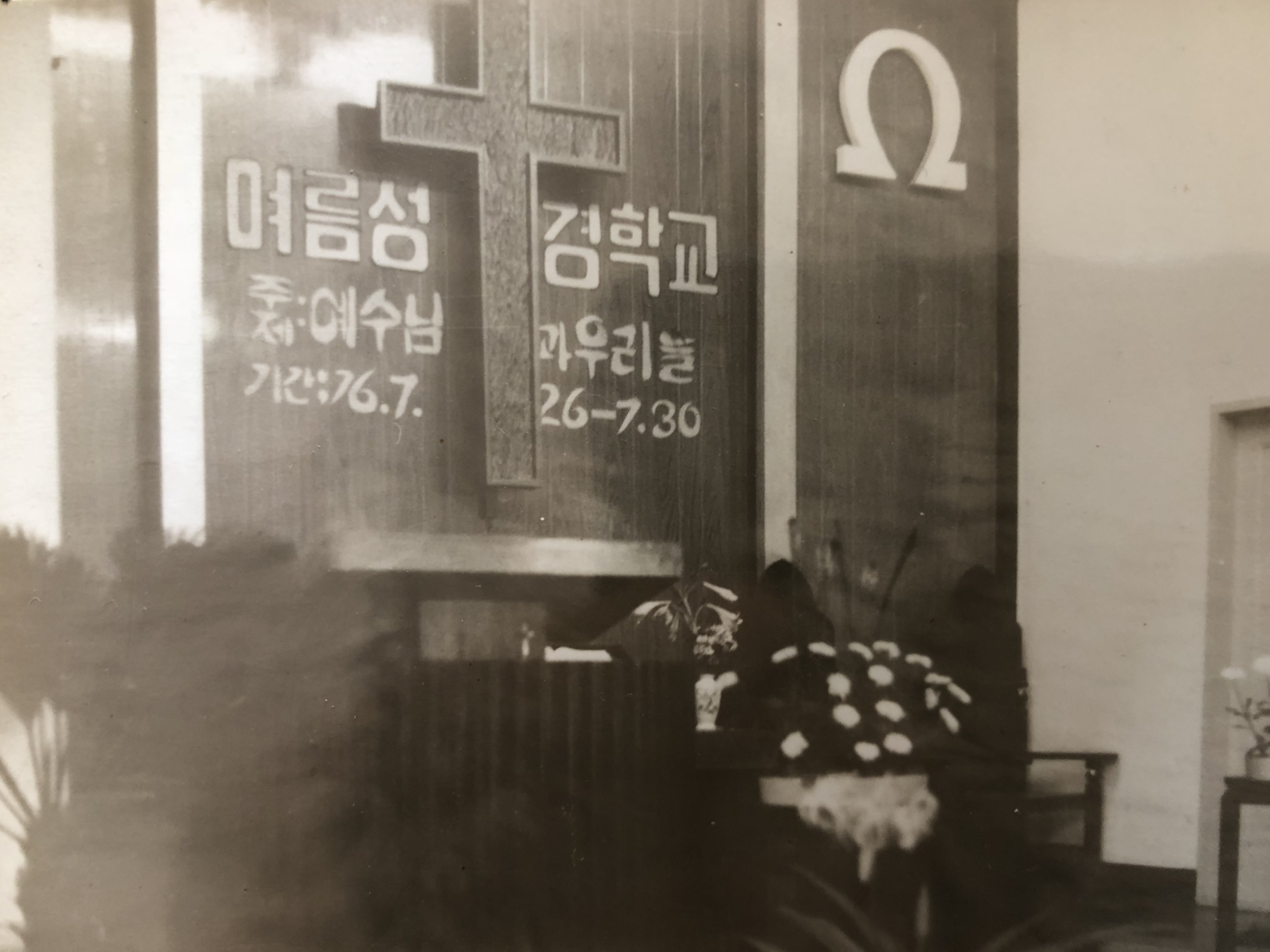
My calling to ministry has been shaped by a lifetime of service and devotion. During my three years as a soldier (1973-1975), I maintained my spiritual discipline through prayer, devotional practices, and leading public worship. As an unordained chaplain, I established a military church and nurtured its congregation. In 1976, I served as an assistant pastor at Buam Methodist Church in Pusan, where I gained invaluable experience in preaching and pastoral ministry. The fervent commitment of the congregation, particularly those who attended daily dawn prayers and watch-night services, affirmed my belief in the power of the Holy Spirit.
Following this period, I became actively involved in urban and industrial ministry, advocating for civil rights in Pusan and Masan. In 1980, amidst the Pu-Ma student protests and the tragic Kwangju Uprising, I encountered the limits of human strength and justice. In my despair, I heard God’s call anew—through the cries of the oppressed, I was reminded of my purpose. This realization solidified my conviction that my life was justified by the crucifixion of Jesus Christ.
My journey has been arduous, marked by historical struggles and personal sacrifices. Yet, sanctification occurs through such trials. Love is not merely an ideal but the very essence of life—Missio Dei. Whether serving a local church, a board, or an agency, my calling remains unchanged. Until I meet my loving God in heaven, I am committed to walking this path as His servant. This, I am convinced, is the best way to fulfill my response to God.
Submitted to the Board of Ordained Ministry of the New York Annual Conference of the United Methodist Church, January 1984, as part of the requirements for Deacon/Probationary status.
A. THEOLOGY AND VOCATION
1. Personal Beliefs and Christian Experience
First and foremost, I extend my deepest gratitude to God for calling me to pastoral ministry in a world fraught with challenges and uncertainties.
Theology is devoid of meaning unless it is intimately connected to the realities of life. Before discussing theology, one must first seek to understand God. Before engaging in Christology, one must have personally encountered Jesus Christ. Before articulating a perspective on salvation, one must have experienced it firsthand. Theology, therefore, is not a speculative discipline but a dynamic process shaped by the continuous dialogue between the Gospel (text) and life circumstances (context).
I perceive my faith journey as an ongoing, three-step process that continues in a cyclical and simultaneous manner until ultimate redemption. These three steps are:
Gaining self-knowledge through humility, thereby reclaiming reason.
Attaining knowledge of others by loving one’s neighbors and empathizing with their suffering.
Reaching the knowledge of Truth through contemplation of God, who is Truth itself. The grace of God is the foundation of this contemplative journey, sustained by prayer as I await the fulfillment of God’s kingdom with endurance and hope.
Step One: Self-Knowledge through Humility
The first step in my faith journey is self-knowledge, achieved through humility and the purification of will. Humility requires introspection and self-examination, leading to an understanding of one’s true self. No one can fully comprehend themselves without humility. It is through humility that one approaches genuine faith, for God reveals Himself to the humble while remaining hidden from the proud.
This understanding of humility was cultivated through my life experiences. Despite my upbringing in the church—as a dedicated Sunday school student, a seminarian in Korea, and someone earnestly striving to be a Christian—I realized that I was, in essence, a “whitewashed wall.” The turning point came in the aftermath of the Gwangju Uprising, a pivotal event that compelled me to leave my homeland and seek refuge in the United States, where my extended family resided. In escaping the oppressive grip of military rule, I experienced a personal Exodus.
This journey required the surrender of my pride and submission to God’s will. It was an act of divine craftsmanship, shaping my obedience and leading to my spiritual transformation—my metanoia. At that time, I felt estranged from Christ and disconnected from my homeland, akin to the alienation described in Ephesians 2:12. Yet, in His mercy and great love, God awakened me from spiritual death, raising me up in Christ and granting me new life through His grace (Ephesians 2:4-9). My humility, therefore, was not self-generated but the result of God’s pre-existent grace working within me.
Step Two: Knowledge of Others through Love
The second step in my faith journey involves knowing and loving others, an active love that finds its foundation in the divine imperative to love. During my time in Korea, I was deeply involved in community organizing for justice and freedom. This experience instilled in me a commitment to active love, compelling me to pursue God’s will despite the accompanying struggles and sacrifices. It was a journey akin to the Israelites’ march through the Sinai wilderness toward the Promised Land—a call to serve through diakonia in the present reality.
This is my Missio Dei—a lifelong vocation in service to God and others. My personal strength alone is insufficient to sustain this mission, but it is through God’s grace that love endures. As articulated in 1 Corinthians 13:4-7, love is patient, kind, and free from arrogance or selfishness. It bears all things, believes all things, hopes all things, and endures all things. Love is a divine gift that transcends human will, manifesting itself even among those who do not yet know Christ. As a follower of Christ, I am called to love all people and all creation. Love, in turn, leads to true faith, guiding me toward the final step of my journey—contemplation of God.
Step Three: Knowledge of Truth through Contemplation of God
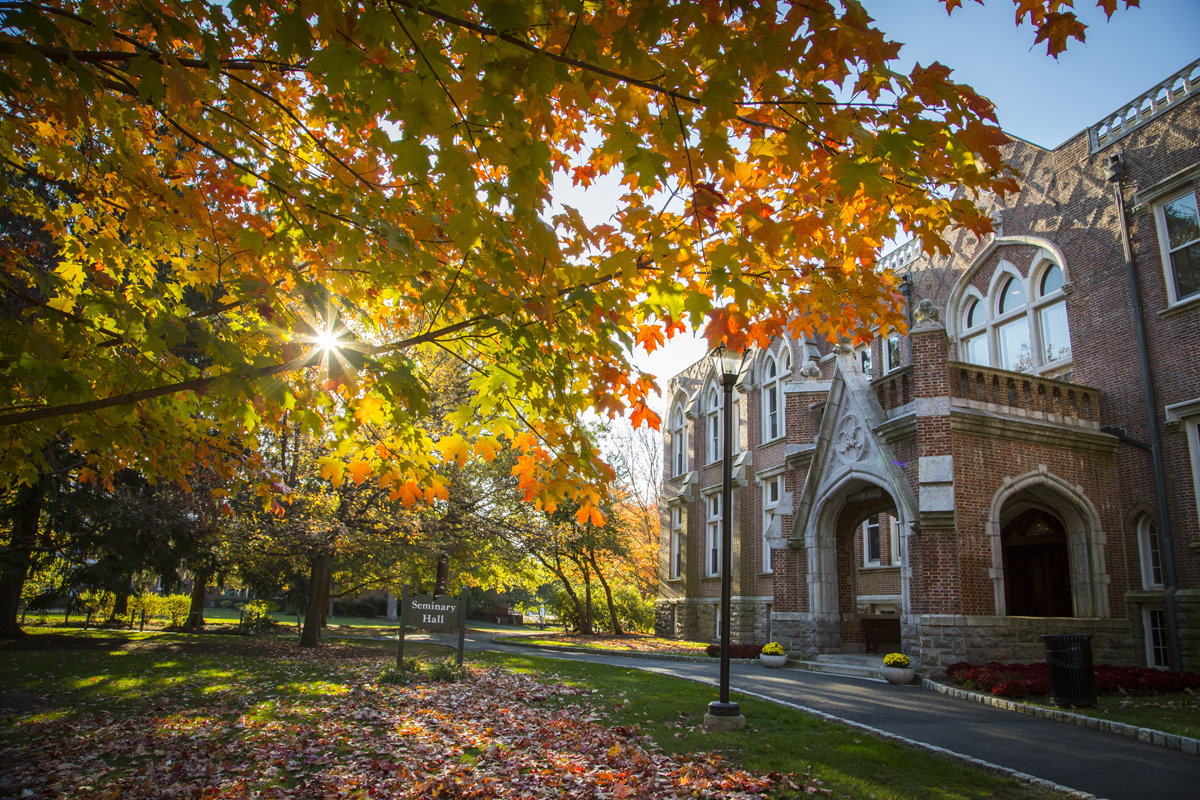
The third step in my faith journey is the pursuit of Truth through contemplation of God. I vividly recall a profound mystical experience in the winter of 1981 at Drew University, during which II Timothy 4:6-8 resonated deeply within me. This experience was a moment of sacred communion with God—communio sanctorum—wherein my spiritual awareness was renewed.
Each morning, as I rise, I must gather the fragments of my past self and reorganize them in the light of God’s truth. Much like listening to music until the sound itself fades into silence, contemplation of God leads to spiritual clarity. Through this process, I perceive all things anew. As Scripture declares, “Be renewed in the spirit of your mind” (Ephesians 4:23) and “Behold, I am making all things new” (Revelation 21:5). To truly contemplate God is to be emptied of self, made transparent, and purified by His presence, allowing His Word to illuminate my being.
As Christians, we have been delivered from spiritual bondage—our personal “Egypt.” Justification through faith has set us free, removing us from darkness. However, we have not yet reached the fullness of God’s kingdom; we remain in the wilderness, journeying toward sanctification through the trials of love. Love is not merely an action—it is our very life. Through love, we are sanctified and drawn ever closer to God.
Conclusion
This threefold journey—self-knowledge through humility, knowledge of others through love, and knowledge of Truth through contemplation—defines my theological understanding and my vocational calling. It is a continuous and transformative process, sustained by God’s grace, leading me ever deeper into the mystery of faith. In this ever-evolving journey, I remain steadfast, awaiting the full realization of God’s kingdom while embracing the present wilderness with hope and endurance.
One of Autobiography requirement of TH501-01, Drew Theological School on December 8, 1982
First and foremost, I give thanks to God for guiding my heart and life’s journey as I write my autobiography for submission in Formation I at Drew Theological School. This reflective process has allowed me to recognize God’s presence throughout my personal and spiritual development.
As I have shared in previous autobiographical accounts, my background has shaped my theological perspective in profound ways. Being the second son in my family instilled in me a sense of modesty, though I struggled with feelings of inferiority. The concept of humility was deeply familiar to me, but the emotional distance in my familial relationships left me yearning for love. Growing up in the aftermath of the Korean War, I experienced the hardships of a nation in recovery, which fueled my desire for justice and transformation—both personal and societal.
For me, theology is meaningful only when it engages with the realities of life. Before we can engage in theology (Theo-logy), we must first seek to understand God. Before discussing Christology, we must encounter Jesus Christ personally. Before articulating perspectives on salvation, we must experience it in our own lives. Theology is not a speculative exercise but a dialogue between Scripture (text) and lived experience (context). It is through this dynamic interaction that theology takes shape and finds its purpose.
I have a deep love for the suffering people of Korea, America, and the world. Yet, like Moses and St. Paul, I recognize the necessity of enduring seasons of suffering and spiritual training. Since beginning my journey at Drew, I have contemplated the path to Christian perfection, which, for me, is an integration of my life experiences, biblical history, and theological study.
I perceive my faith as progressing through three continuous stages. These stages are cyclical and will remain so until the day of redemption. The first stage is self-knowledge, gained through humility. The second stage is understanding others by loving and empathizing with them. The third stage is the pursuit of divine truth through contemplation. The grace of God is the catalyst for this journey, sustaining my hope as I await the fulfillment of His kingdom.
Humility, as the foundation of self-knowledge, involves deep self-examination. True humility enables one to see oneself clearly, for without humility, no one can fully understand themselves. This humility is essential to faith, as God reveals Himself to the humble while remaining hidden from the proud. My own journey toward humility was shaped by my life experiences. Though I grew up in a Christian environment—attending Sunday school, studying in seminary, and aspiring to be a devoted believer—I was, in truth, a “whitewashed wall” until I experienced a profound transformation.
The turning point in my life occurred after the Kwangju Uprising, when I decided to emigrate to the United States. Like the Israelites fleeing Egypt, I escaped the oppressive hand of a military regime in search of hope. This exodus marked a second life for me, one that required surrendering my pride and embracing God’s plan. Through obedience, I accepted this journey as an opportunity for ministry. This transformation was my metanoia, a radical turning point in my faith:
“I remember that at that time I was separated from Christ, alienated from the commonwealth of Korea, and a stranger to the covenants of promise, having no hope and without God in the world. But God, who is rich in mercy, out of the great love with which He loved me, even when I was dead through my trespasses, made me alive together with Christ (by grace I have been saved) and raised me up with Him.” (Ephesians 2:12, 4-6)
The second stage of my faith journey is the call to love others and share in their suffering. This active love is sustained by the imperative of God’s love. My past involvement in community organization, particularly in the face of injustice in my homeland, propelled me toward a faith that requires action. Love compels me to do God’s will, even at personal cost:
“Love is patient and kind; it is not jealous or boastful; it is not arrogant or rude. It does not insist on its own way; it is not irritable or resentful; it does not rejoice at wrong but rejoices in the right. Love bears all things, believes all things, hopes all things, endures all things.” (1 Corinthians 13:4-7)
This journey through love and suffering parallels the Israelites’ passage through the wilderness before entering the Promised Land. I recognize my role in stewardship (diakonia) and God’s mission (Missio Dei) as my lifelong calling. My own strength is insufficient, but God’s grace sustains me.
Love ultimately leads to contemplation—the third step toward Christian perfection. Love makes faith tangible and directs me toward the ultimate truth: God Himself. My contemplative journey deepened through a mystical encounter with God, as reflected in 2 Timothy 4:6-8:
“I have fought the good fight, I have finished the race, I have kept the faith. Henceforth there is laid up for me the crown of righteousness, which the Lord, the righteous judge, will award to me on that day, and not only to me but also to all who have loved His appearing.”
Two months ago, I preached about four types of Christians. The first turns away from the light and remains in Egypt. The second faces the light but remains in the wilderness. The third and fourth stand near the light; yet, if the fourth turns away, they risk casting a great shadow over the world. This realization deeply impacted me, reminding me that a pastor’s faith is not static but moves fluidly among these stages of spiritual growth.
I was reminded of a lesson from my Formation I course: “Each morning, I must gather the fragmented parts of myself and reorganize them.” This discipline renews my spiritual vision, as reflected in Ephesians 4:23: “Be renewed in the spirit of your mind.” True renewal allows me to see old things with fresh eyes and recognize God’s work in all aspects of life.
On November 23, 1982, in the Rose Library, I suddenly grasped a profound truth: God is light, and we are merely reflections of Him in the world. A person standing close to the light must be transparent and purified, lest they cast shadows. This purification is the work of God’s grace, filling me with the light of His Word.
Christians have been delivered from spiritual Egypt and justified by faith. However, we have not yet fully entered the kingdom of God. We remain in the wilderness, sanctified through love and suffering. Love is our life, and our entire existence is embedded in the mission of God. Mission is not merely the proclamation of the Word but the fulfillment of God’s salvific work. Thus, mission is not an isolated activity but the very essence of Christian life—a testimony to the Word itself.
My time at Drew Theological School marks a significant turning point in my spiritual journey. I arrived with great aspirations and dreams, but now I find myself immersed in the depth of Scripture, humbled and renewed by God’s transformative grace.
One of requirement of TH501-01, Drew Theological School on September 15, 1982
My journey toward pastoral ministry began in 1971 when, as a seminary sophomore, I felt a deep conviction that truth must be understood in three interconnected ways: through lived experience (“Sitz im Leben”), academic study, and personal faith. This realization led me to live in the Songjungdong slum along the banks of the Chungkaechun canal, where I sought to immerse myself in the struggles of the marginalized and learn firsthand about community development.
Life in the slum was harsh. The shanty public toilets were appallingly inadequate—without doors, partitions, or basic privacy—and every morning, over 140 residents waited in long lines for their turn. Initially, I hesitated to use them, but as I witnessed the daily indignities the people endured, I felt compelled to act. I worked to mobilize the community to improve the facilities, although many residents, accustomed to their hardships, were resigned to the situation. They explained that during the rainy season, the toilets would often be destroyed by floods, and they would simply rebuild them afterward.
Through these challenges, I gained a deeper understanding of worship as a practical, transformative act rooted in serving others. I realized that applying situational ethics, guided by Martin Luther’s acknowledgment of human sinfulness before God, could bring real change to the community. This experience shaped my understanding of the Church’s role as a force for reformation and true Christianity in the secular world. It was here, amid the suffering and resilience of the people, that I first heard and recognized God’s call.
My seminary studies culminated in a thesis on social ethics, focusing on Dietrich Bonhoeffer’s concept of “Mandat.” I was deeply moved by Bonhoeffer’s emphasis on living out faith through humble service, inspired by the incarnate and crucified Jesus Christ.
Faith in the Military Service
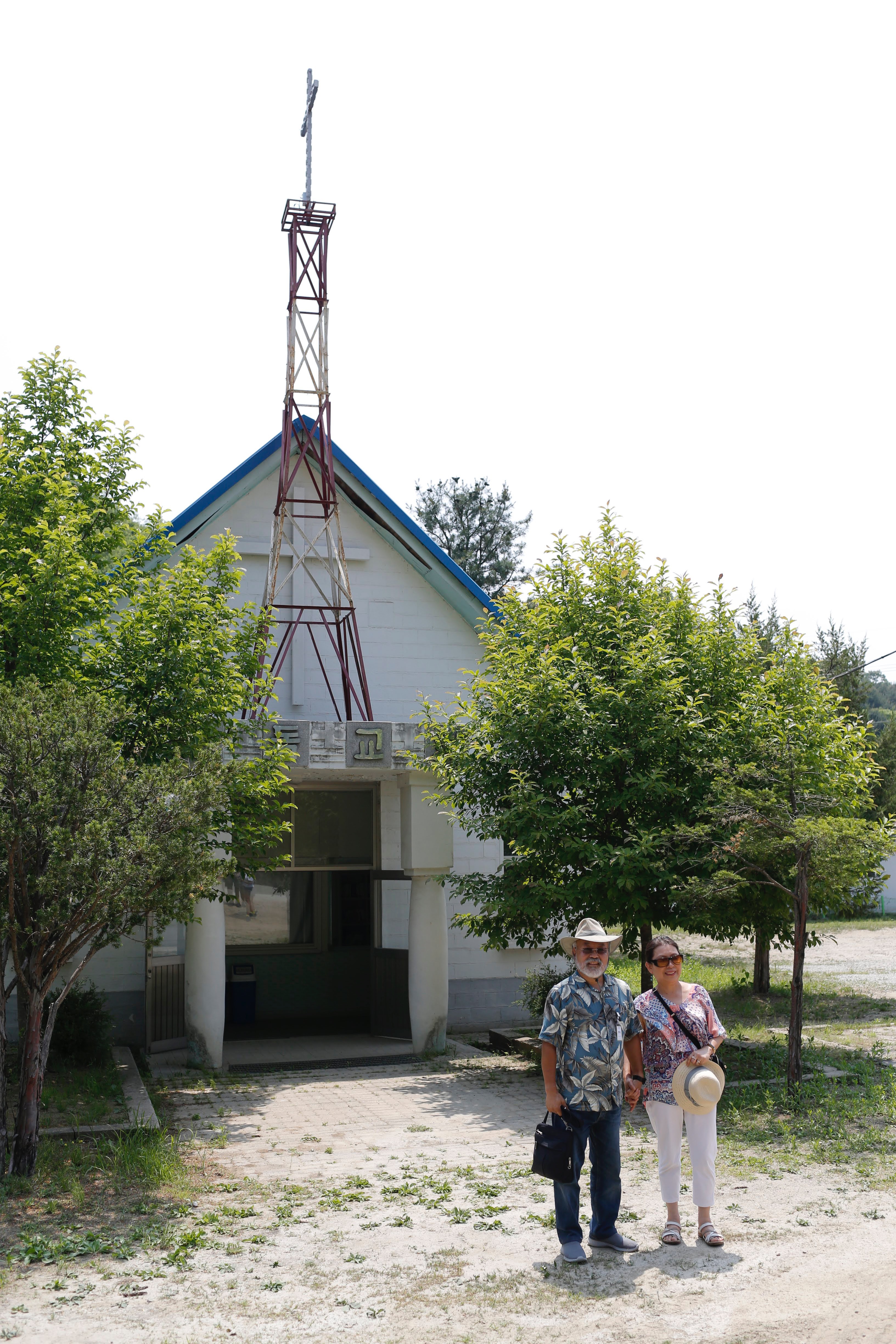
From 1973 to 1975, I fulfilled my mandatory military service as a drafted soldier. Even during this time, God provided opportunities for ministry. I served as a chaplain for my 155mm artillery unit near the DMZ and was entrusted with building a church on the base—without any military funding. Despite the challenges, I worked alongside the soldiers, and we constructed a place where we could gather to worship, even as we heard the ominous propaganda broadcast from North Korea’s loudspeakers nearby.
Marriage and a New Season of Challenges
After completing my military service in 1975, I married a remarkable woman who had faithfully supported her mother, younger brother, and sister after the death of her father. Despite her family’s struggles, her deep faith drew me to her. I knew that her faith was more valuable than beauty, wealth, or social status.
Once her siblings had graduated from high school, we married and moved to Busan in 1976, where I worked as a associate pastor in Buam Methodist Church for a year, the a faculty member. Teaching seminary students the general philosophy and writing art critiques provided a good income. However, I often stayed out late, spending time with poets and artists, and neglected my responsibilities at home.
At the same time, I became actively involved in organizing students and civilians in the Busan-Masan region to protest against the oppressive military government. The Pu-Ma Uprising and the tragic Gwangju Massacre left deep scars on my heart. The military regime responded to the demonstrations with brutal force, and the assassination of President Park Chung-hee followed soon after. Witnessing the violence and turmoil made me realize my own limitations and the futility of relying solely on human strength.
A Second Calling: From Korea to the Desert
As the political situation deteriorated, I felt increasingly unsafe. With my wife and young daughter, I made the painful decision to leave Korea and seek refuge in the United States. On December 2, 1980, we arrived at Chicago’s O’Hare Airport, then to Bradley Airport in Hartford, Connecticut where my brother had lived, carrying little more than the hope of starting anew.
As I adjusted to life in America, I observed the challenges facing the Korean-American community. Unlike other immigrant groups, Koreans seemed to struggle with identity and purpose. I wondered how we could contribute meaningfully to our new country. This realization stirred within me a renewed sense of calling. God’s voice echoed in my heart, reminding me of the prophet Isaiah’s response: “Here am I! Send me!” (Isaiah 6:8). I knew then that my journey was not just about seeking freedom but about answering God’s call to pastoral ministry.
A Commitment to Serve as a Pastor
The temptations of wealth and worldly success were ever-present, but God’s call was stronger. I applied to Drew Theological School to continue my theological training. I wanted to dedicate my life to preaching, teaching, and serving as a pastor wherever God would send me.
This calling has shaped every step of my journey. I have experienced God’s grace through trials, learned the value of humility from the example of Jesus, and committed myself to living out my faith through service to others. I will continue to echo Isaiah’s words and follow God’s voice, trusting Him to lead me as I walk the path of a sinner redeemed by His grace.
One of requirement of TH501-01, Drew Theological School on September 15, 1982
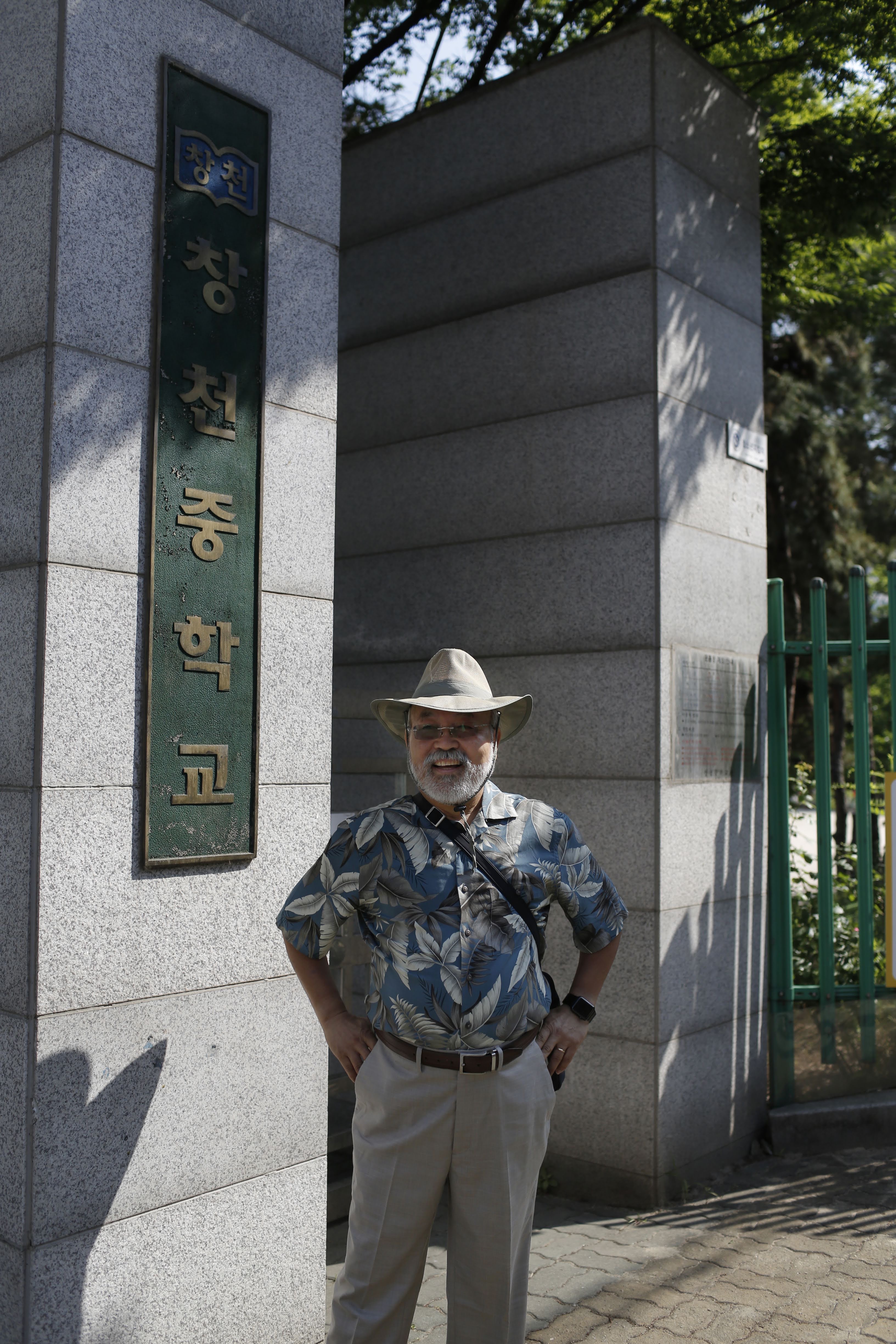
When I graduated from Chang Chun Primary School at the age of twelve, my school adviser encouraged my mother to enroll me in one of the best middle schools in Seoul and Korea. However, since my father was often absent from home, my mother made the decision on her own. She was uneasy about the names of the two recommended schools, Kyungki and Kyungsu, and instead enrolled me in a middle school closer to home, which was also well-regarded. Despite this change, I excelled academically, achieving the third-highest grade among the four hundred new students in my class.
A few months later, I discovered that my mother had misunderstood the adviser’s recommendation. This realization led to resentment toward my parents, but it also instilled in me a profound lesson: Ignorance is poison. Determined to excel, I devoted myself to my studies and completed middle school in 1966.
In 1967, during my first year of high school, I took the General Equivalency Diploma (GED) and the Scholastic Aptitude Test (SAT) for college entrance in Seoul. Successfully passing these exams meant that I no longer needed to complete high school. Instead, I spent my time immersed in reading metaphysical philosophy and writing poetry, further nurturing my intellectual and spiritual curiosity.
In 1969, I chose to study theology at Seoul Methodist Theological Seminary. My initial inclination was toward philosophy, but I found it lacking in personal meaning. Before fully committing to Christian theology, I explored other religious traditions, including Buddhism, Confucianism, and Hinduism. However, my Methodist background ultimately guided me toward Christian theological studies. I had no intention of becoming a pastor at the time; my sole pursuit was the search for truth.
After completing seminary, I had the opportunity to teach philosophy to college students at Pusan Industrial College and Pusan Union Theological Seminary from 1977 to 1980. This experience further deepened my engagement with both academic study and theological reflection, shaping my intellectual and spiritual journey.
After immigrating to the United States, I fully committed myself to theological study, answering what I believed to be God’s calling for my life. I enrolled in the Master of Divinity (M.Div.) program at Drew Theological School, determined to equip myself for pastoral ministry. While pursuing my studies, I was certified as a local pastor, allowing me to begin ministering even before completing my degree.
In 1985, after graduating from Drew Theological School, I was ordained as a Deacon in the United Methodist Church. This milestone deepened my sense of purpose and strengthened my commitment to serving God and the church. Later, I was ordained as an Elder in the New York Annual Conference of the United Methodist Church, marking the culmination of years of preparation, study, and spiritual growth.
My desire to enhance my ministry further led me to pursue a Doctor of Ministry (D.Min.) degree at New York Theological Seminary. I completed this program in 1995, gaining additional tools and insights to develop a more effective and transformative ministry. This advanced education allowed me to explore new ways of engaging with my congregation and addressing the spiritual, social, and pastoral needs of the community.
Through these years of study, God guided me and shaped my path, preparing me to fulfill my calling as a pastor and servant leader. Each step in my educational journey was a testament to God’s grace and to my unwavering commitment to His mission.






 Daily Sauntering
You must be logged in to post a comment.