A month—
no longer than the turning
of one page
in the book of heaven—
yet long enough
for my soul
to remember
its first language.
Tomorrow
the wide-winged airplane
will lift me once more
over the Pacific,
back
to the green hills
of Tennessee,
where another home
waits quietly,
its doors already open,
its trees
remembering my name.
Between these two homes
I have lived
forty-six years.
Long enough
for one country
to become memory,
and another
to become daily bread.
Long enough
to discover
that belonging
is never divided—
only multiplied.
When I first departed,
I thought
I was leaving Korea.
Now I know
I have carried her
like hidden seed
inside every season,
inside every prayer,
inside every poem
I have ever written.
This time
I did not hurry.
I let the nation
walk beside me.
The swift KTX,
its silver body
piercing mountains
like an arrow of light.
The subways,
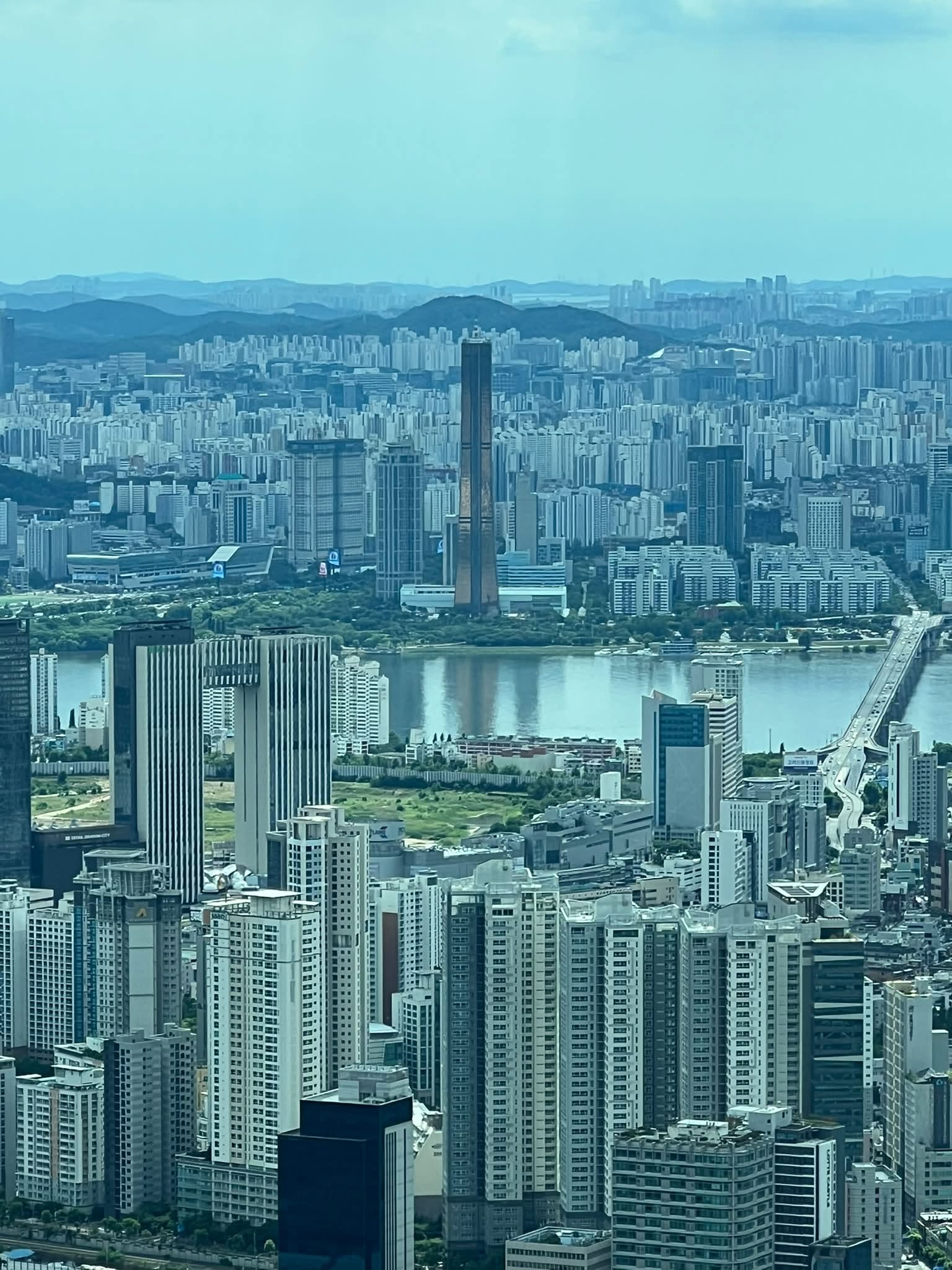
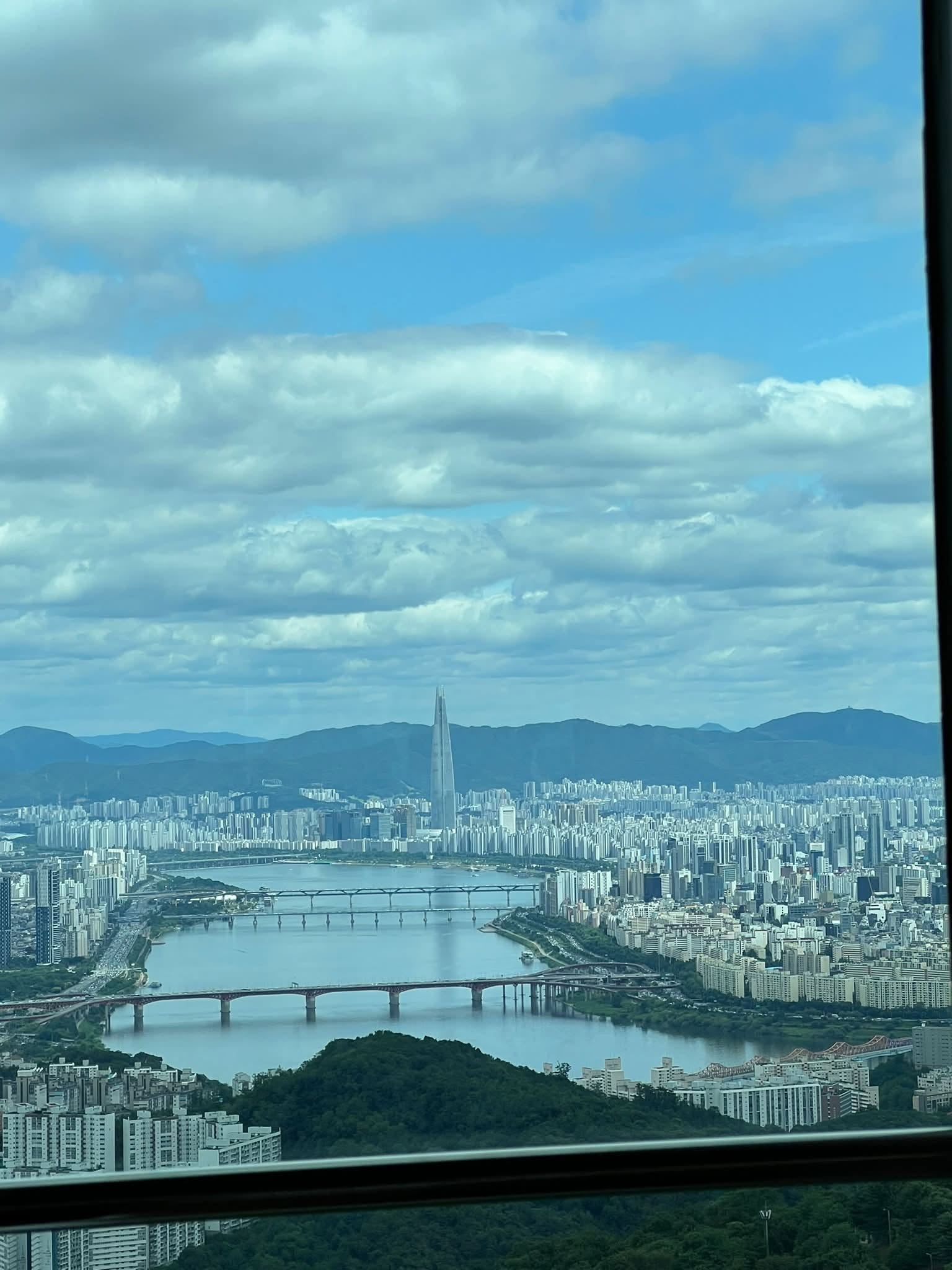
flowing beneath Seoul, DaeGu, Busan
like unseen rivers.
Village buses
climbing quiet roads
where grandmothers
still wave
toward passing strangers.
Every journey
became a conversation
between my footsteps
and the land
that first received them.
How kind
this country
has become
to old knees.
Escalators
lifting tired pilgrims.
Elevators
honoring
the unhurried dignity
of age.
Comfort,
once unimaginable,
now offered
without words.
Yet every blessing
carries
its own shadow.
Children
walking together,
each alone
inside the blue glow
of a small screen
to gather in an imaginable small village.
Faces
bright with light,
hungry
for one another.
Crowded streets,
quiet hearts.
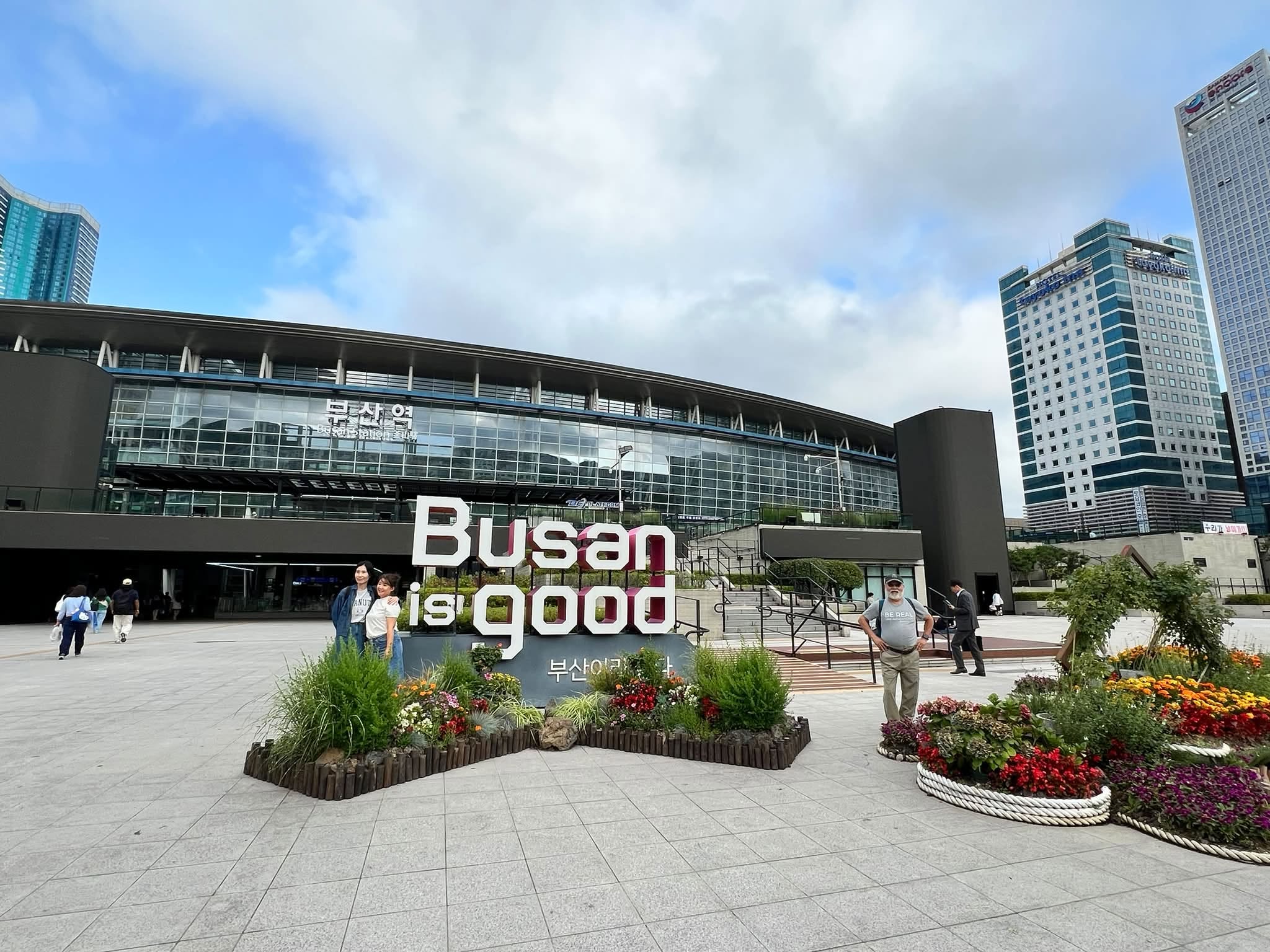
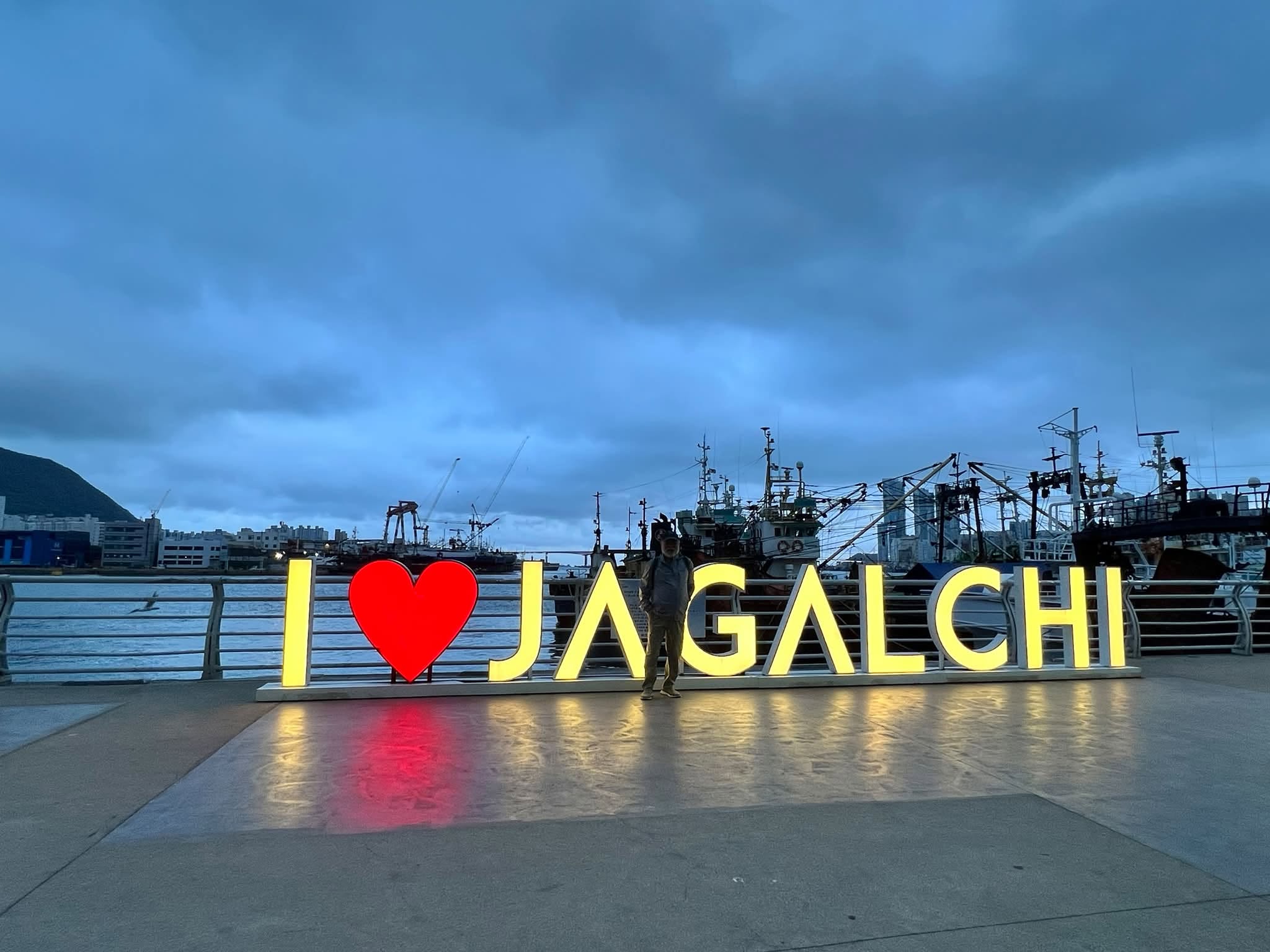
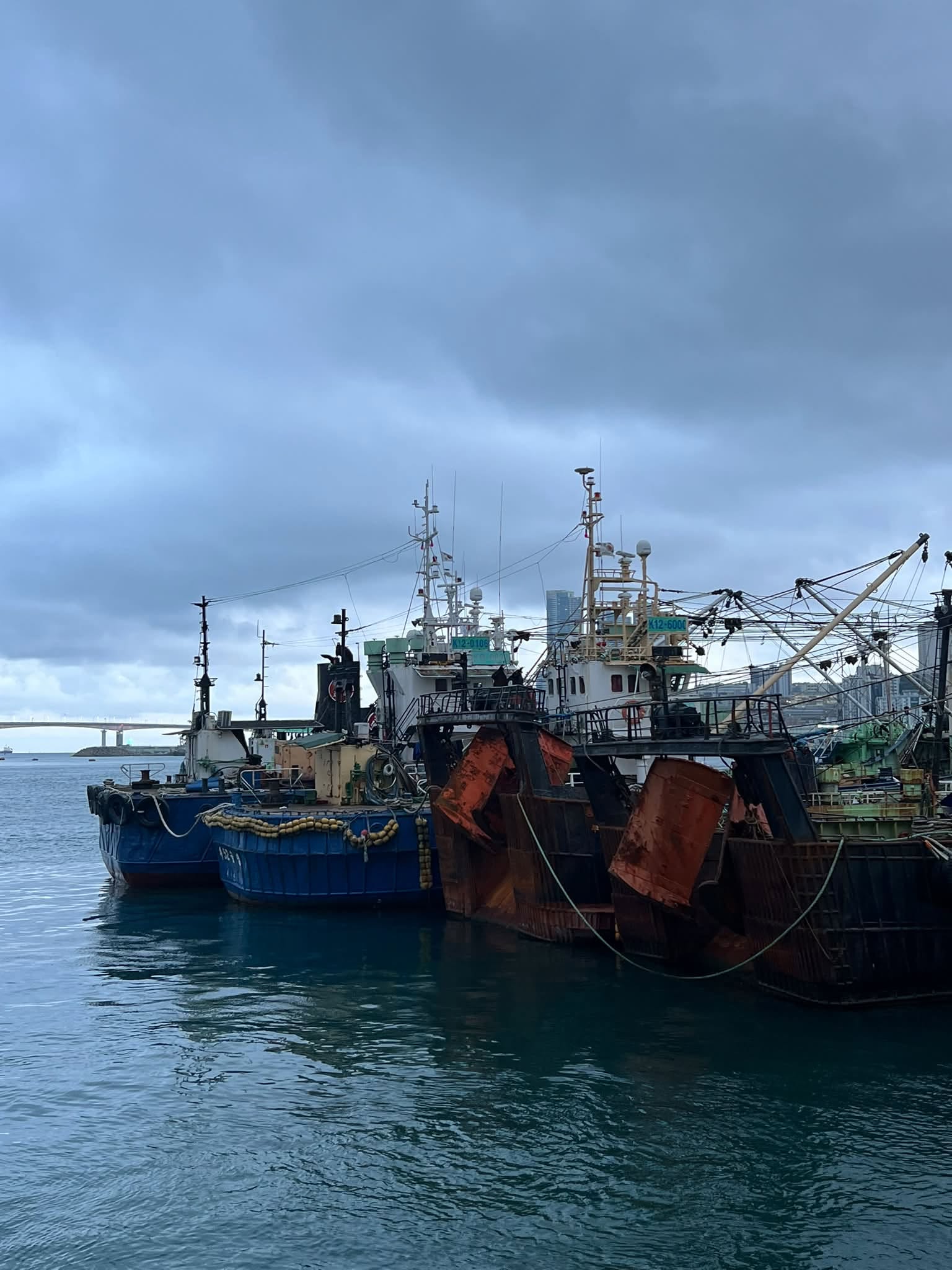
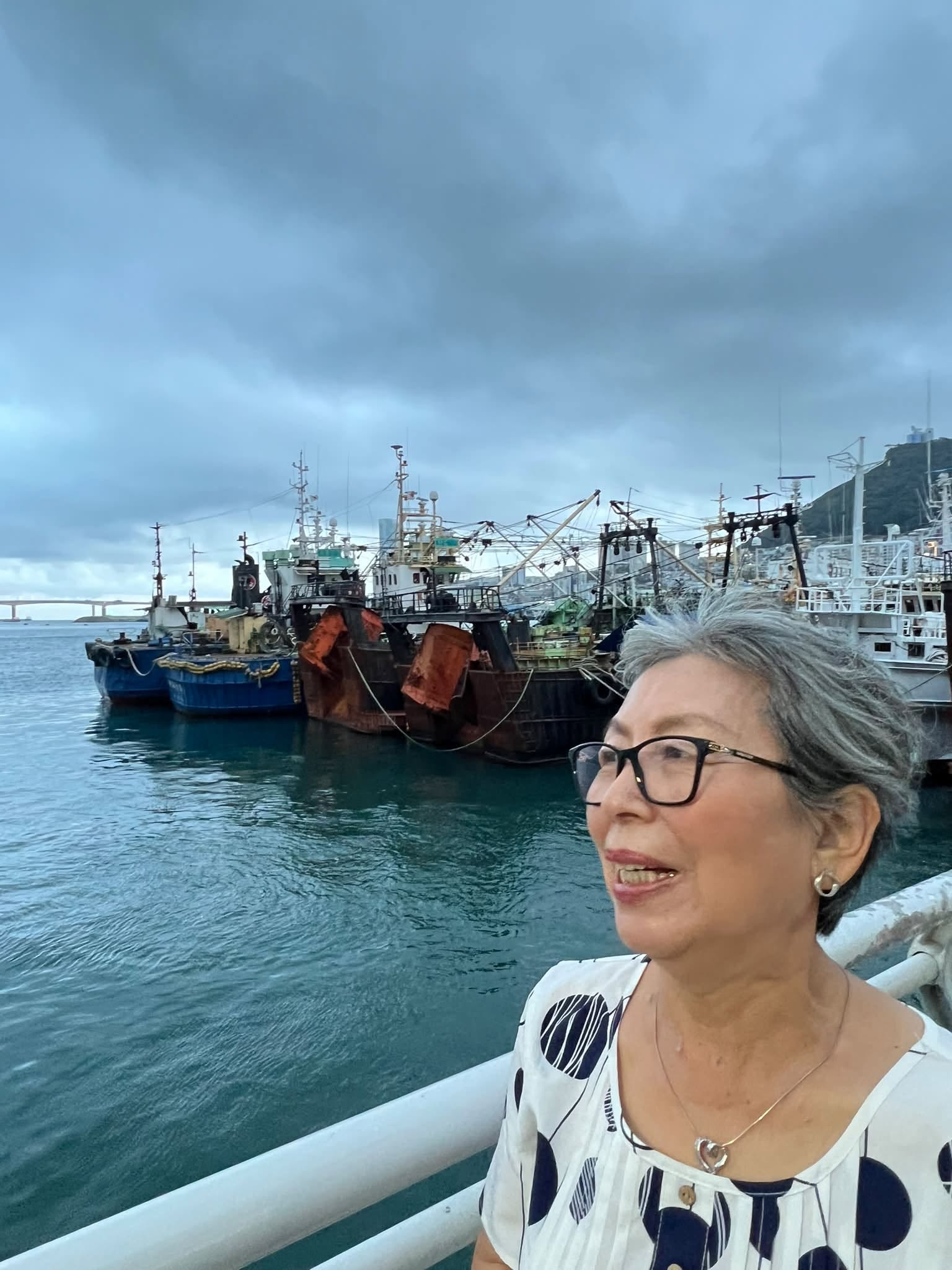
At Busan Station
voices called
for passengers,
not unlike fishermen
casting nets
into uncertain water.
Even prosperity
must labor.
Even abundance
knows
the weight
of tomorrow.
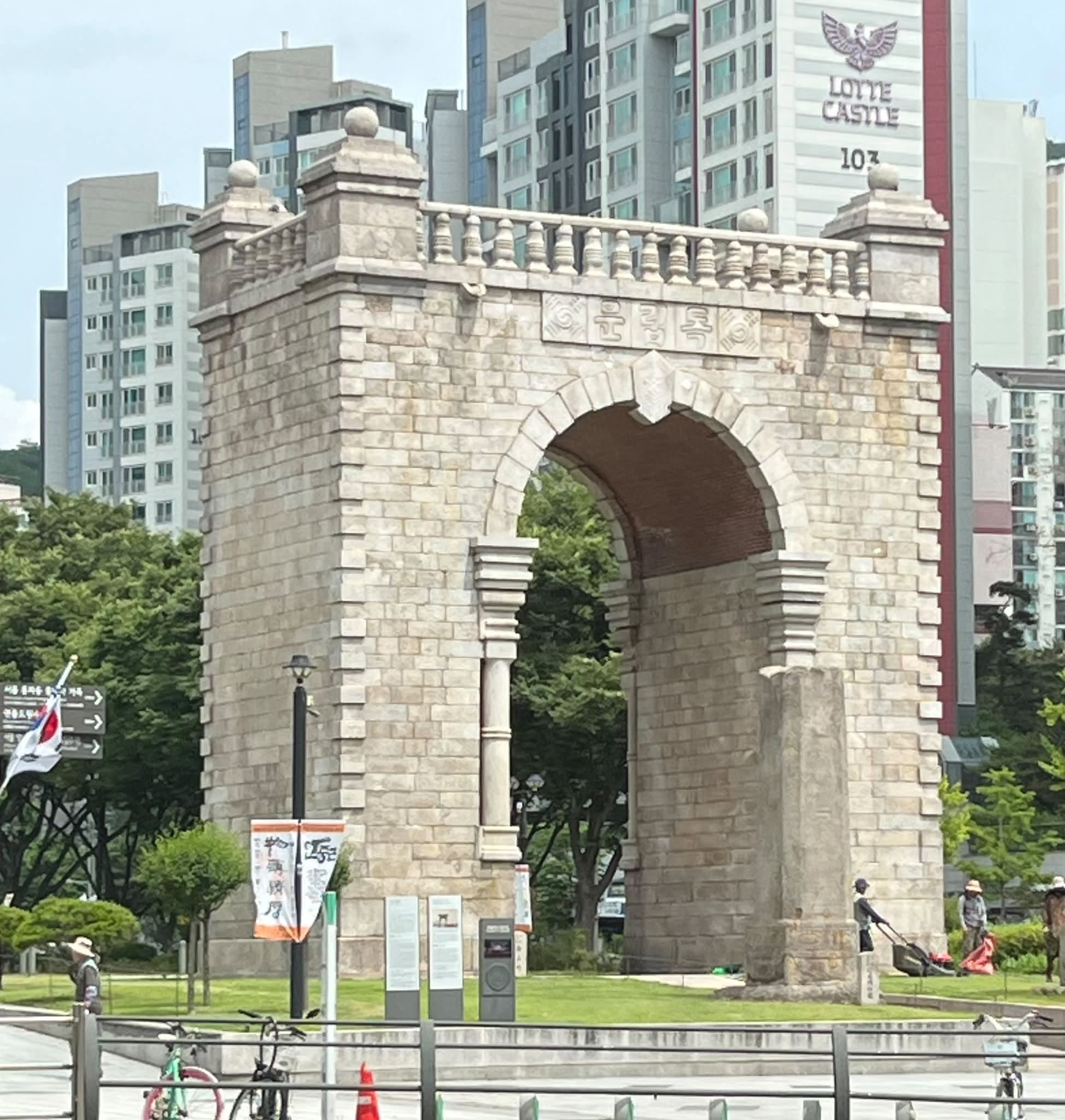
I returned
to Sinchon.
To Nogosan
where I was born.
To streets
that no longer
recognized my footsteps.
Nothing
had disappeared.
Everything
had changed.
Perhaps
that is
how memory
protects love—
by allowing places
to become
more beautiful
than time
can preserve.
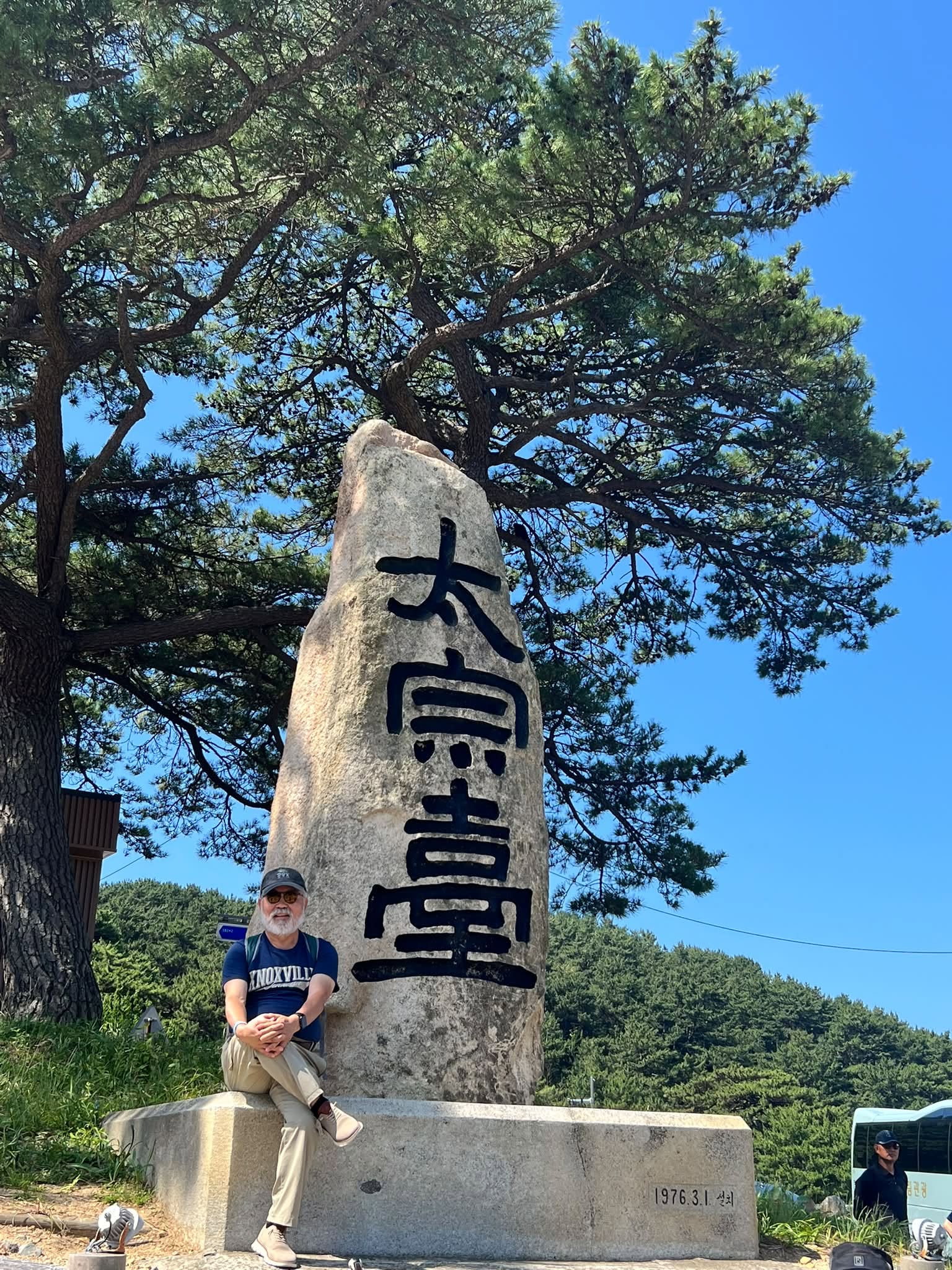
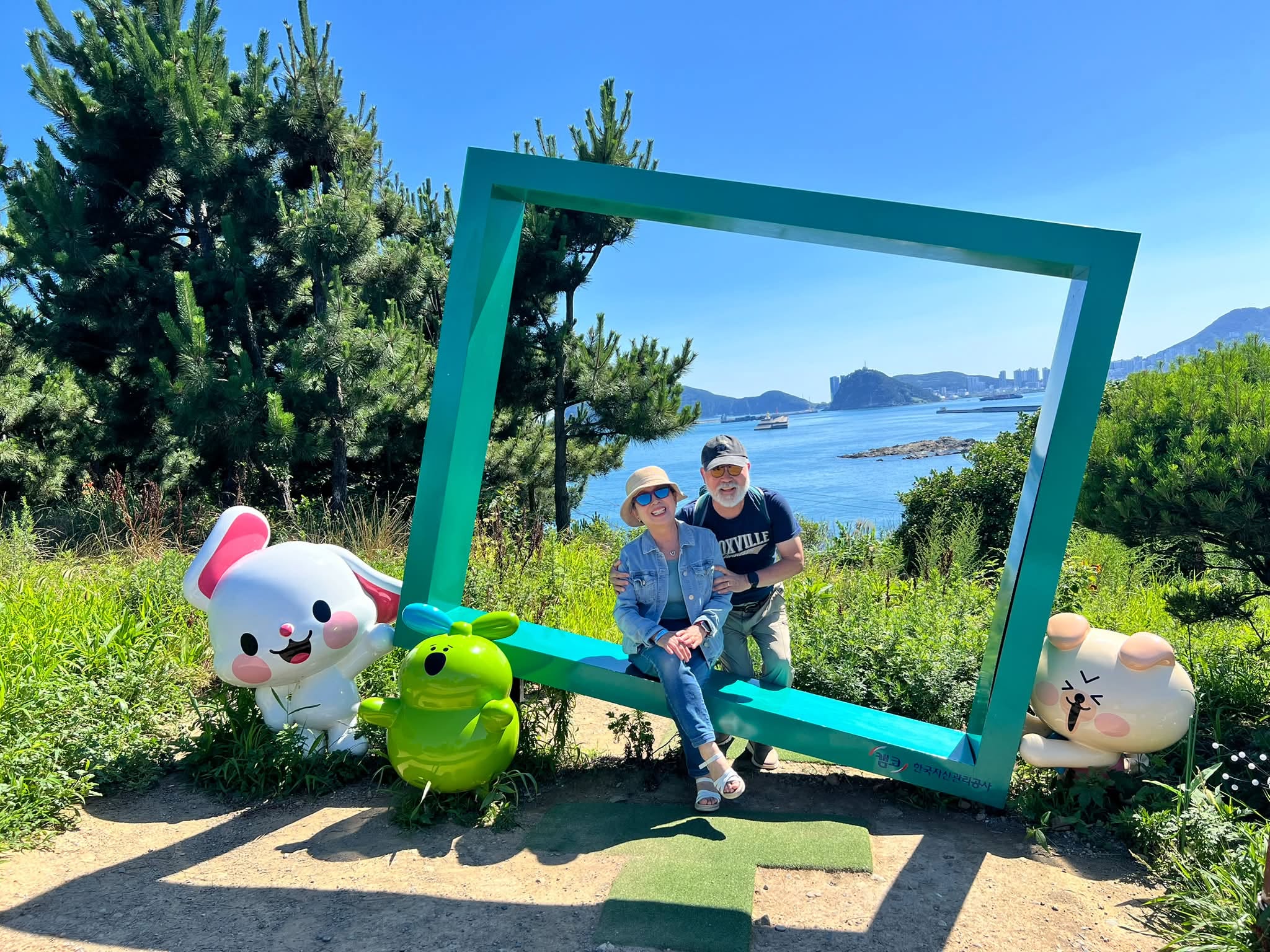
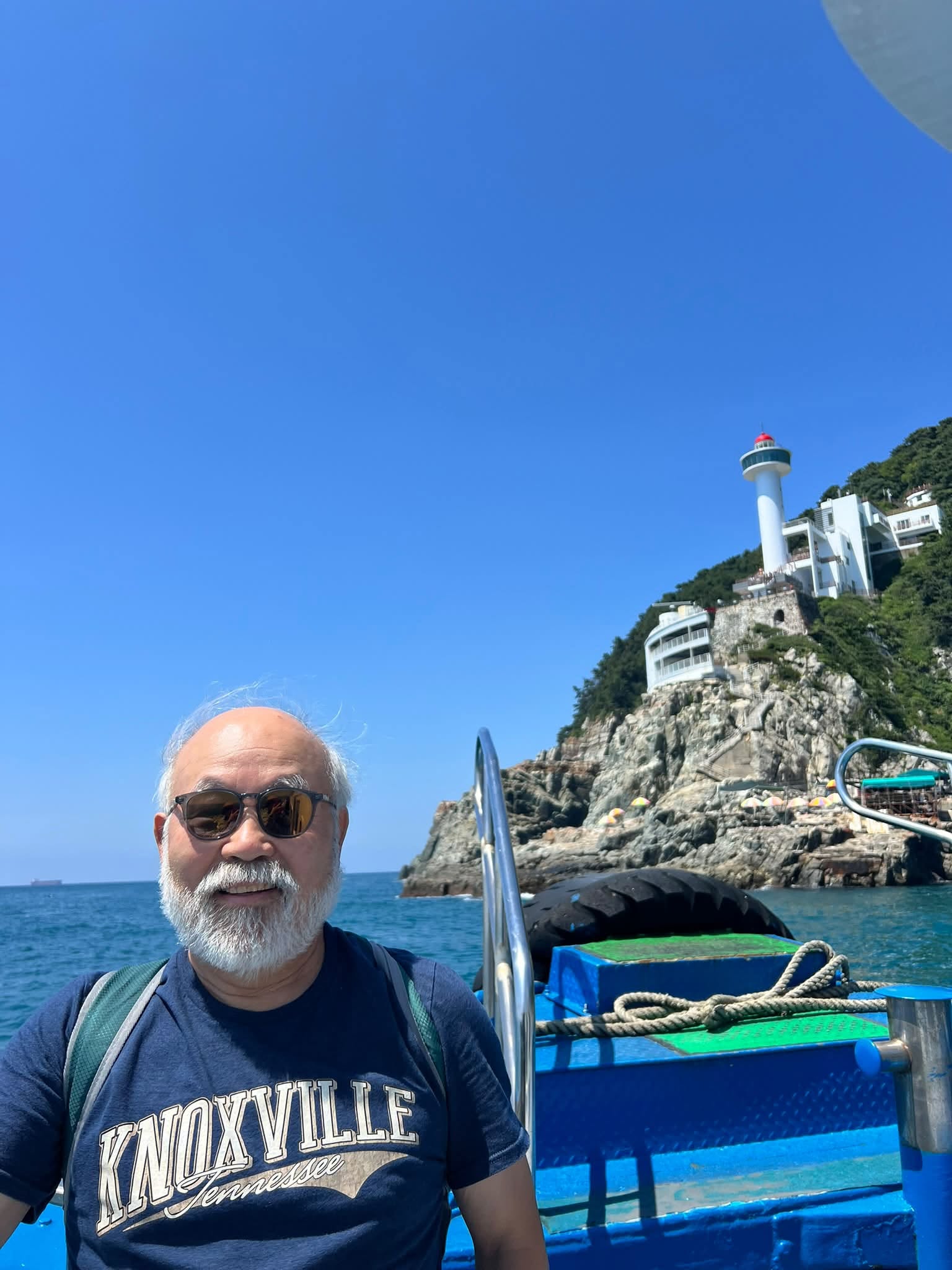
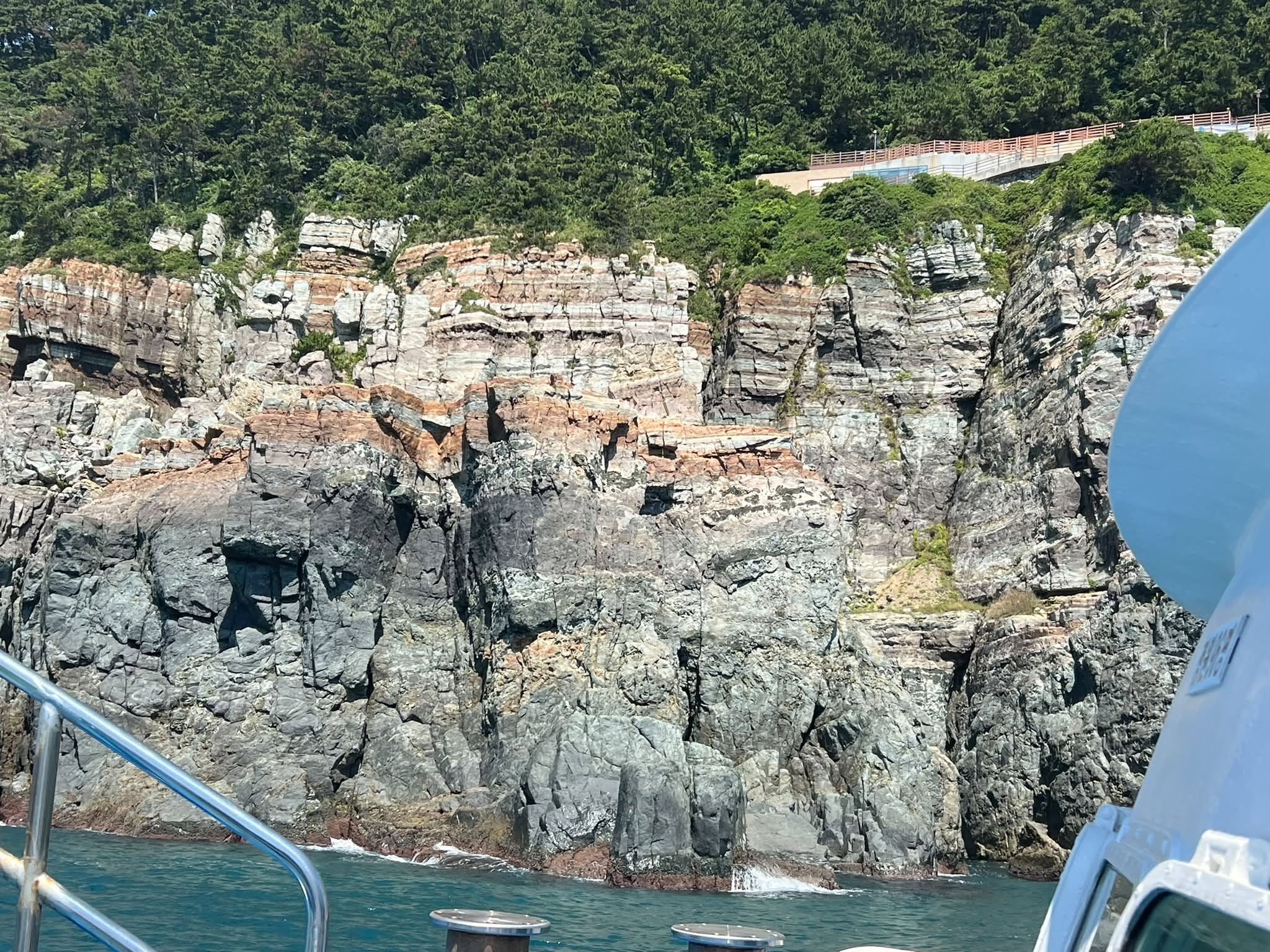
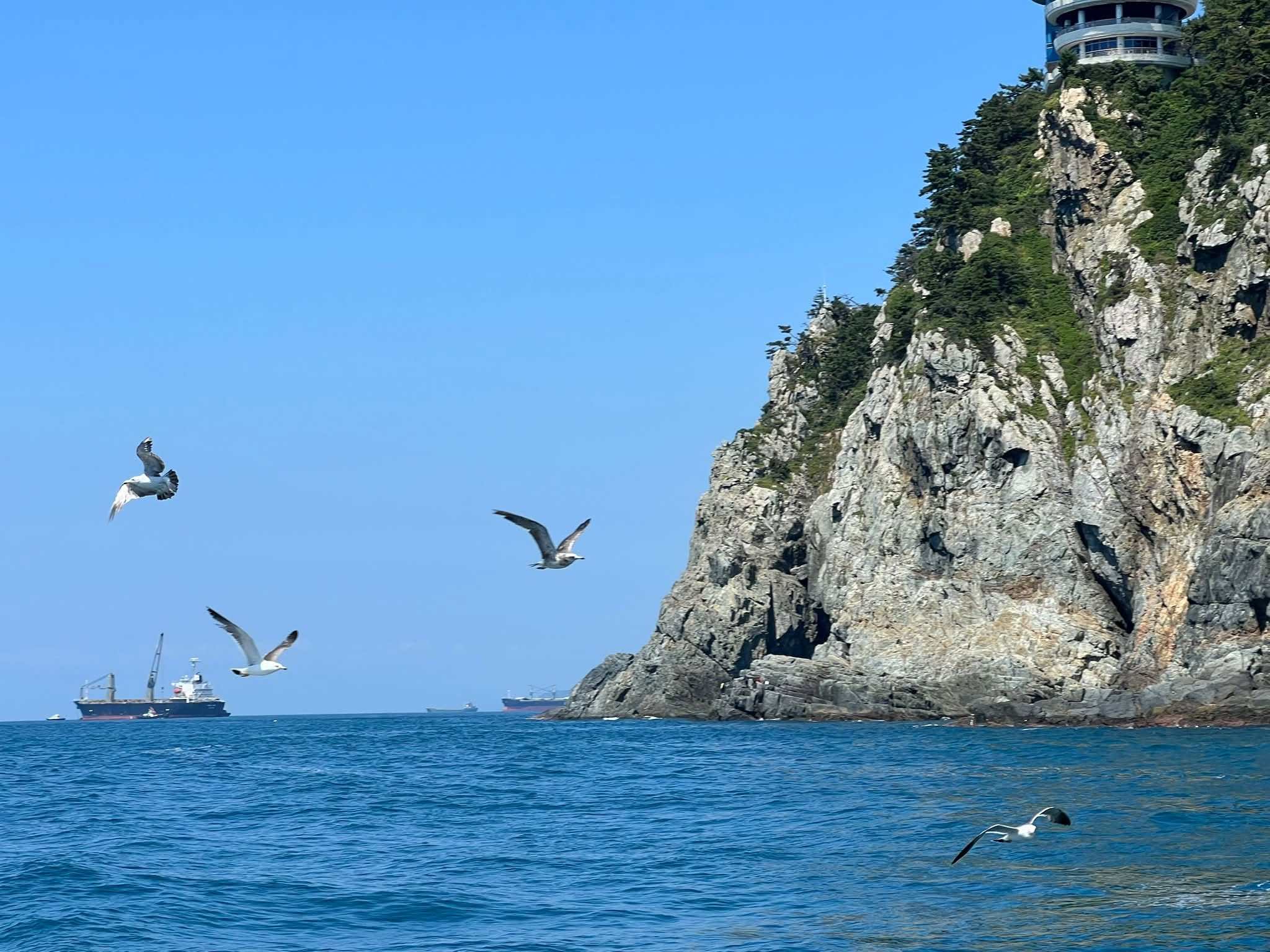
At Taejongdae
the cliffs
stood unmoved
before restless waves.
At Seoraksan
the pines
still prayed
their wordless psalms.
The sea at Sokcho
spoke
the same ancient language
it spoke
before my birth.
Creation
does not forget
the names
God first whispered.
Everywhere
I met
the nations.
Languages
crossing streets
like migrating birds.
New citizens
calling Korea
their own.
And I,
born beneath
this very sky,
returned
holding
only a resident card,
smiling
at the gentle humor
of history.
Home,
too,
can become
a country
one visits
with gratitude.
Politicians
still argue.
Boundaries
still remember
old wounds.
History
still limps.
But beneath
the noise,
God continues
the patient work
of resurrection.
Ashes
become harvest.
War
becomes hymn.
Broken people
become
living stones.
Tomorrow
I will close
my suitcase.
A few books.
A few gifts.
Summer clothes
holding
the fragrance
of Korean rain.
Kimchi.
Rice.
Soup.
The taste
of my mother’s kitchen—
still warm
inside memory,
still nourishing
a son
who never truly left.
Nothing
is heavy,
except gratitude.
Again
I become
a traveler.
One home
behind me.
One home
before me.
The road itself
becoming
my address.
The sky
my oldest companion.
The grace of God
my passport.
Farewell,
beloved homeland.
Do not keep me
only among those
who departed.
Remember me
among those
who returned
again
and again,
because love
always learns
the road home.
When another season
ripens
upon these mountains,
and another wind
crosses
the Pacific,
we shall meet
without explanation.
For every farewell
is only
love
taking
the longer road
back home.
— TaeHun Yoon, 6/29/2026,
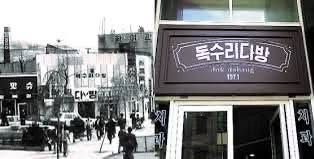
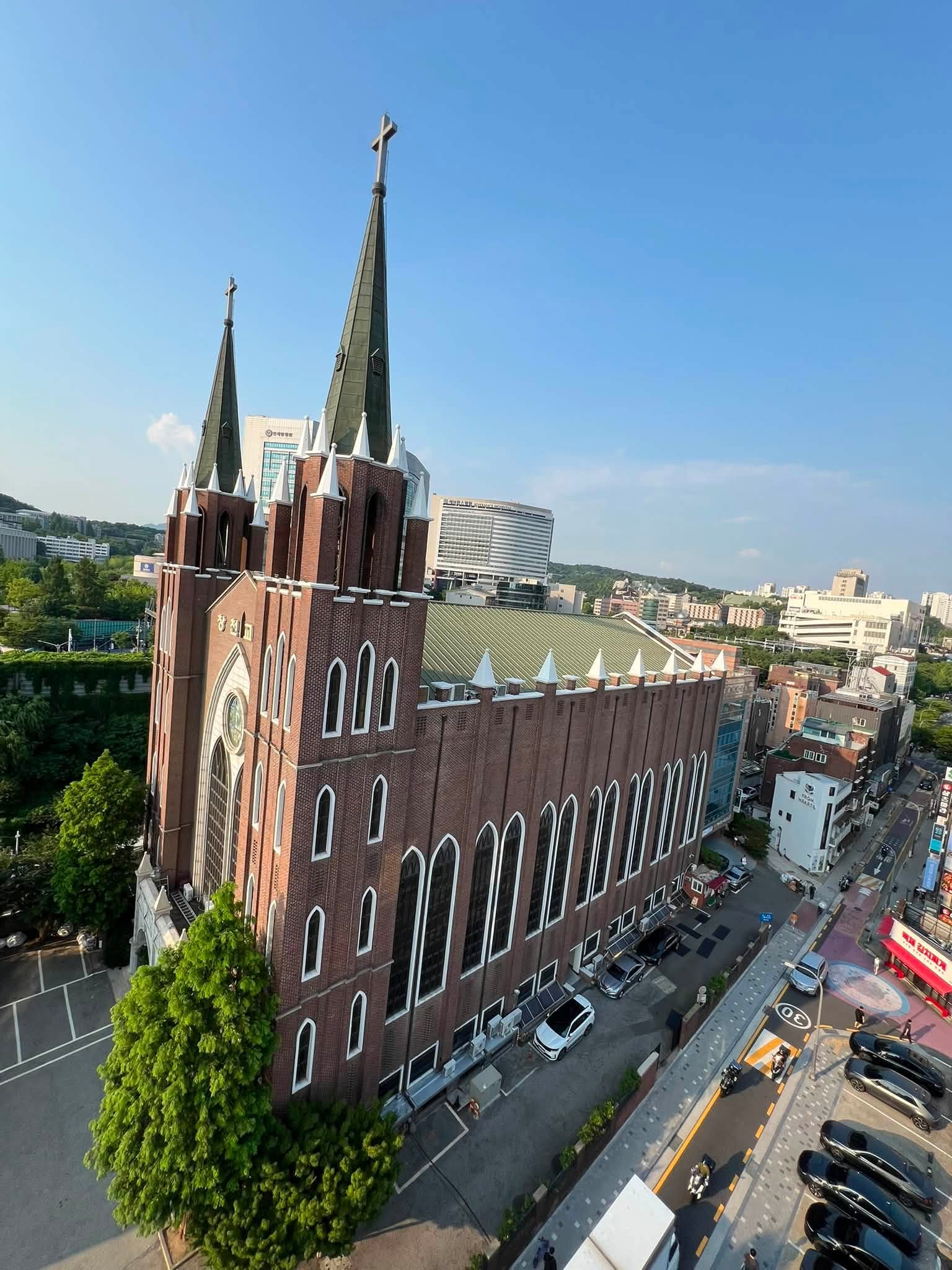
On the eve of my departure, I spent a quiet hour at Dok DaBang —Eagle—the coffee house where my friends and I gathered after church throughout the late 1960s and early 1970s. Sitting in Sinchon with my lifelong friend WanHee, beside Yonsei University and just across from Changchun Methodist Church where we were married, I let the soft drift of classical music fill the room. In this very afternoon, the Presidential National Briefing came over the speakers, announcing Korea’s plan to advance its Three Major Mega-Projects: Semiconductors, Physical AI & Robotics, and AI Data Centers. It was a gentle reminder that even as I prepared to leave once more, my homeland was already imagining the shape of its future.



You must be logged in to post a comment.