“The Bitter Cup”

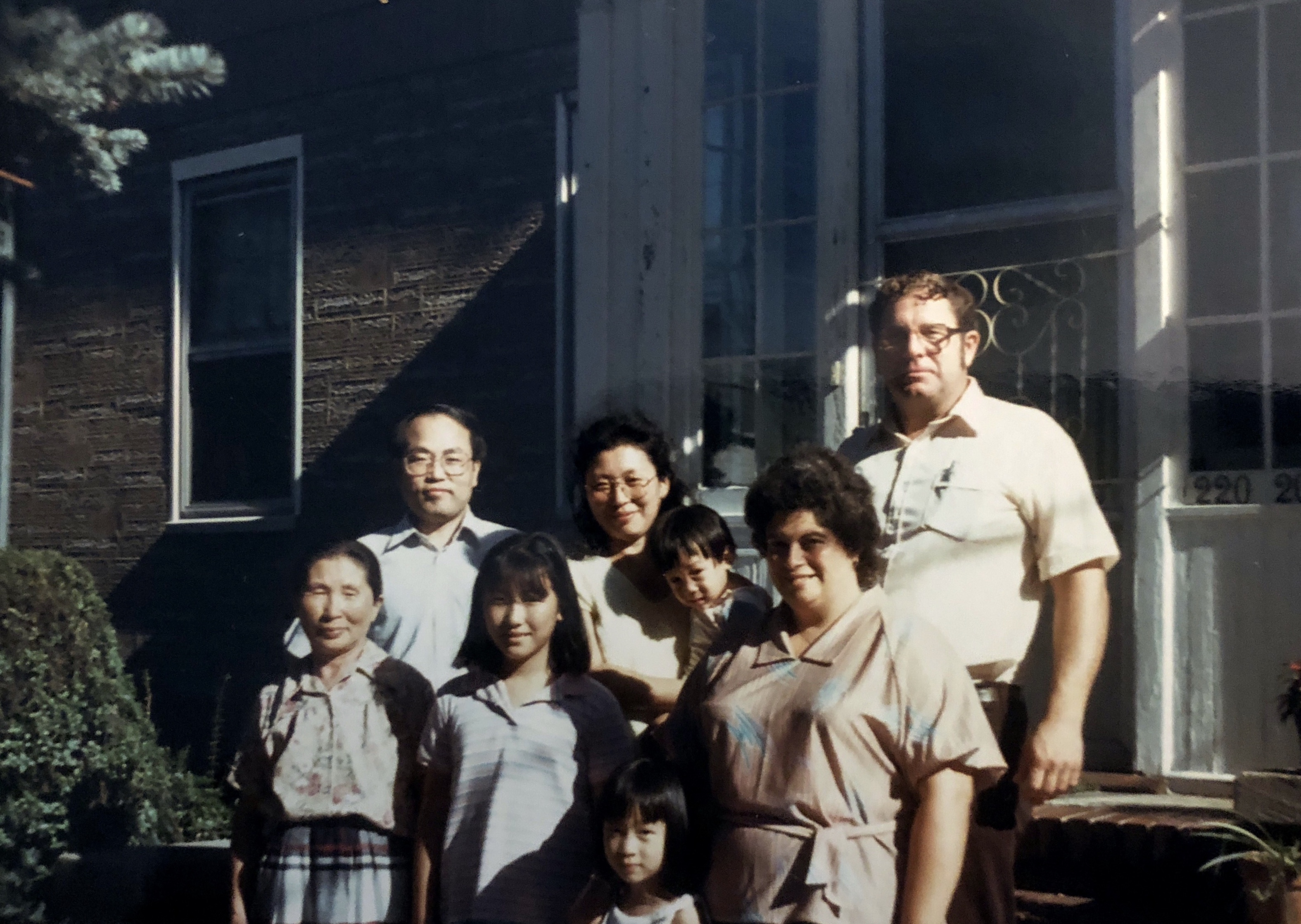
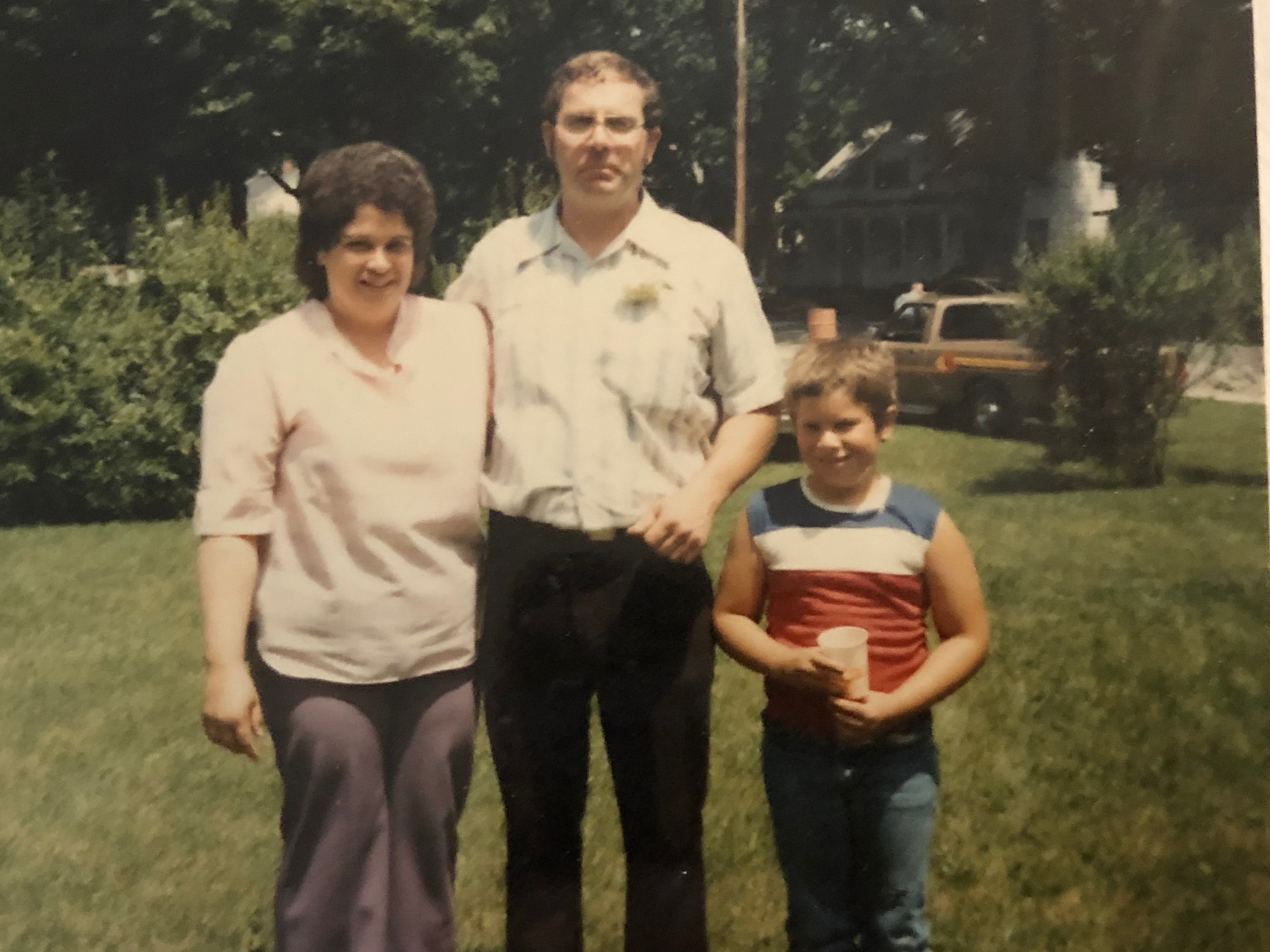
Among our American church members in Queens Village, there is a woman named Margaret McGowan. Every time I see her—a 76-year-old great-grandmother—I am reminded of how strong and resilient the human will can be when grounded in faith. Her 100-year-old mother, blind all her life, lives in a nursing home. That woman was a strict, disciplined mother to her five children and a loving grandmother to her grandchildren.

In her community, Margaret is a respected figure, and in the church, she is a lay leader and sings alto in the choir. She has also been a mother figure to many underprivileged children, having cared for over 140 foster children throughout her life.

In short, she is a “superwoman,” although her life was not shaped by an especially privileged environment or extraordinary talents. She was the humble wife of a police officer. Her husband passed away about ten years ago, and now she shares her home with one of her grown grandchildren.

After observing her life for over six years, we thought that she might eventually slow down or lose interest in church and social activities—but she has never once abandoned or neglected the responsibilities entrusted to her.

One of the deepest sorrows in her life was the loss of her second son, Bill. Just one month after receiving his Ph.D. in Physics, he was killed in a car accident. Margaret, though consumed by grief, pulled herself together. She lovingly supported her beautiful daughter-in-law and helped her find a second chance at happiness by introducing her to a reliable young man. She fervently prayed that her daughter-in-law, still traumatized, would be able to conceive. When she finally did, Margaret rejoiced more than anyone else.

Yet, tragedy struck again four years later. Her youngest son, Douglas, passed away at the young age of 47.

As a child, Douglas once fell into a coma due to a high fever and remained unconscious for three months. That incident caused brain damage, leaving him developmentally behind and afflicted with epilepsy. When he was 22, he finally earned his driver’s license. On his first drive, he came back home with a car full of dents—but the entire family and neighborhood celebrated that moment with tears of joy.

After serving in the Navy, Douglas got a job at city hall. He used to say that getting that job was nothing short of a miracle made possible by his “Boss above.” But eventually, due to seizures, he could no longer drive and had to commute by bicycle. One rainy summer day, while riding home from work, he lost control, crashed into a fence, and sustained a fatal head injury.

Margaret used to say she wished there had been a woman who could love Douglas just as he was. On the day of his funeral, she cried out loud for the first—and last—time.

Even in the midst of such deep sorrow, Margaret never missed choir practice or arrived late. A few years ago, near Christmas, she sang a solo in the alto part of the song “O Holy Child of Bethlehem.” That same song, which she had sung 30 years earlier in her middle age, she now sang again with a trembling, fragile voice—like a deflated balloon—yet she completed it without hesitation or yielding, despite the choir director’s stern instructions. Her resolve to do everything she can while she still can is truly admirable.

I recall seeing her at church just one week after being discharged from gallbladder surgery. Driving herself, she showed not only her strong will but also her pure, unwavering faith.

One day, I asked her, “How were you able to take in so many foster children?”

With a gentle smile, she replied, “That was when our children were still young. One day, I saw a photo of two boys in the newspaper. The caption read, ‘Is there an empty room in your heart for these children?’ I found out that their single mother had to go to prison. Really, what was the difference between my kids and those boys? So I talked it over with my family, and we took them in. After that, more and more children came.”

Margaret says she kept an empty room in her heart all her life.

Many of her foster children went on to become successful—business owners, office workers, factory employees, and even community leaders. But there was also a tragedy. One girl, lured by a drug dealer, was murdered at the age of 16. That sorrow remains in all our hearts.

Margaret’s life principle is to always do her best, never give up, accept the outcome, and never dwell on the past with regret.

Now approaching eighty, Margaret still lives by a one- or two-year schedule. She fills every moment with purpose. She reads the Bible daily and meditates on the Word. In spring, she plants flower seeds and shares the seedlings with her neighbors. To the children in the neighborhood, she’s both a friend and a strict “tiger grandma.” To impolite and thoughtless adults, she never hesitates to speak boldly. A tender story can move her to tears, and she quietly drinks from life’s bitter cup—day by day—with grace.

I ask myself:
How many times have I stood before a bitter cup and simply given up?
In my relationships, as a mother, wife, and believer, how often have I neglected the roles only I could fulfill?
How often have I turned a blind eye to the bitter cups of the church and society—homelessness, poverty, child abuse, discrimination, crime, sickness—when what was truly needed was a volunteer, an advocate, or simply someone who cared?

This year again, the Lord, facing the suffering of the cross, prays on the Mount of Olives in the deep of night, sweating blood, crying out to Heaven:

“Father, if it is possible, let this cup pass from me.
Yet not as I will, but as You will.”

I am certain that Margaret, who has faithfully drunk life’s bitter cups with obedience and trust, will be the first to run to the Lord on Resurrection morning.

This Lent, I kneel before my own bitter cup and humbly fold my hands—praying for a life of fullness and surrender.

– A Letter from the Parsonage (The 14th Story in the Blueprint of Faith) by Wan Hee Yoon

Posted in Blueprint of Faith, Devotional Essay, Essay by WanHee Yoon, faith-column, Letter from the Parsonage | Tagged , , , , , , | Leave a comment

“쓴 잔”


미국인 교우 중에 마가렛 매고원이라는 부인이 있습니다. 세 명의 증손자까지 거느린, 올해 76세 된 마가렛을 볼 때마다 믿음 안에서 인간의 의지가 얼마나 강하고 끈질긴지 늘 깨닫곤 합니다. 그녀에게는 100세 된 친정어머니가 양로원에 계신데, 평생을 시력 장애인으로 사신 분이었습니다. 그녀는 다섯 자녀들에게는 엄하고 절도 있는 어머니요, 손자 손녀들에게는 인자하신 할머니였습니다.

또 마을에서는 없어서는 안 될 마을의 유지이며, 교회서는 평신도 지도자인 동시에 성가대에서는 알토 파트를 담당하고 있습니다. 또한 불우한 아이들에게는 훌륭한 어머니로서 평생 140여 명의 양자 (Foster Children)를 돌보았습니다.

한마디로 말하면 수퍼우먼인 그녀는 남다른 좋은 환경이나 특별한 은사를 지녔다고는 볼 수 없는 지극히 평범한 경찰관의 아내였습니다. 약 10여 년 전에 남편이 타계하고, 지금은 장성한 손자 한 명을 데려다가 빈집을 같이 사용하고 있습니다. 우리는 6년 정도 그녀의 삶을 지켜보면서, 이젠 그녀가 모든 사회 활동과 교회 생활을 조금은 게을리하거나 흥미를 갖지 않을 것이라고 생각하곤 했으나, 그녀는 단 한 번도 자신이 담당한 일을 포기하거나 게을리하질 않았습니다.

마가렛의 자녀 중 둘째아들인 빌이 물리학 박사학위를 받은 지 한 달 만에 교통사고로 세상을 떠난 사건은, 그녀의 삶에 지울 수 없는 흉몽이었습니다. 마가렛은 자신의 슬픔 속에서도 곧 정신을 차리고, 꽃 같이 아름다운 며느리의 슬픔을 속히 가라앉히려, 믿을 만한 청년을 주선하여 제2의 인생을 갖게 하였습니다. 그리고 그 며느리가 행여 과거의 충격으로 인해 임신하지 못할까봐 가슴 졸이며 기도하다가 임신 했다는 소식을 듣고는 그 누구보다도 기뻐하며 감격해 마지않았습니다. 자식을 앞세운 부모의 가슴에는 그 눈물이 마르지 않는다고 하였건만 그 후 4년 후에 막내아들 더글라스를 47세의 젊은 나이로 잃는, 또 한 번의 고통을 안게 되었습니다.

더글라스는 어렸을 때 고열로 인해 3개월을 무의식 상태에 있다가 깨어난 경험이 있습니다. 그 일로 인해 뇌를 손상당했던 더글라스는 연령에 뒤지는 사고와 간질까지 앓게 되었습니다. 더글라스가 22세 때에 가까스로 운전면허를 취득하여, 첫 운전을 하러 나가서 이 차 저 차 부딪치며 거의 다 찌그러진 차를 몰고 집에 돌아왔을 때 온 가족과 이웃이 그를 자랑스러워하며 감격해 하던 날을 늘 말씀하시곤 하였습 니다. 그리고 그가 해군에 입대하여 군복무를 마친 후, 제대 후엔 시청 국에 취직해 일자리를 얻어낸 일은 ‘위에 계신 보스’ 없이는 결국 있을 수 없는 기적이라고 더글라스는 늘 고백하곤 했습니다. 그러나 운 전중에 간질을 일으킨 더글라스는 더 이상 운전을 할 수 없게 되었고, 자전거로 출퇴근을 하게 되었습니다. 더글라스는 어느 여름날, 폭우 가 쏟아져 내리는 퇴근길에 중심을 잃고 남의 집 울타리에 부딪치는 바람에 머리를 심하게 다쳐 병상에서 세상을 뜨고 말았습니다. “더글 라스의 모습 그대로를 사랑해 줄 여인이 있었으면… …” 하고 바람을 지니고 있었는데… …. 장례식날, 마가렛은 처음이자 마지막으로 울부 짖었습니다.

그런 충격과 슬픔의 와중에도 마가렛은 한 번도 성가대 연습 시간에 결근이나 늑장을 부리지 않았습니다. 몇해 전, 크리스마스 즈음에 부른 성가 “외!거룩하신 아기여”의 알토 부분의 솔로를 훌륭히 해낸 그녀의 모습은 지금도 생생합니다. 그 곡은 약 삼십 년 전, 마가렛이 중년 때 부른 곡이었는데 다시 해내고야 말았습니다. “오! 거룩하신 아기여, 오 거룩하신 아기여!” 바람 빠진 고무 풍선과도 같이 연약하고 떨리는 음성의 마가렛은, 지휘자의 불호령 속에도 기권하거나 양보함 없이 끝내 해내고 말았습니다. 할 수 있을 때 무엇이든지 한다는 그녀의 정신력과 참여의식이 부럽기까지 합니다. 언젠가 담석증 수술을 받은 마가렛이 병원 퇴원 후, 일주일 만에 차를 운전하여 교회 예배 에 나온 모습은 강인한 인간의 의지 속에 숨은 그녀의 티없는 믿음을 엿보게 했습니다.

어느 날, 나는 그녀에게 이런 질문을 하였습니다 “당신은 어떻게 그 많은 양자를 데려다가 돌볼 수 있었습니까?” 그녀는 빙긋이 웃으며 대답하였습니다. “우리 애들이 모두 어렸을 때의 일이지요. 어느 날, 신문에 두 남자아이들의 사진 위에 이런 글이 있었어요! 당신의 가슴 속에 이 두 아이들을 품어 줄 빈 방이 있습니까?’ 라고요. 알고 보니 흘 어머니가 양육하다가 어머니가 범죄로 인해 감옥에 들어가야만 할 형편이었습니다. 우리 아이들이나 그 아이들이나 다른 것이 무엇이겠습니까? 그래서 가족들과 상의해서 그 애들을 데려왔지요. 그 후론 계속해서 다른 애들도 돌보게 되었습니다.”

마가렛은 평생을 가슴속에 빈방을 열어두게 되었다고 하였습니다.

그녀의 그 방을 거쳐간 양자 양녀들 중에는 자수성가하여 큰 사업을 일으킨 이들도 있고, 회사원, 공장의 일꾼, 사회 지도자 등 많은 분 야에서 봉사하며 살아가고 있습니다. 그러나 그중 마약 딜러의 꾐에 빠져 16세의 어린 나이에 살해된 소녀도 있어, 우리 모두의 가슴을 아프게 하였습니다. 최선을 다하며 끝까지 절대 포기치 않으며, 모든 결과 앞에 승복하며, 과거에 연연해하거나 절대 미련을 두지 않는 것이 그녀의 삶의 지침이었습니다.

여든을 바라보는 마가렛은 지금도 1년 내지, 2~3년 후의 스케줄대로 움직여 나갑니다. 그녀의 빽빽한 시간의 스케줄 속에서 한순간도 놓치지 않고 현실에 충실하며 사는 모습을 봅니다. 성경을 하루 한 차 례씩 읽고 그날의 말씀을 묵상하며, 봄이 오면 꽃씨를 뿌려 새싹들을 이웃과 함께 나눕니다. 동네 아이들에게는 친구이자 엄한 호랑이 할머니이기도 합니다. 또한 예의 없고 철없는 어른들에게는 여지없이 큰소리로 야단을 칩니다. 따뜻한 이야기를 들으면 금방 눈시울을 붉히며 감격해 마지않습니다. 끊임없이 다가오는 인생의 쓴잔들을 담담하게 마시며 오늘을 살아갑니다

‘나는 얼마나 많은 순간을 쓴잔 앞에서 포기하고 살아왔던가! 사람과 사람 사이의 관계에서 쉽게 토라져 버리고, 어머니로서, 아내로서, 신앙인으로서 … …. 내가 있어야만 하고, 감당해야 될 일들을 너무나 쉽게 포기하고 좌절하던 순간들이 얼마나 많았는가? 또한 교회와 사회 단체, 국가의 쓴잔들을 외면하고 무관심으로 살아올 때가 너무나 많지 않았던가? 홈레스, 가난, 어린이 학대, 각종 차별, 범죄, 병원 등 사회구석구석에 자원봉사자가 필요하고 관심과 대언자가 필요할 때, 나는 나의 빈방을 열어두었던가?’

올해도 주님은 십자가의 고난을 앞에 두고 깊은 밤, 감람산 위에서 피와 땀으로 얼룩진 기도를 올리십니다. 그리고 안타깝게 하늘을 향해 부르짖으셨습니다.

“아버지여! 이 잔을 내게서 지나가게 하옵소서. 그러나 아버지의 뜻 이거든 아버지의 원대로 하시기를 원하나이다.”

순종하며 믿음으로 삶의 쓴잔들을 마셔온 마가렛이, 부활의 새벽에 제일 먼저 주님께 달려갈 것을 확신합니다. 이 사순절, 풍요로운 삶의 완성을 위해 내 앞에 놓여진 쓴잔 앞에 무릎 꿇고 겸허하게 두 손을 모읍니다.

– 목사관 서신 (믿음의 청사진 14번째 이야기), 윤 완희

Posted in Blueprint of Faith, Devotional Essay, Essay by WanHee Yoon, faith-column, Letter from the Parsonage | Leave a comment

“Treasure in an Earthen Vessel”

A few days ago, I came across a heartbreaking article in the newspaper. It reported that a young OB-GYN doctor had been arrested by the police for illegal medical practices. The article claimed he had placed advertisements for abortion services and, regardless of whether they were pregnant, performed abortion procedures on women who were not actually pregnant, just to collect surgery fees. These young women were mostly poor, relying on welfare, and were emotionally vulnerable due to unwise relationships and unwanted pregnancies. The young doctor exploited their situation with false diagnoses to make money. I couldn’t help but feel deeply sorrowful for this doctor.

Most of the doctors I know consider medicine their sacred calling and offer free services to countless poor and needy patients. One of them even treats his clinic like a life counseling center, healing not only physical illnesses but also the hardships of his patients’ lives. If a patient struggles to secure a student loan for their children’s college tuition, he would go with them to the bank and become their guarantor without hesitation. If there were issues with buying a car, he would personally go to the dealership and co-sign. He treats each patient as a friend and family member.

Children, the elderly, and young adults alike all respect and truly love him. In church, he faithfully supports the pastor and leads church ministries with devotion, earning the trust and admiration of the congregation. His children, following in their father’s footsteps, live lives of faith and dedication.

For first-generation immigrants to reach professional status in this land, it is undoubtedly the result of untold hardships, sleepless nights, and relentless effort. Particularly for those in the medical field, who deal with human life, the struggles are beyond words.

Perhaps the young doctor, after all his difficult efforts to gain a medical license, expected his skills to soar on the wings of human instinct—never to falter. But we sadly see how ugly and tragic the fall becomes when the fruits of intelligence and effort are used solely for personal gain. We cannot help but confess that we are all living in fragile jars of clay. If no one catches us when we fall, we shatter hopelessly, becoming something even we ourselves despise.

Don’t we often see ourselves becoming so-called “successful,” well-known, and seemingly secure—only to lose touch with our neighbors and even deceive our own conscience? We abandon noble values and boast about things that are, in truth, no more than flowers of the field—useless, unattractive, and short-lived.

Yet, there is something truly astonishing for us: within this lowly, unattractive body, a dazzling life—a burning, pure love—has been poured into us. This treasure, the most genuine and beautiful, the root of joy, the one and only precious gift of God, has been placed within our fragile clay bodies. Its price was the blood of the cross. And even today, He calls out to humanity with deep yearning:

“My beloved one! My beloved one! In your trials, in your pain, in your brokenness—place this treasure within!
You, who are swept away by the turbid currents of life!
You, who wait breathlessly for the dawn!
You, who stand on the edge of despair, sighing deeply!
You, whose heart has no peace—
Place this treasure within you!
If only you hold this treasure, green leaves will sprout in your soul, flowers will bloom, and fragrance will fill the air…”

All people are the same, but depending on what—or whom—we hold in our soul, the ultimate purpose of life can either lift us to greatness or drag us down into disgrace.

“But we have this treasure in jars of clay to show that this all-surpassing power is from God and not from us.”
—2 Corinthians 4:7

Someday, I pray that the young doctor, too, will have the opportunity to receive this treasure. On that day, he will likely be so overwhelmed by its brilliance that he will fall to his knees and weep uncontrollably. The scales that blinded his soul will fall away, and with eyes opened wide in joy, he will finally confess that he, too, was just a fragile jar of clay.

Every day we are broken countless times, but the loving hands of the Lord continue to mold us anew, yearning to fill us with His precious treasure. Today, more than ever, we long for the touch of His grace.

– Letter from the Parsonage (13 of Faith Blueprint), Wan Hee Yoon

남자의 파란 드레스 셔츠
Posted in Blueprint of Faith, Devotional Essay, Essay by WanHee Yoon, faith-column, Letter from the Parsonage | Tagged , , , , , | Leave a comment

“질그릇 속의 보배”

며칠 전 신문을 읽다가 안타까운 뉴스를 접하게 되었습니다. 어느 젊은 한국인 산부인과 의사가 불법 의료 행위를 하다가 경찰에 체포 되었다는 이야기였습니다. 이유인즉, 신문에 임신중절 광고를 내어 임신을 하지 않은 스페니쉬계 여인들에게 무조건 임신중절 시술을 하여 수술비를 받아냈다는 것이었습니다. 대부분이 웰페어(welfare)에 의존하는 가난하고 불쌍한 젊은 여인들의 무분별한 성생활로 인한 원치 않는 임신을 중절하려는 심리를 이용한 거짓 진단으로 힘껏 장삿 속을 발휘했던 그 젊은 의사에게 동정(?)을 금할 길이 없었습니다.

내가 알고 있는 대부분의 의사 선생님들은 의술을 천직이라고 여기며 셀 수 없이 많은 불쌍하고 가난한 사람들에게 무료로 봉사하는 분 들입니다. 그중 어떤 분은 진료실이 마치 인생 상담소와 같아 환자들 의 생활의 어려움까지도 치료하시는 분이 계십니다. 환자 중에 아이들의 대학등록금을 은행에서 빌리는 데 어려움이 있다고 하면 서슴없이 은행에 같이 가서 보증인이 되어 주기도 하며, 차를 사는 데 문제가 있다고 하여도 자동차 딜러에 가셔서 선뜻 보증을 서주시는 분이 계십니다. 그분은 환자 한 분 한 분을 그의 친구이며 가족으로 여깁니다.

아이들이나 노인들이나 젊은이들은 모두가 그를 존경하며 진심으로 사랑합니다. 교회에선 목사님을 도와 열심히 교회 일에 앞장서며 충성하는 모습 속에 성도들은 그를 믿고 따릅니다. 가정의 자녀들은 아버지를 닮아 모든 일에 충성하며 신앙생활에 열심을 다하는 모습을 볼 수 있습니다.

이민 1세로 이 땅에서 전문직을 갖게 되었을 때는 남모르는 수고와 노력, 밤잠을 못 자가면서 천신만고의 어려움을 이겨낸 결과임에 틀림 없습니다. 특히 사람의 생명을 다루는 일을 담당하는 의료직에 종사하시는 분들의 어려움은 이루 말할 수 없습니다.

젊은 의사 선생님은 천신만고 끝에 얻어낸 의술의 기회를 인간의 본능의 날개에 달아매어 영원히 꺾이지 않고 날아주기만을 기대했을 지도 모릅니다. 그러나 남보다 탁월한 지혜와 노력의 대가를 자신만 의 목적을 위해 사용할 때 얼마나 추하게 추락하는가를 안타깝게 보게 됩니다. 우리는 너나 할 것 없이 육신의 질그릇 속에 살고 있음을 고백하지 않을 수 없습니다. 누군가가 붙잡아 주지 않으면 형편없이 깨어져 버리고, 걷잡을 수 없는 추한 모습으로 나 자신조차도 혐오하는 꼴이 되고 마는 것입니다. 남과 비교해 이쯤이면 성공한 것 같고, 유명해진 것 같고, 무언가를 붙잡은 듯하면 이웃과의 관계를 잃어버리고 양심조차도 속이는 우리들의 모양새가 아닙니까? 고귀한 가치를 저버리고 이 땅에서 우리가 자랑하는 것들, 알고 보면 쓸모없고 아름답지 못하고 잠시 피었다가 시들어 버릴 풀의 꽃과 같은 것이 아니겠습니까?

그러나 참으로 놀라운 일이 우리에게 있습니다. 이 추하고 보잘것 없는 육신 속으로 눈부신 생명, 그 희고 고우면서 불타는 사랑이 우리에게 허락되었다는 사실입니다. 그것은 가장 진실하고 아름다운 것, 기쁨의 뿌리로서 하나님에게도 단 하나밖에 없는 귀한 보배를 우리 육신의 질그릇 위에 담으신 것입니다. 그 값은 십자가 보혈의 피의 값입니다. 그분은 오늘도 사람을 향하여 안타까이 부르고 계십니다.

“나의 사람아! 나의 사람아! 그 시련 속에서, 아픔 속에서, 추함 속에 이 보배를 담으려무나! 삶의 탁류 속에 밀려 떠내려가는 사람아! 새벽 이 오기를 목메이게 기다리는 사람아! 절망의 절벽 위에 서서 깊은 한 숨을 내쉬고 있는 사람아! 마음 속에 평화가 없는 사람아! 나의 이 보 배를 네 안에 담으려무나! 이 보배를 담기만 하면 영혼에 파란 잎이 돋고 꽃이 만발하고 향기가 가득할 텐데… … .”

모든 사람은 같을진대, 그 영혼에 누구를 담고 있느냐에 따라 궁극적인 일의 목적이 그 사람을 위대하게 만들기도 하고, 추하게 만들기도 하는 것을 볼 수 있습니다.

“우리가 이 보배를 질그릇에 가졌으니 이는 능력의 심히 큰 것이 하나님께 있고 우리에게 있지 아니함을 알게 하려 함이라”(고후4: 7).

언젠가 그 젊은 의사 선생님에게도 이 보배를 담을 기회가 찾아오기를 기도합니다. 아마도 그날엔 그 보배가 너무 눈부셔서 그는 목이 메인 채 엎드려 통곡할 것입니다. 그리고 그의 영혼의 눈을 가렸던 육신의 비늘은 벗겨지고 개안의 환희 속에 뛰며 비로소 그 자신이 질그릇이었음을 고백할 것입니다. 하루에도 수없이 깨어지는 우리를, 새로 빚으사 그 귀한 보배를 담아 주시기 원하시는 주님의 뜨거운 사랑의 손길이 오늘은 더욱 기다려집니다.

– 목사관 서신 (믿음의 청사진 13번째 이야기), 윤 완희

남자의 파란 드레스 셔츠
Posted in Blueprint of Faith, Devotional Essay, Essay by WanHee Yoon, faith-column, Letter from the Parsonage | Leave a comment

“A Broken Circle”

Eight-year-old Justin, who lives next door, is picked up on weekends by his tall, towering father. As always, when Justin climbs into his father’s car, his grandmother and mother watch him go from the window for a long time. Even the family dog barks toward the window, wagging its tail at Justin. Watching this from a distance, my son Sejun also grumbles with a touch of jealousy.

“Today Justin’s going with his dad, so who am I going to play with?”

Since the 1960s, when the foundation of Puritan values began to crumble, the traditional family values in American society have been shaken. As a result, the illegitimacy rate, which was 5.4% in the 1960s, rose to 26.2% in the 1990s. Children in foster care increased from 3.5% to 11.9%. Single-parent households rose from 8% to 22%, and the teen suicide rate grew from 3.6% to 11.3%. Today, about 50% of American marriages end in divorce.

Among these, 15% of children experience the psychological pressure of being forced to accept second or third stepfathers before they even turn 18, due to repeated divorces and remarriages. These children form bonds with unfamiliar kids as step-siblings, only to be separated again, causing confusion and deep psychological wounds. Many lose interest in their studies due to depression, and the pain they experienced in their upbringing often repeats itself in their own marriages. Reports from the New York Times and Wall Street Journal even connect the decline in American family values with broader economic decline—a reality we cannot ignore.

At some point, the old stories of families laughing and crying together through hardships have become relics of the past. Society has moved toward materialism, meritocracy, and individualism. As a result, the patience and perseverance once found in family life have faded away. In the past, it was natural to think of a family as a husband, wife, and children living together. But now, the definition of family goes far beyond that traditional form.

A few years ago, after moving into a new parsonage, I greeted my neighbor, who introduced her family to me. She looked to be in her late forties and said she had two children: a 19-year-old son adopted from Guatemala at age three, and a three-year-old cat.

Among our youngest child’s friends is a boy named Ramo. After his parents divorced, he began seeing a child psychologist regularly. Ramo’s mother works tirelessly, day and night, juggling debt and raising two children alone, always looking exhausted.

In today’s world, people can have or adopt children without marrying. Women live with women, men with men, and still raise children. In such a world, we worry about how our children will grow up—morally and spiritually. As a mother, I’ve come to realize the limitations of what I can do alone, and how essential a father’s presence and role are. Without the balanced love and guidance of both parents, it’s almost impossible to raise a child whole and healthy.

A circle is where a line’s beginning and end meet. When that meeting point is distorted or broken, the circle loses its meaning. A man and a woman, two equal individuals, come together and draw a circle called “family.” That circle continues to grow, forming rings both small and large. Yet somehow, as the generations change, the circle begins to deny itself. It tries to become a square. It tries to become a triangle. It tries to become a star. Out of curiosity, the circles test themselves.

“Hmph, I can break my shape too! Look at me—look at my new form. Isn’t it great? I’ve broken free of all those old restraints! Look how light and free I feel…”

But the circles endure the pain of breaking. And then, they keep drawing new shapes.

After the car carrying Justin disappears at the far end of the alley, his mother, who had been watching from the window, finally steps outside. Silently, she gazes at the fading traces of the man who was once her husband and the son they once shared. Her mother and their dog slowly follow her out onto the street. They look at each other wordlessly and then wave toward the window where Sejun and I are standing. Sejun lifts his limp hand and waves back a couple of times.

Our eyes meet. Without a word, Sejun and I embrace more tightly than ever.
In that moment, time stood still in our alley—within the space of a broken circle.

– Letter from the Parsonage (12 of Faith Blueprint), Wan Hee Yoon

Posted in Blueprint of Faith, Devotional Essay, Essay by WanHee Yoon, faith-column, Letter from the Parsonage | Tagged , , , , , | Leave a comment

“깨어진 동그라미”

이웃집에 살고 있는 여덟 살 난 저스틴(Justin)은 주말이면 키가 장대 같은 아버지가 데리러 옵니다. 언제나 그렇듯이, 저스틴이 아버지의 차에 올라타는 시간이면, 저스틴의 할머니와 엄마가 창문 너머로 아이가 떠나는 모습을 오래도록 바라봅니다. 강아지도 창문 너머로 짖어대며 저스틴에게 꼬리를 흔들어댑니다. 저스틴의 모습을 멀찌감치 바라보던 우리집 세준이도 왠지 심통을 내면서 투덜댑니다.

“오늘은 저스틴이 아빠한테 가는 날이라서 누구하고 놀지?”

청교도 신앙이 무너지기 시작하던 1960년대부터, 미국인들의 전통 가족 가치관은 뒤혼들리기 시작하였습니다. 그 결과 1960년대의 5.4% 라는 사생아 출생률은 1990년대에는 26.2%를 기록했고, 복지기관 수 용 아동은 3.5%에서 11.9%로 늘어났습니다. 또한 외짝 부모 양육은 8%에서 22%로 늘어났으며, 10대 자살률은 3.6%에서 11.3%가 되었습니다. 결혼한 50%의 미국인 가정이 이혼을 하고 있는 현실입니다.
그중에 15%의 어린이들이 18세가 되기도 전에 부모의 거듭되는 재혼과 이혼 속에, 두서너 번째의 새 아버지를 따르도록 강요를 받는 심리적인 중압감을 느낀다는 것입니다. 또한 생면부지의 아이들과 의붓 형제자매들로 맺어졌다가는 다시 흩어지는 아픔과 혼란은 아이들로 하여금 깊은 심리적 장애를 일으키게 하고 있다는 보고를 듣게 됩니다. 아이들은 친구를 잃는 슬픔과 새로운 환경에 적응하느라 대부분 깊은 우울증 속에 학업에 흥미를 잃고, 자신들의 결혼생활에서 더 큰 고통을 겪는 일을 되풀이한다는 것입니다. 또한 미국 경제의 침체 원인도 이러한 가정의 가치관 쇠퇴와 연관되어 있다는 뉴욕타임지와 월 스트리트저널의 보고를 우리는 무시할 수 없습니다.

언제부터였는지 가정이 어려울 때면, 가족과 가족이 함께 울고 웃으며, 난관을 극복해 나가던 시절의 이야기는 해묵은 이야기가 되어 가는 시대가 되었습니다. 시대의 변천은 물량주의, 능력주의, 개인주의로 치달아 가게 되었습니다. 그러다 보니 가족끼리 참고 인내하는 과거의 아름다운 모습은 사라져 가고 맙니다. 과거엔 가족의 개념을 남편과 부인, 자녀들이 함께 사는 것으로 당연하게 생각했으나, 지금은 전통적인 가족의 모습만을 가족이라 하지 않습니다.

몇년 전 새 목사관에 이사한 후에, 이웃집 부인에게 인사를 하였더 니 자신의 가족을 소개해 주었습니다. 그녀는 40대 후반으로 보였는데, 가족으로는 자녀가 둘 있는데, 세 살 때 과테말라에서 입양했다는
19살짜리 아들과 3년 된 고양이라고 소개하였습니다. 또한 우리집 막내의 친구 중에 라모라는 아이는 부모가 이혼한 후에, 정기적으로 아동 심리 치료사를 만나러 가는 것을 보게 되었습니다. 라모의 엄마는 아이 둘의 양육과, 부채를 갚기 위해 밤낮으로 일을 하느라 정신없이뛰어다니며 늘 피곤해 있는 것을 알 수 있습니다.

결혼하지 않아도 아이들을 낳거나 양자로 삼을 수 있고, 여자끼리, 또는 남자끼리 살아도 엄연히 자녀를 양육할 수 있는 시대에서 자라 나는 우리의 아이들이 도덕적으로, 신앙적으로 어떻게 자라줄지 염려 될 뿐입니다. 아이들을 키우면서 느끼는 것은, 어머니로서 할 수 있는 한계가 있고, 또 아버지가 담당해 주어야 될 부분들이 너무 많음을 깨닫게 됩니다. 양쪽 부모의 조화된 사랑과 훈계로 양육하지 않으면 채워지지 않을 것들을 혼자 해결한다는 것은 참으로 어려운 일인 것 같습니다.

동그라미는 하나의 선의 시작과 끝의 만남입니다. 이 시작과 끝의 만남의 이그러지거나 깨어졌을 때, 동그라미는 그 가치를 인정받지 못합니다. 남자와 여자의 동등한 두 인격체가 하나로 만나 가족이라는 동그라미를 그립니다. 그 동그라미는 계속 고리를 이어나갑니다, 작고 큰 모양을 내면서. 그러나 웬일인지 세대가 바뀌면서, 동그라미가 동그라미 자신을 부인케 됩니다. 네모의 모양을 그려봅니다. 삼각 형을 그려봅니다. 별을 그려봅니다. 호기심에 찬 동그라미들이 자신을 시험해 봅니다. “흥 나도 내 모양을 깨어 볼 수 있어! 자, 여기를 보라고! 나의 새로운 모습을… … . 얼마나 멋있어! 그 굴레들을 벗어 버려! 내 모양을 보아! 얼마나 홀가분한지 … … .” 동그라미들은 깨어지는 아픔을 겪습니다. 그리고 자꾸만 새 모양을 그려봅니다.

저스틴을 태운 차가 멀찌감치 골목 어귀로 사라지자, 창문에서 내다보던 저스틴의 엄마가 비로소 문을 열고 밖으로 나와, 한 시절의 그 의 남편이었던 낯선 남자와 아들이 남기고 간 자취를 하염없이 바라 봅니다. 그녀의 뒤를 이어 할머니와 강아지가 힘없이 거리에 나섭니다. 그녀들은 말없이 서로를 바라보다가 세준이가 내다보고 서 있는창가를 향해 두 손을 흔듭니다. 세준이의 맥없는 손이 두세 번 흔들립니다. 아이와 나는 두 눈이 마주치자 어느 때보다도 뜨거운 포옹을 아무 말없이 나눕니다. 우리가 사는 골목길은 깨어진 동그라미 속에서 한동안 시간이 멈추었습니다.

– 목사관 서신 (믿음의 청사진 12번째 이야기), 윤 완희

Posted in Blueprint of Faith, Devotional Essay, Essay by WanHee Yoon, faith-column, Letter from the Parsonage | Leave a comment

“Look at the Birds of the Air”

These days, when we read the newspaper or listen to the news, we can’t help but feel the urgent need to stay mentally alert. It’s because this generation is suffering from a serious illness of chaos and disorder.

A few days ago, I read a front-page article in the New York Times (9/29/94) that was both shocking and saddening. Two senior officers and fourteen other police officers from the Harlem precinct—who were supposed to lead and protect the public—were arrested by their fellow officers for charges of bribery, robbery, and perjury. It was truly tragic. Rather than cleaning up drugs and crime in Harlem, they resold confiscated drugs, took bribes from drug dealers, and even used threats to extort money, which they then used to buy homes and enjoy luxurious lifestyles—sharing the gains among themselves. When they raided secret drug dens and faced large amounts of cash and drugs, it seems they slowly gave in to temptation. The price of a single bag of drugs—called modern-day gold—was equivalent to a year’s salary for a police officer. In such disparity, they stepped onto the path of self-destruction.

Similarly, in Korea, the tax corruption scandal involving officials in Incheon’s Northern District and the horrifying serial murders committed by the so-called “Jijon Group” (a criminal organization targeting the rich, reported 9/21/94) show the extreme end of materialism. This obsession with wealth leads to disregard for human life, the collapse of values and morality, and a loss of awareness. Those who should have managed material wealth became completely consumed by it. Even though people are meant to be loved and material things are meant to be used, the order has reversed—material things are loved while people are treated as disposable tools for wealth. This opens a dark chapter in our society, nation, and history.

Our greed for material things spreads like a plague. If it’s not treated promptly, it festers and stinks—manifesting in luxury and indulgence, hastening our mutual destruction. Often, we complain that we have nothing to wear, even though our closets are full, or nothing to put on our feet, even though our shoe racks are overflowing. Unlike the past, we don’t throw away clothes because they’re torn or shoes because they leak—we discard perfectly good things simply because they’re out of fashion. Then we return to the department store windows like modern-day beggars.

In the 1980s, during President Marcos’s height of power in the Philippines, his wife Imelda became infamous for her obsessive shopping. Her hoarding of goods became legendary. Whenever she visited Macy’s in Manhattan, the store would close to the public and the managers and assistants would rush to fulfill her requests. It’s said that her purchases alone could match the store’s daily revenue. Although their time has passed—marked by crimes exploiting public taxes and privatizing national wealth—her 3,000 pairs of shoes may still represent a piece of our collective greed.

Like bacteria that invade our bodies without warning, materialism seeps into our lives, sometimes settling when our defenses are weak, sometimes retreating. The worries, depression, and conflicts born of materialism spread imbalance and anxiety in families and society. They infect our whole being until we suffer from a grave illness—and eventually death.

When I examine myself, I feel ashamed. Although I seem to live in peace, every month’s bills remind me how recklessly I use my credit card. Living in America, I’ve come to realize the only thing that grows is credit card debt. I wonder if the illness of greed has taken deep root in my life.

There’s a saying: “It is wise to prepare carefully for the future, but not to exhaust our hearts, drain our strength, or torment ourselves with worry.” In this age of indulgence and consumerism, we must deeply reflect on whether the dam holding back our spiritual lake has cracked. Instead of trusting in the promises of our Heavenly Father, we often find ourselves curious about the ways of the world—and before we know it, our feet are caught.

Just as it is natural for parents to protect and love their children, it is certain that God—who watched over us yesterday—will guard us today and in the days to come.

“Look at the birds of the air: they do not sow or reap or store away in barns, and yet your heavenly Father feeds them. Are you not much more valuable than they?” (Matthew 6:26)

In the depth of our spiritual life, we must rediscover the simplicity of living that the Lord calls us to. That is the only way to survive in this chaotic generation.

May the bird that once freely soared above the blue sea of Galilee two thousand years ago also fly freely within our ailing hearts today.

– Parsonage Letter (10), WanHee Yoon

Posted in Blueprint of Faith, Devotional Essay, Essay by WanHee Yoon, faith-column, Letter from the Parsonage | Tagged , , , , , , | Leave a comment

“공중의 새를 보라”

요즈음 신문을 읽거나 방송을 듣다 보면, 우리가 정신을 바짝 차리지 않으면 안 되겠다는 생각에 미치게 됩니다. 세대가 혼돈과 무질서 의 중증을 무섭게 앓고 있기 때문입니다.

며칠 전 신문(9/29/94 N.Y.Times)에 대서 특필된 글을 보니, 민중을 선도하고 보호해야 할 뉴욕의 할렘 관할 경찰서의 간부 2명과 14명의 경찰이 뇌물, 강탈, 위증죄로 무더기로 동료들의 손에 의해 구속 되었습니다. 실로 안타까운 일이었습니다. 그들이 민중의 지팡이로 할렘 지역의 마약과 범죄를 소탕하기는커녕, 오히려 압수한 마약을 되팔거나 마약 딜러들로부터 뇌물을 챙기고, 때로는 협박하여 챙긴 돈으로 집을 사거나 호화로운 생활을 즐기며 동료들과 나눠갖기도 하였다는 것입니다. 경찰들은 마약 거래가 비밀리에 이뤄지고 있는 장소에 급습했을 때 발견되는 마약과 엄청난 현금 앞에 자신들도 모르게 조금씩 빠져들게 되었을 것입니다. 현대의 황금이라고 불리는 마약 한 봉지 가격이 경찰의 일년 봉급에 상당하는 괴리(?) 속에 그들은 스스로 몰락의 길에 발을 내디딘 것이 아니겠습니까?

또한 한국의 인천 북구청 세무 직원들의 세금 비리 사건과 지존파 (가진 자에 대한 중오 범죄 조직 9/21/94)라는 엽기적 살인 보도 속에, 물질만능주의의 극치를 보게 됩니다. 물질만능주의는 인명 경시풍조, 가치관 하락과 도덕성의 파멸, 의식 부재 현상을 불러옵니다. 물질을 다스려야 될 사람들이 물질에 송두리째 잡혀 먹혀버린 꼴이 되었습니다. 사람은 사랑을 받게 되어 있고 물질은 쓰임을 받게 되어 있음에도 불구하고, 물질은 사랑 을 받고 사람이 물질을 위한 소비물 취급을 받게 되다 보니 사회와 나라, 그리고 역사에 암흑기를 열게 되는 것입니다.

물질에 대한 우리의 탐욕은 전염병과 같아 곧바로 치료하지 않으면 썩을 대로 썩고 그 냄새는 사치와 향락으로 내달아 서로의 파멸을 자초합니다. 흔히 우리는 옷장에 옷이 가득한데도 입고 나서려면 입을 것이 없고, 신발이 신장에 가득해도 막상 나서려면 신을 것이 없다고 불평하기 일쑤입니다. 옛날처럼 옷이 구멍이 났다거나 신발 바닥이 떨어져 물이 새어 들어와서 버리는 것이 아니라 유행에 뒤떨어져 멀쩡한 것들을 버리게 되고, 또다시 백화점의 쇼 윈도를 기웃거리는 현대판 걸인들이 되었습니다.

필리핀의 마르코스 대통령이 한창 위세를 떨치던 1980년대, 부인 이멜다의 걸신들린 물건 사재기는 세기에 남을 정도로 유명한 전설이 되었습니다. 그녀가 맨해튼의 메이시 백화점에 나타나는 날은 상점을 아예 닫아버리고 외부 손님을 사절한 채, 매니저와 비서진은 그녀로 부터 주문받기에 분주하였다는 것입니다. 단 한 사람인 그녀만의 주문에도 백화점의 하루벌이에 넉넉했다는 이야기입니다. 국민의 혈세 를 뜯어내거나, 권력을 이용하여 국가 재산을 사유화하기 위해 온갖 범죄를 저질렀던 그들의 시대는 이미 흘러갔음에도 불구하고, 그 유명한 그녀의 3,000 켤레 이상의 신발은 어쩌면 우리 모두의 탐욕의 일 부로 남게 되었는지도 모릅니다.

우리 몸에 침투하는 작은 병균들은 단 한 번도 우리에게 신고하지 않고 언제나 들어왔다가, 약한 저항력에 스스로 자리를 틀거나 혹은 스스로 물러나가기도 합니다. 물질로 인한 근심 걱정과 우울증, 불화는 가정과 사회에 불균형과 불안의 균을 가져다 주고 환부를 도려낼 수 없을 정도로 온몸에 중병을 앓게 하며, 끝내는 죽음에 이르게 합니다.

나 자신을 돌아보면 너무 부끄러워집니다. 평소엔 마음의 평정을 얻고 사는 것 같은데, 한 달에 한 번씩 끊어내는 각종 청구서들을 보면 얼마나 규모없이 크레디트카드를 그어대며 살고 있는지를 알게 됩니 다. 미국에 살면서 늘어나는 것은 크레디트카드의 빛밖에 없다는 말을 실감하며, 어느새 나 자신 속에 자리잡고 있는 탐욕의 병이 중증에 걸려 있는 것은 아닌지 자가 진단을 하게 됩니다.

“장래를 위한 조심성 있는 준비는 옳다. 그러나 우리의 마음을 지치게 하고, 힘을 빼며, 스스로 괴롭히는 염려는 옳지 않다.” 라는 말이 있습니다. 우리 마음의 호수를 막고 선 거대한 댐을 오늘도 사정없이 두 드려대는 향락과 소비성 물질 문명 앞에 행여 금이 가지는 않았는가 하는 사려가 그 어느 때보다도 깊어져야 될 것 같습니다. 천부께서 말씀하신 언약을 신뢰하기보다는 오히려 이방인들의 길에 호기심을 갖게 되었을 때, 이미 자신도 모르게 깊게 발이 빠지지 않았는지 경계해야 하겠습니다. 부모가 자녀를 보호하며 사랑하는 것이 지극히 당연한 것처럼, 하나님께서는 우리의 어제를 지켜주셨듯이 오늘과 미래도 지켜주실 것을 확신합니다.

“공중의 새를 보라 심지도 않고 거두지도 않고 창고에 모아들이지도 아니하되 너희 천부께서 기르시나니 너희는 이것들보다 귀하지 아 니하냐”(마6 : 26).

우리 영성의 깊음속에 자리잡고 있는 삶의 단순성(Simplicity)으로 부르시는 주님의 말씀만이 이 혼돈의 세대에서 살길임을 깨닫게 됩니다.

2,000년 전 푸른 갈릴리 해변가를 자유롭게 날던 그 새가, 중병을 앓고 있는 우리의 가슴에도 훨훨 날기를 기도합니다.

– 목사관 서신 (10), 윤 완희

Posted in Blueprint of Faith, Devotional Essay, Essay by WanHee Yoon, faith-column, Letter from the Parsonage | Leave a comment

“고양이 이야기”

아이들이 어렸을 때 ‘타이거’ 라는 이름의 고양이를 기른 적이 있습 니다. 이 고양이는 교우 한 분이 둘째 아이의 생일 선물로 가져온 것이 었습니다. 타이거는 회색 바탕에, 검은 털이 띠처럼 중간 중간에 둘러 져 있어 마치 호랑이 새끼를 방불케 했습니다. 타이거가 우리 집에 올 때는 어미의 젖을 금방 떼낸 아주 어린 놈이었습니다.

타이거의 일과는 하루종일 낮잠을 자거나, 사람들의 무릎 위에 올 라앉아 사랑을 받는 일이었습니다. 행여나 우리가 모르는 척하면 관심과 사랑을 얻어내기 위해 온갖 어리광을 부렸으며, 어찌나 장난기가 심한지 틈만 나면 아이들과 함께 온 집안을 위아래로 뛰어다녔습 니다.

그런데 나이가 들게 되자 창턱에 올라 앉아 밖을 내다보며 밖의 세계를 동경하기 시작했습니다. 행여나 앞마당에서 다람쥐들이 나무 위로 뛰어오르는 것을 보면, 두 귀와 입을 쫑긋거리며 앞발로 다람쥐를 잡는 시능을 하곤 했습니다. 또한 꽃밭 위에 노랑나비라도 팔랑거리는 것을 보면 나비의 날갯짓을 좇아 그 눈동자가 쉬임없이 반짝이곤 하였습니다.

그런데 언제부터인지 타이거는 밤만 되면, 거리 고양이들의 울음소리에 귀를 기울이고 밖에 나가기를 소원하기 시작하였습니다. 타이거가 발톱으로 문을 긁어대는 것을 보다 못한 우리는 타이거의 외출을 허락하게 되었습니다. 그런데 웬일인지 밖에 나가기만 하면 비명소리와 함께, 집 앞에 있는 100여 년은 족히 되었을 성싶은 도토리나무 꼭대기로 올라가 내려올 줄을 몰랐습니다.

처음에는 배가 고프면 나무 위에서 내려오겠지 하고 기다렸으나, 고양이는 하루가 지나도 내려올 줄을 몰랐습니다. 찬 겨울 날씨는 사나워지고 바람은 빈 도토리 나뭇가지를 사정없이 때리니, 타이거가 산채로 박제가 될 형편이었습니다. 아이 셋은 애가 타서 발을 동동 구르고, 먹을 것을 나무 밑에 놓아주고 아무리 달래도 밑으로 내려올 줄을 몰랐습니다. 우리는 나무 위에 올라앉은 고양이 때문에 밤새 잠을 설치면서 날이 밝기만을 기다렸습니다.

다음 날, 그 높은 나무 위를 오를 엄두도 못 내고 궁리하던 중, 소방소에 전화를 걸었습니다.

“우리 고양이가 나무 위에 올라가서 내려올 줄 모르고 있는데, 좀 내려주시겠어요?”

소방서에선 “미안합니다. 예전에는 그런 일을 도와주긴 했지만, 이제는 인력과 재력이 달려서 할 수가 없습니다.”라고 말했습니다.

보기 좋게 거절당한 우리는 이리저리 궁리하던 중에, 교회를 관리 하시는 엘 리브가 생각이 났습니다. 크리스마스 때에는 높다란 사다리를 놓고 성전의 높은 벽에 큰 크리스마스 장식을 달던 것이 생각났기 때문입니다. 관리인은 우리의 안타까운 사정을 듣고는 당장에 달려와 그 특수사다리를 나무 위에 걸쳐두고 조심스럽게 올라가기 시작 했습니다.

“타이거! 자 이리 와. 착하지!” 그런데 타이거는 저를 살려주기 위하여 팔을 벌리는 관리인을 무섭게 노려보면서, 발톱으로 관리인의 팔을 할퀴며 저항하는 것이었습니다. 그러고는 관리인의 손을 피해 더 높은 가지 위로 곡예를 하면서 기어 올라갔습니다.

“타이거! 괜찮아! 믿어 봐.”

아이들이 밑에서 응원을 하며 아무리 달래도 요지부동이었습니다. 마음씨 좋은 관리인이 사다리 위에서 한창 애를 쓰고 있는데, 타이거가 발을 헛짚는 바람에 그만 밑으로 떨어지고 말았습니다. 타이거는 비명과 함께 열려 있던 목사관 문으로 총알같이 달려들어가, 소파 밑에서 반죽음이 된 채 신음하고 있었습니다.

나중에 알고 보니, 옆집에 살고 있는 관리인의 늙은 고양이가 우리 타이거가 나타나기만 하면 영토 싸움을 하느라고 다짜고짜 달려드는 것이었습니다. 겁이 많고 순진한 타이거는 그 늙은 고양이의 공격을 피하기 위해 사력을 다해 나무 위로 줄행랑을 칠 수밖에 없었던 것입 니다.

나는 타이거의 겨울 소동을 생각할 때마다, 하나님의 보호하심과 사랑을 외면하고 늘 배척하며 달아나는 나 자신을 보게 됩니다. 주님은 늘 인간을 찾으시고 가까이 오라고 부르시며 구원의 손길을 내미시는데도 불구하고, 내 안식처를 엉뚱한 곳에서 찾으려 합니다. 결국 인간이 어떤 상황에서도 돌아갈 길은 오직 하나님 품밖에는 없음에도, 고집을 부리고 과감히 자신을 맡길 줄 모르는 철부지가 아닙니까!

우리는 그 해 겨울 내내, 이틀이 멀다 하고 도토리나무 위에 올라가 있는 타이거를 내리느라고 소란을 피워야 했지만, 그 겨울의 추억을 사랑합니다. 이미 타이거는 떠나가버렸으나, 도토리나무는 지금도 꿋끗이 서서 내가 종국에 안겨야 될 곳이 어디인지 말해 주고 있습니다.

– 목사관 서신 (9), 윤 완희

Posted in Blueprint of Faith, Devotional Essay, Essay by WanHee Yoon, faith-column, Letter from the Parsonage | Leave a comment

“The Story of a Cat”

When our children were young, we had a cat named Tiger. One of our church members gave him to us as a birthday gift for our second child. Tiger had gray fur with black stripes like a tiger cub, which is how he got his name. When he came to us, he had just been weaned—still a tiny kitten.

Tiger’s daily routine consisted mostly of napping or curling up on someone’s lap to receive affection. If we ignored him, he would go to great lengths to get our attention, using every form of kittenish charm. He was so mischievous that he would dart around the house with the children, up and down the stairs, playing endlessly.

But as he grew older, Tiger began to gaze longingly out the window, sitting on the sill watching the outside world. If he saw squirrels climbing trees in the front yard, his ears would perk up and he’d reach out with his paws as if trying to catch them. When butterflies fluttered over the flower bed, his eyes sparkled, tracking their every movement.

Eventually, he started listening intently to the cries of stray cats at night, yearning to go outside. Unable to ignore his clawing at the door, we finally allowed him to venture out. But every time he did, he would climb up the towering old oak tree in front of our house—perhaps over a hundred years old—and refuse to come down.

At first, we thought hunger would bring him down. But even after an entire day, he stayed put. The bitter winter winds whipped the bare branches, and we feared Tiger might end up a frozen statue. The children were in a panic. They placed food at the base of the tree and pleaded with him to come down, but he didn’t budge. We spent many sleepless nights waiting for morning with hearts full of worry over a cat in a tree.

One day, with no way to reach him ourselves, we called the fire department:

“Our cat is stuck in a tree and won’t come down. Could you help us?”

“We’re sorry,” they replied. “We used to help with those things, but now we no longer have the resources.”

Disappointed, we tried to think of someone else who might help and remembered Mr. Eli Reeve, the church custodian. At Christmas, we had seen him use a tall ladder to hang decorations high on the sanctuary walls. Hearing of our situation, he came right away and carefully leaned his special ladder against the oak tree, climbing up slowly.

“Tiger! Come on, good boy,” he coaxed. But instead of being rescued, Tiger glared at him and clawed his arm in resistance. Then, slipping out of his grasp, he climbed even higher.

“Tiger! It’s okay! Trust us!” the kids pleaded from below. But Tiger wouldn’t move.

As Mr. Reeve struggled to reach him, Tiger suddenly lost his footing and fell. With a cry, he bolted straight into the parsonage and crawled under the sofa, half-dead with fright.

Later, we learned that the old cat living next door—also belonging to the custodian—would attack Tiger every time he saw him. Gentle and timid, Tiger had been running for his life, climbing that tree to escape the bully.

Every time I think of Tiger’s winter misadventure, I see myself in him—how I often resist God’s love and protection, running away instead of resting in His arms. Though the Lord reaches out to us, calling us to draw near and offering salvation, we often look elsewhere for refuge. Yet, in the end, there is no place of rest but in God’s embrace. Still, like foolish children, we hesitate to surrender and trust completely.

All that winter, we stirred up commotion every few days trying to get Tiger down from the oak tree—but I cherish those memories. Tiger is gone now, but the oak tree still stands strong, silently reminding me where my final resting place will be.

– Letter from the Parsonage (9), WanHee Yoon

Posted in Blueprint of Faith, Devotional Essay, Essay by WanHee Yoon, faith-column, Letter from the Parsonage | Tagged , , , , | Leave a comment