이 땅에 살면서 우리가 미처 보지 못하고 생각지 못하는 아름다운 것들이 너무나 많은 것 같습니다. 우리의 지엽적이고 제한적인 시야로 얼마나 많은 아름다운 것을 볼 수 있으며, 아름답게 살 수 있는지 의문해 봅니다. 구태여 아름다움을 찾아 여행을 떠나거나 헤매이지 않아도 주변에는 온통 아름다운 것들로 가득한 것을 발견할 수 있습니다. 왜냐하면 우리는 아름다움을 볼 수 있는 충분한 자질과 아름답게 살 수 있는 절대적인 하나님의 창조물이기 때문입니다.
저는 시와 음악과 그림과 이 모든 것을 창조해 내려고 애쓰는 예술인들을 사랑합니다. 그들의 잘 단련된 지성과 예리한 감각으로, 손끝에 묻어 나오는 은구슬 같은 언어들과 음률, 화폭에 담겨지는 이미지는 파묻혀 있는 진리와 또 하나의 침묵의 세계를 열어주기 때문입니다. 아름다움을 창조하기 위하여 밤새 씨름하는 이들의 고뇌 뒤에 그들의 선택의 결단이 숨어 있습니다. 매일의 삶에서 우리를 붙들고 있는 정지된 것들로부터 벗어나려는 노력 없이는 결국 아름다운 것을 보고 느끼는 것조차 어려운 일입니다.
이른 봄, 쌓인 눈을 밀고 솟아오르는 새싹의 꽃꼿한 자세와 바람 부는 나뭇가지 위에 부리를 품고 쉬고 있는 새들의 평화로움, 양지녘에서 똑똑똑 녹아 내리는 고드름의 여유, 유리창에 밤새 그려진 성애의 멋진 은빛 작품, 눈 속에서도 초록빛을 잃지 않고 뻗어만 가는, 지난해의 딸기 넝쿨 속에서 하나님의 인격과 사랑의 아름다운 손길을 보게 됩니다. 또한 아이들의 해맑은 웃음, 어머니들의 부지런하고 청빈한 향기, 아버지들의 휘파람 소리, 육신의 분주함 속에서도 보이지 않는 하나님을 향해 심령의 무릎을 끓을 줄 아는 이들의 기도소리, 인생의 깊은 곳에, 서기를 주저하지 않는 이들의 담대함, 지고의 아름다움을 찾아 끊임없이 고독하고 철저한 외로움으로 몸부림치는 이들, 그들 속에 이미 찬란한 아름다움이 불꽃처럼 타오름을 봅니다.
괴테는 “이 세상에서 가장 아름다운 것” 이라는 시에서 이렇게 말합니다.
이 세상에서 가장 즐겁고 훌륭한 것은 한평생을 바칠 수 있는 사업을 갖는 것입니다. 이 세상에서 가장 불쌍한 것은 인간으로서 교양이 없는 것입니다. 이 세상에서 제일 보기 흉한 것은 다른 사람의 생활을 부러워하는 것입 니다. 이 세상에서 가장 쓸쓸한 것은 할 일이 없는 것입니다. 이 세상에서 가장 존귀한 것은 남을 위해 봉사하고 결코 보답을 받지 않으려고 하는 것입니다. 이 세상에서 가장 아름다운 것은 모든 것에 대하여 사랑을 갖는 것입니다.
우리에게 아름다움을 보고 느낄 수 있는 것은 역시 우리의 생을 마음껏, 힘껏 사랑하는 일뿐입니다. 만사가 귀찮은 심령에게와 생을 진실하게 사랑치 않는 이들에게는 아름다운 세계를 볼 수 있는 시야가 제한되어 있는 것입니다. 하나님은 아름다운 분이십니다. 그분 속에 시가 있고, 그림이 있고, 음악이 있고, 문학작품이 있습니다. 그분 속에 아름다움의 극치가 있기 때문에, 우리 속에도 아름다움을 향한 끊임없는 창조가 일어나고 있는 것입니다.
오늘도 나와 당신의 삶이 가장 불쌍하거나 보기 흉하거나 쓸쓸한 하루가 아닌, 즐겁고 훌륭하며 가장 존귀한 삶을 살되, 모든 것에 대하여 사랑을 갖고 살아갑시다. 때로는 우리 삶이 고달프고 힘든 산정을 오르내릴지라도 한시도 잊어서는 안 될 것은, 하나님은 사랑이시며 우리는 그분의 자녀라는 사실입니다. 이 순간도 하나님의 온전하신 아름다움 속에 호흡하고 있음에 감사할 뿐입니다.
It is Saturday—quiet, slow, and holding the gentle promise of Sunday’s worship. This afternoon I wandered into the garden, pulling grass from between the vegetables. Later, I turned to my woodworking.
The radio played in the background—until the news pierced my thoughts: A boy in Gaza killed by a fallen box of humanitarian aid. The bitter contradiction struck me—help meant to feed the starving becoming the cause of death. My heart could not help but wander further… Bullets supplied for war between Russia and Ukraine. Weapons made with brilliance and precision, yet designed to kill. The atomic bomb dropped on Nagasaki exactly eighty years ago today—seventy thousand lives erased in an instant, followed by celebration of technological “victory.” The long shadows of COVID-19 deaths, now etched into our collective memory.
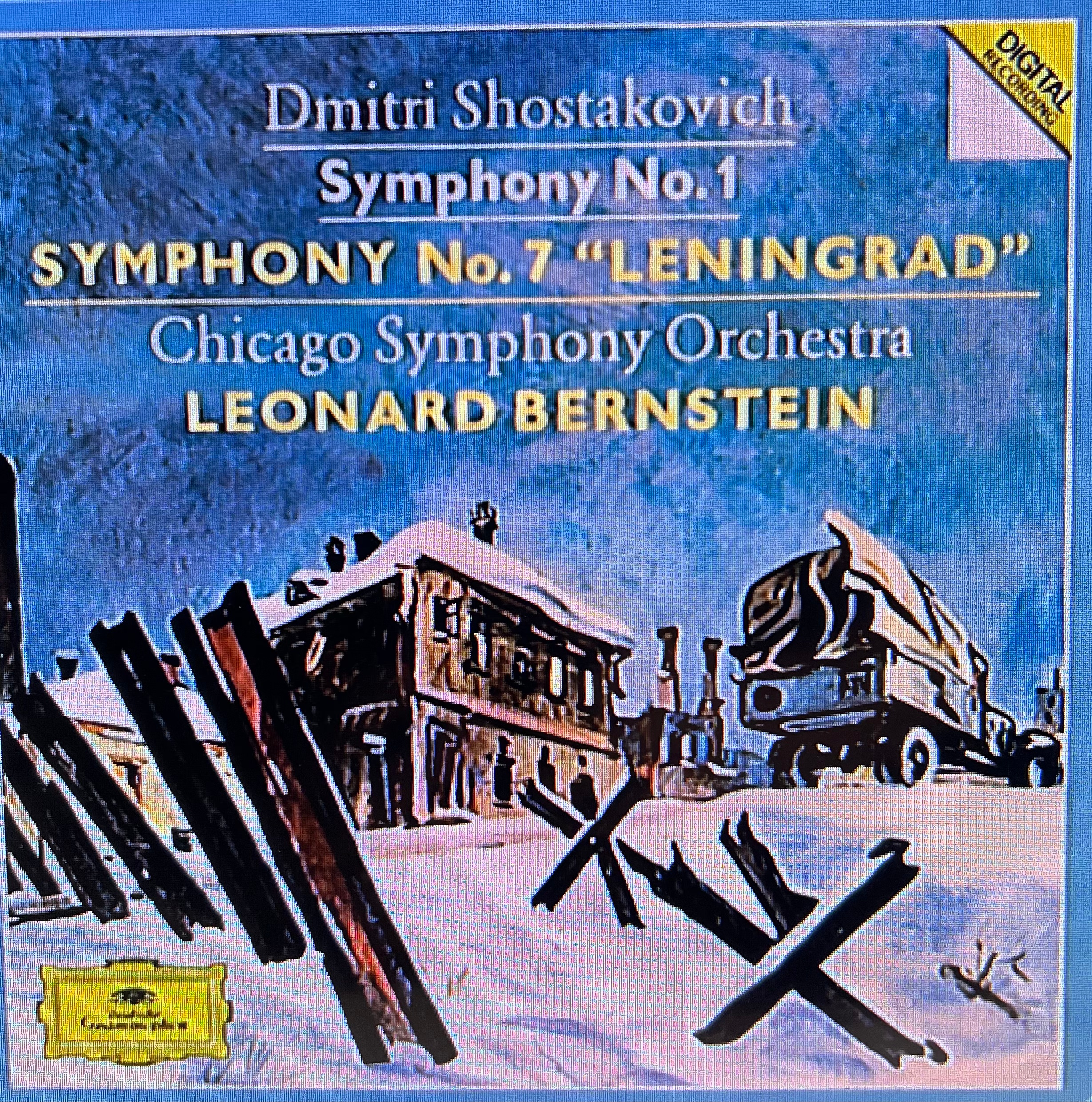
And yet… In 1942, during the siege of Leningrad, starving musicians played Shostakovich’s Seventh Symphony—broadcast to enemy forces as a defiant hymn of life. Perhaps only beauty—art, music, the tenderness of creation—can stand in the breach when the human heart cannot.
With these thoughts heavy upon me, I withdrew into my familiar chair. Three slow, deep breaths. A prayer from India rose within me:
“Like an ant on a stick, both ends burning, I go to and fro, not knowing what to do, and in great despair. Like the inescapable shadow that follows me, the dead weight of sin haunts me. Graciously look upon me. Your love is my refuge. Amen.”
Yes—the sin of humanity is collective. It cannot be solved by any one person, group, or nation. And so, at the Lord’s Table, we confess together:
“Merciful God, we confess that we have not loved you with our whole heart… Forgive us, we pray. Free us for joyful obedience, through Jesus Christ our Lord. Amen.”
[Lectio – Receiving the Word]
I opened my Bible to Psalm 98:1–8, reading slowly through several translations.
“Sing to the Lord a new song…”—even in the heart of deep ethical conflict. “Every corner of the earth has seen our God’s salvation.” How can this be? “Shout triumphantly to the Lord, all the earth! Be happy!” How could the psalmist be so sure? “He will establish justice among all people fairly.” When will this come to pass?
[Oratio – Praying the Word]
I sang softly:
“Be still, my soul: your God will undertake to guide the future, as in ages past.
You hope, your confidence let nothing shake; all now mysterious shall be bright at last.”.
Tears came. Jesus’ answer to the violence of the world was not greater force but A CROSS. Nations build nuclear bombs to hold power—yet Christ emptied himself to forgive.
I remember to make Confession before the holy Communion: “We have not loved you with our whole heart. … Not done your will, … Rebelled against your love, ..Not loved our neighbors, … Forgive us, … Free us for joyful obedience,”
So, as one human family, we turn to one another and declare: “In the name of Jesus Christ, you are forgiven.” And together, we say: “Glory to God. Amen.”
In that moment, we share the sign of peace—the holy exchange of reconciliation.
[Contemplatio – Resting in God]
I let go of the thoughts. I entered the still center—the Holy of Holies.
An image came—not a grand cathedral, but a shopping mall. A lone voice began singing “Standing on the Promises.” Another voice joined… then a trumpet… a trombone… Children danced. Mountains seemed to hum in harmony. The whole earth, for a breath of time, stood still before the song.
[Incanatio – Living the Word]
This is the new song. Like Paul and Silas singing in prison, chains fell away—not only iron, but those in the heart. Whether or not it is called “miracle” does not matter. What matters is the freedom that follows.
[Oratorio – Proclaiming the Joy]
So I will walk into the coming week singing. Old hymns will become new songs. And my heart will be ready— to praise, to rejoice, to stand on the promises of God.
On the window frame of the parsonage entrance, where the sunlight streams in dazzlingly, sits a small decorative porcelain cat I bought not long ago at the church’s thrift shop for fifty cents. Its glossy black coat is tinged with soft brown along the belly. The little cat lies on its side, paws lifted toward the air in a playful, endearing pose. It gives me the irresistible urge to tickle its belly, which is why I placed it on the prominent windowsill where my eyes often rest.
One day, while cleaning, I accidentally knocked it over and broke off its right ear. It happened so quickly, and as I touched the jagged edge, I thought I could almost hear Mrs. Bert’s tongue clicking in dismay—“tut, tut, tut.”
Mrs. Bert, who lived alone, had a lifelong hobby of collecting dolls and all kinds of porcelain animals. Each time I visited her home, she would proudly show me her treasures, lifting out one memory after another, inviting me into the courtyard of her past as if time had stopped.
She spoke of the sweet dance at her first ball, her romance and marriage to an American soldier stationed in Germany during her youth, the travels she shared with her late husband, and the operas they attended together. With no one left to visit her except for the photos on the wall and her beloved porcelain figures, she would repeat her stories like a worn record, never tiring, each time someone crossed her threshold.
Her repeated tales, like that skipping record, were the perfect lullaby for drowsiness, and I often found myself struggling to stay awake in her soft chair, eventually forcing myself to stand up and leave. Even our goodbyes at her front door lasted thirty minutes, for she could not resist telling me—again—about the faded flower wreath hanging there, made by her only son when he was in elementary school. She would inevitably wipe away tears as she spoke, longing for the bond between mother and child.
In time, she began to weaken quietly. One cold winter day, she went out, caught a severe cold, and became bedridden—never again able to walk on her own. She left this world empty-handed, unable to take with her a single one of her cherished possessions, not even the faded flower wreath she had treasured on her door for over fifty years.
After her passing, her only son Stephen came up from Philadelphia with his wife to New York to settle her affairs. Without hesitation, he wrapped each of his mother’s decades-old collectibles in outdated newspaper and neatly packed them into boxes, donating them all to the church thrift shop—those porcelain animals, the dolls, the trinkets she had loved so dearly.
Along with worn clothing, old shoes, tattered magazines, used furniture, and cheap plastic ornaments came the faded flower wreath his mother had treasured, her love letters exchanged between Germany and the U.S., and the letters Stephen had written to her from elementary school through college. All were swept together into the heap of her belongings.
As I watched her treasures emerge one by one from their newspaper wrappings, I recalled the words of Jeremy Taylor, a 16th-century Anglican bishop: “People disappear, and only things remain.”
What, then, do we truly draw up from the net of a lifetime? Without their owner, are such possessions not utterly meaningless? And yet, the poor spend their lives striving to gain material abundance, while the wealthy spend theirs pursuing greater comfort and luxury. What could be more tragic?
I returned the bundle of old letters to Stephen in Philadelphia and quietly bought three or four of her auctioned keepsakes, now going for mere pennies amid the dust. Placed on the window ledge of my own life, they remind me of her sparkling eyes, golden hair, and fair skin.
And I ask myself: What is it that I, a mist that appears for a little while, truly dream of and seek on this earth? If I do not give fully when the opportunity is before me, if I do not love well in the moment when love is required—then what will I truly leave behind in this world?
– Letter from the Parsonage (For the Sake of Beauty, Fifteenth Story, 1987), WanHee Yoon
햇살이 눈부시게 비쳐드는 목사관 현관 창틀에는, 얼마전 교회내 알뜰살림 가게(Thrift Shop)에서 50센트에 구입한, 사기로 만든 장식용 작은 고양이 한 마리가 있습니다. 검은 윤기 속에 엷은 갈색이 배에 깔린 고양이는 옆으로 비스듬하게 누워 공중을 향해 두발을 들어올린 앙징스러운 모양을 하고 있었습니다. 바라보노라면 고양이의 배를 간지러주고 싶은 충동이 일곤하는 매우 친밀감이 드는 것이기에 눈에 띄는 창틀 위에 올려놓았습니다.
그러나 어느 날, 청소를 하다가 무심결에 고양이를 잘못 건드려 오른쪽 귀를 깨뜨려버리는 불상사가 생겼습니다. 순식간에 일어난 일로 안타깝게 깨어진 사기 고양이의 귀를 만질 때 “쯧쯧쯧” 혀를 차는 Mrs. Bert의 음성이 들려오는 것만 같아 소스라쳤습니다.
홀로 사시던 Mrs. Bert는 살아 생전에 많은 인형들과 사기로 만든 갖가지 동물들의 형상을 모으는 것이 취미였습니다. 그녀의 집을 방문할 때마다 그녀는 각종 인형, 동물들을 자랑스럽게 설명하면서 추억을 하나씩 들추어내며 시간가는 줄 모르고 과거의 뜨락으로 초대하곤 했습니다.
첫 무도회 때의 달콤한 춤과, 처녀시절 독일에 주둔하던 미병사와의 열애와 결혼, 타계한 남편과 다녔던 여행 이야기 및 오페라 관람 등. 아무도 찾아주지 않고 단지 벽에 걸린 사진들과 수집된 장식용 인형들 속에서 추억하며 살던 그녀는 오랜만에 사람의 그림자라도 보기만 하면, 망가진 레코드처럼 피곤을 모르고 흘러간 지난 이야기들을 반복했습니다. 그녀의 망가진 레코드처럼 반복되는 이야기는 언제나 졸음을 불러일으키기엔 적격이어서, 푹신한 의자에 앉아 졸음을 쫓으려 안간힘을 쏟던 나는 끝내는 자리를 박차고 일어서야만 했습니다.
그녀와는 인사도 문앞에서 늘 30분이 걸렸습니다. 이제 50이 다 된 아들이 초등학교 때 만들어 주었다는 문에 걸린 빛바랜 꽃걸이에 대해 자랑을 늘어놓기 시작하면, 여지없이 모자간의 정이 그리워 눈물을 훔치는 것이었습니다.
세월 속에 남모르게 쇠약해 가던 그녀는 어느 추운 겨울날, 외출하였다가 깊은 감기에 걸려 자리에 눕게 되었습니다. 그리곤 다시는 두 발로 이 땅을 걸을 수 없는 사람이 되고 말았습니다. 그녀는 아무것도 손에 챙기지 못한 채 그 많은 수집품들과 50여 년을 애지중지하게 문 앞에 걸어두었던 빛바랜 꽃걸이도 다 놔둔 채 빈손으로 떠나고 말았습니다.
어머니가 떠나간 후 외동 아들 스티븐은 필라델피아에서 부인과 함께 뉴욕에 올라와 모든 짐을 정리하였습니다. 그리고 어머니가 수십 년을 애지중지하며 모아온 모든 장식용 수집품들을 하나씩 하나씩 철지난 신문지에 팔아 상자에 차곡차곡 넣어 교회 알뜰살림 가게에 미런없이 헌물하였습니다.
헌 옷가지와 헌 신발, 헌 잡지, 헌 가구, 낧은 폴라스틱 장신구들, 아들이 초등학교 때 만들어 주었었다는 빛바랜 꽃걸이와 독일과 미국을 오가며 띄웠던 그녀의 연애 편지들, 초등학교 때부터 대학시절 아들이 어머니에게 보냈던 것들까지도 유품에 휩싸여 온 것이었습니다. 그녀 가이 땅에서 즐겨하며 애용하던 … … 그리고 신문지에 싸여 나오던 수집품들을 바라보며 문득 “사람은 사라지고 물질만 남는다.” 라고 말한 16세기 영국의 성공회 주교인 제레미 테일러의 묵상이 떠올랐습니다.
우리가 한평생의 삶에서 건져올린 것들은 무엇이란 말입니까? 주인을 잃은 물질들은 아무 쓸모없는 것이 아닙니까? 그럼에도 물질이 가난한 사람들은 가난한 대로 풍요로움을 얻기 위해 인생을 소비하고, 부자는 더 편안함과 사치를 향해 인생의 전부를 소비한다면 이처럼 잔인한 것이 어디 있겠습니까?
필라델피아에 사는 Mrs. Bert의 외아들 스티븐에게 낡은 편지묶음을 되돌려 보냈습니다. 그리고 먼지 속에 헐값으로 경매된 그녀의 유품들을 사람들 틈에 끼여 서너 가지 사들였습니다. 그리고 내 삶의 창가에 진열된 그녀의 장식품들을 바라볼 때면 그녀의 반짝이던 눈매와 금발, 뽀얀 피부가 떠오릅니다.
‘안개와 같은 내가 이 땅에서 꿈꾸고 얻고자 하는 것이 무엇이란 말인가? 베풀 기회에 온전히 베풀지 못하고, 사랑해야 될 순간에 제대로 사랑치 못한다면 과연 내가 이 땅에 남길 것은 무엇인가?’ 하고 심각 한 질문을 던져 봅니다.
When the wind blows, the creek’s waters climb against their course. Each time, dry palms of red, blue, and yellow creak along the riverbed, their path growing ever more confused.
The faces of a year slip from my fingertips, unfurling into dawn’s mist, veiling the forest— until the forest itself becomes a single stream, falling toward the tip of every branch.
A traveler, pausing on his road, offers up his heart and becomes the stream that calls to the wind hungry for five long days.
When the fierce fog— from which no one escapes— finally lifts, the forest stands bare, raising its palms to the setting sun, facing once more toward the sea.
Every face has turned to wind, quivering from the nearest depth of the earth.
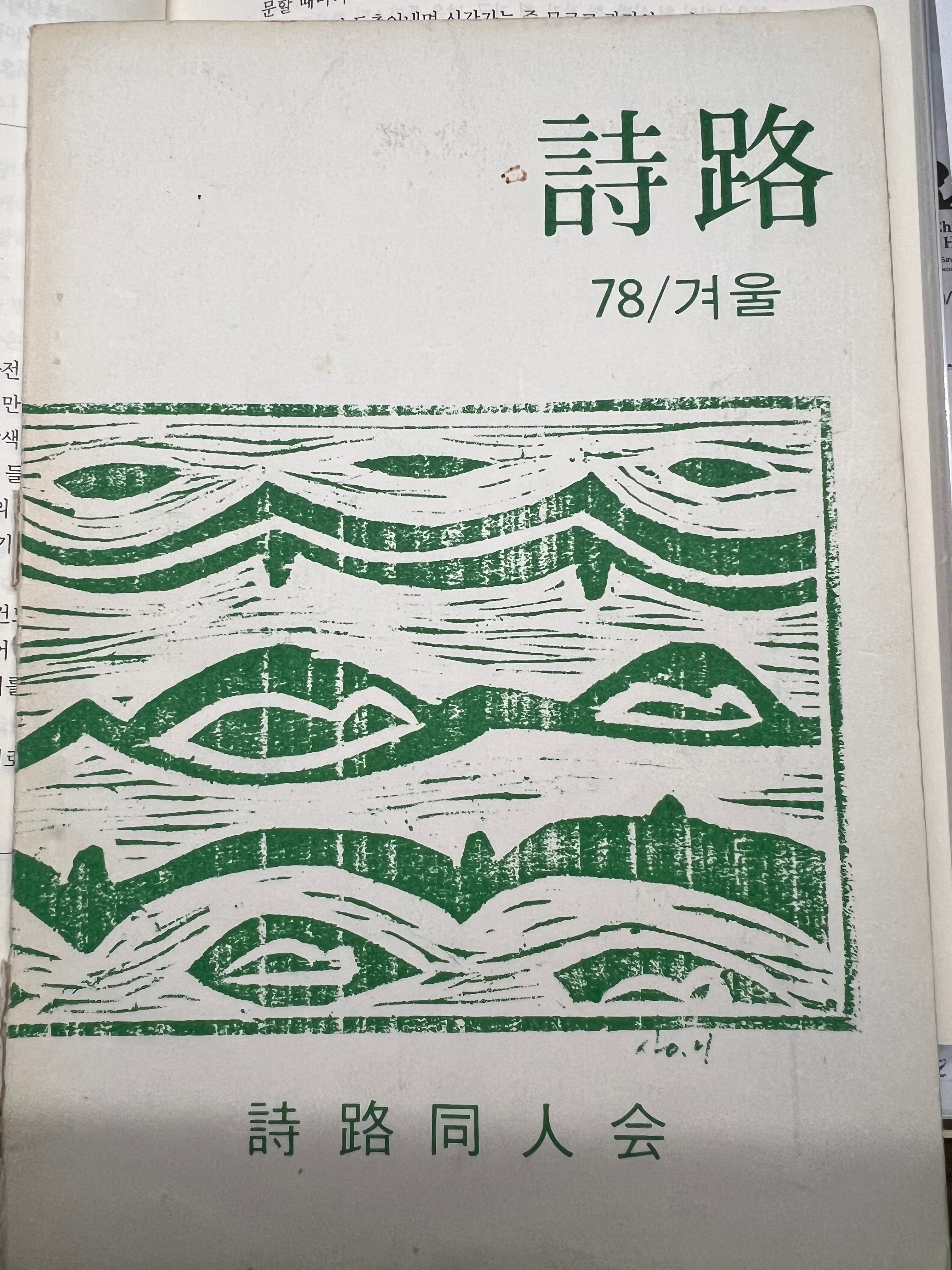
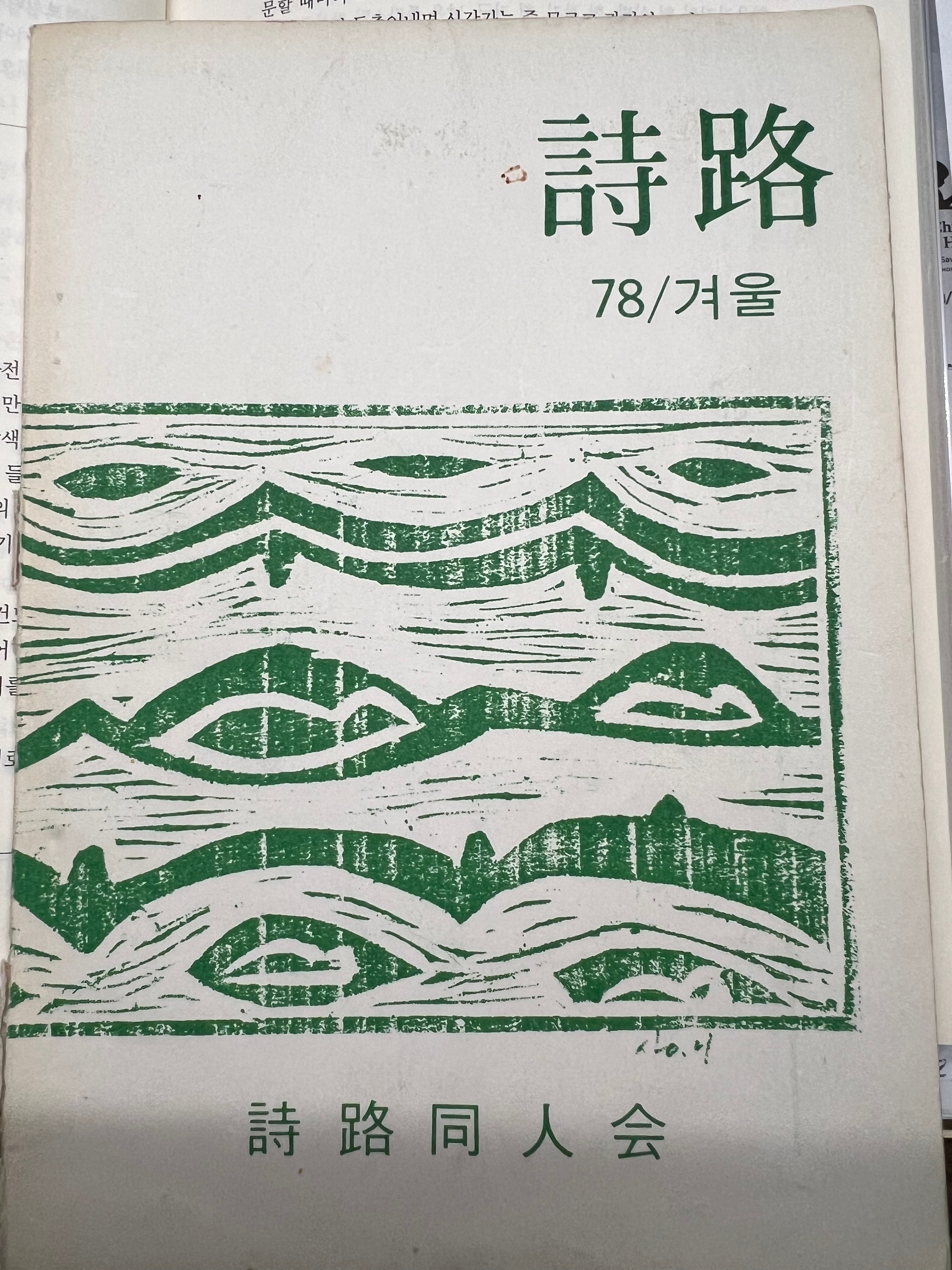
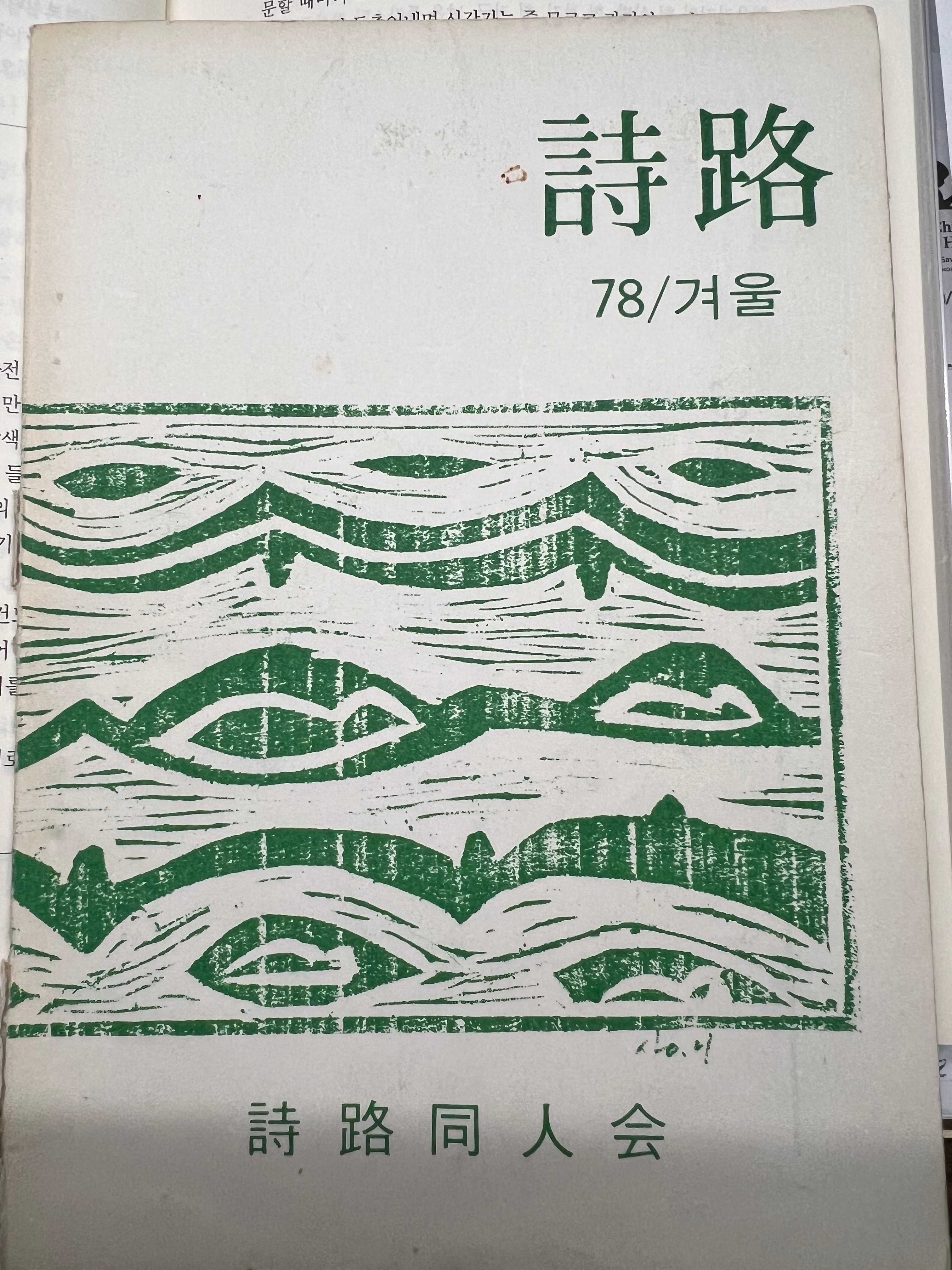
*The cover of (Busan) 시로 Poetry Anthology No. 3 was personally created by artist Seo Sang-hwan, Ph.D., who loved the members of the group, as a woodblock print titled Human Restoration.
Now that I am more settled after vacation, I begin to notice the quiet invitations of the backyard. The grass in the garden is ready to be cut, where beans, cucumbers, and other plants have found their place. Beneath the tall blades, I discover a single, large zucchini hidden from view.
As I prepare for the sacred reading, I open my heart in song:
“Turn your eyes upon Jesus, Look full in His wonderful face, And the things of earth will grow strangely dim In the light of His glory and grace.” — Helen Lemmel, 1922
[LECTIO]
I take three deep breaths, letting stillness settle over me, and gather my heart into peace.
Today, I read Psalm 97:1–12 in several versions. The words that stir my heart are:
“The Lord rules!”
“Fire goes before Him and burns up His enemies on every side.”
“All who worship images… are put to shame.”
“Light is planted like seed for the righteous, and joy for the upright in heart.”
[ORATIO]
It is a time for celebration— for You, O God, love all who turn away from evil. You plant light-seeds deep within the souls of Your people. You plant joy-seeds in hearts made good by Your Spirit. The foundation of Your rule is both righteousness and universality.
Lord, search me and show me: Is there any part of my life—even in my daily routines— that drifts out of tune with Your moral standards, including the commandments You have given?
Am I living in harmony with others— with family and in-laws, with siblings and neighbors, with those I work alongside, with my community, with people of other faiths, and with the nations of the world?
Bring me into balance, O Lord, so that the seeds You have planted may grow unhindered in the soil of my life.
[CONTEMPLATIO]
I step into the quiet place, where I can slip off my shoes and rest upon the grass.
The sun is strong, yet I feel no heat— only the steady embrace of its light.
I empty myself, that I may be filled with the Divine Light. I breathe slowly in His presence, allowing the roots of His radiance to sink deep into my soul.
In the garden, among the tall, thick grass, red peppers and bright tomatoes rest in the stillness. The grass is overgrown, yet I feel no urgency to cut it. Let them grow together— for autumn is coming. When the season turns, I will prepare the soil for spring.
Here, beneath the sun’s wide covering, my spirit rests without haste. The renewing power of the Lord wraps around me, fills me, and overflows into quiet joy.
[INCANATIO]
Yes, Lord— to return Your glory is to proclaim it, not with hesitation, but with strength and holy urgency.
Am I truly Your seed, as You place Your light within my light? The harvest of that light calls for a faithful witness.
Lord, what would You have me do? How shall I live so that Your life is seen in my family, in my church, among my neighbors, and throughout my community?
Make me a living vessel of Your presence, so that all who see me may see You.
[ORATORIO]
And so, I lift my voice in praise, singing “Victory in Jesus” by Eugene Bartlett (1939):
“I heard about His healing, of His cleansing power revealing, how He made the lame to walk again and caused the blind to see.
Then I cried, ‘Dear Jesus, come and heal my broken spirit,’ and somehow Jesus came and brought to me the victory.
Every year, around Christmas, there is a cactus flower that blooms beautifully. People call it the Christmas Cactus. From the tips of its green jointed stems—like fingers linked together—round buds begin to form, eventually opening into blossoms of pink, red, or white. They look like baby birds taking flight with wings spread wide. The translucent hues of the petals, along with the bursting energy and fragrance of the blooms, naturally draw admiration, and their graceful beauty captivates everyone who sees them.
At the parsonage, I have been raising a cactus for several years. For some reason, however, it went two or three years without blooming. In the first year, I diligently watered it in hope of flowers, but instead, the green stems turned yellow and twisted, and my disappointment was great. I replaced the soil and moved the pot, and while the plant seemed to regain some vitality, still no flowers appeared. Clearly, something it needed was missing, preventing it from blooming.
One day, I visited a deaconess’s home. There, the same type of cactus was in full bloom—red blossoms cascading over the pot. I was captivated by its beauty, but I also felt a twinge of envy.
“Deaconess! How did you get it to bloom so beautifully? I have the same cactus at home, but it never blooms!”
She tilted her head thoughtfully.
“This is the perfect time for them to bloom… Oh! If it doesn’t flower, there’s a way to make it bloom. On a cold night—cold enough to chill it but not kill it—place it outside for a while. Then it will surely bloom!”
“In the cold?” I was puzzled, but her confident tone made me decide to try.
Following her instructions, I moved the cactus into the unheated garage on a bitter winter night filled with cold air. I spoke softly to it:
“Tonight, endure here! Even if it’s cold and frightening, just hold on this once, alright?”
As I walked away, I worried that a plant raised for years in the warm, bright living room might die in the chill. But a few days later, I brought it back inside.
For a while, I forgot about the cactus. Then, the other day, as I was watering it, I noticed something different. The leaves looked fresh and full of life. Looking closer, I saw tiny buds forming at the tips—round, plump, and already tinged with soft red, as if each had dabbed on a little rouge. Day by day, they changed, competing to bloom first. I picked up the pot and set it down again, my heart swelling with pride and joy at the sight.
I thought about that cold “winter night” the cactus had endured—nights when only chill, darkness, fear, and silence kept it company. And I thought of the beloved members of our congregation who, even now, are enduring their own long winter nights: those battling unwanted illness, those suffering from family troubles, those struggling with financial hardship. In loneliness, frustration, sorrow, despair, and sighs, they pass through nights that no one else can share for them. These are dark hours no other person can replace, for within them lies a unique fragrance and blossom that can only be born through such solitude.
We know believers who have emerged victorious from such nights through patience and faith. The coarseness once in them is gone, replaced by an enduring beauty and holiness that rises in their lives like a gentle morning mist. Like trees shedding their bark to greet spring, they clothe themselves each day with pure joy.
There comes a time for every person to bring forth a flower of beauty and fragrance—unique in all the world. Sometimes God leaves you and me alone in the dark night of suffering. With patience, He watches, waiting for the fragrance and blossom hidden within us to burst forth like the spread of wings.
The full bloom of that cactus after its cold “winter night” continues to blossom in the depths of my heart, even now.
– Parsonage Letter (For Beauty, Story Fourteen, 2001), WanHee Yoon
해마다 성탄절 즈음이면 아름답게 피는 선인장 꽃이 있는데, 사람들은 그 이름을 크리스마스 캐터스라고 부르고 있습니다. 손끝 마디 마디를 연결한 듯한 초록의 선인장 줄기 끝에서 동그랗게 꽃망울들을 맺기 시작하여 분홍, 빨강, 흰빛으로 피어나는 꽃송이들은, 날개를 활 짝 핀 아기새들의 비상하는 모습입니다. 선인장 꽃잎의 투명한 색감과 터질 듯한 꽃의 에너지와 향기는 감탄이 절로 쏟아져 나오며, 그 단아한 자태에 누구나 매혹됩니다.
목사관에도 수년 된 선인장을 키우고 있는데, 웬일인지 두서너 해 꽃을 피우지 않은 채 해를 넘기었습니다. 첫해는 부지런히 물을 주면서 꽃들을 기대했으나, 오히려 초록의 잎줄기들이 누렇게 죽어가며 배배꼬이는 모습을 보고 여간 실망이 되는 것이 아니었습니다. 그래서 흙을 다시 갈아주고 화분을 옮겨주고 나니 조금은 생기를 차리는 듯싶었으나 역시 꽃은 피어나지 않았습니다. 선인장이 무엇인가가 충족되지 않았기에 꽃을 피워내지 못하고 있음이 분명했습니다.
어느 날, 꽃을 잘 키우시는 권사님 댁을 방문케 되었는데, 그 가정에는 같은 종류의 선인장 꽃이 빨갛게 만발하여 화분 위로 가득 휘들어져 있었습니다. 저는 그 아름다움에 취하여 너무나 샘이 났습니다.
“권사님! 어떻게 해서 저렇게 아름다운 꽃을 피웠어요? 저희 집에도 똑같은 것이 있는데, 꽃을 피울 줄 몰라요!”
권사님은 고개를 갸우뚱하셨습니다.
“지금 한창 필 때인데 … … 아! 꽃이 안 피면 꽃을 피게 하는 방법이 있어요. 얼어죽지 않을 정도로 추운 날 밤에, 선인장을 밖에 한 번 내 다놓아 보세요. 그러면 틀림없이 꽃을 피울 거예요!”
“추운 곳에요?”
저는 좀 이해가 안 갔으나 권사님의 자신만만한 말씀에 그렇게 해 보기로 작정했습니다.
저는 권사님께서 알려주신 대로 어느 추운 겨울 밤에 선인장을 냉기가 가득한 차고로 옮겼습니다. 그리고 선인장에게 가만히 말하였습 니다.
“오늘밤, 여기서 견디는 거야! 춥고 무서워도 한 번만 참아봐! 알았지?”
선인장을 내려놓고 나오면서, 수년간을 밝고 따뜻한 리빙룸에서 자라난 선인장이 행여 찬 공기 속에서 죽지는 않을까 하는 조바심을 갖기도 했습니다. 그러나 며칠이 지난 후, 리빙룸으로 다시 들여놓았습 니다.
그 뒤 저는 한동안 선인장을 마음속에서 잊어버리고 지냈습니다. 그런데 며칠 전 화분에 물을 주면서 선인장을 들여다볼 기회가 있었습니다. 다른 때와는 달리 이파리들이 싱싱하고 힘이 있어 보이기에 유심히 바라보니 이파리 끝마다 꽃망울들이 맺혀지고 있는 것이었습 니다. 선인장의 줄기줄기마다에 동그랗게 솟기 시작한 꽃망울들은 어느새 불그레한 연지를 입술에 바르기라도 한듯이, 저마다 앞다투어 하루가 다르게 변해가고 있었습니다. 저는 몇 번씩 화분을 들었다 놓았다 하면서, 꽃망울들을 가득 매달고 있는 선인장이 너무나 자랑스럽고 대견하여 함께 기뻐하였습니다.
저는 선인장이 지냈던 그 냉기어린 ‘겨울 밤’을 생각했습니다. 싸늘한 어둠 속에서 추위와 두려움, 적막만이 그의 곁에서 함께하던 밤 들을 … … 그리고 지금도 겨울 밤을 지내고 있는 주변의 사랑하는 성 도들을 생각했습니다. 원치 않는 병으로 투병하고 있는 성도, 가정의 어려움으로 고통당하고 있는 성도, 경제적인 문제로 시험을 받고 있 는 성도 등 외로움과 답답함, 슬픔과 절망, 한숨 속에서 그들은 긴 밤 을 지내고 있는 것입니다. 그 밤은 아무도 찾아와 주지 않는 무섭고 외로운 밤입니다. 이 세상 그 어느 누구도 그들이 머물러야만 될 그 어두운 시간들을 대신할 수 없음을 압니다. 그것은 홀로 피워내야 할 독특 한 삶의 향기와 꽃송이가 있기 때문입니다.
우리는 그 밤을 인내와 믿음으로 승리한 성도들을 알고 있습니다. 그들은 전에 갖고 있던 천박함이 사라지고 싫증나지 않는 아름다움과 거룩함이 삶속에서 산안개처럼 솟아오릅니다. 단단하기만 하던 껍질 들이 봄 바람에 생명을 향해 옷을 벗는 나무들처럼, 순결한 기쁨으로 날마다 새롭게 단장함을 봅니다.
사람에게도 때가 되면 피워내야 할 아름답고 향기로운 꽃이 있습니 다. 그 꽃은 이 땅에 단 하나밖에 없는 향기와 모양을 갖게 됩니다. 때때로 우리 하나님께서는 당신과 저를 고난의 어두운 밤 가운데 홀로 내버려두실 때가 있습니다. 하나님은 우리 속에 숨어 있는 마땅히 날개치듯이 터져나야만 할 향기와 꽃을 위해 인내하시며 오늘도 우리를 지켜보십니다.
그 냉기어린 ‘겨울 밤’ 후의 만발한 선인장 꽃들은 저의 가슴 언저리에 오래오래 피어나고 있습니다.
WanHee is finally home. With a joyful heart, I returned to my woodworking today and labored with sweat for two and a half hours in the late afternoon. The raw wood is now ready—waiting for the painter’s touch.
Now I sit in my chair. I quiet myself. I prepare my spirit to listen to God’s Word.
“Come, Divine Interpreter” by Charles Wesley (1762):
Come, divine Interpreter, Bring me eyes thy Book to read, Ears the mystic words to hear, Words which did from Thee proceed— Words that endless bliss impart, Kept in an obedient heart.
All who read or hear are blessed, If Thy plain commands we do; Of Thy kingdom here possessed, Thee we shall in glory view— When Thou comest on earth to abide, Reign triumphant at Thy side.
[LECTIO – Reading the Word]
I slowly read Psalm 96:1–13—first silently, then aloud. I read from the Common English Bible and other versions.
Certain verses rise up and stir my soul:
“Sing to the Lord a new song!”
“Share the news of his saving work every single day!”
“Strength and beauty are in his sanctuary.”
“Let the heavens celebrate! Let the earth rejoice!”
“Then all the trees of the forest will shout joyfully before the Lord because he is coming—to establish justice on the earth!”
Yes, yes, yes! Sing to God! Worship the Holy One! Shout the news of His victory!
The gods of the nations are nothing but shadows and scraps—tatters and rags. But the Lord is coming to set all things right, to treat every person with fairness.
“Bless His name!” (Heb. בָּרְכוּ – barekhu) Praise Him with grateful offerings.
“Proclaim His salvation!” (Heb. בַּשְּׂרוּ – basseru) Bear witness—tell the story of how God has saved me. His glory fills the sanctuary. His radiant beauty adorns His presence.
[MEDITATIO – Meditating on the Word]
I imagine the joy of the Israelites when they saw the New Temple rebuilt after the exile. They wept and rejoiced—both Israelites and Gentiles (Heb. לַחֲצֵרוֹתָיו – leḥaẓerotav). They offered not just rituals, but their sanctified lives.
This is the “new song”— a rhythm that arises with fresh drumbeats, a melody rising anew each day. A praise that shines in daily life. A light that spreads through the community.
[ORATIO – Prayerful Response]
I remembered the tragic story of Hitler’s army playing music as Jewish people walked toward death. How can music exist there? That is not a “new song.” That is evil wrapped in sound.
I feel the darkness of war still lingers around us. Schemes of destruction still whisper. And yet— The psalmist shouts: “Sing to the Lord a new song!”
From Paul’s heart to the Roman church comes this word of renewal:
“So, brothers and sisters, because of God’s mercies, I encourage you to present your bodies as a living sacrifice—holy and pleasing to God. This is your spiritual act of worship. Do not conform to the patterns of this world, but be transformed by the renewing of your mind.” (Romans 12:1–2)
[CONTEMPLATIO – Resting in God’s Presence]
I pause. I breathe deeply. I enter silence again.
I see myself by the lake at Anderson County Park in Tennessee—my favorite place to camp. WanHee walks with the dogs. I sit alone.
Suddenly, images flood my heart: Exploding volcanoes. Shaking earth. And then— a bird glides peacefully over the lake.
Chaos and peace. Noise and silence. Judgment and grace. God is present in all.
[INCARNATIO – Living the Word]
“Strength and beauty are in His sanctuary.”
These two are not opposites. They dance together.
All the wars and violence will return to dust. The tides will cleanse the shore again with quiet, mysterious waves.
All human-made walls and towers will be leveled. Back to the beginning. There will be a new song.
Not Likeness, but Love
Not to love by sameness, but by difference— and still, through the years, grow into the other.
He, becoming gentler, rising in grace, yet holding the strength to wrestle with the world.
She, gaining breath of mind, expanding thought, yet never losing the care that cradles life— nor the wonder in a wide and childlike heart.
[ORATOTIO – Final Song]
“Thy Word Is a Lamp” by Amy Grant & Michael W. Smith (1984)
Thy Word is a lamp unto my feet And a light unto my path.
When I feel afraid, think I’ve lost my way, Still You’re there right beside me.
And nothing will I fear As long as You are near. Please be near me to the end.


You must be logged in to post a comment.