“Time to Seek Christ”

Could we ever truly lose Jesus?
I once saw a church’s worship announcement board that displayed the sermon titles like this:
For the 11 a.m. service: “Jesus: Walking on Water”
And beneath it, for the 7 p.m. service: “Let’s Go Find Jesus.”

When I think of mothers who lose sight of their child even for a moment and suffer with worry, I can imagine, at least in part, what Mary and Joseph must have felt.
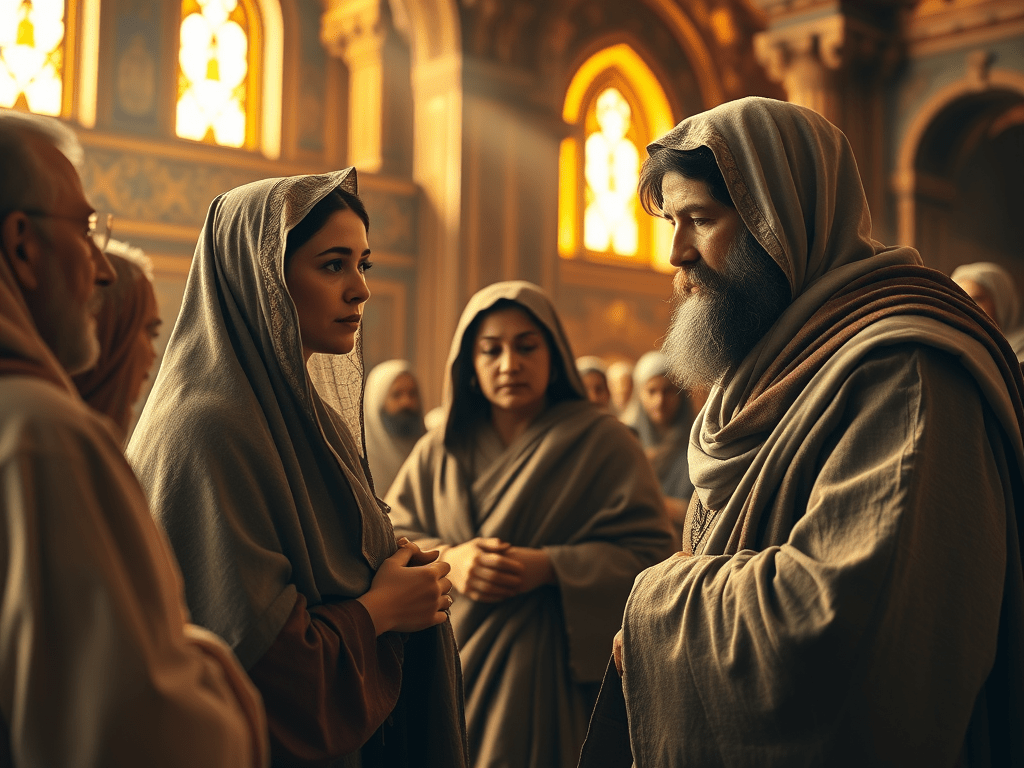
They had gone up to Jerusalem for the Passover festival. As they traveled back home with a large group of relatives and neighbors, their twelve-year-old son did not return to them that evening. Assuming he was with friends, they waited—but he never came.
When they began searching, they discovered he was not among the village children.
They turned back, walking the same road for another day and a half. Finally, they found him in the Temple, still discussing Scripture with the elders.
We can begin to understand the deep anguish Mary and Joseph felt during the three days they searched for their eldest son.

When they finally found Jesus in the Temple, relief and frustration came together. They scolded him—but the boy’s answer felt almost impossible to grasp. I would like to use his reply as our Christmas’ message.

Luke 2:49 is translated in various ways:
The Revised Standard Version has, “Did you not know that I must be in my Father’s house?”
The Jerusalem Bible, similar to the King James Version, reads, “Did you not know that I must be busy with my Father’s affairs?”
Elisabeth Schüssler Fiorenza suggests another possible translation: “Did you not know that I must be with my Father’s people—my family, my kin?” (Interpretation, 10/82, p. 401)

These three translations may be summarized as:

  1. My Father’s house
  2. My Father’s work
  3. My Father’s people

These do not contradict one another. Rather, taken together, they invite us—at the beginning of a new year—to devote ourselves more earnestly to “the movement of seeking Christ.”


(1) In My Father’s House

This is the place where God is present, where God has promised to meet His people.
For Christians, there is no single “holy place,” no single “Jerusalem,” because God meets us anywhere. Whenever we preach, listen, worship, or receive Holy Communion—wherever these things take place—God truly encounters us.

What is clear for us is this: the kingdom of heaven is “neither here nor there.”
If I am not where I am meant to be, then I am, in truth, nowhere.
Where I meet God the Father—that is my Father’s house.

It may be in the deep interior of my soul, in lonely places where no one else may enter—in the Holy of Holies, where only God is present.

“Did you not know that I must be in my Father’s house?”
At the age of twelve, Jesus teaches humanity where we are meant to be.


(2) About My Father’s Business

The church is where we gather to offer thanks and praise to God and where we join in God’s love through service and obedience toward our neighbors.

Mark Twain once described some churchgoers as “envelopes mailed without an address.” To spend our one precious life that way would be tragic.
When we were born, God clearly sent us out as “envelopes with an address”—sent for God’s work.
To receive that address is to live actively, energetically.


(3) Among My Father’s People

Human gatherings exist so that we may be stirred to life.
Those who are zealous create opportunities for those who are not; and those who lack zeal offer gratitude and encouragement to those who labor in front.
Wherever God’s people gather, I believe the life-giving breath of God—the Holy Spirit—will fill that place.

In the coming Yuletides, may every gathering of God’s people truly become God’s house.
The movement to seek Jesus must become our daily life in God, drawing many into the grace of the Lord.

My earnest prayer is that the joy Mary and Joseph felt when they found Jesus on the third day will overflow in your lives throughout the year.

© TaeHun Yoon, December 1991

The current image has no alternative text. The file name is: image-12.png
Posted in Ministry, Sermon | Tagged , , , , , | Leave a comment

“대림절: 그리스도를 찾는 시간”

우리가 정말 예수님을 잃어버릴 수 있을까?
어느 교회의 예배 안내판에서 이런 설교 제목을 본 적이 있습니다.
11시 예배: “예수: 물 위를 걸으심”
그리고 그 아래 저녁 7시 예배: “예수를 찾자.”

순간 아이를 잃어버려 마음을 졸이는 어머니들의 심정을 떠올려 보면, 마리아와 요셉이 어떤 마음이었을지 조금은 짐작할 수 있습니다.
그들은 유월절을 지키기 위해 예루살렘에 올라갔다가, 많은 친척들과 이웃들과 함께 고향으로 내려가는 길에 열두 살 예수님이 그날 저녁까지 돌아오지 않았음 알게됐겠지요.
친구들과 함께 있겠거니 하고 기다렸지만, 예수님은 끝내 나타나지 않았다고 합니다.

다음 날,찾기 시작했으나, 동네 아이들 사이에도 없다는 사실을 알게 되었습니다.
그들은 다시 예루살렘으로 하루 반나절 길을 되돌아 걸었습니다.
그리고 마침내 성전에서 장로들과 성경을 토론하고 있는 예수님을 발견했다고 성경 말슴은 전하고 있습니다.

사흘 동안 장남을 잃어버렸던 마리아와 요셉의 두려움이 얼마나 깊었는지 우리는 이해할 수 있습니다.

성전에서 예수님을 찾았을 때, 부모의 마음은 반가움과 걱정이 뒤섞였겠지요.
그들은 예수님을 꾸짖었지만, 소년의 대답은 엉뚱했습니다.
저는 그 대답을 올해 성탄절 메시지로 삼고자 합니다.

누가복음 2장 49절은 여러 가지로 번역됩니다.
Revised Standard Version(RSV): “내가 내 아버지의 집에 있어야 하는 줄을 모르셨습니까?”
Jerusalem Bible(KJV와 유사): “내가 내 아버지의 일에 힘써야 한다는 것을 모르셨습니까?”
엘리자베스 쉬슬러 피오렌자(Elisabeth Schüssler Fiorenza)는 또 다른 번역을 제안한다:
“내가 내 아버지의 사람들—나의 가족, 나의 친족들과 함께 있어야 한다는 것을 모르셨습니까?”
(Interpretation, 10/82, p.401)

이 세 번역은 다음 세 가지로 요약될 수 있습니다.

  1. 내 아버지의 집
  2. 내 아버지의 일(사업)
  3. 내 아버지의 사람들

이것들은 서로 충돌하는 것이 아니라, 성탄를 맞는 우리에게 더욱 깊이 “그리스도를 찾는 일”에 정성을 다하라는 초대의 말씀이라고 여겨집니다.


(1) 내 아버지의 집에서

여기는 하나님이 임재하시는 곳, 하나님이 그분의 백성을 만나겠다고 약속하신 자리입니다.
그리스도인에게는 어떤 특정한 “거룩한 장소,” 특정한 “예루살렘”이 따로 없습니다.
우리가 어디에서든 설교가 선포되고, 말씀을 듣고, 예배하고, 성찬을 나누는 그 자리에서 하나님은 우리를 만나주십니다.

우리에게 분명한 것은 이것입니다:
하나님 나라란 “이곳도 저곳도 아닌 곳”이라는 사실.
내가 있어야 할 곳에 있지 않다면, 나는 사실 아무 곳에도 없는 것입니다.
내가 하나님 아버지를 만나는 그곳이 바로 아버지의 집입니다.

그것은 내 영혼 깊은 곳, 다른 누구도 들어올 수 없는 외로운 자리—
오직 하나님만 계신 지성소일 수도 있습니다.

“내가 내 아버지의 집에 있어야 하는 줄을 모르셨습니까?”
열두 살의 예수님은 인간이 있어야 할 자리를 우리에게 알려주십니다.


(2) 내 아버지의 일에 대하여

교회는 하나님께 감사와 찬양을 드리며 모이는 곳이고, 이웃을 향한 봉사와 순종으로 하나님의 사랑에 참여하는 곳입니다.

마크 트웨인은 어떤 신자들을 “주소 없이 발송된 편지봉투”라고 묘사했습니다.
우리의 단 한 번뿐인 소중한 삶을 그렇게 산다면 참으로 안타까운 일이겠지요.

우리가 태어날 때, 하나님은 분명 우리를 “주소가 적힌 봉투”로 세상에 보내셨겠지요.
그 주소는 바로 하나님의 일입니다.
그 주소를 받는다는 것은 활기차게 사는 것을 의미하고요.


(3) 내 아버지의 사람들 가운데에서

사람의 모임은 우리를 살아 움직이게 하기 위해 존재합니다.
열심 있는 사람은 열심 없는 사람에게 기회를 만들고,
열심 없는 사람이나 열심을 낼 수 없는 형편의 사람들은, 앞에서 수고하는 이들을 향해 감사와 칭찬을 보냅니다.

그럴 때, 하나님의 백성이 모이는 곳마다
나는 하나님의 생기—성령의 바람이 가득할 것이라 믿습니다.

다가오는 성탄과 새해에,
하나님의 백성이 모이는 곳마다 참된 하나님의 집이 되기를 바랍니다.

예수님을 찾는 운동은 곧 우리가 하나님 안에 머물며
많은 사람들을 주님 앞으로 인도하는 삶이 되어야 한다고 봅니다.

마리아와 요셉이 사흘 만에 예수님을 찾았을 때 느꼈던 그 기쁨이
이 글을 읽는 여러분의 성탄과 다음 한 해에 가득하기를
주님의 이름으로 간절히 기도합니다.

© 윤태헌, 1991년 12월

The current image has no alternative text. The file name is: image-13.png
Posted in Ministry, Sermon | Leave a comment

Santa Train

© Yoon Wan Hee, (The Parsonage Letter, 40th Story, December 12, 2007)

In the winter of 1942, the Santa Claus train departed from Kingsport, Tennessee, heading toward the Kentucky and Virginia regions. This was a gesture of appreciation from the Kingsport Merchants Association for the patronage of the poor neighbors living along the Appalachian Mountains who traveled to Kingsport to shop. The Santa Train, which began with a small and sincere heart, has been covered by the media year after year, becoming a beautiful symbol of Christmas memories for many people. This year, too, the train carrying Santa traveled a 110-mile stretch of railway, making 11 stops to distribute Christmas gifts to cheering children.

Years ago, I briefly saw a news report on TV about the Santa Train throwing Christmas gifts to children as it passed through the Appalachian Mountains. I felt as if I was watching a childhood dream unfold in the excited faces of the children and parents waiting for the train—which was breathlessly climbing the ridgeline, pushing through the snowy forests. How long did the children wait for that day Santa was coming, and how much did their hearts already hover near the railway tracks? They probably woke up before dawn and ran down the frosted slopes to the train line. How startled were the forests as the children rustled through, and how anxious were the sleeping birds and wild animals, pricking up their ears and tensing until their footsteps disappeared! And how happy must have been the poor single mothers, single fathers, and elderly parents raising their grandchildren, upon hearing the news that Santa Claus was visiting! Now, after all the years, as the whirlwind of time has passed and we have taken root in this very place, Kingsport, witnessing the activities of the Santa Train firsthand brings mixed emotions.

The lives of the poor deep within the Appalachian mountains remain largely unchanged from the past, characterized by a challenging environment. Many live in trailers between the forests without electricity, running water, or bathroom facilities. Furthermore, this area is a silent scene of alcohol and drug addiction, domestic violence, and child abuse. Of course, there are also many who enjoy a comfortable and happy life amidst cultural amenities and the bounty and beauty of nature. However, for those whose families have settled here for generations, simple labor or unemployment often means they live below the minimum subsistence level, receiving little to no medical care.

Every summer, the non-profit medical aid organization Remote Area Medical Health Expedition (RAM, http://www.ramusa.org) provides free medical services in Wise County, Virginia. This year, over 8,000 local residents visited during the three-day event. Residents began arriving the day before, waiting in tents and cars, and by 6 AM, over 500 people were waiting for the medical staff in the pouring rain. Today, they continue to live with the urgent need for simple treatments: tooth extractions, antibiotics for injuries, cataract surgery, eye exams, and treatment for skin conditions.

The Santa Train is running with a resonant stillness across the ridge of my soul, which feels only busy and scattered ahead of Christmas. It reminds me that the place where I must meet the infant Jesus is not under a Christmas tree, nor among the crowds of a busy department store, but in the humble, marginalized stable.

The current image has no alternative text. The file name is: image-11.png
Posted in Essay by WanHee Yoon, faith-column | Tagged , , , , , | Leave a comment

“산타 기차 (Santa Train)” © 윤 완희, (목사관 서신, 40번째 이야기, 2007년 12월 12일)

1942년 겨울, 테네시주의 킹스포트에서는 산타크로스가 탄 기차가 캔터키주와 버지니아 지역을 향해 출발하였다. 그것은 킹스포트시 상인 번영회에서, 아팔라치안 산맥을 끼고 살아가는 가난한 이웃들이 킹스포트까지 쇼핑을 와주는 것에 대한 감사의 답례였다. 작고 순전한 마음으로 시작된 산타 기차는, 해가 거듭될수록 언론에 보도가 되어, 많은 이들에게 성탄절기의 아름다운 추억의 상징이 되어가고 있다. 올해도 산타를 태운 기차는 110마일의 철도 구간을 달려 11군데에 정거하면서, 환호하는 어린 아이들에게 성탄 선물을 나눠주었다.

나는 수년 전에, 산타 기차가 아파라치안 산맥을 지나면서, 아이들에게 성탄 선물을 던져주는 뉴스를 TV에서 잠깐 본적이 있었다. 흰눈이 펄펄 날리는 숲 사이를 헤치고 숨가쁘게 산등성을 올라오는 기차를 기다리고 있는 아이들과 부모들의 들뜬 모습 속에서, 어린 시절의 꿈을 꾸는 것 만 같았다. 아이들은 산타가 온다는 그 날을 얼마나 오래 기다리며, 마음은 벌써 철도변 주변을 얼마나 서성거렸을까? 아마도 아이들은 날도 밝기 전에 일어나, 서리 앉은 산비탈을 달려 기찻길로 찾아왔을 것이다. 아이들의 부스럭거림에 숲들은 놀라 깨어 일어나고, 잠자던 새들과 산짐 승들도 놀라 귀를 고추 세우고 저들의 발자국이 사라질 때까지 얼마나 긴장하고 있었을까! 또한 가난한 홀어머니와 홀아버지들, 손주 손녀를 키우고 있는 노부모들도, 산타크로스가 찾아온다는 소식에 얼마나 기뻐했을까! 어느 덧 세월의 회호리 속에, 이곳 킹스포트에 우리의 삶의 뿌 리를 내리고, 산타 기차의 동향을 눈으로 직접 대하니 만감이 교차되는 마음이다.

아팔라치안 산골 깊숙히 살아가는 가난한 이들의 삶은, 과거나 지금이나 별로 달라진 것이 없는 열악한 환경이다. 많은 사람들이 숲과 숲사이의 트레일러 안에서 전기와 수도, 화장실 시설없이 살아가는 것은 물론이요, 술과 마약중독, 가정폭력, 어린이 학대 등이 소리없이 이뤄지고 있는 현장이기도 하다. 그 중에는 온갖 문화시설 속에, 자연의 풍요와 아름다움 속에, 쾌적하고 행복한 삶을 즐기고 있는 이들도 많다. 그러나, 부모 때부터 터를 잡고 살아온 이들 중에는, 단순노동이나 실업 등으로 최저생계에도 미치지 못하는 삶 속에 의료 혜택을 거의 받지 못하고 살기도 한다. 해마다 여름이면 민간 의료봉사단체(Remote Area Medical Heath Expedition. http://www.ramusa.org)에서 버지니아의 와이즈 카운티(Wise County)에 무료의료를 진행한다. 올해도 삼일동안 8,000여명의 지역주민들이 다녀갔다. 주민들은 전날부터 와서 텐트와 자동차 안에서 기다렸다가, 새벽 6시에는 500여명 이상이, 쏟아지는 비를 맞으며 의료진들을 기다렸었다. 그들은 단순 치료인 치아를 빼는 일, 상처에 필요한 항생제, 백내장 수술, 시력검사, 피부염 등의 간단한 치료가 절실하게 필요한 삶을 안고 오늘도 살아가고 있다.

성탄절을 앞두고 왠지 분주하고 산만하기만 한, 내 영혼의 산등성이에 산타 기차는 정적을 울리며 달려오고 있다. 그리고, 내가 만나야만 될 어린아기 예수님이 계신 곳이, 크리스마스 트리 밑도 아니요, 혼잡한 백화점의 인파 속에 도 아닌, 소외된 마굿간 임을 상기시킨다.

The current image has no alternative text. The file name is: image-10.png
Posted in faith-column | Leave a comment

“Mugunghwa”

-The Rose of Sharon –

The world receives a new flower of democracy—
a single blossom that has bloomed amid a fierce storm.

After December 3, 2024,*
even as snow begins to fall again,

one year has passed,
and we sit once more on the frozen asphalt,
singing the song of that day.
Lee Eun-mi declares:
“Korea rises again like the albatross.”

This foolish bird always waddles clumsily,
but when a storm that shakes the world begins,
it climbs to the cliff’s edge
and hurls itself forward without fear—
unfurling the largest wings on earth.

With a single beat of its wings it flies for a week,
and the legend that says it circles the earth
in sixty days
once again calls forth
the dawn of the East into brightness.

Kang Nam-soon—
theologian and anthropologist—
standing in the fierce winds
that sweep through the Korean church and seminary,
asks the question that matters most:
“How shall we live together?”

In asking it,
she becomes
one wing of the albatross

Helen Kim—
a historian of church and history—
steps into the Trans-Pacific age
and asks,
“How did Cold War South Korea
shape the American Evangelical empire?”

In raising the question,
she becomes
the albatross’s other wing.

At the hope of meeting again in Nicaea,
a thrill rises—
the churches of East and West
seek to walk beyond the darkness of division
toward the light of unity.
May they never decline again.

In the heart of the storm,
Hannah Arendt’s words return:
“The death of human empathy
is one of the earliest and most telling signs
of a culture about to fall into barbarism.”

And so the mugunghwa
at last meets its season and blooms in full.
Even when snowstorms howl,
it does not waver.
Albatros rises high above the clouds,
carrying the peace of the world
upon their wide-spread wings.
Do you not hear the song
of the land of morning calm—
the song of the mugunghwa?

____

*Declaration of Martial Law:
Around 10:20 p.m. on December 3, 2024, President Yoon Suk-yeol declared martial law, claiming it was necessary to “eliminate anti-state forces and break political deadlock.”

Deployment of Military and Police:
An hour later, the military and police surrounded the National Assembly and announced measures banning political party activities and the actions of members of the National Assembly.

Parliamentary Resistance:
Within about two hours, the National Assembly passed a resolution to lift martial law, and President Yoon withdrew the declaration six hours later.

Impeachment and Arrest:
Due to his attempt to impose martial law, President Yoon Suk-yeol was impeached, arrested, and indicted, ultimately stepping down from office.

Election of a New President:
Lee Jae-myung was subsequently elected president and announced that December 3, 2025, would be designated as “People’s Sovereignty Day.”

Crisis and Restoration of Democracy:
The incident is regarded as revealing both the vulnerability and the resilience of Korean democracy.

Power of Civic Resistance:
The swift resistance of citizens and the rapid response of the National Assembly neutralized the martial law attempt in a short time, becoming a symbolic moment in the defense of democracy.

Designation of a Commemorative Day:
Beginning in 2025, December 3 will be commemorated as “People’s Sovereignty Day.”

Summary:
December 3, 2024, is recorded in modern Korean history as a day when democracy was defended from a military threat by the people and the National Assembly. President Yoon Suk-yeol’s attempt at martial law ended in failure, yet the event revealed both the political divisions in Korean society and the enduring strength of its democratic resilience.

Note: This poem was written on December 3, 2025, one year after a pivotal moment in Korea’s modern democratic journey. The images of the albatross, the hibiscus, and the gathering storm reflect both the fragility and the enduring strength of a people who continue to rise through hardship.

The figures named here—scholars, historians, and voices of conscience—represent the guiding wings that help Korea navigate its storms with wisdom, courage, and a longing for unity. Their questions and struggles point us toward a deeper hope: that empathy may prevail over division, and that the dawn breaking in the East may shine with renewed peace.

May this poem stand as a quiet witness to resilience, solidarity, and the unfolding story of a nation still learning to soar.

© Tae-Hun Yoon, December 3, 2025

The current image has no alternative text. The file name is: image-8.png
Posted in Poetry | Tagged , , , , , | Leave a comment

무궁화

– 샤론의 장미-

세상은 새로운 민주주의의 꽃을 맞이한다—
거센 폭풍 속에서 피어난 한 송이의 꽃이어라.

2024년 12월 3일* 이후,
눈은 다시 내리기 시작해도,

1년이 흐른 지금,
우리는 다시 언 아스팔트 위에 앉아
그날의 노래를 부른다.
이은미는 선언한다:
“한국은 알바트로스처럼 다시 일어난다.”

이 바보 새는 날개가 너무 커서 늘 뒤뚱뒤뚱 걷지만,
세상을 뒤흔드는 폭풍이 시작되면,
절벽 끝까지 올라
두려움 없이 몸을 던지며—
세상에서 가장 큰 날개를 펼친다.

단 한 번의 날갯짓으로 일주일을 날고,
육십 일 만에 지구를 한 바퀴 돈다는 전설은,
이렇게 동쪽의 새벽을
다시 밝음으로 불려온다.

강남순—
신학자이자 인류학자—
한국 교회와 신학교의 거센 바람 속에서
가장 중요한 질문을 던진다:
“우리는 어떻게 함께 살아갈 것인가?”
그녀는 알바트로스의 한 날개가 된다.

김헬렌—
교회와 세계역사의 역사학자—
트렌스퍼시픽태 시대 속, 던진 화두는
“냉전기의 한국은 어떻게 미국 복음주의 제국을 형성했는가?”
그녀 또한 알바트로스의 다른 날개가 된다.

니케아에서 다시 만난 희망에
설렘이 솓는다—
동방과 서방의 교회가
분열의 어둠을 넘어
연합의 빛으로 걸어가려 한다.
다시는 쇠퇴하지 않기를.

폭풍 속에서,
한나 아렌트의 말이 다시 들린다:
“인간적 공감의 죽음은
문화가 야만으로 추락하기 직전에 드러나는
가장 초기이자 분명한 징후이다.”

그래서 지금 무궁화는
제때를 찾아 활짝 피어나고 있다.
눈보라가 몰아쳐도
아랑곳하지 않고,
알바트로스들은 구름 위로 높이 날아오르며
넓게 펼친 날개로
세상의 평화를 싣고
아침의 나라가 부르는 노래
무궁화의 노래가 들리지 않는가?


* 계엄령 선포: 2024년 12월 3일 밤 10시 20분경, 윤석열 대통령은 “반국가 세력 제거와 정치 교착 타개”를 명분으로 계엄령을 선포. 군·경 투입: 한 시간 뒤 군과 경찰이 국회를 포위하고, 정당 활동과 국회의원 활동을 금지하는 조치를 발표. 국회 저항: 국회는 약 두 시간 만에 계엄 해제 결의를 통과시켰고, 윤 대통령은 6시간 뒤 계엄을 철회. 탄핵 및 구속: 윤석열 대통령은 계엄령 시도로 인해 탄핵, 구속, 기소를 당했고 결국 권좌에서 물러남. 새 대통령 선출: 이후 이재명 대통령이 선출되어, 2025년 12월 3일을 “국민주권의 날”로 지정하겠다고 발표. 민주주의 위기와 회복: 이번 사건은 한국 민주주의의 취약성과 동시에 회복력을 드러낸 사건으로 평가됨.시민 저항의 힘: 시민들의 즉각적인 저항과 국회의 대응이 계엄령을 단시간에 무력화시켰으며, 이는 민주주의 수호의 상징적 사건으로 기록됨. 기념일 지정: 2025년부터 12월 3일은 “국민주권의 날”로 기념될 예정. 정리: 2024년 12월 3일은 한국 현대사에서 민주주의가 군사적 위협에 맞서 시민과 국회에 의해 지켜진 날로 기록됩니다. 윤석열 대통령의 계엄령 시도는 실패로 끝났지만, 그 과정은 한국 사회의 정치적 분열과 민주주의의 회복력을 동시에 보여주었습니다.

후기: 이 시는 한국 현대 민주주의 여정에서 중요한 전환점이 되었던 날로부터 1년이 지난 2025년 12월 3일에 쓰였습니다. 알바트로스, 무궁화, 그리고 몰아치는 폭풍의 이미지는 어렵고 불안한 상황 속에서도 다시 일어서는 한 민족의 연약함과 굳건함을 함께 담고 있습니다.

이 시에 등장하는 학자와 역사학자, 그리고 양심의 목소리들은 한국이 폭풍을 지나갈 때 지혜와 용기, 그리고 연대를 향한 갈망으로 길을 비추는 두 날개와도 같은 존재들입니다. 그들이 던지는 질문과 겪어낸 싸움은 우리에게 더 깊은 희망을 일깨워 줍니다—공감이 분열보다 앞서고, 동방의 새벽이 새로운 평화의 빛으로 다시 떠오르기를 바라는 마음입니다.

이 시가 겸허한 증언으로 남아, 회복과 연대, 그리고 여전히 날아오르고 있는 한 나라의 이야기를 조용히 비추는 작은 등불이 되기를 바랍니다.

© 윤 태헌, 2025년 12월3일

The current image has no alternative text. The file name is: image-9.png
Posted in Poetry | Leave a comment

“Souls that leap like a deer” © Yoon Wan Hee, (The Parsonage Letter, 39th Story) 1996

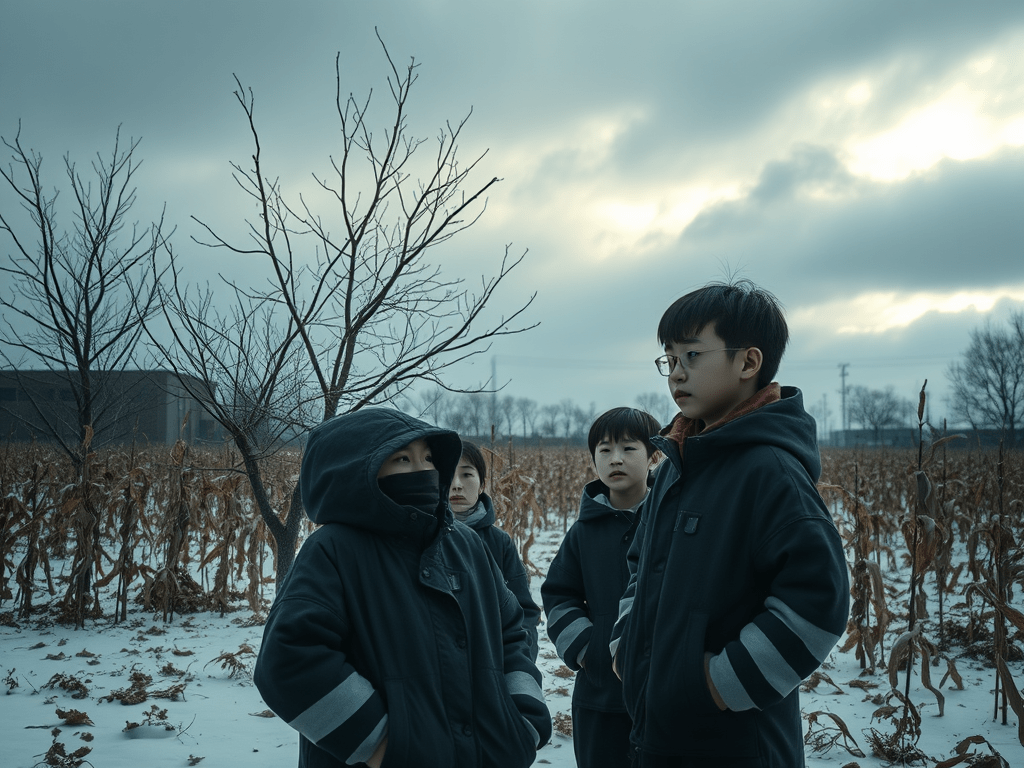
Every year, among the events held just before Christmas, there was a visit to the prison. It was a bleak day—the weather was so gloomy that it looked like it might snow at any moment, the wind was whipping hard, and the temperature had dropped below zero, making everything feel desolate.

The state prison is located in the town of Coxsackie in Green County, about three hours’ drive from New York City. This is where some of our children are now incarcerated. While at times there have been as many as fifteen Korean-American youths there, this year there were nine. We thoughtfully prepared Christmas gifts for them and went to visit.

At the entrance to the prison, far removed from residential areas, lay an expanse of bare, skinny apple trees, and on one side, an endless field held chopped corn stalks lying exposed to the cold wind. If not for the winter birds occasionally flying in flocks and the swaying of tall trees, the scene would look like a landscape painting. Looking at this scenery—the very scene the Korean-American youths gaze upon, hands and feet bound, amidst the stern faces of other inmates—and putting myself in their shoes, my vision began to blur with a hazy mist.

At the prison entrance, after confirming my identification and signing the necessary forms that had been sent in advance, special invisible ink stamps were placed on the back of my left hand—stamps only visible under a black light. Then, after passing through several iron gates, we were led to the small chapel where the Korean-American youths were waiting inside the prison.

A young man whose face looked familiar offered an awkward greeting, and the first-timers barely managed to lift their heads, seemingly shy. We sat among the youths and shared the Holy Communion prepared by the pastor, confirming that we are all part of the body of Christ. We prayed for the grace of the mystery—the experience of being born into a new life by eating the flesh and drinking the blood, which is the life of Christ.

“I don’t know how to speak Korean.” “I’m not good at English.” “I’ve been here for two and a half years.” “I came in two days ago.” “I have to stay here for five and a half years.” “I have three more years here.” Although I didn’t know whose fault it was or why they ended up there, they muttered these things like monologues. Even their drab blue uniforms could not hide their underlying purity and innocence. One could tell at a glance that they were all the precious sons of a family.

As the correctional officer knocked, signaling the time for roll call, we quickly hugged each of the children who were getting up to leave. I looked into their tear-filled eyes and told them, “If you receive Jesus, you can become a fine person even here! You must cling only to Jesus.” As they heavily turned to leave, my eyes conveyed the desperate thought, “The living Jesus I know and have experienced could change their lives immediately…”

Our footsteps on the way back were heavy. And we couldn’t help but confess and repent before God. How often had we confused my children with our own duplicitous life, or outright stifled their dreams by trying to impose our own unfulfilled ones? The discord between our spouses and we completely shattered their peace, inflicting wounds and already digging an irreversible chasm in their hearts. Mentally, I begged for forgiveness from those wearing the prison uniforms, sharing in a common responsibility and pain. Their parents may have been their biggest enemies.

It is impossible to recover a child to the starting point after they have been carelessly transplanted to a foreign land, abandoned while the parents only focused on work day and night, and finally drawn into the darkness. Thinking of the agony of the parents who cannot sleep at night, tormented by self-reproach and grief after sending their children to prison, all our souls wandered in the silence of the night sky, where white snowflakes were falling.

“The people walking in darkness have seen a great light; on those living in the land of deep darkness a light has dawned” (Isaiah 9:2).

I rely on the hope that this Christmas, Isaiah’s song—sung 2,700 years ago to an age that had lost hope—will bring comfort to our wandering souls.

“Then will the eyes of the blind be opened and the ears of the deaf unstopped. Then will the lame leap like a deer, and the tongue of the mute shout for joy. For waters will gush forth in the wilderness and streams in the desert” (Isaiah 35:5-6).

The current image has no alternative text. The file name is: image-7.png
Posted in Essay by WanHee Yoon, O Souls That Leap Like Deer | Tagged , , , , , | Leave a comment

“사슴처럼 뛰는 영혼들이여” © 윤 완희, (목사관 서신, 39번째 이야기) 1996

해마다 성탄절을 앞두고 행해지는 행사 중에 교도소 방문이 있었습 니다. 금방이라도 눈이 쏟아질 것 같은 찌푸린 날씨 속에 바람은 세차게 불고 기온은 영하로 떨어져 모든 것이 을씨년스러운 날이었습니
다.

뉴욕 시내를 벗어나 차로 약 3시간 거리의 그린 카운티의 Cosxackite라는 마을에 있는 주정부 감옥에는 우리 자녀들이 영어의 몸이 되어 있는 곳입니다. 그곳에는 많을 때에는 15명의 한인 청소년들이 들어가 있는데 올해는 9명의 청소년들이 있어 그들을 위한 성탄선물을 정성껏 준비하여 방문케 되었습니다.

인가와 멀리 떨어진 교도소 입구엔 발가벗은 앙상한 사과나무 밭이 펼쳐져 있고, 한쪽의 끊임없이 펼쳐진 들녘에는 잘려진 옥수수 밑둥들이 찬바람을 맞으며 누워 있었습니다. 때로 겨울새들이 무리를 지어 이리저리 날아다니고 키가 큰 나무들의 흔들림이 없다면 마치 풍경화 한폭을 보는 것 같습니다. 한인 청소년들이 두 손과 발을 묶인 채, 험상궂은 다른 죄수들 틈에서 넘겨다보던 이 정경을, 그들의 심정이 되어 바라보노라니 눈앞이 뿌연 안개로 가리어지기 시작하였습니다.

교도소 입구에서 미리 보낸 서류와 함께 증명서를 확인하고 사인을 한 후에, 특수 형광 불빛에서만 보이는 도장들을 왼쪽손 등에 찍었습니 다. 그런 다음 여러 개의 철문을 통과하여 교도소 내의 한인 청소년들
이 기다리고 있는 작은 예배실로 인도되었습니다.

얼굴 모습이 익은 청년이 멋쩍은 듯이 인사를 하고, 처음 만나는 청소년들은 쑥스러운듯이 고개조차 제대로 들지 못하였습니다. 저희들은 청소년들의 사이사이에 앉은 후, 목사님이 준비하신 성만찬을 함께 나누며 우리는 그리스도의 몸의 일부임을 확인하였습니다. 그리고 그리스도의 생명인 피와 살을 먹고 마심으로 인해, 새로운 생명으로 태어나는 신비의 은혜 체험을 간구하였습니다.

“나는 한국 말을 할 줄 몰라요.” “난 영어를 잘 못해요.” “이곳에 들어온지 2년 반 되었습니다.” “이틀 전에 들어왔어요.” “5년 반을 이 곳에 있어야 됩니다.” “이곳서 3년은 더 있어야 합니다.” 누구의 잘못으로, 왜 그곳에 오게 되었는지 알 수 없어도, 그들은 독백처럼 중얼거렸습니다. 그들이 입고 있었던 칙칙한 푸른 수의조차도 그들의 숨어 있는 해맑음과 천진함을 가릴 수는 없었습니다. 모두가 한 가정의 귀한 아들들임을 한눈에 알 수 있었습니다.

점호할 시간을 알리는 교도관의 노크 소리에 서둘러 일어서는 자녀들을 한 사람씩 포옹해 주면서 “예수님을 영접하면 이곳에서도 훌륭한 사람이 될 수 있어! 예수님만 꼭 붙들어야 해요. 알았지” 하며 저들의 물기진 눈동자를 바라보았습니다. 무겁게 돌아서 가는 그들에게, ‘내가 알고 체험한 살아계신 예수님은 저들의 삶을 당장이라도 변화기킬 수 있으신데… …’ 하는 안타까움을 눈동자에 담아 애타게 건네 주었습니다.

되돌아오는 발걸음은 무거웠습니다. 그리고 내 자신을 하나님께 내어놓고 회개할 수밖에 없었습니다. 부모의 이중적인 삶으로 인해 아이들을 혼란케 한 것은 물론이요, 이루지 못한 내 꿈을 주입시키고자 자녀의 꿈을 아예 묵살해 버리는 때가 얼마나 많았던지요. 부부 사이의 불화로 아이들의 평화를 송두리째 깨뜨리고 상처를 안겨주며 돌이킬 수 없는 마음의 골도 이미 파 놓았습니다. 수의를 입고 있는 그들에게마음으로 용서를 빌며 공동의 책임과 아픔을 나누었습니다. 그들에게는 부모가 어쩌면 가장 큰 적이었는지 모릅니다.

낯선 땅덩어리에 덜렁 옮겨다 놓고 밤낮으로 일에만 몰두하며 내팽개쳐진 어린 생명들이 이미 어둠 속에 빨려 들어간 후엔, 원점으로 회복하는 일은 불가능합니다. 자식을 감옥에 보내놓고 밤잠 못 이루며 자책과 슬픔 속에 괴로워하는 부모들의 고통을 생각하며, 우리 모두의 영혼이 흰눈발이 뿌리는 밤하늘의 침묵 속을 헤매고 있었습니다.

“흑암에 행하던 백성이 큰 빛을 보고 사망의 그늘진 땅에 거하던 자에게 빛이 비취도다”(사9: 2).

2,700여 년 전 소망이 사라진 한 시대를 향한 이사야의 노래가, 이번 성탄절에도 우리의 떠도는 영혼을 위로해 주리라고 의지해 봅니다.

“그때에 소경의 눈이 밝을 것이며 귀머거리의 귀가 열릴 것이며, 그 때에 저는 자는 사슴같이 뛸 것이며 벙어리의 혀는 노래하리니, 이는 광야에서 물이 솟겠고 사막에서 시내가 흐를 것임이라 (사 35: 5-6).

The current image has no alternative text. The file name is: image-6.png
Posted in Essay by WanHee Yoon, O Souls That Leap Like Deer | Leave a comment

“Come, Emmanuel” © Wan-Hee Yoon (Pastoral Letter, “Souls That Leap Like Deer,” Story 38, 1996)

Last week, I received a truly moving letter. A sister with whom I had wept, awakened, prayed, and counseled for years in pursuit of full restoration of life wrote to me: “I am truly happy.” Holding that letter to my heart, overwhelmed with gratitude and the mighty power of love, I could not help but lift my eyes to heaven and cry out, “Ah, the Lord lives!”

About six years ago, at the request of a church member to help a struggling neighbor, I first visited her home. At first sight, she seemed gentle and kind-hearted, yet she was a pitiful woman whose eardrum had been ruptured from abuse and beatings by her live-in partner and sister-in-law. Every conversation was punctuated by sighs and tears rising from the depths of her heart, leaving me deeply unsettled. She had two children: her eldest daughter was of mixed race, and her younger child was by her current husband. Her in-laws, displeased with a daughter-in-law who had brought a mixed-race child, constantly pressured her to leave. Even her husband, who once embraced her with love, had changed into someone else, wasting his days in alcohol and marijuana. She could endure her own abuse, but the hatred directed toward her daughter was unbearable.

From her first marriage to an American, she had suffered abuse and contempt. She recalled collapsing from malnutrition, nearly dying. Pregnant with her first child, she had to fill her hungry stomach with green tomatoes from the backyard. Longing for kimchi, she mixed cabbage with red pepper flakes meant for pizza. Carrying her newborn daughter, she once fled through the snow, nearly freezing to death, until a woman rescued her. Meeting her fellow countrymen, she hoped never again to face such contempt and violence. She even bore a son, yet her second husband also began to despise her.

I began visiting her weekly for Bible study, urging her that only in Christ could she stand and find hope. At times, I accompanied her to family court to seek protection from her husband’s daily violence and destruction, or to welfare offices for support. Yet she loved her husband. Despite repeated separations, she could not refuse him when he returned.

Last summer, during another separation, she visited her parents in Korea and poured out her life story. Her parents, who had lived kindly and uprightly all their lives, wished to meet their son-in-law. They invited him to Korea, welcomed him warmly, treated him with genuine love, and even arranged a proper wedding ceremony.

Her husband, who had never known the satisfaction of parental love, began to soften like spring mist. He sincerely repented of his wrongs and resolved to live a new life. Now, she wrote, they live happily. She described her husband returning from work with a bouquet of roses for her, his trustworthy and loving presence filling her with joy: “Now I feel I can smile as brightly as anyone else.” She added her deep gratitude for the help that had sustained her through sorrow, and I felt ashamed.

For though God had His best plan, I had dared to label her husband as a hopeless, discarded man. Yet God rescued a life sinking in despair and revealed the power of His love to the world.

Emmanuel, God with us! The God for whom nothing is impossible, who comes into despair and pain with light of hope and healing—this Advent arrives to us with joy.

“God of Emmanuel! Come quickly! Come into our pain and despair, our suffering and bondage—come to us!”

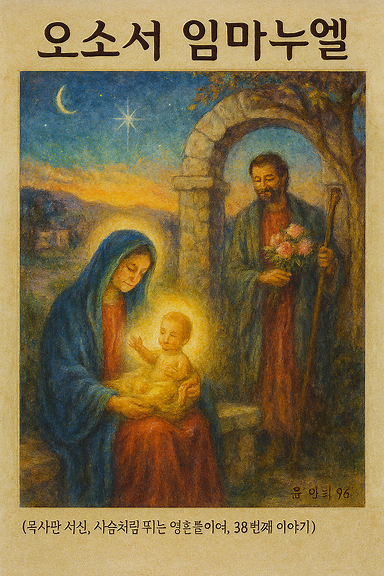
A symbolic Advent painting: A humble woman kneeling in prayer, surrounded by soft candlelight. Behind her, a radiant figure of Emmanuel approaches, clothed in gentle light, bringing roses in his hand. The background shows a storm fading into dawn, symbolizing despair turning into hope. The atmosphere is devotional, tender, and filled with warmth.
Posted in Essay by WanHee Yoon, O Souls That Leap Like Deer | Tagged , , , , , | Leave a comment

“오소서 임마누엘” (목사관 서신, 사슴처럼 뛰는 영혼들이여, 38번째 이야기) 1996, 윤 완희

지난 주간에는 참으로 감격스러운 편지 한 통을 받게 되었습니다. 수년 동안 삶의 온전한 회복을 위하여 함께 울고, 깨우치고, 기도하고, 권면하던 자매님이 “나는 참으로 행복해요”리는 글을 보내왔기 때문입니다. 저는 그 편지를 가슴에 안고 터질 것 같은 감사와, 너무나 위대한 사랑의 힘에 휩싸여 하늘을 바라보며 ‘아 살아계신 주’를 외칠 수밖에 없었습니다.

약 6년 전에 교인 중 한 분으로부터 어려움을 당하고 있는 이웃이 있는데 좀 도와달라는 요청을 받고 처음 그녀의 집을 찾아가게 되었습니다. 첫눈에 몹시 순해보이고 착한 심성이 엿보이던 그녀는 동거 남자와 시누이의 학대와 구타 속에서 귀 고막이 터진 상태에 있던 불쌍한 여인이었습니다. 대화를 나눌 때 마다 가슴 밑바닥에서 올라오는 한숨과 눈물은 참으로 당혹스러울 정도였습니다. 자매님에게는 두 자녀가 있었는데, 큰딸은 혼혈아였으며, 작은아이는 현재의 남편의 아이었습니다. 시댁에서는 혼혈아를 데리고 들어온 못마땅한 며느릿감을 향해 늘 불만을 보내며 헤어질 것을 강요하자, 사랑으로 감싸주던 남편마저도 언제부터인지 전혀 다른 사람이 되어 술과 마리화나로 세월을 보내는 것이었습니다. 자신이 얻어맞고 학대받는 것은 참겠지만 큰 딸아이를 불화의 씨앗처럼 눈에 거슬려하고 미워하는 일들은 참기
어려웠습니다.

미국인이었던 첫 남편으로부터 받았던 학대와 멸시 속에, 영양실조로 쓰러지던 날에 죽지 못했던 것이 안타까울 뿐이었습니다. 첫 아이를 임신했을 때, 먹을 것을 주지 않아 굶주린 배를 달래기 위해, 뒷마당의 시퍼런 토마토로 굶주린 배를 채우던 일들과 김치가 먹고 싶어 피자에 뿌리는 고춧가루를 사다가 양배추에 버무려 먹던 일, 핏덩이였던 첫 딸을 안고 눈 속을 도망쳐 나오다가 어느 부인의 도움을 받아 동사 직전에 살아난 일들 … ….. 내 동포와의 만남 속에 다시는 그런 멸시와 학대, 구타는 없을 것이라는 희망 속에 사랑하며, 아들까지도 낳았지만 동포인 두 번째 남편마저도 그녀를 멸시하기 시작하였던 것입 니다.

저는 일주일에 한 번씩 그녀의 집으로 찾아가 성경공부를 하기 시작했었습니다. 오로지 그리스도 안에서만이 일어설 수 있고 소망이 있다고 권면하였습니다. 때로는 가정법원에 그녀를 데리고 가서 날이면 날마다 구타를 일삼고, 살람살이를 다 때려부수는 그녀의 남편이 곁에 오지 못하도록 보호를 요청하기도 하고, 생계보조를 위하여 웰 페어 사무실로 데려가기도 했습니다. 그러나 그녀는 남편을 사랑하고 있었습니다. 여러 번의 별거 속에서도, 그 남편이 다시 찾아오면 거절하지 못하고 그를 받아주었습니다.

지난 여름에는 또 다시 별거중에 한국의 부모님께 찾아가, 자신의 삶의 자초지종을 털어놓게 되었습니다. 평생 착하고 선한 삶을 살아 온 그녀의 부모님은 사윗감이 보고 싶다며, 한국으로 불러들이게 하였습니다. 그리고 그를 뜨겁게 맞아주고 진정으로 사랑하며 대우하며 정식 결혼 예식도 치르게 해주었습니다.

그동안 부모의 흡족한 사랑을 한 번도 받아보지 못하고 자랐던 그녀의 남편의 굳은 마음이 봄 안개처럼 변하기 시작하며, 자신의 잘못을 진정으로 뉘우치며 새삶을 살 것을 다짐하게 되어, 지금은 너무나 행복하게 살아간다는 내용이었습니다. 퇴근 길에 아내를 위해 어여쁜 장미꽃 다발을 들고 들어서는 남편의 믿음직스럽고 사랑스런 모습 속에, “저도 이제는 남들과 똑같이 활짝 웃을 수 있을 것 같습니다.”라고 그녀는 고백했습니다. 그리고 오늘이 있기까지 슬픔을 견딜 수 있게 여러모로 도와주어서 진정으로 감사한다는 내용에, 저는 부끄러움을 금치 못했습니다.

하나님께서는 최선의 방법과 계획을 갖고 계셨건만, 저는 그녀의 남편에겐 도저히 소망이 없는 버려진 인간이라는 딱지를 감히 걸었던 것입니다. 그러나 하나님께서는 절망의 늪에 빠져 있는 삶을 건지시고, 천하에 그 사랑의 힘을 드러내셨습니다.

임마누엘의 하나님! 천하에 불가능이 없고, 절망과 고통 속에 소망과 치유의 빛으로 오시는 하나님께서 우리에게 오고 계시는 강림절은 이렇게 기쁨으로 다가오고 있습니다.

“임마누엘의 하나님! 어서 오소서! 아픔과 절망, 고통과 묶임 안으로 어서 오소서!”

A symbolic Advent painting: A humble woman kneeling in prayer, surrounded by soft candlelight. Behind her, a radiant figure of Emmanuel approaches, clothed in gentle light, bringing roses in his hand. The background shows a storm fading into dawn, symbolizing despair turning into hope. The atmosphere is devotional, tender, and filled with warmth.
Posted in Essay by WanHee Yoon, O Souls That Leap Like Deer | Leave a comment