“가장 가깝고 작은 것에서 부터” (목사관 서신, 사슴처럼 뛰는 영혼들이여, 열세번째 이야기) 1996, 윤 완희

어느 집사님이 부인병으로 병원에 수술을 받기 위해 입원하게 되었 습니다. 평소에 그 성도님과 가까이 지내시던 권사님께서는 집사님이 수술을 받으러 가시는 날, 아예 직장을 쉬고는 집사님을 새벽 일찍 병 원에 모시고 가는 일뿐만 아니라, 교우들에게 간절히 기도 부탁까지 잊지 않으시는 것이었습니다. 집사님의 가족들을 위로하며 그 가정에 있어야 될 것들이 무엇인지 소상히 살피며 곁에서 든든한 보호자가 되어주는 것을 볼 때 참으로 고맙고 믿음직했습니다.

목사님께서 권사님의 자상하고 따뜻한 마음에 칭찬을 하자 권사님 은 오히려 겸손한 태도로 “제가 아무리 곁에 있어도 무슨 소용이 있겠 습니까? 아픈 사람의 아픔을 조금이라도 덜어줄 수 없는걸요! 라고 말 씀하셨습니다. 참으로 아름다운 모습이었습니다.

우리 주변을 가만히 둘러보면 모두가 이민 생활에 바쁘고 피곤해서 살맛조차 못 느끼고 산다고 푸념들을 하지만, 실상은 서로를 돌보며 곤경에 빠졌을 때, 만사를 제쳐놓고 도우며 살아가는 모습들을 볼 때 여간 흐뭇한 일이 아닙니다.

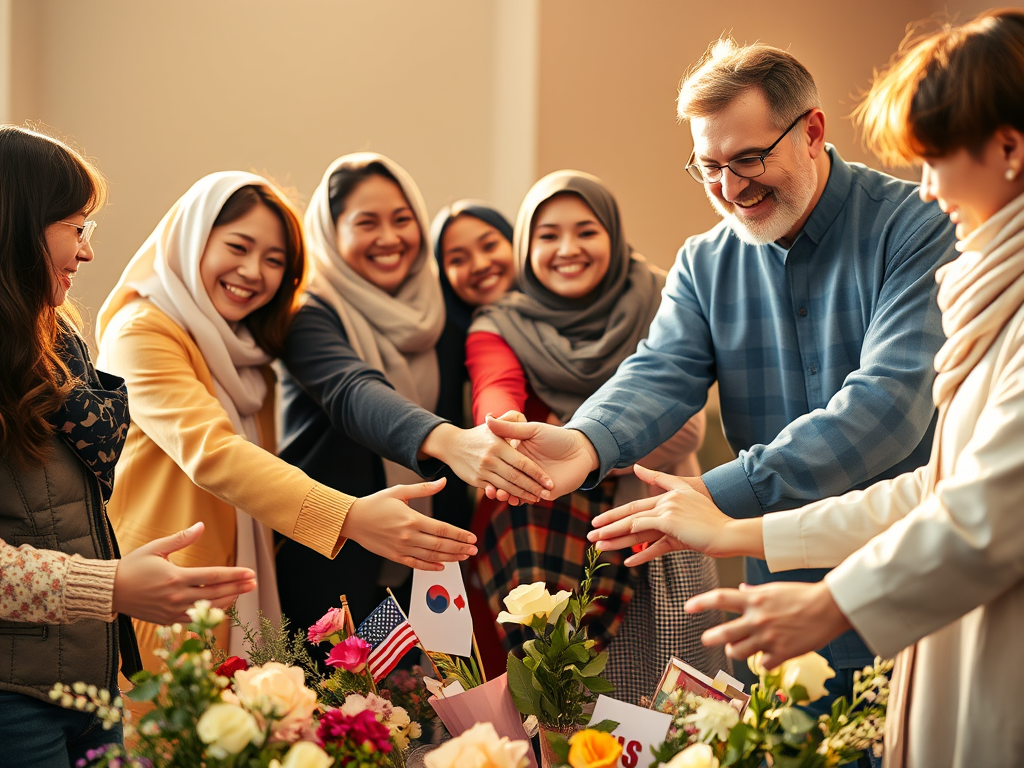
지난 해에 있었던 오클라호마 시의 주 정부 청사 테러 폭발 사건 때 수많은 생명들은 물론이요. 너서리에 있던 어린 생명들까지도 목숨을 잃은 가슴 아픈 일을 기억합니다. 지금도 그 상처의 흔적이 남아 있는 무너진 주 정부 청사 건물 주변에 쳐있는 철조망에는 그날의 슬픔과 아픔을 기억하고 위로하는 시민들의 카드와 편지, 꽃, 심지어는 테디 베어 인형들이 철조망을 장식하고 있는 것을 봅니다. 파괴와 아픔, 미음과 원망을 헤치고 잿더미 위에서 피어나는 사랑의 꽃들은 그 누구도 말릴 수 없는 것입니다. 그 주변에 있던 감리교회까지 폭발 피해를 당하게 되었을 때, 교파를 초월한 유대인들과 이슬람교도들이 힘을 합하여 감리교회를 다시 재건시킨 모습은 인간 안에 숨어있는 위대한 인간애 정신을 드러내는 것이었습니다.

우리 동포 사회가 단합하지 못하고 사분오열한다는 비판적인 평가도 받지만, 전혀 그렇지 않은 성숙된 모습을 발견할 수 있습니다. 지난 7월 7일, 카네기 홀에서 있었던 기독교 방송 성가 합창제에서 보여주 었던 기독교인들의 헌신적인 연합된 모습은 참으로 자랑스러운 모습이었습니다. 작은 교회들은 작은 교회들끼리 힘을 모아, 함께 성가 합창제에 참석을 하고 큰 교회는 큰 교회대로 온 교우가 심혈과 정성을 다 쏟아 성가를 준비한 것입니다. 시간이 없고 피곤에 지쳐있는 동포들의 모습이라곤 전혀 찾아볼 수 없이, 하나님을 향한 인간의 숭고한 아름다움과 거룩함이 열정적으로 가득 넘칠 뿐이었습니다. 특히, 멀리 한국에서 참석하셨던 교회들의 열성과 성령충만한 합창은 청중들을 은혜의 도가니로 몰아넣었습니다. 함께 참석하셨던 목사님은 그 먼길을 비자 발급 문제로 어려움을 겪으면서도 달려온 것은 ‘형제의 연합’을 이루기 위함임을 강조하셨습니다. 평소에 기독교 방송을 사 랑하고 기도와 물질로 형제의 연합을 솔선수범하여 나서던 성도님들의 기쁨과 자랑은 헨델의 오라토리오 “할렐루야’의 대합창과 함께 절정에 오를 수밖에 없었습니다.

우리는 홀로 사는 것 같으나 연합된 하나의 몸입니다. 목걸이의 구슬이 꿰어지듯이, 거대한 건물의 작은 벽돌들이 쌓여지듯이, 광대한 그림의 퍼즐을 맞춰나가듯이 형제와 형제가 서로 손을 마주 잡고 함께 웃고 울면서 온전을 향해 날마다 나아가는 존재입니다.

“형제가 연합하여 동거함이 어찌 그리 선하고 아름다운고 머리에 있는 보배로운 기름이 수염 곧 아론의 수염에 흘러서 그 옷깃까지 내림 같고 헐몬의 이슬이 시온의 산들에 내림 같도다 거기서 여호와께서 복을 명하셨나니 곧 영생이로다” (시 133편).

형제와 형제의 연합, 민족과 민족의 연합, 인종과 인종의 연합은 이 땅에서의 인간의 최상의 순수함이며 아름다움입니다. 연합 속에 풍요의 원천이 있고, 연합 속에 용서와 이해가 있고, 연합 속에 서로의 독특함과 개성, 자유가 있습니다. 우리의 연합 속에서만이 하나님의 다양하심과 아름답고 완전하심을 발견할 수 있습니다.

오늘도 가정과 개인, 직장과 사업, 교회와 교단, 단체와 단체의 연합을 위하여 애쓰며 기도하며 최선을 다해 달려가시는 분들에게 존경과 사랑을 보냅니다. 생각과 사상, 이념의 골짜기를 넘는 일은 외롭고 험난합니다. 그러나 우리도 그 위대한 연합의 길에 함께 나선 이들로, 연합은 가장 가까운 곳에서, 가장 작은 것에서부터 시작함을 기억하며,이 아름다운 하루를 맞이합니다

The current image has no alternative text. The file name is: image-9.png
Posted in Essay by WanHee Yoon, Ministry, O Souls That Leap Like Deer | Leave a comment

“What a blessing it is when kindred hearts abide as one.”

© Yoon, Wan-Hee, 1996

Not long ago, one of our deaconesses was hospitalized to undergo surgery for a women’s illness.
On the morning of her operation, a devoted elder who had long been close to her took a day off from work, drove her to the hospital before dawn, and made sure that every church member knew to pray for her earnestly.
She not only comforted the deaconess’s family but also looked carefully into what the household might need during that difficult time—becoming, in every way, a quiet and steadfast protector.
When the pastor praised her for such kindness and devotion, the elder humbly replied,

“What good is it that I stay by her side, when I cannot take away even a portion of her pain?”
Such humility, born of love, was truly a beautiful sight.

When we look around our immigrant community, it is easy to hear complaints about how hard life has become—how busyness and fatigue have dulled our joy.
Yet, when we see people setting aside their own affairs to help one another in times of trouble, we realize how alive the spirit of compassion still is among us.

I remember the tragedy of the Oklahoma City bombing—the senseless loss of so many lives, including the little ones in the nursery.
Even now, the fences around the ruined government building remain covered with flowers, letters, cards, and teddy bears—tokens of remembrance and love.
From the ashes of destruction and hatred, flowers of compassion rise—no human power can prevent such a blooming.
When even the nearby Methodist church was damaged, people of every faith—Jews, Muslims, and Christians—joined hands to rebuild it.
There, among the ruins, the nobility of the human spirit shone with quiet strength.

Some say our Korean-American community is divided and fragmented.
But I have witnessed something far more hopeful.
At the Christian Broadcasting Choral Festival held in Carnegie Hall on July 7,
small churches joined together to form choirs; large churches poured all their passion and devotion into sacred song.
No one appeared weary or burdened by life in America—only radiant faces filled with the beauty of worship and the holiness of unity.
Especially moving were the choirs that came all the way from Korea, whose fiery faith swept the audience into a flood of grace.
One pastor, who had struggled to obtain a visa, explained that he came for one reason:

“To build the unity of brothers and sisters in Christ.”
As the grand chorus of Handel’s Hallelujah rose, the audience’s joy and gratitude reached their peak,
embodying the pure and selfless union that God delights in.

We live as though separate, yet we are one body.
Like pearls strung together on a single thread, like bricks that form a mighty wall,
like puzzle pieces that together reveal the fullness of beauty—
so are we, brothers and sisters, joining hands, laughing and weeping together,
pressing on each day toward wholeness.

“How good and pleasant it is when brothers live together in unity!
It is like precious oil poured on the head,
running down on Aaron’s beard, down upon the collar of his robes.
It is as if the dew of Hermon were falling on Mount Zion.
For there the Lord bestows his blessing—life forevermore.”
—Psalm 133

The unity of brothers, of peoples, of races—
this is the purest and most beautiful expression of humanity.
Within unity lie the sources of abundance,
the power of forgiveness and understanding,
and the celebration of our diversity and freedom.
Only within such unity can we glimpse the manifold beauty and perfection of God.

Today, I offer my deepest respect and affection
to those who labor and pray for unity—in families, in workplaces, in churches, and among nations.
Crossing the valleys of thought, ideology, and difference is a lonely, rugged journey.
Yet we walk it together, remembering that the great work of unity always begins
in the smallest circles—
in the home, in a single act of care, in a moment of forgiveness.
And with that remembrance,
we greet this beautiful day with thankful hearts.

(Letter from the Parsonage, O Souls That Leap Like Deer, Thirteenth Story)

The current image has no alternative text. The file name is: image-10.png

Posted in Essay by WanHee Yoon, O Souls That Leap Like Deer | Tagged , , , , , | Leave a comment

“훍의 기도”

© 윤 태헌,

발에 밟힌 흙이
하늘로 번져
구름이 되었다.

공기는
땀 냄새로 젖고,
머리 위의 대기는
불꽃처럼 치솟아
하늘과 땅을
서로 삼키게 했다.

누군가
돌 하나를 들어 올릴 수 있다면—
그 밑에는
말라붙은 진리가
가만히 누워 있으리라.

언덕 위의 짚신 한 켤레,
그것은 떠돌이의 그림자였다.
묶인 손아귀 속에서
자유가 피어났고,
돌로 막힌 입속에서
침묵이 노래했다.

눈 속에는
타는 태양 아래
하얗게 식은 해골들이 널려 있었다.

나는 생각했다.
신은,
어쩌면
하나의 함정일지도 모른다고.

그러나
지구의 뿌리는
울음이 닿는 곳까지 내려가
그 눈물을 마시며
다시 살아났다.

1997, 그리고 2025

The current image has no alternative text. The file name is: image-8.png
Posted in Poetry | Leave a comment

“The Prayer of Earth”

© TaeHun Yoon

The soil, once pressed underfoot,
rose softly—
becoming cloud.

The air turned to the scent of sweat,
and the sky above my head
flamed upward,
devouring
both heaven and the field.

If one, by chance,
could lift a single stone—
any stone at all—
beneath it,
one might find
the law of dryness,
the truth that clings
like dust to silence.

On the hill,
a pair of straw sandals—
the wanderer’s shadow.
From the bound hands
bloomed a fragile freedom;
from the mouth sealed with stone
came a song of silence.

In the snow,
only skulls lay scattered
beneath a burning sun.

I thought—
perhaps God
was but a snare
for the grieving soul.

Yet the roots of the earth
descended
to where weeping dwells,
and drank of it,
and from that sorrow
grew again.

1997, then 2025

The current image has no alternative text. The file name is: image-7.png
Posted in Poetry | Leave a comment

“캠프장에서” (목사관 서신, 사슴처럼 뛰는 영혼들이여, 열두번째 이야기) 1996, 윤 완희

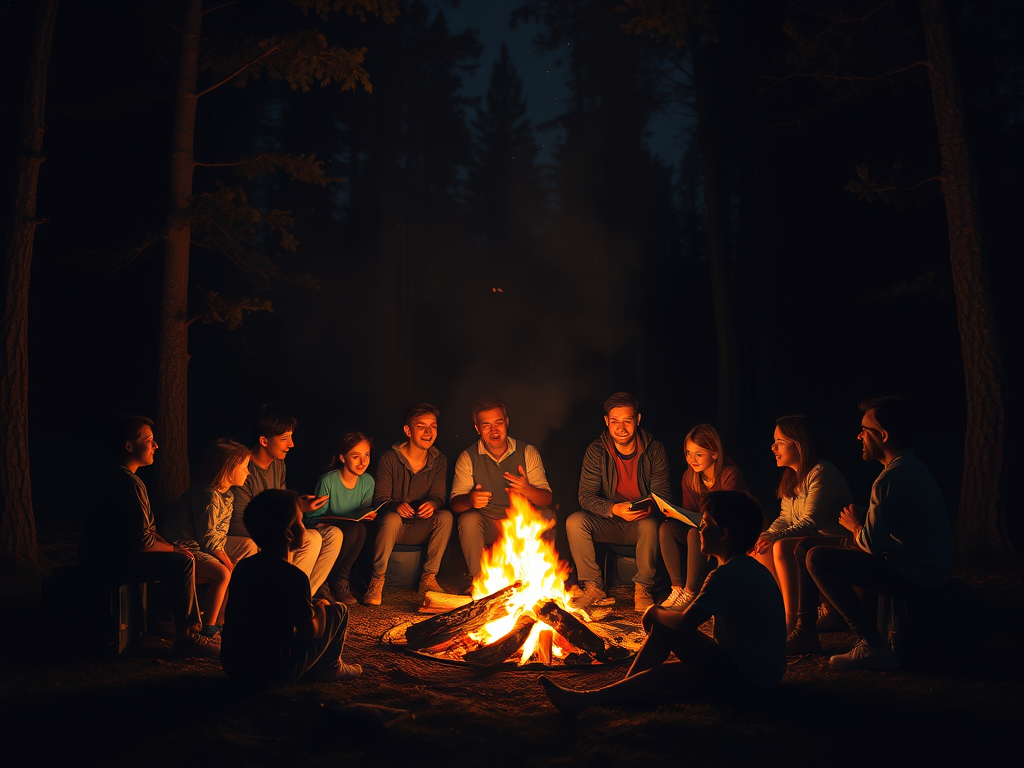
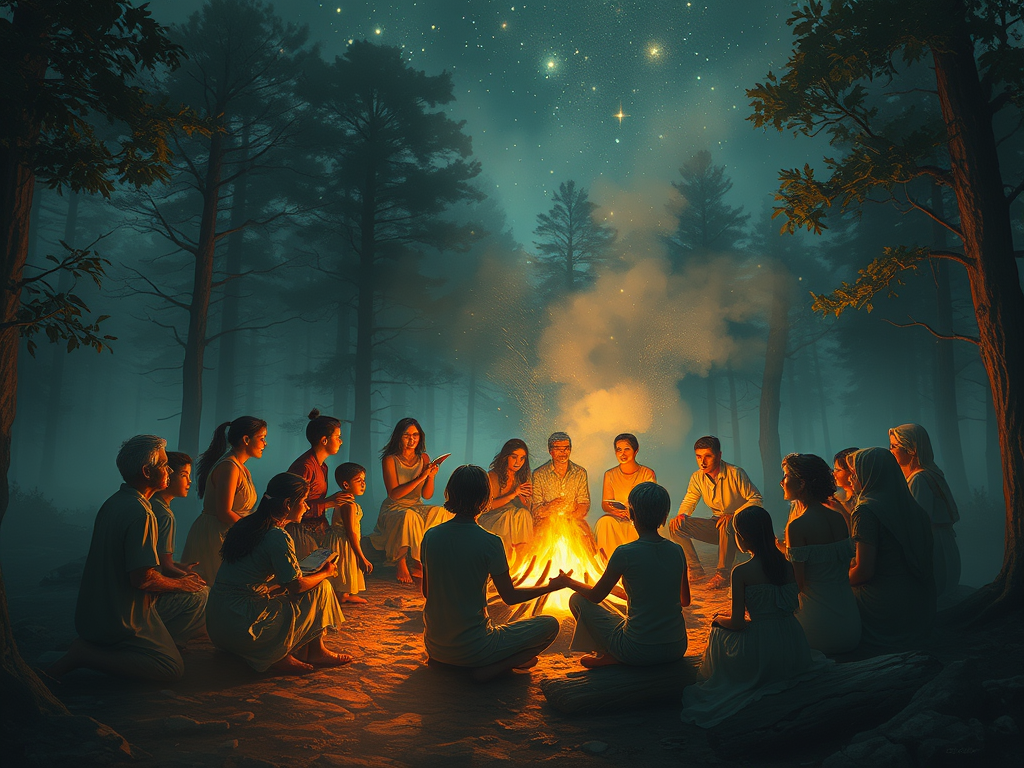
독립 기념일을 전후로 하여 교회 성가대원들의 단합과 친교를 위한 수양회가 있었습니다. 올해는 장소를 정하는데 젊은 성가대원들의 의견이 캠프장으로 모아져, 야외에서의 하룻저녁을 보내게 되었습니다. 우리는 “주 안에서 하나로”(엡 4 : 2~6)라는 주제로 모인 성가대 수양회는 어른 아이들은 물론이요, 노인에 이르기까지 자연 안에서 일치함을 다시한번 확인하며 즐거운 시간을 보내게 되었습니다.

대부분 저녁 늦게까지 일을 마치시고 흑암 속을 달려오신 성도님들 이 숲속을 더듬으며 찾아온 캠프장은 스산하기 그지없었습니다. 비까 지 부슬부슬 내리고 있는 어두운 숲속에 처음 캠프를 하는 분들은 황 랑한 캠프장에서 과연 어떻게 텐트를 치고, 밤을 지낼 수 있을까 염려 도 했으나, 서로서로 도와 가면서 숲속의 어둠 속에서 텐트는 지어져 갔습니다. 난생처음 콸콸콸 흐르는 시냇물 소리가 들리는 어두운 숲속에 들어온 어린아이들은 두려워 겁을 먹고 우는 아이도 있었고, 부 모의 손을 놓지 않고 곁에서 한 발자국도 떠날 줄 몰라했습니다. 그러 나 그 두려움도 잠시, 부모님들이 텐트를 거의 다 완성해 갈 때는 언제 그랬느냐는 듯이 어두운 숲속을 손전등으로 비쳐가며 두려움없이 뛰 고 달리며, 자연 안에서의 새로운 경험을 만끽하였습니다.

밤 11시가 다 되어서야 도착예배를 하나님께 드리고, 대원들이 마련한 저녁밥을 비를 맞으며 먹으면서 인디언들의 무리를 생각하였습니다. 하늘을 지붕삼고 바위를 베개삼으며 나뭇잎들을 이불삼아 살아갔을 머나 먼 옛날 이 땅의 주인들과, 오늘의 미국을 탄생시키기 위해 별빛을 바라 보며 들판과 산언덕에서 피를 흘린 이 땅의 수많은 사람들! 우리는 육적으로 너무나 풍성하고 편리한 시대에 살아가고 있음에 삶의 가치와 의미 조차도 잊고 살지는 않는가 때로 반문할 때가 있습니다. 육신의 풍요처럼 영혼의 풍요가 이 나라에 함께하길 내리는 비 속에서 간구했습니다.

캠프장에서의 가장 아름다운 추억은 뭐니뭐니해도 캠프 파이어입니다. 미리 준비한 장작을 쌓아 불을 지핀 채, 불꽃이 타들어가는 장면을 바라보노라면 매혹적인 슬픔과 기쁨, 생의 찬가를 힘껏 부르게 되고 한순간 세상만사를 모두 잊게 됩니다. “인생은 연기처럼 재를 남기고 말없이 사라지는 모닥불 같은 것”이라는 노래 가사가 아니더라도 불꽃을 맘껏 사르고 힘없이 잦아들어가는 장작더미 불의 속삭임을 듣습니다. 내가 살아있을 때, 불을 나누어주고 또 나누어줘도 손해보지 않는 것처럼, 너의 생이 반짝일 때 다함이 없는 사랑을 전하고 또 전하라. 시간을 너무나 오래 끌고 있다가 불꽃이 이미 사그라져 갈 때는 후회하며 한탄하여도 기회가 오지 않으리!”

기타 반주에 맞추어 복음성가로 밤늦도록 숲속을 울리던 성도들이 아침이 되니 피곤도 모르는 듯이 일찍 일어나, 개울가에서 낚시를 하며 환호성을 질렀습니다. 새벽 산책을 나선 장어가 물속에서 평소대로 어슬렁거리다가 낚싯줄에 그만 낚여 올라온 것입니다. 어른과 아이들이 신기한 듯이 잡아올린 장어를 들여다보았습니다. 아이들도 개울가로 달려가 조심스럽게 바위를 들춰봅니다. 금방 알에서 부화된 올챙이들이 아이들의 컵안으로 옮겨집니다. 콩알만한 까만 개구리들이 웬일인가 싶어 눈망울을 껌뻑이며 아이들의 손등성 위에 올라앉아 숨을 헐떡입니다. “아! 요렇케 작은 개구리는 난생 처음 보는데 … …. 어른들도 동심이 되어 아이들을 에워쌉니다.

자연 속에서 모두가 천진하고 유연한 모습입니다. 가슴에 상처난 자, 가슴이 금강석같이 뭉친 자, 가슴에 시커먼 그을음을 지닌 자, 흐르는 물과 바람 속에 치유되고 용해되며 씻기움을 받습니다. 하룻 저녁 만에 숲의 신비에 매혹된 대원들이 텐트를 걷으며 아쉬워 했습니다.

“하룻저녁은 너무 짧아요! 적어도 2박3일은 해야 될 것 같아요!”

“아하! 사는 것이 바로 그것이랍니다. 언젠가는 떠나야 될 장막임에도 불구하고 우린 늘 아쉬워하는 것이지요! 우린 본향으로 돌아갈 성도들이지요!” 누군가가 맞장구를 쳤습니다.

“떠날 땐, 발자국 외에는 아무것도 남기지 말아라”라는 어느 바닷 가에 써있던 푯말처럼, 수십 명이 다녀간 자리엔 밤새 지었던 장막들이 꿈인 양 사라져 버렸습니다. 밤을 지새며 부르던 찬양과 기도소리를 숲은 알고 있다는 듯이, 그 기다란 가지들을 흔들어대며 작별 인사 를나누었습니다. 우리는 하룻저녁 안기었던 자연의 품을 아쉬워하며 삶의 현장으로 운전대를 돌려야만 했습니다.

떠날 때는 잠시 아쉽고 섭섭해도 돌아갈 집이 있어 행복한 것처럼, 우리에게 돌아갈 본향이 있기에 오늘의 삶이 더 귀한 것임을 일깨우는 한 여름의 캠프였습니다.

The current image has no alternative text. The file name is: image-6.png
Posted in Essay by WanHee Yoon, O Souls That Leap Like Deer | Leave a comment

“At Campground” (Letter from the Parsonage, O Souls That Leap Like Deer, Twelfth Story, 1996) © Yoon, Wan-Hee

A Summer Retreat: One Evening in Nature’s Embrace

Around the time of Independence Day, our church choir held a retreat for unity and fellowship. This year, the younger choir members suggested spending the night outdoors at a campsite, and so we did. Under the theme “One in the Lord” (Ephesians 4:2–6), our gathering became a joyful celebration of harmony among adults, children, and even the elderly—reaffirming our oneness in the midst of nature.

Most participants arrived late at night after finishing work, driving through the dark to reach the camp hidden deep within the forest. The air was damp with light rain, and for those camping for the first time, the forest seemed eerie and strange. Many wondered how they would pitch their tents or sleep through the night in such a place. Yet, as everyone helped one another, tents rose steadily amid the darkness.

Children, hearing the roaring stream for the first time, were frightened. Some clung tightly to their parents, refusing to take a single step away. But soon enough, fear gave way to laughter. By the time the tents were finished, the children were already darting through the woods, their flashlights dancing among the trees, delighting in this new adventure under the open sky.

Near 11 p.m., we finally held our opening worship service. As we shared a simple meal in the rain, our thoughts turned to the Native peoples of long ago—those who once called this land their own, and to the many who shed their blood under the starlit skies to give birth to this nation. In that moment, we wondered whether our lives, so rich in material comfort, had perhaps forgotten the deeper meaning of existence. So we prayed, under the gentle rain, that spiritual abundance might also bless this land as richly as physical prosperity has.

The most beautiful memory from the camp, of course, was the campfire. Watching the flames leap into the night, we were moved to sing with all our hearts—songs of sorrow and joy, of life itself. The world seemed to fall away for a moment. Even without recalling the lyric, “Life is a bonfire that leaves ashes and fades away without a word,” we could hear the whisper of the fire teaching us:

“While you are alive, share your flame freely;
while your light still burns, give love without measure.
Do not wait too long—
when the fire has gone out, no regrets can reignite it.”

To the sound of guitar chords, gospel songs echoed through the forest late into the night. Yet come morning, no one seemed tired. Some adults and children gathered by the stream to fish, shouting with excitement when an eel, sluggishly wandering at dawn, bit the line. Others lifted stones carefully, watching tadpoles swim into their cups, or tiny black frogs, no bigger than beans, hop onto their palms, blinking in wonder. Even the adults, caught in the joy of the moment, became like children again.

In nature, everyone became simple, transparent, and whole. Those whose hearts were wounded, hardened like stone, or darkened by sorrow, found healing in the running water and whispering wind. By the next morning, when it came time to take down the tents, no one wanted to leave.

“One night is far too short! Next time we should stay at least three days!” someone said wistfully.

“Ah,” another replied, “that’s the truth of life itself. We dwell in tents we must one day leave behind. But still, we long to stay. We are travelers—pilgrims on our way home.”

And so, as the sign once read on a distant shore, “Leave nothing behind but your footprints.”
By morning, the tents that had filled the forest with laughter and prayer vanished as if they had been a dream. The forest seemed to wave its long branches in farewell, as if remembering our songs and prayers through the night.

We drove back toward our daily lives with hearts both light and wistful, grateful for the peace and wonder of that brief night in nature’s embrace.
For just as we are glad to have a home to return to, so too are we blessed to have our eternal home awaiting us—and that truth makes this present life all the more precious.

The current image has no alternative text. The file name is: image-5.png
Posted in Essay by WanHee Yoon, O Souls That Leap Like Deer | Tagged , , , , , | Leave a comment

샘물

© 윤 태헌

바람 한 점 없었는데, 사원이 떨렸다.
열 개의 발톱, 기억처럼 예리한 것들이,
두 개의 거대한 날개와 함께 한 번 치고는
사라졌다. 공기는 꿈쩍도 하지 않았다.
하늘은 단단히 단조된 강철빛으로, 아무 일도 일어나지 않은 듯
고요히 버티고 있었다.

그때, 손가락 사이로 무언가 미세한 것이 흘렀다.
너무 부드러워서 오히려 눈을 멀게 하는 빛.
작은 등불처럼 생긴 별 하나가
손 안에서 흔들리며,
아래 세상을 향해 걸어가기 시작했다.

길은 구불거렸고,
빛은 번개처럼 터졌다가 이내 사그라졌다.
그 빛은 발치로 기어들더니
흙 속으로 스며 사라졌다.

그러자 대지의 깊은 내장 속에서,
차가운 웃음이 솟아올랐다.
그건 사람의 웃음이 아니었다.
침묵의 배 속에서 태어난,
샘물의 웃음이었다.

나는 그 소리 앞에 서서
마치 그 웃음이
나를 기억해내는 것만 같아
한참 동안 숨을 멈췄다.

1997, 그리고 2025

Image result for picture of spring water
Posted in Poetry | Leave a comment

“Spring Water”

© TaeHun Yoon

Ten claws—sharp as remembrance—
and two great wings
struck the temple,
yet no wind bore witness.

The air was still;
ears quivered, whispering No—no!
The sky, blue as tempered steel,
did not break.

Then a slender beam,
bright enough to wound the eyes,
slipped between the fingers—
a star in the shape of a lantern,
trembling in hand,
stepping down to touch the earth.

The path bent,
light flared and folded
like a struck match in rain,
then gathered at the feet—
and was gone.

From the deep gut of the earth,
a cool laughter arose:
spring water,
born from the belly of silence.

in 1997, then 2025

Image result for picture of spring water
Posted in Poetry | Leave a comment

“그 모습 그대로” (목사관 서신, 사슴처럼 뛰는 영혼들이여, 열한번째 이야기) 1996, 윤 완희

요근래 사람과 사람 사이의 관계에서 상대방에게 갖는 기대감이란 것이 얼마나 무익한 것이며 불필요한 에너지를 쏟게 하는지를 생각할 기회가 있었습니다. 사실 기대감이란 것은 일방적인 상상력에 의한 나의 문제임에도 불구하고, 그 기대감이 채워지지 않았을 때의 불편한 심사는 전적으로 상대방에게 떠맡기는 일이 우리에게 너무나 비일 비재하게 일어납니다.

몸이 둔하여 전혀 무용에는 소질이 없는 아이에게 무용수가 되기를 기대한다거나, 음악적인 감각이 없는 아이에게 세계적인 음악가를 기대한다거나, 선천적으로 몸이 기형아로 태어난 아이를 정상적인 신체 를 지닌 아이와 비교하여서 가족들이 창피하게 생각하거나 절망과 고통 속에 살아가는 일은 서로의 불행을 초래하는 일이 됩니다. 그러나 그 모습 그대로 서로 인정해 주고 받아들일 때, 불필요한 스트레스를 받지 않음은 물론이요 행복의 조건이 따로 필요치 않음을 깨닫게 됩니다.

몇 년 전에 교회를 돌봐주던 사찰 할아버지의 손주 중에 선천성 신체 기형아로 많은 병을 앓고 있는 다니엘이라는 열두 살짜리 손주가 있었는데, 온 가족이 그를 얼마나 열심히 진심으로 사랑하는지 놀랄 정도였습니다. 사찰의 며느리 되는 부인도 가벼운 선천성 신체 기형 증세가 있는데, 손주까지 그런 증세로 태어났으니 얼마나 안타까웠겠습니까? 그러나 그 가족은 오히려 신체가 정상적이고 부자인 사람들 보다도 더욱 자주 모여 사랑을 나누고, 그 가정에 웃음꽃이 밤이 맞도 꼭 떠나지를 않았습니다. 그 가정엔 전혀 그늘이 없었습니다. 행여나 목사님이나 저희 가족 누구를 만나게 되면, 손주 자랑을 하느라 붙잡고 놓아주질 않을 정도였습니다. 다니엘은 늘 휠체어에 앉아 고개도 못 가는 채 입을 헤벌리고 침을 흘리고 있음에도, 다정하게 가서 소개를 시키고 손을 붙들어 주게 하고 포옹과 키스를 꼭 하게 하였습니다.

또한 미국인들의 입양아 자식 사랑은 참으로 눈물겨울 정도입니다. 제가 알고 있는 분 중 두 딸아이를 입양해서 살고 있는 미국인들이 있는데, 한 명은 한국에서, 한 명은 중국에서 입양을 하였습니다. 이분들 은 딸들의 뿌리를 찾아주기 위해, 한국에서 온 딸은 한국말을 가르치고, 중국에서 온 딸은 중국말을 가르치며 그 나라의 예절과 풍습을 연구하느라 부부가 무진 애를 쓰고 있는 것을 보았습니다. 머잖아 신체 부자유아를 더 입양할 예정이라는 말에 고개가 절로 숙여졌습니다. 사랑할 수 있을 때, 후회함 없이, 아무런 기대감 없이, 최선을 다하여 그저 사랑할 줄 아는 저들의 자연스러운 생활이 참으로 부러웠습니 다.

사랑하는 데는 조건이 없어야 함에도 불구하고, 저 자신도 무언가 ‘기대 라는 조건을 은근히 붙일 때가 많았던 것을 솔직히 인정케 됩 니다. 아이들이 공부를 잘해 주기를 기대하고, 어디 가서든지 남보다 인정받기를 기대하고, 모든 일에 나의 기대에 어긋나지 않아 주기를 기대하는 일들은 곧잘 나 자신을 피곤케 하고 절망케 하고 화나게 하
는 어리석은 경험을 남깁니다.

예수님은 이 추하고 약한 자에게 아무것도 기대하지 않으시고 무조 건적인 사랑으로, 이 모습 이대로 받아주셨는데, 가족이나 성도를 사 랑하는 것조차 조건을 달고 무엇인가를 ‘기대’ 한다는 일이 얼마나 큰 죄악인가를 회개하게 됩니다. ‘그 모습 그대로’ 사랑할 줄 알고 받아 들일 수 있는 심령은 분명 하늘의 선물입니다. 그것은 결국 남을 위한 것이 아닌, 내 자신의 영혼의 평안을 위해서, 더 높은 삶의 질과 행복을 위한 자세인 것 같습니다.

The current image has no alternative text. The file name is: image-3.png
Posted in Essay by WanHee Yoon, Ministry, O Souls That Leap Like Deer | Leave a comment

“Just As You Are” (Letter from the Parsonage, O Souls That Leap Like Deer, Eleventh Story, 1996) © Yoon, Wan-Hee

The Futility of Expectations in Human Relationships

Recently, I had an opportunity to reflect on how useless and exhausting expectations can be in human relationships. We often invest so much emotional energy in what we hope others will do for us, only to discover that such expectations are entirely of our own making. And yet, when those expectations are not met, we frequently project the discomfort and disappointment onto the other person — something that happens far more often than we realize.

For instance, expecting a child with no sense of rhythm or movement to become a dancer, or a child without musical sensitivity to become a world-class musician, or feeling ashamed of or despairing over a child born with a physical deformity — these are all acts that bring unhappiness to everyone involved. When, however, we learn to acknowledge and accept one another just as we are, we free ourselves from needless stress and come to realize that happiness requires no special conditions.

Several years ago, there was an elderly church custodian whose twelve-year-old grandson, Daniel, was born with severe congenital disabilities and suffered many illnesses. I was deeply moved by how sincerely and wholeheartedly his entire family loved him. Even the custodian’s daughter-in-law had a mild congenital condition, so one can imagine the sorrow she must have felt when her own grandson was born with similar difficulties. Yet, rather than living in despair, the family came together more often than most wealthy or healthy families. Their home was always filled with laughter; it seemed that joy itself never left their door.

Whenever they met me or any member of my family, they would proudly introduce Daniel and talk about him endlessly. Though Daniel sat in a wheelchair, unable to lift his head or close his mouth, often drooling, they would gently take my hand and place it in his — encouraging me to touch, to hug, and to kiss him. In that home, there was no shadow, only love that overflowed.

I have also been deeply touched by the way many Americans love their adopted children. Among my acquaintances is a couple who adopted two daughters — one from Korea and one from China. To help them embrace their roots, the parents diligently study each child’s native culture and language: they teach the Korean daughter to speak Korean, the Chinese daughter to speak Chinese, and they learn the customs and manners of each land. When I heard that they plan to adopt another child with physical disabilities, I could not help but bow my head in admiration. Their capacity to love without expectation, to give without thought of return, is profoundly beautiful.

Although love should be unconditional, I must confess that I, too, have often attached hidden conditions to it. I expect my children to excel in their studies, to be recognized wherever they go, to behave in ways that do not disappoint me. Yet such expectations only wear me down, leaving me tired, disheartened, and sometimes angry — foolish remnants of self-centered desire.

Jesus never expected anything from the weak or the broken. He accepted them as they were, loving them unconditionally. When I realize how easily I place conditions and expectations even upon my family and congregation, I am led to repent. The heart that can love and accept others “just as they are” is surely a gift from heaven. Ultimately, such acceptance is not merely for the sake of others, but for the peace of one’s own soul — a path toward deeper joy and a higher quality of life.

The current image has no alternative text. The file name is: image-2.png
Posted in Essay by WanHee Yoon, O Souls That Leap Like Deer | Tagged , , , , , | Leave a comment