The Church in a Multicultural Context, Attitudes Toward Intercultural Marriage (Chapter 4)

1. The Reality of Intercultural Marriage

According to data from the U.S. Census Bureau in 1990, the number of intercultural marriages increased from 310,000 in 1970 to 956,000 in 1988. This indicates a rapidly accelerating trend. Among Korean Americans, the rate of intercultural marriages is not lower than that of other Asian ethnic groups. Furthermore, the longer their immigration history, the higher the intercultural marriage rate becomes.

During the 1980s, 44.5% of Korean women who married in the United States were married to non-Korean partners, while only 7.5% of Korean men did so. However, there were significant regional variations. In Hawaii, 67.44% of Korean women married outside their ethnic group during the 1980s, whereas in California, only 30.6% did so in 1980. In the Los Angeles area, where statistics on Korean marriages began to be recorded in 1975, the rate of intercultural marriages among Koreans was 26.0% in 1975, 34.1% in 1977, and 27.6% in 1979. However, by 1984 it had declined to 8.7%, and in 1989 to 11.0%, with most of these cases involving women. A major reason for the decrease in intercultural marriages during that period was the deployment of U.S. military forces overseas, such as during the Gulf War, which led many Korean women married to American servicemen to relocate outside of California due to their husbands’ assignments.

Generally, women are more likely than men to marry outside their ethnic group. However, in Hawaii, since the 1950s, the rate of intercultural marriage among Korean men has nearly equaled that of women. In Los Angeles County as well, the trend among men has shown a steady increase.

Meanwhile, intercultural marriage has shown a clear upward trend with each successive immigrant generation. According to marriage license applications in Los Angeles County in 1989, among first-generation immigrants, the rates of intercultural marriage were 3.7% for men and 13.3% for women. Among second-generation immigrants, these rates increased to 33.3% for men and 62.5% for women. Among third-generation Koreans, the rates rose to 68.4% for men and 100% for women. When comparing the rate of intercultural marriage among Korean women in 1989 with other Asian groups such as Chinese, Japanese, Filipinos, and Vietnamese, Korean women in Hawaii had the highest rate (70.9%), while those in Los Angeles had the lowest (11.3%). For Korean men, the intercultural marriage rate in Hawaii was around 45%, placing them in the middle range similar to Filipino and Japanese men. However, in Los Angeles, the rate was the lowest at 4.5%.

Professor Harry Kitano of UCLA analyzed the contrasting patterns of intercultural marriage among Koreans in Hawaii and Los Angeles and identified several contributing factors. First is Hawaii’s historically tolerant social attitude toward interracial relationships. Second is the size and cohesion of the ethnic community. Unlike Hawaii, where the Korean population is small and geographically dispersed with a gender imbalance, Los Angeles has a large and concentrated Korean community, offering many opportunities for Koreans to meet potential spouses through churches, schools, social events, and recreational clubs. Third, and perhaps most importantly, is the influence of cultural adaptation. The longer Koreans live in the United States and the more exposure they have to American culture, the more they become detached from their ethnic community and experience changes in family structure, reducing parental influence over marital decisions. Women, in particular, tend to adapt more quickly to the new culture than men, which explains the higher rate of intercultural marriage among women. This process of cultural adaptation is closely tied to generational differences—second-generation Koreans show higher rates than first-generation, and third-generation even more so, in both Hawaii and Los Angeles.

2. Mixed Motivations

Why do people enter into intercultural marriages? Let us examine the reasons from demographic, historical, social, and psychological perspectives.

1) Demographic Reasons

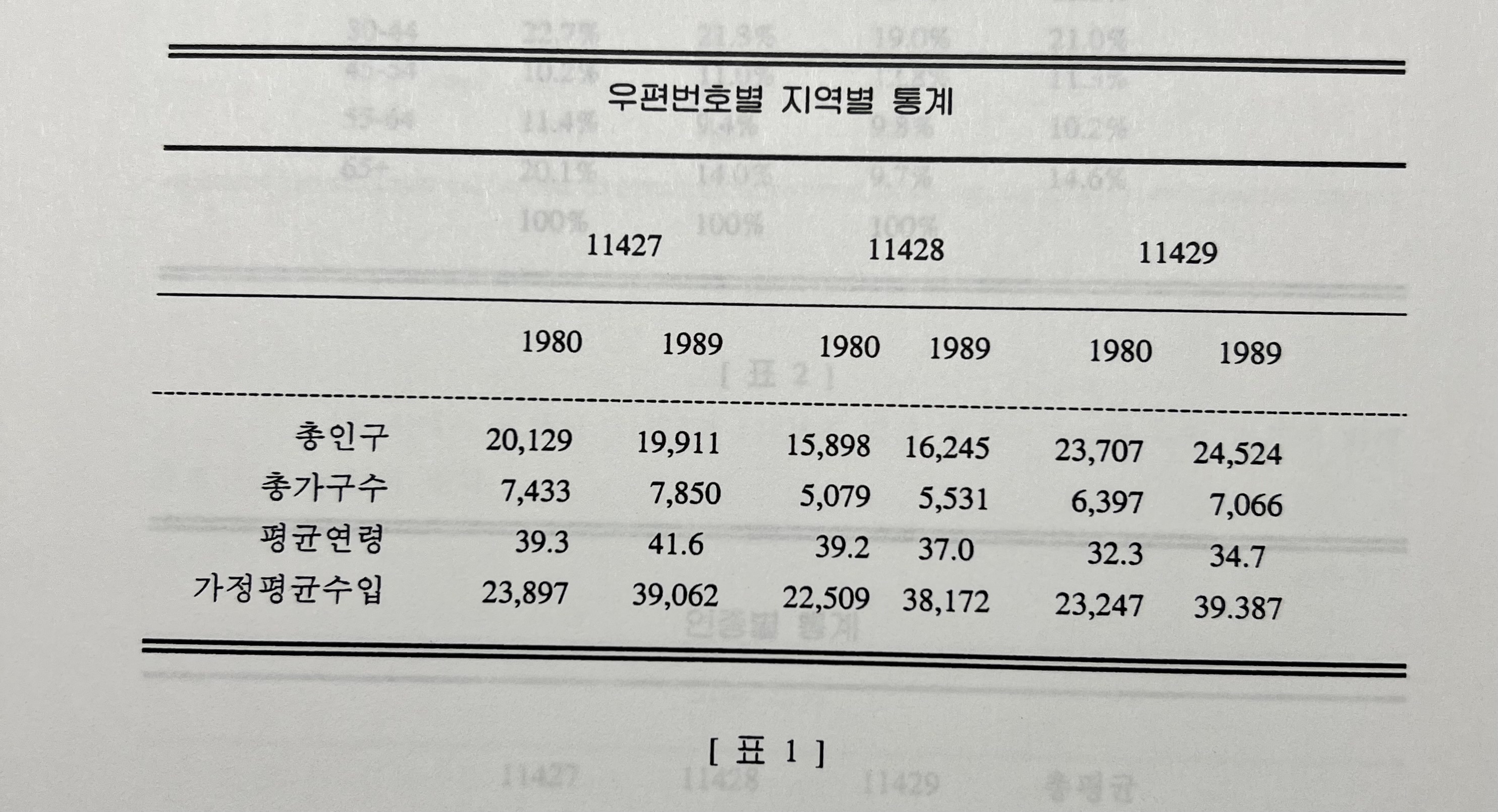
As shown in [Table 1], schools in major cities of contemporary American society—now entering a new phase of immigration—are already racially mixed.

It is an undeniable fact that this trend is influencing every area of American society, including politics, economy, education, culture, and marriage. It is projected that by the mid-21st century, minority populations will surpass the White population in numbers. Specifically, non-Hispanic Whites, who accounted for 90% of the total population in the 1950s, are expected to drop below 50% before 2055.² The U.S. Census Bureau predicts that within the next 30 years, the White population will fall to 70%.

New York City is no exception. The New York City Department of Urban Planning announced that the proportion of the White population—which exceeded 60% in the 1970s—is expected to drop to 35% by the end of this century.³ On the other hand, this report predicts that the Hispanic population will increase significantly by the year 2000, surpassing the Black population for the first time in history. Based on birth rates and immigration trends of the 1980s, the report outlines how future racial composition may look. Joseph Salvo, a city demographer, stated that the racial makeup of the city is becoming increasingly diverse, and that a balance among major racial groups is expected to emerge.

[Table 1]

Student Population of Minority Groups (Black, Latino, Asian) in Major U.S. Cities

CityStudent Minority Percentage
Boston65%
Chicago85%
Houston83%
Los Angeles87%
Miami77%
New York84%
St. Louis78%

This trend suggests that racial and ethnic mixing among minorities in the U.S. will become an unavoidable reality in the future. In certain areas of the United States, the scarcity of a particular racial group may make it difficult for individuals to marry within their own race. Furthermore, as the minority population continues to grow, those who oppose interracial or intercultural marriage will increasingly be pressured to become more tolerant.

However, demographic change alone is not a sufficient reason to explain the rise in intercultural marriage.

2) Historical Reasons

Several historical events made the union between whites and non-white races possible.
The first event occurred in the early 20th century, when European immigrants began to gradually move to the United States, while African Americans migrated to the northern industrial areas as laborers.
The second event was the removal of racial segregation within the military during World War II.
The third was that American soldiers stationed overseas began returning home with “war brides” from Europe and Asia.
The fourth event was the 1967 repeal of anti-miscegenation laws, which had previously prohibited interracial marriages. The repeal of this law facilitated greater social interaction among different racial groups.


3) Social Reasons

Changes in social structure also influenced intercultural marriage.
In his book Mixed Blood, Paul Spickard outlines five socioeconomic reasons for intercultural marriage:⁴

(1) A gender imbalance within certain racial groups made it difficult to find a partner of the same race.
Due to historical factors like immigration patterns, wars, and slavery, minority groups have often struggled to find marriage partners within their own racial group. This trend is still evident in modern U.S. society.
For example, in 1980, about 45,000 Black women married white men, and this number increased to 69,000 by 1988. During this 8-year period, the rate of marriages between white men and Black women was higher than that of Black men marrying white women.
The Black male population is smaller than the Black female population in the U.S., especially in professional sectors. According to the 1980 U.S. Census, 66% of Black professionals were women.

(2) American society has become more open to racial and cultural differences.
Social changes that began gradually in the early 20th century accelerated over the past 20 years.
According to Gallup polls:

  • In 1958, only 4% of the total population approved of interracial marriage.
  • In 1968, that number increased fivefold to 20%.
  • In 1978, it rose to 36%,
  • And by 1983, it reached an impressive 43%.

Approval rates were even higher among Black Americans:

  • In 1972: 58%,
  • In 1978: 66%,
  • In 1983: 71%.

Age also plays a significant role in openness to intercultural marriage. In 1983:

  • 18% of people aged 65 and over supported Black-white marriages,
  • 32% of those aged 50–64 supported it,
  • 45% of those aged 30–49 supported it,
  • And 63% of people under 30 approved.

Younger generations show a noticeably higher level of openness to intercultural marriage.

Given the continued trend, current statistics are expected to rise. As older generations pass and the average education level increases, acceptance of intercultural marriage is projected to grow. As intercultural marriage becomes more common, the perception that these families are unusual or abnormal will also fade.
However, this doesn’t mean that everyone will agree or support it.

One point to keep in mind is that survey results on acceptance of intercultural marriage may sometimes report inflated figures. This is because philosophical agreement and personal approval don’t always align.
According to a 1975 study, when white mothers were asked how they would respond if their daughters wanted to marry a Black man:

  • Only 14% agreed both philosophically and personally accepted it,
  • 32% agreed philosophically but could not personally accept it for their own daughter,
  • 44% neither agreed philosophically nor personally accepted it.⁵

As people change, intercultural marriage becomes more acceptable toward certain races and minority groups. However, the underlying hierarchy of preference likely remains unchanged.
Even if more people become open to the idea, the invisible line dividing “us” and “them” may still persist.⁶


(3) Successful generations are more likely to be interested in intercultural marriage.
During the 19th and 20th centuries, most European immigrants arrived in America under oppression and persecution.
Though they came from different countries and for similar reasons, they initially lacked a strong common foundation to unite them.
However, they did share two key perspectives:

  1. The need to quickly assimilate into American culture,
  2. A belief that Black Americans held a socially inferior position.

As time passed, later generations who achieved success began to open themselves to relationships with individuals of other races.
Rarely did the first generation marry interculturally.
In the second generation, intercultural marriage became more common.
And by the third generation, many married without regard to racial or cultural boundaries.

[Tables 2, 3, and 4] illustrate the preference trends among Black Americans, Korean Americans, and Chinese Americans when choosing spouses in intercultural marriages.

For Korean intercultural marriages, the data show that Koreans tend to prefer White and Asian partners.


[Table 2]

Intercultural Marriage Patterns among African Americans

Marriage AttitudeBefore 18651865–1950After 1960
Acceptable– Blacks of same status (slave/free)
– Africans
– Similar skin color / social status
– Same geographic origin
– African Americans
– West Indians
Understandable but Not Acceptable– Native Americans– Other Black groups (West Indian, African)
– Whites
– Africans
– Whites
– Other races
Unthinkable– Whites
– Other races
– Whites
– Native Americans
– Other races
(not specified)

Source: Paul R. Spickard, Mixed Blood: Intermarriage and Ethnic Identity in Twentieth-Century America (Madison: University of Wisconsin Press, 1989), p. 355.


[Table 3]

Patterns of Korean Intercultural Marriages

1st Generation2nd Generation3rd Generation
AcceptableFrom same province (Korea)WhiteKorean
KoreanAsianWhite
KoreanAsian
Understandable but UnacceptableJapaneseHispanicHispanic
JewishBlack
FilipinoOther races
UnthinkableAsianBlack
BlackOther races
Other races

Source: Based on a 1994 telephone survey of 500 Korean-American men and women aged 20–35 in New York, Chicago, and Los Angeles. See Appendix [C-1].

(4) Socioeconomic class has become one of the influential factors.

Although there is no definitive statistical data showing which class is more accepting of intercultural marriage, it is generally recognized that *”those who are college-educated, knowledgeable, and possess a sense of art and culture tend to accept intercultural marriage more readily.”*⁷ Increased mobility and higher levels of education are contributing factors that make people more favorable toward intercultural marriages.


(5) Changes in family structure have made intercultural marriage more feasible.

There is no greater influence in society than the changes occurring within the family. The traditional family structure—typically a married couple with two to three children from the same race and cultural background—is rapidly changing. The number of single parents raising children has dramatically increased. Many people are also remarrying, and intercultural marriage has become common in remarriages. In these cases, children are often the first ones to interact with people of different races and cultures.

Table 4]
Patterns of Intercultural Marriage among Chinese Americans

                       First Generation            Second Generation              
Acceptable        Same village                    Same Chinese dialect, Black Americans  
                       Same regional dialect            Different Chinese dialect, West Indians
                       Same Chinese dialect            Japanese                                
                       Same region                      White Americans                        

Understandable but Unacceptable | Different Chinese dialect       | White Americans, Africans     |
|                         | White Americans                   | Koreans                              |
|                         | Japanese                           | Filipinos                             |
|                       | Koreans                           | Mexicans                             |

| Unthinkable        | Filipinos                       | Mexicans                             |
|                         | Mexicans                         | Black Americans                      |


Source:
Paul R. Spickard, Mixed Blood: Intermarriage and Ethnic Identity in Twentieth-Century America (Madison: University of Wisconsin Press, 1989), p. 354.

Another significant factor influencing intercultural marriage is the adoption of children from other racial backgrounds. In most cases, white families adopt children from Africa, Asia, and Latin America. A large number of these adopted children end up marrying individuals of different races within the same cultural context. Their choice of spouse often reflects social, economic, and educational backgrounds, but their racial backgrounds are shown to be highly diverse.

Another significant influence on intercultural marriage is indeed this adoption of children from other races. Most of these adoptions involve white families adopting children from Africa, Asia, or Latin America. Many of these adopted children eventually engage in intercultural marriages with individuals of different races within a shared cultural context. Their patterns tend to be influenced by socioeconomic and educational backgrounds, but their choices in racial partners are strikingly varied.


4) Psychological Reasons

Although often speculative, psychological reasons sometimes become recurring patterns and are thus widely accepted as facts. Some consider intercultural marriage as a form of neurosis or abnormal behavior. Ernest Porterfield outlines six psychological reasons behind choosing a partner from another race: hostility, idealism, rejection, rebellion, demotion, and sexuality. It is important to note that all of these are considered to be driven by negative psychological responses.

(1) Hostility

In some cases, individuals may marry someone of a different race as a way of exerting control over or retaliating against a dominant culture. This hostility may arise from personal experience or as a reaction to being hurt while trying to serve or support their own racial group.

(2) Idealism

Some people marry someone of another race to prove they are open-minded and not narrow or obstinate. This can sometimes be a compensatory psychological behavior by individuals who habitually feel defeated, attempting to mask their self-pity with a gesture of broad-mindedness.

(3) Rejection

When individuals fail to adapt to their own racial or cultural group, they may choose intercultural marriage. In some ways, they can be seen as “misfits” in their own society. Couples like this may even go as far as making mutual declarations to reject each other’s ethnic customs or backgrounds.

(4) Rebellion

The nature and intensity of parental authority can become a strong hidden reason behind intercultural marriage. When parents exerted strong control over a child’s life before marriage, the child may respond with rebellion by marrying someone from another race. Such children often view parental care as oppression, and when they reach adulthood, they may choose intercultural marriage as a way to resist and break free from that controlling authority.

(5) Demotion

People who have low self-esteem or who have repeatedly felt devalued by members of their own race may, as a form of compensation, seek attention by choosing a spouse from another race. This can explain, for example, why white prostitutes might work under Black pimps. Likewise, during the 1960s in America, some liberal white middle-class women became involved with lower-class Black men due to a lack of self-worth.

(6) Sex

This involves sexual curiosity or sexual addiction toward individuals of a different race.


The above statistical, historical, social, and psychological theories often appear in combination—sometimes one, sometimes two or three together. However, these explanations have lost credibility today because they are superficial and may stereotype intercultural marriage in a negative light. These studies are also problematic because they fail to address the most central motivation for marriage: love.

Robert Staples once said, “People often say that those who engage in intercultural marriage do so out of rebellion against their parents, out of sexual curiosity, or other psychological reasons. But many people who marry within their own race do so for the same reasons. … Even when people marry someone very similar to themselves, they often do so for strange reasons, but no one questions those marriages.”

Distinguishing between healthy and unhealthy motives for marriage is difficult. Sometimes, marriages formed from problematic motivations survive and even thrive into happy families. These reasons—positive or negative—can apply to any kind of marriage. When any marriage is built on love and commitment, it has the potential for strength and success. Because intercultural marriages face social bias and prejudice, couples in such marriages may have to make an even greater effort to build a successful relationship.

It is now time to change the question we are asking. Instead of asking, “What did they do wrong?”, we should be asking, “How can we teach our children to be open and accepting toward people of other races?”

3. The Psychological Attitudes of the Public Toward Intercultural Marriage

1) Mixed Feelings

Over the past ten years of observation, it has been found that white children tend to hold a single concept of family, just as their parents do, and consider it as a standard. In the real drama of our lives today, there are many roles to explore and understand. Through conversations with children who have parents in interracial relationships, the following four reactions have been discovered:

(1) Denial

The topic of interracial marriage is treated much like divorce was understood a generation ago. That is, it is considered an “unspeakable and unforgivable sin.” Divorce was once stigmatized as a sin, and good families believed it was right to hide the fact and not mention it to their children. Some parents even deny the very existence of interracial marriages. Absolutely no photos of such children’s interracial marriages are found in the parents’ homes or wallets. These children are always hidden in the shadows. They only whisper about their marriages in private, with those who already know the fact.

(2) Explanation / Clarification

“Last Saturday, my child said they were going to marry a ‘blue baby’ (a derogatory term for a person of another race). What should I do? I can’t believe it!” Parents share their news in this way, seeking sympathy from others. Interracial marriage and dating remain taboo subjects in our society. It is viewed as a shameful issue, similar to an unmarried daughter having a child or a child choosing a same-sex partner. Such parents treat their daughters-in-law, sons-in-law, or grandchildren with great sadness. This remains a deeply distressing problem in their thoughts and conversations.

(3) Acceptance (Accommodation)

“My son is dating a Hispanic girl! It’s unbelievable! But what can I do? He’s going to live with her… it’s none of our business. Even if we don’t approve, since he says he will marry her anyway, we just have to accept it…” Even when others agree with the parents’ statements, these parents emphasize that they have not given permission to inform others of this fact. Parents try to gauge whether others support or oppose by the tone and attitude in their responses. These parents dislike being seen as old-fashioned, stubborn, or racist. Therefore, they try to hide their uncomfortable feelings about their children’s decisions by taking a middle-ground attitude.

(4) Support

“If parents who insist on their viewpoint would genuinely try to protect their children, and approach it with love, then these issues would greatly diminish!” When children marry and bring their spouses into the family, becoming one household, family restructuring is not an easy matter. Especially when race and culture differ, the tension and problems are expected to be serious. Whether the new relationships formed among extended family members will be strengthened or weakened, and what the content of those relationships will be, remain serious concerns.


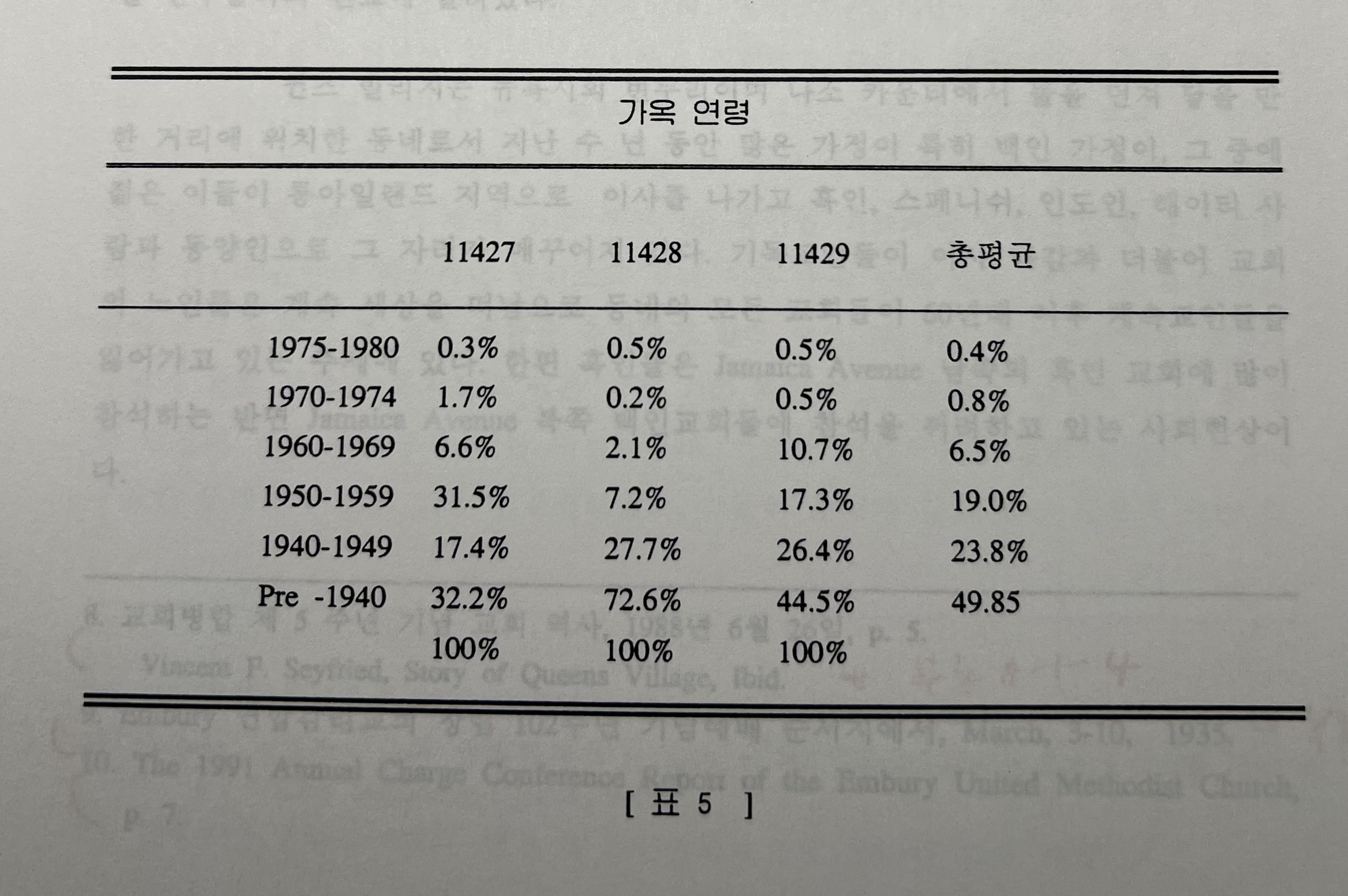
Of course, as shown in [Table 5], even if interracial and intercultural marriages increase rapidly in the future, it remains doubtful whether society will automatically and positively accept these unions. Individuals may recognize and accept them within their personal relationships. Intercultural families are expected to receive cooperation regarding interracial marriages. Those who know of some mixed-race couples who have failed or whose children struggle with identity issues are likely to hold negative attitudes. On the other hand, those who know successful interracial marriages with well-adapted mixed-race children will likely have cooperative attitudes. Just as it is uncertain whether marriages within the same race will succeed or fail, it is also clear that intercultural marriages remain uncertain. New attempts always involve higher risks. Almost all interracial families who cooperate and love each other believe that their difficulties ultimately make them stronger.

[Table 5]

Annual Statistics of Intercultural Marriages in the United States

YearTotal Marriages (Cumulative)Black/White MarriagesAnnual Growth Rate
196040,491,00051,0000.01
197044,597,00065,0000.01
198049,714,000166,0000.03
198852,613,000218,0000.04

According to U.S. Census Bureau statistics: data from 1990 shows that the number increased from 310,000 in 1970 to 956,000 in 1988. Intercultural and interracial marriages continue to show rapid growth.

4. Reasons for the Change in Attitudes Toward Intercultural Families

  1. Recognition as Healthy Marriages

A minority of people are interested in interracial marriages as a social ideal, and some groups even recommend interracial marriage as a step toward the unity of all humanity.

From a purely biological standpoint, it is a proven scientific fact that in all living organisms—plants, animals, and humans—mixing different lineages within the same species strengthens the species. Those who accept this fact tend to believe that interracial or intercultural marriages produce relatively “stronger” offspring.

Another view held by those who believe intercultural marriage is normal and healthy is that such marriages can bring about true equality in this land. Joseph Washington stated in his book Marriage in Black and White that “Only through marriage can Black people be fully accepted equally among White people, and Whites also be fully accepted among Blacks.”11

No religion currently officially endorses intercultural marriage as doctrine. However, the Bahá’í Faith, which emphasizes human unity, teaches this view. It sees interracial marriage as a service to humanity, resolving racial conflicts and as the first step toward uniting all races.

  1. Acceptance as Special Marriages

Some believe marriage is a destiny that must face challenges, so it should be formed and maintained between similar partners. This philosophy can be summarized by “the rare, the disabled, the superior.” These people think the more similar personality traits spouses have, the higher the chance of success. Similar ethnic backgrounds, education levels, social status, religious beliefs, racial identity, and values are believed to reduce tensions in relationships.

Those who hold this view restrict individual freedom to choose a marriage partner and, while reserving judgment on the equality of all people, argue that the best marriages occur between similar people. Interracial couples who go against social norms are choosing a special and unique path. When interracial couples make such choices, their determination to live with the strong opposition from the system must be accepted and respected.

Pastor C. Eugene Askew supported this view in his article titled “Must My Daughter Marry a Black Man?” stating:

“I hope my children will find suitable partners among young people similar in religion, culture, economic background, and race. However, if circumstances around them decide otherwise, my wife and I declare that we will love and understand their spouses, friends, and even grandchildren.”12

Social problems and pressures continue to be strong obstacles for those pursuing such marginalized and “risky” paths. Intercultural couples recognize these obstacles but do not see them as insurmountable. This is because once they choose to take the risk, there are supporters who willingly accept and assist them in maintaining this “special relationship.”

  1. Opposition Due to Problems

Some say interracial marriage causes too many problems and raises too many questions. Their opposition is not based on minority or racial superiority but on sociological and cultural dynamics.

Many forces try to prevent or destroy mixed marriages. Among the strongest are economic and relational reasons. The parents, family, and friends who could most support intercultural couples may be the strongest opponents. One major reason for opposition is the belief that children born to such couples have no other choice but to suffer. Mixed-race children are expected to suffer from identity confusion, racial slurs, and stereotypes. Moreover, interracial families often face discrimination in jobs, housing, and even when such discrimination is illegal.

These opponents think society still doubts the motives of intercultural couples, and many believe that those who decide to marry interracially negatively affect many others. Regardless of how much the couple truly loves each other, the price they pay is too high.

  1. Rejection as Destructive Marriages

There are groups united in opposing interracial and intercultural marriages from a different philosophical standpoint. They believe these marriages are wrong because racial mixing weakens races. Particularly, Whites argue for separation to protect the purity of their blood. Groups such as White Supremacists, Ku Klux Klan, and Skinheads oppose interracial marriages on this basis.

Other groups oppose intercultural marriages, believing that continued interracial and intercultural marriages lead to identity loss and even cultural suicide. In the 1960s, militant Black activists emphasized the necessity of racial and cultural separation to avoid assimilation into the dominant society. They declared that intercultural marriages weaken or destroy identity—this was Malcolm X’s argument.

Marriage is ordained by God. God entrusted men and women with the mission to share life’s joy and bring children into the world. Every individual must carefully consider whether or not to marry and with whom, clearly understanding God’s blessing and guidance. Because the choice of marriage is very important, brides and grooms must receive the blessing of their families and society.


5. Prayer for Intercultural Families

Because the number of intercultural families is still very small, stereotypes about them are easily formed and once established, are hard to change or remove. When one listens to these stereotypes or myths far from reality through dialogue or observation, they include:

(1) Intercultural marriage contradicts biblical teachings and examples.
(2) Partners in intercultural marriages cannot adapt to the environment or have neurosis.
(3) Only Whites can question whether intercultural marriage is recommendable.
(4) Divorce rates in intercultural families are higher than in same-race marriages.
(5) Children of intercultural families will be rejected by both racial groups.
(6) Children of intercultural families inherit inferior genes.
(7) Children of intercultural families are victims of their parents’ choices.

Such stereotypes should be researched to measure their reliability, and their negative concepts must be corrected as soon as possible. Most Korean women in intercultural families live in extreme loneliness, thorough alienation, and fear. Especially, mental illness, maladjustment, and juvenile delinquency issues in intercultural families remain hidden except for cases reported to the police. Due to cultural reasons related to shame and face-saving, psychological problems are often not acknowledged. Most problems are dealt with within the family rather than seeking outside professional help.

Korean women in intercultural families represent a prime example of the ongoing issues of gender and racial discrimination in this land. To help understand this, one must first understand Korean cultural consciousness. If the ultimate solution to racial conflict and discrimination is placed on intercultural families, understanding interculturality and taking measures for the restoration of disadvantaged families should be seen as a great earthly mission God has given us, and our missional duty above all else.

For reference, organizations supporting intercultural families are provided.13

[Notes]

  1. New York Korea Times, January 31, 1995, A7.
  2. Henry III, William A., “Beyond the Melting Pot,” Time (April 9, 1990): 28-31.
  3. Korea Times New York Edition, Korean language version, March 30, 1995, p. B.
  4. Spickard, Paul R., Mixed Blood: Intermarriage and Ethnic Identity in Twentieth-Century America (Madison: University of Wisconsin, 1989), p. 69.
  5. Ibid., pp. 293-294.
  6. Ibid., pp. 371-372.
  7. Ibid., p. 7.
  8. Portfield, Ernest, Black and White Mixed Marriages (Chicago: Nelson-Hall, 1978), pp. 59-84.
  9. Bode, Janet, Different Worlds: Interracial and Cross-Cultural Dating (New York: Franklin Watts, 1989), p. 81.
  10. Spickard, Mixed Blood, p. 313.
  11. Joseph R. Washington, Jr., Marriage in Black and White (Boston: Beacon, 1971), pp. 326-327.
  12. C. Eugene Askew, “Should My Daughter Marry a Negro?” in Marrying Across the Color Line, edited by Cloyte M. Larsson (Chicago: Johnson, 1965), p. 33.
  13. Appendix [C-3]

Posted in Doctor of Ministry | Leave a comment

다문화 속의 교회, 교회생성을 향한 변형연습의 신학적 관점 (제 3 장) 뉴욕, 1995

            오늘의 세계는 편견과 인종차별 그리고 여성차별로 인해서 공동체의 비인간화 문제에 당면하고 있다. 비인간화 된 사회를 인간화된 사회에로의 변형을 연습하는 것이 세레받은 주의 제자들이 해야될 사명이라 하겠다. 성화(聖化, SANCTIFICATION)는 의롭다 칭함을 받은(稱義化, JUSTIFICATION) 사람이 완전(完全, PERFECTION)을 향해 나가는 과정(過程, PROCESS)을 말한다. 그리스도인의 성화를 향한 변형연습이란 바로 사회속의 교회가 새로운 공동체로 늘 생성하여 변화되는 과정가운데 늘 남아있임을 뜻한다. 따라서 거룩하게 됨의 핵심인 경건(敬虔, PIETY)은 종교훈련이 아니고 만다. 이것은 교회내에서의 ‘모인 교회’의 ‘더불어 사는 모습’ 뿐만 아니라, 사회내에서의 교회의 ‘흩어진 교회’의 ‘더불어 사는 모습’을 갖고 계속 변형에 임한 모습이며, 그속에 확대된 천국 가정을 볼 수 있다 하겠다.

            인종차별은 편견(偏見)의 극대화된 형태이다. 편견이란 인종차별의 또 다른 형태로서 문자그대로 해석한다면, ‘미리 판단을 내린 것(속단, 速斷),’을 말한다. 대부분의 편견은 사실에 입각하기 보다는 전통과 고정관념과 사실과 거리가 먼 신화에 그 뿌리를 두고 있다.

            자만(自慢)이 한 인종의 긍정적인 발전을 가져온다 그러나 자만은 때로는 다른 사람을 향한 자신의 우월감으로 인도한다. 의견과 추측도 표면적인 것과 전해들은 것과 부정확한 정보를 통해서 편견으로 인도할 수가 있다. 따라서 대부분의 사람들이 다소간 어느정도의 편견을 갖고 있다. 우리가 갖고 있는 소식들이 때로는 잘못되여 있고 충분치 못한 경우가 너무도 많다. 또한 정확한 정보를 받았을 때에라도 보통 우리는 우리가 좋아하는 모양으로 수정하여 전달하기를 좋아한다. 따라서 인종편견이 계속됨에 따라 그 정보가 사실과 상반대는 것일 지라도 그것은 인종차별주의가 되여버리고 만다.

            이러한 인종차별은 교육이나 이성으로 없애 버릴 수가 없다. 편견은 의식적 혹은 무의식적일 수가 있다. 그러나 인종차별은 다른 인종들을 향하여 질적으로 열등한 취급을 함으로 자신의 인종을 우월한 인종의 정당화하는 의도적인 시도를 말한다. 인종차별주의자들은 환경적인 것보다는 그들의 우월성을 유전성을 따져서 그 우월성을 설명하다.

            결국 인종차별과 여성차별은 인간을 소외 시키고 공동체를 비인간화 했다. 소외된 사회는 서로의 상관 관계로 부터 문제 해결의 실마리를 준다는 것을 알아야 할 것이다. 그러면 개인의 상관적 존재는 무엇이며, 상관적인 사회인 교회 공동체의 모습은 어떤 것이며, 또한 교회 공동체 내에서 어떻게 의식화된 개인이 교회 공동체 인간화를 위하여 즉 어떤 변형 연습해야 하는가를 보고, 이러한 교회 공동체가 사회 내에서 맺고 이는 관계속에서 책임적인 실체로서의 생성 공동체를 살펴보겠다. 끝으로 오늘의 비 인간화 원인들 가운데 심각한 문제 두개가 한인 이민사회와 그 가정 특히 이중문화가정과 깊은관계가 있다고 사려되여, 성차별과 인종차별을 선택하고, 이 둘에 대한 생성 할동을 이해하는 신학적 도움을 갖고자한다.

1. 하나님의 공동체를 향한 상관적 자아(相關的 自我)의 신학

            교회생성(敎會生成)을 향한 변형연습(變形縯習)은 교회가 사회의 실체에서 공동체의 실체로 생성되기를 바라는 변형과정으로서 그 본질상 영원한 변형연습으로 남는다. 이것을 신학화하는 것은 과정신학적 관계성을 관찰할 때에 도움이 되리라고 확신한다. Marjorie Hewitt Suchocki의 God Christ Church 1 를 중심으로 관계신학을 살펴보고자 한다.

            상관적인 세계속에서 사랑과 신뢰 그리고 희망을 향한 능력이 하나님이다. 공동체의 필수 요건은 대화(교통)이다. 그 대화는 한 시간의 정점에서 갖는 ‘보통 감각’을형성하는 생각의 형식을 사용함에 의존한다. 하나님이 우리를 위해서 계신 세상 속에 있는 실존을 표현하는 한 방법이 신학이라고 한다면, 그 신학은 바로 이러한 관계적인 언어속에서 표현될 것이라 본다.

            우리의 내적 실체는 외적인 실체를 통해서 이해된다: 자신 밖으로 이루어지는 모든 관계들은 스스로 만든 규약과 자기이해속에서 필요불가결하게 연결되여 있다. 외적 실체는 관계를 통해서 내적인 것이 된다. 환경이 개인을 이루어 간다면 개인도 환경을 또한 이루어 나간다. 계속되는 역사는 역사 속의 예속적인 활동들 뿐만 아니라, 택하는 자와 해석자에 의해서 그 모양을 갖추어 나간다. 이를 위한 정체성은 한 사람에게 영향을 주는 외적인 것 이상이다. 이 정체성은 그 자신을 넘어서 영향을 끼치는 것이다. 따라서 주고 받는 관계성이란 우리가 우리로서 존재해 있음을 향해서 종합됨을 말한다. 그러므로 관계는 실존을 존재속으로 밀어 넣는다. 한번 이루어짐을 갖으면, 그 새로운 존재는 미래를 향해 관계를 필요로 한다. 관계성들은 실존하는 객체의 처음과 끝인 것이다. 하나의 개체속으로 많은 관계를 뭉쳐들어가게 하고 또한 가까운 장래 속으로 통일되도록 밀어내는 힘 속에 관계적으로 다가오는 활동력 안에 위치한 것이 바로 하나님의 능력이다. 이와같이 종합하는 관계들의 과정이 실체를 생성한다. 이러한 과정이 역동이요 새로운 관계들을 부여하고 새 종합들을 이루고, 새 실체들을 생성한다. 이러한 관계적 실체는 인간 실존에 의해서는 거의 피곤해지거나 고갈되지를 않는다. 과정은 단순히 인간 조건의 특권이 될 수 없다. 과정은 모든 실체를 향해서 근본적이다. 변화는 실존으로 스며들어 번져나간다. 변화는 관계함의 기능이다. 만일 관계함이 인간 실존 속의 변화의 열쇄라면 그리고 인간의 실존이 세상과 더 넓은 우주와 낯설지 않다면, 그러나 확대된 지배의 한 부분이라면, 왜 관계함이 모든 변화의 열쇄가 않될까? 우리의 몸을 봐도, 7년이면 몸의 모든 세포가 전부 바뀌는 것은 우리몸의 공간 속에서 변화의 끊임없는 과정이 자리 잡고 있다는 말이다.

            과정의 형태

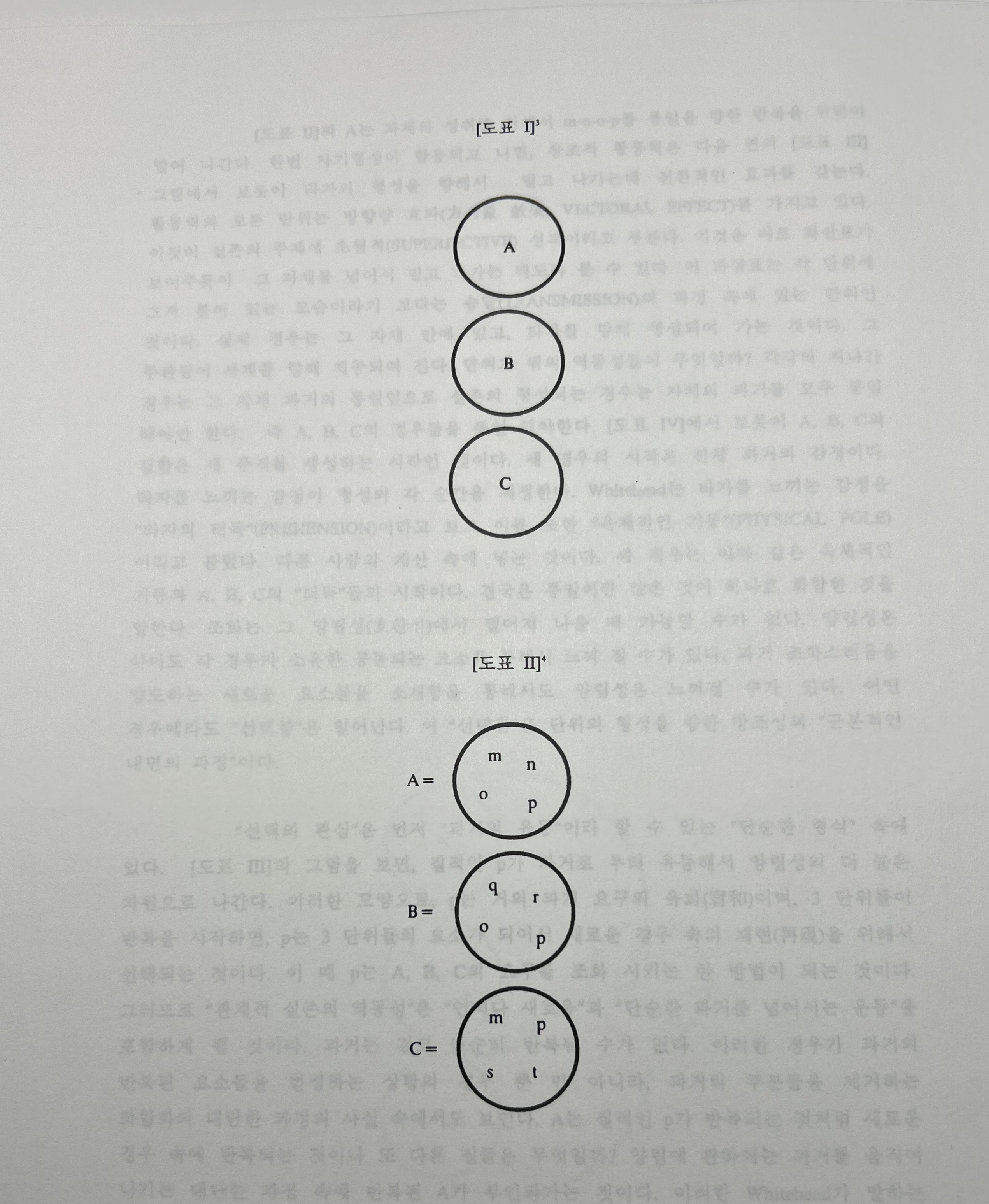
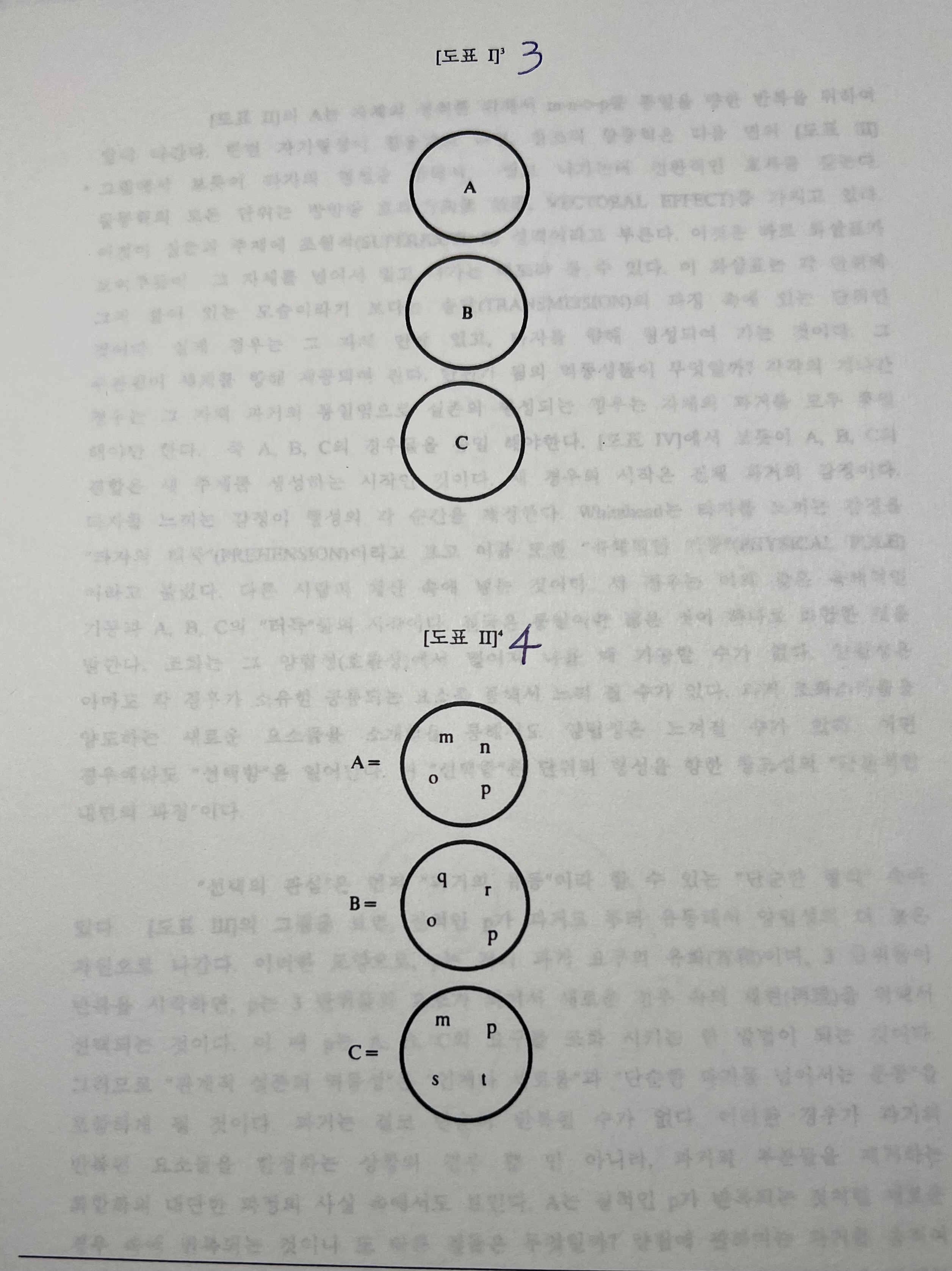
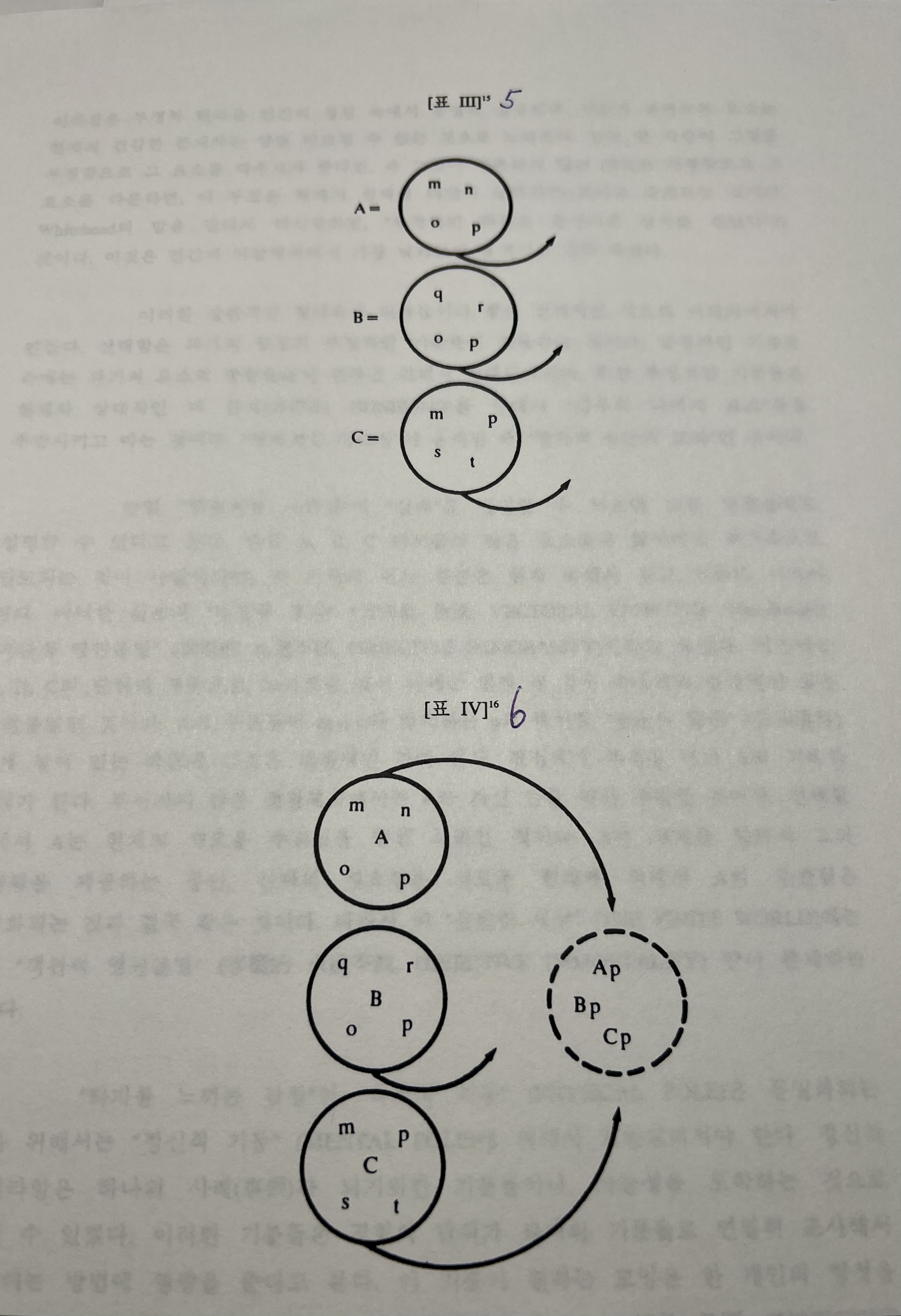
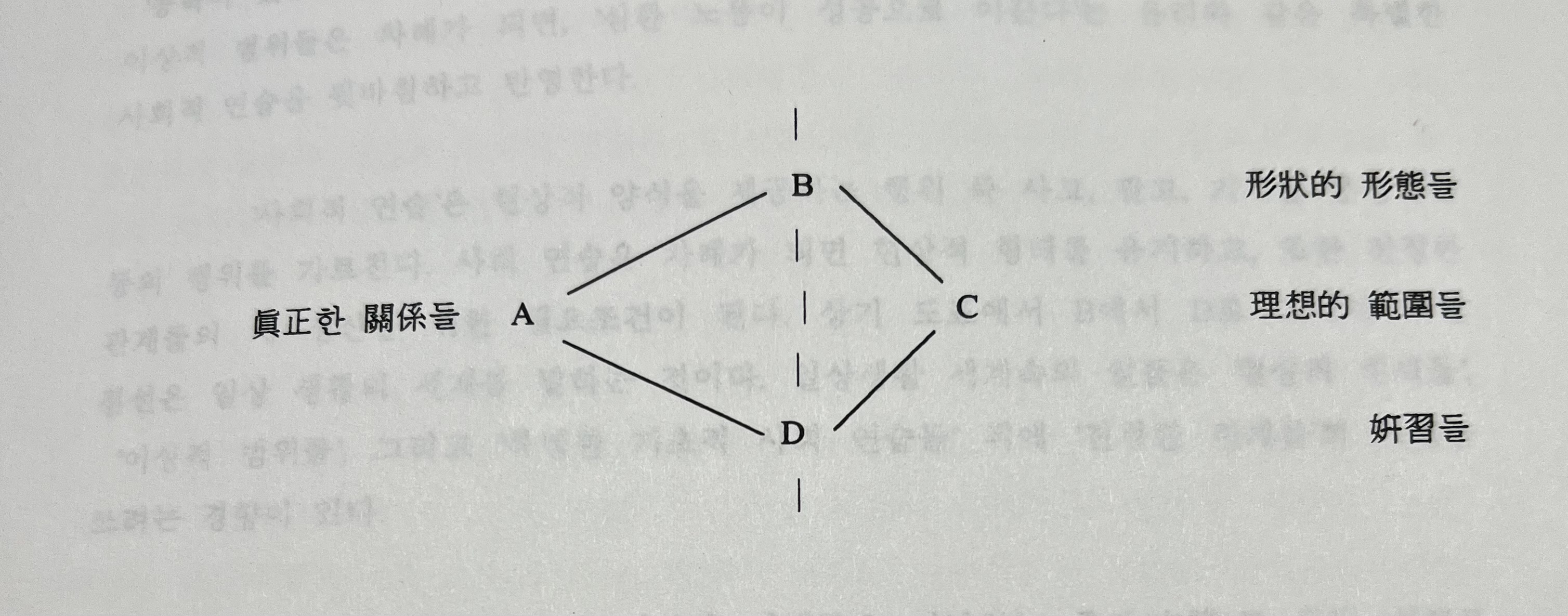
            통일의 새 양식이 현재를 이룬다. Alfred North Whitehead는 분리된 개체가 ‘실제 경우들'(實際 境遇, ACTUAL OCCASIONS)을 갈라놓는다고 명명했다.2 여기서 ‘실제’라는 말은 구체적이고 사실적인 것들을 가리킨다. ‘경우’란 이 실체가 일어나고 있음이나 사건임을 의미한다. 실존의 개체(個體)가 ‘실제 경우’이며, 그것이 부분으로 속해있는 전체를 위한 것 만큼 자체를 위한 어떤 것을 말한다. ‘실제 경우’가 되여가는 과정은 다음과 같은 일련의 복합 그림을 통해서 설명될 수가 있다. 다음 면의 [도표 I]의 그림은 단순한 3 개의 ‘경우’를 보여주고 있다.

            ‘개체의 경우’는 그 자체의 많은 영향들의 복합 통일인 것임을 그림을 통해서 알 수가 있다. 따라서 A, B, C 의 3 ‘경우’는 다음과 같은 복합 영향들로 형성됨을 알 수가 있다.

‘개체의 경우’가 이미 정체의 궁극의 통일속으로 협동된 얼마간의 영향들을 나타냄을 알 수 있다. 이 세개의 활동력의 객체가 각각 성취가되고 나면, 개체마다 영향력을 소유한다. 그 영향이 형성된 개체의 내용과 통합적으로 연결된다.

Note #3 Note #4

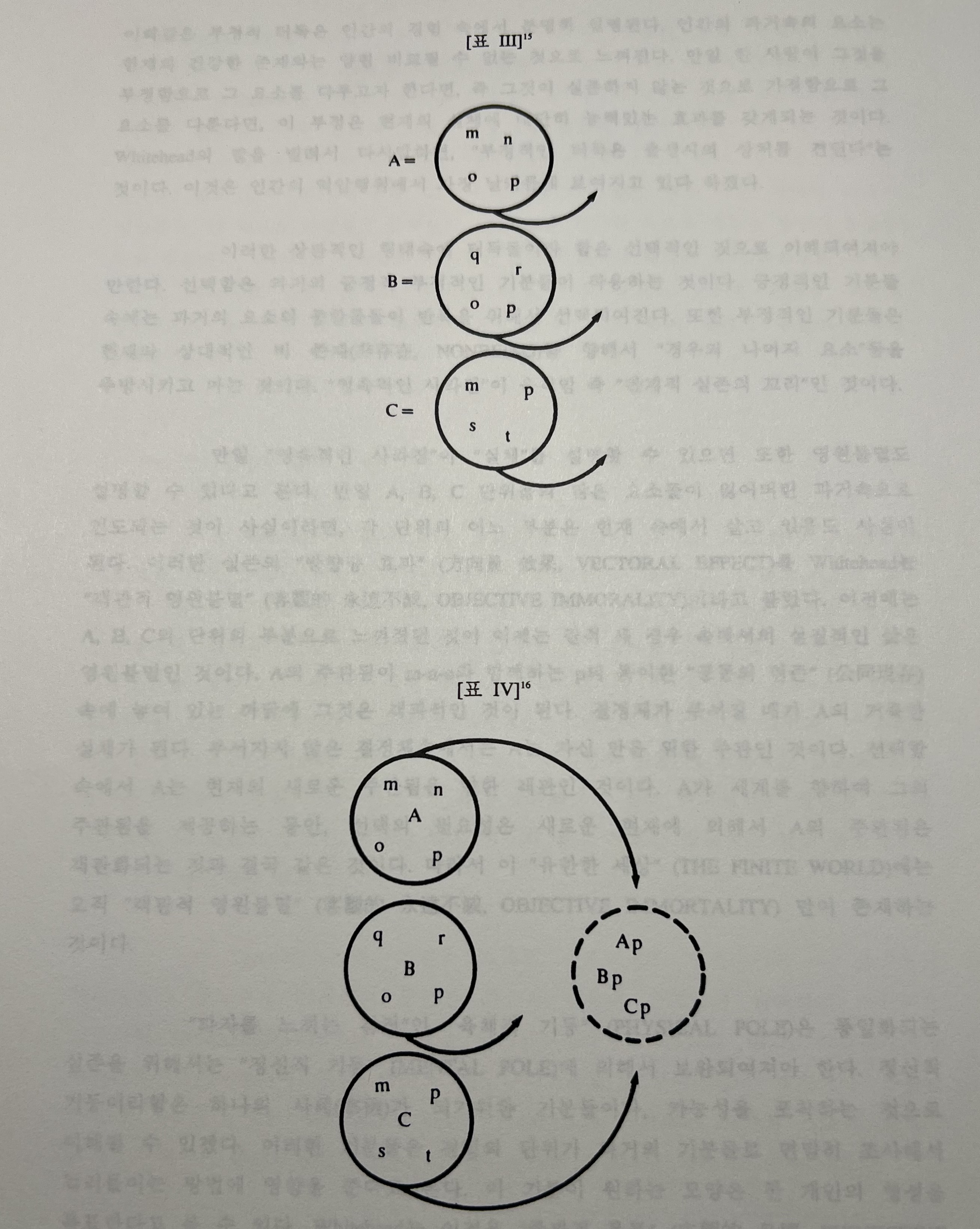
            [도표 II]의 A는 자체의 성취를 위해서 m-n-o-p를 통일을 향한 반복을 위하여 밀어 나간다. 한번 자기형성이 할용되고 나면, 창조적 활동력은 [도표 III]의 그림에서 보듯이 타자의 형성을 향해서 밀고 나가는데 전환적인 효과를 갖는다. 활동력의 모든 단위는 방향량 효과(方向量 效果, VECTORAL EFFECT)를 가지고 있다. 이것이 실존의 주제에 초월적(SUPERJECTIVE) 성격이라고 부른다. 이것은 바로 화살표가 보여주듯이 그 자체를 넘어서 밀고 나가는 태도라 볼 수 있다. 이 화살표는 각 단위에 그저 붙어 있는 모습이라기 보다는 송달(TRANSMISSION)의 과정 속에 있는 단위인 것이다. 실제 경우는 그 자체 안에 있고, 타자를 향해 형성되여 가는 것이다. 그 주관됨이 세계를 향해 제공되여 진다. 단위가 됨의 역동성들이 무엇일까? 각각의 지나간 경우는 그 자체 과거의 통일임으로 실존의 형성되는 경우는 자체의 과거를 모두 통일 해야만 한다. 즉 A, B, C의 경우들을 통일 해야한다. [도표 IV]에서 보듯이 A, B, C의 결합은 새 주제를 생성하는 시작인 것이다. 새 경우의 시작은 전체 과거의 감정이다. 타자를 느끼는 감정이 형성의 각 순간을 제정한다. Whitehead는 타자를 느끼는 감정을 타자의 터득(PREHENSION)이라고 부고 이를 또한 육체적인 기둥(PHYSICAL POLE)이라고 불렀다. 다른 사람의 계산에 넣는 것이다. 새 경우는 이와 같은 육체적인 기둥과 A, B, C의 터득들의 시작이다. 결국은 통일이란 많은 것이 하나로 화합한 것을 말한다. 조화는 그 양립성(호환성)에서 떨어져 나올 때 가능할 수가 없다. 양립성은 아마도 각 경우가 소유한 공통되는 요소를 통해서 느껴 질 수가 있다. 과거 조화스러움을 양도하는 새로운 요소들을 소개함을 통해서도 양립성은 느껴질 수가 있다. 어떤 경우에라도 선택함은 일어난다. 이 선택함은 단위의 형성을 향한 창조성의 근본적인 내면의 과정이다.

            선택의 관심은 먼저 과거의 유동이라 할 수있는 단순한 형식 속에 있다. [도표 III]의 그림을 보면, 질적인 p가 과거로 부터 유동해서 양립성의 더 높은 차원으로 나간다. 이러한 모양으로, p는 거의 과거의 요구의 유화(宥和)이며, 3 단위들이 반복을 시작하면, p는 3 단위들의 요소가 되어서 새로운 경우 속의 재현(再現)을 위해서 선택되는 것이다. 이 때 p는 A, B, C의 요구를 조화 시키는 한 방법이 되는 것이다.

            그러므로 관계적 실존의 역동성은 언제나 새로움이나 단순한 과거를 넘어서는 운동을 포함하게 될 것이다. 과거는 결코 단순히 반복될 수가 없다. 이러한 경우가 과거의 반복된 요소들을 한정하는 상황의 경우 뿐 만 아니라, 과거의 부분들을 제거하는 화합화의 대단한 과정의 사실 속에서도 보인다. A는 질적인 p가 반복되는 것처럼 새로운 경우 속에 반복되는 것이나 또 다른 질들은 무엇일까? 양립에 관하여는 과거를 움직여 나가는 대단한 과정 속에 반복된 A가 부인되가는 것이다. 이러한 Whitehead가 말하는 ‘부정적인 터득들'(NEGATIVE PREHENSIONS)은 효력이 없는 것이 아니다. [도표 IV]에서 보듯이 효과(效果)들의 일부가 바로 먼저의 주위 환경의 상실과 먼저의 단위의 죽음 속에 즉 m-n-o없이 일어나는 p의 재연(再演)속에 있는 것이다.

Note #5 Note #6

이와같은 부정적 터득은 인간의 경험 속에서 분명히 설명된다. 인간의 과거속의 요소는 현재의 건강한 존재와는 양립 비교될 수 없는 것으로 느껴진다. 만일 한 사람이 그것을 부정함으로 그 요소를 다루고자 한다면, 즉 그것이 실존하지 않는 것으로 가정함으로 그 요소를 다룬다면, 이 부정은 현재의 실체에 대단히 능력있는 효과를 갖게되는 것이다. Whitehead의 말을 빌려서 다시말하면, “부정적인 터득은 출생시의 상처를 견딘다”는 것이다. 이것은 인간의 억압행위에서 가장 날카롭게 보여지고 있다 하겠다.

            이러한 상관적인 형태속에 터득들이라 함은 선택적인 것으로 이해되여져야 만한다. 선택함은 과거의 긍정적 부정적인 기분들이 작용하는 것이다. 긍정적인 기분들 속에는 과거의 요소의 종합물들이 반복을 위해서 선택되여진다. 또한 부정적인 기분들은 현재와 상대적인 비 존재(非存在, NONBEING)를 향해서 경우의 나머지 요소들을 추방시키고 마는 것이다. “영속적인 사라짐”이 움직임 즉 관계적 실존의 꼬리인 것이다.

            만일 영속적인 사라짐이 실체를 설명할 수 있으면 또한 영원불멸도 설명할 수 있다고 본다. 만일 A, B, C 단위들의 많은 요소들이 잃어버린 과거속으로 인도되는 것이 사실이라면, 각 단위의 어느 부분은 현재 속에서 살고 있음도 사실이 된다. 이러한 실존의 방향량 효과(方向量 效果, VECTORAL EFFECT)를 Whitehead는 객관적 영원불멸(客觀的 永遠不滅, OBJECTIVE IMMORALITY)이라고 불렀다. 이전에는 A, B, C의 단위의 부분으로 느껴졌던 것이 이제는 질적 새 경우 속에서의 실질적인 삶은 영원불멸인 것이다. A의 주관됨이 m-n-o와 함께하는 p의 특이한 공동의 현존(公同現存) 속에 놓여 있는 까닭에 그것은 객과적인 것이 된다. 결정체가 부서질 때가 A의 거룩한 실체가 된다. 부서지지 않은 결정체속에서는 A는 자신 만을 위한 주관인 것이다. 선택함 속에서 A는 현재의 새로운 주관됨을 향한 객관인 것이다. A가 세계를 향하여 그의 주관됨을 제공하는 동안, 선택의 필요성은 새로운 현재에 의해서 A의 주관됨은 객관화되는 것과 결국 같은 것이다. 따라서 이 유한한 세상(THE FINITE WORLD)에는 오직 객관적 영원불멸(客觀的 永遠不滅, OBJECTIVE IMMORTALITY) 만이 존재하는 것이다.

            타자를 느끼는 감정인 육체적 기둥(PHYSICAL POLE)은 통일화되는 실존을 위해서는 정신적 기둥(MENTAL POLE)에 의해서 보완되여져야 한다. 정신적 기둥이라함은 하나의 사례(事例)가 되기위한 기분들이나, 가능성을 포착하느 것으로 이해될 수 있겠다. 이러한 기분들은 경험의 단위가 과거의 기분들로 면밀히 조사해서 걸러들이는 방법에 영향을 준다고 본다. 이 기분이 원하는 모양은 한 개인의 형성을 목표한다고 볼 수 있다. Whitehead는 이것을 주관적 목표(主觀的 目慓, SUBJECTIVE AIM)이라고 불렀다. 즉 어떤 하나를 향한 통일화, 창조적인 힘인 것이다. 이와같은 자기형성(自己形成, SELF-BECOMING)을 향한 목표를 통해서, 실존의 경우는 자체의 실체(ACTUALITY)를 향해서 움직여 나간다. 이러한 목표의 힘을 통해서, 과거의 통합물들은 그들 각각의 자리로 퇴거(退去)된다. 조화는 이러한 과정의 완성으로 인해서 성취된다. Whitehead는 이러한 종국의 조화를 그 과정의 만족(滿足, SATISFACTION)이라고 불렀다. 다시 말해서 자체의 창조적 순간의 완성이라는 것이다. 창조적 활동력이 이제 한가지 더 첨가되는 창조성의 추진력으로서 우주 속으로 들어가는 것이다. 많은 것이 하나가 된다. 그러나 그렇게 되기에는, 많은 것은 하나에 의해서 성장했다. 한 새로운 다양성은 존재한다. 즉 새로운 하나의 속으로 향하는 창조적 통일를 위한 부름이다. 그러므로 이와같은 우주적인 춤은 많음에서 하나로 또 많음으로의 박자를 가지고 계속되고 있는 것이다. 이러한 과정 속에 관계적 실존은 존재함 속으로 영속적으로 들어오는 것이다.      

2. 어떤 그리스도의 몸이 될까?

            J. Bernad는 다음과 같이 공동체에 대하여 정의를 하고있다. “공동체란 동질성을 가진 일정한 인구가 자연적, 생태적, 지리적으로 한정되고 근접한 지역에 살고 있으며, 역사적 유산을 공유하고 있고, 일련의 기본적 봉사 기관을 가지고 있으며, 공동의 생활방식에 참여하고, 단일성의 의식을 가지고 협동생활을 할 수있는 여건을 갖춘 사회집단을 말한다.”7 여기서 특히 중요한 것은 공동성 즉 공동체 의식이나 공동체 감정이다. 공동체 구성원들 사이에서 하나됨을 느끼면서 ‘우리’라는 의식과, 구성원들 서로 간에 그리고 구성원과 공동체 사이에 상호 신뢰감이 있을 때 공동체는 조화와 안정, 협동과 연대감이 마련되는 것이다.8 이러한 공동체성이 전통 사회에서는 당연하 것으로 여겨졌고 그 성향도 강했다. 서로가 알고 서로가 돕고 서로가 협력하는 집단 공동체로서 그 사회는 유지되어 왔던 것이다.

            F. Tonnis는 혈연, 지연을 토대로 종감적이고 인격적이며 비 공식적인 인간관계가 중요하게 작용하며 공통된 관습과 믿음에 근거하여 일체감이 마련되는 공동사회(GEMEINSCHAFT)에서, 합리적 의지와 계약에 기초하고 있고, 인간관계성이 비인간적이고 이차적이 되며 행동은 개인주의적으로 되면서 집단 결속이나 공통된 유산이 지속되기 힘든 이익사회(GESELLSCHAFT)로의 불가피한 사회적 변화에 대하여 말했다.9 역사가 발전하면서 사회구조가 공동사회의 성격에서 이익사회의 성격으로 변화되여가는 것을 알 수 있다. 이를 E. Durkheim은 다음과 같은 주장은 F. Tonnis의 주장에 동조하고 있다. 즉 연대감(Mechanical Solidarity)에 기초하여 개인들이 그 사회의 가치, 이념, 믿음 그리고 정감들을 공유하며 잘 통합되어 있는 전통사회로 부터 유기적 연대감(Organic Solidarity)에 기초하여 동질성을 상실하고 단순히 공존을 위한 상호 의존관계 만이 남아 있는 근대사회로의 이행이 불가피하다고 주장한다. 10 또한 R. Redfield도 이에 동조하면서 민속사회에서 도시사회로의 이행이 불 가피하다고 주장하며, Howard Becker도 이러한 변화들은 전통사회에서 현대사회에로 옮겨갈 때 생기는 필연적인 결과라고 주장하고 있다. 한마디로 그들은 이러한 사회구조의 변화들을 공동체성이 약화되거나 붕괴되는 현상이 전형적인 사회적 양태롤 보고있다.

            합리적인 의지와 법적인 제도 장치가 마련이 되여있지 않은 상태에서 오는 개인주의와 이기주의를 바탕으로한 사회 구조에로의 변화는 무질서(ANOMIE) 현상을 유출한다. 이는 공동체의 ‘더불어 삶’을 깨버리는 역할을 한다. 정치인과 국민이 함께 가지 아니하고, 남여가 서로 지배하려고 하고, 인종간에 차별이 심화되고, 타 종교인들을 적대하고, 가진자가 없는 자를 지배하려고 한다.

            1) 대화 공동체가 하나님의 공동체이다.

            우리가 인간의 공동체를 떠나서는 살 수 없고 공동체는 경험을 나눔으로서 공동체적 연대를 유지한다. 인간 공동체는 그공동체의 정체성과 인간화를 위하여 부단히 그 공동체가 창조하고 축적하는 경험과 지혜를 나누는 것인데 이것이 대화(對話,COMMUNICATION)이다. 현대에는 두 대화가 교육체제와 언론체제를 통하여 가장 중요하게 나타난다. 이 두체제는 그 사회의 권력구조와 밀접한 관계를 가지고 있다.

            대화가 인간의 본질에 속하는 것처럼 신앙과 신앙의 경험을 소통하는 것은 모든 종교의 본질에 속한다. 특히 기독교에 있어서는 더욱 그렇다. 기독교 신앙은 인간을 향한 하나님의 자기 계시, 즉 자기 대화 (SELF-COMMUNICATION)이다. 히브리 백성들이 이집트에서 노예생활을 하면서 고통에 신음하고 울부짖을 때, “야훼께서 … 말씀하셨다. 나는 내 백성이 애급에서 고생하는 것을 똑똑히 보았고 억압을 받으며 괴로워 울부짖는 소리를 들었다. 그들이 얼마나 고생하는지 나는 잘 알고 있다.”(출애급기 3:7) 이 야훼 하나님이 커뮤니케이션의 사건은 히브리 백성의 애급에서의 탈출이라는 구원의 사건으로 이어진다. 실로 성서는 하나님과 그의 백성 사이에 이루어지는 대화로 엮어져있다.

여기서 형성된 것이 소위 계약 공동체(COVENANT COMMUNITY)인데 이 공동체에서는 하나님의 약속의 말씀과 하나님의 백성의 신앙이 완전히 소통되는 공동체이다. 여기서 단절이나 왜곡이 생겼을 때, 즉 대화(COMMUNICATION=KOINONIA=COMMUNION)가 파기 되었을 때, 인간은 하나님에게서 소외(疎外)되고, 이 관계의 회복을 위하여 제사적 매개 과정이 필요하게 되며, 여기서 고백과 용서가 관계를 새롭게함에 필수적 요건이 된다.

            2) 하나님의 대화 공동체

            창세기의 이야기에서도 하나님의 창조와 우주적, 역사적 주권은 말씀으로 이루어진다. 기독교의 하나님은 그의 피조물 아담과 이브와의 인격적 대화를 실현하였고, 그들을 그의 형상대로 창조하여 인격적 대화 공동체로 혼연일체가 되게 하였다. 이것이 에덴의 인간 사이에 아무런 격이 없는 공동체이다. 이 인간 공동체에는 하나님과 인간, 인간과 인간 사이는 물론 인간과 모든 다른 피조물과의 사이에 대화(COMMUNICATION), 친교(COMMUNION), 그리고 평화(SHALOM)가 충만하다.

             사실 이런 에덴의 공동체는 하나님으로부터 소외되고, 하나님에게 저항하여, 즉 하나님과의 대화, 일치가 파괴되고 왜곡된 공동체, 그리고 그 결과로 공동체 내부에 대화와 일치의 상황을 배경으로 하여 이해되어야 한다. 가인과 아벨의 갈등과 하나님을 대항하여 바벨탑을 구축한 인간 집단 속의 언어의 혼란, 공동체의 파괴는 바벨론 제국 체제의 본질을 표출시킨 것이다. 여기서 바벨탑의 이야기는 중요하다. 하나님에 대한 배반의 상징인 바벨탑은 언어의 획일에 의한 인간 지배 체제를 의미하고 그것은 언어의 혼란과 대화의 단절이라는 하나님의 심판이 결과로 따른다.

            하나님은 아담과 이브가 하나님의 명령을 어기고, 하나님을 배반하였을 때, 그의 구원의 행위로서 하나님 자신의 대화를 먼저 시작하신다. 아담과 이브에게도 하시고, 가인에게도 하시며, 그의 백성이 스스로 소외의 소 굴레를 쓸지라도, 그리고 바벨론의 종교 정치 체제가 그의 백성을 포로로 만들어 대화를 단절 시킬지라도 하나님은 대화의 통로를 연다.

            계약 공동체가 파괴되니 계약으로 인하여 공동체가 대화와 일치가 붕괴되었을 때 하나님은 그의 역사를 위한 뜻을 예언자들을 매개로한 예언운동으로 다시 대화를 시도하였다. 여기서 하님의 역사적 개입은 정의를 위한 예언, 정의를 위한 하나님의 대화로 나타났다. 진정한 공동체는 정의없이 대화와 일치가 실현될 수 없기 때문이다.예언자 운동은 정의를 위한 대화 임과 동시에 정의는 진정한 대화를 위한 기본 필수조건 임을 알 수 있다.

            하나님과 하나님의 백성 사이에 대화가 깨지고, 인간이 이 대화를 자기의 이익과 권력을 위하여 왜곡하여 인간 공동체가 밀림으로 되었을 때에도 하나님은 희생의 제물과 제사를 통하여 화해를 이루고, 새롭게 대화를 시작하시고, 진정한 대화와 일치를 실체(實體)로 하는 공동체를 회복한다. 이것은 정의의 심판과 화해와 용서의 말씀을 통하여 실현한다. 여기서 하나님괴 그의 백성, 백성의 공동체 안에 진정한 평화가 가득찬다.

            3) 성자(聖子)의 대화 공동체

            예수 그리스도의 이야기 즉 성육신(聖肉身, INCARNATION)은 가장 중요한 하나님 자신의 계시요 대화이다. 그의 인류를 향한 사랑의 표현이다. 이것이 “말씀이 육신이 되어 우리 가운데 거 한다”(요한 1:14)는 말의 뜻이다. 기독교의 복음은 곧 기쁜 소식을 모든 사람에게 전하는 것이다. 이것이 기독교의 선교이다. 이 복음이 예수를 통하여 “가난한 이들에게 전하여지고, 묶인 사람들에게는 해방을 알려주고, 눈먼 사람들은 보게하고 억눌린 사람들에게는 자유를 주며, 주님의 은총의 해가 선포되었다.”(누가 4:18-19)

            예수 그리스도의 이야기는 십자가와 부활의 이야기로서 고난을 나누고 고난에 동참하며 죽음을 이기고 죽음의 세력에 승리하는 하나님의 정의의 이야기이다. 이 이야기는 초대 기독교 공동체의 실체로 나타났는데, 이것이 곧 친교(KOINONIA)이며 모든 것을 나누어 주는 사랑의 공동체이다. 여기에는 모든 갈등과 분열과 소외가 사라져서 완전한 대화(PERFECT COMMUNICATION)가 이루어진 것이다. 이것이 사회가 공동체로 변한 모습이다. 심지어 사람들이 서로 다른 지역에서 왔을지라도 언어가 달랐음에도 불구하고 대화가 가능하게 되었다. 이것은 소수민족 이민공동체가 인종차별을 언어로 인해서 비롯되는 것을 근본에서 해결해줄 수 있는 희망적인 기초를 마련하고 있다. 이것이야말로 바벨탑을 건축한 획일적인 언어를 가진, 그러나 대화의 혼동이 있었던 사회와는 대조되는 생성 공동체인 것이다. 초대 교회는 로마 제국하에서 모든 억압과 불의를 극복하고 다가올 미래의 소망인 메시야 왕국을 전하고 있었다. 그 것은 절망 중에서 소망을 전달하는 것이다. 그 내용은 “하나님은 사람들과 함께 계시고, 사람들은 하나님의 백성이 될 것이다. 하나님께서는 친히 그들과 함께 계시고 그들의 하나님이 되셔서 모든 눈물을 씻어 주실 것이다. 이제는 죽음이 없고 슬픔도, 울부짖음도, 고통도 없을 것이다.”(요한계시록 21:3-4)

            우리는 위에서 기독교는 하나님과 인간, 인간과 인간 사이에 전통적 대화의 종교임을 증명하려 하였다. 완전한 대화가 이루어질 때 비인간화된 인간 사회가 진정으로 인간이 회복된 생성 공동체로 변형이 이루어진다. 인간이 갈등과 소외로 말미암아 그 공동체의 본질인 대화가 붕괴 또는 왜곡됐을 때 하나님은 그 구원의 역사를 대화로 이룩하신다. 하나님의 사랑과 정의, 그리고 평화는 대화 즉 공동체의 실체를 목적하고 있다. 그러므로 대화는 단순한 수단적인 과정일 수 없다.

            4) 성령(聖靈)의 대화 공동체

            성령을 경험하는 것은 하나님의 사랑과 뜻을 인간이 깨닫는 것이다. 성령의 일은 교통하는 역사이다. 인간의 내면과 인간 공동체에 성령은 하나님의 대화의 사건을 일으킨다. 그리하여 초대 교회에서 성령을 체험하게 되었을 때 다른 언어를 사용하는 사람들이 베드로의 설교를 각기 자기의 말로 알아 들을 수 있었다고 기록하고 있다. (사도행전 2장) 하나님의 영과 그리스도의 영은 항상 예언자들과 사도들을 통하여 하나님의 말씀을 전달하는 실체였고 오늘에 와서는 모든 믿는 이들이 전달 실체인 것이다.

            5) 삼위일체 하나님의 대화 공동체

            이리하여 기독교의 삼위일체 하나님은 대화의 존재이며, 삼위일체는 성부 성자 그리고 성령의 삼위인격 사이에 대화적 실체라고 규정지을 수 있다고 본다. 그리고 하나님은 자기의 뜻과 마음을 인간에게 소통하는 계시의 하나님이다. 이 계시의 하나님은 계시를 받아 전하는 공동체 즉 교회를 형성하고 이 교회는 대화의 공동체로 나타나는 것이다. 그리고 교회는 복음을 인류에게 선포하는 것이다. 이 선포는 역사와 인간을 구원을 구원하고 해방하는 진정한 대화를 말한다. 이에는 역사를 변혁하여 하나님의 사랑, 정의와 평화를 이루는 대화이다.

            초대교회는 예배와 말씀 나누기, 성례전과 친교를 통하여 대화를 실현했다. 초대교회는 인간 공동체를 완전히 새롭게하여 부자도 가난한 자도 없으며, 주인도 종도 없고, 남자도 여자도 차별받지 않으며, 유대인도 이방인도 구분되지 않는 공동체의 실체를 예수 그리스도의 공동체에서 체험하였다. 이것은 하나님의 말씀의 완전한 실현, 즉 하나님의 자기 계시적 대화의 실현에서 가능하게 된다.

            6) 대화 상실은 죄

            하나님과의 대화 상실을 관심할 때, 우리는 흔히 이로 인한 인간의 악한 행동유발에 촛점을 두기 때문에 희생자의 고통에 대하여는 전혀 관심을 두지 않는 때가 많다. 이 고통은 아프고 또한 어디서도 도움을 받을 수 없음을 희생자들의 경험을 통해서 표현되고 있다. 이와같은 경험을 박승호 교수는 한(恨, HAN)이라고 부른다.11 그는 한을 사회적, 정치적 경제적 문화적 억압과 동시에 불의한 심신의 우울증에 의한 심령의 심각한 상처로 정의 하고 있다. 죄와 폭력으로 인한 희생자들의 상한 심령 속에 참호를 파고 숨어 있는 것이 한이며, 슬픔과 도움이 없는 무력함, 소망이 없음, 분개, 미움, 그리고 복수의 의지등 여러 모양으로 그 반응이 표현된다. 또한 유대인 학살과 팔레스타인 점령지구와 인종차별의 희생자들과, 학대받는 부인들과, 이혼가정의 어린자녀들, 어린이 치한에 의한 희생자들, 일자리를 잃은 공장의 노동자들, 실직자들, 그리고 인력수출 노동자들 등의 상태에서 생존하는 이들의 영혼 속에 한은 굴절 반사됨으로 나타난다.

            대화 상실에 대한 희랍의 관점은 라틴의 교리적인 관점보다는 개방되여 있다. 어거스틴 이전의 동방교회 교부들의 위대한 점은 모든 종류의 원죄를 부정하고 있다는 점이다. 죽음을 초래하는 인간의 널리 선전된 부패를 동방교회 교부들을 인정했으나, 그것이 죄가 아니라고 주장했다. 즉 그것은 죄의식 속으로 인간성을 끌어들이지 않는다고 보았다. 아담과 육신적으로 연결된 인간의 인종(人種)의 연대성을 갖고 있는 한, 그들은 인간의 의지는 자유롭고, 그 행동에 있어서도 자발적인 것이라고 믿었다.12 그러나 사방 교회에서는 다른 그림을 내어 놓았다. 인간의 타락과 죄의식은 계속해서 Tertulian까지 전승해서 내려왔고, 끝내 Augustine의 원죄 사상이 형성될 때까지 전해 내려왔다.13 Augustine은 교만과 세상에 대한 욕망을 원죄로 보았다. 스토익 학파(Scholasticism)는 인간의 자치권(자율성)과 개혁주의자들 특히 Luther와 Calvin을 대단히 강조하면서 개방을 향해서 굳고 폐쇠적인 Augustine의 비행적인 교리에 균형을 좀 이루었다. 스토익학파는 인간성에 대하여 비관적인 자세를 택하였다.

            죄는 소외이다.

            현대적인 관점으로 보면, Hegel의 절대관념주의는 죄를 소외(疎外, ALIENATION)로 보았다. 이러한 소외는 하나님의 영광의 연합을 위한 필요한 단계로 보면서, 죄와 구원, 소외 그리고 연합과 순한 연결을 하는 낙관적인 관점으로, 종교개혁의 비관적인 분위기를 대치시키려 도전했다. 또한 Schleiermacher의 하나님과 죄에 대한 직관적인 의견은 죄에 대한 Hegel의 이성적 개념과 대조적이다. 세계의식(WORLD-CONSCIOUSNESS) 라는 죄에 대한 Schleriermacher의 낭만적인 이해는 이상주의(관념론)의 이성적 엇갈림을 뛰어 넘으려는 힘든 일을 감당하려 했었다. 완전을 향한 도상에서의 부족함이라는 것으로 죄의 개념을 약화시켰다. 그래서 Kierkegaard는 Hegal적 소외개념이 갖고 있는 순화된 변증법적인 과정을 하나님과 죄 사이에 변증법적 불일치(모순)로 단절되여 있다고 맹렬히 비난하고 나섰다. Kierkegaard에 의하면 죄는 우리의 실존적, 비이성적, 비논리적 불합리(어리석음) 속으로 뛰어 들어감이라고 보았다. 한편 사회복음주의 운동의 대변자인 Rauschenbusch는 죄의 개인적 해석을 초월해서 집단적 수준에서 보아 이기주의(SELFISHNESS)에 기초한 사회무질서로 보았다.

            요근래의 신학적 동향을 보면, 죄에 대한 일방적인 이해를 극복하려는 노력을 보게된다. 여성 신학자들과 해방신학자들은 남성지배 그리고 개인주의적인 전통적 죄 이해를 거절하고 있다.

            Valerie Saiving은 Reinhold Niebuhr의 죄의 개념 14 이 남성 중심의 해석 이라고 반대하고 나섰다.15 Saiving에 의하면, 교만은 남성의 죄이지 여성의 것이 아니라고 보고 있다. 여성은 다른 문제로 고난을 받고 있다는 것이다. 즉 하찮은 일, 미혹 당함, 산만(장황), 조직중심(촛점)의 부족, 자신의 정체를 정의하는 문제를 남에게 의존함등 이라고 보고 있다. Saiving은 여성이 다른 방법으로 얼마든지 죄를 범할 수 있음에도 불구하고, 여성은 일반적으로 교만이 부족함으로 고통을 받고 있으며, 낮은 자존심으로 고난받고 있고 더우기 자기 독단성이 부족함으로 고난을 받고 있다고 보았다.

            남미의 해방신학의 대표적인 인물인 Gustavo Gutierrez는 서양 신학자들이 보편적으로 갖고있는 죄에 대한 배타적 개인주의적 해석을 반대한다.16 그에 의하면 죄는 세가지 성격을 가지고 있다고 보았다: (1) 죄는 억압받는 자 특히 가난한 자를 미끼삼아 이용하는 사회적, 경제적, 정치적 억압이라고 보았다. (2) 죄는 역사 속에 억압받는 사람들의 운명을 스스로 결정지을 수 없도록 하는 역사적 결정주의이다. (3) 죄는 하나님과 이웃과의 친교를 파괴시키는 행위이다. 특히 이 죄를 Gustavo Gutierrez는 영적인 죄라고 불렀다. 그는 주장하기를 이 세가지의 죄가 서로 연관 되어 있기 때문에 죄의 해석을 단순히 하나님 앞에서의 개인 행동으로 보는 잘못의 가면을 가차없이 벗겨버리고 만다고 보았다.

            Saiving이 죄라고 일컫는 하찮은 일, 미혹 당한, 그리고 낮은 자존심 등을 죄로 보았으나, 박승호는 이를 부인하고 있다. 박승호에 의하면 죄는 의지작용(VOLITION)이 된다고 보아, Saiving이 말하는 여성의 죄들은 여성의 한(恨) 17 이지 죄가 아니라는 주장이다. 따라서 죄는 억압하는 죄인들의 결단 행위이며, 한(恨)은 죄로 인한 희생자들의 고통인 것이다. 그러므로 여성들의 산만, 하찮은 일등을 여성의 죄로 보는 것은 잘못 명명한 것이다. 또한 여성의 조직중심이 부족한 것은 죄가 아니라 바로 여성의 한(恨)인 것이다. 이러한 사실로 미루어 보아, 죄와 한(恨)에 대한 합당한 분석이 세계 치유를 당길 수있는 지름길 임을 증명한다고 보겠다.

            같은 맥락에서, G. Gutierrez가 말하는 죄의 사회적 역사적 차원이 잘못 선정되였다고 박승호 교수는 말하고 있다.18 사회적 경제적 정치적 억압과 역사적 운명론들이 억압받는 자들의 인간적 가능성을 성취에 대한 방해물로 보았지만, 박승호는 이를 죄로 보지 아니하고 한(恨)으로 보고 있는 것이다. 좀더 정확하게 표현할 용어가 부족했던 G. Gutierrez가 피억압자의 한(恨, 경제적 사회적 정치적 억압과 역사적 결정주의)과 억압자의 죄(하나님과 다른이들과의 친교를 파괴함)를 섞어버리는 결과로 죄의 내용이 분명해질 수없는 결과를 만들고 말았다. 죄와 한(恨)의 분명한 구분이 없이는 개인의 의식화와 비인간화된 사회의 인간화인 생성공동체화는 불가능하게 된다. 한(恨)은 풀어 주어야할 조건이 되어야할 것이나 잘못 선정된 죄로는 눌린자의 회개의 제목이 되기 때문이다.

            그동안 죄에 대한 교리와 신학적 개념을 교회가 발전 시켜왔으나, 죄로 인한 희생자들에 대해서는 심각하게 염두에 두지 않았던 것으로 보인다. 박승호는 이러한 교회의 모습을 비 그리스도 적이라고 지적하고 있다.29 가난한자와 유린된 자들에게 기쁜 소식을 전하려면 우리는 죄인과 희생자의 양면에 선 관점으로 부터 세계의 문제들을 조명해 볼 수 있는 알맞은 분석을 개발할 필요가 있다고 보는 것이다. 바로 여기서 한(恨)의 개념이 희생자의 쪽을 보는데 도움을 주는 것이다. 이러한 변화를 가질 때, 회개와 인간화와 구원에 대해서도 신학적인 개혁이 있어야할 것이다. 억압자에게만 촛점을 둔 회개는 눌린자/희생자를 위한 용서의 교리로 완성을 이룰 것이고, 박해자를 위한 칭의(稱義)의 교리는 피억압자를 위한 정의(正義)의 교리로 다시 기술되어야 한다. 따라서 죄인을 위한 구원의 교리는 죄로 인한 희생자들을 위한 ‘한(恨)의 해결’의 교리로 완성이 되어야 할 것이다.

            죄와 한(恨)은 함께 섞여 있는 복합적인 실체인 것을 잊어서는 않된다. 죄와 죄의식이 압제자에게 속해있는 동안에 한(恨)과 수치는 핍박을 받는자에게 속해 있다는 실체가 사실은 서로 중복되여 있다. 다시말해서 이는 한 개인 속에서 함께 나란히 존재하고 있다고 보는 것이 옳을 것이다. 누린자가 누르는 자가 될 수 있고, 누르는 자가 눌린 자가 될 수도 있는 것이다. 때로 우리는 죄를 짓지마는 또 때로는 우리는 한(恨)을 체험하게 된다. 예를 들자면, 인종차별주의에 희생자가 성차별주의자가 될 수 있는 것이다. 그러나 이러한 사실은 죄와 한(恨) 그리고 억압자와 눌린자가 간의 구별을 약화 시키는 것이 결코 될 수 없다.

            7) 예수 그리스도 자신이 새 대화 형식이요 대화 자체      

            대화가 인간의 지식에 선행한다고 Paul Knitter는 No Other Name 에서 말했다.30 이에 기초해서 예수 그리스도는 지식에 선행한다고 말할 수가 있다고 본다. 예수 그리스도는 인간과 하나님간의 대화의 실체이기 때문이다. 또한 인간과 인간사이의 대화의 진실한 형식과 내용이 되기 때문이다. 이로서 생성 공동체는 그리스도 내에서 가능한 것이다. 모든 비인간화된 사회는 그리스도의 공동체를 향하여 생성하는 변형을 연습하는 것이 바로 신앙인의 참 모습이 되여야하는 것이라 본다.

            우리가 공동체라할 때에는 다음 4 가지 요인이 구비되여야한다고 본다. 첫째는 가치관이다. 둘째는 그 가치관이 지시하는대로 그 사회에 지향하는 한 방향이 있어야한다. 즉 성취해야 할 공동의 목표를 말한다. 셋째 그 사회에 사는 이들에게 공통된 생활의 모습이 있어야 한다. 넷째는 공통언어이다. 즉 공동체의 신앙고백이다.

            기독교는 이 공동체에 대하여 지대한 관심을 가진다. 왜냐하면 하나님은 인류 전체의 구원에 관심을 갖고 있으시다고 믿기 때문이다. 그리고 그 인류의 구원이 될 저들을 담고 있는 인류 공동체의 구원이 없이는 가능하지 않다고 믿기 때문이다. 그 뿐이 아니다. 하나님은 전 인류 공동체의 구원을 이룩하시기 위해서는 그가 선택한 작은 공동체들을 통해서 이룩하신다. 그리고 교회는 스스로를 이와같은 선택된 소수로 이룩된 공동체라고 믿고 있다.

            문제는 오늘의 인류 공동체는 와해 직전에 있다는 여러 징후를 보여 주고 있다는 것이다. Charles Reich는 Greening of America (의식혁명) 의 서두에서 다음과 같이 미국사회를 일곱가지로 특징을 지었다. (1) 혼란, 부패, 외식, 전쟁, (2) 가난, 그릇된 중요성 차례, 일부 특권자들에 의해 자행되는 입법, (3) 견제할 수 없게 된 기술 문명과 환경 오염, (4) 민주주의와 자연의 소멸, 대중의 무력화, (5) 일과 문화의 무의미성, (6) 공동체의 부재, 그리고 (7) 자아상실등으로 규정 지었다. 이것은 미국 뿐 만 아니라 지구 어디든지 이런 위기감이 존재한다. 가치관의 충돌, 방향감각의 혼란, 언어의 불통, 생활 모습의 혁명등이 오늘의 특징이라고 볼 수 있다. 식민지의 혁명, 대중의 혁명, 문화 혁명, 성의 혁명, 여성 혁명, 학생 혁명, 교육혁명, 종교 혁명 등등 인류 공동체는 일대의 혼란에 빠져 있다. C. Reich가 공동체의 부재라고 본 것은 바로 분석한 것이라 본다. 이와 같이 인류 사회안에 위치하고 있는 교회도 알지 못하는 사이에 그 공동체성을 잃어버리고 만 것 같다.

3. 어떻게 그리스도의 몸 안에서 살까?

            1) 새 공동체는 생성 동동체

            인류는 새 공동체를 모색하지 않을 수가 없게 되었다. 가치관도, 지향하는 방법도, 생활 모습도 그리고 언어도 완전히 다른 공동체가 모색되어야 한다. 물질이 아니라 사람이 가치의 중심이 되고, 소유하는 것이 아니라 바르게 사는 것이 목표가 되고, 경쟁하는 것이 아니라 같이 창조하는 것이 생활 모습이 되는 그런 새 공동체가 탄생되어, 옛것을 파고하는 것이라기 보다는 이는 옛 것 속에서 새 것의 소망이 싹터 오르는 것은 없을까?

            요즈음 모든 종교와 사상들이 다 인본주의적인 방향으로 움직이고 있다. 기독교가 절대타자에게서 해방받는가 하면 맑스주의도 교조적인 국가공산주의에서 탈출했다. 여성들은 그 무서운 전통에 도전하면서 자신의 인간화를 위하여 사투하고 있다. 그 밖에도 새 공동체 실험운동이 전 세계적인 운동으로 번져나가고 있다. 이스라엘의 기브츠를 위시해서 가지각색의 공동체 생활이 시도되고 있다. 어떤 것은 종교적인 색채가 짙다. 다른 것은 순 인본주의적인 것이다. 그 공동체들의 구체적인 성격이나 생활양식은 각양각색이다. 그러나 거기에 공통된 것이 있다면, 그것은 막다른 골목에 이른 산업사회를 향한 부정(否定)이라는 것이다. 이점에 있어서는 자본주의 사회 뿐 만 아니라 사회주의 사회도 거부하고 있는 것이다. 사회주의 사회도 산업을 위해서 열중하고 있기 때문이다. 여러 공동체의 모습을 살펴 볼 때 구체적인 모습에는 다른 것이 있으나 근본 정신적인 면에는 공통된 것이 있다. 그도 그럴 수 밖에 없는 것이 그들은 다같이 현 제도와 문화에 반발하고 있기 때문이다. 필자가 본 논문에서 시도하는 생성 공동체는 현재의 기존 사회와 교회 내에서의 새 공동체를 모색하는 것임으로 탈 사회나 탈 교회가 아닌 것이다.

이제 그 중요한 특징들을 문동환은 다음과 같이 비교했다: (1) 과거 공동체는 전통을 사랑하고 과거 지향적이다. 그러나 새 공동체는 미래 지향적이요 소망적이다. (2) 과거 공동체의 관심은 상품을 소유하는 것이데 반해 새 공동체는 사람, 생명, 삶을 소중히 여기는 영적인 가치에 관심을 기울인다. (3) 과거의 공동체는 관료주의적이어서 다스림을 받은 자 사이에 넘을 수 없는 구렁이 있은 것에 반해 새 공동체는 평등과 자유를 신조로 한다. (4) 과거의 공동체는 모든 일에 있어서 나를 문제 삼는 생의 자세를 가졌었으나 새 공동체에서는 우리라는 공동주의를 소중히 여기는 자세를 갖는다. (5) 과거의 공동체의 생활 원칙은 경쟁이라는 것이었으나 새 공동체의 생활 원칙은 협동이라는 것이다. (6) 과거 공동체에 있어선 인종 국가가 그 단위였지만 새 공동체에 있어서는 전 세계 인류가 관심의 단위가 된다. (7) 과거 공동체에 있어선 이윤동기가 그 동력이 됐지만 새 공동체에 있어선 창조동기가 그 원동력이 된다. (8) 과거 공동체에 있어선 안락이 생의 목적이었으나 새 공동체에 있어선 창조의 기쁨이 그 목적이 된다. (9) 과거에 있어선 추종과 수용이 그 인간에게 요구되는 것이었지만 새 공동체에 있어선 자극적인 노력과 생의 축제가 요구되는 것이다.31

            이상과같은 8 가지의 새 공동체의 요소를 생성공동체가 소유해야할 것이라고 본다. 이를 위한 변형연습을 진행해 나가는데에는 다음의 4가지 형성과정을 거쳐야 한다고 문동환은 주장한다. (1) 자기가 속한 기성 공동체 속에서 틀린 것을 발견하고 저항하기 시작한다. 이 과정은 필자가 보기에 개인의 의식화의 과정으로 사려 된다. (2) 이 과정에서 눈이 더 밝아져 사회의 더 큰 부조리를 보게 된다. 그리고 맞서는 용기가 생긴다. 필자가 볼때 이 단계에서는 작은 생성 공동체를 형성하고 있는 단계로 개인을 보는 것이 아니라 의식화된 개인들이 모인 생명 공동체가 세계내의 다른 과거의 공동체 형태를 지니고 있는 공동체를 상대로 인간화 작업에 들어 간다는 말이라고 본다. (3) 맞서는 중에 뜻이 맞는 사람들을 만나 한 새 공동체의 맛을 보게 된다. 이 단계에서는 실행되는 생명 공동체를 향한 변형 연습을 통해서 자체 변형 공동체내에서 생명형성의 역동성을 체험하게 되고, 또한 작은 생명 공동체가 새 사람들을 생성해 내는 것을 보게되고, 한 걸음 더 나아가서 다른 옛 공동체의 변형의 씨를 뿌리는 단계라고 본다. (4) 저들과 더불어 기성제도의 거대한 구조에 대항 하려다가 그것이 실제에 있어서 불가능한 것을 알게되면서 근본적으로 또 다른 가치관과 형태의 공동체를 모색하게 된다. 이 단계에서는 생명 공동체가 시도한 변형 연습의 구체적인 내용들을 수집 분석 평가 재방향 설정으로 공동체의 생명 생성을 향한 연습을 변형하는 구체적인 훈련의 단계인 것이다. 제 4 단계는 좌절이 아닌 변형연습의 가장 중요한 핵심이되는 것이라 하겠다. 다시 말해서 과거의 것 중 부정할 것은 부정하고 새 것을 요청하고 이것을 실제 실험과 적절한 평가를 통해서 새 것을 창조해 나가는 과정이 생성 공동체를 향한 변형연습인 것이다. 이 모든 것의 근본에는 대화라는 주제가 언제나 놓여 있음을 잊어서는 않될 것이다. 이 진정한 대화는 평등한 대화를 말한다.

            2) 생명 동동체는 대화와 화해 공동체

            대화나 새로운 인간 공동체의 구현은 누르는 자나 눌리는 자 사이의 수직적인 횡포를 무너뜨려야 가능한 것이다. 여성과 남성, 부자와 가난한 자, 우월감과 열등감, 목사와 평시도, 성차별주의, 계급주의, 인종차별주의, 교권주의에서 생기는 조직은 악하고 죄된 것으로 그 본질에 있어서 아주 횡포적이다. 눌리는 사람들은 그들 자신의 정체성(의식화)과 수평적인 횡포(신뢰에 관한 문제)를 극복할 세력을 발전시키기 시작할 때, 결국 그들은 수직적인 횡포가 있는 사회와 교회의 구조도 변하게 될 것(지도력에 대한 문제)이라고 생각된다.32 이와같은 인간 삶의 새로운 형태는 누르는 자와 눌리는 자들을 편견되고 비인간화된 무리들의 구조로 부터 해방 시킬 때, 탄생될 수 있다.

생명공동체를 향한 신학은 따라서 사회적 정치적 경제적인 장벽의 문제를 관심할 뿐 아니라, 하나님의 긍극적인 목적, 즉 모든 사람이 서로 동등한 입장이 되여 화해하는 현실에 관심하는 것이다.

            따라서 우리의 목표는 첫째 여성 자신이 여권론자가 되는 것이며, 둘째 남성들이 여성들이 여권론자가 되도록 돕는 것이고, 셋째로 그런 후에 남성과 여성이 진실한 대화의 장으로 나와 평등한 대화로 새로운 공동체를 생성하는 변형연습을 계속해야할 것이다. 그래서 세계는 여권론자(남성이나 여성)가 필요 없는 세상으로 변형될 것이다. 교회는 사회 속에 있는 최후의 단체 중에 하나로서 “가난한 자에게 기쁜 소식을 전하게 하며 … 포로된 자에게 해방을 선포하고 … 눌린 자들을 놓아주는”(누가 4:18) 새 시대에 대한 생명있는 복음의 명령을 듣고 이 명령에 신실하게 응답하는 생성공동체이다. 그러나 아직도 세계를 위한 교회의 변형을 위해서는 새로 의식화된 개인으로 변형된 새 공동체로서 만이 이루어지게 됨을 고백할 수밖에 없다.

4. 생성 활동

            우리가 관심하는 것은 한인 역사 속에 자리 잡고 있는 성차별을 극복함으로 생성 공동체로서의 평등한 사회를 이루어 참인간화를 추구하면서 또한 한인 사회의 비 인간화의 요소인 이중문화 가정을 향한 한인사회의 잘못된 인식, 그리고 이중문화 가정 여성들의 자의식 개발에 촛점을 두어 인간화 작업을 통해서 생성 공동체를 이루고자 하는데 그 목적을 두고 있다 하겠다. 이것이 오늘의 한인 이민 역사를 향하신 하나님의 창조 활동이라고 사려된다. 진정한 교회의 선교활동은 비인간화된 사회를 하나님의 사람들이 평등하게 하나님께서 다스리는 나라로 확장하기 위한 즉 하나님의 생명이 영혼과 사회 구조 마다 솟아나는 생성 공동체로의 개인의 의식화와 공동체의 인간화에 그리스도인의 창조연습이 바로 오늘의 교회의 선교적 사명이 되어야할 것이다.

            1) 성 차별

            모든 인간은 하나님에 의해서 창조되었으며 하나님의 형상과 모양을 따라 지음 받았다. 하나님은 모든 인간 – 남성과 여성 그리고 어린이 – 에게 인간으로서의 가치와 품위를 부여하였으며, 이에 우리 인간이 서로의 관계 안에서 예민한 감각을 가지고 상호 존경하며 보살피기를 원하신다. 우리의 신체와 성은 하나님께로 부터 받은 귀한 선물이다. 따라서 성 행위는 – 책임적이고 신실하게 이루어 질 때에 – 상호 동의와 합의에 의해 자연스런 관계를 가질 것이다. 이와는 반대로, 성 비행과 희롱이나 남용은 인간의 가치를 짓밟을 뿐 아니라 우리의 안녕과 질서, 그리고 인간 관계 및 그리스도의 몸의 순수함을 파괴하게 된다.

            교회는 한 사람 한 사람의 삶의 목적과 현존의 중요성을 지닌, 모든 교인들 사이에 하나의 몸을 형성하도록 창조되었다. 몸의 한 부분이 육체적으로나 정신적으로나 영적으로 상처를 당할 때, 전체의 몸에 안녕이 모독을 당하고, 가치의 수모로 인하여 지위가 더러워지는 아픔을 겪게된다. 모든 사람들과 특히 남용을 행한 사람과 당한 사람은 더 말할 필요가 없겠다. 성 비행으로 고통중에 있는 사람들을 위해 일한다는 것은 곧 기독교 공동체의 치유능력 가능성을 증언하는 것이다.

            성 남용을 당한 사람들을 위하여 하나님께서 그리스도 안에서 삶의 전인성(全人性)을 선포하셨고, 교회가 정의를 실현코자할 때, 치유의 능력을 허락하셨고 힘없고 눌린 자들에게 능력을 주어 압제자들을 고발케하셨다.

            성을 남용한 사람들을 위해서는 – 이들 중에 많은 이들은 이미 성의 남용을 당한 사람들이다 – 하나님께서 그리스도 안에서 저들이 저들의 상처와 남용의 행위를 회개하고 통회할 때 용서를 주셨으며, 회개를 통해 하나님과의 계약을 새로운 화목을 통해 이루심으로 진정한 변형(變形)을 가능케 하셨다.

            한번 버려진 신뢰를 다시 회복하고 용서를 얻는 길은 심리적으로 재빨리 그리고 가볍게 주어질 수가 없다. 동시에 용서와 화해가 공직에 복귀되는데 까지는 확장될 수가 없을 지라도, 우리는 가장 심각한 죄인일지라고 하나님과의 교제를 가지며, 교회와 연합하는데 까지 회복되어야 한다는 목표를 항상 견지해야 한다.

            교회는 그리스도의 몸으로서 하나님의 은총을 통하여 상처를 줌과 받음 그리고 남용들을 고발하도록 위임받았고, 박해 당한 사람들을 변호하고, 교회 공동체를 화해 시키도록 위임 받았다. (마태 18:15-18, 고후 5:18-20)

            성서의 관점에서 보면, 인간 공동체에 대한 하나님의 중요한 계획은 힘의 균등과 상호 의존적인 관계 임이 분명하다. 따라서 갈라디아서 3장 28절이 의하면, “너희는 유대인이나 헬라인이나 종이나 자주자나 남자나 여자 없이 다 그리스도 예수 안에서 하나이니라”고 고백하고 있다. 남성이든 여성이든 어떤 인간도 다른 사람을 압제하는 힘을 가질 수가 없다. 그러나 인간의 위대한 가치가 깨진 속에서는 종종 여성보다는 남성에게, 아이들 보다는 어른들에게 큰 힘이 부여되어져 왔다. 과거를 더듬어 보면, 남성의 비행은 종종 무시되어지거나 부인되어 왔다. 교회가 담당해야할 거룩한 사역이 모독 당했던 것이다. 생성 공동체가 위협당하고 심지어는 파손되어 왔다. 이러한 생명 공동체에 죽음을 가져오는 세력을 눈감아 줄 수가 없다. 여성에 대한 인권침해와 차별은 하나님이 현 시대를 향하신 인간의 죄악을 회개하시라는 회개로의 부르심이다. 모든 인간은 사회적 지위나 힘에 상관없이 정의와 자비를 경험하여야 한다. 이것이 모든 것을 새롭게 하시며, 정의롭고 자비로우신 하나님과의 삶을 계약하는 교회에게 주어지는 축복된 소망인 것이다.

            그러므로 남성과 여성의 생물학적인 외형적인 형태로 남성을 우위로 해석되거나 취급되어서는 아니될 것이다. 이는 창조의 질서를 보면은 이를 분명히 밝혀주고 있음을 알 수 있다.

            성의 본질과 의미:

            (1) 성은 하나님께서 좋게(선하게) 창조하신 것이다.

            (2) 성은 남과 여의 연합을 가능하게 하는 역할을 한다.

            (3) 성은 그 관계를 통하여 서로를 존중하고 완성을 향하여 협력을 구하는 인간 공동체를 이루어 나간다.

            (4) 성은 공평할 때에 조화를 이룰 수가 있다.

            (5) 성이 일반적인 쾌락의 도구나 표현으로 쓰여져서는 않된다.

            (6) 성은 지배자와 피지배자를 양산하는 수직적 공동체의 지배를 위한 힘의 도구로 사용되여서는 않된다.

            (7) 성은 하나님의 생성 공동체를 이루기 위한 일체 화목에 반영되여야

한다.33

            성서는 남성과 여성의 역할을 생물학적인 차이나 사회적 위치의 차이에 기반을 둔 인간존엄성 무시와 동등성의 무시로 인한 차별을 준엄히 심판하고 있다.

            2) 이중 문화 가정을 통한 인종 화해의 단계들

            오늘의 교회를 다음 5 가지의 단계를 통해서 인종화합을 향해서 그 과정을 효과있게 밟아 갈 수 있을 것이다. 그러면 누가 가장 먼저 이 책임을 질 것인가? 편견(偏見)이라는 것은 오직 예외적으로 백인교회에게만 속한 전유물이 아니다. 오늘의 모든 교회 즉 모든 인종과 문화 배경이 다른 모든 교회들이 인종차별과 편협의 죄의식을 가져야 한다.

            (1) 회개(悔改)

            인종차별이 죄인 이상 널리 깊게 퍼져있는 자기방어적 변호 위에 회개가 먼저 있어야 할 것이다. 백인은 과거의 지은 죄를 회개해야 할 것이다. 1619년 영국령에 있던 버지니아에서 시작된 노예제도를 회개 해야 할 것이다. 네델란드 상선들이 음식과 여러가지 지하자원들을 교역하면서 아프리카에서 20명의 흑인들을 잡아다가 팔기 시작한 것이 흑인 노예제도를 탄생케 한 시초부터 회개해야한다. 이것이 마사추세추의 the Mayflower호가 도착하기 1년전의 일이다. 그러나 그후 17세기가 지기전에 유럽의 100개 이상의 상선들이 아프리카로 뱃머리를 돌려서 약 50,000명 이상 넘는 흑인들을 잡아서 짐승같이 팔아넘기면서 흑인노예제도화는 미국땅에 구체화 되였다. 이러한 과거를 철저히 회개해야 한다. 무감동과 교만의 죄가 고정관념이나 부정의(不正義) 만큼이나 심각한 죄인 것이다. 그 회개의 대상도 또한 중요하다. 마태복음 27:3-4에 보면 가롯 유다는 회개의 대상을 잘못 정한 좋은 예가 된다. 우리는 지혜와 분명한 설명으로 하나님께 회개하되, 이 땅에서는 억압하고 차별하고 박해한 대상들에게 직접 보상하는 행위가 진정한 하나님을 향한 회개가 되리라.

            (2) 화합(和合)

            교회는 회개를 어떻게 또한 누구에게 할 것인지를 결정할 수가 있다. 화해가 효과적으로 자리를 잡아가면 회개는 개체교회와 교단의 선을 넘어서 모든 수준에서 시작이 될 것이다. 그러나 가장 효과있는 화해가 시작이 되고 진행이 될 수 있는 자리는 개체교회이다.

            화해의 목표들은 선언문 채택이나 광고나 연설 만으로는 불가능하다. 그것은 오직 대화로부터 시작된다. 그리고 지도자 뿐 만 아니라 교회내의 모든 수준과 기관의 평신도들이 참여해야 한다. 양쪽의 무리가 하나가 될 수 있도록 오해와 잘못을 회개 및 용납의 정신과 문화와 관습 이해의 좋은 길을 위한 기도회가 필요하다. 서로가 익힐 수 있는 기회를 제공하는 것이 주의 지상 명령이라 할 것이다.

            Christianity Today의 조사에 의하면, “인종간의 관계를 개선하기 위해서는 먼저 무엇을 해야합니까?”라는 질문에 대한 대답으로 가장 많은 대답은 “서로가 서로를 알자!”였다.34 화해는 지역에 따라서 다른 지역에 비해 쉬울 수가 있으나, 죄를 용납하고 용서를 구하며, 화해를 위한 순서 절차를 밟아 나간다는 것은 결코 쉬운일이 아니다.

            (3) 인정(認定)

            회개와 화해에는 행동이 따라야 만 한다. Atlanta의 Urban Crisis Center를 세운 Charles H. King은 말하기를, “많은 그리스도인들은 자신의 가족에 대한 사랑을 말할 때는 사랑을 행동으로 옮겨야한다고 주장하지만, 인종차별에 대한 관심에 이르러서는 사랑이 철학적인 사랑과 입으로하는 기도의 일로 끝을 맺고 만다.”35

            복합문화와 인종간의 교회와 그리스도인의 사역에는 두가지 단계가 있다고 본다. 첫째 단계는 서로 간의 정통적 합법성을 인정해야 한다. 그들의 시설과 지도력 훈련과 혹은 예배의 다른 형식 때문에 그들을 열등하다고 취급하며는 인종화합의 근본을 파괴하는 것이 된다. 다른 인종과 소수민족을 인정하는 둘째 단계는 다른점들을 배우고 그들의 문화적 기여를 함께 축하하고 잔치하는 것이다.

            타 인종과 그 문화를 인정하고 난 후의 인종간의 화목을 위해서는 보답이 따라야 한다.

            (4) 보답(報答)

             인종 화목이 실제화될 때에는 반드시 보답적인 관계를 형성하고 들어간다. 효과적인 관계성장은 주고 받는데 있다. 연합의 과정이 실질적으로 진행될 때에 대단히 중요한 일은 지배문화나 인종이 소수의 관념과 그들의 기분을 잘 듣고 수용하는데 있다. 예를 들자면, 백인이 백인 되기위한 지도력은 가질 필요가 없다는 것이다. 한인도 다른 소수민족들 위에 서기 위한 지도력을 갖기 위해서 노력할 필요가 없다는 것이다. 인종간의 화목은 어느 인종이 위에서고 다른 인종이 아래서는 지도력 쟁취로는 이루어 질 수가 없다. 동등한 위치에서 서로의 특징을 인정하고 상호 보답적인 자세가 이루어져야 하는 것이다.

집회를 함께하거나 바꾸어가면서 하는 것도 한 방법이고, 마을 음식창고나, 의복창고, 강연회나, 청소년 프로그램을 서로 나누거나 함께 할 수도 있을 것이다.

            (5) 자원(資源)

            서로의 합동 프로그램을 이루기 전에 지적해야할 중요한 점 한가지는 교회가 처한 사회 공동체내에 인종차별과 부정의를 대항해서 어떠한 일들을 그동안 해왔는지를 확인하는 일이다. 그리고 마을의 교회와 기관을 묶는 연합단체를 형성하여 확장해나가는 일이 매우 중요한 일이다.

            소수민족 교회들의 가장 큰 문제중에 하나가 바로 자원 부족이라는 것이다. 인적자원과 재정적 자원에 제한이 있다는 것이다. 어린이와 청소년들이 수련회에 참석할 장학금들이 부족한 것이다. 교사훈련을 위한 자금과 신학 교육을 위한 재정적 뒷바침이 중요한 것이다.

            그러나 이러한 모든 일로 인종차별이 끝날 수 있을까(?) 그렇지 않다. 상호의존적인 노력으로 만이 가능하리라 본다. 따라서 우리는 대화의 공동체로 평등공동체를 이룰 수가 있는 것이다. 소수민족이 가지고 있는 특별한 문화적인 유산은 특이한 유익이다. 따라서 이것을 가지고 창조활동을 서로 교환하면, 서로의 교회가 진정한 친교(COMMUNION)을 갖을 수가 있을 것이다. 더욱 풍요롭고 더욱 새로운 창조활동은 진정 변형연습의 마당이 된다. 즉 연국 문화 음악 미술 등등의 예술 활동을 교회 내에서 교류하면서 교육과 발표의 장소가 된다면, 생성 공동체의 진정한 모습을 볼 수 있을 것이다.

하나님과의 대화는 이웃과의 대화를 평등한 인간 관계속에서 새로운 공동체가 생성되여 나오는 것이다. 이러한 훈련이 신앙생활이 되여야 하는 것이 참 주의 제자의 모습이라 하겠다. 이것이 역사속의 진정한 하나님의 창조활동인 것이다.

[주]

1. Suchocki, Marjorie Hewitt, God Christ Church – A Practical Guide to Process Theology (New York: Crossroad, 1982).

2. Whitehead, Alfred North, Process and Reality, (New York: Free Press, 1978).

3. Ibid., p. 13

4. Ibid., p. 14.

15. Ibid., p. 15.

16. Ibid., p. 17.

17. Bernard, J., The Sociology of Community (Glenview: Scott, Foresman and Co., 1973)

18. MaCiver, R.M., Community (London: Rontledge and Kegan Paul, 1951), p. 5.

19. Tonnis, Ferdinand, Community and Society, Tr. by C.P. Loomis (New York: Harper & Row, 1957)

20. Durkheim, Emile, The Division of Labor in Society, Tr. by G. Simpson (Chicago Free Press, 1933).

21. Park, Andrew Sung, The Wounded Heart of God: The Asian Concept of Han and the Christian Doctrine of Sin, (Nashville: Abingdon Press, 1993), p. 10.

22. Moxon, Reginald S., The Doctrine of Sin (New York: George H. Doran Co., 1922) p. 40.

23. Ibid., pp. 41-46.

24. Reinhold Niebuhr에 의하면, 인간은 두려움의 상태에서는 두 가지의 반응을    보이는데, 첫째는 인간의 유한성을 부인하거나, 둘째는 인간에게 주어진 자유를 사용할 기회를 포기함으로 불확실의 두려운 상태를 벗어나려고 시도한다고 보았다. 우리의 한계를 넘어 우리 자신을 밀고 나가는 것은 바로 인간의 유한한 한계를 부정하는 것으로 둘째 것 보다 인간에게 더욱 근본적인 죄로서, 이것을 교만의 죄로 보았고, 육체적 쾌락 속에 자신을 마음대로 빠지게함으로 주어진 자유 사용을 기권하는 것이 관능적(Sensuality) 죄라고 보았다. 이 죄는 바로 교만(Pride)으로 부터 비롯된다. Reinhold Niebuhr가 볼 때, 인간은 교만의 죄이던 관능의 죄이던 인간이 범행하려고 작정할 필요가 없다고 보았다. 왜냐하면 이 죄들은 인간에게 있어서는 피할 수 없는 것들이라는 것이다. 이와같은 기독교 역사속의 다른 관점들 속에서 한 가지 분명한 것은, 죄와 구원에 대한 교리의 촛점이 죄인의 도덕적 기능과 하나님 앞에 섬이라는 것에 맞추어 진다. 여기서 죄로 인해 희생된 사람들의 구원 역사 속에서의 역할은 거의 취급되여지지 않았다.

25. Saiving, Valerie, “The Human Situation,” in Womanspirit Rising, ed. Carol Christ and Judith Plaskow (New York: Harper & Row, 1979), p. 37.

26. Gutierrez, Gustavo, A Theology of Liberation, Tr. and Ed. Sister Caridad Inda and John Eaagleson (New York: Orbis, 1973), pp. 25-37.

27. 한(恨)에 대하여 말할 때 한가지, 우리의 관심을 특히 끄는 것은 한(恨)은 수개 전문분야의 집결적 성격을 갖고 있다는 점이다. 다시 말하면 심리학 사회학 철학 경제학 환경학 물리학등으로 부터 단순히 수집된 자료를 기초로 한(恨)을 전부 이해할 수가 없다는 것이다. 인간성과 창조물의 고난은 신학적 심리학적 사회학적 정치적 혹은 경제적인 것 만도 아니다. 이러한 것 중에 하나라도 감소하면 세계 고통의 실체를 해석하는데 부분적인 조각을 얻는 결과를 낳을 것이다. 세계의 상처를 치료하려면 모든 분야가 모두 힘을 합하여 세계의 아픔을 진단해야하고, 그 병을 고치려면 세계의 온전성(Wholeness)를 함께 다루어 나가야 만 하는 것이다.

28. Park, Andrew, Ibid., p. 13.

29. Park, Andrew, Ibid., p. 13.

30. Knitter, Paul F., No Other Name? – A Critical Survey of Christian Attitudes Toward the World Religious (New York: Orbis Books, 1986), p. 205.

31. 문동환, ‘한국의 미래 공동체와 교회’, 기독교사상 (서울: 대한기독교서회, 1984년 1월호), pp. 74-75.

32. Cone, James, “Black Theology and Reconciliation,” Christianity and Crisis, Jan. 22, 1973,                p.307; cf. also William Jones, “Toward an Interim Assessment of Black Theology,”                      Reflection (Yale Divinity School), Jan. 1972.

33. 김이봉, 여성신학, (서울: 도서출판 양서각, 1985), p. 72.

34. Frame, “Race and the Church: A Preogress Report,” pp. 16-17.

35. “White People Must Change – An Interview with Charles King,” Sojourners (May 1981) : 21.

Posted in Doctor of Ministry | Tagged , , , , | Leave a comment

The Church in a Multicultural Context, A Theological Perspective on Transformative Praxis Toward Ecclesiogenesis (Chapter Three) New York, 1995

“THE TRANSFORMING PRAXIS TOWARD ECCLESIOGENESIS, Church Rebirth” (Chapter Three)

A Theological Perspective on Transformative Praxis Toward Ecclesiogenesis

Today’s world is confronted with the problem of dehumanization within communities, stemming from prejudice, racism, and gender discrimination. Practicing transformation toward a humanized society is the vocation entrusted to baptized disciples of the Lord. Sanctification refers to the process by which those who have been justified (justification) move toward perfection. Thus, the transformative praxis of Christian sanctification implies that the church in society is always in the process of becoming a new and continually evolving community. Therefore, piety, the core of sanctification, is not merely a religious discipline. It is both the communal life of the “gathered church” and the embodied witness of the “scattered church” in society—living together and engaging in ongoing transformation. Within this, one may envision the expanded image of the heavenly household.

Racism is an intensified form of prejudice. Prejudice itself, a form of racism, literally means “pre-judgment.” Most prejudice does not stem from factual knowledge but is rooted in traditions, stereotypes, and myths far removed from truth. While a certain level of ethnic pride may foster positive development, it can also evolve into a sense of superiority over others. Opinions and assumptions—especially when based on superficial, second-hand, or inaccurate information—can give rise to prejudice. As such, most individuals harbor some degree of prejudice. The information we possess is often flawed or incomplete, and even when we receive accurate information, we tend to reinterpret it in ways that suit our preferences. Consequently, persistent racial prejudice may develop into racism, even if it contradicts factual reality.

Such racism cannot be eliminated through education or reason alone. Prejudice may be conscious or unconscious. However, racism is a deliberate attempt to justify one’s superiority by treating other races as inherently inferior. Racists often attribute superiority not to environmental factors but to inherited traits and genetics.

Ultimately, racism and sexism lead to human alienation and the dehumanization of community life. A society marked by alienation must recognize that interrelatedness offers the key to problem-solving. This raises several theological and ecclesial questions: What does it mean for a person to exist in interrelatedness? What form should an interrelated community such as the church take? How can consciously awakened individuals within the church practice transformation for the humanization of community? Finally, how can such ecclesial communities, as responsible and relational entities, engage in society?

This study pays particular attention to sexism and racism as two significant causes of dehumanization—issues that deeply affect the Korean immigrant community and intercultural families. Accordingly, this paper seeks to offer a theological understanding of ecclesial praxis in response to these two issues.


1. The Theology of the Correlated Self Toward God’s Community

The transformative praxis toward ecclesiogenesis refers to the church’s movement from being a societal entity to becoming a communal reality. By its nature, this process remains an eternal task. Theologizing such praxis is greatly aided by insights from process theology, which emphasizes relationality. In particular, this paper draws upon Marjorie Hewitt Suchocki’s God-Christ-Church 1 to explore relational theology.

In a correlated world, God is the power of love, trust, and hope. Dialogue is essential to community, and such dialogue depends on forms of thought that shape the “common sense” at any given moment. If theology is one way of articulating human existence in a world where God is present for us, then theology must emerge from this relational language.

Our inner being is understood through external realities: all relationships formed beyond oneself are necessarily connected through self-constructed meanings and understandings. External realities become internal through relationship. Just as environments shape persons, individuals also shape their environments. Ongoing history is shaped not only by the submissive events it records but also by the interpreters and agents who choose its direction. Identity, therefore, is more than what influences an individual—it is also that which flows outward and influences others. Thus, mutual relationality expresses our very being. Relationship pushes existence into being. Once existence emerges, it continually requires relationships to move forward. Relationships are both the beginning and the end of real entities. The power of God is found within the force that gathers many relationships into a single being and pushes them toward unified futures. The process of such synthesis brings forth new realities. These dynamic processes generate new relationships, new syntheses, and new entities. Relational reality is rarely exhausted by human existence. Process is not merely a human privilege—it is fundamental to all beings. Change permeates existence. Change is a function of relationship. If relationality is the key to transformation within human existence—and if humanity is not alien to the world or universe but part of its expanding dominion—then relationality must be the key to all transformation. Even the human body exemplifies this: all its cells change within seven years, revealing the continuous process of transformation embedded in the very fabric of our being.


Forms of Process

A new form of unity constitutes the present. Alfred North Whitehead described separate entities as “actual occasions.” 2 Here, “actual” refers to concrete, factual realities, and “occasions” refers to events or instances of becoming. The existing entity becomes an “actual occasion” both for itself and for the whole to which it belongs. This becoming process can be visualized through a series of complex patterns. [Diagram I] illustrates three simple “occasions.”

From the diagram, we can see that each “occasion of being” is a complex unity of multiple influences. Thus, the three occasions—A, B, and C—are formed through such integrative impacts.

Each “occasion of being” reflects some degree of coordinated influence within a final unified identity. Once each of these three active entities is completed, they each possess influence. That influence is integrally connected to the contents of the forming entity.

From Diagram II to Diagram IV: The Dynamics of Actual Occasions in Transformative Praxis

In Diagram II, unit A propels elements m, n, o, and p forward in a repeated movement toward unification for the fulfillment of its own actualization. Once A’s self-formation is completed, the creative activity transitions—illustrated in Diagram III—toward the formation of the Other, carrying a transformative effect.

Every unit of activity possesses a vectoral effect, an inherent directionality. This forward-pushing movement beyond itself is referred to as the superjective character of the subject of existence. As the arrow indicates in the diagrams, this effect is not merely attached to the unit but is embedded within its process of transmission. An actual occasion exists within itself but also simultaneously moves toward shaping the Other. Its subjectivity is offered outward toward the world.

What, then, are the dynamics that make up the becoming of such a unit?

Each preceding occasion is a unification of its own past. Thus, any forming actual occasion must integrate the totality of its own past. That is, it must unify prior occasions A, B, and C. As Diagram IV demonstrates, the convergence of A, B, and C marks the beginning of a new subject. The origin of a new actual occasion is grounded in the feeling of the totality of the past. The feeling of the Other constitutes each moment of formation. Alfred North Whitehead refers to this feeling of the Other as prehension—a concept he also calls the physical pole of experience. It is the incorporation of the Other into one’s own process of concrescence.

The new occasion thus begins with this physical pole—through the prehension of A, B, and C. In the end, unification refers to the harmony of many into one. Such harmony cannot occur apart from compatibility. Compatibility may be discerned through common elements shared among the individual occasions, or through the introduction of new elements that convey the harmony of the past. In any case, selection takes place. This selection is the innermost, creative process oriented toward the formation of the unit.

The interest of selection lies first in the simple form of the flux of the past. As depicted in Diagram III, the qualitative element p flows from the past and moves toward a higher dimension of compatibility. In this process, p is, in a sense, a reconciliation of past demands, and when the three units initiate repetition, p becomes an element of all three and is selected for reappearance in a new occasion. Thus, p serves as a means by which the demands of A, B, and C are harmonized.

Hence, the dynamism of relational existence always includes movement toward the new, which transcends the mere repetition of the past. The past cannot be simply reduplicated. This is evident not only in the situational limits placed upon repeated elements but also in the profound process of harmonization, which involves elimination of certain past parts. For instance, as unit A is repeated with qualitative p, what are the other qualities being negated?

This leads to Whitehead’s concept of negative prehensions, which are not without effect. As seen in Diagram IV, certain elements are absent from the final effect—these include losses in the surrounding environment and the death of prior units—thus allowing p to reappear independently of m, n, or o. In this sense, repetition involves both affirmation and negation, shaping each new occasion through a balance of inherited and excluded influences.

Negative Prehension, Subjective Aim, and the Rhythm of Relational Existence

Such negative prehensions are clearly illustrated within human experience. Elements from a person’s past are often felt as incompatible with one’s present, healthy state of being. When one chooses to negate such elements—by treating them as though they no longer exist—this negation can exert a powerful effect upon the individual’s current actuality. Borrowing Whitehead’s own words, we might say, “a negative prehension endures the wound of birth.” This becomes most vividly apparent in the human act of repression.

Prehensions, understood within this correlative framework, must be regarded as selective acts. The process of selection operates through both positive and negative feelings from the past. Within positive feelings, synthesized elements from past experiences are chosen for repetition. Meanwhile, negative feelings drive out the remaining elements of an occasion, pushing them toward a relative non-being. This process of exclusion is what Whitehead refers to as “perpetual disappearance,” which constitutes the tail end of relational existence’s ongoing motion.

If perpetual disappearance can explain actuality, it must also account for objective immortality. That is, if many elements of units A, B, and C are indeed drawn into a lost past, then it is also true that some portion of each unit continues to live in the present. Whitehead called this vectoral effect of existence—its inherent directional influence—objective immortality. What was once felt as part of unit A, B, or C is now transformed into a qualitatively new mode of real life, eternally enduring.

Because A’s subjectivity is placed within the shared presence of p, together with m-n-o, it becomes objectified. When the crystallization of experience is shattered, the sacred actuality of A is revealed. Prior to this dissolution, A remains subjective only to itself. However, in the act of selection, A becomes an object oriented toward the new subjectivity of the present. As A offers its subjectivity to the world, it is simultaneously being objectified by the new present’s necessity for selection. Therefore, within this finite world, only objective immortality truly exists.

The physical pole, as the feeling of the Other, must be complemented by the mental pole in order for unifying existence to occur. The mental pole can be understood as the feeling or apprehension of possibilities necessary for becoming an actual occasion. These feelings influence the process through which a unit of experience sifts and filters past emotions. The configuration of such feelings is aimed toward the formation of a particular individuality. Whitehead called this the subjective aim—a unifying, creative force oriented toward something specific. Through this aim toward self-becoming, each existential occasion moves toward its own actuality.

It is through the power of this subjective aim that the integrated past elements are gently retired to their respective places. Harmony is achieved through the fulfillment of this process. Whitehead referred to this culmination as satisfaction, the completion of a creative moment. At this stage, creative activity enters the universe once more as a propulsion of creativity. The many become one. But to become one, the many must have grown under the influence of that one. A new diversity emerges—an invitation to a creative unity toward a new one.

Thus, this cosmic dance continues, pulsating with a rhythm from many to one and from one to many again. Within this ongoing process, relational existence is continuously drawn into the act of becoming.

2. What Kind of Body of Christ Shall It Be?

J. Bernard defines community as:

“A social group comprised of individuals sharing homogeneity, residing in a natural, ecological, and geographically bounded and proximate area, sharing a historical heritage, possessing basic institutions of service, participating in a common way of life, and enjoying conditions that permit cooperative living and a consciousness of unity.”7

Crucial to this definition is the sense of communality—a collective identity or emotion. When members feel unity (“we”) and there exists mutual trust—both among individuals and between individuals and the community—it establishes harmony, stability, cooperation, and solidarity.8 Such communal solidarity was once taken for granted in traditional societies, where familiarity and mutual aid formed strong social bonds.

F. Tönnies explored how communities based on kinship and region (Gemeinschaft) depend on organic, interpersonal, informal relationships grounded in shared customs and beliefs. He contrasted this with modern societies (Gesellschaft), built on rational will and legal contracts, where relationships become impersonal and secondary, and institutions—rather than shared lineage or heritage—bond society.9 Émile Durkheim echoed this, contending that as societies transition from mechanical to organic solidarity, they lose cohesion, retaining only functional interdependence.10 R. Redfield and Howard Becker similarly argued that urbanization and modernization inevitably erode communal solidarity. In essence, these scholars understand the weakening or collapse of communal bonds as indicative of broader social transformation.

This shift—from communal solidarity to individualism and egoism in the absence of rational and institutional frameworks—produces anomie: a breakdown of social norms that destroys the practice of living-with others. It leads to political detachment, gender domination, racial injustice, religious animosity, and socioeconomic exploitation.

1) A Dialogical Community Is God’s Church

Humans cannot live apart from community; such communities sustain solidarity through shared experiences. This communication is vital for communal identity and humanization. In modern society, dialogue primarily occurs through educational and media systems, both closely tied to power structures.

Just as human essence is dialogical, so is religious faith. In Christianity, faith is viewed as God’s self-communication to humanity. In Exodus 3:7, God hears the suffering of the Hebrews under Egyptian oppression and speaks to them. This act of divine communication culminates in salvation—liberation from Egypt. Scripture is thus woven through as a dialogical relationship between God and the people.

This dialogical relationship establishes a covenant community in which God’s promises and the people’s faith are fully communicated and received. When communication breaks down or is distorted—i.e., when communion (koinonia) is violated—humanity becomes alienated from God. Restoration then requires sacrificial mediation, confession, and forgiveness.

2) God’s Dialogical Community

From Genesis onward, God’s rule is enacted through speech. He engages in personal dialogue with Adam and Eve, created in His image, thereby forming a dialogical community. In Eden, communion existed in abundance—between God and humans, among humans, and between humans and creation.

However, this harmony was fractured. The exile from Eden, conflict between Cain and Abel, and the generational ambition symbolized by Babel demonstrate how humanity’s rejection of communication led to estrangement and divine judgment. Yet, whether in judgment or redemption, God initiates dialogue—reaching out to Adam, Eve, Cain, and even the exiled community at Babel.

When the covenant community faltered, prophets were God’s communicative instruments to call the people back to justice. And when dialogue ceased entirely under oppressive structures, reconciliation was procured through sacrificial rituals. Through acts of judgment, forgiveness, and peace, God restored genuine “dialogue-community” between Himself and His people.

3) The Son’s Dialogical Community

The Incarnation of Jesus Christ is the most profound expression of God’s communication—His dialogue of love with humanity. “The Word became flesh and dwelt among us” (Jn 1:14). Jesus brings “good news to the poor, liberty to the captives…” (Lk 4:18–19). His life, cross, and resurrection embody divine justice shared with humanity and victory over death.

This message took shape in the early Christian community as koinonia, an experiential fellowship of solidarity and shared love. Conflicts, divisions, and alienation were overcome by perfected dialogue: even people from different languages and ethnicities were reconciled. This nascent community prefigured a multicultural reconciliation, distinctly countering the separatism of Babel. Under Roman oppression, this community proclaimed the Messiah’s coming kingdom—a message of hope born out of despair. Revelation 21:3–4 affirms this: God dwells with His people; pain, death, mourning, and suffering shall be no more.

Thus, Christianity is affirmed as a tradition grounded in dynamic, restorative dialogue: between God and human, human and human, reshaping society. Dialogue is not mere instrument, but identity.

4) The Spirit’s Dialogical Community

Experiencing the Holy Spirit empowers believers to perceive God’s love and will. The Spirit enacts communicative transformation within individuals and communities. At Pentecost, the Spirit enabled cross‑linguistic understanding (Acts 2). The Spirit continues to use believers to transmit God’s Word, ensuring the continuity of divine dialogue.

5) The Trinity as Dialogical Community

Christian theology affirms that the Triune God is inherently dialogical—Father, Son, and Spirit exist in mutual, eternal communion. God’s revelations to humanity generate the Church, which exists as a dialogical community. The Church is called to proclaim the Gospel—God’s liberating, reconciling, transformative message—and by doing so, participates in a divine dialogue that reshapes history, society, and individuals.

Early Christians enacted this through worship, Scripture, sacraments, and fellowship. They embodied communities without social distinction (rich or poor, slave or free, male or female, Jew or Gentile) as the tangible reality of God’s reconciling Word.

6) The Loss of Dialogue as Sin

When we discuss the loss of dialogue with God, we often focus primarily on the resulting immoral actions of human beings. Consequently, the suffering of victims tends to be overlooked. This suffering is deeply painful and, as expressed through the experiences of victims, often seems beyond the reach of any help. Professor Seung-Ho Park refers to this kind of suffering as Han (한, 恨). He defines Han 11 as a severe wound of the spirit caused by socio-political, economic, and cultural oppression, compounded by unjust psychological and physical depression. Han dwells within the wounded hearts of victims of sin and violence, hiding like a trench in their souls. It manifests in various emotional responses such as sorrow, helplessness, despair, resentment, hatred, and the desire for revenge. Victims of events like the Holocaust, the occupation of Palestine, racial discrimination, domestic abuse, divorce, child sexual abuse, job loss, and the exploitation of migrant laborers reflect the twisted and refracted presence of Han in their inner lives.

From a Hellenistic perspective, the loss of dialogue is approached more openly than in Latin doctrinal thought. The significant contribution of the Eastern Church Fathers prior to Augustine lies in their rejection of the doctrine of original sin. While they acknowledged the widespread corruption that leads to death, they did not equate this with sin. In their view, such corruption did not necessarily draw human nature into guilt. So long as humanity remained physically connected to Adam, they maintained belief in the freedom of the will and the voluntariness of human actions. In contrast, the Western Church adopted a different view. The concept of human fallenness and guilt continued through Tertullian and eventually culminated in Augustine’s doctrine of original sin. Augustine saw pride and worldly desire as the roots of original sin. Later, Scholasticism, along with Reformers such as Luther and Calvin, emphasized human autonomy and brought a counterbalance to Augustine’s rigid and pessimistic theology. Yet, the Stoics adopted a pessimistic stance toward human nature.

Sin as Alienation

From a modern perspective, Hegel’s absolute idealism understood sin as alienation. He interpreted alienation as a necessary stage in the unfolding of divine glory, thus linking sin, salvation, alienation, reconciliation, and unity in a more optimistic trajectory that challenged the pessimism of the Reformation. In contrast, Schleiermacher approached God and sin with intuitive rather than rational reasoning. His romantic concept of sin as world-consciousness attempted to transcend the rational contradictions of idealism. However, this weakened the concept of sin by interpreting it as a mere shortcoming on the path toward perfection. Kierkegaard harshly criticized this Hegelian approach, arguing that the dialectical process between God and sin should instead be characterized by existential discontinuity. For Kierkegaard, sin was a leap into existential absurdity—irrational, illogical, and foolish. Meanwhile, Rauschenbusch, a leader in the Social Gospel movement, moved beyond individualistic interpretations and viewed sin as social disorder rooted in collective selfishness.

Recent theological trends show a growing effort to overcome unilateral understandings of sin. Feminist and liberation theologians challenge traditional, male-dominated, and individualistic conceptions of sin.

Valerie Saiving, for example, critiqued Reinhold Niebuhr’s concept of sin 12 as male-centered. 13 According to her, pride is a male sin, whereas women struggle with other issues: triviality, passivity, distractibility, lack of central focus, and dependency on others for self-definition. While women may also commit sins, Saiving argues that they more often suffer from low self-esteem, lack of assertiveness, and a deficient sense of agency.

In a similar spirit, Latin American liberation theologian Gustavo Gutiérrez challenges the individualistic interpretations of sin prevalent in Western theology. 14 He identifies three dimensions of sin:

  1. Sin as socio-economic and political oppression, especially the exploitation of the poor.
  2. Sin as historical determinism, denying the oppressed any agency over their destinies.
  3. Sin as the destruction of communion with God and neighbor—a spiritual dimension of sin.

Because these aspects are interrelated, Gutiérrez argues that sin cannot be understood solely as an individual act before God. He calls for unmasking such theological reductionism.

In contrast, Professor Park rejects Saiving’s understanding of triviality and low self-esteem as sin. For Park, sin requires volition, and what Saiving attributes to women are not sins but expressions of Han.15 Sin, in his view, is the oppressive act of the sinner, while Han represents the suffering of the victim. Thus, labeling women’s traits such as distractibility or lack of central focus as sin is a misnomer. These are, rather, manifestations of Han. Such analysis demonstrates that a proper distinction between sin and Han is essential for the healing of the world.

Park also critiques Gutiérrez’s conflation of the victim’s Han with the oppressor’s sin.16 Although Gutiérrez rightly highlights socio-political oppression and historical determinism, Park argues these conditions are not sins but expressions of the victims’ Han. The lack of precise terminology leads Gutiérrez to blur the distinction between the oppressed suffering (Han) and the oppressor’s sin (the destruction of communion), resulting in theological confusion.

Park also emphasizes that Han cannot be fully understood using data merely collected from psychology, sociology, philosophy, economics, or physics. The suffering of humanity and creation is not merely psychological, sociological, political, or economic—it must be approached holistically. Healing the world’s wounds requires interdisciplinary collaboration. Without clear distinctions, we cannot foster personal awareness or transform dehumanized societies into generative communities. Misidentifying Han as sin places the burden of repentance on the victim rather than on the oppressor. 17

Historically, the Church has developed robust doctrines of sin, but has largely neglected the victims of sin. Park denounces this as un-Christian. To proclaim the good news to the poor and the oppressed, theology must develop frameworks that simultaneously engage both sinners and victims. The concept of Han is essential in developing such a dual perspective. This requires a theological reformation of our understanding of repentance, humanization, and salvation. Repentance must include forgiveness for the oppressed. Justification, traditionally applied to the oppressor, must be complemented by a doctrine of justice for the oppressed. Similarly, the doctrine of salvation for sinners must be completed with a doctrine of Han resolved for the victims of sin.

We must not forget that sin and Han are intertwined realities. While sin and guilt belong to the oppressor, Han and shame belong to the oppressed—but these states can overlap within a single individual. The oppressed can become oppressors, and vice versa. A person may at times commit sin and at other times experience Han. For instance, a victim of racism may also perpetuate sexism. This complexity, however, must not dilute the critical distinctions between sin and Han, nor between oppressors and the oppressed.


7) Jesus Christ as a New Form of Dialogue—and Dialogue Itself

Paul Knitter, in No Other Name?, argues that dialogue precedes human knowledge. 18 Based on this, we can affirm that Jesus Christ precedes knowledge itself—because he is the very substance of dialogue between God and humanity. He also embodies the true form and content of dialogue between humans. Thus, the generative community (saengseong gongdongche) becomes possible only in Christ. The faithful must continually practice transformation toward this Christ-centered community as a response to dehumanized societies.

A true community must include four essential elements:

  1. A shared value system;
  2. A common direction based on those values—namely, a collective goal;
  3. A shared way of life among its members;
  4. A common language—namely, a communal confession of faith.

Christianity places great emphasis on community because God is concerned with the salvation of all humanity, which is impossible without the salvation of the human community as a whole. Moreover, God works through small, chosen communities to achieve this salvation. The Church understands itself as such a chosen community.

The challenge is that the contemporary human community shows signs of disintegration. Charles Reich, in The Greening of America, described American society using seven characteristics: (1) confusion, corruption, hypocrisy, and war; (2) poverty, misplaced priorities, and elitist legislation; (3) uncontrollable technological civilization and environmental degradation; (4) the erosion of democracy and nature, and the disempowerment of the masses; (5) the meaninglessness of work and culture; (6) the absence of community; and (7) loss of self. This crisis is not limited to America; it resonates globally. Our age is marked by value conflicts, disoriented direction, broken communication, and cultural upheaval. Revolutions of the colonized, the masses, gender, students, education, and religion indicate a global crisis of community. Reich’s identification of the “absence of community” is therefore apt. Likewise, the Church—embedded within human society—may also have lost its communal essence, perhaps without even realizing it.

3. How Shall We Live Within the Body of Christ?

1) The New Community as a Becoming Community

Humanity can no longer avoid seeking a new kind of community. A completely different kind of community is needed—one with new values, new ways of orientation, new lifestyles, and even a new language. In this new community, the focus of value is not on material goods but on people. The goal is not possession but righteous living. Life is no longer about competition but about co-creation. Rather than simply breaking away from the old, could it be that hope for the new begins to sprout from within the old?

Today, almost all religions and ideologies are moving toward a humanistic direction. Christianity is being liberated from the concept of an absolute “Other,” and Marxism is moving away from dogmatic state communism. Women are fiercely challenging oppressive traditions in their struggle for full humanity. Around the globe, new experimental communities are springing up. From Israel’s kibbutzim to a wide variety of intentional communities, different models are being explored. Some are strongly religious in nature, while others are purely humanistic. Though their specific characteristics and lifestyles vary widely, what they all share in common is a negation of the industrial society that has reached a dead end. This rejection applies not only to capitalist societies but also to socialist ones, as both are overly fixated on industrialization.

When we examine various forms of communities, while their external appearances differ, they share a common spiritual foundation. This is because they all resist the current systems and cultures. The “becoming community” discussed in this paper is not a withdrawal from society or the church, but rather an attempt to form a new kind of community within them.

Moon Doo-Hwan compares the important characteristics of such communities as follows 19:

  1. The past community cherished tradition and looked to the past; the new community is future-oriented and hopeful.
  2. While the former focused on material ownership, the new community values spiritual aspects—people, life, and existence itself.
  3. The old community was bureaucratic, creating insurmountable gaps between rulers and the ruled; the new one stands on equality and freedom.
  4. The old life centered on the self; the new community values the collective “we.”
  5. The old community operated on competition; the new one is based on cooperation.
  6. The former was based on ethnic nations; the new community sees all humanity as its unit of concern.
  7. In the past, the driving force was profit; in the new community, it is creativity.
  8. Comfort was the goal of life in the old; the new seeks the joy of creation.
  9. In the old, people were expected to conform and accept; in the new, people are called to active engagement and the celebration of life.

These nine characteristics, according to Moon, must be the essential elements possessed by a becoming community. To develop this, four formative stages of transforming praxis are needed:

  1. One begins to notice and resist the wrongs within their existing community. This stage is a personal awakening or consciousness-raising.
  2. As one becomes more aware, they recognize broader societal injustices and gain the courage to confront them. At this stage, individuals no longer act alone—they form a small becoming community with other awakened individuals, together resisting dehumanizing structures.
  3. While resisting, one encounters like-minded individuals and begins to taste the experience of a new community. Here, through transforming practices, members experience dynamic growth in life, witness the emergence of new people, and begin planting seeds of transformation in old communities.
  4. Eventually, in the attempt to confront large institutional structures, one realizes the limits of change within them and begins to seek fundamentally new values and forms of community. This is not a stage of despair but the core of transforming praxis. One denies what must be denied in the old, seeks the new, and through experimentation and honest evaluation, begins to create the new. This whole process must be grounded in dialogue. True dialogue always presupposes equality.

2) The Life Community as a Community of Dialogue and Reconciliation

The realization of dialogue and new human community is only possible when vertical oppression—whether by the oppressors or the oppressed—is dismantled. Relationships of male and female, rich and poor, superiority and inferiority, clergy and laity, sexism, classism, racism, and clericalism—all of these structures are evil and sinful in essence, for they are deeply oppressive.

When the oppressed begin to develop power to overcome both their internalized oppression (identity and awareness) and horizontal oppression (trust issues), they will also begin to transform the vertical structures of both society and church (leadership issues) 20.

A new form of human life emerges when both oppressors and oppressed are liberated from the dehumanizing and prejudiced systems that entrap them.

Thus, a theology for the life community must concern itself not only with social, political, and economic barriers, but also with God’s ultimate purpose: the reconciliation of all people in mutual equality.

Our goals, then, are as follows:

  1. That women become advocates for their own liberation.
  2. That men assist women in becoming such advocates.
  3. That both men and women enter into spaces of genuine dialogue and continue the transforming praxis of building new communities through equal conversation.

Eventually, this process will lead to a world in which feminism—whether by men or women—is no longer necessary.

The church, as one of the last remaining institutions within society, is called to be a becoming community that hears and faithfully responds to the gospel mandate for the new age: “to bring good news to the poor… to proclaim release to the captives… to let the oppressed go free” (Luke 4:18).

But even now, we must confess: the transformation of the church for the sake of the world can only be realized through new communities composed of newly awakened individuals.

4. Generative Praxis

Our primary concern lies in overcoming the gender discrimination embedded in Korean American history, thereby cultivating an egalitarian society as a generative community in pursuit of authentic humanization. In doing so, we also aim to challenge the dehumanizing elements within Korean American society—specifically, the misperceptions toward intercultural families and the development of self-awareness among women in such households. Our goal is to foster a generative community through the process of humanization. This endeavor, we believe, represents God’s creative activity in the present Korean immigrant history.

Authentic Christian mission must address the dehumanized aspects of society and move toward the expansion of God’s reign—a society governed by God’s justice and love—by transforming individual consciousness and humanizing social structures. This creative praxis should become the core of the Church’s missional vocation today.


1) Gender Discrimination

All human beings are created by God and formed in God’s image and likeness. God has bestowed dignity and value upon every person—men, women, and children—and desires that we respect and care for one another with attentiveness and mutual reverence. Our bodies and sexuality are sacred gifts from God. Therefore, sexual relations—when practiced responsibly and faithfully—should be grounded in mutual consent and agreement, becoming a natural expression of intimate relationship. Conversely, sexual misconduct, harassment, or abuse not only degrades human worth but also disrupts well-being, communal order, interpersonal relationships, and the purity of the body of Christ.

The Church is called to be a single body composed of members whose lives hold purpose and meaning. When any part of the body is wounded—physically, emotionally, or spiritually—the entire body suffers. The dignity and honor of the whole community are tarnished. All persons, including both perpetrators and victims of sexual abuse, are profoundly impacted. Ministering to those who suffer from sexual violence bears witness to the healing power of the Christian community.

To those who have experienced sexual abuse, God in Christ proclaims the wholeness of life. When the Church pursues justice, God grants the power of healing and enables the powerless and oppressed to accuse their oppressors.

To those who have perpetrated sexual abuse—many of whom are themselves past victims—God offers forgiveness in Christ upon sincere repentance and contrition. Through repentance and a renewed covenantal relationship with God, true transformation becomes possible.

The restoration of broken trust and the journey toward forgiveness is not a matter of swift or superficial psychological repair. Even if forgiveness and reconciliation may not lead to full reinstatement in public ministry, we must hold firm to the goal that even the gravest sinners are capable of communion with God and restoration into fellowship with the Church.

As the body of Christ, the Church is entrusted with the sacred task of naming and challenging abuse and harm, advocating for the oppressed, and reconciling the broken body of Christ (cf. Matthew 18:15–18; 2 Corinthians 5:18–20).

From a biblical perspective, God’s design for human community is one of balanced power and interdependence. As Galatians 3:28 declares, “There is neither Jew nor Greek, slave nor free, male nor female, for you are all one in Christ Jesus.” No individual—regardless of gender—should wield oppressive power over another. Yet, throughout history, the rupture of human dignity has often privileged men over women and adults over children. Male misconduct has frequently been ignored or denied, dishonoring the Church’s holy calling. The generative community has been threatened, even fractured. We cannot turn a blind eye to powers that bring death to the community of life.

Violations of women’s human rights and systemic gender discrimination are calls to repentance in our time. All people—regardless of social status or power—must be able to experience justice and mercy. This is the blessed hope for the Church in covenant with the God who makes all things new, who is righteous and merciful.

Thus, biological differences between men and women must not be interpreted or treated as signs of male superiority. The order of creation makes this abundantly clear.


The Essence and Meaning of Sexuality 20:

  1. Sexuality is a good and purposeful creation of God.
  2. It enables the union between male and female.
  3. It forms human community through mutual respect and cooperation toward wholeness.
  4. It can only achieve harmony when practiced equitably.
  5. It must not be reduced to a tool of pleasure or mere expression.
  6. It must not be used as a power tool in hierarchical relationships of domination and subjugation.
  7. It must reflect the unity and reconciliation necessary for building God’s generative community.

The Bible sternly condemns discrimination that stems from disregard for human dignity and equality, rooted in biological or social differences between men and women.


2) Stages of Racial Reconciliation through Intercultural Families

The contemporary Church can progress toward racial reconciliation through five key stages. But who bears primary responsibility? Prejudice is not the exclusive domain of white churches. All churches today—regardless of race or cultural background—must recognize their own complicity in the sin of racial discrimination and narrow-mindedness.

(1) Repentance
Because racism is sin and deeply embedded in self-defensive rationalizations, repentance must be the first step. White Christians must repent of the historical sins rooted in slavery—beginning in 1619 when Dutch ships first brought 20 enslaved Africans to colonial Virginia, initiating the transatlantic slave trade. This occurred one year before the Mayflower arrived in Massachusetts. By the end of the 17th century, over 100 European ships had transported more than 50,000 Africans to America as property. Such historical atrocities demand repentance. Apathy and pride are as grievous as injustice itself. And the object of our repentance matters. Judas Iscariot (Matthew 27:3–4) is a cautionary example of misplaced repentance. True repentance requires not only confession before God but also restorative action toward those who have been oppressed and discriminated against.

(2) Reconciliation
The Church must determine how and to whom it will confess. Reconciliation, when effectively practiced, will transcend individual congregations and denominations. But the most impactful reconciliation begins within the local church.

The goals of reconciliation cannot be achieved through declarations or publicity alone; they must begin with dialogue. Participation must extend beyond clergy to all levels of church membership. Prayer gatherings focused on mutual repentance, forgiveness, and cultural understanding are vital to bringing previously divided groups together. Creating opportunities for mutual learning and exchange reflects the Great Commission.

According to Christianity Today, when asked, “What is the first step to improving racial relationships?” the most common response was, “Let’s get to know each other.” 21 While reconciliation may be easier in some regions than others, it always requires intentional steps: admitting sin, seeking forgiveness, and committing to a shared process.

(3) Recognition
Repentance and reconciliation must be accompanied by action. Charles H. King, founder of the Urban Crisis Center in Atlanta, stated that while many Christians advocate for love in their families, when it comes to racial injustice, love too often remains a mere philosophical idea or pious sentiment. 22

In multicultural and interracial ministries, two critical steps are necessary. First, mutual legitimacy must be recognized. If different facilities, leadership training methods, or worship styles are judged as inferior, then the foundation for racial harmony is undermined. Second, after acknowledging the legitimacy of others, churches must engage in learning from one another and celebrate their unique cultural contributions.

Recognition must be followed by reciprocity.

(4) Reciprocity
True racial harmony is built upon reciprocal relationships. Growth in effective relationships is rooted in mutual giving and receiving. As unity deepens, dominant cultural or racial groups must listen to and accommodate minority perspectives and concerns. For example, white individuals do not need leadership in order to remain white. Likewise, Korean Americans need not assert leadership to stand over other minorities. Racial reconciliation is not achieved through hierarchical dominance but through equal partnership and mutual respect.

Joint worship services, resource-sharing (such as food or clothing banks), workshops, and youth programs are all viable forms of reciprocal collaboration.

(5) Shared Resources
Before implementing any joint programs between churches, it is essential to critically assess the efforts each church has undertaken within their respective communities to resist racial discrimination and systemic injustice. Equally important is the formation and expansion of collaborative networks that bring together local churches and community organizations. Such coalitions are vital for fostering broader, sustainable impact.

One of the most pressing challenges faced by minority churches is the lack of adequate resources—both human and financial. There is a notable scarcity of scholarships to support children and youth participation in retreats and spiritual development programs. Moreover, funding for teacher training and theological education remains critically insufficient. Addressing these shortages is indispensable for empowering marginalized congregations.

However, we must not assume that these efforts alone will bring an end to racism. The eradication of racial injustice requires sustained mutual interdependence. Only through reciprocal partnerships can we move toward the formation of egalitarian communities. Within this vision, the distinct cultural heritage of minority communities emerges not as a barrier but as a valuable contribution. When these cultural resources are exchanged in creative collaboration, churches can cultivate a deeper sense of communion. This mutual enrichment not only enhances fellowship but also becomes a generative space for transformative praxis.

For instance, engaging in shared artistic endeavors—such as performing arts, traditional music, visual arts, and cultural storytelling—within the church context can serve as a vital platform for both education and expression. Through such creative exchanges, the church may embody the true essence of a generative community, one that is dynamic, inclusive, and transformational.

Dialogue with God naturally extends into dialogue with one’s neighbors. In such relationships of mutual respect and equality, new forms of community are born. This kind of training—of forming just and life-giving human relationships—is at the heart of Christian discipleship. Indeed, this represents the authentic, ongoing creative activity of God throughout history.


Notes

  1. Suchocki, Marjorie Hewitt. God Christ Church: A Practical Guide to Process Theology. New York: Crossroad, 1982.
  2. Whitehead, Alfred North. Process and Reality. New York: Free Press, 1978.
  3. Ibid., p. 13.
  4. Ibid., p. 14.
  5. Ibid., p. 15.
  6. Ibid., p. 17.
  7. Bernard, J. The Sociology of Community. Glenview: Scott, Foresman and Co., 1973.
  8. MacIver, R.M. Community. London: Routledge and Kegan Paul, 1951, p. 5.
  9. Tönnies, Ferdinand. Community and Society, translated by C.P. Loomis. New York: Harper & Row, 1957.
  10. Durkheim, Emile. The Division of Labor in Society, translated by G. Simpson. Chicago: Free Press, 1933.
  11. Park, Andrew Sung. The Wounded Heart of God: The Asian Concept of Han and the Christian Doctrine of Sin. Nashville: Abingdon Press, 1993, p. 10.
  12. According to Reinhold Niebuhr, human beings, in a state of fear, exhibit two possible reactions: first, denying their finiteness; and second, surrendering their freedom in an attempt to escape the uncertainty of fear. The former is seen as a fundamental sin—pride—because it pushes the self beyond its limits, denying human finitude. The latter is termed the sin of sensuality, as it relinquishes freedom in pursuit of physical pleasure. Both sins, Niebuhr argues, are inevitable for humanity and require no conscious intention to commit. Within the broader history of Christian thought, one clear point emerges: the doctrine of sin and salvation has been focused primarily on the moral function of the sinner and one’s standing before God. As a result, the roles and sufferings of the victims of sin have received little theological attention within the narrative of salvation history.
  13. Saiving, Valerie. “The Human Situation.” In Womanspirit Rising, edited by Carol Christ and Judith Plaskow. New York: Harper & Row, 1979, p. 37.
  14. Gutiérrez, Gustavo. A Theology of Liberation, translated and edited by Sister Caridad Inda and John Eagleson. New York: Orbis, 1973, pp. 25–37.
  15. Park, Andrew. Ibid., p. 13.
  16. Park, Andrew. Ibid., p. 13.
  17. Knitter, Paul F. No Other Name? A Critical Survey of Christian Attitudes Toward the World Religions. New York: Orbis Books, 1986, p. 205.
  18. Moon, Dong-hwan. “The Future of the Korean Community and the Church.” Christian Thought (Seoul: Korean Christian Literature Society), January 1984, pp. 74–75.
  19. Cone, James. “Black Theology and Reconciliation.” Christianity and Crisis, January 22, 1973, p. 307; see also William Jones, “Toward an Interim Assessment of Black Theology,” Reflection (Yale Divinity School), January 1972.
  20. Kim, I-Bong. Feminist Theology. Seoul: Yangseogak Publishing, 1985, p. 72.
  21. Frame. “Race and the Church: A Progress Report,” pp. 16–17.
  22. “White People Must Change – An Interview with Charles King.” Sojourners, May 1981, p. 21.

Posted in Doctor of Ministry | Tagged , , , , | Leave a comment

The Church in a Multicultural Context, A Biblical Perspective on Intercultural Families (Chapter Two) New York, 1995


“THE TRANSFORMING PRAXIS TOWARD ECCLESIOGENESIS, Church Rebirth”
(Chapter Two)

1. Reasons for Misusing the Bible

The Bible teaches how God created humankind in His own image, how eternal life is attained, and that there is no room for racial superiority in the Christian community. Then why do many people claim—out of prejudice—that intercultural families are not biblical?

Many of those who oppose intercultural marriage assert, without substantial support, that the Bible forbids it. Their opposition typically lacks valid biblical foundation, and it is unlikely that they will find definitive evidence in the future. Some cite Nehemiah 13:25, where Nehemiah rebukes the Israelites: “I rebuked them and called curses down on them. I beat some of the men and pulled out their hair. I made them take an oath in God’s name and said: ‘You are not to give your daughters in marriage to their sons, nor are you to take their daughters in marriage for your sons or for yourselves.’”

Lewis Arthur addresses this passage by explaining that a proper analysis of ancient Israelite laws and the actual practice of intercultural marriage leads to the conclusion that the Bible does not forbid or condemn marriage between different races. Rather, it prohibits idolatry and unions with nonbelievers. Anyone who approaches the Bible with an open heart can clearly see that racially exclusive interpretations of Scripture are unjustified and unfounded.

Some who oppose intercultural marriage base their justification on creation before Adam. For instance, the Lord’s Covenant Church interprets Genesis 1:11 to oppose such unions. They claim that the phrase “according to their kinds” refers to God’s intention to keep races separate—believing that racial purity, particularly among white people, is divinely mandated. Others refer to Deuteronomy 22:9, which says, “Do not plant two kinds of seed in your vineyard; if you do, not only the crops you plant but also the fruit of the vineyard will be defiled.”

These passages, cited in opposition to intercultural marriage based on the idea of “two kinds of seed,” are not about human beings at all, but rather pertain to creation before Adam. The Bible consistently teaches that all humanity shares a single origin. Any theory of polygenism (the belief that different races have different origins) must be rejected for a truly biblical interpretation.

Genesis 9:18–27 is another commonly cited passage used to oppose intercultural marriage. It records how Noah’s son Ham saw his father’s nakedness, and Noah cursed Ham’s son Canaan, saying, “Cursed be Canaan! The lowest of slaves will he be to his brothers.” Shem and Japheth were then blessed. Some interpret this passage to support racial hierarchy, claiming that Noah’s three sons represent the three major races: Black, Asian, and White. However, this is a gross misinterpretation that must be addressed.

First, it was not Ham but Canaan who was cursed. This distinction is often overlooked. Were the Canaanites Black? According to William F. Albright, Genesis 10:15–19 indicates that the descendants of Canaan were not Africans and were not regarded as Black by ancient societies. Rather, the curse on Canaan can best be understood as a prophetic statement. The Hebrews did eventually conquer the Canaanites, fulfilling this “curse.” Ironically, among all ethnic groups, the Canaanites most closely resemble Caucasians.

Furthermore, Noah is not God. Therefore, interpreting this curse as a divine condemnation of a particular race is a serious error. There is no mention of skin color in the text, and nothing suggests that the curse resulted in any physical or racial transformation. Connecting this passage to modern racial ideologies is entirely unfounded.

2. Biblical Interpretation of Intercultural Marriage

What, then, does the Bible teach about intercultural marriage? It proclaims unity and equality in God’s creation. Acts 17:24, 26 states, “The God who made the world and everything in it is the Lord of heaven and earth and does not live in temples built by human hands… From one man he made all the nations, that they should inhabit the whole earth; and he marked out their appointed times in history and the boundaries of their lands.”

The prophet Malachi also affirms the unity of humankind with rhetorical questions: “Have we not all one Father? Did not one God create us?” (Malachi 2:10). Biblically speaking, there is no difference in the origins of humankind before and after the creation of Adam.

Numbers 12:1–6 provides another instructive case. Miriam and Aaron criticize Moses for marrying a Cushite woman. Cush was the first son of Ham and often represented people from the southern regions. God rebukes Miriam and Aaron for their opposition to Moses’ intercultural marriage, demonstrating divine disapproval of their prejudice.

Two other significant examples are the marriages of Rahab (a Canaanite woman) and Ruth (a Moabite woman) to Israelite men. Some argue that the blessings these women received were due to their faith, not their marriages. While this is an interesting perspective, Matthew 1:5 records both Rahab and Ruth in the genealogy of Jesus Christ, indicating that the Bible honors them and their unions.

3. Self-Centered Biblical Interpretation

Why do some Christians use the Bible to justify racism? Racial prejudice stems from a worldview in which one’s own group is seen as superior. This self-centered view often arises from the sin of pride. Yet the Bible clearly teaches that all people are created equally in God’s image.

Another reason for such attitudes is a misunderstanding of divine election. People assume that God’s choice of certain nations or individuals implies their superiority. However, this doctrine is not based on human merit but solely on God’s omnipotence and grace.

Misinterpretations of Scripture have enabled racists to use the Bible as a wall of defense. This misuse has made the Bible one of the most misquoted texts in the world.

4. Biblical Foundations for an Open Interpretation

God’s creation includes an openness to the future. If any organism or society is closed off from change, it is doomed to perish. According to Professor Kyun-Jin Kim, openness involves the following principles:

  1. Acknowledgment of one’s incompleteness
  2. Recognition of one’s imperfection
  3. Acceptance of one’s negativity (in the Hegelian sense)
  4. Openness to historical newness and transformation
  5. An awareness of an as-yet-unreached future

In summary, openness assumes that the world is fundamentally historical. Therefore, historical consciousness presupposes openness.

The biblical foundation for openness is found in the doctrine of creation. According to the Priestly source in Genesis 1, God creates the world through His Word. Human beings and the world are distinct from God—they are not divine emanations or mythological expressions of divine essence. Rather, they are created ex nihilo (from nothing) by God’s free will.

As such, both humanity and the world stand before God as distinct beings. This means that openness toward God is a fundamental condition of creation. Human beings are always to live “before God” (coram Deo), in a state of openness to His presence. God is the ever-living One who brings forth newness in the world.

We can identify three expressions of this openness in creation:

1) Exodus-Genesis, Creation through Exodus (창조로서의 출애굽)

The Bible “tells a single story.” Some historians have claimed that humanity began recording history through the biblical narrative. Faith in the Bible means believing in the God who reveals Himself through history. God makes Himself known through His actions. Therefore, from the very beginning, acts—divine actions—are essential for a faith aligned with the biblical narrative. A recurring concept throughout Scripture is that “Yahweh is the living God” (Isaiah 8:19; 1 Kings 17:1; 1 Samuel 17:26–36). He is a God who acts. A God who speaks. This is the God of Israel. In contrast, other gods are mocked: “They have mouths, but cannot speak” (Psalm 115:5). But the word of God is powerful (Isaiah 55:10–11). Yahweh’s word is simultaneously speech and event.

Israel’s confession of faith in God is always tied to historical events. These are the so-called “historical creeds.”

“… Yahweh struck Egypt with a mighty hand and brought us out of it… He brought us out to bring us into the land He promised on oath to our ancestors…” (Deuteronomy 6:20–25).

The Lord liberates the Jewish people from bondage and oppression. He confirms His visible actions through signs. This breakthrough from exploitation can only become true gratitude when the promise is fulfilled. The Jewish people settle in the “land flowing with milk and honey”—the promised land—which now becomes a promise still awaiting future fulfillment. This liberating act of Yahweh becomes the foundation of the identity of the Jewish people. A “righteous life” for this people is bound up with the practice of Yahweh’s commandments:

“My father was a wandering Aramean… Yahweh heard our cry and saw our oppression, toil, and misery… He brought us out of Egypt… and gave us this land, a land flowing with milk and honey.” (Deuteronomy 26:5–9)

Here again, we encounter essentially the same idea. The reference to Jacob (the wandering Aramean) expresses the historical origin and legitimate beginning of the Jewish people. Once again, the focus is on liberation from oppression in Egypt. The God of biblical faith is revealed in the event of liberation. In Amos 2:10 and 3:2, the same “creed” appears in a more concise form. All of them can be summarized as follows:

“Yahweh brought us out of Egypt.”
The God of Israel is the God who rescues and liberates.

The cultural context of these “historical creeds” must also be emphasized. They are composed as confessions of faith framed within a celebration of Yahweh’s acts of liberation. The theme of covenant has not yet appeared. The only foundation, the single historical fact, is liberation from Egypt. The covenant itself is rooted in this act of liberation. Israel’s faith rests upon the history of liberation and the covenant grounded therein.


(1) Openness: Exodus as Ongoing Genesis

History that emerges from biblical faith is open-ended—history that is directed toward the future. Liberation from Egypt is not a one-time event, but one that must continuously be re-enacted—a reference point for Yahweh’s future interventions (Psalms 105, 106). The land toward which Yahweh leads His people is the land He promised to their ancestors. However, this land now becomes a re-promised and still-unfulfilled hope—an open promise.

Faith is not transmitted simply by remembering past events. Rather, it is by re-reading past events in the light of the present—through the new promises of Yahweh—that faith is transmitted. Yahweh says, “I am who I am today” (Exodus 3:14). “I am the one who will be in the future. I am the one you must seek.” The God of biblical faith launches faith toward the future. The recognition of Yahweh demands an eschatological posture. God is love—the love of today, fulfilled in the fullness of the end. Hope is an essential element of biblical faith.

Nevertheless, it is not sufficient to say that God reveals Himself in history and that Israel’s faith is embodied in a historical framework. What must be retained is that the God of the Bible is not merely the sovereign over history, but the one who directs history toward the establishment of justice and righteousness. He is more than a providential God. He is the God who sides with the poor and liberates them from bondage and oppression.

To say that Yahweh intervenes in history means precisely this: the goal of His activity is not to demonstrate power for its own sake, but to liberate and establish just governance (Psalm 68:5).


(2) Exodus–Genesis: A Story of Origins and Re-creation

It is particularly noteworthy that Israel’s faith confesses Exodus as a new beginning.
The Book of Genesis tells the story of creation. The Book of Exodus tells the story of re-creation.
This narrative structure is not accidental. The Exodus event is not only the moment of liberation for the people of Israel—it is a Genesis event. Exodus is Genesis. Or to put it more clearly: Genesis becomes true only through Exodus.

The world God created in Genesis becomes corrupted by sin, torn by injustice, and distorted by domination. The Egypt of the Exodus narrative is a world where the original creation has been reversed—where human dignity is denied and people are reduced to objects of labor, to slaves under the rule of Pharaoh. God’s act of liberation through Moses is therefore a second Genesis, a decisive intervention to renew creation.

God does not merely create the world once and then step back. Rather, God re-creates the world when it becomes corrupted. And this re-creation happens through acts of liberation, through Exodus. Thus, Exodus is not just a historical event, but an ongoing pattern of divine activity—God’s repeated intervention in history to restore justice and human dignity.

The land that God promises to Israel is not just a geographical territory—it is a symbol of restored creation. The land “flowing with milk and honey” is a world where relationships are healed, justice is practiced, and the shalom of creation is restored. It is a re-Genesis—a beginning again, through grace.


(3) Exodus as a Paradigm of Salvation

The Exodus is not only the foundational story of Israel, but it also becomes the paradigm through which Christian faith understands salvation.
In the New Testament, Jesus is portrayed as the new Moses. His death and resurrection are understood as a new Exodus (Luke 9:31 refers to Jesus’ “departure”—in Greek, exodos—which he was about to bring to fulfillment in Jerusalem).

Jesus leads a new liberation—not from Pharaoh, but from the dominion of sin and death. His cross is a confrontation with the powers of injustice, and his resurrection is the beginning of a new creation. This is a radical reinterpretation of the Exodus: from historical event to theological paradigm.

Thus, for Christian theology, Exodus is not only an Old Testament memory but a living pattern of divine action. Wherever people are bound—by sin, injustice, empire, or despair—God acts to liberate. And wherever liberation occurs, there is the beginning of a new creation. Exodus is Genesis.


(4) Toward an Open Future: The Eschatological Exodus

The Exodus event, both in Israel’s history and in the Christian Gospel, does not close with arrival—it opens toward the future. The Promised Land is not the end. It is a signpost. Israel’s history in the land is marked by repeated failures to embody justice. The prophets remind Israel that without justice, even the land becomes meaningless (Isaiah 1:10–17; Amos 5:21–24).

The same is true in Christian hope. The resurrection is not merely a return to life—it is the beginning of new creation (2 Corinthians 5:17). It is the pledge of a future where all creation will be made new (Revelation 21:1–5).
Thus, Exodus points beyond itself. It is a sign of eschatological hope.

In this way, biblical faith is always both grounded in history and oriented toward the future. It remembers in order to hope. It hopes in order to act. The Exodus-Genesis pattern teaches us that God’s liberating and re-creating work is not finished. It continues—in our time, in our struggles, in our cries for justice.

(5) Cross–Genesis: The Exodus of the Crucified and the Resurrection of Creation

Finally, the Exodus finds its most profound expression in the crucifixion and resurrection of Jesus Christ.
In Jesus, the story of Israel reaches its climax. His life is the embodiment of God’s liberating presence. His death is the exposure of empire and the depths of human sin. His resurrection is the dawn of new creation.

The cross is not the end of the Exodus—it is its center. In the death of Jesus, we witness the ultimate form of solidarity with the oppressed. Jesus dies as a slave under Roman power, abandoned and executed as a criminal. This is the deepest descent into the “Egypt” of human history. But precisely there—in that place of suffering and death—God acts again.

The resurrection of Jesus is the new Genesis. It is the Exodus from death itself. Just as Israel passed through the Red Sea into freedom, so Jesus passes through death into new life—and he leads humanity and all creation with him.
This is the Cross–Genesis: the place where the story of liberation and the promise of creation are joined.

Therefore, Christian faith proclaims not only that we have been saved, but that we are being re-created. The resurrection is not a return to what was, but the birth of what has never yet been. It is the eschatological horizon toward which all of history is moving.

The Exodus continues—in every struggle for justice, every cry for liberation, every act of resurrection in the midst of despair. The Cross–Genesis is not merely a past event. It is the praxis of God’s ongoing work in history and in our lives.

2) Cross-Genesis: The Cross as New Creation (창조로서의 십자가)

(1) Liberation of Perception as the Genesis of the Cross

The Bible is historical. Therefore, memory is essential. However, the faith of the Bible is not confined to memory—it is freedom. This freedom is defined by its openness to the future. Recalling Yahweh’s acts of liberation is not a mere nostalgia for the past. Every great love cherishes the memory of its first moment. The most intense moments become sources of joy; the most difficult moments become confirmations of hope. In both cases, the gaze is turned forward. The future becomes the task. Hence, memory plays the vital role of enabling creative freedom. Our previous reflections on the Babylonian Exile exemplify this dynamic: memory (the Exodus from Egypt) and openness (the path to new liberation). In this way, the faith of Israel moves within the dialectic of memory and liberation.

The revelation of Jesus Christ is situated precisely within this framework—that is, within the continuum of God’s historical self-disclosure. And yet, it is also a radical rupture. Jesus Christ is the full manifestation of God, who is love—the Father. He is the fulfillment of love’s promise and the inauguration of a new beginning. He is the one who bears witness to the truth of God. He is the Father’s truth and the key to Scripture. To be a Christian is not primarily to believe in a message but to believe in a person. “But these are written so that you may believe that Jesus is the Christ, the Son of God, and that by believing you may have life in his name.” (John 20:31; cf. Romans 10:9). The gospel is good news precisely because it originates in Jesus. “The beginning of the good news about Jesus the Messiah, the Son of God.” (Mark 1:1)

In Jesus, God not only reveals Himself within history but becomes history. He “pitches His tent in the midst of history” (John 1:14, “The Word became flesh and made his dwelling among us”). The gospel is good news because it was proclaimed by Jesus Himself. The message must not obscure the fact that our faith transcends and surpasses it. Our faith penetrates the gospel and reaches directly to Christ. Jesus already exists within the world. This is true—He is a historical reality. However, unlike a closed history, this reality opens up an undeniable pathway. Christ is not only the one who is present but also the one who is to come. He exists in the future of our history.

This is what we call the Parousia—a term originally referring to the arrival of a king to receive tribute and honor from his people (cf. Matthew 24:3, 27, 37, 39; 1 Thessalonians 2:19, 3:13, 4:15, 5:23; 1 Corinthians 15:23; 2 Peter 1:16, 3:4). Epiphaneia refers to a divine manifestation to a worshipper or the ceremonial appearance of the Roman emperor. Apokalypsis means “unveiling” or “laying bare,” signifying the full disclosure of all things and the removal of the covering of power. Although the Parousia may entail astonishing and miraculous elements, it signifies something greater—the openness of history toward Christ, the ‘present-ness’ of the Christian community and of all humanity.

In other words, Jesus Christ becomes the one who is oppressed. The human life God chose was one of poverty and oppression. To recognize Him as the Son of the Father/Mother is to embrace that understanding in our own lives.

He was born in poverty, lived in poverty, proclaimed good news to the poor, fiercely denounced the oppressors, and stood spiritually impoverished before God. This Christ came to proclaim God to us. Both Matthew and Mark testify at the outset of their gospels that Jesus’ ministry signifies the arrival of the Kingdom of God—a kingdom that points to a globalization of divine presence. Nothing can escape from it. The “Kingdom of God” means the reign of God—His love, His identity as Father/Mother, and the community of brothers and sisters reigning among all human beings.

Jesus takes the side of the poor, the oppressed, and those marginalized by history. He proclaims a kingdom of justice and liberation for their uplift (cf. Luke 4:16–21; Isaiah 61:1–2). This proclamation of the Kingdom of God and struggle for justice led Him to death. His life and death show us that the only possible justice is true justice—justice that descends to the very root of all injustice, every betrayal of love, and the foundation of evil itself. True justice confronts all outcomes and manifestations of this rupture in divine friendship. It embodies God’s love in our conflict-ridden world and brings an end to exploitation…

3) Life-Genesis (생명-창조)

(1) Transformation as Life-Giving

Jesus Christ himself is the new covenant. In him, God becomes the Father/Mother of all nations, and all humanity recognizes themselves as God’s children and as brothers and sisters to one another. Paul declares, “For all the promises of God find their ‘Yes’ in him” (2 Cor 1:20). Similarly, the Book of Revelation proclaims that Christ is the “Amen” to the glory of God (Rev 7:12). Thus, Jesus Christ emerges as the foundational principle and starting point for biblical interpretation. In Christ, we encounter God; through human language, we read the divine Word; in historical events, we discern the fulfillment of divine promise.

This movement constitutes the foundational hermeneutical circle: from humanity to God and from God to humanity; from history to faith and from faith to history; from love for our brothers and sisters to the love of the divine Parent, and from divine love back to love for others; from human justice to divine holiness, and from divine holiness to human justice; from the poor to God, and from God back to the poor. In Christ, the new creation is fulfilled (2 Cor 5:16–17).

This fulfillment marks a new beginning, whose norm is always the “new commandment”: “Love one another as I have loved you” (John 15:12). It signifies fidelity to the new covenant—not as servants, but as friends. The universality of this new covenant is sealed by Christ’s death and confirmed by his resurrection. Jesus’ death is the consequence of his struggle for justice, his proclamation of the reign of God, and his solidarity with the poor. Like the exile of the former era, his death becomes a moment of profound revelation. It brought a crisis of faith to his disciples, as it seemed to crush the many hopes nurtured by his life and mission. Yet it also opened the possibility of a deeper understanding beyond their former covenantal framework.

We might say that his resurrection uproots him from a fixed time and space, compelling his followers to grasp the universal scope of the divine parenthood and the fraternal community he proclaimed. In the light of Easter, the disciples reread Jesus’ words and actions. Like the disciples on the road to Emmaus, their eyes are opened (Luke 24:31). There is no other path to the divine Parent except through Jesus Christ. “You were buried with him in baptism, in which you were also raised with him through faith in the power of God, who raised him from the dead” (Col 2:12).

(2) Communion as Relational Life-Generation

The Eucharist also unfolds within the dialectic of memory and liberation. It is a remembrance of Jesus’ death and resurrection, rooted in the context of the Passover meal that celebrated Yahweh’s liberating act of delivering the Israelites from Egypt.

The Lord’s Supper is an act of thanksgiving for all historical events in which God’s love has been revealed. But it is also a creative and liberating act that continues to impact us today. It is not a mere recollection—neither a sentimental memory nor nostalgic longing for the Lord. Rather, it is a celebration that opens toward the future, filled with fidelity and joy. It involves receiving the Spirit of Christ, for “where the Spirit of the Lord is, there is freedom” (2 Cor 3:17). The celebration of the Lord’s Table presupposes fellowship and solidarity with the poor in history. Without this solidarity, it is impossible to comprehend the death and resurrection of the servant of Yahweh.

When God created humanity in God’s own image (Gen 1:26), it signified the divine gift of free thought within human consciousness. Paul vividly expresses the universal longing for such freedom:
“We know that the whole creation has been groaning as in the pains of childbirth right up to the present time. Not only so, but we ourselves, who have the firstfruits of the Spirit, groan inwardly as we wait eagerly for our adoption as children, the redemption of our bodies” (Rom 8:22–23).

Human disobedience has led to the suffering of both society and the environment. Thus, human beings must acknowledge their collective responsibility and rediscover their solidarity with all social and ecological members of the world, to participate in God’s fulfillment of a new creation.

As those who have tasted this freedom first, Christians must initiate a communal life—a training in Transforming Praxis—marching together toward God’s promised future. This includes cultivating a shared life, modeled on the life of Jesus Christ who first initiated this path. To follow him requires a disciplined walk in union with “the one who emptied himself and took the form of a servant” (Phil 2:7). It demands a training in union with the crucified and risen Christ.

[Notes]

  1. Arthur, Lewis. “What Does the Bible Say about Mixed Marriage?” The Standard (June 1987): 8.
  2. Pastor Emry. What Does the Holy Bible Say? (Phoenix, Ariz.: Lord’s Covenant Church, 1969), Pamphlet.
  3. Sparckard, Paul R. Mixed Blood: Intermarriage and Ethnic Identity in Twentieth-Century America (Madison: University of Wisconsin Press, 1989), p. 295.
  4. Groat, Janet. “Augsburg Learns Major Benefactor Sent Hostile Mail.” Minneapolis Star-Tribune, February 16, 1988, sec. A.
  5. Albright, William F. The Old Testament World, vol. 1 of The Interpreter’s Bible (Nashville: Abingdon Press, 1952), p. 270.
  6. “The Bible Speaks on Race.” The Students (March 1984): 43.
  7. Kim, Kyoon Jin (김균진). “A Theological Interpretation on Openness” (개방성에 대한 신학적 해석), Christian Thought (기독교사상) (Seoul: Korean Christian Publishing House, June 1982), pp. 61–62.
  8. von Rad, Gerhard. Theologie des Alten Testaments, Vol. I (Munich: Chr. Kaiser Verlag, 1969), p. 156.
  9. Ibid., Vol. II, 1960, p. 360.
  10. Barth, Karl. Die Kirchliche Dogmatik, Vol. III/1,3 (Zurich: Evangelischer Verlag A.G., 1956).
  11. Zimmerli, W. Grundriss der alttestamentlichen Theologie, 1975, p. 39.
  12. Thielicke, Helmut. Theological Ethics, Vol. 3 (Michigan: W.B. Eerdmans Publishing Co., 1979), p. 4.
  13. Russell, Letty M. Human Liberation in a Feminist Perspective: A Theology (Philadelphia: The Westminster Press, 1974).
  14. “One who stands over another in the sense of being the ground of his being,” quoted in Gerhard Kittel & Gerhard Friedrich, eds., Theological Dictionary of the New Testament, Vol. III (Grand Rapids: Eerdmans, 1965), p. 679.
  15. Kim, Yi Bong Jeo (김이봉저). Feminist Theology (여성신학) (Seoul: Yangseogak Publishing House, 1985), p. 72.
  16. Rendtorff, R. “Die Offenbarungsvorstellungen …,” in Offenbarung als Geschichte, 1961, p. 24.
  17. Zimmerli, W. Ibid., p. 24.
  18. von Rad, G. Ibid., Vol. II, p. 408.
  19. Ibid.
  20. Moltmann, Jürgen. Religion, pp. 50–51; Kasemann, Ernst. Jesus Means Freedom (Philadelphia: Fortress Press, 1977), p. 73.
  21. Arndt, William F. and F. Wilbur Gingrich, eds. A Greek-English Lexicon of the New Testament (Chicago: University of Chicago Press, 1975), p. 715.
  22. Costas, Orlando E. Christ Outside the Gate: Mission Beyond Christendom (New York: Orbis Books, 1989), p. 7.
  23. Alves, Rubem. A Theology of Human Hope (Corpus Books, 1969), p. 105.
  24. Cullmann, Oscar. The Christology of the New Testament (Philadelphia: The Westminster Press, 1957), p. 80.
  25. Kasemann, Ernst. Jesus Means Freedom, p. 76; Moltmann, Jürgen. Gospel, p. 55.
  26. Perrin, Norman. Rediscovery of the Teaching of Jesus (New York: Harper & Row, 1967), pp. 224–225; Johnson, Joseph A. “Jesus, the Liberator,” in James J. Gardiner and J. Deotis Roberts, eds., Quest for a Black Theology (New York: Pilgrim Press, 1971), p. 105.
  27. Dumas. “Biblical Anthropology,” in Concerning the Ordination of Women, p. 30; Trible, Phyllis. “Eve and Adam,” Andover Newton Quarterly, March 1973, p. 252.
  28. Johnson, Joseph A. “Jesus, the Liberator,” in Gardiner and Roberts, eds., Quest for a Black Theology, p. 107.
Posted in Doctor of Ministry | Tagged , , , , | Leave a comment

다문화 속의 교회, 이중 문화 가정을 위한 교회성서적 관점 (제 2 장) 뉴욕, 1995

교회 생성을 향한 변형 연습 (제 2 장 )

1. 성서를 오용하는 이유

성서는 하나님이 어떻게 인간을 자신의 모습으로 창조했고, 영생을 어떻게 소유하며, 그리스도인의 모임에는 인종 우월성을 위한 자리가 없음을 가르치고 있다. 그러면 왜 많은 사람들이 이중문화 가정이 성서에 기초하다는 것에 대항하는 편견을 주장할까?

            많은 사람들이 반대 주장을 위해서 성서는 이중문화결혼을 반대하고 있다는 말 이외에는, 그 이유를 제공하지도 못하고 또 앞으로도 성서에서 밝혀낼 수가 없을 것이다. 한편 어떤 사람들은 느헤미야 13장 25절을 들어 주장한다. 느헤미야가 이스라엘인을 향하여, “내가 책망하고 저주하며 두어 사람을 때리고 그 머리털을 뽑아 이르되 너희는 너희 딸들로 저희 아들들에게 주지 말고 너희 아들들이나 너희를 위하여 저희 딸을 데려오지 않겠다고 하나님을 가리켜 맹세하라 하고”한 말을 들고 있다.

            Lewis Arthur는 이에 대하여 언급하기를, “고대 이스라엘의 법의 분석과 이중문화 결혼의 실제 실천은 성서가 다른 인종과의 결혼을 금지하거나 비난 한 것이 아니라 다만 우상 숭배와 비신앙인의 결혼을 금하고 있다”라는 결론으로 인도한다. 개방된 마음으로 하나님의 말씀을 대하는 모든 사람들에게 분명한 것은 이와 같은 성서의 인종차별적 해석은 보증되지 않은 부당한 것이라는 사실이다.1

이중문화결혼을 반대함에 성서를 사용하는 사람들의 정당화는 아담 창조 이전에 그 관점을 두고 있다. Lord’s Covenant Church라는 교단은 창세기 1장 11절로 이중문화결혼을 반대하고 있다. 이 구절을 해석하기를, 이 땅이 백인 인종의 순결과 성경의 “그들의 다른 종류들에 의하면”이라는 구절이 바로 자신들이 다른 인종과 분리되여야함을 가르치는 구절로 보아서, 하나님이 분리하신 씨앗으로 부터 열매를 맺는 것으로 보고있다.2 또 어떤이들은 신명기 22장 9절, “네 포도원에 두 종자를 섞어 뿌리지 말라 그리하면 네가 뿌린 씨의 열매와 포도원의 소산이 다 빼앗김이 될까 하노라”를 들면서 이중문화결혼을 반대하고 있다.

            ‘두 종자(種子)’에 근거한, 상기의 이중문화결혼을 반대하는 두 성서의 구절들에 기초한 이론들은 사람들을 의미한 것이 아니라, 아담 이전 창조에 근거하는 것이다. 성서는 모든 인류는 한가지의 근원으로 부터 나온 것을 가르치고 있다. 창조의 다원발생 이론(多原發生, POLYGENISTIC THEORY)은 어떤 신조라도 거절해야 성서적인 해석이 된다.

창세기 9장 18-27절을 보면 이중문화 결혼을 반대하는 주된 성경구절을 발견하게 된다.

“방주에서 나온 노아의 아들들은 셈과 함과 야벳이며 함은 가나안의 아비라 노아의 이 세아들로 좇아 백성이 온 땅에 퍼지니라 노아가 농업을 시작하여 포도나무를 심었더니 포도주를 마시고 취하여 그 장막안에서 벌거 벗은지라 가나안의 아비 함이 그 아비의 하체를 보고 밖으로 나가서 두 형제에게 고하매 셈과 야벳이 옷을 취하여 자기들의 어깨에 메고 뒥걸음쳐 들어가서 아비의 하체를 덮었으며 그들이 얼굴을 돌이키고 그 아비의 하체를 보지 안니하였더라 노아가 술이 깨어 그 작은 아들이 자기에게 행한 일을 알고 이에 가로되 가나안은 저주를 받아 그 형제의 종들의 종이 되기를 원하노라 또 가로되 셈의 하나님 여호와를 찬송하리로다 가나안은 셈의 종이되고 하나님이 야벳을 창대케 하사 셈의 장막에 거하게 하시고 가나안은 그의 종이 되게하시기를 원하노라 하였더라.”

이 구절은 저주의 인용구로 기독교인이나 비기독교인들에 의해서 자주 쓰인다. 창세기의 인용들은 모두 노아의 홍수 이후에 일어난 일들이다. 노아는 홍수에서 살아나온 세 아들이 있었다. 근본적으로 아담의 후손이라 할지라도 모든 이 땅의 거주자는 모두 이 가정으로 부터 시작한다. 노아의 아들인 함이 아버지의 벗은 몸을 보았다. 이 사실을 노아가 알았을 때, 노아는 막내 아들인 가나안을 저주하기를 가장 비천한 노예가 그의 형제가 될것이라고 했고 다른 두 아들, 셈과 야벳은 축복을 받았다. 인종차별주의자들과 더불어 일반인들은 생각하기를 노아의 세아들들이 흑인종, 황인종, 백인종 등의 세계인종의 출발로 보는 경향이 있다. 이러한 잘못된 인종차별주의자들의 성서해석 때문에 우리는 이 구절에 대한 바른 해석을 보아야한다.

첫째로 그 노아의 저주가 함에게가 아니고 막내인 가나안에게 내려졌다는 사실에 혼돈하고 있다. 그러면 가나안 사람들이 우리가 이야기하는 흑인들을 말하는 것인가? William F. Albright에 의하면 “가나안의 후손은 창세기 10장 15-19절에 기록되여 있다. 분명한 사실은 이 가나안 사람들은 틀립없이 아프리카의 후손들이 아니며, 그 당시의 고대세대가 말하는 검은 피부의 사람들로 사려되지 않는다.”5 그 저주를 일종의 예언으로 보는 견해가 가장 타당할 것이라 본다. 히브리인이 가나안은 정복했고, 그 결과로 가나안 사람들이 이스라엘의 종이 되였다. 모든 인종들 가운데에서 가나안 사람(Canaanites)들이 가장 백인(Caucasians)과 가깝게 일치가 되는 인종이 아닌가! 또한 노아는 하나님이 아닌 것은 당연한 사실을 하나님이 열등 종을 저주한 것처럼 해석하는 우를 범해서는 않될 것이다. 노아는 아들 함이 술취한 자신을 깨웠을 때 한 저주이다. 이에 따른 아무런 피부색갈에 대하여 언급된 일이 없다. 전혀 무관한 언급이 인종으로 연결된 해석이다. 그리고 이 저주로 어떠한 신체의 변화를 일으켰다는 언급이 없다.6

2. 이족 결혼에 대한 성서적 해석

그러면 성서는 이중문화결혼에 대하여 무엇을 가르치고 있는가? 성서는 하나님의 창조에는 하나됨과 평등을 가르치고 있다는 것이다. 사도행전 17장 24,26절을 보면, “우주와 그 가운데 있는 만유를 지으신 신께서는 천지의 주재시니 손으로 지은 전에 계시지 아니하시고 … 인류의 모든 족속을 한혈통으로 만드사 온 땅에 거하게 하시고 저희의 년대를 정하시며 거주의 경계를 한하셨으니.

다음과 같은 수사학적 질문을 가지고 말라기 선지자는 인류의 단성(單性) 생성(生成)적 근원을 언급하고 있다. “우리는 한 아버지를 가지지 아니하였느냐?” “한 하나님의 지으신 바가 아니냐?”(말라기 2장 10절) 성서적으로 말하자면 창세기에 기록되여 있는 인간의 기원과 또 다른 인간의 기원이 전 아담 창조설 내에 인간 창조와 다를 수가 없다.

민수기 12장 1-6절에 보면, 미리암과 아론이 모세를 비난하는데 그 이유는 모세가 구스(Cushite) 여인을 아내로 맞았기 때문이다. 구스는 함의 첫째 아들 이였다. 이는 히브리 시람들에게는 대부분의 남쪽지역의 사람들의 아버지로 알려져 있었다. 하나님은 모세의 이중문화결혼을 반대하는 미리암과 아론을 벌했다.

또 다른 유명한 성경의 대표적인 예는, 이스라엘 사람과 가나안 여인 라합과의 이중문화결혼이요, 이스라엘 사람(Boaz)과 모압 여인 룻과의 이중문화결혼이다. 어떤 사람은 하나님의 사람이 이방여인과 결혼한 것 때문에 그들의 공동협력이 축복을 받는 것은 아니라는 것에 대하여 논란할 것이다. 매우 흥미있는 견해이나, 그러나 마태복음 1장 5절에 보면 이 두 여인의 이름이 예수 그리스도의 조상의 이름으로 나타나는 것을 알 수 있다. 이것은 성서가 이들의 이름을 명예스러운 자리에 놓고 있음을 분명히 해주는 증거임을 밝혀주는 것이다.

3. 자기 중심화 성서 해석

            왜 어떤 기독교인들이 성서를 인종차별의 근거로 사용하고 있는가? 인종차별은 자신이 속한 세계관 속에서 자신의 소수민족을 상대적으로 우월하다는 감정과 생각 및 신념을 갖고 자신의 소수민족을 중심화하게 되는데, 그 이유 중에 하나가 바로 교만의 죄인 것이다. 그러나 성서는 분명히 하나님의 안목 안에서 모든 사람이 평등하게 창조되였음을 가르치고 있다. 인종차별주의자들의 태도의 또 하나의 이유는 사람들이 하나님께서 한 민족과 개인을 선택함을 잘못 이해한다는 점이다. 이러한 교리는 사람들의 우월성에 기초되여 있지 않고 반면에 하나님의 전능하심과 은혜에 기초하고 있다.

성서의 잘못된 해석이 바로 인종차별주의자들이 성서를 사용하여 방어의 벽으로 썼던 가장 큰 원인이 되였다. 성서가 세계에서 가장 잘못 인용되는 책임을 증명하고 있는 것이다.

4. 개방적 해석의 성서적 근거

하나님의 창조속에는 ‘과정물질(過程物質)’도 포함되여 있다. 이는 어떤 생명체나 조직체가 미래를 향하여 열려 있지 않고 그 자체 속에 폐쇄되어 있다면 그것은 언젠가는 사멸할 수 밖에 없다는 말이 된다. 따라서 김균진 교수는 ‘개방성’을 다음과 같이 분석했다:7 (1) 자신의 미완결성을 전제 한다. (2) 자신의 불완전성을 전제한다. (3) 자신의 부정성(NEGATIVENESS by Hegel)을 전제한다. (4) 역사에 있어서의 질적인 새로움(NEWNESS)과 질적으로 새로운 변화를 전제한다. (5) 아직도 도달되지 아니한 미래를 전제한다. 결국 종합해 말하면 개방성은 이 세계가 역사임을 전제한다. 따라서 역사의식을 가지고 있다는 것은 개방성에 대한 의식을 가지고 있음을 뜻한다.

            개방성의 개념에 대한 성서적 근거는 무엇인가? 창조신앙에서 발견된다. P문서에 속하는 창세기 1장에 의하면 하나님은 인간과 그의 세계를 말씀으로 창조하신다. 따라서 인간과 그의 세계는 하나님의 말씀의 피조물로서 하나님의 존재 자체와 구별된다. 그것은 하나님의 존재로 부터 “유출(EMANAION)된 것도 아니요 신화적으로 파악될 수 있는 신적 본질과 그의 힘들의 재표현도 아니다.”8 인간과 그의 세계는 신성과 신적 질서를 그 안에 가지고 있는 신화적인 것이 아니라 하나님으로부터 구별된 피조물이요 “하나님의 한 대상 (EIN GEGENUBER GOTTS)”9 이다. 그것은 하나님의 “본질의 유출”이 아니라 “하나님의 자유로운 의지에 의하여” “무로부터 창조”되었다.(CREATIO EX NIHILO)10

다른 한편 인간과 그의 세계는 자기 자신과는 전혀 다른 하나의 대상을, 곧 하나님을 가진다. 따라서 “하나님을 향한 개방성”이 하나님에 의하여 창조된 인간과 이 세계의 기본적 규정이라고 말할 수 있다. 그것은 언제나 “하나님 앞에서”(CORAM DEO), 하나님에 대하여 개방된 상태 속에서 살도록 규정되어 있다. 이 하나님은 세계안에서 언제나 새로운 것을 불러 일으키는 존재, 살아계신 하나님이다. 그러면 여기서 ‘더불어’를 향한 ‘열림'(개방)의 활동력인 창조의 3가지 모습을 살펴보자: (1) 출애급속에 생성 (EXODUSGENESIS), (2) 십자가 속에 생성 (CROSSGENESIS), 그리고 (3) 생명속에서 하나님의 창조 역사(LIFEGENESIS)를 볼 수가 있다.

1) 출애급-창조 (EXODUSGENESIS)

성서는 ‘한 이야기를 말하고 있다.’ 어떤 역사가들은 인류가 성서에서 비로소 역사를 기록하기 시작했다고 말하기도 한다. 성서의 신앙이란 역사를 알고 역사 속에서 자신을 계시하시는 하나님을 믿는 것을 의미한다. 하나님은 자신의 행위를 통해 자신을 알게 한다. 그러므로 시작에서 부터 행위가 성서에 일치하는 신앙을 위해서 중요하다. 성서에서 반복해서 출현하는 개념은 “야훼는 살아계시는 하나님이시다.”라는 것이다.(이사야 8:19, 왕상 17:1, 삼상 17:26-36) 그 분은 행동하는 하나님이다. 말씀하는 하나님이다. 이 하나님이 이스라엘의 하나님이다. 성서는 다른 신들을 “입이 있어도 말을 못하고”(시 115:5)라고 조소한다. 이와는 반대로 하나님의 말씀은 능력이 있다.(이사야 55:10-11) 야훼의 말씀은 말인 동시에 사건인 것이다.

하나님에 대한 이스라엘의 신앙고백은 언제나 역사적 사건들과 관련된다. 이것들이 소위 역사적 신조들이다. ” … 야훼께서 강한 손으로 애급을 내려 치시고 우리를 거기에서 이끌어 내셨다. … 이렇게 우리를 거기서 이끌어 내신 것은 우리 선조들에게 주겠다고 맹세하신 땅에 우리를 데려다가 그 땅을 차지하게 하려는 것이었다. …”(신 6:20-25)

주님은 유대 민족을 예속과 억압에서 자유케 한다. 그리고 그는 표징을 통해 그의 볼 수 있는 행위를 확고히 하게 한다. 착취의 상황으로부터의 이러한 돌파는 약속의 성취에서만 진정한 감사가 될 수 있다. 유대 민족은 ‘젖과 꿀이 흐르는’ 약속된 땅에 정착하게 되는데, 이번에는 그것이 미래에 성취되어야 할 약속이 된다. 이러한 야훼의 해방 행위는 유대 민족의 형태의 토대가 된다. 그 민족의 ‘올바른 삶’은 야훼의 계명들이 실천되는 것과 관련될 것이다. ” 제 선조는 떠돌며 사는 아람인 이었습니다. … 야훼께서는 우리의 아우성을 들으시고 우리가 억눌려 고생하며, 착취당하는 것을 굽어 살피셨습니다. … 우리를 애급에서 구출해 내셨습니다. 그리하여 우리를 이곳으로 데려오시어 젖과 꿀이 흐르는 이 땅을 우리에게 주셨습니다.”(신 26:5-9)

여기서 다시 우리는 기본적으로 같은 이념을 발견하게 된다. 야곱(떠돌이 아람인)에 대한 언급은 유대 민족의 역사적 기원과 온당한 출발을 표현하고 있다. 다시 한번 모든 촛점이 애급에서 고난당했던 억압으로 부터의 해방에 맞추어진다. 성서의 신앙의 하나님이 계시되는 것은 그 해방 사건 속에서다. 아모스 2장 20절, 3장 2절에서는 같은 ‘신조’가 간략한 형태로 나타나 있다. 그것들 모두는 다음과 같은 형태로 똑같이 요약될 수 있다. “야훼는 우리를 애급에서 구출하였다.” 이스라엘의 하나님은 구출하는 하나님, 해방하는 하나님이다.

이러한 ‘역사적 신조들’의 문화적 맥락도 강조되어야 할 것이다. 그것들은 야훼의 해방 행위에 대한 축하라는 틀 속에서의 신앙고백으로 구성되어 있다. 계약의 주제는 아직은 나타나지 않고 있다. 우리가 발견하게되는 단 하나의 근거, 단 하나의 기본적인 역사적 사실은 에집트로 부터의 해방이다. 계약 자체는 그 뿌리를 이 해방의 사실에 두고 있다. 이스라엘의 신앙은 해방의 역사와 그것에 뿌리를 둔 계약 위에 있다.

(1) 개방은 출애급 생성

성서의 신앙에서 솟아나는 역사는 개방적인(OPEN-ENDED) 역사, 미래를 향해 열린 역사이다. 애급으로부터의 해방은 계속해서 다시 일어나야 할 사건, 야훼의 다른 역사적 개입에 빛을 비추는 사건이다.(시편 105, 106) 야훼가 이 민족을 인도하는 땅은 그들의 선조들에게 약속했던 땅이다. 그러나 그 땅이 이번에는 약속되며, 여전히 충족되어야 할 개방된 약속이 된다.

과거의 사건을 기억함으로서 신앙이 전파되는 것이 아니다. 오늘의 빛에서, 야훼의 새로운 약속들의 빛에서 과거의 사건을 재독함으로서 신앙은 전파된다. ‘나는 오늘의 바로 나다’라고 야훼는 말했다.(출3:14) 나는 미래에 존재할 나이다. 당신이 찾아야 할 나이다. 성서적 신앙의 하나님은 신앙을 미래에로 출항시킨다. 야훼의 인식은 종말론적 자세이다. 하나님은 사랑이다. 오늘에서의 사랑, 그 종말에의 온전한 사랑이다. 희망은 성서에 부합되는 신앙의 본질적 요소이다.

그럼에도, 하나님은 역사 속에서 자신을 계시하며 그러므로 이스라엘의 신앙은 역사적 틀에서 구현된다고 말하는 것 만으로 충분하지 않다. 간직해야 할 것은, 성서의 하나님은 단순히 역사를 지배하는 하나님에 그치지 않고 정의와 권리를 확립하는 방향으로 역사를 방향잡는 하나님이라는 사실이다. 그는 섭리의 하나님 그 이상이다. 가난한 사람들의 편을 들며 그들을 예속과 억압에서 해방하는 하나님이다.

야훼가 개입한다는 것은 바로 이것을 의미한다. 그의 활동의 목적은 자신의 힘을 과시하려는 것이 아니라 해방시키고 정의로운 통치를 위해서다.(시 68:5-6, 146:7-9) 따라서 하나님을 아는 것은 정의를 행하는 것이다라고 말할 수 있다.(렘 22:13-16) 하나님을 아는 것은 하나님을 사랑하는 것이다. 성서의 언어에 있어서 ‘안다’는 말은 순전히 지적인 어떤 것이 아니다. 안다는 것은 사랑하는 것이다. 죄란 야훼를 알지 못하는 것이다. 즉 야훼를 사랑하지 못하는 것이며 이는 정의를 실천하지 못하는 것을 말한다. 이로서 그 백성은 심판을 받게 되는 것이다. “이스라엘 백성들아, 야훼의 말씀을 들어라, 야훼께서 이 땅 주민들을 걸어 논고를 펴신다.”(호 4;1)     해방자 하나님을 아는 것은 해방시키는 행동을 하는 것이요, 정의를 행하는 것이다. 성서에서 ‘옳다’고 할 수 있는 행동의 뿌리는 신앙의 골격을 이루고 있는 역사적 현실 속에 있다. ‘하나님이 우리를 애급에서 구출하셨다’는 사실을 잊지 않는 것이다.(신 24:17-18) 야훼가 그의 백성에게 대하듯이 가난한 사람들을 대하는 것, 이것이 바로 올바르게 되어져야 할 것이다. “배고픈 사람을 멸시하면 죄를 받고 불쌍한 사람을 가엾게 여기면 복을 받는다.”(잡 14:21, 출 22:20-30) 하나님을 아는 지식은 실제적인 실천의 영역에서 시험된다. 하나님을 알지 못하는 것은 정의와 권리를 확립하기 위해 이스라엘을 애급에서 구출한 하나님에 대항하는 기득권을 움켜쥐는 것을 의미한다.

하나님과 이스라엘 백성이 맺는 “계약”에서 더 구체적으로 ‘개방성’의 개념이 나타난다. 이제 하나님은 계약의 상대자로서 언제나 이스라엘 앞에 서 있다. 그리고 이스라엘로 하여금 그이 현재를 절대화하여 그 속에 폐쇄되지 않고 오히려 미래를 지향하도록 한다. 따라서 하나님 앞에 서 있는 이스라엘은 미래에 대하여 언제나 개방적인 자세를 취할 수 밖에 없다. 이것은 모세를 통하여 하나님과 이스라엘 백성이 맺은 시내산 계약에 분명히 나타난다.(출 19장 이하) 왜냐하면 이 계약에 있어서 계명이 선포되는데, 이 계명은 “계약체결의 기초”11를 형성하기 때문이다. 그리고 이 계명은 이스라엘 백성에 대한 약속과 결부되어 있기 때문이다. 계약 체결자인 하나님은 이스라엘 백성에게 그의 계명을 지킬 것을 요구하고 “내 계약을 지키면” 이스라엘은 “열국 중에서 내 소유가 되겠고 너희가 내게 대하여 제사장 나라가 되며 거룩한 백성이 되리라”고 약속한다.(출 19:5f) 이리하여 이스라엘 백성은 철저히 하나의 역사적인 존재, 개방적인 존재가 된다. 그의 운명은 자연 질서와 같이 이미 결정된 것, 고정된 것이 아니라 하나님의 계명에 대하여 순종하느냐 아니면 불순종하느냐에 따라 결정되는 개방적인 것이다. 그의 미래 역시 이미 결정된 것이 아니라 하나님이 계명에 대한 순종여부에 따라 결정된다. 그러므로 이스라엘은 그와 하나님 사이에 이루어지는 역사의 미래를 지향하며, 이 미래에 대하여 개방적인 태도를 취할 수밖에 없었다.

교회 생성을 향한 변형연습은 참된 인간성회복을 통한 하나님의 나라를 확장해 나가는과정을 말한다. 이것은 삶의 모든 방면에서 일어난다. 동등한 공동체는 정의로운 사회이며 자유로운 진실한 인간의 함께하는 삶이 있다. 하나님 나라 속에 새로운 인간상을 보는 것이다. 사회에 대한 새로운 정의, 평화, 그리고 공평의 비젼은 새로운 인간관계 속에 있고, 새로운 인간관계는 또한 새로운 인간성 회복에서 비롯된다.

‘나라’라는 성서적인 용어는 오늘날 우리들이 생각하는 국가적인 통치를 의미하는 것이 아니라, 지구상의 모든 인간의 무리들을 의미한다. 하나님의 목적은 어느 곳에서든지, 어떠한 제도에서든지 사람들과 함께하여, 하나님과 동행하는 가운데 창조된 인간관계를 회복시킴으로서 하나님의 인간성을 깨닫게 하는 것이다. 따라서 인간성을 상실한 애급의 노예적인 삶으로부터 제1의 해방된 후, 바벨론의 포로에서의 제2의 해방을 경험하게됐고 마지막이자 영원한 하나님의 해방 사건인 예수 그리스도의 해방의 역사를 우리는 보게된다. 우리와 늘 함께하시는 이 동일한 목적은 모든 세대와 모든 무리들에게 예수 그리스도를 넘겨 주는 하나님의 계속적인 전통의 행위에서 보게 된다.

성서에서 하나님의 나라들은 언제나 하나님과 이스라엘 사이에서 일어나는 사건들을 증거해 주는 장면들로 나타난다. 그리고 종말론적인 선포에서 그들은 궁극적으로 하나님의 인간화의 행위를 내포할 것이다. 인간이 된다는 것은 모든 인간의 무리와 함께 어울려지는 것을 말한다. 시온을 향한 민족들의 순례 이념은 구약성서 전통에서 끊임없이 계속되였다.(미 4:1-3, 사 49:6) 이와같이 나라(공동체)에 대한 관심사를 통해서 히브리인에게 보이신 하나님의 관심은 일반적으로 모든 인간에게 적용되는 것이라 본다.

인간의 하나님과의 관계 회복은 하나님께서 출애급, 바벨론 포로와 돌아옴, 그리고 그 이후의 역사 속에서 구원과 축복의 약속을 세우시고 계약을 갱신하고 성취하신 이스라엘의 삶에서 거듭 거듭 경험되었다. 그 약속이 성위되었던 것 처럼 모든 약속은 미래의 새로운 약속이나 기념이 충분히 성취되고도 남을 것이다. 이러한 피조물을 회복시키는 약속을 희망의 지평선과 같은 이스라엘을 앞으로 전진하게 했고, 단순히 피조물을 회복시키는 것 만이 아니라, 하나님이 “새 하늘과 새 땅”(사 65:17)을 창조하는 시대로 앞질러 가게 했다.

(2) 남여 평등은 출애급의 생성

            성의 구별은 인간성 본질의 문제이다. 이것은 원초적 질서로 나타나며(창 1:27, 2:18), 타락으로 인하여 인간성이 부패했음에도 불구하고(창 2:22-23, 3:16, 3:20) 성 구별은 일정하게 지속되었다. 여기서 말하는 성 구별은 인간화 차원에서의 성 구별을 의미한다. 결코 불평등 관계에서의 차별적 성 구별을 의미하지 않는다.

            모든 인간 실존의 근본적 구조, 다시 말해서 동료 인간과의 관계에서의 인간 실종, 즉 그는 너(THOU)라는 관계에서 ‘너’로서 그 존재가 정의되는 사실 때문에 성 구별의 상징적 가치가 부여되는 것이다. 결국 인간 실존적 차원에서 남성과 여성은 ‘너’라는 개념을 가지고 서로의 몸속에 소속되어 있다는 의미이다. 이 개념은 서로의 동등성을 부여받은 인간성의 개념이며 ‘너’없이 ‘나’가 있을 수 없다는 의미이다.

            아담의 갈빗대를 취하여 여자를 창조했다는 것은 남자와 여자는 서로에게 소속되어 있다는 사실에 대한 구성적인 특성을 비유적으로 암시해 주고 있다. 동시에 이 창조행위의 이유와 목적은 동료 인간성의 존재로 창조주에 의하여 결정되어 있다는 사실을 지적해 준다. 인간창조 이외의 창조 사역에 대하여는 하나님이 만족스런 말씀을 하시고 그것들이 “좋다(RIGHTEOUSNESS)”고 하셨다. 그러나 인간창조에 관해서 만큼은 “좋지 않다(UNRIGHTEOUSNESS)”라는 부정적인 판단을 내리셨다. “사람이 독처하는 것이 좋지 못하니”(창 2:18)라고 하셨다. 이 말은 혼자 있는 아담은 아직 “완전한 인간”이 아니라는 의미다. 그러므로 아담은 아직도 인간창조의 완성이 아니다. 그러기에 완전한 인간 창조를 위해 여성은 남성을 “돕는자”로 창조 되었다. 그러나 여기에서 “돕는자”라는 의미는 고린도후서 1:24에 언급된 동역자(CO-WORKER)의 개념과 동일한 동반자 (PARTNERSHIP)라는 의미이다.12 그리고 Letty M. Russell은 개방된 사회에서의 진정한 자유는 여성이 동역자가 될 때 온다고 보고있다.13

            다시말해서 아담과 필적할 만하고, 또한 그에게 적합한, 그리고 아담과 동등한 파트너는 오직 이브(여성) 밖에는 없었다는 말이다. 즉, 두 종류의 남자와 여자로 창조된 것이 아니라 오히려 인간의 본질 자체가 남성과 여성이라고 볼 수 있다. 다시말해서 인간 존재의 병존(CO-EXISTENCE)이 아니라 인간본질인 양극성 (POLARITY)으로써의 인간을 말하는 것이다. 그러므로 남성과 여성은 후속적 차원에서 서로를 발견하지 않고 오히려 선차원적인 면에서 그들은 서로가 서로의 상대가 되는 것이다. 서로의 상대란 의미는 동등권을 가진 인간성이라는 의미이다. 그런므로 결혼은 타락 이전의 제도로서 남여간에 서로 돕고(창 2:18) 서로를 위하여 (창 2:21-22) 상대방 안에서 자신을 깨달으면서(창 2:23) 남녀의 정체를 잃지 않고 양극성을 이루는 것이다.

            우리가 보통 하나님의 형상이라고 말할 때 우리의 피조성의 의미에서와 기독론적 의미에서 인간은 창조주에 대한 직접적인 관계임을 나타내는데 이러한 관계는 곧 계급적 차별주의를 배격한다. 창조기사에는 남성과 여성 사이에 계급적인 구별에 대한 어떠한 언급도 없다. 즉, “창조”의 언급에서 어떤 가치차별의 여지를 남기지 않고 있다. 남성과 여성은 둘다 창조주와 그의 행위에 대해서 동등하게 그리고 직접적으로 연관되어 있다. 더우기 둘다 함께 이 땅을 정복하라는 명령 뿐 아니라(창 1:28하), 축복을 동시에 받고 있다.(창1:28) 우리는 종종 타락기사를 통해 결정적으로 남성이 여성보다 우월한 지위를 가진다고 말한다. “남편은 너를 다스릴 것이니라.”(창 3:16) 그러나 이것은 명령이 아니라 오히려 저주의 서곡이라는 사실이 그 평행 귀절을 볼 때 분명하다. 그러기 때문에 복음서의 예수는 이러한 창조 질서 안에서 여성을 한 인간으로 대했다. 예수가 여성을 만났을 때 마다 예수는 여성이 본래 하나님의 창조 안에 있고 존중되어야할 인격체임을 나타내는 언어와 행동을 취하셨다. 예수는 타락 기사에서 말하는 혼란된 관계 이전의 단계를 말씀하고 계셨다. 그 이해하지 못하였다. 그래서 배척하고 탄압하였다.

예수의 반 사회적인 행동은 간음한 여인에게 까지 적용되었다. 해방자 예수는 간음한 여인을 질타하는 당시의 교권적 유대주의에 대해 “너희 중에 누구든지 죄 없는 사람이 먼저 저 여자를 돌로 쳐라” (요 8:7)라고 말씀하시고 “나도 네 죄를 묻지 않겠다. 어서 돌아가라. 그리고 이제부터 다시는 죄 짓지 말라” (요 8:11)라고 말씀하셨다.

            여기에서 우리들은 그 당시 여성의 제도적, 구조적 소외에 대하여 하나님 앞에서의 여자의 동등성과 하나님이 만드신 남녀의 결속성을 우리들은 보게 된다. 이러한 모습은 그 당시 대표적인 종교지도자였던 바울에게서도 나타난다. 언뜻 보기에 바울의 태도는, 남성은 여성의 머리라는 반복된 진술을 하는 것 같이 보인다.(고전 11:3-16, 14:33b-36, 엡 5:23) 그러나 바울이 전한 복음서와 복음선교에 나타난 중심내용에는 바울은 남자들을 향해 복음을 전한 것과 같이 똑같은 비중으로 여자들에게도 그러하였다. 더우기 그는 유대의 일반적인 남성들이 가졌던 태도를 버리고 도리어 존경심을 가지고 여자들을 인정해 주었다.(고전 14:35, 딤전 2:11-15) 사도행전 16장 14절에 보면 복음이 유럽에 들어갈 때 먼저 여성들을 통해서 전해졌고, 적지않은 귀부인들이 바울의 선교에 동참하였다. (행 17:4) 바울서신에서도 이러한 사상은 기록되어 있다. (로마서 16:1-15, 16:1-2) 특히 16:3 이하에서는 브리스가 이름이 그 남편 아굴라보다 먼저 나오고 있다. 그 만큼의 바울의 마음에는 성적차별이 없었다. 그는 하나의 “동역자”로써 이해하였고, 공동체의 일원으로 이해하였다.

            그렇다면 왜 바울서신에 나타난 몇몇 귀절들이 오늘날까지 여성지위를 남성에게 종속시키도록 인용하고 있는가? 고린도전서 11:7, 11:11-12에 나오는 “여자의 머리는 남자요”라는 의미를 Kittel은 존재론적인 뜻에서 한 인간이 그 존재할 수 있는 근거위에 오는 사람이라고 이해 했다.14 결국 “머리”라는 의미는 지배나 권위를 나타내는 것이 아니고 창조질서를 나타내는 것임을 알 수 있다. 바울은 고린도전서 11:7절에서도 창세기 2장의 사실을 말하고 있는데, 여자는 남자로부터 지음 받았으니 이것은 남자의 영광, 혹은 남자의 현시(MANIFESTATION)라고 하였다. 반드시 남자의 몸에서 여자를 지으셨기에 남자가 여자보다 우월하다는 것이 아니고 남자를 재료(SOURCE)로 삼아서 여자를 지었기에 여자는 남자들 편에서 영광이란 것이다. 더우기 유의할 점은 남자가 하나님의 형상인 것 같이 여자도 하나님의 형상이기에 논리적으로 보아 여자는 남자의 형상이라고 하여야겠는데 그렇지 아니하였다는 점이다.

            그러므로 남자와 여자의 외형적인 머리에 쓰는 구별이 남성우위로 해석될 수 없고 다만 창조의 질서를 예로 들어 공중예배의 질서를 가르치려는 것이였다.15 결국 성경은 남녀 역할의 사회적 차이와 이에 관련된 악습 앞에 하나님의 형상(IMAGO DEI)과 하나님앞의 존재(CORAM DEO)를 사용함으로써 모든 가부장제도에 대항하여 인간 존엄성 문제와 인간동등성 문제를 잘 대변해 주고 있다고 볼 수 있다.

            가장먼저 기록됐던 마가복음은 “예수께서 안식 후 첫 날 이른 아침에 살아나신 후 전에 일곱귀신을 쫓아내어 주신 막달라 마리아에게 먼저 보이시니 마리아가 가서 예수와 함께 하던 사람들의 슬퍼하며 울고 있는 중에 이 일을 고하매”(마가복음 16:9-10)라고 기록하면서, 남자 제자들의 실패를 기록하고, 여 제자의 충성스러운 모습을 담고 있다. 그리고 모든 공관 복음서(마태복음 28:1-7, 마가복음 16:1-5, 누가복음 24:1-2, 요한복음 20:1-2) 가 모두 동의하는 것은 여성제자가 예수님의 부활의 첫 주인이였고 남성 제자들은 이를 처음에 부정했다는 사실이다. 누가복음은 예수가 그의 공생에에서 여성 제자들(누가복음 10:38-42)과 함께 했음을 알려주고 있다. 바울의 서신들은 “내가 게그레아 교회의 일꾼으로 있는 우리 자매 뵈뵈를 너희에게 천거하노니”(로마서 16:1)라는 그의 로마의 그리스도인에게 보낸 편지의 마감에서, 초대교회 전도 운동에 여성 지도자에 대하여 자주 언급했을 뿐아니라 그 중요한 직책을 맡기는 태도를 견지 했음을 알 수 있다. 뿐만 아니라 바울은 다음과 같이 여성의 평등을 선언하고 있는 것을 볼 수 있다. “너희는 유대인이나 헬라인이나 종이나 자주자(自主者)나 남자나 여자없이 다 그리스도 예수 안에서 하나이니라.”(갈라디아서 3:28) 그러므로 가부장적인 관점을 갖고 있는 초대 교회의 구조와 예수 그리스도의 삶과 교훈을 해석하는 속에는 틀림없이 자기속임 (SELF-DECEPTION)이 있었음이 분명하다.

            초대교회 운동이 여성들에게 특히 매력이 있었던 것은 예수가 “너희 중에는 그렇지 아니하니 너희 중에 누구든지 크고자 하는 자는 너희를 섬기는 자가 되고 너희 중에 누구든지 으뜸이 되고자 하는 자는 모든 사람의 종이 되어야 하리라'(마가복음 10:43-33)는 말씀에 용기를 받은 것이리라 보아진다. 이것은 여성들의 순전한 신앙안에서의 기쁨으로 이행한 자원 봉사였다고 보아진다.

개방성의 성서적 근거는 구약성서에 나타난 하나님의 계시에서도 발견된다.16 즉, 하나님께서 나타나실 때 하나님은 자기의 어떤 영원한 본질이 무엇인가를 가르쳐 주는 것이 아니라 아직 존재하지 않는 것, 새로운 것을 약속한다. 예를 들어 하나님이 아브라함에게 나타났을 때 그는 아브라함이 아직 경험하지 못한 것, 새로운 것을 약속 한다. 즉 (1) 번성하여 큰 민족을 이룰 것이며(창 2:2), (2) 가나안 땅을 주겠으며 (12:7), (3) 하나님은 아브라함과 그 후손의 하나님이 되리라고 (창 17:7) 약속한다. 이와같이 구약성서에 있어서 하나님의 계시는 아직 존재하지 않는 것에 대한 약속과 결부된다. 그러므로 야훼를 만남 야훼의 백성은 그가 아직 경험하지 못한 것에 대한 “희망의 백성”17 이 된다. 따라서 그는 주어진 것에 만족하고 이 속에서 폐쇄되어 버리는 것이 아니라 하나님께서 약속한 “새로운 것”에 대한 하나님의 약속 성취를 지향하게 된다. 이 약속과 성취는 구약성서에 있어서 이스라엘 백성의 범위를 벗어나 예언자들과 묵시문학자들을 총하여 세계적인 범위로 확대되었다.20 묵시문학에 있어서 이스라엘 백성의 역사의 목표는 이 시대에 올 전체의 역사의 마지막 목표이기도 하다. 따라서 이 시대의 역사는 종말에 대한 하나님의 약속을 지향한다. 하나님의 약속의 성취는 이역사 속에서 이루어질 것이 아니라 모든 세계사의 종말에 이루어질 것이다. 진리는 현재에 있는 것이 아니라 하나님이 약속이 성취될 미래에 있으며 따라서 인간은 하나님의 미래로 부터 진리를 기다린다.

2) 십자가-창조 (CROSSGENESIS)

(1) 인식의 해방은 십자가 생성

성서는 역사적이다. 그러므로 기억이 중요하다. 그러나 성서의 신앙은 기억 만이 아니라 자유다. 그 자유(自由)는 ‘미래(未來)에의 개방성(改放性)’이다. 야훼의 해방 행위에 대한 회상은 지난날의 향수가 아니다. 모든 위대한 사랑은 첫 순간의 기억을 간직한다. 가장 강한 순간들은 기쁨의 원천이다. 어려운 순간들은 희망의 재확인이 된다. 두 경우 모두 전면을 응시한다. 미래가 과제이다. 그러므로 기억(記憶)은 창조적 자유를 가능케하는 기능을 한다. 포로기에 대해 우리가 이야기 했던 것은 기억(애급으로부터의 탈출)과 개방성(새로운 해방의 길)의 강력한 실례이다. 이와같이 이스라엘의 신앙은 기억과 해방의 변증법 속에서 움직인다.

예수 그리스도의 계시가 위치하고 있는 것은 바로 이러한 틀, 즉 역사 속에서의 하나님의 계시와의 연속선상에 있다. 그러면서도 그것은 절대적인 난초(亂招)이다. 예수 그리스도는 사랑이신 하나님, 즉 아버지의 완전한 현현(顯現)이다. 그는 사랑이 약속의 완성이며 새로운 출발이다. 그는 하나님이 진리라는 증언을 품은 사람이다. 그는 아버지의 진리이고 성서의 열쇠이다. 그리스도인이 된다는 것은 무엇보다도 메시지를 믿는 것을 의미하지 않는다. 신앙을 갖는다는 것은 한 인간을 믿는 것을 의미한다. “그러나 여기에 기록한 것은 예수께서 그리스도요 하나님의 아들이심을 당신들로 믿게하고 또 믿고 그의 이름으로 생명을 얻게 하려는 것입니다.”(요 20:31, 롬 10:9) 복음이 기쁜 소식인 것은 그것이 예수에게서 비롯되었기 때문이다. “하나님의 아들 예수 그리스도의 복음의 시작은 이러합니다.”(막1:1)

예수 안에서 하나님은 역사 속에서만 자신을 제시하는 것이 아니라 그 자신이 역사가 된다. 그는 역사의 한 복판에 ‘자신의 천막을 던진다.”(요 1:14, “말씀이 육신이 되어 우리 가운데 거하시매”) 예수가 선포한 것이기 때문에 복음은 기쁜 소식이다. 메시지는 우리의 신앙이 그것을 넘어서고 초월한다는 사실을 은폐해서는 안된다. 우리의 신앙은 복음을 관통하여 그리스도에 직접 도달한다. 예수는 이미 세계 속에 존재하고 있다. 이것은 옳다. 그는 역사적 사실이다. 그러나 폐쇄된 역사와는 달리 이 사실은 그것에게 의심할 수 없는 통로를 개방한다. 그리스도는 현존하는 자일 뿐 아니라 도래할 자이다. 그는 우리역사의 미래에 존재한다.

이것을 우리는 파루시아(PAROUSIA, 이 말은 하늘에서 지상에 침입과 백성의 복종과 예찬을 받기 위한 왕의 내림을 의미한다. 마태 24:3, 27, 37,39, 살전 2:15, 3:13, 4:15, 5:23, 고전 15:23, 벧후 1:16, 3:4; EPIPHANEIA, 이것은 신이 예배자에게 현현하는 것과 또 로마 황제가 즉위할 때 사용하는 용어이다. 예수 재림은 하나님이 그의 백성에게 나타내시는 바 하나님을 대망하는 사람들과 또한 하나님을 모독하는 사람에게도 나타난다는 뜻이 있다; APOKALUPSIS, 이것은 ‘입은 것을 벗기다’ 또는 ‘발가 벗기다’라는 의미가 있다. 완전히 모든 것을 나타내 보이는 것, 권력의 덮개를 벗기는 것을 의미한다.) 재림이라고 부른다. 그것이 어떤 놀랍고 기적적인 것을 제공할지라도 파루시아는 그것을 넘어서는 의미를 갖고 있다. 그것이 의미하는 것은 바로 그리스도를 향한 역사의 개방성 – 기독교 공동체와 인류의 ‘현재성(現在性)’이다.

환언하면 예수 그리스도는 ‘눌린자가 된다’는 것이다. 하나님이 택한 인간의 삶은 가난하고 눌림을 받는 삶이었다. 이것이 바로 우리가 그를 아버지/어머니의 아들로 인식함에 의해서, 그 인식 속에서의 삶이다.

그는 가난하게 태어났고, 참으로 가난했고 가난한 자들에게 복음을 선포했고, 누르는 자들을 향해 비난을 퍼부었고, 하나님 앞에서는 영적으로 가난했다. 이러한 그리스도는 우리에게 하나님을 선포하기 위해서 왔다. 마태 마가는 그들의 복음서 첫 머리에서 예수님의 사역에 대해서 증언하면서 그가 선포하는 하나님의 나라는 바로 ‘세상이 함께 함’ (GLOBALIZATION)을 의미하고 있다. 그것에서 도피할 수 있는 것은 없다. ‘하나님의 나라’는 하나님의 통치를 의미한다. 말하자면 그의 사랑, 그의 아버지/어머니 됨, 그리고 형제 자매들의 공동체가 모든 인간들 가운데서 통치된다는 것이다.

예수는 가난한 자, 억눌린 자, 역사에서 소외된자들을 편들어 그들을 일으켜 세우기 위해 정의와 해방의 나라를 선포하고 있다.(눅 4:16-21, 사 61:1-2) 이러한 하나님 나라의 선포, 정의를 위한 투쟁이 예수를 죽음에로 이끈다. 그의 삶과 죽음은 우리에게 참으로 가능한 정의란 유일한 정의임을 알도록 한다. 유일한 정의는 모든 불의, 모든 사랑의 배신, 모든 악의 뿌리 자체에 까지 침잠하는 것이다. 유리한 정의는 이 우정의 갈라진 틈의 모든 결과와 현상을 공격하는 것이다. 유일한 정의는 갈등으로 가득찬 우리의 세계 속에서 하나님의 사랑이 구현되고 착취가 종식되는 하나님의 나라 건설을 바로 지금 시작하는 것이다.(사 65:17-22)                       

(2) 십자가 생성은 개방성의 근거

G. von Rad 교수에 의하면 예수 그리스도는 구약성서가 말하는 모든 약속의 긍극적인 완성자인 동시에 새로운 약속이다.19 신약성서에 의하면 구약성서의 약속들이 “오늘 … 이 자리에서 이루어 졌다”(눅 4:21). 그러나 십자가에 달렸고 부활한 예수 그리스도는 단지 이스라엘의 메시야만은 아니었으며, 따라서 그를 믿는 그의 백성은 단지, 이스라엘 백성으로 한정될 수 없었다. 거기에는 유대인도, 헬라인도, 종이나 자유인도, 남자도 여자도 모두 포함되었다. 신약성서에 의하면 그리스도는 단지 이스라엘이 기다리고 있던 메시야가 아니라 모든 민족에 걸쳐 새로운 하나님의 백성을 형성하고 새로운 세계를 형성하는 주님이었다. 그는 영원한 신성의 현현이라기 보다 본래 구약성서가 기다리던 분이며, 역사의 종말에 이루어질 하나님의 나라를 미리 앞당겨 보여주시는 분이었다.

예수 그리스도의 복음의 새로움은 이미 존재하는 것을 종교적으로 정당화시키는 것이 아니라 그 부정적인 것이 무엇인가를 밝혀주고 부정적인 것을 부정함으로써 긍정의 세계를 지향하도록 한다. “이제는 죽음이 없고 슬픔도 울부짖음도 고통도 없을” 하나님의 “새 하늘과 새 땅”, 곧 모든 부정적인 것이 더 이상 존재하지 않는 하나님의 새로운 창조의 세계를 향하도록 한다. 그리스도의 부활은 과거에로의 회복을 뜻하는 것이 아니라 예수 그리스도 안에 제시된 “새 하늘과 새 땅”에 대한 약속을 뜻하며, 회상이 아니라 기대를 뜻한다. 부활은 무의미와 죽음으로 끝날 수 밖에 없는 인간의 세계에 대하여 “새 것”을 뜻한다. 그것은 죽음의 세계 속에서 일어난 하나님의 새로운 창조이다. 따라서 부활은 이 세계의 원리에 따라 증명될 수 없다. 소위 말하는 증명이란 비유의 원리를 사용한다. 그리하여 우리가 아는 것으로 부터 출발하여 그와 유사한 것을 인식하고 증명한다. 그러나 부활은 이 비유의 원리의 적용을 받을 수 없고, 따라서 이 원리에 따라 증명될 수 없다. 왜냐하면 그것은 이 죽음의 세계에 “속한” 것이 아니라 이 세계에 대한 하나님의 “새로운” 창조의 행위이기 때문이다. 바로 그렇기 때문에 부활은 이 세계로 하여금 역사가 되도록하는 동력이 된다. 그리스도의 부활은 세계의 개방성의 근거이다.

모두가 나그네 입장에서 누구나 하나님의 자녀로 동등하며 자유의 도상 존재로 함께 길을 가야 할 것이다. 이 깨달음으로 바울은 다음과 같이 말을 했다. “유대 사람이나 헬라 사람이나 종이나 자유인이나 남자나 여자의 차별이 없습니다(갈 3:28-29). 이것은 바울 이전의 사람들은 그리스도안에서 사는 삶에 대한 바울의 태도에 미치지 못했음을 알려준다. 바울은 다른이를 섬기기 위하여 자신의 계획을 포기하고 하나님을 위해 그의 뜻을 복종시키는 일을 예수님이 했듯이 따랐다.

이를 가능케하는 것은 새 희망에 대한 확신이 있기 때문이다. 이 희망은 간단한 계획이나 비젼, 교리나 전통, 신화나 이념등으로 부터 나오는 것이 아니라 자유에 대한 하나님의 약속을 확신하는데서 우러나오는 열망과 열정에서 나오는 것이다. 이는 그리 쉬운일이 아니다. “우리가 소망으로 구원을 얻었으매 보이는 소망이 소망이 아니니 보는 것을 누가 바라리요 만일 우리가 보지 못하는 것을 바라며 늘 참음으로 기다릴지니라”(롬 8:24-25). 이 자유의 희망은 그것이 나타날 때 까지 우리가 볼 수 없는 그 어떤 것 속에 있고 우리가 확증할 수도 없는 그 어떤 것 속에 있다.

하나님의 오심이나 장차 나타날 미래의 새로운 피조물은 아주 새로운 것이기 때문에 부활의 성취의 빛 아래에서 만이 충분히 이해될 것이다.20 그러나 로마서 8장 20절에 보면, “피조물이 허무한 데 굴복하는 것은 자기 뜻이 아니요 오직 굴복케 하시는 이로 말미암음이라”고 바울은 말한 것은 결국 그 피조물이 사멸의 종살이에서 자유해서 하나님의 자녀들이 누릴 영광의 자유를 함께 누리게 될 것이라는 뜻이다. 그래서 십자가 속에는 이미 부활의 역사가 숨쉬고 있는 것이다.

자유의 새로운 발견은 우리를 행동하게 한다. 왜냐면 하나님은 우리를 기대하시기 때문이다. 그리고 마치 ‘이 세상의 형태가 사라지는 것 처럼’ 우리는 지금 그렇게 살고 있으며 새로운 피조물이 이미 우리의 삶 속에 현존해 있기 때문이다(고전 7:25-31). 나비는 날 수가 있다. 그러나 나비가 나비일 수 있기전에 먼저 고치로부터 반드시 떠나야만하는 행동이 선행될 때, 나비는 진정으로 새 삶으로 자유롭게 날아 갈 수가 있다. 여기서 새 삶은 부활의 사건이요 고치를 떠남은 십자가의 삶을 말한다. 예수 그리스도 안에서 주시는 하나님의 자유의 선물만이 오직 진정한 해방이다. “형제들이여 내가 말하려는 것은 이것입니다. 때가 얼마 남지 않았으니 이제부터는 아내있는 사람은 없는 사람같이 하고 우는 사람은 울지 않는 사람같이 하며 기쁜 사람은 기쁘지 않은 사람같이 하고 무엇을 산 사람은 그것을 가지고 있지 않은 사람같이 하며 …”(고전 7:29- 30). 이것은 십자가를 지는 일이다. 바울의 예견인 새 시대에는 ‘온 세계가 자유하게 될 것이다’라는 예견은 역설적이다. ‘이미 … 그러나 아직도 아니다”라는 자유를 위한 싸움에로의 초대는 십자가의 핵심이다.

희랍어의 PROLEPSIS라는 말은 ‘예상’을 의미한다.21 예견적 행위는 그들이 마치 그 상황의 최소한의 한 부분을 이미 성취한 것 처럼 그들이 살면서 노력한 그 상황을 예측할 수 있다. 인종과 성별, 계급 그리고 국가적인 경계를 넘어서 한 공동체가 새로이 창조되며 ‘이미 이루어진 것으로 믿고’ 이 땅에서 이의 부분을 재현하듯이 ‘동등히 함께하는 공동체’의 생활을 시작했다. 이것은 ‘장벽은 이미 무너졌다’고 말하는 것일 뿐만 아니라 또한 “그가 오실 때까지 주의 죽으심을 전하는 것”임을 보여준다(고전 11:26) 이것이 십자가와 부활의 역동적 결합의 모습이다. 그래서 “여러분은 예수 그리스도 안에서 다 하나이다”(갈 3:28)라는 사실을 증명하는 길이 열린 것이다.

하나님의 아들로서의 예수의 신비가 가장 집약적으로 계시된 곳은 십자가에서의 그의 죽음이다. 신약성서의 전승들은 부활한 주님을 십자가에서 처형된 인간 예수와 동일화시키고, 또한 그가 당한 고난과 죽음을 가난하고 억눌린 자가 당한 고난과 죽음으로 기술하는 데 초점을 맞추고 있다. 예수는 두명의 강도 사이에서 죽었다. 그는 부당하게 유죄판결을 받았다. 그는 한 친구로부터 배신을 당하였고 은전 30냥에 팔렸다. 그를 변호해 주는 사람이라곤 아무도 없었다. 그의 친구들도 그를 떠났다. 심지어 그가 묻힐 무덤조차 없었다.

이러한 사실들을 초대 그리스도인들은 결코 단순한 우연으로 생각하지 않았다. 그들은 사실들 속에서 하나님의 손길을 보았다. 그러므로 그들은 주저하지 않고 예수의 고난을 “곤욕과 심문을 당하고 … 처형되었으며”, “불의한 자들과 함께 묻히고”, “반역자들 중의 하나로 헤아림 받은”(이사야 53:8-9,12) 이사야서의 고난의 종과 연결시켰다. 분명히 그들은, 일단 자신의 죽음이 불가피하다는 것을 의식하자, 예수는 ‘고난의 종’의 역할을 받아들였다고 보았다.(마가 8:31, 9:31, 10:32-34, 마태 20:17-19, 누가 18:31-34) 베드로는 특히 예수를 “나무에 달려 우리 죄를 자기 몸에 친히 지신”(벧전 2:22-24) 하나님의 종(행 3:13,26; 4:27,30)으로 보았다. 누가에 따르면, 빌립이 에티오피아의 내시와 나눈 대화는 이사야서의 ‘고난받는 종의 네째 노래’를 예수의 죽음에 비추어 해석하는 내용이었다.(행 8:26f) 바울은 종의 모티프를 가지고 그의 십자가의 신학을 발전시켰다.(고전 1:25, 27, 빌립보서 2:8)

예수의 고난을 이사야의 ‘고난받는 종’에 비추어 해석함으로서 십자가는 가난한 자와 고통당하는 자, 병든 자와 억눌린 자를 위한 것이 된다. 그러한 상황화(CONTEXTUALIZATION)는 바울이 십자가를 화육과 연결시킴으로서 한 걸음 더 진전되었다. 바울에 의하면, 예수는 종의 모습으로 화육(INCARNATION)하였고 가장 비천한 모습을 지닌 인간과 철저하게 동일화 되었다. 십자가는 이러한 동일화(IDENTIFICATION)의 긍극적 시금석이다. 이것은 예수가 죽기까지 순종하였음(빌 2:8)을 나타내기 때문이다. 예수가 하나님에 의해 주로서 올리워졌음을 증언하는 바로 그 대목에서 바울은 이렇게 증언하고 있다는 사실은, 바울이, 예수가 죽기까지 같이했던 바로 그 똑같은 사람들과 부활한 그리스도를 동일화 시키고 있음을 암시한다.

이것은 히브리서 13장 13절에서 한 걸음 더 진전된다. 여기서 예수의 죽음은 성문 ‘밖’22 – 그 곳은 제사를 드릴 때 쓰고 남은 희생의 찌꺼기를 버리는 곳이었다 – 에서 일어난 사건을 보도하고 있다. 기독교 공동체는 ‘성문밖에 계신’ 그에게로 나아가 ‘그가 당한 수치를 걸머져야’ 한다는 사실은, 들림받은 예수는 역사의 투쟁과 위험 속에, 사회의 버림받은 자들 속에 계신다고 히브리서 기자가 생각했음을 보여준다.

예수의 십자가는 그리스도의 주관과 이 세상 왕들간의 상이성(相異性)을 두드러지게 보여준다. 이것은 신약성서가 십자가의 추문(SCANDAL)에 대해서 어떻게 말하고 있는가를 보면 분명해진다. 이 추문의 내용은 ‘권능과 기이한 일과 표징을 가지고’ 하나님 나라가 가까이 왔음을 선포하러 왔던 인간 예수가 신성모독자와 정치적 반역자로 유죄판결을 받고 생애를 마쳤다는 것이다.          

그리스도는 변두리인들을 도운 분이 아니고 변두리인이 되셨다. 사람들은 불의에 항거하고 평화를 조성하고, 가난한 자들과 함께 일치하여 행동함으로써, 그리스도 안에서 모두 하나라는 개념에 대한 크고 작은 표징이 될 수 있다. 이것이 우리가 하나님으로부터 받은 4가지의 위임 [結婚, 家庭, 敎會, 國家 by Dietrich Bonhoeffer]을 통하여 이루어 진다. 이러한 위임은 우리의 생활과 행동이 자유에 대하여 십자가와 부활에 대한 분명한 확신 속에 사는 것으로, “차단(遮斷)된 현실(現實)을 새로운 길로 개방(開放)시키는 것이다.”23

교회생성을 향한 변형연습을 참다운 인간의 자유에 대한 추구요 진정한 동등 공동체의 정의에 대한 추구이다. 이를 신약성서에서 실마리를 찾아보면, 즉 평화의 왕과 새 인간의 상징으로 나타난 예수 그리스도속 에서 맞을 수 있다.(엡 2:14-18, 사 9:6, 눅 2:11, 요 14:27) 신약성서 기자들의 확증은 즉 그리스도 안에서 하나님은 결정적으로 역사에 들어오시고 그 역사를 변화시킨다는 것이다.(골 1;19) 모든 피조물을 구속하시는 약속에 대한 하나님의 성취는 비록 그 약속이 성취를 기대하게 하고 모든 사람들로 하여금 인간화되어가는 사건들 속에 성실하게 참여하도록 하는 것이라 할지라도, 그리스도 안에서 상징적으로 이루어진다.24

하나님의 인간성은 모세에게 보여주는 야훼의 자기 표현을 통해서 나타났고 출애급의 사건 속에서 희브리 백성들은 임마누엘의 상징을 실현했다. (사 7:14, 마 1:23) 모든 백성들과 함께 하시는 하나님의 뜻은 예수 그리스도의 이야기 속에서 말씀과 행위로 나타났기 때문에 모든 사람들은 그들 자신에 대한 진리를 알게 되었고 하나님이 뜻하시는 미래를 깨닫게 되었다.(딤전 2:4, 롬 8:31-39)

나사렛 예수의 삶, 죽음을 그리고 부활에서 우리의 모든 삶이 집약되기 때문에, 우리는 모든 인간화와 비인간화된 면에서 삶을 관망할 뿐만 아니라, 희망에 대한 희망적 가능성을 가진다. 중풍병자와 가라사 지방의 귀신 들린자등을 고친 치유와 용서에 관한 복음은 새 삶과 역사의 가능성을 지시해 주는 것이다.(마 9:2-8, 막 5:1-20). 그리스도안에서 하나님은 우리의 미래를 선택하도록 도와 주신다. Kasemann은 우리에게 십자가 밑에서 우리는 우리 자신이 되어야 한다고 말한다. 왜냐하면 그 십자가 밑에서 하나님은 창조주로서의 하나님을 계시하셨기 때문이다.25 이 십자가는 복음의 중심적인 치욕이다. 왜냐하면 그 것은 우리와 함께 우리를 위해서 그리고 우리에게 도전하는 하나님의 인간성의 댓가가 다른 사람들과의 동일성을 나타내 주고 다른 사람들을 대리해 주며 다른 사람을 위해 고난 당하는 분임을 보여주기 때문이다.(고전 1:18-25)

십자가의 중심되는 치욕은, 역사 속에서 그리고 역사를 통해서 일하시는 하나님의 모든 행동을 특징 지워주는 특성 있는 치욕의 문제를 제기해 준다. 하나님이 우리와 함께 하심으로, 특수한 사람들과 사건은 한 소규모의 무리들이 처해 있는 그들의 구체적인 특수한 역사의 의미를 제공해 줄 뿐만 아니라, 방황하는 한 유대인 랍비의 특수한 역사의 의미를 암시해 준다. Norman Perrin에 의하면, “그와 같은 그리스도인의 신앙은 역설적인 주장을 나타내며 시간 속에 있는 역사적 사건인 예수와 그의 십자가는 종말론적인 사건이다.”26 이 속에서 모든 것이 초월한다. 그 자신의 삶 속에서 그는 남성와 여성들을 동등하게 관심하는 입장에서 ‘여권론자’였다. 그들이 원하는 것에 평등한 도움을 주었으며 하나님의 나라의 새로운 미래를 위해 그들이 필요로 하는 것을 차별없이 제공했다.(눅 10:38-42, 요 4:7-30) 예수를 생각할 때, 우선 그의 남성이나 그의 인종족인 기원의 입장에서 생각하는 것은 생물학적인 윈시적인 안목으로 돌아가는 결과가 되고 마는 것이다. 우리 자신과 예수에 대한 가장 중요한 확신은 우리가 주체적 인격으로서 인정받기를 원하는 것이다. 그 안에서는 생물학적인 차이는 제2차적인 조건이 된다.

바울은 그리스도 안에 있는 인간의 새로운 모습에 대하여 다음과 같이 말한다. “나는 그리스도와 함께 십자가에 달렸다. 이제 사는 것은 내가 아니다. 그리스도께서 내 안에서 사시는 것이다. 내가 지금 몸으로 살고 있는 것은 나를 사랑하시고 나를 위하여 자기 몸을 내어주신 하나님의 아들을 믿는 믿음으로 사는 것이다.”(갈 2:20) 이는 하나님에 대하여 반응을 보이는 개방된 인간은 결국 이웃에게도 개방된 모습으로 더불어 살 수 있다는 것이다. 그의 모습이 구원 받은 참 그리스도인의 모습이다. 그러나 폐쇄된 자아는 하나님을 향한 무반응하며 이웃을 향하여 외로운자 즉 버림받은 자로 남는다.         

대화는 상호관계와 신뢰를 갖기 위한 용기와 시도를 의미한다. 그것은 한 무리가 그 자신을 주장하거나, 표현하는 계급 조직의 상황에서는 어렵게 된다. 그리고 그 단체가 다른 사람들에게 지배하는 그룹에 의해서 주장되고 결정짓는 세계를 인정하도록 강요하는 힘을 가질 때 불가능하다. 대화는 세계를 주장하고 변화시키고, 세계의 의해서 중재된 사람들간의 만남이 없을 때에도 이루어질 수 없다. 그러한 상황은 사회적, 심리적, 육체적 긴장이 억눌린 사람에 대항하는 수직적인 긴장 중의 하나이다. 이러한 수직적인 긴장에 희생된 사람들은 서로의 관계를 단절시키는 평면적인 긴장의 역동성 때문에 서로의 대화가 이루어지기 어려움을 발견하게 된다.

3) 생명-창조 (LIFEGENESIS)

(1) 변형은 생명생성

예수 그리스도 자신이 새 계약이다. 그 안에서 하나님은 모든 민족의 아버지/어머니가 되며, 모든 인류는 그들이 그의 자녀임을, 그리고 서로에 대한 형제자매임을 본다. 바울은 “하나님의 모든 약속이 그에게서 ‘예’가 되었다”(고후 1:20)고 말한다. 이것과 같은 선상에서 요한 계시록은 그리스도는 하나님의 영광에 대한 ‘아멘’이라고 말하게 된다.(계7:12) 그러므로 예수 그리스도는 성서 해석의 원리로서, 출발점으로서 점진적으로 도래한다. 예수 안에서 우리는 하나님과 만난다. 인간의 언어 속에서 우리는 하나님의 언어를 읽는다. 역사적 사건 속에서 약속의 성취를 인식한다.

이것이 모든 해석학의 기본적인 순환이다. 인간에서 하나님에게로, 하나님에서 인간으로, 역사에서 신앙, 신앙에서 역사로, 우리의 형제자매에 대한 사랑에서 하나님 아버지/어머니의 사랑으로, 아버지의 사랑에서 형제자매의 사랑으로, 인간적인 정의에서 하나님의 거룩함, 하나님의 거룩함에서 인간의 정의에로, 가난한 자에서부터 하나님에게로, 하나님에게서 가난한 자에게로, 예수 안에서 새 창조가 완성된다.(고후 5:16-17)

그것은 새로운 출발이며, 그 규범은 언제나 새로운 계명이 될 것인 바, 그것은 “내가 너희를 사랑한 것 같이 너희도 서로 사랑하라.”(요 15:12) 이것은 더 이상 ‘종들’이 아니라 ‘친구들’로서의 새로운 계약에 충실하게 될 것을 의미한다. 이 새 계약의 보편성은 그리스도의 죽음에 의해 소멸되고 그의 부활에 의해 봉인된다. 예수의 죽음은 정의를 위한 그의 투쟁, 하나님 나라의 선포, 가난한 자들과의 연대에 의한 결과이다. 그의 죽음은 옛 시대의 포로 상황과 마찬가지로 위대한 발견의 계기가 된다. 그것은 그의 제자들에게 신앙의 위기를 초래하는데, 예수의 삶에 의해 영향을 공급받던 많은 희망의 붕괴였기 때문이다. 그러나 그것은 예수의 인격과 사명에 대한 그들의 이해의 계약을 뛰어넘는 기회이기도 했다. 우리는 그의 부활은 그를 특정한 시간과 공간에서 뿌리를 뽑아 분리시키며, 그가 선언한 하나님의 자녀, 공동체의 형제자매들의 지위의 보편성을 이해하게 강요한다고 말할 수도 있을 것이다. 그의 제자들은 부활절의 빛에서 예수의 행동과 말을 다시 읽게된다. 그 때 그들은 엠마오 도상의 제자들과 마찬가지로(눅 24:31) 눈을 뜨게 된다. 예수 그리스도 외에 달리 아버지/어머니께 이르는 길은 없다. “여러분은 세례를 받음으로 그리스도와 함께 묻혔고 그를 죽은 자들 가운데서 다시 살리신 하나님의 능력을 믿는 믿음으로 그리스도 안에서 그와 함께 다시 살게 된 것입니다.”(골 2:12)

(2) 성찬 (COMMUNION)은 관계적 생명 생성

성찬예식 역시 기억과 자유의 변증법 속에서 움직인다. 그것은 예수의 죽음과 부활의 기억이고, 애급에서 유대 민족을 구원한 야훼의 해방 행위를 축하하는 유월절 만찬의 맥락 속에 놓여 있는 기억이다.

성만찬은 하나님의 사랑이 계시된 모든 역사적 행위에 대한 감사이다. 그러나 그것 또한 예수가 자신의 생명을 주려고 한 것의 의미와 뜻이 창조적이고 자유롭게 오늘날 우리에게 미치는 행동이다. 그것은 단순한 기억이 아니다. 그것은 과거에 얽매인 일종의 슬프고 향수에 젖은 주님에 대한 회상이 아니다. 그것은 미래에 개방되어 있고 신실함과 기쁨이 가득하다. 그것은 그리스도의 영의 수용이다. 왜냐하면 “주의 영이 있는 곳에서는 자유가 있기”(고후 3:17) 때문이다. 주의 만찬의 축제는 역사 속에서의 가난한 자들과의 친교와 연대를 전제한다. 이 연대가 없다면 야훼의 종의 죽음과 부활을 이해하는 것은 불가능하다.                      

하나님이 인간을 창조하실 때 ‘하나님의 형상'(창 1:26)대로 창조하셨음은 인간의 의식속에 사고의 자유를 주셨다는 것이리라 본다. 바울은 자유에 대한 전 우주적인 열망을 다음과 같이 생생하게 표현하고 있다. “우리는 모든 피조물이 오늘날까지 함께 해산의 고통을 겪고 있다는 것을 알고 있습니다. 그 뿐만 아니라 성령의 처음 열매를 가진 우리 자신들도 속으로 신음하며 하나님께서 우리를 아들로 삼으시고 우리의 몸을 온전히 속량해 주시기를 기다리고 있습니다.”(롬 8:13-27)

사회와 환경까지 인간의 불순종으로 타락한 결과 신음하고 있고 고난을 받고 있다. 따라서 인간은 인간 자신과 세계의 모든 사회와 환경의 지체들이 일치 조화되여 다시 나타날 하나님이 새로운 피조물의 성취를 위하여 절망시킨 장본인으로서의 연대 책임성을 절감해야 한다. 그리스도인들은 이러한 자유를 먼저 맛본 사람들로서 서로 함께 모여 하나님의 미래를 향하여 함께하는 행진을 훈련'(TRANSFORMING PRAXIS)하고 함께 사는 훈련을 하는 모퉁이의 삶을 시작해야 하리라. 이를 위하여 먼저 시작하신 예수 그리스도의 훈련된 발걸음을 따라가야 하리라. “오히려 자기를 비워 종의 모습을 취하신”(빌 2:7) 그리스도와 연합하는 훈련이 필요한 것이다.

(3) 자원봉사는 책임적 생명생성

‘자유(自由)의 영(靈)'(고후 3:17, 1:22)을 체험할 수 있는 길은 자원봉사(筆者註: VOLUNTARY SUFFERING)에서 찾을 수 있다. 다른 사람을 섬길 수있는 자유를 가진 존재로 설 때 갖는 체험을 진정한 성취인 것이다. 다른이를 섬김은 그리스도를 섬김이요 그리스도를 섬김은 굴종하는 소명(召命)이 아니라 하나님을 돕는 도구가 되기 위한 소명이다. 그것은 분명히 다른 사람들과 함께 동등하게 일치하기 위한 소명이며, 우월감을 갖는 소명이 아닌 것이다. 그들이 참자유를 얻을 때에 비로소 나의 자유도 진정한 것이되는 연대 책임감에서 나오는 봉사로서 이것이 진정한 자원봉사의 모습이다. 따라서 그들의 미래를 형성하기 위한 자유를 얻기 위해, 다른 사람들과 함께 행동하고 신음하는 일치감은 권세와 속임수의 형태가 될 수 없다. 결국 영구적인 종속관계는 결코 자발적인 섬김이 아닌한 그것에는 자유도 기쁨도 성취감도 미래 소망도 없이 불협화음과 불균형과 깨어짐과 싸움과 죽음의 미래가 기다리고 있을 뿐이다.

구약성서와 신약성서에 나타나는 종의 역할은 열들한 상태나 종속 관계를 의미하지 않는다. 봉사는 다른이의 삶의 계획을 용인하는 것으로 시작이 된다. 돕는자(‘EZER)나 종(‘EBED)은 어떤 사람의 요구를 하나님이 돕기 위해서 쓰시는 하나의 도구인 것이다.27 신명기 7:6에 보면, “너는 야웨 네 하나님의 거룩한 백성이라. 네 하나님 야웨께서 지상 만민 중에서 너를 자기 기업의 백성으로 택하셨다”고 했다. 하나님의 은혜로운 선택의 특권은 봉사를 위해서 뽑아주신 하나님의 특권이다. 이스라엘은 모든 민족들에게 하나님의 사랑을 알게 하기 위한 도구가 되었다. 이사야 42:1에서 보듯이, “내가 붙드는 나의 종 내 마음에 기뻐하는 나의 택한 사람을 보라. 내가 나의 신을 그에게 주었은즉 그가 이방에 공의를 베풀리라”는 말씀은 고대 근동지방의 문서에서 보듯이 높은 지위(왕이나 신)에 속한 종을 말하는 것으로 대단한 궈위, 권한 그리고 명예가 주어진 것을 말하고 있다. 따라서 야웨의 종은 “많은 사람들의 죄를”를 짊어지기 위해서 고난 받는 종으로 선택받아 그 임무를 담당하셨다.(사 53:12)

바울은 빌립보서 2:7에서 그리스도의 이러한 모습을 “자신을 비워” 종의 모습을 취하신(DOULOS, SLAVE) 그리스도의 모범을 설명하고 있다. 그리스도인들에게 겸손과 봉사를 권고했다. 하나님을 대신해서 다른 사람을 봉사하는 것은 다른 사람에게 종속된 것이 아니라, 오히려 자신을 헌신하여 봉사와 사랑의 용납을 하는 것이다.(눅 7:30-50, 8:1-3, 10:38-42)28

바울서신에 나타나는 ‘사도’라는 말은 복음의 증인으로서 봉사하도록 선택받은 사람이라는 것을 암시해 주는 것이다. 이것을 근거로 바울은 Phoebe와 Apollos 그리고 그 자신을 그리스도에 봉사하는 자, 혹은 그리스도를 대표하는 종이라고 말한다.(롬 1;1, 16:1-2, 고전 3:5) 사실상, 그는 그리스도와 함께 하나님의 해방의 역사에 참여하느자의 임무를 담당하고 있었기에 그 자신을 그리스도의 종이라고까지 불렀다.(고전 9:19, 고후 4:5) 또한 여성들도 함께 그리스도의 종의 사역을 담당했다. Junias, 부활의 첫번째 증인(눅 24:1-10), 사마리아 여인(요 4:28-29) 그리고 Mary Magdalene등 모두가 그리스도의 위대한 사도들인 것이다. 이렇듯이 여성 남성 모두가 하나님의 역사를 감당하기 위한 그리스도의 종으로 불리움을 받고, 그들이 받은 치욕은 종속적인 치욕이 아니라 주의 고난에 참여 한 것이다. 즉 눌린자를 대리하는 댓가는 다른 사람들을 위한 하나님의 고난이며 남성과 여성들의 고난이다. 이로서 봉사는 불완전한 인간을 완전한 인간으로 인간화하는 인간의 결합인 것이다.

[주]

1. Arthur, Lewis, “What Does the Bible Say about Mixed Marriage?” The Standard (Junes, 1987): 8

2. Pastor Emry, What does the Holy Bible Say? (Phoenix, Ariz.: Lord’s Covenant Church, 1969), Pamphlet.

3. Paul R., Sparckard, Mixed Blood: Intermarriage and Ethnic Identity in Twenteth-Centry America (Madison: U. of Wisconsin, 1989), p. 295.

4. Janet Groat, “Augsburg Learns Major Benefactor Sent Hostile Mail,” Minneapolis Star-Tribune, February 16, 1988, sec. A.

5. William F. Albright, The Old Testament World, vol. 1 of The Interpreter’s Bible (Nashville: Abingdon, 1952), p. 270.

6. “The Bible Speaks on Race,” The Students (March, 1984): 43.

7. 김균진, “개방성에 대한 신학적 해석” 기독교사상 (서울: 대한기독교서회, 1982년 6월호), pp.61-62.

8. Gerhard von Rad, Theologie Des Alten Testaments, I, (Munchen: Chr. Kaiser Verlag, 1969), p. 156.

9. Ibid, II, 1960, p. 360.

10. Karl Barth, Die Kirchliche Dogmatik. III/1,3. (Zurich: Evangelisher Verlag A.G., 1956).

11. W. Zimmerli, Grundriss der alt testl. th., 1975, p. 39.

12. Helmut Thielicke, Theological Ethics vol. 3. Michigan: W.B. Edmans Publishing Co., 1979), p.4.

13. Letty M. Russell, Human Liberation in a Feminist Perspective – a Theology. Philadelphia: The Westminster Press, 1974

14. “One who stand over another in the sense of being the ground of his begin”, quoted in Gerhard Kittel & G. Friendrich, ed., Theological Dictionary of the New Testament (Grand Rapid: Eerdmans, vol. III, 1965), p. 679.

15. 김이봉저, 여성신학 (서울: 도서출판 양서각, 1985), P.72

16. R. Rendtorff, Die Offenbarungsvorstellungen …, in: Offenb. als Genschichte, 1961, p. 24.

17. W. Zimmerli, Ibid, p. 24

18. G. von Rad, Ibid., II, p. 408.

19. Ibid.

20. Moltmann, Religion, pp. 50-51; Ernst Kasemann, Jesus Means Freedom (Philadelphia:Fortress Press, 1977), P. 73.

21. William F. Arndt and F. Wilbur Gingrich (eds.), A Greek-English Lexicon of the Testament (The University of Chicago Press, 1975), p. 715.

22. Olando E. Costas, Christ Outside the Gate – Mission Beyond Christendom (New York: Orbis Books, 1989), p. 7.

23. Rubem Alves, A Theology of Human Hope (Corpus Books, 1969) p. 105.

24. Oscar Cullmann, The Christology of the New Testament (The Westminster Press, 1957), p. 80.

25. Kasemann, Jesus Means Freedom, p. 76; Moltmann, Gospel, p. 55.

26. Norman Perrin, Rediscovery of the Teaching of Jesus (Harper & Row, Publishers, Inc., 1967), pp. 224-225; Joseph A. Johnson, “Jesus, the Liberator,” in James J. Gardiner and J. Deotis Roberts (eds.), Quest for a Black Theology (Pilgrim Press, 1971), p. 105.

27. Dumas, “Biblical Anthropology,” in Concerning the Ordination of Women, p. 30; Trible, “Eve and Adam,” Andover Newton Quarterly, March, 1973, p. 252.

28. Johnson, “Jesus, the Liberator,” in Gardiner and Roberts (eds.), Quest, p. 107.

Posted in Doctor of Ministry | Tagged , , , , | Leave a comment

다문화 속의 교회, 교회의 배경과 문제, (성서적 교회 생성을 향한 변형연습, 서론) 뉴욕, 1995

교회 배경과 문제

1. 지역적 배경

            본 교회는 지리적으로 뉴욕주 나소 카운티 서쪽 경계선에 인접한 뉴욕 시 퀸즈 보로 동쪽 경계선에 위치하고 있다. 이 경계선에는 북으로는 Union Turnpike, 서쪽으로는 Francis Lewis Boulevard, 남쪽으로는 Murdock Avenue, 동쪽으로는 Belt Parkway, Cross Island Parkway, and Winchester Boulevard가 놓여 있다. Northern State Parkway로 이어지는 Grand Central Parkway가 동네 북쪽으로 Long Island Expressway가 또한 가로지르는, 롱아일랜드와 뉴욕시 사이 중심에 놓여 있는 교통의 요지로 볼 수 있다. 브롱스나 코네티컷 주로 관통하는 Throughsneck Bridge와 연결되는 Clearview Expressway가 동네 북쪽 한 귀퉁이 Hillside Avenue에서 끝나고 있다. 교회의 위치는 잘 알려져 있는 Jamaica Avenue 220가에서 한 불락 북쪽에 위치하고 있어서 초행길에 찾 아오기가 용이한 곳에 위치하고 있다.

            The Story of Queens Vi1lage (1) 에 의하면, 1640년대 Connecticut으로부터 건너온 사람들이 Hempstead에 정착해 살다가, 그 중 20여 가정이 서쪽으로 이동을 원하여, Hempstead와 Canarsie사이의 땅을 인디언으로 부터 총 두 자루, 외투 한 벌, 화약과 납등과 바꾸었다. 1656년 3월 21일에는 Jamaica (Hawtree Creek 과 Lewis Boulevard, 206th Street)에 정착을 하고 나서, 1663년 3월 7일에는 다시 인디언으로부터, 서쪽의 Spring Creek (오늘날의 Brooklyn-Queens 경계선)과 동쪽의 Hook Creek (오늘날의Queens-Nassau 경계선) 사이의 땅을 구매했다.

            Queens Village는 북쪽의 Grand Central Parkway을 따라서 해발 200 feet 높은 대지에서 남쪽 Murdock Avenue를 따라서 해발 60 feet의 평지로 기울어 내려간다. 서쪽의 Queens 지역에서 동쪽으로 Wantagh에 이르는 평원을 “대 평야”로 불려졌던 반면, Queens Village를 1600년대까지 “작은 평야”로 알려졌었다.(2) 나무 하나없이 해안의 풀들 만 자라고 있어서, 1600년도 마을 공식 기록에는 7월 8일 까지는 인근 지역에 동물의 사료들을 제공하기 위하여 아무도 풀을 깍지 못하도록 법령을 세웠고, 1661년도에는 8월 10일 이전에 풀을 깍는 사람은 벌금을 냈다고 한다.(3)

본 교회가 속하여 있는 뉴욕시 행정구역은 Queens Village에 속한다. 이 마을은 Community Planning Board #13(동사무소와 같은 곳)에 속하며, 학군으로는 29 학군에 속한다. 공립학교로는 고등학교(912) 하나, 중학교(68) 하나, 국민학교(K-5) 4개가 있다. 사립학교로는 Prep School(k-8) 하나, 루터란 교회 학교(k-8) 하나, 천주교학 교(K-8) 둘이 있다. 교회로는 유대인 회당이 3개, 천주교가 3 개, 성공회 교회가 1 개, 루터란 교회가 3 개, 연합감리교회가 1 개, 개혁장로교회가 1 개, 연합장로교회가 1 개, 희중교회가 1 개, 침례교회가 3 개, 오순절교회가 1 개가 있다. 그리고 YMCA 하나, 도서관 하나, 파출소 하나, 우체국 둘이 있다. 우편번호 구역으로는 11427, 11428, 그리고 11429의 3 구역으로 형성되여 있다.

Queens Village가 뉴욕시의 일부 행정구역이 된 것은 1898-1919년 사이에 있었던 것 추정된다.(4) 동네신문이였던 Queens County Times, 1971년 9월23일자에 의 하면 1685년, 영국의 Charles왕 2세의 부인인 Graganza의 Catherine 여왕의 명예를 위하 여, 마을 이름이 Queens Village로 지여졌다고 한다.'(5) 1850년에 첫 우체국이 세워졌고, 1857년에 첫 학군이 정해졌다. 1871년에는 기차 정거장이 개설되었다. 1889년에 처음 으로 소방대의 조직과 함께 건물도 지어졌고, 1896년에 전화가 처음 대중에게 유용하 게 되였으며, 1897년에는 Jamaica Avenue선상에 전차가 지나가게 되었다. 1898년에 전 기가 들어왔고, 1899년에는 시로부터 물이 공급되기 시작했다. 1905년에는 전철이 1924년에는 시내버스 차고가 동네에 세워졌고, 10여개의 노선이 지나거나 이 곳을 종 점으로 삼고 있다. 그리고 1955년 처음으로 고등학교가 마을 안에 설립됐다.(6)

이 마율의 인구는 1980년도 인구센서스에 의하면 59,734명이였으나 1989년에는 60,680명으로 만 9년 동안 946명이 늘어나는 완만한 성장을 보이고 있으 나 최근 인도인과 필리핀 그리고 서반아 인들이 백인노인이 퇴직하고 이사나간 자리 에 들어와 채우고 있다. 즉 인구성장은 완만하지만 그 내용에 있어서는 소수민족으 로 구성원이 변화해 가고 있는 것이다. 가족수는 1980년에 18,909 가정에서 20,447 가 정으로 늘어나서 총 1,538 가정이 늘어났다. 이것은 분명히 세계인구성장 비례인 1.72%와 미국의 인구성장 9.8%, 그리고 뉴욕주의 성장 추세인 2.5%보다 훨씬 뒤져 원만하게 성장하는 16% 해당한다. 이것도 분만을 통한 자연 인구 증가가 아니라 소 수민족의 인구가 (인도인과 필리핀인 그리고 자마이카인 등) 이사해 들어와서 인구의 성장을 보이기 때문에, 주민의 구성 요원이 극적으로 바뀌어 나가고 있다.

그리고 평균 가족당 수입을 보면, 10여년 사이에 S23,217.67에서 •$38,873.67로 S15,656 증가한 전형적인 미국의 중산층이 주를 이루고 있는 마을이라 볼 수 있다. 그 내용을 우편번호 구역별로 보면 다음과 같다.(7)

[표 1]에서 보듯이 평균 나이가 35.6세에서 37.7세로 2.1세로 나이가 들어 감을 알 수 있다. 그러나 [표 2]에 나타나듯이, 교회가 위치한 11427과 11428 지역에 는 65세 이상되는 노인이 20.1%와 14%의 인구로 11429지역의 9.7%에 비교하면 2 배 이상의 노인 인구가 많은 것을 알 수 있다. 또한 [표 3]에서 보듯이 인종비율이 교 회가 위치한 11427과 11428은 백인이 76.8%와 75.7%인 반면 11429지역은 흑인이 77.5%로서 상반된 현상이 지역에 따라 한 마을에 나타나있다. 교회에서 한 불럭에 있는 Jamaica Avenue 남쪽 건너편부터 시작되는 11429 지역에는 흑인인구가 집중해 있는 지역이다.

기타는 주로 인도인 필리핀인들과 극소수의 중국인과 스페니쉬인으로 구성된다.

[표 4]에서 보듯이, 11427과 11428의 백인 지역이 11429 흑인 지역에 비해 홀로 사는 노인이 많다.

[표 5]에서 보듯이, 11428 지역이 가장 오래 전에 정착된 지역이고, 다음은 11427 그리고 11429 지역순으로 마을이 형성됐다고 본다. Embury 연합감리교회의 목사관은 1780년에 세워진, 이 마을에서 가장 오래된 집으로 이 곳에 처음 정착한 농 장주의 집이였다.”(8)


2. 교회적 배경

Embury 연합감리교회 영어회중은 1924년 10월 독일 감리교인의 동부연회에 의해서 Miss L.W. Buettner로 하여금 이 지역에 독일말을 사용하는 감리교회 하나 를 교회로 세울 만큼 충분한 인구가 있는지 여부를 조사하라는 사명을 맡긴데서 비 롯됐다. 그 조사결과 100가정 이상이 영어 예배하는 교회를 원했고 이에 그 당시 Brooklyn과 Long Island Society의 감리사인 Dr. Hubert B. Munson 목사에 의하여 창립예 배가 1925년 1월25일 주일 아침에 115명이 참석한 가운데 치루어졌고, 1925년 3월1일 교회가 조직됐고, 1925년 5월6일 첫 목사로 Rev. William H. Stewart가 파송됐다. 1926년 12월 12일에는 교회당 착공예배를 드렸고 1927년 4월10일 준공예배를 드렸다.(9) 현재 교인수가 256명으로 주일 참석과 현금을 하는 수가 99명이다. 교인의 60%가 퇴직한 노인들이고 교인의 75%가 백인을 이루고 있다. 교회행사를 결정하는 임원회 는 90%가 백인이다. 따라서 이들의 가치관은 과거의 관습과 추억의 회상 그리고 마 을 친구들과의 친교에 달려있다.

퀸즈 빌리지는 뉴욕시의 변두리이며 나소 카운티에서 돌을 던져 닿을 만한 거리에 위치한 동네로서 지난 수 년 동안 많은 가정이 특히 백인 가정이, 그 중에 젊은 이들이 롱아일랜드 지역으로 이사를 나가고 흑인, 스페니쉬, 인도인, 해이티 사 람과 동양인으로 그 자리가 메꾸어져 갔다. 기독교인들이 이사 나감과 더불어 교회 의 노인들은 계속 세상을 떠남으로 동네의 모든 교회들이 60년대 이후 계속교인들을 잃어가고 있는 추세에 있다. 한편 흑인들은 Jamaica Avenue 남쪽의 흑인 교회에 많이 참석하는 반면 Jamaica Avenue 북쪽 백인교회들에 참석을 꺼려하고 있는 사회현상이다.

1983년 6월26일 Embury 교회(METHODIST EPISCOPAL)가 이웃에 있던 Calvery 교회(UNITED EVALGELICAL)와 병합하면서” Rev. Thomas Fisher목사가 부임해 서 흑인을 위한 목회에 관심을 둔 결과 현재 계속해서 흑인 젊은 가정이 늘고 있다.

또한 1987년 한국인 윤태헌목사가 담임자로 파송되여 옴으로서 교회의 새로운 국면에 접어들게 되었다. 1989년 교회 임원희에서 한국어 희중을 시작할 것을 만장일치로 결정하고,” 윤목사가 가족을 중심으로 한국어 예배를 오후 1시 시작한 지 1년 만에 1990년 12월9일 창립예배를 드리고, 1991년 12월 1주년에는 결산 약S40,000과 31명의 교인으로 성장했다.”(13)

한국어 회중의 특이한 현상은 13명이 국제결혼경험을 갖고 있는 점이다. 5명은 현재 국제결혼상태로 잘살고 있고 , 2명은 이혼 중에 있고, 2명은 이혼후 혼자 살고 있고, 1명은 이혼후 한국인 남자와 재혼, 1명은 이혼 후 한국인과 동거) 모두 30대에서 50대 중반까지의 나이 분포이고, Astoria, Woodside, Jackson Height, Elmhurst, Flushing 등지에서 거리에 상관없이 인간관계와 교회의 특수성 때문에 찾아오고 있다.

  1. 문제 개요

본 논문 구성을 위한 교회내의 7명의 연구반원들이 저자와 함께, 다음과 같은 사실들을 발견하게 됐다. 한인회중의 성인들을 다음과 같은 9가지 종류로 구분 할 수 있다: (1) 갖 이민 온 한인 부부, (2) 이민 온지 10년 이상된 한인 부부, (3) 한인 남편으로 부터 이혼하고 홀로 사는 여성, (4) 한인 남편으로 부터 이혼 수속 중이거 나 있는 여성, (5) 별거 중에 있는 부부, (6) 흑인인 히스페닉 남편으로 부터 이혼한 여성, (7) 흑인이나 히스페닉 남편으로 부터 이혼 수속 중에 있는 여성, (8) 흑인/히스 페닉/백인 남편과 첫 결혼 생활을 유지하고 있는 여성, (9) 흑인/히스페닉/백인 남편과 두번째 결혼 생활을 유지하고 있는 여성, (10) 흑인/히스페닉/백인 남편과 이혼 후 한 인 남성과 결혼 수속중에 있는 여성등이다. 이러한 한인회중의 절반 이상이 가정에 심각한 문제들을 갖고 있음이 발견되었고, 그들의 문제가 갖고 있는 정도가 또한 다양함이 발견되였다. 그 문제들이 평상시에는 눈에는 뜨이지 않는 것은 문제가 해결 되어 사라진 것이 아니라 사실은 보다 심각하게 심화되어 가고 있음이 종종 발견되 였다. 이렇게 심각하게 숨어있는 문제들은 단지 Embury 한인회중에 만 있는 것이 아 니라, 한인 공동체 어디에나 즉, 국제 결혼 공동체를 넘어 한인 이민 공동체에 보통 내재하고 있음이 발견된다. 상당수의 성인들이 심리상담자나 심리치료자의 도움을 받고 있다. 국제결혼 경력의 한인 여성이 Embury Homeless Shelter에서 종종 발견됨을 볼 수 있고, 이들은 또한 주립정신병원이나 감옥에서도 발견되곤 한다. T. Richard Snyder는 이러한 이들을 일컬어서, “이용당한 이들, 변두리 인생들, 불안정한 인생들, 멸시당한 이들, 삭제(짤림)당한 인생”들이라고 표현하고 있다.”

  1. Embury 교회의 한국어 회중에 41%가 국제결혼여성이나 경험 소유의 여성으로서, 13명중 8명이 이혼을당한 후에 경제적, 사회적, 도덕적, 종교적, 심리적 상황 에 미치는 후유증으로 말미암아, 자신감이 사라져서 매우 낮은 자기존중(SELF-ESTE EM)을 보이며, 또한 극심한 우울증이나 정신병을 동반한 가난과, 소외의 삶이 긴 장되고 힘겨운 매일매일 영위하게 한다.

이러한 소외의 근본 문제는 기존 교회의 외면에도 있다고 본다. 기존이민교회는 교회자체 물량적 성장과 전통적인 개인의 성령체험 그리고 교회학교의 성 장을 위한 교육정책등에 몰두하고 있다. 여기에 몇가지의 문제가 제시 된다. (1) 그리 스도인 가정의 소외 문제, (2) 그리스도인의 사회로부터의 소외. 그리스도를 따라가는 믿음의 길은 새로운 시대와 장소, 즉 새로운 문화에 변함없으신 예수 그리스도를 제 시할 수 있어야 한다. 새로운 문화라는 것은 전통적인 교회안에서도 같은 교인들 중 에서도 시대가 변화됨에 따라서 발견된다. 따라서 소외는 새로운 문화에 적응치 못 할 때에 오는 괴리현상으로 교회는 늘 같은 교회내에서도 새시대를 위해 생성되어야 한다. 이를 위해 교회는 변형되어야하며 민감한 대응책을 계속 마련해야 한다.

그러나 심각한 문제는 이러한 ‘꺾어진 날개나 ‘변두리의 가치(MARGINAL VALUE)’를 삶의 온전성(WHOLENESS OF LIFE) 즉 평화(SHALOM)로 향할 수 있 도록, 교회내에 현재 방법연구나 제시 혹은 실행이 없다는 점이다.

  • Embury교회의 문제들은 바로 삶의 온전성(평화)으로 부터 소외라는 근본 문제에 뿌리를 두고 있음을 발견하게 됐고, 본 논문은 이러한 문제 해결을 위한 한 방편의 시도가 필요함에 부응하여, 그리스도인의 간절한 기도 중에 하나임을 밝혀둔다.

다음과 같은 세가지의 사역영역에서 “교회생성을 향한 변형”을 시도하려 한다.

[I] 개인변형을 위한 치유사역: 회복을 위한 개인적 변형연습으로 이것은 개인의 정체성을 찾기위한 의식화의 사역을 말한다. 이것이 출애급 생성이다.
[II] 교회변형을 위한 ‘더불어’ 사역: 평등 공동체를 형성하기위한 변형연습으로 공동체의 인간화 사역을 말한다. 이것이 십자가 생성이다.
[III] 사회변형을 위한 예방사역: 작은 공동체가 사회조직을 공동체로 생성키위한 변형연습으로의 사역을 말한다. 이것이 평화생성이다.

  1. 문제 분석

    • 1) 이민 속의 인간존재
    • 본 논문은 인종(/)과 성(1)의 차별(분) 대우를 받는 이민자의 정체성 위기가 경험하는 고난에 맞추려고 한다. 기회와 자유의 땅에서 5년 이 상을 살고 난 대부분의 이민자가 스스로 질문하기를, 나나는 누구냐?라고 자신에게 묻는 다. 그는 (1) 경제적 생존, (2) 자녀와의 문화와 언어의 차이로 오는 세대차 문제, (3) 미국 문화에 대한 자신의 고민, (4) 미국에서 사용할 수 없는 자신의 훌륭한 기술이나 직종을 사용 못하는 수치스러운 감정등으로 고민한다. 그래서 자기 실현을 잃버렸다. 따라서 다 음과 같은 삶의 영역에 대단히 불만족한 삶을 살아간다: (1) 신체적 필요, (2) 안전의 필 요, (3) 사회적 필요, 그리고 (4) 자기 존중의 필요. 이민자는 눈으로 보이지 않는 많은 방 향과 환경으로부터 긴장과 눌림을 받는다.

    • 하나님은 고난당하는 사람을 보신다. 자유의 땅에서 자유를 잃은 이민자들을 보신다. 하나님은 그들이 자유롭기를 원하신다. 미국은 개척자의 땅이며, 자유경쟁의 땅 이고, 자유 기업의 땅이다. 사상이나 상업이나 아무 곳에도 인간을 지위와 위치로 깍아내 리지 않고, 자신의 능력대로 그 면류관을 받을 수 있는 곳이다. 그러나 한편으로 자유경 쟁은 어떤 사람들을 형편없는 가난과 기아와 죽음에 까지 이르게 한다. 세상 속에 이러한 실패는 도덕적 오점을 낳고 있다. 여기서 우리는 조직의 힘에서 비롯되는 문제를 엿볼 수 가 있다. 개인의 삶 위에 군림하는 조직의 압력이 계속되고 있다. 더욱이 협력과 협동 속 에 믿는 종교와 같은 풍요로운 사회의 역설은 갈등이라는 마귀에 의해서 끊임없이 지배를 당하고 있다는 것이다. 사회 속에 공공의 인간관계에서도 비인간화되었으나 그로인해 회복되지 못했고, 존경받을 만한데 그것 또한 회복되지 못했으며, 종교에 의해서도 회복 되지 못했다. 이민자는 도움이 필요하다.
  • 이렇게 눈에 보이지 않는 사회조직의 힘을 인간화합과 동시에 고난받는 개인의 생활안정과 행복을 위해서 교회는 일해야한다. 이민자가 자존심을 잃을 때 우울증이 온다. 이민자는 자신의 희망을 충족시키기 위한 동기유발이 필요하다. 이를 위해서 교회 는 다음 세 가지를 해야하리라 본다: (1) 의식화를 위한 치유사역으로 개인의 정체를 확 인하기 위한 개인변형에다 촛점을 둔 사역이다. (2) 인간화를 위한 변형사역으로 개인들 이 모여 집단의 몸을 이루어 조직의 평등화를 위해서 함께 함(EMPATHY)의 대화훈련의 사역이다. (3) 생성 공동체를 위한 예방사역으로 교회가 누룩이 되여, 자원봉사(VOLUNTA RY SUFFERING)를 통해서 사회변형을 해나간다.
  • 2) 이민 과정
  • 과거 개척이민 (1882-1905) 역사는 1882년에 체결된 통상 및 우호조약으로 한미 양국의 국교가 수립되면서 한국인의 미국 방문 및 거주의 자유와 기회가 허용되면서 부터 시작된다고 보는 것이 통상 인식이다. 한미국교의 시작으로 외교관과 학생들이 미국에 건너오나 정식 이민은 1903년에서 1905년 사이에 7,226명의 한국인이 65척의 배에 실려 하와이 사탕수수 농장에서 일하기 위해 건너오면서 비롯된다고 본다. 그들 중 80% 이상이 남자 성인이였으며, 한국에서의 직업은 농업 이외에 노동자, 군인, 기독교 교회의 종사자, 그리고 유학자였다. 그 중 상당한 수가(40%정도) 기독교인 이였으며 하와이 교포 중 대다수가 교회에 나갔다. 한국인의 하와이 이민은 1905년 한국 외무부가 인천 및 다른 항구도시의 시장에게 한국인의 이민출국금지를 명령 함으로 얼마동안 끝나게 되었다.
  • 1906년과 1949년 사이의 이민은 먼저, 1906년에서 1924년 사이에 약 2,000명의 한국인이 하와이와 미서부에 건너온 것으로 시작된다. 이 당시 미국에 건너온 한국인을 두 부류로 나눌 수 있는데, 첫째는 정치적 망명자와 학생들이다. 둘째는 한국 교포 남자의 사진을 보고 결혼을 약속해서 온 여성들(Picture Brides)이 이 시기에 미국에 온 다른 하나의 큰 무리를 형성한다. 이 시기에 있었던 한미 이민 사상 획기적인 또 하나의 사실은 1903-1905년 사이에 하와이에 왔던 개척이민자들이 상당수가 미 본토와 멕시코로 재 이주했다는 사실이다. 켈리포니아의 벼농장과 철도건설에 일하기 위해 2,000명 이상의 한국인이 1906-1924년 사이에 하와이로 부터 미 대륙으로 떠났는데

대부분이 샌프란시스코에 정착했다. 또한 다른 1,000여명은 멕시코 유카탄으로 옮겨 사탕수수 재배농장에서 일을 했으며 그들 중 많은 수가 큐바로 재 이주했는데 이러한 근거로 멕시코와 큐바에 지금도 한국인이 적지않게 살고 있다. 1924에 미국에서 가장 보수적인 이민법이 국회를 통과해서 동유럽 및 남유럽으로 부터의 이민이 크게 타격을 받게 되었으며 한국 및 다른 아시아 국가로 부터의 이민은 완전히 막혔다. 그래서 1924년부터 1945년까지 한국인의 이민 수는 1년에 20명도 못될 정도로 거의 막힌 셈이다.

1950년과 1969년 사이의 이민은 다시 점차 증대되어 1960년대에는 그 속도가 가속되었다. 그 두가지 이유는 첫째, 남북의 분단과 이에 따른 한국 전쟁으로 미국이 군사, 정치, 경제적으로 한국에 깊이 개입했다는 사실이며, 둘째는 1965년에 미국에서 과가의 보수적인 이민법을 개정해 아시아 제국에도 문을 열게 되었다. 이 때 태평양 연안국에 1년에 100명을 허락했는데, 1950년에서 1969년까지 20년사이에 32,957명의 한국인이 미국으로 이주했으며 75,241명의 한국인이 학생이나 정부의 대표, 혹은 임시 방문객으로 미국을 방문했다. 방문객의 상당수는 돌아가지 않고 불법으로 체류하거나 영주권을 받았다.(15)

1950년대와 1960년대에 미국에 이주한 한국인을 크게 네 부류로 나눌 수 있다. 첫째, 한국에 주둔한 미군과 결혼해서 이민 온 한국 여성들이다. 미 이민국 자료에 따르면 1950년 이래 지금까지 4만명 이상의 한국 여성들이 미국 시민권자의 배우자로 이민왔는데 이들 대부분이 미군과 국제결혼한 사람들이다. 둘째는 미국 시민에 의해 입양된 고아들이 한 큰 부분을 차지한다. 뉴욕 타임즈지는 1977년 3월 1일자 기사에서 1955년부터 그 당시까지 1,300여명의 한국 고아가 미국시민에 의해 입양되었다고 했는데 지금은 훨씬 더 많을 것이다. 세째, 학생, 연수원, 지사원, 특파원 및 임시방문으로 미국에 왔다가 나중에 영주권을 받고 돌아가지 않은 사람들이다. 문교부 통계에 의하면 1953년부터 1973년까지 1만명 이상의 한국인이 유학으로 도미했는데 그 대부분이 귀국하지 않고 이곳에 영주했다고 한다. 마지막으로 네째, 1965년에 개정된 이민법의 혜택으로 건너온 간호사, 의사, 약사, 및 다른 취업 이민자와 그 가족들이 1960년대 한국인의 미주 이민의 큰 부분을 차지한다.(16)

한국에는 여자와 남자의 비율이 비슷한데 비해, 재미 교포사회에서는 여자가 숫적으로 앞서고 있으며 이것도 한국 이민자들의 특성의 하나이다. 미 이민국 자료를 보면, 1970년의 경우를 보면 한국인 이민자들의 남녀의 비율이 33대 67로 여자가 압도적으로 우세했는데 그 이후 여자 우세 현상이 점차 둔화되어 1984년에는 42대 58로 어느정도 평형을 이루었다. 한국인 여자 이민자가 남자 이민자 보다 숫적우세를 보이는 이유로 세가지 사실을 비교할 수 있다. 첫째, 한국 주둔 미군이 한국인 여자와 결혼해서 배우자를 미국으로 초청한다는 사실을 상기할 필요가 있다. 한국전쟁으로 시작된 미군들의 한국 여성과의 결혼은 한국전쟁이 끝난지 오랜 지금 그 수가 점점 증가해 최근 몇년 동안 34천명의 한국 여성이 매년 시민권자의 배우자로 미국에 이민왔다. 둘째로 미국시민에 입양되어 들어오는 한국인 고아들 중 여자의 수가 남자의 수 보다 훨씬 많다는 사실도 재미 교포 여성의 숫적 우세에 기여를 한다. 세째로 한국인 간호시 이민이 교포사회에서 여성의 숫적 우세의 한 요소가 된다. 1970년 초기에 비해 1980년대에 들어 한국인 이민자의 남여 비율이 어느 정도 균형이 잡힌 이유는 바로 최근에 한국인 간호사 이민이 중단되었기 때문이다.”

민병갑 교수는 이민사회의 성차별의 근거 즉 평등한 남여 관계를 유지하기 힘든 이유에는 최소한 두 가지를 들고 있다.” 첫째 이유는, 대부분이 자영업을 운영하는데, 대부분이 남편과 함께 일을 하기 때문에 남편의 사업에 제공하는 노동은 본인의 권리신장에 직접적인 도움이 못된다. 독립해서 고용되어 일할 경우 여성들은 자기 자신의 이름으로된 수표로 임금을 받아오기 때문에 남편의 가게에서 일하는 것보다 경제적으로 더 독립할 수 있게 된다. 둘째는 대부분이 한국인이 운영하는 곳에서 한국인들 끼리 일을 하면서 우리 말과 우리 문화를 유지하기 때문에 다른 아시아계 소수민족 보다 남성우위 관습을 더 오래 유지할 수 있다. 남여를 구별하는 우리의 전통은 우리의 언어와 모든 관습에 반영되어 있기 때문에 언어와 관습에 우선 미국화되지 않고 남여 평등을 이루기는 힘들다.

3) 이중문화 가정의 이해

이중문화 가정이란 흔히 국제결혼 가족과 이족결혼 가족을 말하며 문화와 국적이 다른 배우자를 기반으로 이루어진 가정을 뜻한다. 미국은 복합문화 사회로서 여러 종족의 이민으로 이루어져 왔다. 이에 따라 사회학자들은 다른 종족 사이의 결혼과 이중문화 가정을 대상으로 많은 연구를 해 왔다. 특히 최근에는 우리 민족의 인구가 해의로 이동함에 따라 이민 교회가 급중하고 있으며 적지 않은 목회자들이 이중문화 가정에 관심을 두고 목회의 방향을 정하고 있다.

여기서 살펴보고자 하는 이중문화 가정은 소위 국제결혼율 통해 1950년 6.25 이후 한국에 주둔하고 있던 미군들과 결혼하여 미국으로 이민오게 된 13만명에 해당하는 사람들이 이룬 이중문화 가정이다. 또한 이민가정에서 자란 1.5세나 2세 자녀들의 상당수가 이족 결혼을 했거나 앞으로 하게 될 것이다. 특히 대도시, 한인 인구가 적은 중소도시와 농촌지역에 거주하고 있는 교포 가정의 경우, 이족 결혼이 과반수 이상으로 높아지게 되었다. 그러기 때문에 국제결혼가정, 이족결혼가정, 양자가정 등등의 이중문화 사역의 역할은 더욱 중요시되고 다양화되어야 할 것이다.

4) 이중문화 가정의 역사적 배경

보건사회부와 이민국 통계자료에 의하면 이민법이 개정된 1965년 이후 한국 이민자들이 급증했다. 그러나 이들 한국 이민자 이외에 초기 이민의 토대를 이룬 한인들의 대다수는 국제 결혼한 사람들과 그들이 초청한 가족 친지들이라고 한다. 6.25 이후 한국사회는 경제 빈곤, 사회 불안정, 도시화 등으로 불안한 상태에 빠졌다. 많은 여성들이 교육, 취업, 인간 대우면에 있어서 불균등한 처우를 받았다. 특히 빈농가정에서 태어나 진로가 암담해 보이던 젊은 여성들이나 도시 하층 젊은 여성들이 꿈의 나라로 보이는 미국으로 갈 수 있는 기회는 국제결혼의 길을 찾는 일이었다.

한국 주둔 병사들과 결혼하여 미국으로 온 한국 여성들에게는 이루 말할 수 없는 외로움의 고통이 뒤따르게 되었다. 출가외인의 몸에다 국적이 다른 미군과 결혼해서 일단 미국으로 오게되면 친정 식구들을 다시 보기란 아주 힘든 일이 되었다. 지금은 한인 교회, 식당, 비디오, 한국 여객기 등을 통해 한국 문화나 한국인들을 접할 기회가 많이 있지만 5,60년대와 70년대 초기만 해도 문화 단절로 인한 고독감과 이문화에 대한 부적응의 문제는 아주 심각했다.

한편 이런 와중에서 한인교회를 중심으로 미국을 제 2의 고향으로 만들려는 노력이 시작되어 70년대 부터는 미기지촌 근교에 한인 교회가 급증하게 되었다. 주로 가장 많은 병력이 주둔하고 있던 미보병 2사단(동두천)과 오산 미공군기지를 거쳐 미국내의 보병사단과 공군기지가 있는 지역에 전속하여 오게 된다. 그러면 자연스럽게 미국으로 오게 된 한국인들이 가족들을 초청하여 한인 교회를 만들게 되었다.

5) 이중문화 가정에 대한 이해

국제결혼하게 된 군인 가족들은 전속으로 인해 주거지 변동이 잦을 뿐 아니라 문화 차이와 냄새가 다른 한국음식에서 빚어지는 몰이해로 이혼이나 별거 등 부부와 가족 간에도 많은 갈등을 갖게된다. 또한 자녀들에게 한국 문화를 전승하고 가르치는 일에도 어려움은 물론 문화 차이에서 오는 미국인 시집 식구들과의 원만한 관계를 유지하는 일에도 어려움을 느낄 때가 많다. 언어의 문제, 적응상의 문제, 소외감, 정신 긴장, 박해, 남편으로 부터의 학대, 사회의 외면등 고독과 외로움으로 어려움을 격는다. 이러한 여러 가지 정신적 스트레스로 인해 감정 처리가 불안하고 부부 관계나 교우 관계에 있어 갈등과 반목을 일으킬 때도 있다. 이러한 어려움 가운데서도 하나님에 대한 신앙 안에서 굳굳히 살아가려고 하고 한국인으로서 긍지를 갖고, 성공한 이중문화 가정을 이룬 여성들도 많이 있다. 바로 이런 이들이 보여주는 많은 장점들과 이들이 한국 이민 사회와 나아가 한국에 까지 미친 공헌은 결코 가볍게 간과할 수 없다.

많은 국제 결혼 여성들은 인내심, 자긍심, 의리, 상부상조의 정, 이중문화 적응력, 신앙심, 애국심, 동족애가 풍부하며 이민 토착기에 생활력과 의지력으로 성공한 모범적인 가족도 적지 않다.

실로 전후 한국사회가 필요로 하는 많은 영역에 저들은 물질적으로나 사회적으로 도움을 주었고 특히 이민교회 육성에 있어서 모퉁이 돌의 역할을 감당했다. 미국 이민의 상당수의 가족 초청을 도왔을 뿐만 아니라 가정 복지면에도 현대의 심청으로서 기여한 바가 알려진 것은 극히 드물어서 빙산일각일 뿐이다. 민간대사로서 유학생들의 자매로서, 입양아들의 친지로서, 자양 각색의 처한 환경에서 소수민족의 인권 신장에 적지않은 기여를 해왔다. 모국의 사회제도에서 생활 안정과 교육과 자가발전을 꾀하기 어려웠던 시기에 가족과 친척을 떠나 낯선 이국에서 주위의 아무런 도움없이 이중문화 가정을 꾸려 나가는 이들에게 감사할 조건들이 비일비재하다.

(1) 미국내의 대다수의 국제 결혼 여성에게 나타나는 소외의 삼단계 현상들:

소외의 첫째 단계는 국제 결혼 여성이 미국 땅을 바라보고 올 때 품었던 큰 꿈이 부서지고 또 실망하는 대부분의 경우에는 그들이 지니고 있는 과거의 불행 한 가정형편이나 성장과정을 볼 수 있다. 한국에서 미군과 결혼을 했을 때 그들은 미국에서의 신데렐라와 같은 새 행복의 꿈을 꾸고 태평양을 건너왔다. 그들의 행복 한 꿈은 그들의 “가정”에 도착하자 공중분해되는 경우가 대부분이다. 남편의 박봉과 남편의 식구들과의 언어소통의 불편 및 문화차이 그리고타국에서 갖았던 외로움에서 벗어난 남편의 무관심은 부인의 언어와 문화 충격과 더불어 부부사이에 관계를 불편 하게 만드는 요인으로, 신혼생활 몇 개월 만에 이혼하는 부부가 85%-90%에 가깝다고 교회내의 한 국제결혼 여성은 밝히고 있다. 어떤 남편은 아무런 경제적인 도움을 주 지 않아서 언어와 사회 인습을 모르는 여인들은 한마디로 “버림받아 쫓겨나는 신세” 가 되여, 미래를 향한 공포로 인한 불안으로 정상적인 사회 공동체로부터 버림받은 처지로 갑자기 전락한다. 심한 경우에는 잠잘 곳도 없을 뿐만 아니라, 경제적 도움으 로 부터, 자녀들로부터, 정상적인 직장으로부터, 심지어는 하루 세번의 식사마저 걱 정하며 그날 머물 곳을 염려해야되는 3등 인생이 되고 만다. 이러한 과정은 그들에 게 커다란 정신적 손상을 가져온다.

소외의 두번째 단계는 다음과 같은 현상으로 나타난다. 가정을 떠난 여성들은 친구들이 살고 있는 도시로 간다. 아무 기술이나, 사회적으로 일할 준비가 없 는 여성들은 삼분의 이가 쉽게 돈벌이를 할 수 있는 마사지 팔러에서 일한다. 도시 의 한국여성이 일하는 맛사지 팔러는 맛사지 서비스 이외에 매춘 행위를 하는 상업 이 행해지고 있다. 그들은 미래에 대한 공포를 잊고 극심한 외로움과 과거를 잊기 위하여 술을 마시며 마약을 시작한다.

소외의 세번째 단계의 현상을 살펴보면; 이 단계는 가정을 떠난 국제 결혼 여성들의 마지막 인생의 단계인 것이다. 정신 불안정과 분열 및 지병으로 인하여 직업을 잃고, 끝내는 홈레스 쉘터를 전전하거나, 정신병원으로 보내지게 된다. 정신 병원으로 보내지는 경우는 자신을 해할 수 있거나 남을 가해할 수 있다고 판단될 때 에 보로(Borough)마다 있는 시럽 병원이나 정신 클리닉에서 진단해서 주립정신병원(Q ueens Vilage에 위치)으로 보내진다. 병원에서는 밖으로 환자에 대한 정보를 내 주지 를 않아서 한국인 환자의 수를 정확하게 확인하기가 매우 어렵다. 그리고 얼마는 마 약사용이나 거래로 시럽 내지 주립 교도소에서 형기를 끝나기를 기다리며 복역하는 국제결혼 여성도 있다. 집행유예로 나오는 경우, 그들을 변호할 수 있는 쉘터가 없 어서, 쉽사리 옛 생활 수단인 맛사지 팔러나 마약 사용하는 옛 생활로 돌아가고 만 다. 사회가 만들어낸 현대 사회악 임에 분명하다. 그러나 이에 대한 대책이나 한인 여성들 만을 위한 쉘터 하나 없는 형편에 있다. 이것이 “외국 땅”에서 온전한 삶(SHA LOM)으로부터의 소외된 상황인 것이다.

(2) 미국내 국제 결혼 한인 여성의 소외화의 세가지 형태:

이와 같은 비인간화 되가는 국제결혼 여성의 제반문제들을 다음과 같은 소외의 세가지 형태로 구분해보고자 한다. 삶의 온전성(WHOLENESS OF LIFE)은 개인적으로는 성실과 책임성으로부터 오며, 이는 타인과의 인간관계에 있어서는 상호 존중하는 삶을 영위하고, 사회의 정의를 구현하는데 앞장서는 평화로운 삶의 모습을 이룬다. 그러나 사회가 국제결혼 가정을 소외시키면서 그 온전한 삶의 근거를 제공 하지 않고 있다. 이들이 겪고 있는 소외를 세가지 형태로 분류하면서 문제 해결을 향한 방향을 모색하려한다.


I. 개인적 성실과 책임성으로부터의 소외 (의식화의 문제):

본 교회 연구반은 교회내에 국제 결혼 여성 사이에 일어나고 있는 극심한 외로움 (소외의 제일단계)은 결국 자신들을 폄하하는 자기비하 (LOW SELF-ESTEEM)에 쉽게 빠져들게 된다. 그들은 그들의 문제가 심각함을 아는 듯하나 진정 그 문제들의 원인들은 모르는 것 같다. 자신의 능력을 과소 평가하는 여인들은 가정 주부로서의 안정된 개인의 평화가 가정안에서 형성되지 않는다. 따라서 “내가 누구인 가?”를 먼저 알지 못하고는 평화, 즉 온전한 삶이 없다고 본다. 본 논문은 먼저 성서 적 교회생성을 향한 현대교회의 변현연습에 있어서 개인의 정체성(Who I Am)을 찾 는 것을 기본이요 출발점으로 보고 시도한다.

II. 인간 상호간의 존중으로부터의 소외 (인간화의 문제):

교회 연구반은 국제 결혼여성들의 남편들이 한국인 아내들과 매우 다른 배경 즉 언어, 문화, 음식 그리고 사고방식등의 차이로 부부 서로가 인간관계의 진정 한 창문을 열어 놓고 있지 못함을 발견한다. 서로 간의 심각한 질투심이 교회생활을 하는 동안이라도 내적평화를 방해하는 경우와 가장 가까운 친구과의 관계에서도 잦 은 불화를 갖는 것을 볼 수 있다. 그리고 이러한 일들이 국제 결혼여성의 의지에 반 해서 일어나고 있음도 발견했다. 그들은 이러한 소외에서 벗어나려고 부단히 노력하 나 그들의 인내성이 훈련되여 있지 않아서 교회생활이 저들의 인간관계에 전혀 효과 가 없음을 알았다. 따라서 이들의 특징 중에 하나가 교회행사에 참여하기를 꺼려하 나 자신들 끼리는 서로의 감정과 생각을 허물없이 나눌 수 있음을 본다. 그러나 그 들끼리의 갈등과 대립은 자주 생기고, 얼마 후에는 갈등과 대립이 없었다는듯이 다 시 만나 전처럼 서로 지낸다. 교회도 한 곳에서 오래 머물기 보다는 자주 이동하는 경향이 있음을 발견했다. 이러한 대인관계의 문제들은 개인 삶의 성실성에 대한 경 험이나 기술이 없으며, 또한 자신이 한 일에 대한 책임성의 결핍으로 인한, 인내심 결여의 결과로 본다. 따라서 가족과 친구 및 공동체내의 인간관계에서 평화를 찾을 수가 없다. 국제 결혼여성들은 한인 공동체로 부터 소외되여 살고 있다. 상호간의 좋 은 기회를 많이 놓칠 경우도 있고, 좋은 봉사의 기회도 놓친다. 대중이나 공동체내에 나타나서 봉사하는 것을 무척이나 꺼리고 있다. 심한 경우에는 국제결혼한 사실을 숨기기 위해, 개인적인 접촉을 스스로 막는 경우도 있다. 마치도 일반 한인교회 교인 들이 사회봉사에 익숙치 않은 경우와 같다. 더욱 안타까운 점은 한인 공동체가 고의 든 아니던 간에 국제결혼 여성들을 말과 행동으로 차별해온 것은 부정할 수 없는 사 실이다. 따라서 “내가 누구인가?”를 모르거나 남을 모르고서는 온전한 삶이 있을 수 없다.

II. 구조적 평화로부터의 소외 (대화 공동체 문제):

대부분의 국제결혼한 부부들은 그들의 친분관계를 국제결혼한 사람 중 남편의 인종에 따라 개인적인 관계를 유지하는 경우가 대부분이다. 그러므로 그들을 위하여 유효하고 강력한 사회 단체가 뚜렸이 없는 것이 현실이다. 이들 스스로 친목 회를 구성하였다가 3년여 유지된 후 30여명의 회원이 3년전에 뉴욕에서 해산된 경우 가 있는 것 외에는 아직 발견할 수가 없다. 그들의 남편이 그들의 한국부인들을 버 릴 때, 이 여인들은 아무 곳에도 도움을 청할 기관이 없다. 그 자체를 수치로 알고 감추어 버린다. 만하탄에 Asian Women Center가 하나 쉘터를 소유하고 있으나 학대 받는 여성에 한하여 받고 있어서 한국인 여성이 많이 이용 못하고 있는 형편에 있 다.

또 한가지 간과할 수 없는 점은, 한인 공동체내에 보이지 아니하는 국제 결혼여성을 향한 차별이 그 정도가 심하다는 것이다. 이 점은 극심하여 국제 결혼 여성을 위하여 사회정의에 입각한 평화나 화해는 이민 공동체에서 찾아보기 힘들다. 한 가정에서 자녀가 다른 인종과 결혼하는 것에 찬성하는 부모가 극히 적음을 상기 할 때, 한인 이민 공동체가 진정으로 사회 구조적 차별주의에서 벗어나서 진정한 사 회정의를 구현하기 위해서는 한인 이민사회의 공동체적 의식화가 절실히 필요하다고 본다. 엠버리 신앙공동체는 예수님께서 변두리 인생의 여인들에게 관심을 쏟으시고, 그 선교를 “ECCLESIOGENESIS”(20) 즉 교회생성(화술소) 에 두신 것 처럼, 이름 없이 이국 땅에 버려진 국제결혼여성들을 위하여 신앙공동체를 생성하는 교회이다. 이것 은 하나의 작은 시도이나 이러한 이론과 방법은 어떠한 소외된 상황에도 적용되어서 교회가 주님의 귀하신 몸으로 영원히 생성되기를 기도한다.

이러한 문제들에 대하여 본 교회 연구반은 같은 이해의 관점을 가지게 됨을 서로 확인하였다. 그러므로 이러한 문제의 근원을 질문하여 보고 깊이 연구되 어야 할 중요한 과제라고 서로 일치를 보았다. 주님의 몸되는 교회가 조직과 건물의 교회가 아니라 개인이 하나님의 형상인 자아의 정체성을 확인 함으로 치유되는 변형 과 사람들이 관계적 자아로 대내적 대화를 통한 교회 생성의 동등 공동체로의 변형, 그리고 책임적 자아의 대외적 관계로 창조적이고 사회구조 변형에 앞장서는 교회생 성을 끊임없이 연습하는 것이 진정한 선교임을 확인 했다. 이것은 작업은 개인의 의 식화, 교회의 인간화, 사회의 생성화의 과정을 거친다. 이 변 형은 쉬지 않는 반복 운동을 통해서, 교회의 기존 조직과 건물 및 교인으로 더불어 새로운 교회로의 생성을 가능케하는 활동력이 되는 것이다.

[주]

1. Vincent F. Seyfried, The Story of Queens Village, New York, The Centennial Association, 1974, p. 11.
2. Ibid., p. 7 & 9., 부록 [A-1-2]

  1. Ibid., p. 11
  2. Ibid., p. 87.
  3. Queens County Times, September 16-23, 1971, Pp. 8-9., 부록 [A-1-1]
  4. Queens Village Chambers of Commerce, The Queens Village Guide, 1989, p. 19.

7. [표 1,2,3,4,5]는 MARKET STATISTICS, a Division of Bill Communications Producers of the Survey of Buying Power, 633 Third Avenue, New York, NY 10017, 5/15/90.

8. 교회병합 제 5 주년 기념 교회 역사, 1988년 6월 26일, p. 5.
Vincent F. Seyfried, Story of Queens Village, Ibid., & 부록 [A -1-4]

  1. Embury 연합감리교회 창립 102주년 기념예배 순서지에서, March, 3-10, 1935., & 부록 [A-1-3]
    10. The 1991 Annual Charge Conference Report of the Embury United Methodist Church, p. 7.
  1. 교회병합 제 5주년 기념 교회역사, Ibid, p. 1.
  2. Embury 연합감리교회 임원회의록 (Minute of the Administrative Board of the Embury
    United Methodist Church, 9/1989)
  3. 할렐루야 연합감리교회 제 3 차 교인총회보고서, 1991년 12월 29일. & 부록 [D-1]
  1. T. Richard Snyder, Once You Were No People (Bloomington, IN: Meyer Stone Books,
    1988), p. xiv.
  1. 민병갑, 미국의 소수민족, (New York: Queens College, 1990), P. 158.
    16. Ibid., p. 159.
  1. Ibid, pp. 170-171.
  2. Ibid., pp. 185-186.
  3. 이부덕, 이중문화 가정과 목회의 방향”, 연합감리교가족 Vol. 5 No. 2 가을호, pp. 14-15.

20. 교회생성(Ecclesiogenesis)이란 말은 Leonardo Boff신부가 남미 부라질에서, 가난과 정치적 독재 밑에서 전통적인 구조를 가지고 있는 교회가 자유, 정의, 사랑을 구현 할 수 없음을 알고, 기초 공동체로 교회를 시작하자는 의도에서 교회(Ecclesia)라는 말과 창조(Genesis)라는 말을 합성하여 “Ecclesiogenesis”라는 책을 썼고, 필자는 이를 “교회-생성 (Church-Birthing)”이라고 본 논문에서 그 뜻을 살려 사용하고 있다. 필자가 본 논문에서 사용하고 있는 “교회생성”의 의미는 사회와 교회속에 자리잡고 있는 소외 원인들의 위험성들을 변형시키기 위하여 부단히 노력하며 종합해 나가는 그리스도인의 경건훈련과 그 과정 결과 및 무리를 교회생성이라 말하며, 그 과정에서 일어나는 사건을 일컬어서 “변형 연습이라 말한다. 따라서 필자는 교회를 사건의 과정으로 보며, 건물과 직으로 말하지 않음을 밝혀둔다.

Posted in Doctor of Ministry | Tagged , , , | Leave a comment

The Church in a Multicultural Context, What Is the Transforming Praxis Toward Ecclesiogenesis? (Chapter One) New York, 1995

“THE TRANSFORMING PRAXIS TOWARD ECCLESIOGENESIS, Church Rebirth” (Chapter One)

What Is the Transforming Praxis Toward Ecclesiogenesis?

The title of this dissertation, The Transforming Praxis Toward Ecclesiogenesis, originates from two key sources: First, Once You Were No People, written by Dr. T. Richard Snyder, who oversees the Doctor of Ministry program at New York Theological Seminary. In this work, Dr. Snyder explores the role of the church in social transformation. Second, Ecclesiogenesis, authored by Father Leonardo Boff, which reflects on his missionary experiences among the poor in Brazil and critiques the current structure of institutionalized churches. Boff calls for a reinvention of the church as a foundational community movement built upon the tradition of the existing church, oriented toward the coming Kingdom of God.

As noted in the introduction, Korean women in intercultural marriages often undergo a process of dehumanization marked by three primary forms of alienation:

  1. Alienation from Self-Identity,
  2. Alienation from the Relational Self, and
  3. Alienation from the Responsible Self.

These three forms of alienation are generally assumed to begin when women arrive in the United States after marrying, but this research reveals that such experiences of alienation often begin much earlier—during childhood and adolescence in their families of origin—and are perpetuated throughout their lives. In fact, they often repeat these three stages of disconnection, and paradoxically, even fear and resist a more humanized life beyond these patterns of alienation.

These women experience:

  1. Alienation from personal integrity and responsibility—a loss of humanity that manifests in cultural shock and maladjustment in unfamiliar environments and among unfamiliar people. This disrupts not only their marital and domestic lives but also extends into their social participation, leading to deep psychological oppression.
  2. Alienation from mutual human respect—when intercultural couples fail to withstand such pressures, the relationship collapses. Divorce often follows, and post-divorce, these women face extreme poverty due to a lack of experience and knowledge about American society.
  3. Alienation from a socially responsible self—this alienation does not arise solely from their own choices. Rather, it can be traced back to unresolved trauma and dysfunction within their families of origin. Many of these women were already victims of alienation as children. Later, after immigrating, they find no system of support or understanding from the Korean American community. In fact, despite sharing a common ethnic identity, they are often treated as “third-class citizens,” with no advocacy group or institutional structure to defend their rights or welfare.

At this point, many of these women fall into helplessness and confusion—about themselves and their place in society. They eventually descend into the most dehumanized forms of existence: working in bars or massage parlors, living on the streets, falling into drug abuse or trafficking, being institutionalized in psychiatric hospitals, or imprisoned. Some even become homeless. This is the tragic reality faced by many Korean women in intercultural marriages as a result of systemic and personal alienation.

This dissertation seeks to confront and respond to that alienation through a theological and ecclesial framework. The Transforming Praxis Toward Ecclesiogenesis envisions a new, liberating form of church that actively affirms human dignity, restores identity, and rebuilds community—particularly for those on the margins.

1. What is Alienation?

What does “alienation” mean in the context of Transforming Praxis Toward Ecclesiogenesis? According to the New Korean Dictionary, alienation (疎外) is used as both a noun and a transitive verb. Its meaning is “to create distance between and repel” (estrangement). Synonyms include so-cheok (疏斥) and so-won (疎遠). So-won, in particular, is defined as “a state in which intimacy weakens, and the relationship becomes awkward and distant.” A synonym for this is so-jeok (疏狄).

According to Webster’s New Universal Unabridged Dictionary, alienation has the following meanings:

  1. The legal transfer of ownership or property to another party.
  2. The state of being alienated.
  3. Emotional estrangement or loss of affection, growing apart, withdrawal, or separation.
  4. Mental derangement, ecstasy, frenzy, disturbance, madness, or insanity.

The New Encyclopaedia Britannica defines alienation in the context of social sciences as a feeling of being distant or disconnected—from one’s environment, work, or even oneself. It presents six common meanings of alienation:

  1. Powerlessness: Believing that one’s fate is not in one’s control but determined by external forces such as institutions, fate, luck, or structural systems.
  2. Meaninglessness: A lack of understanding or purpose in global events or interpersonal relationships, leading to a sense that life lacks coherent direction.
  3. Normlessness (Anomie): A lack of commitment to shared societal norms or prescriptions for human behavior, resulting in widespread mistrust, deviation from common sense, or chaotic individual competition.
  4. Cultural Estrangement: Being removed from the prevailing cultural values of society. This is often observed among intellectuals or students who rebel against traditional institutions.
  5. Social Isolation: The feeling of being excluded or lonely in social relationships. This often applies to minority groups.
  6. Self-Estrangement: Perhaps the most difficult and central concept—where a person feels fundamentally disconnected from themselves and cannot relate meaningfully to their own identity.

Though the concept of alienation began to be formally recognized in Western social sciences after 1935, it was implicitly or explicitly present in the writings of 19th- and 20th-century classical sociologists such as Karl Marx, Emile Durkheim, Ferdinand Tönnies, Max Weber, and Georg Simmel.

Karl Marx famously used the term in reference to alienated labor under capitalism, defining it as:

  1. Labor that is forced rather than voluntary or creative.
  2. Workers have little control over the production process.
  3. The products of labor are appropriated and used by others, against the worker’s will.
  4. Workers themselves become commodities in the labor market.

Marx’s concept of alienation is rooted in the idea that humans are unable to realize their “species-being” through their work—this is the essence of what he considers humanity’s fall into an unknowable condition.

This Marxist tradition represents only one stream of alienation theory. A second stream, less optimistic about overcoming alienation, is represented by mass society theory. As they observed the disruptions caused by industrialization in the 19th and early 20th centuries, thinkers like Durkheim, Tönnies, Weber, and Simmel lamented the loss of community and the disintegration of traditional society. Modern individuals began to experience unprecedented isolation, anonymity, and impersonal urban life, and felt uprooted from old values.

Durkheim’s concept of anomie is perhaps the clearest definition of this: derived from the Greek word anomia (lawlessness), it refers to social situations characterized by normlessness, fragmentation, and pervasive individualism. Weber and Simmel developed this further—Weber emphasized increasing rationalization and formalization within social structures that lead to dehumanized bureaucracy, while Simmel highlighted the tension between subjective individual life and the growing impersonality of objective modern life.

The earlier classification of alienation into the six categories—(1) powerlessness, (2) meaninglessness, (3) normlessness, (4) cultural estrangement, (5) social isolation, and (6) self-estrangement—was meant as a general framework toward developing a more advanced conceptualization. For example, in the case of self-estrangement, a person can become disconnected through various different paths.

Later, definitions and hypotheses diverged significantly. Two contrasting perspectives are:

  1. Normative: Scholars such as Herbert Marcuse and Erich Fromm in the U.S., and Georges Friedmann and Henri Lefebvre in France, aligned with the Marxist tradition. They treated alienation as a normative concept to criticize fixed social conditions based on principles of humanity—akin to natural law or moral standards.
  2. Objective: Marxists argue that alienation is an objective condition, independent of individual consciousness. For instance, a “happy robot” at work is still alienated, regardless of how the person feels about their job.

On the other hand, most American empiricists and authors see alienation as a social-psychological fact, an experience of powerlessness or a sense of estrangement. This assumption frequently appears in analyses of deviant behavior, such as those studied by theorists like Robert K. Merton and Talcott Parsons.

T. Richard Snyder claims that alienated people lack names and are not treated as true humans, thus cannot be considered truly human. He categorized six types of alienation:

  • Alienation from neighbors: Including racial divisions (Black and White, Anglo and Hispanic), generational divides (young and old), economic gaps (rich and poor), and religious or regional divisions (Protestant and Catholic, natives and newcomers). These walls of division can lead to extreme forms such as apartheid in South Africa, the Holocaust under Nazi rule, or modern economic hostilities. In Korea, women in military camptowns suffer from severe alienation, treated as a special group only to serve American soldiers. Similarly, divorced Korean women in intercultural families in the U.S. often work in underground massage parlors to survive—an example of alienation within the Korean immigrant community, and of racial and gender discrimination.
  • Alienation from work: For modern people, work has become a necessary evil. Unlike God, who planned and delighted in His creation, most people don’t do the work they desire, nor are they satisfied with or able to see its results. Marx argued that this alienation results from workers being reduced to mere tools of labor, as ownership of production is concentrated in the hands of a few. According to Marx, all other forms of alienation stem from this fundamental economic alienation. In immigrant communities, many people do not pursue their desired jobs and are dissatisfied with the outcomes. Women from intercultural families who experience failure often prioritize labor as a survival tool over maintaining community ties. Of course, we know well that Marx’s focus on the economic aspect of human life was limited. He did not deal with many other aspects of human existence. While poverty and unemployment can lead to crime, the more critical issue is that when people lack the ability to manage their lives, it results in anger and destructive behavior—something Marx and his followers often overlooked. Regardless of whether we adopt Marxist analysis, most of us cannot deny that work is often experienced as a form of alienation.
  • Alienation from the environment: Urban dwellers directly experience alienation from nature. Modern civilization, in its effort to dominate the natural world, is now threatened by disease, fear, and death. Alienation has intensified more than at any other time in history. Treating nature as a mere resource destroys our ability to grasp its integrity and balance. We alienate ourselves from the environment, of which we are a part.
  • Alienation from institutions: In advanced countries like the U.S., we feel that national health systems are even worse than those in Cuba. Educational systems are failing—New York City’s policy has failed, and illiteracy has become a national issue. Institutions originally created to serve us now alienate us from our own lives.
  • Alienation from oneself: Like seeing ourselves through a broken mirror, we cannot see our true selves clearly. Many people cannot live as their true selves or become the person they want to be.
  • Alienation from God: Human alienation begins and ends in the relationships that define human existence. From the biblical perspective, alienation occurs when humans seek self-righteousness and become estranged from God. The root of human alienation is found in humanity’s separation from God—the Ultimate Cause and Creator of all things. When people attempt to live apart from God, they become estranged not only from the Creator but also from themselves, others, and the world.
  • This type of alienation is most fundamentally a spiritual estrangement, resulting in a breakdown of relationship between the divine and the human. Theologically speaking, sin is the source of this estrangement. In Genesis, Adam and Eve’s disobedience is portrayed as the starting point of this alienation. Once separated from God, they also became alienated from each other, from nature, and from their own sense of identity. This is the comprehensive nature of alienation that the Bible addresses.
  • The redemptive narrative of Scripture consistently seeks to reconcile this alienation. Through the covenant, the Law, the Prophets, and ultimately through the person of Jesus Christ, God reaches out to restore the broken relationship. In Christ, the alienated human being is invited back into communion with God. This restoration is not merely spiritual or abstract; it includes a transformation of how one relates to self, others, society, and the environment. Salvation, in this sense, is the overcoming of alienation on all levels.
  • In conclusion, alienation is a complex and multifaceted phenomenon. It manifests in personal, social, economic, cultural, environmental, institutional, and spiritual dimensions. Whether understood through Marxist critique, sociological analysis, or theological reflection, alienation reflects the deep fractures in human existence. It is a central issue that must be addressed if one seeks genuine transformation and community formation—especially within the context of ecclesiogenesis, or the birth of the church.
  • The praxis of ecclesiogenesis thus involves a transformative response to alienation. It seeks to create inclusive, healing, and participatory communities where alienation is actively dismantled and authentic belonging is fostered. In such communities, individuals are no longer objects or commodities, but are recognized and embraced as whole persons made in the image of God.

2. What Is Transforming Praxis?

The terms “transformation” and “praxis” can be used to describe the movement from closure to openness—a liberation toward shared life and mutual living. Though similar in meaning, “transforming praxis” emphasizes the process of practicing transformation itself.

Richard J. Bernstein explains “praxis” as follows:

“Praxis is a Greek term that means ‘practice.’ Sometimes it is translated as ‘action’ or ‘doing.’ But praxis does not refer to general activity; it refers to specific kinds of action. More precisely, it is action aimed at social transformation—activity that directly influences social existence.” (36)

Thus, transforming praxis is an intentional effort to convert closed individuals and societies into open ones. This process may be theorized through three dimensions:

  1. Character (성격) – referring to virtues worthy of praise and vices deserving blame.
  2. Action (행동) – indicating ethical responsibility and obligation.
  3. Value (가치) – indicating the ultimate purpose or goal of human life, regardless of whether the justification is good or flawed.

Paul F. Knitter notes that praxis is both the method and core of liberation theology and Christology. Praxis is not merely an application of theory or a means to an end. Rather, it is “the foundation that generates theory and corrects itself.” (38)
We do not first know the truth and then act on it; rather, truth becomes known and validated through action.

Liberation theology, in particular, prioritizes orthopraxis (right action) over orthodoxy (right belief), challenging doctrinal authority in favor of lived transformation. Gustavo Gutiérrez asserts this poignantly:

“The subject of liberation theology is not theology—it is liberation.” (40)
This means that doctrinal and canonical forms of the past, while still normative in some cases, are not absolute standards. The “truth” of doctrine or tradition must always be judged by the ultimate mediator of truth—the transformative response of praxis. There is no such thing as “right knowledge” (orthodoxy) without “right action” (orthopraxis).

In Pedagogy of the Oppressed, Paulo Freire emphasizes the inseparability of action and reflection. In the struggle for liberation, the two cannot be separated. He argues that authentic speech—language that transforms—only exists when thought and action are united. When action is detached from reflection, both stand isolated; reflection cannot be evaluated, and action becomes misguided.
In any transforming praxis against racism, sexism, ageism, and classism, three components must be integrated:

  1. Action
  2. Reflection
  3. Critical Reflection (in its later phase)

As shown in [Figure 1], the character of transforming praxis is relational and tripartite, resembling a three-legged framework.


[Figure 1]


This framework represents the interconnectedness and interdependence inherent in human life. As Bernard M. Loomer states in his unpublished essay, The Web of Life,

“This web is the ever-present, inescapable structure embedded within life itself.” (41)

Human morality and personal identity are shaped by—and continue to emerge from—the dynamic network of relationships in which they are embedded. Thus, Allan Aubrey Boesak insightfully notes:

“A person becomes truly human only in solidarity with others and in service to others.” (42)

Transforming praxis aims to turn closed individuals and societies into open ones through three theoretical hypotheses:

  1. Character
  2. Action
  3. Value
    Character refers to virtues or moral dispositions, action to ethical responsibility, and value to the human purpose behind all endeavors.

The Four Hermeneutical Steps of Transforming Praxis for Ecclesiogenesis:

  1. Identity Recognition (Interpretive)
  2. Action (Relational Complementarity and Mutual Dependence)
  3. Reflection (Social Action)
  4. Prophetic, Critical, and Self-Reflective Feedback

In this framework, the first step of transforming praxis in ecclesiogenesis is healing—helping individuals, families, and communities recognize and form their identity through interpretive methods.
The second step involves praxis itself, as a form of action and knowing that emerges through identity and self-reflection. This is a mutually complementary and interdependent process.
The third step is social action, involving concrete engagement in community transformation and structural change.
Finally, the fourth stepprophetic, critical, and self-reflective reflection—feeds back into the first stage, continuing the cycle of identity transformation within individuals and communities.


1) Healing Through the Hermeneutical Method

Critical interpretation leads to healing. As a witness to the living presence of God, the Korean intercultural house church serves not only as a space for worship and fellowship but also plays the role of a critical interpreter.

The hermeneutical role includes:

  • Understanding the historical and cultural background of intercultural families to encourage self-respect, faith, and action.
  • Engaging the limiting and oppressive events in these families’ lives through responsible faith.
  • Reinterpreting Scripture to nurture relational and healing patterns that reflect God’s active presence with the oppressed of our time.

The intercultural house church is challenged to expose and transform social structures of exploitation, often hidden in capitalist systems. It must also reinterpret the traditional Korean culture that historically enslaved women, empowering victims to make independent choices and cultivating new relational patterns.

Helping the oppressed merge into mainstream society is not enough. The intercultural family church is historically challenged to do more—transforming unjust social structures and redefining labor and relational systems toward a more humanized order. This process of identity recognition is the healing step through hermeneutics.

The path to an open society hinges on conscientization. Awareness of one’s identity and others as true humans requires consciousness transformation.

If human beings are responsible for fulfilling personal and social histories, they need to go through a self-awareness process that helps them learn to act toward realizing the world. This process—aimed at developing new consciousness and capabilities—is called conscientization.

This concept, popularized by Latin American theologians such as Helder Camara, Paulo Freire, and Gustavo Gutiérrez, is a key feature of Latin American theology.

Freire defines conscientization as:

“The continuous process of perceiving social, economic, and political contradictions and taking action against the oppressive elements of reality.” (43)

Thus, conscientization is not a psychological tool for feeling better—it is a communal effort toward personal and societal transformation.


2) Relational Complementarity and Mutual Dependence

The Korean intercultural house church, by its very nature, is compelled to be a relational church. It must heal, support, and care for marginalized, mentally distressed, and socially abandoned people—offering spiritual nourishment.

Intercultural families face double oppression through racial and gender discrimination, leading to profound dehumanization. Healing must begin not only in these families but also in the consciousness and structure of the entire society.

Therefore, the church must adopt new spiritual practices—a liberative praxis of mutuality and equality, shaped through identity and self-reflection in specific dehumanizing contexts.

Korean women in intercultural families often internalize inferiority and self-harm, consequences of racism and sexism. The liberation of both Korean society and broader society depends on recognizing these issues and creating pathways toward egalitarian transformation—this is ultimate healing.

This second stage of therapy through relational collaboration and mutual dependence can also be understood in contrast to the six “alienation traps” mentioned by Snyder. These are the results of internalized perspectives shaped within closed societies.

To understand what an open society entails, we turn to Henri Bergson, who first systematically theorized the contrast between “open” and “closed” societies in his later work The Two Sources of Morality and Religion (44). According to Bergson:

  • An open society is founded on open morality and dynamic religion.
  • A closed society is grounded in closed morality and static religion.

Karl Popper offers a different perspective in his famous work The Open Society and Its Enemies (45). Rather than mysticism, Popper advocates for a rational, reason-based open society. While he appreciates Bergson’s emphasis on universal love, Popper rejects the idea that mystical intuition alone can bring about an open society. In fact, he warns that irrational mysticism may become a threat to openness.

According to Popper, closed and open societies are distinguished as follows:

  • A closed society is biologically organic and collectivist, where the individual cannot exist apart from the tribe or group.
  • An open society is abstract and impersonal, characterized by new human relationships formed through free choice rather than inherited structures. Communication is often conducted impersonally—through typed letters or electronic means—and individuals are physically and socially isolated but mentally connected by shared ideals.

The second level of transforming praxis—relational complementarity and mutual dependence—serves as the opposite pole to the six alienation traps mentioned by Snyder. These six alienations are:

  1. Alienation from self
  2. Alienation from others
  3. Alienation from institutions
  4. Alienation from creation
  5. Alienation from the present and future
  6. Alienation from God

These alienations develop as internalized mindsets and worldviews, formed within closed societies. Healing from these conditions requires a move toward openness—a process that emerges through relationships grounded in equality and mutual care.

In open societies, individuals are encouraged to form voluntary relationships rather than conform to inherited or imposed roles. As Karl Popper observes, open societies are abstract and impersonal, relying more on shared ideals and principles than on collective identity or tribal belonging. However, these societies also carry a risk: people may become physically and socially isolated, even as they are mentally and emotionally connected through modern communication.

ltural house church becomes not only a site of healing and belonging, but also a sign and instrument of God’s reign in the world.

1. A closed society is a biologically organic society—a tribal or collectivist society that believes an individual cannot exist without the tribe or group. In contrast, an open society is an abstract society that lacks organic characteristics. All communication is conducted through typed letters or telegrams, and all affairs are managed by isolated individuals traveling in sealed automobiles. It is an impersonal society, but it allows for the emergence of new human relationships chosen freely. This represents a phenomenon where spiritual bonds replace biological or physical ones. For example, members who pay dues to the Red Cross may have never met, yet they form a family in spirit by sharing a desire to help neighbors in need.

2. A closed society views all institutions and norms, including class systems, as sacred and inviolable taboos. It is a society based on monism that lives under the rule of historical fate. In contrast, an open society is a creative society. This creativity is supported by a critical dualism that strictly distinguishes facts from values. In such a society, the responsibility for moral norms cannot be ascribed to nature or God; humans must improve them themselves.

3. A closed society, regardless of the size of its state, seeks to regulate the entirety of civil life—this characterizes a politically totalitarian society. The state becomes an object of idol worship. Aristotle even considered it ideal for the state to care for the virtues of its citizens. Therefore, individuals have no right to determine what is right or wrong. Conversely, an open society is one in which individuals can make their own judgments and independent decisions.

When considering these characteristics as a whole, Popper’s open society is ultimately a society where individual freedom and dignity are secured. It is a society where individuals make their own judgments based on reason and take responsibility for their actions. Such a society can be interpreted as a democratic society that holds freedom, equality, and love as its ideals.

Between the two types of open society—one based on Bergson’s mystical religion and the other on Popper’s rational reason—the latter is considered the more genuinely open society. This is because mysticism can be interpreted as a longing for the lost closed society, or even as a reactionary movement against the rationalism of the open society. Therefore, we can define an open society as follows:
(1) A society that transcends biological bonds, including kinship;
(2) A society that maximally allows for individual freedom and creativity;
(3) A society that considers individual well-being the main purpose of its social structure;
(4) A rational society that rejects dogmatism and allows for critical discourse.

In other words, an open society is one where every individual is valued in themselves; where all resources, including the talents and achievements of the gifted, are used for the happiness of the entire population; a society where freedom and safety coexist with justice and peace; where free individuals share the responsibility of guaranteeing freedom for all; and where critical discussions based on reason are encouraged.

If we define an open society in this way, we can interpret human history as a transition from closed societies to open societies. Natural societies or those just emerging from nature were closed societies. In contrast, societies created by reason were open societies. However, completely closed or completely open societies have never existed in reality. All societies include both elements. Therefore, the distinction between closed and open societies depends on which characteristic is more dominant.

The conflict and struggle between closed and open societies began with human history itself. Human reason aspires to an open society, but human instincts long for the closed society. An open society guarantees human freedom and dignity but demands tension and responsibility in return. A closed society enslaves people to fate, but it guarantees social stability and order. Throughout history, humanity has repeatedly attempted to return to closed societies whenever possible, as it could not withstand the tensions demanded by open societies.

A closed society provides rest and peace of mind instead of tension. However, human society, having embarked on the journey toward an open society, is no longer like an animal society—it cannot return to the innocence and simplicity of the closed society. Once humans begin relying on reason and exercising critical thought, and once they start to feel the responsibility to pursue knowledge and bear personal accountability, they cannot return to a closed society. Those who have eaten the fruit of knowledge have lost Eden. If we shrink from bearing the cross of humanity, reason, and responsibility, we must instead strive to clearly understand the problems facing humanity and strengthen ourselves. This requires considerable effort. It is the minimum price of living as a human. We can return to primitive or animalistic societies. But if we wish to remain human, there is only one path: the path toward the open society.

The path to an open society, which begins with self-reflection comparable to the reflection in a mirror, is ultimately a matter of becoming conscious. The process of identifying one’s true self is also part of this awareness, and true human communication requires recognizing oneself and others as authentic human beings through a process of consciousness-raising and reforming our awareness.


3) Social Action:

Peter L. Berger, in his book Facing Up to Modernity, briefly summarizes the relationship between the individual and the system (or structure):

“Society collides with the individual, who is a mysterious force. The individual is the unconscious source of the fundamental power that shapes life.” (p.46)

In other words, the reality of the individual exists within relationships. Society does not entirely arise from the conscious and intentional actions of individuals but emerges relatively autonomously from interactions between people. Thus, society is open to transformative human actions. Social liberation and transformation require us to examine the forms of production and reproduction and the organized nature of social relations, and to endure the resulting changes. Society can become an object of serious reflection and knowledge through experience and rational inquiry; it can be reproduced, revised, and even transformed through human action or praxis.

Praxis is the path of knowing and doing, arising from acts of self-awareness (self-consciousness) and self-critique within concrete situations. In this sense, praxis is reflexive action.

The terms “individual” and “system” evoke many images—personal systems, family systems, institutional structures, bureaucratic and social systems. By actively engaging in the interplay among all these systems, individuals become accustomed to them from infancy and shape themselves through them. Over time, these experiences form a coherent identity. The individual, even from infancy, begins to take on subordinate roles in order to enter broader sociocultural and political systems.

The terms “individual” and “system” point toward the interconnectedness between broad socio-cultural and political structures and the individuals within them. Roy Bhaskar offers the following model for thinking about the connection between the individual and society. (p.47)

“Real Relations” refer to the material infrastructure of survival within society. For example, this means the capitalist mode of production. Such a production system necessitates a class society composed of ruling classes, working classes, and the poor. The modern capitalist structure is a highly complex system of productive relations. These foundational structures—real relations—generate the forms of appearance.

“Forms of Appearance” refer to the particular manifestations of social reality as conceptualized in human experience. In capitalism, forms of appearance include the relationship between wages and labor, complex occupational hierarchies, and class structures. These appearances become institutionalized and serve to regulate society.

These forms of appearance present themselves as “dominant realities,” “objective truths,” or simply “how things are.” Unless one critically reflects on the underlying structures that generate these appearances, these surface-level forms are mistaken for truth. However, in their own time, these forms reflect within particular “ideological frameworks.”

“Ideological Frameworks” refer to attempts either to radically transform existing social realities or to legitimize the status quo. Ideologies function to connect subjective beliefs to objective social structures. Examples of ideologies that legitimize the maintenance of capitalist production include ideas like:

  • “Those who have, should lead,”
  • “The capable succeed,”
  • “Poverty is God’s punishment for the lazy.”

These ideological frameworks, when appropriate, support and reflect particular social practices, such as the ethic that “hard work leads to success.”

“Social Practices” refer to actions that provide the form of appearance—such as buying, selling, negotiating prices, etc. Social practices, in turn, sustain the forms of appearance and are a necessary condition for the reproduction of the real relations beneath them.

In the diagram referenced, the dotted line from point B to D indicates the world of everyday life. In everyday life, there is a tendency for forms of appearance, ideological frameworks, and specific basic social practices to mask the real relations beneath.

The key point is that society, while existing as a real entity perceived by conscious subjects and possessing deep resources of authority, is causally connected to the subject through praxis (practice). To clarify this relationship, one could construct a diagram.

Interpretation, healing, sustenance, guidance, and challenge are all social actions that must be integrated. Interpretation must be connected with praxis (practice). Social action must strive for a full understanding and transformation of the entrenched structures of oppression, the social arrangements that maintain them, and the processes involved.

The Church must step beyond its mosaic windows and be present with me where my mother is weeping, where children are hungry, where mothers and fathers are without work, where families suffer from illness but have no insurance. The ministry of social action must cultivate an openness to others’ critical perspectives, just as both the church community and the broader society must continuously develop and expand their practices of care, liberation, and social transformation.


4) Prophetic, Critical, and Self-Reflective Engagement

The intercultural family church plays a prophetic role when it declares judgment through the power of the gospel on exploitative economic and social systems that institutionalize structural inequality and perpetuate covert forms of racism and sexism. This prophetic role must be reflective, asking with utmost seriousness: What are today’s churches and intercultural family churches doing now in the light of Scripture and the cries of the oppressed?

This role only holds meaning when it is consistent with the church’s interpretative work and its ministry of social action.


However, Christians believe that God created humanity in God’s image. Therefore, the mission of the church in today’s society—as the body of Christ—is transforming praxis, which is a spiritual discipline of faith. This transforming praxis can be understood as the sanctifying journey toward perfection that begins with justification.

Transforming praxis refers to the interactive relationship between individual life actions and communities—those of non-Christians, local neighborhoods, and the global society—carried out by individuals whose identities as both Korean immigrants and Christians have been affirmed. In other words, it is the mutual interaction between the individual and the collective.

                         ┌────────────────────────────┐
                         │  God's Image in Humanity   │
                         └────────────┬───────────────┘
                                      │
                         ┌────────────▼───────────────┐
                         │    Church's Mission:       │
                         │  Transforming Praxis       │
                         └────────────┬───────────────┘
                                      │
                     ┌────────────────┴────────────────┐
                     │                                 │

┌──────────▼──────────┐ ┌───────────▼────────────┐
│ Justification │ │ Sanctification │
│ (Faith Begins) │ (Toward Perfection) │
└──────────┬──────────┘ └───────────┬────────────┘
│ │
└───────────┬────────── ┘

┌────────────────▼─────────────────────┐
│ Transforming Praxis (Practice) │
│ – Interpretation + Action │
│ – Healing, Sustaining, Guiding │
│ – Prophetic & Critical Reflection │
└────────────────┬─────────────────────┘

┌───────────────────▼────────────────────────┐
│ Mutual Interaction with Communities │
│ – Intercultural Church │
│ – Broader Society │
│ – Local & Global Engagement │
└───────────────────┬────────────────────────┘

┌─────────────────▼────────────────┐
│ Social Transformation & Liberation │
└──────────────────────────────────┘

3. What Is Ecclesiogenesis?

Ecclesiogenesis refers to the interactive process of one’s own development toward becoming the church. On this earth, the Spirit of Jesus is the Spirit of the Church, and the body of Jesus is the very body of the Church (Ecclesia, the governing body).

Jesus departed this world as one who suffers and rose from the dead by the power of God. This signifies the liberation of all who suffer from a death-like life. It also points to the liberation of oppressors—from dehumanizing actions, whether committed knowingly or unknowingly, driven by the need to maintain their traditions, power, customs, and honor. This liberation is a resurrection from another kind of death.

The movement that brings about such transformation is ecclesiogenesis. The term was coined by Leonardo Boff, a German-Brazilian Franciscan priest. He advocated for the reinvention of the Church as the body of Christ on earth and as a base for the expansion of God’s kingdom—through Basic Christian Communities (The Base Communities Reinvent the Church). He called for the rebirth of the Church not as a new place or new people, but as a renewal of the existing Church, so that it might become the Church that Christ truly desires. Ecclesiogenesis, then, refers to the re-birthing of the Church on its original foundation, in alignment with pure principles, thus transforming its form and position.

Today, the emphasis on church growth has overshadowed the urgent appeal for church renewal. However, I firmly believe that true church revival is an ongoing process of church renewal. For a church to remain genuinely a church, three transformations must take place:

  1. The transformation of individual believers,
  2. The transformation of the church itself, and
  3. The transcendental transformation of the church’s structure through a renewed relationship with society at large.

Without these, the church becomes nothing more than a social club, a welfare organization, or a general business entity under the guise of the Lord’s Spirit—far removed from the work of God’s kingdom, which is rooted in freedom, peace, equality, love, faith, and hope.

Just as we cannot define the church as a building, ecclesiogenesis refers to the construction of a living church through Basic Christian Communities. In such a foundation, there is no structure of exclusion. It is characterized by direct relationships, mutual interactions, deep communion (eucharistic relationships), cooperation, shared understanding of the gospel, and equality among members. These communities are markedly different from what we observe in general society: they are not based on rigid rules, hierarchical orders, pre-assigned institutional roles, quality control of content, or positional ranks.

Instead, there is a palpable atmosphere where problems without clear centers can be resolved through the breath of the gospel. People experience an enthusiastic joy through being mutually connected in community life.

According to sociologist Pedro Demo in Sociological Problems of Community, modern sociology has moved beyond the traditional dichotomy that F. Tönnies described between society and community. Today, community is seen as a social formation of human beings adapted through mutual cooperation and a sense of belonging, while society is characterized by anonymous individuals and indirect relationships spread through popular trends. Demo states, “The relationship between community and society can be seen as if the community were a utopia within society” (p. 48).

Human togetherness always exists within the tension between “inhuman organization” and “deep human intimacy.” The issue of superiority within a community of equals is tied to the problems of preventing structural evil and enhancing real presence. The ultimate concern is how to humanize human existence and embody gospel values, drawing people into deeper intimacy with one another.

In a socially active society, even communities of equals tend to splinter into smaller groups. Therefore, the foundational Basic Christian Communities, which aim to recreate the church as an equal community, are essential. These communities represent a human community of equals within the larger social structure of the church.

Christianity, rooted in love, forgiveness, solidarity, rejection of oppressive power, and acceptance of others, stands against the hard, goal-oriented processes of individualism, selfishness, command structures, and rigid rule-following found in modern society. Instead, it is oriented toward new creation within a spirit of equal community and social structure.

Jesus called people into horizontal relationships—mutual respect, compassion, simplicity, and brotherhood/sisterhood. Vertically, He opened the way for sincere filial relationship with God—through simple, non-performative prayer and generous love toward God. Jesus had no interest in the organizational or institutional structures of humanity; rather, He emphasized the spirit of togetherness essential for life.

In the global context, the church stands on the same level as social and organizational structures. Within the church, there are both organizational elements that transcend specific communities and those that interrelate all communities. The authority of the church lies in this unity through love and hope. This is expressed in the confession of faith (creeds) that articulate fundamental unity in faith. There is also a global goal that addresses all local communities. The institutional framework (infrastructure) of the church can be truly renewed without distorting its historical essence or losing its traditional identity—only through the movement and impact of lay communities. The church that rises from the people is one and the same as the church that rose from the apostles.

The church can remain merely a religious institution within society, like any other social group. Alternatively, it can become a life-giving community that plays a creative role in nurturing and cooperating with all other communities in society—becoming a prophetic presence within and among them. When the church reclaims this prophetic mission, it will be able to bring God’s crown of justice to the cries rising from every corner of the globe. If not, it will become incomplete, professionally sterile, and ultimately, like the disciples who betrayed Jesus.

So then, what must be done for the foundation of ecclesiogenesis through Basic Christian Communities?

The basic community provides a vision of the church that stands in contrast to institutional structures—offering an eternal future. This does not imply an unattainable utopia, nor is it the only valid form of church structure. Rather, it seeks to revive the spirit of equal community and move away from bureaucratic, institutional images of the church—toward a space where members experience God’s presence through direct interpersonal relationships. This is not about eliminating existing congregations or replacing them. As long as they remain firmly connected to the whole church and continue ecclesiogenesis through mutual transformation and discipline, the church will avoid being fixed as a rigid institution and instead remain a living movement of faith—this is the true vision of God’s kingdom.

Three proposals may be studied further:

  1. The church community must move from an individual salvation mindset toward collective unity and action for human salvation. Only when the “I” participates in the collective historical creation of the “we” can a true social identity be formed.
  2. For the church to become a community of mutual service and sharing, it must embrace openness of belief systems, respect differing opinions, and maintain an attitude of equal dialogue that even includes those who have left. Broader perspectives and acceptance of new ways of life will allow for freer communication and fellowship.
  3. The church community exists within society. Since secular communities are in both direct and indirect relationship with the church, the church must actively participate in building the local community.

The process of ecclesiogenesis involves the formation of a conscientized, humanized, and generative community that resists the alienation caused by racism and sexism. This is the transforming praxis toward the true freedom, equality, peace, love, and hope that God desires.

[Notes]

1. A verbal interview was conducted with 13 women in intercultural marriages within the Embury Korean congregation to investigate the type of home environment they experienced during adolescence (ages 7 to 18). As of November 1991, the findings are as follows:

  1. Living arrangements during childhood:
    • Lived with both parents: 1 person
    • Parents divorced: 6 persons
    • Lived with father only: 1 person
    • Lived with mother only: 3 persons
    • Lived with stepfather: 0
    • Lived with stepmother: 5 persons
    • Lived in an orphanage: 1 person
  2. Parental habits:
    • Father was alcoholic: 8
    • Mother was alcoholic: 2
    • Father had gambling problems: 5
    • Mother had gambling problems: 1
  3. Socioeconomic level of parents during upbringing:
    • Upper class: 0
    • Middle class: 1
    • Lower class: 9
    • Extremely poor: 3

2. Yang Ju-sam (Ed.). New Korean Language Dictionary. Seoul: Han-Young Publishing Co., 1975, p. 953.

3. Ibid., p. 954.

4. Webster’s New Universal Unabridged Dictionary, 2nd ed. New York: Dorset & Baber, 1979, p. 46.
5–13. The New Encyclopaedia Britannica, Vol. 1: Micropaedia, 15th ed. Chicago: Encyclopaedia Britannica, 1988, pp. 270–271, 6–10.

5. The New Encyclopaedia Britannica Vol. 1, Micropaedia, 15th Edition, Chicago, 1988, p. 270.

6. Ibid.

7. Ibid.

8. Ibid.

9. Ibid.

10 Ibid.

11. Ibid., p. 271.

12. Ibid.

13. Ibid., pp. 6-8.

14. The concept of alienation, the foundation of all of Marx’s theories, is based on his early works, as explained by Erich Fromm in Marx’s Concept of Man (New York: Frederick Ungar, 1966). See also: Dirk J. Struik (Ed.), The Economic and Philosophic Manuscripts of 1844 (New York: International Publishers, 1964); I. & C. Leroy Gaylord, “The Concept of Alienation: An Attempt at a Definition,” in Marxism and Alienation, ed. Herbert Aptheker (New York: Humanities Press, 1965).

16. T. Richard Snyder, Once You Were No People: The Church and the Transformation of Society, Meyer Stone Books, 1988, pp. 10–11.

17. Ibid., pp. 11-13.

18. Health Policy Advisory Committee. The American Health Empire: Power, Profits, Politics. New York: Random House, 1971.

19. Jonathan Kozol. Illiterate America. New York: Doubleday Anchor, 1985.

20. T. Richard Snyder, Ibid., pp. 13–14.

21. Ibid., pp. 14-15.

22. Ibid., p. 16.

23. Ibid.

24. Ibid., p. 29.

25. Ibid., p. 33.

26. Ibid., p. 40.

27. The Encyclopedia of the Social Sciences, ed. David Sills, Vol. 15. New York: Macmillan and The Free Press, 1968, pp. 618–621.

28. T. Richard Snyder, Ibid., pp. 43.

29. Ibid., p. 47.

30. Ibid., p. 49.

31. Ibid., pp. 50-52.

32. T. Richard Snyder, Once You Were No People, Meyer Stone Books, 1988, pp. 2.

33. Ibid.

34. Ibid., p. xv.

35. Ibid.

36. Richard J. Bernstein. Praxis and Action. Philadelphia: University of Pennsylvania Press, 1971, p. ix.

37. Paul F. Knitter. No Other Name? A Critical Survey of Christian Attitudes Toward the World Religions. Maryknoll, NY: Orbis Books, 1986, p. 193.

38. David Tracy, “Theologies of Praxis,” in Creativity and Method: Essays in Honor of Bernard Lonergan, ed. Matthew L. Lamb. Milwaukee: Marquette University Press, 1981, p. 36.
  Also see:
  - Lamb, “Dogma, Experience, and Political Theology,” Concilium, No. 113 (1979): 81.
  - Lamb, “The Theory-Praxis Relationship in Contemporary Christian Theologies,” Proceedings of the Catholic Theological Society of America, 1979, p. 171.

39. Leonard Boff. Jesus Christ Liberator: A Critical Christology for Our Time. Maryknoll, NY: Orbis Books, 1978, pp. 44–47.

40. Quoted in Rosemary Radford Ruether. To Change the World. New York: Crossroad, 1981, p. 27.

41. Bernard M. Loomer. “The Web of Life.” The Graduate Theological Union, Berkeley, CA, October 1977, p. 1.

42. Allan Aubrey Boesak. Farewell to Innocence. Maryknoll, NY: Orbis Books, 1977, p. 152.

43. Paulo Freire. Pedagogy of the Oppressed, Ibid., p. 19.

44. Henri Bergson. Les Deux Sources de la morale et de la religion. Paris, 1932.

45. Karl R. Popper. The Open Society and Its Enemies, Vol. 1: Plato, and Vol. 2: Hegel & Marx. London: Routledge & Kegan Paul, 1945.

46. Peter L. Berger. Facing Up to Modernity. Washington, D.C.: American Enterprise Institute for Public Policy, 1977, p. 2.

47. Roy Bhaskar. The Possibility of Naturalism: A Philosophical Critique of the Contemporary Human Sciences. New York: Humanities Press, 1979, p. 27.

48. Demo. Article in Comunidades: Igreja na base, Estudos da CNBB, No. 3. São Paulo: Paulinas, 1975, pp. 67–110.

Drew Theological School

Posted in Doctor of Ministry | Tagged , , , , | Leave a comment

다문화 속의 교회, 교회생성을 향한 변형 연습이란? (제 1 장) 뉴욕, 1995

교회생성(Ecclesiogenesis)을 향한 변형연습(The Transforming Praxis)이란?

            본 논문의 제목은 뉴욕 신학원에서 목회학 박사학위 프로그램을 담당하고 있는 Dr. T. Richard Snyder의 사회변혁과 교회의 역할에 대한 저서, Once You Were No People 와 남미 브라질의 빈민을 위한 선교 경험에서 산출된 현재의 거대한 교회조직을 재 평가하면서 미래의 하나님 나라를 위한 새로운 교회를 현 교회의 전통 위에서 재 발명하기 위한 기초(基礎) 공동체(共同體) 운동(運動)의 내용을 정리 발표한 Fr. Leonardo Boff 신부(神父)의 저서 Ecclesiogenesis 에서 비롯한다.

            서론에서 밝혔듯이 이중문화 결혼 한국여성은 비인간화(非人間化) 하는 경험 즉 (1) 正體性의 疎外 (Alienation from Self-Identity)와, (2) 關係自我의 疎外 (Alienation from Relational-Self), 그리고 (3) 責任自我의 疎外 (Alienation from Responsible-Self)를 경험하게 된다. 이러한 세 가지 소외 형태는 한국에서 결혼해서 미국에 도착하여 정착하면서 시작되는 것으로 일반적으로 알고 있으나, 사실은 이중문화 결혼 여성의 성장과정에서 부터 이러한 소외현상을 경험했고,1 이러한 삶의 세 단계를 반복 경험하고 있으며, 그 이상의 인간화된 삶 즉 소외에서 탈피하는 삶에 대하여 오히려 적응이 쉽지 않을 뿐 만 아니라 두려워 하기 조차 함을 발견했다.

            이들은 <1> 개인 성실과 책임성으로 부터 소외당한 인간성으로 낯선 사람들과 환경 속에서 오는 문화 충격과 부적응은 이중문화 결혼 한국 여성들의 부부생활, 가정 생활, 더 나아가서는 사회생활에 더욱 말할 수 없는 압박(OPPRESSION)을 주며, <2> 이중문화 가정의 부부가 이러한 압박을 견디지 못하면 인간 상호간의 존중으로 부터의 소외당했다고 믿는 상태에 이르고 만다. 대부분의 이중 문화 부부가 이혼에 이르며, 이혼에 이르고 나면, 여인들은 낯선 곳에서의 사회생활 경험의 부족함과 미 사회에 대한 정보 부족으로, 그들의 빈곤은 생존 문제에 까지 이르고 만다. 끝으로 <3> 이러한 이중문화 결혼 한인 여성의 소외 문제는 그들 자신에서 비롯되기 이전에 이들의 부모에게 있었던 문제로 그들이 어린아이 시절에 몸 담았던 가정환경에서 형성된 문제로 인한 희생양인 것도 있다. 또한 미국 땅에서 그들이 의지할 곳 없이 되었을 때, 한국인 이민 공동체 속에 인간다운 삶의 새 출발을 위한 협조와 이해가 없다는 것이다. 더우기 이들은 같은 한국인 이민 자임에도 불구하고 “삼등인생”으로 천하게 취급당하고 있다. 한인 이민 사회에서는 그들을 위한 아무런 조직이나 권익 옹호 단체도 없는 형편이다. 따라서 이 단계에 이르면 무기력해지며 자신과 사회에 대하여 혼돈을 갖고 끝내는 술집 종업원, 마사지 팔러, 거리의 여인, 마약사용(판매), 정신병원, 감옥, 심지어는 홈레스로 전락하는 혼돈과 무기력(POWERLESS)의 단계에 이르게 된다. 이것이 이중문화 결혼을 한 한국인 여성의 소외로 인하여 당하는 고난의 모습인 것이다.

1. 소외란 무엇인가?

            “교회 생성을 위한 변형 연습”이 다루고 있는 “소외”란 무엇을 말하는가? 소외(疎外, ALIENATION)란 새 국어 사전에 의하면 명사와 타동사로 쓰이며, 그 의미는 “서로 사이를 벌어지게 하여 물리침 (ESTRANGEMENT)”이며 그 동의어로는 소척(疏斥)과 소원(疎遠)을 들고 있다.2 소원(疎遠)의 의미는 “서로 정분(情分)이 성기어 사이가 탐탁하지 아니하고 먼 것”이라고 말하고 있으며, 그 동의어로는 소적(疏狄)을 들고 있다.(3)

            Webster’s New Universal Unabridged Dictionary에 의하면, 소외란 “<1> 그 소유권을 법에 있어서 명의변경(名義變更)하거나 재산을 타인에게 합법적으로 양도(讓渡)함을 말한다. <2> 소외되여진 상태를 말한다. <3> 심정이나 애정이 버성김, 사이가 나빠져서 멀어짐, 혹은 물러남, 탈퇴(脫退), <4> 정신착란, 황홀(恍惚), 광희(狂喜), 교란(攪亂), 발광(發狂), 미친짓(狂氣)”로 나타나 있다.(4)

            New Encyclopaedia Britannica 에서는 사회과학이 말하는 “소외”를 다음과 같이 설명하고 있다.(5) 한 사람의 주의환경이나 일 또 일의 생산, 더 나아가서는 심지어 자신으로 부터 멀어지거나 분리 단절되는 기분의 상태를 두고 일컫는다. 다음과 같이 가장 보편적인 소외의 6가지 의미를 소개하고 있다. <1> 소외란 무력함(POWERLESSNESS)을 의미한다; 자신의 운명이 자신에게 달려있는 것이 아니라 자신 밖에 있는 외부적 기관이나, 운명, 행운, 혹은 구조적 조직에 자신의 운명이 달려 있다고 본다. <2> 두번째로, 소외는 의미없음(MEANINGLESSNESS)을 의미한다; 이해력 부족이나, 세계적인 일이나 혹은 개인 인간관계에 있어서 현재 계속적으로 지배하는 행동의미, 혹은 생의 목적상실이 일반화된 감각등을 말한다. <3> 세째로, 소외란 규범이 없음(NORMLESSNESS)을 말한다; 인간행위를 위한 사회 공동 치유(治癒) 처방책(處方策)들을 위한 헌신이 결핍(缺乏)된 것을 말한다. 그러므로 사회에 널리 퍼져 있는 사회상식을 예사로 벗어나는 일이나 불신용(不信用), 멋대로의 개인 경쟁등이 일어난다. <4> 넷째로, 소외란 문화적 소원(疎遠, CULTURAL ESTRANGEMENT)을 의미한다; 사회 안에 기존 가치관념으로부터 제거(除去)됨을 의미한다. 예를 들자면 관례적인 기구나 기관들을 향하여 반항하는 지식인이나 학생들 속에서 찾을 수 있겠다. <5> 다섯째로, 소외란 사회적 고립(孤立, SOCIAL ISOLATION)을 의미한다. 사회관계에 있어서 제외(배척)됨이나 외로운 감을 말한다. 예를 들자면, 소수민족들을 들 수 있다고 하겠다. <6> 여섯째로, 소외란 자기고립(自己孤立, SELF-ESTRAGEMENT) 을 의미한다. 아마도 가장 어려운 정의며 주된 의미라고 볼 수 있는 것으로, 개인이 자신과의 관계에 있어서 도저히 미치지 못한다고 이해하는 것을 말한다.

            소외에 대한 사고가 서양의 사회과학분야에서 인정되기 시작된 때가 1935년 이후였지만 19세기와 20세기의 고전적 사회학자 Karl Marx, Emile Durkheim, Ferdinand Tonnies, Marx Weber, 그리고 Georg Simmel등의 저술등에 은연중에 혹은 명백히 존재해 있었다.(6)

자본주의 아래 소외당한 노동에 대하여 언급하면서, 맑스는 이 말을 가장 유명스럽게 사용한 장본인이 되였다. 소외당한 노동이란(?): <1> 일이 자발작이고 창조적이기 보다는 강제적이며, <2> 일하는 사람이 일의 과정을 결정하는데 거의 참여할 수가 없다든가, <3> 노동의 생산이 노동자가 아닌 다른 사람에 의해서 몰수되어 노동자의 의사에 반해 사용되는 경우라든지, <4> 일꾼 자신이 노동시장의 상품이 되어 버리는 경우를 말한다. 따라서 맑스의 소외 개념은 인간이 일에 있어 그의 ‘종(種)의 존재 (SPECIES BEING)’를 성취하지 못하는 사실로 이루어 진다고 본다. 즉 이것이 바로 맑스가 말하는 불가지(不可智)에 빠진 인간의 본질인 것이다.(7)

이러한 Marx주의 전통은 소외의 한 가지 흐름 만을 말하고 있)는 것이다. 또 다른 두번째의 흐름은, 소외를 막을 수 있는 전망에 대하여 훨씬 덜 낙관적이지만, 소위 ‘대중사회(MASS SOCIETY)’ 이론이라 일컽는 것으로 형성되었다. 19세기와 20세기 초기에 일어났던, 산업화에 의한 혼란을 관찰해 볼 때, Durkheim과 Tonnies 그리고 나중에는 Weber와 Simmel 까지도 각자 나름대로, 잇달아 일어나는 공동체감의 상실과 전통적 사회가 사라져감을 슬퍼했다. 현대인은 이전에 경험해보지 못했던 ‘고립(ISOLATION)’을 맛보게 되었다. 즉 관료적인 질서나 새로운 이론적 근거 없는 상태에서, <1> 도시화 되가는 대중 속에서 익명(ANONYMOUS)과 비인간적 (IMPERSONAL) 경험을 맛보며, <2> 옛 가치로부터 뿌리가 뽑혀나가는 경험을 하게 됐다.(8)

아마도 이에 대하여는 Durkeim이 말한 ‘ANOMIE’ 정의가 가장 분명한 정의라 본다. 이 말은 희랍어 ‘ANOMIA’에서 비롯된 말로서 ‘무법(無法, LAWLESSNESS) 이라는 원래의 뜻을 지니고 있다. 이는 사회 규범을 묶어 나가는 것의 ‘분열(分裂, Disintergration)’과 만연해가는 ‘개인주의(個人主義, INDIVIDUALISM) 로 성격짓는 사회 상황을 가리킨다. Weber와 Simmel이 이러한 Durkheim의 이론을 더 발전 시켰다. Weber는 사회 조직 속에 합리화(RATIONALIZATION)와 형식화(FORMALIZATION) 를 향한 근본적 표류를 강조하면서, 인간관계가 희박해지면서 비인간적인 관료성이 커진다고 했다. 또한 Simmel은 한편의 주관작이고 개인적인 삶과 또 다른 한편의 성장해가는 객관적이고 익명(匿名)적인 삶과의 긴장을 강조했다.(9)

앞서 말한 소외에 대한 분류, <1> 무력(無力, POWERLESSNESS), <2> 무의미 (無意味, MEANINGLESSNESS), <3> 무명(無名, NORMLESSNESS), <4> 문화적 소원(文化的 疎遠, CULTURAL ESTRANGEMENT), <5> 사회적고립(社會的孤立, SOCIAL ISOLATION), 그리고 <6> 자기고립 (自己孤立, SELF-ESTRANGEMENT) 은 개괄적이고 더욱 발전된 개념 을 내기 위한 길 안내잡이 일 뿐이였다. 예를들자면, 자기소원(自己疎遠)의 경우 한 인간이 여러가지의 아주 다른 경로를 통해서 ‘단절(斷絶)’이 될 수 있는 것이다.

그 후, 정의와 가설이 판이하게 발전되었다. 두 가지의 대조적인 가설은 <1> 규범성과 <2> 주관성이다. 첫째로 Marx의 전통 가까이 하고 있는 미국의 Herbert Marcuse와 Erich Fromm이나 불란서의 Georges Friedmann와 Henri Lefebvre등은 소외를 규범적 개념으로 보면서, 인간성에 근거한 어떤 원칙의 빛 아래서 일과 사건들의 고착화된 상태를 비판하기 위한 도구, 즉 ‘자연법’이나 ‘도덕원칙’과 같은 것이라 보았다.(10)

둘째로, Marx 이론가들은 소외를 개인 의식으로부터 독립된 객관적 상황이라고 주장하고 있다. 즉, 직장에서의 ‘행복한 로봇트’가 되는 것은 일하는 사람의 일의 경험이 받아들여짐에 상관없이 소외당하는 것을 말한다.(11)

다른 한편에서는, 대부분 미국의 경험론 학자들과 저자들은 소외란 사회 심리적 사실이라고 강조하고 있다. 즉 소외는 무력(無力)함의 ‘경험(經驗, EXPERIENCE)’이고, 소원(疎遠)의 ‘감각(感覺, SENSE)’이라고 주장한다. 이러한 가정은 Robert K. Merton과 Talcott Parsons등의 이론가들이 조사한 이상성격자 행동의 분석과 설명속에 자주 나타나는 현상이다.(12)

T. Richard Snyder는 소외된 인간은 이름이 없으며, 참 인간 대우를 받지 못하므로 참 인간이라 할 수 없다고 보면서, 소외의 형태를 다음과 같이 여섯가지로 분류를 했다: <1> 이웃으로 부터의 疎外13; 흑백인 사이의 구획, 앵글로와 히스페닉의 구분, 젊은이와 늙은이와의 구분, 부자와 가난한 자와의 구분, 유대인과 이방인과의 구분, 개신교와 구교신도들과의 구분, 토백이와 새로 이사온 사람들의 구획 속에 서로의 ‘미움으로 나누어진 벽’이라 볼 수 있다. 이는 심지어 국수주의나, 이미 지나간 동서의 냉전, 더나아가서, 남북의 심화된 경제차등에 까지도 언급할 수 있다고 본다. 우리가 경험할 수 있는 구획은 대부분이 그 규모가 적고 국부적인 것에 지나지 않으나 이것이 쌓이면 크게는 남아프리카 연방의 인종차별정책이나, 나치 정권 아래 유대인 학살이나, 현대 경제, 서로 위협하는 이웃으로 서게 됨을 말한다. 한국의 기지촌 여인들은 일반 사회로 부터 노예화의 성장된 소외의 모습을 볼 수 있다. 이는 인간 서로가 소외로 말미암아 소외되여, 미군병사들이 관계하는 특수 구룹의 여성으로 취급받고 있다. 미국내에서 이중문화 가정의 한인 여성들이 이혼 후에 한국 이민사회 내에서 음성적 공동체인 마사지 팔러에 몸 담고 생계유지를 하며 살아간다. 이것이 이민 한인사회와의 소외현상이며 한걸음 더 나아가서, 인종차별과 여성학대의 대표적인 경우가 되는 것이다.

<2> 일로부터의 疎外;(14) 일은 필요 악으로서 현대 인간은 노동을 팔아 살아가고 있다. 하나님은 세상을 창조하실 때에, 먼저 계획하시고 해동하셨으며, 창조하신 후에 보시며 즐기셨으나, 인간은 그들이 하고 싶은 일을 하는 사람이 그리 많지 않을 뿐 만 아니라, 일의 결과에도 만족치 않으며 또한 볼 수도 없는 형편이다. 따라서 Marx는 타인과 자신과 더욱이 세상으로 부터의 소외가 노동자들의 인간관계로 부터 노동 수단으로 전락시켰다고 보고 있는 것이다. 왜냐하면 근본적인 인간 소외의 상태를 감소시킬 수 있는 대중이, 생산 수단의 소유권을 갖고 조정하는 소수의 손 안에 있기 때문이다. Marx는 다른 모든 소외의 형태들은 바로 이러한 근본적인 소외의 원인에서 비롯된다고 보았다.(15)

이민 사회에서 많은 사람들이 그들이 하고 싶은 일을 하는 것이 아니라, 직업 전환으로 인해 일의 결과에도 만족지 않고 있는 것을 본다. 인간 관계보다 노동 수단이 중요하기 때문이다. 이에 이중문화 가정에서 실패한 여인들도 한인사회와의 관계 수축보다는 노동 수단으로 자신을 사용하여 생계유지를 하게된다.

물론 Marx가 인간의 경제적인 삶 만을 취급한 한계를 우리는 너무나도 잘아는 사실이다. 그는 인간 삶의 여러 다른 측면을 다루지 못했다. 가난과 실직이 범죄를 몰고 오는 것은 사실이나, 중요한 점은 수입 뿐 만 아니라 한 인간이 자신의 삶을 다룰 수 있는 능력이 역부족일 때 오는 결과가 격노와 파괴적인 행동을 낳는다는 것을 맑스나 그의 추종자들은 간과했던 것이다. 노동성 이해와 그 결과가 우리에게 주는 영향에 대한 맑스주의자들의 분석을 이용하던 하지않던 간에, 우리 대부분은 노동이 소외의한 형태임을 거절할 수 없는 갓은 사실이다.

<3> 環境으로 부터의 疎外;(16) 도시에 살고 있는 사람들은 자연으로 부터의 소외를 직접 경험하게 된다. 자연환경을 지배하기 위해 노력 경주해온 현대 문명은 이제 병마와 두려움, 죽음의 가능성등의 급증으로 위협을 받고 있다. 따라서 다른 어느 시대 보다도 소외가 극대화 되었다고 볼 수 있다. 우리가 자연을 ‘이용될 수 있는 것’으로 마구 취급할 때 환경의 전체성과 균형을 온전히 감지할 수 있는 가능성을 우리는 잃고 마는 것이다. 우리 자신도 일부인 주변 환경으로부터 우리 스스로가 소외당하고 있기 때문이다.

<4> 機關으로부터의 疎外;(17) 우리는 선진국인 미국의 국민 보건을 담당하는 구조가 쿠바보다 멀리 떨어져있음을 느낀다.(18) 교육 구조에 문제가 있다. 뉴욕시의 교육정책은 실패했고, 문맹퇴치는 이제 미국의 국가차원의 문제로 대두되고 있다.(19) 우리의 필요에 섬기도록 만들어진 기관들이 우리의 삶으로부터 오히여 우리를 소외시키고 있다.

<5> 自身으로부터의 疎外;(20) 부서진 거울로 자신을 바라보면 거울 속의 자신을 똑똑히 볼 수가 없듯이, 인간이 자신에 대한 진리를 깨닫기란 불가능하다고 본다. 우리는 자신이 원하는 모습으로 되여 살아가지 못하는 경우가 많다.

<6> 하나님으로부터의 疎外;(21) 인간 소외는 인간이 이루고 있는 관계에서 시작하고 그 끝을 맺는다. 인간이 스스로 의로와 질 때에 인간은 소외당하는 것으로 성서의 눈은 보고 있다. 인간 소외의 뿌리는 인간이 하나님(制一原因)으로 부터 소원(疎遠)될 때에 비롯된다고 볼 수 있다.

이러한 우리의 소외들은 서로 연관되여 있다. 다른 사람과 소외되지 않고는 우리는 일로 부터 소외될 수 없고, 우리 자신으로 부터 소외되지 않고는 다른 사람으로 부터 소외될 수 없으며, 하나님으로 부터 소외되지 않고는 세상과 자연으로 부터 소외될 수가 없는 것이다. 우리의 이러한 비극적 상황을 하나님과 인간 사이에 놓여 있는 골짜기로 표현할 수 있다고 보겠다.

우리의 상황은 소외의 한 경우이다. 우리는 다른 사람으로 부터, 우리의 일로 부터, 우리의 세상으로 부터, 우리의 기관으로 부터, 우리 자신으로 부터, 그리고 하나님으로 부터 잘림 당했다. 이렇게 소외당한 인간은 인간이 아니며 또한 아무것도 아니다.

T. Richard Snyder는 이러한 소외는 우리의 정체성(正體性, IDENTITY)에 거짓을 가져오며 우리의 관계에 거짓을 가져 온다고 보았다.(22) 우리의 정체성에 거짓을 가져 온당함은 열등(劣等, INFEREIORITY)을 암시하고 있다고 Snyder는 보았다.(23) 이스라엘 민족이 애급에서 이스라엘 민족으로서의 정체성이 거절당했고, 이스라엘 민족은 그들의 조상을 잃었음으로 그들에게는 더 이상의 미래를 향한 추진력을 기대할 수 없게 되었다. 그들의 정체성이 사라질 때 그들은 철저한 땅 위에 소외자가 되어 버리고 말았다. 왜냐하면 자기정체를 가리는 것은 열등을 나타내는 것이기 때문이다. 그러나 그들의 해방의 역사는 모세가 다시 돌아와 이스라엘 민족의 정체성을 일깨워 주는데서 비롯한다고 본다.

둘째로, 우리의 관계에 있어서 오는 거짓을 말함이란 바로 그 소외의 구조를 말함이다. 우리의 소외는 단순히 정체성의 문제 뿐 만이 아닌 것이다. 사회복지 구조는 수혜자의 사회내의 그들의 무용성을 인정할 때 수여하는 것으로 만들어졌고 그 기능이 발하기 때문에, 수혜자들을 사회내에 수동적이고 의존적인 관계로 암암리에 전락시킨다. 이러한 구조와 관계가 우리의 삶을 그 현실로 특색지우고 만다. 예를 들면, 미국에서 여성의 투표권을 1920년 이전에는 갖을 수 없었다. 이혼시에는 경제관리권이 1980대 까지도 여성에게 주어지지 않았다.

Snyder는 사회 속에 존재하고 있는 계층을 다음 세기지를 들고 있다;(24) <1> 사용하는 자, <2> 사용당하는 자, 그리고 <3> 무용지물인 자등 세계층을 말하고 있다. 이 가운데서 <2> 사용당하는 자 이외의 <1> 사용하는 자와 <3> 무용지물인 자가 모두 소외당한 자로 보고 있다. 왜냐하면 인간의 본래의 모습인 하나님의 현상은 상호관계적이요, 상호 의존적 기본관계이기 때문이요, <1>과 <3>은 이를 상실했기 때문이다. 따라서 이렇게 우리가 경험하듯이 소외의 수단은 우리의 정체성의 숨김이고 억압의 관계의 숨김을 말한다.

따라서 잘못하면 오늘의 교회가 이러한 소외라는 연극의 주연 배우가 될 수도 있는 것이다. 과거 미국의 선교사들이 자신들이 알고 있던지 모르던지 그들의 선교 활동이 선교사들의 조국인 선진국의 새로운 경제 식민정책에 이바지하는 결과가 되었던 것은 자타가 공인하는 사실인 것이다. 심지어 신학도 종종 소외의 형태를 정당화하기 위하여 봉사하는 때가 종종 있을 뿐 만 아니라, 이러한 형태와 그에 대한 잘못된 반응등에 강요의 구조적 수단으로 우상숭배나 행정 및 목회가 이용당할 때, 신학은 이에 잘못 반응할 때가 종종 있어왔음을 우리는 이미 알고 있음을 두 말할 나위도 없다. 소외에 대한 잘못된 구조적 반응들 중심에는 이에 대한 실천과 더욱 그것이 교리로 스며든 종교의 탑이 종종 우뚝 서 있는 것을 우리는 간과할 수 없는 것이다.

Snyder는 소외를 향한 잘못된 다섯가지의 반응을 다음과 같이 말하고 있다.

            [1] 운명을 향한 체념:(25)

운명론은 어떤 것을 바꿀 때, 필연성과 무기력의 감각을 동원 시킨다. 이것이 매일의 생활에 작용되고 있는 것이 사실이다. 예를 들자면, 우리는 시청을 향하여 싸울 수가 없다든가(?) 또는 여자가 무엇을 할 수 있으랴(?), 더 나아가서는 인생이란 다 그런거야(!) 라던지 또는 그 나이에 우리가 무엇을 재기할 수 있으랴(?)등 그들의 능력을 자동적으로 결정짓고 마는 것이다. 즉 운명론 안에는 예상된 결론에 불가피하게 이르도록 하는 어떤 외부적 힘이나 어떤 내적 원칙에 의하여 결정되고 고착화된 것 즉 그릇된 감각이 있는 것이다.

            [2] 문제있음 자체를 거부:(26)

사람이 상황의 현실을 대면할 수 없을 때, 실망과 거절과 실패를 부정한다. 어떤 사실을 부정함으로 소외의 고통으로 부터 벗어나려는 것을 말한다. 사회학자들과 심리학자들은 사람들이 그 들의 삶의 불협화음을 다루는 원칙적인 방법 가운데 한가지로 부정(否定)을 들 수 있다. “인식적 불협화음은 우리가 기대하는 방법이나, 일어날 일들, 그것들이 그리될 것과 그러한 존재가 될 것을 원하는 것과 실제의 그들의 존재 방법 사이에 있는 모순을 말한다.”(27)

            [3] 희생자를 책망함(28)

예수님 시대에는 빈곤자과 병인과 불구자, 그리고 사회가 원치 않는 자들의 무리가 제법 큰 덩치였다. 이들은 흔히 ‘무법자(無法者)’, ‘죄인(罪人)’, 혹은 ‘불결(不潔)한 자’로 알려져 있고, 그들은 생명을 유지하기 위하여 구걸하도록 강요하는 사회제도 속에 살고 있었다. 대부분의 사람들은 그들에게 ‘꼬리표’를 붙이고, ‘추방’을 시키고, 결국은 그들의 형편을 두고 그들에게 그 모든 불평으로 책임을 묻는다. 이 모든 것을 죄로 보고 그죄가 그들이나 그 들의 조상 탓이라고 보았다. 요한복음 9장에 나타난 불구자의 탓을 사람들은 예수님에게 묻기를, “이 죄가 이사람의 것입니까 아니면 조상의 죄입니까?” 라고 했다. 무법자들을 예수님은 그의 친구로 선언했다. 무법자들을 하나님의 백성으로 선언하면서 비난자가 되기보다는 스스로 희생자 중에 하나가 되셨다. 희생자를 비난하는 것이 오늘날 우리 사회안에서 소외를 다루는 보편적으로 쓰이는 형태로 쓰이고 있다. 오늘의 교회도 이처럼 희생자를 책망하면서 청교도적인 죄의식을 희생자들에게 강요하고 있다. 그러나 우리가 명심해야 할 것은 축복이 하나님으로 부터 왔으면 소외는 우리로 부터 온 것이다.

            [4] 계속 바쁘게 살아감:(29)

우리의 삶이 어려워지고 두려워질 때, 우리는 흔히 무엇인가 아무일이나 해결을 위해서 해야된다고 믿고 바쁘게 움직이기 일쑤이다. 우리는 실용적이고 매우 활동적인 사회 속에서 살고 있다. 무엇인가 하는 것이 아무것도 않하는 것도 낳다고 믿는 사회 속에서 살고 있다는 말이다. 그러나 어떤 상황을 처리하기 위한 정책적이고 효과적으로 행동하는 것과 그저 단순한 행동주의와는 분명한 차이가 있다. 우리는 바벨탑 을 바쁘게 짓던 이스라엘을 기억할 수 있다. 그래서 우리는 소외된 상황에 대체할 때, 잉여분이나, 동정심으로나, 집없는 사람들에게 쉘터를 제공하는 행동을 한다. 그러나 여기에는 두가지의 위험이 있다고 Snyder는 말하고 있다.(30) 첫째 문제는, 우리의 기분이 우리의 행동에게 지시할 때, 기분이 바뀔 때 마다 우리의 결단과 헌신도 쉽사리 바뀔 수가 있다는 것이다. 3년에서 5년을 주기로 일어났던 흑인인권운동, 베트남전쟁 반대운동, 여권운동, 동성연애운동, 비무장운동등은, 각각 운동이 일어 날 때에는 대단한 흥미와 관심 그리고 행동을 가지고 일어났다가는, 지쳐서 결국에는 흥미들을 잃어버리고 마는 결과들을 흔히들 가져오는 것이다. 두번째 문제는, 단순한 행동주의 같은 종교적 자선사업은 효과가 없음이 이미 확인되여 왔다. 교회예산의 많은 부분이 선교 헌금으로 쓰여지되 세상의 소외 현상(빈곤, 홈레스, 가난한자)에는 크게 변화되여 이바지된 모습이 보이지를 않는다. 근본적인 변형의 사역이 필요한 것이다. 바쁘게 프로그램을 하며 움직인다는 것이 우리의 소외문제를 향한 해결책은 아니다. 그것은 잠시 잠깐의 성취감은 주지만, 먼지가 다 가라않으면, 전과같이 모든 것이 그대로 있음을 발견하게 된다.

            [6] 마술에다 희망을 거는 것:(31)

히스기야왕은 바벨론 포로로 잡혀갈 이스라엘의 운명을 두고 점쟁이들을 불러 들였다. 그러나 예레미야는 진정한 정치적인 분석과 기도에 의지하는 일 이외에 모든 마술에다 희망을 걸거나 의지하는 일을 과감히 배척했다. 마술이란 특정한 공식과 요소와 예식을 사용해서 나오는 것을 사람이 조정하는 과정을 말한다. 이것은 기대하는 것을 확실시 해주는 확인되지 않은 행동들로 신중한 생각과 성실한 일을 대신하게 되는 것이다. 교회가 사회 속에서 우리로 하여금 뜬 소망을 가지고 소외되도록 하는 마술의 주인 노릇을 흔히한다.

Richard Snyder에 의하면 소외란 “이간(離間)하여 사이를 멀리 떼어놓아 낯설게 만들거나 짤려나가게 되는 과정(過程 PROCESS)이다. … 소외 당하는 것은 한 사람이 적당한 장소와 올바른 상황과 합당한 관계로 부터 가혹하게 떼어 취급당함을 말한다.”(32) 그는 더 나아가서 이러한 소외의 그 원인과 실제를 밝혀내지 않는 한 우리는 결코 삶의 변형을 위한 가능성을 찾을 수 없다고 단언하고 있다.(33) 그는 소외를 단순히 풀려질 수 있는 문제로 보질 않는다. 소외로 부터 화해로의 바꾸어지는 변형(TRANSFORMATION)이 바로 ‘하나님의 예수 그리스도 내에 계심을 뜻한다’고 주장하고 있다.(34) 한 때 ‘인간취급받지 못하던 사람’이 그리스도인으로서 신음하고 고통하는 우주의 변형을 위하여 변형받았다고 Snyder는 고백하면서, 세계를 변형하는 것이 하나님의 의지이지만, 하나님 홀로 완성될 수 있는 것이 아니라고 보고, 그리스도인은 이를 위하여 소명을 받았다고 주장한다.(35)

2. 변형연습 (TRANSFORMING PRAXIS)이란?

폐쇄(閉鎖)에서 열림(더불어, 함께 삶)을 향한 자유화(自由化, 解放化)에서 사용할 수 있는 말이 변형(變形, TRANDFORMATION)과 연습(姸習, PRAXIS)이다. 같은 의미가 되겠으나, 변형 연습은 변화를 연습한다는 의미로 쓰고 있다.

Richard J. Bernsteind은 ‘연습’에 대하여 다음과 같이 말하고 있다. “PRAXIS는 희랍어로 ‘연습’이라는 뜻이다. 때로는 ‘행동’ 혹은 ‘행함’이라는 실천을 의미하기도 한다. PRAXIS는 일반적인 활동을 의미하기 보다는 ‘특별한 활동을 행하는 행위’를 의미한다. 다시말하면, 사회 변형을 목적해서 사회적 현존에 직접적으로 주는 영향을 연습하는 것을 의미한다.”(36)

변형연습은 폐쇄된 개인과 사회를 열린 개인과 사회로 전향을 위한 시도이다. 여기에는 세가지 형태의 이론적인 가설을 세울 수가 있겠다: <1> 성격(性格), <2> 행동(行動), <3> 가치(價値)/성격(性格)이라 함은 칭찬받을 만한 사람의 성품과 비난 받을 만한 사람의 성질을 말하는 덕목을 의미하고, 행동이라 함은 윤리적으로 당연히 해야할 책임을 말하고, 끝으로 가치라 함은 일의 목적이나 그 설명이 좋건 나쁘건 그것을 통한 인간의 삶의 목적을 말 한다.

실천(PRAXIS)은 해방신학과 해방 그리스도론의 방법과 핵심이라고 Paul F. Knitter는 말하고 있다.(37) 실천은 이론의 적용 혹은 목표인 것만은 아니다. 그것은 “이론 자체를 일으키고 스스로를 교정 하는 기반”이다.(38) 사람들은 먼저 진리를 알고 그리고 나서 그것을 실천에 옮기는 것은 아니다. 진리가 실로 알려지고 정당화되는 것은 행위, 행동에서이다.

            특히 해방신학이 “교리적인 것에 대한 비판적 요소의” 우위성, 즉 “정론(正論, ORTHODOX)에 대한 정행(正行, ORTHOPRAXIS)”의(39) 우위성을 강조한 것은 예수의 유일회성을 이해하려는 우리의 관심과 맞아 떨어진다. Gustavo Gutierrez는 이것을 더 예리하게 파헤쳤다: “해방신학의 주어는 신학이 아니라 해방이다.”(40) 이것은 과거의 교리적 정경적 형식들은, 규범적인 것이 남아 있다 하더라도 절대적 규범이 아니라는 것을 의미한다. 교리 혹은 전통의 ‘진리’는 항상 진리의 ‘궁극(窮極)적 중재(仲栽)자’에, 즉 ‘실천의 변형적 응답’에 드러나 있어야 한다. ‘올바른 행동'(ORTHOPRAXIS)없는 ‘올바른 지식’ (ORTHODOXY)이란 있을 수 없다.

Paulo Freire는 그의 저서 Pedagogy of the Oppressed 에서 행동과 반성은 함께 유지해야 함의 중요성을 강조하고 있다. 해방의 고민 속에서는 이들을 떼어 놓을 수가 없다. 그는 오직 진실한 말이 있다면 그것은 변형의 언어라고 보았다. 사상과 행동이 함께 갈 때에 참 변형은 깨달아진다고 보았다. 행동이 반성과 분리될 때에, 행동과 반성은 홀로서고, 반성은 평가를 받을 수 없어서 행동은 비정상이 되고 만다. 우리가 말하는 인종차별과 성차별주의와 연령차별과 계급차별등의 변형 연습에도 <1> 행동, <2> 반성, <3> 차후 비판적 반성등이 따라야 한다. [표1]에서 보듯이 변형연습의 성격은 다리 셋을 가지고 있는 관계적 얼개를 보면 분명해진다.

            여기의 얼개는 인간 삶의 연합과 상관성 그리고 서로 의존성을 보여주고 있다. “이 얼개는 삶 그 자체 속에 있는 ‘늘 현재’와 ‘피할 수 없는 구조’를 말하는 것이다”라고 Bernard M. Loomer는 그의 발간되지 않은 논문, “The Web of Life”에서 밝히고 있다.(41)                         

            인간적인 도덕과 개인적인 실체는 그것을 형성하는 역동적인 관계들의 얼개에 끼어져 가면서, 또한 그 얼개로부터 생성하기를 계속한다. 그래서 Allan Aubrey Boesak은 격언적인 말을 하기를, “인간이 인간일 수 있는 것은 타인의 타인과 함께, 그리고 타인을 위할 때이다”라고 했다.(42)

변형연습은 폐쇄된 개인과 사회를 열린 개인과 사회로 전향을 위한 시도이다. 여기에는 세가지 형태의 이론적인 가설을 세울 수가 있겠다: <1> 성격, <2> 행동, <3> 가치. 성격이라 함은 칭찬받을 만한 사람의 성품과 비난 받을 만한 사람의 성질을 말하는 덕목을 의미하고, 행동이라 함은 윤리적으로 당연히 해야할 책임을 말하고, 끝으로 가치라 함은 일의 목적이나 그 설명이 좋건 나쁘건 그것을 통한 인간의 삶의 목적을 말 한다.

[1] 정체성확인 (해석적)            

[2] 행동 (상관적 보완과 상호의존)

[3] 반성 (사회행동)

[4] 차후 예언적, 비판적 그리고 자기성찰적 반영

이와같은 해석학적인 4 단계를 본다면, 교회생성의 변형연습의 첫 단계는 치료(HEALING)로서, 개인, 가정 그리고 단체의 정체성 형성의 진행을 의식하도록 돕는 단계이다. 즉 해석적인 방법이다. 그 둘째 단계로는 연습자체(PRAXIS)로 구체적인 상황들 속에서 정체성과 자아 성찰적 활동으로 비롯된 앎과 행동의 한 방법을 말한다. 즉 연습(演習)은 반성적으로 이룬 행위를 말한다. 이것은 상관적 보완관계이며 상호 의존적이다. 또한 셋째 단계는 사회적 행동이다. 사회 속에서 공동체의 의식과 구조 변형을 위한 일들에 자원함이며, 그리고 넷째 단계는 예언적, 비판적, 그리고 자아 성찰 이라는 반성은 첫 단계로 연결되여 변형된 개인과 사회의식, 구조등 속에서 새로운 정체성을 다시 찾아나가는 변형연습을 계속 진행하게 되는 것이다.

1) 개인적 방법의 치유:

비판적 해석적 역할의 시도가 치료를 낳는다. 살아계신 하나님의 현존을 위한 증인으로서의 한인 이중문화 가정교회는 함께 모여 예배드리고 친교를 위해서 모이는 장소가 될 뿐 아니라 또한 비판적인 해석을 하는 역할을 담당하고 있다. 해석학적 역할이란: 자아존중, 믿음, 행동을 격려하기 위해서, 이중문화가정의 역사와 문화적인 배경을 이해하는 것; 이중문화 가정의 식구들의 삶을 제한 하고 주시하는 사건들 속에서 책임적인 관련을 짖는 믿음으로 연결하는 것; 성서의 말씀을 재해석하여 우리 시대의 억눌린자들을 위하여 능동적으로 돌보시는 하나님의 현존에 중간 역할을 하도록 관계적 치료적 양식(본보기)들을 양육하는 것등을 말한다. 이중문화가정 교회는 자본주의자들의 계층에게 있어서 일반적으로 잘 알려져 있지않은 작업들과 착취적인 사회 관계들을 야기시키는 보조적 계통을 조명하기 위하여 도전을 받는다. 또한 이중문화가정 교회는 과거 한국문화 전통이 여성을 노예화했음의 의미와 역사를 재 해석하고 이에 변화를 돕고, 스스로의 결단을 내릴 수 있도록 희생자들의 능력을 돋우어주며, 더 나아가서 관계적 양식들을 양육하는 기관들이 되도록 도전을 받는다.

주된 일반사회 속에서 억눌린자들이 연합하고 평등하도록 돕는 정도의 일로는 이중문화가정 교회의 사역으로 충분치 못하다고 본다. 이중문화가정은 그 역사에 의해서 도전을 받는다. 이들 가정을 억압하고 있는 변하지 않는 사회구조 속에서 가족과의 관계나 상속권을 포기당한 채, 좀더 나은 계층으로 연합하는데 관심을 갖는 것 이상의 일을 하도록 도전을 받고 있다. 그 도전과 사명은 바로 인간화된 사회 관계를 향해 일과 사회 질서를 변형하는 것이다. 이러한 점을 깨닫게 하는 과정이 해석학적 방법의 치료로서 정체성 확인 과정인 것이다.

열린사회에로의 길은 의식화의 문제로 결집된다고 본다. 자신의 정체를 확인하는 과정도 의식화이며, 참 인간이 다른 인간이 교통하는 것은 자신과 타인을 참 인간으로 대할 수 있는 인간의 방법은 바로 의식화를 통해서 의식 개혁이 되어야 가능하다.

만약 인간이 그들의 개인의 역사와 사회의 역사를 실현할 책임을 가지고 있다면, 그들은 세계를 실현하는 일에 그들의 잠재적인 행동을 배우기 위한 자아 의식의 과정이 필요하다. 행동을 취하기 위하여 새로운 의식과 새로운 능력에 도달하려는 이 과정은 일반적으로 의식화라고 한다. 이 의식화란 말은 라틴 아메리카 신학에서 통용되는 말이며, Helder Camara, Paulo Freire, Gustavo Gutierrez와 같은 사람들의 저서들을 통해서 브라질과 그 이외의 나라에서 보편화되었다.

Freire에 의하면, 의식화는 “사회적, 경제적, 정치적인 모순을 감지하고 현실을 압박하는 요인들을 대항하여 행동하는 계속적인 과정이다”라고 말하고 있다.(43) 따라서 의식화는 사람들이 ‘보다 더 좋은 감정’을 갖도록하는 심리적인 기술이나 교육이 아니다. 이 의식화 문제를 설정한 목적은 개인이나 사회를 변화시키는 공동사회를 의미한다.

2) 상관적 보완과 상호 의존:

한인 이중문화 가정 교회는 그 성격상 상관적 교회가 되도록 강요당하고 있다. 즉 치유가 필요하고 보완이 필요하고, 그 가정을 뒷바침해야 하고, 소외된 사람들, 정신적 혼란에 빠진 사람들, 그리고 사회적으로 버림받은 이들을 도와 주어야하고, 영적 기아(飢餓)를 채워 주어야만 한다.

가정과 일반사회로 오는 인종차별과 한인사회로 부터오는 여성차별은 이중고(二重苦)의 비 인간화 문제를 안고 있다. 이로서 전체 사회의 의식과 구조 속에 치료가 시작되어야 이중문화 가정의 상처에도 진정한 치료가 시작될 수 있다. 따라서 교회에는 이를 위한 새로운 신앙훈련 즉 비인간화하는 구체적인 상황 속에서 정체성과 자아 성찰로 상호 보완적이고 상호 의존적인 ‘함께 함’의 평등관계를 향한 해방연습이 필요하다는 것이다. 이 때에 이중문화 가정의 한인 여성들은 자신의 열등감(劣等感)과 자해(自害)는 인종차별과 여성차별 아래에서 비 인간화의 원인이 될 것이다. 그 결과는 한인 사회와 전체 사회가 온전한 사회로 구원되는 평등사회을 향한 변화 가능성을 가질 것이다. 이것이 긍극적 치유라 하겠다.    

여기서 둘째단계인 상관적 협조와 상호의존 방법의 치료를 살펴보기로 하자. 상기에 Snyder의 소외 개념의 6가지의 잘못된 길은, 우리가 닫힌 사회 속에서 발생된 의식으로 보고, 판단하고, 실행하기 때문에 오는 결과이다. 그러면 여기서 열린 사회가 무엇인지를 살펴 보는 것이 도움이 된다고 본다. 열린사회나 닫힌 사회에 대한 논의들은 오래전부터 있어왔지만, ‘열린사회 (OPEN SOCIETY)와 ‘닫힌 사회'(CLOSED SOCIETY)라는 대립되는 사회의 유형을 체계적으로 이론화시킨 최초의 사람은 20세기 프랑스의 철학자 H. Bergson이었다. Bergson은 그의 만년의 저서 “도덕과 종교의 두 원천”(44) 에서, 열린사회란 열린도덕 (OPEN MORALITY)과 동적 종교(DYNAMIC RELIGION)를 기초로 하는 사회이고, 닫힌 사회란 닫힌 도덕(CLOSED MORALITY)과 정적 종교(STATIC RELIGION)을 기초로 하는 사회라고 규정했다.

한편 K. R. Popper는 Bergson과는 조금 다른 각도에서 열린사회의 이념을 제시했다. 그는 그의 유명한 저서 “열린사회와 그 적들” (45) 에서 신비적 직관에 기초한 열린사회 대신에 합리적 이성에 기초한 열린사회를 옹호했다. Popper는 Bergson이 주장하는 인류애에 기초를 둔 열린사회의 이념은 승인하지만, 궁극적으로 신비적 정신이 열린사회를 창조하지 않으면 안된다는 주장에는 동의하지 않는다. 왜냐하면 비합리적 신비주의는 오히려 열린사회의 적이 될 수도 있기 때문이다. Popper에 의하면 닫힌 사회와 열린사회는 다음과 같은 점에서 서로 대립되는 성격을 지닌다.

<1> 닫힌사회는 생물학적 유기체의 사회이며, 부족이나 집단이 존재하지 않는다면 개인이란 전혀 존재할 수 없다고 생각하는 부족주의 내지 집단주의 사회이다. 반면 열린사회는 먼저 유기체적 특성을 갖지 않는 추상적 사회이다. 모든 의사교환은 타이프된 편지와 전보로 행해지고, 모든 일이 밀폐된 자동차로 다니는 고립된 개인에 의해 처리되는 사회이다. 즉 비 인격적인 사회인 반면 자신들이 자유롭게 선택할 수 있는 새로운 인간관계가 나타난다. 이것은 정신적인 결속이 생물학적 내지는 육체적인 결속을 대신하는 것으로 나타나는 현상이다. 적십자 회비를 내는 회원들 끼리는 만나 본일이 없으나 불우한 이웃을 돕는 정신에서 한 식구가 되는 것이다.

<2> 닫힌사회는 계급을 포함한 모든 제도와 규범을 신성불가침한 금기로 보는 성격이 나타난다. 역사운명이 지배하는 것으로 사는 일원론에 기초한 사회이다. 반면, 열린 사회는 창조적인 사회이다. 창조적 특성은 사실과 가치를 엄격히 구별하고자 하는 비판적 이원론에 의해서 뒷바침된다. 이것은 행위 규범의 책임을 자연이나 신을 향하여 물을 수 없으므로 인간이 그것을 개선해 나가야 한다고 보는 것이다.

<3> 닫힌 사회는 국가가 크든 작든 시민생활의 전체를 규제하려드는 특성을 갖는다. 이것은 정치적 전체주의의 사회를 말한다. 국가는 우상숭배의 대상이 된다. 그래서 Aristotle은 국가가 국민의 덕을 보살피는 것이 이상적이라고 보고있는 것이다. 따라서 개인은 무엇이 옳고 그른지 판단 내릴 수 있는 권리가 없다. 반면 열린사회는 개인들이 스스로 판단을 내리고 독자적인 결단을 내릴 수 있는 사회이다.

이러한 특징들을 전체적으로 고려해 볼 때, Popper의 열린 사회는 결국 개인의 자유와 존엄이 확보된 사회이며, 개인이 그의 이성에 입각해서 스스로 판단을 내리고 자신의 행위에 대해 책임을 지는 사회로서 해석된다. 이러한 사회는 자유와 평등과 사랑을 이상으로 하는 민주주의 사회라고 볼 수있다.

Bergson과 Popper의 두 종류의 열린사회 중에서 신비주의적 종교에 기초한 Bergson의 열린사회보다는 합리적 이성에 기초한 Popper의 열린사회가 더욱 더 열린사회로 판단된다. 왜냐하면 신비주의는 상실된 닫힌사회를 그리워하는 동경의 표현으로 해석될 수도 있고, 그러므로 열린사회의 합리주의에 대한 반동으로 해석될 수도 있기 때문이다. 따라서 우리는 열린사회를 다음과 같이 요약 정의할 수 있다고 본다. 열린사회는: <1> 혈연을 포함한 생물학적 결속을 넘어선 사회이다. <2> 개인의 자유와 독창성을 최대한으로 허용하는 사회이다. <3> 개인의 복지를 사회구조의 주된 목적으로 생각하는 사회이다. <4> 독선을 거부하고 비판적 논의를 허용하는 합리주의 사회이다.

즉 모든 개인이 그 자체로서 중요시되는 사회, 특별히 재능이 있는 자의 능력과 성취를 포함해서 모든 자원이 전체 국민의 행복을 위해서 사용되는 사회, 자유와 안전이 정의와 평화와 함께 있는 사회, 자유로운 사람들이 함께 모든 사람들의 자유를 보장해 줄 의무가 있는 사회, 이성에 의한 비판적 논의가 권장되는 사회가 바로 열린사회라보겠다.

우리가 열린사회를 이런식으로 규정한다면 우리는 인류의, 역사를 닫힌사회에서 열린사회로의 이행의 역사로 해석할 수도 있다. 자연 그대로의 사회나 자연에서 갓 벗어난 사회는 닫힌 사회였다. 이에 반해 이성에 의해 창조된 사회는 열린 사회였다. 그러나 완전히 닫힌사회도 완전히 열린사회도 실제로는 존재하지 않았다. 모든 사회는 이 두 요소를 동시에 포괄하고 있다. 그러므로 닫힌사회와 열린사회의 구별은 닫힌 성격과 열린 성격 중 어느 것이 더욱 지배적인가에 달려있다고 보겠다.

닫힌 사회와 열린사회의 갈등과 투쟁은 인류의 역사와 더불어 시작되어 왔다. 인간의 이성은 열린사회를 지향하고자 한다. 그러나 인간의 본능은 닫힌 사회를 갈망한다. 열린사회는 인간의 자유와 존엄을 보장해 주지만, 그 댓가로 긴장과 책임감을 요구한다. 닫힌사회는 인간을 운명의 노예로 만들지만, 그 대신 사회의 안정과 질서를 보장해 준다. 인류의 역사에서 기회있을 때마다 닫힌사회로 되돌아가고자 하는 시도가 되풀이 되어 온 것도, 열린사회가 요구하는 긴장을 인류가 견뎌낼 수가 없었기 때문이다.

닫힌 사회는 긴장대신에 휴식과 마음의 평안을 가져다 준다. 그러나 열린사회를 향해서 떠난 인간사회는 동물사회와 달라서 결초 닫힌 사회의 순진함과 소박함에로 되돌아갈 수는 없다. 일단 이성에 의존을 시작했고, 비판력을 활용하기 시작한 이상, 개인적인 책임의 요구와 더불어 지식의 증진을 위해 노력해야 한다는 책임감을 느끼기 시작한 이상, 인간은 닫힌 사회로 되돌아갈 수는 없다. 지식의 열매를 먹은 자는 천국을 잃어버린 것이다. 우리가 인간다움과 이성과 책임의 십자가를 지는 일에 위축되어 버린다면, 인간 앞에 놓인 문제들을 분명하게 이해함으로서, 인간 자신을 강화하도록 노력해야 할 것이다. 이것은 상당한 노력을 요구한다. 이것은 이간답게 살기위한 최소한의 댓가이다. 우리는 다시 원시 사회나 동물의 사회로 돌아갈 수가 있다. 그러나 인간이 인간으로 남고자 한다면, 오직 하나의 길, 열린사회로의 길이 있을 뿐이다.

거울의 반사에 비유되는 자기성찰로 부터 비롯되는 열린사회에로의 길은 의식화의 문제로 결집된다고 본다. 자신의 정체를 확인하는 과정도 의식화이며, 참 인간이 다른 인간이 교통하는 것은 자신과 타인을 참 인간으로 대할 수 있는 인간의 방법은 바로 의식화를 통해서 의식 개혁이 되어야 가능하다.

3) 사회적 행동:

Peter L. Berger는 그의 책 Facing Up to Modernity 에서 다음과 같이 말하면서 개인(個人)과 체재(體栽) 사이의 관계를 간단하게 요약해주고 있다. “사회는 신비로운 힘인 개인과 부딛친다. 즉 개인이란 그의 삶을 형성해 가는 근본적인 힘의 무의식이다.”(46) 이는 다른 말로 표현한다면, 개인 자신의 실체란 관계 속에 존재한다고 볼 수 있다. 사회는 개인들의 의식적이고도 의도적인 행위로 부터 전적으로 유출되었다기 보다는, 사람들 사이에서 상대적으로 자율적인 반면 서로 관계를 참아나감으로 유출된다. 사회는 그래서 인간 주체의 변형하는 행위를 향해 개방되여 있음을 알 수 있다. 사회적 자유화와 변형은 생산과 재 생산의 형태와 사회적 관계들의 조직적 성격을 알도록 추구해야만 하고 또한 이를 견뎌 나감을 진술해야 만한다. 사회는 경험과 이성적 조사를 통한 심각한 반영과 지식의 객체가 될 수가 있으며 재 생산될 수 있을 뿐만 아니라 수정되기도하고 더욱이 인간의 행위나 실천(연습)을 통해서 변형될 수가 있다. 실천(연습)은 구체적인 상황 속에서 자의식(自意識, SELF-CONSCIOUS)과 자성(自省, SELF-CRITICAL ACTIVITY)의 행위로 부터 일어나는 앎(KNOWING)과 행함(DOING)의 한 길이다. 그러므로 실천(연습)은 반사적으로 된 행동인 것이다.

개인과 체재는 자신, 인격적 체재들, 가족 체재들, 체재들로서의 기구들, 관료적 그리고 사회적 체재등으로 많은 이미지를 불러올 낼 수가 있다. 이러한 모든 체재들 사이에서 연관된 놀이를 능동적으로 함으로 개인은 아기 때부터 이러한 체재에 익숙함 속으로 자신을 형성해 나가고, 더욱 상세하게 동질화된 것이 그 사람의 한 인격체를 이루는 것이다. 개인을 통해서 보여지는 것은, 이러한 아기는 좀더 강하고 커다란 사회 문화적 그리고 정치적 체재에 끼어들기 위해 종속적인 태도를 취하게 된다.

개인’과 체재’라는 말은 폭넓은 사회문화적 그리고 정치적 체재와 개인들 사이의 상호 연결을 향한 말들이다. Roy Bhaskar는 개인과 체재(사회) 사이에 연결을 생각함에 다음과 같은 모델을 제시하고 있다.(47)

‘진정한 관계들’은 사회 내의 물질적 생존의 하부구조를 의미하는 것이다. 예를 들자면 생산의 자본주의자적 방식을 말한다. 이러한 생산 방식은 지배계층과 노동계층과 가난한자의 계층 사회를 필요조건으로 갖고있다. 현대 자본주의 구조는 생산 관계들의 대단히 복한적인 체재인 것이다. 하부 구조나 진정한 관계들은 현상적 형태의 양성을 제공한다.

‘현상적 형태들’은 인간의 경험속에 개념화되는 사회적 실체의 특별한 나타남을 가리킨다. 자본주의 아래 임금과 노동의 관계들이나, 복합적 상하 직업구조, 복합적 계층구조등 처럼 사회 내의 현상적 형태들은 기구화 되고, 사회적 조정을 하게 된다.

현상적 형태들은 ‘우세한 실체’나 ‘객관적 진실’ 혹은 ‘그런 식으로’ 나타나게 된다. 그것들을 창조한 종속적 구조들위에 비판적 반영을 하기 위한 사회적 형태들 뒤로 돌아가지 않는 한 현상적 형태들은 진리로 나타난다. 현상적 형태들은 그들의 차례가 돌아오면, 특정한 이상적 범위들 안에서 반영한다.

‘이상적 범위’들은 존재하는 사회 실체들을 급진적으로 변화시키려는 시도나, 사회의 현상유지를 합법화함을 설명하고 정당화함을 가리친다. 이상(理想)들은 객관적 사회 구조를 향해서 주관적으로 잡은 신념들을 연결시키려고 기능한다. 자본주의 생산의 현상유지를 합법화하기 위해서 섬기는 이상들의 예로는 ‘가지고 있는 자가 앞장서지,’ ‘능력이 있는자가 성공하지,’ ‘가난은 하나님이 일하기 싫은 자를 벌주신 것’ 등이 있다. 이상적 범위들은 차례가 되면, ‘심한 노동이 성공으로 이끈다’는 윤리와 같은 특별한사회적 연습을 뒷바침하고 반영한다.

‘사회적 연습’은 현상적 양식을 제공하는 행위 즉 사고, 팔고, 가격을 흥정하는 등의 행위를 가르친다. 사회 연습은 차례가 되면 현상적 형태를 유지하고, 또한 진정한 관계들의 재 생산을 위한 필요조건이 된다. 상기 도표에서 B에서 D로 그어져 내린 점선은 일상 생활의 세계를 말하는 것이다. 일상생활 세계속의 일들은 ‘현상적 형태들’, ‘이상적 범위들’, 그리고 ‘특별한 기초적 사회 연습들’ 뒤에 ‘진정한 관계들’의 가면을 쓰려는 경향이 있다.

요점은 사회는 권위의 심오한 자원이 지각하는 주체(主體)으로 독립하는 실체로 존재하나, 연습을 통해서 주체와 원인적으로 연결된 것이다. 이것을 알아보기 쉽게 도표를 만들어 보면:

해석과 치유와 유지와 인도 그리고 도전은 모두 통합해야만 될 사회적 행동들이다. 해석은 실천(연습)과 연결되여져야만 한다. 사회행동은 억압의 고착화된 적절한 구조와 이를 유지하는 사회적 조정(배열)과 과정을 온전한 이해와 변형을 찾으려 노력해야만 한다. 교회는 모자잌 교회 창문 너머로 나와 어머니가 울고 있는 곳, 배고픈 아이들이 있는 곳, 직업을 없는 어머니/아버지가 있는 곳, 식구들이 병으로 앓으나 보험이 없는 곳으로 나와 함께 있어야한다. 사회행동의 사역은 교회 공동체와 일반 사회 공동체가 돌봄과 해방과 사회적 변형의 실천(연습)을 계속해서 발전 전개 시켜나가는 것 처럼, 타인들의 비판적인 관점을 수용할 수 있는 자세가 되여야 한다.

4) 예언적, 비판적, 그리고 자기성찰의 반영:

이중문화 가정 교회는 인종차별주의와 여성차별주의의 구조적 불평등과 잠행적 형태를 확보하는 착취적 경제 사회 조직위에 복음의 능력으로 심판을 선언할 때에, 때로는 예언자적인 역할을 하게 되는 것이다. 이러한 예언자적인 역할은 반영적이라야만 하고, 오늘의 교회와 이중문화가정 교회가 성서와 억눌린자의 빛 안에서 지금 무엇을 하고 있는가(?)고 심각하게 질문을 해야한다. 이 역할은 교회의 해석하는 작업과 사회적 행동 사역과 일관성이 있어야만 의미가 있는 것이다.

그러나 그리스도인은 하나님이 인간을 하나님의 형상대로 창조 하셨음을 믿는다. 따라서 그리스도의 몸인 현대사회 속의 교회가 지닌 사명, 즉 ‘변형연습’이야말로 신앙인의 믿음의 훈련이요, 칭의(稱義, JUSTIFICATION)에서 시작된 그리스도인의 완전(完全, PERFECTION)을 향한 성화(聖化, SANCTIFICATION)의 삶이라고 볼 수 있다. 변형연습은 이민 한국인과 그리스도인으로서의 정체성이 확인된 개인이 비그리스도인의 공동체, 지역공동체와 세계를 잇는 공동체와의 연결된 삶의 행동의 교호작용을 말한다. 즉 개인과 집단과의 상호작용을 말한다.

3. 교회 생성이란?

따라서 교회 생성이란 상호작용된 자신의 진행상태를 말한다. 이 땅에 예수님의 영이 교회의 영이요, 예수님의 육신은 바로 교회(ECCLESIA, GOVERNING BODY)의 몸이다.

예수님이 당하는 자의 모습으로 세상을 하직하시고 하나님의 능력으로 죽음에서 일어나신 모습은 모든 당하는 자가 죽음과 같은 삶에서 자유해짐을 말하며, 억압하는 자도 그들의 전통, 권력, 관습, 명예등의 유지로 인한 잘못된 인식이나 알지 못하는 가운데 행했던 억압을 통한 비인간화의 행위에서 자유해 또 하나의 죽음에서 일어나 자유화되는 것을 말한다.

이를 위한 운동이 교회생성(ECCLESIOGENESIS)이다. 이 말을 쓴이는 독일계 부라질 태생인 Leonardo Boff 프란시스칸 신부로, 구원의 매체로 이 땅에 그리스도의 몸의 역할과 하나님 나라의 확장의 터인 교회를 기초 공동체(The Base Communities Reinvent the Church) 를 통하여 새로 발명하자는 주창을 했다. 교회의 본래의 사명을 찾은 교회다운 교회가 되기위하여 교회를 옛 터전위에다 다시 출생시키자는 말이다. 새장소와 새 사람의 시작이 아니고, 현재 있는 교회를 새롭게 주님이 진정 원하시는 모습으로 재 출생 시키자는 뜻이다. 이와같이 기성 교회가 순수한 원칙에 입각해서 그 형태를 갖추어 ‘변형위치’를 갖는 것을 ‘교회생성(ECCLESIOGENESIS)’라 한다.

오늘날 교회성장을 강조한 나머지 교회갱신의 호소를 미쳐 들어주지 못하고 있다. 그러나 필자는 분명히말하지만, 교회 부흥은 교회갱신의 끝임없는 과정이라고 말하고 싶다. 교회가 교회로 남을 수 있는 길은 <1> 현재 교인의 개인 신앙의 변형, <2> 교회의 변형, 그리고 <3> 대 사회를 향한 교회의 관계 변형을 통한 교회공동체의 현재구조에 대한 초월적 변형이 없는 한, 교회는 주님의 영을 빙자한 사회 친교단체나, 사회 사업단체나, 아니면 사회 일반기업과 다를 바가 없어 하나님의 나라확장을 위한 자유, 평화, 평등, 사랑, 믿음, 소망의 역사와는 거리가 먼 단체로 전락하고 마는 것이다.

우리는 교회를 건물로 생각할 수 없듯이 교회생성은 살아 있는 교회를 기초공동체를 통해서 지어나가는 것을 말한다. 교회생성을 위한 새로운 교회의 기초공동체내에서는 소외된 구조가 없는 상태를 말한다. 이것은 직접적인 관계, 상호관계, 깊은 관계(성찬), 상호협조, 복음을 이해하는 점에 공통성, 회원 수준의 공통성등에서 온다. 여기에는 일반 사회에서 볼 수 없는 것이 있다: 즉 굳은 규칙들, 상하명령계통, 기능을 위한 기존화된 직무와의 관계, 내용의 질, 직위등. 흔히 중심이 없는 문제로 앓고 있을 때 복음으로 쉽게 해결되는 분위기를 호흡함으로, 또는 개인이 서로 서로 상호 연결되여 묶여지는 공동체 삶으로, 감격하는 열심(ENTHUSIASM)이 생긴다.

사회학자 Pedro Demo의 Sociological Problems of Community 에 의하면, 오늘의 사회학은 F. Tonnies가 말하는 사회와 공동체를 대조하는 전통적인 이해를 넘어간다고 보고 있다. 즉 상호이익을 위한 협력관계와 소속감에 의하여 적응된 인간 존재속의 사회적 형성을 공동체라 말하고, 사회는 대조적으로 익명의 사람과 간접적인 인간관계가 주로 보급되 유행해서 이룬 사회적 형성을 말한다. Demo는 말하기를 “공동체와 사회간의 관계는 마치도 공동체를 사회의 유토피아라고 말할 수 있는 것이다.”(48)

인간의 함께 함이란 언제나 “비인간적(非人間的)인 조직(組織)”과 인간적(人間的)인 내밀(內密)” 사이의 긴장으로 차있게 마련이다. 동등한 공동체내의 최고 우월자가 있는 문제는 구조악을 방지하는 문제와 실체성을 상승시키는 문제와 연결되여 있다. 그래서 고민은 인간존재의 인간화와 복음의 가치와 인간을 인간끼리 좀더 친밀해질 수 있는 인간존재로 이끄는 문제인 것이다. 사회활동적 사회위에선 동등한 공동체의 최고 우월성은 쉽사리작은 모임의 단체로 분활된다. 따라서 동등한 공동체인 교회 재창조를 위한 기본인 기초공동체가 매우 중요하고, 이는 교회라는 사회적 조직 내의 동등한 인간공동체를 말한다.

사랑과 용서와 연대성과 억압적인 힘의 포기와 다른 사람을 용납함등에 뿌리를 내린 기독교는, 근본적으로 동등한 공동체적 정신과 사회적 구조 속에서 충돌과, 이기성, 개인주의, 개인 및 단체 이익, 명령과 규칙을 갖는 압력, 그들의 목표 달성을 위한 매우 딱딱한 과정으로 목적을 설정함등에 대항하여, 새 창조를 향해 적응되여 있다.

      예수님께서는 인간을 횡적관계로 부르셨다. 즉 상호 존경, 상호 관대함, 형제자매로서 함께함, 관계의 단순성등의 상호 횡적관계롤 부르셨다. 종적으로는 예수님께서는 인간에게 하나님과의 진실한 효성의 관계를 열어 놓으셨다. 즉 예술성이 없는 단순한 기도와 하나님을 향한 관대한 사랑으로 인도해 내셨다. 예수님은 사람이 살기위하여 함께 함의 모든 표현하는 정신을 강조함에서 떠난, 인간의 조직과 기관에 대하여 전혀 관심이 없으셨다.

지구촌 속에 교회는 동등한 차원에서 구체적이고 사회 조직적 차원과 절대적으로 공동한다. 교회 안에는 특정한 공동체들로 부터 초월하는 조직적 요소와 그 공동체들 모두를 상호 연관관계를 맺어주는 조직적 요소가 있다. 여기에 교회의 권위가 있는데 그것이 바로 사랑과 희망 속의 하나됨이다.거기에 신앙 안에 기본적인 하나됨을 표현한 신앙고백(신경)이 있다. 또한 각 개체 지역 공동체들을 향한 지구촌의 공통의 목표가 있다. 교회의 제도적 골격(하부구조)을 현재 교회의 역사적 핵심을 왜곡함이 없이 또한 그러한 전통교회의 정체성을 잃지 않으면서, 진실로 갱신할 수가 있는데, 그것은 일반인(민중)들의 공동체들의 충격과 추진으로만이 가능하다. 왜냐하면 사람들로 부터 일어난 교회는 사도들로 부터 일어난 교회와 동일하기 때문이다.

       교회가 사회내에서 다른 사회공동체와 동일한 모습으로 한 종교단체로 남을 수가 있고 또 하나의 선택은 생명 공동체가 되여 사회내의 모든 공동체간의 협조와 양육을 담당한 창조적 역할을 하면서 모든 공동체의 중심에서 또한 모든 공동체 속에서 예언자적인 사명을 감당 할 수있으리라 본다. 교회가 이같이 예언자적인 선교의 사명을 회복할 때에 비로서 지구 촌의 구석 구석에서 일어나는 정의를 향한 부르짖음에 하나님의 면류관을 가지고 나갈 수가 있을 것이다. 그렇지 못할 때에 교회는 불안전하고, 사무적으로 불쾌함을 맛보고, 결국 에수님을 배반한 제자들로 전락하고 말 것이다.

그러면 교회 생성을 위한 기초 공동체를 위해서는 무엇을 해야하나? 기초공동체는 기관구조로서의 교회에 반대되는 점으로 서는 교회의 모습을 제공하는 영원한 미래 제공한다. 영원히 이룰 수 없는 경지를 바라는 것이 아니며 또한 이것 만이 유일한 교회 조직이라는 것도 아니다. 다만 동등 공동체의 정신을 살리고 지켜서 관료적인 기구적 기관의 교회의 모습에서 떠나 교인들 상호간의 직접적인 인간관계 속에서 하나님의 임재를 체험하도록 하려는 것이다. 이것은 현재의 회중을 없애고 다른 것으로 대치하는 것이 결코 아니다. 전체 교회와 단단히 결속됨을 잃지 않고 교회생성을 계속하는 것은 서로가 변형 훈련을 게을리 하지 않을 때, 교회가 조직으로 고착화되지 아니하고 영원한 믿음 운동으로 생성될 것이고, 이것이 하나님의 나라의 진정한 모습이리라 믿는다.

다음의 세가지 제시를 연구할 수 있겠다: <1> 교회 공동체는 ‘개인 구원’의 노력에서 ‘인간구원’을 위한 단합과 행동이 구체화되어야 할 것이다. ‘나’는 ‘우리’의 집합적 역사창조에 가담할 때 비로소 사회적 정체(SOCIAL IDENTITY)가 형성된다. <2> 교회가 서로 섬기고 나누는 공동체가 되려면 신념체제의 개방성을 갖고 이견을 이해하는 자세와 이탈마저 포용하려는 동등대화의 자세로 임해야한다. 행동적 차원에 있어 좀더 넓은 안목으로 새로운 생활양식을 용납 내지 수용할 수 있는데서 자유로운 소통, 친교가 이루어 질 수 있다. <3> 교회 공동체는 사회안에 존재한다. 세속적 공동체의 삶은 교회 공동체와 직접, 간접의 관계가 있기 때문에 교회 동동체는 지역사회건설에 적극적인 참여가 필요하다.

의식화(意識化), 인간화(人間化), 그리고 생성(生成) 공동체(共同體) 형성(形成)으로 인종(人種)과 성차별(性差別)로 인한 소외(疎外)에서 참 하나님이 원하시는 자유 평등 평화 사랑 소망의 변형연습(變形縯習)이 바로 교회생성(敎會生成) 과정(過程)인 것이다.

[주]

  1. Embury 한인회중 가운데 이중문화결혼여성 13명을 대상으로, 청소년 시절 (7살에서
    18살 까지)을 어떠한 가정환경에서 보냈는가를 구두로 조사한 결과 다음과 같은 결과를 보여 주고있다: (1991년 11월 현재) (1) 성장과정의 가정형편은; 부모와 동거
    1명, 부모이혼 6명, 편부슬하 1명, 편모슬하 3명, 계부슬하 0, 계모슬하 5명, 고아원
    1명, (2) 부모의 버릇; 부친 술중독 8명, 모친 술중독 2명, 부친놀음 5명, 모친놀음
    1명, (3) 성장과정의 부모의 생활정도; 상 0명, 중 1명, 하 9명, 극빈 3명.
  2. 양주삼 감수, 새국어 대 사전, 한영출판사, 서울, 1975, p. 953.
  3. Ibid., p. 954.
  4. Webster’s New Universal Unabridged Dictionary, Second Edition, Dorset & Baber,
    New York, NY, 1979, P. 46.
  5. The New Encyclopaedia Britannica, Vol. 1, Micropaedia, 15th Edition, Chicago, 1988, p.
    270.
  6. Ibid.
  7. Ibid.
  8. Ibid.
  9. Ibid.
  10. Ibid.
  11. Ibid., p. 271.
  12. Ibid.
  13. Ibid., pp. 6-8.
  14. Ibid., pp. 8-10.
  15. Marx의 모든 이론의 출발점인 소외개념은 Eric Fromm이 Marx를 해설한 그의 저서, Marx’s Concept of Man (New York: Frederick Ungar, 1966)에서 밝혔듯이 Marx의 초기 저서들에 그 근거를 두고 있다: Dirk J. Struik, ed. The Economic and Philosophic Manuscripts of 1944, (New York: International Pub. Co., 1964). I & C. Leroy Gaylord, The Concept of Alienation: An Attempt at a Definition, in Marxism and Alienation, ed. Herbert Aptheker (New York: Humanities Press, 1965)를 참고하기 바란다.
  16. T. Richard Snyder, Ibid., pp. 10-11.
  17. Ibid., pp. 11-13.
  18. Health Policy Advisory Committee, The American Health Empire: Power, Profits, Politics (New York: Random, 1971).
  19. Jonathan Kozol, Iliterate America (New York: Doubleday Anchor, 1985).
  20. T. Richard Snyder, Ibid., pP. 13-14.
  21. Ibid., pp. 14-15.
  22. Ibid., p. 16.
  23. Ibid.
  24. Ibid., P. 29.
  25. Ibid., P. 33.
  26. Ibid., p. 40.
  27. The Encyclopedia of the Social Science, ed. David Sills, vol. 15. (New York: MacMillan and the Free Press, 1968), pp. 618-621.
  28. T. Richard Snyder, Ibid., p. 43.
  29. Ibid., p. 47.
  30. Ibid., p. 49.
  31. Ibid., pp. 50-52.
  32. T. Richard Snyder, Once You Were No People, – The Church and the Transformation of Society, (Meyer Stone Books, Bloomington, IN, 1988), p. 2.
  33. Ibid.
  34. Ibid., p. xv.
  35. Ibid.
  36. Richard J. Bernstein, Praxis and Action (Philadelphia: University of Pennsylvania Press, 1971), p. IX.
  37. Paul F. Knitter, No Other Name? – A Critical Survey of Christian Attitudes Toward the World Religions (New York: Orbis Books, 1986), p. 193.
  38. David Tracy, “Theologies of Praxis”, in Creativity and Metho: Essays in Honor of Bernard Lonergan, Matthew L. Lamb, ed. (Milwaukee: Marquette University Press, 1981), p. 36;
    Lamb, “Dogma Experience, and Political Theology”, Concilium, 113(1979) 81; Lamb, “the Theory-Praxis Relationship in Contemporary Christian theologies”, Proceedings of the Catholic Theological Society of America, 1979, p. 171.
  39. Leonard Boff, Jesus Christ Liberator: A Critical Christology for Our Time (Maryknoll, NY:
    Orbis, 1978), p. 44-47.
  40. Quoted in Rosemary Ruether, To Change the World (New York: Crossroad, 1981), p. 27.
  41. Bernard M. Loomer, “The Web of Life.” The Graduate Theological Union, Berkley, California, October, 1977, p. 1.
  42. Allan Aubrey Boesak, Farefell to Innocence (Maryknoll, NY: Orbis Books, 1977), p. 152.
  43. Preire, Pedagogy, Ibid., p. 19.
  44. H. Bergson, Les Deux Sources de la morale et de la religion Paris, 1932
  45. K. R. Popper, The Open Society and its Enemies Volume 1, Plato and Volume 2, Hegel & Mark (London: Routledge & Kegan Paul, 1945
  46. Peter L. Berger, Facing Up to Modernity (Washington, D.C.: American Enterprise Institute for Public Policy, 1977), p. 2.
  47. Roy Bhaskar, The Possibility of Naturalism: A Philosophical Critique of the Contemporary Human Sciences (New York: Humanities Press, 1979), p. 27.
  48. Demo, article in Comunidades: Ingreana base, Estudos da CNBB No. 3 (Sao paulo:
    Paulinas, 1975), 00. 67-110
Union Theological Seminary - Wikipedia

Posted in Doctor of Ministry | Tagged , , , , | Leave a comment

The Church in a Multicultural Context, “The Background and Issues of the Church” for the Transforming Praxis toward Ecclesiogenesis (Introduction) New York, 1995

Church Background and Context

  1. Regional Background

This church is located geographically on the eastern boundary of the borough of Queens, New York City, adjacent to the western edge of Nassau County, New York. The boundaries of the area include Union Turnpike to the north, Francis Lewis Boulevard to the west, Murdock Avenue to the south, and Belt Parkway, Cross Island Parkway, and Winchester Boulevard to the east. The Grand Central Parkway, which connects to the Northern State Parkway, runs through the northern part of the neighborhood, as does the Long Island Expressway, making this location a major transportation hub between Long Island and New York City. The Clearview Expressway, which connects to the Throgs Neck Bridge leading to the Bronx and Connecticut, ends at Hillside Avenue in the northern corner of the neighborhood. The church itself is located just one block north of the well-known Jamaica Avenue and 220th Street, making it easy to find even for first-time visitors.

According to The Story of Queens Village (1), settlers from Connecticut arrived in the 1640s and settled in Hempstead. Around 20 families among them wanted to move westward, so they traded with the Native Americans for land between Hempstead and Canarsie in exchange for two guns, a coat, and some gunpowder and lead. On March 21, 1656, they settled in Jamaica (near Hawtree Creek, Lewis Boulevard, and 206th Street). On March 7, 1663, they purchased additional land from Native Americans between Spring Creek to the west (now the Brooklyn-Queens border) and Hook Creek to the east (now the Queens-Nassau border).

Queens Village slopes from a height of 200 feet above sea level along the Grand Central Parkway in the north to about 60 feet along Murdock Avenue in the south. While the plain stretching from western Queens to Wantagh was known as the “Great Plain,” Queens Village was known as the “Little Plain” until the 1600s (2). Because only coastal grass grew without any trees, a law was passed in the 1600s forbidding people from cutting grass before July 8 to ensure fodder for animals. In 1661, anyone who cut grass before August 10 had to pay a fine (3).

The church is part of the Queens Village administrative district in New York City. It belongs to Community Planning Board #13 and is within School District 29. The public schools in the area include one high school (grades 9–12), one middle school (grades 6–8), and four elementary schools (grades K–5). Private schools include one prep school (K–8), one Lutheran school (K–8), and two Catholic schools (K–8). Religious institutions include 3 Jewish synagogues, 3 Catholic churches, 1 Episcopal church, 3 Lutheran churches, 1 United Methodist Church, 1 Reformed Presbyterian church, 1 United Presbyterian church, 1 Korean church, 3 Baptist churches, and 1 Pentecostal church. There is also a YMCA, a library, a police precinct, and two post offices. The area is divided into three postal code zones: 11427, 11428, and 11429.

It is estimated that Queens Village became part of New York City’s administrative structure between 1898 and 1919 (4). According to the Queens County Times, a local newspaper published on September 23, 1971, the village was named Queens Village in 1685 in honor of Queen Catherine of Braganza, wife of King Charles II of England (5). The first post office was established in 1850, and the first school district was designated in 1857. A train station was established in 1871. In 1889, the village had its first fire department and firehouse. Telephones became publicly available in 1896, and trolleys began running along Jamaica Avenue in 1897. Electricity was introduced in 1898, and water supply from the city began in 1899. The subway arrived in 1905, and a city bus depot was built in 1924, with over 10 bus lines running through or terminating in the area. The first high school in the village was established in 1955 (6).

According to the 1980 census, the population of the village was 59,734. By 1989, it had grown to 60,680—a modest increase of 946 people over nine years. While overall growth has been slow, the population is changing due to the arrival of Indian, Filipino, and West Indian immigrants, who are replacing retiring and relocating white residents. Though population growth is moderate, the demographic makeup is shifting significantly toward minority groups. The number of households grew from 18,909 in 1980 to 20,447 in 1989, an increase of 1,538 households. This 16% growth is much lower than the global population growth rate of 1.72%, the U.S. growth rate of 9.8%, and New York State’s 2.5%, indicating a modest, steady growth. This increase is not due to natural births, but to the in-migration of minority populations such as Indians, Filipinos, and Jamaicans, significantly changing the area’s demographic composition.

Average household income rose from $23,217.67 to $38,873.67 over ten years—an increase of $15,656—showing that the village is home to a typical American middle-class population. The details of household income by ZIP code are as follows (7):

As shown in [Table 1], the average age has increased from 35.6 to 37.7, indicating an aging trend of 2.1 years. However, as seen in [Table 2], the areas where the church is located—zip codes 11427 and 11428—have significantly higher elderly populations (65 years and older), at 20.1% and 14%, respectively, compared to 9.7% in the 11429 area. Additionally, as [Table 3] shows, there is a racial contrast between these regions. In zip codes 11427 and 11428, where the church is located, White residents make up 76.8% and 75.7% of the population, respectively, whereas in 11429, Black residents make up 77.5%, revealing a stark racial difference within neighborhoods of the same village. The 11429 area, which begins just across the street to the south of Jamaica Avenue, one block from the church, is a region with a concentrated Black population.

The “Others” category, Table 3, is primarily composed of Indians, Filipinos, and a very small number of Chinese and Hispanic people.

As shown in [Table 4], the White-populated areas of 11427 and 11428 have more elderly people living alone compared to the predominantly Black-populated area of 11429.

As shown in [Table 5], the 11428 area is considered the earliest settled part of the neighborhood, followed by 11427 and then 11429. The parsonage of Embury United Methodist Church, built in 1780, is the oldest house in the area and was originally the home of the first settler and farm owner in the village.(8)

2. Ecclesial Background

The English congregation of Embury United Methodist Church traces its origins to October 1924, when the Eastern Conference of German Methodists commissioned Miss L. W. Buettner to investigate whether there was a sufficient population in the area to establish a German-speaking Methodist church. The survey revealed that over 100 families desired a church offering worship in English. As a result, a founding worship service was held on Sunday morning, January 25, 1925, with 115 people in attendance, under the leadership of Rev. Dr. Hubert B. Munson, then the District Superintendent of the Brooklyn and Long Island Society. The church was officially organized on March 1, 1925, and Rev. William H. Stewart was appointed as its first pastor on May 6, 1925. Groundbreaking for the church building was held on December 12, 1926, and the dedication service was held on April 10, 1927.(9)

As of now, the church has 256 registered members, with an average of 99 attendees participating in worship and giving offerings on Sundays.(10) About 60% of the congregation are retired elderly people, and 75% are white. The church’s administrative board, which makes decisions about church activities, is composed of 90% white members. Therefore, their values tend to be rooted in past customs, nostalgic memories, and social fellowship with longtime friends.

Queens Village is on the outskirts of New York City, near enough to Nassau County that it could be reached with a stone’s throw. Over the past several years, many families—particularly young white families—have moved to the Long Island area, and in their place came African Americans, Hispanics, Indians, Haitians, and Asians. As Christian families moved away and older church members continued to pass away, churches in the area, including Embury, have steadily lost members since the 1960s. Sociologically, many African Americans attend churches south of Jamaica Avenue and tend to avoid the predominantly white churches north of it.

On June 26, 1983, Embury Methodist Episcopal Church merged with the neighboring Calvary United Evangelical Church.(11) Rev. Thomas Fisher was appointed to the new church and, with a ministry focus on African Americans, the congregation began to see an increase in younger Black families.

In 1987, Rev. Taeheon Yoon, a Korean pastor, was appointed to lead the church, marking a new phase. In 1989, the church board unanimously decided to start a Korean-language ministry.(12) Rev. Yoon began holding Korean-language services at 1 PM with his family, and within a year, the Korean congregation held its founding worship service on December 9, 1990. By the first anniversary in December 1991, the Korean ministry had grown to 31 members with an annual budget of approximately $40,000.(13)

A notable characteristic of the Korean congregation is that 13 members have been involved in intercultural marriages. Of them, five are currently in stable intercultural marriages, two are in the process of divorce, two are divorced and living alone, one has remarried a Korean man after divorce, and one is cohabiting with a Korean man after divorce. They range in age from their 30s to mid-50s and come from various areas such as Astoria, Woodside, Jackson Heights, Elmhurst, and Flushing—not necessarily because of proximity, but due to the human relationships and the unique nature of the church.


Overview of the Issues

To prepare for this study, the author worked with a research team of seven members from the church, and they identified the following facts. The adult Korean congregants can be classified into the following nine types:

  1. Recently immigrated Korean couples
  2. Korean couples who have lived in the U.S. for over ten years
  3. Women living alone after divorcing Korean husbands
  4. Women in the process of divorcing Korean husbands
  5. Couples in separation
  6. Women divorced from African American or Hispanic husbands
  7. Women in the process of divorcing African American or Hispanic husbands
  8. Women currently in their first intercultural marriage with African American, Hispanic, or white husbands
  9. Women in their second intercultural marriage with African American, Hispanic, or white husbands
  10. Women divorced from such husbands and now engaged or remarrying Korean men

It was discovered that more than half of the Korean congregation struggles with serious family issues, and the severity varies. Often these issues are not visible on the surface—not because they’ve been resolved, but because they have become more deeply internalized. These hidden problems are not exclusive to Embury’s Korean congregation but are widespread among Korean immigrant communities, especially those involving intercultural marriages.

Many adults are receiving psychological counseling or therapy. Korean women with intercultural marriage experience are often seen at the Embury Homeless Shelter, and some end up in state mental hospitals or even prison. T. Richard Snyder refers to such individuals as “the used, the marginalized, the unstable, the despised, the discarded.”(14)

Among the Korean-speaking congregation at Embury, 41% are women with intercultural marriage experience, and 8 out of 13 have been divorced. Due to the psychological, economic, social, moral, and spiritual consequences of divorce, these women often suffer from low self-esteem and severe depression or mental illness, leading to daily lives of poverty and alienation filled with anxiety and struggle.


Root of the Problem: Alienation from Wholeness of Life (Shalom)

The root of this alienation is partially the neglect of established immigrant churches. These churches are often preoccupied with numerical growth, traditional charismatic spirituality, and educational policies focused on church school growth. Several issues emerge here:

  1. Alienation within Christian families
  2. Alienation of Christians from society

Following Christ requires a faith that can present the unchanging Christ to new times, places, and cultures—even within the same congregation as society evolves. Alienation occurs when individuals cannot adapt to new cultures. Therefore, even within the same church, there must be continual regeneration for a new era. This requires transformation and sensitive, ongoing responses from the church.

The more critical problem is that no current research, strategy, or practical implementation exists within the church to guide those with “broken wings” or “marginal value” toward the wholeness of life—toward shalom.

This study identifies that the issues at Embury are rooted in alienation from this wholeness and is presented as a humble attempt to respond to the need for transformation through urgent Christian prayer.


Theological Response: Three Areas of Ministry Toward Ecclesiogenesis

  1. Healing Ministry for Personal Transformation
    • Practices for personal transformation toward recovery, aimed at discovering individual identity (Exodus generation).
  2. Communal Ministry for Church Transformation
    • Practices for building a community of equality through collective humanization (Cruciform generation).
  3. Preventive Ministry for Social Transformation
    • Practices by small communities to transform social structures into communities (Peace generation).

Problem Analysis

1) The Human Condition in Immigration

This study addresses the suffering of immigrants who face racial and gender-based discrimination and identity crises. After five years or more in the “land of opportunity and freedom,” many immigrants begin to ask, “Who am I?” They wrestle with:

  1. Economic survival
  2. Generational conflicts due to cultural and linguistic differences with their children
  3. Personal struggles in understanding American culture
  4. Shame and frustration from not being able to utilize their professional skills or credentials

These struggles cause a loss of self-realization and dissatisfaction in key areas of life:

  1. Physical needs
  2. Safety needs
  3. Social needs
  4. Self-esteem needs

Immigrants experience invisible pressures and tensions from many directions.

God sees those who suffer—immigrants who have lost freedom in a land of freedom. God desires their liberation. America is a land of pioneers, competition, and enterprise. While it promises crowns to those who demonstrate ability, free competition can also lead others into poverty, hunger, or even death. This creates moral stains in society.

Behind these issues lies the power of systems that dominate individuals. The paradox of religious and social abundance is continually controlled by the demon of conflict. Human relationships are dehumanized, unrecoverable by respect, religion, or social means. Immigrants need help.

Churches must humanize invisible systemic powers while securing the well-being and stability of suffering individuals. Depression results when immigrants lose their dignity. They need motivation to fulfill their hopes.

Therefore, the church must engage in:

  1. Healing ministry for consciousness-raising: Helping individuals rediscover their identity
  2. Transformational ministry for humanization: Empathy training for group equality
  3. Preventive ministry for generative community: Becoming leaven through voluntary suffering to transform society

2) Immigration Process

The history of Korean immigration, particularly the pioneer wave (1882–1905), is generally recognized as beginning with the Treaty of Amity and Commerce in 1882, which established diplomatic relations between Korea and the United States. This treaty allowed Koreans the opportunity and freedom to visit and reside in the U.S. While diplomats and students came over soon after, formal immigration is considered to have begun between 1903 and 1905, when 7,226 Koreans traveled on 65 ships to work on sugar plantations in Hawaii. Over 80% were adult men, mostly farmers, laborers, soldiers, church workers, and students. A significant portion—about 40%—were Christians, and most immigrants participated in church life in Hawaii. This initial immigration ended when, in 1905, the Korean Ministry of Foreign Affairs issued an order to ports including Incheon to prohibit Koreans from emigrating.

From 1906 to 1949, immigration resumed with around 2,000 Koreans entering Hawaii and the U.S. West Coast between 1906 and 1924. Immigrants of this era fell into two groups: political exiles and students, and “picture brides”—women who immigrated after agreeing to marry men they had only seen in photographs. A significant number of those early Hawaiian immigrants later relocated to the mainland U.S. and Mexico. Over 2,000 moved to California to work in rice farming and railroad construction, while another 1,000 moved to Yucatán, Mexico, to work in sugar plantations, with many later relocating to Cuba. Today, notable Korean communities still exist in Mexico and Cuba due to these migrations.

In 1924, a highly restrictive U.S. immigration law passed, greatly limiting immigration from Eastern and Southern Europe and completely halting immigration from Korea and other Asian countries. From 1924 to 1945, fewer than 20 Koreans immigrated to the U.S. annually.

Between 1950 and 1969, immigration gradually increased and accelerated in the 1960s. Two reasons contributed to this: (1) U.S. military, political, and economic involvement in Korea following the division of the peninsula and the Korean War, and (2) the reform of restrictive immigration laws in 1965, which opened up immigration from Asian countries. Initially, only 100 immigrants per year were allowed from Pacific Rim nations, but between 1950 and 1969, 32,957 Koreans immigrated to the U.S., and 75,241 entered as students, government delegates, or temporary visitors. Many of these visitors overstayed or obtained permanent residency.

Korean immigrants during the 1950s and 1960s can be categorized into four main groups:

  1. Women married to U.S. servicemen stationed in Korea. Since 1950, over 40,000 Korean women immigrated as spouses of U.S. citizens, most of whom were soldiers.
  2. Orphans adopted by American citizens. A New York Times article (March 1, 1977) noted that over 1,300 Korean orphans had been adopted between 1955 and that date; today, the number is much higher.
  3. Students, trainees, employees of Korean branches, correspondents, and temporary visitors who later gained permanent residency. According to Korea’s Ministry of Education, over 10,000 students studied in the U.S. between 1953 and 1973, most of whom did not return to Korea.
  4. Professionals such as nurses, doctors, and pharmacists, who immigrated after the 1965 law revision along with their families.

Unlike Korea, where the gender ratio is balanced, Korean-American communities have a female majority—a unique characteristic. In 1970, the male-to-female ratio among Korean immigrants was 33:67. By 1984, this had balanced somewhat to 42:58. This female predominance is attributed to three factors:

  1. Many U.S. soldiers stationed in Korea married Korean women and brought them to the U.S.
  2. A higher proportion of adopted Korean orphans were girls.
  3. A large number of Korean nurses immigrated to the U.S.

The gender ratio became more balanced in the 1980s due to the decline in nurse immigration.


Professor Byung-Kap Min identifies two primary reasons why gender equality is difficult to achieve within Korean immigrant communities:

  1. Many Korean families run small businesses, where women often work alongside their husbands. However, this shared labor does not translate into independent economic power unless the woman is independently employed and paid under her own name.
  2. Since most work in Korean-owned environments, Korean language and culture are preserved longer, reinforcing traditional male-dominant customs. Korean language and customs inherently reflect gender distinctions, making gender equality difficult without broader cultural assimilation.

3) Understanding Bicultural Families

Bicultural families typically refer to international and interracial marriages—households formed between partners of different nationalities or cultural backgrounds. As a multicultural society built through immigration, the U.S. has been the subject of numerous sociological studies on such families. With the rise of Korean immigration, many churches have begun focusing pastoral care on bicultural families.

In particular, the families this study focuses on are those formed by about 130,000 Korean women who married U.S. servicemen stationed in Korea after the Korean War. Many 1.5 or second-generation Korean-Americans are also entering interracial marriages, especially in smaller cities or rural areas with low Korean populations, where interracial marriage rates exceed 50%. Thus, ministry for international and bicultural families must expand and diversify.


4) Historical Background of Bicultural Families

According to Korean Ministry of Health and Immigration data, Korean immigration surged after the 1965 law reform. But even before this, many immigrants were family members or acquaintances invited by Koreans in international marriages. Post-Korean War society suffered from poverty, instability, and urbanization, and women faced unequal access to education, jobs, and fair treatment. For many young women—especially from rural or low-income urban areas—international marriage offered a rare chance to immigrate to the “dreamland” of America.

Korean women who married U.S. servicemen endured deep loneliness. Leaving their homeland to marry foreigners often meant permanent separation from their families. In the 1950s, ’60s, and early ’70s, cultural isolation and poor adaptation led to serious emotional distress, unlike today when Korean churches, restaurants, airlines, and media provide some cultural connection.


5) Understanding Bicultural Families

Military families formed through international marriage face frequent relocations and cultural misunderstandings, including conflicts over food and family norms. These challenges often lead to divorce or separation. Difficulties also arise in transmitting Korean culture to children and maintaining relationships with American in-laws. Women face language barriers, adjustment issues, feelings of alienation, stress, abuse, and social neglect. Emotional distress can manifest as instability in marriages and church communities. Yet many women endure and build successful bicultural families through faith and pride in their heritage.

These women exhibit patience, loyalty, cooperation, adaptability, strong faith, patriotism, and familial devotion. Many became exemplary figures in the immigrant community through perseverance and moral strength.

They contributed significantly to Korean society, both financially and socially, and played a cornerstone role in developing immigrant churches. Many quietly supported family reunification and welfare, though their efforts remain largely unrecognized. They acted as ambassadors, sisters to students, relatives to adoptees, and advocates for minority rights in the U.S. Despite being isolated and unsupported in a foreign land, their contributions deserve gratitude and recognition.

(1) Three Stages of Alienation Experienced by Most Internationally Married Women in the U.S.

The first stage of alienation begins when internationally married women arrive in the U.S. with high hopes and dreams, only to experience disappointment and disillusionment. In many cases, these women come from difficult family backgrounds or adverse life circumstances in Korea. Marrying American soldiers, they crossed the Pacific dreaming of a Cinderella-like happiness in the U.S. However, upon arriving at their “homes,” their dreams often collapse. Their husbands’ low income, communication difficulties with in-laws due to language barriers, cultural differences, and the husbands’ indifference—stemming from the end of their own isolation in a foreign country—all contribute to marital tension, especially when the wives face language and cultural shocks. One Korean woman married through international marriage reported that 85–90% of such couples divorce within a few months of marriage.

Some husbands provide no financial support at all, leaving women—who lack language skills and understanding of societal norms—completely abandoned. They are suddenly thrust into a state of anxiety and fear of the future, feeling completely rejected by society. In extreme cases, they lack shelter, income, access to their children, stable employment, and even worry about getting three meals a day. They become what society would call “third-class citizens,” suffering severe psychological trauma.

The second stage of alienation manifests as follows: women who leave their homes often move to cities where their friends live. With no job skills or preparation for the workforce, about two-thirds end up working in massage parlors, where prostitution is frequently practiced alongside massage services. In an attempt to forget their past and escape from extreme loneliness and fear of the future, many turn to alcohol and drugs.

The third stage of alienation is the final phase of life for some of these women. Due to mental instability, schizophrenia, or chronic illness, they lose their jobs and often end up moving from one homeless shelter to another, or are institutionalized in mental hospitals. When they are deemed a threat to themselves or others, local clinics or hospitals in each borough diagnose them and transfer them to state psychiatric hospitals (e.g., in Queens Village). Since hospitals do not release patient information, it is difficult to determine the exact number of Korean patients. Some women are imprisoned for drug use or trafficking, awaiting the end of their sentence in city or state correctional facilities. Even when released on probation, they lack shelters or advocates to support them, leading many to return to massage parlors or drug-related activities. This is clearly a form of social evil created by the system. Yet, there are no shelters specifically for Korean women to address these issues. This is the tragic reality of being alienated from a life of wholeness—SHALOM—in a foreign land.


(2) Three Forms of Alienation Among Korean Women in International Marriages in the U.S.

The dehumanizing issues faced by internationally married Korean women can be categorized into three forms of alienation. A wholeness of life comes from personal integrity and responsibility, mutual respect in human relationships, and commitment to social justice. However, society fails to provide the foundation for such a life for internationally married families. Thus, the following categorization of alienation helps us seek directions toward solutions.


I. Alienation from Personal Integrity and Responsibility (Issue of Consciousness)

Our church’s research group has found that the intense loneliness (the first stage of alienation) experienced by international marriage women leads easily to low self-esteem. While they are aware that their problems are serious, they often do not understand the root causes. These women, underestimating their abilities, fail to achieve inner peace even as homemakers. Without understanding the question, “Who am I?,” peace and a whole life are not possible. This paper views the discovery of personal identity (Who I Am) as the foundational starting point in the transformation process toward biblical ecclesiogenesis.


II. Alienation from Mutual Human Respect (Issue of Humanization)

Our church study group discovered that international marriage couples often struggle to form genuine relationships due to differences in language, culture, food, and thought between husbands and Korean wives. Deep-seated jealousy disrupts even church life and causes frequent conflict with close friends. These issues often occur against the will of the women. Although they try to overcome their alienation, their lack of training in patience and resilience means that church life has little positive effect on their relationships.

Consequently, many women hesitate to participate in church events, although they are comfortable sharing feelings and thoughts with each other. Nevertheless, conflict and confrontation frequently arise among them, only to disappear as if nothing happened. They also tend to change churches often rather than settling in one place. These interpersonal issues reflect a lack of experience with personal responsibility and perseverance. Thus, peace cannot be found within family, friendships, or community. These women live in isolation from the Korean community, missing many opportunities to serve or engage. Some even hide the fact that they are in international marriages, avoiding social contact altogether. This is similar to how some Korean churchgoers avoid social service. It is deeply unfortunate, yet undeniable, that the Korean community has historically discriminated against international marriage women, both verbally and behaviorally. Without knowing who we are or understanding others, a whole and peaceful life is not possible.


III. Alienation from Structural Peace (Issue of Dialogical Community)

Most internationally married couples maintain personal relationships within their own circles, often based on the husband’s race. Thus, no strong or effective social organization exists for them. Though some women once formed a social club with about 30 members, it dissolved after three years. When their husbands abandon them, these women have no institutions to turn to for help—and often hide their situations out of shame. There is one shelter run by the Asian Women Center in Manhattan, but it only accepts victims of domestic violence, making it largely inaccessible to many Korean women.

Additionally, we must not overlook the invisible but deeply rooted discrimination within the Korean community against internationally married women. It is rare to find peace or reconciliation grounded in social justice within the immigrant community on behalf of these women. Considering how few Korean parents approve of their children marrying someone of another race, it is clear that the Korean immigrant community needs a strong awakening of communal consciousness to escape structural racism and achieve genuine social justice.

The Embery faith community models a church that forms a faith-based community for women on the margins, much like Jesus ministered to outcast women and focused his mission on ecclesiogenesis. This may seem a small effort, but the theories and methods applied here can be used in any situation of alienation so that the church may continuously be generated as the living body of Christ.


Our church research group has come to a shared understanding of these issues. We agree that these problems must be deeply studied and addressed at their root. The church, as the Body of Christ, is not merely an institution or building—it becomes a healing and transforming community through the recognition of individual identity (self in the image of God), relational identity (dialogue within community), and responsible identity (creative, outward engagement for social transformation). This transformation moves through a continuous process of personal awareness, church humanization, and social creation. Through such a repeated and ongoing practice, the church—together with its structures, buildings, and members—can become a newly generated church, equipped for true mission.

[Notes]

  1. Vincent F. Seyfried, The Story of Queens Village, New York, The Centennial Association, 1974, p. 11.
  2. Ibid., pp. 7 & 9. See Appendix [A-1-2]
  3. Ibid., p. 11
  4. Ibid., p. 87.
  5. Queens County Times, September 16–23, 1971, pp. 8–9. See Appendix [A-1-1]
  6. Queens Village Chamber of Commerce, The Queens Village Guide, 1989, p. 19.
  7. [Tables 1, 2, 3, 4, 5] are from MARKET STATISTICS, a division of Bill Communications, Producers of the Survey of Buying Power, 633 Third Avenue, New York, NY 10017, May 15, 1990.
  8. The 5th Anniversary of the Church Merger: Church History, June 26, 1988, p. 5.
    Vincent F. Seyfried, Story of Queens Village, Ibid., and Appendix [A-1-4]
  9. From the 102nd Anniversary Worship Program of Embury United Methodist Church, March 3–10, 1935, and Appendix [A-1-3]
  10. The 1991 Annual Charge Conference Report of the Embury United Methodist Church, p. 7.
  11. The 5th Anniversary of the Church Merger: Church History, Ibid., p. 1.
  12. Minutes of the Administrative Board of Embury United Methodist Church, September 1989.
  13. 3rd Congregational Report of Hallelujah United Methodist Church, December 29, 1991. See Appendix [D-1]
  14. T. Richard Snyder, Once You Were No People (Bloomington, IN: Meyer Stone Books, 1988), p. xiv.
  15. Min, Byung-Gab, Minority Ethnic Groups in the United States, (New York: Queens College, 1990), p. 158.
  16. Ibid., p. 159.
  17. Ibid., pp. 170–171.
  18. Ibid., pp. 185–186.
  19. Lee, Boo-Duk, “The Direction of Ministry for Intercultural Families,” United Methodist Family, Vol. 5 No. 2, Fall Issue, pp. 14–15.
  20. The term Ecclesiogenesis was coined by Father Leonardo Boff in Brazil, South America, in a context of poverty and political dictatorship, to express the idea that traditional church structures could not realize freedom, justice, and love. He combined the words Ecclesia (church) and Genesis (creation) in his book Ecclesiogenesis. In this paper, the author adopts and interprets this term as “Church-Birthing.”

In this paper, Ecclesiogenesis is defined as the spiritual practice and collective process of Christians who strive to transform the deeply rooted causes of alienation in society and in the church. This ongoing process of transformation is referred to as “transforming praxis.” Thus, the author regards church not as a building or institution, but as a dynamic event and process.

Posted in Doctor of Ministry | Leave a comment

다문화속의 교회, 창조적 교회생성을 향한 변형연습 (결론) 뉴욕, 1995

1. 요약

            ‘聖書的 敎會 生成을 향한 變形縯習'(THE TRANSFORMING PRAXIS TOWARD ECCLESIOGENESIS)이라는 제목은 필자가 다음의 몇권의 책을 읽는가운데 붙여지게 돼였다: Leonardo Boff’s Ecclesiogenesis, T. Richard Snyder’s Once You Were No People, Byung-Moo Ahn’s Christ in the Minjung Event, John Bradshow’s The Family & Home Coming, Paul f. Knitter’s No Other Name, Orlando E. Costas’ Christ Outside the Gate, Joe Holland and Peter Henriot’s Social Analysis, and Fred & Anita Prinzing’s Mixed Messages – Responding to Interracal Marriage, James H. Cone’s God of the Oppressed, Quentin Lauer’s Hegel’s Concept of God, Richard M. Zaner’s the Context of Self, Donald Dorr’s Intergral Spirituality, Sallie McFague’s Metaphorical Theology & Models of God, andrew Sung park’s the Wounded Heart of God, H. Richard Niebuhr’s the Responsible Self, Walter Brueggemann’s Finally Comes the Poet, Roger G. Betsworth’s Social Ethics.

          변형 연습(變形縯習, TRNASFORMING PRAXIS)이라는 개념은 필자에게 23년전에 한국 서울에 소재한 감리교 신학대학을 다니면서 본훼퍼 목사의 신학과 신앙에 심취하면서 시작이 되였다. 그 후 청계천 빈민지역에서 도시산업선교회의 훈련생으로 ‘변형연습’ 즉 의식화, 인간화, 조직화에 몸을 담은 것이 신학교 2학년 때부터 시작됐다.

그 이후의 모든 사역이 한국과 미국에서 어디에서든지 변함이 없었다. 장소과 교인은 한국사람에서 미북부 백인으로, 다시 백인에서 이민 한국인으로 바뀌였을지라도, 변형연습에는 변함이 없다. 앞으로도 꾸준히 이 발걸음을 할 것이다. 이것은 하나님이 나에게 주신 길이요, 내가 걸어왔고 앞으로도 가야할 길이다. 특히 이길위에 하나님은 특별한 사람들을 만나게 하셨다. 그것은 인종의 차별을 받으며 살아가고 있는 이민자들이요 둘째로는 그 여성들이다. 이중에 인종차별과 성차별을 동시에 받아야하는 사람들이 한인 이중문화가정의 여성들이다. 이들 중 많은 여성들은 미 주류 사회에서 놀라운 일을 담당하거나, 이상적인 가정과 자녀 양육에 성공한 사례가 적지 않은 것은 고무적이다. 한편 사회 저변에 방관 되여있는 이들을 위한 선교기관으로 한미여성연합선교회를 세우고, 소외되여 비인간화된 이들을 만나고 섬기고 있다. 특히 본 논문의 한 부분에서는 소외의 극심한 예로 가정이 이민가정의 기능상실이 표면화되는 가정폭력을 위한 변형전략과 여성차별을 넘어 비인간화에 이르러 전 사회를 병들게하는 매춘부를 향한 변형전략에 촛점을 맞추고 있다.

            세계 2차 대전 이후, 미국의 교회들이 사람들로 가득했으나, 사회가 전쟁의 두려움이 사라지면서 경제적 안정이 되어감과 더불어 사람들은 다른 신들(gods)을섬기려고 교회를 떠났다. 마치도 히브리인들이 약속의 땅 가나안에 들어간 후, 주위의 이방신에 저들의 마음을 내어준 것과 비교가 될 것이다. 이것은 이 시대를 결국 두가지의 벙어리 모양으로 만들고 말았다. ‘나’밖에 모르는 극도의 주관주의에 빠진 개인주의는 자신 속에 갇혀 극도의 소외의 심연에 빠져 버렸고, 반면 하나님 밖에 모르는 극도의 객관주의에 빠진 맹신주의는 극도의 분노와 두려움의 심연에 빠져 버렸다. 이 모두가 한 가지의 공통점이 있는데, 그것은 양쪽 모두 대화를 잃었다는 것이다. ‘더불어 삶’을 잃은 그들은 바로 하나님의 형상을 잃은 결과를 낳은 것이다. 그들의 존재 근거 즉 ‘관계적 실체’를 잃어버린 까닭에 오늘의 교회는 성서적으로 볼 때, ‘변형’의 내용인 대화의 형태를 지니고 있어야하며, 그 대화로 인해서 공동체는 비로서 현재 속에 실재하는 실체가 되는 것이다. 교회의 현재가 바로 공동체적인 인간 자아의 정체성인 것이다. 회중이라 함은 바로 공동체의 삶 자체를 말하는 것이다. 따라서 그리스도인의 삶은 하나님과 인간과의 계속적인 관계룰 통한 변형적 생성을 말하는 것이다.

            1970년 이후 한국인 이민자의 급증으로, 천천히 그러나 분명히 일어나고 있는 현상은 한인 이민 사회 속에 이중문화가정이 늘어가고 있다는 사실이다. 한국내에서 미군과 결혼해서 미국으로 건너온 여성들만이 아니고 한인 이민 2세, 1.5세 그리고 간혹 1세 사이에서 까지도 이중문화결혼을 하는 수가 날이 갈 수록 늘어간다는 말이다. 이민 생활의 어려움으로 인해 파괴되고 삐뚤어진 가정이 늘어가고 있다. 분명한 것은 한인 이민 사회는 이제 생성 공동체로 저들의 고향을 삼아야하는 때를 맞은 것이다. 인종차별과 성차별의 외국 땅에서 평등의 가치와 참 자유의 삶을 누릴 생성 공동체를 역사적인 안목으로 볼 때, 분명히 요구되고 있는 것이다.

            본 논문은 엠버리교회 미국인 회중으로 연구반이 시작되었고, 저들에 의해서 한인 교회가 창립되였다. 그 이유는 미국인 교회에 남편 따라 나오던 한인 여성들에 의해서 한인교회가 시작되였고, 그 후 한인교회를 중심으로 한미여성연합선교회가 설립되였다. 따라서 본 논문은 소외되고 변두리 인생으로 살아가는 이들의 인간화를 위한 변형연습을 위한 시도로 보아야할 것이다. 크게는 이민 한국인 전체의 소외당한 삶으로부터 평화 (Shalom)의 삶에로의 생성을 위해서, 기초 공동체에로의 변형연습 의 노력이 요구되는 때라고 믿는다.

            단절되고 소외된 변방(邊方)적 삶으로, 싫던, 좋던 삶의 정황 속에 던져진 이민자들 가운데 이민자의 여성 특히 이중문화가정의 한인 여성들에게는 생성을 위한 변형연습이 절실히 필요한 것이라고 사려된다. 변형연습은 3가지의 단계를 갖고 있다.

첫째 단계는 개인의 의식화(意識化)의 단계로서 바로 인간의 고귀한 평등한 가치를 깨닫는 정체성(正體性)의 확인단계(確認段階)이요, 이는 관계적 생성의 기초가 되는 것으로 필자는 이것을 ‘출애급생성’ (出埃及生成, EXODUS-GENESIS) 이라 부른다. 둘째단계는 이렇게 정체성이 확인이된 개인들이 모여 대화(對話)를 이루되 평등(平等)하게 이루어질 때, 비로서 교회적 변형을 일어난다. 이렇게 비인간화의 인간화(人間化)에로의 변형은 ‘관계적(關係的) 자아(自我) 정체성(正體性)’에로의 변형으로 가능한 것으로, 이를 십자가 생성(CROSS-GENESIS)이라고 필자는 부른다. 의식화(意識化)는 인간화(人間化)의 기초요, 인간화는 생성화(生性化)의 기초이다. 생성화는 영원히 쉬임없는 내용이요, 책임적(責任的) 자아(自我) 속에 있는 것이다. 따라서 선교(宣敎)는 생성(生成)공동체가 다른 공동체를 향한 공동체 간의 관계를 말하는 것이다. 이익사회가 잃어버린 인간관계를 회복하는 자원봉사(自願奉事)를 통해서 공동체롤 생성이되는 것이다. 누룩이요 빛으로 서는 것이다. 성육신 이후에도 하나님은 끊임없이 인간을 위하여 자원하시며 관계 맺으시고, 봉사하고 계시지 않는가? 이러한 새 생명을 향한 공동체적 부활이 바로 삶의 생성이다. 책임적(責任的) 자아회복(自我回復)을 필자는 삶의 생성(LIFEGENESIS)이라고 부른다.

            관계는 하나님의 본질이요 인간이 실존할 근원이다. ‘더불어 삶’ (COMMUNION)은 소외와 분노 속에 대화 잃은 이민자와 여성에게 생성으로 서는 교회의 본질이 되어야 한다. 성서적(聖書的) 교회(敎會) 생성(生成)을 향한 변형연습(變形縯習)은 하나님의 선교(宣敎)자체(自體)이다.

2. 발견

            첫째로 성서는 아담에서 상실된 인간의 원형을 예수에게서 회복하고 있다. 하나님의 거룩한 역사는 이것을 인식함으로 시간의 과거와 미래가 현재에서 의미로 살아난다. 그리스도 안에서 치료받은 자아가 회복하는 것을 정체성을 찾는 다고 말할 수 있다. 모세의 정체성은 3번 바뀐다. 바울도 사울이였다. 이민사회내에서의 자아 변형은 교회의 정체성 분열과 가정의 분열로 그 모습을 드러낸다. 이혼은 겉으로 드러나지만, 노름 술 매춘등에 중독자와 가정내의 폭행자들은 표면으로 드러나는 보고가 크게 없어 드러나지 않는 무서운 자기분열의 모습으로 증가하고 있다. 자기의 정체성을 발견하는 의식화 문제가 더욱 심각한 것을 연구를 통해서 깨달았다.

            둘째로 교회의 모습이 자신과 가족의 사업과 성공을 위해서 하나님께 충성하는 자기중심의 신앙과 하나님께 모든 것을 맡긴 타자 중심의 맹종의 양극단에 빠져서 사실상 인간으로서의 대화를 잃고 있다는 점이다. 예배를 보고, 교육을 하고, 찬양을 하고는 있는데, 이것도 기능주의와 이익사회의 연장된 모습으로 보일 때가 있다. 행사가 커진 것은 복받은 것이고 작은 것은 믿음이 부족한 것으로 보는 기복신앙이나, 물질만능주의적 교회내에의 신앙의 태도와 실천에는 막상 대화를 잃은 소외된 모습을 보게된다. 대화를 잃고 자시 속에 갖힌 교만한 사람들은 부족함 없이 행동하기 위해서 늘 피곤한 삶을 살아가며, 더우기 부족함을 인식하는 겸손의 힘의 부족으로 서로를 위하여 중보기도할 수 있는 영적 대화 능력도 부족한 상태에 빠지게 된다. 자기의 정체를 잃은 분열된 모습 중에 하나이다. 이러한 분열의 극대는 철저한 대화의 상실이다. 따라서언제나 지배와 피지배의 원리가 대화의 자리를 차지하고 공동체 대신 이익사회의 모습을 교회 내에 자리를 피는 보습을 보게 된다. 교회가 일반 사회보다 더 지배와 그 희생자가 많음도 발견의 배용이라 할 수있다.

            셋째는 사회 속에 선 교회의 모습이다. 교회가 사회의 다른 단체와 경쟁 상대가 되어서는 않될 것이다. 오늘날에는 기업체가 그 이익금 중의 얼마를 사회에 환원을 한다. 교회가 사회 단체와 다른 것이 무엇인가 술 담배를 않하기 때문에 다른가? 아니면 주일 날 운동경기를 않함으로 다른가? 교회가 다른 것은 ‘먼저’ 찾아가고 되돌려 받는 것 없이 ‘거저”주는 ‘더불어 삶’을 살아 감으로 ‘자원 봉사적’ 삶을 사는 것을 말한다. 나누는 일을 책임으로 안다는 것이다. 이것은 선택 사항이 아니고 이것 때문에 교회가 교회일 수 있고, 이것 때문에 교인이 그리스도인 일 수 있음을 발견했다.

3. 제안

            첫째로는 그리스도인이란 하나님 앞에선 진실한 인간을 말한다. 즉 인간이 인간일 수 있는 것은 인간이 자신의 모습을 찾는 데 있다. 하나님께서 본래 창조하신 인간의 모습은 에덴동산의 아담인데 그것은 예수 그리스도 안에서 인간원형을 찾을 수가 있다. 체면문화는 내가 남에게 어떻게 보이느냐에 지대한 관심을 보이나 정체성 확인으로 하나님께 어떻게 보이느냐를 더욱 관심을 갖게 되어야하리라 본다. 정체성을 찾는다는 것은 하나님과 늘 대한다는 것이다. 그리스도는 바로 거울이 되는 것이다. 자신을 찾아야 한다. 자신을 찾아보지 않은 사람은 자신과 남을 학대한다. 잘못된 상상의 모습을 가지고 지배고 누른다. 자기 정체를 아는 사람은 무리가 없다. 한국인이며 동시에 미국인으로 그 특징을 자랑하며 행복해질 수 있다. 이중문화가정한인여성은 한국인으로 미국인으로, 그리고 이미 한단계 앞장선 인종화해의 선구자로, 여성해방의 기수로 그 정체성을 찾는 것이다. 여기에는 분열증이 있을 수가 없다. 창피의 근거가 아니요 오히려 특징이요 자랑 거리가 된다. 자아 정체성의 생성이란 하나님과 대면한 끊임없는 자기성찰로 끊임없이 자기해방(출애급)을 체험하는 의식화이다. 이것이 시어머니를 따라 고향 땅을 떠나 새로운 이국의 땅에서 정착했던 룻의 정체성로 다윗 왕의 조모가 되였음을 우리는 알 수 있다.

            둘째로는 교회가 교회일 수 있는 것은 더불어 사는 모습이다. 교회는 관계의 탄생지이다. 죽음과 탄생이 만나는 장소요. 과거와 미래가 만나는 장소이다. 교회의 주인인 예수로 인해서 시간의 과거와 미래가 재 해석된다. 인간과 하나님이 만나는 장소이며 시간이다. 사회는 교회로 인해서 그 존재의 의미가 재 해석되어야 한다. 그런데 교회가 재 해석될 수 있는 근원을 상실하면 세상은 그 표준을 잃고 어두움의 깊은 늪으로 빠진다. 그 곳과 그 시간에는 철저한 단절을 상징한다. 어둠의 실체는 단절이다. 그러나 빛의 실체는 관계이며 대화이다. 그것이 십자가의 생성이다. 하나님이 인간을 만나는 장소와 시간이며, 인간이 다른 인간을 평등하게 만나는 장소와 시간이 된다. 인간이 인간일 수 있는 것은 대화 속에서 그 자아의 정체를 발견할 때이다. 인간이 인간이기 위해서 만나는 곳이 교회이며 이를 가능하게 하기 위해서는 기초생성공동체를 이루어야한다. 법보다 사랑으로 지배하는 곳이 가정이라면 교회는 가정의 확대된 모습이다. 대화는 서로의 위치를 평등하게 인정하고 서로 존경할 때에 성립된다. 몸의 피의 순환은 마치 대화와 같은 모습이다. 사회 속에 가장 모범된 대화의 모체가 교회이다. 예수가 대화 자체이기 때문이다. 환언하면 예수는 관계 자체이다. 태초에 관계가 있었고 관계가 육신을 입고 우리 가운데 거하셔서 단절되고 왜곡(병든)된 관계를 변형하여 참된(건강한) 관계를 생성코자 오신 것이다. 교회는 세상에 모범된 관계의 형식을 보여주어야만 한다. 이를 위해서 끊임없는 관계의 훈련을 서로 해야할 것이다. 개발도 해야할 것이다. 잘 듣는 훈련과 말하는 훈련을 해야할 것이다. 물론 하나님과 이웃과 더불어. 이것이 인간화를 이루는 십자가의 생성이다. 이중문화가정에 대한 새로윤 인식으로 이중문화가정한인여성과 교회의 관계가 새로와지고 한인사회의 통념의 변화롤 한인이 바라보는 이중문화가정의 미래를 향한 공헌을 볼 수 있어야 한다.

            셋째로는 온전한 관계를 이루는 교회가 교회내의 사업에 만 머무르면 그것은 이미 폐쇄적인 친교단체에 불과하고, 이 땅위에 존재하며 확장되가는 하나님의 나라는 아닌 것이다. 교회가 교회로서 그 생명을 유지하기 위해서는 대내적인 관계 자아의 개발과 더불어 교회가 처해 있는 사회 속에서 생명세포의 역할을 잘 감당해야 할 것이다. 대내적인 교회 사업에 만 신경을 쓰면, 교회는 닫힌 사회로 전락 과거의 실체가 된다. 그러나 그 문을 열고 ‘먼저’ 그리고 ‘거저’ 생명세포로서의 손을 내밀면, 이익사회는 교회의 내용인 공동체로서의 관계를 모방할 것이다. 그 관계의 원형인 하나님이 말씀과 복음 자체인 예수 그리스도가 전해지는 것이다. 대외적인 관계를 지니는 것은 교회의 책임적 자아의 회복이며, 이것을 다른 말로 선교라고도 한다. 여기에서 생명을 유출되고 비로서 그리스도인으로서의 개인의 새로운 자아 정체성이 확인되며, 관계적 자아가 완성되는 책임적 자아로 서는 것이다. 이것으로 인해 미래의 부패(腐敗)나 발병(發病)을 예방(豫防)한다. 이 생명은 인류의 죄악인 인종차별과 성차별의 문제를 해결하며 넘어갈 것이다. 하나니의 나라 확장은 하나님의 목적이고, 예수의 본질인 것이다. 이것은 선택사항이 아니고 교회의 존재의 근거이다. 따라서 이중문화가정을 향한 사역을 필수적인 선교라 하겠다.

            이로서 성서적(聖書的) 교회(敎會) 생성(生成)을 향한 변형연습(變形縯習)의 방법은 의식화(意識化), 인간화(人間化), 생성화(生性化)이고, 내용물은 관계(關係)의 사건(事件)인 것이다. 이것은 기존 교회와 교인 가운데서 일어나야하는 사건이다. 여기에서 시간(時間)은 영원(永遠)해진다. 그것은 현재(現在)의 거룩함을 뜻한다.

Posted in Doctor of Ministry | Leave a comment