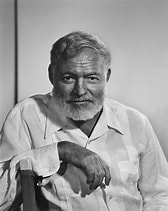
In recent days, the tragic story of the great American writer Ernest Hemingway’s family has once again stirred the hearts of many. Last week, his only remaining descendant, his granddaughter, died under mysterious circumstances at the young age of 41, bringing the family line to a sorrowful end.
Margaux Hemingway, granddaughter of the Nobel laureate known to us for The Old Man and the Sea, was found dead in her apartment in Santa Monica, California, her body severely decomposed. Her death revealed again the long chain of tragedy that had haunted the Hemingway family. Though she had been beautiful, intelligent, and famous, many believe she took her own life — just as her grandfather, Ernest Hemingway, did when he could no longer endure his depression. His brother, sister, and father also committed suicide. Such a legacy of suffering, passed down through generations, fills one’s heart with grief and sorrow.
There is an old saying: “The sins of the father are visited upon the children.” A child raised under a violent father may vow never to repeat his father’s cruelty, yet later finds himself, without knowing it, doing the same. Those who grow up in morally corrupt environments often live unethically as adults, causing pain to those around them as if it were natural.
In the Bible, before Abram became Abraham, he went down to Egypt and lied to Pharaoh, calling his wife Sarai his sister, and thus received sheep, cattle, servants, donkeys, and camels in exchange (Genesis 12:10–20). Later, his son Isaac, facing famine, stayed in Gerar. Fearing that the men might kill him for his beautiful wife Rebekah, he too lied, saying she was his sister — and almost lost her to King Abimelech (Genesis 26:6–10). The father’s actions were repeated in the son’s life. We often summarize such stories with the phrase, “You reap what you sow.”
Yet, there are also countless stories of children who rise above the sins and weaknesses of their parents. Some grow up in homes where the father is a severe alcoholic, yet they mature into admirable and joyful people, living lives others envy. These children do not hate or resent their father; rather, they understand him, pity him, and love him silently.
There are wives who endure lifelong suffering under an alcoholic husband, yet no one around them ever notices their deep pain. This is because they never complain or speak bitterly about their husband in front of others. They bear everything in faith, holding on to the hope that one day he will be healed and set free. Their faith and quiet endurance influence their children deeply — the children come to trust their mother and, in turn, love the God she believes in.
When the blood of Christ flows through such a family, the seed of sin can no longer take root. The power of the Lord’s blood is strong enough to transform not only an individual life but an entire family lineage.
The Apostle Paul cried out to those who remain in the perishable “body of flesh” without putting on Christ:
“Just as we have borne the image of the earthly man, so shall we bear the image of the heavenly man. I declare to you, brothers and sisters, that flesh and blood cannot inherit the kingdom of God, nor does the perishable inherit the imperishable.” — 1 Corinthians 15:49–50
Ernest Hemingway was a man of towering intellect, who reached the pinnacle of literature through language, emotion, thought, and imagination. He was undoubtedly one of the great writers worthy of our respect. Yet, despite his genius, his family story ended in tragedy.
One cannot help but wonder — if the blood of Christ had reached his family, how different might his life and his descendants’ lives have been? What priceless legacy might they have left for humanity?
“Though I am weak and unworthy, Christ is with me, and I have become a child of God — how can I not rejoice?”
Such a morning prayer suddenly turns into a hymn, filling the heart with humble gratitude.
요근래 미국의 대문호 어네스트 헤밍웨이의 ‘가문 이야기’가 세인의 마음을 안타깝게 하고 있습니다. 그것은 지난 주간에 그의 마지막 남은 유일한 핏줄이었던 손녀가 41세의 젊은 나이로 의문의 죽음을 맞게 되어, 가문의 맥이 비극으로 끊어지게 된 것입니다.
[노인과 바다]로 우리에게 알려진 어네스트 헤밍웨이의 손녀딸인 마고 헤밍웨이가, 캘리포니아 산타모니카 소재의 자기 아파트에서 심하게 부패된 변시체로 발견된 이후, 그동안 잠잠하던 그 가족의 비운이 다시 한 번 세상에 알려지게 되었습니다. 아름답고 명석하고 유명했던 그녀의 죽음을, 사람들은 자살로 보고 있는데 이유는 그녀의 할아버지 어네스트 헤밍웨이가 우울증에 시달리다 못해 권총으로 자살 했고, 그의 동생과 누이, 아버지까지도 자살했기 때문이라는 것입니다. 한가족의 비극이 대를 물린 참으로 엄청난 슬픔과 회한을 갖게 합니다.
흔히 하는 말 중에 아비의 죄를 자식이 물린다라는 말이 있습니다. 폭력을 휘두르는 아버지 밑에서 자란 자녀가 결혼을 하면, 자기는 절대로 아버지처럼 하지 않겠노라고 다짐했으나 끝내는 자기도 모르게 폭력을 휘두르는 가장이 됩니다. 윤리적으로 어긋난 환경 속에서 자라난 사람이 어른이 되어서 비윤리적인 삶을 당연한 것처럼 살아가면서, 주변의 사람들을 아프게 하는 것을 보게 됩니다.
성경을 읽다 보면, 아브람이 아브라함이 되기 전에 애굽에 이르러 바로 앞에서 자기 아내 사라를 누이동생이라고 속여, 대신 양과 소와 노비와 나귀와 약대를 얻는 대목이 있습니다(창 12 : 10~20). 그런데 그의 아들 이삭도 흉년을 당하여 그랄에 거하게 되었을 때, 그의 아내 리브가가 아름다우므로 백성들이 그녀로 말마암아 자기를 죽일까봐 동생이라고 속임으로써 하마터면 블레셋 왕 아비멜렉에게 그 아내를 빼앗길 뻔한 일을 당하게 됩니다(창 26 : 6~10). 아버지의 행위가 그 대로 아들에게서도 나타나는 것을 읽게 됩니다. 이런 이야기를 할 때 마다 사람들은 흔히 심은 대로 거둔다는 말로 이야기를 맺게 됩니다.
그러나 조상의 내력이 어찌되었건 전혀 그 부모에게 걸맞지 않은 자녀들의 이야기들이 얼마든지 있습니다. 어느 가정엔 아버지가 심한 알코올 중독자임에도 불구하고, 그 자녀들이 누구나 부러워할 정도로 훌륭하게 자라나 행복한 삶을 사는 경우가 있습니다. 자녀들은 아버지를 미워하고 원망하는 것이 아니라, 그런 아버지의 삶을 이해하고 불쌍히 여기고 사랑하며 말없이 감싸안습니다. 평생을 남편의 알코올 중독에 시달려온 부인이지만, 그녀가 나날이 얼마나 큰 고초를 감내 하며 살아가는지 아무도 눈치를 못챕니다. 그것은 부인의 쾌활한 모습 속에 남들 앞에서 남편에 대한 푸념이나 넋두리를 단 한 번도 쏟아놓고 살지 않았기 때문입니다. 모든 것을 신앙으로 감내하고 언젠가는 그가 치료되어 자유인이 되리라는 소망을 버리지 않은 부인은, 아이들 앞에서도 그 태도를 버리지 않았기에, 자녀들은 어머니를 믿고 신뢰하며 어머니가 믿는 하나님을 그들도 사랑합니다. 그리스도의 피가 그 가문에 흐르게 되니, 죄의 씨앗이 뿌리를 내릴 수 없습니다. 주님의 보혈은 우리의 혈통과 가문조차도 바꿔 놓는 능력이 있습니다.
사도 바울은 그리스도를 덧입지 않은 썩을 ‘육의 몸’에 머무는 사람들을 향하여 “우리가 흙에 속한 자의 형상을 입은 것같이 또한 하늘에 속한 자의 형상을 입으리라 형제들아 내가 이것을 말하노니 협과 육은 하나님 나라를 유업으로 받을 수 없고 또한 썩은 것은 썩지 아니 한 것을 유업으로 받지 못하느니라’.'(고전 15: 40~50) 라고 안타갑게 부르짖었습니다.
어네스트 헤밍웨이, 그는 인간의 언어와 정서, 사상과 상상력을 통해 문학의 최고의 경지에 올랐던 지성인이었습니다. 그는 우리 시대에 존경받을 만한 대문호임에 틀림없음에도 불구하고, 그의 가문은 비극으로 종지부를 찍고 말았습니다. 그의 가문에 일찍이 그리스도의 피가 닿았더라면, 그의 삶과 자손들의 삶은 인류를 위해 얼마나 귀한 업적을 남기었을까 하는 안타까움이 있습니다.
“비록 약하고 보잘것없는 나이지만 그리스도가 함께하셔 하나님의 자녀가 되었으니 나 어찌 자랑치 않을까.”
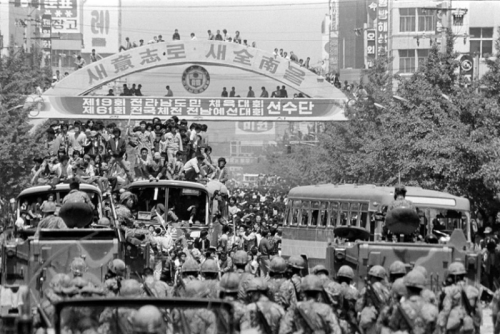
* (The May 18 Gwangju Democratization Movement) The 5.18 민주항쟁 refers to a pivotal pro-democracy uprising that took place in Gwangju, South Korea, from May 18 to May 27, 1980. It was a civilian-led resistance against military dictatorship, particularly the authoritarian rule of Chun Doo-hwan, who had seized power through a coup.
This hymn was written by Dr. Charles F. Weigle after overcoming the greatest trial and suffering of his life. His words have continued to give strength and new hope to all who face hardship.
Baptist Evangelist Weigle accepted Christ when he was twelve years old and dedicated his life to God’s service. As an itinerant evangelist, however, he had to leave his wife at home while traveling on mission trips. This life brought loneliness and anxiety to his young wife, and in the end, he faced the sorrow of divorce. Deeply shocked and heartbroken by her departure, he lost the strength to continue his ministry and gave it up.
One day, standing on the cliffs of Biscayne Bay, he was about to throw himself down and end his life. But at that very moment, he felt the burning presence of God fill his heart. From that pit of despair, he was lifted by grace. He regained his mind and decided to live again for Jesus, having experienced deliverance from his deepest trial. Out of that renewal came his hymn:
“NO ONE EVER CARED FOR ME LIKE JESUS!”
‘Jesus is with me, so though trials come, I am not afraid.’
Every person must face trials, and within those trials, we grow. Recently, I too experienced a situation where I almost fell into great pain and temptation. There is an old saying, “When good things happen, evil often follows.” Indeed, in families, churches, organizations, and in our personal lives, every blessing seems to bring its own trial in return.
In the past, when trials came, I would always be anxious, fearful, and try to hide. But after experiencing and overcoming several trials, I learned that in Christ, there is no trial that cannot be overcome. In fact, trials have become a sacred opportunity to examine my faith, to discover my weakness, and to understand my limits.
I have found that trials usually come in two ways: First, through temptation—appealing to the weakness of the flesh; and second, through discouragement—shaking the heart and disturbing the soul.
Whenever I tried to face these tests on my own, without surrendering to God, the result was always the same: an even greater wave of trouble would crash over me—hurting not only myself but also those around me. I confess that I have never won such battles alone, and the marks of my failure before people and before God still remain.
But when I remained silent before people and opened my heart before God—offering a broken and contrite spirit—He Himself became my Deliverer. In that, there was perfect victory, and my faith was deepened.
As 1 Corinthians 10:13 says:
“No temptation has overtaken you except what is common to mankind. And God is faithful; He will not let you be tempted beyond what you can bear. But when you are tempted, He will also provide a way out so that you can endure it.”
Are you going through trials? Do not be afraid of them, nor try to run away. If, like Pastor Weigle, you gather your heart and sing,
The Korean hymn rendered his song, “Living for Jesus”, as:
“예수가 함께 계시니
시험이오나 겁없네
기쁨에 근원 되시는
예수를 위해 삽시다.”
“Jesus walks with me—though trials arise,
I do not fear; for the deepest joy of my life is to live for Him.”
then even the fiercest storms of testing will grow still, and what once terrified you will fade away as peace and victory quietly return to your soul.
찬송가 359장에는 “예수가 함께 계시니 시험이 오나 겁없네”라는 찬송이 있습니다. 이 찬송시는 작시자 와이글(C. F. Weigle) 목사님 이 그의 생에서 가장 큰 시험과 시련을 딛고 일어나 쓰셨던 것으로 시험을 당하고 있는 모든 이들에게 늘 힘과 새로운 소망의 도전을 안겨 줍니다.
와이글 목사님은 12세 때 그리스도를 영접하고, 그의 생애를 하나님께 헌신하게 되었습니다. 그러나 그는 순회전도목사로서 아내를 집에 홀로 두고 전도여행을 다녀야만 했습니다. 이 일은 젊은 아내의 외로움과 불안의 요소가 되어 끝내 이혼을 당하는 슬픔을 겪어야만 했습니다. 목사님은 사랑하는 아내의 가출로 인해 깊은 충격과 좌절을 겪으며 결국 견디지 못하고 목회를 떠나게 되었습니다. 그리고 어느 날엔 비스케이만의 절벽에 서서 자살하고자 몸을 던지려는 순간, 그의 마음속에 하나님의 임재를 뜨겁게 느끼고 그 깊은 좌절의 늪에서 빠져나올 수 있었습니다. 목사님은 비로소 정신을 가다듬고 시험에서 건짐당함을 체험하며 예수를 위해 다시 살 것을 결단하게 되었습니 다. 그리고 목사님은 자신의 결단을 통해 “예수가 함께 계시니 시험이 오나 겁없네” 라는 찬송시를 쓰게 되었다고 합니다.
사람은 누구에게나 시험을 만나게 되어 있고, 시험 속에 성장하게 되어 있습니다. 저는 요근래에도 하마터면 시험에 빠져 큰 고통을 당할 뻔했던 일을 겪게 되었습니다. 호사다마(好事多魔)라는 옛말이 있듯이 가정이나 교회, 단체와 개인에게 좋은 일에는 언제나 반갑지 않게 따라오는 시험이 있습니다.
예전에는 시험이 올 때면 늘 당황하고 두려워하고 숨기를 원하였습 니다. 그러나 몇 차례 시험을 당하기도 하고 이겨보기도 하니, 사실 그 리스도 안에서 못 이길 시험이 하나도 없다는 것을 체험케 됩니다. 오 히려 시험을 통해, 나의 믿음을 점검할 수 있는 좋은 기회가 되며 나의 부족과 한계를 발견하게 됩니다.
시험은 우리 앞에 두 가지 방법으로 다가옴을 발견하였습니다. 첫째는 달콤한 유혹을 통해 육신의 연약함을 이용하는 방법과, 두번째 는 영혼의 나약함을 통해 사람들의 마음을 뒤흔들어 놓는 방법입니다. 그러나 시험이 올 때 내가 해결사로 나섰을 땐, 더 큰 시험과 환난이 마치 성난 파도가 덮쳐 오듯이 달려들어, 나 혼자만이 아니라 주변의 많은 사람들까지 상하게 하고 시험에 빠뜨려 혼란케 합니다. 저는 이 방법으로는 단 한 번도 이겨본 경험이 없을 뿐 아니라, 두고두고 사람과 하나님 앞에 행했던 부끄러운 흔적을 지울 수 없었음을 고백합니다.
그러나 시험이 올 때 사람 앞에는 잠잠하나 하나님 앞에 중심을 드리고, 심령의 상한 제사를 드리면 하나님께서 직접 해결사로 나서시니 거기엔 완전한 승리가 보장될 뿐 아니라, 믿음에 믿음을 더할 수 있는 기회가 되는 것입니다. 고린도전서 10장 13절에 “사람이 감당할 시험 밖에는 너희에게 당한 것이 없나니 오직 하나님은 미쁘사 너희가 감당치 못할 시험당함을 허락지 아니하시고, 시험당할 즈음에 또한 피할 길을 내사, 너희로 능히 감당하게 하시느니라”라고 말씀하십니다.
시험을 당하고 계십니까? 시험은 결국 두려워할 것만도 아니고, 피해야 할 것도 아닙니다. 와이글 목사님의 찬송시처럼 “예수가 함께 계시니 시험이 오나 겁없네, 기쁨의 근원 되시는 예수를 위해 삽시다” 라 고 중심을 모으기만 하면, 조금 전까지도 무섭게 달려들던 시험의 근원들은 언제 그런 일이 있었느냐는 듯이 일순간에 잠잠케 되고, 모든 시험은 해결됩니다.
When breath frays at the edges of silence, and the stage of the world trembles too high, the hand drifts downward— into the dim homeland of insects, where forgotten songs hum beneath the earth.
O sun, inviolate flame! Though the wind scatters the brittle leaves, and darkness lingers, playing at the toes of home, still a whisper of radiance threads the air like prayer.
O future not yet spoken, yet already echoing! Winter trees, austere and patient, drink from the roots of waiting. And beneath the soil’s closed eyelids, insects stir— faint heralds of what lies unseen.
Where the Beloved shall one day arrive, the vigil must be renewed. Though the roots are gnawed, though houses collapse into husks, the heart still remembers dawn, a memory that cannot be unlearned.
Hands in the soil, hands lifted toward the sky— they fold not in resignation, but in the secret posture of prayer. For even where despair has made its dwelling, beneath its shadow the smallest seed of hope begins to rise, and the silence itself leans forward to listen.
While reading the testimony of Catherine Elliott, I could not forget the story of the perfume bottle she inherited from her grandmother, and I want to share it.
When Catherine was about ten years old, she saw her grandmother receive a gift: a beautiful turquoise perfume bottle with a long neck. Yet her grandmother never opened the sealed bottle, keeping it stored away. When Catherine asked why she didn’t use the perfume, her grandmother replied that she was saving it until she finished her other perfumes. But even when she bought and used other perfumes, she never opened that special one.
When Catherine turned thirty-three, her grandmother finally gave her the bottle, saying, “Let’s see how long you can keep this unopened.” Not long after, her grandmother passed away.
Whenever Catherine missed her grandmother, she would gaze at the treasured perfume bottle, still sealed, and keep it on her dresser like an heirloom. One day, while dusting it, she looked closely and was shocked—the perfume had completely evaporated through the unglazed bottom of the bottle. Not a single drop remained. In the end, no one had ever enjoyed its fragrance, only the sight of an empty shell.
As I read this testimony, I thought about the fragrance of life within each of us. No matter how busy or difficult immigrant life may be, the noble fragrance of our souls can still be released and shared across races and cultures.
Every human being lives under the limits of life, with days slipping away little by little, like autumn leaves falling one by one. Yet we hesitate to unseal the perfume of our lives, as if eternity were still guaranteed. In the end, if we never open it, the fragrance may vanish unnoticed, and we reach death with nothing left to give.
I realize that I, too, often hold back the fragrance of my life—sometimes from pride, sometimes from caution—and miss the chance to release it. Words such as “I love you,” “Thank you,” and “You are precious” are examples of that fragrance. These words can never be used too often, nor do they ever lose their dignity or kindness.
Another way our fragrance is released is through our talents—gifts from God. Whatever they may be, they are holy treasures, and we must not fear placing them before God. If hidden away, they may disappear like the perfume in the bottle. But when shared in the name of Jesus, their value becomes even more radiant. Our over-cautiousness and hesitation often keep the fragrance sealed inside.
The seal must be broken—only then is the perfume truly known.
Long ago, a woman broke her alabaster jar for Jesus, and its fragrance filled the room. That same fragrance of love and forgiveness still lingers today, like the autumn wind stirring the cosmos flowers.
캐터린 엘리어트의 간증을 읽던 중 할머니로부터 물려받았던 향수 병 이야기를 잊을 수 없어 나누고자 합니다. 캐터린이 열 살 때쯤, 할머니가 목이 긴 청자빛 예쁜 병에 든 향수를 선물로 받는 것을 보았습 니다. 그런데 할머니는 한 번도 밀봉된 향수 병을 열지 않은 채 아껴 두시는 것이었습니다. 캐터린이 할머니에게 왜 선물받은 향수를 쓰지 않느냐고 물어보면, 다른 향수를 다 쓸 때까지 아껴 두셨다가 나중에 쓴다는 대답이었습니다. 그러나 할머니는 향수가 필요하면 다른 것을 사다가 쓸망정 선물로 받았던 향수를 열지 않으셨습니다.
결국 캐터린이 서른세 살이 되던 해에 할머니는 향수를 캐터린에게 선물로 주시며 “네가 얼마나 오랫동안 이 병을 열지 않고 간직해 둘 수 있나 보자.” 라고 하시곤 얼마 후에 곧 돌아가셨답니다.
캐터린은 할머니가 그리울 때면 할머니가 애지중지하셨던 목이 긴 청자빛 향수 병을 바라보면서 자신도 모르게 할머니처럼 향수 병의 밀봉을 뜯지 않은 채, 화장대에 가보처럼 올려놓았습니다. 어느 날, 향수 병의 먼지를 털기 위해 자세히 병을 들여다본 캐터린은 깜짝 놀라고 말았습니다. 그 병에는 유약 처리가 되지 않은 병 바닥을 통해 향수의 액은 단 한 방울도 남아 있지 않고 모두 증발해 버려 있었습니다. 결국 아무도 그 아름다운 향수의 향기를 즐겨보지도 못하고, 빈 껍데기 구경만 했었다는 간증이었습니다.
저는 이 간증을 읽으면서, 각자에게 담겨져 있는 삶의 향기를 생각해 보았습니다. 아무리 이민 생활에 분주하고 힘든 하루를 보낼지라도 우리 속에 가득 찬 고귀한 영혼의 향내는, 인종과 문화를 넘어 얼마 든지 발하며 살 수 있지 않을까 하는 것입니다.
사람은 누구나 육신 속에서 매일매일 조금씩 빠져나가는 생명의 한계 속에서 살게 됩니다. 마치 가을의 문턱에서, 하나둘씩 떨어져 버리는 나뭇잎들의 몸부림처럼 우리들의 시간의 굴레도 그렇게 조금씩 영 원을 향하여 벗어나고 있습니다. 그럼에도 우리는 영원한 내일이 우리 안에 약속된 것 마냥 각 사람의 인격 속에 들어있는 밀봉된 삶의 향수를 열기를 주저합니다. 결국 쓰지 않고 아껴 두다 보면, 언제 모두 증발해 버렸는지조차 모르게 우리 삶은 더이상 향기를 발할 수 없는 죽음이라는 기점에 도달하게 됩니다.
저도 때로는 얼마든지 자신의 향기를 발하며 살 수 있는 것들을 지나치게 자제하거나 아끼거나, 때로는 자존심으로 그 향기를 발할 수 있는 기회를 놓칠 때가 너무 많은 것을 발견하게 됩니다. 예를 들면, 가족과 이웃에게 ‘사랑한다’ ‘감사한다’ ‘당신은 귀한 사람이다’ 등 의 말이 그것입니다. 이 언어는 아무리 남발하여도 지나침이 없고, 천하지 않고 무례함이 없는 말들입니다.
또한 삶의 향기를 발할 수 있는 것 중에는, 하나님께서 각자에게 주신 ‘재능’이 있습니다. 어떤 재능이든지 그것은 하나님의 속성이 들어있는 귀한 선물입니다. 이 재능들을 하나님의 보좌에 올려놓기를 두려워 해선 안됩니다. 아무리 사람이 인정할지라도 하나님 앞에 쓰여 지길 소홀히 한다면, 영원히 증발해 버리고 마는 것들입니다. 필요한 이들에게 예수 이름으로 사용하고 나눠줌으로 인해 그 가치가 더 보배롭게 인정되는 것입니다. 우리의 지나친 조심성과 소극적인 태도는 밀봉된 자신의 삶을 열어 놓는 일을 주저케 만듭니다. 향수의 밀봉된 뚜껑은 열려야만 그 가치가 인정됩니다.
그 옛날 옛적, 다함이 없는 사랑과 용서의 은총을 받았던 한 여인이 예수님을 위하여 옥합을 깨뜨렸던 그 향기가 가을 바람, 코스모스의 흔들림 속에 더욱 짙게 전해오고 있습니다.







You must be logged in to post a comment.