“Anything, Hurry-Hurry”

(Letter from the Parsonage: The People Who Remained in the City, Seventh Story)

© Yoon WanHee, 1989

Among our characteristics, there is a tendency to start things in a hurry and to finish them hastily. There are some amusing stories that illustrate this well.

In France, there is said to be a very famous restaurant where you cannot get in without a reservation. However, Koreans are always welcome. The reason? Koreans finish their meals quickly and leave even before dessert is served. Foreigners, on the other hand, usually spend two to three hours dining. Since we focus more on relieving hunger than on enjoying food, even eating becomes something rushed.

In Southeast Asia, after Korean tourists began to arrive, the first Korean word the locals learned was reportedly “ppalli-ppalli” (quickly, quickly). If hotel staff moved slowly or orders were delayed, Koreans would thunder angrily, so now hotels themselves mutter “ppalli-ppalli” in advance whenever Koreans show up.

Unlike Westerners who regard dining as the highlight of the day—dressing up and putting on makeup before heading out—we often rush into restaurants saying, “Just give me anything that comes out quickly!” and pressure the waitstaff as soon as we sit down. This impatience is not simply a matter of cultural difference.

Our tendency to focus on results rather than process also shows in immigrant life. One Korean couple worked day and night at two jobs all week long, because their wish was to save money quickly to start their own business. They even postponed having children in order to save capital. They finally succeeded, but once they had their own business, they kept working day and night just as before—because they now had to pay back borrowed money quickly.

Years later, after repaying all their debts and buying a house, one might have expected them to live happily. But the result was tragedy: the couple divorced. Though they achieved financial goals, they had neglected affection and love in their marriage. The wife, broken in health from overwork and stress, now spends what should have been her peaceful later years in physical suffering.

No matter how urgent, we cannot ignore a stop sign on the road. Even if rushing through once or twice leads to no accident, eventually there will be a crash, or we will be stopped by the police.

Why are there rests in music? Because they create rhythm and beauty. A singer who does not keep rests will run out of breath before finishing the song.

If you lose your way in the forest, you can retrace your steps and start again. But in life, we cannot go back. By rushing “quickly-quickly” through the past, did we not perhaps lose treasures of life we should have cherished in those moments? For each person, life’s treasures may differ: for a scholar, books and ideas; for a businessperson, their enterprise; for an artist, the heights of art. Yet none of these surpass the value of a human being. True life is only lived where human worth is honored, where love is received and given.

No matter how much we want to achieve quickly, if people are harmed, the purpose is lost. Heaven may be wonderful, but who wants to get there quickly? If anyone does, it is likely because they are caught in a heretical obsession.

There is a story of a soldier who, after winning a war, rode a long distance and became desperately thirsty. He gulped down water too fast and choked to death. But wise people, no matter how thirsty, first float a few leaves on the bowl and blow gently before drinking, to slow themselves. How often do we suffer because of things we rushed through without care?

Even if we are not like the evergreen pine tree, the brief life of a small flower still has equal value. In the dark night, not only the full moon but even a small firefly shines with its own light. Even if I am not a wave crossing the Atlantic, as a single grain of sand I still hold meaning. Wherever, whatever, however—we must remember no moment of life is without value.

Yet for some reason, we seem afraid to rest. People think that having their own business will bring peace of mind. But even on a quiet Saturday in Manhattan, one feels uneasy unless sweeping the ground with a broom. Is it work addiction, or the impatience of urgent desires? Work, business, duties, house, degree, meals, travel, children’s education—all will be accomplished in time. Life’s pages will be filled, not by hurrying alone, but by walking together with others.

For years I lived frantically, trying to accomplish everything “quickly-quickly.” My children, when I met them briefly in the evenings, would ask for things they needed and quietly long for my attention and love. But my 24-hour schedules only left me stressed, irritable, and even thinking foolish thoughts like: “How easy life must be for those without children! Why did I have three, instead of just one?” When my in-laws called, I would respond impatiently, “Yes, yes,” unable to spare a moment.

Looking back, I was like a flower withering in a dry pot. Warmth, kindness, love between parent and child—all vanished. Selfishness and self-protection towered higher and higher. Joys I should have sought were buried under piles of forgetfulness.

Yet, children do not need expensive toys. Even a paper airplane made from a newspaper, flown together with their parents, gives them wings of joy. We do not need Chanel No. 5; the fragrance of a human soul carries a strange and noble power.

What weighs more—rest in a small apartment, or rest in a million-dollar house? Neither can truly be measured, for rest cannot be valued by wealth.

So let us not forget: however urgent life may feel, instead of demanding “Just give me anything quickly!” we must sometimes ask, “What is today’s special?”—and savor the moment.

No matter how busy, if my own heart is missing, then “quickly-quickly” will surely leave me empty-handed.

관악구, 자원봉사 우수프로그램 공모 전국‘최우수’수상 - 톱뉴스

Posted in Essay by WanHee Yoon, The People Who Remained in the City | Tagged , , , , , | Leave a comment

전설

내가 알던 당신,
바람으로 부풀린 방 안에서—

어머니, 숨이 끊어졌으나
하나님 안에서
약속 없이, 작별 없이
남겨지지 않았다.

탈신, 脱身—
허무가 아니라
빛으로의 떠남;
벌거벗은 발은 이제
텅 빈 하늘이 아닌 곳에 서고,
버려진 신발은
날개가 되었다.

이상, 李箱,
바람이 떨릴 때
소리를 밟으려 했으나,
나는 말씀 위를 걷는 법을 배웠다.
떨림조차
노래가 된다.

끝없는 어리석음을 택한 그 날 이후,
은혜가 닫힌 방에 들어와
개가 물어갈 수 없는 것조차
성령께서 한없는 힘으로 들어 올리셨다.

마지막에,
어머니는 나를 떠난 것이 아니라
믿음의 신발 속에
그 사랑을 남기셨다.

내 무덤에서
내일은 무너지지 않고,
아이의 팽이처럼
약속에 뿌리내리며 돈다.
많은 이들이 여전히
내일은 오늘이라 말하나,
나는 영원이
조용히 열리고 있음을 안다.

그렇다—
나는 한때 끝없는 바보였으나,
부서짐은 새로움이 되었고,
반복은 부활이 되었다.

© 윤 태헌, 1969 이른 여름

Posted in Poetry | Leave a comment

Legend

The you I thought I knew,
in a room swollen with wind—

a mother, though breath was cut short,
was not left without promise,
nor without farewell in God.

Escape, 탈신, 脱身—
not into emptiness,
but into light;
her bare feet found footing
on the sky that no longer was hollow,
where discarded shoes
became wings.

Yi-Sang, 이상, 李箱,
once sought to step on sound
when the wind trembled,
yet I have learned instead
to walk on the Word,
where even trembling
becomes song.

Since the day you chose
to be endlessly foolish,
grace entered the locked room,
and what no dog could carry away,
the Spirit lifted beyond measure.

At the last, my mother
was not lost from me,
but placed her love
within the shoes of faith
I now must walk in.

In my grave,
tomorrow does not collapse,
but spins itself steady
like a child’s top,
anchored in promise.
And though many still insist
that tomorrow is today,
I know eternity
is quietly breaking open.

Yes—
I was once the endless fool,
but breaking became remaking,
and repetition became resurrection.

[Wind Series – Part 7]

© TaeHun Yoon, early summer 1969

Posted in Poetry | Leave a comment

불안

지구는—
하늘을 향해 머리를 들고,
손을 펼쳐 올린다.
혼란이 아니라,
기도를 위하여.

무너진 바벨탑 앞에서,
흩어졌던 언어 대신
은혜의 새로운 말이
피어오른다.

그리고 여전히—
긴 이야기를 이어
넘어지지 않고,
희망으로 춤춘다.

날개의 고향에서
한 줄기 노래가
천사에게 맡겨지고,
나는 그것을 따라가며
끌려가는 것이 아니라,
아버지의 손에
들려 올라간다.

아침은 깨어나
발굽을 긁는 대신
세상을 빛으로 씻어내고,
태양은 저녁의 눈동자를
약속의 부드러운 불꽃처럼
열어 준다.

[명동], 비에 젖었어도
눈물 속에 노래한다.
지친 눈빛 속에서
기도의 연기가 피어나
그들 또한 천사가 된다.

별들이 은혜의 바구니에 떨어지고,
나는 그것들을 내일의 씨앗처럼 저으며
부르고, 또 부른다.
앞서 걸어가는
은총의 형상을 따라.

[Wind Series – Part 8]

© 윤 태헌, 1970

Posted in Poetry | Leave a comment

Anxiety

The earth—
a head lifted toward heaven,
raising open hands,
not to confuse,
but to pray.

Before the fallen Tower of Babel,
where words once shattered,
a new language of grace
begins to rise.

And still—
with the long thread of its story,
it does not stumble,
it dances in hope.

From the homeland of wings,
a single song
is placed upon an angel,
and as I follow it,
I am lifted—
not by a hook of sorrow,
but by my Father’s hand.

Thus, morning awakens,
not scraping hooves,
but washing the earth in light;
and the sun opens the eyes of evening
like a gentle flame of promise.

[Myŏng-dong], though soaked in rain,
sings through its tears;
and in the gaze of the weary,
the smoke of prayer rises,
and they, too, become angels.

Stars fall into a basket of mercy;
I stir them like seeds of tomorrow,
calling, calling,
as I follow the figure of grace
walking before me.

[Wind Series – Part 8]

  • [Myŏng-dong] is the center in Seoul with fashion, music, and stocks.
  • The original text written in Korean.

  • © TaeHun Yoon, 1970
Posted in Poetry | Leave a comment

“Change the Oil”

(Letter from the Parsonage: The People Who Remained in the City, Sixth Story)

© WanHee Yoon, 1989

A small postcard arrived.

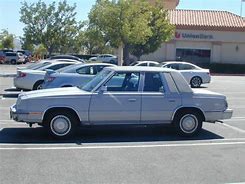
“Do you know? It has already been 90 days since the oil in your 1987 Chrysler was last changed. You should change it soon, otherwise it may strain the car. Bring this card and we will give you a $5.00 discount. —From Bellerose Save Car Care.”

That single postcard reminded me of the long-forgotten task of changing my car’s engine oil. Gratefulness rose in me at the mechanic’s courteous attitude, and I felt even a sense of trust in the way they approached their business. Since life here is difficult without a car, everyone knows how important it is to maintain and repair it in advance—yet it is so easy to forget.

There are countless times when, rushing out in the morning for an important appointment, someone turns the key only to find the car won’t start, or moves poorly, ruining the entire day. That is why, even if economic reasons prevent us from handling many things, we must always set aside money for maintenance and insurance. Only then can we carry on the day as planned. Among these, changing the engine oil is especially vital. Our car is recommended to have its oil changed every 3,000 miles. When life gets busy and we delay it, the car grows rough, jerks forward, and loses smoothness. A car running on dirty oil not only shortens its lifespan with the waste from its engine, but sooner or later it will break down, stalling suddenly anywhere.

The engine is to a car what the heart is to a human. Once ruined, it is nearly impossible to revive. No matter how glamorous or famous the car may be, if its engine fails, it ceases to be a car. Yet even if the body is shattered, if the engine remains intact, there is still a chance for restoration. On the road, you see many cars with exteriors unlike their original form—because after accidents they have had engines replaced and so continue their function.

So it is with us who deal with many people, sharing in their lives. When we observe the process and results of life, everything is tied to the state of the soul. Some struggle desperately to escape their present way of life and seek a new one. But while the heart desires, the flesh will not obey. Some, though they have lived in faith for years, still lack joy and peace in their souls. Their faith feels heavy and tiring. Yesterday’s residue of sin remains unfiltered before the Lord and builds up inside, bubbling and burning, making the soul unclear and weighed down. A person begins to feel base, unworthy, even alienated though no one has turned away, losing sight of purpose and meaning, declaring to themselves that they cannot be changed.

When such symptoms appear, it is a warning—it is time to change the engine oil of the soul. The problem, however, is that we often cannot discern the timing or condition of our own spirit, just as many of us drive cars daily yet know nothing of their engines.

Pastors can read the condition of their flock’s souls better than anyone, even more keenly than mechanics who can diagnose a car by its sound. Without even hearing every detail, they can perceive where a soul is headed and where it has arrived. With sorrow greater than the person themselves, they intercede before the Lord, loving that soul more fervently than even the soul loves itself.

So, value the counsel of your pastor. Do not avoid the advice and prayers of the saints around you. Rejoice that there are those praying for you, urging you on. Be thankful that your soul rests in God’s grace of forgiveness and love.

I myself once received many counsels and warnings from elders in the faith. There were moments when I nearly became like a useless car destined for the junkyard. If not for the blood of the Lord that renewed my soul—if not for the cleansing of my soul’s engine oil with the insurance of His blood—my state would have been unthinkable.

I knew a young man who lived in great hardship. He worked 14 hours a day, seven days a week, with no rest. Each time I saw him, I could see from his weary eyes how exhausted his body and soul were.

“You look so tired! How long can you go on like this? At least come to church on Sundays to find rest for both body and soul.”

“Church? Someday I’ll go. But right now, faith feels like a luxury. On my day off, the only thing I desperately need is sleep.”

He turned away, as if he could not stop the car of his daily routine. But then one day he disappeared, and when I asked his employer, I learned he had been hospitalized from overwork. I thought to myself how fortunate it was that, at least, he could now rest on a hospital bed. I prayed he might realize that opportunities for renewal do not come often.

And so, as I placed that postcard promising a $5 discount carefully into my wallet, I changed the oil and felt, as I sat behind the wheel, the freshness of the car.

Is God not even now sending us postcards for our souls?

“My beloved! Do you not know? It has been long since you checked the oil of your soul! Unless you cast away the foul residue and refill with new oil, you face eternal damage. Come to Me! Do not delay—come quickly!”

Just as I treasured the small discount card, I prayed that I might treasure infinitely more the promise of His eternal life, and I started the engine with a grateful heart.

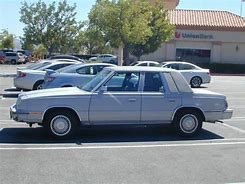
Image result for picture of 87 chrysler lubarron 4 cylinder 4x4

Posted in Essay by WanHee Yoon, The People Who Remained in the City | Tagged , , , , , | Leave a comment

“기름을 바꾸십시오”

조그만 우편 엽서가 날아왔습니다.

“알고 계십니까? 당신의 87년형 크라이슬러의 차에 기름을 바꾼지가 어느덧 90일이 지났습니다. 기름을 곧 바꾸셔야지만, 차에 무리가 없을 것 같습니다. 이 엽서를 갖고 오시면 $5.00을 싸게 해드리겠습니다. Bellerose Save Car Care로부터.”

그 한 장의 엽서는 새까맣게 잊고 있었던 차의 엔진 오일을 바꾸는 일을 기억하게 해주었습니다. 친절한 정비사의 태도에 고마운 마음이 앞서며, 그네들의 비즈니스에 임하는 자세에 대하여 신뢰감마저 생기 게 했습니다. 차 없이는 어려움이 따르는 이곳 생활이고 보니, 차를 미리미리 관리하고 손보는 것이 얼마나 중요한 일인지 누구나 알 수 있으나, 흔히 잊고 지내기가 십상입니다.

아침에 중요한 약속을 앞두고 서둘러 나가 차의 시동을 걸었을 때, 차에 이상이 발견되거나 전혀 움직이지 않아 그날 일을 낭패시키는 경우가 비일비재합니다. 그래서 경제적인 이유로 다른 것은 다 못할 지라도, 차에 들어가는 관리비와 보험만큼은 우선 할당하여야만 하루 일을 계획대로 진행시킬 수 있는 것이죠. 그 중에서 자동차의 엔진오일을 바꾸는 일은 아주 중요합니다. 우리 차는 3,000마일이 되면 언제든지 엔진오일을 바꾸도록 권면되고 있습니다. 어쩌다가 일이 바쁘다고 그냥 달리다 보면, 차가 매끄럽게 나가지 않고 퉁퉁거립니다. 엔진 오일이 깨끗하지 않은 차는 엔진에서 나오는 찌꺼기로 인해 차의 수명이 오래가지 못할 뿐만 아니라 언젠가는 그 구실을 다하지도 못하고 아무곳에서나 달리다가 서버리는 일을 당하고 맙니다.

엔진은 차에 있어서, 인간의 심장과 같아 한번 버리고 나면 회생이 어렵습니다. 아무리 겉이 화려하고 아름답고 유명한 차일지라도 엔진에 이상이 오면, 그 차는 차로서의 구실을 못합니다. 그러나 겉이 산산 조각나도 엔진이 멀쩡하면, 재생의 기회가 있습니다. 거리의 달리는 차들을 보면, 겉과 속이 다른 차들이 많습니다. 즉, 한두 번의 사고로 본래의 엔진을 바꿔치기하여 제 구실을 하는 차들 말입니다.

우리는 주로 많은 사람들을 대하고 그들의 삶에 직간접으로 관여하는 일들이 많습니다. 인간의 대부분의 삶의 과정 내지 결과를 보면, 모든 것이 그들의 영혼의 상태와 연관되어 있음을 봅니다. 어떤 분들은 현재의 자신의 삶의 형태에서 빠져나와 어떤 새로운 삶을 살아보려고 안타깝게 몸부림을 칩니다. 그러나 마음은 원하는데 육신이 말을 듣지 않습니다. 또한 신앙생활을 수년 동안 했어도 영혼에 기쁨과 평화 가 없고, 믿음생활이 부담스럽고 피곤할 따름입니다. 어제 남은 삶의 찌꺼기들을 주님 앞에서 걸러내지 못하고, 자꾸만 내 속에 쌓여 부글 부글 끓어오르며, 내 영혼이 맑지 못하고 무엇인가에 억눌려 있습니다. 내 자신이 비천해 보이고 허악하여서, 누군가가 눈길을 한 번 주지 않아도 괜스레 소외감을 느낌니다, 내가 왜 살고 있는지, 삶의 연유와 목적을 상실한 채 영적 공허와 내가 개조될 수 없음을 스스로 단언합니다.

이 모든 증상이 내게서 나타나고 있다면, 그 때가 바로 영혼의 엔진 오일을 바꾸어야만 되겠다는 경고들입니다. 그런데 문제는 스스로가 시기와 내 영혼의 상태를 잘 알 수 없다는 것이지요. 마치 우리 모두가 차를 밤낮으로 사용하면서도 차의 엔진에 대하여는 문외한인 것처럼…..

목사님들은 성도들의 영혼의 상태를 누구보다도 잘 파악합니다. 마치 자동차의 정비공들이 엔진 소리를 듣고 차의 상태를 파악하는 것 이상으로 … ….. 성도들의 구구한 사연을 듣지 않아도 그 사람의 영혼이 어디를 향하여 달려가고 있으며, 어느 지점에 가 있는지를 정확하게 알고 있습니다. 그래서 오히려 당사자들보다도 안타깝게 주님께 중보기도를 드리며, 그 영혼을 본인 보다도 더욱 뜨겁게 사랑합니다.
목사님의 권면을 귀하게 생각하고, 기도하는 성도들의 권면을 기피하지 마십시오. 내 주변에 나를 위하여, 기도하고 권면하는 사람들이 있음을 기뻐하고, 내 영혼이 하나님의 용서와 사랑의 은총에 거하고 있 음에 감격해야 합니다.

내게도 과거에 많은 신앙 선배들의 신앙의 권면과 경고를 받게 되었을 때가 있었습니다. 하마터면 쓸모없는 자동차처럼 되어, 어느 폐차장에 버려질 순간들도 있었습니다. 바로 그 시절에 주님의 보혈의 피가 내 영혼을 재생시키시지 않으셨다면! 내 영혼의 엔진오일을 그 분의 보험의 피로 씻지 않았더라면 참으로 상상조차 할 수 없는 상태가 되었을 것입니다.

어느 분이 참으로 딱하게 살고 있었습니다. 그 젊은 청년은 하루 14 시간씩 7일 동안 쉬임없는 노동 속에 살아가고 있었습니다. 가끔 그분을 대할 때마다 그의 영혼과 육신이 얼마나 지쳐 있는지, 그의 피곤해
보이는 눈동자에서 금방 알 수 있었습니다.

“너무 피곤해 보이는군요! 언제까지 이런 상태로 살 수 있으시겠어요? 주일 하루만이라도 교회에 나오셔서 영육간에 쉬임을 얻으셔야 되 겠습니다.”

“교회요? 나가지요. 언젠가는 … …. 아직까지는 신앙생활은 제게 사치입니다. 쉬는 날은 솔직히 잠이라도 한잠 자는 일이 제게는 급선무 입니다.”

그 청년은 자신의 일상으로 달리기만 하는 차를 멈출 수 없다는 듯이 외면하였습니다. 그러나 그 청년이 어느 날 문득 보이지를 않아 주인에게 물어보니, 과로로 병원에 입원해 있다는 소식이었습니다. 나는 그가 병원의 침대 위에 누워서 한잠이라도 푹 잘 수 있음을 다행으로 생각하였습니다. 기회는 그리 자주 오는 것이 아님을 그가 깨닫기를 바라며….

“….. 이 우편엽서를 갖고 오시는 손님들에게는 $5.00를 싸게 해드리겠습니다.”라고 쓰여 있는 엽서를 소중히 지갑에 넣으며 기름을 바꾼 후, 운전대에 앉았을 때의 차의 상쾌함에 잠시 젖어봅니다.

오늘도 하나님께서는 우리의 영혼을 바라보시며, 계속 우편엽서를 보내고 계시지 않은가?

“사랑하는 사람이여! 알고 있는가? 영혼의 엔진오일을 점검한지 오랜 세월이 지났구만! 그 속에 있는 냄새나는 찌꺼기를 빨리 내어버리고, 새 기름을 채워 넣지 않으면 영원한 손상이 되겠어! 내게 오라! 속히 지체치 말고 오라!”

5센트짜리의 세이빙 우편엽서는 소중히 보관할 줄 아는 나는, 그분의 영생의 약속을 얼마나 소중히 귀하게 보관하는지 참회하며 차의 시동을 걸었습니다.

(목사관 서신, 도시에 남은 사람들, 여섯번째 이야기) 1989, 윤 완희

Image result for picture of 87 chrysler lubarron 4 cylinder 4x4

Posted in Devotional Essay, Essay by WanHee Yoon, faith-column, Letter from the Parsonage, The People Who Remained in the City | Leave a comment

“변명 – 그 믿음의 방향”

요단강 너머,
불타는 빙하처럼
하나님의 길은 뜨겁고 맑다.
(마태복음 3:13)

급류는 몰아쳐도
내 손은 동쪽을 향해 기도한다.
시간은 흔들려도
주님의 뜻은 흔들리지 않는다.

의로움은 묻히지 않는다—
그것은 살아 있는 숨결,
내 안에서 피어난다.

목구멍은 굴뚝,
바람은 산 위에 머물다
다시 내 가슴으로 들어온다.
(로마서 3:10–18)
성령의 숨결이 내 안에 자리 잡는다.

멀지 않은 곳,
젊은 여인이 앉아 있다.
남자의 신발을 들고
조용히 울음을 하늘로 올린다.
그 울음은 기도가 되어
하늘에 닿는다.

도시의 뒷골목,
부서진 설계 속에서도
하나님의 손길은
질서와 관계를 다시 짓는다.

방향의 바람은 돌아오고
시간은 응축된다.
그 응축 속에서
우리는 서로를 향해 손을 내민다.

죽음의 골짜기를 지나며
창백한 형상은 빛을 향해 걷는다.
텅 빈 도시의 소리마저
기도가 되어 하늘로 올라간다.

오목한 렌즈 너머,
공허한 객관성 너머—
믿음은 여전히,
우리 곁에 있다.

[Wind Series – Part 5]

© TaeHun Yoon, 1969

The current image has no alternative text. The file name is: image-3.png
Posted in Poetry | Leave a comment

“Excuse – Direction of Faith”

Wind Series – Part 5

Beyond the Jordan,
like a burning glacier,
God’s way is fierce and clear.
(Matthew 3:13)

Rapids roar,
yet my hands lift eastward in prayer.
Time may falter,
but the will of the Lord does not sway.

Righteousness is not buried—
it breathes,
alive,
rising within me.

My throat a chimney,
the wind rests upon the mountain,
returns,
enters my chest again.
(Romans 3:10–18)
The Spirit’s breath takes root inside me.

Not far away,
a young woman sits,
holding a man’s shoes,
lifting a quiet weeping toward heaven.
Her cry becomes prayer,
her prayer touches the sky.

Even in alleys of the city,
in shattered designs,
the hand of God rebuilds
order and relation.

The wind of direction returns,
time condenses.
In that condensation,
we stretch out our hands to one another.

Through the valley of death
a pale figure walks toward light.
Even the hollow sound of the city
ascends as prayer.

Beyond the concave lens,
beyond hollow objectivity—
faith still stands,
faith is with us.

© TaeHun Yoon, 1969

Posted in Poetry | Leave a comment

“웬델의 애가”

대부분이 70대의 노인으로 이루어진 교회 성가대에 테너 독창자, 웬델 홀(Wendel Wohl) 씨가 새로 들어오셨습니다. 그는 70대보다는 약간(2) 젊은 68세의 멋쟁이 신사였습니다. 오랫동안 테너로 수고하고 있는 델러(Dehler)의 박자와 쉼표를 상관치 않는 개성적 음색으로, 성가대 지휘자의 이맛살이 펴지지 않던 중, 웬델의 출현은 성가대의 음질을 평균 수준으로 올려놓는 대단한 변혁의 계기가 된 것입니다. 그의 테너 솔로 또한 일품으로서, 예배시간에 불려지는 그의 성가곡은 듣는 이로 하여금 감동을 불러일으켰습니다. 그의 무르익은 목소리를 타고 흐르는 성가는 차라리 애가라고 부르고 싶었습니다. 가슴 깊은 곳에서 울려나오는 인간의 회개와 신을 향한 절규가 온 성전을 메운 성도들의 영혼을 언제나 무서운 노도로 흔들곤 했습니다.

그는 매주 목요일 저녁에 있는 성가 연습에 한 번도 빠지지 않고 참석하였으며, 소프라노 대원들의 뒷좌석에 앉아 가끔씩 던지는 농담은 지루한 연습 시간을 곧잘 웃음바다로 만들곤 했습니다. 그러나 그가 진정 누구였는지 나는 알 수 없었습니다. 짧은 사귐을 통하여 자신이 누구인가를 곧 밝히는 우리의 습성과는 달리, 개인적인 삶에 대해서는 좀체 드러내지 않는 미국인들의 습성대로 근 1년이 넘도록 나는 그
를 충실한 성가대원으로만 알고 있었습니다.

여름이면 많은 교우들이 여행을 즐기므로 성가대도 두 달간 여름방학을 하게 됩니다. 목요일마다 있는 성가대 연습 시간의 그와의 짧은 대화도 막힌 지가 몇 주째 되던 어느 주일 아침, 그가 중풍으로 쓰러졌 다는 소식이 들려왔습니다. 노인들이 대부분인 교회로서 한 사람이 병 중에 있거나, 쓰러지는 일은 온 교회에 심리적으로 큰 영향을 끼칩니다. 교우들은 모두가 근심하며 염려하는 가운데 그의 회복을 위하여 기도하게 되었습니다.

그의 병실을 방문하려고 기도문을 준비하고, 한창 아름다운 자태를 드러내고 있는 살구빛 장미 세송이를 정원에서 잘라 내어, 목이 가는 꽃병에 담았습니다. 이 세상에 꽃이 있다는 사실은 우리에게 얼마나 큰 위로가 되는지 ….. 인간의 한계를 아시는 신은 언제나 우리가 찾는 것 이상의 것들을 마련하시는 것 같습니다.

웬델과는 오랜 친구로 알려진, 성가대 지휘자 밥(Bob Dehler) 씨와 함께 그가 누워 있는 롱아일랜드의 North Shore 대학병원을 찾아가게 되었습니다. 밥을 통하여 그가 누구인지를 알 수 있는 좋은 기회라 생각하여 밥과 그의 이야기를 나누게 되었습니다. 밥이 들려준 웬 델의 이야기는 다음과 같았습니다.

뉴욕 메트로폴리탄 오페라 단원으로서 웬델은 젊은 시절을 보내게 되었습니다. 거기서 만난 아름다운 소프라노 가수와의 결혼 생활에 세 자녀를 얻게 되었습니다. 성품이 호탕하고 자유분방한 그들의 삶은, 현실의 삶을 동행하는데 많은 오류를 갖게 되었습니다. 특히 자녀문제에 있어서 그들 부부로서는 어찌 할 바를 몰랐습니다. 그들에게는 현실의 화려함, 인간이 추구하는 명성을 얻기 위하여, 영적인 미래를 생각할 시간적 여유가 없었습니다. 아이들은 어려서부터 부모들의 방종함을 보고 자라나기 시작하였으며, 사치와 마약, 음주로 인한 사고의 연속이었습니다.

그들 부부는 뒤늦게 그들의 삶이 무엇이 잘못되어 있었는지 발견하고 종교를 찾게 되었습니다. 그러나 그들이 마음을 바로잡고 가정을 구하기 위하여 믿었던 종교는 사이비 종교로서 그들의 영혼을 편케 하거나 능력있는 삶의 변화를 가져다 주지 못했습니다. 사이비 종교의 평신도 회장까지도 역임한 바 있었던 웬델은 다시 사이비 종교를 탈퇴한 채, 자녀들의 문제로 힘겨운 세월을 보내게 되었습니다. 한때 그는 고등학교의 음악교사로 봉직하면서, 비행 청소년들을 위하여 선도에 심혈을 기울이기도 하였습니다.

그러나 오랜 세월을 마약과 술로 젊음을 방탕하게 보내던 32세의 장성한 그의 큰아들이 어느 날, 집안에서 목매달아 자살하고 말았습 니다. 아들의 사체 곁에서『어떻게 성공적인 자살을 할 것인가?」라는 책이 발견되었습니다. 어떻게 성공적인 부와 명성을 얻을 것인가를 추구하며 살아온 이들 부부는 아들의 자살 앞에 망연자실하였습니다. 지금까지 목적을 향하여 질주해온 일들이 한낱 물거품에 불과했다는 충격 속에, 부인은 스트레스로 인한 갖가지의 병에 시달리며, 죄의식에 사로잡혀 가던 중 별거를 선언하게 되었습니다.

이러한 와중에 결혼한 둘째 딸이 바람둥이인 남편의 편벽에 견디지 못하고 결혼생활 4년 만에 이혼을 하였습니다. 남편에게 두 아이를 말기고 친정으로 돌아와서 새로운 인생의 출발을 계획하고자 했으나 어 린 자녀들에 대한 그리움과 사랑을 주체할 수 없게 되어 괴로운 나날 을 보내게 되었습니다. 그러던 어느 날, 아이들을 찾아가 해후의 기쁨 을 잠시 누린 후, 집으로 돌아오던 날 낯선 호텔 방에서 약물 자살을
하고 말았습니다. 29세의 젊은 나이로 … …..

그의 젊음이 다하여 기력은 쇠약해지고 인생의 해는 기울어져 가는 길목에서 맞이한 바람은 흑독하였습니다. 자신을 돌아보며, 자학의 비웃음 뿐이었습니다. 그의 영혼은 광야를 향하여 소리치는 아이처럼 쓸쓸하였고 고독했습니다. 그의 젊음을 돌이켜 무대가 아닌, 피나는 영혼과 영혼의 부딪침이 있는 삶의 현장에서 일찍이 그 가치를 알았더라면 하는 속죄와 뉘우침의 눈물은 파도처럼 언제나 그를 휘몰아쳤었습니다. 자식을 예상치 않은 사고로 잃은 부모들의 눈물은 살아 생전 결코 마르지 않는다고 합니다. 그 아픔 또한 처절해서 뼈를 마르게 하고, 피를 마르게 한다고 하는데 … …. 하물며 제 스스로가 목숨을 끊었으니 … ….. 그것도 3년이라는 세월 안에 젊은 두 목숨이 … ….

나는 그의 상처에 눈먼 자가 되어 그의 속에 빙산처럼 잠겨져 있는 슬픔을 방관한 이 시대의 또 하나의 방관자였음에 소스라치게 놀랐습 니다. 나의 기도는 어디에 가 있었던가. 종교의 형태와 형식은 즐기기를 원하지만, 내가 어디 성실한 자인가? 다시는 누구에게도 “How are you? Fine, Thank You!” 라는 인사를 못 나눌 것만 같습니다. 그는 언제나 내게 “Fine, Thank You” 로 응답하지 않았던가?

그러나 사람이 사람을 안다는 것은 참으로 아름다운 일입니다. 나아가 그의 심령에 흐르고 있는 피멍 어린 언어들을 발견했을 때, 인간에 대한 격렬한 사랑의 뜨거움을 비로소 체험하는 것이 아닐까요. 오늘 내가 하늘의 태양을 보고 그 찬란함이 아름답다고 호들갑을 떠는 순간에, 어떤 이들은 태양의 빛이 암벽처럼 무거워 견딜 수 없다고 소리지를지도 모릅니다. 서로를 진정으로 알기까지는, 태양은 오직 찬란하다고만 주장합니다. 그러나 태양 빛이 암벽처럼 무겁다고 몸부림치는 사람의 심령을 안 후, 우리는 태양의 양면을 보게 되는 것입니다.

에어컨디셔너의 바람이 땀으로 젖은 등줄기에 확 들이치고, 주홍빛 사각형 타일이 병원 내부를 환하게 밝혀 주고 있었습니다. 다른 병원의 분위기와는 전혀 다른 깔끔한 현대식 건물 안의 주홍 빛 장식이 웬 지 좋았습니다. 중환자실(Intensive Care Unit)을 찾아 다가설 때, 왠델이 누워있는 병실 앞에 두 여인들이 벽을 기대고 서서 이야기하고 있는 모습이 눈에 들어왔습니다. 밥의 걸음이 빨라지면서 두 여인들을 향하여 반잡게 달려가 포옹을 하였습니다.

“미세스 윤, 이분이 웬델의 부인이고 이분은 따님이지요!”

밥의 표정은 몹시도 홍분되고 기쁜 모습이었습니다. 처음 만난 두 여인은 내게 있어서 오랜 교분을 나눴던 사람들처럼 친근감을 갖게 하였습니다.

“이 환자는 가족이 없습니까?” 하며 엊저녁까지도 의아해하던 간호사들 앞에서 할 말을 잃었었다는 밥의 고백을 상기하며, 진실의 부름이란 얼마나 귀한 것인가를 깨닫게 되었습니다.

웬델의 얼굴은 몰라보게 부어있었습니다. 가끔 눈을 뜨고 사람들의 얼굴을 돌아보곤 하였으나, 곧 다시 눈을 감았습니다.

“여보 제가 누군지 알고 계셔요? 저의 말이 들리면, 제 손을 꼭 눌러 주셔요?” 그의 부인은 안타까운 표정으로 그를 들여다보았습니다.

그의 손은 움직이지 않았습니다.

돌아오는 차 안에서, 그가 누워 있는 병실 쪽을 향하여 자꾸만 고개가 향하여졌습니다. 육중한 병동의 창문에 파란 하늘이 물결치듯 흐르고 있었습니다. 불현듯 그의 테너 솔로가 닫혀진 창들을 타고 들려 오는 듯했습니다. 그의 노래는 마치도 절벽과 절벽을 사이에 두고 외치는 사람의 마지막 메아리처럼 내 영혼 안에 큰 목소리로 끊임없이 들려졌습니다. 부끄러워 가슴을 움츠립니다. 사람과 사람끼리의 무관심, 만남의 불성실, 무력한 나, 아득한 이웃 … ….

교회의 편안한 앞자리에 앉아 그의 애가를 즐기던 나는, 애처러운 주님의 눈길 앞에 나는 무었이라고 변명해야 할까요?

(목사관 서신, 도시에 남은 사람들, 다섯번째 이야기) 1989, 윤 완희

No photo description available.
Posted in Devotional Essay, Essay by WanHee Yoon, faith-column, Letter from the Parsonage, The People Who Remained in the City | Leave a comment