Again, again, again— Is it a cycle repeating, Or a spiral galaxy spinning Toward the black hole’s pull?
I’ve learned— how precious it is to care for teeth— brushing after every bite, sensitive to heat, to cold, to stress etched deep by tasks too large for one soul’s frame.
Circles tighten in motion— but with Sensodyne, Enamel Guard, Waterpik care, I reclaim a youth two decades younger.
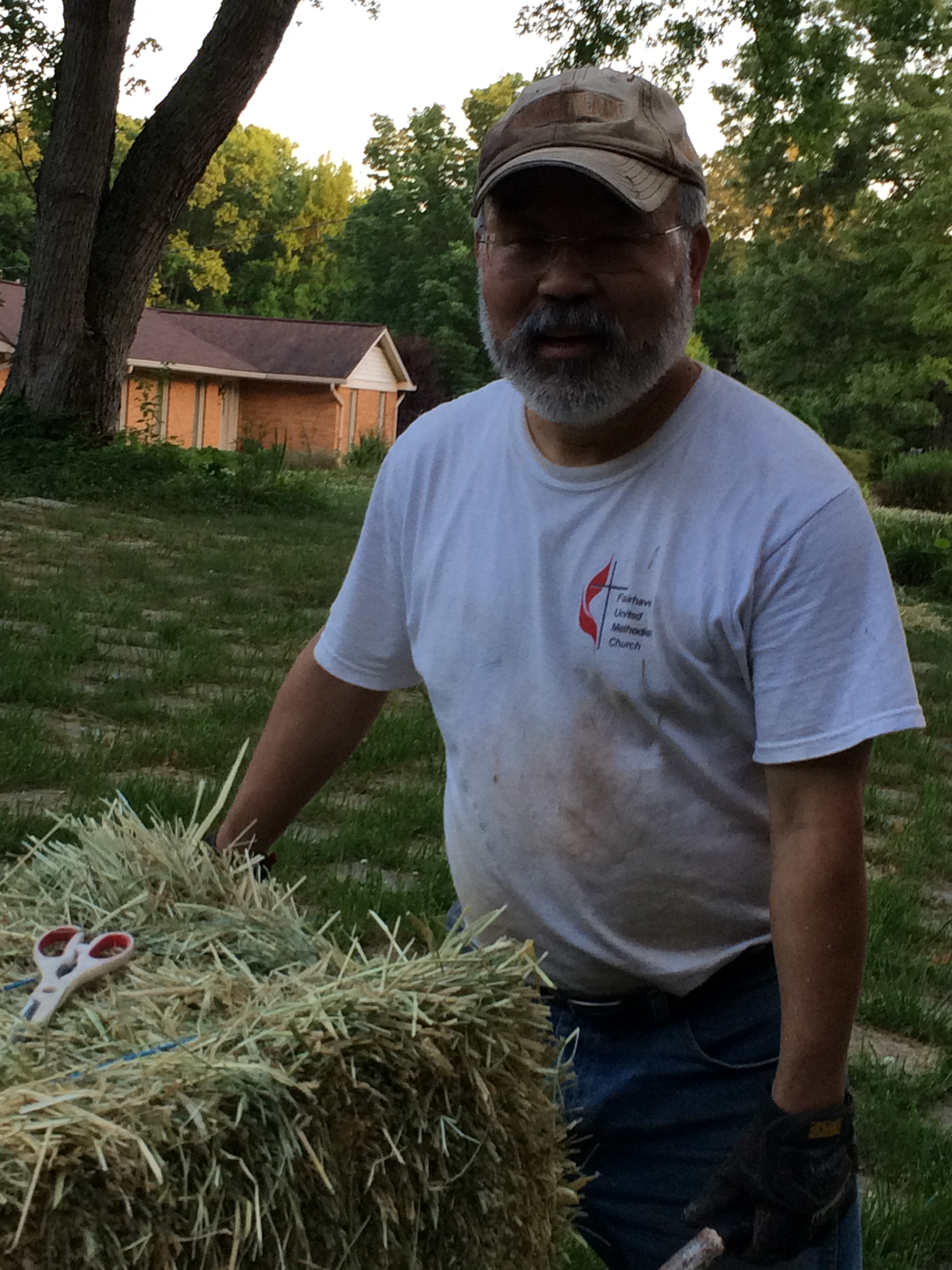
No makeup needed. No surgery sought. No Zumba or spa escape. Just farming under fierce sun, unyielding wind— armed with cocoa butter and Vaseline balm for hands, face, and silver strands.
A hat to crown it all. No worry for chest or legs— Just the rhythm of a day simple as breath, clean air unsalted, listening to life’s inner whispers, bowel songs, as part of the cycle.
And when I cross into that velvet dark— the black hole’s hush— I will shed recycling altogether. No return needed.
Instead— under a single drop of dew, I’ll walk again, bare and real, for the sake of others’ healing.
Beyond the loop, past the turning wheel— I’ll reach a new world in a new cosmos.
Freed at last from orbiting self, I’ll dance in the Eternal Now— the hand of the Creator guiding my steps for seventy-six thousand light years more.
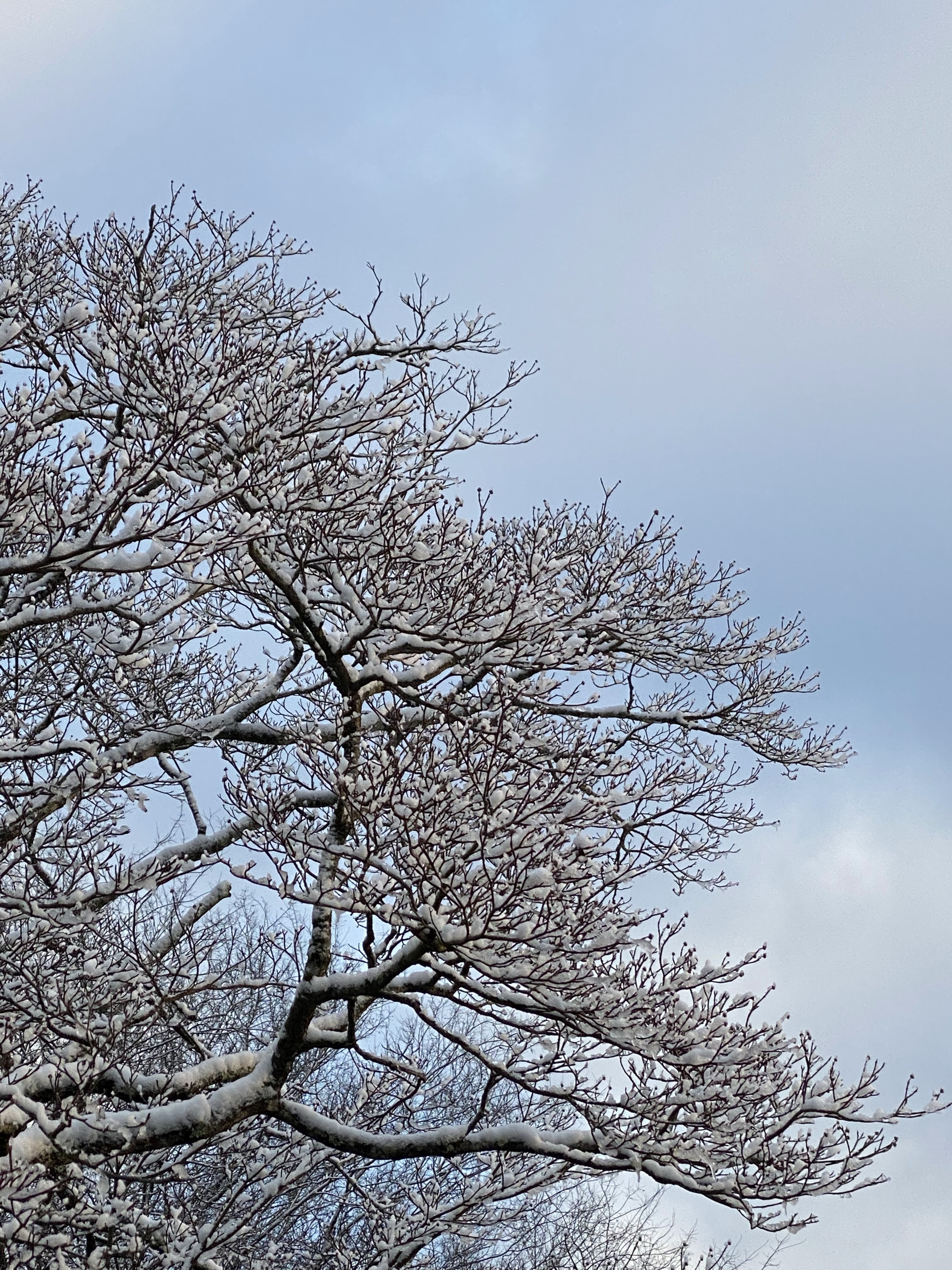
It begins to fall— snow, from the hush of mercy hovering long above the aching wait to loosen the silhouette of a violent storm caught in the clutch of “either / or.”
Let it snow— on Earth, this vigilant Peace.
Ashamed to name it evil, yet we build the walls that summon terror.
Let it snow, let it snow, let it snow.
Far better than the black ice cracked by cold disappointment in sleet.
It falls— a whisper from heaven meeting the ground.
Opening Our Church to Serve the Immediate Community
[Vision & Purpose] In this post-pandemic world and digital age, the Church is called to transform—not merely by renovating buildings, but by renewing hearts, relationships, and creative expressions of faith.
First, the pandemic has revealed the need for smaller, more intimate gatherings that nurture creative and authentic living.
Second, the rise of the cyber world shows us that people long for in-person relationships to rediscover their true identity.
Third, instead of focusing solely on physical renovations, the Church must engage in spiritual formation through creative small group practices that help us seek and embody the image of God in daily life.
[New Practices] We are no longer bound by traditional weekly schedules of Bible study and confirmation classes. These can now be offered online, freeing space and time for new forms of in-person community formation.
In their place, we envision small creative groups, open not only to church members but also to the public, each limited to 12 participants to foster intimacy and depth. These groups meet on different days of the week and gather in the presence of God to cultivate joy and glorify the Creator through diverse expressions of creativity.
Examples of Weekly Creative Groups:
Monday: Writers’ Groups – Poetry, Essay, Short Story, etc.
Tuesday: Speech Groups – Storytelling, Public Speaking, etc.
Wednesday: Reading Groups – Reflective and communal reading
Thursday: Art Groups – Drawing, Painting, Visual Arts
Friday: Music Groups – Vocalists, Instruments, Worship Teams
Saturday: Drama & Puppet Groups – Theatrical Expression
[Structure & Leadership] Each group is composed of three roles:
Professional: Either a paid staff or skilled volunteer
Assistant: Helps lead and supports the group
Apprentice: Learns to become an assistant when the group grows and divides
Groups will perform, present, or exhibit their work periodically throughout the year, offering inspiration and joy to the broader community.
[Invitation & Identity] This is how we, the Church, transform with the world: Not with grumbling or anxiety, but by making joyful noise together in God’s presence.
We invite everyone who desires to join this movement of creative discipleship to come, live, and grow with us.
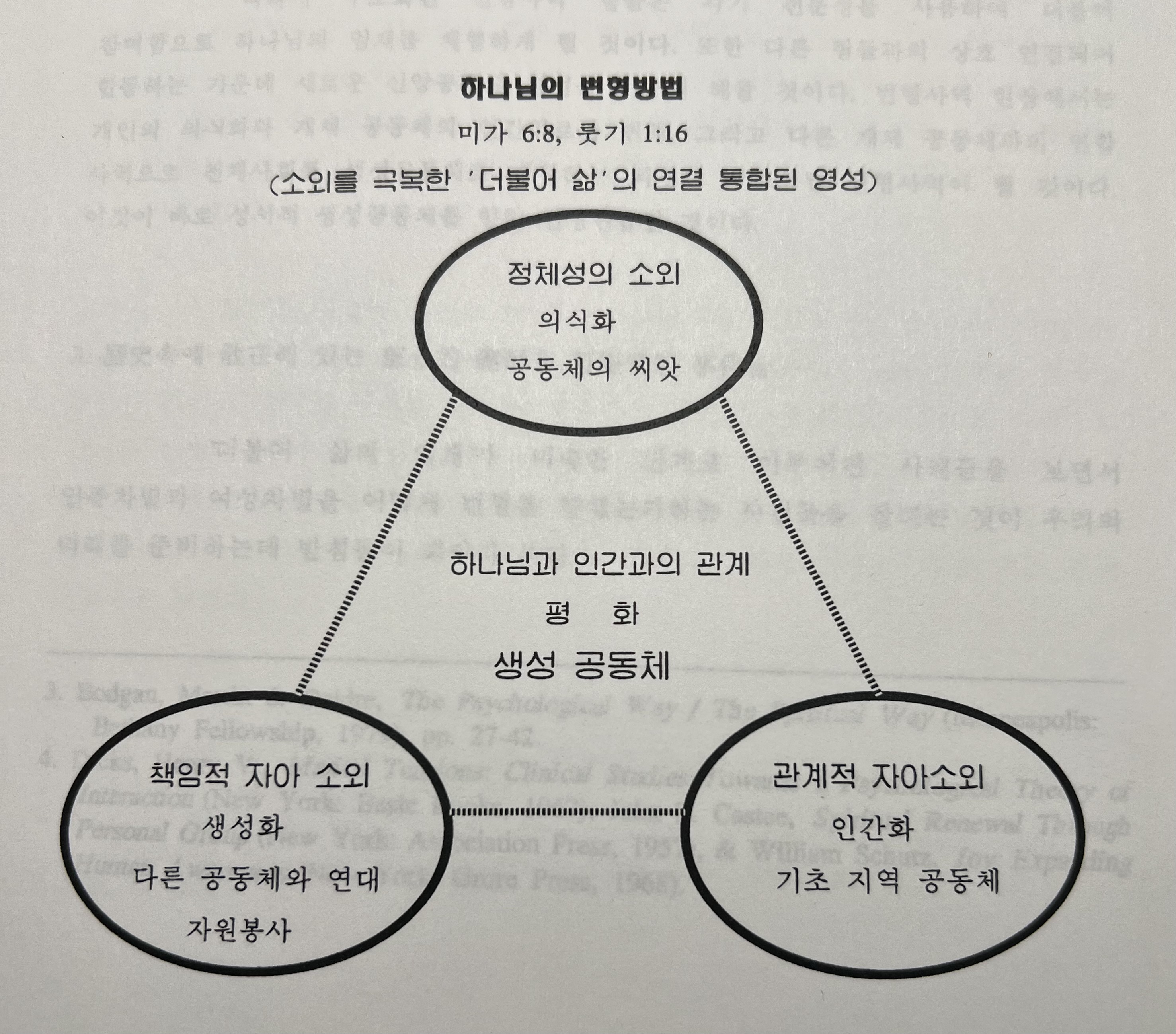
EcclesioGenesis – EcclesioExodus – EcclesioCross – EcclesioLife Creativity in Freedom – In the Image of God Personal Identity – Relational Identity – Village Identity
We may not be able to eliminate xenophobia entirely, but we can begin to embody a counter-model: the birth of a New Community. This is the heart of EcclesioGenesis—birthing new forms of church and society through a basic faith movement rooted in spiritual formation.
Thomas Ogletree insightfully wrote:
“Eschatology had the effect of generating a dual perspective: a vision of fulfillment in a coming new age, and an orientation to survival in the alien circumstances of the present age. This duality becomes a dialectic. This coming new age takes on substantive, though incomplete, reality in the present. One is already summoned to live on its terms even while one must continue to endure the afflictions of the age that is passing away. A new community, oriented to and based upon the new age, takes form in the midst of institutions which remain under the sway of the old. Consequently, those who dare to live for the new inevitably find themselves in conflict with those who cling to the old.”
To engage in this transformative work, we need discipleship as eschatological existence—a way of living shaped by the realities of the coming new age, yet grounded in the challenges of the old.
This project will embody that transforming praxis in three stages:
1. Recovering Individual Identity
PRAXIS ON EXODUSGENESIS — A Journey of Self-Discovery This stage focuses on personal transformation, discovering one’s identity as the image of God, and leaving behind internalized alienation.
2. Recovering Relational Identity
PRAXIS ON CROSSGENESIS — A Journey of God-Discovery This is the ecclesiological transformation. It emphasizes the relational nature of God, the church, and humanity through intentional small community life rooted in love and mutual respect.
3. Recovering Responsible Identity
PRAXIS ON LIFEGENESIS — A Journey of Eternity-Discovery This stage focuses on community transformation. It includes not only human communities but also the natural world. It moves from domination of nature to harmony with it, emphasizing justice and stewardship.
Birthing the church in this way is a dynamic and ongoing process—taking place within the context of existing, often alienating structures. Yet it offers an alternative: God’s redemptive action through relationship, moving the deformed humanity from alienation into Shalom.
Three Forms of Alienation from Shalom (in both foreign lands and new homes):
Alienation from Personal Integrity → Requires the mission of Self-Identity → There can be no shalom without knowing who I am.
Alienation from Interpersonal Respect → Requires the mission of Relational Identity → There can be no shalom without knowing what I am in relationship to others.
Alienation from Structural Justice → Requires the mission of Responsible Identity → There can be no shalom without the church’s willing suffering and solidarity with others to discover where I am.
To “birth the church” is to continually engage in spiritual practices that transform alienation into reconciled life, rooted in true Christian faith for the sake of shalom.
Therefore, this project will focus on practicing the transformation of alienated life into reconciled life through what I call Integral Spirituality:
Personal Identity – the Integral Self
Relational Identity – the Communal Self
Responsible Identity – the Reforming Dynamics of Spiritual Justice
These practices aim to heal the wounds of loneliness, distrust, and low self-esteem—and to build a life together rooted in structural justice, interpersonal respect, and personal integrity.
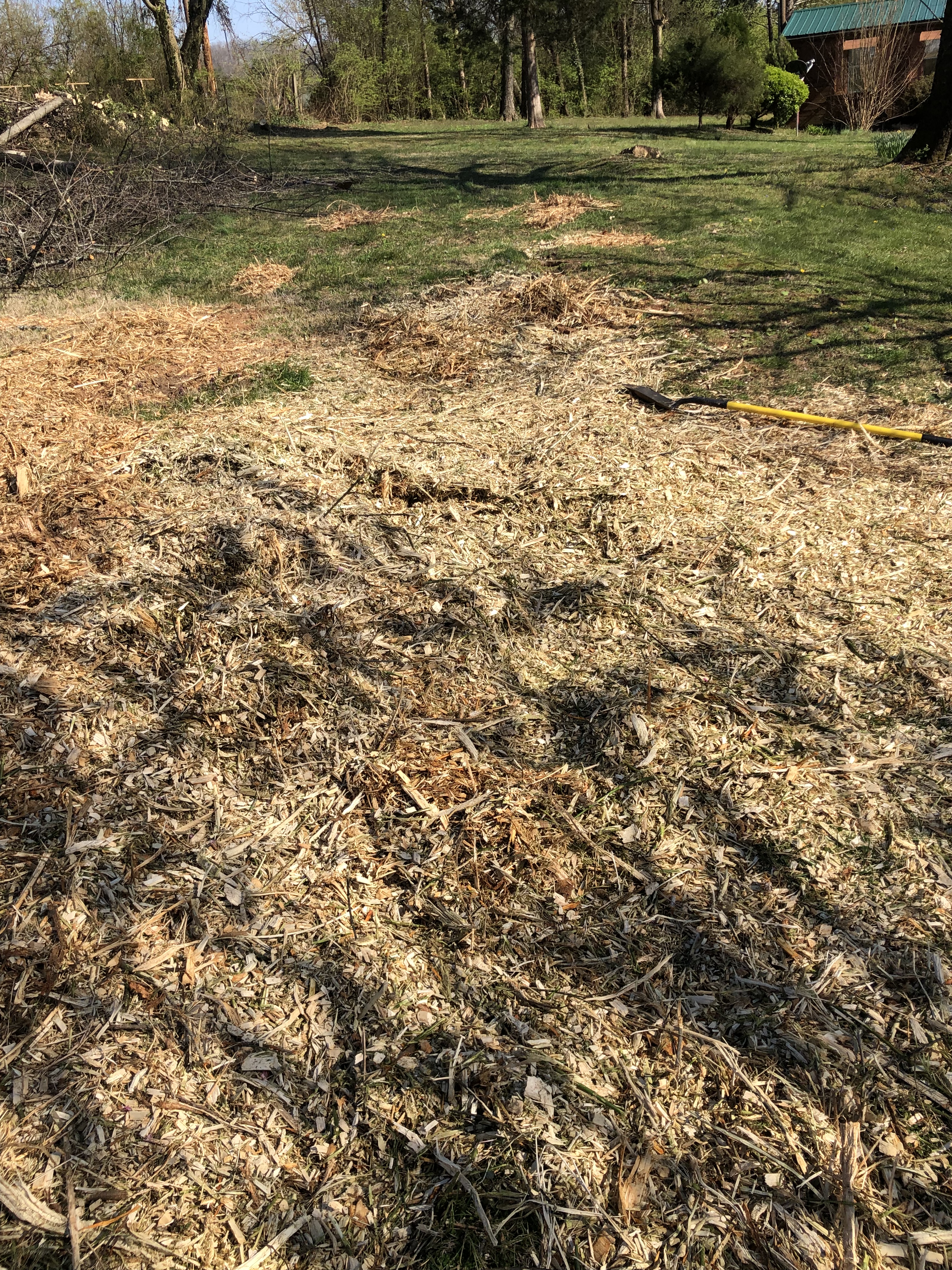
For three years now I have been learning how to farm from a small patch of backyard ground.
I have learned I cannot walk alone— only in step with what the Creator intends. I cannot hurry ahead of the season’s clock, nor lag behind in careless delay.
Whether the field is small or wide, farming must keep time with the Maker’s calendar of life, listening for the moment when the Lord says, Now—it is time.
Then I must humbly walk along with him diligently.





 Then I must humbly walk along with him diligently.


 Daily Sauntering
You must be logged in to post a comment.