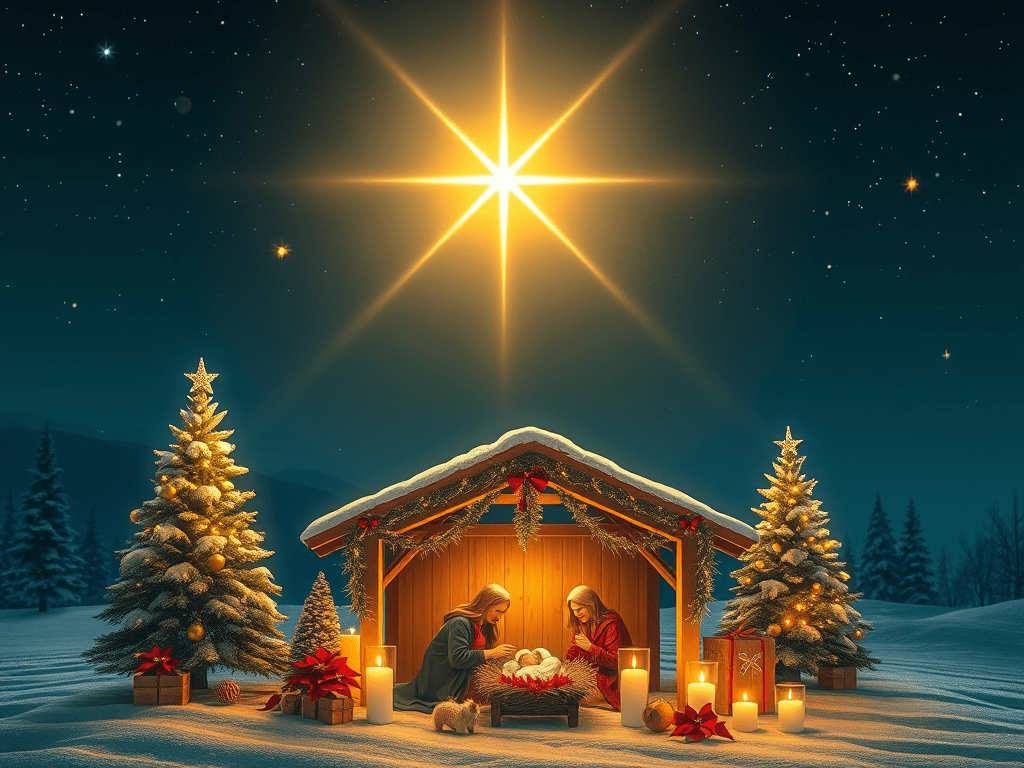
성탄절이 다가오면 온세상은 축제로 변한다. 아이들이나, 노인들이나, 청년들이나, 여인들은 이 계절에 가장 심오한 신비속의 세계를 동경하며, 평소에 그냥 지나치던 모든 삶의 근원들을 찾아 여행을 떠나게 된다. 그리고, 가장 큰 신성하고 위대한 선물이 머잖아 도착하리라는 기대와 떨림이 있다. 이 계절에 몸과 마음이 풍요해진 사람들 속에, 기쁨과 즐거움이 오고 가며, 어느 때보다도 흰 눈을 기다리며, 붉게 흐드러진 포인세티아의 사랑스런 눈짓을 즐기며, 상록수의 향기와, 타오르는 촛불 속의 아늑함 속으로 우리 모두는 젖어 들어간다. 반짝이는 은빛 금빛의 장식들, 화려한 꼬마 전구들, 멋진 선물들, 리본, 크리스마스 카드, 캐롤송, 그리고 아름다운 크리스마스 트리 위에 깜빡이고 있는 별하나- 그 별은 2,000년전 베들레헴에 태어난, 위대한 아기의 탄생을 인류의 가슴에 밝힌 이후, 지금까지 생명의 축제를 찾아 나선 이들의 가슴을 환하게 비치며 오늘도 인도하고 있다.
그 옛날, 이 성탄의 축제를 처음 발견 한 사람들은, 이름 없는 양치기 소년들과 동방박사들이었다. 놀랍게도 그들 사이는 사회적인 신분과 배경으로 볼 때, 한 자리에 감히 설 수 없는 너무나 멀고 먼 사이였다. 그러나 누가 먼저 길을 떠났는지, 누가 먼저 그 초라한 구유에 도착했는지는 알 수 없어도, 인류의 구세주 되시는 아기 앞에 가장 먼저 경배 드리는 영광을 누린 이들이 되고 말았다. 그들은 소란하고 왁자지껄한 사람들 틈에서, 정신없이 살아가는 이들이 아닌, 자신 만의 고요 속에 저들의 별을 끊임없이 탐구 한 이들이었다. 그들은 위대한 예언이 언젠가 이루어지리라는 약속을, 그 삶의 여정에 한번도 잊은 적이 없었다. 올해도 다가오는 성탄절과 함께 그들의 신앙 여정은 빼놓을 수 없이, 우리 모두를 감동시킨다. 그들은 누구였을까?
그들은 분명 현재, 지금 잉태되고 있는 순간을 산 사람들이었다. 순간 속에 숨은 새로운 소망과 약속을 잡고, 어제의 묵은 실망과 좌절, 슬픔과 아픔이 아니라, 오늘의 새롭고 눈부신 벅찬 기대와 꿈을 안고 그 캄캄한 밤하늘을 바라 본 이들이었다. 깊은 밤 일수록, 별은 더욱 더 아름답고 청명한 빛을 발하는 신비를 안 이들은, 하늘을 바라보는 것이 저들의 삶에 얼마나 큰 몫을 차지하고 있는지 분명 아는 이들이었다.
또한 그들은 기도의 사람들이었다. 그들은 하늘의 음성을 들을 줄 알았고, 양들을 돌보거나, 별을 연구하는 일을 하면서도, 늘 하나님의 현존 속에 살아간 이들이었다. 이상한 별이 하나 나타났다고, 어찌 금방, 황금과 유향과 몰약을 준비했을까? 저들 속에는 평소에 메시아를 향한 터질 듯한 기다림으로, 그 위대한 빛이 발하기를 날마다 순간마다 고대하고 있었다. 그들의 기도는 욕심과 탐욕으로 가득 채워진 창고가 아닌, 언제 어느 때라도, 하나님의 음성을 받아드리며, 행동 할 수 있는 순백한 공간 속에 드려진 준비된 기도였다.
그들은 삶의 선택 중에 거짓을 택하지 않고, 오직 진실을 선택한 사람들 이였다. 24시간, 눈만 뜨면 벌어지는 일상의 선택가운데, 내면 속에서 일어나는 생명을 향한 줄기찬 용솟음과 가능성을 향해 끊임없이 선한 싸움을 한 이들이었다. 그리고, 어느 날 그들의 삶에 나타난 “이상한 별”을 발견했을 때는, 주저함 없는 결단과 용기로, 긴 사막의 길을 용기있게 건너간 사람들 이였다. 그들은 스스로를 아무 것에도 노예화시키지 않은 자유인들로서, 하나님의 부르심 앞에 “예. 주님!”하며 일어선 사람들이었다. 비록 한 무리는 산과 들을 헤매이며 짐승들과 생활하는 가난하고 천박한 목동들이었고, 한 무리는 고고한 이상과 별을 연구하던 박사들이었지만, 그들은 삶의 존재가치를 공동적으로 발견한 사람들이었다.
2,000년의 인류의 역사에, 별을 따라 나선 이들이 있다. 그들은 비록 목동과 동방박사는 아니었지만, 예수님의 제자들과, 성자들과, 슈바이처와, 간디와 마르틴 루터 킹 주니어 였으며, 오늘도 이름없이 세상 곳곳에 한알의 밀알로 썩어져 가고 있는 작은 예수들이다.
올해도 성탄절을 맞기 위해서, 우리는 정신없이 바쁘게 준비하고 있다. 집을 안팎으로 치장하고, 늦은 시간에 쇼핑 리스트에 적혀있는 이들의 선물을 구하려, 쇼핑몰을 헤매고, 음식을 준비하고, 성가를 연습하고… 그러나, 우리에겐 그 분주함 속에서도 별을 찾아 나선이들 처럼, 마음속의 별을 찾아 떠나야 만 될 시기이다. 가장 빈곤하고 천박한 자리에, 낮은 몸으로 오시는, 아기예수를 경배하고 전하기 위해선, 우리에게도 진정한 축제를 향해 길을 떠날 수 있는 용기와 믿음이 어느 때보다도 필요한 계절이다.
– 윤 완희, “창이 열린 숲에서” 뉴욕 한인 기독교방송 & “빛과 사랑” 월간지 199년 12월호
As Christmas approaches, the whole world seems to turn into a festival. Children, the elderly, young adults, and women alike begin to long for the deep mysteries of this season, setting out on an inner journey to rediscover the sources of life they usually pass by without notice. There is a trembling expectation that the greatest, most sacred gift will soon arrive.
During this season, hearts and bodies grow full, joy and gladness flow freely, and we find ourselves waiting for white snow more eagerly than at any other time. We delight in the crimson glow of poinsettias, breathe in the fragrance of evergreens, and sink into the warmth of flickering candlelight. Silver and gold ornaments, twinkling lights, beautiful gifts, ribbons, Christmas cards, carols, and the single star shining atop the Christmas tree—all these remind us of the star that, two thousand years ago, illuminated the birth of a great Child in Bethlehem. Since that night, that star has continued to shine in the hearts of all who set out in search of the festival of life, guiding them still today.
Long ago, the first people to discover the wonder of Christmas were nameless shepherd boys and the Magi from the East. Astonishingly, these two groups could not have been farther apart in social status or background—people who, under ordinary circumstances, would never have stood in the same place. We do not know who began the journey first or who arrived at the humble manger first, but we do know this: they were granted the honor of being the first to worship the Savior of the world.
They were not people swept up in the noisy crowds or lost in the frenzy of daily life. They were people who, in the quiet of their own hearts, continually searched for their star. They never forgot the promise that the great prophecy would one day be fulfilled. As Christmas approaches again this year, their journey of faith continues to move us deeply. Who were they?
They were people who lived fully in the present moment—people who grasped the new hope and promise hidden in each moment. Instead of clinging to yesterday’s disappointments, frustrations, sorrows, and wounds, they lifted their eyes to the dark night sky with today’s fresh, radiant dreams and expectations. They knew the mystery that the darker the night, the more brilliantly the stars shine. They understood how essential it was to keep their gaze fixed on the heavens.
They were also people of prayer. They knew how to hear the voice of heaven. Whether tending sheep or studying the stars, they lived continually in the presence of God. How could they have prepared gold, frankincense, and myrrh so quickly unless they had long been waiting for the Messiah with a longing ready to burst? Their prayers were not stored in barns filled with greed and desire, but offered in a pure, open space—always ready to receive God’s voice and respond in obedience.
They were people who chose truth over falsehood. In the countless daily choices that arise the moment we open our eyes, they fought the good fight toward life, toward the possibilities stirring within. And when the “strange star” finally appeared in their lives, they crossed the long desert without hesitation, with courage and resolve. They were free people—enslaved by nothing—who rose at God’s call saying, “Yes, Lord!” One group was made up of poor, rough shepherds wandering among mountains and fields; the other, of scholars pursuing lofty ideals and studying the stars. Yet both discovered the true meaning of existence.
Throughout two thousand years of human history, there have always been those who followed the star. They were not shepherds or Magi, but the disciples of Jesus, the saints, Albert Schweitzer, Gandhi, Martin Luther King Jr., and countless unnamed “little Christs” who, like grains of wheat, fall into the earth and die for the life of the world.
This year again, as Christmas approaches, we find ourselves busy preparing—decorating our homes, searching late into the night for gifts on our shopping lists, cooking meals, rehearsing choir music. Yet even in this busyness, we too must set out in search of the star—seeking the star within our own hearts. To worship and proclaim the Christ Child who comes in the poorest and humblest of places, we need courage and faith more than ever—courage to set out on the journey toward the true celebration.
— Wan‑Hee Yoon, “In the Forest Where the Window Opens,” New York Korean Christian Broadcasting &“Light and Love” Monthly Magazine, December 1999
In suffering, we lift our eyes to the Image of the invisible God, the Firstborn of all creation.
Through Christ, all things came to be— things seen and unseen, earth and heaven breathing the same first word of life. For Christ, all things still stand.
When pain presses close, we remember: Christ is the head of the body, the Church— and we are not abandoned.
It pleased the God that all fullness should dwell in Christ, so even emptiness is not empty of God.
Through the blood of His cross, peace was made— not shallow peace, but one strong enough to hold the broken world together.
By Him, all things are reconciled, what walks the earth and what waits in heaven, gathered back into grace.
In Christ’s mortal flesh, through death, He brings us forward— holy, without blame, without accusation— standing unafraid in His sight.
This is how we rejoice in suffering: we sing not because it is easy, but because it is true.
Tomorrow is Christmas Eve. After that, a week and the year we named will be done.
We count time carefully now— months once borrowed from moons, days adjusted by emperors and popes, winter trimmed, spring shifted, January set at the door to begin again.
Still, the year ends the same way it always has: with people leaning closer.
In New York, they will kiss at midnight, singing Auld Lang Syne, a song old enough to remember us before we remember it.
Here in the South, under the skirt of the Smokies, time closes more quietly.
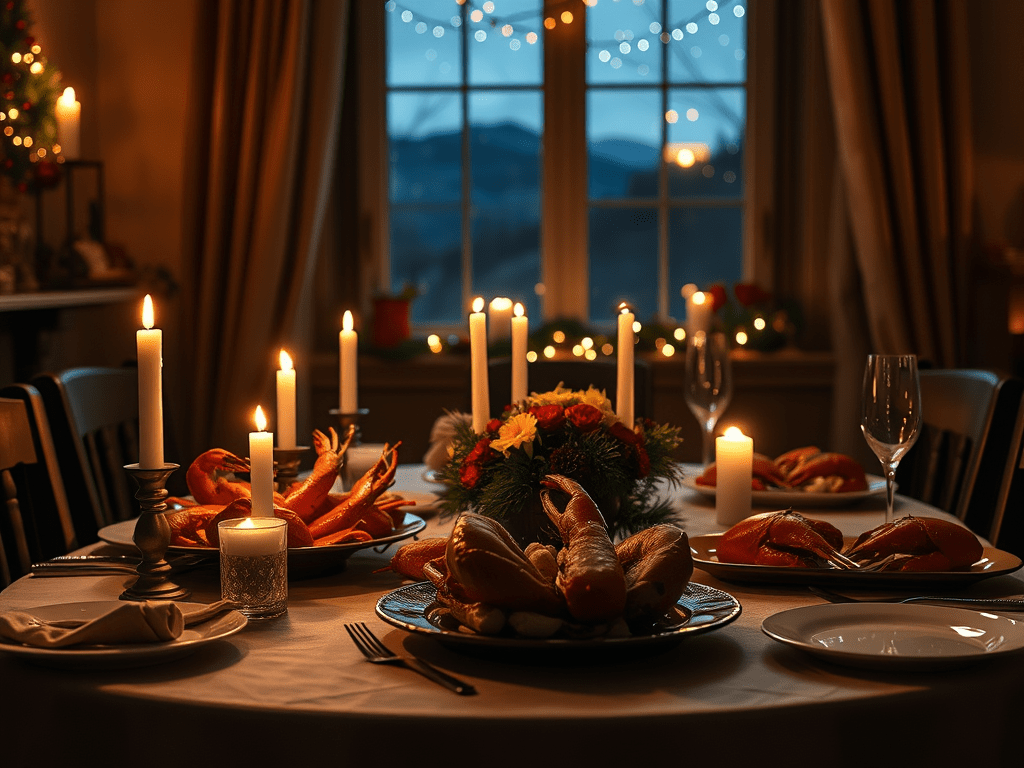
We kept our promises— a birthday celebrated, a table shared. Shrimp, crab, lobster sent from afar. Seventy-two and seventy-six sitting where we always sit, marking forty years of a son’s life a few days before fifty of our own.
Tomorrow she flies north to help new life arrive. The house will learn what silence sounds like.
I will go alone to the Christmas Eve service, for the first time, holding light carefully so it does not go out.
We have already exchanged gifts, already sung our parts— soprano and tenor— already said most of what matters.
What remains is gratitude.
The year closes. Grace has been sufficient. We are ready— not because we are finished, but because we are held.
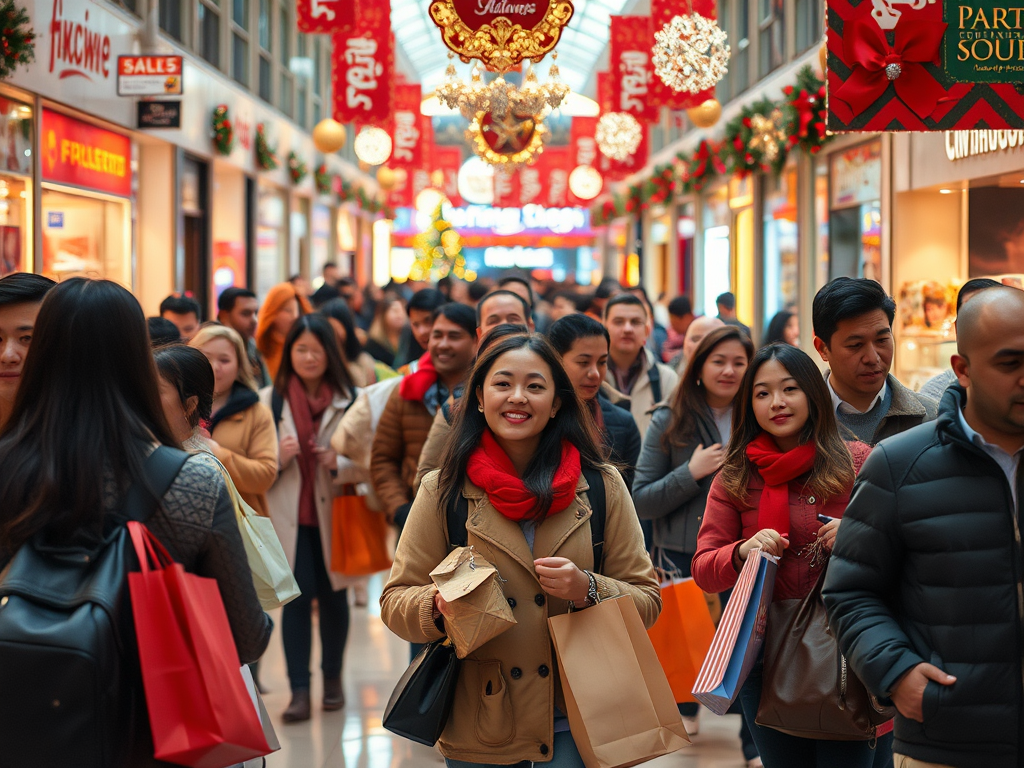
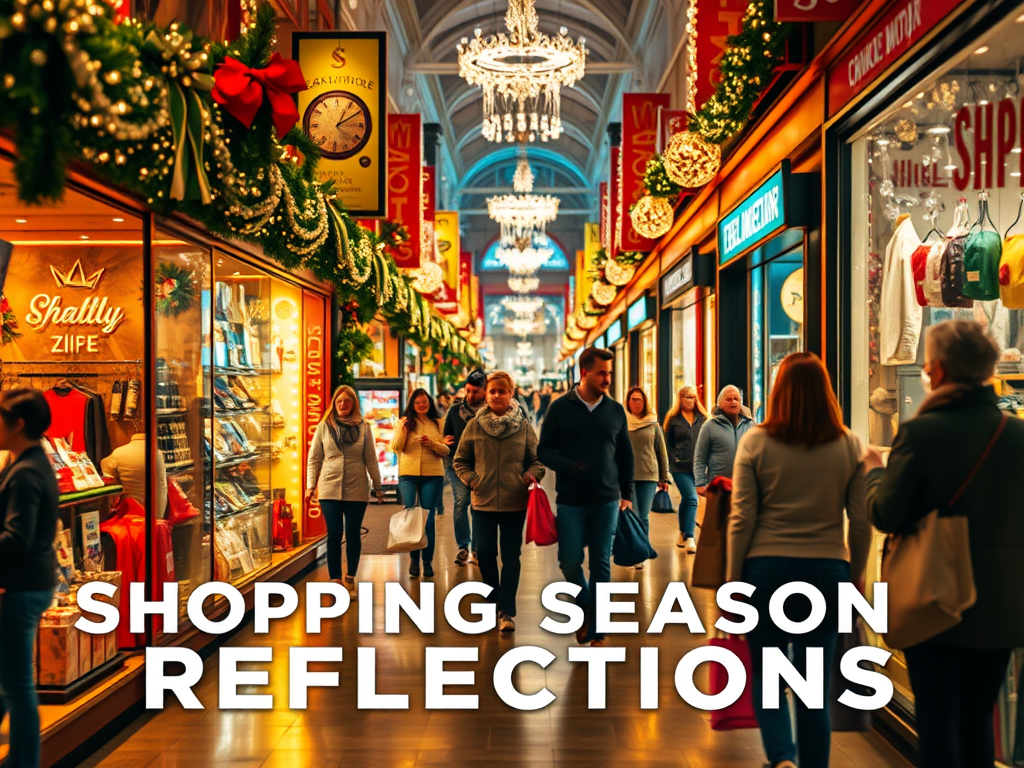
The shopping season has returned. As the year draws to a close, it seems as if newspapers and every form of media have made a firm decision to make people buy something—anything. A full‑scale sales war is underway. And that’s not all. The flood of junk mail delivered to our homes—filled with dazzling colors and attractive models—insists that we must wear this season’s style, or that these new products are more convenient and beautiful, urging us to claim them for ourselves. Even on our computers, advertisements and online catalogs overflow, showing us everything stacked in department stores and shops.
Merchants prepare elaborate strategies for Thanksgiving, Christmas, and New Year’s. Meanwhile, ordinary people often feel strangely empty if they don’t buy something, and so credit‑card debt rises sharply during this season. How do I know this so well? Because for many years, whenever the holiday season arrived, I too felt a compulsive urge to buy something. I wandered through shopping malls until I was exhausted and could walk no more, only then returning home. Of course, for business owners, this is the season when they must make their profit—sometimes the profit of the entire year depends on these weeks.
During this shopping season, I would like us to take time together to consider what we truly must acquire. We have many needs. Yet there are things we desperately need that money cannot buy and material goods cannot replace. Those who are battling illness would not trade their health for all the riches in the world. Even the healthiest among us would refuse any offer that required giving up their health. Without health, no matter how many things we wish to do, we lack the strength and desire to do them.
At times, when speaking with pastors’ wives, I meet those who are deeply concerned about the health of their church members. Seeing members exhausted from overwork, they often say with worry, “What if they collapse one day?” They have seen too many families fall apart because of health problems. But physical health alone is not enough. We also need mental and spiritual health—the health of the soul. Body, mind, and spirit are the most fundamental needs of human life. Through these three, we discover and receive what we truly need.
We are told that we now live in the most consumption‑driven era in human history. Of the six billion people on earth, only twenty percent consume and deplete the planet’s limited resources, while the remaining eighty percent struggle in poverty and hunger. Yet despite this excessive consumption, the quality of our lives continues to decline. Clearly, something has gone wrong somewhere at the very beginning.
As we live our lives, we all know that we need more than money. We need leisure, creativity, beauty, the desire to help others, the ability to weep and laugh together, honest conversation, and open hearts. But the small things we once thought unimportant can suddenly grow into enormous problems—like a dinosaur standing before us—revealing how fragile and unprepared we truly are.
Some of you may know the writer Sarah Ban Breathnach. Her book Simple Abundance was translated into Korean under the title The Discovery of Happiness, arranged by seasons. I first encountered her book years ago in an American bookstore, where it was displayed as a bestseller. I read it with great interest. Later, I found the Korean translation in a bookstore in Korea and bought it again to read it more fully.
Her confession at the beginning of the book was striking: “People tend to live life backward. They try to have more—more money, more possessions—thinking that if they can do what they want, they will be happier. But the result is the opposite. We must first return to our true selves, and then do what is necessary to achieve what we desire.”
She continues: “I desperately wanted money, success, social security, and creative brilliance. But I had no idea what I truly needed. Whenever a wave of emptiness swept over me, I tried to solve it by denying it. I was a workaholic, a caretaker addict, a perfectionist. I cannot even remember the last time I treated myself kindly. I was quick‑tempered, jealous, constantly comparing myself to others, always searching for what seemed missing in my life—yet unable to name it. Money became the only measure of my worth and success. But I lived in constant anger, jealousy, and frustration.It was only while writing this book that I realized why I had been trapped in such despair and rage: I had strayed from the life I was created to live.”
During this shopping season, are you taking time to seek what you truly need?
Too often, instead of investing time in unifying body, mind, and spirit—through reflection, prayer, and walking with the Lord—we live in the disharmony of a fractured life. How many people wound their own bodies and souls, fall into conflict with their families, and carry deep emotional scars because they cannot obtain the material things that flood over them like waves?
As we approach the end of the year, I ask myself: Do I truly know what I need? Am I seeking it? And I resolve once again that in the coming year, I will care for myself more faithfully and pursue genuine happiness.
— Wan‑Hee Yoon, New York Korean Christian Broadcasting, “As I Am,” November 12, 1999
샤핑의 계절이 돌아왔습니다. 년말연시가 되면, 가장 극성스럽게 신문광고와 온갖 미디아를 통해서, 사람들에게 무엇인가를 사게 만들고 말아야겠다는 결단이라도 한 것 처럼, 한창 세일전쟁이 일어나고 있습니다. 그뿐입니까? 우편으로 배달되는 그 많은 정크 메일(?)들은, 화려한 색상과 그럴듯하고 멋진 모델들을 다 동원하여, 이 계절엔 이런 스타일의 옷을 입어야 한다거나, 이런 것들이 더 편리하고 아름답게 나왔으니, 차지해 보라는 듯이 밀려들어오고 있습니다. 책상 앞, 컴퓨터 안에도 우편을 통한 물건들이 범람하고 있으며, 백화점과 상점들에는 어떤 물건들이 쌓여있는지 다 알수가 있습니다. 상인들은 벌써 추수감사절 대목 때, 그리고 성찬과 새해 맞이에는 온갖 전략들을 대비하고, 서민들은 무엇인가를 사지 않으면 또한 곧잘 허탈해져 가기 때문에, 이때에 크레딧 카드의 빚들이 마구 숫자를 올리고 있습니다. 어떻게 그렇게 잘아느냐고요? 저도 한동안 년말연시가 오면, 무엇인가를 사잿겨야 만 되겠다는 강박관념에, 괜히 쇼핑몰을 쏘다니다가 지쳐서 더 이상 걸어 다닐 수 없을 때에야 집으로 들어오던 때가 한두해가 아니었었거든요. 사실 장사하시는 분들은 이 때에 특수대목을 봐야 만 하는 것도 사실이지요. 일년내내 이 때를 통해서 또한 이문을 남겨야 만 될 때지요.
저는 이 샤핑의 계절에, 우리가 꼭 사야 만 될 품목들을 한번 점검해 봤으면 하는 마음에 시간을 여러분들과 함께 보내고자 합니다. 우리에게 필요한 것들이 많이 있습니다. 그러나, 돈으로 살 수 없고, 물질로 대신 할 수 없는 것들이 또한 우리에게는 너무나 절실하게 많이 있습니다. 지금 한창 병으로 투병하고 계시는 분들은, 천하를 준다해도 건강과 바꾸려 하지 않으실 것입니다. 아니, 아무리 건강한 분들도, 건강을 빼앗고 대신 할 것을 준다고 해도, 아마 고개를 내 저을 것입니다. 건강이 없으면, 아무리 하고 싶은 것이 많아도 의욕이 없고, 몸이 따라주질 못해, 아무 것도 할 수 없겠지요. 저는 가끔 사모님들과 대화를 나누다가 교인들의 건강을 무척 염려하시는 사모님들을 만나게 됩니다. 일에 지쳐있는 교인들의 모습 속에 “저러다가 쓰러지면 어떻게 하나!” 하면서 안타까운 심정이라고 토로 할 때가 많습니다. 왜냐면, 머잖은 날에, 건강이 문제가 되어 온 가정이 엉망이 되어가는 예를 너무나 많이 봐 왔기 때문이라는 고백입니다. 그러나 또한 몸의 건강 만이 필요한 것이 아니라, 정신적인 건강- 즉, 영혼의 건강이 우리 모두에겐 꼭 필요합니다. 몸과 영혼과 정신의 건강은 인간에게 있어서 가장 근본적인 필요이며, 이 세가지를 통하여서, 우리는 우리 자신에게 꼭 필요한 것들을 찾을 수 있고 얻을 수 있지요.
지금 우리는 인간의 역사 이래 가장 큰 소비속에 살아가고 있다고 합니다. 60억의 세계인구 중에, 지구의 제한 된 자원을 20%밖에 않되는 인구가 마구 유린하고 있고, 80%의 인구는 가난과 굶주림 속에 허덕이는 삶을 살아가고 있는 현실입니다. 그럼에도 불구하고, 우리들의 진정한 삶의 질은 형편없이 낮아지고 있는 기현상 속에서, 살아가고 있다니, 정말 뭔가, 어디선가, 시작이 잘못되어 있는 것이지요.
사람은 살아가면서, 돈 만이 아니라, 여가와 창조적인 삶과 아름다움을 추구하려는 정신적인 갈등과, 남을 돕고, 함께 울고 웃으며, 가슴을 열어놓는 대화와 진실등의 정신적이고 육적인 일들이 얼마나 필요한지 우리 모두는 알고있지요. 그러나, 그토록 시급하지 않타고 생각했던 작은 일들이, 어느날, 큰 일로 변신되어 공룡처럼 우리 앞에 나타났을 때, 우리는 감당 할 수 없는 너무나 연약한 자신을 발견케 됩니다.
사라본 브론넉이라는 작가를 여러분들 중에는 아시는 분들도 계실 것입니다. 우리나라 말에도 그 분이 쓴 책이 번역이 되었는데 제목은 “행복의 발견”이라 하여 계절별로 나눈 책입니다. 저는 꽤 오래 전에 미국 책방을 갔다가 베스트 셀러로 놓여져 있는 그분의 책을 사서 읽다가, 많은 감명을 받았습니다. 그런데, 어느날 한국 책방에 들렸더니, 그분의 책이 번역이 나와있어서 같은 책을 또 사서, 제대로 된 번역본을 읽게되었습니다.
책머리에 있는 그분의 고백은 참 흥미로웠습니다. “사람들은 대개 거꾸로 살려는 경향이 있다. 그들은 더 많은 것, 더 많은 돈을 소유하려고 노력한다. 그러면 원하는 것을 할 수 있을 것이고, 따라서 더 행복해 질것이라고 생각하기 때문이다. 하지만, 결과는 그와 반대로 나타날 뿐이다. 우리는 우선 자기 본연의 모습으로 돌아가야 한다. 그리고 나서 원하는 것을 위해 꼭해야 할 일을 해야 한다”라고 말하면서 자신의 삶의 여정을 이렇게 나누었습니다. “나는 돈, 성공, 사회적인 안정, 천재적인 창의력을 몹시도 원했다. 하지만 정작 내게 진정으로 필요한 것이 무엇인지를 손톱만큼도 알지 못했다. 격정적인 허전함이 밀려올 때마다 나는 단지 그것들을 부정함으로써 문제를 해결하려 했다. 나는 일중독자요, 남돌보기의 중독자요, 완벽주의자였다. 나는 나자신을 상냥하게 대했던 적이 언제였던가 떠올릴 수 조차도 없었다. … 나는 차라리 화 잘내고 샘 많은 여자로 끊임없이 자신을 다른이들과 비교하고, 결국은 내 인생에 있어서 빠진 듯 보이는 것을 찾아내어 그것이 무엇인지 속시원히 밝히지도 못하는 주제에, 자신의 성만 돋구는 여자였다. 돈은 내 자신의 가치와 성공을 가늠하는 유일한 길이었다. 그러나 나는 늘 분노하고 질투하고, 화가 나서 살 수밖에 없었다…. 그러나, 나는 책을 집필하면서 내가 왜그토록 좌절과 분노속에 사로잡혀있었는지 그 까닭을 알게되었다. 그것은 내가 살아가도록 창조된 진정한 삶에서 벗어나 있었기 때문이다”
쇼핑의 계절, 오늘은 내게 있어서, 진정으로 필요한 것들을 얻기 위한 시간을 갖고 있습니까?
어떻습니까? 우리는 어리석게도 몸과 영혼과 정신 건강의 통일을 위해, 시간을 들이고, 묵상을 하고, 주님과의 동행 속에 삶의 본질 속에 들어가기 보다는, 삶의 부조화와 정신과 몸과 영혼의 불화 속에서 오늘을 살아가고 있지 않나 하는 염려를 하게 됩니다. 얼마나 많은 사람들이, 파도처럼 범람하는 물량들을 손에 얻지 못해 자신의 영혼과 몸을 학대하고, 가족과 불화하고, 마음의 상처를 입고 살아가고 있습니까?
한해를 돌아보아야 하는 때, 나는 진정 내게 필요한 것을 알고, 그것을 찾고 있는가(?) 자신에게 물어봅니다. 그리고 새해는 더 내 자신을 돌보며, 진정 행복질 수 있기를 또 결심해 봅니다.
얼마 전, 나는 「일곱 번째 친구(The Seventh Friend)」라는 짧은 글을 접했습니다. 그 글은 오래도록 내 마음에 남아 있습니다.
어떤 사람이 처음 암 진단을 받으면, 많은 친구들이 찾아온다. 각자 말과 설명, 혹은 조언을 들고서.
첫 번째 친구는 충격에 휩싸여 말합니다. “도저히 믿을 수가 없어. 당신은 늘 그렇게 건강해 보였잖아.” 그는 떠나고, 환자는 자신이 의도하지 않았는데도, 갑자기 스스로 분리된 존재가 된 느낌이들었습니다.
두 번째 친구는 정보로 무장하고 다녀 갔습니다. “무슨 일이 있어도 항암치료는 하지 마. 그건 독이야.” 그는 떠나고, 두려움과 혼란만 남게 되였습니다.
세 번째 친구는 답할 수 없는 질문에 답하려 했습니다. “아마도 당신의 어떤 죄 때문에 하나님이 징계하시는 걸 거야.” 그는 떠나고, 죄책감이 뿌리내리고 말았습니다.
네 번째 친구는 확신에 차 말했습니다. “당신의 믿음이 충분히 크다면, 하나님은 반드시 고쳐주실 거야.” 그는 떠나고, 죄책감은 더 깊어져갔습니다.
다섯 번째 친구는 성경 말씀을 인용했습니다. “모든 것이 합력하여 선을 이루잖아.” 그는 떠나고, 분노가 서서히 일어나고 있음을 알게 되였습니다.
여섯 번째 친구는 아예 오지 않는데,. 외로움이 자리를 잡게 되더군요.
마침내 일곱 번째 친구가 다녀갔습니다. 그는 설명하지 않앗습니다. 조언하지도 않았습니다. 그저 손을 잡고 말했습니다. “나는 너를 아껴. 필요하면 언제나 여기 있어 줄게. 그리고 이 길을 함께 걸어가고 싶어.” 그는 떠나고, 사랑의 온기가 남아 있는 것을 느끼게 되더군요.
지금은 성탄 계절입니다. 아기 예수의 탄생이 우리의 마음을 겸손하게 하듯, 서로의 마음을 어루만질 수 있게 되기를 바랍니다. 해답이 아니라 함께 있음으로, 말이 아니라 사랑으로 다가가도록 우리를 가르치고 계심을 ….








You must be logged in to post a comment.